Every successful interview starts with knowing what to expect. In this blog, we’ll take you through the top Feeding and grooming interview questions, breaking them down with expert tips to help you deliver impactful answers. Step into your next interview fully prepared and ready to succeed.
Questions Asked in Feeding and grooming Interview
Q 1. Describe your experience with different animal diets.
My experience with animal diets spans a wide range, from formulating diets for working dogs requiring high protein and energy to creating specialized diets for geriatric cats with kidney issues or overweight rabbits needing a low-calorie, high-fiber regimen. I’m proficient in understanding the nutritional requirements of various species and life stages, considering factors like age, breed, activity level, and any underlying health conditions. For instance, I’ve successfully managed the transition of a diabetic dog from a standard kibble to a meticulously portioned, low-glycemic index diet, resulting in a significant improvement in its blood glucose control. I also have experience with raw food diets, understanding the need for careful sourcing and preparation to minimize the risk of bacterial contamination. My approach is always tailored to the individual animal’s needs, ensuring a balanced and appropriate nutrient intake.
Q 2. How do you identify signs of malnutrition in animals?
Identifying malnutrition requires a holistic approach. I look for several key indicators. Obvious weight loss is a significant sign, but I also assess body condition score – a standardized measure of muscle and fat reserves. Animals with malnutrition often exhibit a dull, dry coat; poor muscle development, especially over the ribs, hips, and spine; and lethargy or weakness. Other signs can include pale gums, poor appetite, and a weakened immune system, making them more susceptible to infections. For example, a cat consistently losing weight despite seemingly normal food intake could indicate underlying issues like hyperthyroidism or intestinal parasites, requiring further investigation. Early detection is crucial; prompt veterinary attention can reverse the negative effects of malnutrition.
Q 3. Explain your process for administering medication through food.
Administering medication through food requires careful consideration of the animal’s preferences and the medication itself. First, I identify a palatable food the animal readily consumes. The medication is then thoroughly mixed into a small amount of this food, ensuring it’s evenly distributed. It’s important to avoid strong-smelling or tasting foods that might mask the medication’s presence and lead to refusal. For finicky eaters, I might use a small amount of tuna or chicken broth to help conceal the medicine. I always observe the animal after medication administration to ensure they consume the entire portion. If an animal consistently refuses medication hidden in food, I’ll consult with a veterinarian to explore alternative administration methods. Documentation is key, including the date, time, medication administered, and the animal’s reaction. For example, with a dog requiring daily antibiotics, I’d meticulously record each dosage and monitor for any side effects, such as vomiting or diarrhea.
Q 4. What are the common grooming needs of dogs, cats, and horses?
The grooming needs of dogs, cats, and horses differ significantly. Dogs, depending on their breed and coat type, need regular brushing to prevent matting and shedding, nail trimming, and occasional bathing. Long-haired breeds require more frequent brushing than short-haired breeds. Cats generally groom themselves extensively, but still benefit from occasional brushing, particularly long-haired breeds, to prevent hairballs. Nail trimming is also important for cats. Horses require more comprehensive grooming, including brushing their entire body to remove dirt and debris, hoof cleaning to prevent infections, and mane and tail care. Regular grooming is essential for maintaining the health and hygiene of all these animals.
Q 5. How do you handle aggressive or fearful animals during grooming?
Handling aggressive or fearful animals during grooming requires patience, understanding, and appropriate safety measures. For aggressive animals, I use positive reinforcement techniques, like rewarding calm behavior with treats and praise. I work slowly and deliberately, avoiding sudden movements that might trigger aggression. For fearful animals, I create a calm and reassuring environment, using gentle touches and a soothing voice. In some cases, I might use muzzles or other restraining devices, but only when necessary and under veterinary guidance, prioritizing animal safety and comfort. I always prioritize the animal’s safety and well-being above all else. Building trust takes time and consistency. Each animal is an individual, and my approach is adapted to suit their specific needs and anxieties.
Q 6. Describe your experience with various grooming tools and techniques.
My experience encompasses a wide array of grooming tools and techniques. For dogs, I utilize various brushes, from slicker brushes for removing loose fur to de-shedding tools for heavier coats. I’m skilled in nail clipping and grinding, and proficient in techniques for cleaning ears and anal glands. For cats, I use specialized brushes for different coat types, mindful of their sensitivity. For horses, I use curry combs, dandy brushes, and stiff brushes for removing dirt and mud. I’m experienced in using hoof picks and applying hoof oil to maintain hoof health. I constantly update my knowledge with the latest grooming techniques and technologies, ensuring I use the most effective and humane methods.
Q 7. How do you prevent skin irritations during grooming?
Preventing skin irritations during grooming involves several key steps. Firstly, using high-quality, animal-specific shampoos and conditioners is crucial. Human shampoos can disrupt the animal’s natural skin pH, leading to dryness and irritation. Secondly, thorough rinsing is essential to remove all shampoo residue, which can otherwise cause irritation. Thirdly, I always check for any pre-existing skin conditions before grooming, such as allergies, cuts, or infections. If any skin issues are identified, I adjust my grooming approach accordingly, or refer the animal to a veterinarian. Finally, proper drying is vital; leaving animals damp can lead to skin infections. Using a low heat setting on a dryer can be helpful in some cases but it should be done carefully to avoid burning or overheating. Regularly assessing the animal’s skin for any signs of irritation or dryness throughout the grooming process is extremely important.
Q 8. What are the signs of a healthy coat?
A healthy coat is the hallmark of a healthy pet. It’s more than just shiny fur; it reflects overall well-being. Key signs include:
- Lustrous Shine: A healthy coat possesses a natural sheen, indicating proper hydration and nutrition.
- Appropriate Texture: The texture should be consistent with the breed standard – smooth, silky, wiry, or curly, free from excessive dryness or oiliness.
- Even Color and Pigmentation: Patches of discoloration or dullness might indicate underlying health issues.
- Minimal Shedding (within breed norms): Excessive shedding could point to dietary deficiencies, allergies, or parasites.
- No Skin Irritation: The skin should be free from redness, scaling, lesions, or excessive itching.
For example, a German Shepherd with a dull, patchy coat might need a dietary adjustment or veterinary attention for allergies, while a Persian cat’s coat should remain silky and free from mats.
Q 9. How do you adapt your grooming techniques to different breeds and coat types?
Grooming techniques are deeply breed-specific. A Yorkshire Terrier’s long, flowing coat requires daily brushing and meticulous detangling to prevent matting, while a Great Dane’s short coat needs less frequent brushing but still benefits from regular checks for skin issues. Coat types also dictate technique:
- Short Coats: Regular brushing with a firm bristle brush helps remove loose hair and distribute skin oils.
- Long Coats: Daily brushing with a slicker brush, undercoat rake, and wide-tooth comb prevents matting and tangles. Regular bathing might be necessary.
- Wiry Coats: These coats often require stripping or hand-stripping to remove dead hair, preventing matting and maintaining the coat’s texture. This is a specialized skill.
- Curly Coats: These coats need regular combing and detangling to prevent knots, often requiring specialized tools.
For instance, I’ve successfully groomed a Standard Poodle using a variety of techniques, including de-shedding tools, and maintained a silky coat on a Bichon Frise with daily brushing and regular bathing.
Q 10. Explain your experience with parasite control and prevention.
Parasite control is crucial for maintaining animal health. My approach involves a multi-pronged strategy encompassing prevention and treatment:
- Regular Inspections: Carefully examine the animal’s coat and skin for fleas, ticks, mites, and lice.
- Preventative Medications: I advise clients on appropriate parasite preventative medications, such as topical treatments or oral medications, tailored to the animal’s age, weight, and health status. I always emphasize the importance of consulting with a veterinarian before starting any medication regimen.
- Environmental Control: Recommend cleaning and treating the animal’s bedding, living space, and surrounding environment to eliminate parasites.
- Treatment of Infestations: In case of infestations, I assist in administering prescribed medications and recommend appropriate grooming techniques to manage the infestation.
For example, I once helped a client whose dog had a severe flea infestation. We used a combination of prescribed medication, regular grooming with a flea comb, and thorough cleaning of the house to successfully eradicate the infestation.
Q 11. How do you maintain a clean and sanitary grooming environment?
Maintaining a clean and sanitary grooming environment is paramount. This involves:
- Regular Disinfection: All surfaces, tools, and equipment are disinfected between each pet using veterinary-approved disinfectants. This prevents the spread of bacteria, viruses, and parasites.
- Proper Waste Disposal: Hair, debris, and other waste are disposed of immediately and appropriately.
- Ventilation: Good ventilation prevents the buildup of pet dander and odors.
- Clean Towels and Linens: Fresh towels and linens are used for each pet, and soiled items are laundered immediately.
- Personal Hygiene: I maintain strict personal hygiene, including handwashing and the use of protective clothing.
This methodical approach minimizes the risk of cross-contamination and ensures a safe and healthy environment for both the animals and myself. I’ve found that a meticulous cleaning schedule contributes greatly to client satisfaction.
Q 12. Describe your experience with nail trimming and ear cleaning.
Nail trimming and ear cleaning are essential grooming tasks. I approach them with patience and caution:
- Nail Trimming: I use sharp, high-quality clippers and trim only the quick (the pink part containing nerves and blood vessels), avoiding bleeding. For pets that are nervous, I may utilize calming techniques or work in short sessions.
- Ear Cleaning: I use veterinarian-recommended ear cleaning solutions and cotton balls or gauze to gently clean the outer ear canal, avoiding deep insertion which could damage the eardrum. Regular checks for ear infections, ear mites, or excessive wax buildup are essential.
I had a client whose dog had extremely sensitive ears. We developed a gradual desensitization program, involving gentle handling and positive reinforcement, which ultimately led to successful ear cleaning sessions without any stress for the dog.
Q 13. How do you handle emergency situations during grooming?
Emergency situations can arise during grooming. My response is guided by training and preparedness:
- Bleeding: I’m trained to handle bleeding from accidental nail cuts using styptic powder or other appropriate methods to control the bleeding.
- Anxiety or Aggression: I utilize calming techniques, such as positive reinforcement and reassuring communication, to manage anxious or aggressive pets. If necessary, I might seek assistance from a handler or reschedule the appointment.
- Seizures: I’m equipped to recognize and manage seizures. This involves protecting the animal from injury, contacting the owner immediately, and calling veterinary emergency services if needed.
- Allergic Reactions: I can recognize signs of allergic reactions (e.g., hives, swelling) and take immediate action, such as contacting the owner and veterinary services.
Thorough preparation and experience are invaluable. I know, for example, where the nearest veterinary emergency facility is located in case of any critical incidents.
Q 14. What are your knowledge of different feeding methods (e.g., free feeding, timed feeding)?
Different feeding methods have distinct advantages and disadvantages. Understanding the nuances is key to tailoring a plan to the pet’s individual needs:
- Free Feeding: This method allows the pet to eat whenever it wants. It can be convenient but might lead to overeating and obesity in some animals.
- Timed Feeding: This method involves feeding the pet at set times throughout the day, typically twice daily. It helps regulate blood sugar levels and can be beneficial for weight management. Portion control is crucial.
- Portion Control: Regardless of the feeding method, it is vital to measure and control food portions to avoid overfeeding. This is especially important for pets prone to obesity.
For example, a senior dog with a tendency to overeat might benefit from timed feeding with carefully measured portions. Conversely, a young, active cat might tolerate free feeding well as long as its weight is closely monitored. Always consider the pet’s age, activity level, and breed-specific metabolic rates.
Q 15. How do you ensure the correct portion size for different animal sizes and breeds?
Determining the correct portion size for an animal is crucial for maintaining its ideal weight and health. It’s not a one-size-fits-all approach; it depends on several factors including the animal’s breed, age, activity level, metabolism, and overall health condition.
I typically use a combination of methods. First, I consult breed-specific guidelines and weight charts. These provide a baseline for the daily caloric needs. However, these are just estimates. I then assess the individual animal’s body condition score (BCS). This is a visual assessment of muscle and fat reserves, and it helps me fine-tune the portion size. A BCS of 5/9 is generally considered ideal for most pets. If an animal is overweight (higher BCS), I’ll reduce the portion size, and vice versa for underweight animals. I also consider their activity levels – a highly active dog will require more calories than a sedentary cat. Finally, I regularly monitor the animal’s weight to make adjustments as needed.
For example, a small Chihuahua will require a significantly smaller portion than a Great Dane, even if they’re both adults. A senior dog may need fewer calories than a younger, more energetic dog of the same breed. I always advocate for gradual changes in food intake to avoid digestive upset.
Career Expert Tips:
- Ace those interviews! Prepare effectively by reviewing the Top 50 Most Common Interview Questions on ResumeGemini.
- Navigate your job search with confidence! Explore a wide range of Career Tips on ResumeGemini. Learn about common challenges and recommendations to overcome them.
- Craft the perfect resume! Master the Art of Resume Writing with ResumeGemini’s guide. Showcase your unique qualifications and achievements effectively.
- Don’t miss out on holiday savings! Build your dream resume with ResumeGemini’s ATS optimized templates.
Q 16. Describe your experience with special dietary needs (e.g., allergies, sensitivities).
Managing animals with special dietary needs requires careful planning and attention to detail. I have extensive experience handling allergies and sensitivities, both common (e.g., grain allergies, dairy sensitivities) and less common (e.g., specific protein intolerances). My approach always begins with a thorough understanding of the animal’s condition, usually obtained through veterinary consultation. This helps identify the specific allergens or sensitivities that need to be avoided.
Once the dietary restrictions are known, I carefully select appropriate commercial diets formulated for these needs or work with a veterinary nutritionist to develop a custom diet. For example, I’ve worked with dogs with grain allergies by switching them to grain-free diets, and cats with urinary tract issues by providing diets low in magnesium and ash. Regular monitoring of the animal’s health, including stool consistency and coat condition, is essential to ensure the diet is effective and well-tolerated. Food trials with gradual introductions of new foods are key to identifying any adverse reactions. Accurate record-keeping of food intake and any observed changes is vital.
Q 17. How do you identify and address behavioral problems related to feeding?
Behavioral problems related to feeding can range from food aggression to excessive begging. Identifying the root cause is crucial for effective intervention.
For instance, food aggression might stem from resource guarding, learned behavior (past experiences of food competition), or even underlying medical conditions. Addressing this requires a multi-pronged approach, often involving behavioral modification techniques like counter-conditioning and desensitization. I might use techniques like feeding in separate locations, using puzzle feeders to slow down eating and reduce stress, and introducing positive reinforcement training to associate mealtimes with positive experiences.
Excessive begging, on the other hand, can be a learned behavior often rewarded unintentionally by owners. In such cases, I advise owners to maintain consistent feeding routines, ignoring begging attempts, and rewarding calm behavior instead. It’s essential to rule out any underlying medical conditions that might contribute to increased hunger or appetite.
Q 18. How do you handle picky eaters?
Picky eating in animals can be frustrating, but it’s often manageable with patience and a systematic approach. It’s important first to rule out any underlying medical conditions that might be affecting appetite.
My strategy for managing picky eaters involves exploring different food textures, flavors, and temperatures. I often introduce new foods gradually, mixing small amounts with the preferred food initially. Puzzle feeders can also stimulate interest and make eating more engaging. I also avoid rewarding picky behavior – never give in and offer something else if the animal refuses the intended meal. Positive reinforcement during mealtimes can help create positive associations with eating. In some cases, working with a veterinary nutritionist to create a customized diet that caters to the animal’s preferences and nutritional requirements may be necessary.
For example, I’ve successfully managed picky eaters by gradually introducing wet food alongside kibble, offering a variety of flavors, and incorporating frozen treats to enhance the eating experience. Consistency is key. The goal is not to give in to whims but to establish healthy eating patterns.
Q 19. What are the different types of grooming tools and their appropriate uses?
Grooming tools vary greatly depending on the animal’s coat type and the grooming task. Proper tool selection is critical to ensure both effectiveness and animal comfort.
- Brushes: Slicker brushes are excellent for removing loose undercoat and mats from longer-haired breeds. Bristle brushes are ideal for shorter-haired breeds and help distribute natural oils. Undercoat rakes effectively remove excess undercoat.
- Combs: Fine-toothed combs are useful for removing tangles and mats, particularly in longer hair. Wide-toothed combs are good for detangling thicker coats.
- Shears/Clippers: Shears are used for trimming around the face, paws, and sanitary areas. Clippers are useful for shaving or trimming long coats. Choosing the right blade size for the coat type is essential.
- Other tools: Nail clippers, nail grinders, ear cleaning solutions, and cotton balls are all necessary for maintaining hygiene.
The wrong tools can cause discomfort or even injury. For example, using a slicker brush on short-haired animals can irritate their skin, whereas a fine-toothed comb might pull on the hairs of a thick, long coat.
Q 20. Describe your experience with different types of shampoos and conditioners.
Shampoos and conditioners for animals are specifically formulated to suit different coat types and skin conditions. Choosing the right product is crucial for maintaining a healthy coat and skin.
I have experience with various types, including those formulated for sensitive skin, dry coats, oily coats, and those with medicated ingredients for specific skin issues such as dandruff or allergies. For example, I’ve used oatmeal-based shampoos for dogs with dry, itchy skin, and medicated shampoos for cats with flea allergies.
Conditioners are used to soften the coat, reduce tangles, and add shine. Some conditioners even have detangling properties that make combing easier, reducing stress for the animal during grooming. The choice of shampoo and conditioner often depends on the animal’s individual needs, as recommended by a veterinarian if necessary.
Q 21. How do you manage waste disposal during feeding and grooming?
Waste disposal during feeding and grooming is a crucial aspect of hygiene and sanitation. I always follow strict protocols to ensure safety and prevent the spread of disease.
During feeding, leftover food should be properly disposed of immediately to prevent attracting pests. For grooming, I use disposable wipes or towels and dispose of these materials in sealed garbage bags. Used clippers and other tools are cleaned and disinfected thoroughly after each use. Hair and other debris are carefully collected and disposed of to maintain cleanliness. In professional settings, this might involve specific waste disposal containers and adherence to local regulations. All procedures are conducted in a well-ventilated area to minimize exposure to airborne particles.
Maintaining a clean work environment minimizes risks of infections, infestation, and keeps both the animal and the handler healthy. Proper waste disposal is an essential part of responsible animal care.
Q 22. What safety measures do you employ when handling animals?
Animal safety is paramount. My approach involves a layered strategy focusing on both animal behavior and physical safety. Before handling any animal, I assess its temperament. Signs of aggression, fear, or discomfort are carefully noted. This assessment guides my approach; for instance, a fearful cat requires a gentler, slower introduction than a confident dog. I always use appropriate restraint techniques – never rough or forceful – opting for techniques like gentle scruffing for cats or harnesses for dogs, only when absolutely necessary. I maintain a safe working environment by ensuring that grooming tools are sharp and in good working order, and the grooming area is clean and free of hazards. Furthermore, I am trained in recognizing signs of distress in animals, such as panting, excessive salivation, or changes in body language, and immediately adjust my approach or seek veterinary advice if needed. For example, if a dog starts showing signs of stress during grooming, I will take a break and try again later in a more relaxed environment. Working with potentially aggressive animals necessitates additional safety measures, like using muzzles (with careful and proper fitting to avoid causing discomfort), and having a second person present for assistance.
Q 23. How do you stay up to date on best practices for animal feeding and grooming?
Keeping abreast of the latest best practices in animal feeding and grooming is a continuous process. I regularly attend workshops and seminars offered by organizations like the Veterinary Information Network (VIN) and the American Society for the Prevention of Cruelty to Animals (ASPCA). I also subscribe to relevant professional journals, such as the Journal of the American Veterinary Medical Association and veterinary-focused publications. Online resources, reputable veterinary websites, and continuing education courses through veterinary schools also provide invaluable updates. Moreover, I actively participate in professional networks and engage in discussions with other experienced groomers and veterinary professionals. This collaborative learning keeps my knowledge sharp and allows me to adopt new techniques and safety protocols quickly. For example, recent advances in understanding feline dietary requirements, especially concerning urinary tract health, have directly influenced the recommendations I give my clients.
Q 24. Describe a time you had to troubleshoot a problem with an animal’s diet or grooming.
I once encountered a dog with chronic skin issues despite following a recommended diet and grooming routine. The dog’s coat was consistently dull and itchy, and he exhibited excessive scratching. Initial assessments ruled out allergies. I systematically investigated potential causes. I closely examined the ingredients of his food, looking for potential irritants, even minor ones. I then reviewed the grooming products, considering any potential chemical sensitivities. It turned out the seemingly innocuous flea and tick shampoo contained a fragrance that was triggering his skin problems. Switching to an unscented, hypoallergenic shampoo and making some minor dietary adjustments, based on conversations with the owner and veterinary advice, solved the issue. The improvement was dramatic – his coat became shiny, his scratching ceased, and his overall demeanor improved significantly. This highlighted the importance of comprehensive assessment and attention to detail in troubleshooting animal health problems.
Q 25. How do you handle client concerns about their pet’s feeding or grooming?
Client communication is crucial. I always begin by actively listening to their concerns. Empathetically acknowledging their feelings is paramount. Then, I clearly and patiently explain any potential causes, using simple, jargon-free language. I make sure to answer all their questions thoroughly. For instance, if a client is worried about their dog’s weight, I explain the relationship between food intake, activity level, and breed-specific metabolic rates. If they have concerns about grooming practices, I demonstrate the procedures and address any misconceptions. When necessary, I collaborate with their veterinarian. A transparent and open dialogue builds trust and ensures that the client feels heard and understood. Should a disagreement persist, I remain professional, maintaining a respectful approach, and offer alternative solutions or consult with a senior colleague or a vet.
Q 26. What are your knowledge of animal anatomy as it relates to grooming?
A strong understanding of animal anatomy is essential for safe and effective grooming. Knowing the location of bones, muscles, and sensitive areas is critical for avoiding injury. For example, understanding the location of the spine is vital when brushing or trimming around the back. Knowing the position of the eyes, ears, and other sensitive areas helps to prevent accidental injury during grooming. Awareness of the different coat types, such as single and double coats, and their specific needs (like undercoat removal for shedding breeds) informs the grooming process. The anatomy of paw pads and nails requires understanding for safe nail trimming. Similarly, knowledge of the anatomical location of various glands, such as anal glands, is necessary to ensure appropriate handling and prevent any damage. This anatomical knowledge also helps in recognizing any abnormalities, such as lumps, bumps, or skin lesions, which can then be brought to the attention of the owner or a veterinarian.
Q 27. How do you maintain records of feeding and grooming schedules?
Maintaining accurate and readily accessible records is crucial for responsible pet care. I utilize a combination of digital and physical records. For each animal, I maintain a detailed file including: the feeding schedule, detailing the type of food, quantity, and frequency of feeding; the grooming schedule, outlining the frequency and type of grooming services provided; and any notes on their dietary requirements, allergies, or preferences, as well as any grooming-related issues or progress. I use a digital database software that allows easy access and record keeping. This system facilitates efficient scheduling and tracking of appointments and ensures consistency in care. Hard copies of relevant information, signed by the client, are also kept in a secure filing system. This dual system ensures data is both easily accessible and protected against technological failures. This detailed record-keeping ensures that each animal receives consistent and appropriate care, and provides a valuable resource for future reference and continuity of care if the animal changes handlers.
Key Topics to Learn for Feeding and Grooming Interview
- Nutritional Needs: Understanding the dietary requirements of different animal species (e.g., dogs, cats, birds, livestock), considering age, breed, health conditions, and activity levels. Practical application: Designing balanced meal plans and identifying potential nutritional deficiencies.
- Feeding Techniques: Proper feeding methods (e.g., free feeding, timed feeding, portion control), recognizing signs of food aversion or digestive issues, and adapting feeding strategies to individual animal needs. Practical application: Troubleshooting feeding problems and ensuring optimal animal health through proper feeding practices.
- Grooming Techniques: Mastering various grooming practices such as bathing, brushing, nail trimming, ear cleaning, and dental care for different animal types. Practical application: Performing grooming procedures safely and effectively, recognizing signs of skin conditions or parasites.
- Hygiene and Sanitation: Maintaining a clean and sanitary environment for animals, understanding the importance of disease prevention through hygiene protocols, and proper disposal of waste. Practical application: Implementing and maintaining effective hygiene and sanitation practices to prevent the spread of disease.
- Animal Handling and Restraint: Safe and humane handling techniques for various animals, understanding animal behavior and stress indicators, and appropriate restraint methods for specific procedures. Practical application: Minimizing stress and ensuring safety during feeding and grooming.
- Health and Safety: Recognizing signs of illness or injury in animals, understanding basic first aid, and implementing appropriate safety measures to prevent accidents. Practical application: Identifying potential health concerns and taking appropriate action.
- Record Keeping: Maintaining accurate and detailed records of feeding and grooming activities, including dietary plans, grooming schedules, and any observations related to animal health. Practical application: Providing clear and comprehensive information to colleagues and veterinarians.
Next Steps
Mastering feeding and grooming techniques is crucial for a successful career in animal care. It demonstrates your commitment to animal welfare and your ability to provide high-quality care. To significantly increase your job prospects, create an ATS-friendly resume that highlights your skills and experience effectively. We highly recommend using ResumeGemini to build a professional and impactful resume that showcases your abilities in the best possible light. ResumeGemini provides examples of resumes tailored to the Feeding and Grooming field to help guide you through the process.
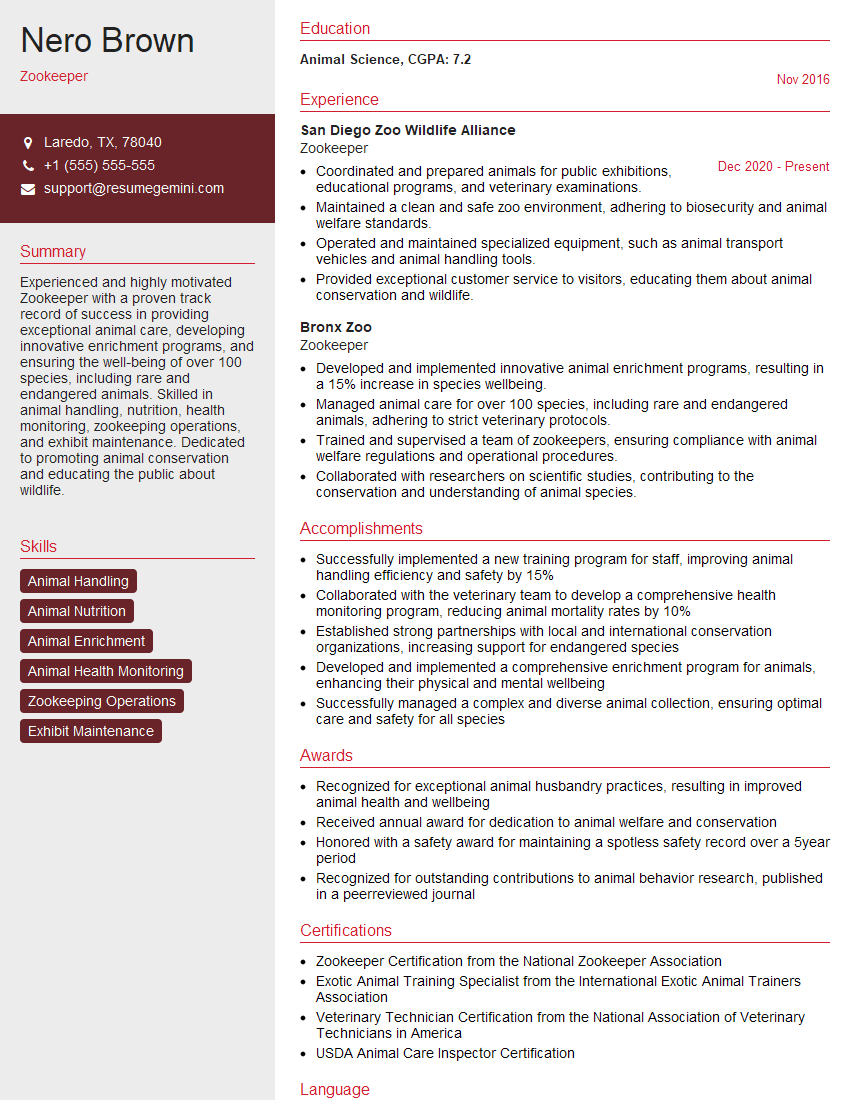
Zookeeper Resume Sample

Veterinary Assistant Resume Sample
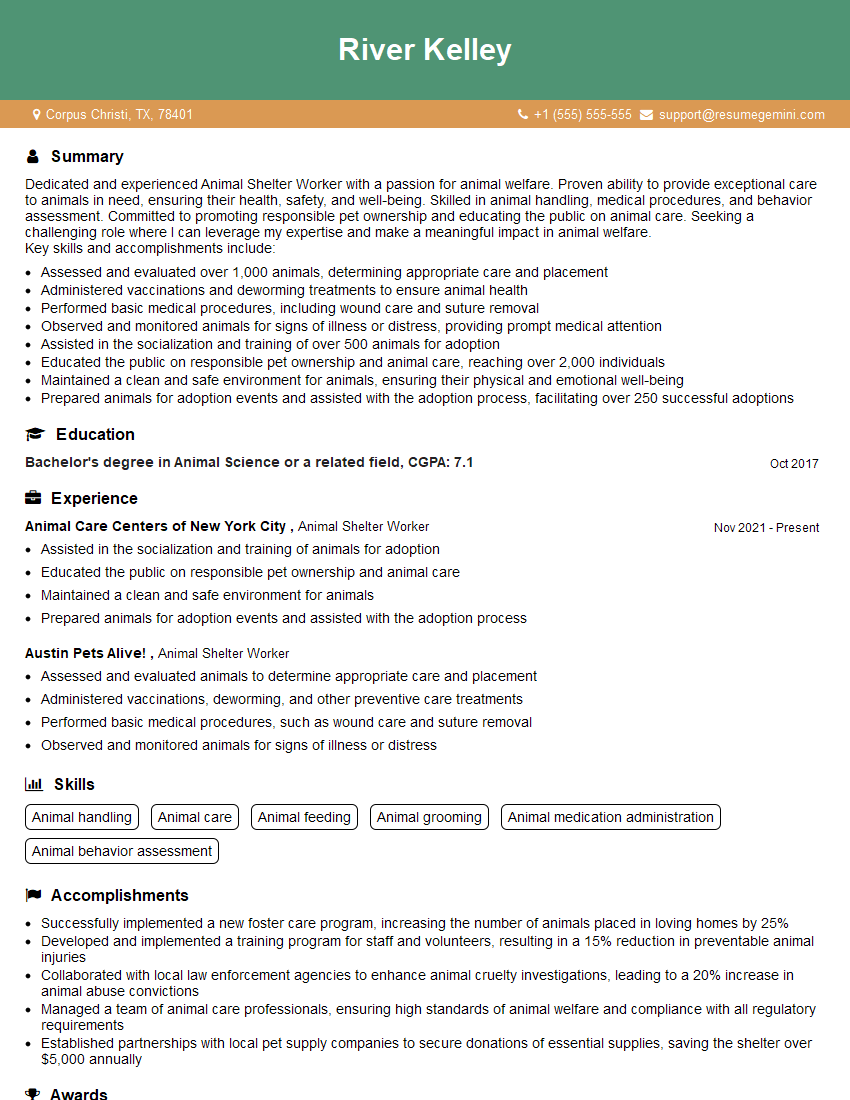
Animal Shelter Worker Resume Sample
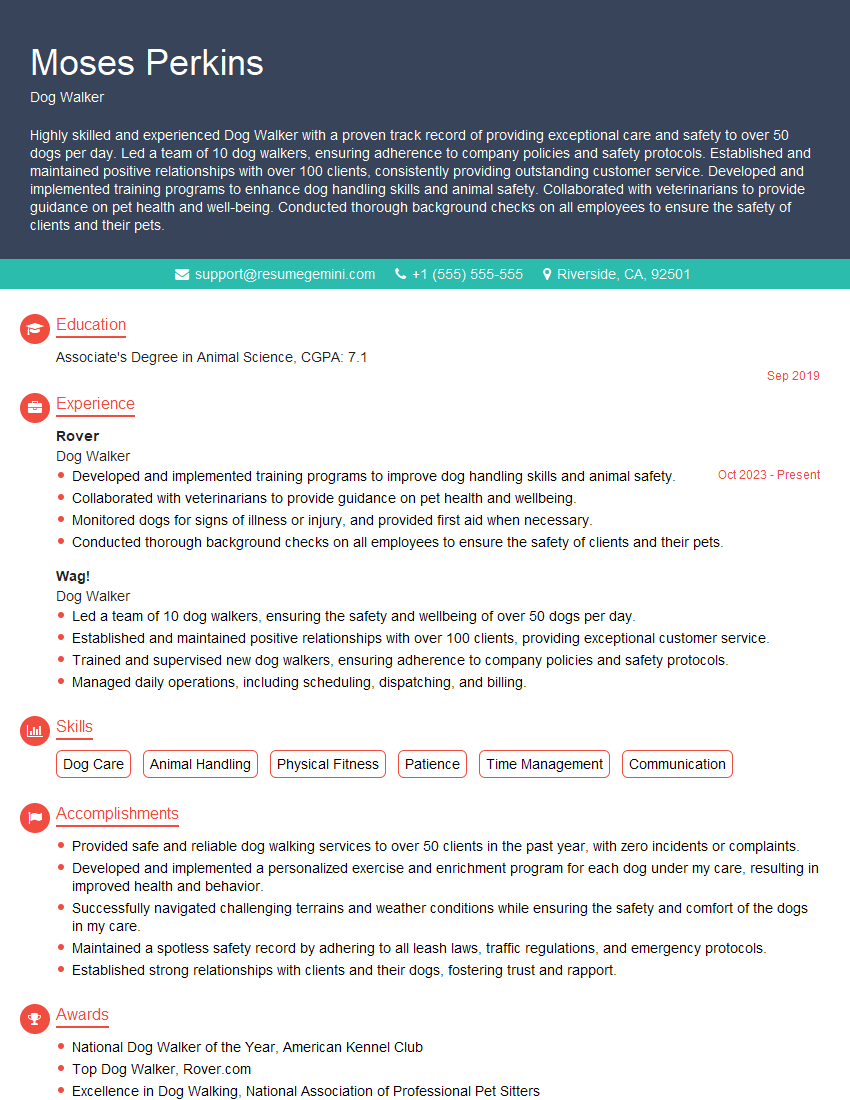
Dog Walker Resume Sample
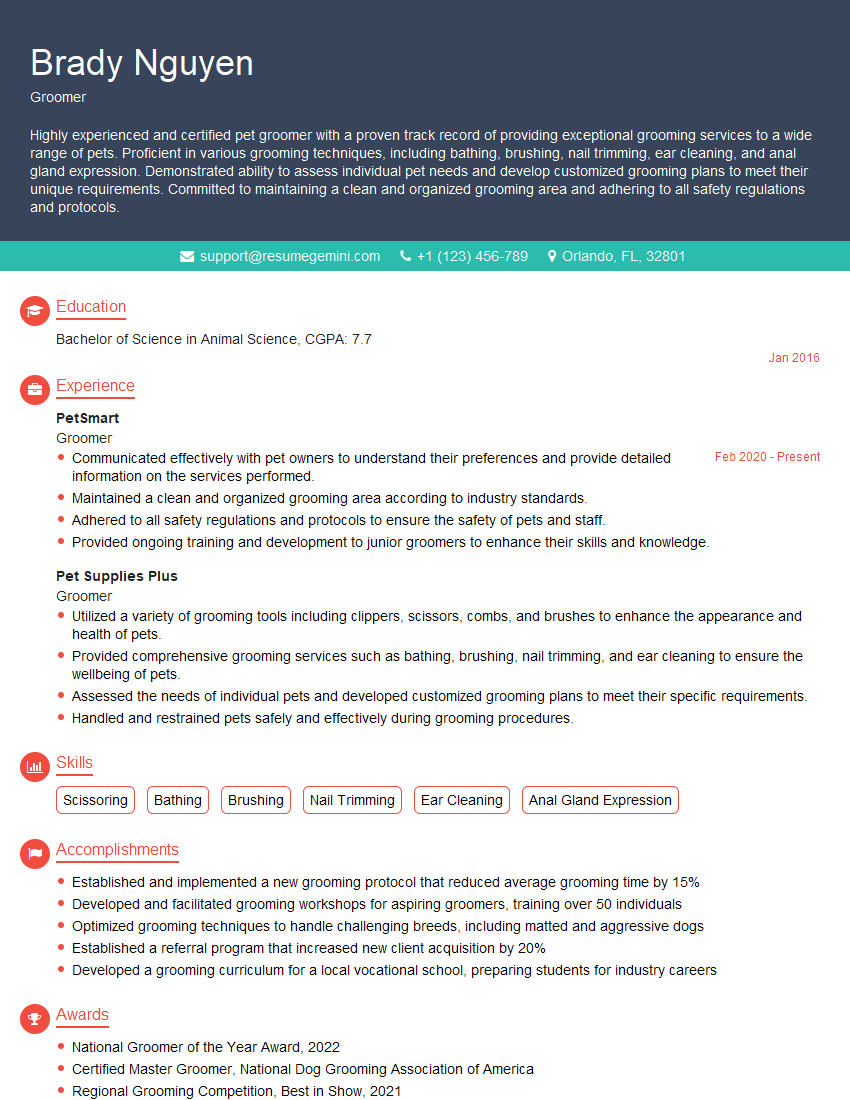
Groomer Resume Sample
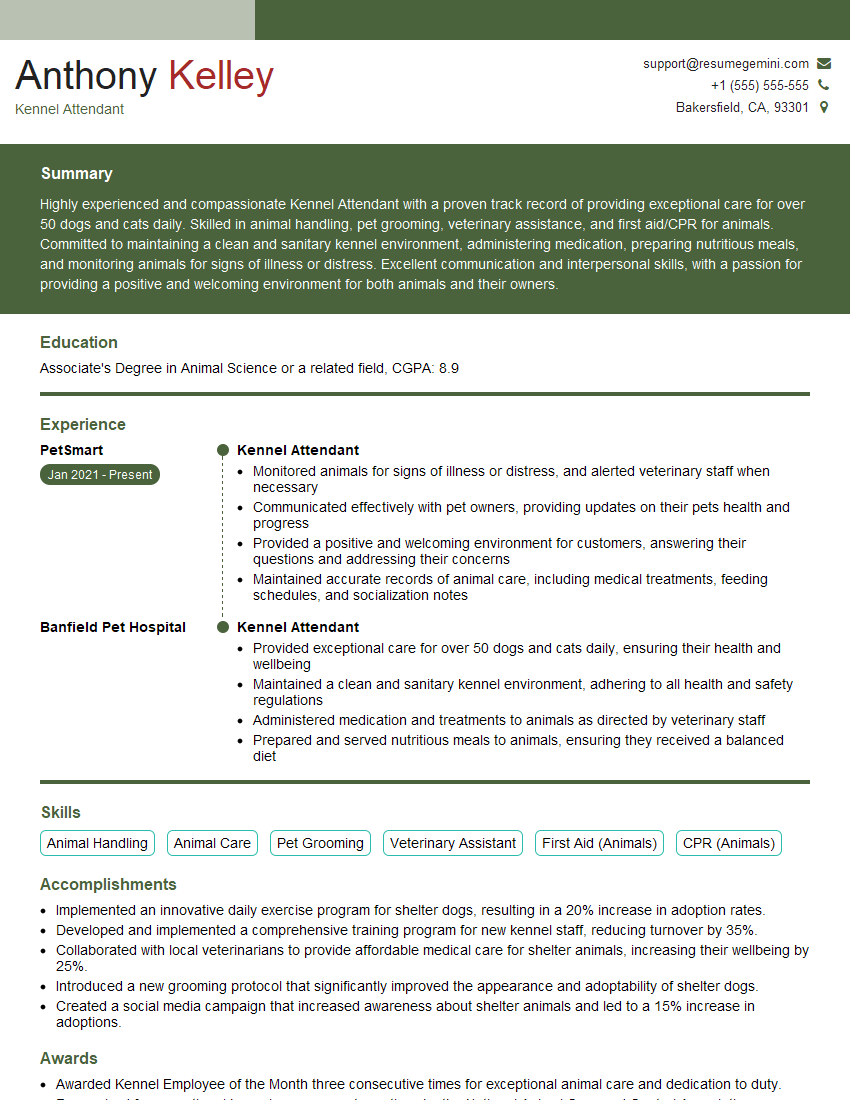
Kennel Attendant Resume Sample

Mobile Pet Groomer Resume Sample
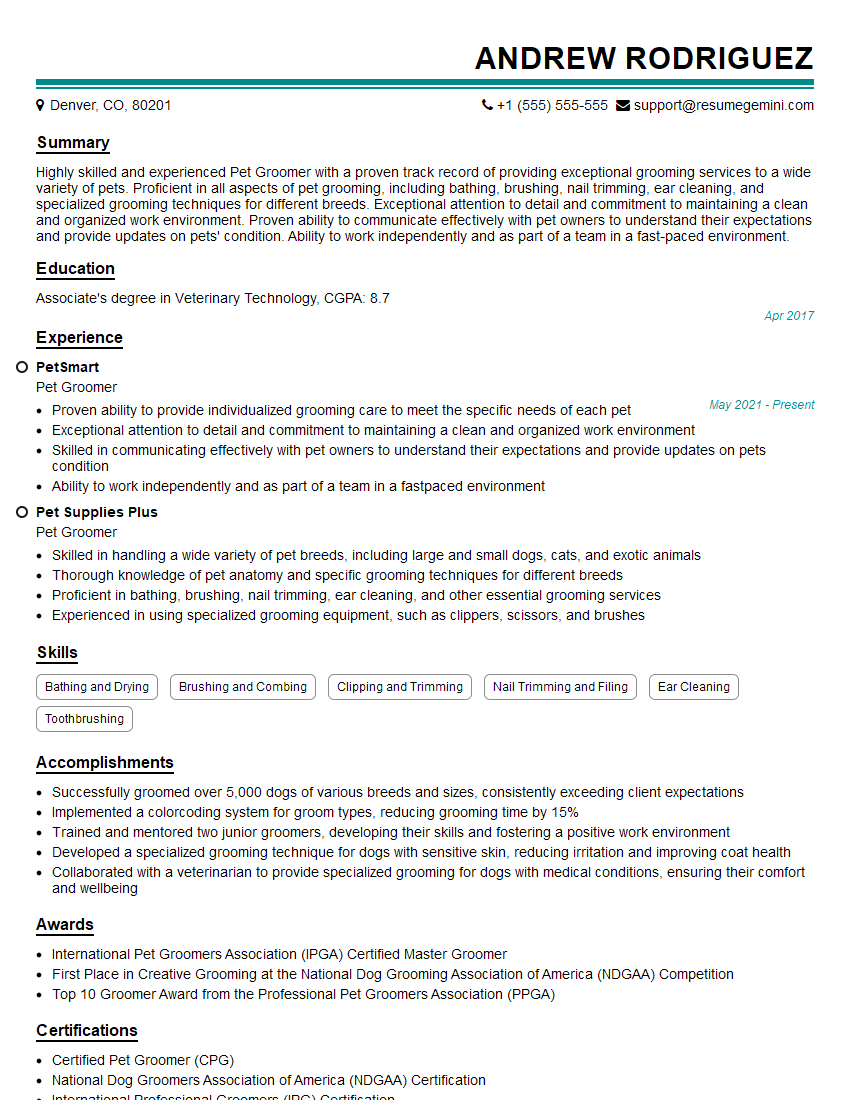
Pet Groomer Resume Sample
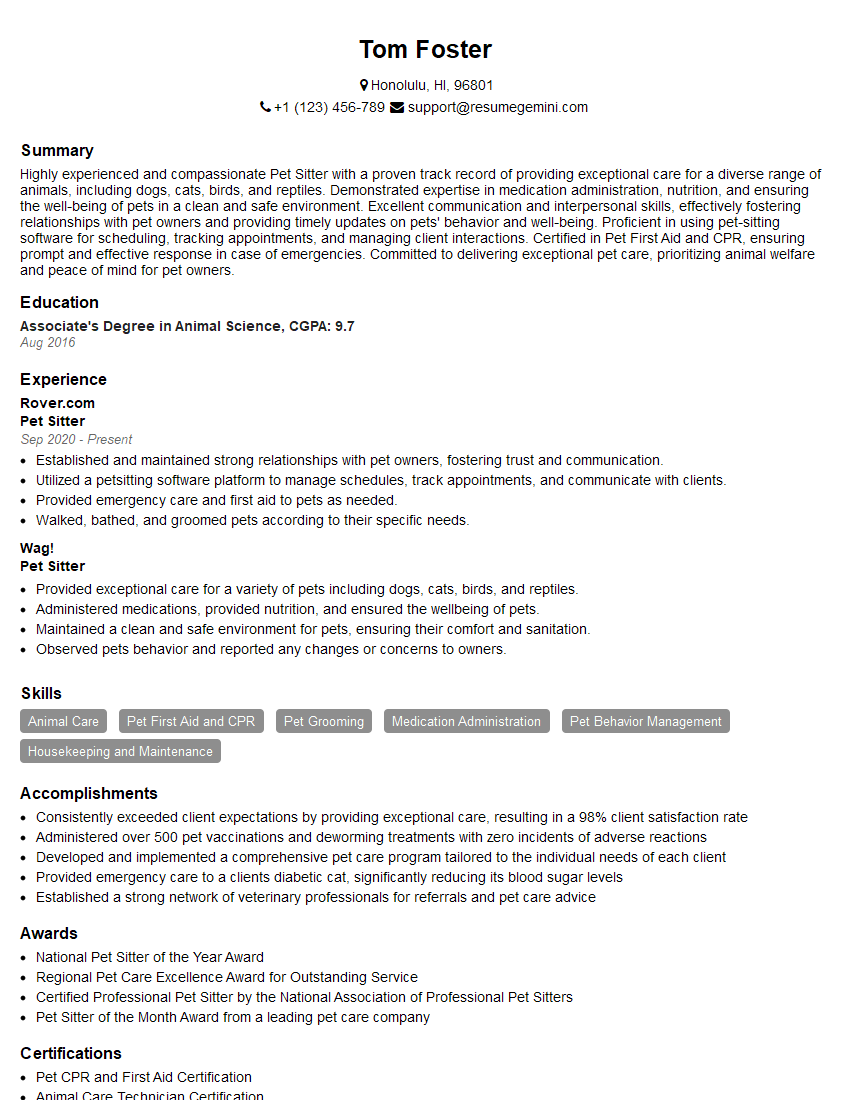
Pet Sitter Resume Sample

Stable Hand Resume Sample

Veterinary Technician Resume Sample

Wildlife Rehabilitator Resume Sample
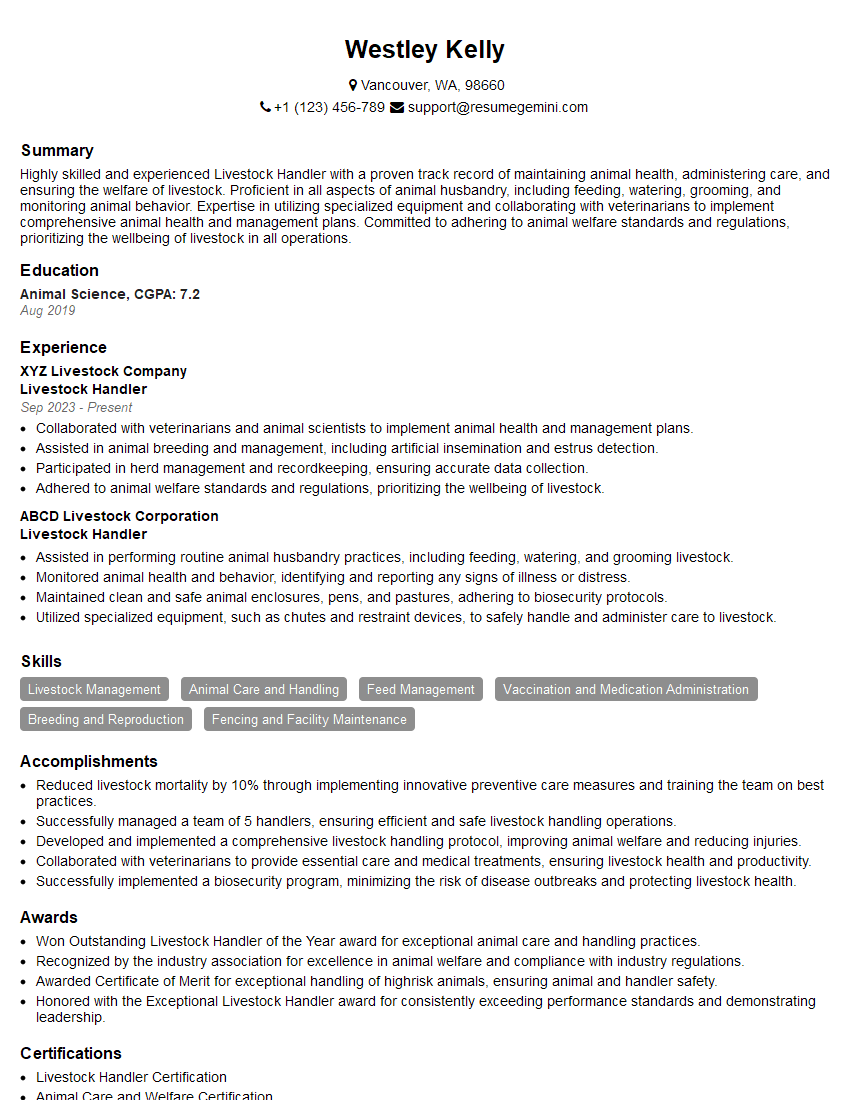
Livestock Handler Resume Sample
Explore more articles
Users Rating of Our Blogs
Share Your Experience
We value your feedback! Please rate our content and share your thoughts (optional).
What Readers Say About Our Blog
Very informative content, great job.
good