Cracking a skill-specific interview, like one for Aircraft Maintenance Assistance, requires understanding the nuances of the role. In this blog, we present the questions you’re most likely to encounter, along with insights into how to answer them effectively. Let’s ensure you’re ready to make a strong impression.
Questions Asked in Aircraft Maintenance Assistance Interview
Q 1. Describe your experience with troubleshooting aircraft systems.
Troubleshooting aircraft systems requires a systematic approach combining technical knowledge, diagnostic tools, and meticulous record-keeping. It’s akin to solving a complex puzzle where each clue leads you closer to the solution. I begin by gathering all available information: error messages displayed on the aircraft’s systems, pilot reports, maintenance logs, and any other relevant data. Then, I use a combination of techniques, starting with visual inspections for obvious damage or anomalies. This might involve checking for loose wiring, fluid leaks, or physical damage to components. Next, I utilize built-in diagnostic systems, which provide valuable data on the health of different subsystems. For example, a malfunctioning hydraulic system might trigger warning lights and provide diagnostic codes that pinpoint the exact problem area. If the built-in systems don’t yield a clear answer, I might employ specialized testing equipment such as oscilloscopes, multimeters, and pressure gauges, depending on the system in question. Throughout the process, I meticulously document every step, including observations, tests performed, and the results obtained. This thorough documentation is critical for future reference and for maintaining a clear audit trail for regulatory compliance. One memorable instance involved troubleshooting a recurring electrical fault on a regional jet. After days of investigation, using both the onboard diagnostics and a sophisticated circuit analyzer, I discovered a hairline fracture in a wiring harness within a hard-to-reach area. This highlighted the importance of methodical checks, even in seemingly insignificant areas.
Q 2. Explain the process for conducting a pre-flight inspection.
A pre-flight inspection is a crucial safety procedure ensuring the aircraft is airworthy before takeoff. Think of it as a thorough health check before embarking on a journey. It’s a multi-step process that generally follows a checklist, although the specific items vary depending on the aircraft type and regulatory requirements. The inspection starts with a visual examination of the exterior, looking for any signs of damage, such as dents, cracks, or loose fasteners. Then, I’ll check the control surfaces—ailerons, elevators, rudders—ensuring they move freely and without binding. I also verify the integrity of the flight control system linkages. Next, I inspect the landing gear, ensuring proper deployment and retraction. This includes checking tire pressure and inspecting the brakes for wear and tear. I proceed to the cockpit, checking the flight instruments, communication systems, and navigation equipment, ensuring everything is functioning correctly. A critical step involves checking all fluids—engine oil, hydraulic fluid, and fuel—verifying levels are within acceptable limits. The engine itself will be visually inspected for leaks and any other anomalies. Finally, I meticulously examine the propeller or rotors (if applicable), confirming no damage or imbalances are present. Every item checked must be documented accurately, and any discrepancies must be addressed before the flight is permitted. Ignoring even minor issues could lead to safety hazards, underscoring the absolute necessity of thoroughness.
Q 3. What are the common causes of engine malfunctions?
Engine malfunctions can stem from a wide range of causes, broadly categorized as mechanical, electrical, or fuel-related. Mechanical issues might include problems with the compressor or turbine blades—e.g., fatigue cracks or foreign object damage (FOD)—leading to reduced performance or complete failure. Another common mechanical problem is damage to bearings, leading to vibrations and potential catastrophic failure. Electrical malfunctions can disrupt the engine’s control systems, affecting fuel flow, ignition, and other critical functions. Problems with the starter motor or generator can prevent engine start or result in loss of power. Fuel-related issues, such as contaminated fuel, clogged fuel filters, or low fuel pressure, directly affect engine performance and can cause engine shutdowns. Incorrect fuel mixtures and improper fuel metering can also contribute to engine problems. Furthermore, environmental factors like extreme temperatures or icing can exacerbate existing issues or create new ones. A meticulous investigation, including engine performance data analysis, is needed to determine the root cause of any engine malfunction.
Q 4. How do you ensure compliance with FAA regulations?
Ensuring compliance with FAA regulations is paramount in aircraft maintenance. It’s not just about following rules; it’s about upholding the highest safety standards. This involves adherence to all applicable Federal Aviation Regulations (FARs), Airworthiness Directives (ADs), and manufacturer’s maintenance manuals. We meticulously maintain accurate maintenance records using approved methods, which are regularly audited for compliance. This documentation includes all inspections, repairs, and maintenance actions. We use computerized maintenance management systems (CMMS) to streamline this process and ensure traceability. These systems not only record maintenance actions but also help schedule tasks based on flight hours or calendar time, assisting in preventative maintenance. We also undergo regular training to keep our knowledge current on the latest regulations, safety procedures, and best practices. Staying up-to-date on ADs is crucial, as these address specific safety concerns with aircraft components. Finally, we participate in internal and external audits to ensure our procedures and documentation meet the highest standards of compliance. Non-compliance can result in severe penalties, emphasizing the importance of a culture of safety and regulatory awareness.
Q 5. Describe your experience with aircraft maintenance documentation.
Aircraft maintenance documentation is the backbone of safe and compliant operations. Think of it as a detailed history of the aircraft’s life, recording everything from minor adjustments to major overhauls. I’ve extensive experience creating, managing, and interpreting maintenance logs, using both manual and electronic systems. My experience includes using a variety of CMMS software, familiarizing myself quickly with new systems. I am adept at using software for generating reports, tracking work orders, managing inventory, and ensuring compliance. Accuracy is absolutely paramount. A single mistake could have significant consequences for safety. I’ve seen how well-maintained documentation can be crucial in troubleshooting problems, as it provides a clear audit trail for analysis and facilitates quick identification of potential issues. It’s also essential for regulatory compliance, as auditors will carefully examine maintenance records to ensure the aircraft is airworthy. Therefore, I follow a strict protocol, ensuring every entry is accurate, complete, and legible. In addition, I have extensive experience in interpreting various technical documentation, including maintenance manuals, parts catalogs, and engineering drawings, a crucial skill in any aircraft maintenance environment.
Q 6. What is your experience with different types of aircraft maintenance?
My experience spans various types of aircraft maintenance, including line maintenance, heavy maintenance, and component repair. Line maintenance encompasses routine inspections and minor repairs performed between flights, ensuring the aircraft is ready for its next operation. This often involves tasks like fluid checks, tire inspections, and troubleshooting minor malfunctions. Heavy maintenance, on the other hand, involves more extensive overhauls and repairs, often performed in hangars. This could include engine changes, major structural repairs, or complete system overhauls, typically requiring specialized tools and techniques. Component repair involves repairing or overhauling individual components, such as engines, landing gear, or avionics systems. This requires in-depth technical knowledge and specialized skills. I’ve worked on a range of aircraft, from small single-engine planes to large commercial airliners, acquiring extensive experience in diverse maintenance practices. This varied experience gives me a broad understanding of different aircraft systems and maintenance requirements, allowing me to adapt to different situations effectively.
Q 7. How do you prioritize maintenance tasks in a busy environment?
Prioritizing maintenance tasks in a busy environment requires a structured approach. It’s like managing a complex orchestra, ensuring every instrument plays its part harmoniously. I use a system that combines urgency and importance. First, I identify tasks based on their criticality to flight safety. Tasks that directly impact the airworthiness of the aircraft, such as those highlighted in Airworthiness Directives or related to safety-critical systems, take precedence. Next, I consider the urgency, differentiating between tasks with immediate deadlines and those with more flexibility. This often involves reviewing scheduled maintenance programs and taking into account any unexpected issues that may arise. Using a CMMS helps greatly in managing this complexity. These systems allow for efficient scheduling and tracking of tasks based on aircraft flight hours, calendar time, or other relevant parameters. Finally, I involve the maintenance team to distribute tasks effectively. Clear communication and teamwork are crucial to ensure all necessary tasks are completed within the allotted time and without compromising safety. Sometimes, difficult choices need to be made, but prioritizing based on a clear, structured method ensures the aircraft maintains its airworthiness while optimizing operational efficiency.
Q 8. Explain your understanding of aircraft maintenance scheduling.
Aircraft maintenance scheduling is the cornerstone of efficient and safe aircraft operation. It involves meticulously planning and coordinating all maintenance activities, ensuring compliance with regulatory requirements and manufacturer recommendations. This process considers various factors like flight hours, calendar time, and specific component usage to determine when inspections, repairs, and overhauls are necessary.
A well-structured schedule utilizes different maintenance programs such as a ‘Heavy Maintenance Check’ (C-Check) which involves major inspections and overhauls, and ‘Light Maintenance Checks’ (A-Checks and B-Checks) focusing on less extensive inspections and servicing. These checks are performed at specified intervals or upon reaching certain thresholds, ensuring the aircraft remains airworthy and safe.
For example, a particular type of aircraft might require a complete engine inspection every 1000 flight hours, while the landing gear requires an inspection every 500 hours. The schedule effectively integrates these diverse needs, optimizing resource allocation and minimizing downtime.
Effective scheduling software and meticulous record-keeping are vital to success. Delays or errors in scheduling can lead to significant operational disruptions, cost overruns, and even safety hazards. Therefore, proficiency in using maintenance tracking systems and a deep understanding of regulatory compliance are crucial skills for any aircraft maintenance professional.
Q 9. Describe your experience with hydraulic system maintenance.
My experience with hydraulic system maintenance is extensive, encompassing both troubleshooting and preventative maintenance. I’ve worked on various aircraft types, from regional jets to large airliners, gaining proficiency in diagnosing and resolving hydraulic leaks, pump failures, and actuator malfunctions. This involves understanding hydraulic schematics, pressure testing components, and replacing or repairing faulty parts, always adhering to stringent safety protocols.
One memorable instance involved a significant hydraulic leak on a regional jet. By systematically isolating the leak source using pressure testing and dye penetrant inspection, I pinpointed a faulty hydraulic fitting. Replacing the fitting resolved the leak and prevented potential flight cancellations. This situation highlighted the importance of meticulous diagnostics and attention to detail in hydraulic system maintenance.
My expertise extends to the maintenance of hydraulic power units (HPUs), accumulators, and control valves. I am familiar with different types of hydraulic fluids, their properties, and the importance of maintaining proper fluid levels and cleanliness. Furthermore, I possess a strong understanding of hydraulic system safety precautions, including bleed air procedures and lock-out/tag-out practices to prevent accidents and injuries.
Q 10. How do you handle unexpected maintenance issues?
Unexpected maintenance issues require a calm and systematic approach. My first step is always to ensure the safety of personnel and the aircraft, isolating the problem area and establishing a secure environment. Next, I thoroughly assess the issue, gathering data through visual inspection, system checks, and consultation with relevant documentation. This may involve reviewing the aircraft’s maintenance logbooks, schematics, and troubleshooting manuals.
Once a preliminary diagnosis is made, I prioritize the problem based on its severity and potential impact on flight safety. Critical issues that compromise airworthiness are addressed immediately, often involving consultation with senior engineers or maintenance supervisors. Less critical issues are scheduled for timely repair during routine maintenance.
For instance, if an unexpected engine oil leak is detected, the aircraft would be grounded immediately, the affected engine isolated, and a thorough inspection would be initiated to determine the source and extent of the leak. Repair or replacement of the faulty component would follow, with a stringent post-repair inspection to ensure airworthiness before resuming operations. Effective communication with pilots, ground crew and management is vital throughout the process.
Q 11. What is your experience with pneumatic system maintenance?
My experience with pneumatic systems includes preventative maintenance, troubleshooting, and repair. I’m familiar with the components of pneumatic systems, including air compressors, pressure regulators, valves, and actuators. My work has involved inspecting and servicing these components, ensuring proper air pressure, and identifying leaks or malfunctions. Understanding pneumatic schematics and utilizing diagnostic tools are essential aspects of this role.
Pneumatic systems, while seemingly simpler than hydraulic systems, still require careful attention to detail. Air leaks, for example, can lead to performance issues and safety concerns if not addressed promptly. I’ve successfully troubleshot several instances where small air leaks, difficult to detect initially, were causing significant malfunctions in flight control systems. Using specialized leak detection equipment and systematic procedures helped pinpoint the exact location of the leaks and restore proper functionality.
Safety is paramount in pneumatic system maintenance, given the presence of pressurized air. Following established procedures for pressure relief, lockout/tagout practices, and proper use of specialized equipment are non-negotiable. I am well-versed in these safety procedures and always prioritize the safety of myself and my colleagues.
Q 12. How do you troubleshoot electrical system problems?
Troubleshooting electrical system problems requires a systematic and methodical approach. I begin with a thorough visual inspection, looking for loose connections, damaged wiring, or burnt components. This is often followed by using specialized test equipment, such as multimeters and oscilloscopes, to measure voltages, currents, and resistances. These measurements help pinpoint the location of the fault within the complex network of wiring and components.
Aircraft electrical schematics are crucial in understanding the system’s architecture. I am adept at interpreting these schematics, tracing circuits, and isolating the faulty sections. Advanced diagnostic tools, sometimes embedded within the aircraft’s own systems, may provide detailed error codes and fault information, aiding in rapid fault isolation. This system-level analysis allows for efficient problem resolution and minimizes the need for excessive part replacement.
For example, if an aircraft experiences a loss of lighting in a specific section of the cabin, I would first isolate the affected circuit breaker. Then, using a multimeter, I would test for continuity in the circuit, and then trace the wiring to identify whether the problem is related to a faulty switch, damaged wiring, or a more substantial issue within a circuit breaker or a control unit.
Q 13. Describe your experience with engine removal and installation.
My experience with engine removal and installation is significant, encompassing various aircraft engine types and sizes. This process is a complex undertaking, demanding a high level of technical skill, precision, and meticulous attention to detail. It typically involves a team of trained technicians, working in accordance with detailed manufacturer-specific procedures and safety regulations.
Prior to engine removal, thorough preparation is essential. This includes disconnecting various systems linked to the engine – hydraulic lines, fuel lines, electrical harnesses, and pneumatic lines. A crane or other lifting equipment is used to remove the engine safely and without damage to the aircraft structure. Throughout the removal process, rigorous documentation of each step is maintained to ensure traceability and compliance.
Engine installation is the reverse process, but equally critical. Each component must be precisely aligned and securely fastened. Post-installation checks are vital to ensure proper engine function, leak-free connections, and system integration before the aircraft can resume flight. This involves various tests, including engine start-up, run-up, and functional checks of all associated systems.
The entire process demands thorough knowledge of engine systems, aircraft structure, and safety protocols to avoid damage or injury. Stringent quality checks are implemented at every stage to ensure the airworthiness of the aircraft.
Q 14. How do you ensure the safety of yourself and others during maintenance?
Safety is my utmost priority during all maintenance activities. I strictly adhere to all safety regulations and company procedures. This includes using the correct Personal Protective Equipment (PPE), such as safety glasses, gloves, hearing protection, and specialized clothing, as required by the task. Lockout/Tagout procedures are strictly followed to prevent accidental activation of systems during maintenance.
Before starting any task, I conduct a thorough risk assessment, identifying potential hazards and implementing appropriate control measures. This may involve using specialized tools or equipment, barricading work areas, and implementing communication protocols with other personnel. Working in a team provides an extra layer of safety, allowing for peer-to-peer monitoring and immediate assistance in case of emergencies.
Furthermore, I actively participate in safety briefings and training programs to remain updated on the latest safety practices and procedures. Continuous learning and adherence to safety protocols are crucial in preventing accidents and ensuring a safe working environment for myself and my colleagues. A proactive safety culture is essential in our field, where any mistake can have dire consequences.
Q 15. What is your experience with corrosion control and prevention?
Corrosion control is paramount in aircraft maintenance, as it significantly impacts airworthiness and safety. My experience encompasses a wide range of techniques, from preventative measures to remedial actions. Preventative measures include regular inspections using borescopes and visual checks for signs of corrosion, such as pitting, blistering, or discoloration. We meticulously clean surfaces, using appropriate solvents and applying corrosion inhibitors like specialized primers and coatings. These coatings form a barrier against moisture and oxygen, the primary culprits in corrosion development.
For example, on a recent project involving a Boeing 737, we implemented a comprehensive corrosion prevention program that included regular washings with de-ionized water, followed by the application of a specialized epoxy primer to critical areas like the landing gear and wing attachments. Remedial actions, when corrosion is discovered, involve carefully removing the affected material, treating the underlying surface, and applying appropriate repair materials before recoating the area. This often involves specialized techniques like chemical conversion coating or the use of composite repair materials to restore structural integrity. I’m proficient in identifying various types of corrosion – galvanic, pitting, fretting, etc. – and selecting the most effective treatment based on the material and severity of the corrosion.
Career Expert Tips:
- Ace those interviews! Prepare effectively by reviewing the Top 50 Most Common Interview Questions on ResumeGemini.
- Navigate your job search with confidence! Explore a wide range of Career Tips on ResumeGemini. Learn about common challenges and recommendations to overcome them.
- Craft the perfect resume! Master the Art of Resume Writing with ResumeGemini’s guide. Showcase your unique qualifications and achievements effectively.
- Don’t miss out on holiday savings! Build your dream resume with ResumeGemini’s ATS optimized templates.
Q 16. Describe your experience with composite repair.
Composite repair is a specialized skill requiring a thorough understanding of materials science and meticulous attention to detail. My experience includes repairing damage ranging from minor scratches and delaminations to more substantial structural repairs. The repair process usually starts with a thorough damage assessment to determine the extent of the damage and the most appropriate repair technique. This often involves using non-destructive inspection (NDI) methods, such as ultrasonic testing or X-ray inspection, to locate hidden damage.
For example, I’ve repaired several aircraft components with impact damage using a process involving removing the damaged composite layers, cleaning the affected area, and applying a carefully measured amount of epoxy resin and reinforcing fabric. This is meticulously cured under controlled conditions to ensure proper bonding and restoration of the original structural integrity. The cured repair is then carefully finished to match the surrounding surface. I’m familiar with various composite repair techniques, including patch repairs, scarf repairs, and honeycomb core repairs, and I select the method based on the type and location of damage. Proper documentation of the repair process, including material used and specific procedures followed, is crucial for compliance and traceability.
Q 17. How do you interpret and apply maintenance manuals?
Maintenance manuals are the bible of aircraft maintenance. My approach to interpreting and applying them is methodical and safety-conscious. I begin by thoroughly reviewing the applicable sections of the manual, paying close attention to diagrams, illustrations, and step-by-step instructions. I cross-reference information where necessary, ensuring a complete understanding of the procedure before commencing any task. It’s not just about reading the words; it’s about understanding the underlying principles.
For instance, if a manual describes a procedure for replacing a hydraulic component, I don’t just follow the steps; I understand why each step is necessary – ensuring the system is properly depressurized, the correct tools are used, and the component is correctly installed to prevent leaks or malfunctions. Compliance with all safety regulations and procedures is paramount. Should I encounter any ambiguity or conflicting information, I escalate it to the appropriate supervisor for clarification before proceeding. My experience enables me to quickly locate relevant information within the vast amounts of data contained in a typical aircraft maintenance manual, and I utilize various electronic and hardcopy resources as needed.
Q 18. What is your experience with using diagnostic equipment?
Proficiency with diagnostic equipment is fundamental to efficient and effective aircraft maintenance. My experience encompasses a wide array of equipment, including but not limited to: multimeters, oscilloscopes, engine analyzers, and specialized test sets for specific aircraft systems. I’m comfortable interpreting the data generated by these tools, isolating faults, and making informed decisions regarding repairs.
For example, I recently utilized an engine analyzer to diagnose a recurring engine misfire on a turboprop aircraft. The analyzer provided detailed information on fuel flow, exhaust gas temperature, and other critical parameters. Through careful analysis of this data, I was able to pinpoint a faulty injector, which was subsequently replaced, resolving the misfire. I regularly calibrate and maintain the diagnostic equipment I use, ensuring the accuracy and reliability of the data obtained. Accurate diagnosis is crucial for ensuring the safety and airworthiness of the aircraft.
Q 19. Explain your knowledge of different aircraft materials.
Aircraft are built from a variety of materials, each with unique properties and maintenance considerations. My knowledge covers a broad spectrum, from traditional aluminum alloys to advanced composites. Aluminum alloys are still widely used due to their strength-to-weight ratio and corrosion resistance (when properly protected). However, modern aircraft increasingly incorporate composite materials like carbon fiber reinforced polymers (CFRP) and fiberglass, offering superior strength and weight savings.
Additionally, I’m familiar with titanium alloys, known for their high strength and resistance to high temperatures, often used in critical engine components. Understanding the properties of each material – its strength, stiffness, susceptibility to corrosion, and preferred repair techniques – is crucial for making informed decisions during maintenance. For example, repairing a crack in an aluminum component differs significantly from repairing a delamination in a CFRP part. This knowledge allows for proper selection of repair materials and techniques, thus ensuring the repaired component meets the original design specifications.
Q 20. How do you stay up-to-date with the latest maintenance techniques?
Staying current with the latest maintenance techniques is critical in this ever-evolving field. I achieve this through several avenues. Active participation in industry conferences and workshops provides access to the latest research and developments. Furthermore, I regularly review technical publications, such as industry journals and manufacturer service bulletins, to stay informed about new technologies and best practices.
Online courses and training programs offered by reputable aviation organizations supplement my learning. Engaging with colleagues and fellow professionals through networking and online forums facilitates the exchange of information and experiences. Staying abreast of these developments ensures I’m equipped with the most up-to-date knowledge and techniques to maintain aircraft to the highest standards of safety and efficiency.
Q 21. What is your experience with working in a team environment?
Effective teamwork is essential in aircraft maintenance, where complex tasks often require collaboration among various specialists. My experience working in team environments has honed my communication, problem-solving, and collaboration skills. I’m comfortable working as part of a team, contributing my expertise, and actively listening to the perspectives of my colleagues.
For instance, during a recent engine overhaul, I worked closely with mechanics, engineers, and inspectors to ensure the task was completed efficiently and to the highest quality standards. This involved regular communication, coordinated efforts, and a shared commitment to safety. Open communication and mutual respect are crucial to the success of any team. I actively seek feedback from my colleagues, and I am willing to provide assistance and support to others, fostering a collaborative and positive team environment.
Q 22. Describe a time you had to make a critical decision during maintenance.
During a pre-flight inspection of a regional jet, we discovered a significant crack in a critical component of the landing gear. This wasn’t something easily overlooked; it posed a serious safety risk. My immediate decision was to ground the aircraft, despite the pressure to meet a tight flight schedule. This meant potentially significant cost implications and passenger disruption. However, the safety of the passengers and crew was paramount.
My decision-making process involved a series of steps: first, I carefully documented the crack’s location, size, and orientation, taking detailed photographs. Second, I consulted the aircraft’s maintenance manual and relevant airworthiness directives to determine the severity of the damage and the necessary repair procedures. Third, I contacted my supervisor and the maintenance control center to inform them of the situation and obtain authorization to ground the aircraft. Finally, I initiated the process for scheduling the necessary repairs with our qualified technicians. The aircraft was subsequently repaired according to regulations, a thorough inspection was conducted, and only then was it cleared for flight. This situation highlighted the importance of prioritizing safety above all else, even when faced with difficult operational constraints.
Q 23. How do you handle pressure in a high-stakes environment?
Aircraft maintenance is inherently high-stakes; a small oversight can have significant consequences. I handle pressure by focusing on a structured approach. This includes prioritizing tasks based on urgency and risk, utilizing checklists meticulously, and leveraging teamwork effectively. Communication is key – maintaining clear and concise communication with the team, supervisors, and other stakeholders helps prevent misunderstandings and fosters a collaborative environment.
For instance, during a busy period with multiple aircraft needing maintenance, I use a visual management system, like a Kanban board, to track progress and ensure tasks are completed efficiently. I also take short breaks to clear my head and prevent burnout, ensuring I remain focused and make sound decisions. Finally, I take personal responsibility for my actions and decisions, which in turn reduces stress and enhances my ability to handle pressure effectively. This structured approach allows me to maintain composure and focus even under intense pressure, ensuring that aircraft maintenance is conducted safely and efficiently.
Q 24. What is your experience with foreign object debris (FOD) prevention?
Foreign Object Debris (FOD) prevention is a crucial aspect of aircraft maintenance. It involves systematically identifying, removing, and preventing the introduction of any foreign material that could damage aircraft components or systems. My experience spans various FOD prevention strategies, including regular inspections, designated FOD-free zones, and implementing stringent cleaning procedures.
We use specialized equipment like magnetic sweepers and vacuum systems to remove FOD from runways and hangar floors. Regular training sessions emphasize the importance of FOD awareness, and we employ visual aids like posters and signage to reinforce best practices. For example, before any maintenance activity, we conduct thorough sweeps of the work area to ensure no tools or debris are present. After completing a job, we double-check the area to make sure it is clean and free of FOD. This multi-layered approach, involving both proactive measures and consistent monitoring, significantly reduces the risk of FOD-related incidents.
Q 25. Describe your familiarity with different types of aircraft engines.
My familiarity with aircraft engines encompasses various types, including turbofan, turbojet, turboprop, and piston engines. I understand their operational principles, component functions, and maintenance requirements.
For instance, I’m experienced with CFM56 turbofan engines used on Airbus and Boeing aircraft, and I’m also familiar with PW1000G geared turbofan engines, which are known for their fuel efficiency. My experience also includes working with the Pratt & Whitney Canada PW127 turboprop engines commonly found on smaller regional aircraft. This diverse exposure allows me to adapt quickly to different engine types and effectively troubleshoot problems across a range of aircraft models. I understand the specific maintenance manuals and procedures associated with each engine type and am proficient in using diagnostic tools to identify and rectify engine-related issues.
Q 26. Explain your understanding of aircraft weight and balance.
Aircraft weight and balance is critical for safe flight operations. It involves calculating the aircraft’s center of gravity (CG) to ensure it falls within the approved limits defined by the aircraft manufacturer. An improperly balanced aircraft can lead to handling difficulties, reduced performance, and potentially catastrophic structural damage.
My understanding encompasses the various factors affecting weight and balance, including fuel, cargo, passengers, and crew weight. I’m proficient in using weight and balance software to calculate the CG and generate weight and balance reports. These reports are crucial for flight planning, determining if an aircraft can safely operate with its planned load, and for ensuring it meets regulatory requirements. For example, if we need to add extra cargo to an aircraft, I would utilize this software to ascertain the impact on the CG and ensure it does not exceed permissible limits before authorizing the flight.
Q 27. How do you ensure proper tool usage and maintenance?
Proper tool usage and maintenance are essential for safety and efficiency. We have a comprehensive tool control system in place. Each tool is assigned a unique identification number and is meticulously inspected before each use. Tools are stored in designated locations and are regularly calibrated and maintained according to manufacturer’s recommendations.
Damaged or malfunctioning tools are immediately removed from service and repaired or replaced. Regular tool audits are conducted to ensure compliance with safety regulations. For example, torque wrenches are calibrated periodically to ensure accuracy, and we maintain detailed records of all tool calibrations and maintenance activities. Our comprehensive system is crucial in ensuring the reliability of tools used during aircraft maintenance, avoiding potential safety hazards and damage to aircraft components. We also conduct regular training sessions for personnel on the proper use and care of tools.
Q 28. Describe your experience with preventative maintenance programs.
Preventative maintenance programs are crucial for ensuring aircraft airworthiness and minimizing unexpected downtime. These programs involve scheduled inspections and maintenance tasks designed to detect and rectify potential problems before they escalate into major failures.
My experience includes working with various preventative maintenance programs, including those based on flight hours, calendar time, and component life limits. I’m familiar with the use of computerized maintenance management systems (CMMS) to track maintenance activities, schedule inspections, and manage spare parts inventory. We use these systems to record all maintenance performed, allowing us to monitor the health of the aircraft and predict potential maintenance needs. For instance, we adhere to a strict schedule for oil changes, inspections of critical components such as landing gear and engines, and the replacement of parts at specified intervals, following the manufacturer’s guidelines and relevant airworthiness directives. This proactive approach minimizes unexpected breakdowns and ensures continued safe and reliable operation of the aircraft.
Key Topics to Learn for Aircraft Maintenance Assistance Interview
- Aircraft Systems Familiarization: Understanding the basic functionalities and interdependencies of major aircraft systems (e.g., hydraulics, pneumatics, electrical, fuel). Practical application: Being able to explain how a malfunction in one system might impact another.
- Maintenance Documentation and Procedures: Understanding the importance of accurate record-keeping, following established maintenance manuals, and adhering to safety regulations. Practical application: Describing your experience with using maintenance logs or troubleshooting manuals.
- Tools and Equipment: Familiarity with common hand tools, specialized aircraft maintenance equipment, and their proper usage and maintenance. Practical application: Demonstrating knowledge of safety procedures when using specific tools.
- Safety Regulations and Procedures: Deep understanding of aviation safety regulations, risk assessment, and hazard identification. Practical application: Explaining how you would approach a potentially unsafe situation.
- Troubleshooting and Problem-Solving: Developing skills in identifying, diagnosing, and resolving technical issues related to aircraft maintenance. Practical application: Describing a time you successfully resolved a technical problem, highlighting your problem-solving approach.
- Teamwork and Communication: Highlighting experience in collaborating effectively with other mechanics and technicians within a team environment. Practical application: Giving examples of successful teamwork and clear communication in a maintenance setting.
- Quality Control and Inspection: Understanding the importance of thorough inspections and adhering to quality control standards in aircraft maintenance. Practical application: Describing your experience with performing inspections or quality checks.
Next Steps
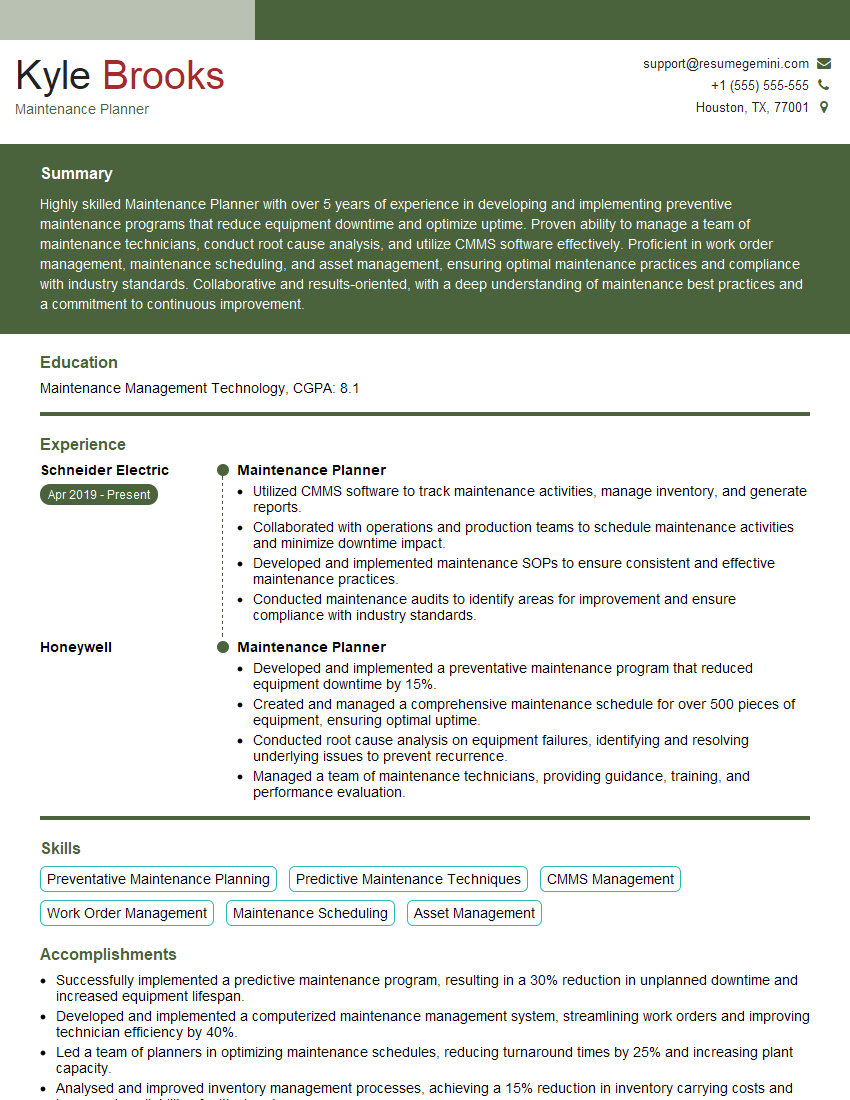
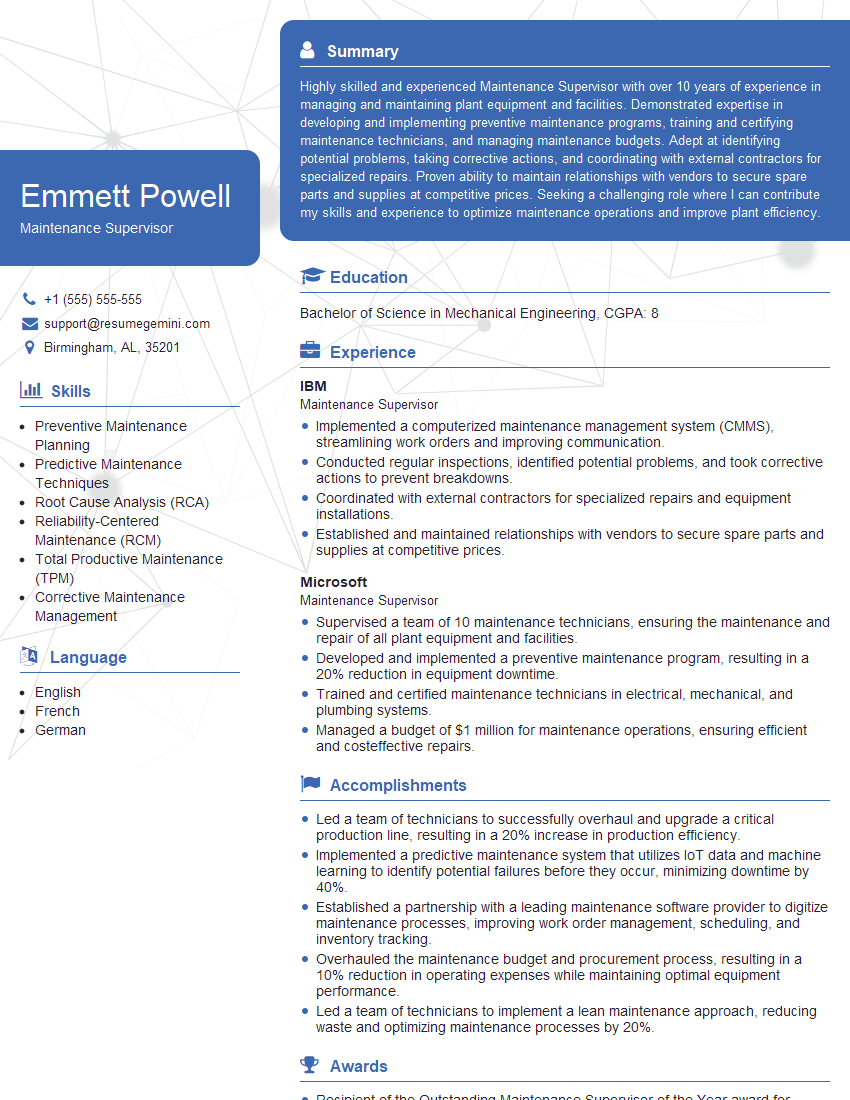
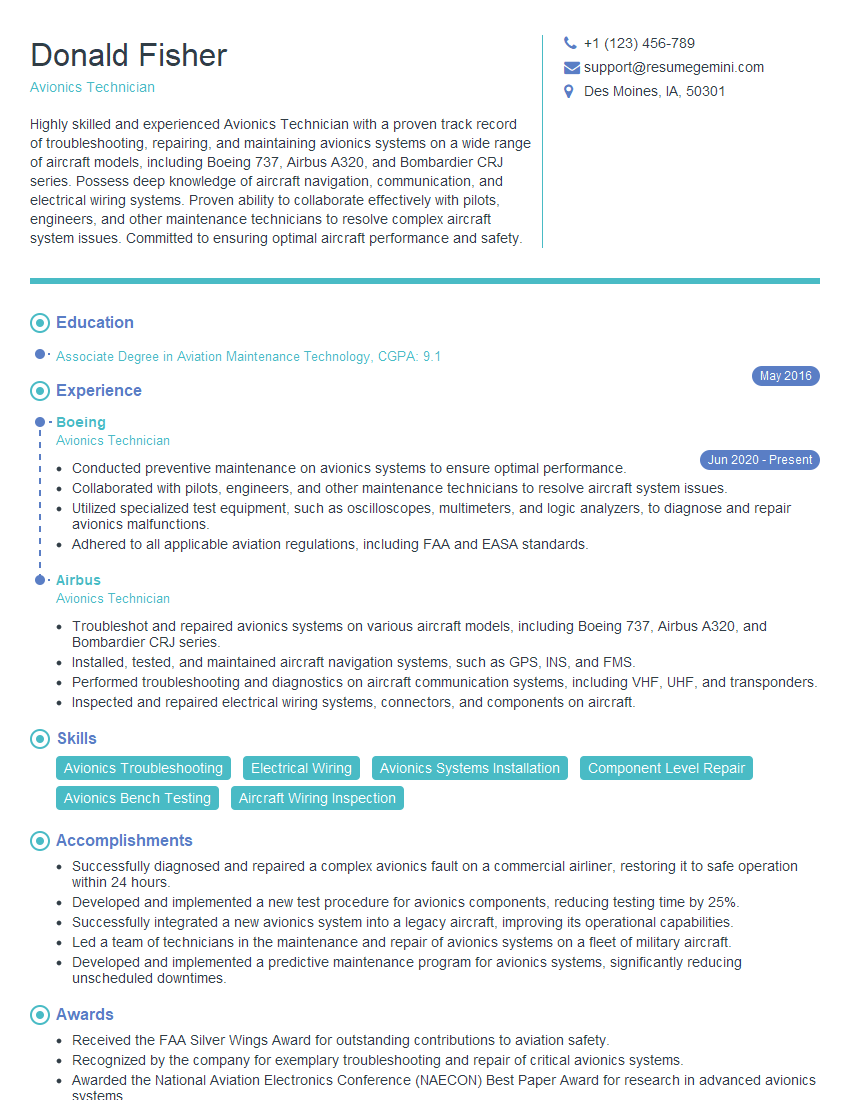
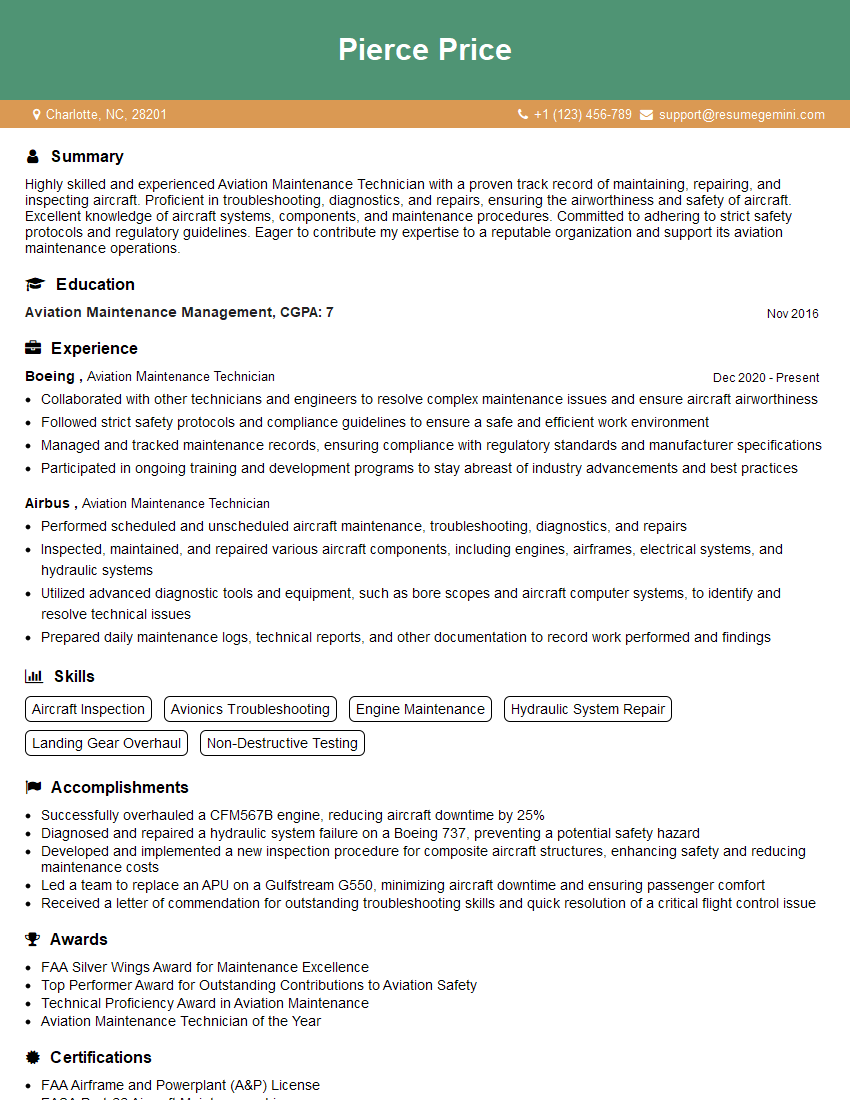
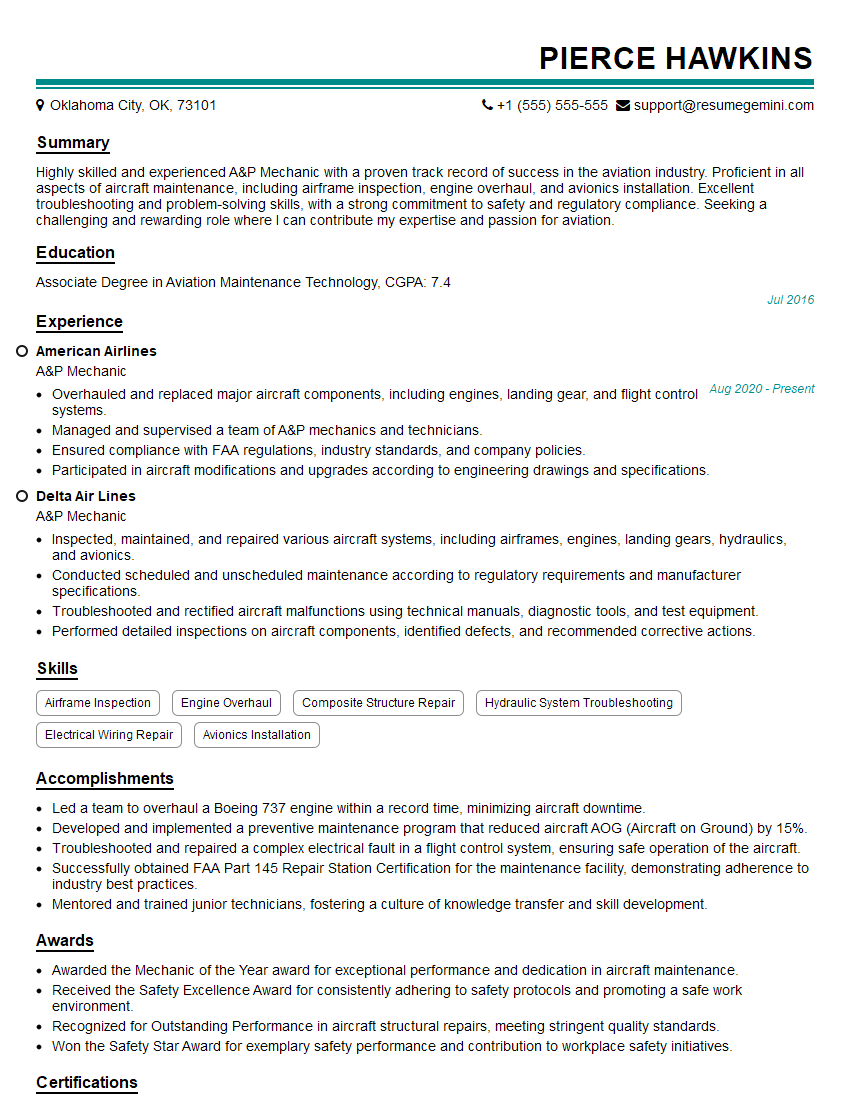
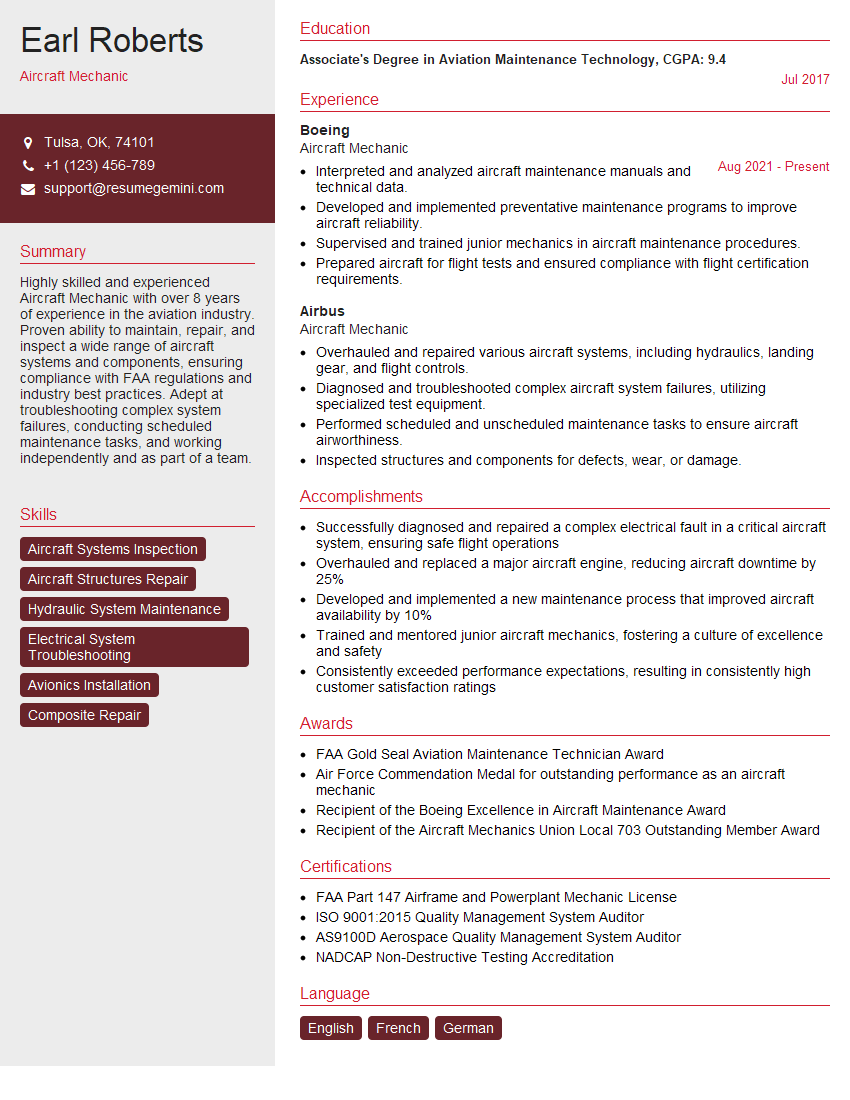
Mastering Aircraft Maintenance Assistance opens doors to a rewarding career with excellent growth potential, leading to specialized roles and increased responsibility. To maximize your job prospects, it’s crucial to present your skills and experience effectively. Creating an ATS-friendly resume is essential for getting your application noticed. We highly recommend using ResumeGemini to build a professional and impactful resume. ResumeGemini offers a user-friendly platform and provides examples of resumes tailored to Aircraft Maintenance Assistance to help you create a standout application.
Explore more articles
Users Rating of Our Blogs
Share Your Experience
We value your feedback! Please rate our content and share your thoughts (optional).
What Readers Say About Our Blog
Very informative content, great job.
good