The right preparation can turn an interview into an opportunity to showcase your expertise. This guide to Plate Cleaning interview questions is your ultimate resource, providing key insights and tips to help you ace your responses and stand out as a top candidate.
Questions Asked in Plate Cleaning Interview
Q 1. What are the different types of dishwashing detergents and their applications?
Dishwashing detergents come in various forms, each designed for specific applications. The primary categories are:
- Low-alkaline detergents: These are generally gentler and better suited for delicate items like glassware or fine china. They are less aggressive in removing soils but are effective for everyday use. Think of them as the everyday ‘go-to’ for home use.
- High-alkaline detergents: These are powerful cleaners, ideal for heavily soiled items and baked-on food. They possess a higher pH, making them excellent for tackling grease and stubborn residue, but they can be harsher on certain materials. These are common in commercial settings like restaurants.
- Chlorine-based detergents: These are often used in commercial settings where sanitation is paramount. The chlorine acts as a powerful sanitizer, killing bacteria and viruses. However, they need to be used carefully, following manufacturer’s instructions precisely to avoid damage to surfaces or health hazards.
- Enzymatic detergents: These detergents contain enzymes that break down specific types of food stains, like proteins and carbohydrates. They’re especially helpful in removing food particles that might otherwise stick around. This contributes to a cleaner final result with less scrubbing.
- Powder detergents: Often used in larger operations, offering a cost-effective way to clean large volumes of dishes.
- Liquid detergents: These are convenient and easier to measure than powders, making them popular for both home and some commercial applications.
The choice of detergent depends entirely on the level of soiling, the type of dishes being washed, and the overall context of the dishwashing operation (home versus restaurant, for example).
Q 2. Explain the proper procedure for washing and sanitizing plates.
The proper procedure for washing and sanitizing plates involves several crucial steps:
- Pre-soak/scrape: Remove large food particles from plates using a scraper. This prevents clogging of the dishwashing machine and improves cleaning efficiency. Think of it as ‘pre-cleaning’ to make the main cleaning job easier.
- Washing: Wash plates thoroughly in hot, soapy water. Ensure all surfaces are covered with detergent and that any remaining food particles are removed. For handwashing, use a clean brush or sponge. For machine washing, load plates correctly to ensure even cleaning.
- Rinsing: Rinse plates thoroughly with clean, hot water to remove any soap residue. This step is critical for preventing soapy film left behind, particularly important for glassware.
- Sanitizing: Sanitize plates using a chemical sanitizer or hot water. For chemical sanitization, follow the manufacturer’s instructions precisely, usually involving a specific concentration and contact time. For heat sanitizing, this typically involves hot water at temperatures above 171°F (77°C) for a specified time.
- Air Drying: Allow plates to air dry completely or use a clean, sanitized drying rack. Avoid using cloths, as these can recontaminate clean plates.
Following these steps carefully ensures hygienic and sparkling clean plates.
Q 3. Describe the different types of dishwashing machines and their operating principles.
Dishwashing machines come in different types, each with its operating principles:
- Rack conveyor dishwashers: These are common in high-volume settings like restaurants and cafeterias. Dishes are loaded onto racks and conveyed through a series of washing and rinsing cycles. They are very efficient for high volume.
- Flight-type dishwashers: These are larger, more heavy-duty units often found in institutional kitchens or large-scale food service operations. They employ a similar conveyor belt system but are designed for even greater capacity and throughput.
- Undercounter dishwashers: These smaller machines are suitable for smaller establishments, or home use, and fit under a countertop. These are space-saving and easier to install than larger models.
- Door-type dishwashers: This type features a door that opens to reveal the washing chamber. Dishes are loaded by hand and the unit is typically used for smaller volume needs.
Regardless of type, most dishwashers operate on the same basic principle: using hot water, detergent, and in many cases a sanitizing agent, to thoroughly clean dishes in an automated process. This ensures consistency, reduces labour costs and promotes hygiene.
Q 4. How do you identify and address different types of food soiling?
Identifying and addressing different types of food soiling requires a methodical approach:
- Baked-on food: This requires pre-soaking or scrubbing with a suitable detergent to loosen the particles before washing. Pre-soaking in hot water significantly reduces effort in most cases.
- Greasy food: High-alkaline detergents are effective in removing grease. Proper rinsing is important to remove all traces of grease, which can become sticky over time.
- Starchy food: These are best handled with warm water and a detergent that breaks down starches; enzymatic detergents are particularly useful in this situation.
- Protein-based food: Again, enzymatic detergents excel at breaking down proteins, preventing staining and ensuring effective cleaning.
Visual inspection is crucial; identifying the type of soiling helps in selecting the right cleaning methods and detergents. Consider the degree of soiling to select appropriate cleaning strategies; mild soiling may be handled differently than baked-on food.
Q 5. What are the proper water temperatures for washing and sanitizing?
Water temperature plays a vital role in both washing and sanitizing:
- Washing: Hot water (around 120°F or 49°C to 140°F or 60°C) is essential for effective cleaning, helping to dissolve grease and remove food particles. Lower temperatures may leave dishes unclean.
- Sanitizing: Higher temperatures are needed for sanitization. To achieve heat sanitization, a temperature of at least 171°F (77°C) for at least 30 seconds is crucial. This temperature effectively kills most harmful bacteria and microorganisms.
Maintaining the correct temperature requires regular monitoring and adjustment of the water heaters and dishwashers. Using thermometers helps ensure consistent temperature across different batches of dishwashing operations.
Q 6. How do you ensure proper sanitation of dishwashing equipment?
Ensuring proper sanitation of dishwashing equipment is critical for hygiene and preventing the spread of bacteria:
- Regular cleaning: Clean the dishwashing machine thoroughly after each use, paying special attention to areas that tend to accumulate food debris. This includes the spray arms, filters, and interior surfaces.
- Chemical sanitizing: Use chemical sanitizers according to manufacturer’s instructions on a regular schedule, typically daily or as required to ensure sufficient sanitization. The concentration and contact time are essential parameters for chemical sanitization and must be strictly adhered to.
- Air drying: Allow the machine to air dry completely after cleaning to prevent the growth of microorganisms. Leaving the machine wet is a great way to encourage bacterial growth.
- Maintenance: Regular maintenance checks and repairs, including inspections of pumps, heating elements and spray arms ensure that the machine continues to function optimally for consistent hygiene results.
Maintaining a detailed cleaning and sanitation schedule is vital to ensure the continual effectiveness of dishwashing processes.
Q 7. What are the safety precautions to take while operating a dishwashing machine?
Safety precautions when operating a dishwashing machine are paramount:
- Hot water burns: Always use caution when handling hot water and hot surfaces. Avoid direct contact with hot water during the cleaning or rinsing steps.
- Chemical safety: Wear appropriate protective gear, such as gloves and eye protection, when using chemical sanitizers. Always refer to and follow the safety guidelines stated by the detergent and sanitizer manufacturers.
- Sharp objects: Be cautious when handling sharp knives and utensils. Ensure proper handling to avoid injuries.
- Electrical hazards: Ensure the machine is properly grounded and electrically safe. Never touch electrical components with wet hands.
- Proper loading: Load the machine correctly to prevent items from falling and causing injuries.
Following these safety guidelines protects users from injury and ensures smooth, efficient operation.
Q 8. How do you identify and handle broken or chipped plates?
Identifying and handling broken or chipped plates is crucial for safety and hygiene. Visually inspect each plate after washing or before use. Look for cracks, chips, or any signs of damage. Even small chips can harbor bacteria and pose a risk of injury. Discard any plates with visible damage immediately. Don’t try to repair them; it’s unsafe. Proper disposal involves wrapping broken pieces carefully in newspaper or cardboard to prevent accidental cuts during handling and then disposing of them in a designated waste receptacle, preferably one separate from recyclable materials.
For example, imagine you notice a small chip on a dinner plate. While it might seem insignificant, that chip creates a rough surface where food particles and bacteria can accumulate, making it difficult to clean thoroughly. The sharp edges also present a cutting hazard. In this case, immediate disposal is necessary.
Q 9. What are the common causes of plate breakage during washing?
Plate breakage during washing stems from several factors. Improper handling is a major culprit – overloading washing racks, stacking plates carelessly, or using excessive force can lead to cracks and chips. The type of plate material also plays a role; some materials are more fragile than others. For example, delicate china is more susceptible to breakage compared to melamine. Furthermore, harsh detergents or high water temperatures can weaken plates over time, increasing their vulnerability to breakage. Finally, mechanical issues within the dishwasher, like a malfunctioning wash arm or excessively forceful spraying, can contribute to damage.
- Overloading: Packing too many plates into the dishwasher restricts water flow and increases the risk of impact damage.
- Harsh Detergents: Some detergents are overly abrasive and can etch or weaken plates with repeated use.
- High Water Temperature: While necessary for sanitation, prolonged exposure to very high temperatures can weaken certain types of plates.
Q 10. Explain the importance of proper air drying in preventing bacterial growth.
Proper air drying is essential to prevent bacterial growth. When plates remain wet, they provide a perfect breeding ground for bacteria. Water droplets contain microorganisms that can thrive in the damp environment, leading to contamination. Air drying, on the other hand, allows the plates to fully dry, eliminating the moisture that bacteria need to multiply. This is especially important for food-contact surfaces. Think of it like leaving a damp sponge – it will quickly become moldy. Similarly, damp plates become a health risk.
In commercial settings, this is critical. Imagine a restaurant; improperly dried dishes can lead to foodborne illnesses, causing significant health and reputation problems. Therefore, ensuring adequate air circulation and drying time is crucial for maintaining hygiene standards.
Q 11. Describe the proper disposal of waste water and cleaning agents.
Wastewater and cleaning agents require responsible disposal. Wastewater from plate washing should ideally be channeled into a properly functioning drainage system compliant with local regulations. Never dump cleaning solutions or wastewater directly into the environment. Always follow the manufacturer’s instructions for disposing of cleaning agents. This usually involves diluting concentrated solutions before disposal and avoiding contact with skin or eyes. Some cleaning agents might require specific disposal methods depending on their chemical composition. Check local regulations and hazardous waste disposal guidelines for proper handling of any potentially harmful chemicals.
For instance, in an industrial setting, wastewater often undergoes a pre-treatment process before entering the municipal sewage system, reducing its environmental impact. This prevents overloading the system and mitigates potential pollution.
Q 12. What is the correct way to load a dishwasher for optimal cleaning?
Loading a dishwasher correctly is crucial for optimal cleaning. Avoid overcrowding, ensuring plates have ample space around them for water to reach all surfaces. Place plates facing downwards to allow water to drain effectively. Do not nest plates, as this will trap food particles and prevent thorough cleaning. Larger items should go on the bottom rack, and smaller items on top. Ensure the spray arms can rotate freely, unimpeded by any obstacles.
Think of it as a coordinated water attack; if you overcrowd, the ‘soldiers’ (water jets) can’t effectively fight the enemy (food particles).
Q 13. How do you identify and address issues with water pressure or temperature?
Identifying and addressing water pressure or temperature issues requires systematic troubleshooting. Low water pressure might indicate a clogged filter, a problem with the water supply line, or a malfunctioning water pump within the dishwasher. Check the filter first; a simple cleaning might resolve the problem. Inspect the water supply line for any kinks or blockages. If the issue persists, a professional may need to check the water pump.
For temperature issues, start by checking the water heater settings to ensure it’s delivering hot water at the required temperature. Check if the dishwasher’s heating element is functioning correctly. Inconsistent temperatures could also point towards a faulty temperature sensor within the machine.
Q 14. How do you handle situations where the dishwashing machine malfunctions?
Handling dishwasher malfunctions requires a methodical approach. Start by checking the obvious – ensure the dishwasher is properly plugged in, the circuit breaker hasn’t tripped, and the water supply is turned on. Refer to the user manual to identify common error codes and troubleshoot basic issues. Simple problems might involve unclogging a drain or clearing a blockage in the spray arms. If the problem persists despite basic troubleshooting, contacting a qualified appliance repair technician is essential. Attempting complex repairs without proper training can cause further damage and safety hazards.
For example, a common problem is a clogged drain pump. Trying to fix this without understanding the mechanics can lead to water damage. A professional will have the expertise and tools to handle such issues safely and effectively.
Q 15. What are the different types of sanitizing agents used in plate cleaning?
Sanitizing agents are crucial in plate cleaning to eliminate harmful microorganisms. The choice depends on factors like the type of food being served, the level of contamination, and regulatory requirements. Common types include:
- Chlorine-based sanitizers: These are widely used, effective against a broad spectrum of bacteria and viruses. They are relatively inexpensive but can be corrosive and lose effectiveness in hard water. An example is sodium hypochlorite solution (bleach).
- Iodine-based sanitizers: These are effective against a wide range of microorganisms and are less corrosive than chlorine-based solutions. However, they can stain surfaces and might leave a lingering odor.
- Quaternary ammonium compounds (Quats): These are less effective than chlorine or iodine against some types of bacteria, but they are less corrosive and leave less residue. They are often preferred for delicate items.
- Other sanitizers: There are also other options like ozone and peracetic acid, which offer specialized advantages in certain settings but may require specialized equipment.
The concentration of the sanitizer and contact time are critical factors determining effectiveness. Incorrect dilutions or insufficient contact time can lead to inadequate sanitization.
Career Expert Tips:
- Ace those interviews! Prepare effectively by reviewing the Top 50 Most Common Interview Questions on ResumeGemini.
- Navigate your job search with confidence! Explore a wide range of Career Tips on ResumeGemini. Learn about common challenges and recommendations to overcome them.
- Craft the perfect resume! Master the Art of Resume Writing with ResumeGemini’s guide. Showcase your unique qualifications and achievements effectively.
- Don’t miss out on holiday savings! Build your dream resume with ResumeGemini’s ATS optimized templates.
Q 16. How do you ensure the effectiveness of your sanitizing procedures?
Ensuring effective sanitization involves a multi-pronged approach. It’s not just about the sanitizer itself; it’s about the entire process. We use a system that combines:
- Proper pre-cleaning: Removing food debris before sanitization is paramount. This reduces the sanitizer’s workload and prevents the creation of a protective layer around microorganisms.
- Accurate sanitizer concentration: We regularly test the concentration of our sanitizing solutions using test strips to ensure it’s within the recommended range. This prevents under-sanitization and avoids wasting sanitizer.
- Sufficient contact time: We strictly adhere to the manufacturer’s recommended contact time, allowing the sanitizer to effectively kill the microorganisms. This often involves a timed immersion or a specific dwell time post-spraying.
- Temperature control: For some sanitizers, temperature plays a vital role in their effectiveness. We carefully monitor water temperatures during the rinse cycle, ensuring it’s hot enough to enhance sanitization.
- Regular monitoring and record-keeping: We maintain detailed records of our cleaning and sanitization procedures, including sanitizer used, concentration, contact times, and temperatures. This allows us to track effectiveness and identify any potential issues.
Think of it like baking a cake; every ingredient and step matters. Skipping even one will impact the final result. Similarly, meticulousness is essential to ensure plates are truly sanitized.
Q 17. What are the signs of improper cleaning and sanitization?
Signs of improper cleaning and sanitization are often subtle but critical to identify. They can include:
- Visible food residue: Any remaining food particles indicate incomplete cleaning.
- Lingering odors: Foul smells suggest inadequate cleaning and sanitization.
- Water spots or film: These may signify the use of insufficiently rinsed detergents.
- Sticky or slimy surfaces: This points towards the presence of bacteria or other microorganisms.
- Discoloration: Staining might indicate the build-up of food debris or improper sanitizer use.
- High microbial counts from testing: Regular microbial testing of randomly selected plates helps quantify the efficacy of our processes. Consistently high counts reveal a need for process improvement.
If any of these are observed, it necessitates immediate re-cleaning and sanitization, a review of the cleaning process, and possibly equipment maintenance. Ignoring such signs can lead to foodborne illnesses.
Q 18. How do you prevent cross-contamination during plate cleaning?
Preventing cross-contamination is vital. Our procedures focus on:
- Dedicated cleaning equipment: Using separate brushes, cloths, and wash basins for different stages of cleaning, preventing the transfer of contaminants from dirty to clean areas.
- Color-coded systems: We often use color-coded systems for utensils, cloths, and even containers to avoid mixing clean and dirty items.
- Air drying: We avoid using the same towel for drying multiple plates to minimize cross-contamination.
- Proper storage: Clean, sanitized plates are stored upside down in designated areas to prevent contamination from airborne particles and dust.
- Employee training: Regular training on proper handling procedures is critical in ensuring staff members are aware of and adhere to contamination prevention techniques.
Imagine using the same sponge to clean your kitchen counter and then washing your dishes – that’s exactly what we avoid by maintaining strict segregation protocols. This prevents the spread of pathogens from one surface to another.
Q 19. What are the regulatory requirements for sanitation in your area?
Regulatory requirements vary by location, but generally include adherence to guidelines set by health authorities. In my area, these include:
- Maintaining specific sanitizer concentrations: The regulatory body specifies the minimum concentration required for various sanitizers.
- Adhering to contact times: Minimum contact times for sanitizer effectiveness are mandated.
- Water temperature regulations: Minimum hot water temperatures during washing and rinsing are often stipulated.
- Regular inspections: Health inspections are conducted regularly to verify compliance with all regulations.
- Record-keeping requirements: We are required to maintain detailed records of cleaning and sanitization procedures for audit purposes.
Non-compliance can lead to penalties, including fines or temporary closure. Following these regulations is not just about avoiding penalties but about ensuring public health and safety.
Q 20. Describe your experience with various types of dishwashing detergents.
My experience encompasses various detergents, each with its strengths and weaknesses:
- Low-sudsing detergents: These are ideal for high-volume dishwashing machines as they minimize excessive foaming and ensure efficient cleaning. However, they can be less effective on heavily soiled items.
- High-sudsing detergents: Often preferred for manual washing, they provide better visibility of the cleaning process. But excessive suds can clog automatic machines.
- Enzymatic detergents: These detergents contain enzymes that break down organic matter more efficiently, making them suitable for removing stubborn food stains. However, they can be more expensive.
- Acidic detergents: These are excellent for removing mineral deposits, particularly in hard water areas. But they are more corrosive and require careful handling.
The choice of detergent depends on factors like the type of dishwashing machine, the level of soiling, water hardness, and budgetary considerations. We regularly evaluate different detergents to find the best balance of cost-effectiveness and cleaning power.
Q 21. How do you maintain a clean and organized dishwashing area?
Maintaining a clean and organized dishwashing area is paramount for hygiene and efficiency. We focus on:
- Regular cleaning and sanitization of equipment: Dishwashers, sinks, and work surfaces are cleaned and sanitized at the beginning and end of each shift, and as needed throughout the day.
- Proper storage of cleaning supplies: Detergents, sanitizers, and cleaning tools are stored in designated areas to prevent cross-contamination and accidental spills.
- Designated areas for clean and dirty items: Clear separation of clean and dirty items is crucial to prevent cross-contamination.
- Regular maintenance of equipment: Regular checks and maintenance of dishwashing machines are necessary to prevent breakdowns and ensure optimal performance.
- Employee training: Regular training ensures staff understand and follow cleaning and organization protocols.
A well-organized dishwashing area prevents accidents, reduces the risk of contamination, and improves efficiency. It’s like a well-organized kitchen – everything has its place, which helps things run smoothly.
Q 22. Explain the importance of personal hygiene in maintaining food safety.
Personal hygiene is paramount in maintaining food safety because it directly prevents the contamination of food with harmful bacteria and viruses. Think of it like this: your hands are the primary tools you use when handling food and dishes. If they’re unclean, you’re essentially transferring those contaminants onto the dishes, and subsequently to the food that will be served. This can lead to foodborne illnesses, such as salmonellosis or E. coli infections.
- Handwashing: Frequent and thorough handwashing with soap and water for at least 20 seconds, especially after using the restroom, handling raw food, or touching potentially contaminated surfaces, is crucial. This removes transient bacteria and minimizes cross-contamination.
- Protective Clothing: Wearing clean uniforms, hairnets, and gloves prevents hair, skin flakes, and other contaminants from getting onto the dishes and food. Imagine a stray hair falling into a clean plate – it instantly compromises the hygiene and might make customers uncomfortable.
- Nail Care: Keeping nails trimmed and clean is essential. Long nails can harbor bacteria and make thorough cleaning more difficult. Think of the tiny crevices under your nails – those are breeding grounds for microorganisms.
By adhering to strict personal hygiene protocols, we safeguard the health of consumers and maintain the integrity of the food service operation.
Q 23. Describe your experience with high-volume dishwashing operations.
I’ve managed high-volume dishwashing operations in several large-scale restaurants and catering facilities, processing hundreds, sometimes thousands of plates, glasses, and utensils daily. My experience encompasses all aspects, from staff training and scheduling to implementing efficient cleaning procedures and troubleshooting equipment malfunctions. For instance, during peak hours at a busy restaurant, I optimized our workflow by strategically assigning staff to pre-soaking, washing, and drying stations. We implemented a color-coded system to efficiently sort dishes based on their level of soiling, maximizing the efficiency of our dishwashers. This reduced turnaround time and improved overall throughput.
I’m proficient in using various types of dishwashing machines, from conveyor belt systems to undercounter units, and I’m adept at adjusting cleaning cycles to accommodate different types of tableware and levels of soiling. I’ve also overseen the implementation of new cleaning chemicals and equipment to improve sanitation standards and reduce water usage.
Q 24. How do you handle complaints regarding the cleanliness of dishes?
When a complaint arises regarding dish cleanliness, I approach it systematically. First, I listen attentively to the customer’s concerns and apologize for their experience. I then visually inspect the dish in question to identify potential issues like food residue or visible stains. Depending on the nature of the complaint, I might take the following steps:
- Rewash the Dish: If it’s a simple matter of incomplete cleaning, I’d rewash the dish myself, ensuring it’s thoroughly cleaned and sanitized using the correct procedure.
- Investigate the Process: If the complaint points to a more systemic issue (e.g., multiple complaints about poorly cleaned dishes), I’d examine our cleaning process, checking the water temperature, detergent levels, and the overall condition of the dishwashing machine. I’d also review staff training protocols to ensure they’re following correct procedures.
- Escalate if Necessary: In rare cases involving potential health hazards, I’d report the issue to my manager and potentially involve the health inspector.
My goal is to not only resolve the immediate complaint but also to prevent similar issues from occurring in the future through proactive monitoring and training.
Q 25. What is your preferred method for cleaning heavily soiled plates?
For heavily soiled plates, my preferred method involves a two-step process. First, I pre-soak the plates in hot, soapy water. This loosens food particles and makes subsequent cleaning much easier and more effective. Think of it like softening dried-on paint before scraping it off. Next, I use a combination of mechanical scrubbing (with a durable brush or a dishwashing machine with appropriate settings) and chemical cleaning (using a food-safe detergent) to remove all residue. I then meticulously inspect each plate for any remaining food or debris.
If the soil is exceptionally stubborn, I might utilize enzymatic cleaners which break down protein and fat, making the cleaning process even more effective. Finally, the plates undergo a final rinse and sanitize cycle in the dishwashing machine or using a manual sanitizer solution.
Q 26. Describe your troubleshooting skills regarding dishwashing machine issues.
My troubleshooting skills regarding dishwashing machine issues are honed through years of experience. I approach problems systematically, moving from the simplest potential causes to more complex ones. My process typically includes:
- Visual Inspection: Checking for obvious issues such as clogged spray arms, low water levels, or detergent dispenser malfunctions. For example, a clogged spray arm will prevent water from reaching all parts of the dishwashing chamber.
- Check Water Temperature: I verify that the water is reaching the required temperature for effective cleaning and sanitizing. Insufficient heat renders the washing process ineffective.
- Inspect Detergent and Rinse Aid Levels: I ensure the correct levels of detergent and rinse aid are present. Insufficient detergent leads to poor cleaning; insufficient rinse aid leaves water spots.
- Examine the Pump and Motor: If mechanical problems are suspected, I will check the pump and motor for proper function, seeking help from a maintenance professional if necessary.
I keep detailed logs of machine maintenance and repairs to identify recurring issues and implement preventive measures. Regular maintenance is key to preventing major breakdowns.
Q 27. How do you ensure that all dishes are thoroughly dried before storage?
Thorough drying is crucial to prevent bacterial growth and water spots. In a high-volume setting, we primarily utilize high-temperature drying cycles within the dishwashing machine. This is very effective at removing most water. For additional assurance and to accommodate any remaining moisture, especially with delicate items, I ensure adequate air circulation within the storage area, preventing dampness.
Air drying racks may be used for delicate items to prevent breakage or damage. We also regularly check the machine’s drying capabilities to ensure proper functionality; a malfunctioning heating element can result in insufficient drying.
Q 28. How do you prioritize tasks in a high-pressure dishwashing environment?
In a high-pressure dishwashing environment, effective task prioritization is essential to maintain efficiency and hygiene. My approach involves a combination of:
- Urgent vs. Important: I focus first on tasks directly impacting service – ensuring clean dishes are available for immediate use. For example, during a rush, clearing heavily soiled plates from the dining area is a higher priority than meticulously cleaning infrequently used equipment.
- Workflow Optimization: I continually assess workflow to minimize bottlenecks. This might include adjusting staff assignments based on the volume of dishes or the level of soiling. For instance, assigning extra staff to pre-soaking during peak hours significantly improves the efficiency of the washing process.
- Teamwork and Communication: Clear communication with my team ensures everyone is aware of priorities and working collaboratively. This allows us to quickly adapt to changing demands and smoothly handle unexpected surges in volume.
The key is to balance speed and thoroughness; maintaining high standards of cleanliness is never compromised, even under pressure.
Key Topics to Learn for Plate Cleaning Interview
- Understanding Different Plate Materials: Learn about the various materials plates are made from (e.g., ceramic, melamine, stainless steel) and how this affects cleaning methods and techniques.
- Cleaning Agents and Their Applications: Explore the properties of various detergents, sanitizers, and degreasers. Understand when to use each and their appropriate concentrations for effective and safe cleaning.
- Efficient Cleaning Procedures: Master proper pre-soaking, scrubbing, rinsing, and drying techniques to minimize water usage and ensure thorough cleaning. Consider the impact of different water temperatures and pressures.
- Safety Protocols and Procedures: Understand and be prepared to discuss relevant safety regulations and best practices for handling cleaning agents, machinery (if applicable), and preventing injuries.
- Troubleshooting Common Cleaning Issues: Be ready to discuss solutions for common problems such as stubborn stains, burnt-on food, and damaged plates. This shows problem-solving skills.
- Hygiene and Sanitation Standards: Demonstrate a thorough understanding of maintaining a hygienic work environment and adhering to food safety regulations.
- Equipment Operation and Maintenance (if applicable): If the role involves using dishwashers or other machinery, be prepared to discuss safe and efficient operation, as well as basic maintenance procedures.
- Waste Management and Recycling: Understand the importance of proper disposal of cleaning agents and waste materials, including recycling practices where possible.
Next Steps
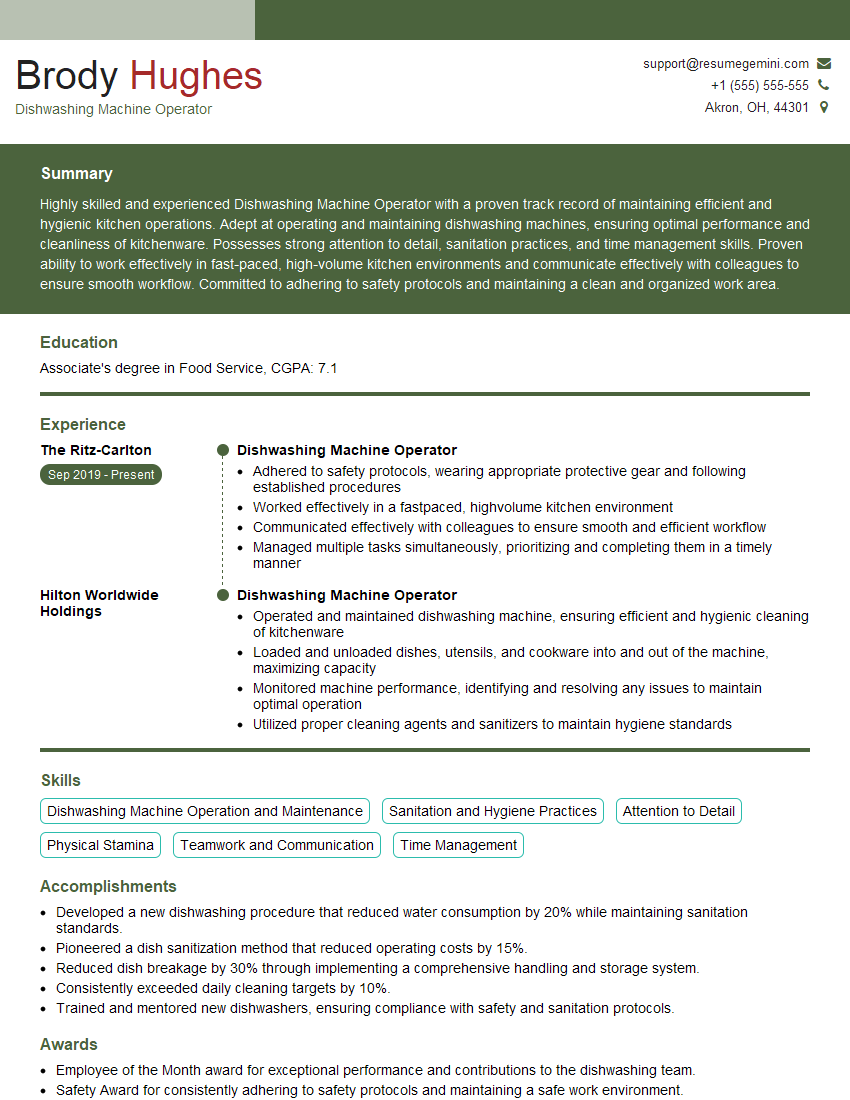
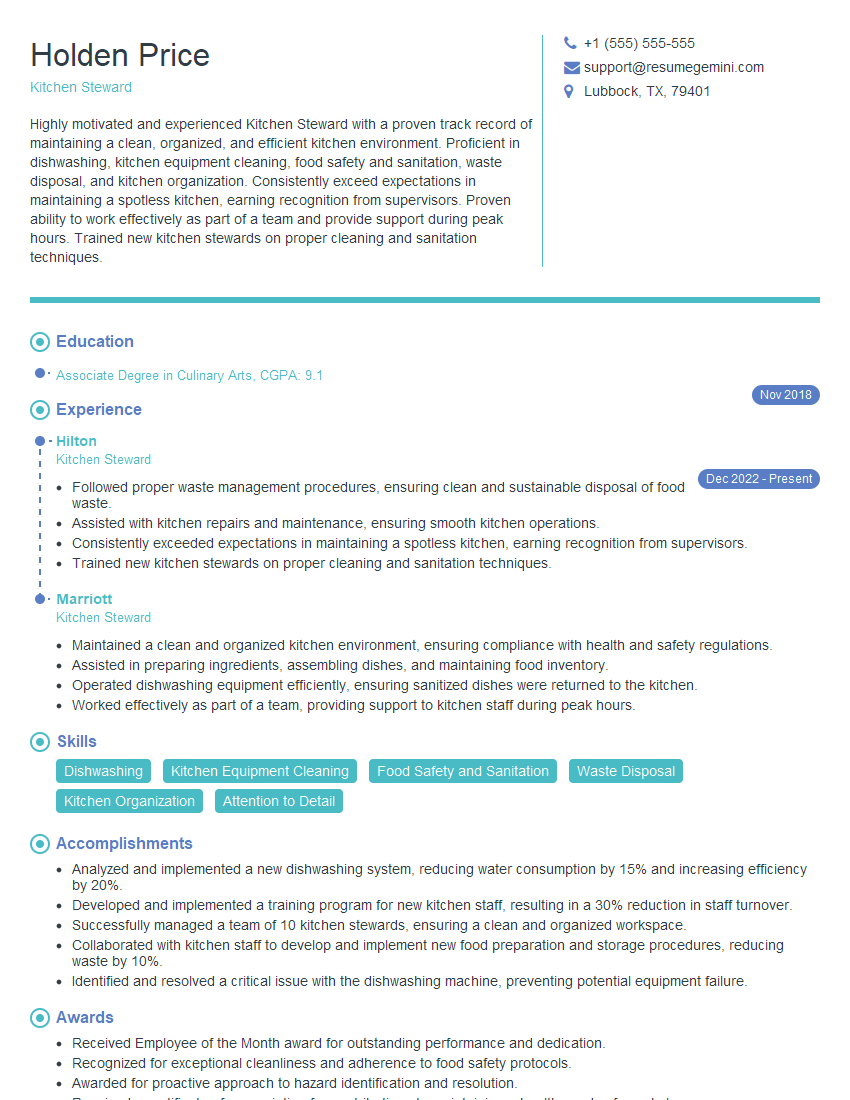
Mastering plate cleaning skills opens doors to various roles within the food service and hospitality industries, offering opportunities for career advancement and increased earning potential. A well-crafted resume is crucial for showcasing your abilities to potential employers. Creating an ATS-friendly resume is key to ensuring your application gets noticed. ResumeGemini is a trusted resource that can help you build a professional and impactful resume tailored to your experience. Examples of resumes tailored to Plate Cleaning are available to guide you through the process.
Explore more articles
Users Rating of Our Blogs
Share Your Experience
We value your feedback! Please rate our content and share your thoughts (optional).
What Readers Say About Our Blog
Very informative content, great job.
good