Cracking a skill-specific interview, like one for Aircrew Coordination and Communication, requires understanding the nuances of the role. In this blog, we present the questions you’re most likely to encounter, along with insights into how to answer them effectively. Let’s ensure you’re ready to make a strong impression.
Questions Asked in Aircrew Coordination and Communication Interview
Q 1. Describe your experience with Crew Resource Management (CRM) principles.
Crew Resource Management (CRM) is a cornerstone of safe and efficient aviation operations. It’s a behavioral approach that emphasizes teamwork, communication, leadership, and decision-making skills to mitigate risks and enhance performance. My experience with CRM principles spans over [Number] years, encompassing various roles from [Role 1] to [Role 2]. I’ve actively participated in CRM training programs, including simulator sessions focusing on high-stress scenarios like engine failures and unexpected weather changes. These exercises honed my ability to effectively communicate with crew members, utilize checklists meticulously, and manage workload during crises.
For instance, during a simulated engine failure, I practiced applying CRM principles to effectively communicate the situation to the other pilot, sharing information concisely and accurately, while simultaneously managing the checklist items and necessary aircraft controls. This collaborative approach, prioritizing clear communication and task delegation, allowed for a safe resolution and prevented errors of omission. I consistently promote a culture of open communication and error reporting, recognizing that even minor issues can escalate if not addressed promptly and effectively. This proactive approach has proven invaluable in fostering a high-performing and safety-conscious team environment.
Q 2. Explain the importance of clear and concise communication in aviation.
Clear and concise communication is paramount in aviation, where even a small misunderstanding can have severe consequences. Ambiguity or miscommunication can lead to incorrect interpretations of instructions, miscoordination of actions, and ultimately, accidents. Think of it like a carefully orchestrated dance; each pilot’s actions must be in perfect sync with the other, and this synchronization is entirely dependent on precise communication.
Consider the simple act of requesting clearance for takeoff. Using standard phraseology, a precise altitude request, and clear runway details prevents confusion and ensures the controllers understand your intentions completely. A concise, unambiguous transmission, for example, "Tower, [Aircraft Registration] requesting runway 27, departure to [waypoint], altitude [altitude]" is far safer than a rambling, unclear request. Effective communication involves active listening, confirmation of understanding, and the use of standard phrases to eliminate misinterpretations. It’s about building a shared understanding and a consistent flow of information, vital for safety and operational efficiency.
Q 3. How do you handle communication breakdowns during critical flight phases?
Communication breakdowns during critical phases require immediate and decisive action. My approach prioritizes the following steps:
- Immediate acknowledgement: First, I acknowledge the breakdown openly, stating something like, “I didn’t understand that, can you repeat that please?” or “We seem to be having a communication issue; let’s clarify.”
- Clarification: I request clarification using simple language, avoiding jargon and technical terms that could further complicate the situation. I may use visual cues like pointing to a specific gauge or instrument.
- Confirmation: Once clarification is received, I confirm understanding by restating the crucial information to ensure we are both on the same page. I might say, “So, you are requesting [action], and I understand we should then proceed to [next step], correct?”
- Fallback procedures: If the issue persists, I will move to simpler, more basic commands and standard procedures to achieve the necessary outcome, prioritizing safety above all else.
- Post-flight debrief: Following the flight, a thorough debrief with the other crew members is essential to analyze the cause of the communication breakdown, implement solutions, and prevent future occurrences.
In a real-world scenario, during a critical approach, if I received a confusing instruction from ATC, I would immediately acknowledge and request clarification, potentially asking for the instruction to be repeated in a simpler format or switching to an alternative communication method if necessary. The safety of the aircraft and passengers is paramount, so efficient communication is never negotiable.
Q 4. Describe your proficiency in using standard aviation phraseology.
My proficiency in standard aviation phraseology is exceptionally high. I’ve been using it consistently throughout my [Number] years of experience, ensuring precise and unambiguous communication in all operational phases. I am fully versed in using phrases from ATC communications, emergency procedures, and normal operational communication. This includes accurate pronunciation, correct terminology, and the efficient structure of messages.
For example, when contacting ATC, I use precise and clear phrases like "Mayday, Mayday, Mayday. [Aircraft Registration] experiencing [emergency]" for emergency situations. In routine operations, I seamlessly use terms like "Cleared for takeoff, runway 27", "Descend and maintain [altitude]", or "Requesting approach to [airport]" without any hesitation. My familiarity with the phraseology extends beyond just memorization; I understand the underlying meaning and context of each phrase, ensuring its proper usage within the overall communication flow.
Q 5. What are the key elements of effective aircrew coordination?
Effective aircrew coordination is built on several key elements, functioning synergistically to ensure a safe and efficient flight. These include:
- Clear communication: As previously discussed, accurate, concise, and unambiguous communication is fundamental. This involves using standard phraseology and active listening.
- Workload management: Distributing tasks effectively to avoid overloading any one member of the crew is vital. This requires clear delegation and prioritization.
- Situational awareness: Maintaining a shared understanding of the aircraft’s status, the surrounding environment, and the ongoing tasks is crucial. Each crew member must constantly monitor and assess the situation.
- Decision-making: A collaborative approach to decision-making is essential, ensuring everyone participates in the process, and the final decision is informed and shared.
- Assertiveness: Crew members must feel empowered to voice concerns or challenge decisions if necessary. This creates a safe environment for expressing safety-related concerns.
- Teamwork and mutual respect: A positive and collaborative team environment promotes open communication, understanding, and trust among crew members, which is crucial in stressful situations.
These elements work together like a finely tuned machine; each component plays a critical role in ensuring the overall smooth and safe operation of the flight.
Q 6. How do you prioritize tasks and information during high-workload situations?
Prioritizing tasks and information during high-workload situations requires a systematic approach. I use a combination of techniques, including:
- Risk assessment: I immediately assess the potential risks associated with each task, focusing on those that could have the most significant safety implications. Critical tasks associated with immediate safety or control of the aircraft are prioritized above all else.
- Prioritization matrix: I mentally categorize tasks based on their urgency and importance. Urgent and important tasks take precedence. This is often done implicitly and quickly through experience, but the framework is always present.
- Task delegation: If possible, I delegate tasks to other crew members, ensuring they have the necessary information and understanding. This reduces my own workload and improves overall efficiency.
- Automation: I leverage available automation tools to streamline repetitive tasks, freeing up mental capacity for critical decisions and actions.
- Checklists: Checklists provide a structured approach, ensuring essential procedures are followed accurately, preventing omissions under pressure.
For example, during a complex approach in poor weather, I would immediately prioritize maintaining the aircraft’s position, monitoring the instruments, and communicating with ATC, ensuring safety. Less critical tasks such as reviewing passenger information would be postponed until the high-workload situation subsides. The structured use of checklists, in such conditions, ensures consistent procedure adherence and aids safety-conscious decision-making.
Q 7. Explain your understanding of Sterile Cockpit Rules.
Sterile Cockpit Rules are regulations implemented to enhance safety during critical flight phases, namely takeoff and landing. These phases are deemed ‘sterile’ because non-essential activities are prohibited to minimize distractions and ensure the crew’s full attention is on piloting the aircraft. The rules vary slightly depending on the regulatory body and the specific aircraft type, but generally prohibit non-essential conversations, activities, or tasks.
My understanding of these rules is comprehensive. I know that during the takeoff and landing phases, only activities directly related to the safe operation of the aircraft are permitted. This includes communications with ATC, aircraft systems monitoring, navigation, and any necessary operational tasks directly relevant to controlling the aircraft during these specific flight phases. Any non-essential conversation or activity is prohibited to maintain the highest level of focus and situational awareness. This not only safeguards flight safety but also avoids needless distraction, preventing potentially catastrophic consequences.
Q 8. How do you manage conflicting information from different sources?
Conflicting information is a serious concern in aviation, potentially leading to critical errors. Managing it requires a systematic approach prioritizing validated data and established protocols. First, I identify the source of each piece of information. Is it from a trusted instrument, a fellow crew member, or ATC? Then, I assess the reliability of each source based on its history and current state. For example, a faulty altimeter reading would be given less weight than a corroborated GPS position. Next, I cross-reference the information. Do the different data points align? If not, I investigate the discrepancies. This might involve checking backup systems, recalibrating instruments, or requesting clarification from ATC. Finally, I make a decision based on the most reliable and consistent information, documenting the process and the rationale behind my choice. This documented process is crucial for post-incident analysis and improving future decision-making. Imagine a situation where the flight instruments disagree slightly with the GPS data. I wouldn’t panic; rather, I’d systematically check for instrument malfunctions, compare the discrepancies against known weather conditions affecting GPS accuracy, and then act on the most credible data source, always keeping the safety of the flight paramount.
Q 9. Describe a situation where you had to adapt your communication style to a particular individual or situation.
During a flight with an experienced but less technically inclined co-pilot, I found myself needing to adapt my communication style. While typically using precise aviation terminology, I realised my technical explanations were causing confusion and slowing down our decision-making process. I adjusted by using simpler language, visual aids such as checklists and charts, and more frequent pauses for questions and confirmation. Instead of saying, “We need to adjust the VNAV profile due to wind shear,” I might say, “The wind’s pushing us a bit off course, so let’s make a small adjustment to our planned altitude and speed to stay on track.” This more conversational and less technical approach ensured that he understood the situation and our actions, enhancing the collaborative nature of the flight. The key was to maintain clear and concise communication while adapting to his specific understanding to achieve a shared situational awareness.
Q 10. How do you contribute to a positive and collaborative cockpit environment?
A positive and collaborative cockpit environment is paramount for flight safety. My contribution focuses on several key areas: open communication, active listening, mutual respect, and proactive error management. I foster open communication by encouraging crewmembers to express their concerns and ideas without fear of reprisal. I actively listen to others’ perspectives, seeking clarification and ensuring I fully understand their inputs before responding. Mutual respect involves recognizing each crew member’s expertise and valuing their contributions. I proactively manage errors by focusing on the underlying causes, rather than assigning blame. For instance, if a procedural error occurs, I facilitate a discussion to understand why it happened and implement measures to prevent recurrence. By modelling these behaviors, I create a culture of trust and teamwork, fostering a safer and more effective flight operation. A healthy balance of assertive and collaborative communication helps diffuse tension and ensures that concerns are addressed promptly and effectively.
Q 11. Explain your experience with emergency communication procedures.
My experience with emergency communication procedures involves both simulator training and real-world scenarios (although thankfully, no major incidents). We regularly practice emergency procedures, such as mayday calls, using standardized phrases and concise language to effectively communicate the nature of the emergency, aircraft location, and assistance needed to ATC. In simulators, I’ve practiced various emergency situations, from engine failures to declaring an emergency landing. Proper communication is always stressed – using the correct terminology, maintaining clear diction, and confirming that the message has been received and understood. Furthermore, we train for scenarios involving communication failures, utilizing alternative methods to contact ATC or other aircraft, if necessary. A calm and assertive demeanor is crucial in emergencies, enabling clear and effective communication, even under stress. Remember, in an emergency, every second counts, and efficient communication is pivotal to a successful resolution.
Q 12. Describe your knowledge of different types of aviation communication systems.
My knowledge encompasses various aviation communication systems, including VHF radios (Voice Communication) for communication with ATC and other aircraft, HF radios (High Frequency) for long-range communication, and various data-link systems like ACARS (Aircraft Communications Addressing and Reporting System) for sending and receiving text messages. I’m also familiar with satellite communication systems for remote areas where VHF and HF may not be reliable. Each system has its limitations; for example, VHF range is limited by line of sight, while HF is affected by atmospheric conditions. Understanding the strengths and weaknesses of each system and when to use them is crucial for effective communication. Furthermore, I’m familiar with the emergency frequencies and procedures associated with each system, emphasizing the importance of proficiency across diverse technologies to handle different operational needs and contingencies.
Q 13. How would you handle a situation with a malfunctioning communication system?
A malfunctioning communication system requires a multi-faceted approach. First, I’d attempt to troubleshoot the system. This might involve checking the power, antenna, and any other obvious issues. If the problem persists, I’d switch to backup communication systems, if available. This could involve using a different radio frequency, a different communication system altogether, or even attempting to establish contact with another aircraft to relay our message to ATC. If all other means fail, I’d use visual signals, such as lights, to communicate our position and intentions to ATC. Meanwhile, I would maintain situational awareness, prioritizing safety and executing procedures based on the available information. For instance, I might use pre-planned alternate routes to navigate while unable to contact ATC directly. The most critical element is to maintain a calm and professional demeanor and to remain persistent in finding a way to communicate vital information to the ground.
Q 14. How do you ensure effective communication with Air Traffic Control (ATC)?
Effective communication with ATC relies on clarity, brevity, and adherence to standard phraseology. I ensure my transmissions are clear and concise, using precise language and avoiding unnecessary details. I listen attentively to ATC instructions and promptly acknowledge them using standardized phrases, such as “Cleared for takeoff,” or “Roger.” I confirm all critical information, such as altitudes, headings, and frequencies, to avoid misunderstandings. In addition, I anticipate ATC instructions and prepare accordingly, for example, by having navigation information ready before contacting them. A clear understanding of aviation terminology and the airspace structure enables effective and safe communication. If I encounter difficulties, I clearly state the problem, for example, “ATC, we are experiencing difficulties receiving your transmissions,” and I propose solutions for clearer communication. A proactive and respectful approach leads to smooth communication, contributing to a safe and efficient flight.
Q 15. Explain your understanding of the limitations of aviation communication technologies.
Aviation communication technologies, while advanced, have inherent limitations. These limitations primarily stem from factors like radio range, interference, and the inherent ambiguity of spoken language. For example, VHF radio, the mainstay of air-to-ground communication, has a limited range, making communication challenging in mountainous terrain or over vast bodies of water. Furthermore, atmospheric conditions, such as static electricity or strong solar activity, can cause interference, degrading the clarity of transmissions and potentially leading to misunderstandings. The use of standardized phraseology helps mitigate this, but it isn’t a foolproof solution. Finally, the human element plays a critical role. The interpretation of even the clearest transmissions can be influenced by fatigue, stress, or cultural differences. Imagine a pilot experiencing turbulence; the stress might impact their ability to interpret a concise, yet possibly ambiguous, instruction from air traffic control.
Another significant limitation is the lack of visual cues in radio communication. This makes it challenging to ascertain the tone and intent behind a message, relying heavily on precise word selection and standard phraseology. A simple phrase, like ‘Turning now’, lacks context without additional information such as altitude, heading and direction.
Career Expert Tips:
- Ace those interviews! Prepare effectively by reviewing the Top 50 Most Common Interview Questions on ResumeGemini.
- Navigate your job search with confidence! Explore a wide range of Career Tips on ResumeGemini. Learn about common challenges and recommendations to overcome them.
- Craft the perfect resume! Master the Art of Resume Writing with ResumeGemini’s guide. Showcase your unique qualifications and achievements effectively.
- Don’t miss out on holiday savings! Build your dream resume with ResumeGemini’s ATS optimized templates.
Q 16. Describe your experience with using checklists and standard operating procedures (SOPs) for communication.
Checklists and Standard Operating Procedures (SOPs) are fundamental to safe and effective aviation communication. My experience incorporates using these tools across various flight phases, from pre-flight briefings to emergency procedures. Checklists ensure that crucial communication items, such as radio frequencies, emergency procedures, and passenger briefing procedures, are not overlooked. SOPs provide standardized language and communication protocols, reducing ambiguity and improving clarity. For example, during a pre-flight briefing, a checklist ensures that all crew members confirm they understand the flight plan, communication frequencies, and emergency procedures. This structured approach minimizes the potential for misunderstandings and improves overall coordination.
During abnormal situations, SOPs are especially critical. They provide a structured approach to handling emergencies, guiding crew communication to ensure coordinated responses. For example, a fire in-flight would trigger a specific SOP, dictating who communicates with air traffic control, what information needs to be conveyed, and how to coordinate actions with other crew members. The structured approach reduces the cognitive load on the crew during a high-stress situation and ensures efficient problem solving.
Q 17. How do you maintain situational awareness and effectively communicate it to your crew?
Maintaining situational awareness (SA) and effectively communicating it to the crew is paramount to safe flight operations. My approach involves a multi-faceted strategy incorporating active listening, cross-checking information, and continuous communication. I constantly monitor various data sources, including flight instruments, weather reports, air traffic control instructions, and communication with other crew members. This allows me to develop a holistic understanding of the current flight situation.
Crucially, I regularly share my SA with the crew using clear, concise language and using standardized phraseology. This is more than just reciting numbers; it includes contextual information that paints a picture of the current flight state. For example, instead of simply saying ‘Traffic at 1 o’clock’, I’d convey ‘Traffic at 1 o’clock, approximately 2 miles, maintaining altitude, no apparent conflict’. This added information facilitates shared understanding and allows for better decision-making.
Visual aids, like charts, maps or weather radar data, are also integral to promoting shared situational awareness, particularly during complex operations or emergencies.
Q 18. How do you identify and mitigate communication barriers within a crew?
Communication barriers can significantly impact aircrew coordination. Identifying and mitigating them requires proactive measures and a focus on effective team dynamics. I address these barriers through several techniques. First, I actively listen to understand what the other person is conveying, not just what I expect them to say. This helps me to identify any potential misunderstandings or different interpretations.
Secondly, I employ techniques to ensure clarity in my communications. Using plain language, avoiding jargon, and repeating critical information helps to ensure that everyone is on the same page. For instance, when making a decision, I’d say, “We’re going to descend to FL200, this is due to the weather ahead, expect some turbulence.” I ensure all critical information is conveyed explicitly and confirm understanding. Thirdly, addressing differences constructively and ensuring everyone has equal opportunity to speak is crucial for improving team dynamics and mitigating potential miscommunications that might arise from hierarchy differences.
Finally, feedback is vital. Encouraging crew members to openly point out potential communication breakdowns ensures they don’t escalate into serious errors. Regular briefings and debriefings enhance team cohesion and reinforce the importance of clear, open, and transparent communication.
Q 19. Explain your experience with handling cross-cultural communication challenges in aviation.
Cross-cultural communication challenges are a reality in the increasingly globalized aviation industry. My experience has taught me the importance of cultural sensitivity and adapting communication styles to different backgrounds. I focus on using clear, concise language, avoiding idioms and colloquialisms that may not translate well across cultures. For example, instead of using casual phrases or humour which may be misinterpreted, I stick to professional, unambiguous language. I also pay close attention to nonverbal cues, as their interpretation can vary significantly across cultures. Maintaining eye contact can be interpreted differently in various cultures and is something that should be approached thoughtfully.
Active listening is essential in cross-cultural communication, as it allows me to understand the other person’s perspective and ensure there are no misunderstandings stemming from language differences or cultural norms. I might utilise technology like translators to overcome language barriers, but also remember that tone and nuance can be lost in translation and that cultural context is vital.
Pre-flight briefings that specifically address potential cross-cultural communication nuances are a vital part of mitigating potential problems and fostering a cooperative team environment.
Q 20. How do you manage stress and maintain effective communication under pressure?
Managing stress and maintaining effective communication under pressure is crucial in aviation. My approach involves several strategies. Firstly, I maintain a healthy lifestyle that includes sufficient sleep, exercise, and a balanced diet. These practices contribute significantly to my ability to perform under pressure. Secondly, I rely on thorough training and experience, which has developed my ability to handle unexpected situations calmly and efficiently.
During high-pressure situations, I focus on controlled breathing techniques to manage stress. Clear and concise communication becomes even more vital. I ensure that my instructions are unambiguous and avoid using jargon or overly complex language. I take pauses where appropriate to gather my thoughts and consider the best course of action. Furthermore, I rely on teamwork to distribute workload and share the cognitive load during high-pressure situations. This collaborative approach ensures that no one person is overwhelmed, and everyone can contribute effectively.
Regular practice of emergency procedures and debriefings after critical incidents allow us to continually refine our teamwork skills and communication practices under pressure. This creates a safety culture that fosters resilience and enables effective communication in even the most demanding environments.
Q 21. Describe your understanding of human factors related to aircrew communication.
Human factors are a significant contributor to aircrew communication effectiveness. These factors encompass a broad range of elements impacting human performance, including physiology, psychology, and the surrounding environment. For example, fatigue can impair cognitive function, leading to slower reaction times, reduced alertness, and increased potential for communication errors. Similarly, stress can affect decision-making and communication clarity. A highly stressed pilot may become less receptive to information or unintentionally provide unclear instructions. Therefore, proper rest and stress management strategies are crucial for optimal communication.
Furthermore, workload impacts communication. During high-workload periods, crew members may become less attentive to communications, leading to missed instructions or delayed responses. Crew resource management (CRM) training focuses on efficient workload distribution and effective communication to minimise these risks. Environmental factors also play a role. Noise, vibration, and uncomfortable temperatures can all affect communication clarity and crew performance.
Understanding these human factors enables us to implement effective strategies to enhance communication effectiveness. This includes proactive management of fatigue, stress, and workload, coupled with ongoing CRM training to ensure that the crew functions as a cohesive unit.
Q 22. Explain your experience with briefing and debriefing procedures.
Effective briefing and debriefing are cornerstones of safe and efficient aircrew operations. A pre-flight briefing ensures everyone is on the same page regarding the flight plan, potential hazards, communication protocols, and emergency procedures. It’s like a team huddle before a crucial game, aligning expectations and roles.
My briefings follow a structured format, encompassing weather conditions, route details, contingency plans, and assigned roles and responsibilities. I always encourage open communication and question-asking during briefings to ensure complete understanding. For example, before a challenging mountain overflight, I would meticulously review the terrain profile, weather forecasts, and discuss specific communication procedures for potential emergencies.
Post-flight debriefings are equally vital. They provide an opportunity for constructive feedback and analysis of the flight, identifying areas for improvement in communication and coordination. We discuss what went well, what could have been better, and collaboratively brainstorm solutions. A recent debriefing after a night flight highlighted the need for clearer radio calls in low-visibility conditions. This led to us implementing standardized phraseology, ensuring better clarity and reducing potential confusion.
Q 23. How do you handle disagreements or conflicts within the aircrew?
Disagreements or conflicts within the cockpit are inevitable, but how we handle them is paramount to safety. My approach focuses on fostering a culture of respectful communication and assertive, but not aggressive, problem-solving. The goal isn’t to avoid conflict, but to address it constructively.
I utilize a structured approach: First, I ensure a calm and safe environment. Then, I actively listen to each crew member’s perspective, ensuring everyone feels heard. I employ clarifying questions to identify the root cause of the disagreement. Once we understand the issue, we collaboratively brainstorm solutions, focusing on the best course of action for safety and mission success. This often involves referring to checklists, SOPs (Standard Operating Procedures), and available data. For example, if a disagreement arises on the appropriate altitude for an approach, we’d consult our charts, weather reports, and relevant regulations before reaching a mutually agreeable decision. Prioritizing safety remains the absolute priority, regardless of differing opinions.
Q 24. Describe your experience in conducting post-flight analysis of communication effectiveness.
Post-flight communication analysis is critical for continuous improvement. I regularly review flight recordings, both cockpit voice recordings (CVR) and flight data recorders (FDR), to assess communication effectiveness. This involves analyzing clarity, brevity, and adherence to standardized phraseology. We look for instances of misunderstanding, interruptions, or unclear instructions. This process is not about assigning blame but about identifying areas where communication can be improved.
For instance, if the CVR shows repetitive interruptions during a critical phase of flight, we’d analyze the context to understand why. It might indicate workload imbalance, inadequate briefing, or a need for clearer role assignments. This analysis then informs training and procedural modifications to improve future performance. We might implement strategies to improve workload management or update checklists to ensure clear responsibility delineation.
Q 25. How do you incorporate feedback to improve your aircrew coordination skills?
Feedback is the cornerstone of skill improvement. I actively seek feedback from my crewmates, supervisors, and through self-reflection after each flight. This feedback can come in various forms, from formal performance reviews to informal comments shared during debriefings. I value all forms of feedback, recognizing that they provide valuable insights for improvement.
I use a structured approach to incorporate feedback: First, I listen carefully and actively seek clarification when needed. Then, I reflect on the feedback, identifying patterns or trends. Finally, I develop a personalized plan for improvement, focusing on specific areas identified through feedback. For example, if feedback highlights a tendency for abrupt communication during stressful situations, I might focus on practicing controlled breathing techniques and using clear, concise language under simulated stress conditions.
Q 26. Explain your understanding of aviation regulations related to communication.
Aviation regulations concerning communication are stringent and vital for safety. They cover various aspects, including standardized phraseology, radio discipline, emergency communication procedures, and the use of appropriate frequencies. These regulations are designed to ensure clarity, prevent misunderstandings, and streamline communications in potentially high-pressure situations. I am intimately familiar with regulations like those outlined in ICAO (International Civil Aviation Organization) documents and national aviation authorities’ rules.
For example, adhering to standardized phraseology, like using specific terms for requesting clearances or reporting positions, minimizes ambiguity. Likewise, understanding the appropriate frequencies and procedures for emergency communications is crucial for a swift and effective response in critical situations. Regular updates on regulatory changes and attending recurrent training sessions keep my knowledge current and ensure compliance.
Q 27. Describe your experience with using flight recorders and other data to analyze communication issues.
Flight recorders, specifically the CVR and FDR, are invaluable tools for analyzing communication issues. The CVR captures cockpit audio, providing a detailed record of conversations and radio transmissions. The FDR records various flight parameters, which when correlated with the CVR, can help us understand the context of communications. For instance, high workload indicated by the FDR might coincide with fragmented or unclear communications on the CVR.
Using specialized software, we can analyze these recordings, identifying patterns and trends in communication. This data-driven analysis helps pinpoint areas needing improvement, such as clarity, teamwork, workload management, and adherence to procedures. For example, if the FDR shows a rapid descent and the CVR indicates confused communication amongst the crew, we might investigate the root cause, potentially discovering a procedural deficiency or equipment malfunction.
Q 28. How do you ensure the safety and security of communication information in accordance with regulations?
Ensuring the security and confidentiality of communication information is paramount. This involves adhering strictly to regulations concerning the handling of sensitive information, such as flight plans, weather reports, and passenger data. These regulations aim to prevent unauthorized access and protect the security of the operation.
My practices include using secure communication channels, following established procedures for data handling, and limiting access to sensitive information to authorized personnel. Any security breaches or suspected compromises are reported immediately to the relevant authorities. Regular security training reinforces these practices and ensures we remain vigilant in our commitment to information security. We strictly adhere to data encryption protocols when dealing with sensitive flight information and regularly review our security protocols to ensure alignment with the latest industry best practices.
Key Topics to Learn for Aircrew Coordination and Communication Interview
- Crew Resource Management (CRM): Understand the principles of CRM, including its impact on safety and efficiency. Explore practical applications like decision-making in stressful situations and effective task delegation.
- Communication Techniques: Master various communication styles and adapt them to different situations. Practice clear, concise, and assertive communication, focusing on active listening and feedback.
- Standard Phraseology: Familiarize yourself with standardized communication protocols and terminology used in aviation. Understand the importance of precise language to avoid misunderstandings.
- Conflict Resolution: Learn techniques for identifying and resolving conflicts effectively within a crew environment. Explore strategies for de-escalation and maintaining a positive working relationship.
- Situational Awareness: Discuss how to maintain a high level of situational awareness, both individually and as a team. Practice identifying potential hazards and developing mitigation strategies.
- Human Factors: Understand the influence of human factors on aircrew performance, including fatigue, stress, and workload management. Explore techniques for optimizing crew performance in challenging conditions.
- Emergency Procedures: Review emergency procedures and communication protocols. Practice effective communication during simulated emergencies, focusing on clarity and efficiency under pressure.
Next Steps
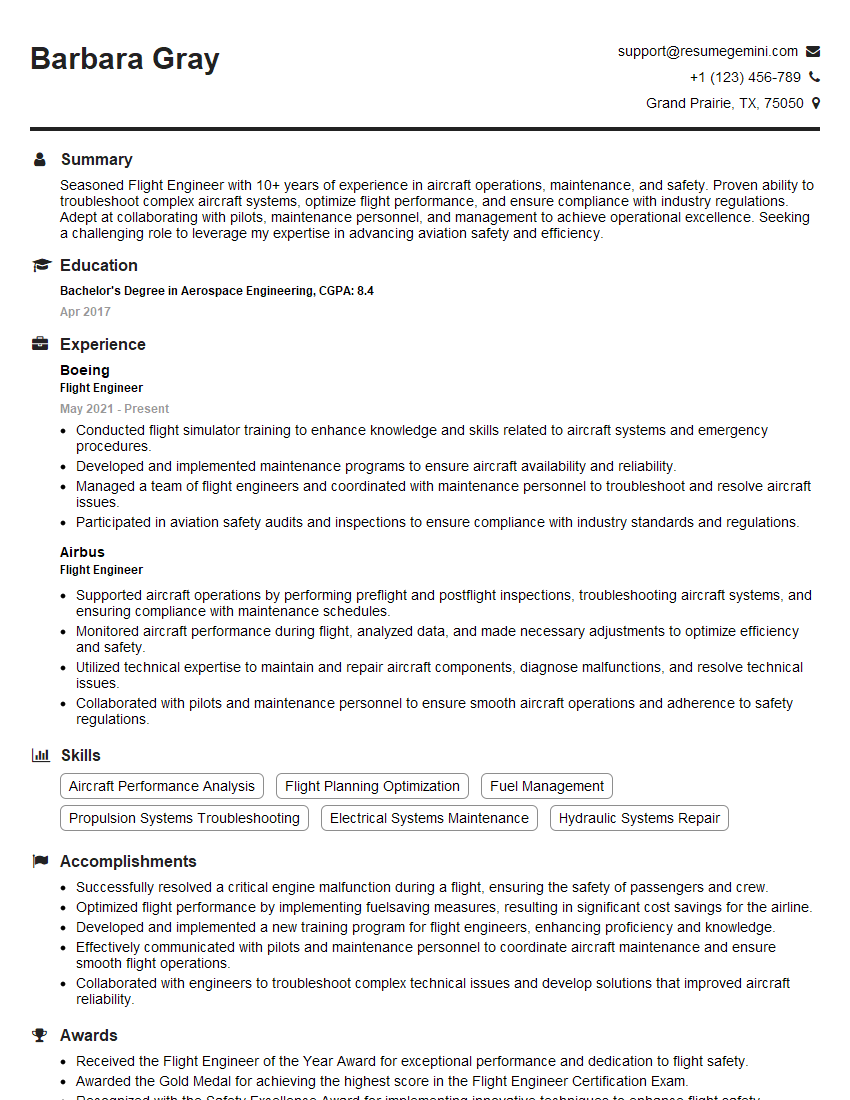
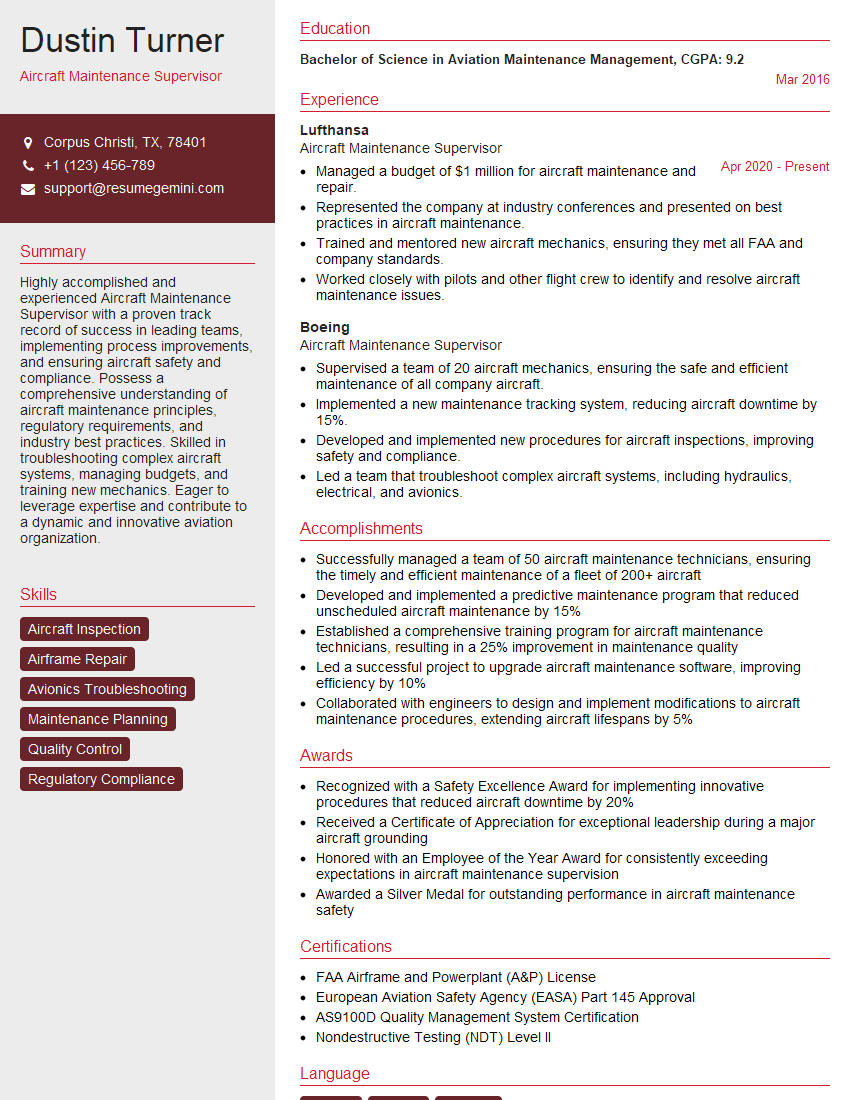
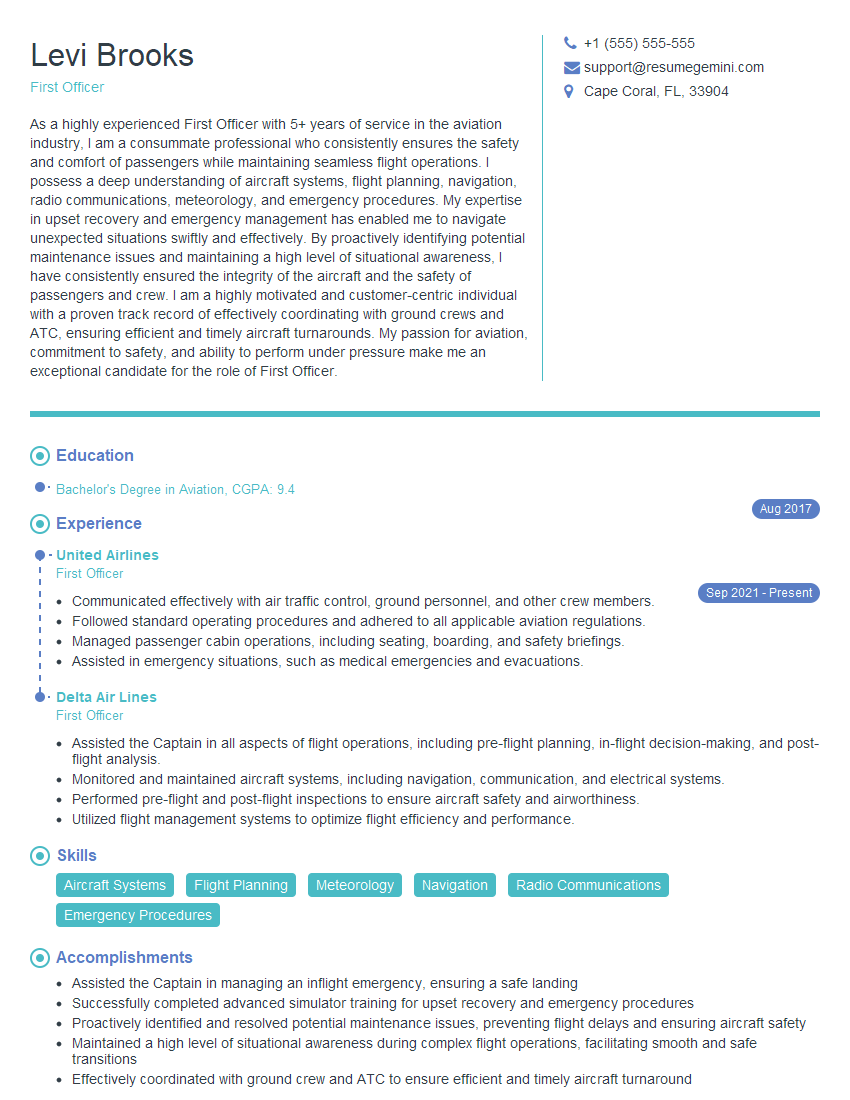
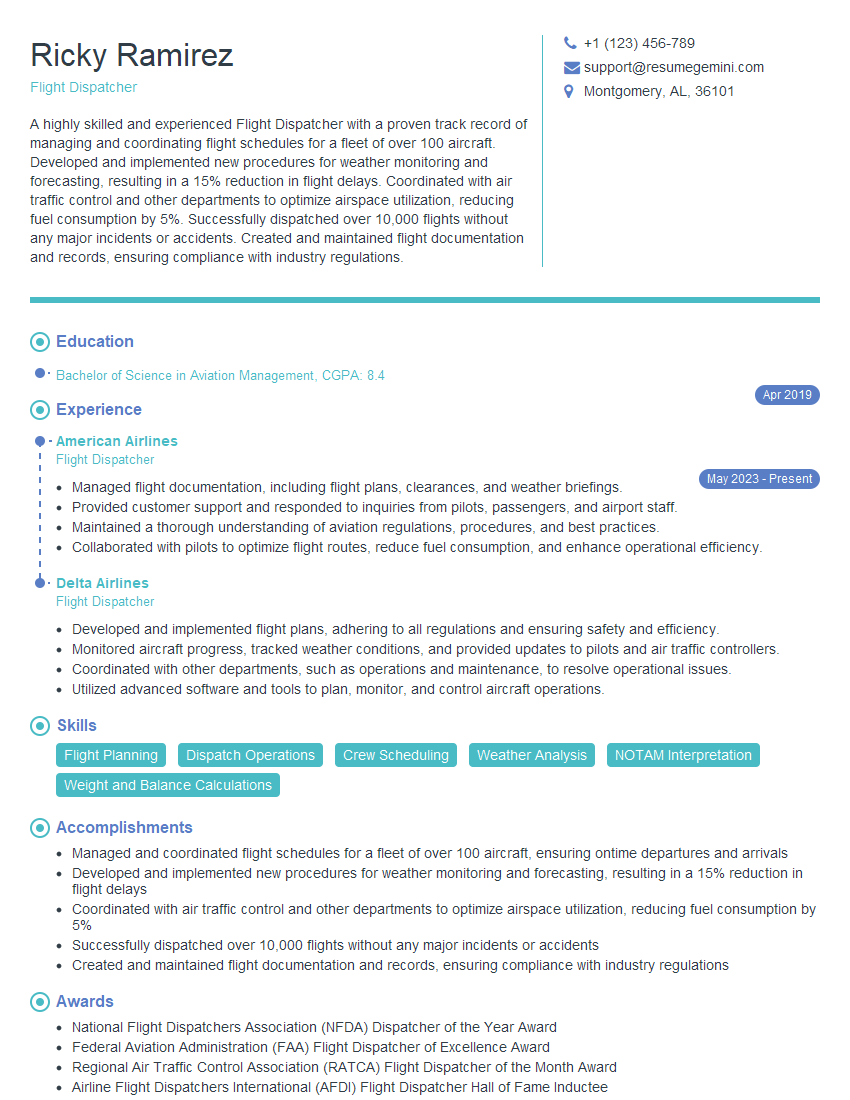
Mastering Aircrew Coordination and Communication is paramount for a successful and fulfilling career in aviation. These skills are highly valued by employers and directly contribute to safety, efficiency, and team effectiveness. To significantly boost your job prospects, create a resume that is ATS-friendly, showcasing your expertise in these crucial areas. We highly recommend using ResumeGemini, a trusted resource, to build a professional and impactful resume. ResumeGemini provides examples of resumes tailored specifically to Aircrew Coordination and Communication roles, helping you present your skills and experience in the best possible light.
Explore more articles
Users Rating of Our Blogs
Share Your Experience
We value your feedback! Please rate our content and share your thoughts (optional).
What Readers Say About Our Blog
Very informative content, great job.
good