Unlock your full potential by mastering the most common Airframe Maintenance interview questions. This blog offers a deep dive into the critical topics, ensuring you’re not only prepared to answer but to excel. With these insights, you’ll approach your interview with clarity and confidence.
Questions Asked in Airframe Maintenance Interview
Q 1. Explain the difference between scheduled and unscheduled maintenance.
Scheduled maintenance is preventative maintenance performed at predetermined intervals, based on aircraft operating hours, cycles, or calendar time, as outlined in the manufacturer’s maintenance manual. Think of it like regular check-ups at the doctor – it aims to catch potential problems *before* they become major issues. Unscheduled maintenance, on the other hand, is reactive. It’s performed in response to a malfunction or discovered damage. This is like going to the emergency room – something unexpected has happened, requiring immediate attention.
Example: Scheduled maintenance might include a periodic inspection of landing gear components after a specific number of landings. Unscheduled maintenance would be fixing a landing gear that suddenly malfunctions mid-flight.
- Scheduled: Reduces the likelihood of catastrophic failures, extends aircraft lifespan, improves safety and reliability.
- Unscheduled: Disrupts operations, increases downtime and costs, potentially compromises safety if not addressed swiftly.
Q 2. Describe your experience with corrosion control and prevention methods.
Corrosion is a major enemy of aircraft airframes, silently weakening structures and compromising safety. My experience encompasses a wide range of corrosion control methods, from preventative measures to active remediation. Preventative measures include meticulous cleaning procedures, the application of protective coatings (paints, sealants, etc.), and the use of corrosion inhibitors. For example, I’ve extensively used chromate-free primers and topcoats on aluminum airframes to prevent oxidation. In cases where corrosion has already taken hold, we use techniques like chemical treatment, abrasive blasting, and careful repair, sometimes involving specialized composite patches or even metal replacement.
During my time at [Previous Company Name], I led a project to implement a new corrosion prevention program that resulted in a 20% reduction in corrosion-related maintenance events. This involved regular inspections using borescopes and specialized tools for detecting hidden corrosion, coupled with detailed record-keeping to track corrosion trends and identify vulnerable areas.
Q 3. How do you identify and address fatigue cracks in an airframe?
Fatigue cracks are microscopic cracks that develop over time due to repeated stress cycles. Identifying them is crucial to prevent catastrophic failure. We employ various Non-Destructive Testing (NDT) methods, such as visual inspection (using boroscopes for hard-to-reach areas), dye penetrant inspection (to reveal surface cracks), magnetic particle inspection (for ferromagnetic materials), and ultrasonic inspection (to detect internal flaws). The location, size, and orientation of the crack dictate the repair strategy. Small cracks may be repaired with simple drilling and sealing, while larger cracks might require patching, local reinforcement, or even component replacement.
Example: During a routine inspection, we found a fatigue crack on a wing spar using ultrasonic inspection. After carefully assessing the crack, we implemented a repair procedure involving drilling the crack ends to prevent further propagation, followed by the application of a structural adhesive and a bonded patch. The repaired area was then thoroughly inspected to ensure its structural integrity.
Q 4. What are the common causes of hydraulic system malfunctions?
Hydraulic system malfunctions can stem from a variety of issues, often related to fluid contamination, component wear, or leaks. Contamination, including dirt, water, or air, can lead to malfunctioning valves, pumps, and actuators. Leaks, often resulting from worn seals or damaged lines, lead to fluid loss and pressure drops, compromising system operation. Component wear, such as pump wear or valve sticking, can also disrupt the system. Furthermore, improper maintenance, such as neglecting routine fluid changes, can accelerate component wear and increase the chance of malfunctions.
Troubleshooting these problems often involves systematically checking fluid levels and quality, inspecting lines and components for leaks or damage, and verifying the functionality of individual components using specialized testing equipment.
Q 5. Explain the process of conducting a pre-flight inspection.
A pre-flight inspection is a critical safety check performed before every flight. It’s a thorough visual examination of the aircraft’s exterior and a check of vital systems. The process typically follows a checklist, ensuring no element is overlooked. This includes checking for damage to the airframe, wings, control surfaces, and landing gear. Fuel levels are verified, along with the condition of tires, brakes, and lights. We also check flight controls for proper operation, ensuring smooth movement and no binding. The engine is inspected for leaks or damage, and flight instruments and radios are tested. Finally, a walk-around is performed to look for anything unusual or out of place.
The detailed steps can vary depending on the aircraft type, but thoroughness and attention to detail are paramount. A missing bolt or a small crack detected early can prevent a significant accident later. This process is not just a routine; it is a critical safety procedure. It’s a vital step in ensuring a safe and successful flight.
Q 6. Describe your experience with composite material repair techniques.
Modern aircraft utilize composite materials extensively due to their high strength-to-weight ratio and resistance to corrosion. My experience involves various composite repair techniques, including the repair of delaminations, impact damage, and cracks. These repairs often involve specialized resins and adhesives, careful surface preparation, and precise application techniques. For delaminations, we might use vacuum bagging or autoclave curing to consolidate the composite layers. Impact damage often requires a combination of grinding, patching, and reinforcement to restore structural integrity. Cracks, depending on their severity, may be repaired using resin injection, stitching, or patching techniques. Proper repair procedures necessitate an in-depth understanding of composite material properties and behavior. Strict adherence to manufacturer’s instructions and quality control checks throughout the repair process are paramount to ensure the structural integrity of the repaired area.
I’ve successfully repaired several composite components, including wing fairings and control surfaces, using these techniques. The key is meticulous attention to detail to ensure the repair is structurally sound and meets the necessary standards.
Q 7. How familiar are you with FAA regulations pertaining to airframe maintenance?
I’m very familiar with FAA regulations pertaining to airframe maintenance, particularly those detailed in Part 43 of the Federal Aviation Regulations (FAR Part 43). This includes understanding the requirements for maintenance records, the authorization and certification requirements for mechanics, and the procedures for approving maintenance and alterations. I’m well-versed in the requirements for airworthiness directives (ADs), which mandate specific maintenance actions to address known safety issues. Furthermore, I am familiar with the requirements for maintaining and updating aircraft maintenance manuals and logbooks. Compliance with these regulations is non-negotiable, and my experience ensures I can effectively maintain airframes within the FAA’s regulatory framework. My experience has led me to fully understand the importance of these regulations and how they directly impact flight safety.
I am also familiar with the relevant Advisory Circulars (ACs) that provide guidance on best practices in airframe maintenance. These regulations are essential in preventing accidents and maintaining a safe and efficient aviation industry.
Q 8. What is your experience with Non-Destructive Testing (NDT) methods?
Non-Destructive Testing (NDT) is crucial in airframe maintenance because it allows us to detect flaws and damage without harming the aircraft structure. My experience encompasses several NDT methods, including:
- Visual Inspection (VI): This is the most fundamental method, involving a thorough visual examination for cracks, corrosion, dents, and other visible damage. I’ve used VI extensively, often as the first step in any inspection, documenting findings with detailed reports and photography.
- Dye Penetrant Inspection (DPI): DPI is used to detect surface-breaking flaws. A penetrant is applied, followed by a developer, which draws the penetrant out of any cracks, making them visible. I’ve employed DPI on various components, including wing ribs and fuselage sections, to identify minute surface cracks that could compromise structural integrity.
- Magnetic Particle Inspection (MPI): MPI is effective for ferromagnetic materials (like certain steels used in aircraft). A magnetic field is induced in the component, and then magnetic particles are applied. These particles cluster at any discontinuities, revealing cracks or other flaws. I’ve used MPI on landing gear components and other high-stress areas where fatigue cracks might develop.
- Ultrasonic Testing (UT): UT uses high-frequency sound waves to detect internal flaws. The echoes of these waves reveal the presence of cracks, voids, or other internal defects. I’ve successfully used UT to inspect areas inaccessible by visual methods, such as bonded joints and thick sections of metal.
I’m proficient in interpreting NDT results, documenting findings according to industry standards, and making informed recommendations for repairs or further investigation. My experience ensures the safety and airworthiness of the aircraft.
Q 9. How do you troubleshoot electrical system issues in an aircraft?
Troubleshooting aircraft electrical systems requires a systematic approach. I begin with a thorough understanding of the aircraft’s electrical schematics and wiring diagrams. Then, I follow these steps:
- Safety First: Always disconnect power before commencing any work, ensuring all safety precautions are followed.
- Gather Information: Determine the specific problem. What’s not working? Are there any warning lights or messages? Gather all relevant information from pilots, maintenance logs, and other sources.
- Visual Inspection: Examine wiring harnesses, connectors, circuit breakers, and other components for any visible damage, loose connections, or corrosion.
- Use of Test Equipment: Utilize multimeters, voltage testers, and other specialized equipment to measure voltages, currents, and resistances. This helps to isolate the fault to a specific circuit or component.
- Systematic Troubleshooting: I often use a divide-and-conquer approach, systematically checking subsections of the electrical system until I pinpoint the faulty component. For example, if a particular light isn’t working, I’d check the bulb, the switch, the wiring, and any relevant fuses or circuit breakers.
- Component Replacement/Repair: Once the problem is identified, I replace or repair the faulty component, always using approved parts and following strict manufacturer guidelines.
- Testing and Verification: After repairs, I rigorously test the system to ensure it’s functioning correctly and meets all safety requirements.
For instance, I once diagnosed a faulty navigation light by systematically tracing the circuit from the light itself back to the power source, ultimately discovering a corroded connection within a wiring harness. The experience highlighted the importance of meticulous attention to detail and a methodical troubleshooting approach in this critical system.
Q 10. Describe your experience with the use of technical manuals and maintenance documentation.
Technical manuals and maintenance documentation are the cornerstones of safe and efficient airframe maintenance. My experience includes utilizing a wide variety of these documents including:
- Aircraft Maintenance Manuals (AMM): These are the primary source of information for scheduled and unscheduled maintenance. I am proficient in interpreting AMM procedures, including diagrams, schematics, and detailed instructions.
- Structural Repair Manuals (SRM): These manuals provide guidance for repairing damaged structures, detailing procedures and specifying acceptable repair techniques.
- Illustrated Parts Catalogs (IPC): IPCs are essential for identifying and ordering parts. I’m experienced in using IPCs to ensure that the correct parts are used during maintenance and repairs.
- Service Bulletins (SB): Service bulletins address specific issues or modifications to aircraft systems. I’m adept at reviewing and applying service bulletins to maintain airworthiness.
- Airworthiness Directives (AD): ADs are mandatory actions required to maintain airworthiness. I ensure that all ADs are complied with meticulously.
I am skilled at navigating these documents efficiently, extracting the necessary information, and correctly interpreting the instructions to complete maintenance tasks accurately and safely. It’s akin to following a complex recipe – a precise approach is paramount to achieve a successful outcome.
Q 11. How do you ensure compliance with maintenance schedules?
Ensuring compliance with maintenance schedules is paramount for airworthiness. This involves a multi-faceted approach:
- Using Maintenance Tracking Systems: I’m experienced in utilizing computerized maintenance management systems (CMMS) to track scheduled maintenance tasks, monitor component life limits, and generate reports. This ensures that no scheduled tasks are missed.
- Adherence to the AMM: Following the Aircraft Maintenance Manual diligently ensures that all scheduled tasks are completed according to manufacturer recommendations.
- Meticulous Record Keeping: Accurate and detailed record-keeping of all maintenance actions is crucial for traceability and compliance audits. Every task is documented meticulously, including the date, time, and the technician who performed the work, as well as any parts replaced.
- Proactive Monitoring: Regular inspections and condition monitoring are vital for identifying potential issues before they escalate into major problems. This often involves going beyond strict adherence to the schedule, assessing components for wear and tear, and making proactive repairs where necessary.
- Compliance with ADs and SBs: Following Airworthiness Directives and Service Bulletins ensures that any safety-critical modifications are implemented promptly.
In short, maintaining compliance is an ongoing process requiring precision, attention to detail, and a proactive approach to safety.
Q 12. What is your experience with different types of aircraft structures?
My experience encompasses a variety of aircraft structures, including:
- Monocoque Structures: These structures rely on the skin to bear the majority of the loads. I understand the critical importance of maintaining the skin’s integrity and detecting any signs of corrosion or fatigue.
- Semi-Monocoque Structures: These structures utilize stringers and longerons to assist the skin in carrying loads. My experience includes inspecting and repairing these structures, paying close attention to the interaction between the skin and supporting members.
- Honeycomb Structures: Lightweight honeycomb structures are often found in aircraft wings and control surfaces. I understand the unique challenges in inspecting and repairing these structures, including the detection of delamination or damage to the core material.
- Composite Structures: I’m familiar with the properties and maintenance requirements of various composite materials, including carbon fiber and fiberglass. I understand the unique challenges posed by damage to these structures, such as delamination or fiber breakage.
Understanding the different materials and their strengths and weaknesses is crucial for effective inspection, repair, and maintenance.
Q 13. Describe a time you had to troubleshoot a complex airframe problem.
During a routine inspection, we discovered a significant crack in a critical structural member of a regional jet. The crack was located in an area difficult to access and initially difficult to fully assess due to its location within a complex, layered structure. It was not visible during initial visual inspection.
This required a multi-faceted approach:
- Thorough investigation: We used a combination of NDT methods, including dye penetrant inspection, ultrasonic testing, and radiography to define the crack’s exact size and extent.
- Consultation with specialists: We consulted with structural engineers and the aircraft manufacturer to determine the best course of action.
- Repair planning and implementation: The repair required specialized techniques, including the fabrication and installation of a custom-designed patch. This was a complex process requiring precise measurements, adherence to strict tolerances, and rigorous testing.
- Documentation and reporting: Detailed documentation of all procedures and findings was meticulously maintained to comply with regulatory requirements.
This experience reinforced the importance of collaboration, thorough problem-solving, and the need for precise technical skills in managing complex airframe issues.
Q 14. Explain the importance of proper torque settings during maintenance.
Proper torque settings are essential for the safe and reliable operation of aircraft. Incorrect torque can lead to:
- Loose fasteners: This can lead to parts becoming detached during flight, posing a significant safety hazard.
- Over-tightened fasteners: Over-tightening can cause damage to the fasteners or the surrounding materials, leading to premature failure.
- Structural damage: Improper torque settings can compromise the integrity of the structure, potentially leading to catastrophic failure.
I consistently use torque wrenches calibrated regularly and specifically designed for the fasteners and materials being used. The torque specifications are always obtained from the relevant maintenance manual (AMM). I also follow specific procedures in the AMM to ensure consistent application of torque and prevent damage to fasteners. Think of it like tightening a nut on a bicycle wheel – you need just the right amount of pressure. Too little and the wheel is loose; too much and you could strip the threads. With aircraft, the stakes are far higher. Using the correct torque values, each time, is non-negotiable.
Q 15. How do you manage multiple tasks and prioritize maintenance activities?
Managing multiple tasks in aircraft maintenance requires a structured approach. I utilize a combination of techniques including task prioritization matrices (like a MoSCoW method – Must have, Should have, Could have, Won’t have), work breakdown structures (WBS), and scheduling software. Prioritization is based on several factors: safety criticality (e.g., fixing a critical flight control system takes precedence over a minor cosmetic repair), aircraft availability requirements (meeting flight schedules), and regulatory deadlines (e.g., AD compliance).
For example, if I have a scheduled A-check and an urgent unscheduled repair on the same aircraft, the urgent repair takes precedence. I’d first assess the safety implications of the repair, then develop a plan to complete it as quickly and safely as possible while ensuring minimal disruption to the scheduled A-check. This might involve re-allocating personnel or utilizing overtime, while keeping accurate documentation throughout the process.
Career Expert Tips:
- Ace those interviews! Prepare effectively by reviewing the Top 50 Most Common Interview Questions on ResumeGemini.
- Navigate your job search with confidence! Explore a wide range of Career Tips on ResumeGemini. Learn about common challenges and recommendations to overcome them.
- Craft the perfect resume! Master the Art of Resume Writing with ResumeGemini’s guide. Showcase your unique qualifications and achievements effectively.
- Don’t miss out on holiday savings! Build your dream resume with ResumeGemini’s ATS optimized templates.
Q 16. What safety precautions do you take while working on aircraft?
Safety is paramount in aircraft maintenance. My safety precautions begin with a thorough pre-job briefing, covering potential hazards, required PPE (Personal Protective Equipment), and the specific procedures for the task at hand. This includes checking for tool-kit integrity, using proper lockout/tagout procedures for power sources, and adhering to confined space entry regulations where applicable. Throughout the task, I maintain situational awareness, follow the manufacturer’s maintenance manual precisely and always use the correct tools and equipment in the right manner.
Specific examples include wearing safety glasses and hearing protection when using power tools, using a harness and safety lines during high-altitude work, and ensuring proper grounding to prevent static electricity discharge during fuel handling. Any unsafe condition is immediately reported to my supervisor.
Q 17. How do you document your maintenance procedures accurately?
Accurate documentation is crucial for maintaining airworthiness and traceability. We use a combination of digital and paper-based systems. All maintenance actions are meticulously recorded in the aircraft’s logbooks, following the format specified by the manufacturer and regulatory authorities. This includes recording the date, time, task performed, parts used (including serial numbers), and the mechanic’s signature and license number. Digital maintenance tracking systems (CMMS) are also increasingly common; they provide a central repository for all maintenance data, simplifying record-keeping and improving accessibility.
For example, when replacing a faulty component, I would note down the part number, serial number, the reason for replacement, and the condition of the removed component. Any discrepancies or unusual findings are meticulously documented to ensure the safety and continued airworthiness of the aircraft. Photographs or videos can supplement the written records.
Q 18. Explain your understanding of aircraft weight and balance.
Aircraft weight and balance is critical for safe and efficient flight. It involves determining the aircraft’s total weight, center of gravity (CG), and their relationship to the aircraft’s design limits. An aircraft that is too heavy or has its CG outside the permissible range can experience handling difficulties, reduced performance, and even structural failure. We use weight and balance records to accurately calculate the weight and CG before each flight, considering factors such as fuel, passengers, cargo, and equipment.
The process often involves weighing the aircraft, measuring fuel quantities, and determining the weight of passengers and cargo. Software and spreadsheets are used to calculate the CG and ensure it falls within the aircraft’s approved limits. In the event that the CG is outside the limits, corrective action is taken, such as redistributing weight, before flight authorization is given.
Q 19. Describe your experience with different types of rivets and fasteners.
I have extensive experience with various rivets and fasteners used in aircraft construction. This includes solid rivets (like aluminum and titanium), blind rivets (such as Huck bolts and CherryMax rivets), and various types of screws, bolts, and nuts. Each fastener type has specific applications and installation procedures. Understanding the different rivet materials and their strengths is essential for selecting the appropriate fastener for a specific repair or assembly.
For example, solid rivets require bucking bars for installation, and it’s crucial to ensure proper head formation to avoid compromising the structural integrity. Blind rivets are used in applications where access to the back side is limited. Each rivet or fastener type requires specialized tools for installation, and it’s important to have a thorough understanding of these tools and their proper usage to ensure a safe and secure repair.
Q 20. How familiar are you with different types of aircraft materials (e.g., aluminum, composites)?
Aircraft construction utilizes a range of materials, each with its own properties and maintenance requirements. Aluminum alloys are commonly used for their strength-to-weight ratio and corrosion resistance. However, they are susceptible to fatigue and corrosion, necessitating regular inspections and preventative maintenance. Composites, such as carbon fiber reinforced polymers (CFRP), offer high strength and stiffness but are more challenging to repair, often requiring specialized techniques and materials.
Other materials include titanium (high strength and corrosion resistance), steel (for high-strength components), and various types of adhesives and sealants. Understanding the properties of each material is crucial for effective maintenance and repair, including proper cleaning, surface preparation, and selection of compatible repair materials.
Q 21. Describe your experience with the use of specialized tools and equipment.
I’m proficient in using a wide range of specialized tools and equipment, including rivet guns, drill presses, specialized torque wrenches, non-destructive testing (NDT) equipment (like ultrasonic testing and dye penetrant inspection), and various measuring instruments (micrometers, calipers, etc.). Proper tool usage is crucial for safety and ensuring the quality of maintenance work. Regular calibration and maintenance of these tools are essential to ensure accuracy and reliability.
For example, using a torque wrench with proper calibration ensures that bolts are tightened to the correct specifications, preventing damage and ensuring structural integrity. Similarly, understanding the operating principles and limitations of NDT equipment is crucial for accurately assessing the condition of aircraft components and preventing catastrophic failures.
Q 22. What is your experience with using computerized maintenance management systems (CMMS)?
My experience with Computerized Maintenance Management Systems (CMMS) is extensive. I’ve utilized several systems throughout my career, including IBM Maximo and AMOS, to manage maintenance schedules, track parts inventory, and generate reports. A CMMS isn’t just a database; it’s a crucial tool for streamlining the entire maintenance process. For instance, in my previous role, we used Maximo to schedule routine inspections of aircraft components, ensuring adherence to manufacturer guidelines and regulatory requirements. The system’s automated alerts helped us proactively identify potential issues, preventing costly downtime. We also used it for tracking the lifecycle of parts, from procurement to installation and disposal, optimizing inventory management and reducing waste. Further, the reporting capabilities allowed us to analyze maintenance trends, identify areas for improvement, and justify budget requests. My proficiency extends beyond basic data entry; I’m adept at configuring the system, customizing workflows, and generating insightful reports that support decision-making at all levels.
Q 23. How do you ensure the accuracy of your work and prevent errors?
Ensuring accuracy and preventing errors in airframe maintenance is paramount. It’s a matter of safety and operational efficiency. My approach is multi-faceted. Firstly, I rigorously follow established procedures and checklists – these are not mere suggestions, but critical safety nets. Secondly, I always double-check my work, employing methodical techniques like comparing my measurements against specifications multiple times. Thirdly, I leverage tools and technology appropriately. For example, using torque wrenches with digital readouts minimizes the chance of human error in bolt tightening. Finally, and critically, I foster a culture of communication and verification within the team. Before signing off on any task, I ensure that all team members involved have reviewed the work and confirmed its accuracy. Think of it like a surgical team—multiple pairs of eyes catch things that one might miss. A recent example involved a complex hydraulic system repair. By meticulously following the maintenance manual, cross-referencing diagrams, and consulting with senior technicians, we successfully completed the repair without any errors, ensuring the aircraft’s safe return to service.
Q 24. How do you handle difficult or stressful situations in the workplace?
High-pressure situations are inevitable in airframe maintenance. A delayed flight due to an unforeseen mechanical issue can be incredibly stressful. My approach involves staying calm, prioritizing tasks, and utilizing problem-solving techniques. I first assess the situation, identifying the root cause of the problem. Then, I assemble the right team, delegating tasks efficiently to leverage everyone’s expertise. Open communication is crucial—keeping everyone informed minimizes anxiety and fosters collaboration. Remember, panicking only exacerbates the problem. For example, during a critical unscheduled maintenance event involving a landing gear malfunction, I remained calm, coordinated the response with ground support, engineering, and the flight crew, and we managed to resolve the issue in a timely manner, minimizing disruption.
Q 25. Describe your experience with working as part of a team.
Teamwork is fundamental in airframe maintenance. Large projects require coordinated efforts from various specialists—mechanics, avionics technicians, inspectors, and engineers. I thrive in collaborative environments, contributing my skills and expertise while respecting the contributions of others. My experience highlights effective communication, active listening, and conflict resolution as crucial aspects of successful teamwork. I’ve been part of teams that successfully completed complex projects like engine overhauls and major structural repairs, exceeding expectations in both quality and efficiency. In one particular instance, we were facing a tight deadline for completing a significant refurbishment project. By fostering open communication and proactive problem-solving within the team, we successfully delivered the project ahead of schedule, demonstrating the power of effective collaboration.
Q 26. Explain your understanding of the principles of aerodynamics and their impact on airframe maintenance.
Understanding aerodynamics is essential for airframe maintenance. Aerodynamic principles dictate the aircraft’s flight characteristics, and any deviations can impact its performance and safety. For example, an improperly repaired leading edge on a wing can disrupt airflow, affecting lift and potentially leading to instability. Similarly, damage to control surfaces can significantly impact the aircraft’s maneuverability. My understanding encompasses concepts like lift, drag, thrust, and weight, along with their interrelationships. This knowledge allows me to better interpret maintenance manuals, assess damage, and ensure that repairs restore the aircraft’s aerodynamic integrity. I can identify subtle structural imperfections that might cause aerodynamic issues and ensure the repairs meet the required aerodynamic standards. This ensures not only the safety of the aircraft but also its fuel efficiency and overall performance.
Q 27. How do you stay updated on the latest advancements in airframe maintenance techniques?
Staying updated in this rapidly evolving field requires continuous learning. I regularly attend industry conferences and workshops, participate in professional development courses, and actively follow leading journals and publications like Aviation Week & Space Technology. I also maintain professional memberships with organizations like the Society of Automotive Engineers (SAE), leveraging their resources and networking opportunities. Furthermore, I actively participate in online forums and discussion groups, engaging with experts from around the globe. Manufacturers often publish service bulletins and technical updates that I diligently review. These methods ensure I remain at the forefront of advancements in maintenance techniques, materials, and technologies.
Q 28. Describe your experience with handling hazardous materials during maintenance.
Handling hazardous materials is a crucial aspect of airframe maintenance. My experience includes working with various substances, including paints, solvents, hydraulic fluids, and de-icing fluids. I am thoroughly trained in the safe handling, storage, and disposal of these materials, adhering strictly to safety regulations and company procedures. This includes wearing appropriate personal protective equipment (PPE), using proper ventilation and containment methods, and adhering to strict waste disposal protocols. In my previous role, we had a comprehensive hazardous materials management program, including regular training and audits. We also used Material Safety Data Sheets (MSDS) for every hazardous substance to ensure everyone understood its potential risks and the appropriate handling procedures. Safety is not a secondary concern but a core principle that guides all of my actions when working with potentially harmful substances.
Key Topics to Learn for Airframe Maintenance Interview
- Aircraft Structures & Materials: Understanding different aircraft materials (aluminum alloys, composites, etc.), their properties, and common failure modes. Practical application: Diagnosing structural damage and recommending repair strategies.
- Airframe Inspection & Repair Techniques: Mastering visual inspection methods, non-destructive testing (NDT) techniques (e.g., dye penetrant, ultrasonic testing), and various repair methods (e.g., patching, bonding, riveting).
- Corrosion Prevention & Control: Understanding corrosion mechanisms, identifying corrosion types, and applying appropriate preventative and control measures. Practical application: Developing a corrosion prevention program for a specific aircraft type.
- Maintenance Manuals & Regulations: Familiarity with aircraft maintenance manuals (AMM), structural repair manuals (SRM), and relevant regulatory compliance (e.g., FAA regulations). Practical application: Interpreting maintenance instructions and ensuring compliance.
- Troubleshooting & Problem-Solving: Developing a systematic approach to diagnosing airframe issues, utilizing available resources, and implementing effective solutions. Practical application: Working through a scenario where a specific airframe component is damaged and determining the best course of action.
- Safety Procedures & Regulations: Understanding and adhering to all relevant safety regulations and procedures. Practical application: Demonstrating knowledge of lock-out/tag-out procedures and other safety protocols.
- Airframe Systems Integration: Understanding how the airframe interacts with other aircraft systems (e.g., hydraulics, flight controls). Practical application: Troubleshooting issues where airframe damage affects other systems.
Next Steps
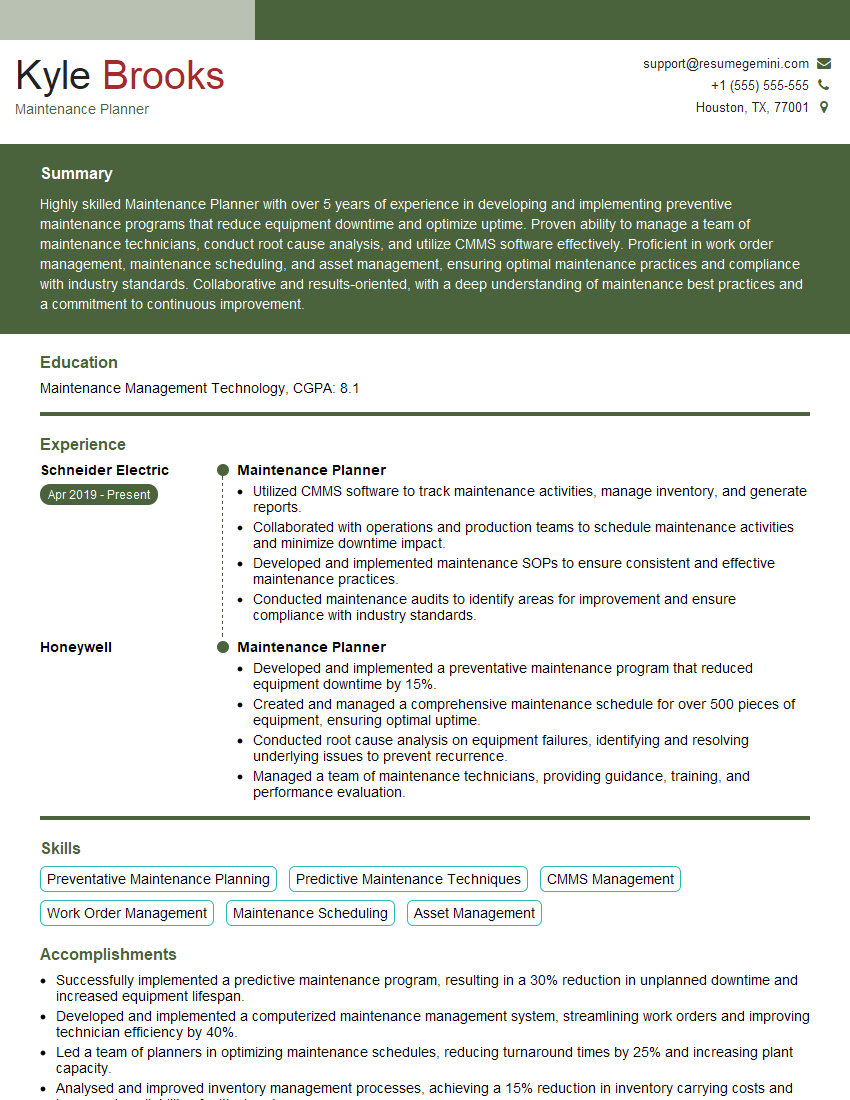
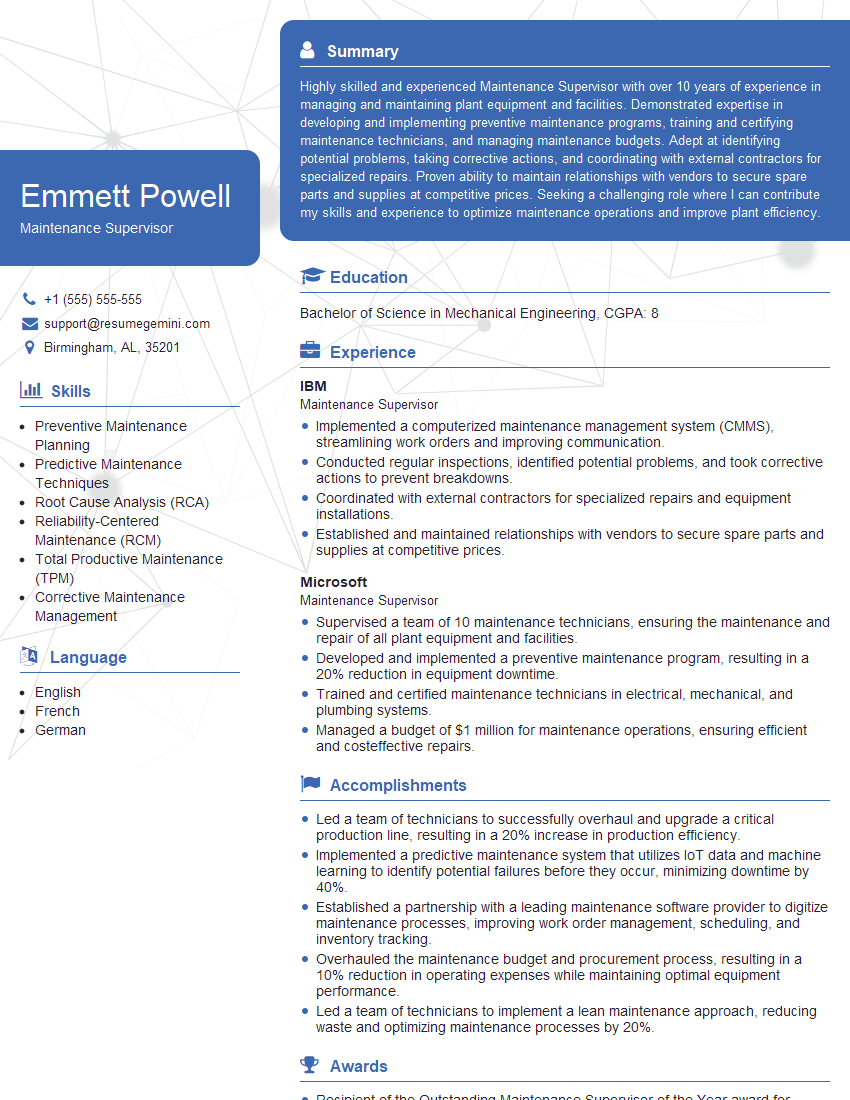
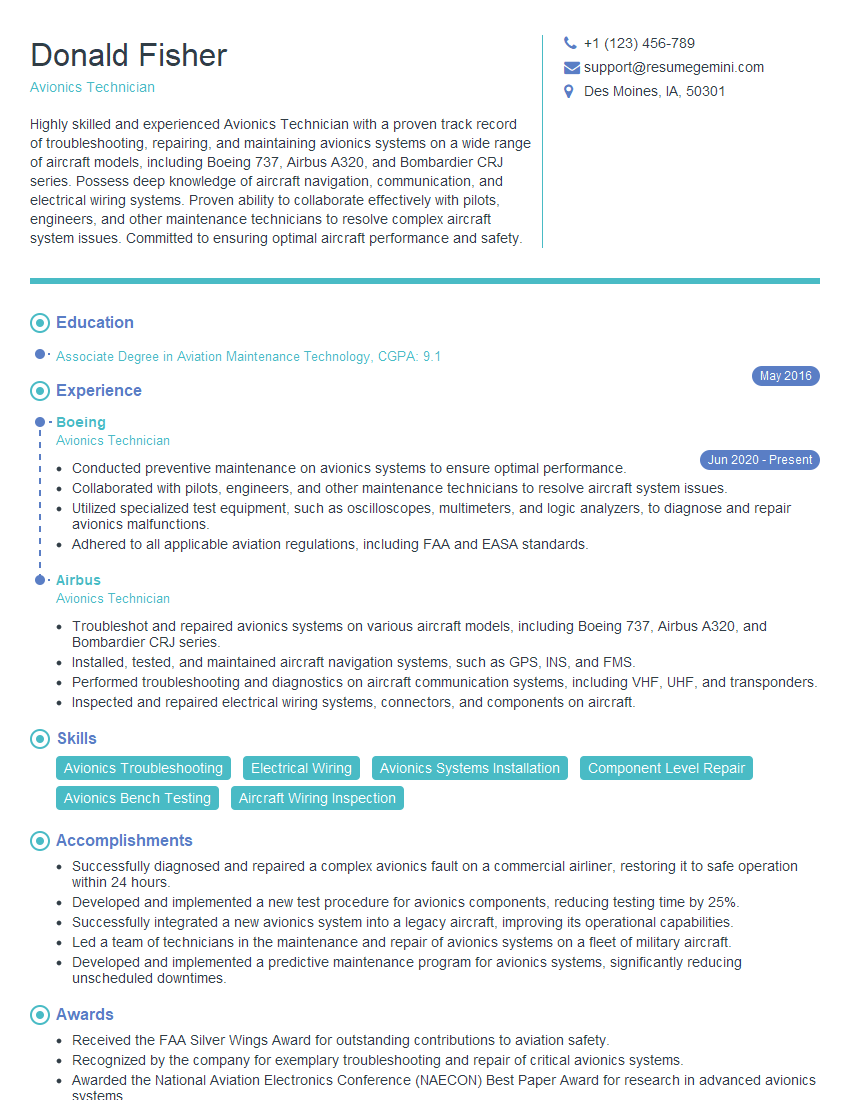
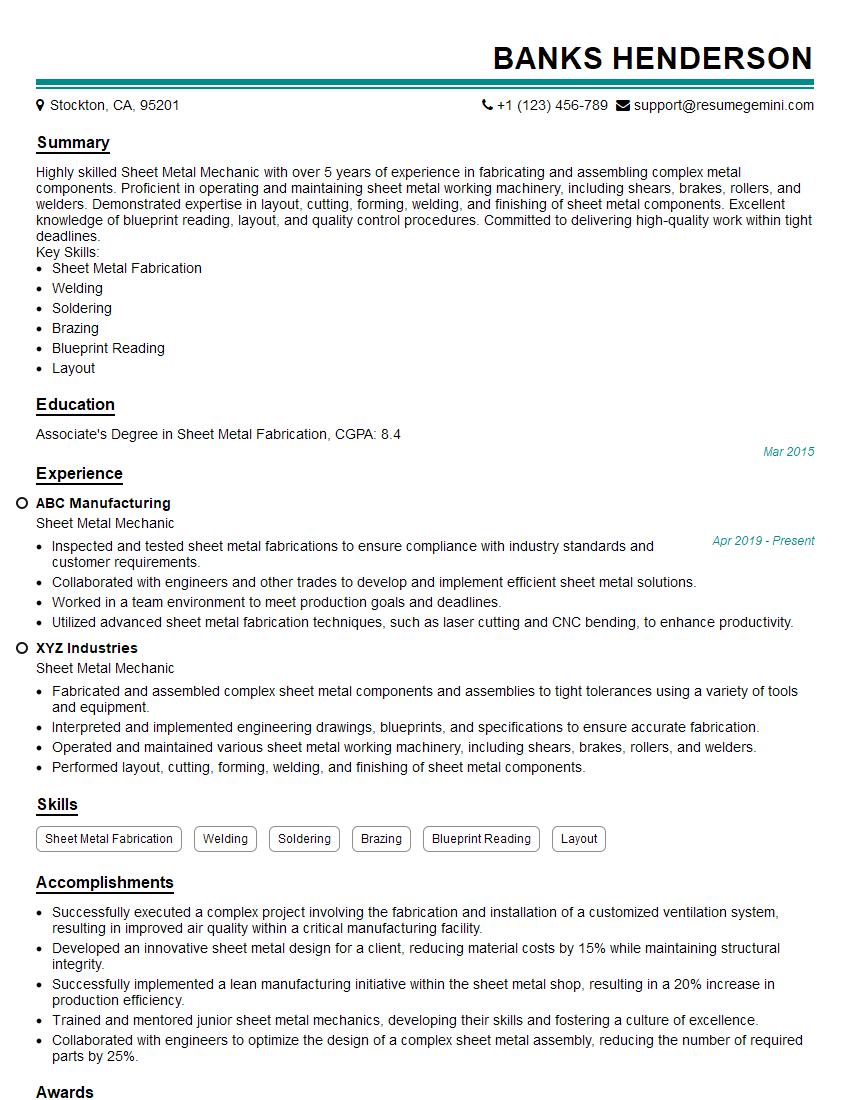
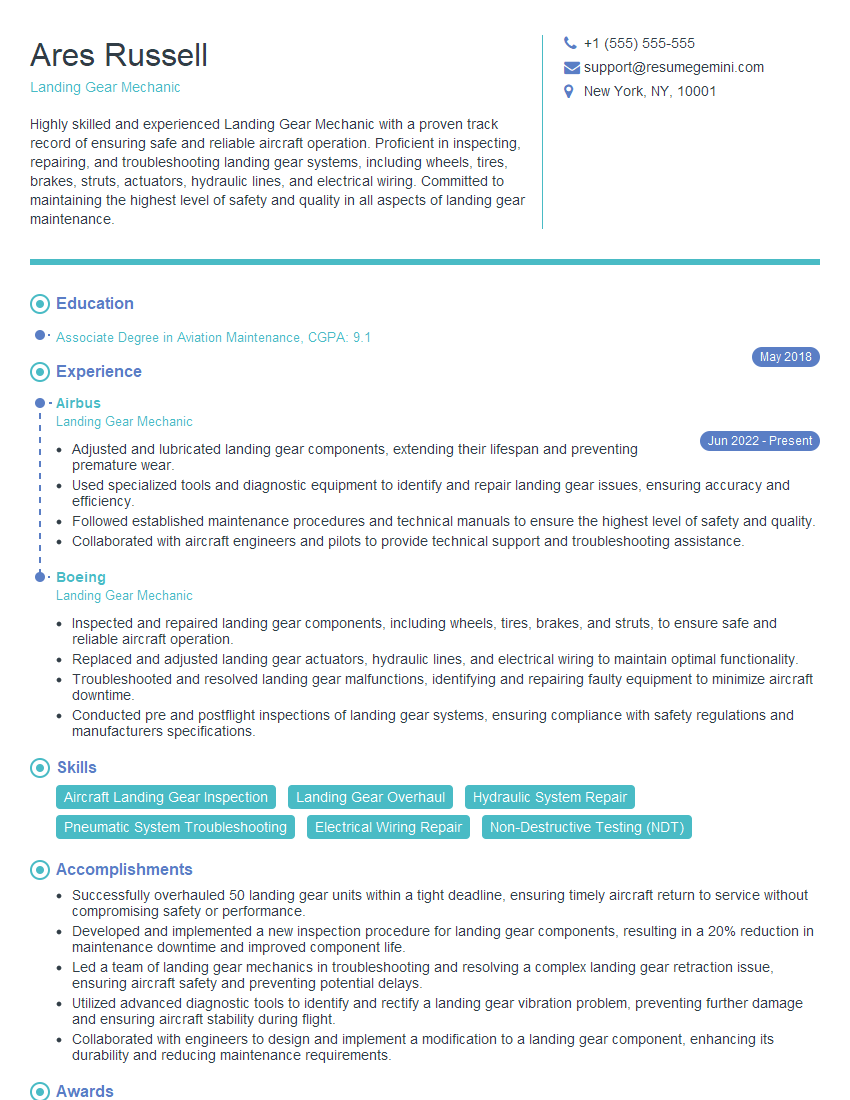
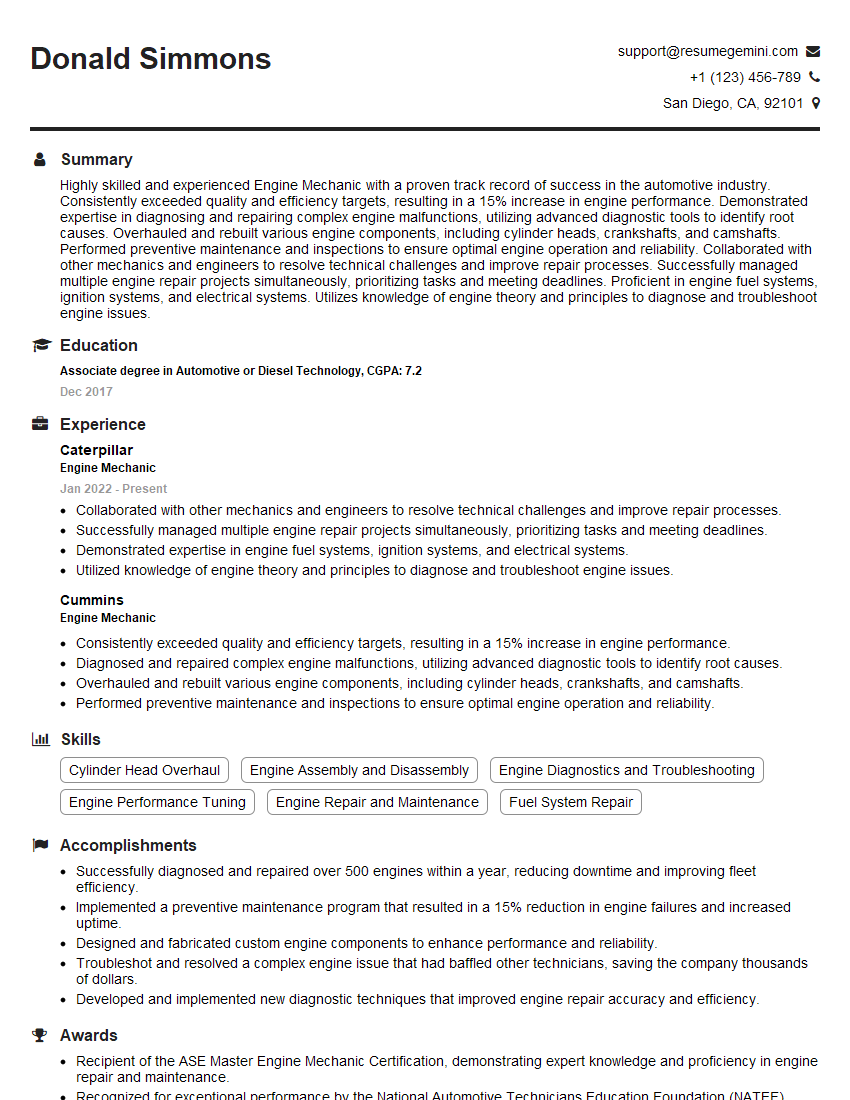
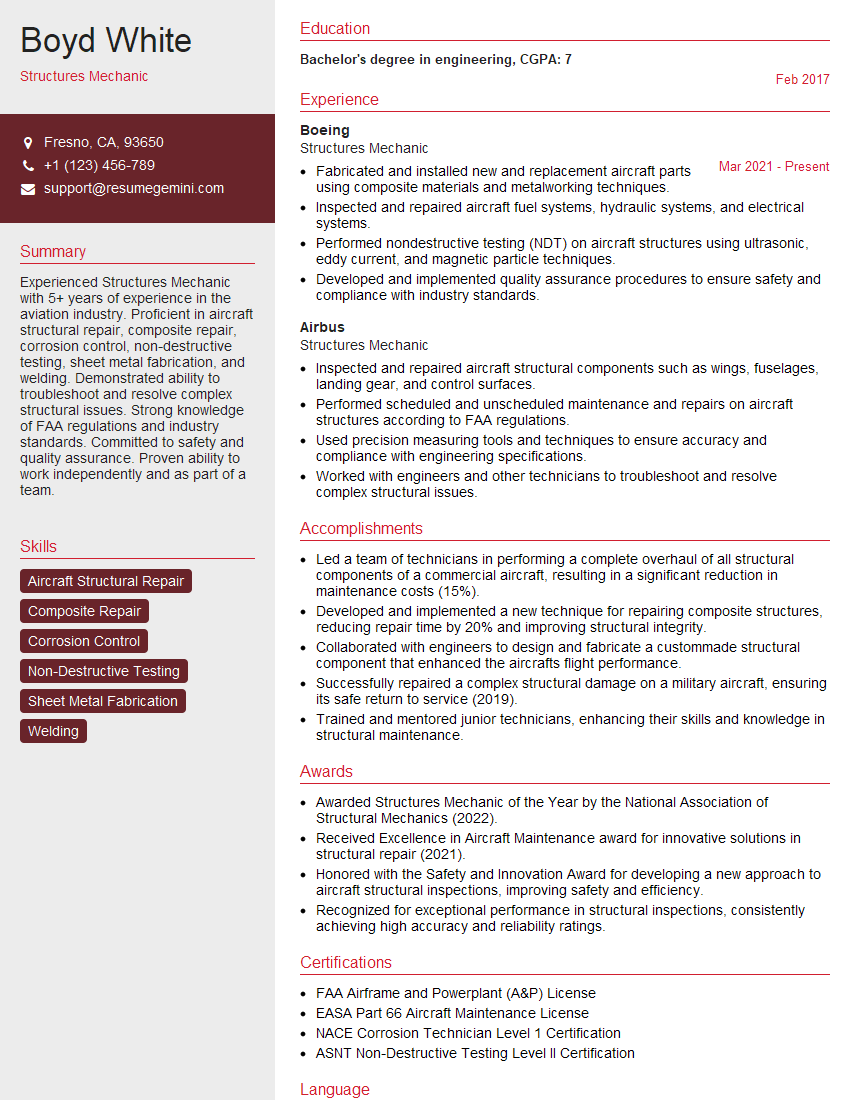
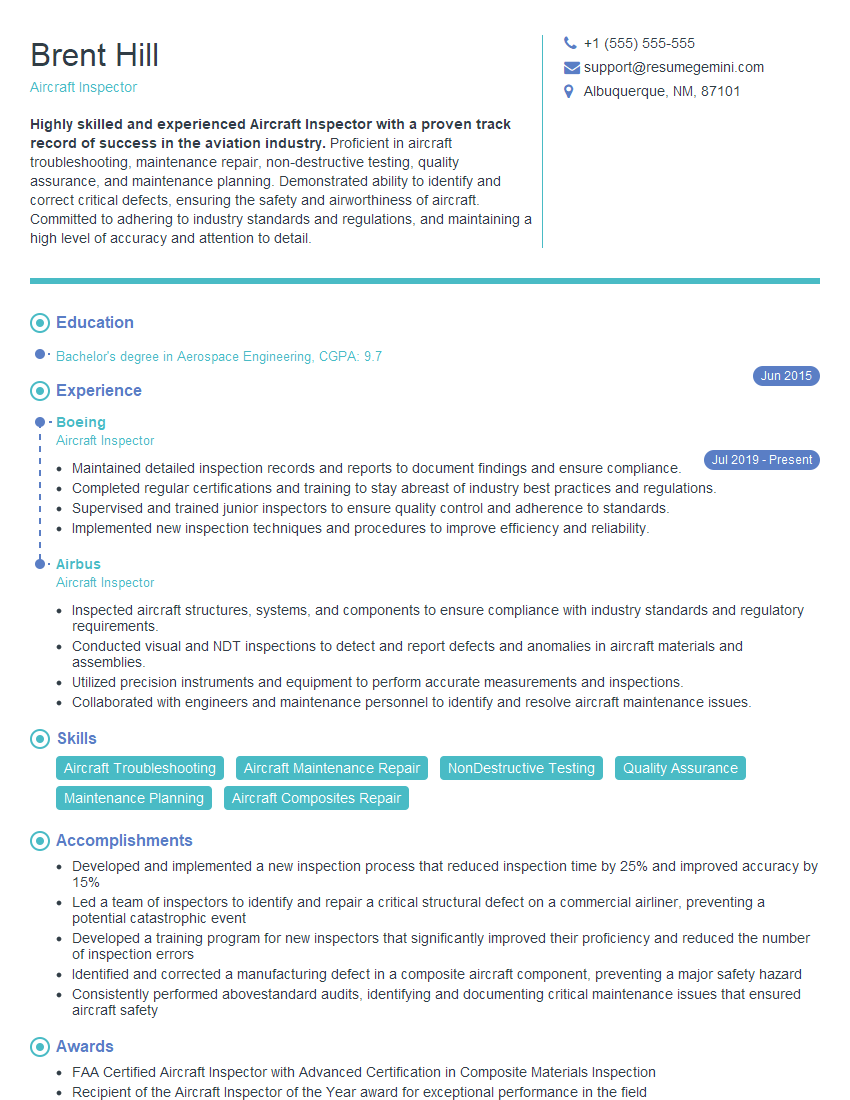
Mastering Airframe Maintenance opens doors to a rewarding career with excellent growth potential, offering opportunities for specialization and advancement within the aviation industry. A strong resume is crucial for securing your dream role. To maximize your chances, create an ATS-friendly resume that highlights your skills and experience effectively. ResumeGemini is a trusted resource that can help you build a professional and impactful resume tailored to the Airframe Maintenance field. Examples of resumes specifically designed for Airframe Maintenance professionals are available to guide you.
Explore more articles
Users Rating of Our Blogs
Share Your Experience
We value your feedback! Please rate our content and share your thoughts (optional).
What Readers Say About Our Blog
Very informative content, great job.
good