Interviews are more than just a Q&A session—they’re a chance to prove your worth. This blog dives into essential Animal Husbandry Knowledge interview questions and expert tips to help you align your answers with what hiring managers are looking for. Start preparing to shine!
Questions Asked in Animal Husbandry Knowledge Interview
Q 1. Describe the different breeding systems used in livestock production.
Livestock breeding systems are crucial for improving herd genetics and productivity. They broadly fall into several categories:
- Inbreeding: Mating closely related animals to increase homozygosity (identical gene pairs). This can lead to increased uniformity but also risks expressing undesirable recessive genes, potentially leading to health problems. Think of it like focusing on specific traits within a family line, but with potential drawbacks.
- Linebreeding: A milder form of inbreeding where animals are mated with a common ancestor several generations back. This attempts to maintain desirable traits without the intense risks of close inbreeding. It’s like selectively breeding cousins rather than siblings.
- Outcrossing: Mating unrelated animals within the same breed. This increases genetic diversity and reduces the risk of recessive gene expression, promoting overall herd health and vigor. It’s the equivalent of bringing in ‘fresh blood’ to a family line.
- Crossbreeding: Mating animals of different breeds. This exploits hybrid vigor (heterosis), where offspring exhibit superior characteristics compared to their parents. This is like combining the strengths of two distinct family lineages for an enhanced outcome. For example, crossing a beef breed (known for muscle growth) with a dairy breed (known for milk production) might yield offspring with improved both characteristics, though not as good as either parent in either area.
- Rotational Crossbreeding: A cyclical crossbreeding system where different breeds are systematically used in each generation. This maintains hybrid vigor over multiple generations and reduces the need for purebred replacements. Think of it as a carefully planned rotation system to keep the benefits of crossbreeding going.
The choice of breeding system depends on the specific goals, resources, and market demands of the livestock operation. A beef producer aiming for high carcass yield might favor crossbreeding, while a dairy farmer focused on milk production might utilize linebreeding to maintain desirable traits.
Q 2. Explain the importance of record-keeping in animal husbandry.
Record-keeping is the backbone of successful animal husbandry. It provides critical data for informed decision-making and continuous improvement. Accurate and consistent records allow for:
- Tracking animal performance: Recording birth weights, growth rates, milk production, and reproductive performance helps identify superior animals and assess the effectiveness of management practices.
- Monitoring health: Recording vaccination schedules, disease outbreaks, and treatment responses aids in disease prevention and control. Identifying trends in disease occurrence allows for proactive intervention.
- Managing finances: Tracking costs (feed, labor, veterinary care) and revenues (milk sales, meat sales) is essential for evaluating profitability and making sound business decisions.
- Improving breeding strategies: Records of breeding history, progeny performance, and genetic traits are crucial for selecting superior breeding animals and developing effective breeding programs.
- Complying with regulations: Many jurisdictions require detailed records for animal traceability, disease reporting, and food safety.
Consider a dairy farm. By meticulously recording milk yield per cow, the farmer can identify underperforming animals, investigate potential health issues, and optimize feeding strategies. Similarly, tracking breeding dates helps ensure timely calving and maximize reproductive efficiency. Software and farm management systems are commonly used for efficient record management.
Q 3. What are the common diseases affecting dairy cattle, and how are they managed?
Dairy cattle are susceptible to various diseases, impacting their health and productivity. Some common ones include:
- Mastitis: Infection of the mammary gland, leading to reduced milk production and potentially affecting milk quality. Management involves good hygiene practices, prompt treatment with antibiotics (under veterinary guidance), and culling severely affected animals. Regular udder health checks are crucial.
- Metritis: Inflammation of the uterus, often occurring after calving. This can affect fertility and overall health. Treatment involves antibiotics, uterine flushing, and supportive care.
- Milk fever: Metabolic disorder characterized by low blood calcium levels. It usually occurs around calving and can be fatal. Prevention involves proper dietary management during the dry period and careful calcium supplementation.
- Ketosis: Metabolic disorder caused by an energy deficiency. This manifests in reduced milk production and can lead to other health problems. Treatment involves correcting the energy imbalance through dietary adjustments.
- Johne’s disease: Chronic, infectious disease affecting the intestinal tract. It causes weight loss, diarrhea, and reduced milk production. There is currently no effective cure; management relies on preventing its spread through strict biosecurity measures.
Effective management involves a combination of preventative measures (vaccinations, proper nutrition, hygiene), prompt diagnosis (through clinical examinations and laboratory tests), and appropriate treatment under veterinary supervision.
Q 4. Discuss the nutritional requirements of poultry at different life stages.
Poultry nutritional requirements vary significantly across life stages, influencing growth, development, egg production, and overall health.
- Broiler (Meat-type) Chickens: Require high-energy diets with ample protein during the starter phase (0-4 weeks) to support rapid growth. The protein level gradually decreases in the grower and finisher phases. Essential amino acids, vitamins, and minerals are crucial. Feed formulation focuses on maximizing growth rate and feed efficiency.
- Layer (Egg-laying) Chickens: Need diets rich in calcium and phosphorus for eggshell formation, along with adequate protein for egg production. Vitamins, such as vitamin D and vitamin A, are crucial. The feed composition changes based on egg production phases; higher energy and nutrient requirements during peak production.
- Breeder Chickens: Require balanced nutrition to support reproductive functions. Formulations emphasize providing sufficient energy, protein, and minerals for successful egg fertilization, embryonic development, and chick viability. The nutritional requirements also change based on the phase of breeding (e.g., egg production, incubation).
- Turkey: Similar nutritional needs to chickens, but turkeys may require specific nutrient additions to support their larger size and slower growth rates.
Meeting the specific nutritional needs of each life stage through properly formulated diets is critical for optimizing production and minimizing health problems. Deficiencies can result in reduced growth, poor egg production, and increased susceptibility to disease. Overfeeding can also be detrimental and lead to obesity and other health concerns.
Q 5. How do you identify and address signs of stress in livestock?
Identifying and addressing stress in livestock is paramount for animal welfare and productivity. Signs of stress can manifest both behaviorally and physiologically.
- Behavioral Signs: Restlessness, aggression, decreased appetite, changes in vocalizations, abnormal posture (hunched back), self-mutilation, feather pecking (in poultry), and reduced social interaction.
- Physiological Signs: Increased heart rate and respiration, elevated cortisol levels (stress hormone), immunosuppression (making animals more vulnerable to diseases), and changes in body condition.
Addressing Stress: Management strategies focus on minimizing stressors and creating a comfortable environment. This includes:
- Providing adequate space and resources: Ensuring sufficient space per animal, clean and comfortable housing, access to fresh water, and appropriate feed.
- Minimizing handling stress: Using calm and gentle handling techniques, avoiding overcrowding, and reducing noise and visual disturbances.
- Implementing appropriate social groupings: Allowing animals to interact naturally within compatible social structures where possible.
- Nutritional management: Providing proper nutrition tailored to the animal’s needs and life stage.
- Veterinary care: Addressing any health issues that may contribute to stress.
For instance, overcrowding in a pig farm leads to competition for resources, causing stress and aggression, impacting productivity and potentially leading to injury.
Q 6. Explain the principles of animal welfare and their practical application.
Animal welfare focuses on providing animals with a life free from suffering and with opportunities for natural behaviors. The five freedoms are often cited as a framework:
- Freedom from hunger and thirst: Access to fresh water and a diet to maintain health and vigor.
- Freedom from discomfort: Providing appropriate environment, including shelter and resting areas.
- Freedom from pain, injury, or disease: Prevention through vaccination and good husbandry, prompt diagnosis and treatment of illness.
- Freedom to express normal behavior: Providing space, suitable companions, and opportunities for animals to exhibit natural behaviors.
- Freedom from fear and distress: Minimizing stressors through appropriate handling, management practices, and environmental enrichment.
Practical application involves implementing humane handling techniques, providing appropriate housing and environmental conditions, and incorporating animal-centered design into farm infrastructure. For example, providing enrichment such as toys or foraging materials for pigs, allowing chickens access to outdoor areas for dust bathing, and minimizing transportation stress.
Q 7. What are the key biosecurity measures to prevent disease outbreaks on a farm?
Biosecurity measures are crucial for preventing disease outbreaks and protecting animal health. These include:
- Quarantine: Isolating new animals for a specified period before integrating them into the main herd to observe for any signs of illness.
- Hygiene: Maintaining clean and disinfected housing, equipment, and surroundings. Regular cleaning and disinfection protocols are crucial.
- Pest control: Implementing effective measures to control rodent and insect populations that can spread diseases.
- Traffic control: Limiting access to the farm and implementing strict protocols for people and vehicles entering the premises (e.g., changing clothing, disinfecting footwear).
- Waste management: Proper disposal of animal waste to prevent contamination of water sources and the environment.
- Vaccination programs: Implementing routine vaccination programs to protect animals from common diseases.
- Veterinary surveillance: Regular veterinary checks and monitoring for disease signs within the herd.
- Biosecurity protocols for personnel: Establishing and adhering to strict hygiene and biosecurity practices to prevent the spread of pathogens between the farm, the workers and the external environment.
Imagine a poultry farm. Stringent biosecurity protocols involving disinfection of all vehicles, changing of clothes before entering sheds, and proper disposal of dead birds significantly reduce the risk of avian influenza outbreaks. A robust biosecurity plan, regularly reviewed and updated, is essential for maintaining a healthy and productive livestock operation.
Q 8. Describe your experience with artificial insemination techniques.
Artificial insemination (AI) is a crucial technique in animal husbandry, allowing for controlled breeding and genetic improvement. My experience encompasses various species, including cattle, swine, and sheep. The process involves collecting semen from a superior male, processing it, and then carefully inseminating the female using specialized instruments. Success relies heavily on precise timing, correct technique, and maintaining semen viability. For example, in cattle, we use rectal palpation to identify the optimal time for insemination, based on the stage of the estrous cycle. In swine, AI techniques are slightly different, often requiring a catheter to deposit semen directly into the cervix. Throughout my career, I’ve consistently strived to optimize AI protocols, leading to improved pregnancy rates and healthier offspring. I’ve also been involved in training others in the proper techniques, emphasizing the importance of hygiene and handling to avoid contamination and injury.
Proper record-keeping is paramount to track success rates and identify areas for improvement. For instance, I regularly analyze data on insemination timing, semen quality, and pregnancy confirmation to refine our AI protocols. This data-driven approach has led to a significant improvement in overall reproductive efficiency within the herds I’ve managed.
Q 9. How do you manage the reproductive cycle in livestock?
Managing the reproductive cycle in livestock is essential for maximizing reproductive efficiency and profitability. This involves a combination of strategies designed to synchronize estrus (heat) and optimize breeding conditions. Techniques like using hormonal synchronization protocols (e.g., using prostaglandins or GnRH) allow us to breed a large group of animals at the same time, simplifying management and improving herd uniformity. Regular monitoring of animals, including visual observation for signs of estrus and potentially utilizing technologies like activity monitors, is critical. Accurate record-keeping, including breeding dates and pregnancy diagnoses, is paramount for effective management.
For instance, in a dairy herd, synchronization protocols coupled with AI can significantly improve the overall breeding efficiency, leading to more consistent milk production. In beef cattle, synchronization allows for timed AI or natural service, maximizing the calving season and reducing the period of time when animals are not producing. Nutritional management is also crucial, as an animal’s body condition directly influences its reproductive performance.
Q 10. Discuss different methods of parasite control in livestock.
Parasite control in livestock is a multifaceted challenge requiring an integrated approach. This involves a combination of preventative measures and targeted treatments. Preventative measures include strategic grazing management to minimize parasite build-up in pastures, regular fecal egg counts to monitor parasite loads, and good hygiene practices to prevent parasite transmission. Targeted treatments include using anthelmintics (dewormers), which can be administered orally, topically, or via injections, depending on the parasite and the livestock species. The choice of anthelmintic is crucial, considering factors like parasite resistance and animal safety. Regular monitoring and adjustment of treatment strategies are essential to ensure their effectiveness and minimize the development of drug resistance.
For example, in sheep, regular drenching (oral administration of anthelmintics) is common, but the timing and choice of drug need to be tailored based on the prevailing parasite challenges in a specific region. In cattle, regular fecal egg counts and targeted treatment based on the results are often preferred to prevent unnecessary use of anthelmintics. In addition to chemical treatments, biological control methods are increasingly important, including pasture rotation and using parasite-resistant breeds.
Q 11. Explain the importance of proper housing and environmental management for animals.
Proper housing and environmental management are fundamental to animal health, welfare, and productivity. The design and management of housing should focus on providing adequate space, ventilation, temperature control, and protection from the elements. Animals require appropriate bedding to ensure comfort and prevent injuries. Good hygiene practices, including regular cleaning and disinfection, are crucial to minimizing disease risks. Environmental management should take into account factors such as pasture quality, water availability, and access to shade.
For instance, providing adequate ventilation in poultry houses minimizes the risk of respiratory diseases, while appropriate spacing in pig barns prevents aggression and reduces stress. In dairy cattle, providing access to comfortable resting areas encourages rumination and promotes better digestion, leading to improved milk production. Poor housing conditions can lead to reduced productivity, increased disease susceptibility, and compromised animal welfare. Therefore, proper housing and environmental management is a cornerstone of successful animal husbandry.
Q 12. Describe your experience with animal handling and restraint techniques.
Safe and efficient animal handling and restraint techniques are essential for the well-being of both the animals and the handlers. My experience includes various techniques adapted to different species and situations. These include using appropriate handling equipment such as head gates, chutes, and squeeze chutes to safely restrain animals for procedures like vaccination, examination, or treatment. The key is to minimize stress and ensure the safety of both the animal and the handler. Understanding animal behavior is crucial. For example, working with cattle requires a calm and gentle approach, understanding their flight zone and using appropriate body language to guide them. With sheep, understanding their flocking behavior can make handling much more efficient. Proper training and practice are necessary to develop effective and safe animal handling skills. I emphasize the importance of using minimal force and prioritizing the well-being of the animals in all handling procedures.
For example, during routine procedures like vaccination, my team and I always prioritize a calm and gentle approach, minimizing stress on the animals. This reduces injury risk and ensures that procedures can be completed efficiently and effectively. This positive approach also creates better relationships with the animals, fostering a more positive working environment.
Q 13. What are the common vaccinations given to livestock, and why are they important?
Vaccination is a critical aspect of preventative healthcare in livestock. The specific vaccines administered vary depending on the species, the prevalent diseases in the region, and the age of the animal. Common vaccinations for cattle include those against diseases such as bovine respiratory syncytial virus (BRSV), infectious bovine rhinotracheitis (IBR), and bovine viral diarrhea (BVD). In swine, common vaccinations target diseases such as porcine reproductive and respiratory syndrome (PRRS), and erysipelas. Sheep may receive vaccinations for diseases such as clostridial diseases and enterotoxaemia.
These vaccinations are crucial in preventing outbreaks of infectious diseases, reducing mortality rates, and improving overall animal health and productivity. For instance, vaccinating against BVD in cattle can prevent significant economic losses associated with reproductive problems and respiratory illnesses. Regular vaccination programs are a cost-effective strategy to protect livestock herds and ensure their long-term health and productivity. Maintaining accurate vaccination records is also vital for tracking herd health and complying with industry regulations.
Q 14. How do you assess the body condition score of an animal?
Assessing body condition score (BCS) is a visual assessment of an animal’s fat reserves. It is a valuable tool for monitoring nutritional status and predicting reproductive performance and overall health. The BCS is typically scored on a scale, often from 1 to 5 or 1 to 9, with 1 representing emaciation and the higher numbers representing increasingly fat animals. The assessment involves visually and manually evaluating areas like the backbone, ribs, hips, and tail head. Animals with a BCS of 3 or 4 are generally considered to be in optimal condition, depending on the scoring system.
For instance, a cow with a BCS of 1 would have prominent ribs, a sunken appearance, and a lack of subcutaneous fat. A cow with a BCS of 5 would have excessive fat deposits, potentially hindering reproductive performance. Regular BCS assessment allows for timely adjustments to the animal’s diet, preventing problems associated with both undernutrition and overnutrition. This is a crucial aspect of proactive animal management.
Q 15. Explain the different types of animal feed and their nutritional value.
Animal feed is broadly categorized into concentrates, roughages, and supplements, each offering distinct nutritional profiles crucial for animal health and productivity. Concentrates, like grains (corn, wheat, barley), are energy-rich but lack fiber. Roughages, such as hay, silage, and pasture, are high in fiber, promoting healthy digestion. Supplements, including vitamins, minerals, and protein sources, address specific nutritional gaps.
Concentrates: Provide readily available energy, vital for growth, milk production, and overall activity. Think of them as the ‘fast food’ of animal nutrition. Corn, for example, is a staple in many livestock diets due to its high energy content.
Roughages: Essential for gut health and proper digestion. They act like a ‘slow-release’ energy source and help maintain a healthy microbiome. Hay, a dried grass, offers essential fiber for ruminants like cows, enabling them to efficiently break down cellulose.
Supplements: Tailored to meet specific needs, like mineral deficiencies or increased protein requirements during pregnancy or lactation. A common example is adding calcium to the diet of laying hens to support strong eggshells.
The ideal feed ration depends on the animal species, age, productivity level, and overall health status. For instance, a lactating dairy cow requires a higher energy and protein intake compared to a dry cow.
Career Expert Tips:
- Ace those interviews! Prepare effectively by reviewing the Top 50 Most Common Interview Questions on ResumeGemini.
- Navigate your job search with confidence! Explore a wide range of Career Tips on ResumeGemini. Learn about common challenges and recommendations to overcome them.
- Craft the perfect resume! Master the Art of Resume Writing with ResumeGemini’s guide. Showcase your unique qualifications and achievements effectively.
- Don’t miss out on holiday savings! Build your dream resume with ResumeGemini’s ATS optimized templates.
Q 16. How do you manage the waste produced by livestock?
Livestock waste management is critical for environmental protection and public health. Effective strategies involve a combination of techniques, aiming for sustainable resource recovery. Methods include:
Composting: Organic waste is decomposed naturally, creating nutrient-rich fertilizer. This process requires careful management of moisture and aeration to ensure proper breakdown and minimize odor.
Anaerobic Digestion: Waste is broken down in the absence of oxygen, generating biogas (a renewable energy source) and digestate (a fertilizer). This is a particularly efficient method for large-scale operations.
Liquid Manure Management: Storing and applying liquid manure requires careful consideration to avoid environmental contamination. Proper storage facilities and controlled application methods are essential to minimize nutrient runoff and odor issues.
Solid Waste Management: Solid wastes such as bedding material require careful handling and disposal. Many farms utilize composting or incineration for this purpose.
The chosen method depends on factors like farm size, available resources, and local regulations. Integrated approaches, such as combining composting with anaerobic digestion, offer the most environmentally friendly and economically viable solutions.
Q 17. Discuss the importance of genetic selection in animal improvement.
Genetic selection plays a pivotal role in animal improvement, enabling us to enhance desirable traits and improve overall productivity. This involves identifying superior animals based on performance records, pedigree, and genetic markers, then strategically breeding them to produce offspring with enhanced characteristics.
Performance Testing: Measuring traits like milk yield, growth rate, and meat quality in animals provides data for selection. For example, selecting bulls with high daughter milk production values ensures their offspring inherit superior milk-producing genes.
Pedigree Analysis: Examining family history helps identify animals with consistent desirable traits across generations. This method relies on accurate record-keeping and thorough understanding of the animal’s genetics.
Genetic Markers: Utilizing DNA-based markers allows for precise identification of genes associated with desirable or undesirable traits, facilitating more accurate selection decisions. This technique is increasingly common in modern breeding programs, enhancing efficiency and accuracy.
Genetic selection enhances the efficiency of animal production, leading to improved profitability and reduced environmental impact by increasing output per animal.
Q 18. What is your experience with animal health diagnostics and treatments?
My experience in animal health diagnostics and treatments spans various species and disease conditions. My approach involves a combination of clinical examination, laboratory diagnostics, and treatment based on the most current scientific evidence.
Clinical Examination: This is the cornerstone of diagnosis, involving careful observation of the animal’s physical condition, behavior, and vital signs.
Laboratory Diagnostics: This includes blood tests, fecal exams, and other laboratory analyses to identify pathogens, detect metabolic disorders, or assess organ function. Examples include ELISA tests for infectious disease detection and blood chemistry panels for assessing organ health.
Treatment: Treatment strategies vary depending on the disease, but generally involve medication, nutritional adjustments, and supportive care.
I have extensive experience in managing various conditions, from routine vaccinations to complex infectious diseases and metabolic disorders. A crucial aspect of my work is emphasizing biosecurity measures to prevent disease outbreaks and promoting preventive healthcare strategies.
Q 19. Describe your understanding of different animal behavior patterns.
Understanding animal behavior patterns is crucial for effective animal husbandry. Different species exhibit distinct behaviors, influenced by genetics, environment, and social interactions. Understanding these behaviors is vital for welfare, productivity, and safety.
Social Behavior: Many animals are social creatures with complex hierarchies and communication methods. Understanding these dynamics is crucial for managing groups effectively, preventing aggression, and promoting overall well-being.
Feeding Behavior: Observing feeding habits helps identify potential nutritional deficiencies or problems with feed management. For instance, an animal consistently leaving food uneaten might indicate palatability problems or underlying health issues.
Reproductive Behavior: Recognizing signs of estrus (heat) and successful mating is vital for efficient breeding programs. Understanding these behaviors allows for timely interventions, optimizing reproductive outcomes.
Stress Indicators: Learning to identify stress indicators in animals is crucial for maintaining their welfare. This includes recognizing changes in behavior, posture, or physiological parameters (heart rate, cortisol levels).
By observing and understanding these behaviors, we can create environments and management practices that minimize stress and optimize the animals’ health and productivity.
Q 20. How do you maintain the cleanliness and hygiene of animal housing facilities?
Maintaining cleanliness and hygiene in animal housing is paramount for animal health and welfare, and for producing high-quality products. Strategies include:
Regular Cleaning and Disinfection: This involves the removal of manure, bedding, and other waste, followed by disinfection using appropriate agents to eliminate pathogens. Frequency varies depending on the type of animal and housing system.
Proper Ventilation: Ensuring adequate ventilation reduces humidity and ammonia buildup, which are major contributors to respiratory problems and poor air quality.
Pest Control: Implementing effective pest control programs is crucial for preventing the spread of disease and minimizing infestations.
Waste Management: Efficient waste management practices prevent the accumulation of waste, reducing the risk of disease transmission and environmental contamination. This includes timely removal of manure, proper storage and disposal.
A well-maintained housing environment not only protects animal health but also contributes to increased productivity and improved product quality.
Q 21. Explain the principles of sustainable animal husbandry practices.
Sustainable animal husbandry focuses on meeting the present needs of animal production without compromising the ability of future generations to meet their own needs. Key principles include:
Reduced Environmental Impact: Minimizing greenhouse gas emissions, reducing water usage, and managing manure effectively to reduce pollution.
Improved Animal Welfare: Providing animals with adequate space, nutrition, and enrichment to enhance their overall well-being.
Enhanced Resource Efficiency: Optimizing feed utilization, reducing disease incidence, and improving animal productivity to maximize output per unit of resource.
Economic Viability: Implementing practices that ensure economic sustainability for farmers, allowing for continued production while maintaining profitability.
Social Responsibility: Engaging with local communities and stakeholders to ensure transparent and ethical animal production practices.
Adopting sustainable practices is crucial for ensuring long-term viability of the animal agriculture industry and protecting the environment.
Q 22. How do you handle emergency situations involving animal illness or injury?
Handling animal emergencies requires a swift, calm, and methodical approach. My first priority is always the animal’s immediate safety and well-being. This involves a rapid assessment of the situation to determine the severity of the injury or illness.
For example, if I encounter a cow with a severe leg injury, I’d immediately isolate it from the herd to prevent further injury or stress. Then, I’d assess the wound, controlling any bleeding with clean materials. Next, pain relief would be administered (following veterinary guidance or established protocols). The animal would then be transported – carefully and safely – to a veterinary clinic or designated treatment area.
Minor illnesses, like a mild respiratory infection, might involve isolation and supportive care such as adjusting the diet or providing additional fluids. Regular monitoring is crucial, recording any changes in the animal’s condition. Early identification of problems is key to preventing escalation. My experience working on a large dairy farm taught me the importance of quick action in these cases. A rapid response saved a valuable breeding heifer once from a severe case of bloat.
Q 23. Discuss the different methods of animal identification and traceability.
Animal identification and traceability are vital for efficient herd management, disease control, and food safety. Several methods are employed, each with its strengths and weaknesses.
- Visual Identification: Branding (hot iron or freeze branding) and tattooing are traditional methods, but can be invasive and may not be suitable for all animals. They provide permanent identification, but are not as easily readable as other methods.
- Electronic Identification: Electronic ear tags (RFID tags) are widely used. These tags contain a unique microchip that can be read with a handheld scanner. They’re durable, easy to read, and provide a digital record. We also use them to monitor animal movement within our farm.
- Individual markings: Color coding or specific markings based on age or breed can aid visual identification within a smaller herd or for quick sorting. These are, however, less reliable than other options.
Traceability systems, often linked to electronic IDs, allow us to track an animal’s entire life cycle. This is critical for food safety regulations, ensuring we can quickly identify and remove animals from the food chain if a disease outbreak occurs. We meticulously record every animal’s information in a centralized database, including its ID number, date of birth, vaccination records, and movement history.
Q 24. How do you ensure animal welfare during transportation?
Animal welfare during transportation is paramount. Regulations are strict, and adhering to them is crucial for both ethical and legal reasons. The key is minimizing stress and ensuring the animals’ safety and comfort.
- Suitable Vehicles: Animals must be transported in vehicles designed to prevent injury and overcrowding. Proper ventilation is critical, ensuring adequate airflow to prevent overheating or suffocation. The floor should be non-slippery and appropriate for the species.
- Careful Loading and Unloading: Animals should be loaded and unloaded calmly and efficiently to avoid injury. Ramps must be appropriately angled and properly maintained.
- Journey Duration and Rest Stops: Long journeys necessitate rest stops, allowing animals access to food and water. Sufficient time should be provided to ensure the animals’ well-being and hydration.
- Weather Considerations: Animals need protection from extreme weather conditions. Appropriate measures must be in place to prevent overheating in hot climates or freezing temperatures in cold weather.
Ignoring these factors can lead to stress, injury, and even death in extreme cases. Our farm always follows strict protocols during transportation to prioritize the welfare of our animals. We also have a designated team trained to oversee the transport process carefully.
Q 25. Describe your experience with herd health management programs.
Herd health management is the cornerstone of successful animal husbandry. It’s a proactive approach to maintaining animal health, focusing on prevention rather than just cure. My experience involves implementing and monitoring comprehensive programs across various livestock species.
These programs typically include:
- Routine vaccinations: Preventing common diseases through timely vaccinations is paramount. This often involves working with a veterinarian to create a vaccination schedule that’s tailored to the specific needs of the herd and the prevalent diseases in the region.
- Parasite control: Regular deworming and parasite control measures are essential, using appropriate and safe methods. This helps to maintain animal health and productivity.
- Nutritional management: Providing balanced nutrition, tailored to the specific needs of each animal based on age, stage of production, and health status is critical.
- Record-keeping: Accurate and comprehensive record-keeping is vital for monitoring animal health trends and identifying potential problems. This includes individual animal records as well as herd-level data.
- Biosecurity: Implementing strict biosecurity measures to prevent the introduction of diseases from external sources. This includes quarantine protocols and infection control procedures.
In my previous role, we implemented a comprehensive herd health program that led to a significant reduction in disease incidence and mortality rates, resulting in increased productivity and profitability.
Q 26. What are the legal regulations and guidelines related to animal husbandry in your region?
Legal regulations and guidelines related to animal husbandry vary by region, but generally focus on animal welfare, biosecurity, and food safety. In my region, [Insert your region here – e.g., the European Union], we adhere to stringent regulations regarding animal housing, transportation, slaughter, and disease control. Specific laws and regulations may cover issues such as:
- Animal Welfare Act: These laws specify standards for animal housing, handling, and care, ensuring appropriate space, hygiene, and enrichment.
- Disease Control Regulations: Mandatory reporting of diseases, vaccination protocols, and movement restrictions are usually in place to control the spread of contagious diseases. This also includes regulations around the disposal of diseased animals.
- Food Safety Regulations: Strict guidelines regulate the handling, processing, and labeling of animal products to ensure consumer safety. This often involves traceability and residue monitoring.
- Environmental Regulations: Regulations governing manure management and waste disposal help to minimize environmental impact.
Staying updated on these regulations is crucial for compliance. We engage with regulatory bodies and seek expert advice to ensure our practices are legally sound and prioritize animal welfare.
Q 27. How do you monitor and manage the productivity of livestock?
Monitoring and managing livestock productivity involves a multi-faceted approach, combining careful observation with data analysis. Key indicators of productivity vary depending on the animal species and production system, but common metrics include:
- Milk yield (dairy cows): Regular milk recording helps to track individual animal performance, identifying high-yielding and low-yielding animals. This data informs breeding and feeding strategies.
- Weight gain (beef cattle): Monitoring weight gain provides insights into feed efficiency and overall health. Regular weighing helps in early identification of issues like illness or nutritional deficiencies.
- Reproductive performance (all livestock): Tracking reproductive rates (conception rates, gestation lengths, etc.) is crucial for optimizing herd growth.
- Feed conversion ratio (all livestock): This metric indicates the efficiency of feed utilization, a key factor in profitability. Analyzing feed conversion ratios helps to optimize feeding strategies and improve resource use.
Data analysis and performance monitoring help to identify areas for improvement. For instance, if we notice a drop in milk yield, we can investigate the cause, whether it’s a nutritional deficiency, health problem, or management issue.
Q 28. Describe your experience with using technology in animal husbandry.
Technology is revolutionizing animal husbandry, offering innovative tools for improved efficiency and animal welfare. I have experience using several technological advancements:
- Precision Livestock Farming (PLF) technologies: Sensors and data logging systems monitor various aspects of animal behavior and physiology. For instance, sensors can track milk yield, body temperature, activity levels, and even feeding behavior. This data provides valuable insights into animal health and productivity.
- Automated feeding systems: Automated systems precisely dispense feed, optimizing rations and reducing waste. This improves efficiency and can also help to address individual animal nutritional needs.
- GPS tracking: Tracking systems allow for monitoring animal location and movement, improving pasture management and reducing the risk of animals wandering off or getting lost.
- Drones: Drones are increasingly used for livestock monitoring and management. They offer a non-invasive method of assessing herd health, identifying sick or injured animals, and monitoring pasture conditions.
- Data analytics and predictive modeling: Software platforms analyze data collected from various sources to predict potential health problems or production issues, enabling proactive intervention.
The integration of these technologies has significantly enhanced our ability to manage our herd efficiently, improve animal welfare, and increase productivity. It’s transforming the industry, and I embrace its continued advancement.
Key Topics to Learn for Your Animal Husbandry Knowledge Interview
- Animal Nutrition: Understand the nutritional requirements of various livestock species (e.g., cattle, poultry, swine), including the formulation of balanced rations and the impact of feed quality on animal health and productivity. Consider practical applications like cost-effective feed strategies and the identification of nutritional deficiencies.
- Animal Breeding and Genetics: Master the principles of animal breeding, including selection methods, genetic evaluation, and breeding programs. Explore practical applications such as improving herd productivity through selective breeding and understanding genetic diseases.
- Animal Health and Welfare: Develop a strong understanding of common animal diseases, preventative healthcare strategies, and biosecurity protocols. Consider practical applications like disease diagnosis and treatment, implementing biosecurity measures, and promoting animal welfare best practices.
- Animal Management and Production Systems: Familiarize yourself with various animal production systems (e.g., intensive, extensive, organic), including housing, handling, and record-keeping. Explore practical applications such as optimizing production efficiency, improving animal handling techniques, and implementing sustainable farming practices.
- Reproduction and Reproductive Management: Gain a deep understanding of animal reproductive physiology, including estrous cycles, artificial insemination, and pregnancy diagnosis. Consider practical applications such as optimizing breeding efficiency and improving reproductive performance.
- Sustainable Animal Husbandry Practices: Understand the principles of sustainable agriculture and their application in animal husbandry, including resource management, environmental impact mitigation, and animal welfare considerations. Explore practical applications such as reducing environmental footprint and promoting responsible animal production.
Next Steps
Mastering Animal Husbandry Knowledge is crucial for career advancement in this dynamic field. A strong understanding of these core principles will set you apart and open doors to exciting opportunities. To maximize your job prospects, creating a compelling and ATS-friendly resume is essential. ResumeGemini is a trusted resource to help you build a professional resume that highlights your skills and experience effectively. We provide examples of resumes tailored to Animal Husbandry Knowledge to guide you through the process. Invest time in crafting a strong resume – it’s your first impression on potential employers!
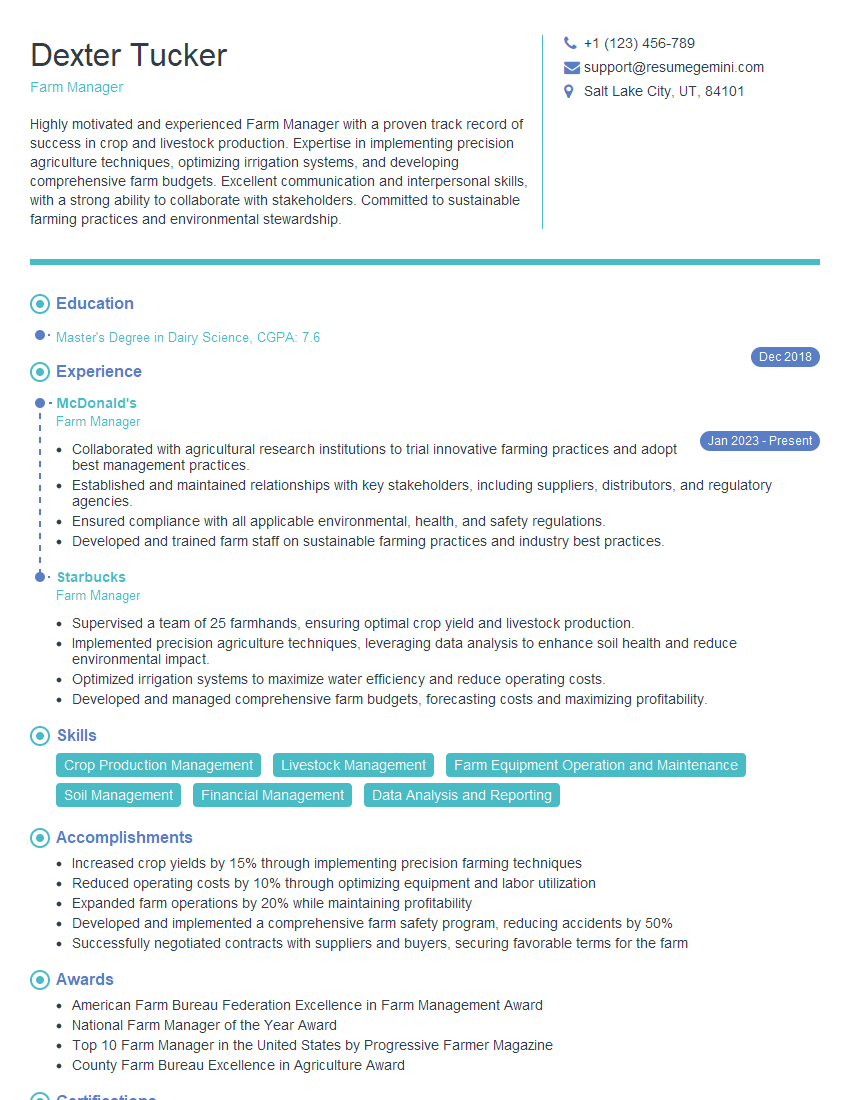
Farm Manager Resume Sample
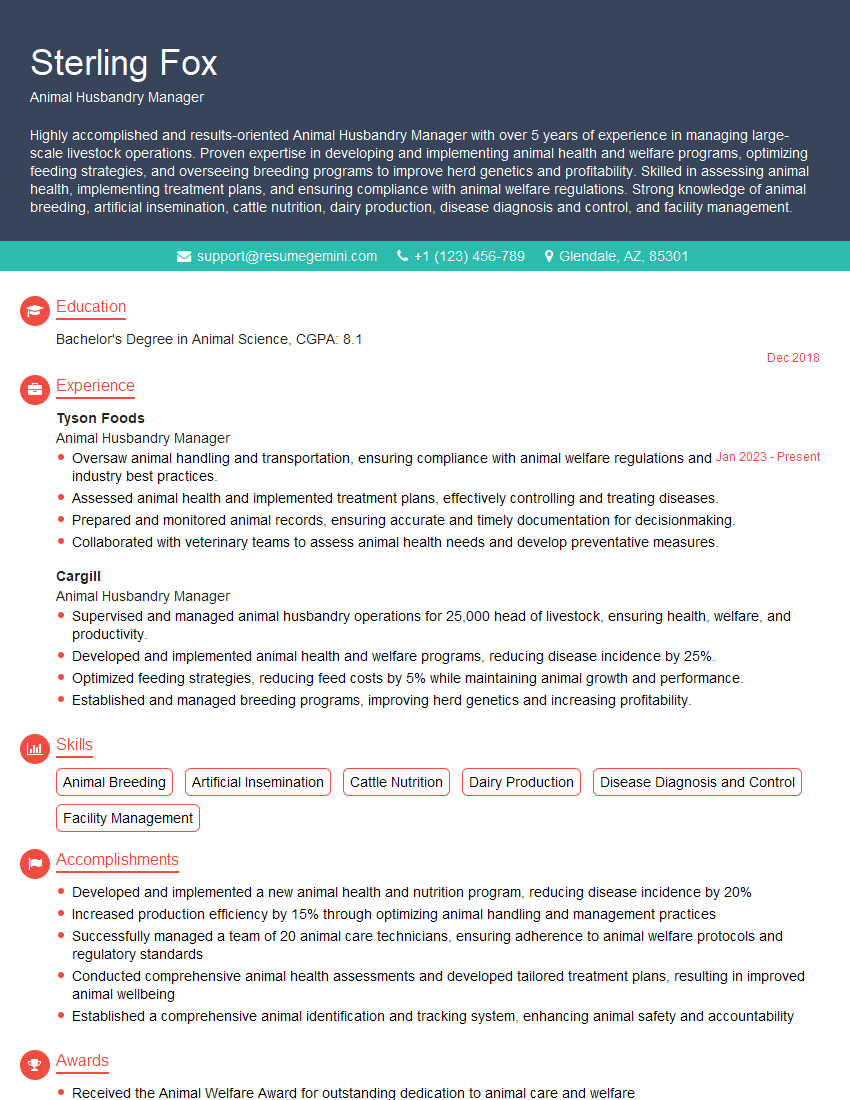
Animal Husbandry Manager Resume Sample
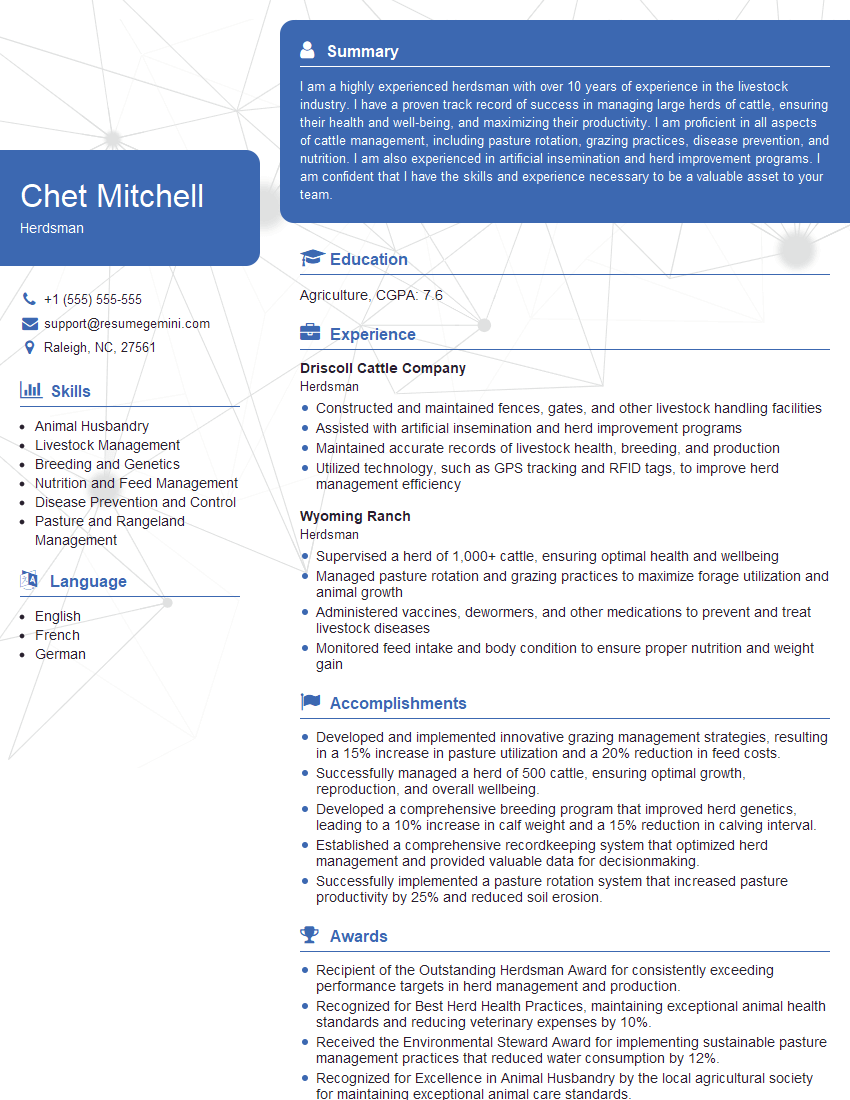
Herdsman Resume Sample
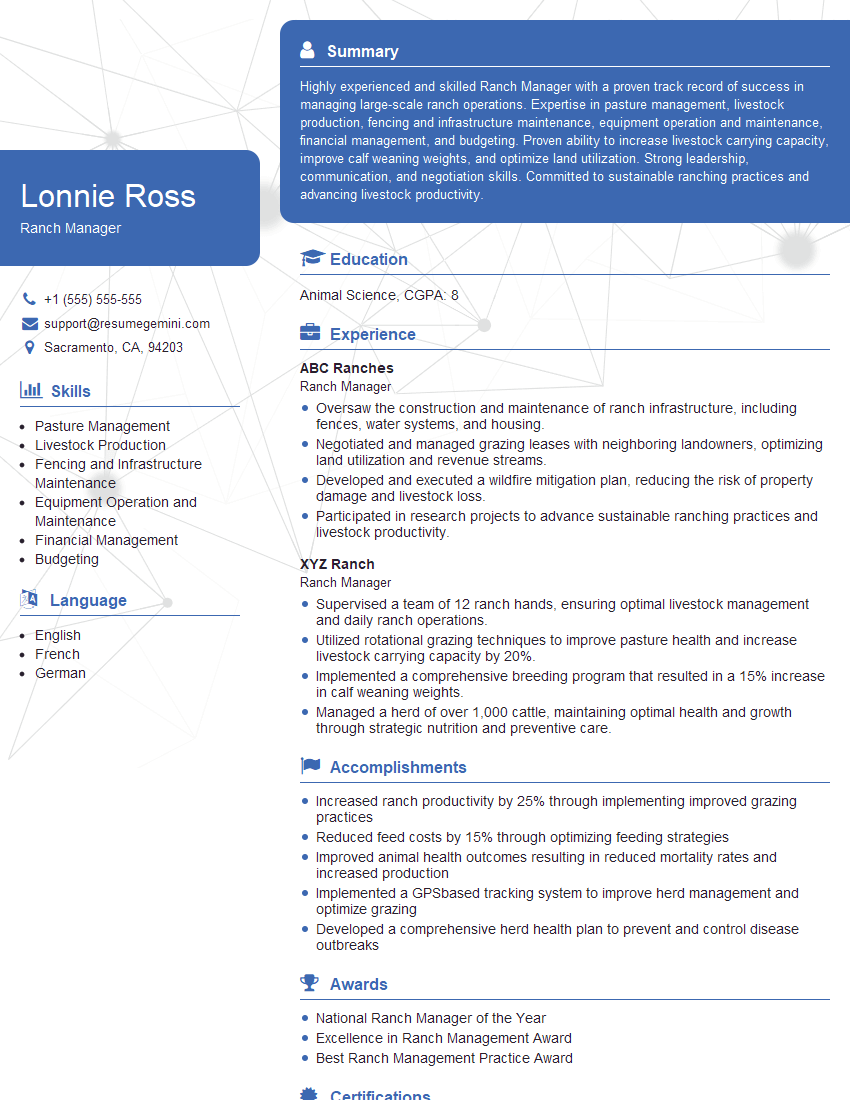
Ranch Manager Resume Sample

Aquaculturist Resume Sample

Animal Breeder Resume Sample
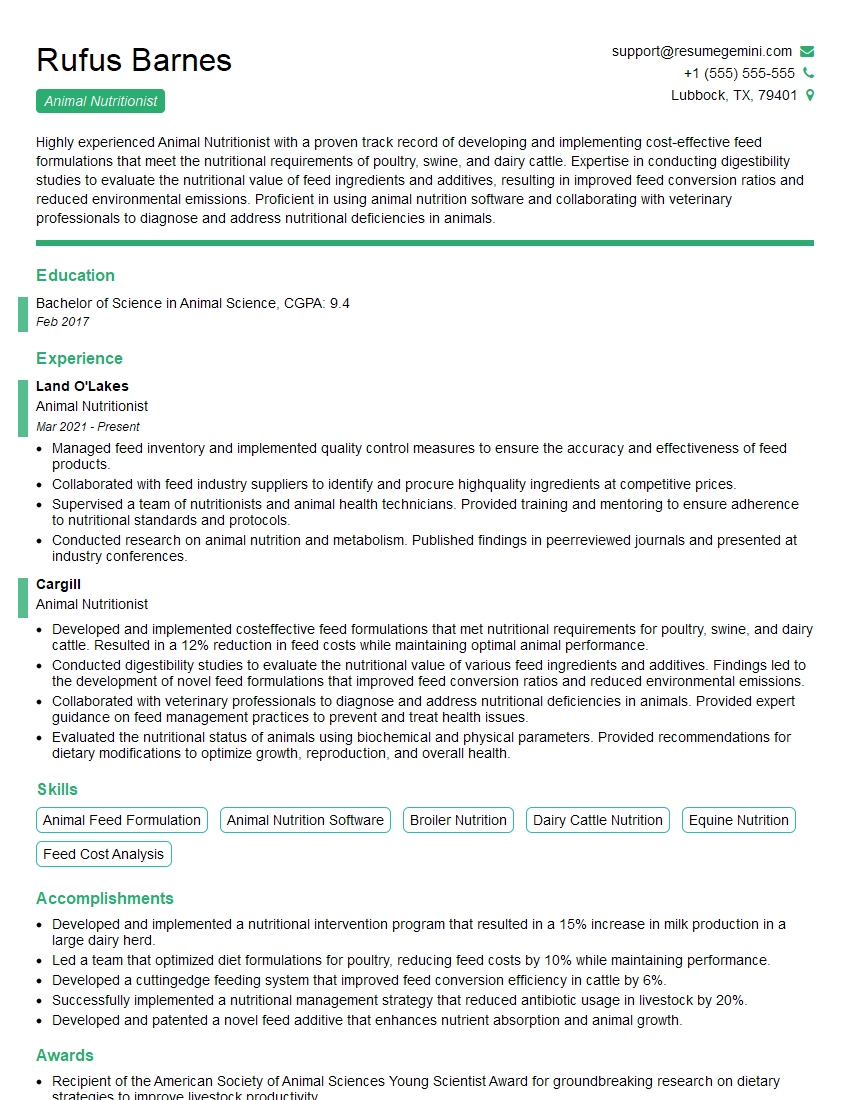
Animal Nutritionist Resume Sample

Zoologist Resume Sample

Conservationist Resume Sample
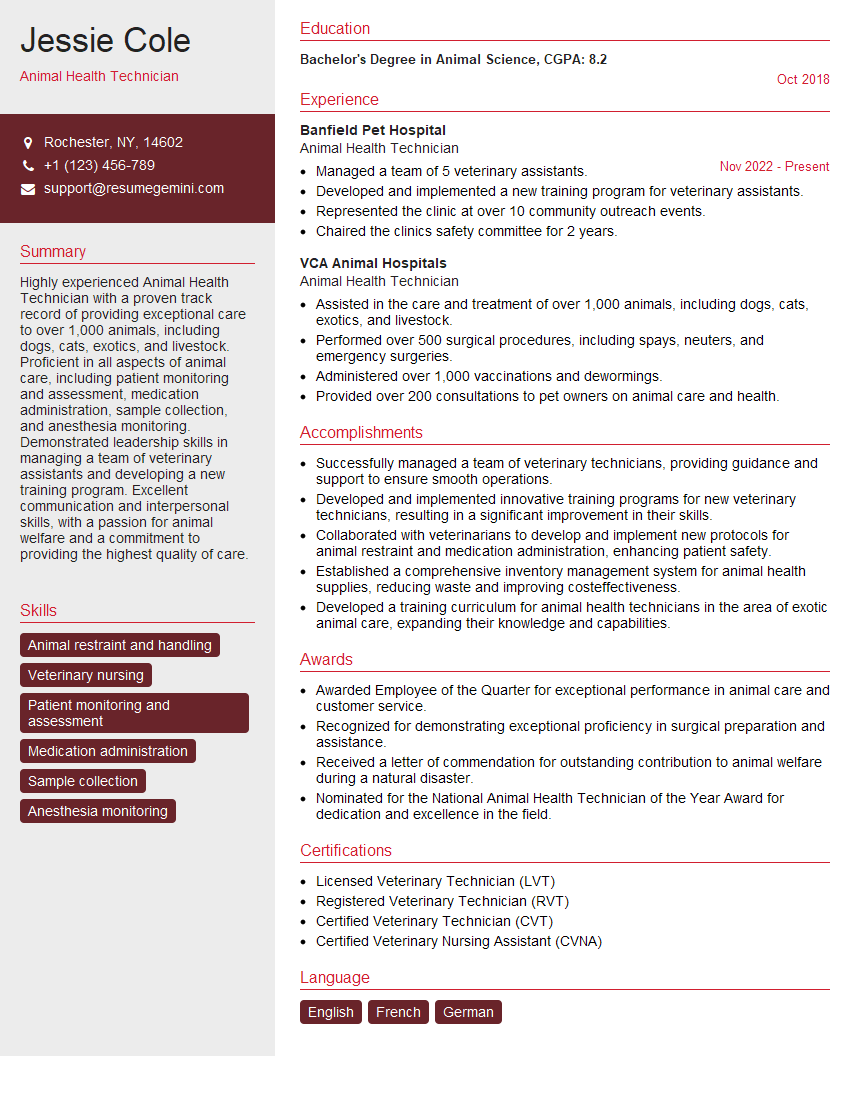
Animal Health Technician Resume Sample

Veterinary Technician Resume Sample

Dairy Manager Resume Sample

Equine Manager Resume Sample
Explore more articles
Users Rating of Our Blogs
Share Your Experience
We value your feedback! Please rate our content and share your thoughts (optional).
What Readers Say About Our Blog
Very informative content, great job.
good