The thought of an interview can be nerve-wracking, but the right preparation can make all the difference. Explore this comprehensive guide to American Management Association interview questions and gain the confidence you need to showcase your abilities and secure the role.
Questions Asked in American Management Association Interview
Q 1. Describe your understanding of the AMA’s principles of effective management.
The American Management Association (AMA) doesn’t prescribe a rigid set of ‘principles’ in a numbered list, but rather a holistic approach to effective management built on several key pillars. These include a strong focus on:
- Strategic Thinking: Understanding the organization’s goals and developing plans to achieve them. This involves analyzing the competitive landscape, identifying opportunities, and mitigating risks.
- Leadership and Communication: Inspiring and motivating teams, clearly communicating expectations, and fostering a collaborative environment. Effective managers actively listen to their teams and provide constructive feedback.
- People Management: Developing and empowering employees, recognizing their contributions, and providing opportunities for growth. This encompasses talent acquisition, training, performance management, and succession planning.
- Operational Efficiency: Optimizing processes, managing resources effectively, and ensuring that tasks are completed efficiently and effectively. This involves using data-driven decision-making and continuous improvement methodologies.
- Ethical Conduct: Maintaining high ethical standards and acting with integrity in all aspects of management. This involves fostering a culture of compliance and accountability.
Essentially, AMA emphasizes a leadership style that’s adaptive, empathetic, and results-oriented, always prioritizing both the individual and the overall organizational success.
Q 2. How would you apply AMA’s leadership development frameworks in a real-world scenario?
Let’s say a company is experiencing high employee turnover. Applying AMA’s leadership development frameworks, I would begin by:
- Needs Assessment: Conducting surveys, interviews, and focus groups to understand the root causes of the turnover. Are employees unhappy with their compensation, workload, management style, or lack of career development opportunities?
- Leadership Training: Implementing leadership development programs based on AMA’s models, focusing on areas like effective communication, conflict resolution, and motivational interviewing. This might involve workshops, coaching, and mentoring programs tailored to address the specific issues identified.
- Performance Management: Implementing robust performance management systems that include regular feedback, goal setting, and performance reviews. This ensures employees feel valued and have clear expectations.
- Succession Planning: Developing clear career paths and succession plans to provide employees with opportunities for advancement and growth within the company. This demonstrates commitment to employee development and reduces the likelihood of them leaving for better opportunities elsewhere.
- Employee Engagement Initiatives: Implementing initiatives to boost morale and engagement, such as employee recognition programs, team-building activities, and flexible work arrangements. This shows employees they are valued.
AMA’s frameworks provide a structured approach to improving leadership capabilities and fostering a positive work environment which directly tackles the problem of high employee turnover.
Q 3. Explain AMA’s approach to conflict resolution and its practical application.
AMA emphasizes a collaborative approach to conflict resolution, focusing on open communication, active listening, and finding mutually acceptable solutions. Their approach is less about assigning blame and more about understanding the underlying issues and working together to resolve them. This might involve:
- Facilitated Discussions: Using trained facilitators to guide discussions between conflicting parties, ensuring everyone feels heard and respected.
- Mediation: Employing neutral third parties to help negotiate a resolution.
- Negotiation Skills Training: Equipping managers and employees with the skills to effectively negotiate and compromise.
Practical Application: Imagine a conflict between two project teams over resource allocation. Instead of dictating a solution, an AMA-trained manager would facilitate a meeting where both teams clearly express their needs and concerns. The manager would guide them toward a solution that considers the priorities of both teams, perhaps by suggesting alternative resource options or adjusting project timelines.
Q 4. What are the key differences between transactional and transformational leadership according to AMA?
According to AMA’s perspective, transactional and transformational leadership represent distinct approaches:
- Transactional Leadership: This style focuses on setting clear goals, providing rewards for meeting expectations, and correcting deviations from those expectations. It’s a more transactional exchange – ‘You do this, you get that.’ Think of it like a clear contract. Motivation is primarily extrinsic (rewards and punishments).
- Transformational Leadership: This style goes beyond simply maintaining the status quo. Transformational leaders inspire and motivate followers to achieve shared goals through a vision, and emphasize collaboration, empowerment, and continuous improvement. Motivation is largely intrinsic (employees are driven by the meaning and purpose of their work).
The key difference lies in their motivational approaches. Transactional leadership relies on extrinsic rewards, while transformational leadership emphasizes intrinsic motivation through shared vision and inspirational leadership.
Q 5. How does AMA define organizational culture, and how can it be effectively managed?
AMA views organizational culture as the shared values, beliefs, and norms that shape employee behavior and influence organizational performance. It’s not something you simply define; it’s a living entity reflected in daily actions and interactions. Effective management of organizational culture involves:
- Defining Core Values: Clearly articulating the organization’s guiding principles and ensuring these are consistently communicated and reinforced.
- Leading by Example: Leaders must embody the desired culture. If leaders don’t act in alignment with the stated values, it undermines the credibility of the entire initiative.
- Reinforcing Desired Behaviors: Recognizing and rewarding employees who demonstrate the desired cultural attributes.
- Addressing Dysfunctional Behaviors: Addressing and correcting any behaviors that contradict the desired culture. This might involve coaching, counseling, or disciplinary actions, depending on the severity of the issue.
- Open Communication and Feedback: Creating channels for employees to express their opinions and provide feedback on the organizational culture. Regular pulse surveys can be very useful here.
Q 6. Describe AMA’s methodologies for improving team performance.
AMA utilizes several methodologies for improving team performance, including:
- Team Building Activities: Engaging in activities designed to foster trust, communication, and collaboration within the team.
- Goal Setting and Performance Measurement: Establishing clear, measurable, achievable, relevant, and time-bound (SMART) goals for the team and regularly tracking progress toward those goals.
- Conflict Resolution Training: Equipping team members with the skills to effectively manage and resolve conflicts.
- Communication Skills Training: Improving the team’s communication effectiveness through training on active listening, clear communication, and feedback techniques.
- Mentoring and Coaching: Providing experienced team members with opportunities to mentor and coach less experienced members.
- Regular Feedback and Recognition: Providing regular feedback and recognizing team accomplishments.
The approach is holistic, recognizing that high-performing teams require both strong interpersonal dynamics and clear goal alignment.
Q 7. How can you use AMA’s tools to assess employee engagement?
AMA doesn’t offer proprietary tools specifically labeled ’employee engagement assessment tools’. However, AMA’s training programs equip managers with the skills and knowledge to assess employee engagement effectively. This is done through a variety of methods, such as:
- Employee Surveys: Utilizing well-designed surveys to gather data on employee satisfaction, morale, and perceptions of the workplace.
- Focus Groups and Interviews: Conducting focus groups and individual interviews to gain deeper insights into employee experiences and perspectives.
- Observation: Observing employee behavior and interactions to identify potential issues or areas for improvement. This may involve noticing participation in meetings, collaboration across teams, and overall enthusiasm.
- Performance Reviews: Using performance reviews as an opportunity to assess employee engagement and identify potential areas of concern.
- Exit Interviews: Conducting exit interviews with departing employees to understand their reasons for leaving and identify areas where improvements could be made to enhance retention.
The data collected from these methods, analyzed through the lens of AMA’s management principles, provides a comprehensive picture of employee engagement and informs strategies for improvement.
Q 8. Explain AMA’s perspective on change management and its stages.
The American Management Association (AMA) views change management as a crucial process for organizational success, recognizing that effective change requires careful planning, communication, and execution. AMA doesn’t prescribe a rigid, single-stage model but emphasizes a holistic approach encompassing several key phases. These phases are not always linear but often iterative and overlapping.
- Planning and Assessment: This initial stage involves identifying the need for change, analyzing the current state, defining clear objectives, and assessing potential challenges and risks. A thorough needs assessment, often involving surveys and interviews, is vital.
- Communication and Engagement: Transparency and open communication are paramount. AMA stresses communicating the reasons for change, addressing concerns, and actively involving stakeholders in the process. This builds buy-in and reduces resistance. For example, town hall meetings or regular updates can foster engagement.
- Implementation and Execution: This involves putting the change plan into action, using project management techniques to track progress, overcome obstacles, and adjust the plan as needed. Regular monitoring and feedback are crucial.
- Monitoring and Evaluation: AMA emphasizes the importance of measuring the success of the change initiative. Key performance indicators (KPIs) should be established to track progress against objectives. Post-implementation reviews are essential for identifying areas for improvement.
- Reinforcement and Sustainability: After successful implementation, sustaining the change is equally crucial. This phase focuses on embedding the new processes, reinforcing positive behaviors, and celebrating achievements.
Imagine a company implementing a new CRM system. Using AMA’s approach, they would thoroughly assess the need, communicate the benefits to employees, train them effectively, monitor adoption rates, and adjust the implementation plan based on feedback, ultimately ensuring long-term success.
Q 9. What are some of the key benefits of implementing AMA’s training programs?
AMA’s training programs offer numerous benefits, contributing significantly to an organization’s performance and employee development. Key benefits include:
- Enhanced Skills and Knowledge: Programs provide participants with up-to-date knowledge and practical skills in various management disciplines, leading to improved job performance and productivity. For instance, a project management course equips individuals with tools to manage projects efficiently.
- Improved Leadership Capabilities: AMA’s leadership training fosters effective leadership styles, enhancing communication, decision-making, and team management skills. This results in a more engaged and productive workforce.
- Increased Employee Engagement: Investing in employee development through AMA training demonstrates a commitment to employee growth, boosting morale and fostering loyalty. Employees feel valued and invested in, leading to higher retention rates.
- Strategic Alignment: AMA programs often align with organizational strategies, ensuring that employees are equipped with the necessary skills to contribute to the company’s overall goals. This creates a more cohesive and effective organization.
- Professional Certifications: Many AMA programs lead to valuable certifications, enhancing individual credentials and increasing their marketability.
For example, a company investing in AMA’s leadership training might see a noticeable improvement in employee engagement scores, reduced employee turnover, and an increase in overall productivity as leaders effectively guide their teams.
Q 10. How would you measure the success of an AMA-based leadership development initiative?
Measuring the success of an AMA-based leadership development initiative requires a multi-faceted approach, going beyond simple attendance figures. Effective measurement involves:
- Pre- and Post-Training Assessments: Using assessments to gauge changes in knowledge, skills, and attitudes before and after the training. This quantifies learning gains.
- 360-Degree Feedback: Collecting feedback from peers, superiors, and subordinates to gain a holistic view of leadership effectiveness.
- Performance Metrics: Tracking changes in key performance indicators (KPIs) such as employee engagement, team performance, project success rates, and customer satisfaction.
- Behavioral Observation: Observing participants in their workplace to see how the training has impacted their behavior and decision-making.
- Return on Investment (ROI): Calculating the return on investment by comparing the cost of the training to the improvements in productivity, reduced turnover, and other positive outcomes.
A successful initiative will demonstrate statistically significant improvements in these areas, showing a clear link between the training and improved organizational performance.
Q 11. Explain AMA’s approach to strategic planning.
AMA’s approach to strategic planning emphasizes a results-oriented, data-driven process. It typically involves:
- Vision and Mission Definition: Clearly articulating the organization’s long-term vision and its mission statement. This provides a guiding framework for the entire process.
- SWOT Analysis: Conducting a thorough SWOT (Strengths, Weaknesses, Opportunities, Threats) analysis to identify internal capabilities and external factors impacting the organization.
- Goal Setting: Establishing specific, measurable, achievable, relevant, and time-bound (SMART) goals. This ensures clarity and accountability.
- Strategy Formulation: Developing strategies and action plans to achieve the defined goals. This often includes resource allocation and prioritization.
- Implementation and Monitoring: Putting the strategic plan into action and regularly monitoring progress against established goals. This often involves regular review meetings and adjustments as needed.
- Evaluation and Adjustment: Evaluating the effectiveness of the strategic plan and making adjustments as necessary. This is an iterative process, constantly refining the approach based on performance.
For example, a company using AMA’s approach might develop a strategic plan to expand into a new market. This would involve detailed market research (SWOT), setting specific sales targets, developing marketing strategies, allocating resources, and regularly monitoring sales figures to assess progress and make necessary adjustments.
Q 12. How does AMA’s model address ethical considerations in management?
AMA integrates ethical considerations into its management models by emphasizing responsible leadership and corporate social responsibility. This is reflected in several key aspects:
- Ethical Decision-Making Frameworks: AMA’s training programs often incorporate ethical frameworks that help managers navigate complex ethical dilemmas. These frameworks provide a structured approach to decision-making, considering various stakeholders and potential consequences.
- Code of Conduct and Compliance: AMA stresses the importance of establishing clear codes of conduct and ensuring compliance with ethical standards and regulations. This promotes a culture of integrity and accountability.
- Stakeholder Engagement: AMA emphasizes the importance of considering the interests of all stakeholders—employees, customers, shareholders, and the community—in all managerial decisions. This promotes responsible and sustainable business practices.
- Social Responsibility Initiatives: AMA promotes the integration of social responsibility initiatives into business strategies. This can involve environmental sustainability, community engagement, and fair labor practices.
For instance, a company employing AMA’s principles would implement a robust ethics training program, develop a clear code of conduct, regularly assess its social impact, and actively engage with stakeholders to ensure ethical behavior throughout its operations.
Q 13. Describe AMA’s perspective on effective communication in the workplace.
AMA emphasizes effective communication as a cornerstone of successful management. It highlights the importance of:
- Clear and Concise Messaging: Communicating information in a clear, concise, and easily understandable manner, avoiding jargon and technical terms when unnecessary.
- Active Listening: Encouraging active listening to understand the perspectives of others and build strong relationships. This fosters trust and collaboration.
- Multi-Channel Communication: Utilizing various communication channels—meetings, emails, newsletters, intranet—to reach a diverse audience and ensure message clarity.
- Nonverbal Communication: Being mindful of nonverbal communication cues, such as body language and tone of voice, to enhance the impact of messages.
- Feedback Mechanisms: Establishing regular feedback mechanisms to ensure that messages are received and understood correctly, and to allow for clarification and adjustments.
For example, a manager utilizing AMA’s communication principles would hold regular team meetings, actively solicit feedback from employees, and ensure that company-wide announcements are disseminated clearly and consistently across various communication platforms.
Q 14. How can AMA’s principles be used to improve decision-making processes?
AMA’s principles enhance decision-making by promoting a structured, data-driven, and collaborative approach. This involves:
- Problem Definition: Clearly defining the problem or opportunity before attempting to solve it. This ensures that efforts are focused on the right issue.
- Data Gathering and Analysis: Gathering relevant data and performing thorough analysis to understand the context of the decision. This minimizes biases and enhances objectivity.
- Stakeholder Consultation: Consulting with relevant stakeholders to gain diverse perspectives and ensure that all relevant factors are considered. This fosters buy-in and minimizes resistance.
- Alternative Generation: Generating multiple alternative solutions before selecting the optimal one. This enhances creativity and the likelihood of identifying the best solution.
- Decision Criteria: Establishing clear criteria for evaluating alternative solutions, ensuring consistency and objectivity in the selection process.
- Risk Assessment: Assessing the potential risks and opportunities associated with each alternative. This enables proactive risk mitigation.
- Implementation and Monitoring: Implementing the chosen solution and actively monitoring its effectiveness. This enables timely adjustments if necessary.
For instance, a company using AMA’s principles to decide on a new marketing strategy would conduct thorough market research, consult with the sales and marketing teams, evaluate several different campaigns using pre-defined criteria, assess the risks of each, and then monitor the campaign’s effectiveness to make adjustments as needed.
Q 15. What are some of the challenges in implementing AMA’s methodologies, and how can they be overcome?
Implementing AMA’s methodologies, while highly beneficial, can present challenges. One common hurdle is resistance to change. Employees accustomed to old ways of working may be hesitant to adopt new processes or training programs. Another challenge is the need for consistent buy-in from leadership. AMA’s approaches often require organizational-wide commitment, and without this support, initiatives can falter. Finally, accurately assessing the organization’s specific needs and selecting the most appropriate AMA tools is crucial. Selecting the wrong methodology can lead to wasted resources and frustration.
To overcome these challenges, a phased approach is often effective. Start with a pilot program involving a smaller team, demonstrating the benefits before wider implementation. This helps address resistance to change. Strong leadership communication and sponsorship are vital to ensuring buy-in across all levels. Before selecting any AMA methodology, conduct a thorough organizational needs analysis to tailor the approach to your specific context. Measuring success with key performance indicators (KPIs) helps demonstrate the program’s value, reinforcing the positive impact on business outcomes. Regular feedback loops can ensure continuous improvement.
Career Expert Tips:
- Ace those interviews! Prepare effectively by reviewing the Top 50 Most Common Interview Questions on ResumeGemini.
- Navigate your job search with confidence! Explore a wide range of Career Tips on ResumeGemini. Learn about common challenges and recommendations to overcome them.
- Craft the perfect resume! Master the Art of Resume Writing with ResumeGemini’s guide. Showcase your unique qualifications and achievements effectively.
- Don’t miss out on holiday savings! Build your dream resume with ResumeGemini’s ATS optimized templates.
Q 16. How does AMA’s framework address diversity and inclusion in the workplace?
AMA’s framework strongly emphasizes diversity and inclusion. Their resources address unconscious bias, promote inclusive leadership, and offer training on creating equitable work environments. They provide tools and techniques to foster inclusive team dynamics, encouraging open communication and respect for diverse perspectives. This is achieved through various avenues including workshops, online courses, and assessment tools that help organizations identify areas needing improvement in their DEI strategies. For example, their leadership training often incorporates modules focusing on inclusive decision-making processes and mitigating bias in performance evaluations. Their publications and research continually highlight the business case for diversity, showcasing how inclusive organizations tend to be more innovative and profitable.
Q 17. Describe your experience using AMA’s resources or training materials.
I’ve extensively utilized AMA’s resources throughout my career. I’ve directly benefited from their leadership development programs, particularly their workshops on strategic planning and conflict resolution. The structured approach and practical exercises helped me significantly improve my team management skills. I’ve also frequently consulted their online library and research publications to stay current on best practices in various management areas, including talent management and change management. Specifically, I found their research on building high-performing teams particularly insightful and applicable to my own work. The resources provided tangible frameworks and actionable steps that I could implement immediately.
Q 18. What is your understanding of AMA’s competency models for various management roles?
AMA’s competency models offer detailed descriptions of the skills, knowledge, and behaviors necessary for successful performance in various management roles. These models are not one-size-fits-all; they are tailored to specific positions, reflecting the unique demands and responsibilities associated with each. For instance, the competency model for a project manager will emphasize planning, execution, risk management, and stakeholder communication, while a model for a senior executive will focus on strategic thinking, change leadership, and organizational vision. The models usually encompass core competencies (applicable across roles) and role-specific competencies. This framework provides a valuable foundation for recruitment, training, performance evaluation, and succession planning.
Q 19. How would you leverage AMA’s best practices to improve employee retention?
Leveraging AMA’s best practices can significantly improve employee retention. For instance, focusing on career development, as highlighted by AMA resources, is key. Providing opportunities for growth, skill enhancement, and mentorship demonstrates investment in employees’ futures, increasing their engagement and loyalty. Additionally, fostering a positive and supportive work environment, as emphasized in many AMA publications, is crucial. This involves promoting open communication, recognizing employee contributions, and providing opportunities for work-life balance. Implementing robust performance management systems, aligning with AMA’s recommendations, allows for regular feedback and constructive conversations, addressing concerns and enhancing employee satisfaction. By actively integrating AMA’s principles on employee engagement and retention strategies, organizations create an environment where employees feel valued and empowered, leading to increased loyalty and reduced turnover.
Q 20. Explain your familiarity with AMA’s research and publications.
My familiarity with AMA’s research and publications is extensive. I regularly consult their journals, articles, and reports on topics ranging from leadership styles to organizational effectiveness. Their research on topics like employee engagement, change management, and talent acquisition has greatly influenced my understanding and approach to various management challenges. I’ve particularly found their longitudinal studies and case studies highly valuable, providing rich insights into successful strategies and potential pitfalls. The research is frequently grounded in empirical evidence, providing data-driven support for their recommendations. This evidence-based approach allows for a more informed and effective application of their principles in practice.
Q 21. How would you adapt AMA’s principles to a specific organizational context?
Adapting AMA’s principles to a specific organizational context requires a nuanced approach. It’s not a case of simply applying a generic model; rather, it involves a thorough understanding of the organization’s culture, values, industry, and unique challenges. For example, a fast-growing tech startup would need a different application of AMA principles than a long-established non-profit organization. The process starts with an organizational assessment, identifying current strengths and weaknesses, and establishing clear goals aligned with the overall organizational strategy. Then, the specific AMA methodologies and tools that best address these challenges need to be selected. Finally, a phased implementation, with constant monitoring and adjustments, ensures alignment and efficacy. Continuous feedback mechanisms, both from leadership and employees, are crucial for adapting and optimizing the approach over time.
Q 22. Describe a situation where you successfully applied AMA’s concepts to solve a management problem.
In a previous role, our team faced significant challenges with project timelines due to a lack of clear communication and defined roles. We were consistently missing deadlines and team morale was suffering. Applying AMA’s principles of effective communication and project management, I implemented several strategies. First, I facilitated a team-building workshop based on AMA’s techniques, focusing on active listening and conflict resolution. This improved inter-team communication dramatically. Second, we used AMA’s project management methodologies to clearly define roles, responsibilities, and deadlines, creating a shared understanding of the project’s scope. We also implemented regular progress meetings, using AMA’s recommended techniques for constructive feedback. The result? We successfully completed the project on time and under budget, with significantly improved team cohesion and morale. This experience highlighted the practical value of AMA’s training in overcoming real-world management obstacles.
Q 23. How would you integrate AMA’s training with existing organizational development initiatives?
Integrating AMA training with existing organizational development (OD) initiatives requires a strategic approach. First, I’d conduct a needs assessment to identify skill gaps and align AMA’s offerings with our current OD goals. For example, if the organization is focused on leadership development, we could incorporate AMA’s leadership training programs. If the focus is on improving team performance, we might choose AMA’s teamwork and collaboration workshops. The integration should be seamless, not disruptive. This can be achieved by phasing in AMA’s programs, perhaps starting with a pilot program to gauge effectiveness and gather feedback before wider implementation. AMA’s structured curriculum and readily available resources would easily integrate into existing learning management systems (LMS), allowing for consistent tracking and evaluation of progress. Finally, consistent communication and demonstrating a clear ROI (Return on Investment) through measurable improvements in performance would ensure buy-in and long-term success.
Q 24. How familiar are you with AMA’s various certifications and their relevance to the job?
I’m very familiar with AMA’s certifications, especially those related to project management (like PMP preparation courses) and leadership development. Their relevance to this job is significant. For instance, a Project Management Professional (PMP) certification demonstrates a mastery of project management principles, directly applicable to overseeing projects, managing budgets, and leading teams. Similarly, certifications in leadership and communication showcase crucial skills for effective management. The AMA certifications carry significant weight in the industry, signaling a commitment to professional development and a deep understanding of best management practices. The specific certifications needed would depend on the job requirements, but generally, any AMA certification would enhance my candidacy and demonstrate a dedication to continuous learning.
Q 25. What specific AMA resources have you found most valuable in your professional development?
Among AMA’s vast resources, I’ve found their online learning platform and their leadership development programs particularly valuable. The online platform offers flexible learning options, allowing me to access courses and materials at my convenience. I’ve particularly benefited from their courses on negotiation and conflict resolution, which have directly enhanced my ability to manage challenging situations. Their leadership development programs have provided me with frameworks and strategies for motivating teams and fostering a positive work environment. The case studies and real-world examples integrated into the programs are invaluable for practical application. I also regularly utilize their research reports and white papers to stay updated on the latest management trends and best practices.
Q 26. How would you use AMA’s tools to foster innovation and creativity within a team?
AMA’s tools can be instrumental in fostering innovation and creativity. I would start by using AMA’s techniques for brainstorming and idea generation, encouraging open communication and a safe space for risk-taking. We could utilize tools like SWOT analysis (Strengths, Weaknesses, Opportunities, Threats) to analyze the team’s capabilities and identify areas for innovation. I’d incorporate AMA’s conflict resolution methods to manage disagreements constructively, turning them into opportunities for creative problem-solving. To further stimulate creativity, I would introduce design thinking workshops based on AMA’s principles, encouraging the team to empathize with users, define problems clearly, brainstorm solutions, prototype, and test ideas. Regular feedback sessions, using AMA’s techniques for providing constructive feedback, would be crucial for refining ideas and encouraging continuous improvement. The goal is to cultivate a culture of experimentation, learning from failures, and celebrating successes.
Q 27. What are your thoughts on the future of management in light of AMA’s insights?
AMA’s insights suggest that the future of management will be characterized by agility, adaptability, and a strong emphasis on human-centered leadership. The increasing complexity of the global landscape requires managers to be more versatile and capable of navigating uncertainty. This involves embracing new technologies, fostering diverse and inclusive teams, and focusing on continuous learning and development. AMA’s emphasis on emotional intelligence, communication, and collaboration skills will become increasingly crucial. Managers will need to effectively manage remote teams, leverage data analytics for decision-making, and foster a culture of innovation and psychological safety. The future manager will be less of a director and more of a facilitator, mentor, and coach, empowering their teams to achieve shared goals in a constantly evolving environment.
Q 28. How would you explain the value proposition of AMA’s services to a potential client?
AMA’s value proposition is simple: we empower individuals and organizations to achieve their full potential through impactful management training and development. We offer a comprehensive suite of solutions – from online courses and workshops to certifications and customized programs – designed to enhance leadership skills, improve team performance, and drive organizational success. Our programs are based on rigorous research and practical experience, delivered by expert instructors, and tailored to meet the specific needs of our clients. We don’t just provide training; we provide a pathway to measurable results, including improved employee engagement, increased productivity, and a stronger bottom line. Investing in AMA is investing in a future of greater organizational effectiveness and sustained competitive advantage. We offer a clear ROI (Return on Investment), quantifiable through metrics like improved employee satisfaction, reduced turnover, and enhanced project success rates.
Key Topics to Learn for American Management Association Interview
- Leadership Styles & Theories: Understand various leadership approaches (transformational, transactional, servant leadership, etc.) and their practical application in diverse organizational settings. Be prepared to discuss your preferred style and its effectiveness.
- Change Management: Explore models and frameworks for managing organizational change, including resistance to change and strategies for successful implementation. Consider how you’ve navigated change in past roles.
- Team Dynamics & Collaboration: Analyze the factors contributing to effective teamwork, conflict resolution techniques, and strategies for building high-performing teams. Showcase your experience in fostering collaboration.
- Communication & Interpersonal Skills: Discuss your ability to communicate effectively across different levels of an organization, including active listening, nonverbal communication, and delivering impactful presentations. Prepare examples demonstrating these skills.
- Strategic Planning & Execution: Understand the process of developing and implementing strategic plans, including SWOT analysis, goal setting, and performance measurement. Reflect on your contributions to strategic initiatives in previous roles.
- Performance Management & Development: Explore different performance management systems, employee feedback methods, and approaches to talent development. Be ready to discuss your experience in coaching and mentoring.
- Organizational Culture & Behavior: Analyze the impact of organizational culture on employee performance and engagement. Discuss how you’ve adapted to different organizational cultures and contributed to a positive work environment.
Next Steps
Mastering key concepts related to the American Management Association significantly enhances your career prospects by demonstrating a strong understanding of essential management principles and practices. A well-crafted resume is crucial in showcasing your skills and experience to potential employers. Building an ATS-friendly resume is essential to ensure your application gets noticed. ResumeGemini is a trusted resource that can help you build a professional and impactful resume optimized for Applicant Tracking Systems. Examples of resumes tailored to the American Management Association are available to further guide your preparation.
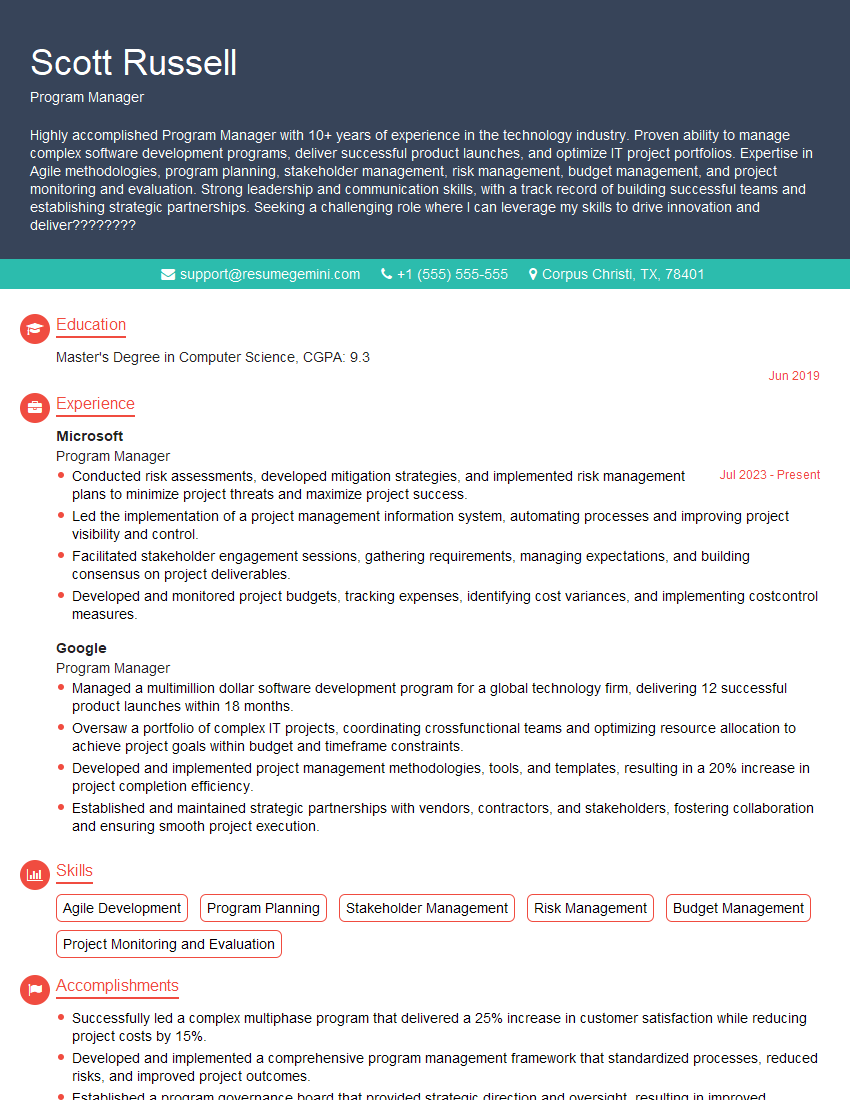
Program Manager Resume Sample

Operations Manager Resume Sample
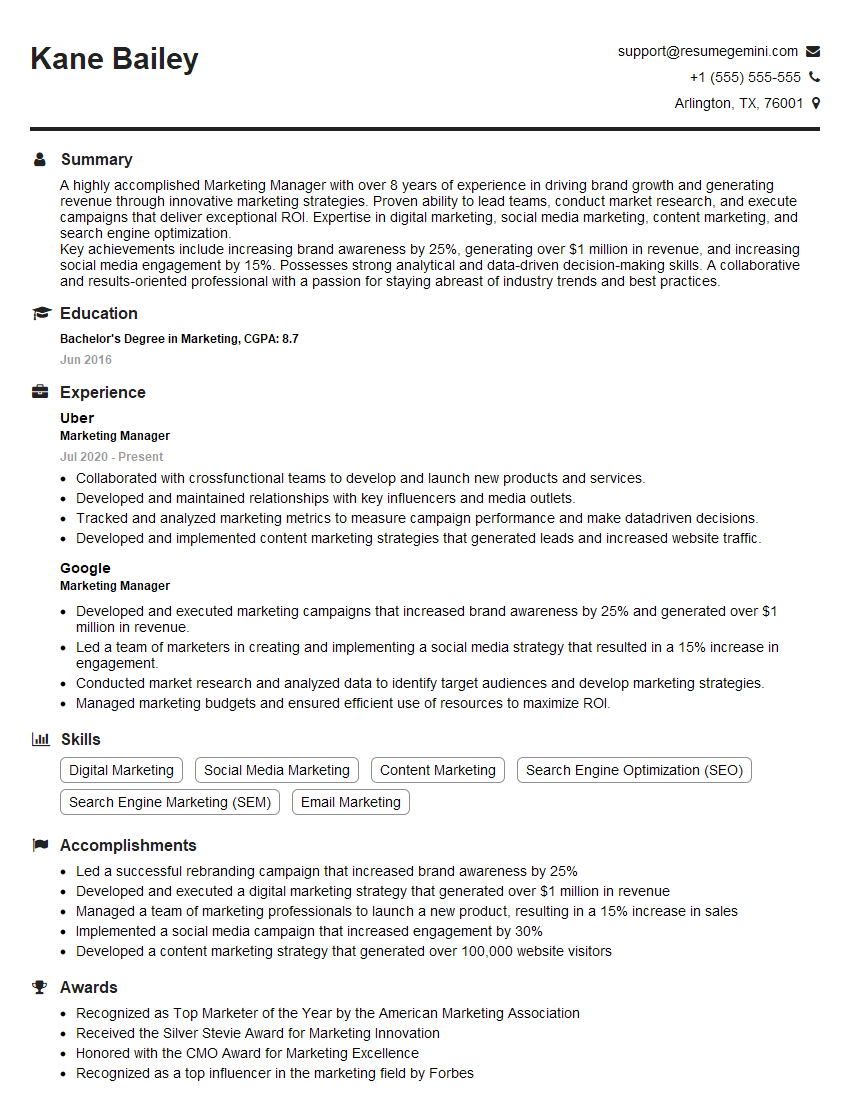
Marketing Manager Resume Sample
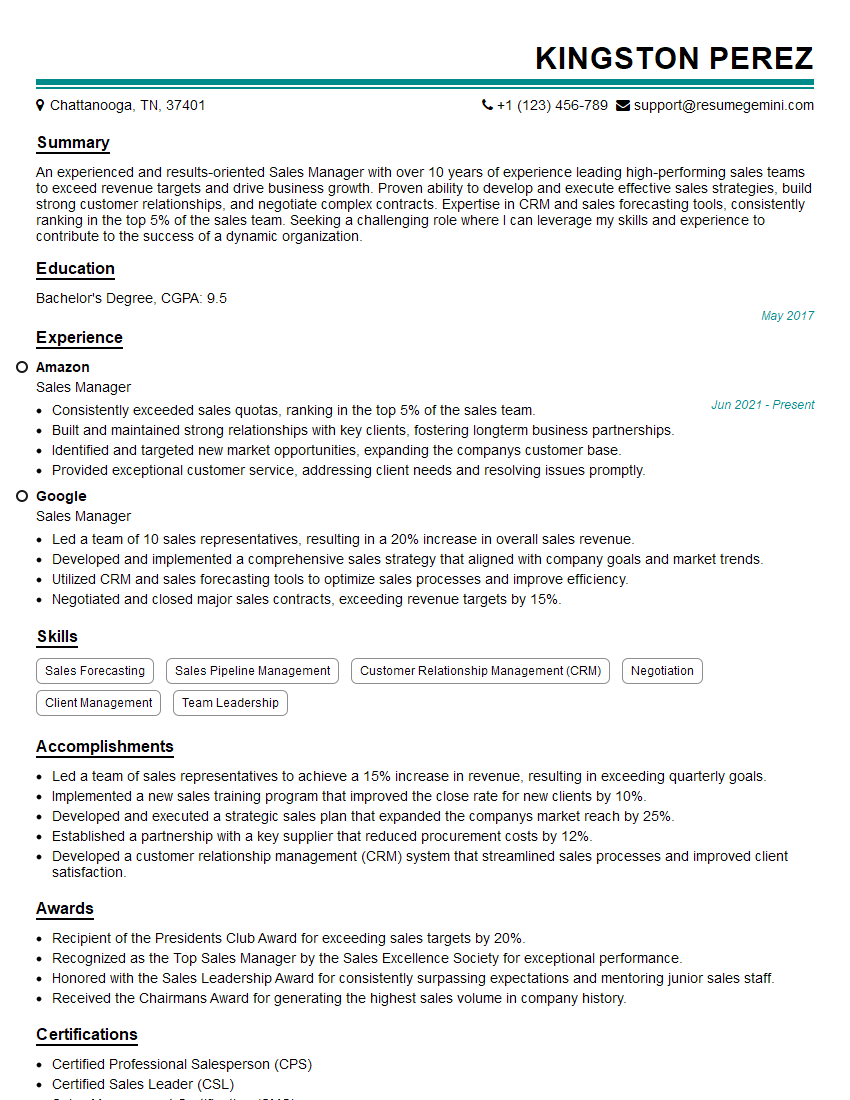
Sales Manager Resume Sample

Communications Manager Resume Sample

Supply Chain Manager Resume Sample
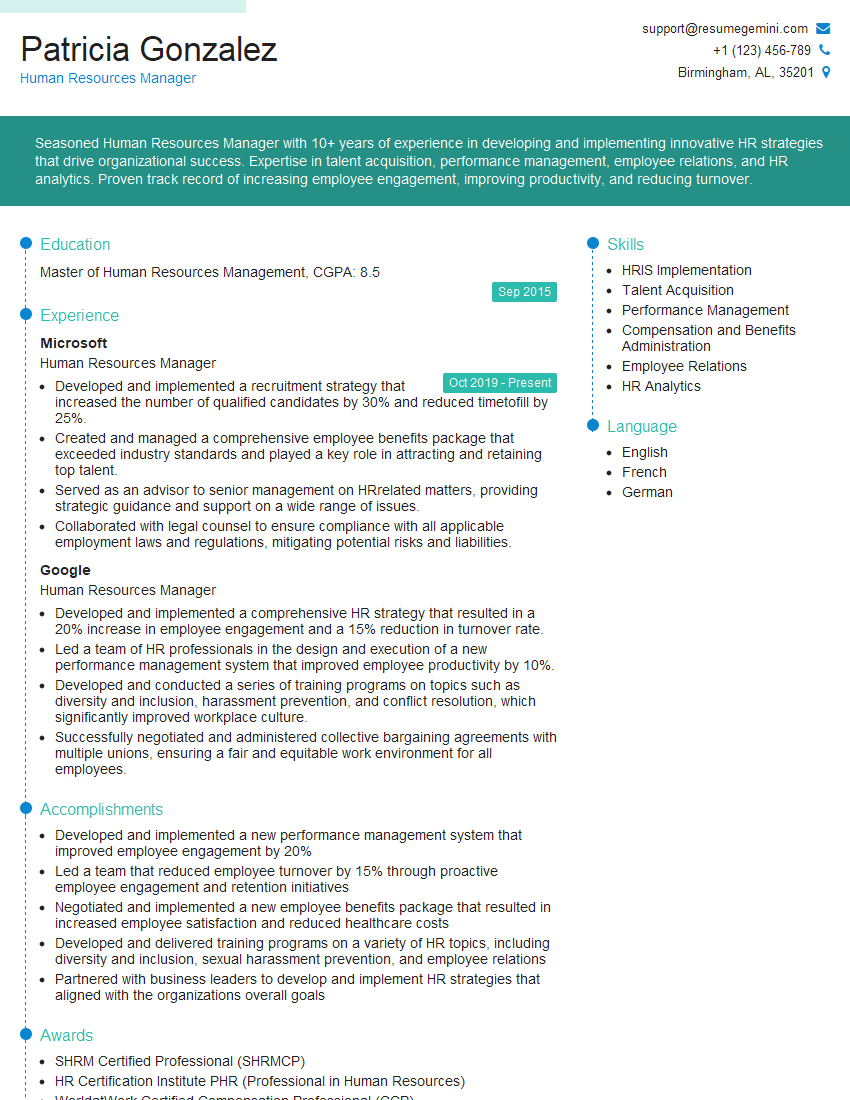
Human Resources Manager Resume Sample
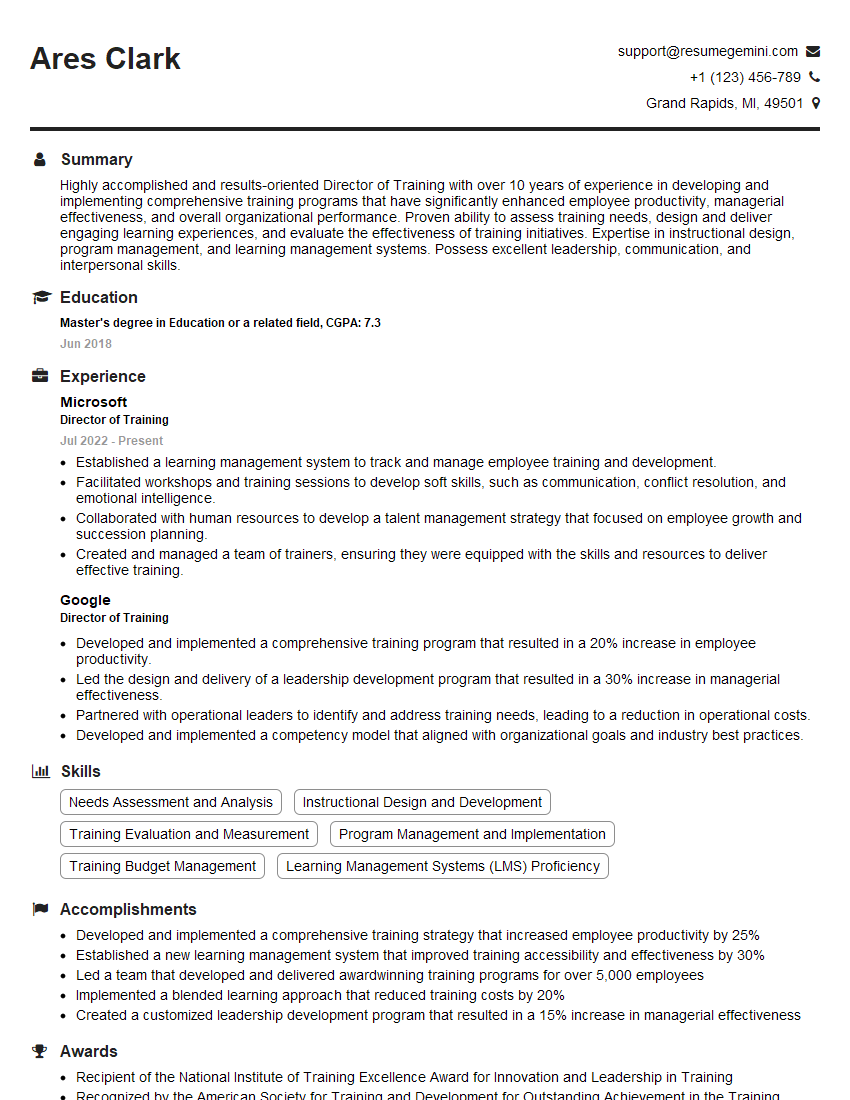
Director of Training Resume Sample
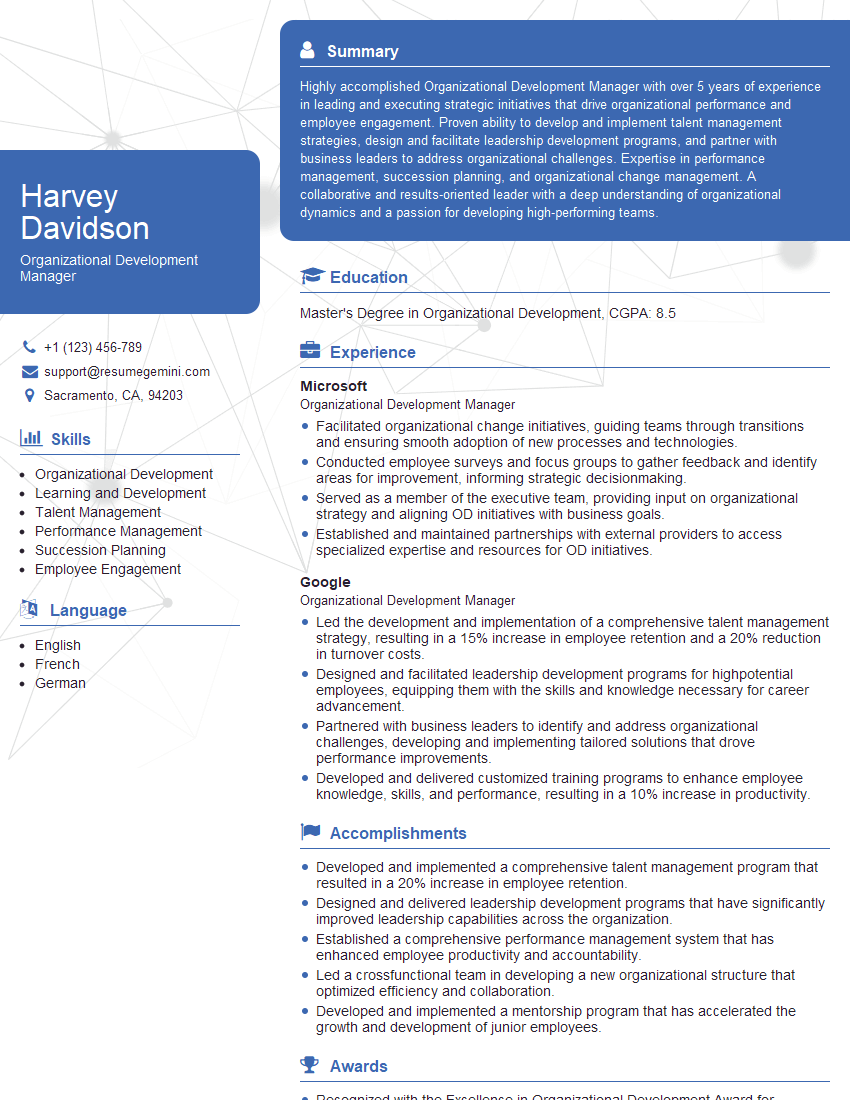
Organizational Development Manager Resume Sample

Project Manager Resume Sample
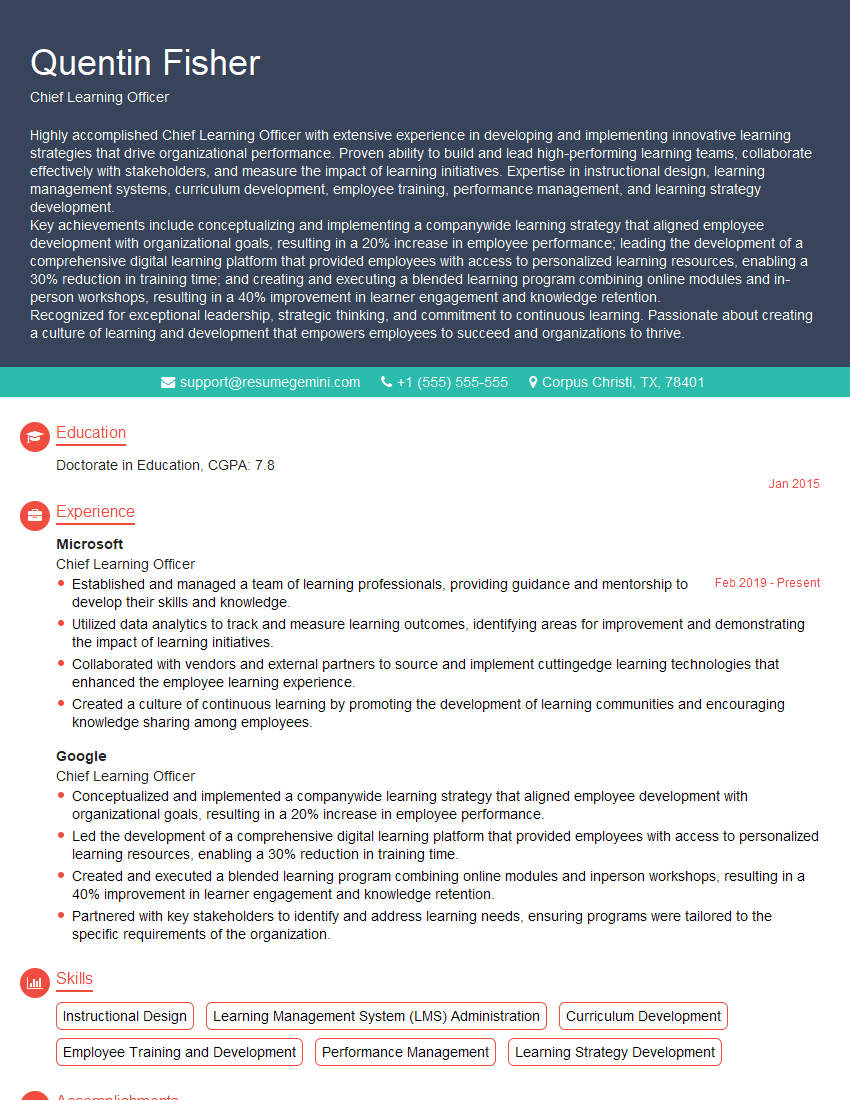
Chief Learning Officer Resume Sample
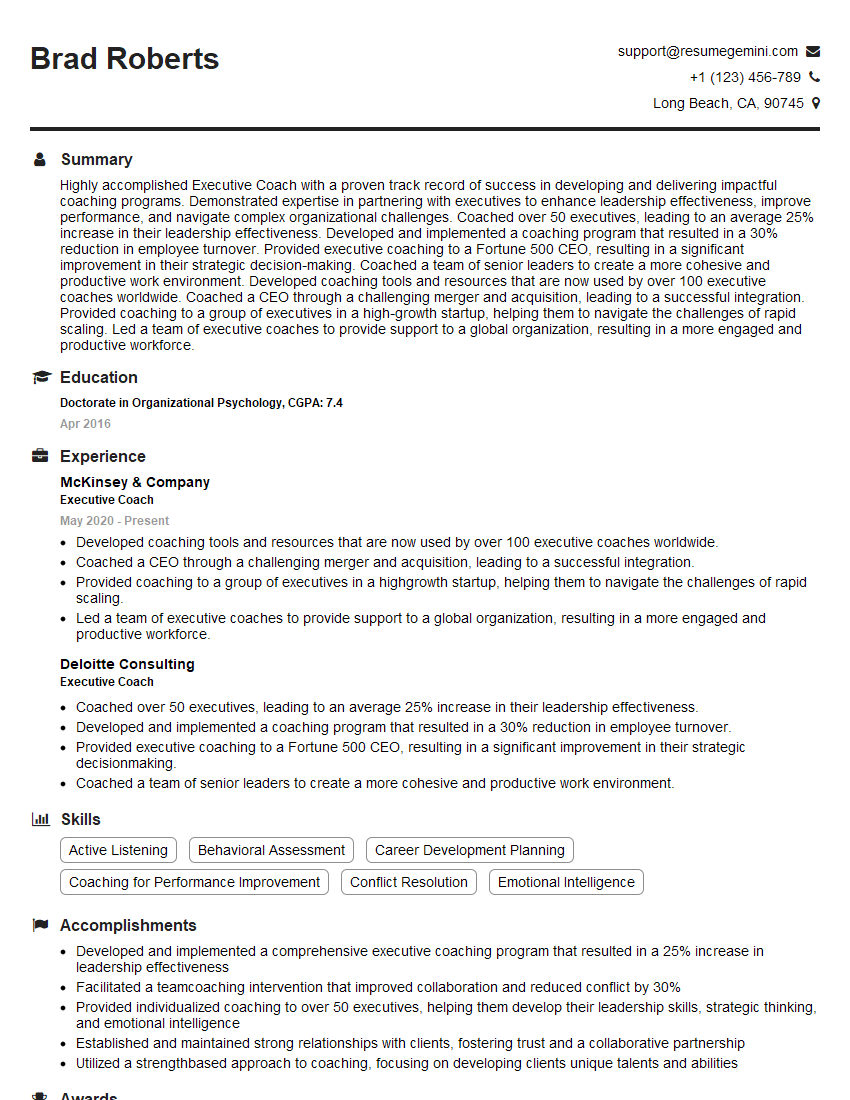
Executive Coach Resume Sample
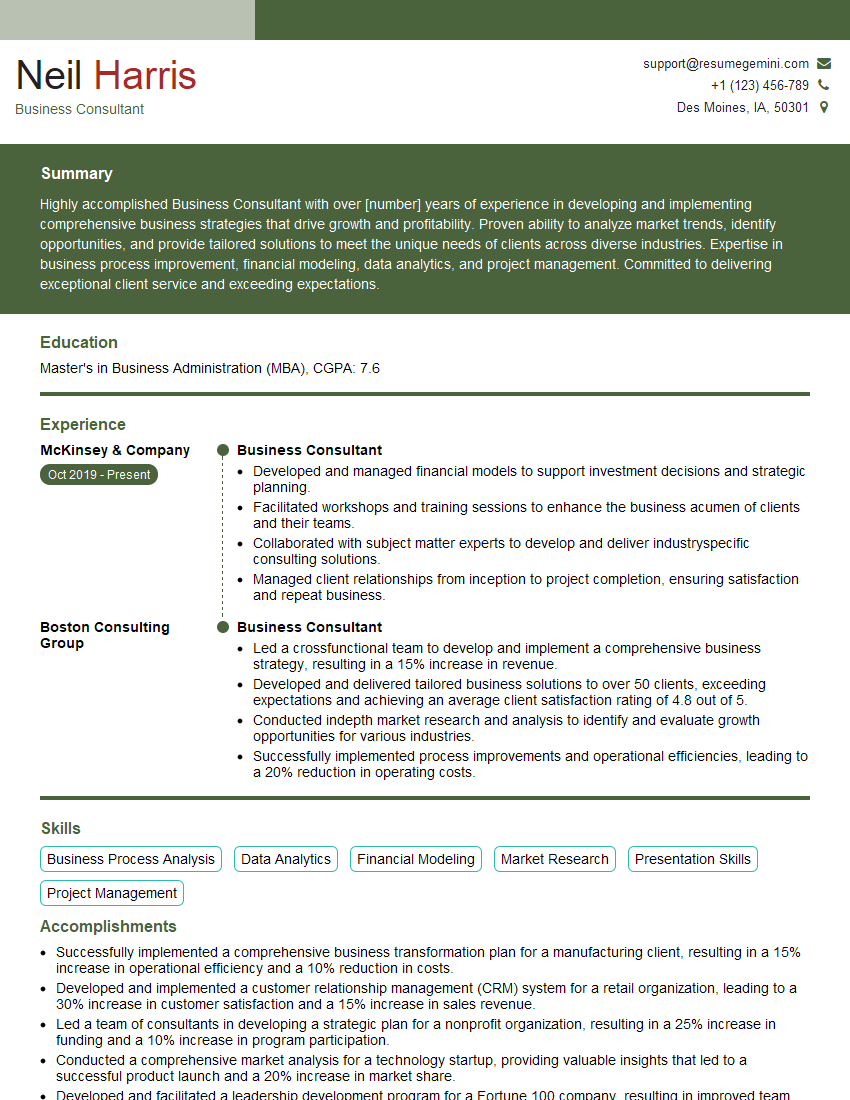
Business Consultant Resume Sample
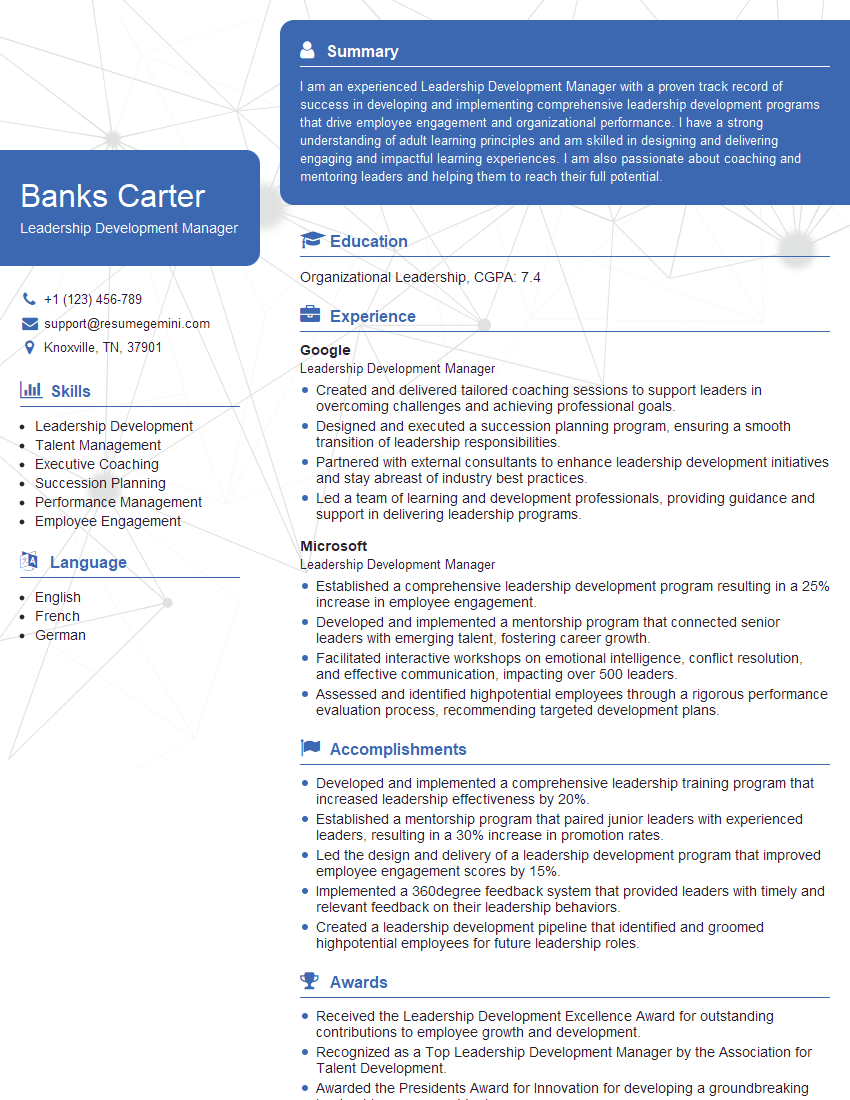
Leadership Development Manager Resume Sample
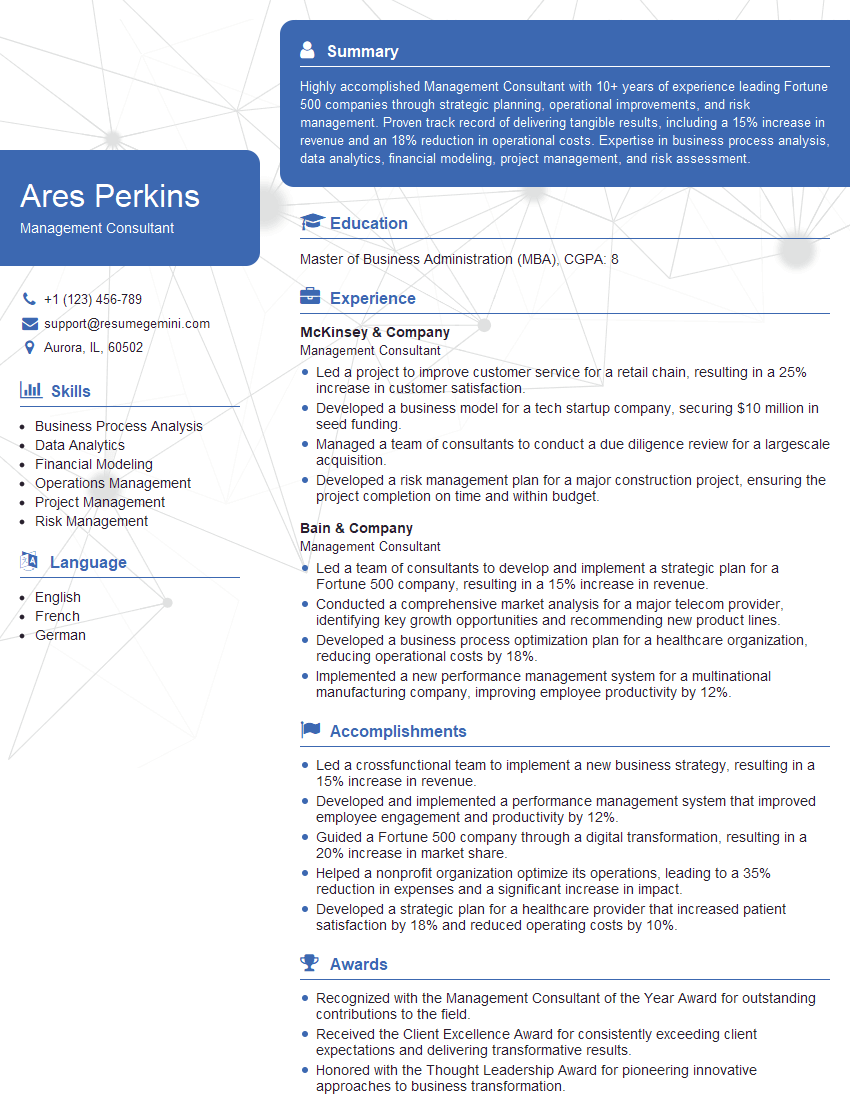
Management Consultant Resume Sample

Training Specialist Resume Sample
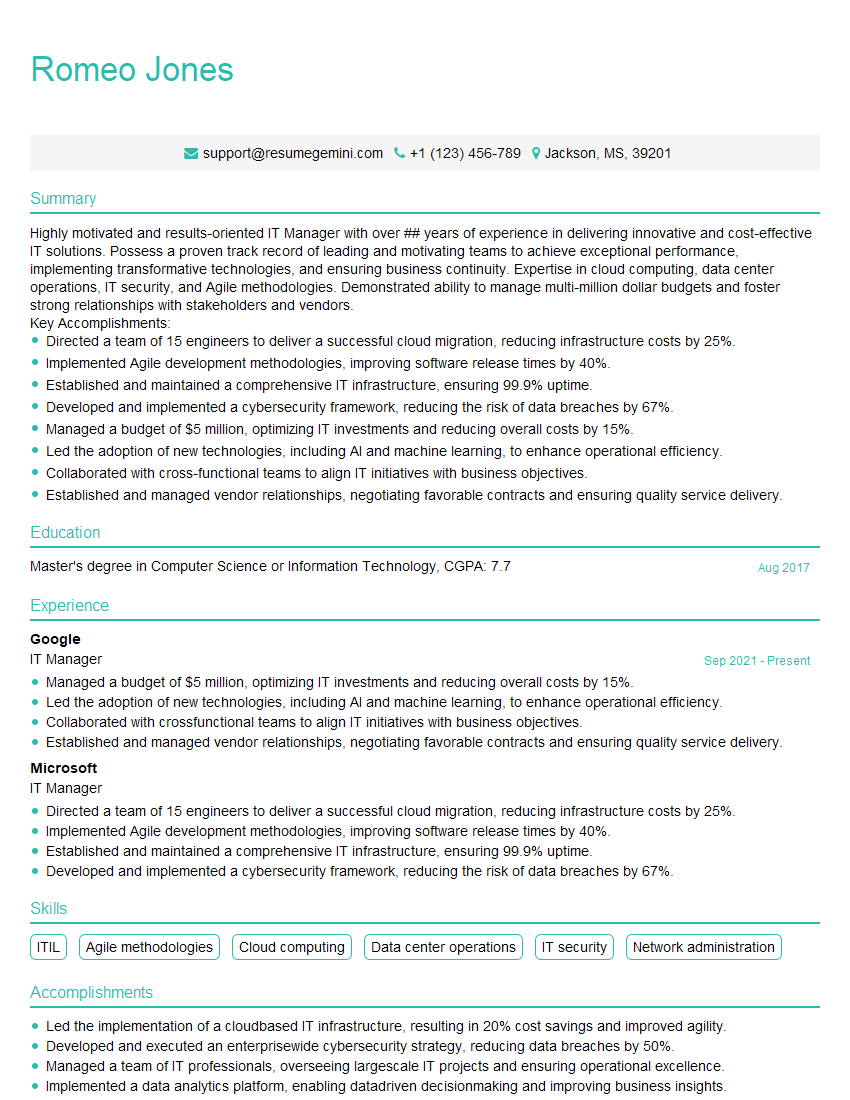
IT Manager Resume Sample
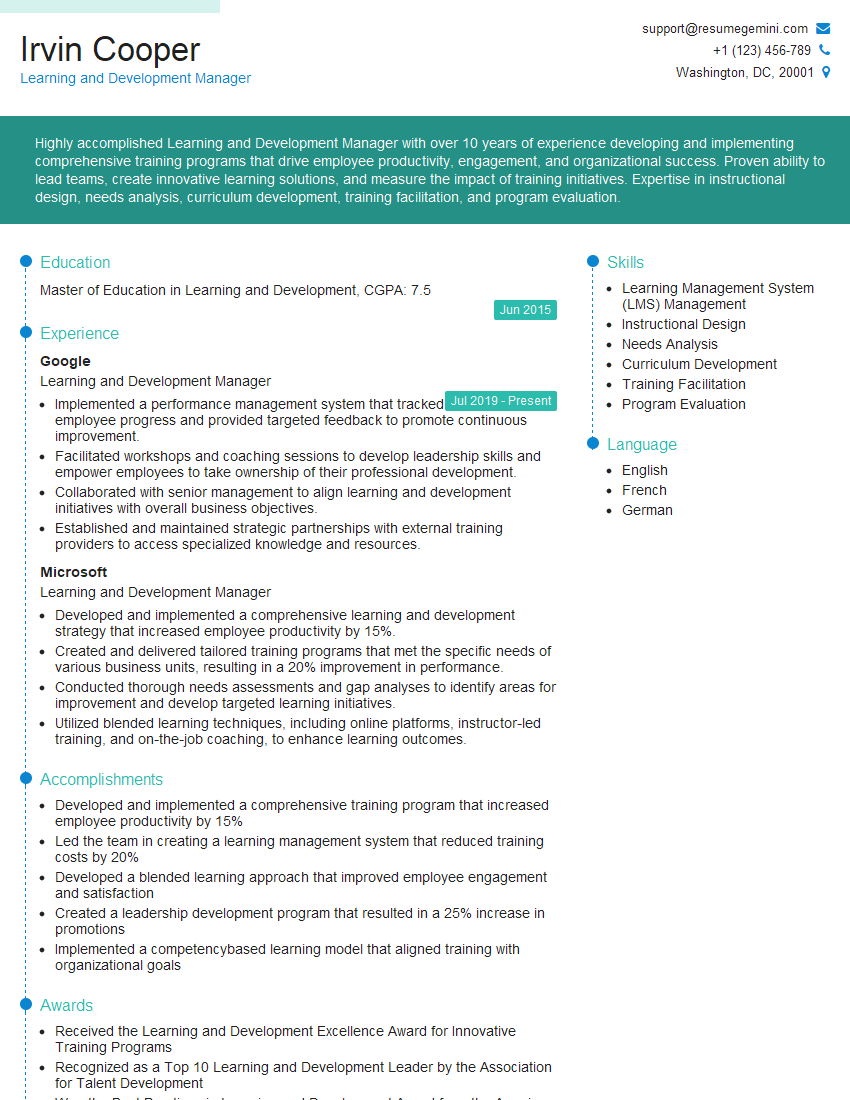
Learning and Development Manager Resume Sample
- Program Manager
- Operations Manager
- Marketing Manager
- Sales Manager
- Communications Manager
- Supply Chain Manager
- Human Resources Manager
- Director of Training
- Organizational Development Manager
- Project Manager
- Chief Learning Officer
- Executive Coach
- Business Consultant
- Leadership Development Manager
- Management Consultant
- Training Specialist
- IT Manager
- Learning and Development Manager
Explore more articles
Users Rating of Our Blogs
Share Your Experience
We value your feedback! Please rate our content and share your thoughts (optional).
What Readers Say About Our Blog
Very informative content, great job.
good