The thought of an interview can be nerve-wracking, but the right preparation can make all the difference. Explore this comprehensive guide to Analog and Digital Circuit Repair interview questions and gain the confidence you need to showcase your abilities and secure the role.
Questions Asked in Analog and Digital Circuit Repair Interview
Q 1. Explain the difference between analog and digital signals.
The core difference between analog and digital signals lies in how they represent information. Analog signals are continuous; their amplitude and frequency vary smoothly over time, mirroring the physical quantity they represent (like sound waves or voltage variations). Think of a traditional vinyl record: the groove’s depth continuously changes, representing the music’s nuances. Digital signals, conversely, are discrete; they represent information using distinct values, typically ‘0’ and ‘1’, which are often represented by different voltage levels. Imagine a compact disc: information is stored as a series of pits and lands that represent these binary digits. This discrete nature makes digital signals more resistant to noise and easier to process electronically.
For example, a potentiometer controlling volume in a vintage amplifier provides an analog signal – a continuously varying resistance alters the signal’s amplitude. A digital volume control, however, would change the signal’s amplitude in discrete steps, controlled by a microcontroller.
Q 2. Describe the function of a capacitor and an inductor.
Capacitors and inductors are fundamental passive components in both analog and digital circuits. A capacitor stores energy in an electric field. It consists of two conductive plates separated by an insulator (dielectric). The amount of charge a capacitor can store is directly proportional to the applied voltage (Q = CV, where Q is charge, C is capacitance, and V is voltage). Capacitors block DC current but allow AC current to pass through, acting as a filter or energy storage element.
An inductor, on the other hand, stores energy in a magnetic field. It’s typically a coil of wire. When current flows through the inductor, it generates a magnetic field. Inductors oppose changes in current, acting as a filter for high-frequency signals or part of resonant circuits. This property, called inductance, is measured in Henries (H).
Imagine a capacitor like a water tank: it can store water (electrical charge), and the amount of water depends on the pressure (voltage). An inductor can be thought of as a flywheel: it resists changes in its rotational speed (current) and stores energy in its motion (magnetic field). In a radio receiver, for example, capacitors and inductors together form tuned circuits to select specific radio frequencies.
Q 3. What are common troubleshooting techniques for faulty circuits?
Troubleshooting faulty circuits requires a systematic approach. Common techniques include:
- Visual Inspection: Check for obvious physical damage, such as burned components, loose connections, or cracked solder joints.
- Continuity Testing: Using a multimeter, test for continuity in circuits to identify open circuits or shorts.
- Voltage Measurements: Measure voltages at various points in the circuit to identify voltage drops that indicate faulty components or open paths.
- Signal Tracing: Use an oscilloscope to trace signals through the circuit and identify points where the signal is distorted or missing.
- Component Testing: Test individual components like capacitors, resistors, and transistors using a multimeter or dedicated component testers to isolate faulty parts.
- Schematic Analysis: Refer to the circuit schematic to understand the signal flow and identify potential areas of failure.
Often, I start with the simplest checks – visual inspection and continuity testing – before moving onto more complex measurements. A methodical approach, combined with careful observation, usually leads to efficient problem resolution.
Q 4. How do you identify a short circuit?
A short circuit, or short, occurs when there’s an unintended low-resistance path between two points in a circuit, often bypassing other components. This can lead to excessive current flow, potentially damaging components and causing overheating or even fires.
Identifying a short usually involves using a multimeter to check for low resistance or unexpectedly high current draw in the circuit. A blown fuse or tripped breaker is a strong indication of a short. You can often isolate the short by systematically disconnecting sections of the circuit, checking the resistance between points until the short disappears. If a short is suspected in a high-voltage circuit, extreme caution should be exercised; the circuit must be fully de-energized before testing.
For example, a frayed wire touching a ground plane would create a short circuit, potentially leading to a large current flow through the wire, causing it to overheat and melt.
Q 5. How do you identify an open circuit?
An open circuit occurs when there’s a break in the conducting path, effectively stopping the flow of current. This can be caused by a broken wire, a failed component, or a poor connection.
Identifying an open circuit involves checking for continuity with a multimeter. If there’s no continuity between two points that should be connected, an open circuit is present. Systematic checks, similar to those used for identifying shorts, can pinpoint the location of the open. Visual inspection can sometimes reveal broken wires or loose connections.
For instance, a cracked solder joint on a PCB can create an open circuit, causing a section of the circuit to become non-functional. Observing the circuit’s operation and looking for missing signals or unexpected behavior can help you locate the open circuit.
Q 6. Explain the concept of impedance matching.
Impedance matching is the process of ensuring that the impedance (a measure of opposition to AC current flow, combining resistance, inductance, and capacitance) of a source and a load are equal. This maximizes the power transfer from the source to the load. If the impedances are mismatched, a significant amount of power is reflected back to the source, leading to reduced efficiency and signal distortion.
Imagine trying to fill a bucket with a garden hose. If the hose’s diameter is much smaller than the bucket’s opening (impedance mismatch), the water flow is restricted, and filling the bucket takes longer. Proper impedance matching ensures smooth and efficient power or signal transmission.
Impedance matching is crucial in various applications, such as RF circuits, audio amplifiers, and transmission lines. Matching networks, using inductors and capacitors, are often used to adjust the impedance of a circuit to match the impedance of the source or load.
Q 7. What is the purpose of a voltage regulator?
A voltage regulator maintains a stable output voltage despite variations in the input voltage or load current. It ensures a constant and reliable power supply to sensitive electronic components. This is crucial because many circuits require a precise and stable voltage to function correctly.
Various types of voltage regulators exist, including linear regulators and switching regulators. Linear regulators work by dissipating excess power as heat, while switching regulators switch the voltage on and off rapidly to control the output voltage more efficiently. In simpler terms, a voltage regulator is like a pressure valve in a water system that maintains a constant water pressure despite fluctuating input pressure.
Voltage regulators are critical in many electronic devices, from power supplies in computers to battery chargers in cell phones. Without them, fluctuations in the power supply could lead to malfunctions or damage to sensitive electronics.
Q 8. Describe different types of op-amps and their applications.
Operational amplifiers, or op-amps, are versatile integrated circuits (ICs) that form the foundation of many analog circuits. They come in various types, each suited for specific applications. The key differences lie in their internal circuitry, leading to variations in performance characteristics like bandwidth, input impedance, and output current.
- General-Purpose Op-Amps: These are the workhorses, like the ubiquitous 741, offering a balance of performance parameters suitable for a wide range of applications such as amplification, summing, and integration. Their limitations usually include lower bandwidth and higher noise compared to specialized op-amps.
- High-Speed Op-Amps: Designed for applications requiring fast signal processing, these op-amps boast significantly higher bandwidths but may have higher power consumption and noise levels. They’re ideal for high-frequency applications such as communication systems and data acquisition.
- Low-Noise Op-Amps: Minimizing noise is paramount in certain sensitive applications like instrumentation and audio. These op-amps use special design techniques to achieve extremely low noise levels, often at the expense of bandwidth.
- Precision Op-Amps: Accuracy and stability are key features of these op-amps. They are designed for applications where precise voltage control or measurement is required, such as in medical devices or precision instrumentation. They typically have very low input bias currents and offset voltages.
- Instrumentation Op-Amps: These op-amps are specifically designed for high-precision measurements, often featuring high input impedance and high common-mode rejection ratios (CMRR). This allows them to accurately amplify small signals even in the presence of large common-mode voltages, common in sensor applications.
Applications Examples: General-purpose op-amps might be used in a simple audio amplifier, while high-speed op-amps might be found in a high-speed data acquisition system. Low-noise op-amps are crucial for a sensitive microphone preamplifier, and precision op-amps would be vital in a medical device measuring blood pressure.
Q 9. Explain the operation of a transistor.
A transistor is a semiconductor device acting as a switch or amplifier. Think of it as a tiny electronic valve controlling the flow of electrical current. It’s made of semiconductor material (like silicon) with at least three terminals: a base, a collector, and an emitter. The base acts as a control, with a small current or voltage change at the base significantly influencing the much larger current flowing between the collector and emitter.
Operation: In a bipolar junction transistor (BJT), a small current into the base controls a larger current between the collector and emitter. If the base current is sufficient, it allows current to flow freely between collector and emitter (on-state), acting like a closed switch. If the base current is low or absent, the current flow is largely blocked (off-state), similar to an open switch. This ability to control a large current with a small signal makes it ideal for amplification.
Analogy: Imagine a water valve. A small twist of the valve handle (base current) can control a large flow of water (collector-emitter current).
Q 10. What are the different types of transistors?
Transistors are broadly categorized into two main types: Bipolar Junction Transistors (BJTs) and Field-Effect Transistors (FETs). Further subdivisions exist within each category.
- Bipolar Junction Transistors (BJTs): These are current-controlled devices, meaning a small base current controls a larger collector-emitter current. BJTs are further divided into NPN and PNP types, depending on the doping of the semiconductor material. NPN transistors have a positive collector voltage relative to the emitter, while PNP have a negative collector voltage relative to the emitter.
- Field-Effect Transistors (FETs): These are voltage-controlled devices, where a voltage applied to the gate terminal controls the current flowing between the source and drain terminals. FETs are further divided into several types, including:
- Junction FETs (JFETs): These are simpler in design than MOSFETs and generally require less power, but have a lower gain.
- Metal-Oxide-Semiconductor Field-Effect Transistors (MOSFETs): These are the most widely used transistors today, offering higher input impedance and better switching characteristics. MOSFETs are further classified into n-channel (NMOS) and p-channel (PMOS) types, similar to BJTs.
Each type of transistor has its strengths and weaknesses; the choice depends on the specific application requirements. For example, MOSFETs are commonly used in digital circuits due to their high input impedance and low power consumption, while BJTs might be preferred in analog circuits for their high gain.
Q 11. What is the purpose of a filter circuit?
A filter circuit is a crucial component in electronic systems, selectively allowing certain frequencies to pass while attenuating (reducing) others. This is vital for separating desired signals from unwanted noise or interference. Imagine it like a sieve separating sand from gravel – only certain sizes pass through.
Purpose: Filters are used to improve signal quality, remove unwanted noise, shape the frequency response of a system, and isolate different frequency bands. This is particularly important in applications like audio processing, communication systems, and power supplies.
Types: Common types include low-pass, high-pass, band-pass, and band-stop filters. A low-pass filter lets low frequencies pass while blocking high frequencies; a high-pass filter does the opposite. Band-pass filters let a specific range of frequencies pass, and band-stop filters block a specific range.
Examples: A low-pass filter might be used in an audio system to remove high-frequency hiss, while a high-pass filter might remove low-frequency rumble from a microphone. Band-pass filters are used in radio receivers to select a specific radio station’s frequency.
Q 12. Explain how a digital-to-analog converter (DAC) works.
A Digital-to-Analog Converter (DAC) transforms digital signals (discrete voltage levels representing numbers) into analog signals (continuous voltage levels). It’s like translating a digital photograph into a continuous image you’d see on a canvas. The digital input is typically a binary code (a sequence of 0s and 1s), and the analog output is a proportional voltage or current.
Operation: Several methods exist for DAC implementation, including:
- Binary-Weighted Resistor DAC: This uses a network of resistors with values that are binary-weighted (e.g., R, 2R, 4R, 8R…). Each bit of the digital input controls a switch connected to a corresponding resistor. The sum of the currents from the switched resistors produces the analog output voltage.
- R-2R Ladder DAC: This uses a ladder network of resistors with only two values, R and 2R. This is a more practical and stable approach for larger numbers of bits. The output voltage is determined by the digital input through the arrangement of the resistor network.
- Sigma-Delta DAC: This uses a high-frequency oversampling technique to achieve high resolution with less stringent component accuracy. This approach can yield high-quality analog output even with simpler circuitry.
Application: DACs are essential in many applications where digital signals need to be converted to control analog devices, such as in audio systems (converting digital music to analog sound for speakers), industrial control systems, and medical imaging.
Q 13. Explain how an analog-to-digital converter (ADC) works.
An Analog-to-Digital Converter (ADC) performs the reverse operation of a DAC, converting analog signals (continuous voltage levels) into digital signals (discrete voltage levels). This is akin to scanning a painting to create a digital image. The continuous analog input is sampled at regular intervals, and each sample is converted into a digital representation (binary code).
Operation: Common ADC architectures include:
- Flash ADC: This is the fastest ADC type, employing a network of comparators to simultaneously compare the analog input with multiple reference voltages. This directly produces a digital output. However, it requires a large number of components, making it expensive for high-resolution conversions.
- Successive Approximation ADC: This is a widely used approach, employing a successive approximation register (SAR) to iteratively approach the analog input value and generate a corresponding digital representation. It is slower than a flash ADC but requires fewer components and offers a good balance between speed and resolution.
- Sigma-Delta ADC: This uses oversampling and noise shaping techniques to achieve high resolution and precision. It is especially effective in achieving high resolution with moderate component accuracy.
Application: ADCs are fundamental in various systems needing to process analog signals digitally, such as in digital audio recording, medical imaging (e.g., ECG, EEG), data acquisition systems, and sensor interfaces.
Q 14. What are common causes of noise in analog circuits?
Noise in analog circuits is any unwanted signal that interferes with the desired signal, degrading its quality or accuracy. It can be a significant challenge, particularly in sensitive applications.
Common Sources:
- Thermal Noise (Johnson-Nyquist Noise): This is inherent in all resistive components due to random thermal motion of electrons. It increases with temperature and resistance value. Imagine it as the background hum of a room.
- Shot Noise: This arises from the discrete nature of charge carriers in semiconductor devices. It’s proportional to the current flowing through the device and manifests as a random fluctuation in current.
- Flicker Noise (1/f Noise): This low-frequency noise is less understood but is present in many devices. Its power spectral density is inversely proportional to frequency, hence the name.
- Power Supply Noise: Fluctuations in the power supply voltage can couple into the circuit and introduce noise. Good power supply design, decoupling capacitors, and voltage regulators are critical to minimize this.
- Electromagnetic Interference (EMI): External electromagnetic fields can induce unwanted currents in the circuit, particularly in high-frequency applications. Shielding, grounding, and filtering techniques are essential to minimize this.
- Crosstalk: Signals from one part of a circuit can couple into another, causing interference. Proper circuit layout and shielding can prevent this.
Mitigation Strategies: Careful circuit design, proper grounding, shielding, filtering techniques, using low-noise components, and appropriate signal processing are crucial in minimizing the effects of noise and improving signal quality. In professional settings, this may involve sophisticated signal processing algorithms to remove or reduce the impact of noise.
Q 15. How do you measure voltage, current, and resistance?
Measuring voltage, current, and resistance forms the bedrock of any electronics troubleshooting. We use specialized instruments for accurate measurements.
Voltage: A multimeter, set to the DC voltage setting (usually represented by a symbol with a solid line), is connected across the two points where you want to measure the potential difference. The positive lead of the multimeter connects to the higher potential point, and the negative lead to the lower potential point. For instance, to measure the voltage across a battery, you’d connect the leads to its positive and negative terminals. The reading displayed on the multimeter indicates the voltage in volts (V).
Current: To measure current, you need to insert the multimeter in series with the circuit. This means breaking the circuit and placing the multimeter in between the break. You switch the multimeter to the appropriate current range (DC or AC amps, usually denoted by ‘A’). Important note: Always start with a high current range and progressively reduce it, to avoid damaging the meter. Imagine trying to measure the current flowing through a lightbulb; you’d break the circuit’s wiring, connect the meter in between, and then switch on the light.
Resistance: Resistance is measured with the multimeter set to the ohms (Ω) function. Ensure the circuit is powered OFF. The leads are connected across the component whose resistance you’re measuring. For example, if you want to test a resistor’s value, connect the multimeter probes to each of its leads. The displayed value represents the resistance in ohms.
Career Expert Tips:
- Ace those interviews! Prepare effectively by reviewing the Top 50 Most Common Interview Questions on ResumeGemini.
- Navigate your job search with confidence! Explore a wide range of Career Tips on ResumeGemini. Learn about common challenges and recommendations to overcome them.
- Craft the perfect resume! Master the Art of Resume Writing with ResumeGemini’s guide. Showcase your unique qualifications and achievements effectively.
- Don’t miss out on holiday savings! Build your dream resume with ResumeGemini’s ATS optimized templates.
Q 16. What are some common digital logic gates and their truth tables?
Digital logic gates are the fundamental building blocks of digital circuits. They perform Boolean operations on one or more binary inputs to produce a single binary output. Here are a few common gates:
- AND Gate: The output is HIGH (1) only if ALL inputs are HIGH.
Truth Table: A | B | Output
-------|-------|--------
0 | 0 | 0
0 | 1 | 0
1 | 0 | 0
1 | 1 | 1 - OR Gate: The output is HIGH (1) if AT LEAST ONE input is HIGH.
Truth Table: A | B | Output
-------|-------|--------
0 | 0 | 0
0 | 1 | 1
1 | 0 | 1
1 | 1 | 1 - NOT Gate (Inverter): The output is the inverse of the input.
Truth Table: A | Output
-------|--------
0 | 1
1 | 0 - NAND Gate: The output is the inverse of an AND gate.
Truth Table: A | B | Output
-------|-------|--------
0 | 0 | 1
0 | 1 | 1
1 | 0 | 1
1 | 1 | 0 - NOR Gate: The output is the inverse of an OR gate.
Truth Table: A | B | Output
-------|-------|--------
0 | 0 | 1
0 | 1 | 0
1 | 0 | 0
1 | 1 | 0 - XOR Gate (Exclusive OR): The output is HIGH (1) if ONLY ONE input is HIGH.
Truth Table: A | B | Output
-------|-------|--------
0 | 0 | 0
0 | 1 | 1
1 | 0 | 1
1 | 1 | 0
These gates are combined to create complex digital circuits that perform various tasks, like arithmetic operations or memory storage. For example, a simple adder circuit is built using AND, OR, and XOR gates.
Q 17. Describe different types of integrated circuits (ICs).
Integrated circuits (ICs) are tiny semiconductor-based devices that contain thousands or even billions of transistors and other components on a single chip. They’re classified in various ways, including by function and scale of integration.
- By Function: ICs can be categorized by their purpose, like microprocessors (for processing instructions), memory chips (for data storage – RAM and ROM), operational amplifiers (for signal amplification), digital logic gates (for Boolean operations), and analog-to-digital converters (ADCs) and digital-to-analog converters (DACs) for signal conversion.
- By Scale of Integration: This refers to the number of components on a single chip:
- SSI (Small-Scale Integration): Contains a few components, typically less than 10.
- MSI (Medium-Scale Integration): Contains tens to a hundred components.
- LSI (Large-Scale Integration): Contains hundreds to thousands of components.
- VLSI (Very-Large-Scale Integration): Contains tens of thousands to millions of components.
- ULSI (Ultra-Large-Scale Integration): Contains millions to billions of components.
Examples include the CPU in your computer (a microprocessor, ULSI), the RAM in your phone (a memory chip, ULSI), and simple logic gates in electronic toys (SSI/MSI).
Q 18. Explain the function of a microcontroller.
A microcontroller is a tiny, self-contained computer on a single integrated circuit. It contains a central processing unit (CPU), memory (RAM and ROM), and input/output (I/O) peripherals – all integrated into one chip. Think of it as a miniature, programmable brain that can control other devices.
Its core function is to execute instructions stored in its memory, interacting with the external world via its I/O pins. These pins can be configured as inputs to receive signals (e.g., from sensors) or outputs to control devices (e.g., motors, LEDs). Microcontrollers are programmed using specific languages like C or assembly language. They are extremely versatile and found in a huge range of applications, from washing machines and cars to industrial robots and medical devices. A simple example would be a microcontroller in a thermostat, monitoring the temperature and adjusting the heater accordingly.
Q 19. How do you troubleshoot a microcontroller-based system?
Troubleshooting a microcontroller-based system involves a systematic approach, combining hardware and software debugging techniques.
- Visual Inspection: Start by carefully examining the circuit board for any obvious physical damage, loose connections, or burnt components.
- Power Supply Check: Verify that the microcontroller is receiving the correct voltage and current. Use a multimeter to measure the power supply rails.
- Input/Output Signal Testing: Using a logic analyzer or oscilloscope, check that the input signals are reaching the microcontroller correctly, and that the output signals are generated as expected.
- Software Debugging: Use a debugger (a software tool) to step through the program code line by line, examining the variables and memory locations. This helps pinpoint the source of software errors.
- Firmware Check: Verify that the correct firmware (program code) is loaded into the microcontroller’s flash memory. If necessary, reprogram the microcontroller with the latest version.
- External Component Testing: Test any external components (sensors, actuators, etc.) connected to the microcontroller to rule out issues in the external peripherals.
- Oscilloscope/Logic Analyzer: These tools are invaluable in capturing and analyzing digital signals to understand the timing and data flow between the microcontroller and other components. An oscilloscope allows visual inspection of analog signals as well.
A methodical approach is key: start with the most likely issues (power, obvious damage) and progress systematically through increasingly complex investigations. Good documentation, schematics, and data sheets are essential for effective debugging.
Q 20. What experience do you have with soldering and desoldering components?
I have extensive experience with both soldering and desoldering surface-mount and through-hole components. I’m proficient with various soldering irons, including temperature-controlled units, and use appropriate techniques like applying flux for better solder flow and minimizing heat damage. I’ve worked with a wide variety of components, from tiny capacitors and resistors to larger integrated circuits and connectors. For desoldering, I use both solder wick and vacuum desoldering tools to efficiently remove components without damaging the PCB.
My experience includes repairing circuit boards in consumer electronics, industrial automation systems, and custom-designed projects. I can handle delicate and complex soldering tasks with precision and attention to detail, ensuring strong, reliable connections. Safety is paramount; I always use appropriate safety precautions, such as a fume extractor and ESD (Electrostatic Discharge) mat to prevent damage to components.
Q 21. Describe your experience with schematic reading and interpretation.
Schematic reading and interpretation are crucial skills for circuit repair and design. I am highly proficient in reading and understanding electronic schematics, including those for both analog and digital circuits. This involves interpreting circuit symbols, understanding component values and tolerances, tracing signal paths, and identifying the functions of different circuit blocks.
My experience spans various schematic styles and complexities, from simple circuit diagrams to multi-page schematics of sophisticated systems. I can interpret schematic information to diagnose faults, determine the root causes of failures, and plan repair strategies. This includes understanding how signals are processed, how power is distributed, and how components interact with one another.
I also use schematics to guide my repair process. I’ll often use a schematic while physically working on a circuit board, referencing it to ensure proper component placement, connection points, and voltage levels. I believe a strong understanding of schematic interpretation is essential for any successful electronics technician.
Q 22. How do you handle ESD (Electrostatic Discharge) precautions?
Electrostatic Discharge (ESD) is a significant threat to sensitive electronic components. Even a small static charge can cause irreversible damage, leading to malfunction or complete failure. My ESD precautions are meticulous and multi-layered.
- Grounding: I always use an anti-static wrist strap connected to a properly grounded surface before handling any components or PCBs. This ensures that any static buildup on my body is safely discharged to earth.
- Anti-static Mats and Work Surfaces: I work exclusively on anti-static mats and use anti-static bags to store components. This creates a controlled environment minimizing the risk of static buildup.
- Ionizing Blowers: For particularly sensitive work, I use ionizing blowers to neutralize static electricity in the immediate work area. This is especially important when working with CMOS devices.
- Proper Handling Techniques: I avoid unnecessary movement and handle components carefully, minimizing the potential for friction-induced static charges. I also ensure my clothing is not made from materials that readily generate static electricity.
- Humidity Control: High humidity can reduce static buildup, so I’m mindful of the environment’s humidity level in my workspace.
Failing to follow these steps could lead to immediate component damage, requiring costly replacements and significant time loss during debugging. A simple preventative measure like wearing an anti-static wrist strap can prevent thousands of dollars in damages and headaches.
Q 23. Describe your experience using diagnostic equipment (multimeters, oscilloscopes).
Multimeters and oscilloscopes are fundamental diagnostic tools. I have extensive experience using both, ranging from basic troubleshooting to in-depth signal analysis.
- Multimeters: I use multimeters daily for measuring voltage, current, and resistance. This helps identify shorts, opens, and component failures. For instance, a low resistance reading across a capacitor might indicate a short circuit, while an open circuit reading might indicate a broken trace.
- Oscilloscopes: I use oscilloscopes for visualizing waveforms, observing signal integrity, and diagnosing timing issues. For example, an oscilloscope can reveal signal distortion caused by a faulty component or a poorly designed PCB layout. I’m proficient in using both analog and digital oscilloscopes, including features like triggering, measurement functions, and advanced analysis tools.
Beyond basic usage, I can interpret oscilloscope traces to identify signal noise, ringing, reflections, and other subtle anomalies indicative of underlying problems. This allows for more accurate diagnosis and efficient repair.
Q 24. Explain your familiarity with different types of PCB layouts.
I am familiar with various PCB layouts, from simple single-sided boards to complex multi-layer designs. Understanding different layout styles is crucial for efficient troubleshooting.
- Single-Sided PCBs: These have components and traces on one side only, simplifying troubleshooting as components and traces are easily visible.
- Double-Sided PCBs: These have components and traces on both sides, requiring more careful inspection and potentially the use of a PCB tracer or microscope.
- Multilayer PCBs: These have multiple layers of traces, significantly increasing complexity. Troubleshooting these requires specialized equipment and techniques, such as X-ray inspection or layer-by-layer analysis.
- Surface Mount Technology (SMT): I have extensive experience working with SMT components, which require fine-tipped soldering irons and often magnification to repair effectively.
- Through-Hole Technology (THT): I’m also skilled in working with THT components, involving larger components and easier access for repairs.
My experience extends to identifying layout flaws like poor grounding, excessive trace lengths (causing signal integrity problems), and improper placement of components. Understanding these aspects is critical for effective repair and prevention of future problems.
Q 25. What is your experience with circuit simulation software?
Circuit simulation software is an indispensable tool for analyzing circuit behavior before and after modifications. I have extensive experience using software like LTSpice, Multisim, and Altium Designer.
I use simulation to:
- Verify circuit design: Before building a circuit, I simulate its operation to identify potential issues and optimize its performance.
- Troubleshoot existing circuits: When repairing a complex circuit, I use simulation to model the faulty behavior and test potential solutions virtually before implementing them physically, minimizing unnecessary work and potential damage to the circuit.
- Analyze the impact of component changes: Simulation allows me to predict the effects of replacing components with alternatives, helping me choose the best replacement options.
For example, if I encounter an unexpected oscillation in a circuit, I can model the circuit in LTSpice, systematically changing parameters and observing their effects to quickly pinpoint the root cause. This significantly reduces troubleshooting time and ensures a more efficient repair process.
Q 26. How do you approach debugging complex electronic systems?
Debugging complex electronic systems requires a structured and methodical approach. My strategy involves a combination of techniques:
- Visual Inspection: I begin by carefully inspecting the system for any obvious damage, loose connections, or burnt components.
- Systematic Testing: Using multimeters and oscilloscopes, I systematically test the different sections of the system, isolating the faulty area.
- Signal Tracing: I use signal tracing techniques to follow the signal path and identify points of failure.
- Component-Level Diagnosis: Once the faulty area is isolated, I test individual components to pinpoint the cause of the failure.
- Schematic Review: I frequently refer to schematics to understand the circuit’s operation and identify potential problem areas.
- Logical Deduction: Combining test results with my understanding of circuit theory and electronics, I use logical deduction to pinpoint the root cause of the malfunction.
If the problem is still elusive, I may use advanced techniques such as in-circuit emulation or logic analyzers. The key is to remain methodical and avoid jumping to conclusions. Documenting every step helps prevent retracing the same steps and saves valuable time.
Q 27. Describe a challenging circuit repair you have completed.
One of the most challenging repairs I undertook involved a malfunctioning industrial control system. The system, responsible for controlling a critical production line, exhibited intermittent failures resulting in production halts.
Initial diagnostics pointed towards a potential power supply issue, but after exhaustive testing, the power supply proved to be fine. Using a logic analyzer, I discovered subtle timing glitches in the system’s microcontroller communication. These glitches were only apparent under specific load conditions, making them difficult to pinpoint.
After thorough investigation, I discovered that a specific capacitor on the microcontroller’s clock circuit was exhibiting degradation due to heat and age. Replacing this capacitor resolved the intermittent failures and restored the system’s stability. This repair required meticulous analysis, creative diagnostic techniques, and a deep understanding of both digital and analog circuitry. The success of this repair highlights the importance of combining systematic troubleshooting with advanced diagnostic tools and a strong theoretical foundation.
Q 28. How do you stay current with advancements in electronics technology?
The field of electronics is constantly evolving. To stay current, I utilize a multi-pronged approach.
- Industry Publications and Journals: I regularly read industry publications like IEEE Spectrum and other specialized journals to learn about the latest advancements in components, technologies, and design methodologies.
- Online Courses and Webinars: Online platforms offer a wealth of educational resources. I actively participate in online courses and webinars to enhance my knowledge and skills on new technologies like high-speed digital design and power electronics.
- Manufacturer Datasheets and Application Notes: I consistently refer to manufacturer datasheets and application notes to stay updated on the latest components and their capabilities.
- Professional Networks and Conferences: Networking with colleagues and attending industry conferences allows me to learn from experts and exchange knowledge on current trends and challenges.
- Hands-on Experience: I actively seek opportunities to work on new technologies and challenges. This practical experience is invaluable in cementing theoretical knowledge and building practical expertise.
Continuous learning is crucial in this rapidly changing field. By embracing these methods, I maintain a high level of competency and can effectively address the complexities of modern electronics.
Key Topics to Learn for Analog and Digital Circuit Repair Interview
- Semiconductor Fundamentals: Understanding diodes, transistors (BJTs, FETs), and operational amplifiers (op-amps) is crucial. This includes their characteristics, operating principles, and limitations.
- Circuit Analysis Techniques: Master techniques like nodal analysis, mesh analysis, and superposition to diagnose circuit malfunctions effectively. Practice applying these techniques to both analog and digital circuits.
- Digital Logic Design: Understand Boolean algebra, logic gates (AND, OR, NOT, XOR, etc.), flip-flops, counters, and state machines. Be prepared to troubleshoot common digital logic issues.
- Troubleshooting Methodologies: Familiarize yourself with systematic troubleshooting approaches, including using multimeters, oscilloscopes, and logic analyzers to identify and isolate faulty components.
- Soldering and Desoldering Techniques: Demonstrate proficiency in safe and efficient soldering and desoldering practices for component replacement and repair.
- Power Supply Design and Troubleshooting: Understand the principles of linear and switching power supplies, including voltage regulation and protection circuits. Be ready to diagnose power supply failures.
- Signal Integrity and Noise Reduction: Learn about the causes and effects of noise in circuits and techniques for minimizing noise and improving signal integrity.
- Practical Application: Be prepared to discuss your experience with repairing various types of circuits, such as audio amplifiers, power supplies, microcontrollers, and embedded systems. Highlight your problem-solving skills and ability to work independently and as part of a team.
- Schematic Reading and Interpretation: Demonstrate your ability to understand and interpret circuit schematics, identifying components and tracing signal paths.
Next Steps
Mastering Analog and Digital Circuit Repair opens doors to exciting and rewarding careers in electronics manufacturing, testing, and maintenance. To significantly increase your job prospects, it’s vital to have a strong, ATS-friendly resume. This will ensure your application gets noticed by recruiters. ResumeGemini is a trusted resource for building professional, impactful resumes that highlight your skills and experience effectively. ResumeGemini offers examples of resumes tailored to Analog and Digital Circuit Repair to help guide you in creating your own compelling application. Invest time in crafting a high-quality resume—it’s your first impression on potential employers.

Test Engineer Resume Sample

Network Technician Resume Sample
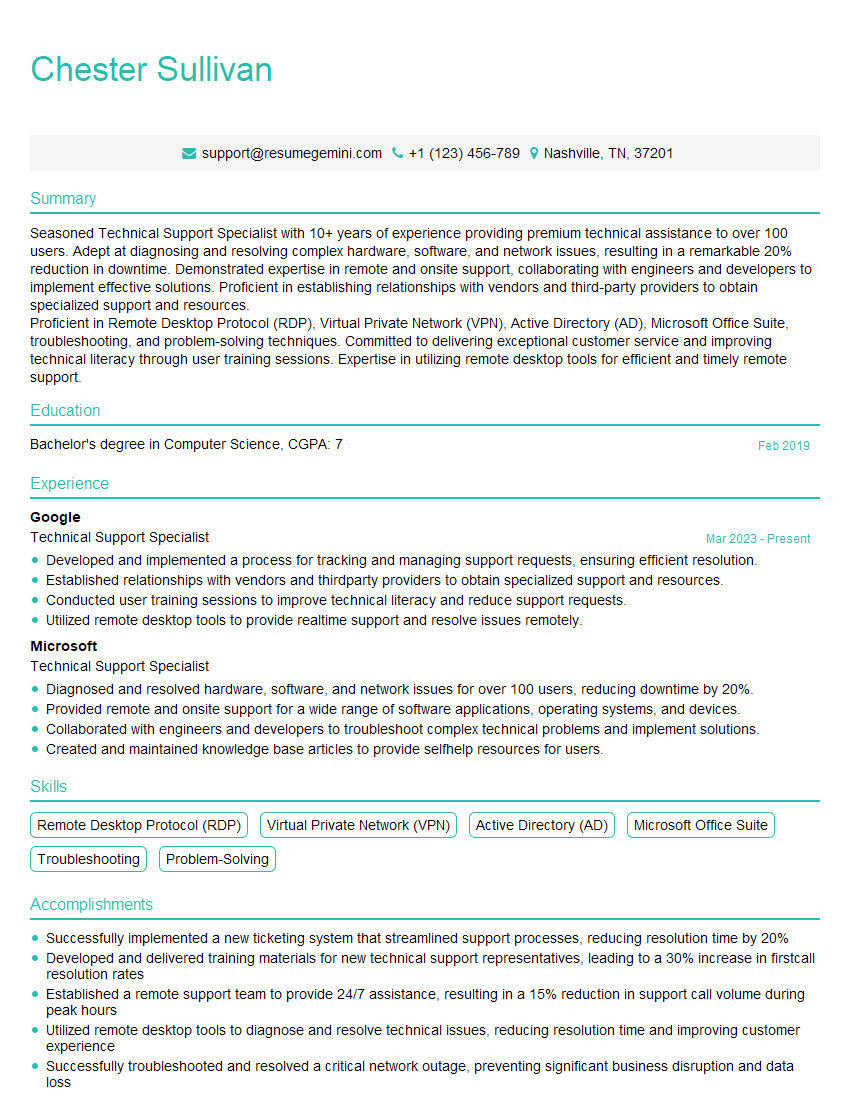
Technical Support Specialist Resume Sample
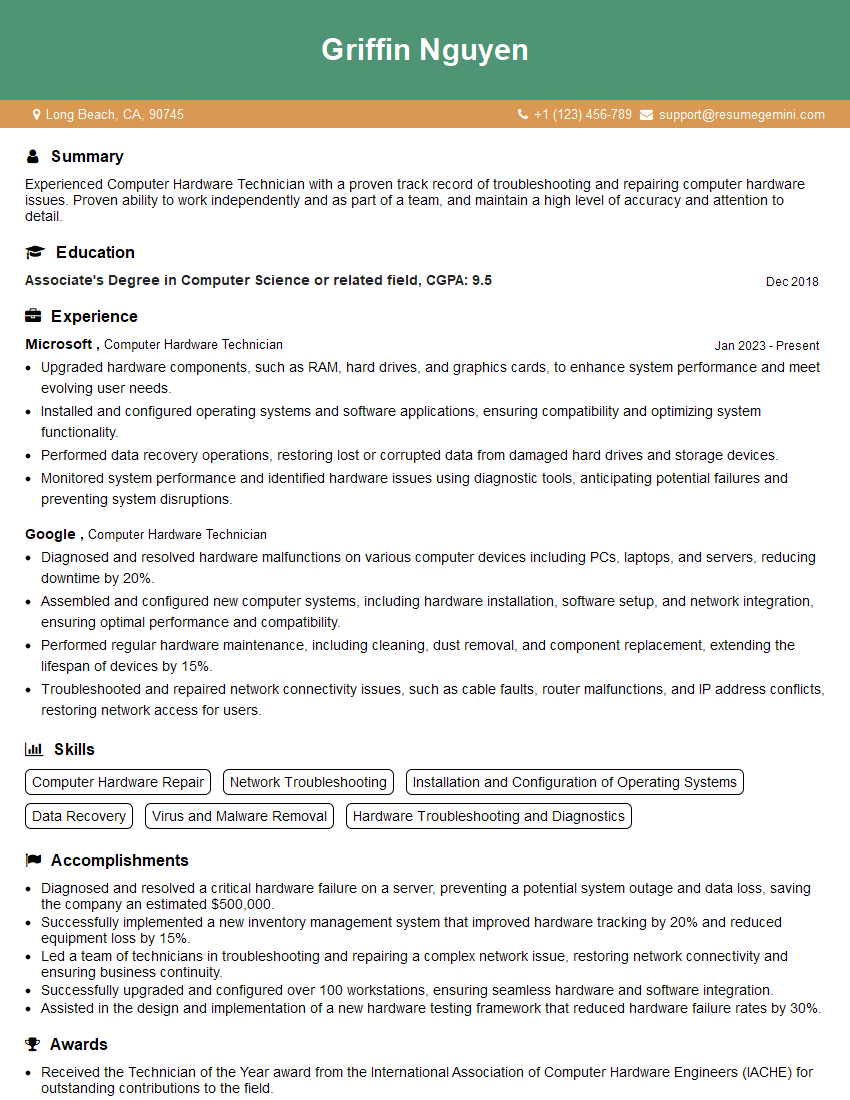
Computer Hardware Technician Resume Sample
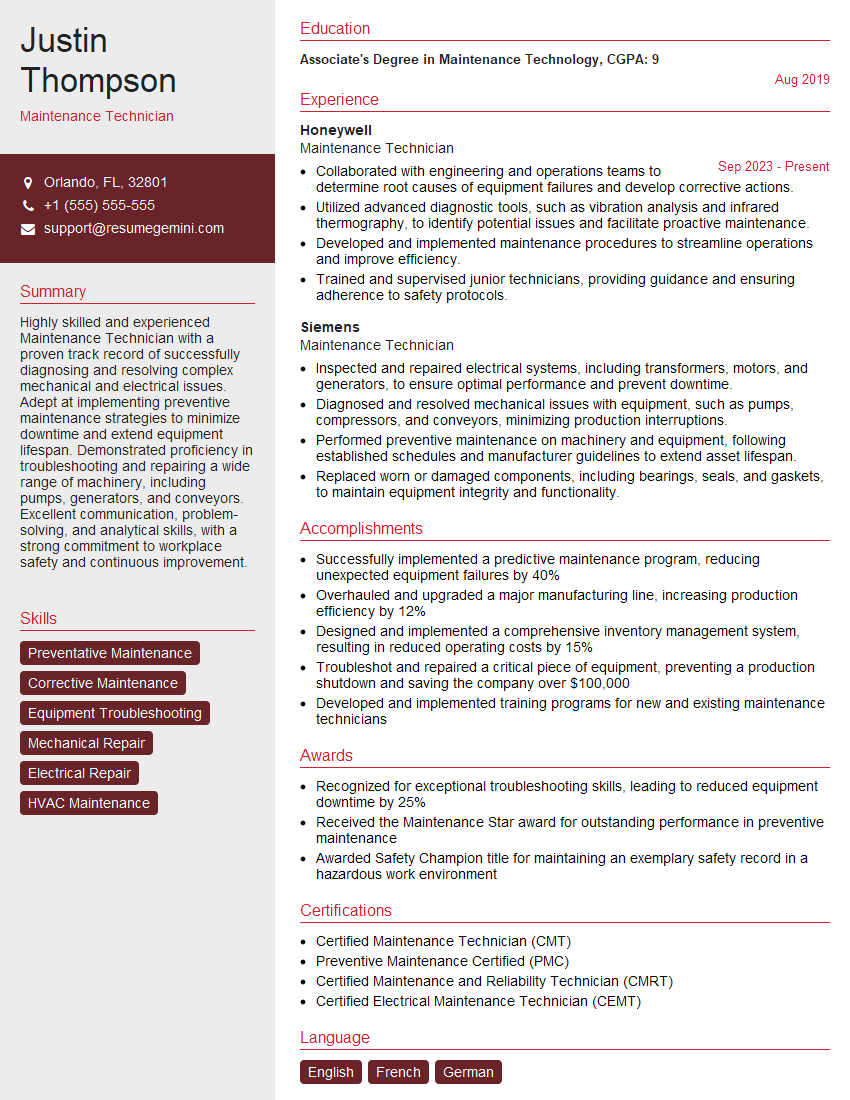
Maintenance Technician Resume Sample

Field Service Engineer Resume Sample

Hardware Engineer Resume Sample
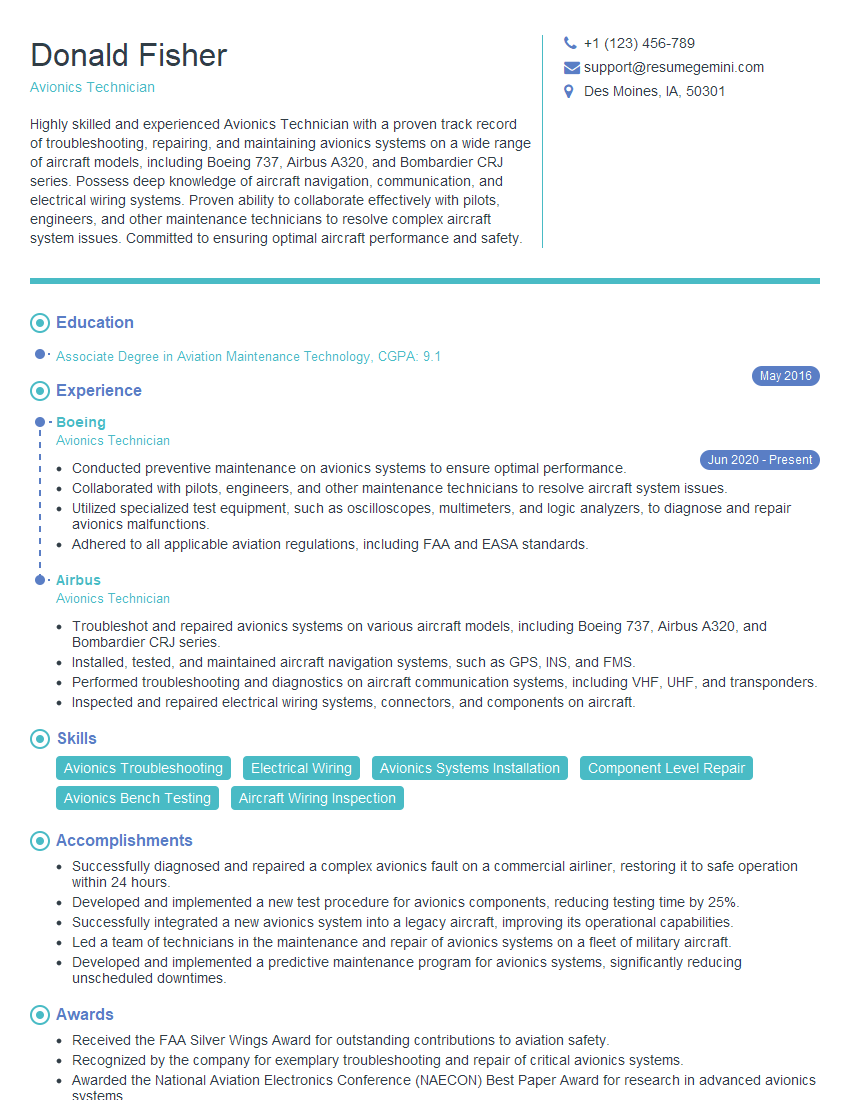
Avionics Technician Resume Sample

Electronics Technician Resume Sample
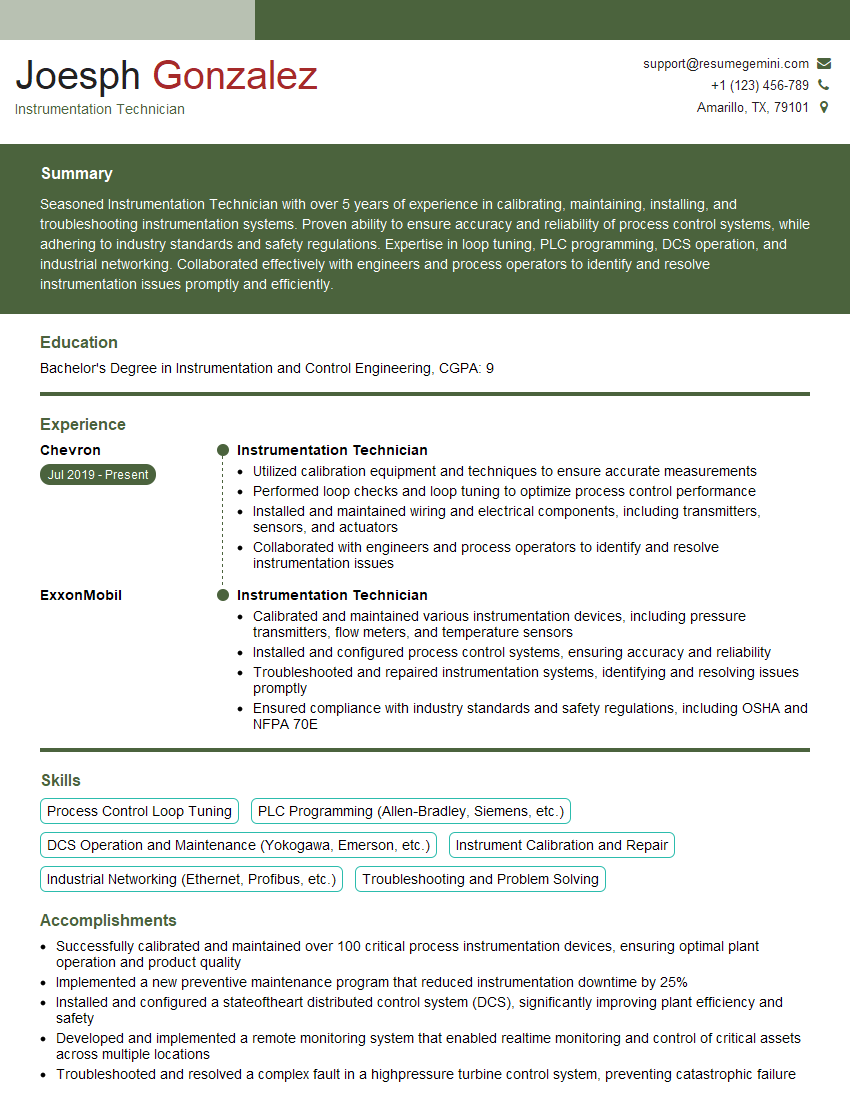
Instrumentation Technician Resume Sample
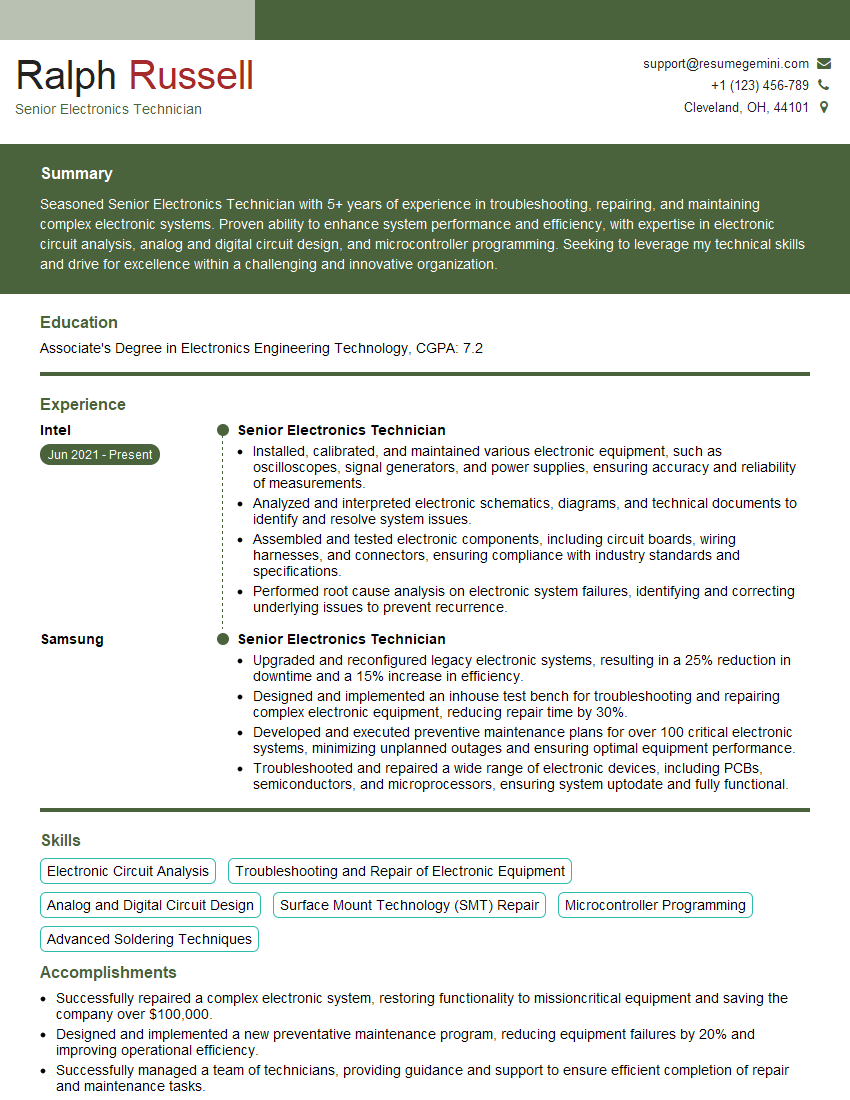
Senior Electronics Technician Resume Sample
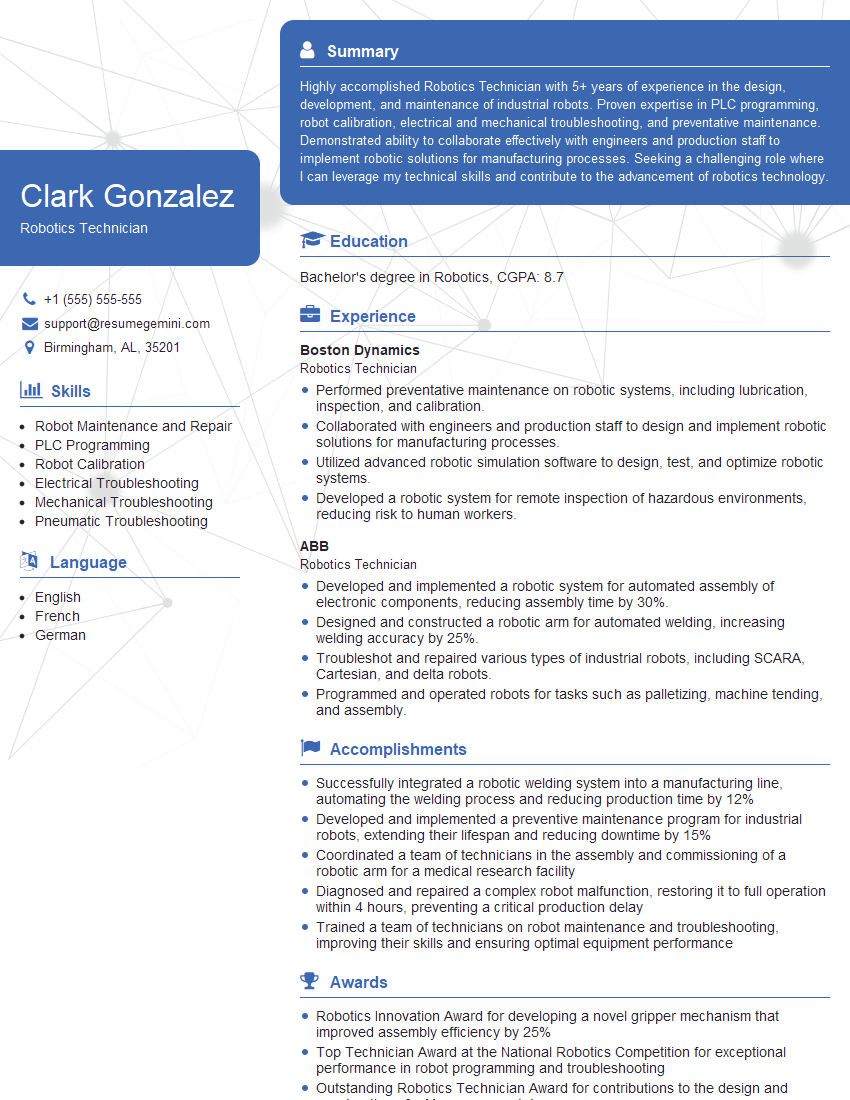
Robotics Technician Resume Sample

Manufacturing Technician Resume Sample
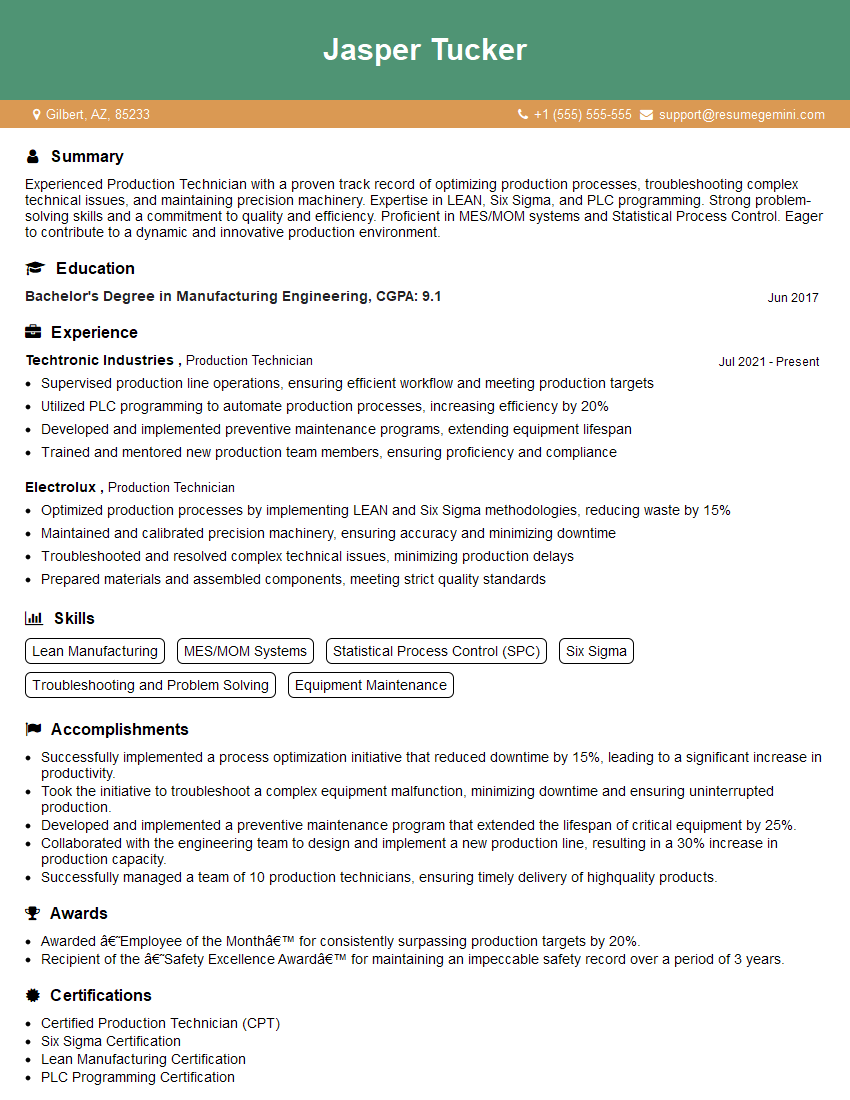
Production Technician Resume Sample
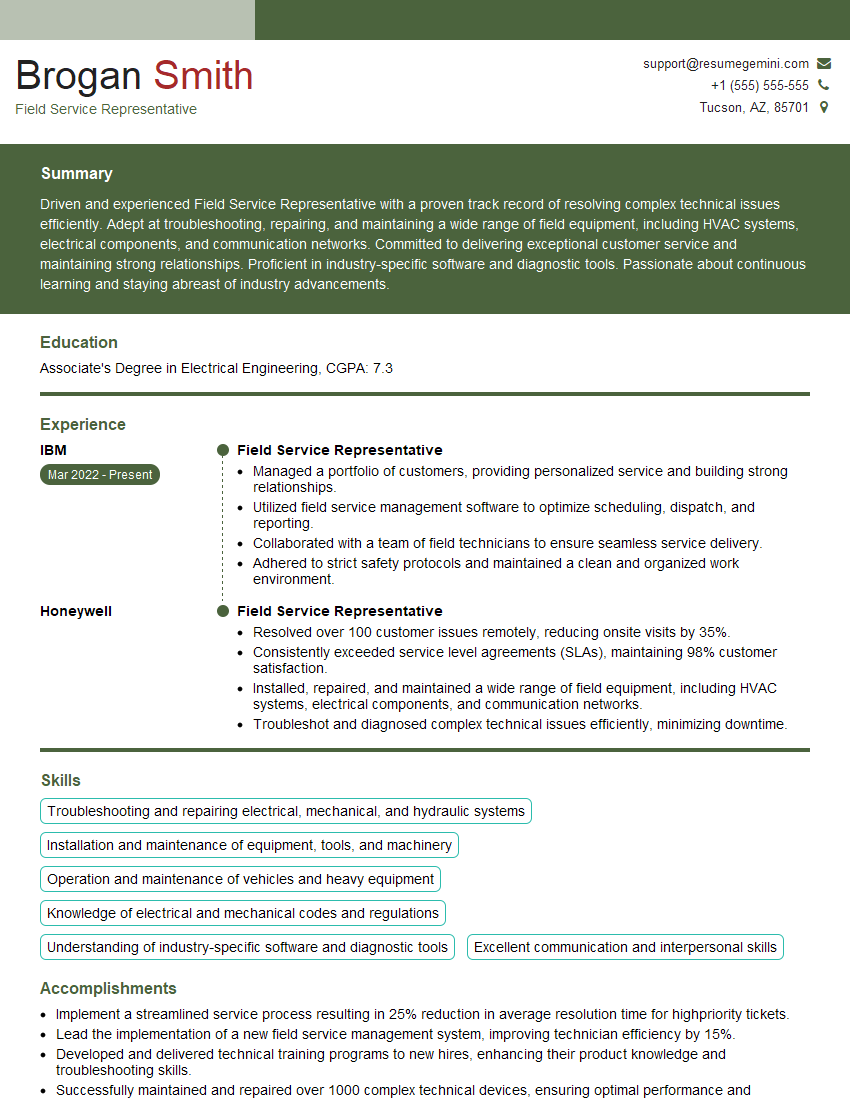
Field Service Representative Resume Sample
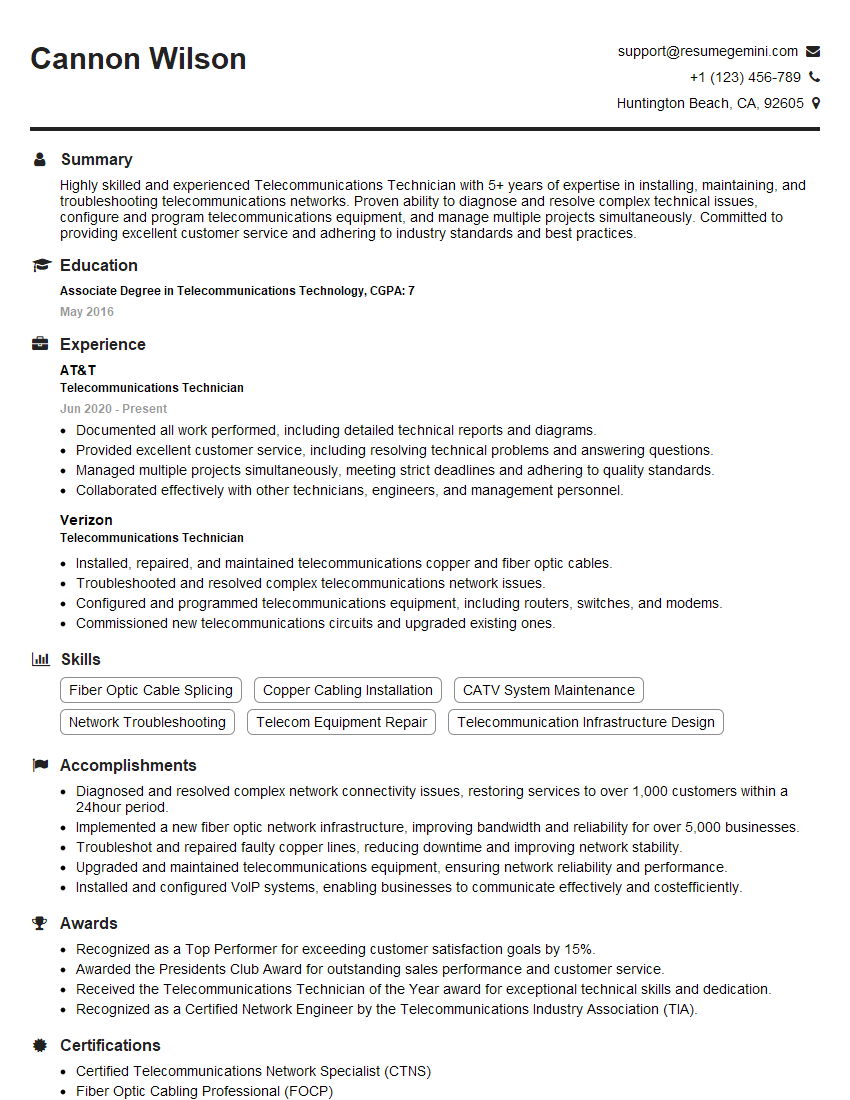
Telecommunications Technician Resume Sample

Quality Control Inspector Resume Sample
- Test Engineer
- Network Technician
- Technical Support Specialist
- Computer Hardware Technician
- Maintenance Technician
- Field Service Engineer
- Hardware Engineer
- Avionics Technician
- Electronics Technician
- Instrumentation Technician
- Senior Electronics Technician
- Robotics Technician
- Manufacturing Technician
- Production Technician
- Field Service Representative
- Telecommunications Technician
- Quality Control Inspector
Explore more articles
Users Rating of Our Blogs
Share Your Experience
We value your feedback! Please rate our content and share your thoughts (optional).
What Readers Say About Our Blog
Very informative content, great job.
good