Cracking a skill-specific interview, like one for Injury Prevention and Recovery Management, requires understanding the nuances of the role. In this blog, we present the questions you’re most likely to encounter, along with insights into how to answer them effectively. Let’s ensure you’re ready to make a strong impression.
Questions Asked in Injury Prevention and Recovery Management Interview
Q 1. Describe your experience developing and implementing injury prevention programs.
Developing and implementing injury prevention programs requires a multi-faceted approach focusing on identifying risk factors, designing interventions, and evaluating effectiveness. My experience spans various sectors, including manufacturing, healthcare, and construction. For example, in a manufacturing setting, I collaborated with engineers and workers to analyze assembly line processes. We identified repetitive movements as a significant risk factor for musculoskeletal disorders (MSDs). This led to the implementation of workstation modifications, such as adjustable height tables and ergonomic tools. We also incorporated job rotation and regular micro-breaks into the workflow. Following the implementation, we tracked injury rates and employee feedback through surveys and focus groups. These data showed a significant reduction in MSDs, proving the program’s effectiveness. In another project involving healthcare workers, we developed a program focusing on proper body mechanics for patient handling and implemented training programs emphasizing safe lifting techniques and the use of assistive devices.
- Needs assessment: Thorough analysis of the workplace environment, job tasks, and employee demographics to identify specific risks.
- Intervention design: Development of tailored solutions such as ergonomic workstation modifications, training programs, and safety protocols.
- Implementation: Effective rollout of the program, including training and ongoing support for employees.
- Evaluation: Monitoring injury rates, employee feedback, and program efficacy through various metrics.
Q 2. Explain your understanding of ergonomic principles and their application in the workplace.
Ergonomic principles are about designing workplaces and tasks to fit the capabilities and limitations of the human body. The goal is to minimize physical strain and promote comfort, reducing the risk of MSDs. This includes considering factors like posture, movement, force, and repetition. Applying these principles in the workplace requires a holistic approach. Consider a computer workstation: ideal ergonomic setup includes an adjustable chair that provides proper lumbar support, a keyboard and mouse positioned to avoid wrist strain, and a monitor placed at eye level to reduce neck strain. These are easy adjustments with enormous impact. Further, it is important to consider the work environment overall, including lighting, temperature, and noise levels. For example, inadequate lighting could lead to eye strain and headaches, while excessive noise can contribute to stress and fatigue. Implementing ergonomic solutions needs cooperation and understanding among management, workers, and safety professionals.
- Posture: Maintaining neutral spine alignment.
- Movement: Minimizing repetitive motions and encouraging frequent breaks.
- Force: Reducing the amount of force required to perform tasks.
- Repetition: Limiting repetitive tasks or modifying them to reduce strain.
Q 3. How would you assess a workplace for potential ergonomic hazards?
Assessing a workplace for ergonomic hazards requires a systematic approach. I typically use a combination of methods:
- Walkthrough surveys: A visual inspection of the workplace, observing employee workstations, tools, and equipment.
- Job analysis: Detailed examination of specific job tasks, identifying potential risk factors such as awkward postures, forceful exertions, and repetitive motions. This often involves observing employees performing their tasks and interviewing them about their experiences.
- Measurement tools: Using tools like inclinometers (measuring angles) and dynamometers (measuring force) to quantify potential hazards. These tools give objective data beyond visual observation.
- Employee questionnaires and interviews: Gathering subjective data about employee comfort, pain, and fatigue levels. This helps to get worker perspectives on issues not immediately apparent.
- Review of injury records: Examining past injury data to pinpoint areas of high risk and identify trends. Analyzing the types of injuries helps to understand the sources of injuries and helps to build a better preventative strategy.
This combined approach helps identify the actual sources of ergonomic problems which can then be targeted effectively for intervention.
Q 4. What methods do you use to identify employees at risk of musculoskeletal disorders?
Identifying employees at risk of MSDs involves considering multiple factors. I use a layered approach including:
- Job task analysis: Identifying jobs with high risk factors like repetitive movements, awkward postures, and forceful exertions.
- Medical screenings: Conducting pre-employment and periodic medical assessments. This includes reviewing medical history, performing physical examinations, and conducting functional capacity evaluations.
- Self-reported questionnaires: Using standardized questionnaires to assess musculoskeletal symptoms, pain levels, and discomfort. This provides valuable subjective information from workers.
- Biomechanical assessments: Evaluating posture, movement patterns, and forces during task performance using motion capture technology or other objective measures. This quantifies physical stress.
- Risk factor scoring systems: Utilizing validated tools that assign scores to different risk factors, allowing for prioritization of interventions. There are several industry-specific questionnaires and scoring systems. This provides a more objective assessment of risk and facilitates prioritisation.
Combining these methods provides a comprehensive picture of the risk profile of individual employees and allows for targeted interventions.
Q 5. Detail your experience in designing and delivering rehabilitation programs.
Designing and delivering rehabilitation programs requires a patient-centered approach that incorporates a variety of therapeutic interventions. My experience includes working with individuals recovering from various injuries, including back pain, shoulder injuries, and carpal tunnel syndrome. I develop individualized plans that combine manual therapy, exercise therapy, and education. For example, I might use manual techniques such as massage and joint mobilization to improve joint mobility and reduce pain. Exercise therapy involves targeted exercises to improve strength, flexibility, and endurance, gradually increasing intensity as the patient progresses. A key component is patient education, empowering them to manage their condition and prevent future injuries through proper body mechanics and lifestyle changes.
- Assessment: Thorough evaluation of the patient’s injury, medical history, and functional limitations.
- Goal setting: Collaboratively establishing achievable short-term and long-term goals.
- Intervention selection: Tailoring the intervention plan to address specific needs and impairments.
- Progress monitoring: Regularly assessing patient progress and adjusting the plan as needed.
- Patient education: Empowering patients with knowledge to manage their condition long-term.
Q 6. Explain your approach to customizing rehabilitation plans to individual needs.
Customizing rehabilitation plans is critical for effective recovery. I begin by conducting a thorough assessment to understand the individual’s injury, medical history, lifestyle, and goals. This includes a physical examination, reviewing medical records, and discussing the patient’s daily activities and work demands. This provides the basis for tailoring the program. For example, a construction worker with a back injury will need a different plan than an office worker with the same injury, due to differing physical demands. The rehabilitation program may incorporate specific exercises to address the worker’s limitations and enable a safe return to work. Regular communication and feedback are key, so I adjust the plan based on the patient’s progress and any challenges encountered. The plan is not static; it’s a dynamic process that evolves with the patient’s recovery.
- Individualized exercise prescription: Designing exercises that address the specific needs of the patient.
- Activity modification: Providing guidance on modifying daily activities to reduce strain and promote healing.
- Ergonomic adjustments: Recommending modifications to the patient’s workplace or home environment.
- Gradual return to activity: Developing a phased plan for safe progression back to normal activities.
Q 7. How do you measure the effectiveness of rehabilitation programs?
Measuring the effectiveness of rehabilitation programs requires a multi-pronged approach to objectively determine progress. Key performance indicators (KPIs) are used. These might include:
- Functional outcome measures: Assessing improvements in strength, flexibility, range of motion, and functional capacity using standardized tests. These give objective data of improvement in physical function.
- Pain scales: Monitoring changes in pain levels using validated pain scales. This gives a clear picture of patient reported subjective improvement.
- Return-to-work rates: Tracking the successful return to work for employees, incorporating indicators such as days lost to injury and work restrictions.
- Patient satisfaction surveys: Gathering feedback about the patient experience to assess satisfaction with the program and identify areas for improvement. This provides invaluable subjective data on patient experience.
- Injury recurrence rates: Tracking the incidence of re-injury to evaluate the long-term effectiveness of the program. This helps to assess long-term effectiveness.
By combining these metrics, we build a holistic understanding of a program’s efficacy.
Q 8. What are the key indicators of successful injury prevention and recovery?
Successful injury prevention and recovery hinges on a multifaceted approach focusing on both proactive measures and effective rehabilitation. Key indicators include a demonstrable reduction in the incidence of workplace injuries, faster return-to-work rates for injured employees, improved employee functional capacity and overall health, and a decrease in the severity and duration of injuries.
- Reduced Injury Rates: A significant drop in the number of reported injuries, particularly those resulting in lost workdays, is a prime indicator of success. For example, a company implementing a new ergonomics program might see a 25% reduction in back injuries within a year.
- Faster Return-to-Work: Successful recovery programs ensure employees return to their roles quickly and safely. This is measured by reduced time-loss days and successful reintegration into work duties. For instance, a structured return-to-work program could reduce average recovery time from a shoulder injury from 12 weeks to 8 weeks.
- Improved Functional Capacity: Employees should demonstrate improved strength, flexibility, and endurance following injury and rehabilitation. Objective measures, such as increased range of motion or improved grip strength, support this. We might see a worker regaining 90% of their pre-injury lifting capacity following a rehabilitation program.
- Reduced Severity and Duration: Not only should the number of injuries decrease, but the severity and duration of each injury should also be lessened. This is often assessed through reduced healthcare costs and shorter periods of disability leave. For example, the average cost of treatment for a particular type of injury may decrease by 15% with preventative measures in place.
Q 9. Describe your experience with various types of rehabilitation modalities.
My experience encompasses a wide array of rehabilitation modalities, tailored to the specific needs of each patient and injury type. This includes:
- Manual Therapy: Techniques like massage, joint mobilization, and soft tissue manipulation to reduce pain, improve range of motion, and restore function.
- Therapeutic Exercise: Prescribing individualized exercise programs focusing on strength training, flexibility exercises, and cardiovascular conditioning to promote healing and improve functional capacity. This might involve resistance training with weights, aquatic therapy, or specific exercises for improving balance and coordination.
- Electrotherapeutic Modalities: Utilizing technologies like ultrasound, electrical stimulation, and laser therapy to manage pain, reduce inflammation, and promote tissue healing. For instance, ultrasound can be used to target specific muscle groups and promote better blood flow.
- Ergonomic Assessments and Interventions: Evaluating the workplace to identify and modify risk factors contributing to injuries, such as awkward postures, repetitive movements, and heavy lifting. This might lead to recommending workstation adjustments, specialized tools, or alternative work practices.
- Patient Education and Counseling: Empowering patients with the knowledge and skills to manage their condition, adhere to their treatment plans, and prevent future injuries. I’ve found that this part is crucial for long-term success.
I always adopt a holistic approach, combining different modalities to achieve optimal outcomes. For example, a patient recovering from a knee injury might benefit from a combination of manual therapy, therapeutic exercises, and electrotherapy alongside patient education on proper body mechanics.
Q 10. How do you integrate technology into injury prevention and recovery management?
Technology plays a crucial role in enhancing both injury prevention and recovery management. I utilize various technologies including:
- Wearable Sensors: These devices track movement patterns, exertion levels, and posture in real-time, providing valuable data to identify risky behaviors and refine injury prevention strategies. Data analysis from wearable sensors can pinpoint specific workplace tasks or movement patterns that are contributing to injuries.
- Virtual Reality (VR): VR technology enables immersive rehabilitation simulations, allowing patients to practice functional movements in a safe and controlled environment. For instance, a patient recovering from a stroke can practice reaching and grasping activities in a virtual kitchen scenario.
- Telehealth Platforms: These platforms facilitate remote monitoring, patient education, and virtual rehabilitation sessions, expanding access to care and improving patient compliance, especially during the pandemic or for individuals with limited mobility.
- Biometric Monitoring Systems: These systems track vital signs, activity levels, and sleep patterns to assess overall health status and recovery progress, providing valuable data points to tailor rehabilitation interventions.
- Data Analytics: Utilizing data analysis to identify patterns and trends in injury data to proactively address workplace hazards and refine injury prevention strategies. For example, a significant increase in injuries related to particular tasks triggers a proactive safety intervention.
By integrating technology in this way, we can personalize interventions, improve patient adherence, and optimize treatment outcomes.
Q 11. Explain your knowledge of different types of workplace injuries and their causes.
Workplace injuries are diverse, stemming from various factors. My knowledge encompasses a wide spectrum of injury types, including:
- Musculoskeletal Disorders (MSDs): These are the most common type, encompassing injuries to muscles, tendons, ligaments, nerves, and joints. Causes include repetitive movements, forceful exertions, awkward postures, vibration, and contact stress. Examples include carpal tunnel syndrome, tendonitis, and back pain.
- Overexertion Injuries: These result from excessive physical effort, often involving lifting, pushing, or pulling heavy objects. Risk factors include inadequate lifting techniques, poor physical condition, and insufficient training.
- Falls: Falls are a significant cause of injuries, particularly in workplaces with heights or slippery surfaces. Causes can be attributed to inadequate safety measures, poor housekeeping, and lack of fall protection equipment.
- Struck-by Injuries: These occur when a person is hit by an object, such as falling materials or equipment. Causes frequently involve insufficient safety protocols, inadequate machine guarding, and poor work practices.
- Caught-in/Between Injuries: These result from a person being caught or crushed between objects, such as machinery parts or vehicles. Causes often stem from inadequate machine guarding, lack of lockout/tagout procedures, and insufficient training.
Understanding the root causes is crucial. This often involves conducting thorough workplace assessments, reviewing incident reports, and interviewing injured workers to identify the contributing factors. This allows for the development of targeted prevention strategies.
Q 12. How do you prioritize and manage multiple cases simultaneously?
Managing multiple cases effectively requires a systematic approach. I utilize a case management system that prioritizes cases based on urgency and severity. Factors considered include the nature of the injury, the potential for long-term disability, and the employee’s overall health status.
My approach involves:
- Prioritization Matrix: I use a matrix to categorize cases based on urgency (high, medium, low) and severity (high, medium, low). High-urgency, high-severity cases get immediate attention.
- Scheduled Appointments and Follow-ups: I schedule appointments and follow-ups efficiently, ensuring timely interventions and progress monitoring.
- Delegation and Teamwork: When necessary, I delegate tasks to other members of the healthcare team, such as physical therapists or occupational therapists. This optimizes resource utilization and ensures timely delivery of services.
- Regular Case Reviews: I conduct regular reviews of all cases, adjusting treatment plans as needed and making sure progress is on track.
- Effective Documentation: Maintaining detailed and accurate documentation is paramount for transparency, accountability, and tracking progress. This also facilitates communication with other healthcare providers and stakeholders.
Think of it like an air traffic controller managing many planes – each requires attention, but prioritization based on risk and urgency ensures safety and efficiency.
Q 13. Describe your experience collaborating with healthcare professionals in a multidisciplinary team.
Collaboration is fundamental to effective injury management. I have extensive experience working within multidisciplinary teams, including physicians, physical therapists, occupational therapists, nurses, and human resources professionals.
Effective collaboration entails:
- Regular Team Meetings: We hold regular meetings to discuss individual cases, share updates, and coordinate treatment plans. This ensures everyone is on the same page.
- Shared Electronic Health Records: We use shared electronic health records (EHR) systems to facilitate seamless information exchange and reduce administrative burdens. This allows real-time access to patient information for all team members.
- Clear Communication Channels: We maintain clear communication channels to ensure prompt exchange of information and to address any concerns or issues that may arise. This can involve regular emails, phone calls, or in-person meetings.
- Shared Treatment Goals: We work collaboratively to establish shared treatment goals for each patient, ensuring everyone is focused on the same outcomes. This requires a thorough understanding of the patient’s individual circumstances.
- Respectful and Open Dialogue: We foster a culture of mutual respect and open dialogue to ensure effective problem-solving and informed decision-making.
This approach ensures a comprehensive and coordinated care approach, leading to improved patient outcomes and reduced recovery times. It’s like a well-orchestrated symphony – each instrument plays its part, but the harmony is what produces the beautiful result.
Q 14. What is your approach to educating employees about injury prevention strategies?
Employee education is pivotal in injury prevention. My approach involves a multi-pronged strategy incorporating various methods to ensure information is effectively communicated and retained:
- Interactive Workshops: I conduct interactive workshops incorporating demonstrations, group discussions, and hands-on activities to engage employees and enhance knowledge retention. For instance, a workshop could cover proper lifting techniques or the importance of regular stretching.
- Online Training Modules: I develop and utilize online training modules that offer flexibility and accessibility, allowing employees to learn at their own pace. These can include videos, quizzes, and interactive simulations.
- On-the-Job Training: I provide on-the-job training to reinforce learned concepts and address specific workplace hazards. This often involves observing employees performing tasks and providing real-time feedback.
- Posters and Signage: I use posters and signage strategically placed in the workplace to act as visual reminders of safety guidelines and best practices. These serve as constant visual cues for safety.
- Individualized Consultations: I provide individualized consultations to address specific employee concerns and develop personalized strategies for injury prevention. Tailoring the approach to specific needs makes the program more effective.
My goal is to empower employees with the knowledge and skills necessary to protect themselves from injury. It’s about cultivating a safety-conscious culture where everyone takes ownership of their well-being and contributes to a safer workplace.
Q 15. How would you handle a situation where an employee refuses to follow safety protocols?
Handling an employee’s refusal to follow safety protocols requires a multi-step approach focused on education, understanding, and, if necessary, disciplinary action. It’s crucial to remember that safety is paramount, and non-compliance can lead to serious injury or even death.
- Step 1: Understanding the Root Cause: First, I would engage in a calm, non-confrontational conversation with the employee to understand their reasons for not following the protocols. Are they unclear? Do they feel the protocols are cumbersome or impractical? Perhaps there’s a fear of reprisal for reporting injuries. Addressing these underlying issues is key.
- Step 2: Re-education and Training: If the issue stems from a lack of understanding, I would provide additional training and clarification on the specific safety protocols. This might involve hands-on demonstrations, interactive sessions, or even one-on-one coaching.
- Step 3: Reinforcement and Support: Once understanding is achieved, I would ensure consistent reinforcement of the protocols. This might involve regular safety meetings, visual aids in the workplace, and ongoing support to ensure the employee feels comfortable and confident in following the procedures.
- Step 4: Disciplinary Action (if necessary): If the refusal to comply continues despite education and support, disciplinary action may be necessary, following company policies and legal requirements. This could range from verbal warnings to more serious consequences, such as suspension or termination.
For example, I once worked with a construction worker who consistently refused to wear a safety harness while working at heights. After several conversations and retraining, it became apparent that he found the harness uncomfortable and restrictive. We found a more comfortable harness and provided additional training on its proper use. His compliance improved significantly thereafter. If the situation had remained unchanged, further disciplinary action according to company policy would have been implemented.
Career Expert Tips:
- Ace those interviews! Prepare effectively by reviewing the Top 50 Most Common Interview Questions on ResumeGemini.
- Navigate your job search with confidence! Explore a wide range of Career Tips on ResumeGemini. Learn about common challenges and recommendations to overcome them.
- Craft the perfect resume! Master the Art of Resume Writing with ResumeGemini’s guide. Showcase your unique qualifications and achievements effectively.
- Don’t miss out on holiday savings! Build your dream resume with ResumeGemini’s ATS optimized templates.
Q 16. How do you stay updated on the latest advancements in injury prevention and recovery?
Staying updated in injury prevention and recovery requires a multifaceted approach involving continuous learning and engagement with the professional community. I utilize several strategies:
- Professional Organizations: Active membership in organizations like the American College of Occupational and Environmental Medicine (ACOEM) and the Occupational Safety and Health Administration (OSHA) provides access to the latest research, guidelines, and best practices through conferences, webinars, and publications.
- Peer-Reviewed Journals: I regularly review leading journals in occupational health and safety, ergonomics, and rehabilitation medicine to stay abreast of groundbreaking research and innovative techniques.
- Continuing Education: Participation in continuing education courses and workshops keeps my knowledge current on new regulations, technologies, and treatment modalities. This includes online courses, seminars, and certifications.
- Networking: Building and maintaining relationships with colleagues in the field through conferences and professional groups allows for the exchange of valuable insights and experiences.
- Technology and Databases: Utilizing online databases such as PubMed and Google Scholar enables efficient access to a wealth of research articles and data relevant to my field.
For instance, I recently completed a certification in ergonomic assessment, which has significantly improved my ability to identify and mitigate workplace risk factors. By combining these approaches, I ensure my knowledge base remains comprehensive and contemporary.
Q 17. Describe your experience with data analysis related to injury prevention and recovery.
Data analysis plays a pivotal role in evidence-based injury prevention and recovery management. I leverage data to identify trends, pinpoint high-risk areas, and evaluate the effectiveness of interventions.
- Data Collection Methods: I’m proficient in collecting data from various sources, including incident reports, medical records, ergonomic assessments, and employee surveys.
- Statistical Analysis: I utilize statistical software (such as SPSS or R) to perform descriptive, inferential, and predictive analyses. This enables me to identify correlations between risk factors and injuries, predict future incidents, and evaluate the success of prevention programs.
- Data Visualization: I employ data visualization techniques (e.g., graphs, charts) to communicate findings effectively to stakeholders, including management and employees. This facilitates a clear understanding of the data and its implications for safety improvements.
- Examples of analysis: I have used data analysis to identify specific tasks or workstations that contribute to a disproportionate number of musculoskeletal injuries within a manufacturing facility. This data led to targeted ergonomic improvements and a significant reduction in incidents.
My approach is data-driven, ensuring that safety improvements are based on objective evidence and not just anecdotal observations. Data analysis is instrumental in justifying resource allocation and demonstrating the return on investment (ROI) of injury prevention and recovery programs.
Q 18. What is your experience with return-to-work programs?
I possess extensive experience in designing and implementing return-to-work (RTW) programs. These programs are crucial for facilitating a safe and gradual return to work for injured employees while minimizing the risk of re-injury. My approach is multidisciplinary and highly individualized.
- Needs Assessment: Initially, I conduct a comprehensive assessment of the employee’s injury, functional capacity, and work demands. This may involve collaborating with physicians, therapists, and other healthcare professionals.
- Gradual Return: I advocate for a phased RTW approach, gradually increasing the employee’s workload and responsibilities as their condition improves. This might include modified duties, shorter workdays, or reduced physical demands.
- Worksite Modification: If necessary, I collaborate with management to modify the employee’s workspace to accommodate their physical limitations. This can involve ergonomic adjustments, assistive devices, or changes to work procedures.
- Communication and Collaboration: Open communication is key. I maintain regular contact with the employee, their physician, and their employer to monitor progress, address any concerns, and make adjustments to the RTW plan as needed.
- Case Management: I often act as a case manager, coordinating all aspects of the RTW process, from medical care and rehabilitation to job accommodations and vocational retraining.
For example, in one case I helped a warehouse worker recover from a back injury by implementing a phased return involving lighter duties, use of a lifting assist device, and ergonomic modifications to his workstation. This enabled him to return to work successfully while preventing re-injury.
Q 19. How do you assess the functional capacity of an injured employee?
Assessing the functional capacity of an injured employee is a crucial step in determining their readiness to return to work. It involves a multi-faceted approach that considers both physical and cognitive limitations.
- Medical Evaluation: I begin by reviewing the employee’s medical records, including physician reports, imaging results, and therapy notes. This helps me understand the nature and extent of their injury.
- Functional Capacity Evaluation (FCE): A formal FCE may be conducted by a qualified professional. This involves a standardized assessment of the employee’s physical abilities, such as lifting, carrying, pushing, pulling, and endurance. The results are objectively documented, providing a clear picture of their physical limitations.
- Job Demands Analysis: I thoroughly analyze the physical and cognitive demands of the employee’s job. This involves observing the work tasks, measuring physical requirements (e.g., weight of objects lifted), and assessing cognitive tasks (e.g., attention to detail, decision-making).
- Work Simulation: In some cases, a work simulation is conducted to assess the employee’s ability to perform specific job tasks under realistic conditions.
- Collaboration: Close collaboration with the treating physician and the employee is crucial to ensure the assessment is accurate, relevant, and sensitive to the employee’s individual needs.
By carefully comparing the employee’s functional capacity with the job demands, we can determine the extent to which modifications are needed to allow a safe return to work.
Q 20. Explain your understanding of workers’ compensation regulations.
My understanding of workers’ compensation regulations is comprehensive. I recognize that these regulations vary by jurisdiction but share common goals: providing medical care and wage replacement for injured workers and promoting their safe return to work.
- State-Specific Laws: I am familiar with the specific workers’ compensation laws in my state, including eligibility criteria, benefit levels, medical treatment guidelines, and dispute resolution processes.
- Reporting Requirements: I understand the procedures for reporting workplace injuries and illnesses, including maintaining accurate records and complying with filing deadlines.
- Medical Management: I am aware of the role of the workers’ compensation system in authorizing and managing medical care for injured workers. This includes understanding the process for obtaining authorizations, managing referrals, and ensuring appropriate treatment is provided.
- Return-to-Work Programs: I know that workers’ compensation often incentivizes and supports the development and implementation of RTW programs, aiming for early intervention and a timely return to work.
- Legal Compliance: I understand that compliance with workers’ compensation regulations is crucial to avoid penalties and legal repercussions for both employers and injured employees.
Maintaining awareness of these legal aspects is essential for ensuring ethically sound and legally compliant injury management practices. Staying current on changes in legislation through professional development ensures I remain compliant.
Q 21. How do you maintain patient confidentiality and comply with HIPAA regulations?
Maintaining patient confidentiality and complying with HIPAA regulations is paramount. I am committed to protecting the privacy and security of all employee health information.
- Privacy Practices: I adhere to strict privacy practices, ensuring that employee health information is only accessed and used by authorized personnel on a need-to-know basis.
- Secure Data Storage: All electronic health records and other sensitive information are stored in secure, password-protected systems that comply with HIPAA standards. Physical files are kept in locked cabinets.
- Access Control: Access to employee health information is restricted to authorized personnel, with specific user permissions in place to limit access to only relevant data.
- Data Breach Procedures: In the event of a data breach, I am well-versed in the protocols for reporting, investigation, and remediation, according to HIPAA regulations.
- Training and Education: I participate in regular training sessions on HIPAA compliance to ensure my knowledge and practices remain current.
For example, I never discuss an employee’s medical information with anyone who is not directly involved in their care or RTW plan, and I always obtain consent before sharing information with other healthcare professionals. Protecting confidentiality is not just a legal obligation; it’s a cornerstone of trust and respect in the therapeutic relationship.
Q 22. Describe your experience with risk assessment and mitigation strategies.
Risk assessment and mitigation are crucial for preventing workplace injuries. My approach involves a systematic process, starting with identifying potential hazards through workplace observations, job hazard analyses, and reviewing incident reports. I then analyze the likelihood and severity of each hazard to prioritize risks. For example, a repetitive motion task with a high likelihood of causing carpal tunnel syndrome would be prioritized over a low-likelihood fall hazard.
Mitigation strategies are developed based on this analysis, focusing on engineering controls (e.g., ergonomic workstation design), administrative controls (e.g., job rotation, training programs), and personal protective equipment (PPE) like safety glasses or gloves. The effectiveness of these strategies is continuously monitored and adjusted based on data collection and feedback from employees.
For instance, in a manufacturing plant, I might identify a high risk of back injuries due to manual lifting. My mitigation strategy would include implementing a lifting program with proper techniques, providing mechanical lifting aids, and redesigning the work process to minimize heavy lifting.
Q 23. What is your approach to motivating employees to participate in injury prevention programs?
Motivating employees to participate in injury prevention programs requires a multifaceted approach. It starts with clear communication about the benefits of the program, emphasizing how it improves their health, well-being, and safety. This can include showcasing success stories from within the organization.
Next, I focus on making the program engaging and relevant to their daily tasks. Interactive workshops, gamification techniques, and offering incentives (e.g., gift cards, recognition programs) can enhance participation. I also ensure that programs are convenient, accessible, and avoid creating extra burden for employees.
Finally, creating a supportive and inclusive environment is vital. Leadership buy-in and visible support from management demonstrates commitment. Open communication channels and feedback mechanisms allow employees to voice concerns and suggestions, fostering a culture of safety and mutual respect.
Q 24. How do you document patient progress and treatment plans effectively?
Effective documentation is essential for tracking patient progress and ensuring continuity of care. I use a combination of electronic health records (EHRs) and paper-based documentation, depending on the specific needs of the patient and the setting. EHRs offer the advantage of easy access, searchability, and integration with other healthcare systems.
My documentation meticulously records the initial assessment, including the patient’s medical history, the nature and extent of the injury, and any pre-existing conditions. Subsequent entries detail the treatment plan, progress notes (including functional goals, subjective and objective findings, assessments, plans – the SOAP note method), and any modifications made to the plan. I also document patient adherence to the treatment plan, their response to interventions, and any setbacks encountered.
For instance, if a patient is recovering from a knee injury, I’ll document their range of motion improvements, pain levels, functional activities they can perform, and any limitations. This ensures that I can accurately monitor progress and adjust the treatment as needed, creating a detailed and verifiable record of their journey towards recovery.
Q 25. What is your experience with specific injury types (e.g., back injuries, carpal tunnel syndrome)?
I have extensive experience managing a wide range of injuries, including back injuries and carpal tunnel syndrome. Back injuries are frequently caused by poor lifting techniques, repetitive bending, and lack of ergonomic support. My approach involves assessing the underlying cause, which may include muscle strains, sprains, or disc herniations. Treatment might include physical therapy, ergonomic adjustments at work, pain management, and possibly surgery in severe cases.
Carpal tunnel syndrome, resulting from compression of the median nerve in the wrist, often presents with pain, numbness, and tingling in the hand and fingers. Treatment focuses on reducing nerve compression, which might include splinting, medication, and ergonomic modifications such as proper keyboard posture and frequent breaks. In persistent cases, surgical intervention may be considered.
I employ a holistic approach, considering each individual’s unique circumstances, medical history, and lifestyle factors to tailor a comprehensive treatment plan.
Q 26. How do you manage challenging or complex cases?
Managing complex cases often requires a multidisciplinary approach and a willingness to seek expert opinions when needed. This might involve collaborating with physicians, physical therapists, occupational therapists, and other specialists. Regular communication and clear information exchange among team members are crucial.
I thoroughly review the patient’s medical history, conduct a comprehensive assessment, and formulate a detailed treatment plan. Regular reassessments help track progress, identify potential complications, and modify the plan accordingly. Open communication with the patient builds trust and ensures they understand their condition, treatment options, and prognosis. In particularly challenging cases, I might present the case to a multidisciplinary team for a more thorough review and collaborative approach. For example, a patient with chronic pain may require a combination of therapies to manage their symptoms effectively.
Q 27. Describe your experience with budget management for injury prevention and recovery programs.
Budget management for injury prevention and recovery programs requires careful planning and resource allocation. I start by identifying program goals and objectives, then estimate the costs associated with each initiative, including personnel, equipment, training materials, and supplies. I carefully evaluate the return on investment (ROI) for each program, prioritizing those with the greatest potential to reduce injuries and improve outcomes.
I regularly monitor expenditures against the budget, identifying any variances and taking corrective actions as needed. I also explore cost-effective strategies such as leveraging technology, negotiating bulk discounts for supplies, and seeking grant funding. Data analysis is crucial to justify budget requests and demonstrate the effectiveness of the program in reducing injury costs and improving productivity.
For instance, investing in ergonomic assessments and workstation modifications may have a higher upfront cost, but can lead to significant long-term savings by reducing the incidence of musculoskeletal injuries and associated healthcare expenses. This needs to be articulated clearly to justify the investment.
Key Topics to Learn for Injury Prevention and Recovery Management Interview
- Biomechanics of Movement and Injury: Understanding the forces acting on the body and how they contribute to injury. Consider practical applications like analyzing movement patterns to identify risk factors.
- Injury Assessment and Diagnosis: Mastering techniques for evaluating injuries, including physical examination and interpretation of diagnostic imaging. Explore case studies demonstrating differential diagnosis.
- Therapeutic Exercise and Rehabilitation: Develop a strong understanding of exercise prescription principles for various injury types, including progressive overload and functional restoration. Be prepared to discuss practical application in different settings.
- Return-to-Work/Sport Strategies: Explain the importance of gradual progression and functional testing in safely returning individuals to their previous activity levels. Consider the psychological aspects of recovery.
- Injury Prevention Strategies: Discuss the implementation of workplace ergonomics, sports-specific training programs, and community-based injury prevention initiatives. Be prepared to analyze and solve real-world prevention problems.
- Evidence-Based Practice: Demonstrate your ability to critically appraise research and apply the latest evidence to inform clinical decision-making in injury prevention and recovery. This includes understanding research methodology and statistical analysis.
- Legal and Ethical Considerations: Discuss the importance of maintaining patient confidentiality, informed consent, and adhering to professional standards of practice within injury prevention and recovery management.
Next Steps
Mastering Injury Prevention and Recovery Management opens doors to diverse and rewarding career paths, offering opportunities for professional growth and impact. A strong resume is crucial for showcasing your skills and experience to potential employers. Creating an ATS-friendly resume significantly increases your chances of getting noticed by recruiters. To help you craft a compelling and effective resume, we recommend using ResumeGemini, a trusted resource for building professional resumes. Examples of resumes tailored to Injury Prevention and Recovery Management are available to guide you.
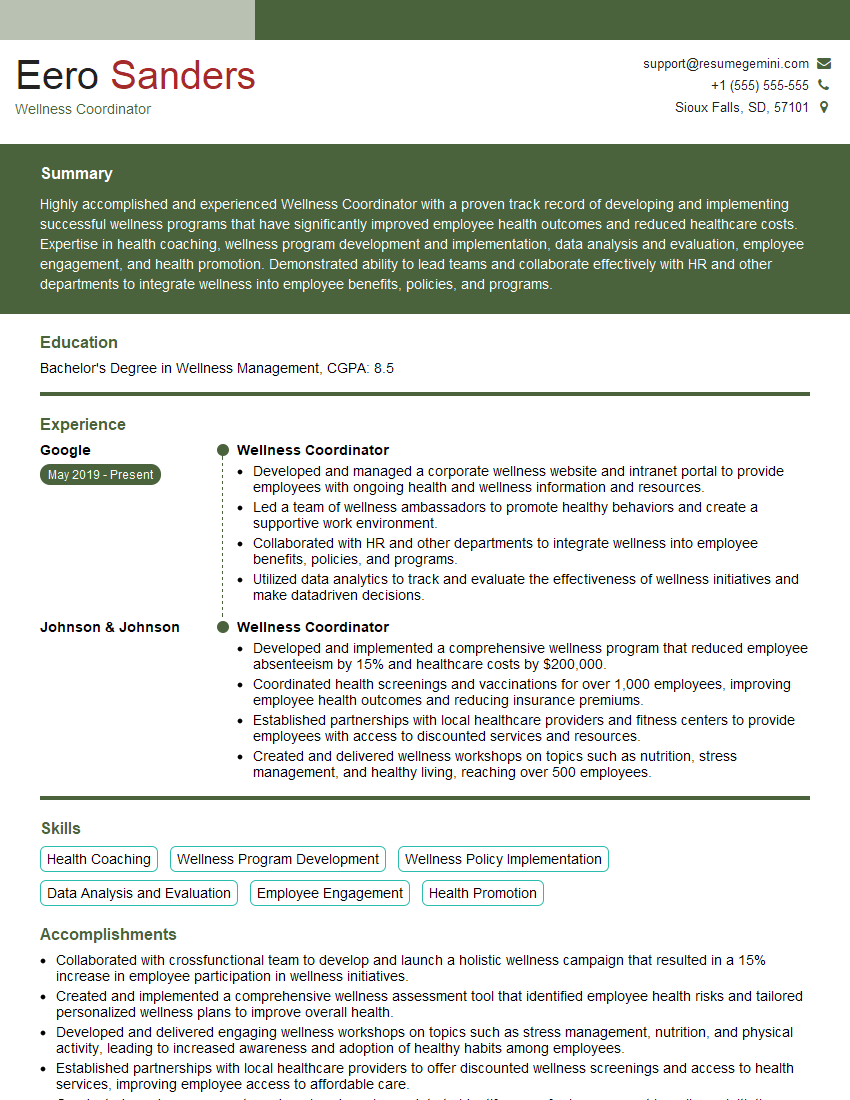
Wellness Coordinator Resume Sample

Risk Management Specialist Resume Sample
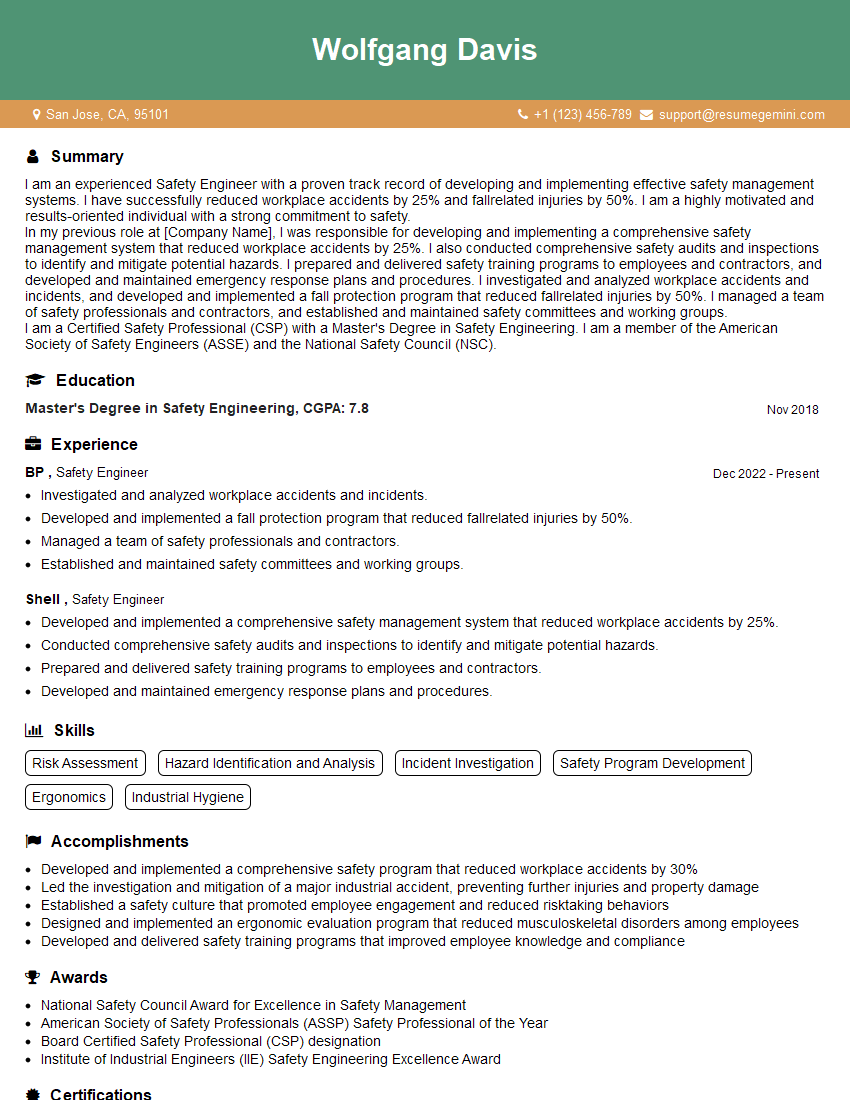
Safety Engineer Resume Sample
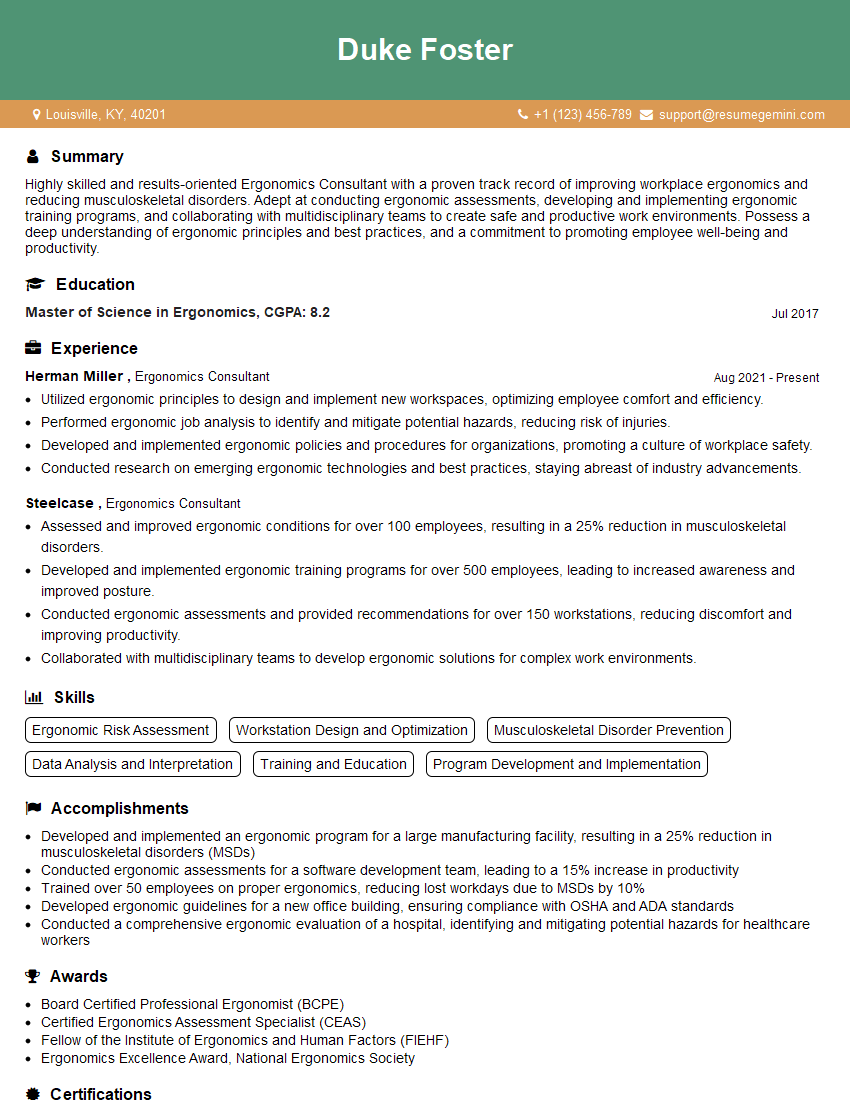
Ergonomics Consultant Resume Sample
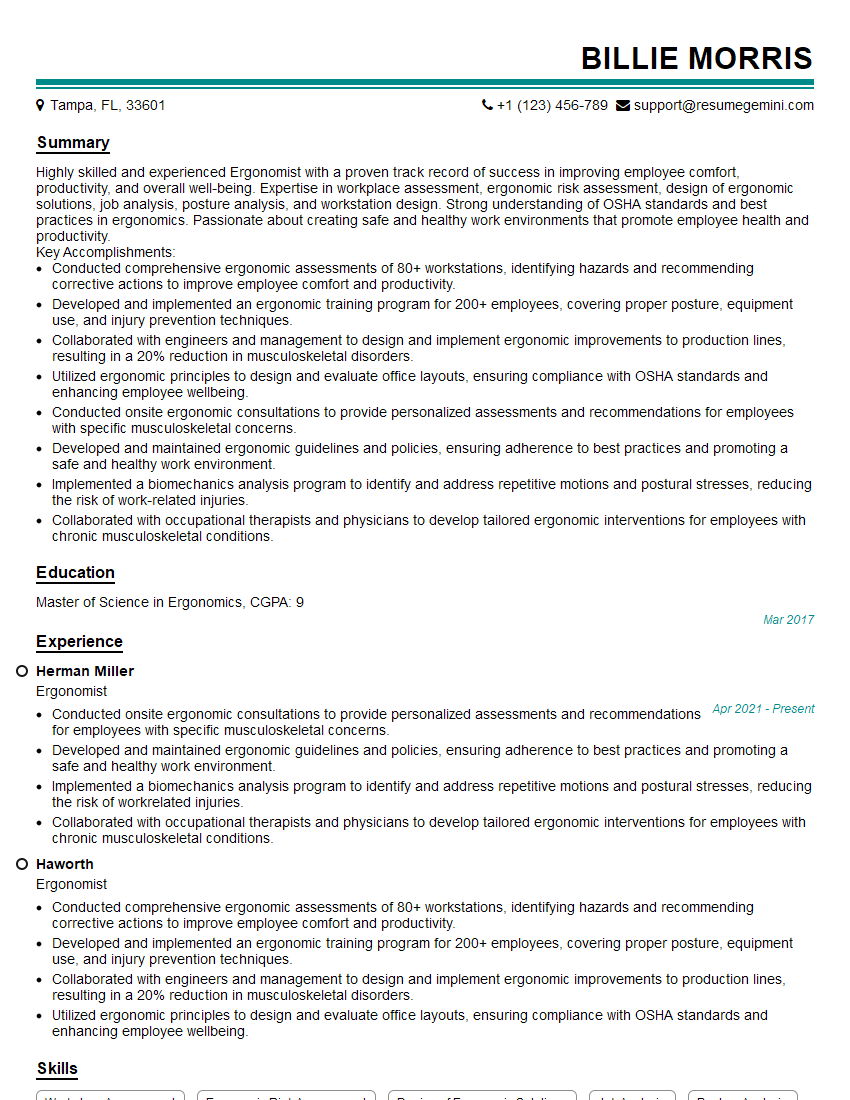
Ergonomist Resume Sample
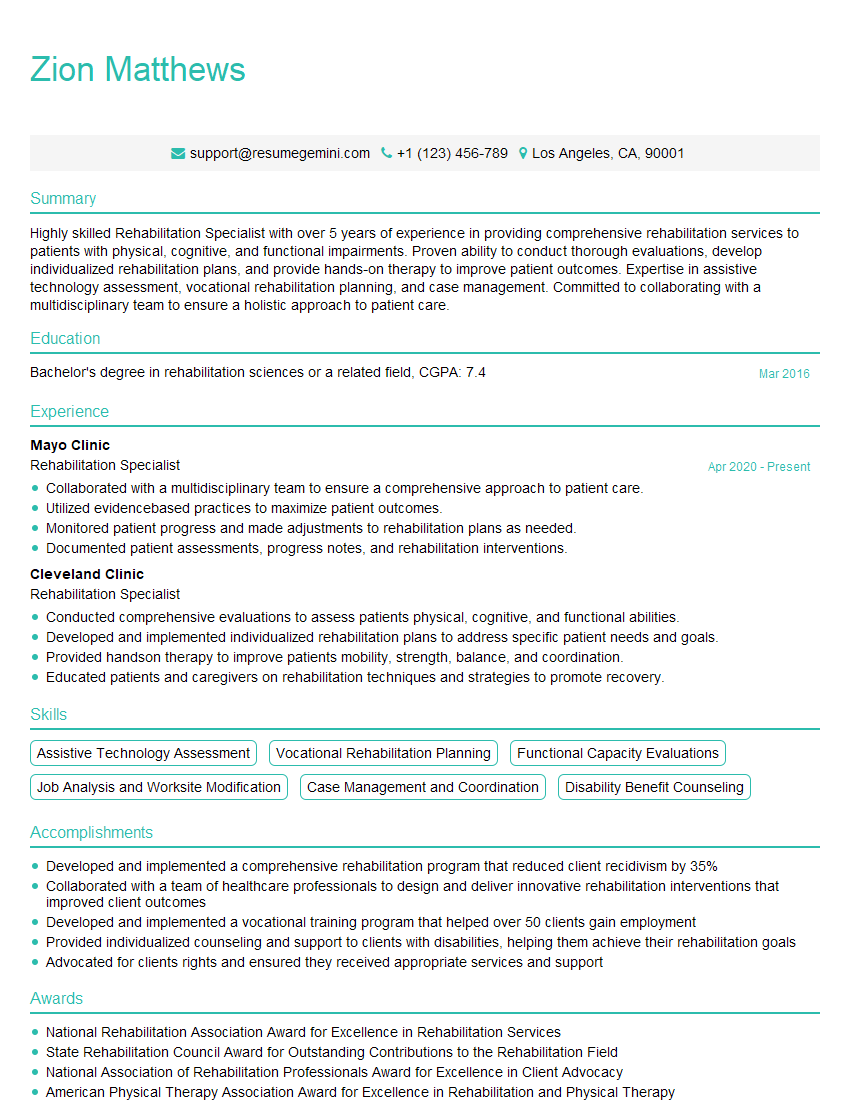
Rehabilitation Specialist Resume Sample
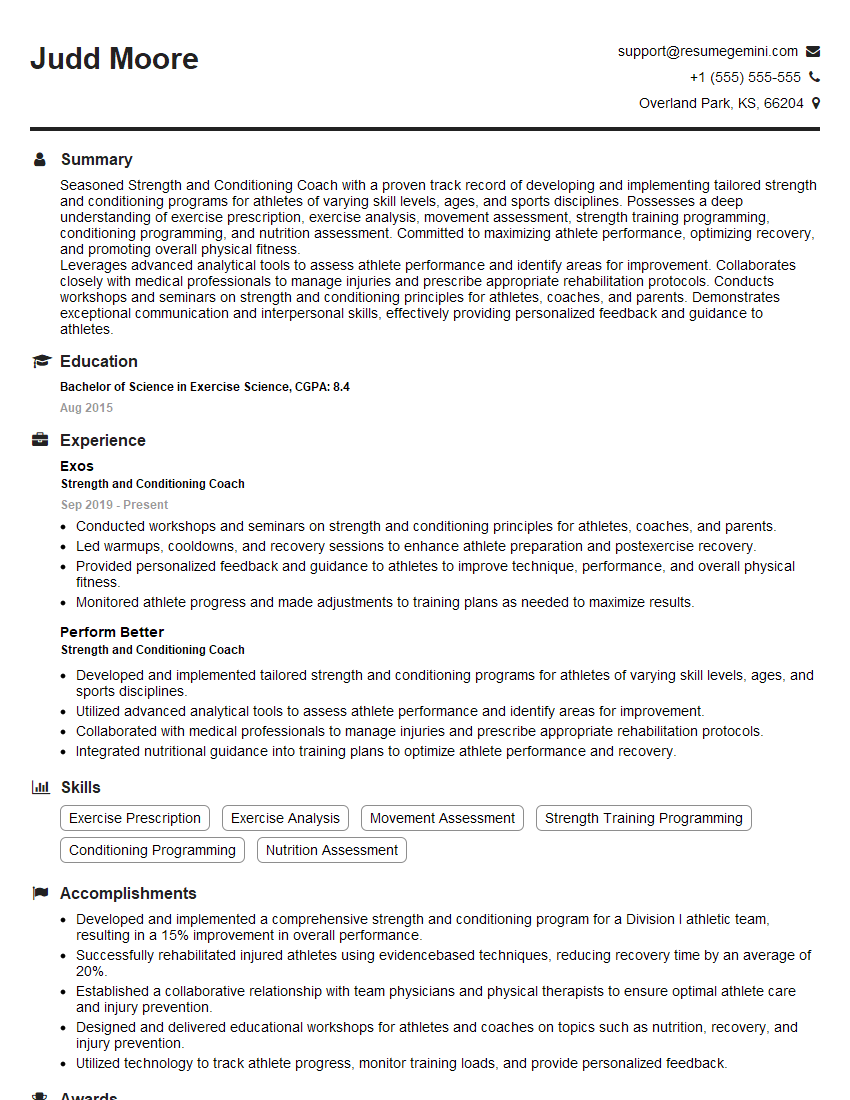
Strength and Conditioning Coach Resume Sample
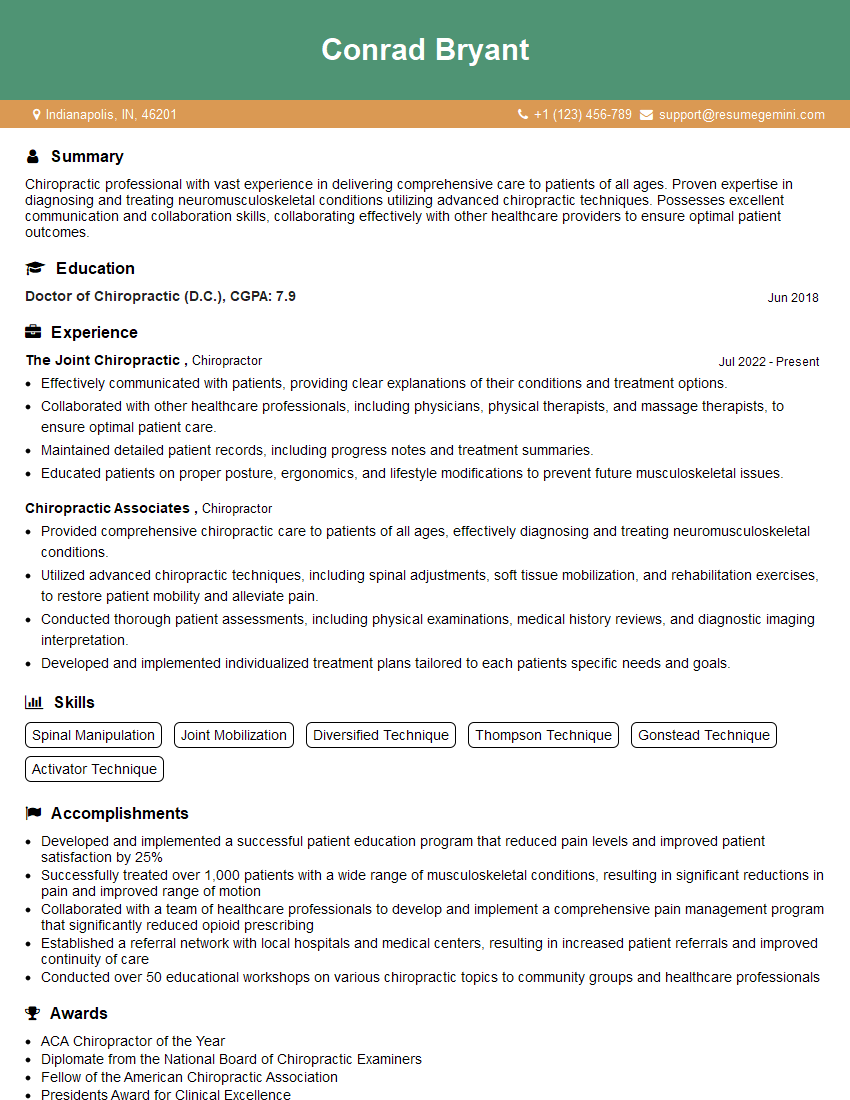
Chiropractor Resume Sample
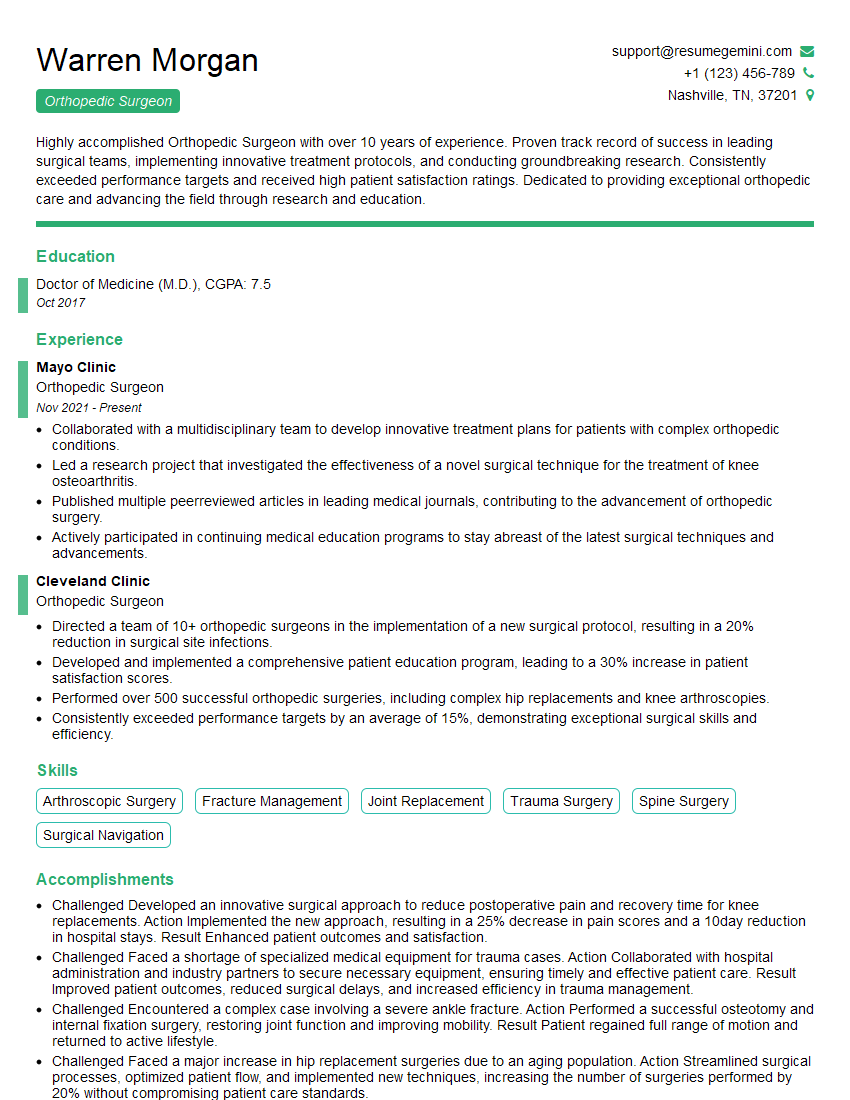
Orthopedic Surgeon Resume Sample
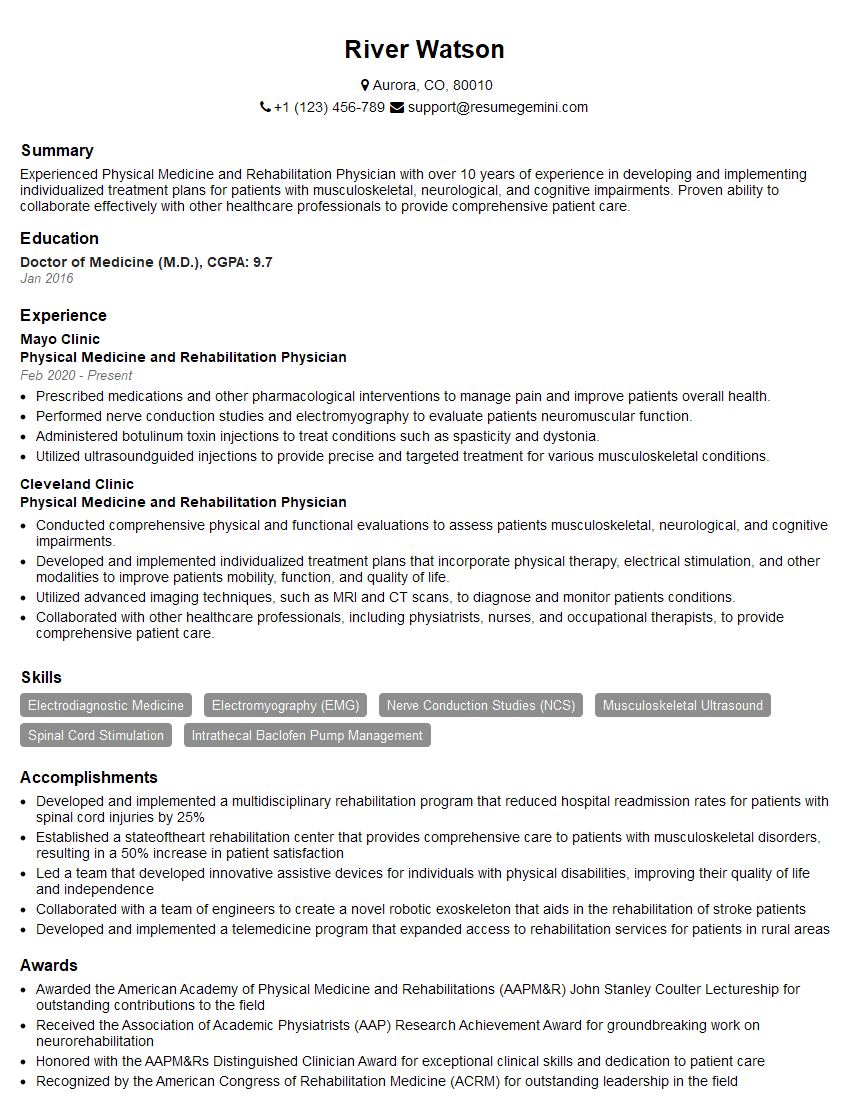
Physical Medicine and Rehabilitation Physician Resume Sample
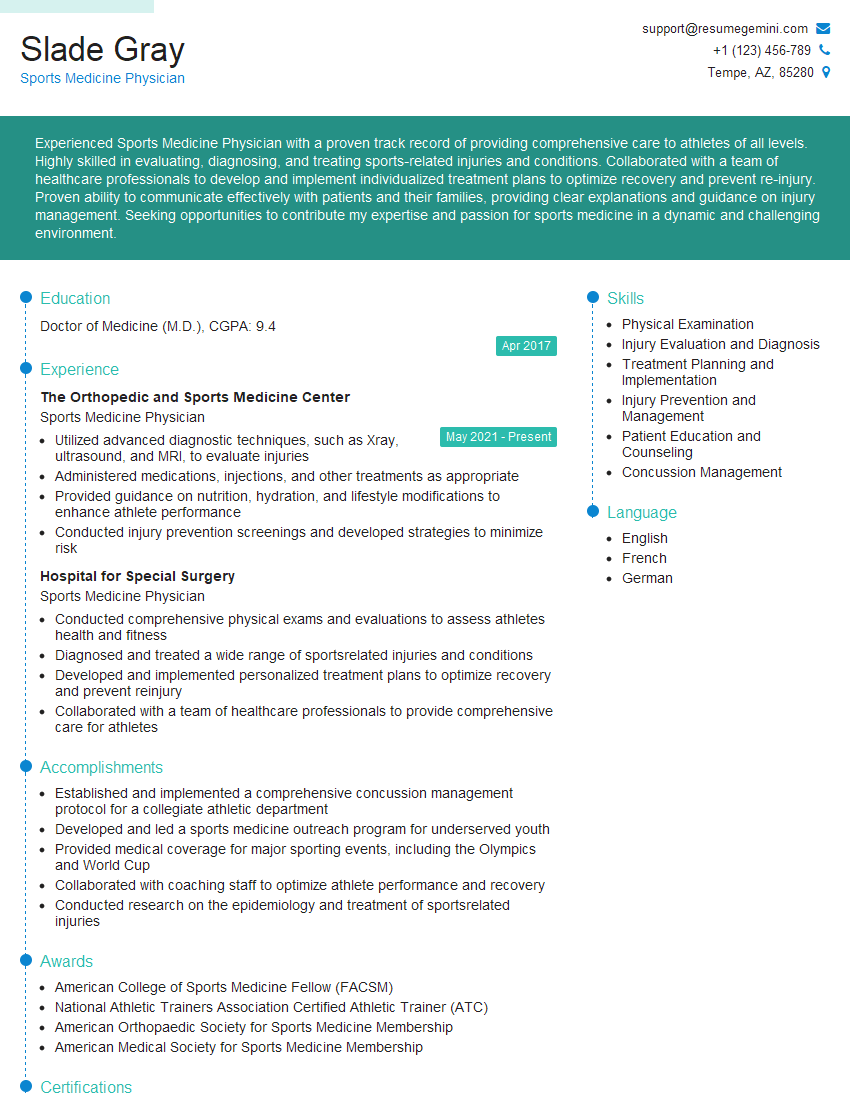
Sports Medicine Physician Resume Sample
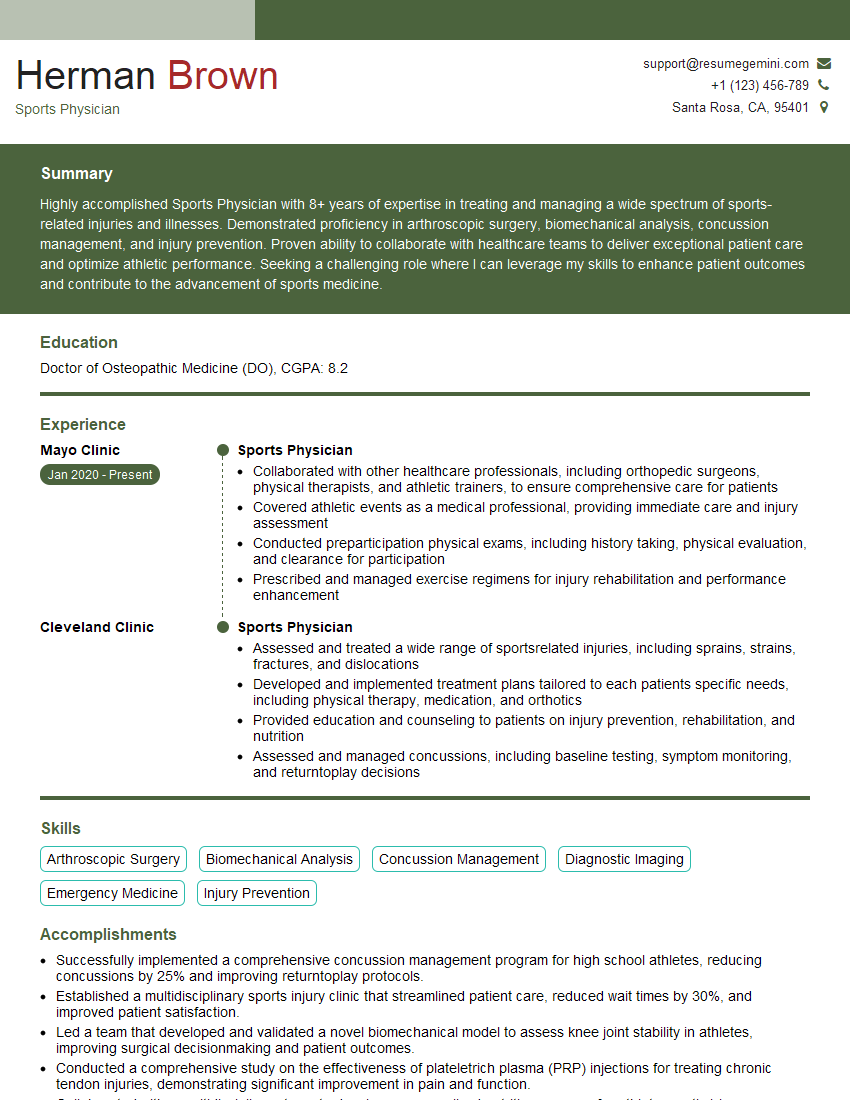
Sports Physician Resume Sample
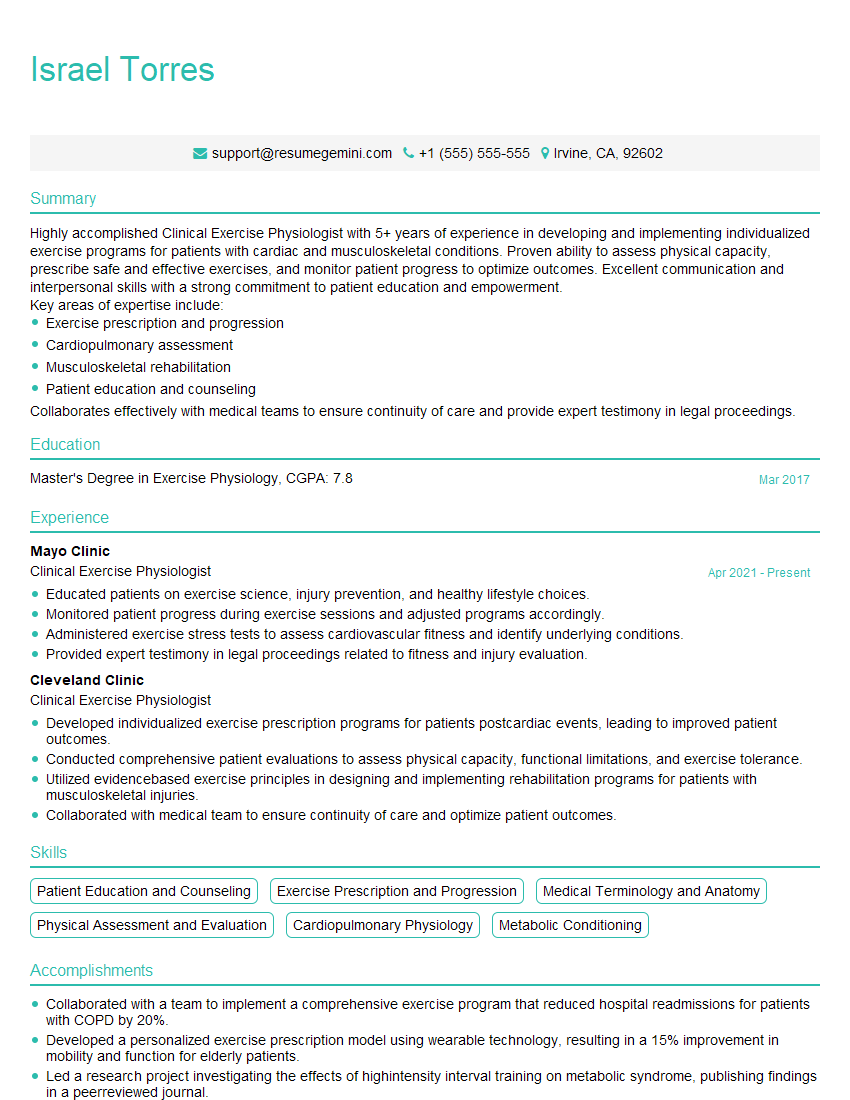
Clinical Exercise Physiologist Resume Sample
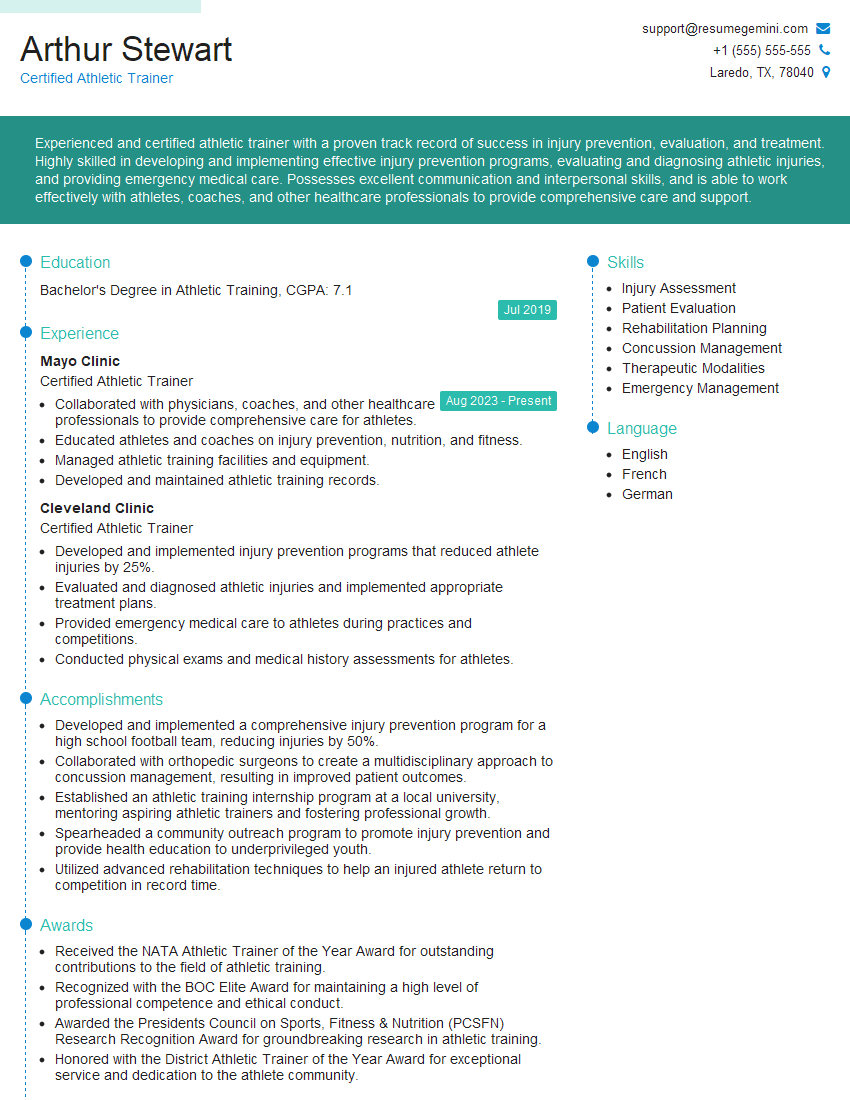
Certified Athletic Trainer Resume Sample
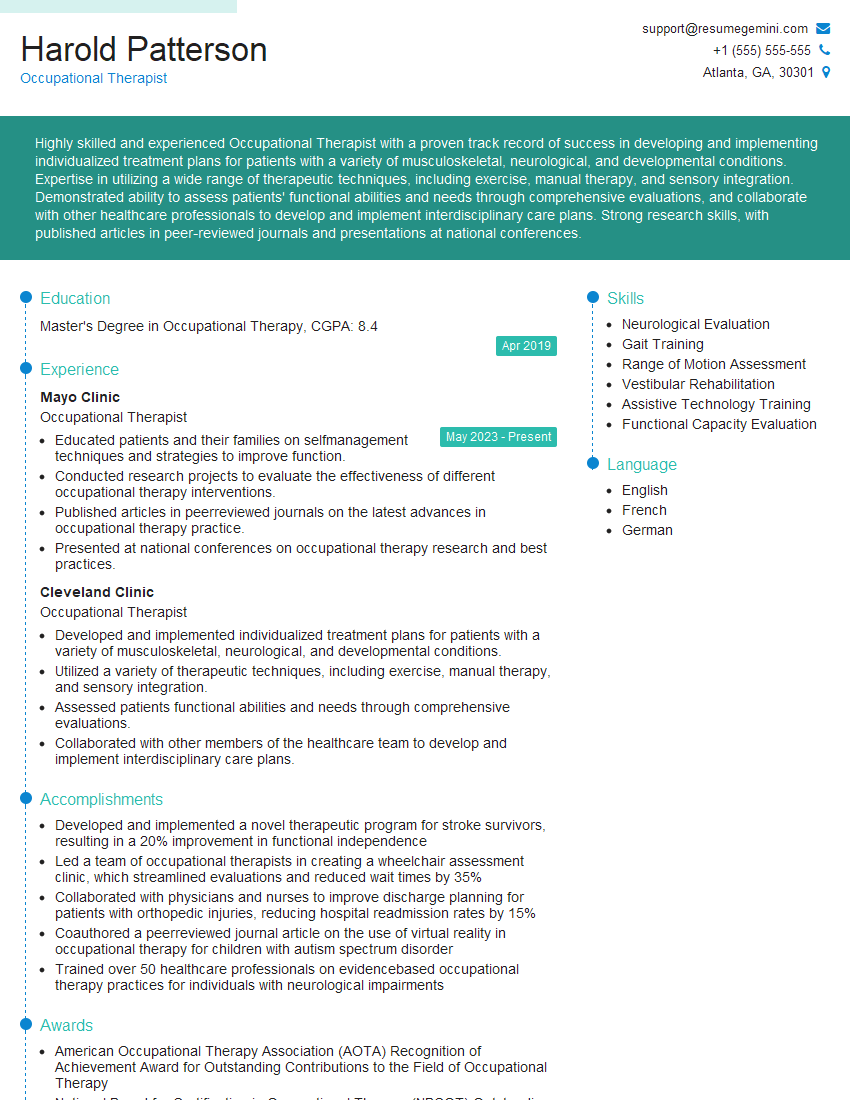
Occupational Therapist Resume Sample
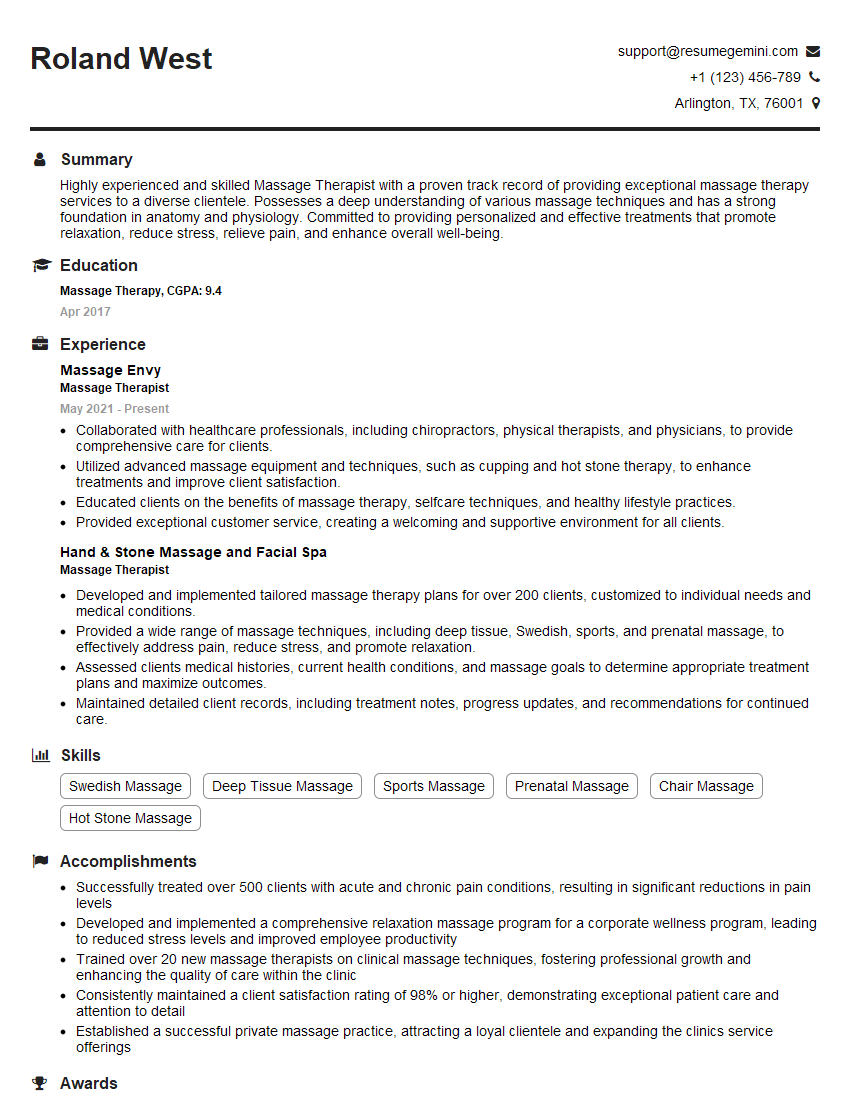
Massage Therapist Resume Sample
- Wellness Coordinator
- Risk Management Specialist
- Safety Engineer
- Ergonomics Consultant
- Ergonomist
- Rehabilitation Specialist
- Strength and Conditioning Coach
- Chiropractor
- Orthopedic Surgeon
- Physical Medicine and Rehabilitation Physician
- Sports Medicine Physician
- Sports Physician
- Clinical Exercise Physiologist
- Certified Athletic Trainer
- Occupational Therapist
- Massage Therapist
Explore more articles
Users Rating of Our Blogs
Share Your Experience
We value your feedback! Please rate our content and share your thoughts (optional).
What Readers Say About Our Blog
Very informative content, great job.
good