Feeling uncertain about what to expect in your upcoming interview? We’ve got you covered! This blog highlights the most important AnalyticalThinking interview questions and provides actionable advice to help you stand out as the ideal candidate. Let’s pave the way for your success.
Questions Asked in AnalyticalThinking Interview
Q 1. Describe your approach to solving a complex problem requiring data analysis.
My approach to solving complex problems requiring data analysis is systematic and iterative. It begins with a deep understanding of the problem itself. What are we trying to achieve? What questions need answering? Once the objective is clear, I move to data acquisition and exploration. This involves identifying the relevant data sources, assessing their quality (completeness, accuracy, consistency), and performing initial exploratory data analysis (EDA) using techniques like data visualization and summary statistics to understand the data’s structure and identify potential issues. Next, I formulate hypotheses and select appropriate analytical techniques—be it regression analysis, machine learning algorithms, or other statistical methods—based on the data type and the research question. I then perform the analysis, meticulously documenting each step. Finally, I interpret the results, drawing meaningful conclusions, considering limitations, and communicating my findings effectively through clear visualizations and reports. This iterative process involves revisiting earlier steps as necessary; often, initial analyses reveal the need for further data exploration or refinement of the analytical approach.
For example, if tasked with predicting customer churn, I would begin by defining ‘churn’ precisely, then gather data on customer demographics, usage patterns, and support interactions. EDA would reveal patterns in the data, helping me identify relevant predictor variables. I might then use logistic regression to build a predictive model, rigorously validating it to avoid overfitting. Finally, I would communicate the model’s accuracy and actionable insights to stakeholders.
Q 2. How do you identify biases in data sets?
Identifying biases in datasets is crucial for accurate analysis. Biases can stem from various sources, including sampling bias (the sample doesn’t represent the population accurately), measurement bias (errors in data collection methods), and reporting bias (selective reporting of data). I approach bias detection through a multi-pronged strategy:
- Understanding data collection methods: Knowing how the data was gathered provides crucial context. Were there limitations in the sampling process? Were there incentives for respondents to answer in a particular way?
- Visual inspection: Histograms, box plots, and scatter plots can reveal unexpected patterns or outliers that hint at potential biases. For instance, a skewed distribution might indicate a sampling bias.
- Statistical tests: Various statistical tests can help quantify the presence of bias. For instance, comparing the characteristics of the sample to known population characteristics can highlight discrepancies.
- Domain expertise: A deep understanding of the context helps identify potential biases that might not be apparent from the data alone. For example, knowing that a survey was conducted only during weekdays might suggest a bias against those who work on weekends.
Let’s say I’m analyzing income data. If the data is heavily skewed towards higher incomes, it might indicate that lower-income individuals were underrepresented in the sample, leading to a biased view of the overall income distribution.
Q 3. Explain your process for interpreting statistical data.
Interpreting statistical data is not merely about reading numbers; it’s about understanding the story they tell. My process involves several key steps:
- Contextualization: Before analyzing any numbers, I ensure I understand the data’s source, collection methods, and potential limitations. This helps interpret results accurately.
- Descriptive statistics: I begin by calculating descriptive statistics like mean, median, standard deviation, and percentiles to get an overview of the data’s central tendency and dispersion.
- Visualizations: I utilize various charts and graphs (histograms, scatter plots, box plots) to visualize patterns, trends, and relationships within the data. A picture often reveals insights that numerical summaries miss.
- Inferential statistics: Depending on the research question, I employ appropriate inferential statistical methods (hypothesis testing, confidence intervals, regression analysis) to draw conclusions about a population based on the sample data.
- Considering limitations: I always acknowledge the limitations of the data and the analyses performed. For example, correlation does not imply causation; sample size limitations can affect the generalizability of results.
- Communicating findings: Finally, I clearly and concisely communicate my findings, focusing on the implications of the results and avoiding technical jargon where possible.
For instance, finding a statistically significant correlation between ice cream sales and crime rates doesn’t necessarily mean that ice cream causes crime. A confounding variable—like hotter weather—might be driving both.
Q 4. How would you approach analyzing a large dataset with inconsistent formatting?
Analyzing large datasets with inconsistent formatting requires a methodical approach. The first step is data cleaning and standardization. This often involves:
- Data profiling: Using tools to automatically identify data types, missing values, and inconsistencies in formatting.
- Data transformation: Converting data into a consistent format. This might involve handling missing values (imputation or removal), standardizing date formats, and converting data types (e.g., converting text to numerical).
- Data parsing: If the data is in a complex or unstructured format (e.g., free-form text, PDFs), specialized techniques might be required to extract relevant information. This often involves regular expressions or natural language processing techniques.
- Data validation: After cleaning and transforming, I thoroughly check the data for accuracy and consistency. This might involve cross-checking with other data sources or using validation rules.
For large datasets, tools like Python’s Pandas library with its powerful data manipulation capabilities are essential. import pandas as pd; df = pd.read_csv('data.csv', error_bad_lines=False); df['date'] = pd.to_datetime(df['date']) This code snippet demonstrates reading a CSV, handling potential errors, and standardizing date formats.
Q 5. How do you handle conflicting data points when conducting analysis?
Conflicting data points are a common challenge in data analysis. Resolving these conflicts requires careful investigation and judgment. My approach involves:
- Identifying the source of conflict: I first pinpoint why the data points differ. Are they due to errors in data entry, measurement inconsistencies, or genuine variations?
- Data validation: I cross-reference the conflicting data with other sources to identify which data point is more reliable. If the data’s origin is questionable, I might investigate further.
- Data cleaning: Depending on the nature of the conflict, I might correct erroneous data points or remove them if they are outliers or clearly erroneous.
- Sensitivity analysis: I might test the impact of different resolutions on the analysis. For example, I could run the analysis with and without the conflicting data points to see how much the results are affected.
- Documentation: I meticulously document all decisions made regarding conflicting data points and their potential impact on the analysis.
Imagine two sources reporting different sales figures for the same product. I would investigate discrepancies, perhaps by checking invoices or sales records. If one source is consistently more reliable, I would prioritize it. If neither is definitively correct, I might flag the conflict in my report and discuss its implications.
Q 6. Describe a time you had to make a decision based on incomplete data.
During a project for a client launching a new product, we needed to predict its market demand. However, we had only limited pre-launch data from focus groups and surveys. The data wasn’t representative of the entire target market, and the sample size was small. To make an informed decision, I adopted a Bayesian approach. This incorporated prior knowledge from similar products in the market, as well as expert opinions, to inform the predictive model. While we acknowledged the uncertainty associated with the incomplete data, the Bayesian framework allowed us to combine prior knowledge with limited data to generate a reasonable estimate of market demand. We also developed multiple scenarios based on different assumptions about the incomplete information to help the client understand the uncertainty and plan accordingly. Ultimately, the product launch was deemed a success; however, we continue to monitor market demand closely as more data become available.
Q 7. How do you determine the most relevant data to use in an analysis?
Determining the most relevant data for analysis is crucial for obtaining meaningful insights. My process involves:
- Clearly defining the objective: The research question dictates the necessary data. What are we trying to understand or predict? This provides a framework for data selection.
- Identifying relevant variables: Once the objective is clear, I identify the variables likely to influence the outcome. This involves brainstorming, literature review, and domain expertise.
- Data exploration: I explore potential datasets to assess their relevance, quality, and completeness. This includes looking at data distributions, missing values, and potential outliers.
- Feature selection techniques: For large datasets, techniques like correlation analysis, principal component analysis (PCA), or feature importance from machine learning models can help select the most relevant variables.
- Balancing relevance and feasibility: While it’s desirable to use all relevant data, practical considerations like data availability, access, and processing time often necessitate prioritizing variables.
For example, in predicting customer satisfaction, I might initially consider numerous variables (demographics, purchase history, product usage, support interactions). However, through exploratory data analysis and feature selection, I might find that only a subset of these variables is truly predictive of satisfaction. This refined selection helps to focus on the most impactful data, ensuring a more efficient and insightful analysis.
Q 8. Explain a situation where you had to analyze a problem with multiple potential solutions.
In a previous role, we faced declining customer engagement on our mobile app. Initial investigations pointed to several potential causes: a buggy update, a poorly performing marketing campaign, or a change in user preferences. Instead of jumping to conclusions, I employed a structured approach.
- Hypothesis Generation: We formulated testable hypotheses for each potential cause. For instance, ‘The recent app update caused a significant increase in crash reports, leading to decreased engagement.’
- Data Collection: We gathered data from various sources, including app crash reports, user feedback surveys, A/B test results for the marketing campaign, and user analytics on app usage patterns.
- Analysis and Validation: We analyzed the collected data using statistical methods to assess the correlation between each hypothesis and the observed decline in engagement. For example, we used regression analysis to determine the relationship between app update version and crash reports. We compared user engagement metrics before and after the marketing campaign launch.
- Solution Implementation: Our analysis revealed the app update as the primary culprit, with a significant increase in crashes post-update. We prioritized a bug fix release to address the identified issues and closely monitored subsequent user engagement metrics to gauge its impact. The marketing campaign’s performance was also sub-par, and adjustments were made, however, the app update fix had a more significant and immediate impact.
This multi-faceted problem required a systematic, data-driven approach, combining hypothesis testing, statistical analysis, and iterative problem-solving to pinpoint the root cause and implement effective solutions.
Q 9. How do you prioritize tasks when working on multiple analytical projects?
Prioritizing multiple analytical projects involves a combination of strategic thinking and efficient task management. I typically use a framework that considers urgency, impact, and dependencies.
- Urgency: Tasks with imminent deadlines or those directly impacting critical business decisions receive top priority. This might involve preparing a report for an upcoming executive meeting or addressing an urgent data anomaly.
- Impact: Projects with high potential impact on the organization’s bottom line or strategic goals are prioritized. This considers the potential return on investment of the analysis.
- Dependencies: I identify and sequence tasks based on dependencies. Some analyses may require the completion of others before they can begin. For example, data cleaning and preparation might precede statistical modeling.
- Eisenhower Matrix (Urgent/Important): I often leverage the Eisenhower Matrix to visually map my tasks and decide which to delegate, eliminate, schedule, or do immediately. This helps in prioritizing effectively and preventing overwhelm.
By combining these factors, I can create a prioritized workflow that balances immediate needs with long-term strategic goals, ensuring efficient allocation of resources and maximizing the overall impact of my analytical efforts.
Q 10. How do you communicate complex analytical findings to a non-technical audience?
Communicating complex analytical findings to a non-technical audience requires translating technical jargon into clear, concise, and relatable language. I use a multi-pronged approach:
- Storytelling: I frame the findings as a compelling narrative, focusing on the key insights and their implications rather than technical details. This helps maintain engagement and improve understanding. For example, instead of saying ‘the p-value was less than 0.05,’ I would state ‘the results are statistically significant, suggesting a strong relationship between X and Y.’
- Visualizations: I utilize clear and impactful visualizations such as charts, graphs, and dashboards to illustrate complex data patterns and relationships. A well-designed infographic can convey more information than pages of text.
- Analogies and Metaphors: I draw parallels between the analytical findings and everyday experiences to make them more accessible. For example, I might compare a complex statistical model to a weather forecast to illustrate its ability to predict future outcomes.
- Focus on Implications: I emphasize the implications of the findings for the audience, focusing on what the results mean for their decision-making processes or actions. What actions should they take based on the findings?
The key is to adapt the communication style to the audience’s knowledge and interests, ensuring that the message is easily understood and actionable.
Q 11. How do you validate the accuracy of your analytical results?
Validating the accuracy of analytical results is a crucial step in ensuring reliable insights. My approach involves a combination of techniques:
- Data Validation: I thoroughly check the data’s integrity and accuracy before analysis, verifying data sources, examining data distributions for anomalies, and cleaning the data to handle missing values or outliers. This often includes techniques such as cross-referencing data against other sources.
- Methodological Rigor: I carefully choose appropriate analytical methods based on the research question and data characteristics, ensuring that the methods are statistically sound and appropriate for the data type.
- Sensitivity Analysis: I conduct sensitivity analyses to assess the impact of data variations or methodological assumptions on the results. This helps determine the robustness of the findings.
- Peer Review: I encourage peer review of my analyses to identify potential errors or biases that I may have overlooked.
- Reproducibility: I meticulously document my analysis, including the data sources, methods used, and code employed, to ensure that the results can be easily reproduced by others.
Through this multi-faceted approach, I strive to ensure that my analytical results are reliable, valid, and robust.
Q 12. How do you identify and address limitations in your data analysis?
Identifying and addressing limitations in data analysis is crucial for producing credible and reliable results. My approach involves:
- Data Quality Assessment: I assess the quality of the data, acknowledging any limitations due to missing data, sampling bias, measurement error, or inconsistencies in data collection. I thoroughly document these limitations.
- Bias Detection: I actively look for potential biases in the data or analytical methods, considering factors like selection bias, confirmation bias, or confounding variables. I explore techniques to mitigate these biases, such as stratified sampling or controlling for confounding variables.
- Generalizability: I evaluate the generalizability of the results, considering the sample size, the representativeness of the sample, and the extent to which the findings can be extrapolated to other populations or contexts.
- Transparency and Reporting: I transparently report the limitations of the analysis in my reports and presentations, acknowledging any uncertainties or potential sources of error.
By transparently acknowledging and addressing data limitations, I ensure that the conclusions drawn from the analysis are appropriately nuanced and cautious, avoiding overgeneralizations or misleading interpretations.
Q 13. Describe your experience using different analytical tools and software.
Throughout my career, I’ve gained extensive experience with various analytical tools and software. My expertise includes:
- Programming Languages: Python (with libraries like Pandas, NumPy, Scikit-learn, and Statsmodels), R (for statistical computing and visualization), and SQL (for database management and querying).
- Statistical Software: SPSS, SAS, and Stata for advanced statistical modeling and analysis.
- Data Visualization Tools: Tableau, Power BI, and Matplotlib/Seaborn in Python for creating interactive and informative data visualizations.
- Big Data Technologies: Experience with Hadoop and Spark for processing and analyzing large datasets.
My proficiency in these tools allows me to adapt to diverse analytical challenges and select the most appropriate technology for each project. I’m always eager to learn and explore new technologies to enhance my analytical capabilities.
Q 14. What is your preferred method for visualizing data, and why?
My preferred method for visualizing data depends heavily on the context and the audience, but I generally favor a combination of approaches. For exploratory data analysis, I often use interactive tools like Tableau or Python’s Seaborn to allow for dynamic exploration of relationships in the data. This facilitates iterative investigation and hypothesis generation.
For communicating findings to a broader audience, I frequently rely on clear, concise charts such as bar charts, line graphs, or scatter plots, depending on the nature of the data and the message I want to convey. If the data is more complex, heatmaps or treemaps can be useful.
My rationale for choosing these approaches is based on the principles of clarity, accuracy, and effectiveness. The visualization should accurately represent the data without misleading the audience and should be easily understood, regardless of the audience’s technical expertise.
Q 15. Explain your understanding of different types of statistical analysis.
Statistical analysis is a powerful tool for extracting meaning from data. It broadly falls into two categories: descriptive and inferential statistics.
- Descriptive statistics summarize and describe the main features of a dataset. This includes measures of central tendency (mean, median, mode), measures of dispersion (variance, standard deviation, range), and visualizations like histograms and box plots. For example, calculating the average age of customers in a marketing campaign is descriptive statistics.
- Inferential statistics uses sample data to make inferences about a larger population. This involves hypothesis testing (e.g., t-tests, ANOVA, chi-square tests) to determine if observed differences are statistically significant or due to random chance, and regression analysis (linear, logistic, etc.) to model relationships between variables. For instance, using a survey of 1000 people to predict the outcome of a national election would be an example of inferential statistics.
Beyond these core categories, there are specialized techniques like time series analysis for data over time, cluster analysis for grouping similar data points, and factor analysis for reducing the number of variables. The choice of method depends heavily on the research question and the nature of the data.
Career Expert Tips:
- Ace those interviews! Prepare effectively by reviewing the Top 50 Most Common Interview Questions on ResumeGemini.
- Navigate your job search with confidence! Explore a wide range of Career Tips on ResumeGemini. Learn about common challenges and recommendations to overcome them.
- Craft the perfect resume! Master the Art of Resume Writing with ResumeGemini’s guide. Showcase your unique qualifications and achievements effectively.
- Don’t miss out on holiday savings! Build your dream resume with ResumeGemini’s ATS optimized templates.
Q 16. How do you evaluate the reliability and validity of your data sources?
Evaluating data reliability and validity is crucial for drawing accurate conclusions. Reliability refers to the consistency and stability of the data, while validity addresses whether the data actually measures what it intends to measure.
- Reliability checks might include examining the data collection methods for biases, using multiple data sources to compare results, and assessing the consistency of measurements over time (test-retest reliability). Inconsistencies signal potential issues with data quality.
- Validity assessments consider the appropriateness of the data for answering the research question. For instance, using self-reported data on income might be less valid than using tax records due to potential biases in self-reporting. Triangulation, using multiple methods to measure the same concept, strengthens validity.
I always document my data sourcing and evaluation process meticulously, including any limitations or potential biases, to ensure transparency and reproducibility of my analysis. This is crucial for building trust in the findings.
Q 17. Describe your approach to defining the scope of an analytical problem.
Defining the scope of an analytical problem involves clearly identifying the objective, the available data, and the limitations. This structured approach prevents scope creep and ensures efficient resource allocation.
- Clearly define the problem statement: What specific question am I trying to answer? What are the key performance indicators (KPIs)?
- Identify the key variables: What data is relevant and available to address the problem? Are there data gaps? What are the potential confounding factors?
- Set boundaries: What timeframe will the analysis cover? What population or subset of the data will be included? What specific analyses will be conducted?
- Establish success criteria: How will the success of the analysis be measured? What are the actionable insights that I hope to deliver?
For instance, if investigating declining sales, the scope might be limited to a specific product line, geographic region, or time period. Defining the scope early makes the analytical process focused and prevents the analysis from becoming overly broad and unwieldy.
Q 18. How do you stay current with advancements in analytical techniques?
Staying current in analytical techniques requires a multi-pronged approach. The field is constantly evolving, with new methods and tools emerging frequently.
- Active learning: I regularly attend conferences, webinars, and workshops to learn about the latest advancements. Online courses (Coursera, edX) and industry publications are also invaluable resources.
- Peer networking: Engaging with other professionals through online forums and professional organizations allows me to share knowledge and stay abreast of current trends.
- Hands-on experience: I actively seek opportunities to apply new techniques to real-world projects, allowing for practical application and refinement of skills.
- Reading research papers and industry reports: Staying updated on the latest research findings allows me to be at the forefront of emerging techniques and methodologies.
This continuous learning cycle is critical to maintaining a high level of proficiency and adapting to the ever-changing landscape of data analysis.
Q 19. How do you handle situations where the data does not support your initial hypothesis?
When data doesn’t support my initial hypothesis, it’s crucial to remain objective and explore alternative explanations. It’s not a failure; it’s an opportunity for deeper understanding.
- Re-evaluate the hypothesis: Was the hypothesis too narrowly defined? Were there underlying assumptions that were incorrect?
- Examine the data for biases or errors: Were there issues with data collection, cleaning, or preprocessing? Are there outliers that disproportionately influence the results?
- Explore alternative hypotheses: Can the data be interpreted in a different way? Are there other factors that could explain the observed results?
- Consider additional data sources: Could incorporating supplementary data provide further insights or refine the analysis?
- Communicate the findings transparently: Clearly present the results, including the limitations and uncertainties. Emphasize what the data *does* show, even if it doesn’t support the original hypothesis.
For example, if testing a new marketing campaign’s effectiveness and seeing no significant improvement, it might be because of external market factors, poor targeting, or flaws in the campaign design. Investigating these aspects provides a more complete picture than simply concluding the campaign failed.
Q 20. What strategies do you use to identify root causes of problems?
Identifying root causes requires a systematic approach to avoid addressing symptoms rather than the underlying problem. I often employ techniques like the “5 Whys” and fishbone diagrams (Ishikawa diagrams).
- 5 Whys: This iterative questioning technique helps drill down to the root cause by repeatedly asking “Why?” until the fundamental reason is identified. For example: Why are sales down? (Poor marketing). Why was the marketing poor? (Low budget). Why was the budget low? (Unexpected expenses). Why were there unexpected expenses? (Equipment malfunction). Why did the equipment malfunction? (Lack of preventive maintenance).
- Fishbone diagrams: These visually represent potential causes categorized by factors like people, processes, equipment, materials, and environment. Brainstorming sessions with relevant stakeholders help to identify and map potential root causes.
Data analysis plays a vital role in supporting these techniques, providing quantitative evidence to corroborate or refute the identified root causes. Combining qualitative and quantitative methods often provides the most robust understanding.
Q 21. Describe a time you had to make a difficult decision based on quantitative data.
In a previous role, we were facing declining customer retention rates. Initial analysis suggested price sensitivity as the primary driver. However, a deeper dive into the customer segmentation data revealed a different story.
While price was a factor for a segment of budget-conscious customers, the data showed a significant drop in retention among our high-value customers. Further investigation using qualitative methods (customer surveys and interviews) revealed dissatisfaction with our new customer service platform. This quantitative data, coupled with qualitative findings, led to a difficult decision: delaying the rollout of new product features and focusing on improving the customer service platform, despite the pressure to launch the new features. This decision, albeit initially unpopular, proved successful; customer retention among high-value customers improved significantly after addressing the service platform issues.
This experience highlighted the importance of combining quantitative and qualitative data to gain a comprehensive understanding and make informed, data-driven decisions, even when those decisions aren’t the most immediately popular.
Q 22. How do you balance speed and accuracy in your analytical work?
Balancing speed and accuracy in analytical work is a constant tightrope walk. It’s about finding the optimal point where sufficient analysis yields valuable insights without unnecessary delays. I approach this by prioritizing the most impactful analyses first, focusing on the key questions that need answering. I use a phased approach. Phase one involves a rapid exploration of the data using quick visualizations and summary statistics to identify potential issues and get a preliminary understanding. This allows for quick identification of potential errors or areas requiring more detailed investigation. Then, I allocate time proportionally to the complexity and importance of each task; some analyses may require a deeper dive and more time for validation, while others can be performed more quickly with acceptable accuracy. I also leverage automation where possible – scripting repetitive tasks frees up time for the more nuanced and judgment-heavy aspects of analysis. Finally, rigorous quality control checks at each stage are crucial – this includes sanity checks on data, validation of results, and peer review where appropriate.
For example, imagine analyzing sales data to identify lagging product lines. I might start with a quick overview of overall sales trends. If I see a significant drop, I can then focus my deeper analysis on that specific time period and the products involved, leaving other less critical aspects for later or for another iteration. This prevents spending valuable time on areas that may ultimately yield little insight.
Q 23. Explain your understanding of regression analysis.
Regression analysis is a statistical method used to model the relationship between a dependent variable and one or more independent variables. Essentially, it helps us understand how changes in one or more variables influence another. There are different types of regression analysis, with linear regression being the most common. In linear regression, we assume a linear relationship between the variables, meaning the change in the dependent variable is proportional to the change in the independent variable(s). We aim to find the ‘best-fitting’ line (or hyperplane in multiple regression) that minimizes the difference between the observed values and the values predicted by the model.
For instance, we could use linear regression to predict house prices based on factors like size, location, and age. The dependent variable would be the house price, and the independent variables would be size, location, and age. The regression model would provide coefficients for each independent variable, indicating their relative impact on the house price. It is crucial to remember that correlation does not equal causation. A strong relationship observed between variables does not automatically imply a cause-and-effect relationship. Other factors might be at play.
# A simple linear regression model in Python import statsmodels.formula.api as sm model = sm.ols('dependent_variable ~ independent_variable1 + independent_variable2', data=data).fit() print(model.summary())Q 24. How do you approach identifying patterns and trends in data?
Identifying patterns and trends in data involves a combination of exploratory data analysis (EDA) techniques and statistical methods. I typically begin by visually inspecting the data using histograms, scatter plots, box plots, and other visualization tools to get a sense of the overall distribution and potential relationships between variables. This helps me understand the data’s underlying structure and identify any outliers or anomalies that might skew the results.
Next, I employ statistical methods such as correlation analysis to quantify the strength and direction of relationships between variables. Time series analysis is useful for identifying trends over time, while clustering techniques can help group similar data points together. For example, if analyzing customer purchasing behavior, I might use clustering to identify different customer segments with distinct buying patterns. Once patterns are identified, I validate them using appropriate statistical tests to ensure they are not due to random chance.
Consider analyzing website traffic data. Initial visualizations might reveal a peak in traffic during specific hours or days of the week, suggesting a pattern of user activity. Further analysis could reveal correlations between traffic and specific marketing campaigns, helping pinpoint successful strategies.
Q 25. Describe your experience working with predictive modeling techniques.
I have extensive experience with various predictive modeling techniques, including linear regression, logistic regression, decision trees, random forests, support vector machines (SVMs), and neural networks. The choice of technique depends heavily on the specific problem and the nature of the data. For example, if the dependent variable is continuous, I might use linear regression or a tree-based model. If it’s binary (e.g., customer churn), logistic regression or an SVM might be more appropriate. Neural networks are powerful for complex, high-dimensional data but require significant computational resources and careful tuning.
My workflow typically involves data preprocessing (cleaning, transformation, feature engineering), model selection and training, model evaluation (using metrics like accuracy, precision, recall, F1-score, AUC), and finally model deployment and monitoring. I regularly use cross-validation techniques to prevent overfitting and ensure the model generalizes well to unseen data. For example, in predicting customer churn, I might use a random forest model, training it on a historical dataset and evaluating its performance on a separate test set to ensure it accurately predicts future churn.
Q 26. How do you handle pressure and tight deadlines while conducting data analysis?
Handling pressure and tight deadlines in data analysis requires efficient time management and prioritization skills. My approach involves breaking down complex projects into smaller, manageable tasks with clearly defined deadlines. I use project management tools to track progress and identify potential bottlenecks. Clear communication with stakeholders is essential to manage expectations and ensure everyone is on the same page. I prioritize the most critical analyses first, ensuring that the most important insights are delivered on time, even if less crucial aspects need to be deferred.
For example, if I have a tight deadline to provide a report on key performance indicators (KPIs), I will focus on the most crucial KPIs first, creating a rapid analysis, and potentially follow up with a deeper dive later if time allows. Prioritization ensures that the most critical information is delivered on time.
Q 27. How do you ensure your analytical work is ethically sound and unbiased?
Ethical and unbiased analytical work is paramount. I adhere to strict principles of data integrity, ensuring data quality and accuracy throughout the entire analytical process. This includes careful consideration of data sources, cleaning and handling missing values appropriately, and thoroughly documenting all steps involved. I’m mindful of potential biases in the data itself, including sampling bias and selection bias. For example, if I am analyzing survey data, I’ll check for biases in the sampling methodology that might skew the results.
I use diverse and representative datasets to avoid perpetuating existing societal biases. Furthermore, I carefully choose the appropriate statistical methods to minimize the impact of biases and ensure results are not misinterpreted. Transparency is key; I clearly communicate my methodology, assumptions, and limitations to avoid misleading conclusions. Finally, I am always aware of the potential implications of my findings and strive to use my analytical skills responsibly, considering their potential impact on individuals and society.
Key Topics to Learn for Analytical Thinking Interview
- Data Interpretation & Analysis: Understanding various data types, interpreting charts and graphs, identifying trends and patterns, and drawing meaningful conclusions.
- Problem Decomposition & Structuring: Breaking down complex problems into smaller, manageable parts; defining clear objectives and identifying constraints; developing a systematic approach to problem-solving.
- Logical Reasoning & Deduction: Applying logical principles to analyze information, identify inconsistencies, and draw valid inferences; utilizing deductive and inductive reasoning effectively.
- Critical Evaluation & Synthesis: Assessing the credibility and relevance of information; identifying biases and assumptions; synthesizing information from multiple sources to form a comprehensive understanding.
- Quantitative & Qualitative Analysis: Applying both numerical and descriptive methods to analyze data; understanding the strengths and limitations of each approach; interpreting results in context.
- Decision-Making & Risk Assessment: Evaluating potential outcomes and their probabilities; weighing the pros and cons of different options; making informed decisions under uncertainty.
- Communication & Presentation of Findings: Clearly and concisely communicating complex analytical findings to both technical and non-technical audiences; using appropriate visualizations and supporting evidence.
Next Steps
Mastering analytical thinking is crucial for career advancement in today’s data-driven world. It’s a highly sought-after skill across numerous industries, opening doors to exciting opportunities and higher earning potential. To significantly boost your job prospects, crafting an ATS-friendly resume is paramount. This ensures your application gets noticed by recruiters and hiring managers. We strongly recommend using ResumeGemini, a trusted resource, to build a professional and impactful resume. Examples of resumes tailored to highlight analytical thinking skills are available to help you get started.
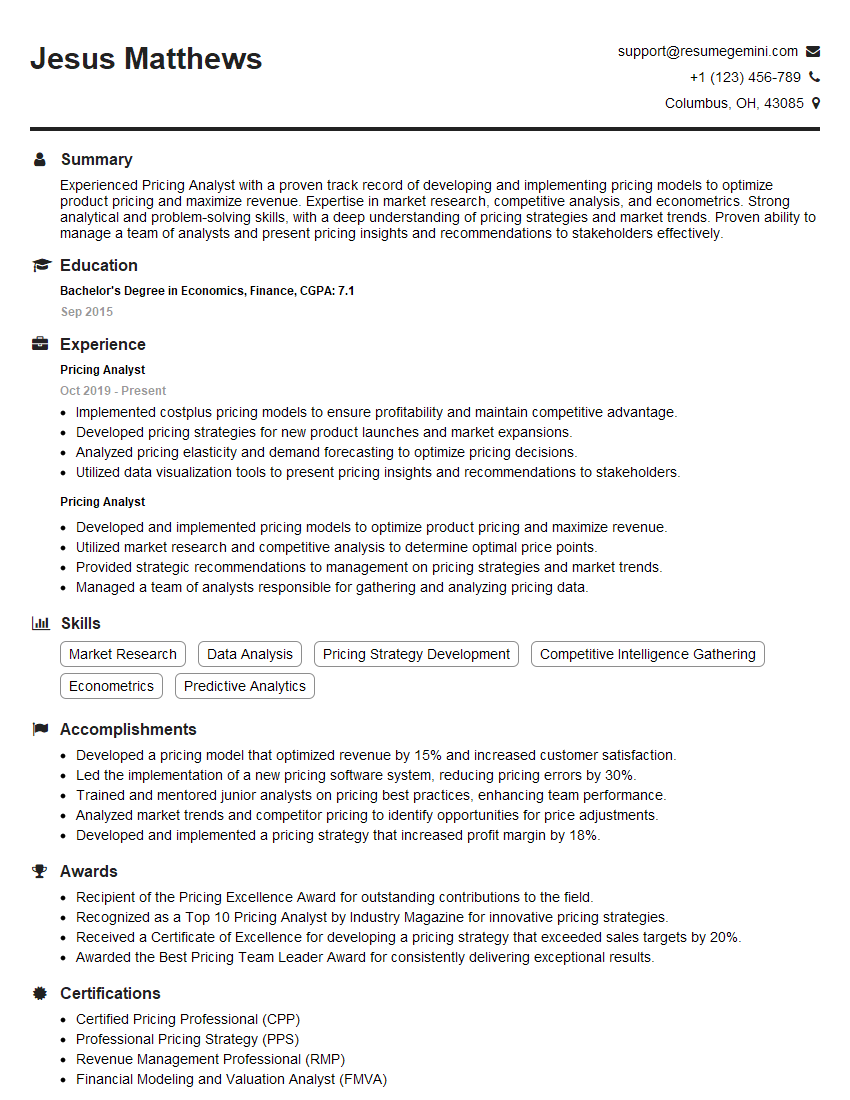
Pricing Analyst Resume Sample

Project Manager Resume Sample
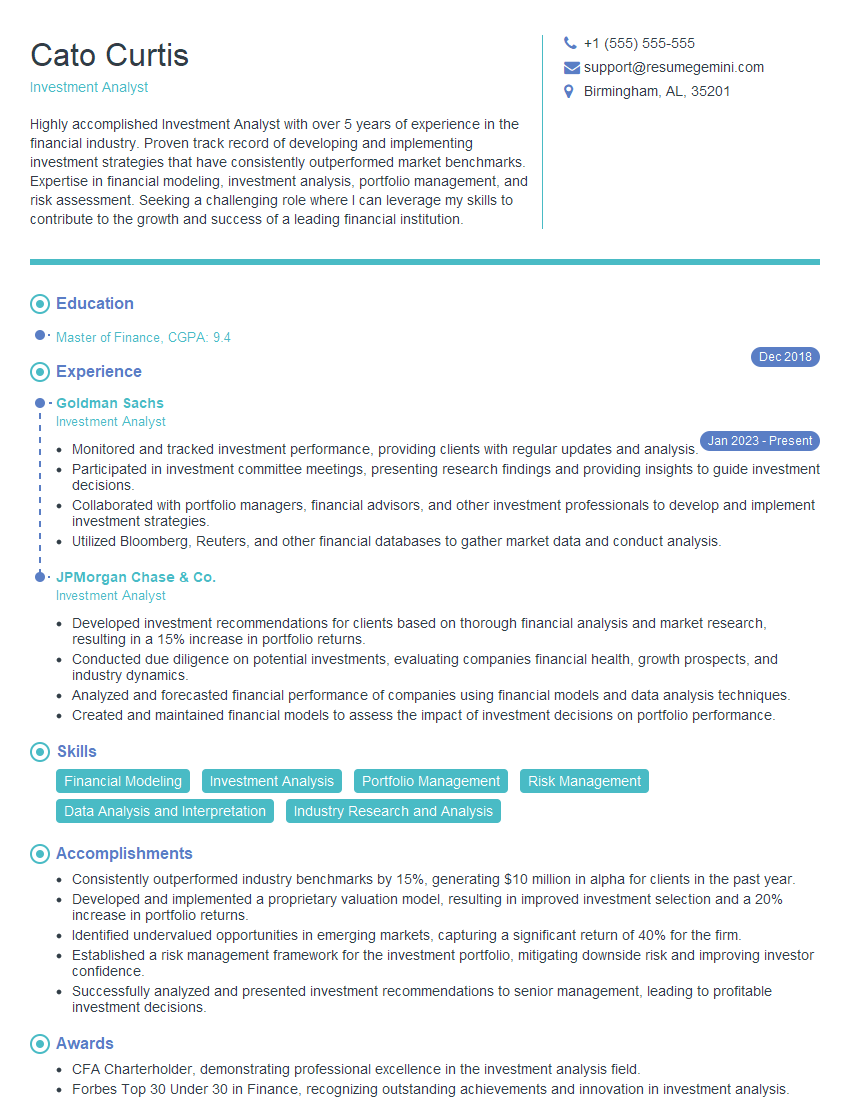
Investment Analyst Resume Sample
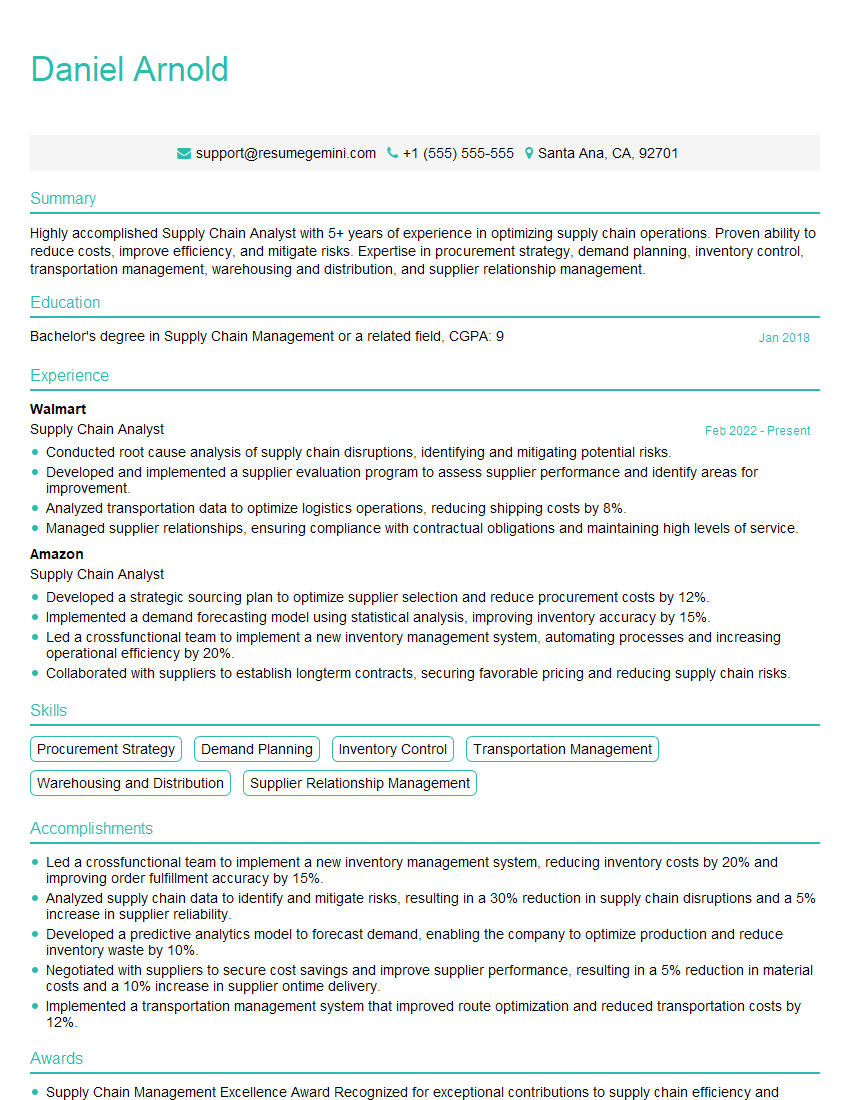
Supply Chain Analyst Resume Sample
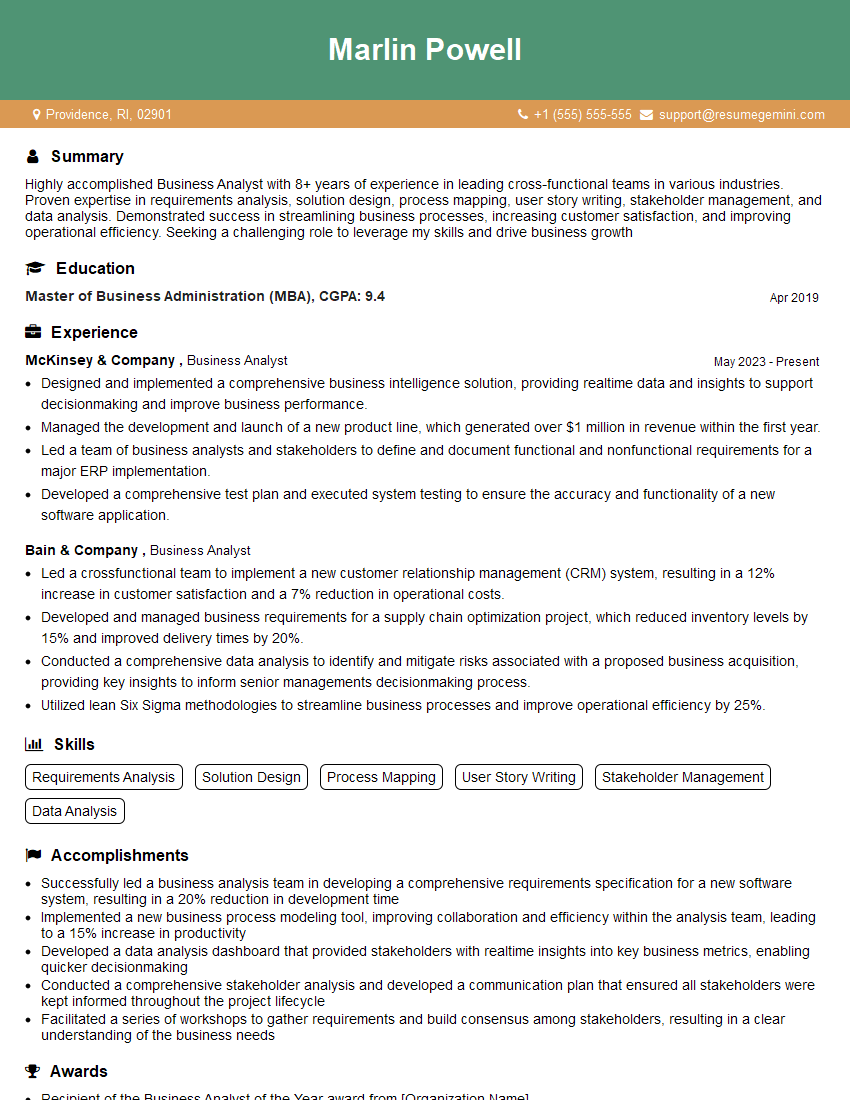
Business Analyst Resume Sample
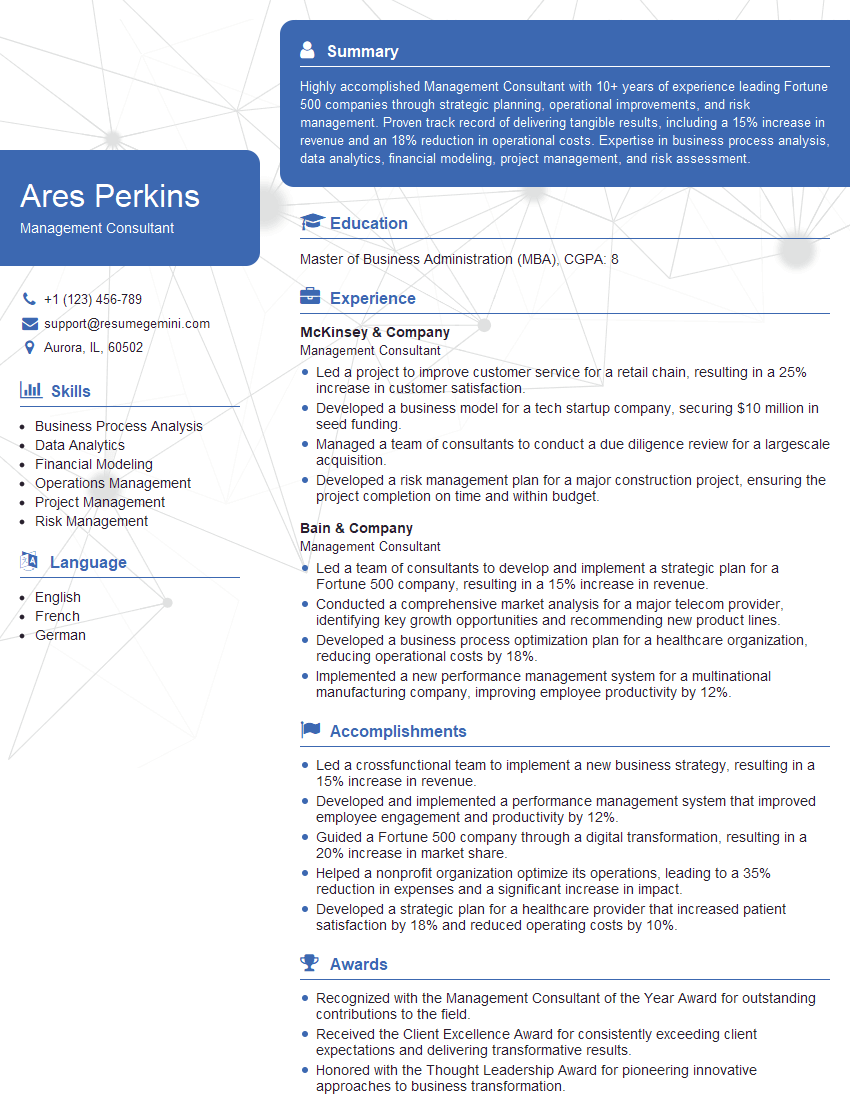
Management Consultant Resume Sample
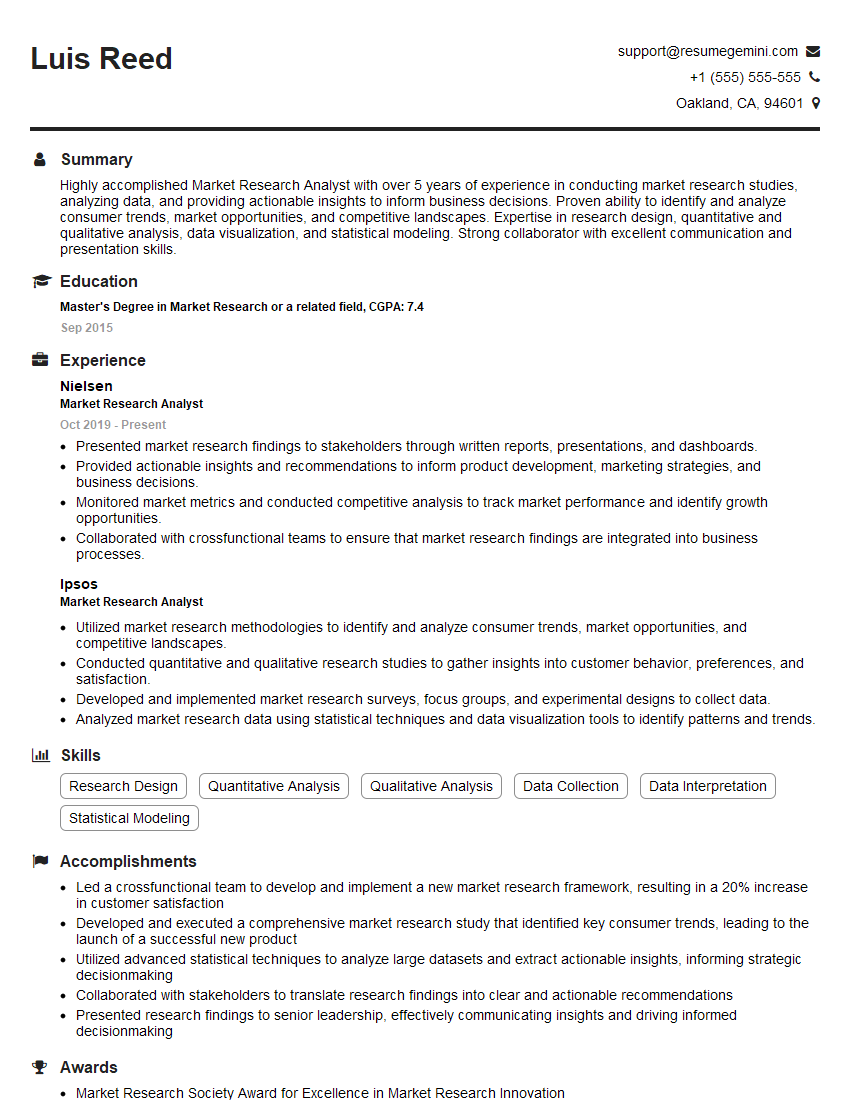
Market Research Analyst Resume Sample
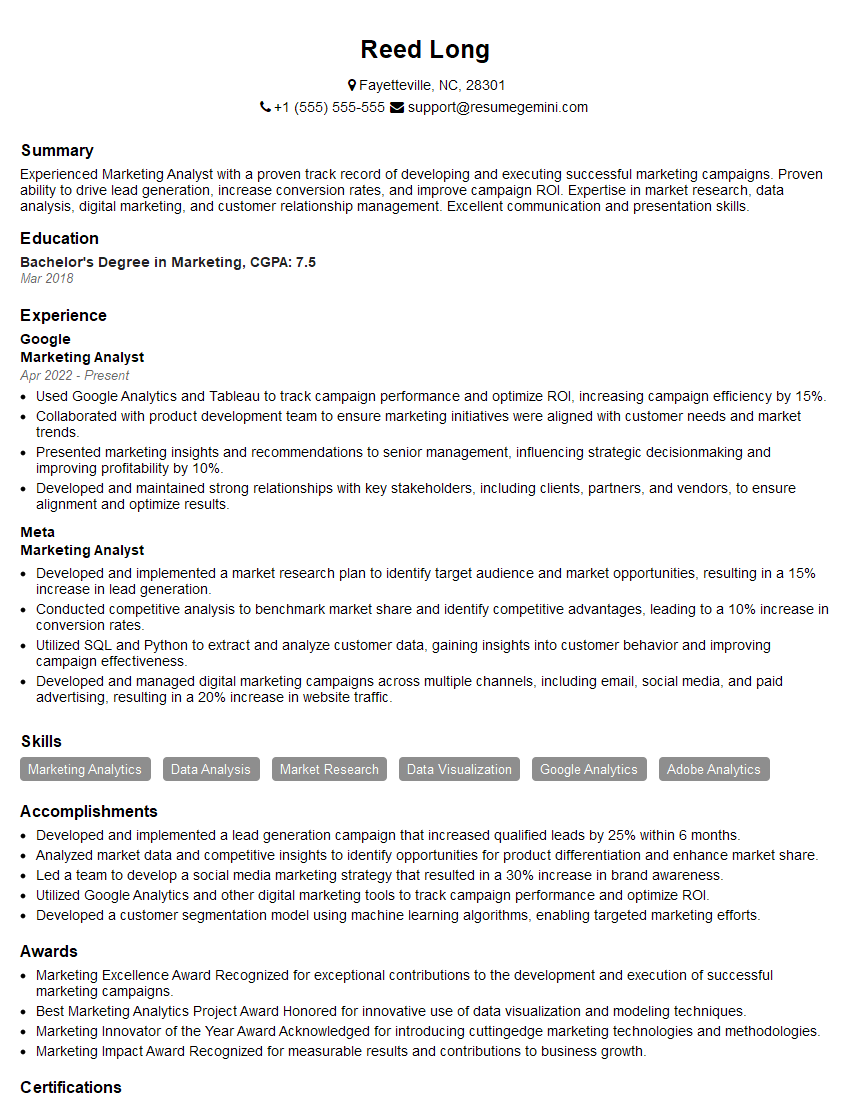
Marketing Analyst Resume Sample
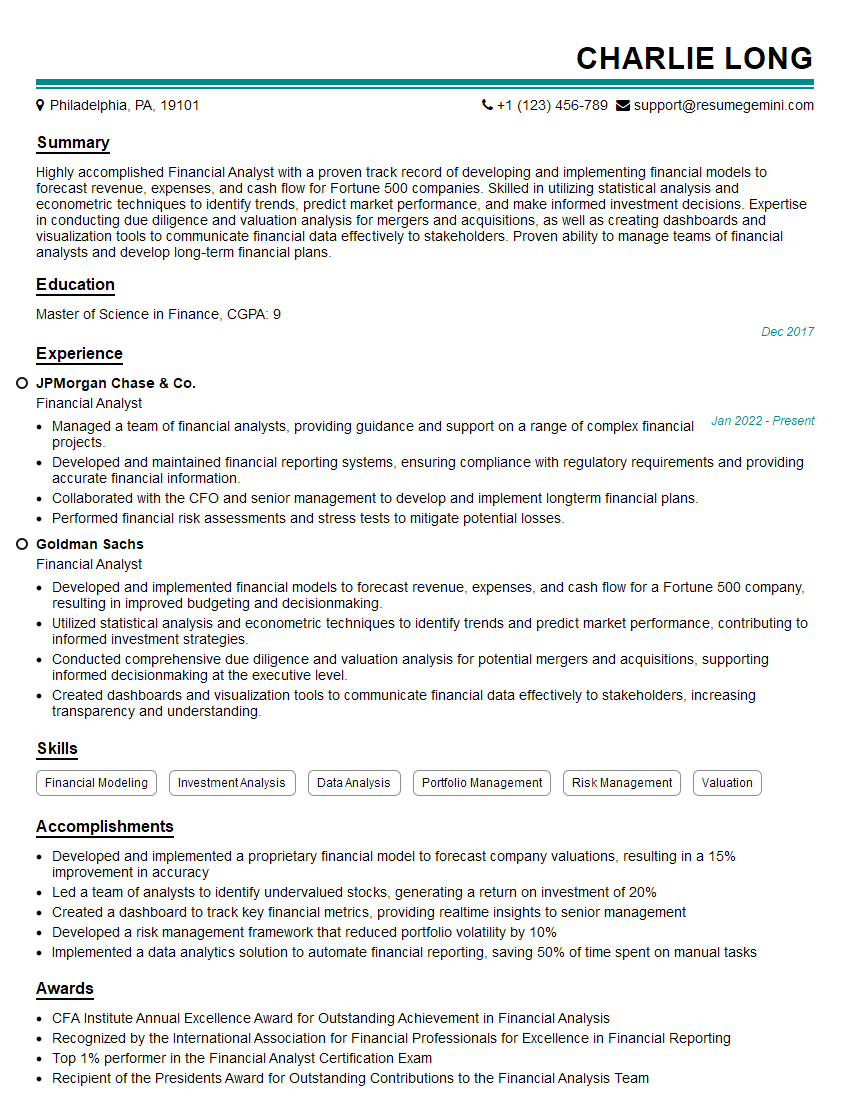
Financial Analyst Resume Sample
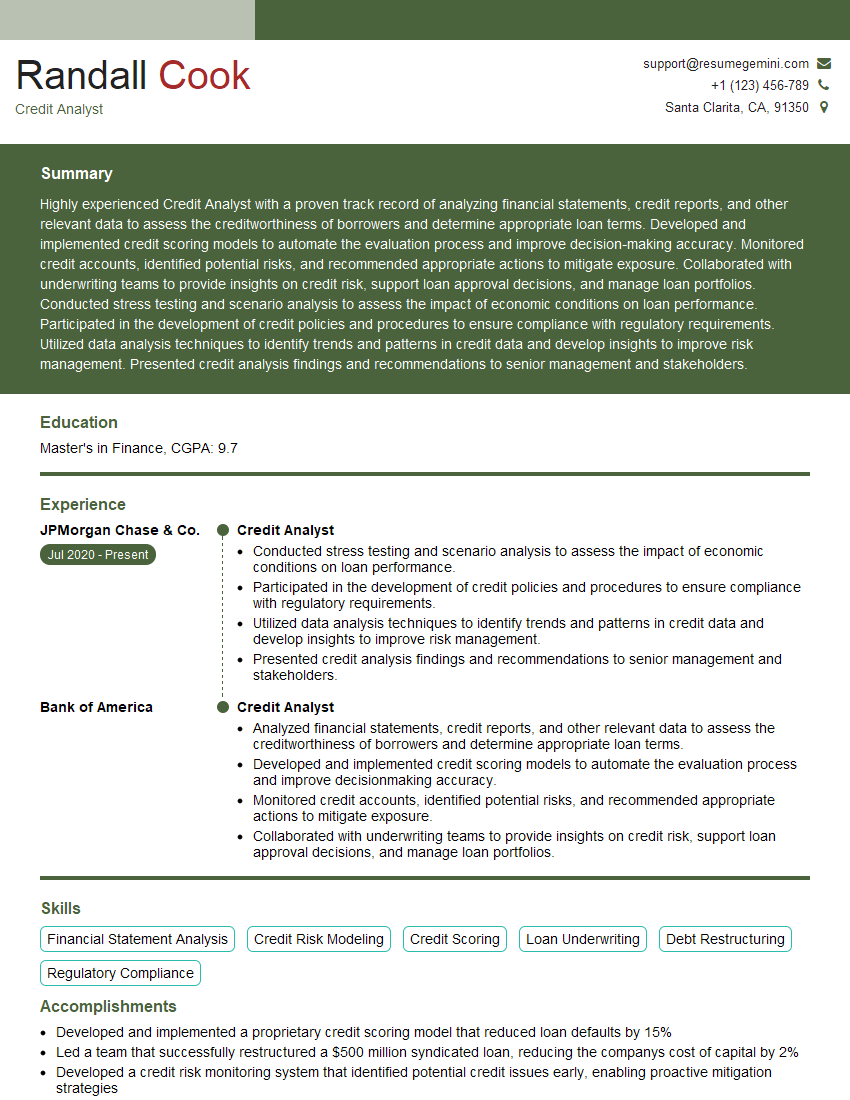
Credit Analyst Resume Sample
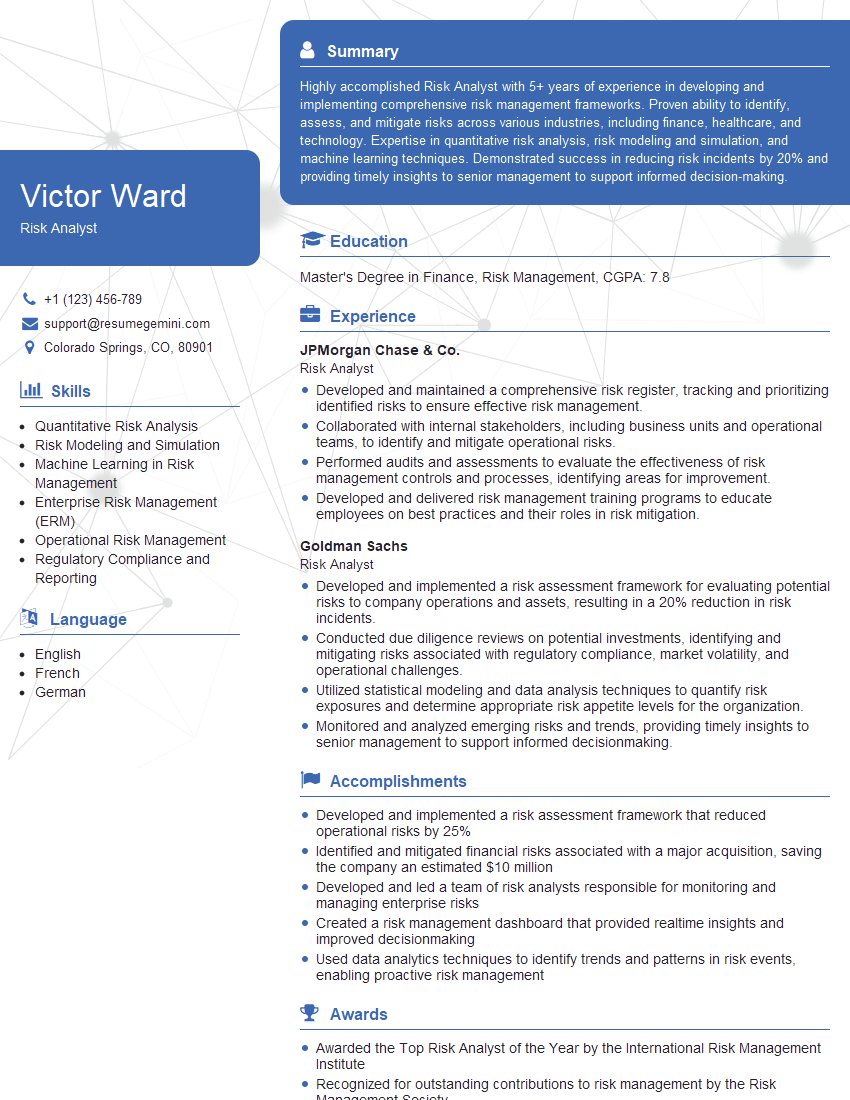
Risk Analyst Resume Sample
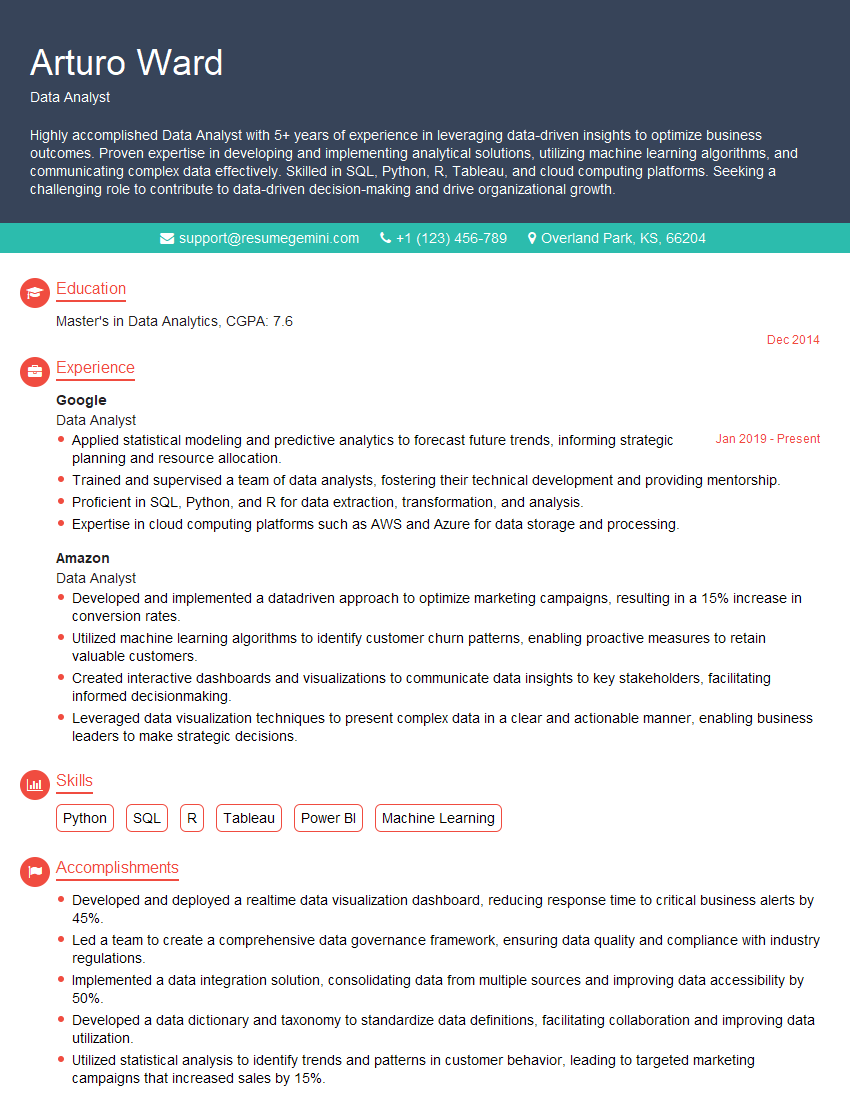
Data Analyst Resume Sample
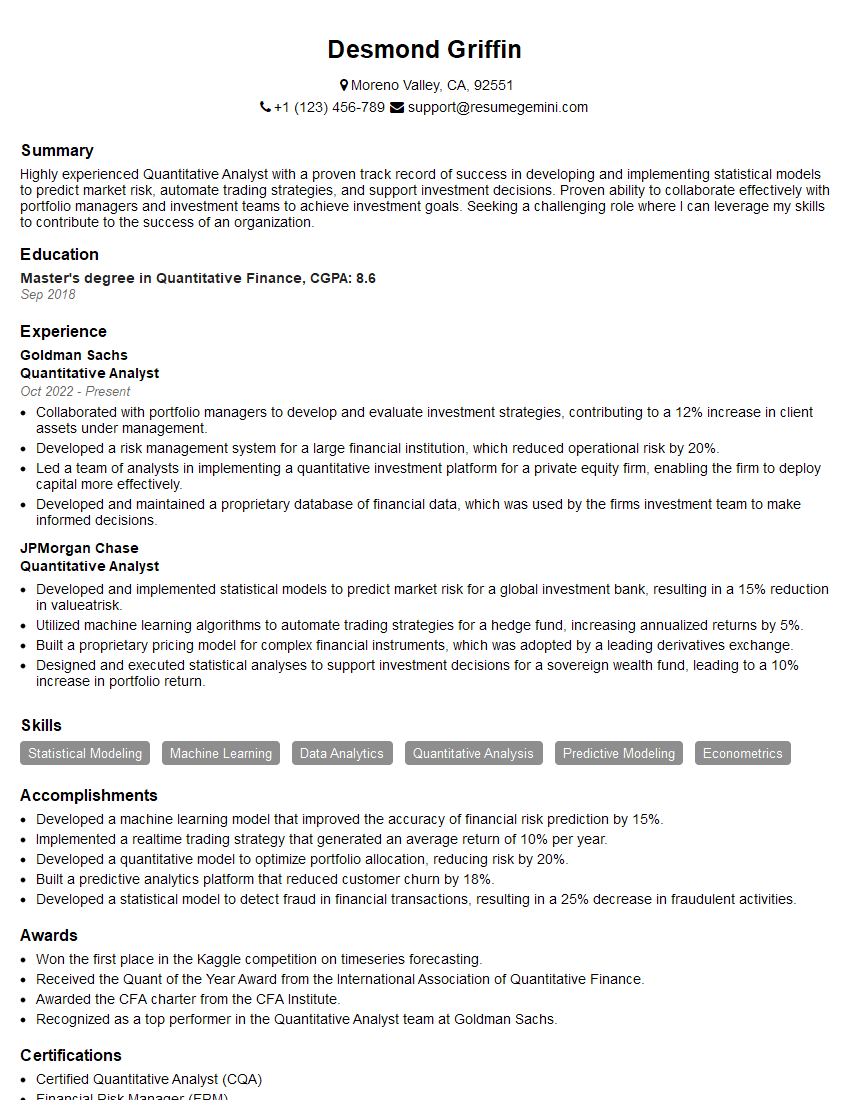
Quantitative Analyst Resume Sample
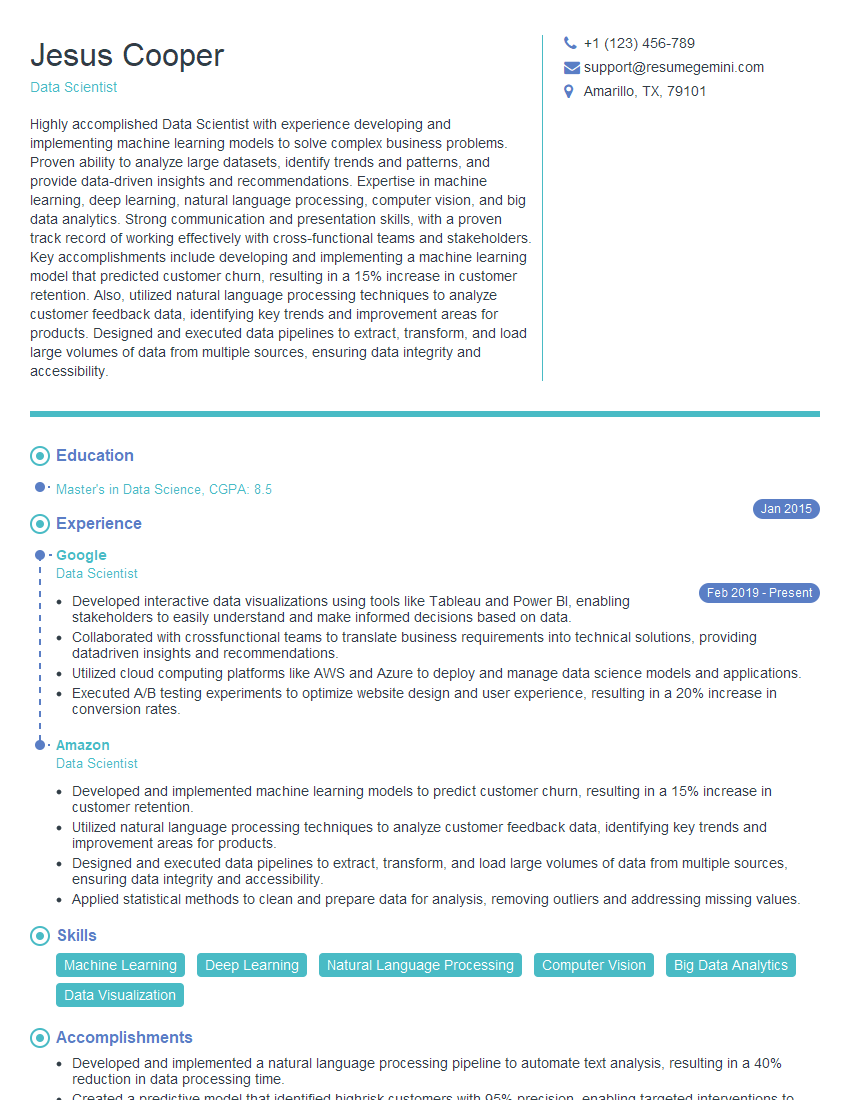
Data Scientist Resume Sample
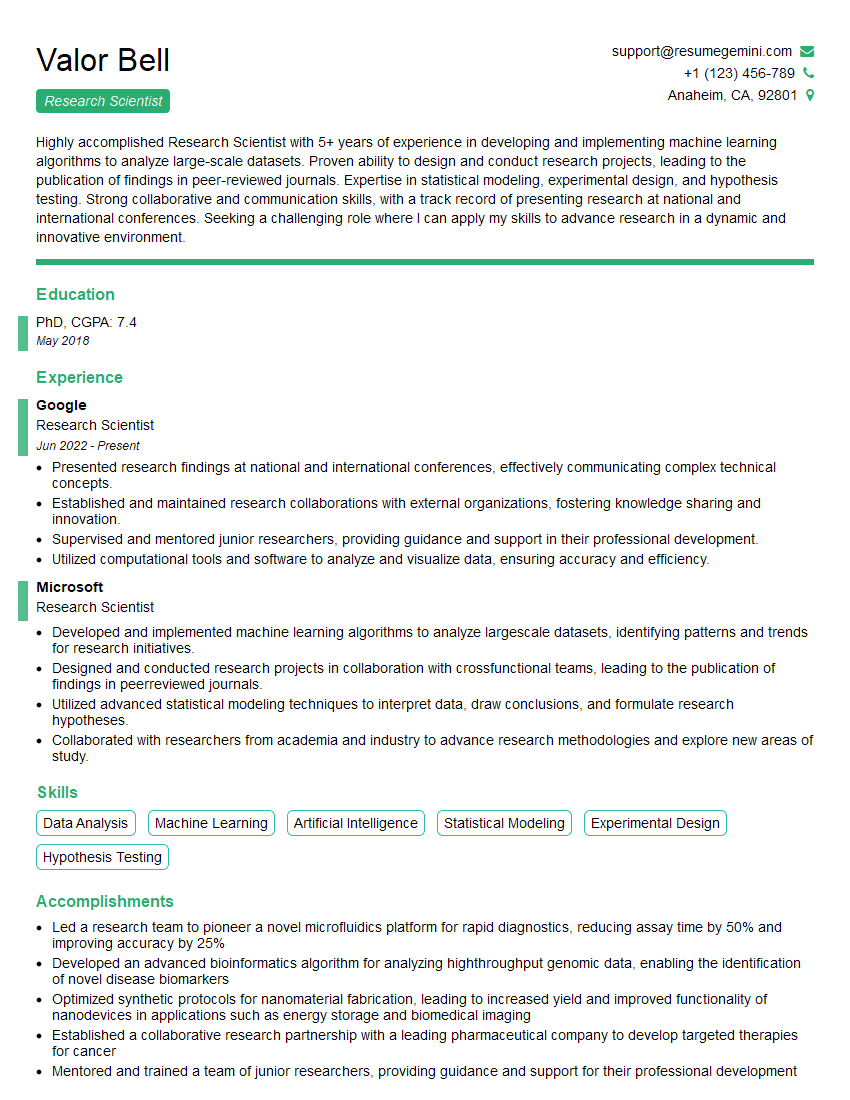
Research Scientist Resume Sample

Software Engineer Resume Sample
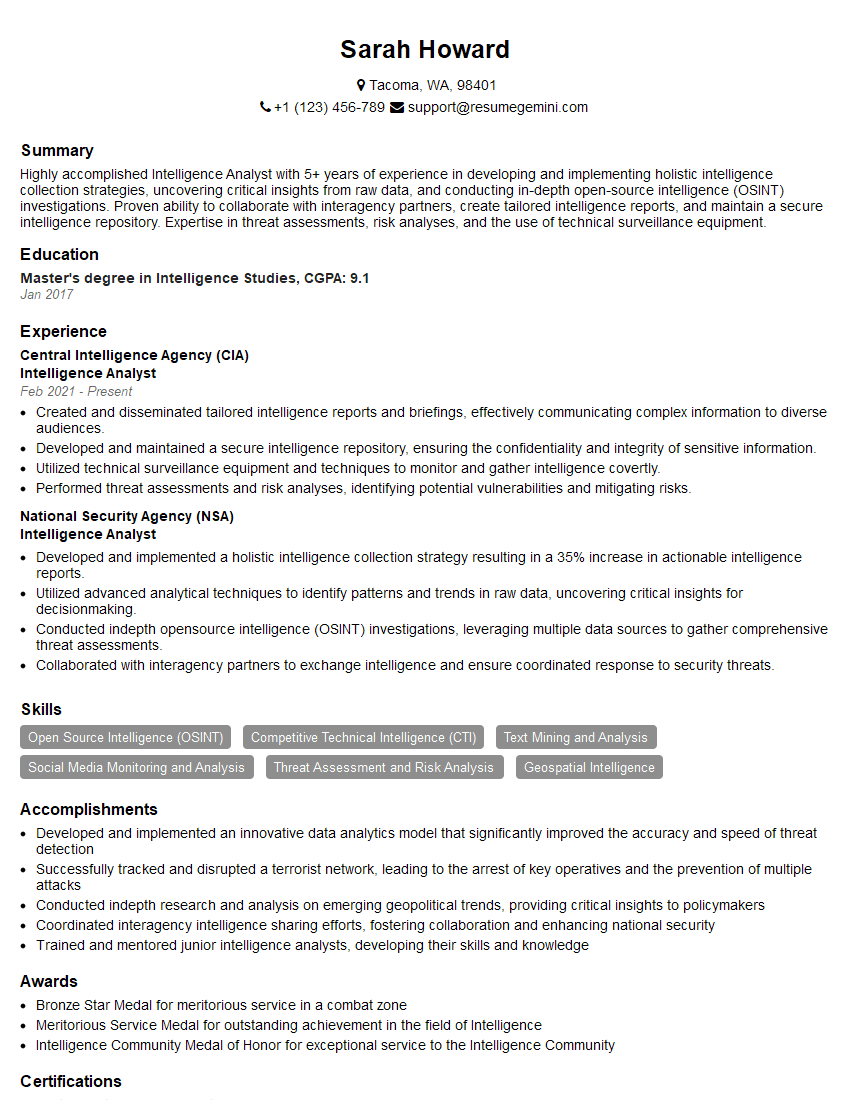
Intelligence Analyst Resume Sample
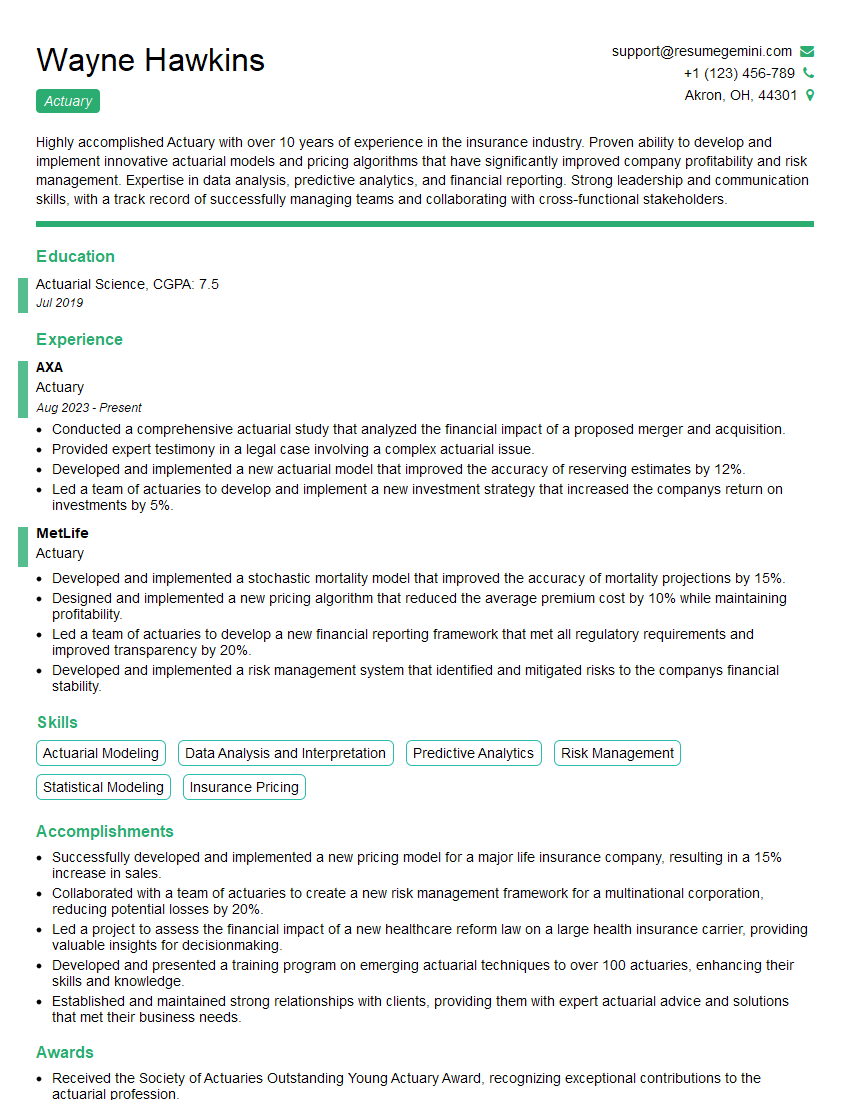
Actuary Resume Sample

Operations Research Analyst Resume Sample
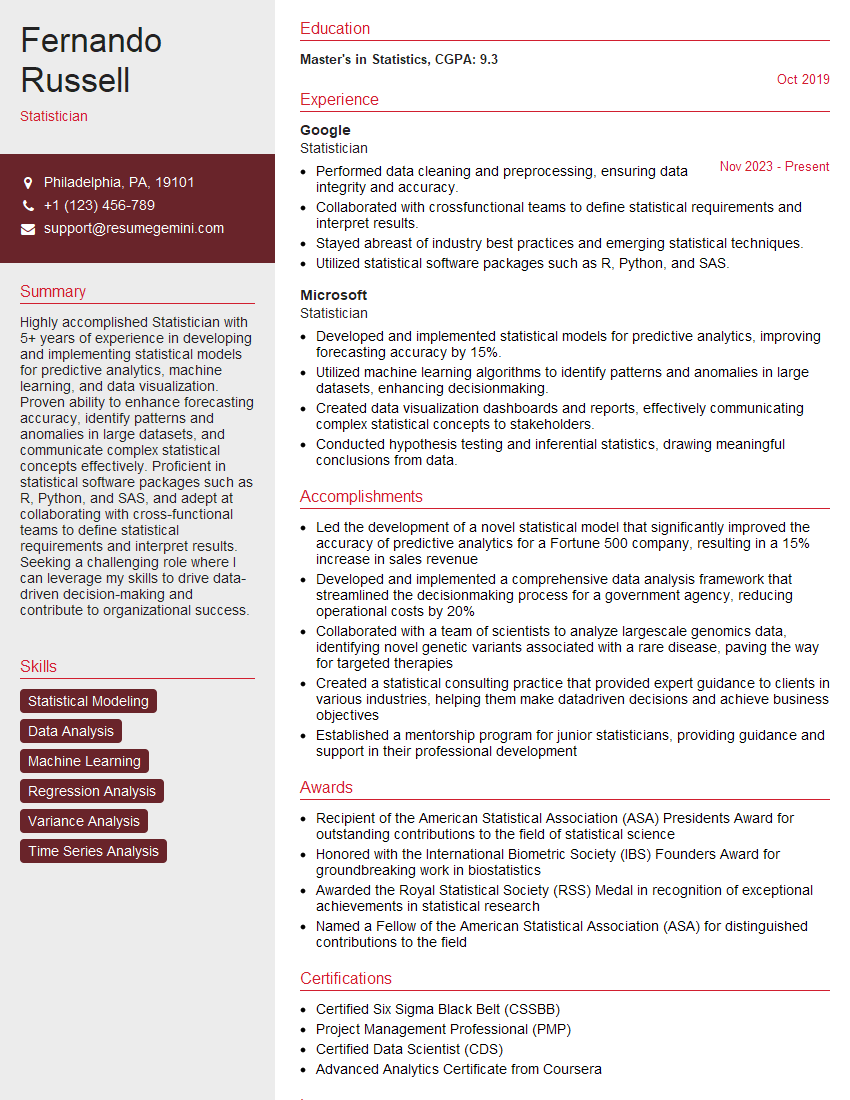
Statistician Resume Sample
- Pricing Analyst
- Project Manager
- Investment Analyst
- Supply Chain Analyst
- Business Analyst
- Management Consultant
- Market Research Analyst
- Marketing Analyst
- Financial Analyst
- Credit Analyst
- Risk Analyst
- Data Analyst
- Quantitative Analyst
- Data Scientist
- Research Scientist
- Software Engineer
- Intelligence Analyst
- Actuary
- Operations Research Analyst
- Statistician
Explore more articles
Users Rating of Our Blogs
Share Your Experience
We value your feedback! Please rate our content and share your thoughts (optional).
What Readers Say About Our Blog
Very informative content, great job.
good