Every successful interview starts with knowing what to expect. In this blog, we’ll take you through the top Knowledge of Current Trends and Innovations in Placing interview questions, breaking them down with expert tips to help you deliver impactful answers. Step into your next interview fully prepared and ready to succeed.
Questions Asked in Knowledge of Current Trends and Innovations in Placing Interview
Q 1. What are the top three current trends impacting talent acquisition?
Three major trends currently reshaping talent acquisition are the rise of AI and automation, the increasing focus on candidate experience, and the growing importance of diversity, equity, and inclusion (DE&I).
AI and Automation: AI-powered tools are streamlining processes like screening resumes, scheduling interviews, and even conducting initial candidate assessments. This leads to efficiency gains and reduces recruiter workload. For example, using AI to pre-screen applications allows recruiters to focus more time on engaging with top candidates.
Candidate Experience: Candidates now have higher expectations. The entire recruitment process, from application to onboarding, must be positive and transparent. This includes providing timely communication, clear expectations, and a personalized experience. Imagine a candidate receiving automated updates after each stage of the application process – that drastically improves the experience.
DE&I: Companies are actively working to create more diverse and inclusive workplaces. This involves implementing strategies to attract and retain a workforce that reflects the broader community. This might involve partnering with organizations focused on underrepresented groups or using blind resume screening to reduce unconscious bias.
Q 2. How has the use of AI changed recruitment processes?
AI has revolutionized recruitment processes, impacting nearly every stage. It’s no longer just about automating repetitive tasks; AI offers sophisticated insights into candidate quality and fit.
Resume Screening: AI-powered tools analyze resumes far more quickly and efficiently than humans, identifying keywords and skills relevant to the job description. This significantly reduces the time spent sifting through applications.
Candidate Matching: AI algorithms can match candidates to jobs based on a wider range of criteria than traditional methods, considering not only skills but also personality traits and cultural fit. This leads to better candidate selection and reduces mismatch.
Interview Scheduling and Communication: AI-powered chatbots can handle initial communication with candidates, schedule interviews, and answer frequently asked questions. This frees up recruiter time and improves communication efficiency.
Predictive Analytics: Some AI tools can predict candidate success based on historical data, allowing organizations to make more informed hiring decisions. This can lead to better retention rates and improved team performance.
Q 3. Describe your experience with Applicant Tracking Systems (ATS).
My experience with Applicant Tracking Systems (ATS) spans several years and various platforms. I’ve used ATS to manage the entire recruitment lifecycle, from posting job descriptions to tracking candidate progress and generating reports.
Job Posting and Distribution: I’ve used ATS to create and post job descriptions on various job boards and company websites, ensuring that the job reaches the target audience efficiently.
Resume Screening and Candidate Management: ATS allows for efficient screening of resumes based on keywords and predefined criteria, and provides a centralized database for managing all applications received for a particular role.
Candidate Communication: I’ve leveraged ATS features to streamline communication with candidates, automating email responses and scheduling interviews. Maintaining detailed notes within the system ensures consistent communication throughout the process.
Reporting and Analytics: ATS generates valuable data about the effectiveness of our recruitment strategies. I utilize this data to analyze time-to-hire, cost-per-hire, and other key metrics.
For example, I once used an ATS to track the application flow for a software engineering role, which helped us identify bottlenecks in the process, leading to significant improvements in time-to-hire and candidate experience.
Q 4. Explain your understanding of employer branding and its impact on placement.
Employer branding is crucial for attracting top talent. It’s the perception of a company as an employer, based on employee experiences, company culture, values, and reputation. A strong employer brand significantly impacts placement by influencing the quality and quantity of applications received.
Attracting Top Candidates: A positive employer brand attracts passive candidates who may not be actively seeking new jobs but are intrigued by the company culture and values.
Reducing Time-to-Hire: When a company has a strong reputation, candidates are more likely to apply quickly, reducing the time needed to fill open positions.
Improving Candidate Quality: A strong employer brand attracts higher-quality candidates who are a better fit for the company culture and values. This leads to better employee retention and overall productivity.
Reducing Cost-Per-Hire: By attracting a larger pool of qualified applicants, the cost of sourcing and recruiting is reduced.
For instance, a company known for its strong employee development programs and work-life balance will attract more candidates compared to a company with a poor reputation for employee treatment.
Q 5. How do you stay updated on the latest recruitment technologies?
Staying current in the dynamic world of recruitment technology requires a multi-faceted approach.
Industry Publications and Blogs: I regularly read industry publications such as SHRM (Society for Human Resource Management) publications, and follow influential blogs and websites that cover recruitment technology trends.
Webinars and Conferences: Attending webinars and industry conferences provides access to the latest insights and allows for networking with peers and experts.
Professional Networks: Engaging with professional networks like LinkedIn helps to stay informed about new tools and best practices. Following relevant influencers and participating in discussions provides valuable exposure to new developments.
Vendor Demonstrations: I actively seek out vendor demonstrations of new recruitment technologies to evaluate their potential benefits for my organization. This allows for a hands-on understanding of the tools before implementation.
Q 6. What are some innovative sourcing strategies you have employed?
Beyond traditional job boards, I’ve implemented several innovative sourcing strategies to find hidden talent.
Social Media Recruiting: Actively using platforms like LinkedIn, Twitter, and even niche social networks to identify and engage potential candidates. This includes creating engaging content and using relevant hashtags.
Employee Referrals: Leveraging the power of employee networks to tap into passive candidates. This often yields high-quality candidates who are a better cultural fit.
Professional Networking Events: Attending industry conferences and networking events to build relationships and identify potential candidates.
Diversity Sourcing: Partnering with organizations focused on underrepresented groups to increase diversity within our talent pool.
Utilizing niche job boards and platforms: Targeting specific industry or skill-based job boards to find highly specialized candidates.
For example, I once successfully sourced a candidate for a highly specialized data science role by directly contacting individuals with the required skills and experience on LinkedIn, rather than relying solely on job boards.
Q 7. How do you measure the effectiveness of a recruitment campaign?
Measuring the effectiveness of a recruitment campaign requires a multi-pronged approach, focusing on both quantitative and qualitative metrics.
Quantitative Metrics: These include time-to-hire, cost-per-hire, application volume, interview-to-offer ratio, and candidate source.
Qualitative Metrics: These encompass candidate satisfaction scores (via surveys), recruiter feedback on the efficiency of the process, and ultimately, the performance of the new hires.
A robust analysis considers the interplay of these metrics. For example, a low cost-per-hire might be meaningless if the resulting hires have poor performance. Similarly, a high application volume doesn’t guarantee quality candidates. A balanced approach, encompassing both quantitative data analysis from the ATS and qualitative feedback, gives a complete picture of campaign success.
Q 8. What is your experience with diversity and inclusion in recruitment?
Diversity and inclusion aren’t just buzzwords; they’re fundamental to building high-performing teams. My approach focuses on creating equitable access to opportunities, fostering a welcoming environment, and valuing diverse perspectives. This starts with crafting inclusive job descriptions that avoid gendered or biased language. For example, instead of saying ‘aggressive sales representative,’ I’d use ‘results-oriented sales representative.’ I actively source candidates from diverse backgrounds, utilizing platforms and networks that reach underrepresented groups. Furthermore, I implement blind resume screening to mitigate unconscious bias in the initial stages. I’ve successfully implemented these strategies in previous roles, resulting in a significantly more diverse candidate pool and ultimately a more representative workforce.
Beyond recruitment, I champion initiatives to promote inclusivity within the organization. This includes advocating for diversity training and mentorship programs to ensure a supportive environment for all employees. I believe a truly inclusive workplace leads to innovation, improved employee morale, and stronger business outcomes.
Q 9. Describe your process for evaluating candidates’ skills and cultural fit.
Evaluating candidates involves a multi-faceted approach that goes beyond just skills. My process begins with a thorough review of resumes and cover letters, focusing on quantifiable achievements and relevant experience. I then conduct structured interviews utilizing behavioral questions to assess skills and experience, such as the STAR method (Situation, Task, Action, Result). This allows for a consistent evaluation across all candidates. For example, instead of asking ‘Tell me about your teamwork skills,’ I’d ask, ‘Describe a time you had to work with a difficult team member to achieve a common goal. What was your role, what challenges did you face, and what was the outcome?’
Cultural fit is evaluated through conversational interviews and assessments. I aim to understand candidates’ values, work styles, and how they align with the organization’s culture. This isn’t about finding clones; it’s about finding individuals who can contribute positively to the team dynamic and thrive in the existing environment. I actively look for individuals who demonstrate adaptability, collaboration, and a growth mindset. For instance, I’ll pose questions like, ‘How do you handle constructive criticism?’, or ‘Describe a time you had to adapt to a significant change in the workplace.’ This helps gauge their adaptability and resilience.
Q 10. How do you manage candidate expectations throughout the recruitment process?
Managing candidate expectations is crucial for a positive candidate experience and reducing frustration. From the initial contact, I maintain open and honest communication, providing clear timelines and expectations for each stage of the process. This includes promptly acknowledging applications, providing regular updates, and offering constructive feedback, even if the candidate isn’t selected. I also use technology to its fullest extent; candidate relationship management (CRM) systems allow me to automate communications and track progress, ensuring consistent and timely updates.
For example, if there’s a delay in the process, I proactively reach out to the candidate to explain the reason and offer a revised timeline. If a candidate isn’t selected, I provide personalized feedback highlighting their strengths and areas for improvement. This approach not only maintains positive relationships but also strengthens the employer’s brand reputation.
Q 11. Explain your experience with different interview techniques.
My experience encompasses a range of interview techniques, each tailored to the specific role and candidate. I regularly utilize behavioral interviewing, as previously mentioned, to assess past performance as a predictor of future success. I also incorporate competency-based interviews to evaluate specific skills relevant to the role. For roles requiring creativity or problem-solving, I may utilize case studies or scenario-based questions. In addition, I sometimes use panel interviews to gather multiple perspectives and provide a more comprehensive evaluation.
I believe in adapting my approach depending on the circumstances; for junior roles, I might focus on enthusiasm and potential, whereas senior roles require a deeper dive into experience and leadership skills. The key is to ensure the interview process is fair, consistent, and provides an accurate assessment of the candidate’s capabilities.
Q 12. How do you handle difficult or challenging candidates?
Handling difficult or challenging candidates requires tact and professionalism. I approach these situations with empathy and understanding, aiming to address concerns and create a constructive dialogue. If a candidate is overly aggressive or demanding, I maintain a calm and professional demeanor, reinforcing the company’s values and expectations. If the candidate is unresponsive or difficult to reach, I employ consistent and proactive communication, reiterating the next steps and timelines.
It’s essential to document interactions with challenging candidates and maintain a neutral tone in all communication. In extreme cases, where the candidate is exhibiting inappropriate behavior, I escalate the situation to the appropriate HR personnel. The goal is to maintain professionalism while still addressing concerns and ensuring a fair and efficient recruitment process.
Q 13. How do you negotiate salary and benefits with candidates?
Salary and benefits negotiations require careful preparation and understanding of market rates. Before the negotiation, I thoroughly research industry standards and internal compensation structures. I also gather information about the candidate’s salary expectations and experience level. During the negotiation, I approach the discussion openly and collaboratively, highlighting the benefits and value proposition of the position, which may include aspects beyond base salary, like bonus structures, career development opportunities, and flexible work arrangements.
I aim to reach a mutually agreeable outcome that aligns with the company’s budget and the candidate’s expectations. I emphasize the total compensation package, not just the base salary, and may present options to explore a range of possibilities. Transparent and respectful communication is key to a successful negotiation, resulting in a win-win scenario for both the employer and the candidate.
Q 14. What is your experience with background checks and reference checks?
Background and reference checks are crucial for ensuring a safe and productive workplace. I typically engage third-party vendors specializing in background checks to conduct thorough and compliant screenings, including criminal history checks, employment verification, and education verification. These checks are conducted only after obtaining the candidate’s consent. For reference checks, I use a structured approach, providing a standardized questionnaire to gather objective feedback on the candidate’s skills, experience, and work ethic.
I maintain strict confidentiality and follow all legal requirements throughout the process. I use the information gathered to inform the final hiring decision, comparing it with the information previously obtained throughout the interview process. The goal is not to eliminate candidates but to gather additional data points to make a well-informed hiring decision, ensuring that the candidate is a good fit for the role and the organization as a whole.
Q 15. Describe your experience with onboarding new hires.
Onboarding new hires is crucial for a smooth transition and their successful integration into the company. My approach is multifaceted, focusing on both the administrative and the relational aspects. It begins before the start date with a welcome package outlining key information, next steps, and contact details. During the first week, I conduct a thorough orientation covering company culture, policies, and expectations. We then delve into team introductions and project specifics, tailoring the onboarding process to the individual role and team dynamics. I also utilize buddy systems, pairing new hires with experienced colleagues who can provide mentorship and answer immediate questions. Regular check-ins throughout the first month and beyond ensure they feel supported, address any roadblocks, and track progress toward their initial goals. For example, with a recent junior data analyst, we established weekly progress meetings and linked them with a senior analyst for practical guidance on navigating company databases.
Furthermore, I create a structured learning plan incorporating online training modules, shadowing opportunities, and project-based assignments. This hands-on approach enables rapid skill development and facilitates quicker integration into the team’s workflow. Continuous feedback is encouraged, providing a two-way communication channel for continuous improvement.
Career Expert Tips:
- Ace those interviews! Prepare effectively by reviewing the Top 50 Most Common Interview Questions on ResumeGemini.
- Navigate your job search with confidence! Explore a wide range of Career Tips on ResumeGemini. Learn about common challenges and recommendations to overcome them.
- Craft the perfect resume! Master the Art of Resume Writing with ResumeGemini’s guide. Showcase your unique qualifications and achievements effectively.
- Don’t miss out on holiday savings! Build your dream resume with ResumeGemini’s ATS optimized templates.
Q 16. How do you build and maintain strong relationships with hiring managers?
Building strong relationships with hiring managers is fundamental to effective placement. I prioritize open communication, proactive updates, and a collaborative approach. Regular meetings, both scheduled and ad-hoc, are vital for discussing current needs, understanding the nuances of open roles, and managing expectations. I actively seek feedback on my performance, using it to refine my search strategies and candidate selection process. I treat hiring managers not just as clients, but as partners, understanding their team dynamics, current projects, and long-term strategies. For example, I’ve found that proactively providing market intelligence on salary expectations and candidate availability helps anticipate potential challenges and fosters collaborative decision-making. By demonstrating a genuine interest in their team’s success, I build trust and long-term partnerships.
In addition, I consistently over-deliver, offering insights beyond simply filling a position. This includes suggesting creative sourcing techniques, highlighting specific candidate strengths that match the team’s culture and skillset, and offering post-placement support. This holistic approach ensures that the relationship moves beyond simply filling open requisitions to a strategic partnership that contributes to the overall success of the organization. A recent example involved helping a hiring manager identify a hidden need for a project manager based on the current team workload; solving a problem before it even arose.
Q 17. What metrics do you use to track the success of your placement efforts?
Tracking the success of my placement efforts relies on a combination of quantitative and qualitative metrics. Key quantitative metrics include:
- Time-to-fill: This measures the efficiency of the recruitment process, from opening a requisition to hiring a candidate.
- Cost-per-hire: This assesses the overall expense of filling a position.
- Offer acceptance rate: This indicates how attractive the role and company are to candidates.
- Employee retention rate: This tracks the long-term success of placements, indicating the quality of hires.
Qualitative metrics are equally important, providing context and insights. These include:
- Hiring manager satisfaction: Feedback surveys and informal check-ins gauge their level of satisfaction with the process and the quality of the hire.
- Candidate satisfaction: Gathering feedback from candidates provides valuable insights into the candidate experience.
- Employee performance reviews: Assessing the new hire’s performance allows us to evaluate the effectiveness of the selection process.
By analyzing both quantitative and qualitative data, I can identify areas for improvement, refine recruitment strategies, and demonstrate the value and impact of my work to stakeholders.
Q 18. How do you handle situations where there is a mismatch between candidate skills and job requirements?
When a mismatch occurs between candidate skills and job requirements, I employ a multi-pronged approach. First, I conduct a thorough review of the job description and the candidate’s profile to ensure a clear understanding of the discrepancy. Is it a minor skills gap that can be bridged through training or mentoring? Or is it a significant incompatibility that requires re-evaluating the candidate’s suitability? If it’s a minor gap, I discuss this with both the hiring manager and the candidate, outlining potential solutions and the support available. I might suggest a probationary period with clearly defined goals and performance metrics. This allows the candidate to demonstrate their ability to learn and adapt.
If the skills gap is significant, I might explore alternative roles within the company that better align with the candidate’s expertise. Or, if neither of these options is viable, I would honestly and transparently explain the situation to the candidate, providing constructive feedback and guidance on their future job search. Honesty and transparency are crucial in maintaining a positive candidate experience, even when the outcome isn’t ideal. It’s important to remember that not every candidate will be the perfect fit for every role, and gracefully managing these situations is a crucial aspect of effective placement.
Q 19. How do you address concerns about compensation and benefits?
Addressing compensation and benefits concerns requires thorough preparation and clear communication. I begin by researching market rates for similar roles to ensure that the offered compensation is competitive. I then clearly explain the compensation package, highlighting the various components – base salary, bonuses, benefits, and perks – ensuring the candidate understands the total value proposition. If a candidate has concerns about the compensation offered, I listen attentively, understand their perspective, and explore possible solutions within the company’s guidelines. This may involve negotiating within a defined range or highlighting other benefits that could make the package more attractive, such as flexible work arrangements or professional development opportunities. Transparency and a willingness to negotiate (within reasonable limits) often help alleviate concerns and ensure a successful offer.
It’s important to remember that compensation is only one aspect of the job offer. Other factors like company culture, work-life balance, and career progression opportunities can also influence a candidate’s decision. Addressing these alongside compensation demonstrates a holistic approach and strengthens the value proposition.
Q 20. How do you ensure a positive candidate experience?
Ensuring a positive candidate experience is paramount. It starts with prompt and professional communication throughout the entire recruitment process. Candidates should be kept informed of the timeline, next steps, and the status of their application. I strive to provide timely feedback, even if the news is not positive. I always provide constructive feedback, not simply a rejection email. Interviews should be conducted in a respectful and engaging manner. The interview environment should be welcoming and professional, reflecting the company’s culture.
Furthermore, I make sure to follow up after interviews, both to keep candidates updated and to gather their feedback on the interview process itself. This feedback is valuable in improving our recruitment strategies and ensuring we create an outstanding candidate experience. A positive experience, regardless of the outcome, can turn a rejected candidate into a brand ambassador, strengthening our employer brand and attracting high-quality talent in the future. For example, we send out thank you notes after each interview, regardless of the outcome, including a summary of the feedback we provided.
Q 21. Explain your familiarity with different recruitment platforms (e.g., LinkedIn Recruiter).
I am proficient in utilizing various recruitment platforms, with extensive experience using LinkedIn Recruiter. LinkedIn Recruiter is a powerful tool for sourcing passive candidates, which are candidates not actively looking for a job. I leverage its Boolean search functionality ((“data analyst” OR “business intelligence analyst”) AND (“SQL” OR “Python”) AND “5+ years experience”) to pinpoint individuals with specific skill sets and experience levels. I am skilled at utilizing LinkedIn’s advanced search filters to target candidates based on various criteria including industry, company size, location, and education.
Beyond LinkedIn Recruiter, I am familiar with other platforms such as Indeed, Glassdoor, and specialized niche job boards. My choice of platform depends on the specific job requirements and target audience. For example, for highly specialized roles, I might utilize niche job boards or professional networking platforms. I am also adept at using Applicant Tracking Systems (ATS) to manage the recruitment process efficiently. This includes posting jobs, screening applications, tracking candidates, and managing communications. My expertise spans both leveraging the features of these tools and understanding their limitations, ensuring I am always employing the most effective strategies for each recruitment situation.
Q 22. Describe a time you had to adapt your recruitment strategy due to changing market conditions.
During the early stages of the pandemic, we saw a significant shift in candidate availability and expectations. Our previous strategy, heavily reliant on in-person networking events and traditional job boards, became less effective. To adapt, we quickly transitioned to a multi-pronged approach.
- Increased our online presence: We ramped up our efforts on LinkedIn Recruiter, leveraging advanced search features to target specific skills and experience. We also optimized our careers page for better SEO and user experience.
- Embraced virtual recruiting: We shifted to virtual interviews using platforms like Zoom and Google Meet, which allowed us to cast a wider net geographically. This also increased efficiency by eliminating travel time for both recruiters and candidates.
- Adjusted compensation and benefits packages: We analyzed market data to understand the changing expectations of candidates, and adjusted our compensation and benefits packages to remain competitive. This included increased flexibility around remote work options and enhanced benefits to attract top talent in a competitive market.
This agile response ensured we continued to attract and retain high-quality candidates despite the unprecedented challenges posed by the pandemic. The data showed a significant increase in applications and a faster time-to-hire after implementing these changes.
Q 23. How do you identify and mitigate recruitment risks?
Identifying and mitigating recruitment risks is crucial for ensuring a smooth and compliant hiring process. This involves a proactive approach at every stage.
- Candidate Fraud: We use background checks, reference checks, and skills assessments to verify candidate credentials. We also look for red flags in resumes and applications.
- Legal Compliance: We ensure our job descriptions and interview processes are free from bias and comply with all relevant employment laws. We maintain detailed records of all hiring decisions.
- Poor Hiring Decisions: We focus on a structured interview process with standardized questions and multiple interviewers to improve the objectivity of candidate evaluation. Thorough onboarding also helps mitigate the risk of a bad hire.
- Budget Overruns: We carefully track recruitment costs, compare different sourcing strategies for cost-effectiveness, and utilize technology to automate tasks wherever possible.
By implementing these strategies, we minimize risks, improve the quality of our hires, and maintain a positive employer brand.
Q 24. What are some ethical considerations in recruitment?
Ethical considerations are paramount in recruitment. We must always treat candidates with respect and fairness. Key areas include:
- Fairness and Non-Discrimination: We ensure our recruitment processes are free from bias based on race, religion, gender, age, or any other protected characteristic. This means carefully crafting job descriptions, using blind resume screening, and conducting unbiased interviews.
- Data Privacy: We comply with all relevant data privacy regulations (e.g., GDPR, CCPA), ensuring that candidate data is handled securely and ethically. We obtain explicit consent for data collection and processing.
- Transparency and Honesty: We are upfront and honest with candidates about the job, the company, and the recruitment process. We avoid making false promises or misleading candidates in any way.
- Confidentiality: We respect the confidentiality of candidates’ information and ensure that sensitive data is not disclosed inappropriately.
Maintaining ethical standards builds trust with candidates and strengthens our employer brand. It is essential for attracting and retaining top talent.
Q 25. What is your experience with remote or virtual recruiting?
My experience with remote and virtual recruiting is extensive. Since the pandemic, it has become an integral part of our recruitment strategy.
- Virtual Interviews: We have successfully conducted numerous virtual interviews via video conferencing platforms, utilizing tools to assess candidates’ technical skills remotely.
- Online Assessments: We use online assessments to screen candidates, saving time and resources while ensuring a consistent evaluation process.
- Remote Onboarding: We have developed robust remote onboarding programs that seamlessly integrate new hires into the company culture, even when working remotely.
- Virtual Team Building Activities: To foster a sense of community, we’ve organized virtual team-building activities for new hires and existing employees.
Remote recruiting has broadened our talent pool significantly. It has also proven more efficient and cost-effective than traditional in-person methods.
Q 26. How do you ensure compliance with relevant employment laws and regulations?
Compliance with employment laws and regulations is critical. We maintain a comprehensive compliance program which includes:
- Regular Legal Reviews: We regularly review our recruitment policies and processes with legal counsel to ensure compliance with evolving employment laws.
- Training: All recruiters receive regular training on employment laws, including anti-discrimination laws, equal pay legislation, and data privacy regulations.
- Record Keeping: We maintain meticulous records of all aspects of the recruitment process, including job postings, applications, interview notes, and hiring decisions.
- Background Checks: We use reputable background check services to ensure compliance with relevant laws and regulations.
A robust compliance program protects the company from legal risks and ensures ethical and fair hiring practices.
Q 27. How do you use data analytics to improve recruitment outcomes?
Data analytics plays a vital role in optimizing our recruitment outcomes. We use data to:
- Measure Recruitment Metrics: We track key metrics such as time-to-hire, cost-per-hire, source of hire, and candidate conversion rates to identify areas for improvement.
- Identify Effective Sourcing Channels: We analyze data on where our most successful hires come from, allowing us to focus our efforts on the most effective channels.
- Improve Candidate Experience: Analyzing candidate feedback helps us improve the overall candidate experience and attract top talent.
- Predict Future Hiring Needs: By analyzing historical hiring data and workforce trends, we can better predict future hiring needs and proactively build talent pipelines.
Example: We found that candidates sourced through LinkedIn Recruiter had a higher conversion rate than those from general job boards. This informed our decision to allocate more resources to LinkedIn Recruiter.
Data-driven insights allow us to make informed decisions, improve our processes, and achieve better recruitment outcomes.
Q 28. Describe your experience with building talent pipelines.
Building strong talent pipelines is essential for sustained recruitment success. Our approach involves:
- Identifying Target Candidates: We identify individuals with the skills and experience needed for future roles, even if there aren’t immediate openings.
- Networking and Relationship Building: We proactively network with potential candidates through professional organizations, industry events (virtual and in-person), and social media.
- Using Applicant Tracking Systems (ATS): We leverage our ATS to track candidates’ information, skills, and interests to identify suitable matches for future roles.
- Maintaining Contact: We maintain regular contact with candidates in our pipelines through newsletters, updates on company news, and invitations to relevant events. This keeps them engaged and informed.
- Targeted Outreach: When a suitable role opens up, we reach out to qualified candidates from our pipeline, significantly shortening the time-to-hire.
By actively cultivating relationships with potential candidates, we ensure a steady stream of qualified applicants for future positions, minimizing recruitment time and cost.
Key Topics to Learn for Knowledge of Current Trends and Innovations in Placing Interview
- Emerging Technologies in Recruitment: Explore the impact of AI, machine learning, and big data analytics on candidate sourcing, screening, and matching. Understand how these technologies are transforming the recruitment landscape and the ethical considerations involved.
- Candidate Experience Optimization: Learn about best practices for creating a positive and engaging candidate journey, from initial application to onboarding. Discuss strategies for improving communication, transparency, and feedback mechanisms throughout the process. Practical application includes analyzing candidate feedback to identify areas for improvement in your recruitment strategies.
- Diversity, Equity, and Inclusion (DE&I) in Recruitment: Understand the importance of building diverse and inclusive teams. Explore strategies for attracting and retaining talent from underrepresented groups, including bias mitigation techniques and inclusive recruitment practices. Consider the role of technology in promoting DE&I initiatives.
- Remote and Hybrid Work Models: Analyze the impact of remote and hybrid work on recruitment strategies. Discuss the challenges and opportunities presented by these models, including adapting sourcing strategies, conducting virtual interviews, and managing remote onboarding processes. Problem-solving involves finding creative solutions to overcome geographical limitations in finding the right talent.
- Data-Driven Recruitment: Understand the importance of using data analytics to measure the effectiveness of recruitment strategies. Learn how to track key metrics, analyze trends, and use data insights to optimize recruitment processes. This involves using data to make informed decisions about sourcing channels, candidate selection, and overall recruitment ROI.
- Employer Branding and Candidate Attraction: Explore strategies for building a strong employer brand to attract top talent. Learn about techniques for crafting compelling employer value propositions and using social media and other channels to reach potential candidates. Problem-solving includes addressing negative employer reviews and improving online reputation.
Next Steps
Mastering Knowledge of Current Trends and Innovations in Placing is crucial for career advancement in the dynamic field of recruitment. Demonstrating a deep understanding of these topics showcases your adaptability, forward-thinking approach, and commitment to excellence. To significantly enhance your job prospects, crafting an ATS-friendly resume that highlights your relevant skills and experience is paramount. ResumeGemini is a trusted resource to help you build a professional and impactful resume that will grab the attention of recruiters. We provide examples of resumes tailored to showcasing expertise in Knowledge of Current Trends and Innovations in Placing to give you a head start. Invest the time to create a strong resume – it’s your first impression and sets the stage for interview success!

Sourcing Specialist Resume Sample
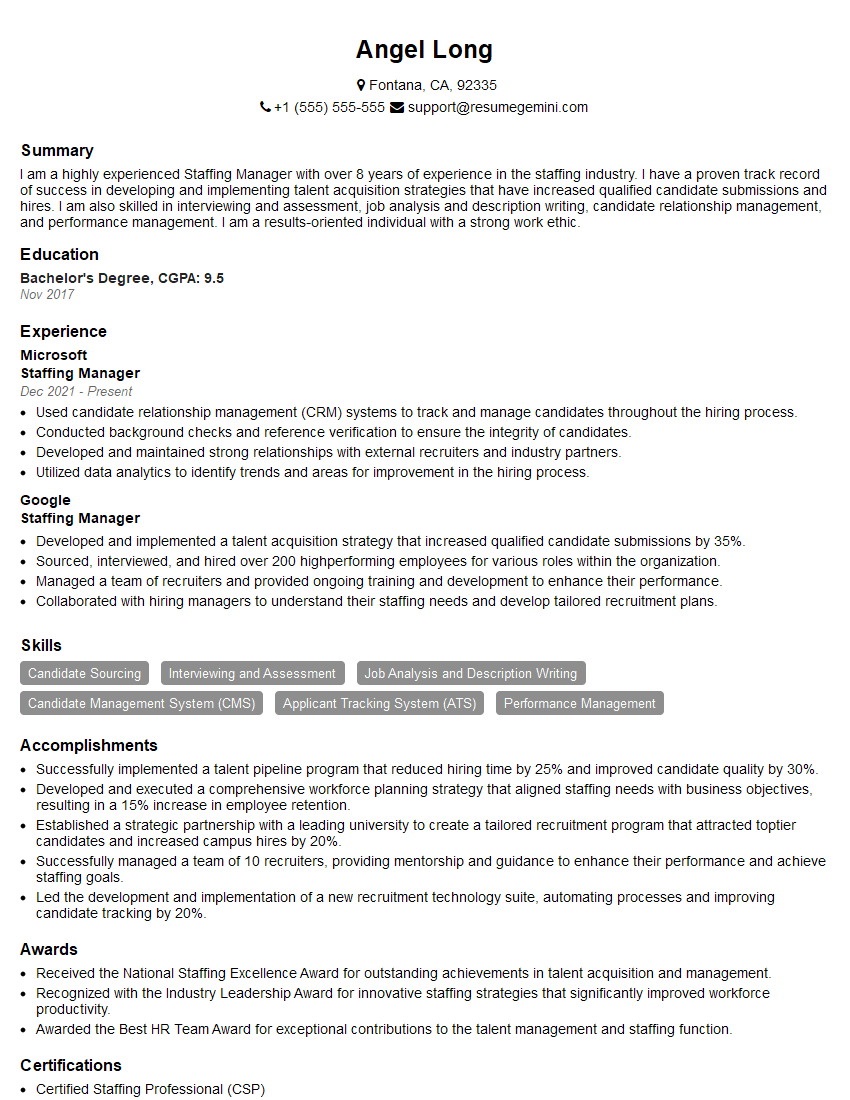
Staffing Manager Resume Sample
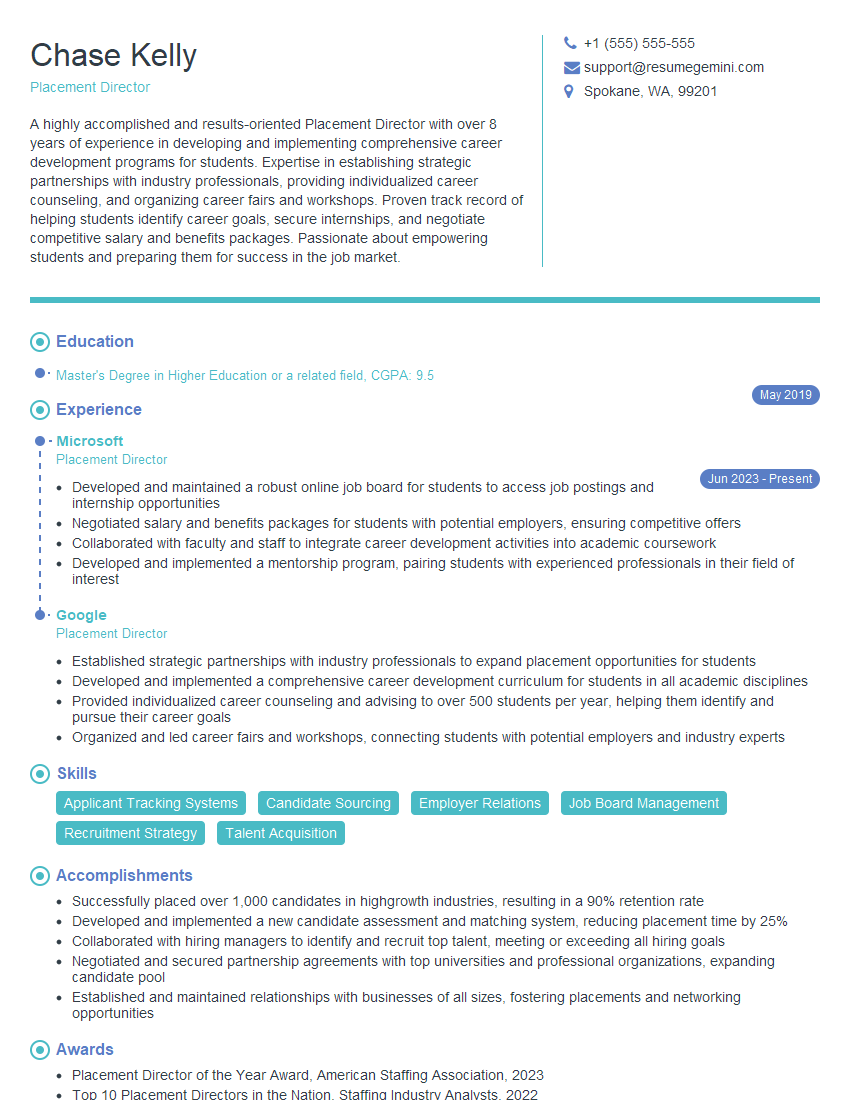
Placement Director Resume Sample
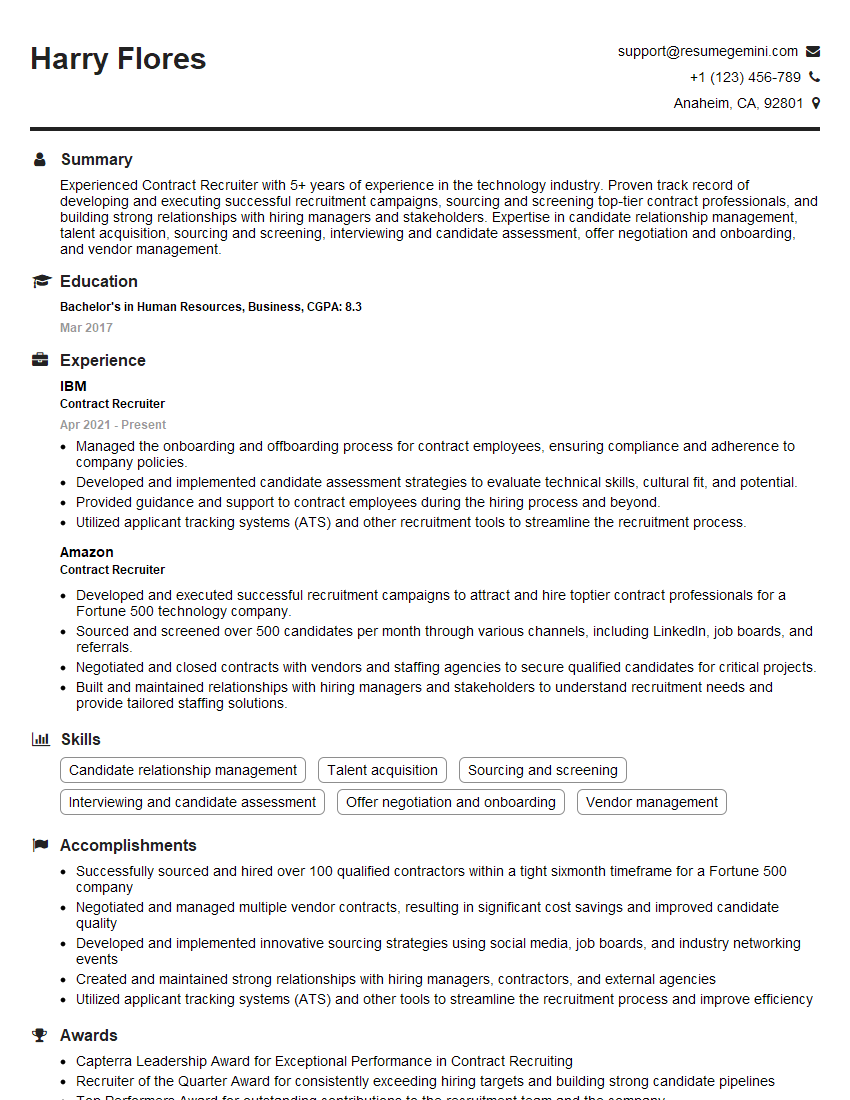
Contract Recruiter Resume Sample
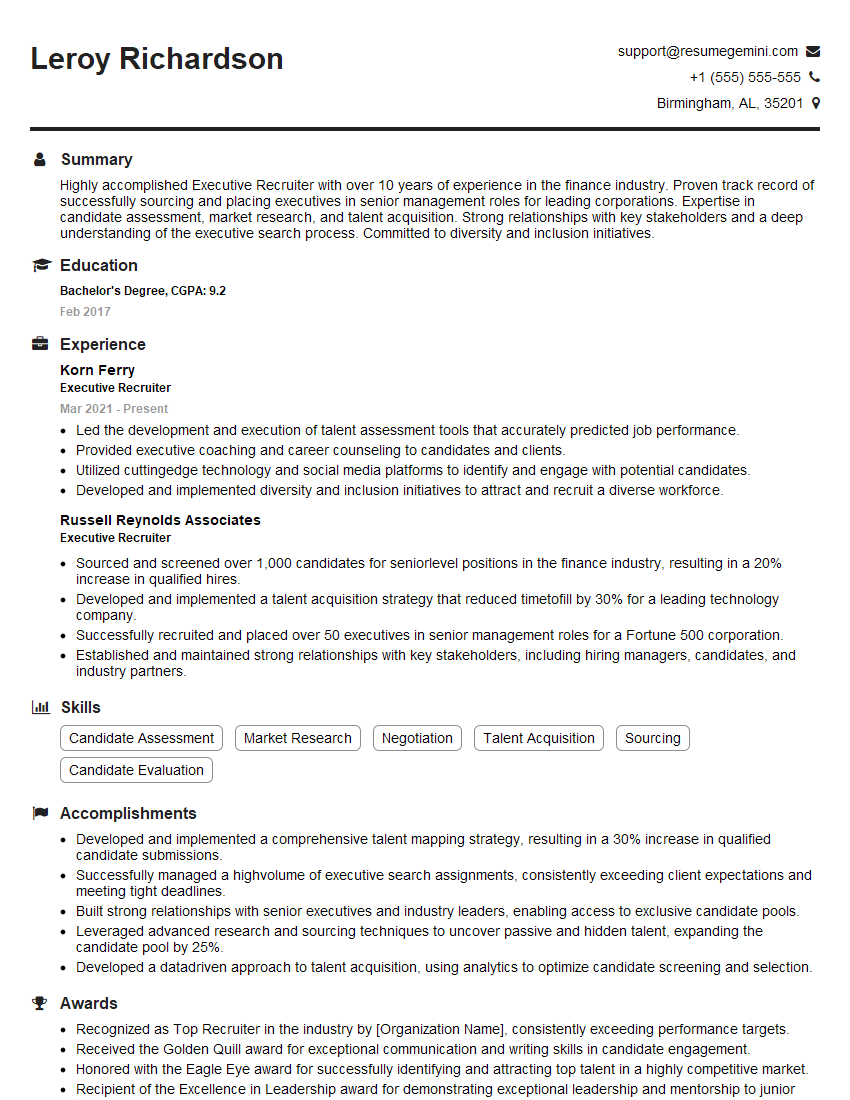
Executive Recruiter Resume Sample
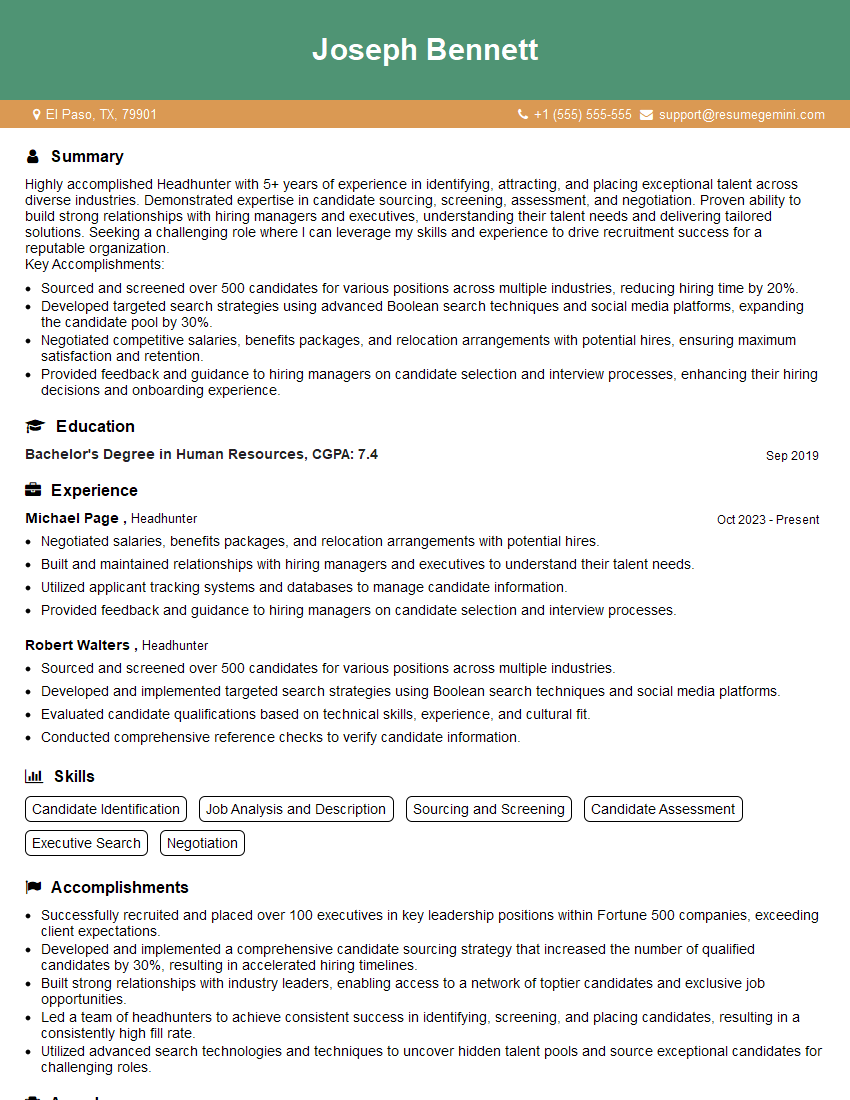
Headhunter Resume Sample
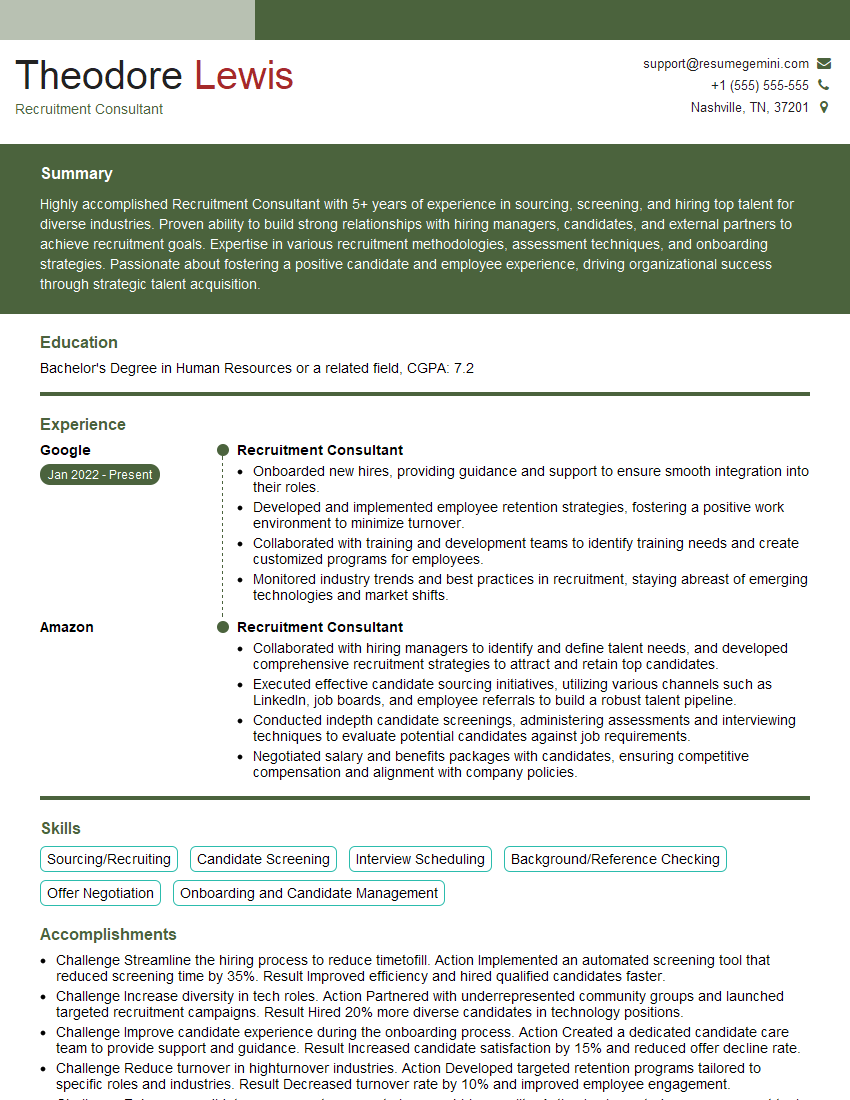
Recruitment Consultant Resume Sample
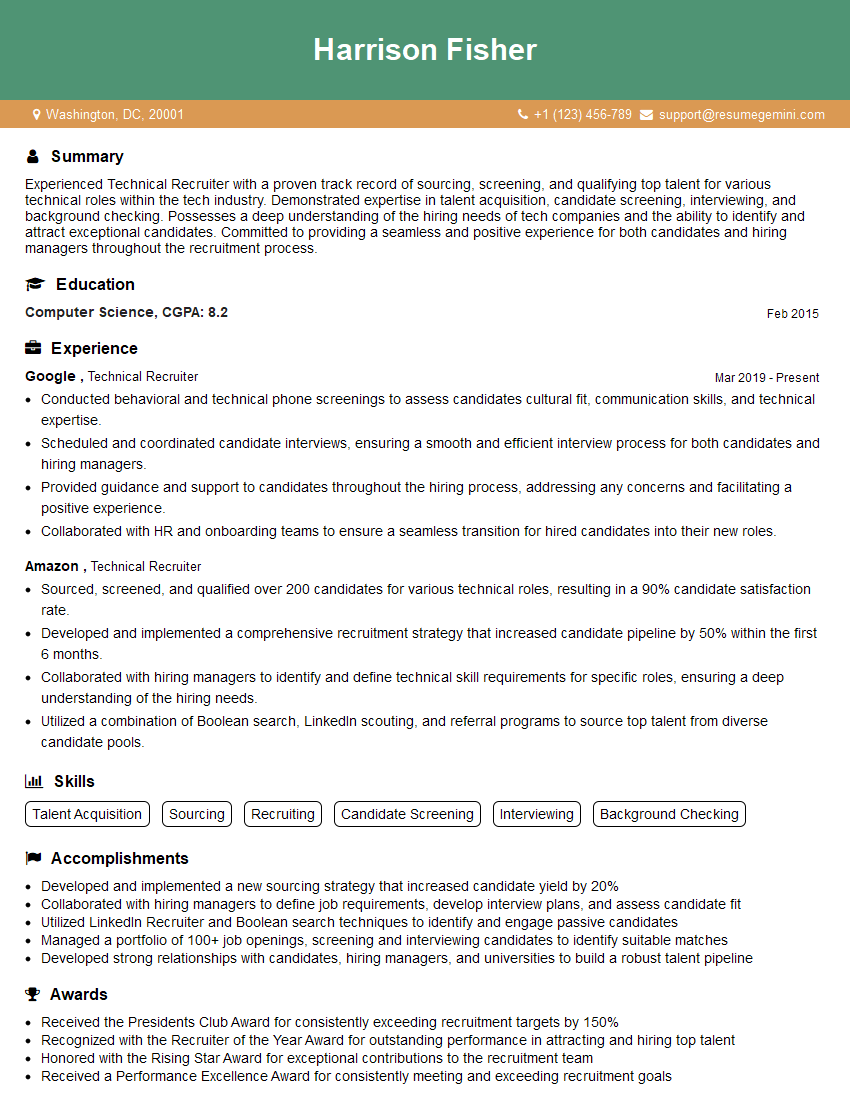
Technical Recruiter Resume Sample
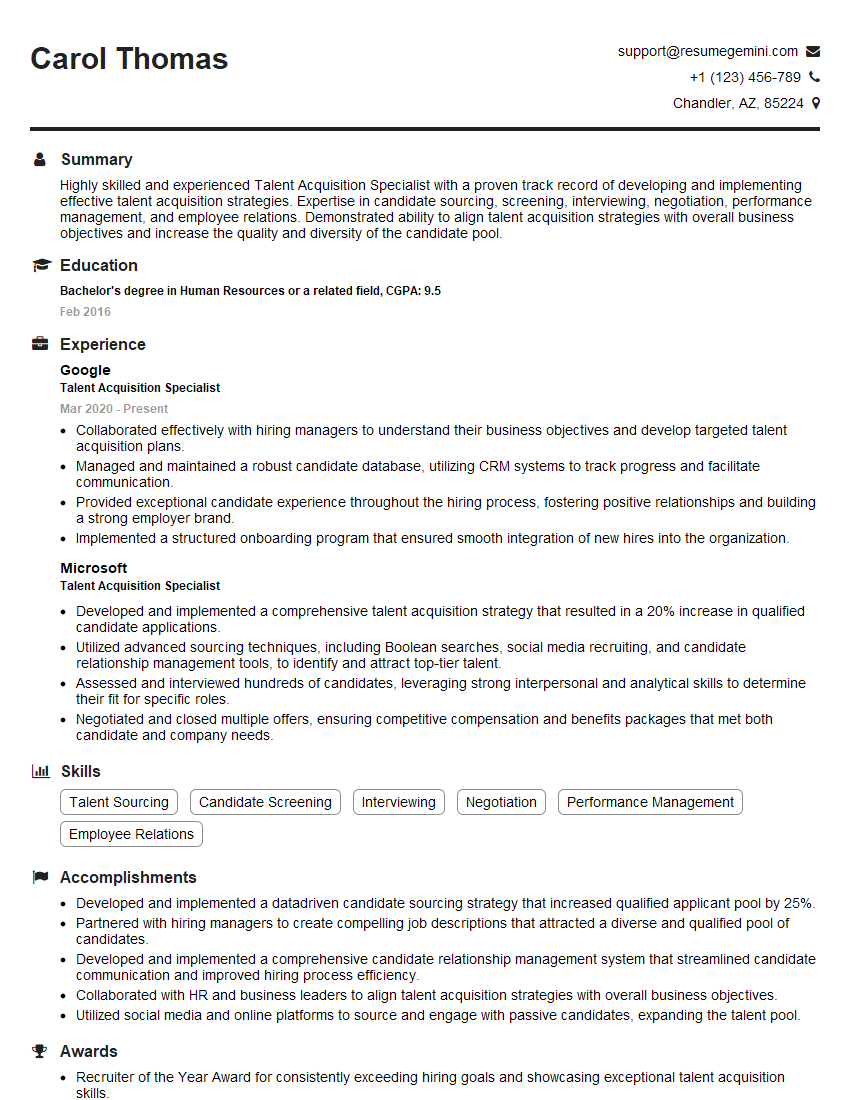
Talent Acquisition Specialist Resume Sample
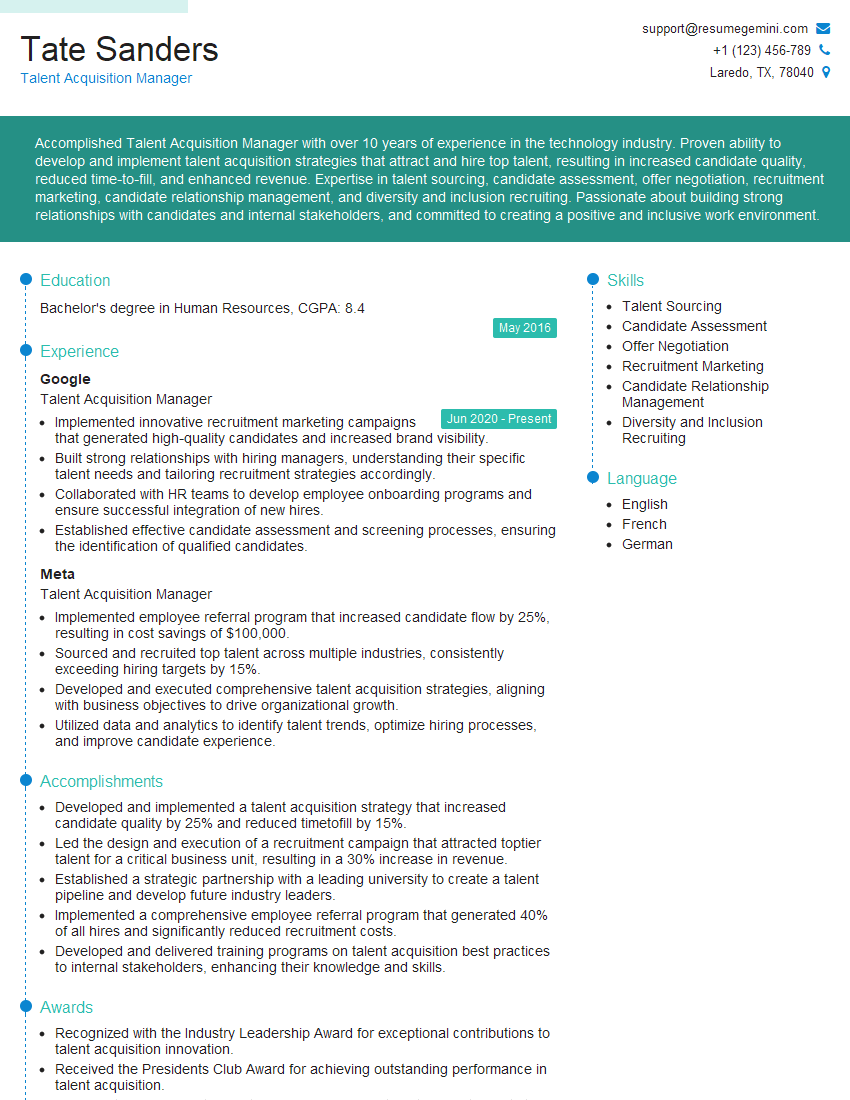
Talent Acquisition Manager Resume Sample
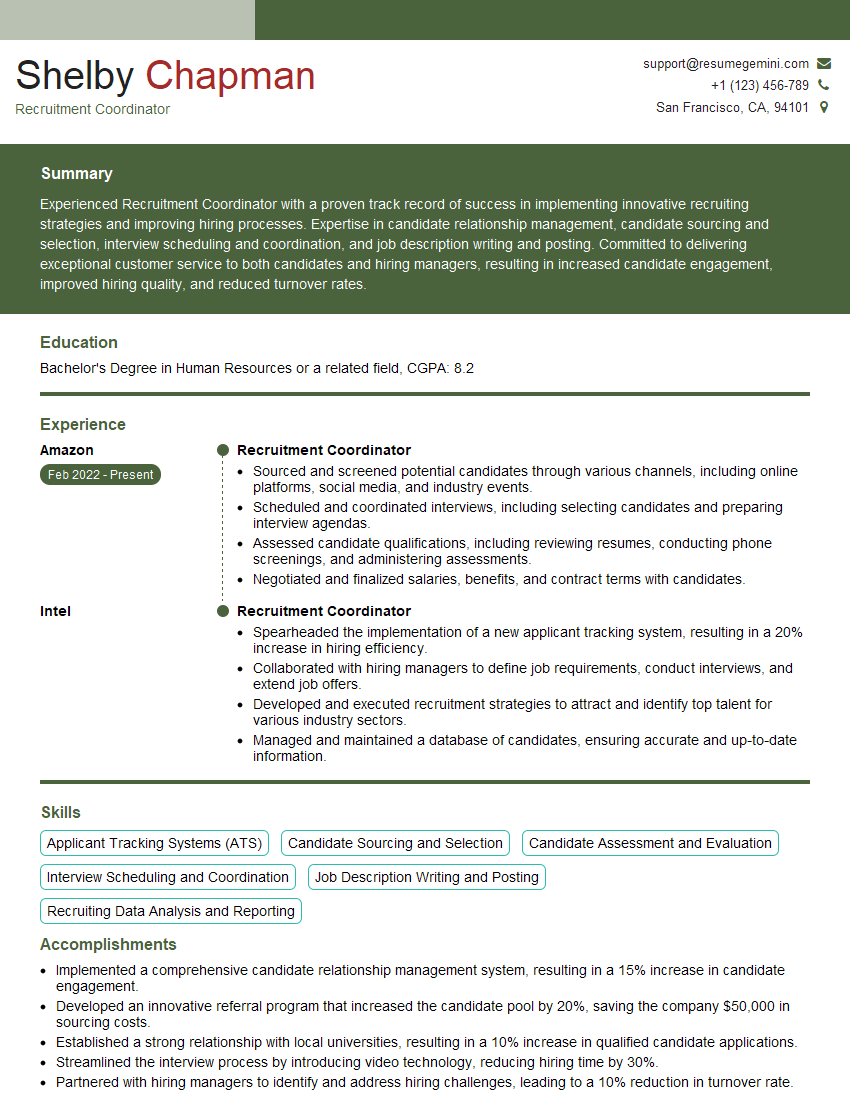
Recruitment Coordinator Resume Sample
Explore more articles
Users Rating of Our Blogs
Share Your Experience
We value your feedback! Please rate our content and share your thoughts (optional).
What Readers Say About Our Blog
Very informative content, great job.
good