Unlock your full potential by mastering the most common Animal Assisted Therapy interview questions. This blog offers a deep dive into the critical topics, ensuring you’re not only prepared to answer but to excel. With these insights, you’ll approach your interview with clarity and confidence.
Questions Asked in Animal Assisted Therapy Interview
Q 1. Describe your experience with various animal species in therapeutic settings.
My experience with animal species in therapeutic settings spans over 15 years, encompassing a wide range of animals including dogs, cats, horses, and even birds. Each species offers unique therapeutic benefits. For example, the calm demeanor of cats can be particularly soothing for individuals experiencing anxiety, while the energetic nature of dogs can encourage physical activity and social interaction in clients struggling with depression. Horses, with their large size and powerful presence, can facilitate emotional breakthroughs and build confidence in clients overcoming trauma. The gentle nature of birds can be captivating and engaging for clients with cognitive impairments.
I’ve found that selecting the appropriate animal depends heavily on the client’s needs and preferences. A thorough assessment of the client’s condition, personality, and comfort level with animals is crucial before selecting an animal for a therapeutic session. For instance, a client who is afraid of dogs might benefit more from working with a calm cat, while a client needing encouragement to be more active might thrive with a playful dog. Successful therapy relies heavily on this careful animal-client matching.
Q 2. Explain the differences between Animal Assisted Activities (AAA) and Animal Assisted Therapy (AAT).
While both Animal Assisted Activities (AAA) and Animal Assisted Therapy (AAT) involve the interaction between humans and animals, there’s a key difference in their purpose and structure. AAA are planned activities that utilize animals to achieve a specific, non-therapeutic goal, like increasing socialization or promoting joy. Think of a dog visiting a nursing home to cheer up residents – the focus is on enjoyment and interaction, not clinical intervention.
AAT, on the other hand, is a goal-directed intervention led by a licensed healthcare professional in which an animal is integral to the treatment plan. It’s a structured, purposeful approach toward achieving specific therapeutic goals. An example would be using a trained dog to help a child overcome a fear of dogs, where a therapist utilizes the dog as a tool to help the child face and conquer their phobia. The therapist directs the interaction and measures progress toward specific therapeutic objectives.
Q 3. What are the ethical considerations involved in using animals in therapy?
Ethical considerations in AAT are paramount. The well-being of the animal is the top priority. This involves ensuring the animal is properly trained, healthy, temperamentally suitable, and comfortable with the therapeutic setting. We must prioritize the safety of both the animal and the client, requiring meticulous planning and appropriate supervision.
- Informed Consent: Clients must understand the nature of the therapy and the potential risks involved, providing informed consent before participation.
- Animal Welfare: Animals should never be forced into interactions, and their comfort and safety should be constantly monitored. There should be clear protocols for handling stressful situations for both the animal and client.
- Confidentiality: Information shared during AAT sessions should be handled with the same confidentiality as in any other therapy setting.
- Professional Boundaries: Maintaining clear professional boundaries is crucial; the animal’s role is supportive, not the primary therapeutic agent. The human therapist remains the primary point of care.
- Competence: Only qualified professionals with appropriate training in AAT should conduct sessions.
Q 4. How do you assess the suitability of an animal for AAT?
Assessing an animal’s suitability for AAT is a rigorous process. It’s not just about a friendly demeanor; we need a temperamentally sound animal with specific traits suitable for the therapeutic environment.
- Temperament Testing: This involves observing the animal’s behavior in various situations, assessing its response to different stimuli (sounds, sudden movements, unfamiliar people), and evaluating its tolerance for handling.
- Health Screening: A thorough veterinary examination is essential to ensure the animal is free from disease and capable of handling the demands of therapy sessions. Vaccinations and parasite control are crucial.
- Training and Certification: The animal must undergo extensive training, including obedience and socialization skills. In many cases, specific certifications are desirable or required.
- Observation in Therapeutic Setting: The animal’s behavior should be monitored in a controlled therapeutic setting before being introduced to clients. Its reactions to client behavior are closely watched, ensuring a positive and safe interaction.
For instance, a dog suitable for working with children with autism needs to be exceptionally patient and tolerant of unexpected behaviors. A horse used for equine-assisted therapy needs to be calm, steady, and able to handle varying levels of rider skill and anxiety.
Q 5. Describe your experience developing and implementing AAT treatment plans.
Developing and implementing AAT treatment plans is a collaborative effort involving the client, the therapist, the animal handler, and (if applicable) other healthcare professionals. The plan is tailored to the individual client’s needs and goals, integrating the animal into the treatment process in a meaningful way.
For example, a treatment plan for a child with social anxiety might involve gradually increasing social interaction during play sessions with a trained therapy dog. The dog acts as a social facilitator, encouraging interaction and providing a calming presence. The plan would outline specific goals (e.g., initiating conversation with the therapist, making eye contact), measurable objectives, and the methods to achieve these goals with the aid of the animal. Regular monitoring of the client’s progress and adjustments to the plan are essential to ensure its effectiveness.
Q 6. How do you handle challenging behaviors in clients or animals during a session?
Handling challenging behaviors requires a proactive and multifaceted approach. This often involves a combination of effective communication, environmental modifications, and behavioral interventions, tailored to both the client and the animal.
For example, if a client becomes agitated, the therapist might redirect their attention to a calming activity with the animal, such as gentle brushing or petting. If the animal displays signs of stress (e.g., excessive panting, yawning), the session might be temporarily paused, giving both client and animal a break. Pre-planned strategies should always be in place to de-escalate situations. These might include calming techniques for the client, alternative activities, and even removing the animal from the session if necessary. Detailed documentation of such events is crucial for continuous improvement and risk management.
Q 7. What safety protocols do you follow in AAT sessions?
Safety protocols in AAT are critical to ensure a safe environment for both the client and the animal. This involves several key elements:
- Hygiene: Strict hygiene protocols are maintained, including handwashing before and after sessions and cleaning the animal’s environment regularly.
- Environmental Safety: The therapy environment should be secure, free from hazards, and appropriately sized for the animal and client.
- Animal Health: Regular veterinary checkups and parasite control are vital to maintain the animal’s health and minimize the risk of infection.
- Emergency Procedures: Clear emergency procedures should be in place, including actions to take in case of bites, scratches, or other incidents involving the animal or client.
- Supervision: Sessions are always closely supervised by qualified professionals. The number of staff present should be adequate to manage both the client and animal safely.
- Medication and Allergies: It’s critical to be aware of any allergies or medical conditions of both the client and the animal, taking necessary precautions.
Q 8. How do you maintain the well-being of the therapy animal?
Maintaining a therapy animal’s well-being is paramount to the success and ethical conduct of Animal Assisted Therapy (AAT). It’s not just about providing food and shelter; it’s about ensuring their physical, mental, and emotional health. This holistic approach involves several key components:
- Regular Veterinary Care: Annual check-ups, vaccinations, and prompt attention to any health concerns are essential. Think of it like our own preventative healthcare – it’s proactive, not reactive.
- Appropriate Exercise and Enrichment: Therapy animals need mental and physical stimulation. This might include daily walks, playtime, puzzle feeders, and opportunities for social interaction with other animals (if appropriate for their temperament and the therapy setting). A bored animal is a stressed animal, and a stressed animal is less effective in therapy.
- Careful Monitoring of Behavior: Regular observation for signs of stress, fatigue, or illness is crucial. These signs might include changes in appetite, sleep patterns, or social behavior. Early detection allows for timely intervention and prevents burnout.
- Defined Work-Rest Cycles: Just like humans, therapy animals need downtime to rest and recover. A realistic work schedule that incorporates breaks and days off is vital to prevent exhaustion and maintain their enthusiasm for their work.
- Safe and Comfortable Environment: Providing a secure and comfortable home environment, free from stressors, is fundamental to their overall well-being. This includes a safe space where they can retreat when needed.
For example, I once had a therapy dog who began showing signs of anxiety during sessions. By carefully observing her behavior and adjusting her schedule to incorporate more rest breaks and less intense interaction, we were able to address the issue and ensure her continued well-being and effectiveness in therapy.
Q 9. Describe your understanding of contraindications for AAT.
Contraindications in AAT refer to situations where the use of animals in therapy is inappropriate or potentially harmful. These situations must be carefully considered to ensure client safety and the well-being of the animal. They can be broadly categorized into:
- Client-Related Contraindications: These relate to the client’s medical or psychological state. For instance, severe phobias related to animals, certain allergies, aggressive behaviors, or uncontrolled seizures could make AAT unsuitable. The presence of contagious diseases can also be a major contraindication.
- Animal-Related Contraindications: The temperament and health of the animal are crucial. Animals displaying aggression, fear, or exhibiting signs of illness should not be used in therapy sessions. The animal’s training and socialization level are also critical factors.
- Environmental Contraindications: The therapy setting itself needs to be assessed. Poor hygiene, lack of space, or potential safety hazards (e.g., sharp objects) are contraindications. The presence of other animals that might negatively interact with the therapy animal must also be considered.
For example, a client with a severe dog phobia would clearly be a contraindication for using a dog in AAT. Similarly, an animal exhibiting signs of illness or aggression should be withdrawn from therapy until its health and behavior are appropriately addressed.
Q 10. Explain how you would adapt an AAT session based on a client’s needs and preferences.
Adapting AAT sessions to individual client needs and preferences is a cornerstone of effective therapy. It’s crucial to remember that AAT is not a ‘one-size-fits-all’ approach. The process begins with a thorough assessment of the client’s:
- Goals: What are the specific goals of the AAT intervention? Is it to reduce anxiety, improve social skills, enhance communication, or something else?
- Preferences: Does the client have a preferred animal type, activity, or interaction style? Does the client feel more comfortable with a certain animal’s temperament or size?
- Physical and Cognitive Abilities: What are the client’s physical and cognitive limitations? The session needs to be adapted to accommodate those limitations safely and effectively.
- Emotional State: What is the client’s current emotional state? The session needs to be sensitive and supportive, potentially starting with short, less intense interactions.
Adapting a Session: For a client with limited mobility, the session might focus on gentle petting and quiet interaction. For a child with autism, structured activities using toys might be more beneficial. For a client experiencing anxiety, the focus might be on creating a calming environment and promoting relaxation through gentle interaction. The process is iterative, and regular assessment and feedback loops ensure the sessions remain tailored to the client’s ever-changing needs.
Q 11. How do you document the progress of clients in AAT?
Documentation in AAT is vital for tracking progress, demonstrating effectiveness, and ensuring ethical practice. This requires a comprehensive approach that captures both the qualitative and quantitative aspects of the therapy sessions. The documentation should include:
- Client Demographics and Background Information: Basic information about the client, including their age, diagnosis, goals, and any relevant medical history.
- Session Details: A detailed description of each session, including the date, time, duration, animal used, and activities undertaken. The observations made during sessions, the client’s responses, and any challenges or notable events should be recorded.
- Behavioral Observations: Detailed behavioral observations of the client during and after the session. Changes in mood, engagement, communication skills, and other relevant behavioral markers need to be documented. For example, note any increases in eye contact, decreases in anxiety, or improvements in communication skills.
- Progress Notes: Summary notes indicating overall progress toward the established goals. The documentation should be objective, avoiding subjective interpretations. It’s helpful to track changes using a standardized assessment tool.
- Incident Reports: Any incidents, however minor, should be documented. This includes incidents involving the animal, the client, or any other participant.
A well-maintained record demonstrates accountability and helps the therapy team adapt strategies to enhance the effectiveness of the AAT intervention.
Q 12. How do you collaborate with other healthcare professionals in an AAT setting?
Collaboration is key in AAT. Effective AAT requires a multidisciplinary approach, involving professionals from various healthcare fields. My collaboration typically involves:
- Regular Communication with Therapists: Regular meetings and communication with the primary therapist to discuss the client’s progress, share observations, and adjust the treatment plan as needed. This allows us to create a cohesive and consistent treatment strategy.
- Joint Goal Setting: Working with the therapist to establish clear and measurable goals for the AAT intervention. These goals must be aligned with the overall treatment plan for the client.
- Information Sharing: Open and transparent sharing of information between the AAT practitioner, therapist, and any other relevant healthcare professionals. This ensures a comprehensive understanding of the client’s condition and needs.
- Case Conferences: Participating in case conferences to discuss the client’s progress and challenges and to coordinate interventions. This collaborative forum enhances the effectiveness of the treatment plan.
- Sharing Data and Documentation: Sharing relevant data and documentation, such as progress notes and assessment tools, with other healthcare professionals to enhance the overall effectiveness of the intervention.
For example, in one case, I collaborated closely with an occupational therapist to develop activities that would strengthen the client’s fine motor skills while simultaneously working on anxiety reduction during AAT sessions. The integration of both approaches proved remarkably successful.
Q 13. What are the common benefits of AAT for different client populations?
The benefits of AAT are diverse and vary depending on the client population. Here are some common benefits:
- Children with Autism Spectrum Disorder (ASD): AAT can improve social interaction, reduce anxiety, and enhance communication skills. The predictable and calming nature of animals can be very beneficial.
- Individuals with Dementia: AAT can reduce agitation, improve mood, and stimulate memories. The familiar comfort of interacting with an animal can be particularly helpful in managing symptoms.
- Individuals with PTSD: AAT can facilitate emotional regulation, improve self-esteem, and promote relaxation. The unconditional positive regard offered by an animal can be profoundly helpful.
- Individuals with Physical Disabilities: AAT can promote physical therapy goals, improve motivation, and enhance quality of life. The joy and motivation derived from animal interaction can be powerful.
- Individuals with Mental Health Challenges: AAT can reduce stress, anxiety, and depression. The unconditional acceptance and non-judgmental nature of the animal can create a safe and therapeutic space.
It’s important to note that while these are common benefits, the specific outcomes of AAT will vary depending on the individual client, the animal, and the context of the therapy.
Q 14. Describe your knowledge of relevant legislation and regulations related to AAT.
Legislation and regulations regarding AAT vary depending on location and context. However, some common themes and considerations include:
- Licensing and Certification: Many jurisdictions require AAT practitioners to obtain specific training and certification. This ensures a minimum standard of competence and ethical conduct.
- Animal Health and Welfare: Regulations typically require adherence to animal welfare standards. This includes ensuring proper veterinary care, appropriate housing, and avoiding exploitation or neglect.
- Insurance and Liability: It’s crucial to have appropriate insurance coverage to protect against potential liability related to accidents or injuries.
- Health and Safety: Regulations might mandate specific health and safety protocols to minimize risks for both clients and animals, including hygiene and infection control measures.
- Data Privacy and Confidentiality: Compliance with data privacy and confidentiality regulations is essential to protect the privacy of client information.
It’s essential to stay informed about and comply with all applicable laws and regulations in your specific location. Failing to do so can have serious legal and ethical repercussions.
Q 15. How would you address a situation where an animal exhibits stress or anxiety during a session?
Recognizing and addressing animal stress is paramount in AAT. An animal’s well-being directly impacts the effectiveness and safety of the session. Signs of stress can manifest as excessive panting, yawning, lip licking, tucked tail, avoidance behaviors, or changes in posture.
My approach is multi-faceted. First, I carefully observe the animal for subtle cues. If stress is detected, I immediately modify the session. This might involve shortening the interaction, providing the animal with a quiet break in a designated safe space, or changing the activity to something less stimulating. For example, if a dog is showing signs of anxiety during a group session with children, I might temporarily remove the dog and have him interact with just one child in a calmer setting.
Crucially, I also reassess the animal’s overall health and well-being. Underlying medical conditions or recent stressful experiences outside of the therapy setting could be contributing factors. In such cases, I consult with the animal’s veterinarian or behaviorist to ensure appropriate care and management. Collaboration with the client is essential, too. We discuss the observations and adjust the session goals as needed, focusing on a positive and supportive environment for both the animal and the client.
Career Expert Tips:
- Ace those interviews! Prepare effectively by reviewing the Top 50 Most Common Interview Questions on ResumeGemini.
- Navigate your job search with confidence! Explore a wide range of Career Tips on ResumeGemini. Learn about common challenges and recommendations to overcome them.
- Craft the perfect resume! Master the Art of Resume Writing with ResumeGemini’s guide. Showcase your unique qualifications and achievements effectively.
- Don’t miss out on holiday savings! Build your dream resume with ResumeGemini’s ATS optimized templates.
Q 16. What are some potential risks or limitations of using AAT?
While AAT offers numerous benefits, potential risks and limitations must be acknowledged. These include:
- Animal-related risks: The potential for bites, scratches, or allergic reactions exists. A thorough assessment of the animal’s temperament and health is crucial, alongside ensuring appropriate safety protocols (e.g., proper handling, supervision, clear boundaries).
- Client-related risks: Pre-existing conditions or triggers in clients could be exacerbated. For instance, a person with a fear of dogs may experience increased anxiety. A comprehensive assessment of the client’s needs and careful matching of animal and client are vital to minimize risk.
- Emotional impact: Sessions can be emotionally intense for both clients and animals, requiring careful observation and debriefing. Emotional exhaustion can occur if boundaries are not respected.
- Lack of empirical evidence: For some applications, robust research evidence supporting the effectiveness of AAT is still developing. While anecdotal evidence is plentiful, more rigorous scientific studies are needed to establish causality in certain contexts.
- Ethical considerations: The welfare of the animal is paramount. Overworking the animal or exposing it to situations beyond its capabilities can be unethical and potentially harmful. Proper training and ongoing monitoring of the animal are essential.
Addressing these limitations involves rigorous training for both handlers and animals, thorough risk assessment and mitigation, and ongoing monitoring and evaluation of both the animal and the client’s progress. The responsible application of AAT requires a multidisciplinary approach.
Q 17. How do you ensure confidentiality and privacy in AAT?
Confidentiality and privacy are of utmost importance in AAT. This is achieved through several methods:
- Informed consent: Clients are thoroughly informed about the process, including data collection and storage. Written consent is obtained before any session commences, outlining how information will be handled.
- HIPAA compliance (or equivalent): All relevant regulations regarding protected health information are meticulously followed. This is especially crucial when AAT is integrated with other healthcare settings.
- Secure record-keeping: Client and animal data are stored securely, following best practices for data protection and privacy. Paper records are kept in locked cabinets, while digital records are password-protected and encrypted.
- Session location: Sessions are conducted in private and appropriate locations, ensuring no unauthorized individuals have access.
- Professional boundaries: Strict adherence to professional boundaries ensures that client information remains confidential and is only shared with relevant and authorized individuals (e.g., referring professionals, supervisors).
In essence, maintaining confidentiality is not just a matter of following guidelines but a commitment to fostering a safe and trusting therapeutic environment for all involved.
Q 18. Describe your experience with different therapeutic approaches incorporated with AAT.
My experience encompasses integrating AAT with diverse therapeutic approaches. I have used AAT in conjunction with:
- Cognitive Behavioral Therapy (CBT): Dogs, for example, can help clients practice relaxation techniques and challenge negative thoughts within the safe and supportive context of the human-animal bond.
- Play Therapy: Animals facilitate playful interactions, allowing children to express emotions and work through trauma in a non-threatening manner.
- Trauma-Informed Therapy: The calming presence of an animal can significantly reduce anxiety and promote a sense of safety for clients who have experienced trauma. Animals can act as emotional anchors, and their unconditional love helps facilitate emotional regulation.
- Art Therapy: Animals can inspire creativity and provide a source of comfort during art-based therapeutic exercises.
The integration is highly individualized. The animal’s role depends on the client’s specific needs and the therapeutic goals. For instance, a calm, gentle dog might be ideal for a client with anxiety, whereas a more playful animal might be better suited for a child needing to improve social skills. The key is tailoring the AAT intervention to be seamlessly integrated into the overall therapeutic strategy.
Q 19. What are your professional development goals in the field of AAT?
My professional development goals center on enhancing my expertise in evidence-based AAT practices and furthering the field’s scientific understanding. This includes:
- Continuing education: Staying abreast of the latest research and best practices through workshops, conferences, and professional development courses.
- Advanced training in specific therapeutic approaches: Seeking specialized training in areas like trauma-informed care and working with specific populations (e.g., children with autism, veterans with PTSD).
- Research participation: Contributing to research efforts aimed at evaluating the efficacy of AAT interventions and improving our understanding of the human-animal bond in therapeutic contexts. This could involve collaborating with researchers or conducting my own small-scale studies.
- Mentorship and supervision: Mentoring aspiring AAT professionals and seeking ongoing supervision to ensure ethical and effective practice.
Ultimately, my goal is to contribute to the development of high-quality, ethically sound AAT programs that maximize positive outcomes for both clients and animals.
Q 20. How do you assess the effectiveness of an AAT intervention?
Assessing the effectiveness of AAT interventions requires a multifaceted approach that incorporates both quantitative and qualitative data. Several methods are employed:
- Standardized assessment tools: Pre- and post-intervention assessments using validated questionnaires or scales to measure changes in anxiety, depression, social skills, or other relevant outcomes. Examples include the State-Trait Anxiety Inventory or standardized scales for measuring social interaction.
- Behavioral observation: Systematic observation of client behavior during sessions to monitor changes in engagement, mood, and interaction with the animal. This provides valuable qualitative data.
- Client self-report: Gathering client feedback through interviews or journals to capture their subjective experiences and perceptions of the intervention’s impact.
- Clinical records: Reviewing session notes, progress summaries, and other clinical documentation to track changes in client behavior and therapeutic goals.
- Animal observation: Monitoring the animal’s behavior during and after sessions to ensure its well-being and assess its responsiveness to the client’s needs.
Data from multiple sources are integrated to develop a comprehensive understanding of the intervention’s effectiveness. This ensures a holistic view of the AAT’s impact and informs adjustments to the intervention as needed.
Q 21. Explain your understanding of the human-animal bond in therapeutic contexts.
The human-animal bond is a complex and powerful relationship that plays a central role in AAT. It’s characterized by mutual affection, attachment, and reciprocal positive influence between humans and animals. In therapeutic contexts, this bond facilitates several key mechanisms:
- Increased emotional regulation: The animal’s calming presence can help regulate clients’ emotional states, reducing anxiety, stress, and promoting relaxation.
- Enhanced social interaction: Animals can serve as social catalysts, prompting interaction and communication between clients and therapists, or even between clients in group settings.
- Improved self-esteem and confidence: Caring for an animal and experiencing its unconditional affection can boost self-esteem and improve self-efficacy. This is particularly important for clients struggling with low self-worth.
- Motivation and engagement: The presence of an animal can increase motivation and engagement in therapy, making the process more enjoyable and rewarding. Animals add an element of fun and playfulness that can make otherwise challenging tasks more manageable.
- Non-judgmental support: Animals provide unconditional positive regard, offering a safe and accepting space for clients to explore their emotions and experiences without fear of judgment.
Understanding the nuances of this bond is essential to effectively utilize AAT. A skilled practitioner understands how to leverage this relationship to achieve specific therapeutic goals, ensuring the safety and well-being of both the client and the animal.
Q 22. What is your experience with different types of animal-assisted interventions (e.g., equine, canine)?
My experience in animal-assisted interventions (AAI) spans several animal types, primarily canines and equines. With canines, I’ve worked extensively in settings ranging from hospitals and nursing homes (providing comfort and social interaction) to schools (supporting students with emotional and behavioral challenges). My canine work emphasizes highly trained therapy dogs with impeccable temperaments, ensuring safety and therapeutic effectiveness. In equine-assisted interventions, I’ve focused on therapeutic riding and groundwork activities for clients with physical, emotional, or cognitive disabilities. Equine therapy offers unique benefits, allowing for improved balance, coordination, and emotional regulation through interaction with these magnificent animals. The differences are significant; dogs provide more direct, individual connection, while horses offer a more metaphorical, symbolic engagement – building self-esteem and confidence through navigating challenges with the horse.
- Canine AAI: Focus on social interaction, emotional support, and behavioral modification using positive reinforcement training.
- Equine AAI: Focus on physical therapy, emotional regulation, and self-esteem building through horsemanship activities.
Q 23. Describe your familiarity with different assessment tools used in AAT.
Assessment in AAI is crucial for tailoring interventions and measuring progress. I’m familiar with a range of tools, including standardized questionnaires (e.g., assessing anxiety levels or social skills before and after sessions), observational checklists (to document behavioral changes during interactions), and standardized scales (like the Child Behavior Checklist for children, or specific scales for measuring mood and depression). Additionally, I utilize qualitative methods like journaling and open-ended interviews to capture the client’s subjective experience. For equine therapy, we might use specific gait analysis or video recording to evaluate physical progress. The choice of tool depends greatly on the client’s age, abilities, and specific goals of the intervention.
For example, with a child struggling with social anxiety, I might use a combination of a standardized anxiety scale pre- and post-intervention, along with observational notes documenting their interaction with the therapy dog, looking for indicators of reduced anxiety like increased eye contact and engagement in play.
Q 24. How do you handle client concerns or complaints about animal behavior?
Client concerns about animal behavior are addressed immediately and with utmost professionalism. My first step involves actively listening to their concerns, validating their feelings, and ensuring their safety. Then, I thoroughly investigate the situation, analyzing both the animal’s behavior and the context (e.g., was there a trigger? was the interaction appropriate for the client’s needs?). I might adjust the intervention strategy (e.g., modifying the interaction or offering a different animal) or adjust the environment for future sessions. Transparency is key; I communicate clearly my assessment of the situation and the steps I’m taking to prevent similar incidents. In cases where the animal’s behavior is concerning, it may require temporary removal from therapy until appropriate training or veterinary attention has been addressed.
For example, if a client is fearful of a dog’s approach, we’d immediately cease that interaction, creating a safe space. We might then use a different approach, allowing the client to observe the dog from a distance or introducing them slowly with controlled interactions.
Q 25. What is your experience managing a therapy animal’s health and training?
Managing a therapy animal’s health and training is paramount. It requires a comprehensive approach encompassing regular veterinary check-ups, a balanced diet, consistent grooming, and ongoing training. The animals’ well-being is prioritized, and I ensure that they are never overworked. Therapy animals receive socialization training to ensure they are comfortable in various settings with diverse people. I utilize positive reinforcement methods, emphasizing reward-based training, never resorting to punishment. Their training is continually evaluated and adapted to their current capabilities and the needs of the clients they work with. Detailed records of their health, training, and performance are meticulously maintained.
For example, if a therapy dog shows signs of fatigue or stress, we’d immediately adjust its workload, providing rest and extra attention. Similarly, a horse exhibiting lameness would necessitate veterinary examination and a halt to riding activities until fully recovered.
Q 26. How do you obtain informed consent from clients regarding AAT participation?
Informed consent is fundamental in AAI. Before any participation, clients (or their legal guardians) receive detailed information about the nature of AAI, the type of animal involved, the goals of the intervention, the potential risks and benefits, and the right to withdraw at any time. This information is provided in an accessible format, tailored to the client’s understanding. Consent forms are thoroughly explained, addressing any questions or concerns, and ensuring they fully comprehend before signing. Documentation of the consent process is meticulously maintained, reflecting the client’s understanding and agreement to participate.
This might involve a simple, illustrated handout for children or a more detailed discussion with an adult client, outlining the therapy plan and potential risks in plain language. This process ensures an ethical and transparent approach.
Q 27. Describe your experience working with diverse populations in AAT.
My experience working with diverse populations in AAI is extensive. I’ve worked with children with autism spectrum disorder, adults with PTSD, seniors with dementia, and individuals with physical disabilities. The approach is individualized; understanding each population’s unique needs and communication styles informs the animal selection, interaction techniques, and goals of the therapy sessions. For example, when working with autistic children, I would select a calm, predictable therapy dog that can offer sensory input in a comfortable manner. With elderly individuals with dementia, the focus might be on reminiscing and social interaction, using gentle animal interaction to spark positive memories. Adaptability is paramount in ensuring that the therapy is both effective and beneficial across various needs.
Q 28. What are your skills in crisis intervention within the context of AAT?
Crisis intervention in AAI requires quick thinking, empathy, and a calm demeanor. The presence of a therapy animal can often be soothing and stabilizing during a crisis. My training includes crisis intervention techniques, and I’m equipped to assess and respond appropriately to various crisis situations. This involves de-escalation techniques, ensuring client safety, and working collaboratively with other professionals (e.g., therapists, medical staff) when necessary. The animal’s role can be crucial – providing comfort, physical touch, and a sense of security during emotionally challenging moments. It’s vital to adapt our responses to different situations and individuals while maintaining the safety and well-being of both client and animal.
For example, if a client experiencing an anxiety attack, I might use a calm, slow-paced interaction with the therapy dog, encouraging slow breathing and providing gentle physical contact. Simultaneously, I would also offer verbal reassurance and support.
Key Topics to Learn for Your Animal Assisted Therapy Interview
- The Human-Animal Bond: Understanding the theoretical underpinnings of the human-animal interaction and its therapeutic benefits. Consider exploring attachment theory and its relevance.
- Animal Selection and Training: Discuss the criteria for selecting suitable animals, the training methods employed, and the importance of ongoing assessment of the animal’s temperament and suitability for therapy.
- Therapeutic Interventions: Explore various intervention techniques used in AAT, such as stress reduction, social skills development, and cognitive stimulation. Be prepared to discuss specific examples and their applications.
- Ethical Considerations and Safety Protocols: Discuss the ethical responsibilities of AAT practitioners, including animal welfare, client confidentiality, and risk management. Understand and be able to articulate safety procedures for both animals and clients.
- Assessment and Documentation: Describe methods for assessing client progress and the importance of thorough and accurate documentation of sessions. This includes understanding the role of observation and data collection in evaluating treatment efficacy.
- Collaboration and Teamwork: Discuss the importance of effective communication and collaboration with other healthcare professionals, such as therapists, doctors, and social workers, in a multidisciplinary team setting.
- Program Development and Implementation: Be prepared to discuss your understanding of the process of designing and implementing AAT programs, including considerations for setting goals, selecting activities, and evaluating outcomes.
- Legal and Regulatory Frameworks: Understand the legal and regulatory aspects of practicing Animal Assisted Therapy, including licensing requirements and insurance considerations.
Next Steps
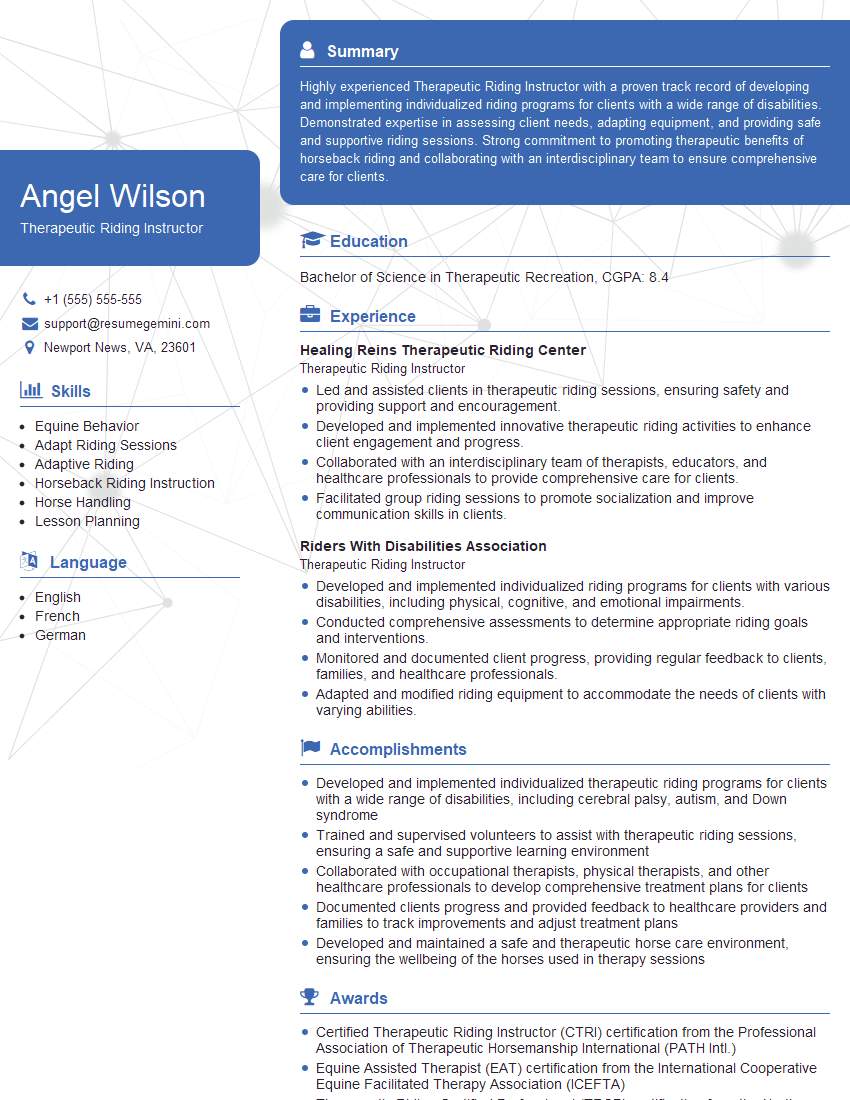
Mastering Animal Assisted Therapy opens doors to a rewarding career helping others. To significantly increase your job prospects, it’s crucial to present your qualifications effectively. An ATS-friendly resume is key to getting your application noticed by potential employers. We strongly encourage you to leverage ResumeGemini to craft a professional and impactful resume that highlights your skills and experience. ResumeGemini provides examples of resumes tailored specifically to Animal Assisted Therapy, giving you a head start in creating a document that showcases your unique qualifications.
Explore more articles
Users Rating of Our Blogs
Share Your Experience
We value your feedback! Please rate our content and share your thoughts (optional).
What Readers Say About Our Blog
Very informative content, great job.
good