Interviews are opportunities to demonstrate your expertise, and this guide is here to help you shine. Explore the essential Hauling Techniques interview questions that employers frequently ask, paired with strategies for crafting responses that set you apart from the competition.
Questions Asked in Hauling Techniques Interview
Q 1. Explain the different types of hauling techniques.
Hauling techniques encompass various methods for transporting heavy or oversized loads. The choice depends on factors like load size, weight, distance, and route conditions. Key techniques include:
- Over-dimensional hauling: This involves transporting loads exceeding standard size limits, requiring permits, pilot vehicles, and specialized equipment like extendable trailers or heavy-duty flatbeds. For instance, moving a large transformer or a prefabricated building section would fall under this category.
- Heavy hauling: This focuses on transporting exceptionally heavy loads, often requiring multiple axles, specialized trailers, and meticulous route planning to manage stress on bridges and roadways. Examples include transporting industrial machinery or large mining equipment.
- Specialized hauling: This encompasses the transportation of items requiring unique handling and securing procedures, such as hazardous materials, sensitive electronics, or delicate art pieces. Specific equipment and trained personnel are crucial here. For example, transporting a delicate piece of art would necessitate climate-controlled trailers and careful handling.
- Crane and rigging hauling: This technique uses cranes for loading and unloading heavy items, often employed in construction or industrial settings where loads need to be lifted and positioned with precision. It’s crucial for placing heavy equipment on a construction site.
Each technique demands specific expertise, equipment, and safety protocols to ensure the safe and efficient delivery of goods.
Q 2. Describe your experience with load securing and safety regulations.
Load securing is paramount in hauling. My experience spans numerous projects, always adhering to regulations like those set by the Department of Transportation (DOT). I’m proficient in using various securing methods, including:
- Chain and binders: For securing heavy, stable loads.
- Ratchet straps: Providing adjustable tension for various cargo sizes and shapes.
- Winches and cables: Useful for heavier loads or difficult-to-secure items.
- Blocking and bracing: To prevent shifting and protect the load from damage.
I always perform a thorough pre-trip inspection to ensure proper securing and document the process meticulously. Safety is non-negotiable; I’ve prevented several potential accidents by identifying and rectifying insecure loads before departure. For example, on one project involving a large generator, I noticed a loose strap during inspection, preventing a possible disaster during transit.
Q 3. What are the common challenges in heavy hauling, and how do you overcome them?
Heavy hauling presents unique challenges. Route restrictions due to weight limits, bridge clearances, and low-hanging power lines are common issues. Weather conditions, especially snow and ice, can significantly impact safety and scheduling. Unexpected mechanical problems with the hauling equipment can lead to significant delays and extra costs.
I overcome these challenges through:
- Meticulous route planning: Using specialized mapping software and considering all restrictions, including weight limits and dimensional constraints.
- Contingency planning: Developing backup routes and strategies to handle unforeseen delays or road closures.
- Regular equipment maintenance: Minimizing mechanical breakdowns through scheduled inspections and maintenance.
- Communication and coordination: Maintaining constant communication with the dispatch team, drivers, and relevant authorities to address any issues promptly.
For example, when transporting an oversized wind turbine component, we had to plan a route that involved a temporary road closure to allow for safe passage under a low-hanging bridge. Successful coordination with the local authorities ensured the project’s success without incident.
Q 4. How do you ensure efficient route planning for heavy haul transportation?
Efficient route planning for heavy haul is critical. It’s more than just using a GPS; it involves considering:
- Weight and dimensional restrictions: Identifying bridges and roads with weight limits that the load can safely traverse.
- Clearance heights and widths: Mapping out a route that avoids low-hanging bridges, power lines, and narrow roads.
- Weather conditions: Adapting the route based on weather forecasts and selecting alternative routes if needed.
- Traffic patterns: Selecting less congested routes to minimize delays.
- Permitting and legal requirements: Ensuring all necessary permits are in place before transporting the load.
I utilize specialized route planning software incorporating real-time traffic data and road restrictions. I meticulously check the route’s details for potential issues and frequently incorporate input from experienced drivers. This careful preparation minimizes delays and improves safety.
Q 5. What is your experience with different types of hauling equipment?
My experience includes operating and managing a wide range of hauling equipment:
- Various types of trailers: From standard flatbeds to lowboys, extendable trailers, and specialized trailers for oversized and heavy loads. For example, I’ve used extendable trailers for exceptionally long components and lowboy trailers for unusually heavy pieces of machinery.
- Heavy-duty tractors: Equipped with multiple axles and powerful engines to handle heavy loads.
- Specialized lifting equipment: Such as cranes and winches, crucial for loading, unloading, and securing large or awkward items.
I am familiar with the maintenance and operational requirements of each equipment type and regularly undergo training to maintain my proficiency. Understanding the capabilities and limitations of different equipment types is essential for safe and efficient hauling operations.
Q 6. Describe your experience with GPS tracking and dispatch systems.
GPS tracking and dispatch systems are indispensable in heavy hauling. I have extensive experience using systems that provide real-time location tracking, allowing for continuous monitoring of the haul’s progress. This data facilitates efficient dispatching, identifying potential delays, and proactively addressing issues. These systems also provide valuable data on fuel consumption, driver performance, and overall operational efficiency. I use this information to optimize routes, improve driver training, and reduce costs.
For example, if a driver encounters an unexpected delay due to a road closure, the dispatch system allows us to reroute the load and provide timely communication to the client. This ensures transparency and builds trust.
Q 7. How do you manage fuel efficiency in heavy hauling operations?
Fuel efficiency is a significant concern in heavy hauling, impacting both profitability and environmental impact. My strategies for managing fuel efficiency include:
- Optimized route planning: Selecting routes that minimize mileage and avoid unnecessary idling.
- Driver training: Educating drivers on fuel-efficient driving techniques, such as smooth acceleration and deceleration, maintaining appropriate speeds, and avoiding harsh braking.
- Regular equipment maintenance: Ensuring optimal engine performance through timely maintenance and repairs.
- Load optimization: Properly distributing weight on the trailer to minimize drag and increase fuel efficiency.
- Using fuel-efficient equipment: Employing trucks and trailers with features designed to improve fuel consumption, such as aerodynamic improvements.
By consistently implementing these strategies, I have been able to significantly reduce fuel costs and minimize our environmental footprint. Continuous monitoring of fuel consumption data allows for ongoing improvement and adjustment of our strategies.
Q 8. Explain your understanding of weight distribution and its importance.
Weight distribution in hauling is crucial for safety and efficiency. It’s about evenly balancing the load across the vehicle’s axles to prevent overloading any single axle and maintain stability. Think of it like balancing a seesaw – you need equal weight on each side to prevent tipping. Improper weight distribution can lead to:
- Axle damage: Overloading one axle can cause it to bend or break.
- Tire blowouts: Uneven weight puts excessive pressure on certain tires.
- Reduced fuel economy: An unbalanced load increases drag and reduces efficiency.
- Loss of control: An unstable load can make the vehicle harder to steer and control, especially in turns or on uneven roads.
To ensure proper weight distribution, I always utilize weight scales at loading and unloading points. For example, when loading a flatbed trailer with steel beams, I strategically place the heaviest items towards the center and distribute the lighter ones to balance the weight across the axles. Detailed load manifests and discussions with loading personnel are crucial to prevent weight distribution problems.
Q 9. How do you handle unexpected delays or breakdowns during a haul?
Unexpected delays and breakdowns are a reality in hauling. My approach is proactive and methodical. First, I assess the situation: Is it a minor issue I can handle myself (like a flat tire), or does it require outside assistance (like a major engine failure)?
- Minor Issues: For minor issues, I have a well-stocked emergency kit and the skills to perform basic repairs. For instance, I’ve changed numerous tires on the side of the road, minimizing downtime.
- Major Issues: For significant breakdowns, I immediately contact my dispatcher and follow company protocol. This includes reporting the location, the nature of the problem, and the estimated time for repair. I also secure the load to prevent further damage or safety hazards. In the meantime, I communicate with the client to keep them informed about the delay and expected arrival time. Detailed record keeping, including time stamps and communication logs, is vital for accountability.
Prevention is key. Regular vehicle maintenance is essential to minimize unexpected issues and improve reliability. This proactive strategy prevents many delays.
Q 10. What safety measures do you take when handling hazardous materials?
Handling hazardous materials requires stringent adherence to safety regulations and protocols. My experience includes transporting various classes of hazardous materials, each with its own set of requirements. Key aspects of my approach include:
- Proper Documentation: I always ensure I possess the necessary shipping papers and understand the hazard class of the materials I’m transporting. This includes understanding the placards, labels, and emergency response information.
- Personal Protective Equipment (PPE): I utilize appropriate PPE, such as gloves, safety glasses, and respirators, as required by the material safety data sheet (MSDS).
- Securement: Hazardous materials are secured according to DOT regulations to prevent shifting or spillage during transit. I am adept at using various securing methods depending on the type of load and trailer.
- Emergency Preparedness: I am thoroughly familiar with emergency response procedures in case of spills or accidents. This includes knowing where to find emergency contacts and how to properly contain a spill.
One time, I was transporting a load of corrosive chemicals. A minor leak occurred during transit. I immediately pulled over to a safe location, donned appropriate PPE, followed the emergency response plan outlined in the shipping documents, and contacted emergency services. The quick and safe handling prevented a major incident.
Q 11. Explain your experience with pre-trip inspections.
Pre-trip inspections are non-negotiable in my routine. I treat them as a critical safety check and a preventative maintenance measure. My inspection covers a wide range of aspects, including:
- Brakes: Checking brake fluid levels, and ensuring proper functionality.
- Tires: Inspecting tire pressure, tread depth, and looking for any damage or wear.
- Lights and Signals: Verifying that all lights, turn signals, and brake lights are working correctly.
- Steering: Checking for proper steering responsiveness and free movement.
- Fluid Levels: Inspecting engine oil, coolant, and power steering fluid levels.
- Load Securement: Ensuring that the load is properly secured and meets all safety standards.
I maintain a detailed log of every pre-trip inspection, noting any deficiencies or repairs required. This documentation is vital for record keeping and helps prevent potential issues down the road. A thorough pre-trip inspection isn’t just a formality; it’s a commitment to safety.
Q 12. Describe your knowledge of DOT regulations related to hauling.
My knowledge of Department of Transportation (DOT) regulations is comprehensive. I’m familiar with regulations concerning:
- Hours of Service (HOS): I meticulously track my driving hours to comply with federal regulations to avoid fatigue-related accidents.
- Vehicle Maintenance: I understand the requirements for regular vehicle inspections and maintenance to ensure roadworthiness.
- Hazardous Materials Transportation: I am well-versed in the regulations governing the transport of hazardous materials, including proper placarding, documentation, and emergency response procedures.
- Weight Limits and Axle Loads: I am fully aware of the legal weight limits for my vehicle and ensure that my loads do not exceed these limits.
- Driver Qualification: I maintain a valid commercial driver’s license (CDL) and meet all the required qualifications.
Staying updated on DOT regulations is a continuous process. I regularly attend training sessions and workshops to ensure my knowledge is current and accurate. Compliance is paramount, and it’s a responsibility I take very seriously.
Q 13. How do you communicate effectively with dispatchers and clients?
Effective communication is vital in hauling. With dispatchers, I maintain clear and concise communication regarding my location, ETA, any delays, and any issues encountered. I utilize company-provided communication systems and regularly update them to ensure transparency and accountability.
With clients, I adopt a more customer-focused approach. I provide proactive updates on the shipment’s progress, especially for time-sensitive deliveries. For instance, if a delay is expected, I immediately contact the client, explain the reason, and provide an updated ETA. I make sure to use clear and simple language, avoiding technical jargon. Building trust and fostering positive relationships are keys to successful communication in this field.
Q 14. What is your experience with different types of trailers?
My experience encompasses a variety of trailers, including:
- Flatbed Trailers: These are versatile trailers used for transporting a wide range of goods, requiring securement expertise. I’m skilled in using straps, chains, and other methods to secure various loads.
- Dry Van Trailers: Used for enclosed cargo, requiring careful loading and unloading to prevent damage. I’m experienced in maximizing space and securing cargo effectively within the trailer.
- Refrigerated Trailers (Reefer): These maintain a controlled temperature for sensitive goods, demanding careful temperature monitoring and adherence to specific protocols. I understand the operation of reefer units and their maintenance.
- Tank Trailers: These transport liquids and gases, requiring specialized handling procedures and adherence to strict safety regulations. My experience includes transporting various chemicals and fuels, always prioritizing safety.
My adaptability to different trailer types allows me to handle a wide range of hauling needs efficiently and safely.
Q 15. How do you calculate the appropriate payload for a specific haul?
Calculating the appropriate payload for a haul involves several key factors. It’s not just about how much your truck *can* carry, but how much it *should* carry considering safety, legal limits, and the specific conditions of the haul.
First, you need the gross vehicle weight rating (GVWR) of your truck – this is the maximum allowable weight of the vehicle, including the truck itself, the cargo, and any fluids. You’ll also need the curb weight (the weight of the truck without cargo) and the payload capacity (GVWR minus curb weight). This gives you the maximum weight of cargo you can legally and safely carry.
However, the payload capacity isn’t always the final answer. Consider these additional factors:
- Road conditions: Poor roads or steep inclines might require reducing the payload to maintain control and prevent damage.
- Weather conditions: Snow or ice significantly reduces traction, requiring a lighter load. Strong winds can also impact handling.
- Cargo type: The density and distribution of the cargo affect stability. A lightweight but bulky load might take up space without reaching the maximum weight, while a dense, heavy load could be limited even if it’s under the weight limit.
- Legal regulations: Always abide by the weight limits set by the jurisdictions you’ll be traveling through. These limits can vary based on factors like axle configuration and route restrictions.
Example: Let’s say a truck has a GVWR of 80,000 lbs and a curb weight of 30,000 lbs. Its payload capacity is 50,000 lbs. But if the haul involves mountainous terrain and inclement weather, a more prudent payload might be 40,000 lbs to ensure safe handling and prevent exceeding axle weight limits.
Career Expert Tips:
- Ace those interviews! Prepare effectively by reviewing the Top 50 Most Common Interview Questions on ResumeGemini.
- Navigate your job search with confidence! Explore a wide range of Career Tips on ResumeGemini. Learn about common challenges and recommendations to overcome them.
- Craft the perfect resume! Master the Art of Resume Writing with ResumeGemini’s guide. Showcase your unique qualifications and achievements effectively.
- Don’t miss out on holiday savings! Build your dream resume with ResumeGemini’s ATS optimized templates.
Q 16. Describe your experience with managing driver logs and hours of service.
Managing driver logs and Hours of Service (HOS) regulations is crucial for compliance and safety. I’ve extensive experience using electronic logging devices (ELDs) and paper logs. My approach is proactive, ensuring accuracy and minimizing violations. I train drivers on proper logging procedures, emphasizing the importance of accurate record-keeping to avoid penalties. I regularly audit driver logs, identifying any potential discrepancies or issues. We utilize software to analyze log data, identifying trends and potential areas for improvement in scheduling and route planning. This allows us to optimize routes for efficiency while ensuring drivers stay within legal hours of service. It’s not just about meeting legal requirements; it’s about driver well-being. Fatigue is a major factor in accidents, and adhering to HOS rules mitigates this risk.
In addition to ELD and paper log management, I’m adept at handling exceptions and addressing situations involving unexpected delays or maintenance issues. We maintain meticulous documentation of any such occurrences, explaining the reasons for any deviations from standard HOS regulations.
Q 17. How do you handle challenging weather conditions during hauling?
Challenging weather conditions demand a significant shift in hauling strategy. Safety becomes paramount. My approach involves careful planning, proactive risk assessment and adjusting strategies based on weather forecasts. Before departure, we check weather reports for the entire route, anticipating potential issues like snow, ice, heavy rain, or strong winds. If conditions are deemed unsafe, we postpone the haul until conditions improve. If the haul must proceed, we implement these measures:
- Reduced speed: This is fundamental to maintain control and increase reaction time.
- Increased following distance: Stopping distances increase significantly in adverse weather.
- Careful route planning: Avoiding exposed areas and choosing well-maintained roads is crucial.
- Load securement checks: Ensuring cargo is properly secured prevents shifting and potential accidents.
- Use of chains or winter tires: These are essential in snowy or icy conditions.
- Communication: Maintaining constant communication with dispatch and other drivers is key, especially in poor visibility.
Example: During a winter storm, I might reduce a 50,000 lbs payload to 35,000 lbs, even if the roads are passable, to increase control and improve safety. The extra weight could easily cause a loss of control on slick surfaces.
Q 18. What is your experience with maintaining hauling equipment?
Maintaining hauling equipment is vital for safety, efficiency, and cost-effectiveness. My approach is proactive and preventative. It involves a combination of regular scheduled maintenance and diligent attention to detail. This includes:
- Preventative maintenance schedules: We adhere to strict schedules for oil changes, tire rotations, brake inspections, and other crucial tasks. These schedules are based on manufacturer recommendations and our own historical data.
- Driver reporting: Drivers are trained to report any issues or unusual noises immediately. This allows for quick attention to potential problems before they become major breakdowns.
- Regular inspections: Pre- and post-trip inspections are mandatory. These thorough checks cover everything from lights and tires to fluids and safety equipment.
- Proper cleaning and storage: Keeping equipment clean and properly stored protects it from the elements and extends its lifespan.
- Record-keeping: All maintenance is meticulously documented, simplifying tracking and ensuring compliance with regulations.
Example: We developed a predictive maintenance system using data from our fleet’s onboard diagnostics. This system analyzes operational data to predict potential failures and schedule maintenance before breakdowns occur, leading to fewer delays and less downtime.
Q 19. How do you prioritize safety in a fast-paced hauling environment?
Prioritizing safety in a fast-paced hauling environment requires a multifaceted approach. It’s not just a set of rules, but a mindset that permeates every aspect of the operation. It begins with driver selection and training, and then involves comprehensive safety protocols and monitoring systems.
- Driver training: Rigorous training programs emphasize defensive driving techniques, hazard recognition, and safe cargo handling procedures.
- Safety meetings: Regular safety meetings address potential hazards, review accident reports, and reinforce safe work practices.
- Vehicle maintenance: Ensuring vehicles are in top mechanical condition is critical for preventing accidents.
- Technology: We utilize technologies like ELDs, GPS tracking, and telematics systems to monitor driver behavior and vehicle performance.
- Incentives and recognition: Rewarding safe driving practices encourages positive behavior and strengthens the safety culture.
- Incident investigation: Thorough investigations of any accidents or near misses help identify contributing factors and implement corrective measures.
Example: We implemented a driver-scoring system that uses telematics data to assess driver performance based on factors like speed, braking, and acceleration. This data is used to identify drivers needing additional training and to reward those with exemplary safety records.
Q 20. Explain your experience with different types of cargo and their handling requirements.
Experience with diverse cargo types is essential in hauling. Different materials require specific handling techniques and safety measures. My experience spans a wide range of cargo, including:
- Bulk materials: Such as grain, sand, or gravel, requiring specialized equipment and attention to load distribution to prevent shifting.
- Oversized loads: These necessitate special permits, route planning, and escort vehicles to ensure safe transport.
- Hazardous materials: These require specialized training, certifications, and adherence to strict regulations, including proper placarding, documentation, and handling procedures.
- Refrigerated goods: Maintaining the proper temperature is crucial to preserve quality and prevent spoilage. This involves regular monitoring and maintenance of refrigeration units.
- Liquid cargo: This requires specialized tankers and attention to load securement and potential spillage.
Each cargo type presents its own challenges, requiring a deep understanding of its properties and appropriate handling techniques. For instance, transporting hazardous materials involves strict adherence to regulations outlined by DOT (Department of Transportation). Failing to comply with these regulations can result in significant fines and legal repercussions.
Q 21. Describe your problem-solving skills in relation to hauling challenges.
Problem-solving is a core skill in hauling. Challenges arise daily, requiring quick thinking and effective solutions. My approach is systematic and data-driven:
- Identify the problem: Clearly define the issue, gathering relevant data and information.
- Analyze the cause: Investigate the root cause of the problem, considering all potential factors.
- Develop solutions: Brainstorm potential solutions, evaluating their feasibility and potential impact.
- Implement the solution: Choose the best solution and implement it efficiently and safely.
- Monitor the results: Track the effectiveness of the solution and make adjustments as needed.
Example: Recently, we experienced a series of tire failures on one of our routes. After analyzing the data, we discovered the problem was related to under-inflation. We implemented a new pre-trip inspection checklist with specific attention to tire pressure and provided additional driver training on proper inflation procedures. The result was a significant reduction in tire failures.
Another example involved a scheduling conflict. A delay at a loading dock created a ripple effect. My team used real-time traffic data and route optimization software to create adjusted routes, minimizing delays for other drivers and avoiding late deliveries.
Q 22. How do you handle customer complaints or issues related to hauling services?
Handling customer complaints is crucial for maintaining a positive reputation in the hauling industry. My approach is centered around active listening, empathy, and a commitment to finding a fair resolution. First, I ensure I fully understand the customer’s concern, asking clarifying questions to avoid misinterpretations. Then, I apologize for the inconvenience, regardless of who was at fault, demonstrating that I value their business.
Next, I investigate the issue thoroughly. This might involve reviewing dispatch logs, driver reports, or even examining the cargo itself. Depending on the nature of the complaint (e.g., damaged goods, late delivery, billing error), I determine the appropriate course of action. This could range from a simple explanation and reassurance to offering a partial refund or arranging for expedited delivery.
For example, if a customer complains about damaged furniture, I’d initiate an investigation to ascertain the cause – was it pre-existing damage, improper loading, or an accident during transit? Depending on the findings, I’d work with the insurance company or offer compensation to the customer. Open communication throughout the process is key. I keep the customer updated on the progress of the investigation and resolution, ensuring they feel heard and valued.
Q 23. What are your strategies for maximizing efficiency and minimizing downtime?
Maximizing efficiency and minimizing downtime in hauling requires a multifaceted approach encompassing route optimization, preventative maintenance, and effective communication. Efficient route planning using GPS tracking and route planning software is paramount. This helps drivers avoid traffic congestion and reduces fuel consumption, saving both time and money. For instance, we use software that considers real-time traffic conditions and suggests the most optimal routes, taking into account delivery deadlines.
Preventative maintenance is critical. Regular vehicle inspections, scheduled maintenance, and swift repairs prevent breakdowns that cause costly downtime. We have a rigorous maintenance schedule for our fleet, ensuring timely oil changes, tire rotations, and inspections of critical components. A well-maintained fleet also ensures safety and reduces the risk of accidents.
Finally, effective communication is essential. Clear communication between dispatchers, drivers, and clients minimizes delays and ensures everyone is on the same page. We use a dispatch system that provides real-time updates on the location of vehicles, expected arrival times, and any unforeseen delays, facilitating proactive communication with clients.
Q 24. What is your understanding of the various permits and licenses required for hauling?
Navigating the permits and licenses required for hauling operations is complex and varies significantly depending on factors like vehicle weight, the type of goods being transported (hazardous materials require specialized permits), and the operating jurisdiction (state, provincial, or even municipal regulations). Understanding these is essential for legal and safe operations.
- Operating Authority: This is a basic requirement to legally operate a commercial vehicle for hauling. It involves obtaining a USDOT number (in the US) or similar identification from the relevant regulatory body.
- Vehicle Registration and Licensing: Each vehicle used for hauling must be registered and licensed according to the local laws. This includes ensuring the vehicle meets safety standards and has the appropriate weight classifications.
- Hazardous Materials Endorsements: Transporting hazardous materials necessitates specific endorsements and training for drivers, plus strict adherence to packaging, handling, and transportation rules.
- Insurance: Comprehensive insurance coverage, including cargo insurance and liability insurance, is mandatory to cover potential damages or accidents.
- Other Permits: Depending on the route and the type of cargo, additional permits might be required, such as oversize/overweight permits for exceptional loads or permits for crossing state or international borders.
Staying compliant requires continuous monitoring of regulatory changes and maintaining accurate records of all permits and licenses. Non-compliance can result in hefty fines and operational shutdowns. I ensure our company is fully compliant.
Q 25. How do you stay updated on changes in hauling regulations and best practices?
Staying updated on hauling regulations and best practices is an ongoing process. I leverage multiple resources to ensure our operations remain compliant and efficient.
- Professional Organizations: Membership in professional organizations like the American Trucking Associations (ATA) or similar national or regional bodies provides access to industry news, updates on regulatory changes, and best practices.
- Government Websites: Regularly reviewing the websites of the Department of Transportation (DOT) and other relevant government agencies ensures familiarity with the latest regulations and updates.
- Industry Publications and Journals: Trade magazines and journals offer insights into new technologies, safety procedures, and changes in regulations within the hauling industry.
- Conferences and Workshops: Attending industry conferences and workshops offers opportunities for professional development and networking, keeping me abreast of the latest developments and best practices.
- Compliance Software: Using specialized software designed for tracking regulations and compliance helps ensure we stay up-to-date and maintain accurate records.
Proactive engagement with these resources allows me to anticipate changes and implement necessary adjustments to our operations before they impact our business.
Q 26. Describe your experience with using technology to improve hauling efficiency.
Technology has revolutionized hauling efficiency. We utilize several technologies to optimize our operations:
- GPS Tracking and Telematics: Real-time tracking of vehicles allows for efficient route planning, monitoring driver behavior (speed, idling), and proactive identification of potential issues. This significantly reduces fuel consumption and improves delivery times.
- Electronic Logging Devices (ELDs): ELDs automate driver hours-of-service record-keeping, ensuring compliance with regulations and eliminating paperwork. This streamlined process minimizes administrative burden and improves accuracy.
- Dispatch Software: Advanced dispatch software optimizes route assignments based on real-time data, driver availability, and delivery deadlines. This ensures efficient resource allocation and minimizes downtime.
- Mobile Communication Apps: Apps for instant communication between drivers, dispatchers, and customers enhance coordination and improve response times to unexpected events.
- Predictive Maintenance Software: By analyzing vehicle data, this software predicts potential maintenance needs, allowing for proactive repairs and minimizing the risk of breakdowns.
Implementing these technologies has led to noticeable improvements in fuel efficiency, reduced downtime, improved driver safety, and enhanced customer satisfaction.
Q 27. Explain your experience with managing a team or working collaboratively on hauling projects.
Teamwork is essential in hauling. My experience involves managing and collaborating with teams of drivers, dispatchers, and maintenance personnel. I foster a collaborative environment through clear communication, mutual respect, and shared goals.
I believe in leading by example, demonstrating commitment to safety, efficiency, and professionalism. Regular team meetings are held to discuss operational challenges, share best practices, and address any issues proactively. I encourage open communication, providing a platform for team members to express their concerns and contribute to problem-solving.
For instance, when a major storm caused widespread road closures, I worked closely with the team to re-route deliveries, communicate effectively with clients, and ensure driver safety. Open communication kept everyone informed and avoided unnecessary panic or delays. Effective delegation of tasks, based on individual strengths, also ensures efficient workflows.
A strong team is crucial for overcoming challenges and consistently providing high-quality hauling services. I aim to cultivate a supportive and collaborative atmosphere where everyone feels valued and empowered.
Key Topics to Learn for Hauling Techniques Interview
- Load Securement and Weight Distribution: Understanding principles of load balancing, proper tie-down techniques for various cargo types, and the impact of weight distribution on vehicle stability and safety.
- Vehicle Operation and Maintenance: Knowledge of pre-trip inspections, routine maintenance procedures, understanding of vehicle limitations, and safe operating practices specific to hauling different types of loads.
- Regulations and Compliance: Familiarity with relevant laws, regulations, and permits related to hauling, including weight limits, load dimensions, and hours of service regulations.
- Route Planning and Navigation: Efficient route planning considering load weight, dimensions, road conditions, and legal restrictions; safe navigation techniques, and utilizing GPS and other navigational tools.
- Safety Procedures and Emergency Response: Proficiency in handling emergency situations, knowledge of safety protocols, and understanding of hazard identification and risk mitigation strategies.
- Specialized Hauling Techniques: Depending on the specific role, this could include knowledge of techniques for hauling oversized loads, hazardous materials, or specific types of cargo (e.g., liquid, bulk, etc.).
- Problem-Solving and Decision-Making: Demonstrating the ability to assess situations, identify potential problems, and make effective decisions in challenging situations, such as unexpected delays or equipment malfunctions.
Next Steps
Mastering hauling techniques is crucial for career advancement in the transportation industry. It demonstrates a commitment to safety, efficiency, and regulatory compliance, opening doors to higher-paying roles and greater responsibilities. To significantly improve your job prospects, creating an ATS-friendly resume is essential. ResumeGemini is a trusted resource that can help you build a professional and impactful resume that highlights your skills and experience effectively. ResumeGemini provides examples of resumes tailored to the Hauling Techniques field, guiding you in crafting a compelling document that showcases your qualifications. Take the next step in your career journey today.
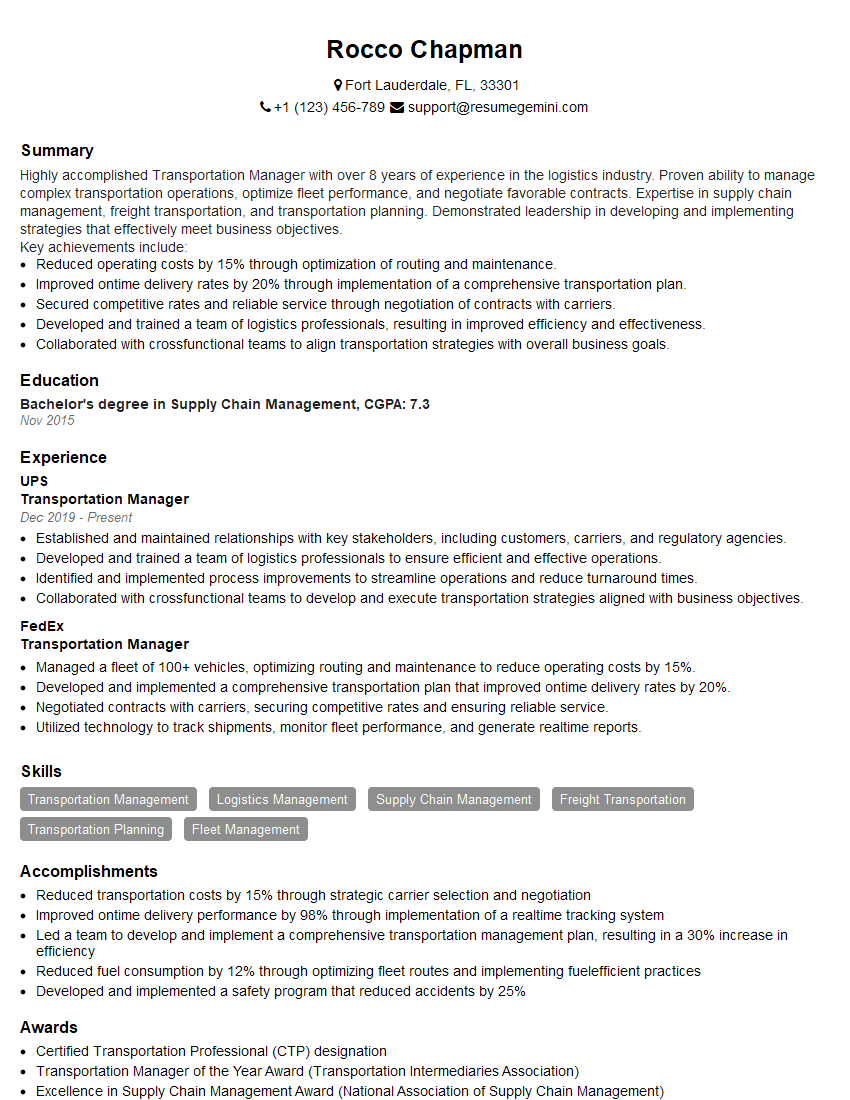
Transportation Manager Resume Sample
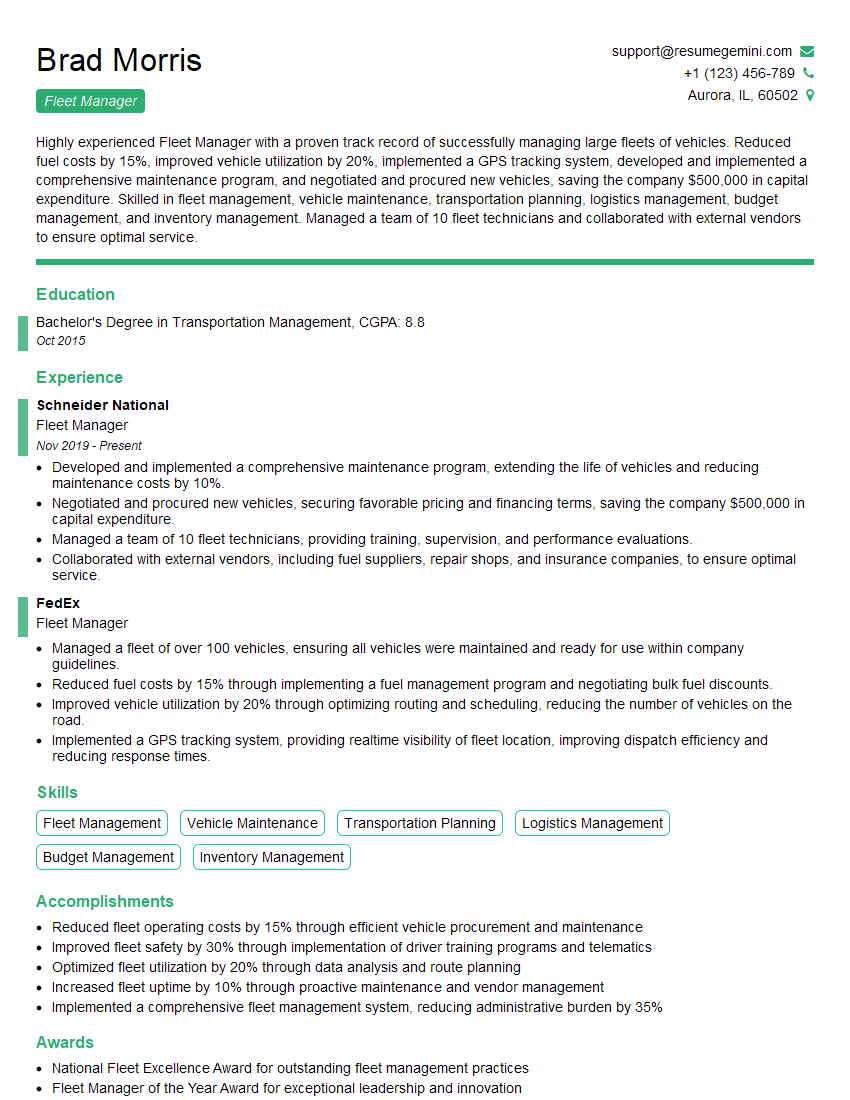
Fleet Manager Resume Sample
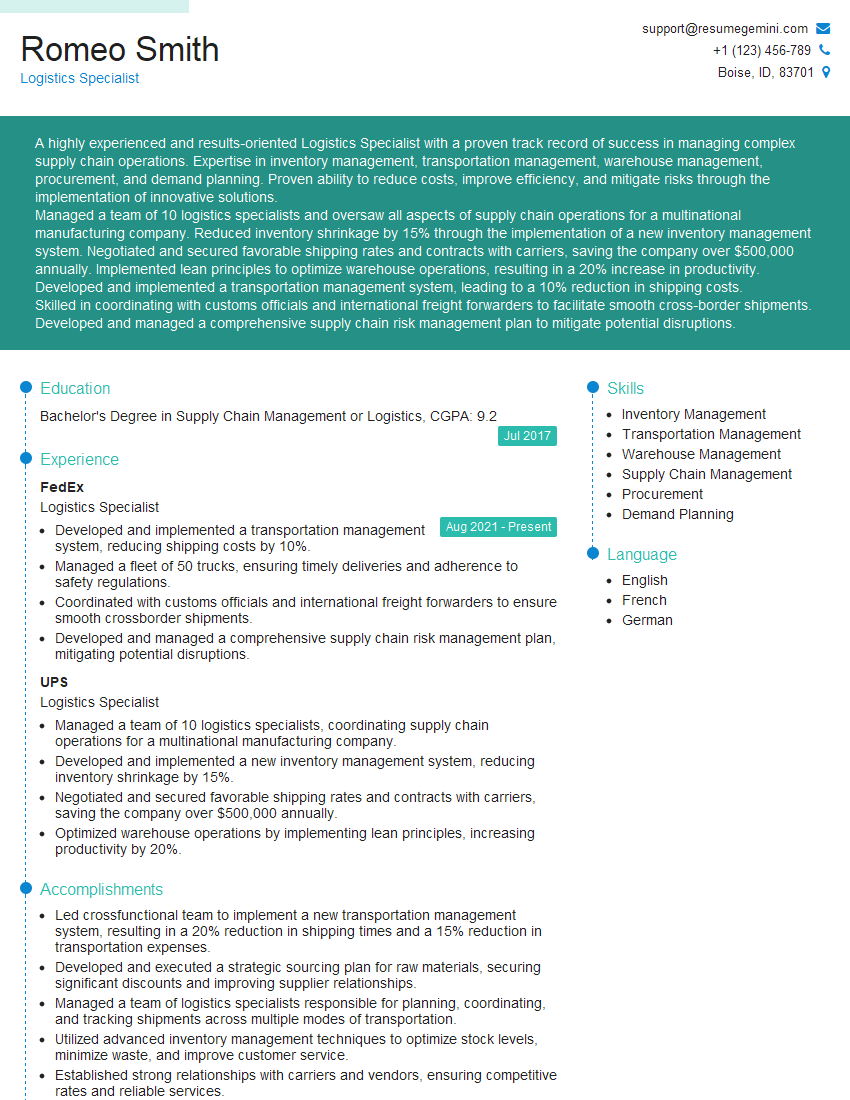
Logistics Specialist Resume Sample

Transportation Analyst Resume Sample

Crane Operator Resume Sample

Heavy Equipment Operator Resume Sample

Rigger Resume Sample
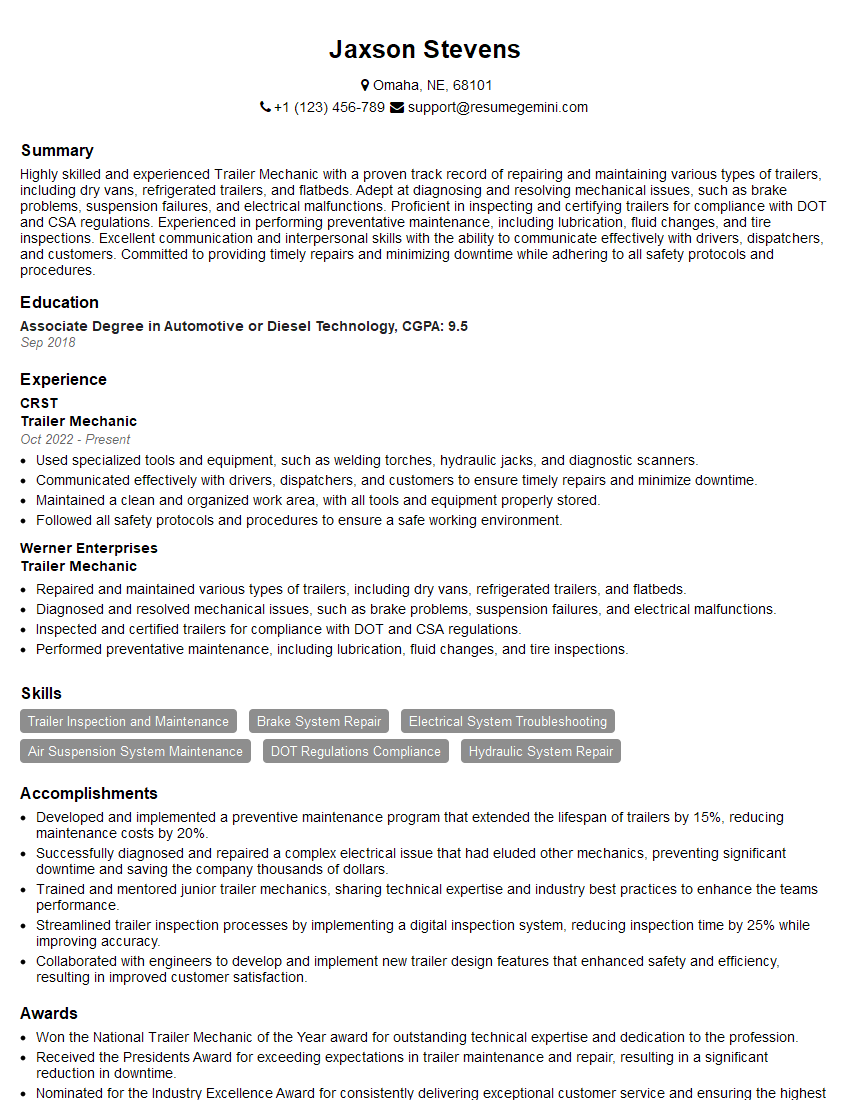
Trailer Mechanic Resume Sample
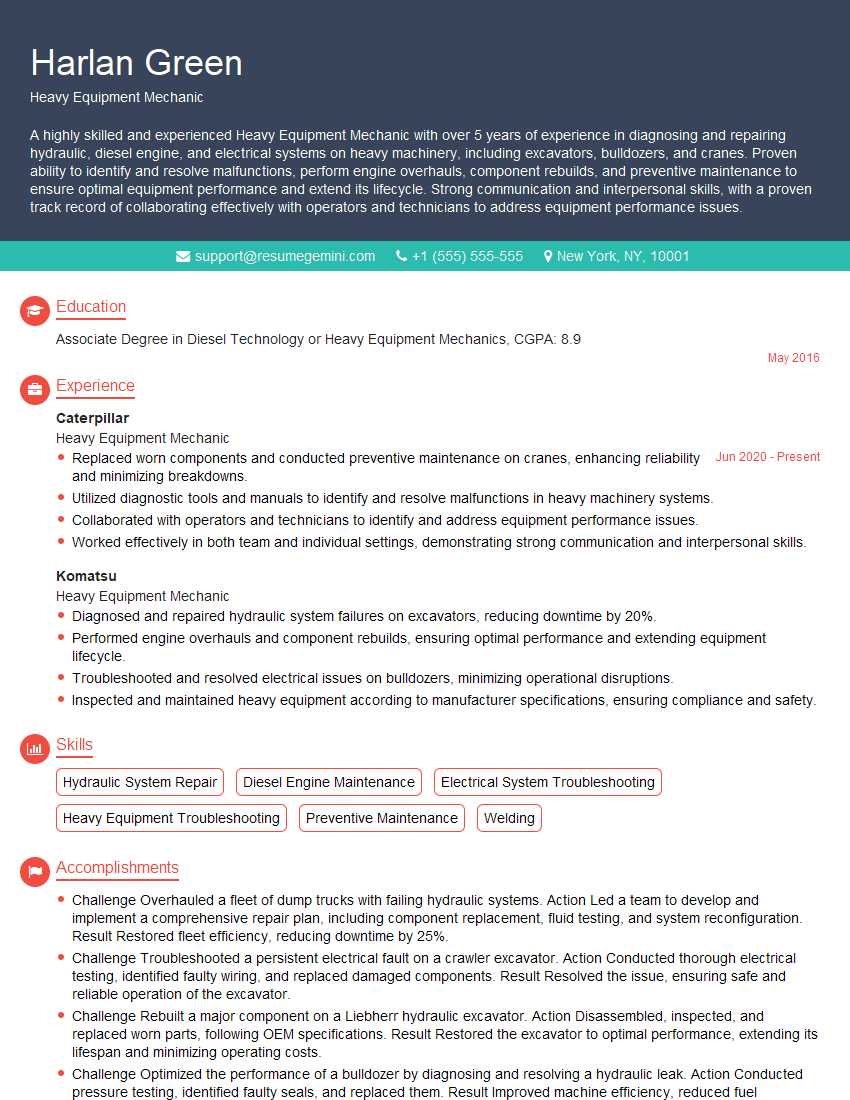
Heavy Equipment Mechanic Resume Sample
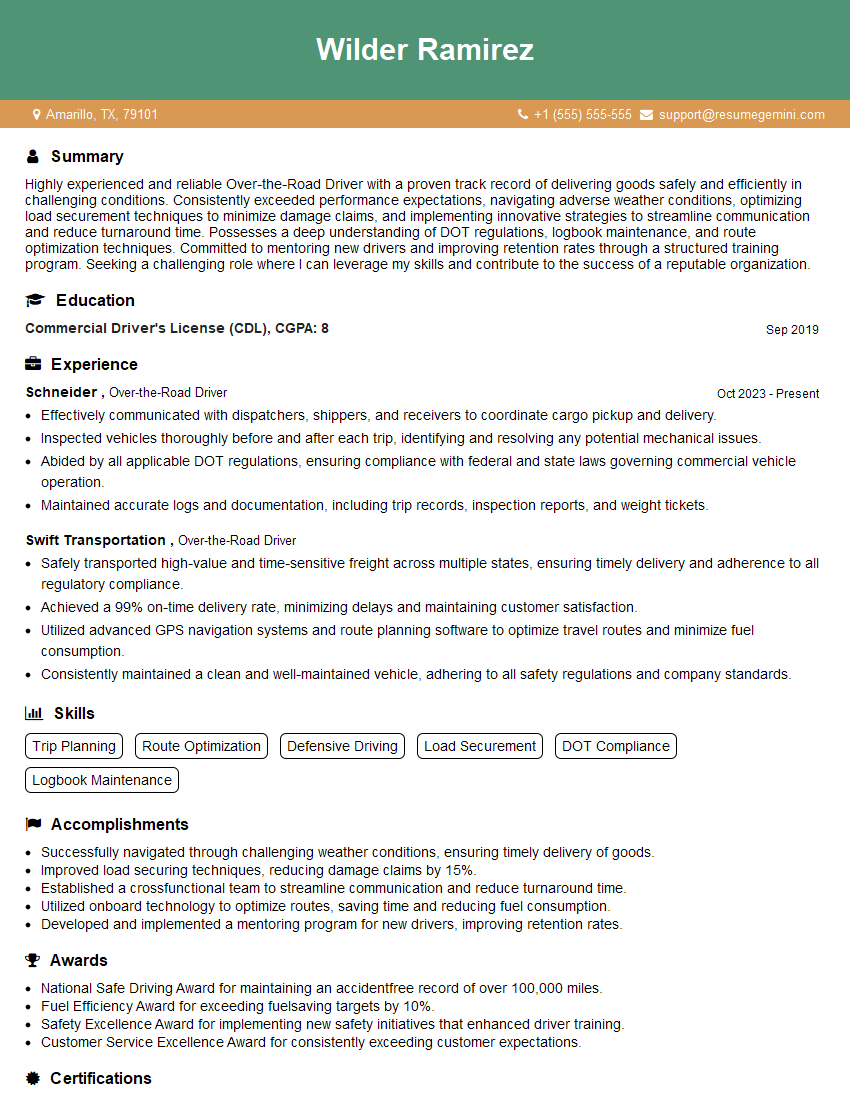
Over-the-Road Driver Resume Sample
Explore more articles
Users Rating of Our Blogs
Share Your Experience
We value your feedback! Please rate our content and share your thoughts (optional).
What Readers Say About Our Blog
Very informative content, great job.
good