Interviews are more than just a Q&A session—they’re a chance to prove your worth. This blog dives into essential Animal Handling Equipment Operation interview questions and expert tips to help you align your answers with what hiring managers are looking for. Start preparing to shine!
Questions Asked in Animal Handling Equipment Operation Interview
Q 1. Describe your experience with different types of animal handling equipment.
My experience encompasses a wide range of animal handling equipment, from basic tools like catch poles and headgates to more sophisticated systems such as hydraulic chutes and squeeze chutes. I’ve worked extensively with equipment designed for various species, including cattle, pigs, sheep, and poultry. This includes both portable and permanently installed equipment in different farm settings and veterinary clinics. For example, I’ve used calf tables for routine vaccinations and examinations, and large-scale hydraulic systems for managing herds of cattle during processing. I’m also familiar with specialized equipment like restraint slings for injured animals and various types of scales for weighing livestock. My experience extends to the proper selection of equipment based on the animal’s species, size, temperament, and the procedure being performed.
Q 2. Explain the safety procedures you follow when operating animal handling equipment.
Safety is paramount. Before operating any equipment, I always conduct a thorough pre-operational inspection to identify any potential hazards – loose bolts, damaged hydraulic lines, or worn-out parts. I ensure that all safety guards are in place and functioning correctly. Personal Protective Equipment (PPE) is mandatory and includes sturdy boots, gloves appropriate for the task (e.g., cut-resistant gloves when working with sharp equipment), eye protection, and hearing protection when necessary (especially with hydraulic systems). I always maintain a safe distance from moving parts, and I never operate equipment if I’m fatigued or under the influence of drugs or alcohol. I carefully control the speed and movement of the equipment, making sure to avoid sudden jerks or movements that could startle or injure the animal. Finally, I always have a trained colleague present, particularly when working with larger or more aggressive animals. We communicate clearly during handling operations, using hand signals and verbal cues as needed.
Q 3. How do you ensure the humane treatment of animals during handling procedures?
Humane treatment is an absolute priority. This begins with selecting the appropriate equipment for the animal and the procedure. I always prioritize methods that minimize stress and discomfort. For example, I’ll use gentler restraint methods whenever possible, such as using a halter and lead rope instead of a headgate if the animal is calm and cooperative. I ensure that animals are handled calmly and confidently, avoiding sudden movements or loud noises that could frighten them. I always monitor the animal closely for signs of distress – such as excessive panting, rapid heart rate, or vocalizations. If I see any signs of distress, I immediately stop the procedure and reassess the situation. Providing ample space, proper ventilation, and minimizing handling time are also crucial for the animal’s well-being. Training on the ethical and humane handling of animals is ongoing and a vital part of my professional development.
Q 4. What are the maintenance requirements for common animal handling equipment?
Regular maintenance is crucial to ensure the safety and efficiency of animal handling equipment. This includes daily inspections for any signs of wear and tear, loose components, or hydraulic leaks. Weekly maintenance might involve lubricating moving parts and checking the hydraulic fluid levels. More thorough inspections and servicing, which may include replacing worn parts or performing more extensive repairs, should occur monthly or quarterly depending on the frequency of use and the type of equipment. Keeping detailed maintenance logs is essential for tracking repairs and preventative measures. For example, with a hydraulic chute, regular checks of the hydraulic fluid levels and pressure are paramount to prevent malfunctions. For headgates, checking bolts and hinges to ensure that they are securely fastened is essential for both animal and worker safety. Neglecting maintenance can lead to equipment failure, which poses safety risks to both animals and handlers.
Q 5. How do you troubleshoot malfunctions in animal handling equipment?
Troubleshooting involves systematically identifying the problem. I start by examining the equipment for any obvious issues, such as loose connections, damaged cables, or leaking hydraulic lines. If the problem is electrical, I might check fuses or circuit breakers. If hydraulic pressure is the problem, I’ll examine fluid levels, check for leaks, and inspect the pump. For example, if a hydraulic chute isn’t functioning, I would first check the hydraulic fluid levels and then examine the pump for any issues. If a simple visual check doesn’t identify the problem, I may use a multimeter to test electrical circuits or consult the equipment’s manual for troubleshooting guides. If the problem is complex, I will contact a qualified technician for repairs. Always prioritize safety; if you are unsure about how to fix a malfunction, don’t attempt it. Call in professional assistance to avoid further damage or injury.
Q 6. What are the different types of animal restraints and when would you use each?
Animal restraints vary widely depending on the species, size, and temperament of the animal, as well as the procedure being performed. Common restraints include halters and leads for smaller, more docile animals; headgates and squeeze chutes for larger animals requiring more secure restraint for examinations or procedures; and specialized slings or harnesses for lifting or moving injured animals. We also use chemical restraints (sedatives) under veterinary supervision for potentially dangerous situations where other methods prove insufficient. The choice of restraint always considers minimizing stress and ensuring the safety of both the animal and the handler. For example, a small sheep might only need a halter for a vaccination, whereas a large bull would require a squeeze chute for hoof trimming. Selecting the correct restraint is critical for the successful and safe completion of any procedure.
Q 7. Describe your experience with hydraulic animal handling systems.
My experience with hydraulic animal handling systems is extensive, encompassing design, operation, and maintenance. I’ve worked with hydraulic chutes, squeeze chutes, and other automated systems used in large-scale livestock operations. These systems often involve complex hydraulic pumps, valves, and cylinders that require a good understanding of hydraulic principles. I’m proficient in troubleshooting hydraulic malfunctions, including identifying leaks, diagnosing pump failures, and repairing or replacing damaged components. Safety is particularly critical with hydraulic systems because of the potential for high pressures and moving parts. Regular maintenance, including fluid level checks, pressure tests, and inspection of hydraulic lines for leaks, is essential to prevent malfunctions and ensure safe operation. Understanding how the system works, its pressure limits, and how to use the safety controls are critical for efficient and safe operation.
Q 8. How do you select the appropriate animal handling equipment for different species?
Selecting the right animal handling equipment depends heavily on the species’ size, temperament, and the specific task. Think of it like choosing the right tool for a job – you wouldn’t use a hammer to screw in a screw!
- Size and Weight: For small animals like rodents, we might use lightweight, clear containers or specialized gloves. Larger animals, like cattle, require robust chutes, headgates, and hydraulic lifts.
- Temperament: Aggressive animals necessitate equipment that provides maximum operator safety, such as electric prods (used responsibly and with training) or remotely operated tools. More docile animals might only need simple halters or nets.
- Specific Task: Moving animals requires different equipment than restraining them for medical procedures. Loading animals onto a trailer needs ramps and potentially specialized crates, while a veterinary exam might involve a hydraulic table and specialized restraints.
For example, handling a cheetah would require completely different equipment than handling a sheep. A cheetah needs a large, secure enclosure with minimal human interaction during transport, while sheep are often handled using less specialized equipment like halters and gates within a well-designed handling facility.
Q 9. Explain your knowledge of animal behavior as it relates to equipment handling.
Understanding animal behavior is paramount to safe and efficient equipment operation. Ignoring an animal’s natural instincts can lead to accidents.
- Flight Zone: Each species has a flight zone – the distance at which they’ll feel threatened and attempt to flee. Knowing this allows us to position equipment and approach animals in a way that minimizes stress. We can use this knowledge to gradually reduce the flight zone, building trust and making the handling process smoother.
- Body Language: Recognizing signs of stress (e.g., rapid breathing, pinned ears, flattened body posture) is crucial. If an animal shows distress, we must adjust our approach or the equipment used immediately. For instance, a horse exhibiting signs of fear might require a slower, calmer approach and avoiding sudden movements near its head.
- Species-Specific Behaviors: Each species has unique behavioral patterns. For instance, sheep tend to follow one another, which can be exploited during herding. Conversely, understanding that cattle have a strong herd instinct helps in designing handling systems that minimize panic.
Imagine trying to load a herd of cattle into a trailer without understanding their flight zone. They’d likely panic, creating a dangerous situation for both the animals and the handlers. Knowledge of animal behavior allows for a more humane and efficient process.
Q 10. What are the potential hazards associated with operating animal handling equipment?
Operating animal handling equipment presents several hazards:
- Injury to Animals: Improper use can cause physical harm, such as bruising, cuts, or broken bones. For instance, using a poorly maintained chute could lead to an animal getting injured.
- Injury to Handlers: Animals can kick, bite, or trample handlers, and malfunctioning equipment can injure operators. This highlights the need for regular equipment inspections and proper training.
- Equipment Malfunction: Hydraulic failures, electrical shorts, or broken components can cause accidents. Regular maintenance is absolutely critical for preventing these issues.
- Stress and Suffering: Poorly designed or improperly used equipment can cause undue stress and suffering to animals. It’s important to always prioritize animal welfare.
For example, a faulty hydraulic lift failing during the loading of pigs could lead to both animal and handler injuries. Always prioritize safety and conduct regular maintenance checks.
Q 11. How do you address an emergency situation involving animal handling equipment?
Emergency situations require swift, decisive action. My response would depend on the nature of the emergency, but generally includes:
- Assessing the Situation: Determine the immediate threat – is an animal injured, is equipment malfunctioning, is there a risk of escape?
- Ensuring Safety: Prioritize the safety of both animals and handlers. This might involve securing the area, shutting down equipment, or using emergency release mechanisms.
- Calling for Assistance: If needed, contact veterinary staff, emergency services, or other qualified personnel immediately. This could be a farm manager, a vet, or an emergency animal rescue organization.
- Addressing the Root Cause: Once the immediate danger is under control, investigate the cause of the incident to prevent future occurrences. This could involve repairing equipment, reviewing handling procedures, or providing further training.
For instance, if a horse gets its leg caught in a gate, my priority is to safely free the horse without causing further injury. I’d then call a vet to examine the horse and look into why the accident happened, perhaps repairing or replacing the faulty gate. Documentation of such events is also extremely important for future improvements.
Q 12. Describe your experience with loading and unloading animals using specialized equipment.
I have extensive experience loading and unloading animals using a range of specialized equipment including:
- Livestock Trailers: I’m proficient in using ramps, chutes, and other loading mechanisms to move cattle, sheep, pigs, and other livestock safely and efficiently. This includes understanding the appropriate use of electric prods (only if necessary and trained), and ensuring the animals’ comfort and safety throughout the process.
- Hydraulic Lifts and Tables: I have experience using these for moving smaller animals in veterinary settings, ensuring their safety and minimizing stress.
- Specialized Crates and Containers: I’m familiar with the use of appropriately sized and designed crates for transporting various species, ensuring proper ventilation and animal well-being.
For example, loading a nervous horse requires a calm and patient approach, ensuring the horse feels secure and comfortable entering the trailer. I might use calming techniques and avoid sudden movements to prevent panic. Conversely, handling a flock of sheep often involves using herding techniques to guide them efficiently into the transport vehicle.
Q 13. What are the regulations and safety standards related to the operation of animal handling equipment?
Regulations and safety standards related to animal handling equipment vary by location and species, but some common elements include:
- Occupational Safety and Health Administration (OSHA) guidelines: These address workplace safety, including the use of equipment and the protection of workers from animal-related hazards.
- Animal Welfare Regulations: Laws and regulations protect animals from cruelty and ensure humane handling practices. These regulations frequently dictate acceptable equipment designs and operating procedures.
- Equipment Safety Standards: Many countries have specific standards for the design, construction, and testing of animal handling equipment, ensuring its safe and reliable operation. These often cover aspects like structural integrity and emergency release mechanisms.
- Manufacturer’s Instructions: Always adhere to the manufacturer’s instructions and recommendations for each piece of equipment. These are provided to ensure safe and proper use.
Ignoring these regulations can lead to severe penalties, including fines, facility closure, and legal action. Regular training and adherence to best practices are crucial for compliance.
Q 14. How do you clean and sanitize animal handling equipment after use?
Cleaning and sanitizing animal handling equipment is crucial for preventing disease spread and maintaining hygiene.
- Initial Cleaning: Remove all manure, feed, and other debris using appropriate tools and water. High-pressure washers are often very effective. Scrape down any areas where material might accumulate.
- Disinfection: Apply a suitable disinfectant according to the manufacturer’s instructions. Pay close attention to all surfaces and joints to ensure complete coverage. Consider the specific pathogens of concern based on the species handled.
- Drying: Allow the equipment to dry completely before storing or using again. This prevents the growth of microorganisms.
- Regular Maintenance: Inspect equipment regularly for damage or wear and tear. Repair or replace any damaged parts to maintain effectiveness and safety.
A thorough cleaning and disinfection process is especially important after handling sick animals to prevent the spread of any potential pathogens and protect future animals.
Q 15. Describe your experience with preventative maintenance on animal handling equipment.
Preventative maintenance is crucial for ensuring the safe and efficient operation of animal handling equipment. My approach involves a multi-faceted strategy combining regular inspections, lubrication, and timely repairs. I meticulously inspect all equipment – from crates and cages to automated feeders and weighing scales – checking for wear and tear, loose parts, and any signs of malfunction. This includes visually assessing the structural integrity of crates, checking for rust or damage, verifying the functionality of locking mechanisms, and ensuring smooth operation of moving parts. Lubrication of hinges, wheels, and other moving components is a critical part of my routine, preventing friction and extending the equipment’s lifespan. I maintain detailed records of each inspection and any maintenance performed. For example, I recently identified a faulty wheel on a transport cage during a routine check and immediately replaced it, preventing a potential safety hazard. This proactive approach minimizes downtime and prevents costly repairs down the line.
Career Expert Tips:
- Ace those interviews! Prepare effectively by reviewing the Top 50 Most Common Interview Questions on ResumeGemini.
- Navigate your job search with confidence! Explore a wide range of Career Tips on ResumeGemini. Learn about common challenges and recommendations to overcome them.
- Craft the perfect resume! Master the Art of Resume Writing with ResumeGemini’s guide. Showcase your unique qualifications and achievements effectively.
- Don’t miss out on holiday savings! Build your dream resume with ResumeGemini’s ATS optimized templates.
Q 16. How do you document equipment use and maintenance logs?
Documentation is paramount for ensuring accountability and traceability in equipment use and maintenance. I utilize a combination of digital and physical logs. Each piece of equipment has a dedicated file in our digital system, containing a detailed history of its use, maintenance procedures performed, and any associated repairs. This system allows for easy searching and retrieval of information. For example, if a cage was used to transport a specific animal, that information along with the date and time is logged. Additionally, I maintain physical logbooks, detailing daily inspections and any maintenance activities, ensuring information is easily accessible even in case of system failure. This dual system ensures comprehensive and readily-available records for regulatory compliance and internal tracking.
Q 17. What is your experience with different types of animal crates and transport cages?
My experience encompasses a wide range of animal crates and transport cages, tailored to different animal species and transport needs. I’m familiar with various materials, including steel, plastic, and composite materials, each offering specific advantages and disadvantages regarding durability, weight, and cost. I’ve worked extensively with individual animal crates for smaller animals, multi-tiered transport cages for rodents and birds, and larger, specialized crates for transporting larger animals, such as livestock or primates. Selecting the appropriate cage is crucial; it must accommodate the size and specific needs of the animal, ensuring adequate space, ventilation, and safety. For instance, when transporting primates, I prioritize cages with robust locking mechanisms and secure ventilation to ensure animal safety and prevent escape. I have experience adapting cages for unique requirements, such as modifying them for specific medical needs or adding enrichment features.
Q 18. How do you handle aggressive or frightened animals during handling procedures?
Handling aggressive or frightened animals requires a calm, controlled, and measured approach. Prioritizing safety for both the animal and the handler is paramount. My approach starts with a thorough risk assessment of the animal’s behavior and temperament before initiating any handling procedure. Appropriate personal protective equipment (PPE), such as thick gloves and protective clothing, is always utilized. For aggressive animals, I utilize techniques like using a catch pole or other specialized handling tools to maintain a safe distance while guiding the animal. For frightened animals, I create a calming environment by minimizing noise and sudden movements. Slow, deliberate movements, offering reassurance and utilizing calming pheromones when appropriate, aids in handling these animals effectively. In all situations, my priority remains the animal’s safety and well-being, while ensuring that I and my colleagues remain protected.
Q 19. Describe your experience with automated animal feeding systems.
I have significant experience with automated animal feeding systems, ranging from simple timed feeders to sophisticated systems with remote monitoring and data logging capabilities. These systems offer advantages in efficiency, consistency, and reduced labor costs, particularly in large-scale animal facilities. My expertise includes the installation, maintenance, and troubleshooting of these systems. This involves understanding programming protocols, calibrating feeding amounts, and ensuring the proper functionality of dispensing mechanisms. I’m also familiar with various types of feeders suitable for different species and diets, from gravity-fed systems to auger-based feeders and automated pellet dispensers. For example, in one facility, I implemented an automated system for feeding primates that improved the consistency of food distribution and significantly reduced labor costs. This system allowed for remote monitoring of food consumption and early identification of potential feeding issues.
Q 20. What are your skills in using specialized animal weighing scales?
I am proficient in using various types of specialized animal weighing scales, including platform scales, hanging scales, and electronic scales. My expertise extends to selecting the appropriate scale for different animal sizes and weights, ensuring accurate measurements. Proper calibration and regular maintenance are critical for accurate readings; I understand how to conduct these procedures meticulously. I’m also familiar with different units of measurement and can easily convert between them. For instance, when weighing large livestock, I use a robust platform scale; for smaller animals, a digital scale that provides high-precision measurements is necessary. Understanding the limitations of each scale is also crucial to interpreting the readings accurately.
Q 21. Explain your understanding of the principles of ergonomics in animal handling.
Ergonomics plays a vital role in animal handling, minimizing the risk of musculoskeletal injuries to handlers while ensuring the animal’s safety. Understanding ergonomic principles is integral to designing safe and efficient animal handling procedures. This involves selecting equipment that is appropriately sized and weighted for the task, using appropriate lifting techniques, and minimizing repetitive motions. For example, using a wheeled cart to transport heavy cages reduces strain on the back and minimizes the risk of injury. Implementing proper body mechanics when lifting animals or equipment is essential. Training staff on these principles is also a key component of a safe work environment. Additionally, considering the animal’s weight and potential resistance when handling is key in planning safe handling procedures that reduce strain on the handler.
Q 22. How do you ensure the equipment is properly calibrated and functioning correctly?
Regular calibration and functionality checks are crucial for safe and efficient animal handling. Think of it like a doctor’s yearly checkup – preventative maintenance is key. My process involves a multi-step approach:
- Visual Inspection: A thorough examination of all equipment components for wear and tear, leaks (hydraulic or pneumatic systems), loose connections, and any signs of damage. This includes checking cables, hoses, and structural integrity.
- Functional Testing: I systematically test each function of the equipment, such as chute gates, headlocks, and restraining mechanisms, ensuring smooth and safe operation. This might involve simulating animal movement to check responsiveness.
- Calibration Checks: For equipment with calibrated components (e.g., scales, pressure gauges), I use standardized weights or pressure sources to verify accuracy. I meticulously document all readings and compare them against manufacturer specifications. Any discrepancies trigger immediate investigation and potential adjustments.
- Record Keeping: All inspections and calibration results are meticulously documented, including date, time, findings, and corrective actions (if any). This creates a clear audit trail, helping us track equipment performance and identify potential issues before they become significant problems. For instance, if a scale consistently reads low, we can identify a need for recalibration before it impacts the accuracy of animal weight measurements.
This systematic approach ensures the equipment remains reliable, promoting both animal welfare and operator safety.
Q 23. What is your experience with electric or pneumatic powered animal handling systems?
I have extensive experience with both electric and pneumatic powered animal handling systems. Electric systems offer precise control and are often used in smaller-scale operations or for specific tasks, such as automated gates. Pneumatic systems, on the other hand, provide considerable power and are frequently used in larger facilities for tasks requiring more force, such as moving heavy animals through chutes.
For example, I’ve worked with electric headlocks that allow for precise adjustments for different animal sizes and temperaments. Conversely, I’ve operated pneumatic-powered squeeze chutes used for larger livestock like cattle, where the power and speed are crucial for efficient handling. My expertise extends to understanding the specific safety protocols and maintenance requirements of each system. I’m also comfortable troubleshooting issues in both systems, identifying the source of problems (e.g., faulty sensors, air leaks) and resolving them swiftly and safely.
Q 24. How do you adapt your animal handling techniques to accommodate animals with special needs?
Adaptability is key when dealing with animals with special needs. It requires understanding the animal’s specific condition and adjusting techniques accordingly. This might involve:
- Modified Restraint Methods: For injured or fragile animals, I might use gentler restraint methods, potentially reducing the use of headlocks or opting for less forceful techniques. For example, a calf with a leg injury might require a different positioning and support system in a chute compared to a healthy one.
- Slow and Calming Approach: Nervous or stressed animals benefit from a slower, gentler approach, avoiding sudden movements or loud noises. Creating a calm environment can significantly reduce stress and improve safety. I may adjust the speed of the equipment accordingly and focus on providing a reassuring presence.
- Specialized Equipment: Some animals may require specialized equipment or modifications to the existing system to accommodate their unique needs. For instance, an animal with a mobility impairment may necessitate modifications to the chute floor or the use of additional support systems.
- Consultation with Veterinarians: For animals with complex conditions, collaboration with veterinary professionals is essential to ensure the safety and well-being of the animal during handling. I work closely with vets to develop customized handling plans.
The goal is always to minimize stress and potential harm to the animal while maintaining the safety of the handlers.
Q 25. Describe your knowledge of various animal handling techniques (e.g., headlocks, chutes).
My knowledge of animal handling techniques encompasses a wide range of equipment and methodologies, prioritizing animal welfare and handler safety.
- Headlocks: I’m proficient in using various types of headlocks, understanding their applications and limitations. Proper headlock use is critical for procedures requiring immobilization, such as vaccinations or examinations. It’s vital to understand the animal’s anatomy and adjust the headlock accordingly to ensure proper restraint without causing discomfort or injury.
- Chutes: I’m familiar with various chute designs, from simple raceway chutes to more complex squeeze chutes and tilt tables. Understanding how to effectively and safely move animals through these systems, based on their size, temperament, and the procedure required, is critical. This includes understanding how to adjust chute components for optimal animal flow and restraint.
- Other Techniques: My experience extends beyond headlocks and chutes. I’m also familiar with techniques like using halters, ropes, and other restraint devices, always prioritizing safe and humane handling practices. The selection of technique depends heavily on the species, the animal’s individual characteristics, and the specific task at hand.
This comprehensive understanding allows me to select and implement the most appropriate handling techniques for each situation.
Q 26. What safety measures would you employ working with large or dangerous animals?
Safety is paramount when working with large or dangerous animals. My approach incorporates a layered safety strategy:
- Proper Training: Thorough training in animal handling techniques and equipment operation is fundamental. This includes understanding animal behavior, recognizing warning signs of aggression, and knowing how to react to unexpected situations.
- Personal Protective Equipment (PPE): The appropriate PPE is always worn, including protective clothing, sturdy footwear, gloves, eye protection, and potentially hearing protection depending on the equipment used. The choice of PPE depends on the specific animal and the handling task.
- Equipment Checks: A comprehensive pre-operation check of all equipment is conducted before each use. This ensures the equipment is functioning correctly and safely, reducing the risk of equipment failure during handling.
- Emergency Procedures: Emergency procedures are clearly defined and regularly practiced. This includes knowing how to safely release an animal from a restraint system if necessary, and understanding the protocols for responding to bites, kicks, or other injuries. All personnel involved must be well-versed in these protocols.
- Teamwork: When dealing with potentially dangerous animals, teamwork and communication are vital. Multiple handlers working together, coordinating their movements, significantly reduces risk compared to solo operations.
My approach is built on a strong foundation of risk assessment and mitigation, making safety an integral part of every aspect of the handling process.
Q 27. Describe your experience with troubleshooting hydraulic or pneumatic failures.
Troubleshooting hydraulic or pneumatic failures requires a systematic approach combining practical skills and diagnostic knowledge. My experience includes:
- Identifying the Problem: This involves carefully observing the system for clues, such as unusual noises, leaks, or lack of response. Understanding the specific systems – whether it’s a hydraulic pump, a pneumatic valve, or a sensor – is key.
- Systematic Diagnostics: I use a methodical approach to isolate the problem, checking hoses, connections, and individual components. This might involve using pressure gauges, multimeters, or specialized diagnostic tools depending on the system’s complexity.
- Safety First: Before attempting any repairs, I ensure the system is completely de-energized or depressurized to prevent accidents. Safety is never compromised.
- Repair or Replacement: Once the problem is identified, I can either repair the faulty component or replace it as necessary. This often involves familiarity with hydraulic fluid types and pneumatic air quality requirements.
- Documentation: All troubleshooting steps and repairs are thoroughly documented, contributing to equipment maintenance records and improving future response times.
For example, if a pneumatic gate fails to open, I would systematically check the air supply, the valve’s functionality, and the gate’s mechanical components to find the source of the problem, ensuring I only proceed with repairs once the system is safely isolated.
Q 28. What is your experience with data logging and reporting systems related to equipment use?
Data logging and reporting are essential for optimizing animal handling processes and ensuring compliance. My experience involves:
- Equipment Integration: I’m familiar with various data logging systems that integrate with animal handling equipment, capturing information such as equipment usage time, pressure readings, and other relevant parameters.
- Data Analysis: I can analyze the collected data to identify trends, potential problems, and areas for improvement. This might involve identifying patterns in equipment malfunctions, optimizing handling times, or identifying specific aspects of equipment that require further adjustments or maintenance.
- Report Generation: I’m proficient in generating reports summarizing the data, providing insights into equipment performance, and facilitating informed decision-making. These reports can be used for equipment maintenance planning and broader operational improvements.
- Compliance: Data logging is critical for demonstrating compliance with relevant regulations and standards pertaining to animal welfare and occupational safety. Proper record-keeping can be essential for audits and inspections.
For instance, analyzing data on chute usage times might reveal bottlenecks in the handling process, suggesting opportunities for system optimization or retraining to improve efficiency and reduce stress on both the animals and the handlers.
Key Topics to Learn for Animal Handling Equipment Operation Interview
- Equipment Safety and Maintenance: Understanding preventative maintenance schedules, recognizing malfunctioning equipment, and adhering to safety protocols for various handling tools.
- Animal Behavior and Handling Techniques: Knowing how animal behavior influences equipment operation, applying appropriate restraint techniques, and adapting equipment use to individual animal needs and species.
- Specific Equipment Operation: Gaining proficiency in operating different types of animal handling equipment (e.g., chutes, squeeze chutes, hydraulic lifts, etc.), including their limitations and safe operating procedures.
- Emergency Procedures: Developing a strong understanding of emergency response protocols, including malfunctioning equipment, animal injury, and appropriate first aid responses.
- Ethical Considerations: Understanding the ethical implications of animal handling and the importance of minimizing stress and discomfort to animals throughout the process.
- Record Keeping and Documentation: Knowing how to accurately document animal handling procedures, maintenance records, and any incidents that may occur.
- Regulations and Compliance: Familiarizing yourself with relevant industry regulations and compliance standards related to animal handling equipment and welfare.
- Problem-Solving and Troubleshooting: Developing the ability to identify and resolve equipment malfunctions, animal-related issues, and implement solutions effectively.
Next Steps
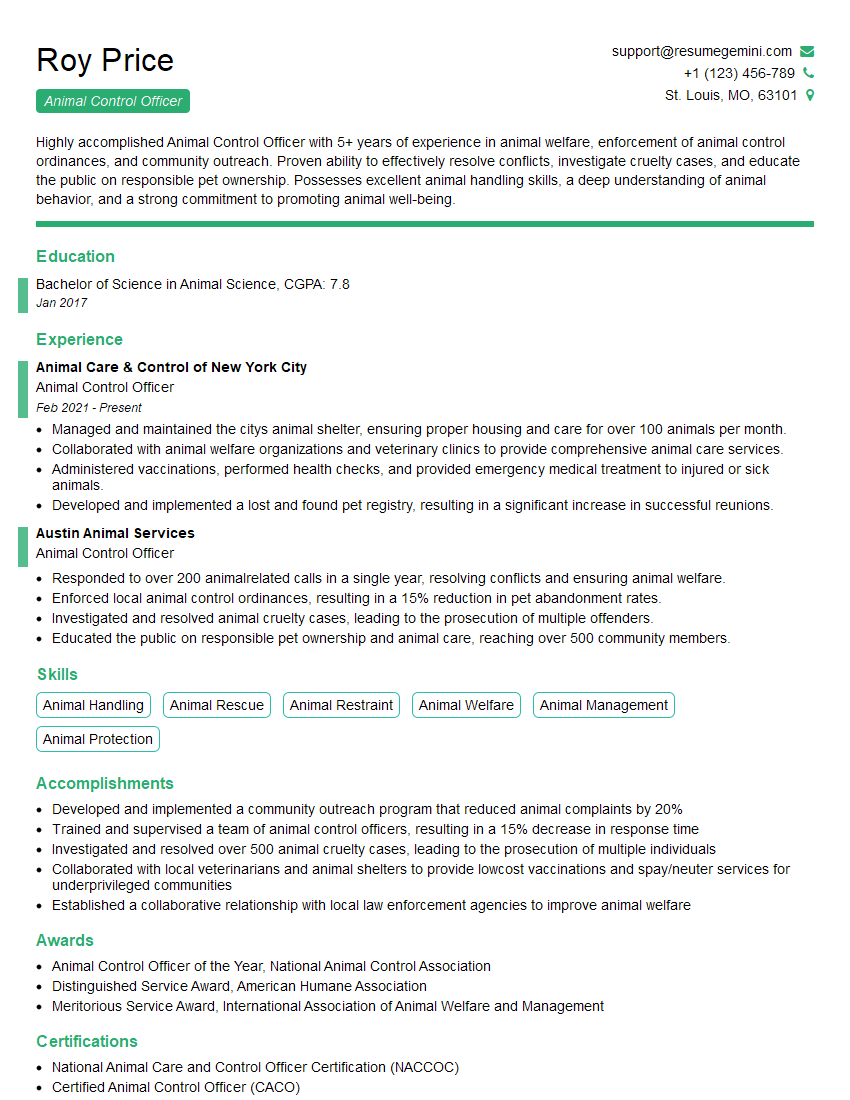
Mastering Animal Handling Equipment Operation opens doors to rewarding careers in animal care, research, and agriculture. A strong understanding of this field demonstrates a commitment to animal welfare and operational efficiency, making you a highly desirable candidate. To significantly boost your job prospects, creating an ATS-friendly resume is crucial. ResumeGemini is a trusted resource to help you build a professional and impactful resume that will catch the attention of recruiters. We provide examples of resumes tailored to Animal Handling Equipment Operation to guide you through the process. Take the next step towards your dream job – build your best resume with ResumeGemini today!
Explore more articles
Users Rating of Our Blogs
Share Your Experience
We value your feedback! Please rate our content and share your thoughts (optional).
What Readers Say About Our Blog
Very informative content, great job.
good