Every successful interview starts with knowing what to expect. In this blog, we’ll take you through the top Digital proofing and soft proofing interview questions, breaking them down with expert tips to help you deliver impactful answers. Step into your next interview fully prepared and ready to succeed.
Questions Asked in Digital proofing and soft proofing Interview
Q 1. Explain the difference between digital and soft proofing.
While both digital and soft proofing involve reviewing a digital representation of a printed piece before actual printing, they differ significantly in their methods and capabilities. Digital proofing uses a high-resolution digital file, often a PDF, that aims to accurately represent the final print’s appearance, including color and details. Think of it as a highly detailed preview. This often involves specialized hardware like proofing monitors with calibrated color profiles. Soft proofing, on the other hand, is a less precise method using software to simulate the print’s appearance on a standard monitor. It’s like looking at a lower-resolution preview image; the accuracy depends heavily on the monitor’s calibration and the software’s color simulation.
In essence, digital proofing strives for the highest possible accuracy, using calibrated equipment, while soft proofing offers a quick, less precise preview, suitable for early-stage reviews when perfect color fidelity isn’t critical.
Q 2. What are the common file formats used in digital proofing?
Several file formats are commonly employed in digital proofing, each with its strengths and weaknesses. PDF/X formats (like PDF/X-1a, PDF/X-3, PDF/X-4) are industry standards because they embed color profiles and other critical information, ensuring consistency across different viewing systems. TIFF files, known for their high resolution and lossless compression, are also frequently used, especially when dealing with large images. JPEG is less preferred for proofing because of its lossy compression, which can lead to detail loss. Finally, EPS (Encapsulated PostScript) might be used, particularly in workflows involving vector graphics. The choice depends heavily on the application and the level of accuracy required; PDF/X is generally preferred for its reliability and industry-standard status.
Q 3. Describe your experience with color management in digital proofing.
Color management is paramount in digital proofing. My experience involves extensive work with ICC profiles, ensuring the digital representation accurately predicts the final print. I’ve worked with various color spaces like Adobe RGB and sRGB, understanding their limitations and selecting the appropriate one for the intended output. For instance, I once worked on a project with a client who required Pantone-matched colors. We meticulously created a custom ICC profile based on Pantone’s reference data to guarantee accurate color reproduction in the digital proof and subsequent printing. This meticulous approach reduced costly reprintings due to color deviations. I’m also experienced with software and hardware calibration, ensuring my monitors accurately reflect the intended colors. This involves regular calibration checks and using profiling tools for consistent color reproduction.
Q 4. How do you identify and correct color inconsistencies in soft proofs?
Identifying and correcting color inconsistencies in soft proofs requires a systematic approach. First, I would carefully compare the soft proof to a reference, such as a Pantone color chart or a previously approved print. Any obvious color discrepancies are noted. Then, I examine the monitor’s calibration; an incorrectly calibrated monitor is a major source of errors. If the calibration is suspect, recalibration is the first step. Software tools can aid in analyzing color profiles and identifying potential issues. Sometimes, the problem stems from incorrect color settings in the design software itself. Adjusting color settings, profiles, or even the original artwork might be necessary. If all else fails, a digital proof (using calibrated hardware) is the best way to get an accurate representation and identify the source of error more reliably. Using a calibrated monitor and working with a consistent color space throughout the workflow significantly reduces these inconsistencies.
Q 5. What software are you proficient in for digital and soft proofing?
My proficiency spans several software packages crucial for digital and soft proofing. I am highly skilled in Adobe Acrobat Pro for creating and reviewing PDF/X files, and Adobe Photoshop for color correction and image manipulation. I also have experience with Color Management System (CMS) software, including those built into Adobe applications, X-Rite i1Profiler, and other calibration tools, which are indispensable for reliable proofing. For large-format print jobs, I utilize software like EFI Fiery Command Workstation, which provides advanced color management and proofing capabilities. Experience with these tools ensures that I can handle a wide array of proofing tasks across various print processes and file types.
Q 6. Explain your process for reviewing and approving digital proofs.
My digital proof review process is rigorous and methodical. I start by visually inspecting the proof for any obvious errors, such as misspellings, incorrect images, or color inconsistencies. I then check against the original design files and the client’s specifications to ensure everything aligns perfectly. This is followed by a close examination of critical aspects like text sharpness, image quality, and color accuracy. Throughout this process, I meticulously document all findings and communicate them to the design team via annotated proofs and detailed feedback reports. Finally, after all corrections are made and approved, the proof is formally signed off. Open communication and meticulous documentation are essential to ensuring the client is fully satisfied and that the final print meets their expectations.
Q 7. How do you handle discrepancies between soft proofs and final prints?
Discrepancies between soft proofs and final prints are frustrating but unfortunately common. The first step involves investigating the source of the discrepancy. This might involve checking monitor calibration, color profile settings, and print settings. Often, the issue originates from differences between the monitor’s color space and the printer’s color space. Sometimes, the printer itself might have calibration issues. In such cases, I would work with the print vendor to diagnose and rectify the problem. To minimize future discrepancies, I emphasize using digital proofs for critical projects where precise color matching is crucial. It’s a costly lesson learned—a digital proof with calibrated equipment is significantly more reliable and more cost-effective in the long run than dealing with unexpected discrepancies and costly reprintings.
Q 8. What are the key elements to look for when proofing for print?
Proofing for print requires meticulous attention to detail, going beyond simply checking for typos. You need to assess the final output’s appearance on the chosen substrate (paper type, for example) and printing process.
- Color Accuracy: This is paramount. I verify color profiles are correctly embedded and check for accurate color reproduction against the original design, using a calibrated monitor and potentially a colorimeter or spectrophotometer. A slight shift in CMYK values can drastically alter the final print.
- Resolution and Sharpness: Images and text must be at the correct resolution for the print process. Low-resolution images will appear blurry or pixelated. I carefully examine each image to ensure sufficient sharpness and detail.
- Image Quality: I check for any compression artifacts, banding, or other imperfections that might be less visible on screen but become apparent in print. I also examine the image for potential issues like moiré patterns, which are interference patterns that can occur when printing images with fine details.
- Bleeds and Margins: Proper bleeds (extending colors beyond the trim edge) and margins are critical to avoid unsightly white borders. I meticulously check that these are set correctly to prevent issues during trimming.
- Font Rendering: I verify that fonts are embedded correctly and render crisply in the proofing environment, anticipating potential font substitution issues in the actual print process.
- Trapping: For multi-color prints, I confirm that trapping (overlapping colors slightly) is appropriately applied to prevent gaps between colors.
For example, I once caught a crucial error where the client’s logo was slightly out of register in a brochure design. This wouldn’t have been as noticeable on screen, but it would have looked unprofessional in print. My thorough proofing process prevented a costly reprint.
Q 9. How do you manage large volumes of files for proofing?
Managing large volumes of files efficiently requires a structured workflow and the right tools. For example, I utilize a Digital Asset Management (DAM) system to store and organize files. This helps maintain a clear audit trail and prevents version control problems.
- Digital Asset Management (DAM): A DAM system provides centralized storage, version control, metadata tagging, and search functionality. This allows me to quickly locate specific files and versions, eliminating the frustration of sifting through numerous folders.
- Workflow Automation: I leverage automation tools to streamline tasks such as automated email notifications for proofing approvals and the integration of the DAM with my proofing software.
- Cloud-Based Solutions: Cloud storage and collaboration platforms facilitate easy access and sharing of files with clients and colleagues, regardless of location. Dropbox, Google Drive, or similar services are invaluable in this aspect.
- Metadata Tagging: Consistently applying relevant metadata to each file (e.g., client name, project name, file type, date) enables efficient searching and filtering.
- Folder Structure: A well-defined folder structure, based on project names and file types, is essential for organization within the DAM system or even on local storage.
Imagine having hundreds of files for a large marketing campaign; a well-structured system is the only way to avoid chaos and ensure timely delivery.
Q 10. Describe your experience with different proofing standards (e.g., ISO 12647).
I have extensive experience with various proofing standards, most notably ISO 12647. This standard defines the process for achieving consistent color reproduction across different printing methods and presses.
- ISO 12647: This standard specifies color management guidelines, including defining color spaces (e.g., ISO Coated v2 (ECI) and defining the acceptable tolerances for color differences between proof and press output. I use software calibrated to these standards and regularly check my equipment against known color standards.
- Other Standards and Best Practices: While ISO 12647 is a cornerstone, I also follow other relevant industry best practices for proofing, tailored to the specific printing process. This includes understanding the capabilities and limitations of different printing techniques.
- Software Calibration: My workflow relies heavily on calibrated monitors, colorimeters, and spectrophotometers to ensure color accuracy within my proofing process. Regular calibration is crucial to maintaining consistency and preventing color drift.
- Proof Types: I have experience working with different types of proofs, including soft proofs (digital proofs viewed on screen) and hard proofs (physical prints created using a proofing press or printer), selecting the type that best suits the project requirements and client’s needs.
For instance, for a critical project with high-fidelity color reproduction demands (like a fine art print), we would use a high-end proofing system that adheres strictly to ISO 12647-2, aiming for a Delta E value below 1.
Q 11. What are some common proofing issues you encounter?
Common proofing issues I encounter often stem from a lack of communication or insufficient attention to detail.
- Color Mismatches: The most frequent problem is inaccurate color representation due to incorrect color profiles, monitor calibration issues, or misunderstandings about color space conversions.
- Resolution Problems: Low-resolution images or fonts can lead to blurry or pixelated output.
- Font Issues: Missing or incorrect fonts, kerning problems, and font substitution issues often appear during the proofing stage.
- Image Compression Artifacts: Using overly compressed images can result in visible artifacts in the final print.
- Bleed and Margin Errors: Incorrect bleeds and margins can lead to unsightly white spaces or cropped elements.
- Trapping Problems: Improper trapping can cause gaps between colors in multi-color prints.
For example, I recently discovered a crucial image was embedded at 72dpi instead of the required 300dpi. This would have resulted in a significantly blurry image in the final product, a problem easily avoided with a careful review during proofing.
Q 12. How do you communicate proofing feedback effectively?
Effective communication of proofing feedback is crucial for preventing costly errors. I use a combination of methods to ensure clarity and efficiency.
- Markup Tools: I utilize dedicated proofing software with built-in markup tools to directly annotate the proof with comments, highlighting areas needing correction and providing clear instructions.
- Detailed Descriptions: Along with visual markup, I provide detailed written descriptions of the issues, including specific measurements, color values (if applicable), and suggested solutions.
- Version Control: I maintain clear version control to track changes and ensure everyone is working on the most up-to-date version of the file.
- Client Communication: I maintain open communication with clients, providing regular updates and addressing their questions proactively. This collaborative approach ensures everyone is on the same page.
For example, instead of simply saying ‘the logo is blurry,’ I might note: ‘The logo in the top left corner appears blurry. It’s likely due to low resolution. Please replace with a 300dpi version, CMYK, and ensure appropriate trapping is applied.’
Q 13. How do you handle urgent proofing requests?
Handling urgent proofing requests requires a flexible approach and prioritization of tasks. My strategy involves:
- Prioritization: I immediately assess the urgency of the request and adjust my schedule accordingly. Urgent projects are moved to the top of my queue.
- Clear Communication: I communicate clearly with the client about potential turnaround times and any constraints.
- Efficient Workflow: I streamline my workflow by focusing on the most critical aspects of the proofing process for urgent tasks.
- Overtime/Additional Resources: If necessary, I may work overtime or bring in additional resources to meet tight deadlines.
In a high-pressure situation, the ability to swiftly identify the most critical aspects of the design and perform focused proofing is essential to meeting tight deadlines without compromising quality.
Q 14. Describe your experience with proofing different types of media (e.g., print, web).
My experience encompasses proofing for various media, each presenting unique challenges.
- Print: Print proofing requires a deep understanding of color management, print processes, and the specific characteristics of different printing substrates. I often employ soft proofing and hard proofing methods depending on project requirements.
- Web: Web proofing focuses on ensuring consistent display across different browsers, devices, and screen resolutions. I check for responsiveness, optimal image compression for web, and accessibility considerations.
- Other Media: I also have experience proofing for other media such as large format printing (billboards, banners) and packaging, each with its own set of considerations regarding resolution, color space, and finishing techniques.
The key difference lies in the output medium and its requirements. For example, a web banner requires optimized images for fast loading times, while a large format print needs high resolution to avoid pixelation at large scale.
Q 15. What is your experience with PDF/X standards?
PDF/X standards are crucial for ensuring color accuracy and reliable print reproduction. They define a subset of the PDF format specifically designed for prepress workflows. My experience encompasses working with various PDF/X versions, from PDF/X-1a to the more recent PDF/X-4, selecting the appropriate standard based on the project’s requirements and printing method. For instance, PDF/X-1a is suitable for simple projects with CMYK color spaces, while PDF/X-4 offers greater flexibility, accommodating embedded ICC profiles and spot colors. Understanding the nuances of each standard—such as embedded versus linked fonts, color space management, and transparency handling—is critical to preventing costly errors later in the production process. I’ve personally resolved numerous issues stemming from incorrect PDF/X implementation, including color shifts, font substitutions, and unexpected transparency behavior, by meticulously checking each file against the chosen standard before proceeding.
Career Expert Tips:
- Ace those interviews! Prepare effectively by reviewing the Top 50 Most Common Interview Questions on ResumeGemini.
- Navigate your job search with confidence! Explore a wide range of Career Tips on ResumeGemini. Learn about common challenges and recommendations to overcome them.
- Craft the perfect resume! Master the Art of Resume Writing with ResumeGemini’s guide. Showcase your unique qualifications and achievements effectively.
- Don’t miss out on holiday savings! Build your dream resume with ResumeGemini’s ATS optimized templates.
Q 16. How do you ensure consistency across multiple digital proofs?
Maintaining consistency across multiple digital proofs is paramount. My approach involves establishing a centralized style guide and using a robust digital asset management (DAM) system. This ensures all assets—images, fonts, and color palettes—are consistently used. Before proofing begins, I meticulously define the color profiles (e.g., sRGB, Adobe RGB) and ensure all images are converted to the correct color space and resolution. I frequently leverage automation tools that check for inconsistencies in fonts, images, and color palettes, flagging any discrepancies. For example, I utilize scripts that compare proofs against the defined style guide, automatically highlighting any deviations. This proactive approach minimizes manual checks and greatly reduces the risk of inconsistencies creeping in.
Q 17. How do you work with clients to resolve proofing concerns?
Client communication is key to resolving proofing concerns efficiently. I start by actively listening to their feedback and carefully analyzing their comments. I then try to replicate the issue using their exact description and screenshots. This avoids assumptions and ensures we’re both on the same page. Using annotation tools within the proofing software, I highlight the exact area of concern and explain the necessary corrections. I prefer a collaborative approach, inviting clients to participate actively in the resolution process. I’ve often used video conferencing to visually explain technical details and guide the client on understanding color variations or subtle design differences. Documentation of all changes and approvals is meticulously maintained, keeping a clear record of the proofing workflow and revisions.
Q 18. How do you identify and correct image resolution issues in proofs?
Identifying and resolving image resolution issues is a core skill. I use software that provides detailed image information, including pixel dimensions and resolution (PPI or DPI). Low-resolution images are readily identifiable by their pixelation or blurring. I usually set minimum resolution requirements based on the final output; for print, high resolution (300 DPI or higher) is crucial. If an image is below the required resolution, I guide the client towards providing a higher-resolution alternative. In some cases, scaling the image upwards is unavoidable, but I always warn the client that this might lead to a slight loss in sharpness. It’s also vital to ensure that the image resolution is consistent throughout the entire document. I’ve developed scripts that automatically scan for low-resolution images across large documents, speeding up the quality assurance process.
Q 19. What is your experience with proofing workflows and automation tools?
My experience with proofing workflows and automation is extensive. I’ve implemented and managed workflows utilizing various software solutions like Adobe Acrobat Pro, Colorproof, and other dedicated proofing platforms. These platforms allow for streamlined proofing processes, including automated email notifications, version control, and the ability to track comments and approvals. I’ve leveraged scripting and automation tools (e.g., JavaScript, Python) to automate repetitive tasks such as generating proofs, checking for inconsistencies, and consolidating comments. For example, I’ve created scripts that automatically generate proofs in different formats (PDF/X-1a, PDF/X-4) based on the client’s printing needs. Automation significantly improves efficiency, reduces human error, and frees up time for more complex tasks.
Q 20. How do you manage version control for digital proofs?
Version control is essential for managing digital proofs. I employ a systematic approach using dedicated proofing platforms or version control systems (VCS) like Git (though less common for simple proofing). Each revision is clearly labeled with a version number and a detailed description of the changes made. This provides a clear audit trail and prevents confusion. I maintain a central repository for all proof versions, making it easy to access previous iterations if necessary. When using a proofing platform, the built-in version history functionality is leveraged extensively, tracking every comment, approval, and revision. This transparent approach minimizes miscommunication and ensures that all stakeholders are working on the most current and approved version.
Q 21. What is your experience with Pantone color matching in proofs?
Pantone color matching is critical for ensuring brand consistency, particularly for projects requiring accurate spot colors. My experience includes working extensively with Pantone libraries and color management systems to accurately replicate Pantone colors in digital proofs. I use calibrated monitors and proofing software that supports Pantone color matching to minimize discrepancies between the screen and the final printed output. I understand the importance of using accurate Pantone color references and defining the color space (e.g., Pantone Coated, Pantone Uncoated) accurately in the design files. Challenges often arise due to variations in print processes, so I work closely with printers to calibrate the process and ensure the closest possible match to the desired Pantone color. Transparency with the client regarding the limitations of digital proofing and possible variations in final print is key to managing expectations.
Q 22. Describe your experience with proofing interactive documents.
Proofing interactive documents requires a multifaceted approach, going beyond static content. My experience encompasses verifying functionality across various platforms and devices. This includes ensuring hyperlinks work correctly, animations play smoothly, and interactive elements (like forms or buttons) respond as expected. I meticulously test on different browsers and operating systems to identify potential compatibility issues. For example, a recent project involved an interactive e-learning module. I tested the navigation, quiz functionality, and embedded video playback across Chrome, Firefox, Safari, and Edge on both desktop and mobile devices to ensure a consistent and user-friendly experience for all learners. I also use automated testing tools where appropriate to streamline the process.
- Functionality testing: Ensuring all interactive components function as intended.
- Cross-browser compatibility testing: Verifying consistent performance across different browsers.
- Device compatibility testing: Checking for optimal display and functionality on various devices (desktops, tablets, and smartphones).
- Accessibility testing: Ensuring compliance with accessibility standards (WCAG).
Q 23. How do you ensure the accuracy of typography and font usage in proofs?
Accuracy in typography and font usage is paramount. I begin by carefully reviewing the design specifications, paying close attention to font families, sizes, weights, styles (italic, bold), and kerning (spacing between letters). I use tools like a digital ruler and color picker to verify precise measurements. I then compare the proof against the design specs to catch inconsistencies. For example, if the design calls for a specific weight of a font, like ‘Arial Bold’, I will verify that the actual font used in the document matches exactly. Additionally, I look for issues like inconsistent font sizes within a paragraph or missing ligatures (specific character combinations).
Beyond visual inspection, I utilize software capabilities like the ‘Find/Replace’ functionality in Adobe Acrobat Pro to detect instances where the wrong font is applied, especially useful when dealing with large documents. For web projects, I meticulously check the CSS code to confirm the correct font is loaded and displayed accurately. Any deviations are flagged and reported with screenshots for easy identification.
Q 24. How do you address proofing concerns related to accessibility (e.g., WCAG compliance)?
Accessibility is a crucial aspect of my proofing process. I ensure compliance with WCAG (Web Content Accessibility Guidelines) standards, focusing on factors such as sufficient color contrast, proper heading structure, alternative text for images, keyboard navigation, and clear labeling of interactive elements. For documents, I use accessibility checkers built into software like Adobe Acrobat Pro, which provides detailed reports of potential issues. For web projects, I might use specialized browser extensions that offer similar functionality.
For instance, I verify that color contrast ratios meet WCAG requirements using tools that calculate this automatically, ensuring sufficient readability for individuals with visual impairments. I also check for proper use of ARIA attributes (Accessible Rich Internet Applications) in interactive elements for better screen reader compatibility.
Addressing these concerns is more than just checking boxes; it’s about ensuring equal access to information. A lack of accessibility can exclude significant portions of the population.
Q 25. What strategies do you use to ensure efficient and accurate proofing?
Efficiency and accuracy are achieved through a structured approach. I follow a checklist-based system, covering every aspect of the design—from typography and color to image quality and functionality. I utilize keyboard shortcuts and automated tools whenever possible to speed up the process without compromising accuracy. For example, I employ automated PDF checkers to identify potential issues like broken links and missing fonts before a thorough manual review.
I also employ a systematic proofing approach: a first pass focuses on large-scale issues (layout, overall consistency), followed by a second pass scrutinizing finer details (typography, image quality). This tiered system allows for efficient identification of both minor and major problems. Regular breaks are also important to maintain focus and accuracy. Finally, I collaborate with designers and developers early in the process to clarify any ambiguous points and address potential issues before they become major problems.
Q 26. Describe your experience with different color profiles (e.g., sRGB, Adobe RGB).
My experience with color profiles, such as sRGB and Adobe RGB, is extensive. I understand their impact on color reproduction and the importance of choosing the correct profile for the intended output. sRGB is the standard for web display, offering a smaller color gamut, while Adobe RGB boasts a wider gamut, suitable for print or high-end displays. I ensure that documents are saved in the correct color profile throughout the workflow, preventing unexpected color shifts during conversion. Inconsistent profiles can lead to significant color discrepancies, ultimately resulting in costly reprints or online corrections.
I often have to convert between profiles, using tools within Adobe Photoshop or Acrobat to manage this process carefully. I pay attention to the conversion method (e.g., perceptual, relative colorimetric) to minimize color distortion. Understanding the limitations of each profile allows me to anticipate and mitigate potential problems before they impact the final output.
Q 27. How do you utilize proofing tools to identify potential print problems?
Proofing tools play a crucial role in identifying potential print problems. I use software such as Adobe Acrobat Pro’s preflight feature to check for issues like missing fonts, incorrect color spaces, low-resolution images, and overset text. This preflight function is my first line of defense in identifying potential print problems before the files are sent to the print vendor.
In addition to preflight checks, I also utilize soft proofing capabilities to simulate the final printed output. This allows me to assess the color accuracy and overall appearance of the document as it will appear on the printed page. Soft proofing helps anticipate any color discrepancies or other problems. I often create and use custom ICC profiles to mimic the exact characteristics of the target printing press for even more precise simulations.
Q 28. Explain your understanding of the role of a digital proofreader in the pre-press process.
A digital proofreader is a critical component of the pre-press process. We act as the final quality control checkpoint before a project goes to print or is published online. We meticulously review digital files to ensure accuracy, consistency, and adherence to design specifications. This includes checking for typographical errors, grammatical issues, inconsistencies in style, and ensuring the files are properly prepared for the output method (print or web).
My role extends beyond simple error correction. I’m a problem solver and consultant, ensuring that the final product meets the client’s expectations and industry standards. I catch potential problems early in the process, saving time and money and preventing costly mistakes. For example, identifying a missing image or a font rendering problem early in the process is much less disruptive and less costly to fix than discovering such issues after the job has already been printed or published.
Key Topics to Learn for Digital Proofing and Soft Proofing Interviews
- Understanding the Differences: Clearly differentiate between digital and soft proofing, outlining the advantages and limitations of each method.
- Workflow Integration: Discuss how digital and soft proofing fit into the overall design and production workflow. Consider pre-press processes and collaboration tools.
- File Formats and Compatibility: Explore the various file formats used in proofing (PDF/X, TIFF, JPEG, etc.) and their impact on color accuracy and resolution. Understand compatibility issues between different software and hardware.
- Color Management: Master the concepts of color profiles (ICC profiles), color spaces (CMYK, RGB), and how they influence proofing accuracy. Understand methods for color correction and calibration.
- Proofing Software and Tools: Familiarize yourself with popular digital and soft proofing software and tools. Be prepared to discuss their functionalities and limitations.
- Quality Control and Issue Tracking: Describe your approach to identifying and documenting proofing discrepancies. Discuss efficient methods for communicating these issues to relevant stakeholders.
- Best Practices and Standards: Understand industry best practices and standards for digital and soft proofing to ensure consistent quality and efficiency.
- Problem-Solving and Troubleshooting: Be prepared to discuss how you would approach and solve common proofing challenges, such as color inconsistencies, resolution issues, or file format problems.
- Automation and Efficiency: Explore how automation can improve the proofing process. Discuss your experience with automated workflows or tools.
Next Steps
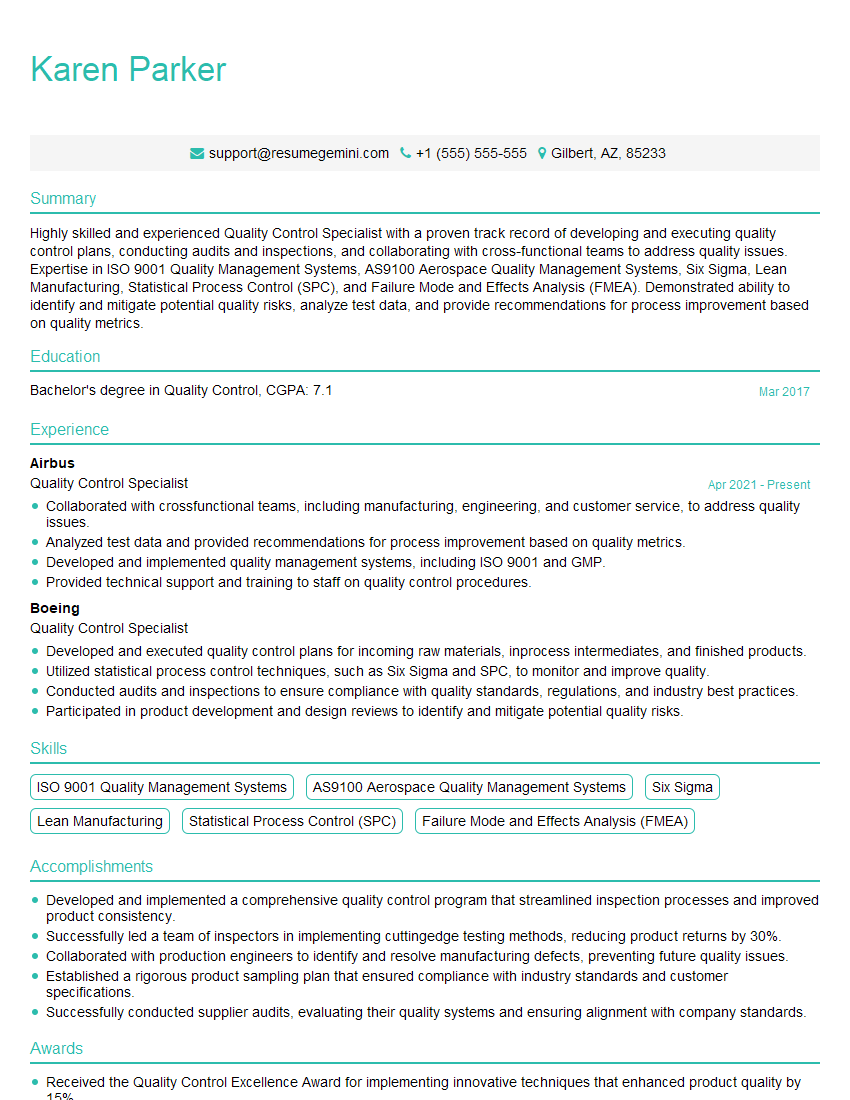
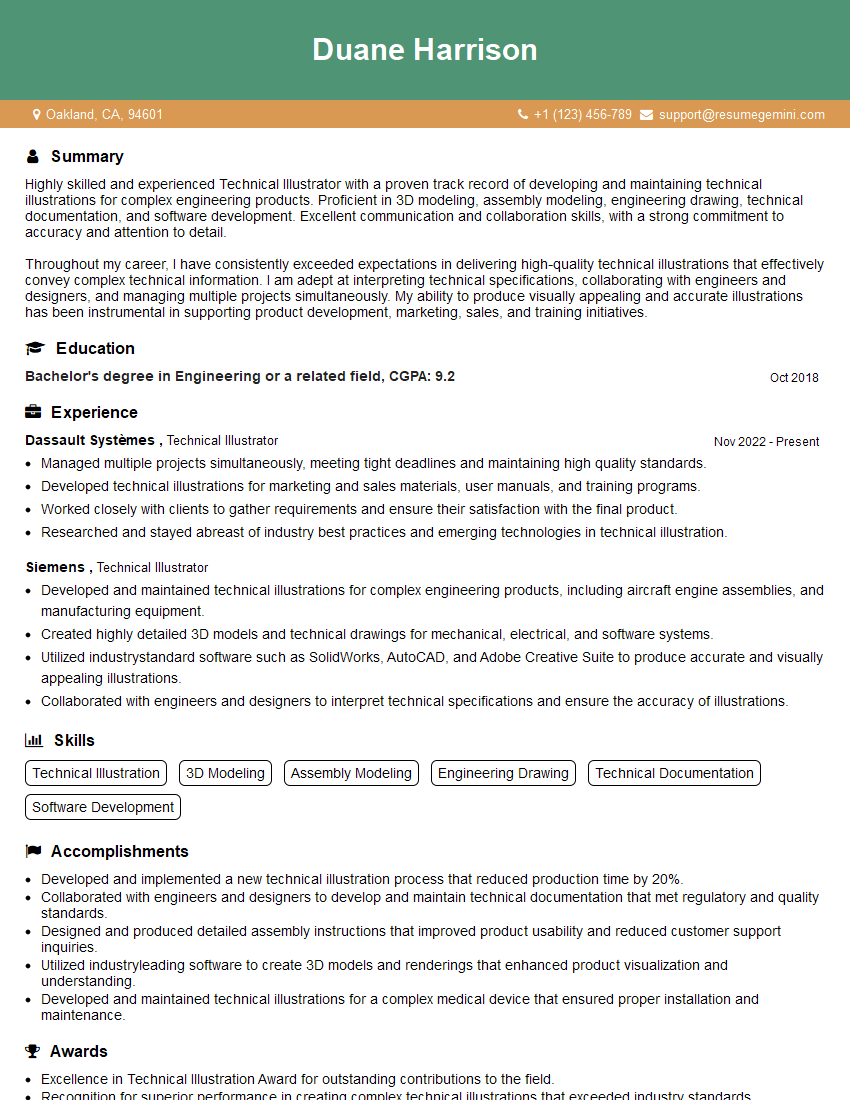
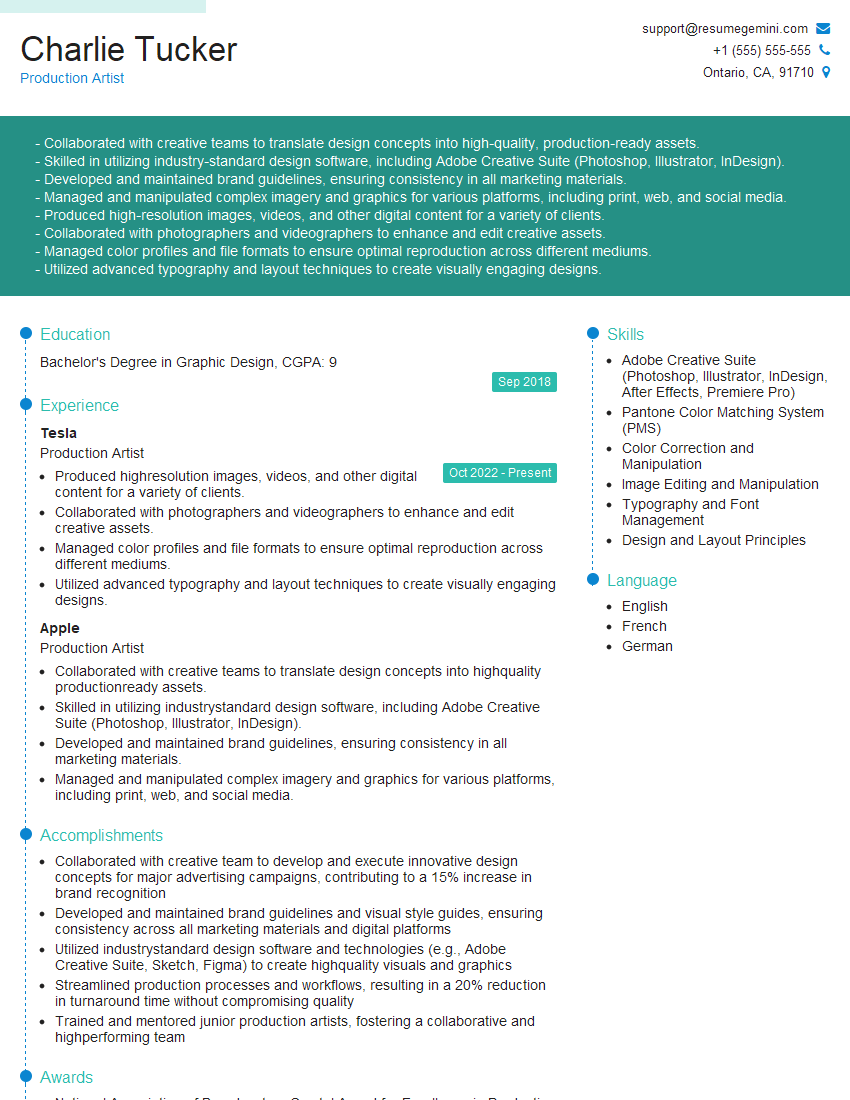
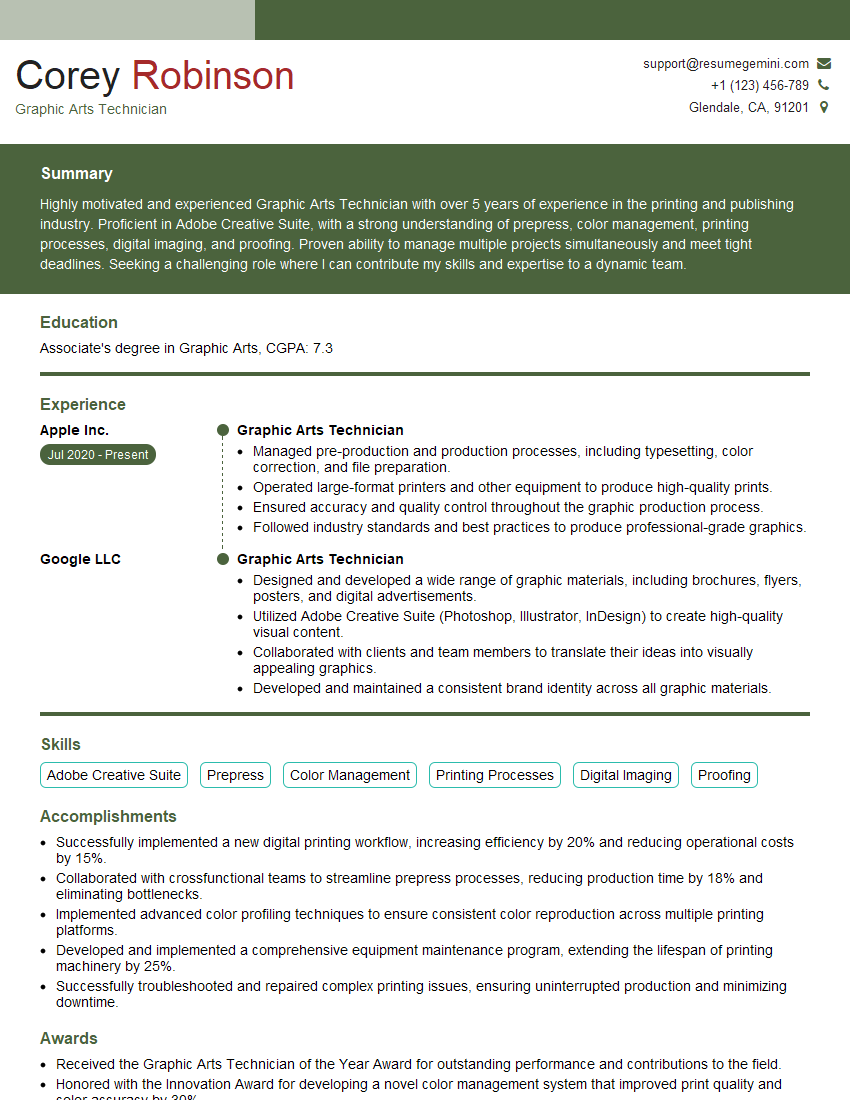
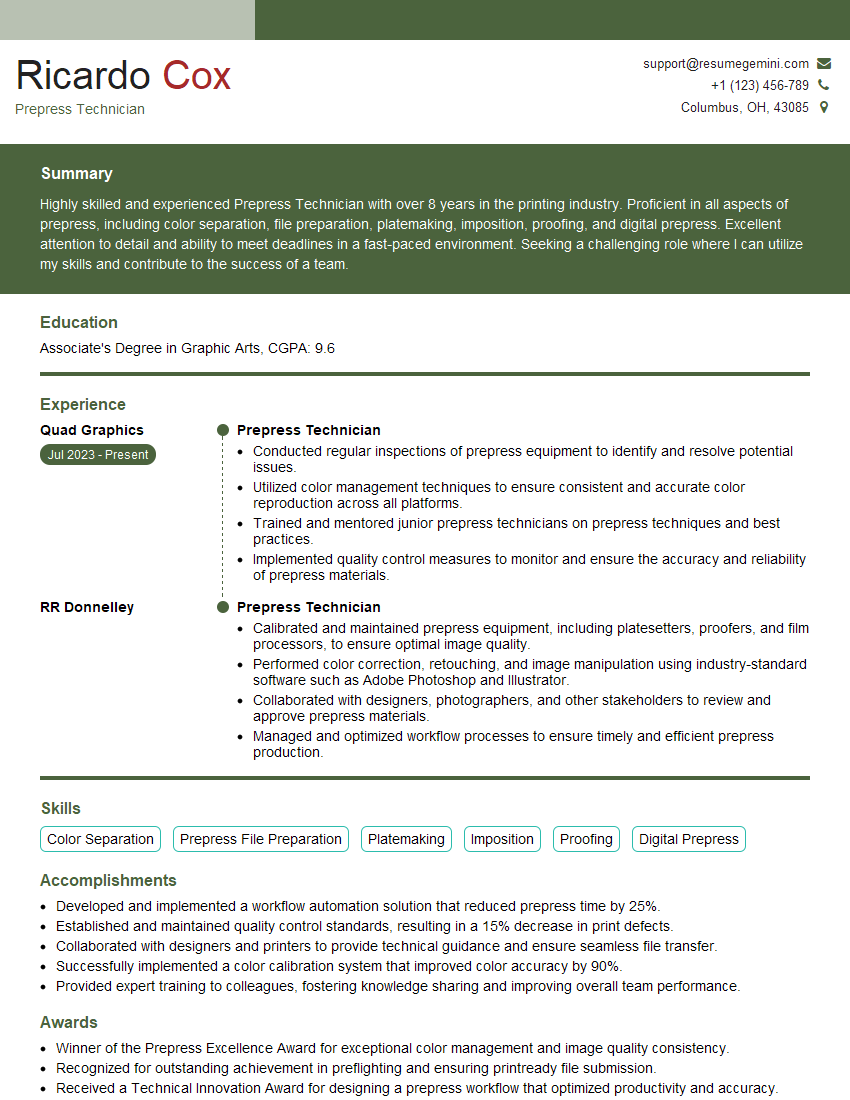
Mastering digital and soft proofing is crucial for career advancement in the graphic design, print production, and digital media industries. These skills demonstrate a commitment to quality, attention to detail, and efficiency, all highly valued by employers. To increase your job prospects, focus on crafting an ATS-friendly resume that highlights your relevant skills and experience. ResumeGemini is a trusted resource that can help you build a professional and impactful resume. Examples of resumes tailored to digital and soft proofing roles are available to guide you. Investing time in building a strong resume will significantly improve your chances of securing your dream job.
Explore more articles
Users Rating of Our Blogs
Share Your Experience
We value your feedback! Please rate our content and share your thoughts (optional).
What Readers Say About Our Blog
Very informative content, great job.
good