Interviews are more than just a Q&A session—they’re a chance to prove your worth. This blog dives into essential ANSI/ASHRAE/IES Standard 90.1 interview questions and expert tips to help you align your answers with what hiring managers are looking for. Start preparing to shine!
Questions Asked in ANSI/ASHRAE/IES Standard 90.1 Interview
Q 1. Explain the purpose and scope of ANSI/ASHRAE/IES Standard 90.1.
ANSI/ASHRAE/IES Standard 90.1, officially titled Energy Standard for Buildings Except Low-Rise Residential Buildings, is a widely adopted standard in the United States and Canada that establishes minimum energy efficiency requirements for buildings. Its primary purpose is to reduce energy consumption and associated greenhouse gas emissions from buildings, promoting sustainability and environmental responsibility. The scope encompasses a broad range of building systems and components, including the building envelope, HVAC systems, lighting, and water heating. It applies to most commercial and institutional buildings, excluding low-rise residential buildings (typically less than three stories).
Q 2. What are the key differences between the 2013, 2016, and 2019 versions of Standard 90.1?
Substantial advancements in energy efficiency technologies and best practices have driven changes across the various versions of Standard 90.1. Here’s a comparison of key differences:
- 2013 vs. 2016: The 2016 version tightened requirements across many areas, particularly regarding HVAC systems (e.g., higher minimum efficiencies for chillers, boilers, and air conditioners), lighting (lower allowed lighting power densities), and building envelope performance (improved insulation levels and window U-factors). It also introduced new requirements for energy modeling and verification.
- 2016 vs. 2019: The 2019 version further enhanced stringency, emphasizing energy modeling and simulation, and incorporating provisions for renewable energy integration. There was a more pronounced focus on the operational efficiency of buildings, with greater emphasis on building commissioning and continuous monitoring. This also saw the introduction of more prescriptive requirements for several systems and components to provide greater design certainty.
In essence, each subsequent version has represented a step towards increasingly ambitious energy-saving goals, reflecting technological advancements and evolving understanding of sustainable building design.
Q 3. Describe the requirements for building envelope performance in Standard 90.1.
Standard 90.1 sets stringent requirements for building envelope performance to minimize heat gain in summer and heat loss in winter. This is achieved through stipulations on:
- Insulation Levels: Minimum R-values (resistance to heat flow) are specified for walls, roofs, and floors, varying based on climate zone. For example, a building in a colder climate zone would require higher R-values than one in a warmer climate.
- Window U-factors and SHGC: U-factor (overall heat transfer coefficient) dictates how much heat passes through a window, while Solar Heat Gain Coefficient (SHGC) represents the fraction of solar radiation admitted through the window. Both are strictly regulated to limit solar heat gain and heat loss.
- Air Leakage: The standard limits the amount of air leakage through the building envelope, using metrics like air changes per hour (ACH). This is critical for maintaining indoor air quality and reducing energy consumption for heating and cooling.
- Thermal Bridging: The standard addresses thermal bridging, which occurs when continuous conductive pathways through the building envelope bypass insulation. Strategies for minimizing thermal bridging are often required.
Compliance often involves the use of energy modeling software to verify that the proposed envelope design meets the required performance levels.
Q 4. How does Standard 90.1 address HVAC system efficiency?
Standard 90.1 addresses HVAC system efficiency through numerous requirements, including:
- Minimum Equipment Efficiencies: The standard specifies minimum efficiency levels for various HVAC equipment, such as chillers, boilers, air-conditioning units, and ventilation fans. These efficiencies are typically expressed as Energy Efficiency Ratios (EER) for air conditioners, Coefficient of Performance (COP) for chillers, and Annual Fuel Utilization Efficiency (AFUE) for boilers.
- System Design Requirements: Specific requirements are included for system design, such as controls, zoning strategies, and economizer operation, to optimize energy performance. For example, economizers use outside air when conditions are favorable to reduce mechanical cooling loads.
- Refrigerant Selection: In some instances, the standard may influence the selection of refrigerants, prioritizing those with lower global warming potential (GWP).
For instance, the minimum EER of a packaged rooftop unit is dictated in the standard and varies based on climate zone and capacity.
Q 5. Explain the importance of lighting power density in Standard 90.1.
Lighting power density (LPD) is a crucial metric in Standard 90.1, representing the amount of installed lighting power per unit area (e.g., watts per square foot). By limiting LPD, the standard encourages the use of energy-efficient lighting systems and practices. Lower LPD values reflect more energy-efficient lighting designs. This typically involves using high-efficiency luminaires (e.g., LED lighting), optimized lighting controls (e.g., occupancy sensors, daylight harvesting), and effective lighting design to minimize the overall power needed for illumination.
For example, a building with stringent LPD requirements might necessitate the use of energy-efficient LED fixtures coupled with occupancy sensors to ensure that lights are only on when needed.
Q 6. What are the requirements for water heating systems according to Standard 90.1?
Standard 90.1 outlines requirements for water heating systems aimed at reducing energy consumption associated with hot water production. Key aspects include:
- Minimum Efficiency Levels: The standard mandates minimum energy factor (EF) or uniform energy factor (UEF) ratings for water heaters, promoting the use of high-efficiency options such as heat pump water heaters or condensing gas water heaters. These factors are measures of how effectively the water heater utilizes energy to heat water.
- Water Heater Sizing: Appropriate sizing of water heaters based on building occupancy and hot water demand is encouraged to avoid oversizing and associated energy waste.
- Energy Recovery: The standard may favor energy recovery methods, such as using waste heat from other systems to preheat water before it enters the main water heater.
Meeting these requirements often involves a careful selection of water heating equipment and implementation of water conservation strategies.
Q 7. Describe the process of complying with Standard 90.1 during the design phase.
Complying with Standard 90.1 during the design phase is a proactive and iterative process. It typically involves the following steps:
- Early Design Consultation: Engage energy modeling experts early in the design to ensure the building’s design intent aligns with the standard’s requirements.
- Energy Modeling: Use energy modeling software (e.g., eQUEST, EnergyPlus) to simulate the building’s energy performance based on the proposed design. This allows for early identification of areas needing improvement.
- Design Optimization: Based on the energy model results, refine the building design by optimizing various aspects: building envelope, HVAC systems, lighting, and water heating. The goal is to meet or exceed the standard’s requirements.
- Compliance Verification: Once the design is optimized, perform a final energy model run to verify that the building meets all of the Standard 90.1 requirements.
- Documentation: Maintain comprehensive documentation, including energy modeling results, equipment specifications, and calculations to demonstrate compliance to the authority having jurisdiction (AHJ).
Early engagement of energy modeling experts is crucial to avoid costly design revisions later in the project. A well-planned approach ensures the project successfully meets the minimum energy performance standards established by Standard 90.1.
Q 8. How does Standard 90.1 address the use of renewable energy sources?
Standard 90.1 strongly encourages the use of renewable energy sources to reduce a building’s environmental impact and reliance on fossil fuels. It doesn’t mandate specific renewable energy technologies, but it provides pathways to earn energy credits for incorporating them. These credits can help a building achieve compliance even if it doesn’t meet all the prescriptive requirements in other areas. For example, using solar photovoltaic (PV) panels to generate electricity or geothermal heat pumps for heating and cooling can significantly reduce a building’s energy consumption, leading to substantial energy cost savings and environmental benefits. The standard offers detailed guidance on how to calculate and apply these renewable energy credits, ensuring that their contribution towards overall energy performance is accurately assessed.
Imagine a new office building aiming for 90.1 compliance. They might slightly exceed the standard’s requirements for insulation, but fall short on lighting efficiency. By incorporating solar panels, generating a portion of the building’s electricity, they can use the resulting energy credits to offset the shortfall in lighting, achieving overall compliance. This flexible approach encourages innovation and the adoption of sustainable building practices.
Q 9. What are the different compliance pathways available under Standard 90.1?
Standard 90.1 offers multiple compliance pathways, catering to different project needs and complexities. The primary pathways are the prescriptive and performance methods. The prescriptive path involves meeting specific requirements outlined in the standard for various building components (e.g., lighting, HVAC systems, insulation). This is often simpler for straightforward projects, as it follows a clear checklist. The performance path allows buildings to demonstrate compliance through whole-building energy modeling. This approach offers more flexibility but requires specialized software and expertise in energy modeling. A third, less common path involves demonstrating compliance through a third-party certification program that is specifically recognized by the standard, ensuring comparable rigor.
Think of it like choosing a route on a map. The prescriptive path is a well-marked highway – clear, straightforward, but possibly not the most efficient. The performance path is a more flexible, potentially shorter, but less defined route – you have more control, but need advanced navigational skills. The third-party certification acts as a guided tour ensuring that the building correctly meets all 90.1 requirements.
Q 10. Explain the concept of ‘prescriptive’ versus ‘performance’ compliance.
The difference between ‘prescriptive’ and ‘performance’ compliance lies in how compliance is demonstrated. The prescriptive approach sets specific minimum requirements for individual building components and systems. For example, the standard might mandate a minimum R-value for insulation or a specific lighting power density. Meeting these requirements ensures compliance. In contrast, the performance approach focuses on the overall energy use of the building. Compliance is achieved by demonstrating, through energy modeling, that the building’s total energy consumption meets or exceeds the standard’s requirements. This approach allows for more design flexibility as long as the overall performance goals are met.
Imagine building with LEGOs. The prescriptive method is like following a detailed instruction manual to build a specific model – each step is prescribed. The performance method is like being given the target image and the LEGO bricks, and building whatever you want as long as it matches the picture in the end.
Q 11. How does Standard 90.1 address the commissioning process?
Standard 90.1 strongly emphasizes commissioning as a crucial step in achieving and verifying energy efficiency. Commissioning is the process of verifying that systems are installed, calibrated, and operated as intended to meet the project requirements and 90.1 compliance. The standard doesn’t prescribe a specific commissioning process but instead requires that a commissioning plan is developed and that specific tasks, such as functional performance testing, are performed. This ensures that all systems perform as designed to maximize energy efficiency and minimize operating costs. The level of commissioning required varies depending on the complexity of the project and chosen compliance path.
Think of commissioning as a final quality check for your building’s energy systems. It ensures everything is working correctly and as designed to deliver the expected energy performance, avoiding costly inefficiencies after occupancy.
Q 12. What are some common challenges faced in achieving compliance with Standard 90.1?
Achieving compliance with Standard 90.1 can present several challenges. One common challenge is the balance between upfront cost and long-term energy savings. Implementing energy-efficient measures often requires higher initial investment, making it critical to perform thorough life-cycle cost analysis. Another significant hurdle is the complexity of the standard itself and its many requirements. Understanding and applying the various compliance pathways and calculation procedures can be daunting. Coordination among design professionals and contractors is essential to ensure that all aspects of the project meet the standard’s requirements. Additionally, access to qualified professionals experienced in energy modeling and commissioning can be limited in certain regions, and the ever-evolving nature of building technologies necessitates continuous learning and adaptation.
For example, a contractor might initially resist installing more expensive, high-performance windows due to increased upfront costs, despite the long-term savings in energy bills. Similarly, misunderstandings between the architect and mechanical engineer regarding specific requirements can delay the project and create conflicts. Successful compliance relies on a well-coordinated team with appropriate expertise and understanding of the standard’s requirements.
Q 13. How does Standard 90.1 relate to other building codes and standards (e.g., IECC)?
Standard 90.1 is closely related to other building codes and standards, often working in concert to ensure overall building performance and safety. It frequently interacts with the International Energy Conservation Code (IECC), which is a widely adopted model code for energy efficiency in buildings. Often, jurisdictions adopt the IECC and reference Standard 90.1 to meet the energy requirements of the IECC. This means that satisfying the requirements of 90.1 often directly satisfies the energy efficiency portion of the local building code. In some cases, local jurisdictions may even adopt 90.1 directly or reference a specific version. Additionally, 90.1 may align with other standards regarding specific building systems, such as those addressing plumbing, electrical, or HVAC equipment. These integrated standards collectively contribute to a holistic approach to building design and construction, focusing on energy efficiency, sustainability, and occupant health and safety.
Think of it as a symphony orchestra. The IECC provides the overall composition, with Standard 90.1 serving as one of the critical instrumental sections ensuring a harmonious outcome (energy efficient building).
Q 14. Describe the role of energy modeling in achieving compliance with Standard 90.1.
Energy modeling plays a vital role in achieving compliance with Standard 90.1, particularly when using the performance pathway. Energy modeling software simulates the building’s energy performance under various operating conditions, enabling designers to analyze the impact of different design choices on overall energy consumption. This allows for optimization of building design to meet or exceed the standard’s requirements, while also providing valuable insights into the building’s operational characteristics. The model’s results can demonstrate compliance with the standard by showing that the simulated energy use is within the acceptable limits. Furthermore, energy modeling helps identify potential energy-saving opportunities, leading to a more efficient and sustainable building design. It’s an iterative process where adjustments are made to the design based on simulation results until compliance and optimal performance are achieved.
Imagine building a car. Energy modeling is like using a sophisticated simulator to test different engine designs and aerodynamic features before constructing a physical prototype. This iterative testing ensures optimal performance and avoids costly mistakes after the car is built. It allows you to check for inefficiencies, optimizing design for maximum fuel economy, similar to how energy modeling helps optimize energy performance for buildings.
Q 15. Explain how to interpret energy modeling results in the context of Standard 90.1.
Interpreting energy modeling results within the context of Standard 90.1 requires a systematic approach. The goal is to determine if the building’s predicted energy consumption meets the standard’s requirements for a specific climate zone and building type. This involves comparing the model’s predicted energy use intensity (EUI) – typically expressed in kBtu/ft²/year – against the prescribed limits in the standard.
First, ensure the model accurately represents the building design, including all systems and equipment. This includes factors like building envelope characteristics (insulation, window types), HVAC system efficiency, lighting systems, and occupancy profiles. Discrepancies between the model and the as-built design will skew results.
Next, compare the modeled EUI against the Standard 90.1 compliance limits. If the modeled EUI exceeds the standard, the model highlights areas needing improvement. For instance, if the heating energy consumption is high, it might suggest the need for better insulation or a more efficient heating system. Detailed energy breakdowns (e.g., by system or end-use) provided by the model facilitate identifying these problem areas.
Finally, use sensitivity analysis to understand the impact of different design choices. For example, you can model the impact of changing window types or upgrading the HVAC equipment. This iterative process helps optimize the design to meet 90.1 requirements while balancing performance and cost. Remember to document all assumptions, inputs, and results meticulously.
Career Expert Tips:
- Ace those interviews! Prepare effectively by reviewing the Top 50 Most Common Interview Questions on ResumeGemini.
- Navigate your job search with confidence! Explore a wide range of Career Tips on ResumeGemini. Learn about common challenges and recommendations to overcome them.
- Craft the perfect resume! Master the Art of Resume Writing with ResumeGemini’s guide. Showcase your unique qualifications and achievements effectively.
- Don’t miss out on holiday savings! Build your dream resume with ResumeGemini’s ATS optimized templates.
Q 16. What are the key metrics used to evaluate energy performance according to Standard 90.1?
Standard 90.1 utilizes several key metrics to evaluate energy performance, all aimed at quantifying a building’s energy efficiency. The most prominent metric is the Energy Use Intensity (EUI), expressed as kBtu/ft²/year or kWh/m²/year. A lower EUI indicates better energy performance.
Beyond EUI, the standard considers:
- Source Energy Use (SEU): This represents the total energy consumed, accounting for energy losses in the generation and transmission processes. SEU provides a more comprehensive assessment of the building’s overall environmental impact.
- Energy Cost:** This metric calculates the annual cost associated with energy consumption, reflecting the economic impact of design choices.
- System Efficiency Metrics:** Standard 90.1 sets requirements for individual system efficiencies, such as HVAC equipment (COP, SEER), lighting systems (efficacy), and water heating (efficiency). Meeting these individual requirements contributes to overall compliance.
These metrics are often presented in detailed reports produced by energy modeling software, allowing for a comprehensive assessment of the building’s energy performance.
Q 17. How does Standard 90.1 address the impact of building occupancy on energy consumption?
Standard 90.1 accounts for the impact of building occupancy through various provisions impacting energy consumption. The standard incorporates occupancy schedules in energy modeling, defining periods of high, medium, and low occupancy. These schedules determine the operational hours of systems like lighting and HVAC.
For example, lighting systems should be designed to turn off automatically during unoccupied hours or periods of low occupancy. Similarly, HVAC systems might employ occupancy sensors to regulate temperature based on the presence of occupants, avoiding unnecessary energy use. The occupancy profiles directly impact the predicted EUI, influencing the compliance assessment.
In practice, the accuracy of the occupancy schedule is crucial. Underestimating occupancy can lead to undersized equipment, resulting in unmet comfort conditions. Overestimating occupancy might lead to oversizing and unnecessary energy waste. Detailed information on occupancy patterns, such as peak usage times and typical occupancy densities, is therefore critical for accurate modeling and compliance.
Q 18. Describe the importance of continuous commissioning in achieving long-term compliance.
Continuous commissioning (Cx) is crucial for maintaining long-term compliance with Standard 90.1. While initial commissioning verifies that a building’s systems are designed and installed to meet specifications, Cx focuses on ongoing performance optimization. It ensures that systems continue to function as intended, identifying and rectifying any deviations that may degrade efficiency.
Over time, equipment degrades, operational practices change, and unexpected issues arise. Cx helps proactively address these changes, preventing energy waste and ensuring the building maintains its initial energy-efficient performance. Regular monitoring of key performance indicators, like EUI and equipment efficiencies, are essential to Cx.
A well-implemented Cx program involves periodic inspections, performance testing, and data analysis to identify operational issues. These insights enable timely interventions, minimizing energy losses and maintaining long-term compliance. Imagine a poorly maintained HVAC system slowly losing its efficiency – Cx would detect this issue and facilitate repairs, preventing significant energy waste.
Q 19. Explain the role of the commissioning authority (CxA) in ensuring compliance.
The Commissioning Authority (CxA) plays a vital role in ensuring compliance with Standard 90.1. The CxA acts as an independent third party, verifying that the design, construction, and operation of the building’s systems meet the specified requirements. This includes reviewing design documents, witnessing testing and commissioning activities, and providing documentation demonstrating compliance.
The CxA’s responsibilities span the entire building lifecycle, from pre-design to post-occupancy. They review design documents to confirm that energy efficiency strategies are appropriately incorporated. During construction, the CxA observes the installation of systems and equipment, ensuring that they are installed correctly and meet specifications. Post-occupancy, the CxA may be involved in performance testing and commissioning, verifying that systems are operating efficiently and meeting design intent.
Essentially, the CxA acts as a quality control agent for the building’s energy performance, ensuring that the design promises are realized and that the building meets the requirements of Standard 90.1. Their expertise and independent assessment are vital in providing assurance to building owners that their investment in energy efficiency is successful.
Q 20. What are some strategies for improving the energy efficiency of an existing building to meet Standard 90.1 requirements?
Improving the energy efficiency of an existing building to meet Standard 90.1 often requires a multi-pronged approach. It’s not a ‘one-size-fits-all’ solution, and the specific strategies will depend on the building’s characteristics, climate zone, and existing systems.
Here are some common strategies:
- Envelope Improvements: Upgrading insulation in walls, roofs, and foundations; replacing windows with high-performance glazing; and sealing air leaks can significantly reduce energy loss.
- HVAC Upgrades: Replacing outdated HVAC equipment with high-efficiency units, optimizing control systems, and implementing demand-controlled ventilation can drastically improve energy performance.
- Lighting Retrofits: Replacing inefficient lighting fixtures with energy-efficient LEDs and implementing lighting controls (e.g., occupancy sensors, daylight harvesting) can yield significant savings.
- Building Automation System (BAS) Improvements: Implementing or upgrading the BAS to optimize system performance and enhance energy management strategies.
- Water Heating Efficiency: Upgrading water heaters to high-efficiency models and implementing strategies to reduce hot water consumption.
Before implementing any strategies, it’s crucial to conduct an energy audit to identify the primary energy-consuming elements. This audit will pinpoint areas where efficiency improvements will have the largest impact. Remember to consider the lifecycle costs and potential payback periods of each improvement strategy.
Q 21. How does Standard 90.1 consider the impact of climate zones on building design?
Standard 90.1 explicitly acknowledges the significant influence of climate zones on building design and energy performance. The standard categorizes the United States (and other regions) into various climate zones, each characterized by distinct weather patterns (temperature ranges, humidity levels, solar radiation). These climate zones directly impact the design requirements and the energy performance targets.
Buildings located in hotter climates, for example, will have stricter requirements for insulation, window shading, and cooling system efficiency compared to buildings in cooler climates. Similarly, buildings in colder climates will face more stringent requirements for heating system efficiency and insulation. The standard provides specific requirements and prescriptive measures tailored to each climate zone, ensuring that the design considerations reflect the local climate conditions. This approach guarantees that buildings are optimized for energy performance within their specific environmental context, minimizing energy waste and maximizing energy efficiency.
Energy modeling software automatically incorporates climate data specific to the selected climate zone, influencing the predicted energy consumption. This ensures the model accurately reflects the building’s energy performance under real-world climatic conditions, allowing for a precise assessment of compliance with the Standard 90.1 requirements.
Q 22. Explain the implications of not meeting Standard 90.1 requirements.
Failing to meet Standard 90.1 requirements can have significant implications, impacting both the building’s performance and the project’s stakeholders. These consequences range from financial penalties to operational inefficiencies.
- Financial Penalties: Many jurisdictions incorporate Standard 90.1, or a similar standard, into building codes. Non-compliance can result in hefty fines or even project delays pending remediation. The exact penalties vary by location and the severity of the non-compliance.
- Increased Operational Costs: Buildings that don’t meet energy efficiency targets will consume more energy, leading to higher utility bills over the building’s lifespan. This translates directly to increased operational expenses for the building owner or manager.
- Reputational Damage: For developers and designers, a non-compliant building can damage their reputation. It can be difficult to overcome the negative perception of delivering a sub-standard, energy-inefficient project.
- Reduced Property Value: Energy efficiency is increasingly a factor in property valuation. Buildings that don’t meet modern standards might have lower appraisal values, affecting their marketability and resale potential.
- Environmental Impact: Non-compliance contributes to increased carbon emissions and a larger environmental footprint, which contradicts growing sustainability initiatives.
Consider a scenario where a building fails to meet the required HVAC system efficiency standards. This could mean significantly higher energy consumption leading to increased operating costs, potential fines, and a less environmentally friendly building.
Q 23. What are some common exceptions or exemptions available under Standard 90.1?
Standard 90.1 provides exceptions and exemptions to accommodate specific situations where strict adherence might be impractical or unduly burdensome. These are often carefully defined and require justification. Some common examples include:
- Existing Building Additions and Retrofits: Modifying existing buildings often presents challenges in meeting the stringent requirements of new construction. The standard often allows for less stringent requirements in these cases, focusing on improvements rather than complete compliance.
- Historic Buildings: Preserving historic architecture sometimes necessitates compromises in energy efficiency. The standard acknowledges this and provides flexibility to balance preservation with energy performance improvements.
- Climate Zone Considerations: The requirements vary based on climate zone, recognizing that different regions have varying energy needs. Areas with milder climates might have less stringent standards compared to those with extreme hot or cold temperatures.
- Performance-Based Compliance Paths: The standard allows for demonstration of compliance through performance-based methods, offering flexibility for innovative design approaches. This can be particularly useful for unique or complex projects.
- Specific Equipment Exemptions: In certain cases, exemptions might be available for specific equipment if it meets certain performance criteria or is not readily available in compliant versions.
It’s crucial to meticulously review the specific exceptions detailed within the standard and obtain necessary approvals for any exemptions claimed.
Q 24. Describe your experience using energy modeling software in relation to Standard 90.1.
My experience with energy modeling software in relation to Standard 90.1 is extensive. I’ve utilized various industry-leading software packages, such as EnergyPlus, eQuest, and TRNSYS, to simulate building performance and demonstrate compliance.
I’m proficient in building models that accurately represent the building’s design, including its geometry, materials, HVAC systems, and lighting. These models are then used to simulate energy consumption under various conditions, providing detailed insights into energy performance. I routinely use these simulations to identify potential energy saving strategies, assess the impact of design changes, and ultimately, demonstrate compliance with Standard 90.1 requirements.
For example, I recently used EnergyPlus to model a high-rise office building. By systematically modifying the building envelope and HVAC system design, I was able to demonstrate that the design met the required energy efficiency targets, while concurrently optimizing the project’s budget and maximizing occupant comfort.
Q 25. How would you approach a situation where the design conflicts with Standard 90.1 requirements?
When design conflicts arise with Standard 90.1, a systematic approach is essential. This involves a collaborative effort among the design team, potentially including a third-party energy consultant to resolve the conflict in a way that meets both the design intent and the code requirements.
- Identify the Conflict: The first step is to precisely identify the specific design element that clashes with the standard. What requirement is not being met?
- Analyze Options for Resolution: Investigate multiple solutions. Can we adjust the conflicting element without sacrificing the design’s core functionality or aesthetic appeal? Could we explore alternative technologies or systems that meet the standard while supporting the design?
- Evaluate Trade-offs: Weigh the advantages and disadvantages of each solution. This might involve a life-cycle cost analysis to assess long-term financial implications.
- Document Decisions: Thoroughly document all considered options, the chosen solution, and the rationale behind the decision. This ensures transparency and accountability.
- Seek Approvals as Needed: Depending on the significance of the design deviation, it might be necessary to obtain approvals from relevant authorities or review boards.
For instance, if the initial design calls for a large expanse of glazing for aesthetic purposes, but it violates the glazing U-factor requirements, the team might explore using high-performance glazing or incorporating shading devices to mitigate solar heat gain, enabling compliance without altering the overall design significantly.
Q 26. Explain the concept of life-cycle cost analysis and its relevance to Standard 90.1.
Life-cycle cost analysis (LCCA) is a crucial tool in evaluating the total cost of a building or system over its entire lifespan. It goes beyond initial construction costs, incorporating operational costs like energy consumption, maintenance, and potential replacement costs. This is highly relevant to Standard 90.1 because it encourages cost-effective energy efficiency measures that might involve higher upfront investment but offer significant long-term savings.
A building might require an initial investment in advanced HVAC systems that is more expensive than a basic system. However, the LCCA would factor in the lower energy consumption of the advanced system over its lifespan, potentially showing overall cost savings compared to the cheaper system. This approach helps decision-makers prioritize solutions that optimize both upfront and long-term costs, ensuring sustainable and economical buildings.
By performing an LCCA, you can show that despite the slightly higher initial cost of installing more efficient equipment, the reduced utility bills and lower maintenance costs over 20 years might actually result in lower overall expenses compared to a less efficient, cheaper option. This financial justification often strengthens the case for adhering to or even exceeding Standard 90.1 requirements.
Q 27. How do you stay updated on the latest revisions and interpretations of Standard 90.1?
Staying current with Standard 90.1 necessitates a multi-pronged approach:
- ASHRAE Membership: Membership provides access to the latest revisions of the standard, as well as updates and interpretations.
- ASHRAE Conferences and Webinars: Attending conferences and webinars offers insights from experts and keeps me abreast of any changes or clarifications to the standard.
- Industry Publications and Journals: Regularly reviewing industry publications and journals helps understand advancements in building science and best practices related to Standard 90.1.
- Online Resources: Using official ASHRAE website and other credible online resources for updates, interpretations, and technical guidance.
- Professional Networking: Connecting with other professionals in the field through networks and professional organizations facilitates knowledge sharing and updates on interpretations and applications.
This proactive approach ensures I’m consistently using the most up-to-date information, delivering projects that meet the highest efficiency standards.
Q 28. Describe a time you successfully helped a project team achieve compliance with Standard 90.1.
During the design phase of a large university library, the initial design was not compliant with Standard 90.1’s lighting power density requirements. The initial plan called for extensive ambient lighting that exceeded the acceptable limits.
To resolve this, I collaborated with the architectural and electrical engineering teams. We explored several options, including implementing energy-efficient lighting fixtures (LEDs with advanced controls), optimizing daylighting strategies to maximize natural light, and incorporating occupancy sensors to reduce energy consumption when areas were unoccupied. We modeled the various scenarios using energy modeling software, demonstrating that the revised lighting design significantly reduced energy consumption, achieving full compliance with the standard.
The successful implementation of these strategies not only ensured the project met regulatory requirements but also significantly decreased the building’s operating costs and environmental footprint. The team’s collaborative effort demonstrated a clear commitment to sustainable design practices, highlighting the importance of early involvement of energy consultants during the project design phase.
Key Topics to Learn for ANSI/ASHRAE/IES Standard 90.1 Interview
- Building Envelope Requirements: Understand the energy efficiency standards for walls, roofs, windows, and foundations. Be prepared to discuss U-factors, SHGC, and air leakage rates.
- HVAC Systems: Familiarize yourself with the efficiency requirements for various HVAC systems (e.g., chillers, boilers, air handlers). Know how to calculate and interpret energy performance metrics.
- Lighting Systems: Master the requirements for lighting power density, daylighting, and lighting controls. Be ready to discuss different lighting technologies and their impact on energy consumption.
- Refrigeration Systems: Understand the energy efficiency requirements for commercial refrigeration systems and the impact of different refrigerants.
- Water Heating Systems: Be familiar with the efficiency standards for water heating systems, including heat pump water heaters and solar water heating.
- Practical Application: Practice applying the standard to real-world scenarios. Consider how different design choices impact compliance and energy use. Be prepared to discuss trade-offs between cost and energy savings.
- Compliance and Calculations: Understand the methods used to determine compliance with the standard, including energy modeling and simulation software. Be comfortable performing basic calculations related to energy efficiency.
- Advanced Topics (for senior roles): Explore topics like commissioning, building automation systems (BAS), and the integration of renewable energy sources into building design.
Next Steps
Mastering ANSI/ASHRAE/IES Standard 90.1 is crucial for career advancement in the building design and engineering fields. Demonstrating this expertise significantly strengthens your candidacy for roles requiring energy efficiency knowledge. To maximize your job prospects, create an ATS-friendly resume that showcases your skills and experience effectively. ResumeGemini is a trusted resource to help you build a professional and impactful resume that highlights your relevant qualifications. Examples of resumes tailored to ANSI/ASHRAE/IES Standard 90.1 expertise are available to help guide you in crafting your perfect application.
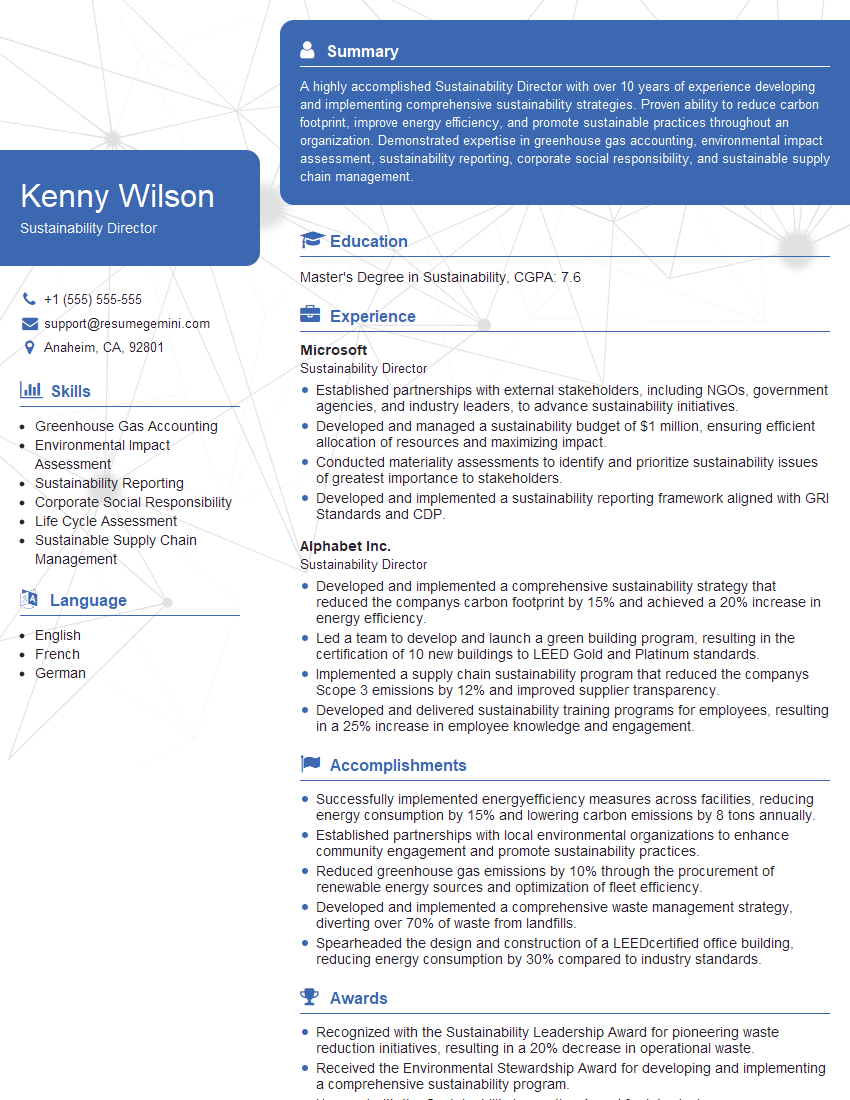
Sustainability Director Resume Sample
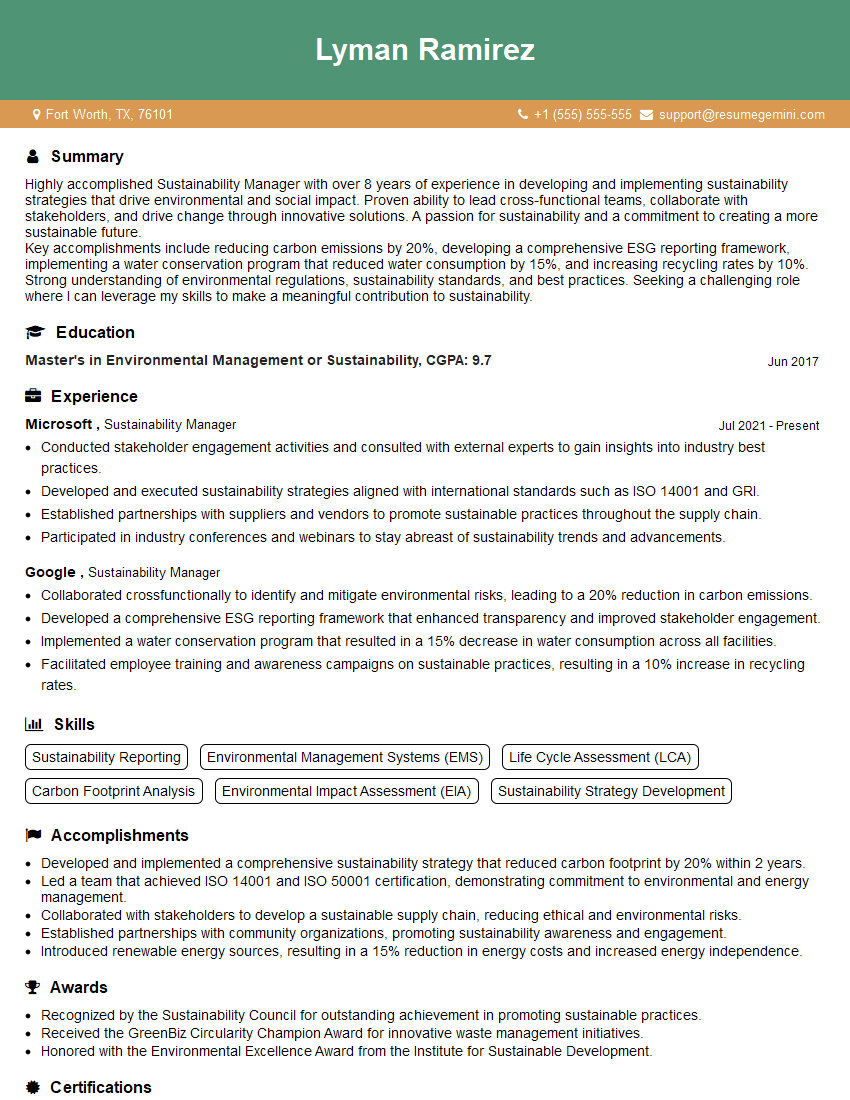
Sustainability Manager Resume Sample
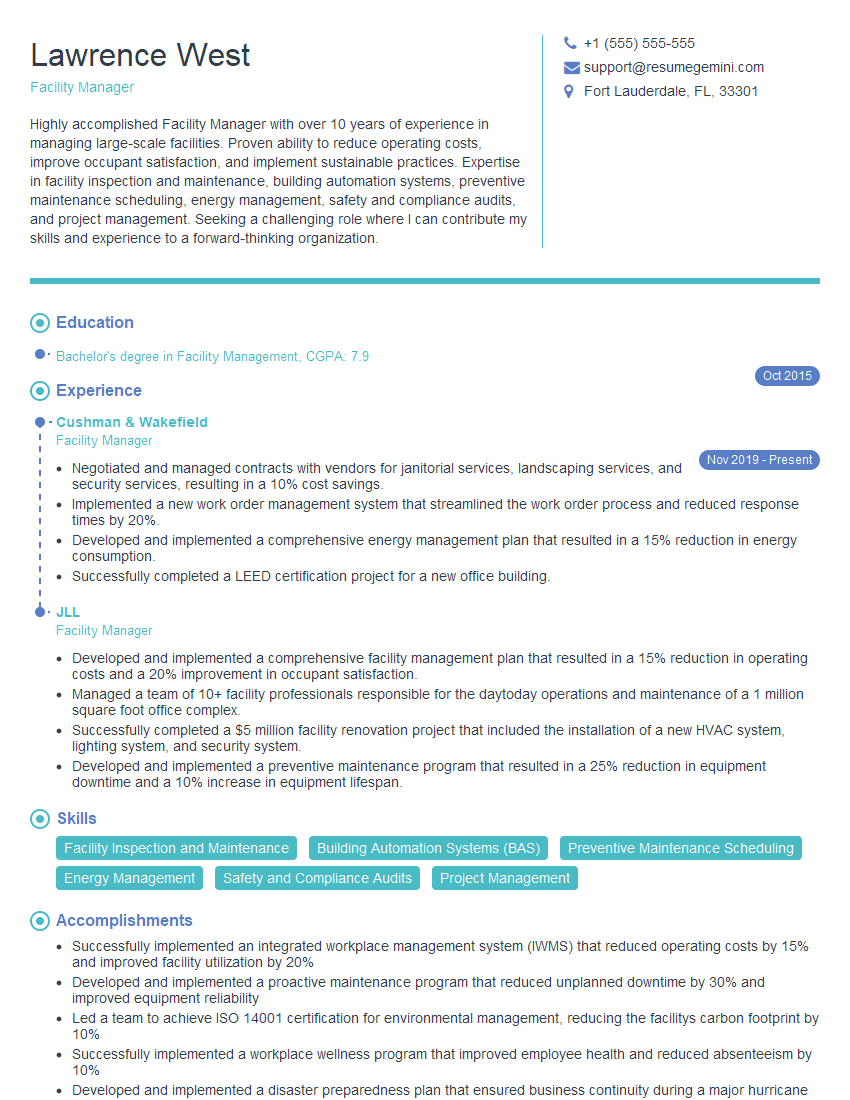
Facility Manager Resume Sample
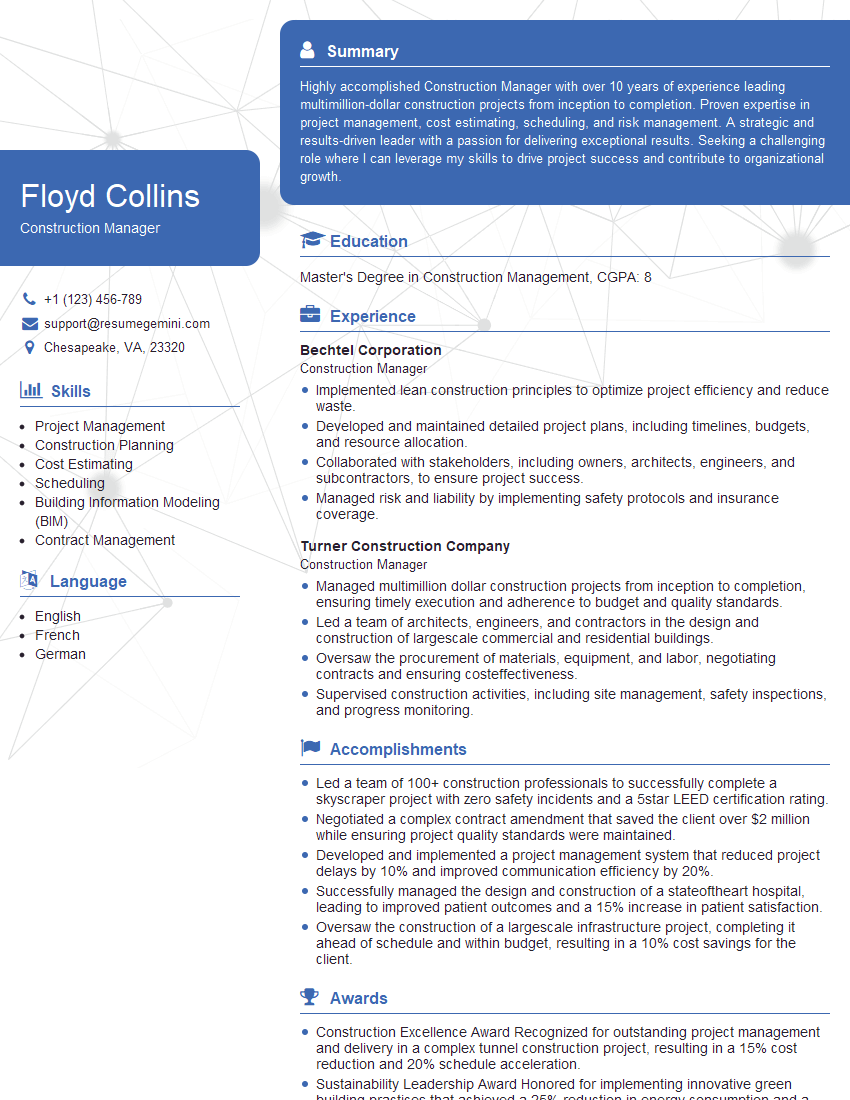
Construction Manager Resume Sample

Project Engineer Resume Sample

Energy Auditor Resume Sample

Sustainability Consultant Resume Sample
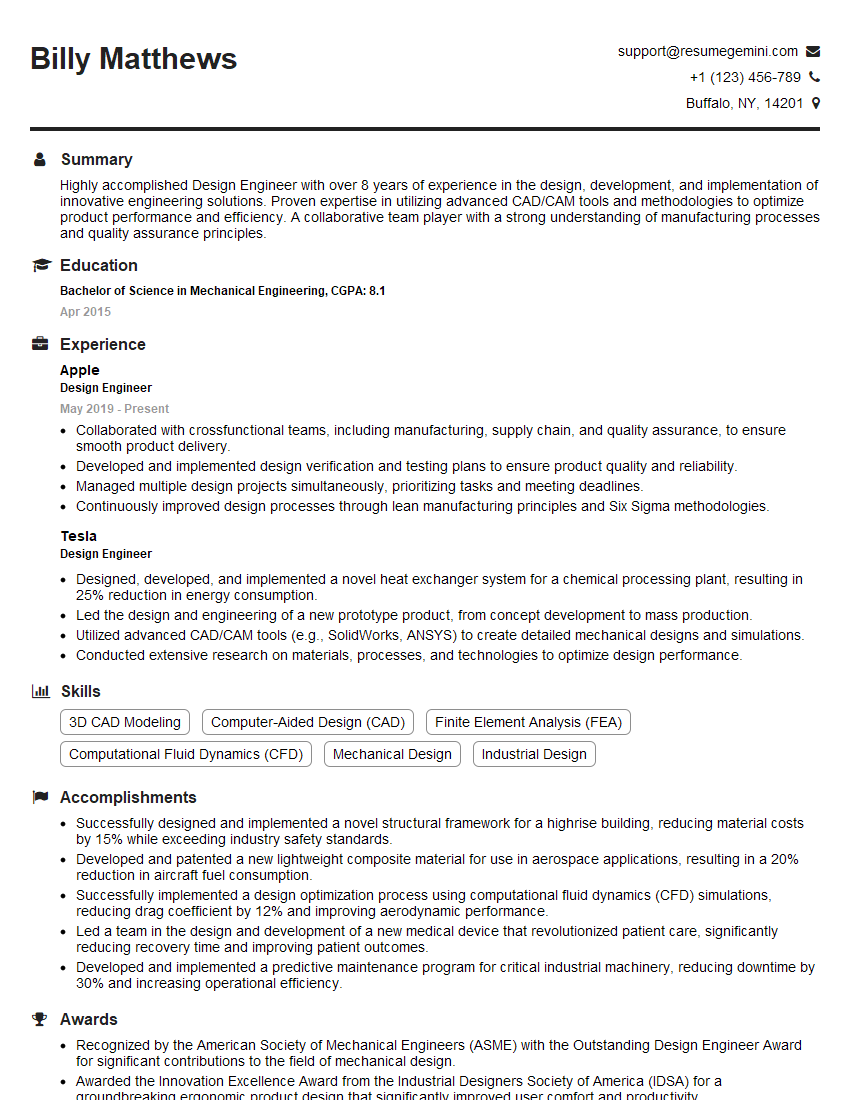
Design Engineer Resume Sample

Electrical Engineer Resume Sample
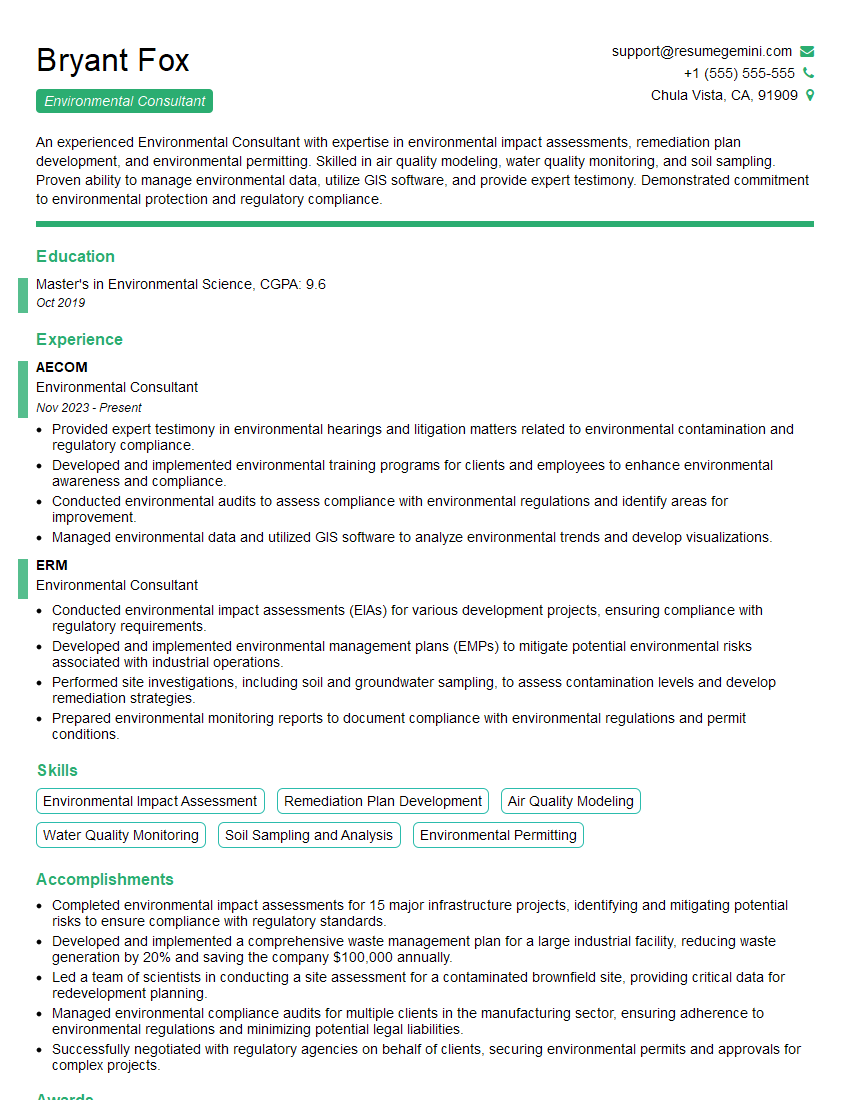
Environmental Consultant Resume Sample
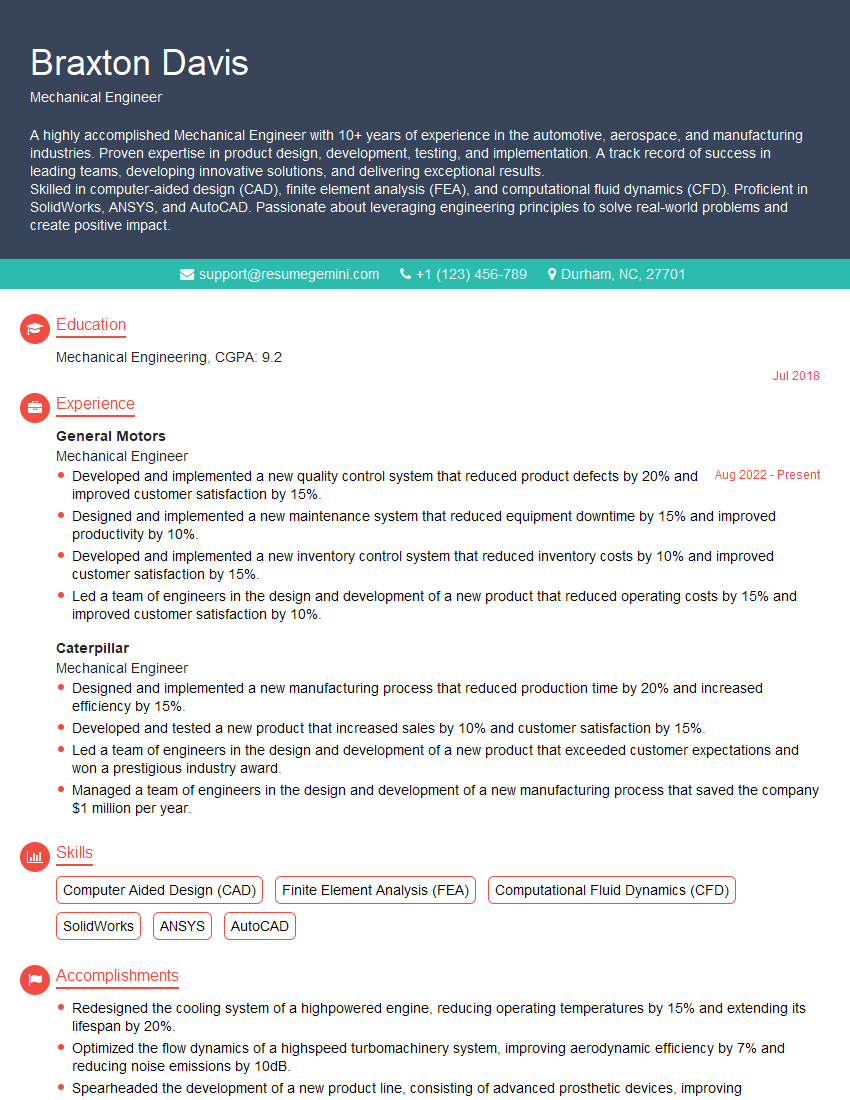
Mechanical Engineer Resume Sample
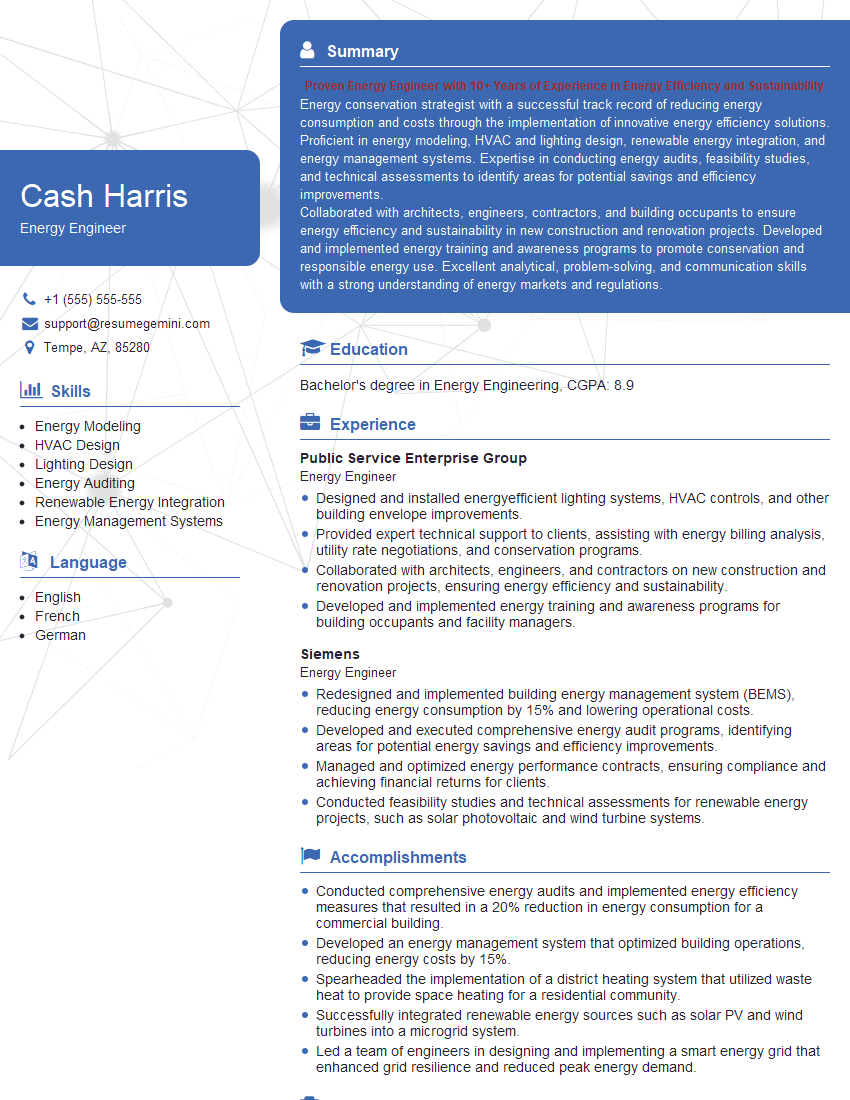
Energy Engineer Resume Sample
Explore more articles
Users Rating of Our Blogs
Share Your Experience
We value your feedback! Please rate our content and share your thoughts (optional).
What Readers Say About Our Blog
Very informative content, great job.
good