The right preparation can turn an interview into an opportunity to showcase your expertise. This guide to Field Tactics interview questions is your ultimate resource, providing key insights and tips to help you ace your responses and stand out as a top candidate.
Questions Asked in Field Tactics Interview
Q 1. Describe your experience in developing and executing field tactical plans.
Developing and executing field tactical plans involves a systematic approach, starting with a thorough understanding of the operational environment, mission objectives, and available resources. This includes conducting a detailed reconnaissance, identifying potential threats and obstacles, and establishing clear communication protocols. I’ve been involved in numerous operations ranging from search and rescue missions to complex security deployments, each requiring a tailored tactical plan. For example, during a search and rescue operation in a mountainous region, we meticulously mapped the terrain, identified potential hazards like landslides and river crossings, and established check-in points for team members. The plan included contingency measures for adverse weather and potential injuries. Execution involved precise adherence to timelines, constant communication, and flexibility to adapt to changing circumstances. Post-operation, a thorough debriefing session is crucial to analyze the successes and identify areas for improvement in future planning.
Q 2. How do you prioritize tasks and allocate resources in a dynamic field environment?
Prioritizing tasks and allocating resources in a dynamic field environment requires a clear understanding of the mission’s critical success factors and the limitations of available resources (personnel, equipment, time). I utilize a prioritization matrix that weighs factors like urgency, impact, and resource consumption. For instance, in a hostage rescue situation, immediate priorities would include securing the perimeter, establishing communication with the hostage-takers, and deploying a medical team. Less urgent tasks, like gathering forensic evidence, would be tackled later. Resource allocation follows a similar principle; vital equipment is deployed to the most critical areas first. This often requires real-time adjustments based on emerging information and changing circumstances. Think of it like a constantly recalibrating scale, constantly adjusting to maintain balance and efficiency. We also utilize a system of color-coded flags to communicate priorities visually to the team, reducing miscommunication during stressful situations.
Q 3. Explain your approach to risk assessment and mitigation in field operations.
My approach to risk assessment and mitigation involves a proactive and systematic process that begins long before field operations commence. It starts with identifying potential hazards – environmental (weather, terrain), human (hostile actors, accidental injury), and logistical (equipment failure, communication breakdown). We then analyze the likelihood and potential impact of each risk, assigning a risk rating based on a predefined scale. Mitigation strategies are developed for high-risk scenarios, including contingency plans, specialized training, and the procurement of necessary safety equipment. For example, in a jungle environment, we would assess risks associated with venomous snakes, disease, and disorientation. Mitigation would involve training on snake identification and bite response, providing anti-venom, and utilizing GPS technology and detailed maps. Regular risk assessments are conducted throughout the operation, allowing for adaptive risk management as circumstances change.
Q 4. Describe a situation where you had to adapt your tactical plan due to unforeseen circumstances.
During a counter-narcotics operation, we had planned a raid on a suspected drug processing facility based on intelligence suggesting minimal resistance. However, upon approaching the location, we encountered unexpectedly heavy resistance, far exceeding our initial assessment. We immediately adjusted our tactical plan, prioritizing the safety of our team. Instead of a direct assault, we opted for a flanking maneuver, utilizing cover and concealment, and requesting air support. The revised plan involved utilizing a different route to approach, focusing on outflanking the enemy positions, and utilizing our superior firepower with air support. This situational adaptation resulted in a successful operation with minimal casualties.
Q 5. How do you maintain effective communication within a field team?
Maintaining effective communication is paramount in field operations. We employ a multi-layered approach using various communication tools depending on the mission and environment. This can range from secure radios, satellite phones, and encrypted messaging apps to hand signals and pre-arranged rendezvous points. A clear communication plan outlining roles, frequencies, and procedures is crucial. Regular briefings and debriefings further enhance communication flow and ensure everyone is on the same page. In addition, we train team members in effective communication techniques, emphasizing brevity, clarity, and situational awareness in their reporting.
Q 6. How do you handle conflict resolution within a field team?
Conflict resolution in a field team requires a swift, fair, and decisive approach to prevent escalation and maintain operational effectiveness. I usually approach conflict resolution through a structured mediation process, prioritizing de-escalation and identifying the root cause of the conflict. Open communication, active listening, and a focus on understanding each party’s perspective are essential. If the conflict involves a serious breach of discipline or safety protocols, formal disciplinary actions may be necessary. It’s vital to maintain team cohesion; sometimes a short informal chat can solve a misunderstanding, while other times, more formal intervention is required. The goal is always to resolve the conflict efficiently while upholding safety and morale.
Q 7. Explain your experience in using mapping and navigation tools in field operations.
I have extensive experience in using various mapping and navigation tools in field operations, ranging from traditional topographic maps and compasses to advanced GPS systems and GIS software. My proficiency includes interpreting map symbology, performing grid referencing, and calculating distances and bearings. I’m also skilled in utilizing GPS devices for navigation, waypoint creation, and tracking team movements. Furthermore, I am familiar with various mapping software that allows for pre-mission planning and post-mission analysis, including the creation of detailed maps and route planning. In situations where GPS is unreliable, I can effectively utilize traditional methods, demonstrating adaptability across diverse environments and technological capabilities.
Q 8. Describe your knowledge of different communication systems used in field operations.
Effective communication is the backbone of any successful field operation. We utilize a layered approach, combining various systems to ensure redundancy and adaptability to different environments and operational needs.
Radio Communications: Handheld radios (like the AN/PRC-152) are essential for immediate, short-range communication within teams. We use frequency hopping spread spectrum (FHSS) to minimize interference and enhance security. For example, during a search and rescue operation, team members might use handheld radios to coordinate their movements and relay crucial information about the terrain or the casualty’s condition.
Satellite Communications: For long-range communication beyond line-of-sight, satellite phones and data terminals are indispensable. These allow us to maintain contact with command centers, even in remote areas. Imagine a team deployed in a mountainous region; satellite communication would be crucial for reporting progress and requesting supplies or air support.
Data Networks: Secure data networks, often utilizing encryption and VPNs, are vital for sharing sensitive information, maps, and intelligence. During a counter-narcotics operation, for instance, we might use a secure network to transmit real-time intelligence, photos, and coordinates of suspect activity to the command center.
Visual Signaling: While seemingly basic, visual signals like hand signals, flags, and even smoke signals can be invaluable in situations where electronic communication is compromised or impractical. This is a critical backup in scenarios where radio silence is necessary or equipment failure occurs.
The selection of communication systems depends heavily on the specific mission parameters, including the terrain, the operational environment, the security requirements, and the available technology.
Q 9. How do you ensure the safety and security of your field team?
Safety and security are paramount. We employ a multi-faceted approach built on proactive planning, rigorous training, and constant vigilance.
Risk Assessment and Mitigation: Before any deployment, we conduct a comprehensive risk assessment that identifies potential threats (environmental hazards, enemy activity, etc.) and develops mitigation strategies. This might include route planning to avoid dangerous areas or establishing security perimeters.
Personal Protective Equipment (PPE): Every team member is equipped with appropriate PPE based on the mission requirements. This could range from basic safety gear like helmets and gloves to specialized equipment like ballistic vests and gas masks. During a search and rescue in a hazardous material spill, specialized PPE is crucial for the team’s safety.
Communication Protocols: Clear and consistent communication protocols are essential. Regular check-ins, emergency procedures, and a designated point of contact ensure that everyone knows their role and how to respond to emergencies. This is particularly critical in high-risk environments like hostage rescue scenarios.
Security Measures: Security measures depend on the threat level, but they can include things like armed security, vehicle security, and secure communications. When dealing with high-value assets or sensitive information, these security measures are vital to prevent theft or sabotage.
Medical Preparedness: We always have a comprehensive medical plan in place, including trained medical personnel, first-aid kits, evacuation procedures, and access to medical facilities, as appropriate for the mission. During a humanitarian aid mission in a remote region, this preparedness could be the difference between life and death.
This proactive approach ensures that every contingency is addressed to the best of our ability, maximizing the safety and security of our team.
Q 10. How do you manage logistics and supply chain in a field environment?
Logistics and supply chain management in a field environment are complex but crucial for mission success. We rely on meticulous planning and adaptable strategies.
Needs Assessment: We begin with a thorough assessment of the resources needed for the operation – food, water, fuel, ammunition, medical supplies, equipment maintenance parts etc. This assessment guides procurement and resupply plans.
Procurement and Storage: Secure procurement channels are critical to guarantee quality and timely delivery of supplies. Appropriate storage solutions that protect against environmental factors and theft must be put in place.
Transportation and Distribution: We use a variety of transport methods depending on the environment – vehicles, pack animals, airdrops. Efficient distribution networks to reach remote team members are designed. Real-time tracking of supplies can improve efficiency and reduce waste.
Inventory Management: A robust inventory management system is maintained using technology like barcodes and RFID tagging (Radio-Frequency Identification) to ensure accurate tracking of all supplies and reduce waste.
Contingency Planning: Plans are made to address potential disruptions to the supply chain (e.g., road closures, damaged equipment). Alternate supply routes and emergency caches of essential supplies are established. During a natural disaster response operation, these contingency plans are essential for sustaining field operations.
Effective logistics management ensures the team is adequately resourced and operational, regardless of the challenges posed by the field environment.
Q 11. Explain your understanding of terrain analysis and its impact on tactical decisions.
Terrain analysis is a critical element of tactical planning. It involves assessing the physical features of the operational environment and predicting their impact on operations.
Physical Characteristics: We analyze elevation, vegetation, water features, and obstacles (roads, buildings, etc.). For example, dense forests may limit visibility and mobility, whereas open plains provide excellent visibility but leave forces vulnerable.
Weather Conditions: Climate and weather patterns are analyzed; rain, snow, extreme heat, can affect visibility, mobility and morale. This is crucial for planning activities and selecting appropriate clothing and equipment.
Lines of Sight and Communication: We assess how terrain affects communication and visibility, identifying potential blind spots and communication challenges. This is important for selecting positions and planning communication strategies.
Cover and Concealment: We identify areas that provide cover (protection from enemy fire) and concealment (protection from enemy observation). This impacts defensive and offensive operations; natural features can provide significant advantages.
Avenues of Approach: Analysis identifies potential routes of movement and identifies vulnerabilities or bottlenecks. This is crucial for planning assaults, retreats, and supply lines.
Thorough terrain analysis influences the entire operation, from selecting deployment locations to determining movement routes and employing appropriate tactics. A failure to consider terrain can have severe consequences.
Q 12. Describe your experience in using surveillance and reconnaissance techniques.
Surveillance and reconnaissance are vital for gathering intelligence before, during, and after field operations. This involves a range of techniques, both technological and human.
Human Intelligence (HUMINT): Gathering information from human sources (interviews, informants) is valuable for understanding the local context and enemy activity.
Signal Intelligence (SIGINT): Interception and analysis of electronic communications provide crucial insights into enemy plans and capabilities.
Imagery Intelligence (IMINT): Utilizing aerial and satellite imagery helps identify terrain features, enemy positions, and infrastructure.
Open Source Intelligence (OSINT): Gathering information from publicly available sources (news, social media) provides context and valuable information.
Technical Surveillance: Employing advanced technology like drones, acoustic sensors, and thermal imaging equipment for detailed surveillance and reconnaissance. Drones offer a significant advantage in observing enemy movements without putting personnel at risk.
Effective use of these techniques is crucial for informed decision-making and for minimizing risk during field operations. The choice of techniques depends on the specific mission, available resources, and the threat environment.
Q 13. How do you conduct after-action reviews to improve future field operations?
After-action reviews (AARs) are a critical part of continuous improvement. These structured sessions analyze what happened during an operation, identifying successes, failures, and areas for improvement.
Data Gathering: We collect data from various sources, including mission reports, debriefings from personnel, and any available technological records.
Structured Discussion: A facilitated discussion focuses on specific aspects of the operation: planning, execution, communication, logistics, and outcomes. Everyone involved is encouraged to contribute.
Identifying Lessons Learned: The goal is to identify key lessons learned, both positive and negative, about tactics, techniques, and procedures.
Recommendations for Improvement: Based on the lessons learned, concrete recommendations are formulated for modifying operational procedures, training protocols, and equipment needs.
Documentation and Implementation: The AAR process is meticulously documented and the recommendations are incorporated into future training and operational plans.
AARs are not about assigning blame, but about identifying what worked, what didn’t, and how to improve future performance. This iterative process helps develop a culture of learning and adaptation, crucial for success in dynamic field environments.
Q 14. Explain your experience in training and mentoring field personnel.
Training and mentoring field personnel is a cornerstone of my experience. It involves a blend of theoretical instruction, practical exercises, and on-the-job mentoring.
Classroom Instruction: I deliver theoretical training on field tactics, communication protocols, risk assessment, and emergency procedures.
Field Exercises: Hands-on training simulates real-world scenarios, allowing personnel to practice their skills in a safe but realistic environment. This helps them develop practical skills and build confidence under pressure.
Mentorship and Coaching: I provide ongoing support and mentorship, guiding and coaching individuals as they develop their expertise. I observe their performance, offer feedback, and help them identify areas for improvement.
Performance Evaluation and Feedback: Regular performance evaluations with constructive feedback are crucial for identifying strengths and weaknesses, allowing for targeted improvement.
Continuous Professional Development: Encouraging continuous professional development through further training, workshops, and self-study is paramount for maintaining high levels of competence and adaptability.
My approach emphasizes developing well-rounded professionals who are not only technically skilled but also possess strong problem-solving skills, leadership qualities, and resilience in the face of adversity.
Q 15. Describe your experience in dealing with hostile or challenging situations in the field.
Dealing with hostile situations requires a calm, deliberate approach focusing on risk assessment and mitigation. My experience includes navigating several high-risk scenarios, from unexpected equipment malfunctions in remote locations to encounters with aggressive wildlife and even instances of civil unrest impacting operational areas. In each case, my response followed a consistent pattern:
- Rapid Assessment: Quickly analyzing the threat, identifying potential escape routes, and assessing the capabilities and vulnerabilities of both myself and the threat. For example, when encountering a charging animal, I’d assess the terrain for cover and determine the best escape path while simultaneously assessing the animal’s trajectory and speed.
- Communication: Immediate and clear communication with team members using established protocols, ensuring everyone understands the situation and their role in the response. Radio communication is critical here, ensuring brevity and clarity. For instance, a simple code word like ‘Alpha’ could trigger pre-planned protocols.
- Controlled Response: Executing a pre-planned response based on the assessed threat level, prioritizing safety and mission objectives. This might involve deploying defensive measures, requesting immediate backup, or initiating an emergency evacuation depending on the gravity of the situation.
- Post-Incident Review: Conducting a thorough post-incident review to identify areas for improvement in procedures, training, or equipment. This analysis helps enhance preparedness for future incidents.
Through these experiences, I’ve developed a keen ability to remain calm under pressure, think strategically, and effectively manage potentially life-threatening situations.
Career Expert Tips:
- Ace those interviews! Prepare effectively by reviewing the Top 50 Most Common Interview Questions on ResumeGemini.
- Navigate your job search with confidence! Explore a wide range of Career Tips on ResumeGemini. Learn about common challenges and recommendations to overcome them.
- Craft the perfect resume! Master the Art of Resume Writing with ResumeGemini’s guide. Showcase your unique qualifications and achievements effectively.
- Don’t miss out on holiday savings! Build your dream resume with ResumeGemini’s ATS optimized templates.
Q 16. How do you utilize technology to enhance field operations efficiency?
Technology significantly boosts field operation efficiency. I’ve extensively used various technologies, including:
- GIS and Mapping Software: ArcGIS and similar software aid in route planning, identifying optimal locations, and real-time tracking of team members and assets. This drastically reduces travel time and improves resource allocation. For example, planning a search and rescue operation using satellite imagery and terrain analysis helps pinpoint potential locations of the missing person far more efficiently.
- Communication Systems: Satellite phones, secure radios, and encrypted messaging apps ensure reliable communication in remote areas with limited or no cellular coverage. This is vital for coordinating teams, sharing critical information, and requesting support if needed.
- Data Collection and Analysis Tools: Drones, sensors, and handheld devices collect environmental data, enabling real-time monitoring of weather patterns, terrain changes, and other relevant information. This data can be analyzed to make informed decisions and optimize operational strategies. A drone could be deployed to assess a potential hazard before a team approaches a dangerous area.
- Cloud-Based Platforms: These platforms facilitate data sharing, collaborative work, and real-time updates among team members. We can share maps, reports, and images with the command center easily, allowing for more informed decisions to be made based on the latest information.
The integration of these technologies minimizes risks, improves decision-making, and significantly enhances operational effectiveness.
Q 17. How do you manage time constraints and deadlines in a field setting?
Managing time constraints in the field requires meticulous planning and prioritization. I use several techniques including:
- Prioritization Matrix: Categorizing tasks based on urgency and importance (Eisenhower Matrix) helps focus efforts on the most critical aspects of an operation. This ensures that time is not wasted on less crucial tasks when deadlines are approaching.
- Time Blocking: Scheduling specific time slots for particular activities allows for focused work and minimizes disruptions. This is particularly important for field work where unexpected delays might occur.
- Contingency Planning: Considering potential delays or unforeseen circumstances and developing backup plans is essential for mitigating the impact of unexpected events. Having an alternative plan ready helps ensure that the mission remains on track even if delays are encountered.
- Efficient Resource Allocation: Optimizing resource allocation ensures that the team has the necessary personnel and equipment at the right time and place. This improves the overall efficiency of operations and reduces wasted time.
By systematically prioritizing, planning, and adapting to unforeseen circumstances, I consistently meet deadlines and maintain operational tempo.
Q 18. Describe your experience in using different types of field equipment.
My experience encompasses a wide range of field equipment, including:
- Navigation Equipment: GPS devices, compasses, maps, and altimeters are crucial for precise navigation in diverse terrains. I am proficient in using all these tools and can interpret topographical data to plan effective routes.
- Communication Equipment: Satellite phones, handheld radios, and encrypted messaging systems are essential for reliable communication under various conditions. I understand the limitations and capabilities of each and choose the appropriate method based on the situation.
- Survey and Measurement Equipment: Total stations, GPS receivers, and laser rangefinders are used for precise measurements and data collection. I’m comfortable using this equipment to create detailed maps and conduct accurate surveys.
- Survival and First Aid Equipment: I am trained in the proper use of survival kits, first aid supplies, and emergency medical equipment. Knowing how to utilize these tools appropriately is essential for safety and emergency response.
Proficiency with diverse equipment is paramount to successful and safe field operations. I am adept at maintaining, troubleshooting, and safely operating this equipment, ensuring optimal performance and maximizing efficiency.
Q 19. How do you maintain situational awareness in a complex field environment?
Maintaining situational awareness in complex environments requires a proactive and multi-sensory approach. I employ several strategies:
- 360-Degree Scan: Regularly scanning the surroundings for potential threats, hazards, and changes in the environment. This involves utilizing all senses – sight, sound, and even smell – to detect potential problems.
- Active Listening: Paying close attention to sounds such as unusual noises, approaching vehicles, or changes in wind patterns. This can provide early warnings of potential dangers.
- Communication: Continuously communicating with team members to share observations, relay information, and coordinate actions. This ensures that everyone is informed and aware of the evolving situation.
- Map Awareness: Constantly referencing maps and GPS data to track location and understand the surrounding terrain. This helps in anticipating potential obstacles or challenges.
- Risk Assessment: Continuously assessing potential risks and adapting strategies accordingly. This requires flexible thinking and the ability to respond to changing conditions.
By consistently employing these techniques, I build a comprehensive understanding of the operational environment, reducing the likelihood of surprises and improving overall safety.
Q 20. Explain your understanding of different command and control structures.
Understanding command and control structures is fundamental to efficient field operations. I’m familiar with various structures including:
- Chain of Command: The hierarchical structure where authority flows from the top down. This ensures clear lines of responsibility and accountability.
- Decentralized Command: A structure where decision-making authority is delegated to lower levels, allowing for quicker responses in dynamic situations. This is especially useful in fast-paced or unpredictable situations.
- Task Force Structures: Temporary teams created for specific missions or objectives. These structures are flexible and can be adapted to meet the needs of the situation.
- Unified Command: A structure where multiple agencies or organizations work together under a single command structure to achieve a common goal. This is important when multiple organizations are responding to a single event.
My experience has shown that the most effective structure depends heavily on the specific mission, environment, and available resources. Adaptability and understanding the strengths and weaknesses of each structure are crucial for success.
Q 21. Describe your experience in working with diverse teams in field operations.
Working with diverse teams is critical to effective field operations. My experience includes collaborating with individuals from various backgrounds, skill sets, and cultural perspectives. I believe in fostering a collaborative environment through:
- Open Communication: Creating a space where everyone feels comfortable sharing ideas, concerns, and observations. This helps build trust and understanding among team members.
- Mutual Respect: Valuing the contributions of each team member, regardless of their background or experience. This fosters a sense of inclusion and strengthens the team’s cohesion.
- Clear Roles and Responsibilities: Ensuring that each team member understands their role and responsibilities within the team. This avoids confusion and overlapping tasks.
- Conflict Resolution: Effectively addressing disagreements or conflicts that might arise within the team, preventing escalation and maintaining a positive working environment. This often involves active listening and seeking win-win solutions.
By building strong working relationships and promoting a culture of collaboration, I ensure that diverse teams work effectively together to accomplish common goals.
Q 22. How do you handle pressure and stress in a high-stakes field environment?
High-stakes field environments demand resilience. My approach to managing pressure and stress is multifaceted. It begins with thorough preparation: meticulous planning, understanding potential risks, and ensuring my team and I are properly equipped and trained. This proactive approach significantly reduces anxiety in the face of unexpected challenges.
During operations, I prioritize clear communication. Maintaining open dialogue with my team helps diffuse tension and facilitates problem-solving. Regular check-ins, both individually and as a group, allow me to gauge stress levels and address any concerns promptly. In the heat of the moment, I rely on established protocols and procedures. Sticking to the plan, even under immense pressure, provides a sense of control and order.
Finally, I recognize the importance of self-care. Adequate sleep, healthy eating, and regular exercise are essential for maintaining both physical and mental stamina. After a demanding operation, I debrief with my team, allowing us to process the experience and learn from any mistakes.
Q 23. Explain your understanding of legal and ethical considerations in field operations.
Legal and ethical considerations are paramount in field operations. My understanding encompasses a range of areas, including adherence to all applicable laws and regulations – be it local, national, or international. This might include rules about evidence collection, use of force, privacy protection, and environmental regulations.
Ethical considerations are equally critical. I always prioritize the safety and well-being of civilians and my team. Transparency and accountability are also essential. We maintain meticulous records of all actions, decisions, and interactions, ensuring that our operations are fully auditable. We must always act with integrity and respect the rights of everyone involved.
For instance, in a search and rescue operation, evidence needs to be meticulously documented and handled to be admissible in court if needed. Equally, civilian safety is prioritized, and potentially risky actions are avoided unless absolutely necessary.
Q 24. Describe your experience in working with different stakeholders in field operations.
Working with diverse stakeholders is a cornerstone of effective field operations. My experience includes collaborating with government agencies, NGOs, local communities, and other teams on the ground. Each stakeholder brings unique perspectives, resources, and expectations.
I facilitate effective collaboration by establishing clear communication channels and regularly updating stakeholders on progress. I foster trust and transparency through open dialogue and by actively seeking their input. Active listening is critical, understanding their needs and concerns, and adapting our strategies accordingly. For example, when working in a foreign country, working closely with local authorities ensures smooth operations and prevents any misunderstandings or conflicts.
Conflict resolution is often necessary. By employing clear communication, empathy, and a focus on common goals, it’s possible to resolve disputes constructively. One instance involved mediating between a local community and our team regarding access to a particular area; clear communication and mutual respect led to a workable solution.
Q 25. How do you ensure compliance with safety regulations in field operations?
Safety is non-negotiable. Compliance with safety regulations is ensured through a multi-layered approach. First, thorough risk assessments are conducted before any operation, identifying potential hazards and developing mitigation strategies. This includes environmental considerations, potential threats, and the physical demands on personnel.
We strictly adhere to all relevant safety protocols and guidelines. This often includes regular safety briefings, training on appropriate equipment usage, and ensuring everyone wears the necessary personal protective equipment (PPE). Pre-operational checks are crucial, ensuring all equipment is functioning correctly and vehicles are roadworthy.
Furthermore, a comprehensive reporting system is in place for incidents, near-misses, and any safety concerns. This allows for continuous improvement and prevents the repetition of errors. Regular audits and inspections ensure compliance with all safety standards and regulations. In one situation, a pre-operation check discovered a faulty piece of equipment, averting a potential accident.
Q 26. How do you adapt your communication style to different audiences in the field?
Adapting communication style is crucial when working with different audiences. My approach focuses on tailoring my language and delivery method to ensure the information is understood and received effectively.
When communicating with technical experts, I use precise terminology and detailed explanations. With community members or less technical audiences, I employ clear, concise language, avoiding jargon and using visual aids if helpful. With senior management, I focus on the big picture, providing concise updates and highlighting key results or challenges.
Active listening is essential to ensure messages are received accurately. I always check for understanding and adapt my approach based on the feedback received. For example, when briefing a community group about our plans, I would use simpler language and visuals to ensure they fully understand the situation and our intentions.
Q 27. Describe your experience in conducting emergency response procedures in the field.
Emergency response is a core component of field operations. My experience involves executing pre-planned emergency protocols, improvising under pressure, and coordinating various teams efficiently.
Training and drills are key. We regularly practice emergency procedures, covering various scenarios including accidents, natural disasters, and security incidents. This ensures team members are prepared to react effectively and efficiently in stressful situations.
During an actual emergency, my role involves assessing the situation, coordinating emergency response teams, and prioritizing immediate actions based on the severity and urgency of the situation. Clear communication and effective delegation of tasks are crucial in these high-pressure situations. In one specific instance, a rapid response to a sudden flash flood successfully evacuated a group of civilians and secured the affected area.
Q 28. How do you utilize data analysis to inform tactical decisions in field operations?
Data analysis plays a vital role in informing tactical decisions. We collect various types of data during field operations: environmental data, intelligence reports, logistics information, and real-time situational updates.
This data is analyzed to identify patterns, predict potential challenges, and optimize resource allocation. We use various analytical techniques, from simple statistical analysis to more sophisticated modelling techniques, depending on the specific needs of the operation. This enables us to make data-driven decisions, maximizing effectiveness and minimizing risks.
For example, analyzing crime statistics in a specific area might reveal patterns that help us deploy resources more strategically. Similarly, using real-time GPS tracking of personnel and equipment allows us to quickly adapt our response to changing conditions or emergencies. Data analysis enhances our decision-making process and allows us to adapt to dynamic environments effectively.
Key Topics to Learn for Field Tactics Interview
- Situational Awareness & Assessment: Understanding the environment, identifying threats and opportunities, and making informed decisions under pressure. Practical application: Analyzing a hypothetical scenario and outlining a strategic response.
- Movement & Maneuver: Efficient and effective movement techniques, including navigation, cover and concealment, and team coordination. Practical application: Describing strategies for approaching a target location or navigating challenging terrain.
- Communication & Coordination: Clear and concise communication protocols, including radio procedures and effective teamwork. Practical application: Explaining how to effectively coordinate a team during a dynamic situation.
- Risk Management & Mitigation: Identifying and assessing risks, developing mitigation strategies, and making sound judgments in uncertain situations. Practical application: Developing a risk assessment plan for a complex operation.
- Problem-Solving & Decision-Making Under Pressure: Applying critical thinking skills to analyze problems, develop solutions, and make timely decisions in high-stress environments. Practical application: Describing your approach to solving a complex problem under time constraints.
- Leadership & Teamwork: Effective leadership strategies, collaboration techniques, and fostering a positive team dynamic. Practical application: Describing your experience leading a team and managing conflicts.
- Tactical Planning & Execution: Developing and executing tactical plans, adapting to changing circumstances, and achieving mission objectives. Practical application: Outlining the steps involved in planning and executing a specific tactical operation.
Next Steps
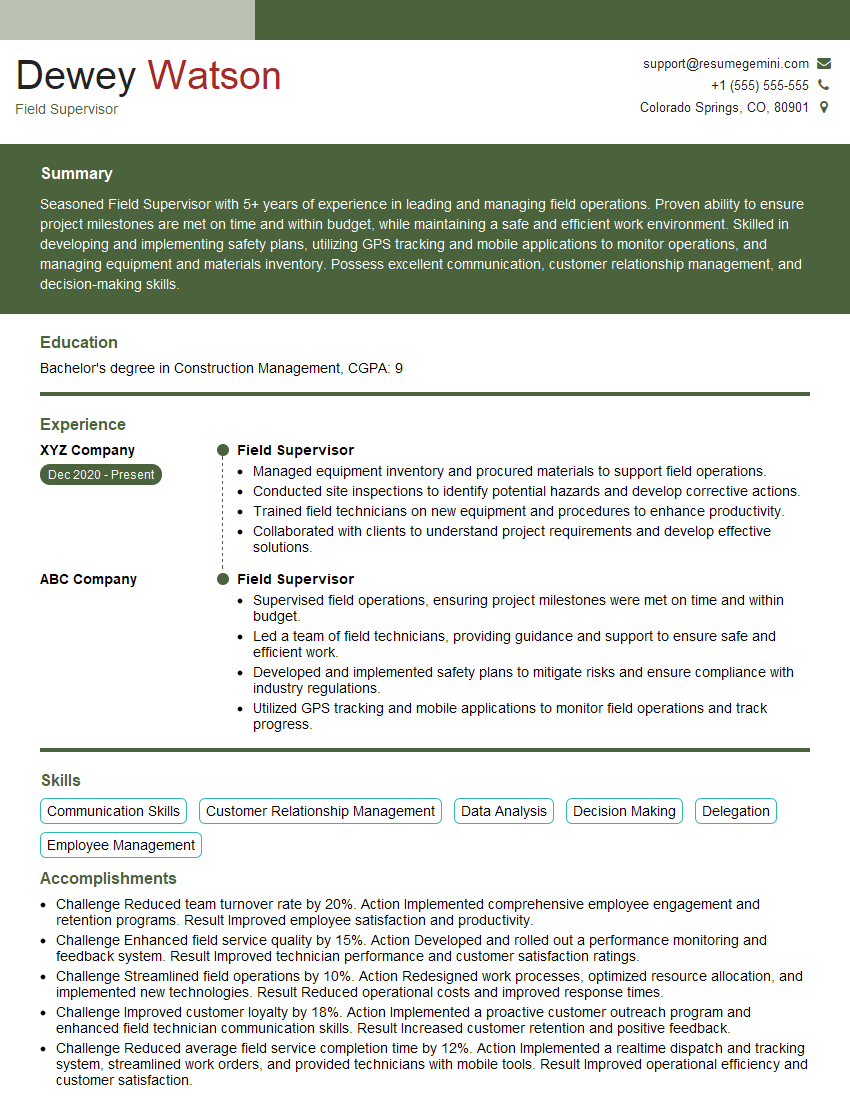
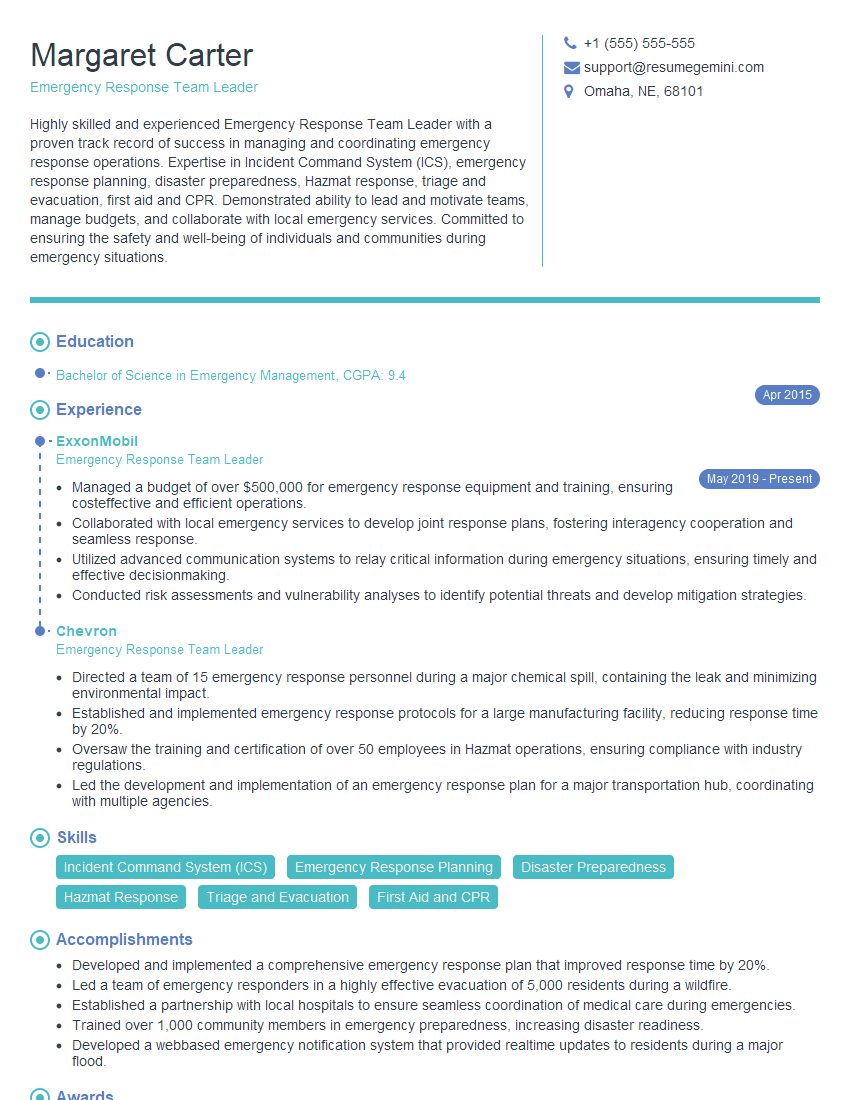
Mastering Field Tactics is crucial for career advancement in many dynamic fields. A strong understanding of these principles demonstrates adaptability, problem-solving skills, and leadership potential – highly sought-after qualities in today’s competitive job market. To significantly boost your job prospects, creating an ATS-friendly resume is essential. ResumeGemini is a trusted resource that can help you build a professional resume tailored to highlight your skills and experience effectively. Examples of resumes tailored to Field Tactics are provided to help guide you. Invest the time to craft a compelling resume; it’s your first impression on potential employers.
Explore more articles
Users Rating of Our Blogs
Share Your Experience
We value your feedback! Please rate our content and share your thoughts (optional).
What Readers Say About Our Blog
Very informative content, great job.
good