The thought of an interview can be nerve-wracking, but the right preparation can make all the difference. Explore this comprehensive guide to ANSI/UL 60950-1 Information Technology Equipment interview questions and gain the confidence you need to showcase your abilities and secure the role.
Questions Asked in ANSI/UL 60950-1 Information Technology Equipment Interview
Q 1. Explain the significance of ANSI/UL 60950-1 in IT equipment safety.
ANSI/UL 60950-1, a safety standard harmonized with IEC 60950-1, is paramount for ensuring the safety of Information Technology Equipment (ITE). It dictates the requirements for preventing hazards like electric shock, fire, and mechanical injuries associated with the design, manufacture, and use of ITE. Think of it as a comprehensive rulebook that manufacturers must follow to guarantee their products won’t harm users or damage property. Compliance with this standard is crucial for market access in many regions and demonstrates a commitment to product safety.
Q 2. What are the key differences between ANSI/UL 60950-1 and IEC 60950-1?
While ANSI/UL 60950-1 and IEC 60950-1 are largely harmonized, meaning they aim for similar safety outcomes, key differences exist primarily in the testing procedures and acceptance criteria. These differences often stem from variations in national regulatory requirements and testing laboratory practices. For example, the specific test methods employed might differ slightly, leading to potentially varying acceptance thresholds. Furthermore, ANSI/UL 60950-1 is a North American standard, while IEC 60950-1 is an international standard, and national differences in interpretation and application can arise. It’s important to note that the differences are usually subtle and don’t drastically alter the underlying safety principles.
Q 3. Describe the various safety hazards addressed by ANSI/UL 60950-1.
ANSI/UL 60950-1 addresses a wide range of safety hazards, including:
- Electric shock: This covers risks from exposed live parts, insufficient insulation, and inadequate grounding.
- Fire hazards: The standard addresses risks associated with overheating components, flammable materials, and inadequate fire protection.
- Mechanical hazards: This includes risks from sharp edges, pinch points, unstable structures, and moving parts.
- Radiation hazards: The standard addresses potential hazards from electromagnetic radiation, although specific requirements may be covered by other standards.
- Toxic hazards: Risks associated with hazardous materials used in the construction of the equipment are considered.
- Ergonomic hazards: While not the primary focus, aspects of ergonomic design are indirectly addressed, especially concerning accessibility and ease of use to prevent user injuries.
These hazards are addressed through a series of specific requirements and tests designed to mitigate the risks.
Q 4. How does ANSI/UL 60950-1 address electrical safety in IT equipment?
ANSI/UL 60950-1 ensures electrical safety through several key mechanisms:
- Insulation requirements: Specifies minimum insulation thickness and material properties to prevent electric shock.
- Grounding requirements: Mandates appropriate grounding techniques to provide a safe path for fault currents.
- Protective earth connections: Requires protective earth connections to ensure safe operation and protection in the case of fault conditions.
- Leakage current limits: Sets limits on leakage currents to minimize the risk of electric shock.
- Overcurrent protection: Requires appropriate fuses, circuit breakers, and other overcurrent protection devices.
- Dielectric strength testing: Mandates high-voltage testing to verify the insulation’s ability to withstand potential faults.
For instance, a power supply must have adequate insulation to prevent accidental contact with live wires from causing a shock. Also, a protective earth connection will ensure that any fault currents will safely pass to ground.
Q 5. What are the requirements for creepage and clearance distances according to ANSI/UL 60950-1?
Creepage and clearance distances are critical for preventing electric shock. Creepage distance is the shortest path along the surface between two conductive parts, while clearance distance is the shortest distance through air between them. ANSI/UL 60950-1 specifies these distances based on the voltage and the environmental conditions (e.g., indoor vs. outdoor, presence of pollution). These distances are increased for higher voltages and more hazardous environments to provide sufficient insulation and prevent arcing or flashover. Imagine it like this: creepage distance is like a barrier on a road, preventing you from moving from one side to the other; clearance distance is like the width of a river preventing you from crossing without a bridge.
For example, a higher voltage component will require significantly greater creepage and clearance distances than a low-voltage component. The specific requirements are detailed in tables within the standard itself and depend on the voltage and environmental conditions.
Q 6. Explain the importance of insulation resistance testing as per ANSI/UL 60950-1.
Insulation resistance testing is crucial for verifying the integrity of the insulation system. This test measures the resistance between conductive parts that should be electrically isolated. A low insulation resistance indicates a potential breakdown of the insulation, increasing the risk of electric shock. ANSI/UL 60950-1 specifies the required insulation resistance values, ensuring that the equipment’s insulation can withstand expected voltages and environmental conditions. It’s like checking the strength of a rope before using it to climb a mountain; a weak rope could lead to a dangerous fall, just as faulty insulation could lead to a dangerous electric shock.
Q 7. How does ANSI/UL 60950-1 address fire safety in IT equipment?
ANSI/UL 60950-1 addresses fire safety by specifying requirements for:
- Flammability of materials: Limits the use of flammable materials in the construction of the equipment.
- Thermal management: Requires adequate thermal design to prevent overheating and potential fire hazards.
- Fire-retardant materials: Specifies the use of fire-retardant materials to slow the spread of fire.
- Component selection: Requires the selection of components that meet fire safety standards.
- Wire and cable selection: Specifies the type of wires and cables to be used in the equipment.
For example, the use of flame-retardant plastics in the casing and the selection of appropriately rated components for power supplies are crucial aspects of preventing fire hazards. Imagine a computer catching fire due to poorly chosen materials—the results could be devastating. These provisions are designed to mitigate such scenarios.
Q 8. Describe the requirements for accessible parts and protective measures as per the standard.
ANSI/UL 60950-1 places significant emphasis on ensuring user safety by defining strict requirements for accessible parts and protective measures within Information Technology Equipment (ITE). The standard aims to prevent electric shock, fire, and other hazards. This is achieved through a combination of design features and protective barriers.
- Accessible Parts: Parts that are accessible to the user must be designed to prevent dangerous voltages from being touched. This might involve using insulation, barriers, or interlocks to prevent access to live parts. For example, the internal components of a power supply unit (PSU) are inaccessible to the user, thanks to a robust casing.
- Protective Measures: These go beyond just preventing access. They include features like creepage and clearance distances between live parts and accessible surfaces to prevent arcing or flashover. Appropriate insulation levels are crucial, and the design must consider potential user misuse and environmental conditions like humidity. A good example is the use of double insulation in some ITE, eliminating the need for an earth ground connection.
- Ingress Protection (IP): The standard often specifies minimum IP ratings to protect internal components from dust and water ingress. This protects not only the user but also the longevity and performance of the equipment itself. An IP65 rating, for instance, ensures protection against dust and low-pressure water jets.
In essence, the accessible parts and protective measures section of ANSI/UL 60950-1 is about designing safety into the equipment from the ground up, anticipating potential hazards and implementing robust protective strategies.
Q 9. What are the requirements for marking and labeling of IT equipment under ANSI/UL 60950-1?
Marking and labeling under ANSI/UL 60950-1 are critical for ensuring safe operation and maintenance of IT equipment. The standard mandates clear, concise, and unambiguous markings to inform the user about safety instructions, warnings, and other essential information.
- Safety Warnings: Warnings about potential hazards, such as electric shock or heat, must be clearly visible and easily understandable. Standard symbols are used for universal recognition. Think of the lightning bolt symbol for high voltage.
- Manufacturer Information: The manufacturer’s name and address should be clearly marked for traceability and warranty purposes.
- Rating Information: Essential parameters like voltage and current ratings must be indicated. This allows for appropriate power supply selection and prevents overloading.
- Safety Certification Marks: The UL certification mark, for example, is a prominent indication that the equipment has met the safety requirements of the standard. This significantly increases user confidence and trust.
- Operational Instructions: While not always a direct marking on the equipment itself, the standard ensures the provision of clear instructions on safe operation, maintenance, and disposal of the ITE.
Imagine a scenario where a user is assembling a computer. Proper labeling on the power supply unit (PSU) concerning voltage and current ratings is essential to prevent power surges or component damage. This is just one example of how these marking requirements are crucial for safe and reliable operation.
Q 10. Explain the process of obtaining UL certification for IT equipment.
Obtaining UL certification for IT equipment involves a rigorous process that ensures compliance with ANSI/UL 60950-1. It is a multi-stage process and requires professional support from engineers familiar with the standard and the UL testing procedures.
- Product Design and Documentation: The first step involves designing the product to meet all requirements of the standard and creating comprehensive documentation, including schematics, component specifications, and risk assessment.
- Testing: The manufacturer or a designated testing laboratory will conduct a series of tests to verify compliance. These tests cover a wide range of parameters such as electrical safety, mechanical integrity, and environmental conditions.
- Inspection: UL engineers will inspect the manufacturer’s facilities and production processes to ensure consistent adherence to standards.
- Certification: Upon successful completion of testing and inspection, UL will grant the certification allowing the manufacturer to use the UL mark on its products.
- Ongoing Monitoring: UL conducts periodic follow-up audits to ensure continued compliance with the standard and to catch potential issues early.
The process demands rigorous documentation, careful attention to detail, and adherence to strict guidelines. It is not a simple procedure and usually requires the collaboration of a cross-functional team.
Q 11. What are the common causes of failures in IT equipment that relate to ANSI/UL 60950-1?
Failures in IT equipment often stem from violations or inadequacies in design or manufacturing relating to ANSI/UL 60950-1. These failures can range from minor malfunctions to catastrophic events.
- Power Supply Issues: Defective power supplies, inadequate surge protection, or poor thermal management are common causes of failure. This could lead to overheating, short circuits, or fire hazards.
- Poor Insulation and Component Failure: Inadequate insulation of live parts, or failures in components due to poor quality control, can lead to electric shocks and other safety hazards.
- Mechanical Failures: Poor mechanical design, or inadequate protection against external factors like dust and moisture, can result in failures and damage to the equipment.
- Lack of Proper Grounding: Inadequate or missing grounding can lead to dangerous voltage buildup and increase the risk of electric shock.
- Environmental Stress: Exposure to extreme temperatures, humidity, or other environmental stresses can compromise component integrity and lead to malfunction or failure.
It’s important to remember that a risk assessment, as required by the standard, is crucial in identifying and mitigating these potential causes of failure before they occur.
Q 12. How does the standard address the safety of power supplies in IT equipment?
ANSI/UL 60950-1 addresses the safety of power supplies within IT equipment extensively, recognizing their importance as a major potential source of hazards. These provisions are designed to minimize risks like electric shock, fire, and malfunction.
- Input and Output Voltage Protection: The standard outlines requirements for protection against surges, overvoltages, and undervoltages both at the input and output of the power supply.
- Isolation and Leakage Currents: Limits are set on leakage currents to prevent electric shock hazards, and appropriate isolation measures are required to ensure safety under fault conditions.
- Thermal Management: Adequate thermal design and protection are mandatory to prevent overheating and fire hazards. This includes considerations for heat sinks, fans, and other cooling mechanisms.
- Overcurrent Protection: Fuses, circuit breakers, or other overcurrent protection devices must be incorporated to prevent damage in the event of overloads or short circuits.
- Dielectric Strength and Insulation: The power supply components must meet specific dielectric strength requirements to prevent arcing or flashover under normal and fault conditions.
A well-designed power supply that meets the requirements of the standard is pivotal to ensuring the overall safety of the ITE.
Q 13. Describe the role of risk assessment in complying with ANSI/UL 60950-1.
Risk assessment is fundamental to complying with ANSI/UL 60950-1. It’s a proactive approach to identifying and mitigating potential hazards associated with the design, manufacturing, and use of IT equipment.
The process involves systematically identifying potential hazards (such as electric shock, fire, or mechanical injury), assessing the likelihood and severity of those hazards, and implementing appropriate control measures to reduce or eliminate the risks. This often involves a structured methodology, analyzing various aspects, including:
- Hazardous Situations: Identifying potential scenarios where accidents could occur, considering typical usage and misuse.
- Risk Evaluation: Assessing the likelihood of each hazard occurring and the severity of the potential harm.
- Risk Control Measures: Developing and implementing measures to control the identified risks. These can range from design modifications to warning labels and instructions.
- Documentation: Meticulously documenting the entire risk assessment process, including hazards identified, evaluations, control measures, and any residual risks.
A thorough risk assessment helps manufacturers proactively address safety concerns, avoiding costly redesigns and recalls while ensuring the safety and reliability of their products. This is a crucial step in the overall certification process, showing demonstrable evidence that the risks associated with the ITE have been adequately addressed.
Q 14. Explain the requirements for testing and verification according to ANSI/UL 60950-1.
Testing and verification are crucial steps in demonstrating compliance with ANSI/UL 60950-1. This involves a range of tests and procedures to verify that the equipment meets the standard’s stringent safety and performance requirements.
- Electrical Safety Tests: These include tests for insulation resistance, dielectric strength, leakage current, and creepage and clearance distances. These tests verify that the equipment is adequately protected against electric shock.
- Mechanical Tests: These tests evaluate the mechanical strength and durability of the equipment, ensuring it can withstand stresses from normal use and transportation.
- Environmental Tests: Tests for temperature extremes, humidity, and other environmental factors are conducted to verify that the equipment can operate reliably under various conditions.
- EMC Tests: Electromagnetic compatibility (EMC) tests ensure that the equipment does not interfere with other electronic devices and is not susceptible to interference from external sources.
- Specific Tests for Components: Individual components like power supplies often undergo specific tests to validate their safety and performance.
The tests are rigorous and often involve specialized equipment. Detailed records are kept of each test, forming part of the certification process. The goal is to provide strong evidence that the ITE is safe and reliable for its intended use, meeting all the stipulations of ANSI/UL 60950-1.
Q 15. What are the implications of non-compliance with ANSI/UL 60950-1?
Non-compliance with ANSI/UL 60950-1, the safety standard for Information Technology Equipment (ITE), carries significant implications. It’s not just about a fine; it’s about potential harm to users and severe business repercussions.
- Safety Risks: The primary concern is the risk of electric shock, fire, or other hazards that can result from faulty design or manufacturing. This can lead to injuries, property damage, and even fatalities.
- Market Access Restrictions: Many countries require ITE to comply with this standard or its international equivalent (IEC 60950-1, now largely superseded by IEC 62368-1). Non-compliance means your product cannot be legally sold in those markets, severely limiting your reach and revenue.
- Liability Issues: If a non-compliant product causes harm, the manufacturer faces significant legal liability and potential lawsuits, resulting in substantial financial losses and reputational damage. This extends to all parties involved in the product’s supply chain.
- Insurance Implications: Insurance providers may refuse coverage or significantly increase premiums for products not meeting safety standards. This increases the financial burden on the manufacturer.
- Recall and Remediation: If a safety defect is discovered post-market, a costly product recall is necessary, potentially including repairs, replacements, or even complete destruction of the affected units. This damages brand trust and can significantly impact future sales.
In essence, compliance is not just a matter of ‘checking a box’; it’s a fundamental aspect of responsible product development and a crucial determinant of a company’s success and sustainability.
Career Expert Tips:
- Ace those interviews! Prepare effectively by reviewing the Top 50 Most Common Interview Questions on ResumeGemini.
- Navigate your job search with confidence! Explore a wide range of Career Tips on ResumeGemini. Learn about common challenges and recommendations to overcome them.
- Craft the perfect resume! Master the Art of Resume Writing with ResumeGemini’s guide. Showcase your unique qualifications and achievements effectively.
- Don’t miss out on holiday savings! Build your dream resume with ResumeGemini’s ATS optimized templates.
Q 16. How does the standard address the safety of external power supplies?
ANSI/UL 60950-1 (now largely superseded by UL 62368-1) addresses the safety of external power supplies extensively. It requires them to meet specific requirements to ensure they don’t introduce hazards to the connected ITE. These requirements include:
- Input Voltage and Current Limits: The power supply must be designed to operate safely within specified input voltage and current ranges, with appropriate protection against over-voltage, over-current, and short-circuit conditions.
- Isolation and Leakage Current: The power supply’s design must provide sufficient isolation between the input and output circuits to prevent hazardous leakage currents from reaching the user. Stringent limits are placed on the allowable leakage current.
- Temperature Rise and Thermal Protection: The power supply needs to be designed to operate within safe temperature limits and incorporate thermal protection mechanisms to prevent overheating and potential fire hazards.
- Creepage and Clearance Distances: Adequate creepage and clearance distances must be maintained between live parts and other components to prevent arcing and short circuits.
- Mechanical Strength and Construction: The power supply housing must be robust enough to withstand typical handling and environmental conditions. It must also prevent access to hazardous internal components.
- Marking and Labeling: Clear and unambiguous marking is required on the power supply, including input/output voltage and current ratings, safety approvals, and any special handling instructions.
Think of it like this: The external power supply is like the fuel source for your device. The standard ensures that this fuel source is delivered safely and efficiently without posing a risk of combustion or explosion.
Q 17. Discuss the differences between Class I and Class II equipment under the standard.
ANSI/UL 60950-1 (and its successor) categorizes ITE into Class I and Class II equipment based on their grounding requirements. This classification is crucial for ensuring user safety.
- Class I Equipment: Relies on a protective earth ground (grounding) connection for safety. A Class I device has exposed conductive parts that, in case of a fault, could become energized. The earth ground provides a low-impedance path for fault currents, tripping the circuit breaker or fuse and preventing electric shock. This requires a three-prong plug and receptacle.
- Class II Equipment: Is designed to be inherently safe without relying on a protective earth ground connection. This is achieved through double insulation or reinforced insulation, meaning there are two separate levels of insulation separating live parts from accessible conductive parts. This means it typically only requires a two-prong plug.
An analogy: Imagine a ladder. Class I is like a ladder that needs a stable base (ground) to prevent falls. Class II is like a double-insulated ladder, intrinsically strong enough to prevent collapse even without a base.
Q 18. Explain the importance of grounding and bonding in ensuring safety.
Grounding and bonding are essential safety mechanisms in electrical systems, especially crucial for ITE. They work together to provide a path for fault currents, minimizing the risk of electric shock and fire.
- Grounding: Connects exposed conductive parts of equipment to the earth, providing a safe path for fault currents to flow to the ground, preventing them from reaching the user. It’s like a safety valve, diverting dangerous electricity into the ground.
- Bonding: Connects metallic parts of the equipment and its enclosure to each other, ensuring that they are at the same electrical potential. This prevents voltage differences that could lead to dangerous shocks or arcs. It’s like creating a unified ‘shield’ to prevent electrical differences.
A practical example: Consider a faulty internal wire in a computer. If grounded, the current will flow safely to earth, tripping a circuit breaker. Without grounding, the case could become live, causing a severe electric shock upon contact. Bonding ensures that all the metal parts of the computer are at the same potential, preventing any voltage differences that could cause arcing or shocks.
Q 19. Describe your experience with specific testing procedures related to the standard.
Throughout my career, I’ve been extensively involved in various testing procedures related to ANSI/UL 60950-1 (and its successor). My experience encompasses:
- Leakage Current Measurements: Using specialized instruments to measure leakage current between different parts of the equipment to ensure compliance with the standard’s limits.
- Dielectric Strength Testing: Applying high voltage to insulation materials to verify their ability to withstand breakdown. This determines whether they prevent electrical shocks.
- Ground Continuity Testing: Verifying the integrity of the grounding path to ensure a safe low-impedance path for fault currents.
- Temperature Rise Measurements: Measuring the temperature increase in various components to ensure compliance with thermal limits, preventing fire hazards.
- Creepage and Clearance Distance Measurements: Verifying the distances between live parts and other components to prevent arcing or short circuits.
- EMC Testing: Conducting Electromagnetic Compatibility testing to determine if the equipment emits or is susceptible to electromagnetic interference that could impact its performance or safety.
For example, during testing of a medical-grade monitor, I discovered a high leakage current due to faulty insulation. This was promptly addressed, preventing a potentially hazardous situation.
Q 20. How do you stay updated with changes and revisions to ANSI/UL 60950-1?
Staying updated on changes and revisions to ANSI/UL 60950-1 (and UL 62368-1) is crucial for maintaining compliance and ensuring product safety. I employ several strategies:
- Subscription to Standards Organizations: I maintain active memberships with UL and other relevant standards organizations, receiving regular updates and notifications about revisions.
- Industry Publications and Newsletters: I follow industry publications and newsletters that report on changes in safety standards and related regulations.
- Participation in Industry Conferences and Workshops: Attending industry conferences and workshops allows me to network with experts and learn about the latest developments in safety standards.
- Online Resources and Databases: Regularly reviewing online databases and resources that provide access to the latest versions of standards and associated documents.
For example, I was promptly informed about the transition from ANSI/UL 60950-1 to UL 62368-1 through UL’s notification service, allowing me to begin preparing for the necessary changes in our product development process.
Q 21. Explain your understanding of the different hazard categories defined in the standard.
ANSI/UL 60950-1 (and its successor, UL 62368-1) defines hazard categories to classify the severity of potential hazards associated with ITE. These categories are crucial in determining the appropriate safety measures needed during design and testing.
While the specific terminology might vary slightly between versions, the fundamental concept remains consistent. The categories typically consider factors such as the type of hazard (electric shock, fire, mechanical hazards, etc.), the severity of the potential injury, and the likelihood of exposure. Higher hazard categories require more stringent safety measures. For example, a Class 1 laser product requiring eye protection would represent a different hazard category than a simple desk lamp.
Understanding hazard categories helps prioritize safety aspects in the design phase. It dictates the level of testing required and informs decisions about warning labels and instructions. A thorough hazard analysis is fundamental for compliance.
Q 22. Describe your experience in interpreting test reports and identifying potential safety issues.
Interpreting test reports for ANSI/UL 60950-1 compliance requires a systematic approach. I begin by thoroughly reviewing the test procedures used, ensuring they align with the standard’s requirements. This includes checking for proper calibration of equipment and adherence to specified test conditions. Then, I carefully analyze the results, looking for any deviations from the specified limits. For example, a leakage current exceeding the permissible value would be a critical safety concern. I use a risk assessment matrix to categorize these deviations based on their severity and likelihood of causing harm. This helps prioritize corrective actions. A typical report might show a high creepage distance failure; my interpretation would focus on the implications for insulation breakdown and potential electric shock hazards. I also compare the results against historical data to identify any trends or patterns indicating potential design weaknesses.
I then correlate the test results with the design specifications and schematics to pinpoint the root causes. This often involves considering factors such as material properties, component tolerances, and manufacturing processes. For instance, a failure in a high-voltage test could indicate a problem with the power supply design or a flaw in the PCB layout. By documenting each step of this analysis and clearly articulating the potential safety issues in a concise report, I contribute to effective problem resolution and product improvement.
Q 23. How would you handle a situation where a design doesn’t meet the requirements of ANSI/UL 60950-1?
When a design fails to meet ANSI/UL 60950-1 requirements, my approach is methodical and collaborative. The first step is to precisely identify the non-compliance areas. Is it a high-voltage insulation problem, a creepage distance issue, or something related to the fire hazard testing? Detailed documentation of the test failures, including photos and video, is essential. I then work with the design engineering team to explore potential solutions. These solutions must be both effective in addressing the safety concerns and feasible from an engineering and cost perspective.
Sometimes, a simple design modification, like increasing creepage distances or adding protective shielding, might suffice. In other cases, more fundamental changes may be needed, such as redesigning a critical circuit or selecting different components. We’d carefully consider the trade-offs involved, taking into account factors such as performance, cost, and manufacturing constraints. Throughout this process, robust risk assessment is paramount. We use Failure Mode and Effects Analysis (FMEA) to identify potential failure points and prioritize solutions that minimize risk. Finally, the modified design undergoes rigorous retesting to verify compliance before proceeding to production.
Q 24. What are the key considerations for designing safe and reliable IT equipment?
Designing safe and reliable IT equipment requires a holistic approach encompassing several key considerations. First and foremost is ensuring electrical safety, adhering strictly to the limits defined in ANSI/UL 60950-1 for factors like insulation resistance, dielectric strength, and leakage current. This necessitates careful selection of components and materials, as well as robust design practices to prevent electric shock, fire, and other electrical hazards. Furthermore, mechanical safety is crucial, preventing injuries from moving parts, sharp edges, or excessive heat generation. This involves using ergonomic design principles and implementing proper mechanical fastening techniques.
Beyond physical safety, electromagnetic compatibility (EMC) is critical to prevent interference with other devices and to ensure proper operation within the intended environment. Environmental factors also need attention – the device needs to operate reliably under various temperature and humidity conditions, preventing component failures or safety risks. Finally, usability and user safety are paramount. This includes designing intuitive user interfaces and employing adequate warning labels to ensure safe operation. Each of these aspects needs continuous monitoring and testing throughout the product lifecycle.
Q 25. How do you ensure traceability and documentation throughout the product lifecycle?
Traceability and documentation are essential for compliance and efficient problem-solving. We establish a comprehensive system that follows the product throughout its life cycle. This begins with detailed design specifications, including schematics, bill of materials (BOM), and component specifications, all meticulously documented in a version-controlled system. Every design change is carefully tracked and documented, indicating the reason for the change, the impact assessment, and the approval process. Test results, including all reports, data sheets, and calibration certificates, are carefully organized and linked to the corresponding design versions. Each test procedure is documented in detail, describing the equipment used, the test conditions, and the acceptance criteria.
This thorough documentation enables full traceability, allowing us to readily identify the exact configuration of a product at any point in its history. It is crucial for addressing any issues or complaints during the warranty period or in case of any recalls. Moreover, it simplifies regulatory audits and certification processes by ensuring transparency and readily available evidence of compliance. This whole process is audited internally and externally to ensure system compliance.
Q 26. Explain your experience with different testing equipment and methodologies.
My experience encompasses a wide range of testing equipment and methodologies relevant to ANSI/UL 60950-1. I’m proficient in using high-voltage insulation testers, leakage current testers, and dielectric strength testers to assess the electrical safety of IT equipment. I’m also familiar with various EMC testing equipment, including conducted and radiated emission and immunity testers, to verify compliance with EMC standards. For mechanical testing, I’ve used equipment for drop tests, vibration tests, and thermal shock testing to verify the product’s robustness.
Methodologies employed include both established standards-based tests and customized tests to address specific design concerns. For example, I’ve used finite element analysis (FEA) simulations to predict the behavior of components under various stress conditions before conducting physical testing, improving efficiency. Data acquisition systems play a vital role in recording and analyzing test data. I’m adept at interpreting results, identifying anomalies, and drawing conclusions to inform design improvements. The use of statistical analysis to interpret results and quantify uncertainty is a core aspect of my approach to validation.
Q 27. Describe your approach to problem-solving when faced with a complex safety issue.
My approach to solving complex safety issues follows a structured problem-solving methodology. I begin by defining the problem clearly and gathering all relevant information. This involves reviewing test results, schematics, and other documentation. Then, I brainstorm potential causes, leveraging my knowledge of the standard and my experience with similar issues. A root cause analysis technique, such as the “5 Whys,” is often helpful to drill down to the fundamental problem. I then formulate hypotheses and design experiments or simulations to test these hypotheses. This often involves working with different engineering teams and collaborating with external experts if necessary.
The data from experiments is carefully analyzed and interpreted. If the initial hypotheses are not confirmed, the process is iterated, refining the hypotheses and conducting further investigations. Finally, the effective solution is implemented, rigorously tested, and documented to prevent recurrence. The solution is always reviewed against the risk factors, with continuous monitoring for any side effects. This iterative, data-driven approach, coupled with collaborative teamwork, ensures that complex safety issues are addressed effectively and sustainably.
Q 28. How do you collaborate with other teams to ensure compliance with ANSI/UL 60950-1?
Collaboration is key to achieving ANSI/UL 60950-1 compliance. I work closely with various teams, including design engineers, manufacturing engineers, and quality assurance personnel. Clear and consistent communication is paramount. I utilize regular meetings and shared documentation platforms to keep all stakeholders informed. With design engineers, I actively participate in design reviews, providing early feedback on safety-critical aspects and ensuring that the design incorporates safety features from the outset.
I collaborate with manufacturing engineers to ensure that the manufacturing process doesn’t compromise the safety features of the product. This includes reviewing manufacturing procedures and performing audits to verify that the product is built to specifications. The quality assurance team and I work together to develop test plans and procedures that thoroughly assess the safety and reliability of the product. Open communication and shared responsibility ensure that all aspects of the product development cycle meet the highest safety standards. My experience includes effectively communicating technical findings to non-technical audiences, fostering understanding and collaboration across departments.
Key Topics to Learn for ANSI/UL 60950-1 Information Technology Equipment Interview
- Safety Requirements: Understand the fundamental safety requirements outlined in the standard, including those related to electrical safety, fire safety, and mechanical hazards.
- Input/Output Power: Learn about power supply design, input voltage ranges, and surge protection techniques, and how these relate to compliance. Be prepared to discuss real-world examples of power-related failures and mitigation strategies.
- EMC and EMI: Grasp the concepts of electromagnetic compatibility (EMC) and electromagnetic interference (EMI) and how these are addressed in the standard. Consider discussing testing procedures and compliance strategies.
- Hazardous Voltages and Currents: Understand the classification of hazardous voltages and currents and the protective measures required to prevent electric shock. Be ready to discuss different types of insulation and their application.
- Temperature Rise and Thermal Management: Explain the importance of thermal management in IT equipment and the methods used to control temperature rise. Be able to discuss testing methodologies and thermal design considerations.
- Mechanical Hazards: Discuss safety considerations related to mechanical hazards like sharp edges, pinch points, and moving parts. Understand how to design for safety in these areas.
- Testing and Certification: Be familiar with the testing procedures and certification processes involved in achieving compliance with ANSI/UL 60950-1. Discuss your experience with relevant testing methodologies.
- Specific Applications: Consider the practical application of ANSI/UL 60950-1 in different types of IT equipment, such as computers, servers, and networking devices.
- Problem-Solving: Prepare to discuss how you would approach and solve problems related to safety and compliance issues during the design and manufacturing processes.
Next Steps
Mastering ANSI/UL 60950-1 is crucial for career advancement in the design and manufacturing of Information Technology Equipment. Demonstrating a strong understanding of this standard significantly improves your job prospects. To help you stand out, create an ATS-friendly resume that highlights your skills and experience. We recommend using ResumeGemini, a trusted resource for building professional resumes. Examples of resumes tailored to ANSI/UL 60950-1 Information Technology Equipment are available to help guide your resume creation process.
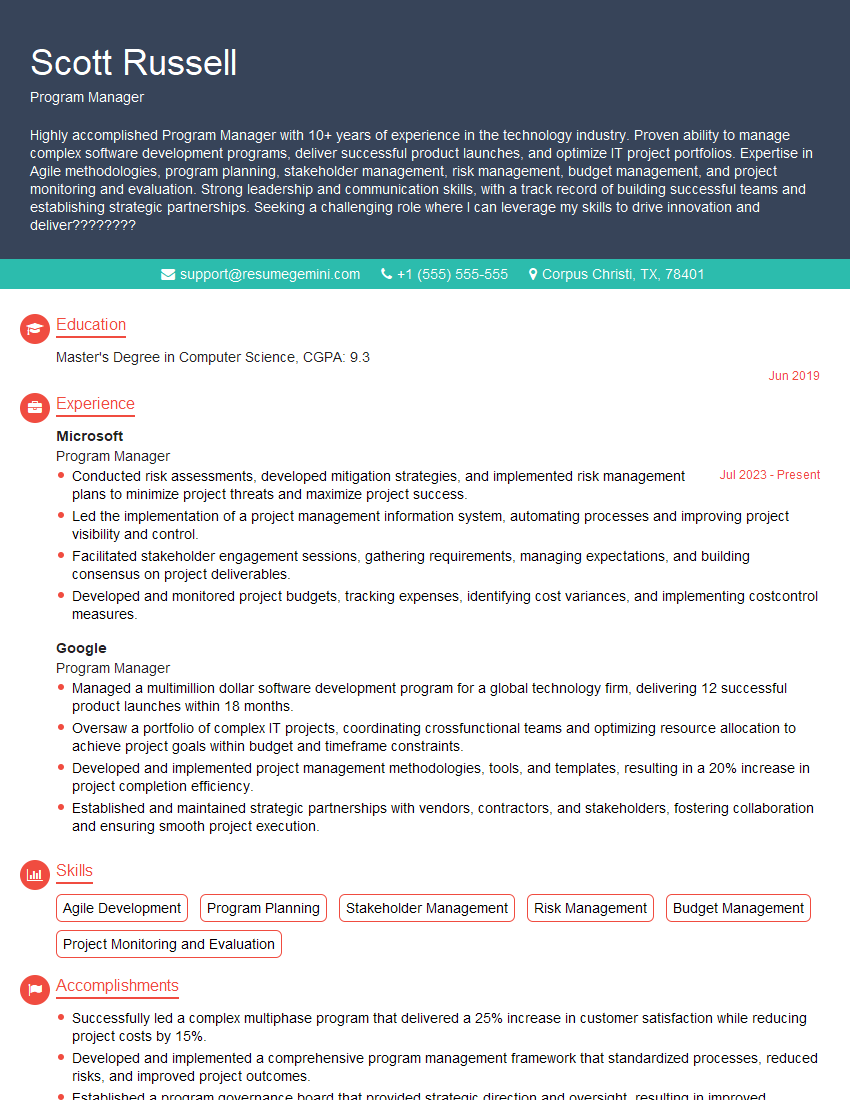
Program Manager Resume Sample
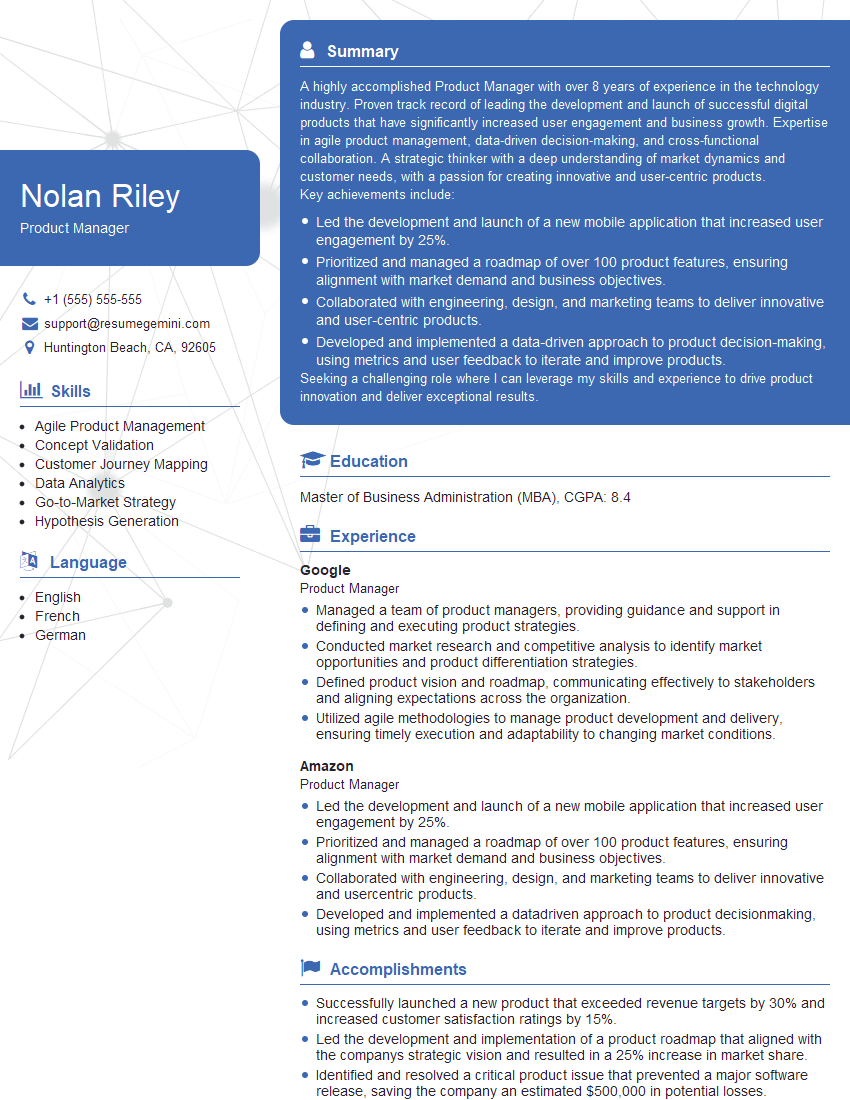
Product Manager Resume Sample
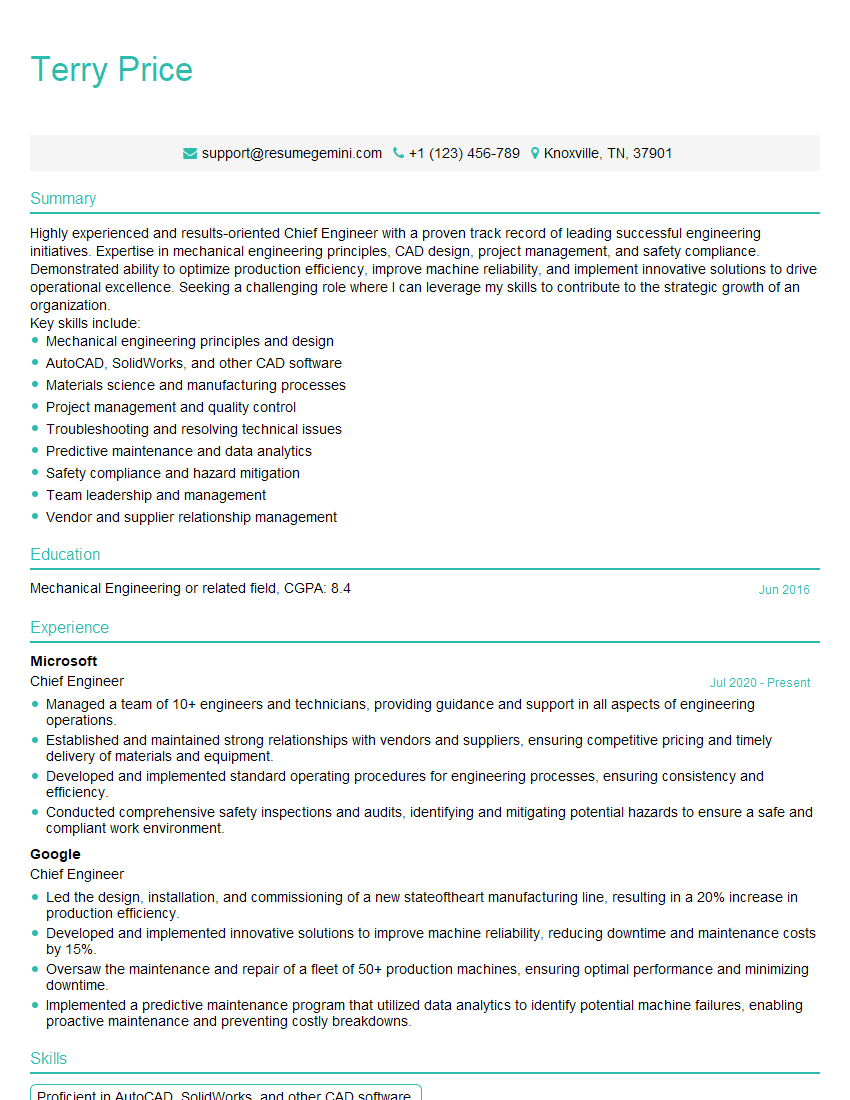
Chief Engineer Resume Sample
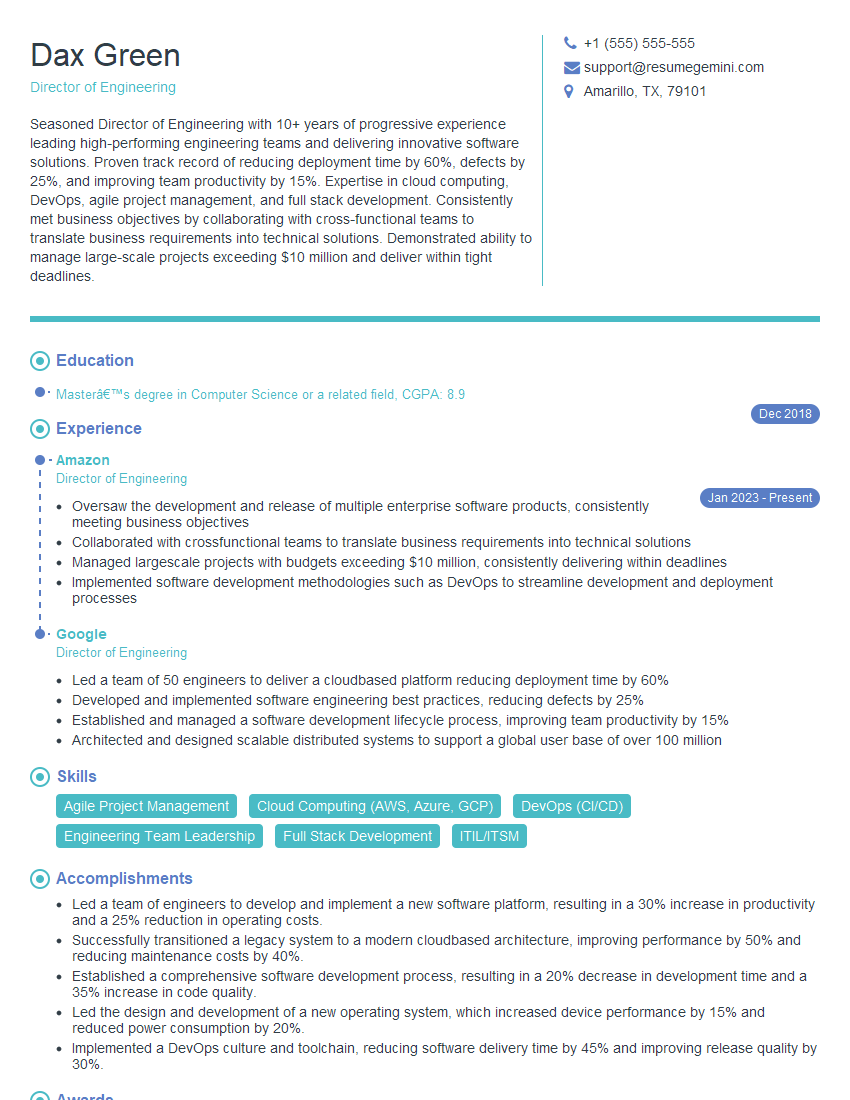
Director of Engineering Resume Sample
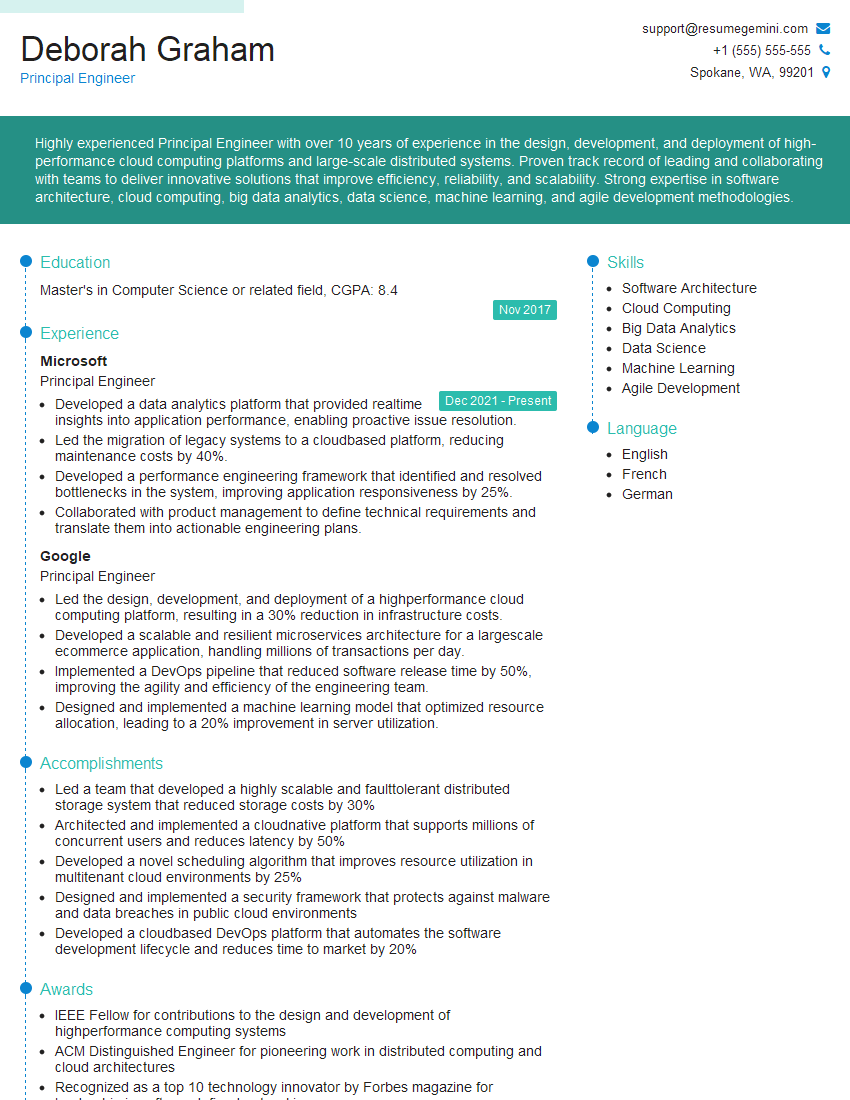
Principal Engineer Resume Sample

Project Engineer Resume Sample
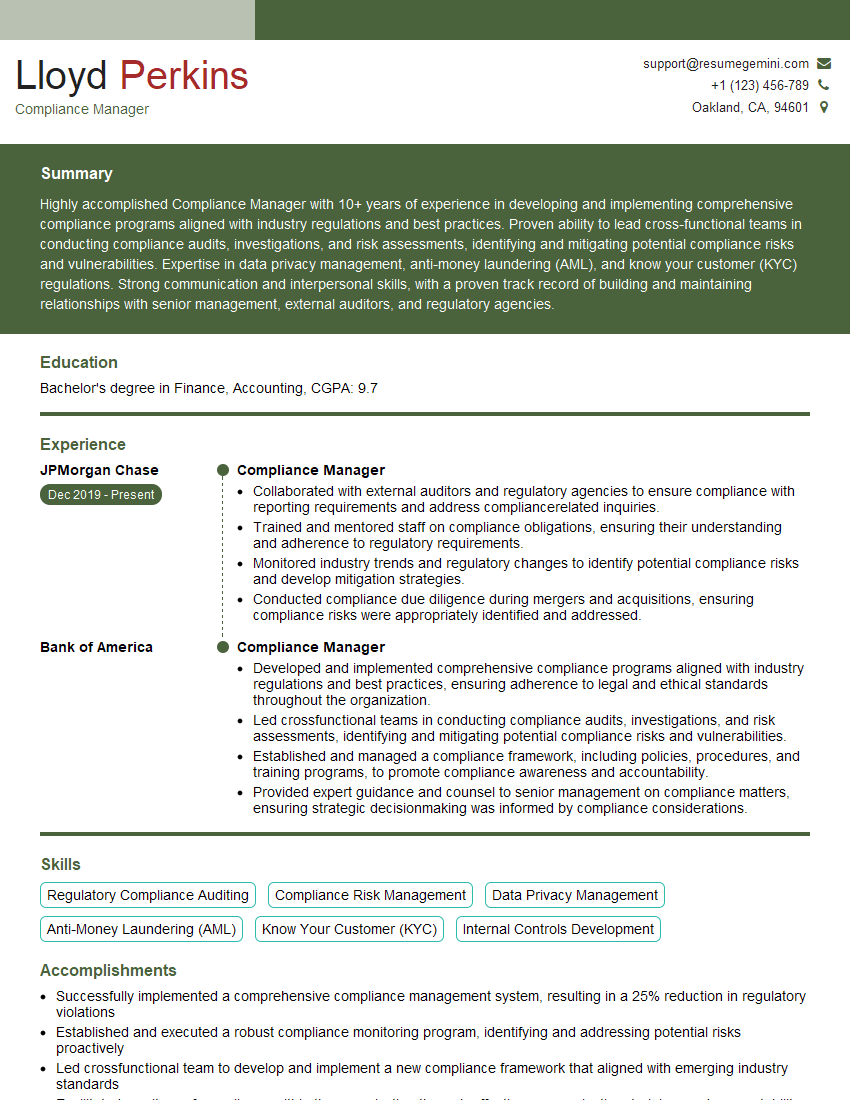
Compliance Manager Resume Sample
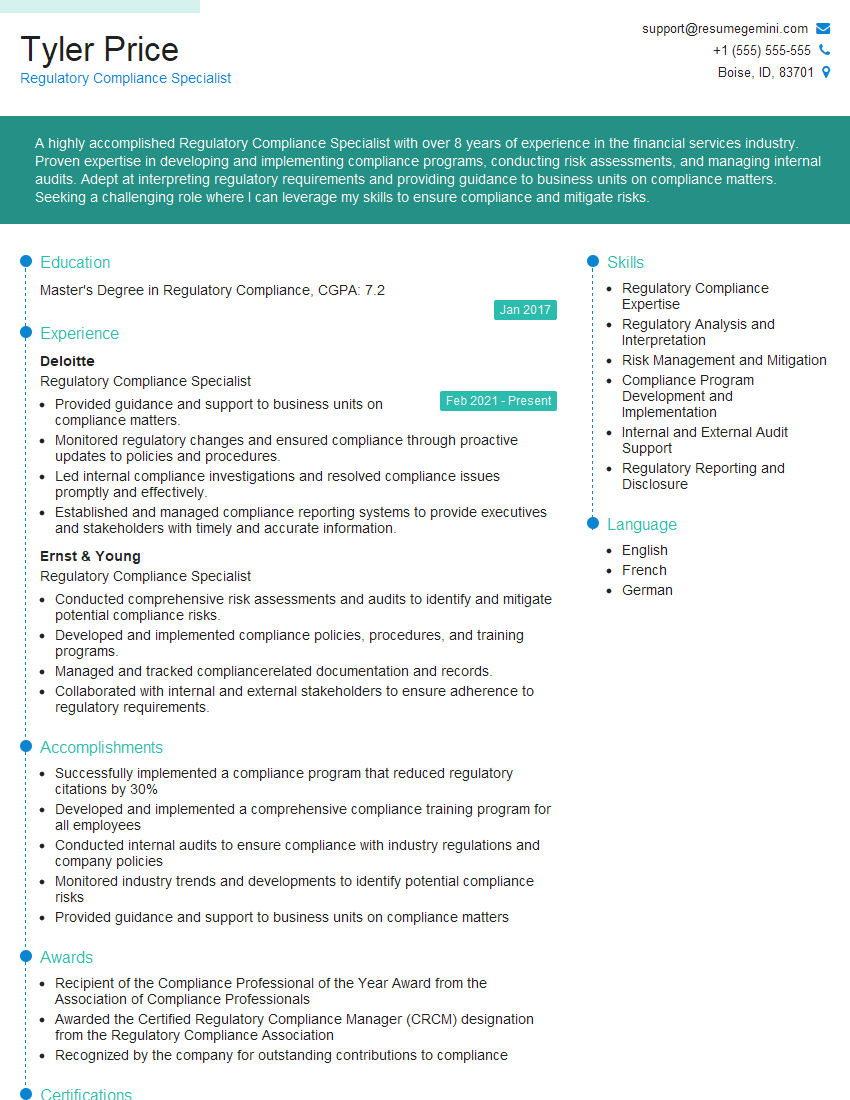
Regulatory Compliance Specialist Resume Sample
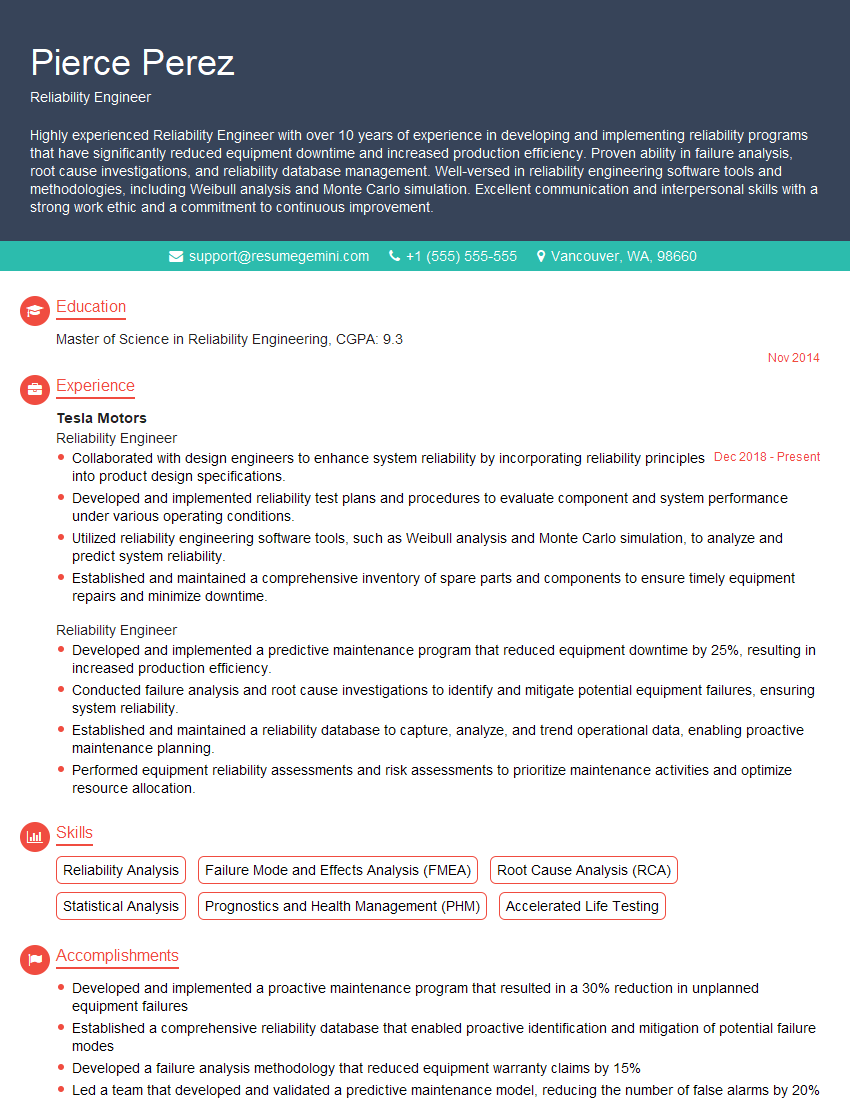
Reliability Engineer Resume Sample
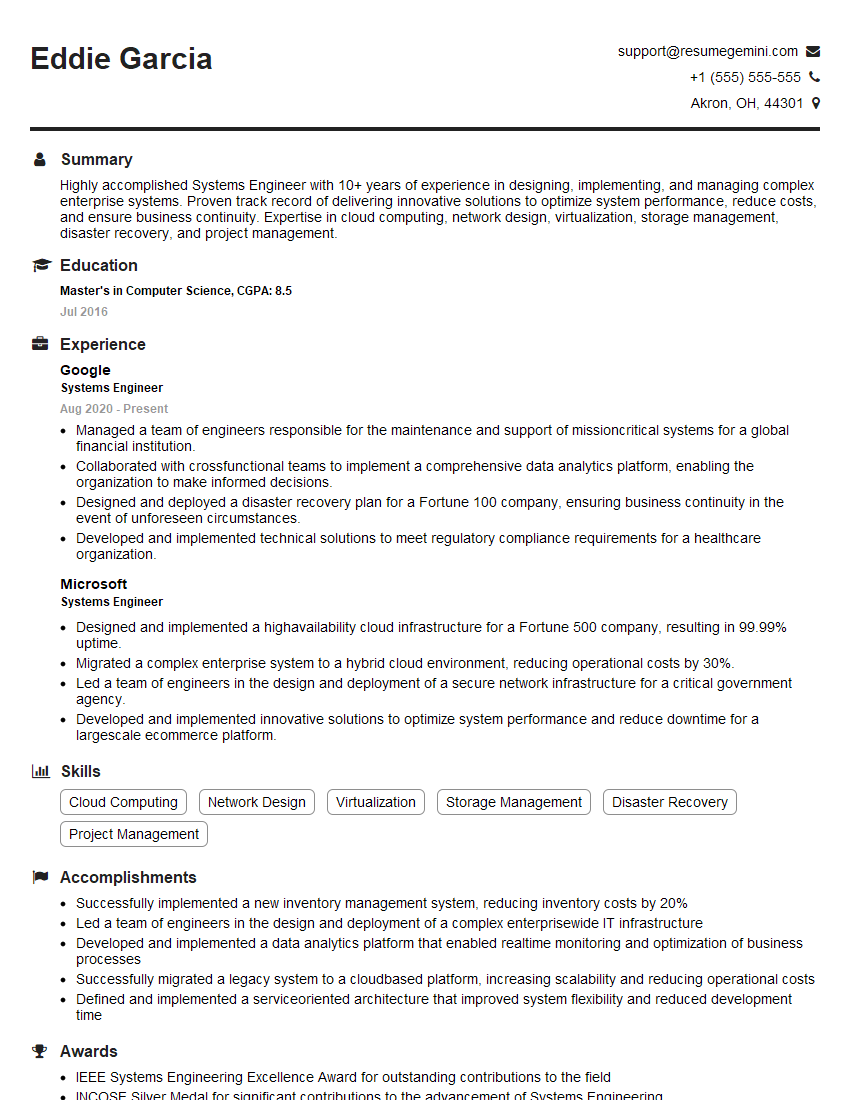
Systems Engineer Resume Sample
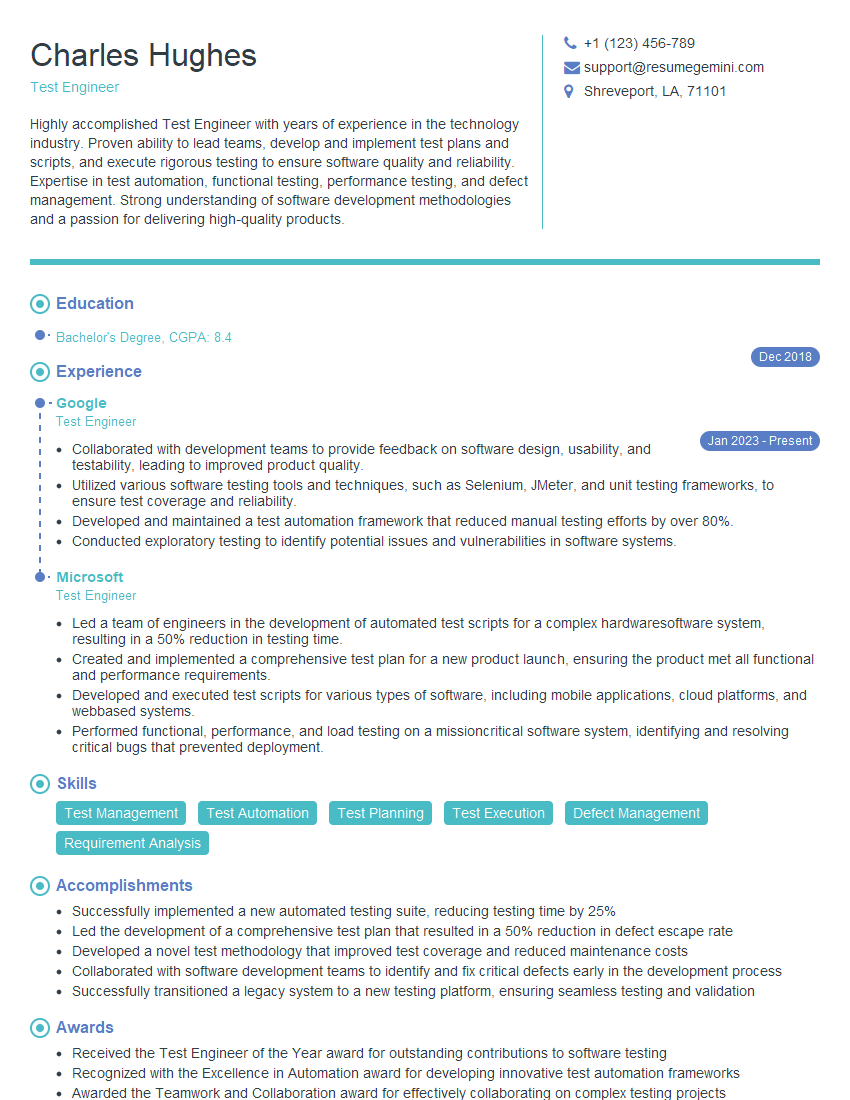
Test Engineer Resume Sample
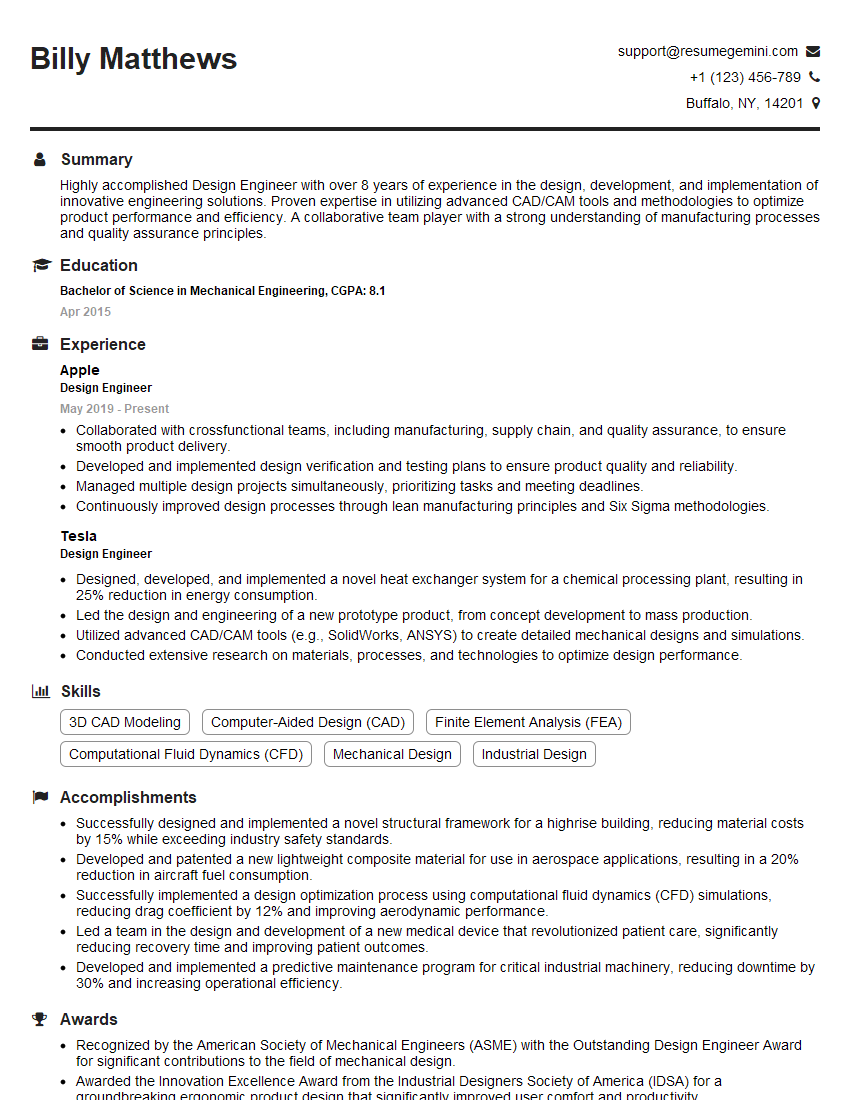
Design Engineer Resume Sample

Hardware Engineer Resume Sample
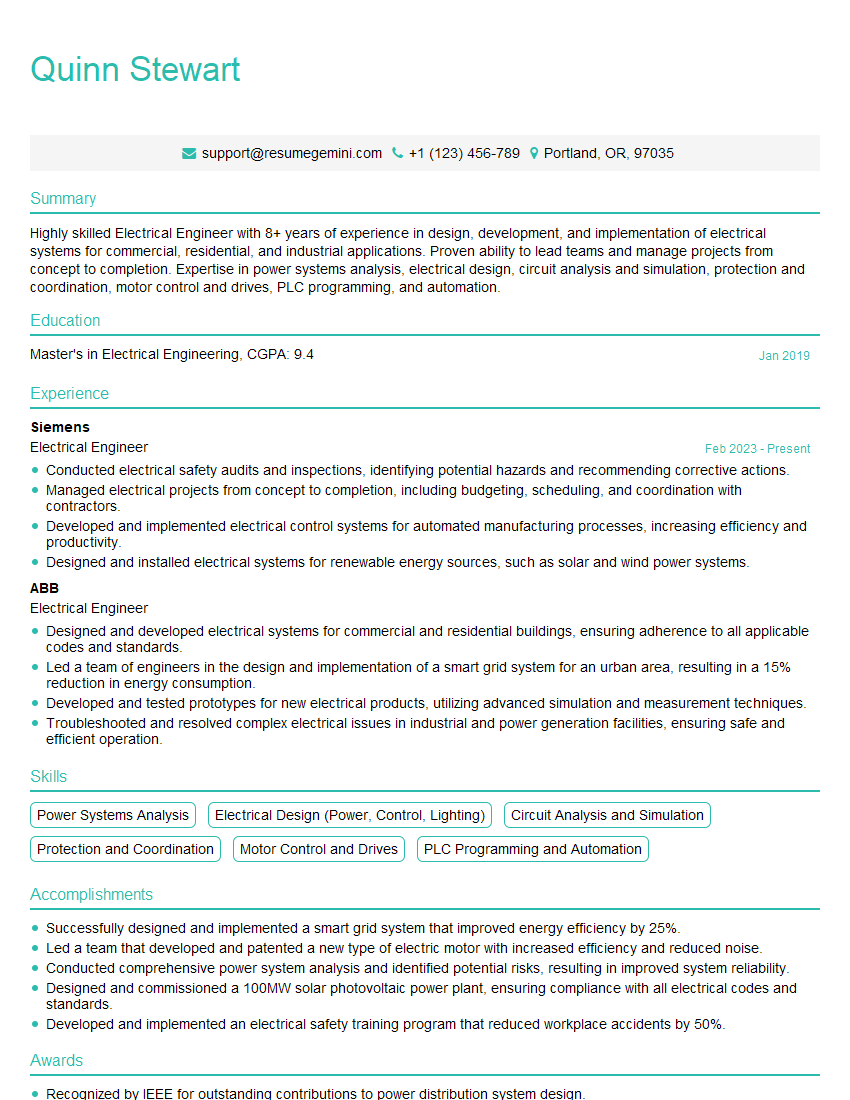
Electrical Engineer Resume Sample
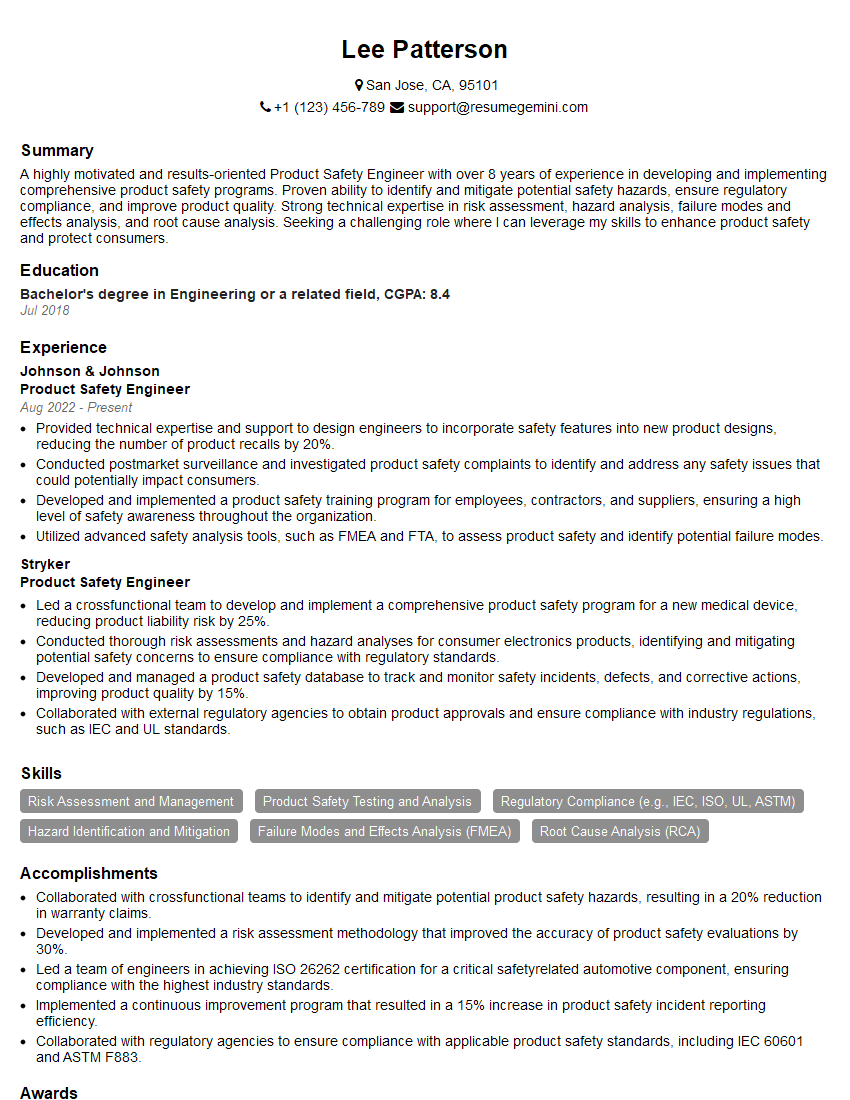
Product Safety Engineer Resume Sample
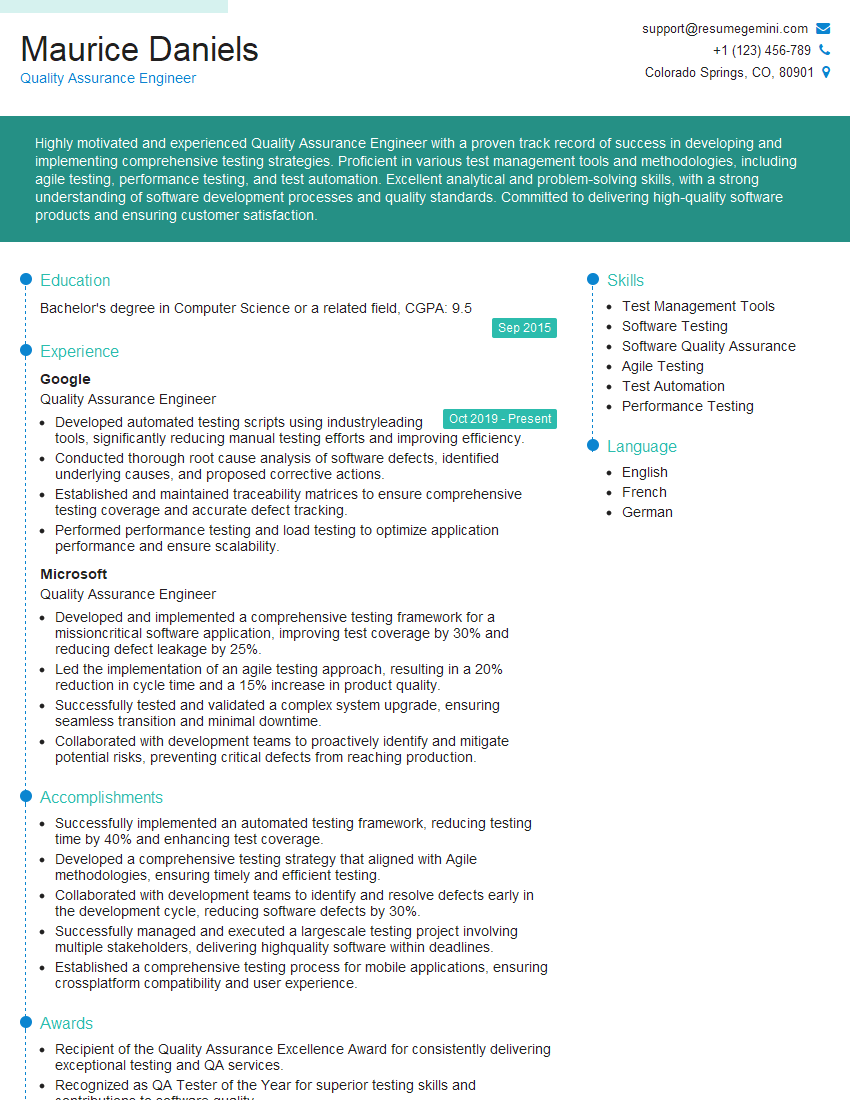
Quality Assurance Engineer Resume Sample
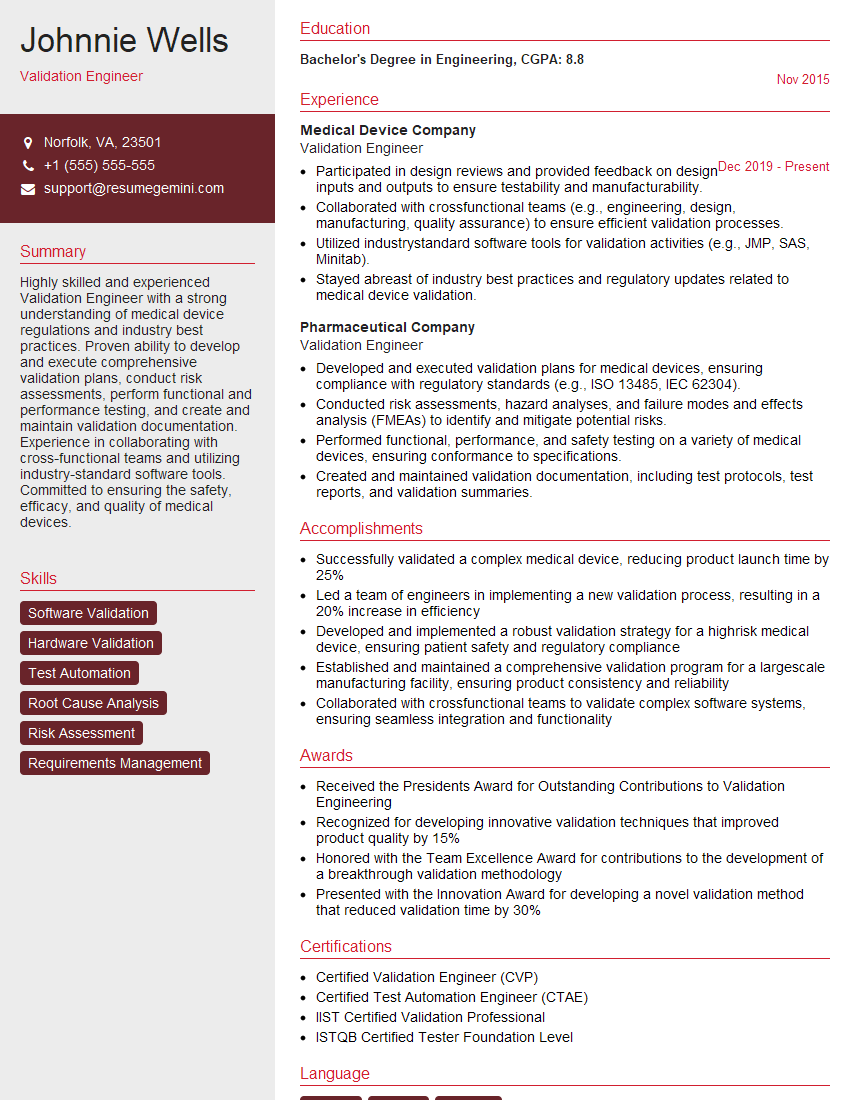
Validation Engineer Resume Sample

Technical Writer Resume Sample
- Program Manager
- Product Manager
- Chief Engineer
- Director of Engineering
- Principal Engineer
- Project Engineer
- Compliance Manager
- Regulatory Compliance Specialist
- Reliability Engineer
- Systems Engineer
- Test Engineer
- Design Engineer
- Hardware Engineer
- Electrical Engineer
- Product Safety Engineer
- Quality Assurance Engineer
- Validation Engineer
- Technical Writer
Explore more articles
Users Rating of Our Blogs
Share Your Experience
We value your feedback! Please rate our content and share your thoughts (optional).
What Readers Say About Our Blog
Very informative content, great job.
good