The right preparation can turn an interview into an opportunity to showcase your expertise. This guide to Antiterrorism and Force Protection interview questions is your ultimate resource, providing key insights and tips to help you ace your responses and stand out as a top candidate.
Questions Asked in Antiterrorism and Force Protection Interview
Q 1. Describe your experience in conducting vulnerability assessments.
Conducting vulnerability assessments is a systematic process of identifying weaknesses in security protocols and infrastructure that could be exploited by terrorists or other malicious actors. My experience involves a multi-faceted approach, beginning with meticulous site surveys to visually inspect physical security measures, access points, and potential vulnerabilities. This is followed by a review of existing security policies, procedures, and technological safeguards. I utilize a variety of techniques, including threat modeling, to identify potential attack vectors and their potential impact. For example, during an assessment of a large chemical plant, I identified a lack of physical barriers around crucial storage tanks, highlighting a significant vulnerability to a vehicle-borne improvised explosive device (VBIED) attack. This led to recommendations for enhanced bollard placement and improved perimeter security.
I then analyze the findings to prioritize vulnerabilities based on their likelihood and potential impact, creating a prioritized list of recommended mitigation strategies. This prioritization is crucial for efficient resource allocation. Finally, I produce a comprehensive report detailing the identified vulnerabilities, their potential consequences, and actionable recommendations for improvements, complete with cost-benefit analyses to guide decision-making. The report also includes a timeline for implementing the recommended changes.
Q 2. Explain your understanding of the National Response Framework (NRF).
The National Response Framework (NRF) is a guide for how the nation responds to all types of disasters and emergencies. It’s a comprehensive approach that emphasizes collaboration among various government agencies, private sector organizations, and non-governmental organizations (NGOs). My understanding of the NRF is grounded in its core principles: preparedness, prevention, mitigation, response, and recovery. This framework dictates a tiered approach to incident management. Each level is guided by designated incident commanders and has specific responsibilities.
The NRF facilitates a unified national response by establishing common operational and communications protocols. This is critical for effective coordination during complex and high-stakes events such as large-scale terrorist attacks. For example, understanding the NRF’s emphasis on interagency coordination ensures that my security plan for a major event seamlessly integrates with local, state, and federal emergency response plans. This prevents duplication of effort and ensures a coherent, effective response.
Q 3. How would you develop and implement a security plan for a large-scale event?
Developing and implementing a security plan for a large-scale event requires a systematic and multi-layered approach. It begins with a thorough risk assessment, identifying potential threats (terrorist attacks, criminal activity, natural disasters) and vulnerabilities (crowd density, inadequate security checkpoints, insufficient emergency exits). This assessment helps determine the necessary security measures. I would then create a comprehensive security plan, outlining specific roles and responsibilities, communication protocols, and emergency procedures.
- Pre-Event Planning: This involves establishing strong communication channels between various stakeholders including law enforcement, event organizers, medical personnel, and security personnel.
- Physical Security Measures: Deploying appropriate security personnel, implementing access control measures (e.g., checkpoints, ticket scanning), and deploying CCTV systems and other surveillance technologies are vital. The use of bomb-sniffing dogs is also a crucial element.
- Crowd Management: Effective crowd management strategies are crucial, minimizing congestion and preventing panic. Designated assembly points and evacuation routes must be clearly marked and regularly inspected.
- Intelligence Gathering: Proactively gathering intelligence on potential threats is critical, this can involve working with local law enforcement and intelligence agencies.
- Post-Event Analysis: After the event, a thorough review is necessary to evaluate the effectiveness of the security plan and to identify areas for improvement.
For example, I developed a security plan for a large outdoor concert that included multiple layers of security – including perimeter fencing, multiple checkpoints with metal detectors and bag checks, undercover officers, and a dedicated emergency response team. This plan was successfully implemented without any security incidents.
Q 4. What are the key elements of a comprehensive threat assessment?
A comprehensive threat assessment is a crucial element of effective antiterrorism and force protection. It involves a systematic process of identifying, analyzing, and prioritizing potential threats. Key elements include:
- Identifying Potential Threats: This involves considering various threat actors, their capabilities, and their potential motives. This might include terrorist groups, lone-wolf attackers, or even disgruntled individuals.
- Vulnerability Analysis: This step involves identifying potential weaknesses in security measures that could be exploited by threat actors. This could include physical vulnerabilities, technological weaknesses, or procedural flaws.
- Threat Likelihood and Impact Assessment: For each identified threat, it’s crucial to assess the likelihood of it occurring and the potential impact. This helps prioritize threats and allocate resources effectively.
- Risk Assessment and Prioritization: Based on the likelihood and impact assessments, a risk assessment is conducted, ranking threats by level of risk (e.g., high, medium, low). This allows for prioritizing mitigation efforts.
- Mitigation Strategies: Based on the risk assessment, appropriate mitigation strategies are developed. These might include physical security enhancements, procedural changes, or technological upgrades.
For instance, when assessing the threat to a government facility, we might consider the likelihood of a car bomb attack based on intelligence reports, and then assess the vulnerability of the building’s perimeter. This leads to recommendations such as improved bollard placement or vehicle barriers.
Q 5. Describe your experience with physical security systems (CCTV, access control, etc.).
My experience with physical security systems is extensive. I’m proficient in the design, implementation, and maintenance of various systems, including Closed-Circuit Television (CCTV) systems, access control systems, intrusion detection systems, and perimeter security systems. I understand the importance of integrating these systems for a holistic approach to security.
For CCTV, my experience encompasses the selection of appropriate camera types (PTZ, fixed, thermal), placement strategies for optimal coverage, and the use of video analytics software for threat detection and incident review. Access control systems, including card readers, biometric scanners, and keypads, are crucial for controlling access to sensitive areas. I have experience in designing systems that accommodate various user access levels and integrate with other security systems. Furthermore, I’m familiar with intrusion detection systems that utilize sensors, alarms, and monitoring systems to detect unauthorized entry. I understand the importance of proper system maintenance and regular testing to ensure their effectiveness. For example, in a recent project, we integrated a new access control system with the existing CCTV system to allow for real-time monitoring of entry points, significantly enhancing security and response time.
Q 6. How would you respond to a suspected terrorist threat?
Responding to a suspected terrorist threat requires a calm, decisive, and coordinated approach. The first step is to immediately activate emergency protocols and contact the appropriate authorities – local law enforcement, emergency services, and potentially the FBI or other relevant federal agencies, depending on the nature of the threat. The level of response would depend on the credibility and immediacy of the threat.
Depending on the situation, actions might include initiating lockdowns, evacuations, or shelter-in-place orders. Establishing a secure perimeter to contain the threat is crucial. If the threat is imminent, a tactical response may be necessary, involving trained law enforcement or military personnel. Throughout the incident, clear and consistent communication is essential to keep personnel and the public informed. Post-incident, a thorough investigation is essential to determine the cause, assess any failures in security protocols, and learn from the experience to prevent future incidents.
For example, if a suspicious package is discovered, it would be treated as a potential explosive device. The area would be immediately evacuated, and bomb disposal experts would be called in. This coordinated approach emphasizes teamwork, communication, and the prioritization of safety.
Q 7. Explain your familiarity with different types of explosive devices.
My familiarity with explosive devices encompasses various types, including improvised explosive devices (IEDs), vehicle-borne improvised explosive devices (VBIEDs), and conventional military explosives. IEDs are often homemade devices using readily available materials, making them highly unpredictable. VBIEDs utilize vehicles packed with explosives, posing a significant threat due to their destructive potential and mobility. Conventional military explosives, such as C4 or TNT, are more predictable in their behavior but still highly dangerous.
Understanding the construction, triggering mechanisms, and potential effects of different explosive types is critical in developing effective security measures and response protocols. This knowledge is essential for threat assessment, vulnerability analysis, and for training personnel on how to identify and react to potential explosive threats. Knowing the characteristics of different explosives allows for more effective mitigation strategies; for example, understanding the blast radius of a specific type of explosive helps determine the appropriate evacuation zone in case of a potential detonation.
Q 8. How do you prioritize threats and vulnerabilities?
Threat and vulnerability prioritization is a crucial aspect of force protection. It’s not simply a list; it’s a dynamic process involving assessing the likelihood and impact of potential threats. We use a structured approach, often employing a risk matrix. This matrix typically plots the likelihood of a threat occurring (low, medium, high) against the potential impact (low, medium, high) if the threat materializes. This creates four quadrants: Low/Low (least concerning), Low/High (high impact, unlikely), High/Low (frequent but low impact), and High/High (most critical).
For example, a low likelihood but high impact threat might be a sophisticated cyberattack targeting critical infrastructure. A high likelihood/low impact threat could be petty theft. The High/High threats – those with both high likelihood and high impact – receive the highest priority, driving resource allocation and mitigation strategies. We regularly review and update this matrix, incorporating intelligence updates and changing circumstances.
Beyond the matrix, we consider factors like the specific vulnerabilities of our assets, the potential targets within those assets, and the capability of known threat actors. The prioritization process isn’t static; it’s constantly refined based on new information and risk assessments.
Q 9. Describe your experience with emergency response planning and execution.
My experience in emergency response planning and execution spans over ten years, encompassing various scenarios, from natural disasters to active shooter situations. I’ve been involved in developing comprehensive emergency plans, conducting regular drills and exercises, and leading teams during actual incidents. This includes coordinating with diverse stakeholders – law enforcement, emergency medical services, and internal teams – to ensure effective communication and response.
In one instance, we experienced a significant cybersecurity breach. My role involved leading the incident response team, activating our established protocols, and coordinating with external cybersecurity experts. We successfully contained the breach, minimizing data loss and preventing further damage. This experience highlighted the importance of thorough planning, clear communication channels, and effective collaboration across teams.
My approach centers around pre-planning, using a well-defined chain of command, clear communication protocols (utilizing both verbal and written communication), regular training exercises, and post-incident analysis to refine our procedures. After each exercise or actual incident, we conduct a thorough after-action report to identify areas for improvement.
Q 10. What are the key components of a successful force protection plan?
A successful force protection plan is multifaceted and requires a holistic approach. Key components include:
- Risk Assessment: A comprehensive analysis of potential threats and vulnerabilities.
- Protective Measures: Implementing physical security measures (e.g., access control, surveillance, perimeter security) and technological safeguards (e.g., intrusion detection systems, cybersecurity measures).
- Personnel Security: Background checks, security awareness training, and establishing clear procedures for handling sensitive information.
- Emergency Response Plan: Detailed procedures for responding to various security incidents, including communication protocols, evacuation plans, and incident reporting.
- Communication Systems: Reliable and secure communication channels for internal and external communication during an emergency.
- Training and Exercises: Regular training and exercises to ensure personnel are prepared to respond effectively to various scenarios.
- Continuous Improvement: Regularly reviewing and updating the plan based on lessons learned, emerging threats, and changes in the environment.
A well-integrated plan considers the interdependencies between these components; for example, a robust communication system is crucial for the effective execution of an emergency response plan.
Q 11. How do you mitigate insider threats?
Mitigating insider threats requires a multi-layered approach focusing on prevention, detection, and response. Prevention involves robust background checks, security awareness training that emphasizes the importance of data protection and ethical behavior, and access control measures based on the principle of least privilege (granting only the minimum necessary access to data and systems).
Detection involves monitoring employee behavior, system activity, and data access patterns for anomalies. This might involve using security information and event management (SIEM) systems to identify suspicious activity. Regular audits and data loss prevention (DLP) tools can also help identify potential breaches.
Response involves a well-defined incident response plan to address confirmed insider threats. This includes isolating compromised systems, conducting thorough investigations, and taking appropriate disciplinary or legal action. It also involves reviewing existing security measures and adjusting them as needed. A crucial aspect is having clear procedures to follow, to ensure a consistent and effective response.
Q 12. Explain your understanding of active shooter response protocols.
Active shooter response protocols prioritize the safety and well-being of individuals. The general approach focuses on three key elements: Run, Hide, Fight.
- Run: Evacuate the area immediately if possible. Move away from the sound of gunfire, and assist others to escape if it’s safe to do so.
- Hide: If evacuation isn’t feasible, find a secure location to hide. Lock doors, turn off lights, and remain silent.
- Fight: As a last resort, if confronted by the shooter, fight back using whatever means available to defend yourself and others.
These protocols are not mutually exclusive; the best course of action will depend on the specific circumstances. Regular training and drills are critical for instilling these protocols and ensuring a coordinated response. Furthermore, cooperation with law enforcement is paramount. Understanding the role of law enforcement in an active shooter situation – to neutralize the threat – is essential for effective coordination and survivability.
Q 13. How would you coordinate with law enforcement agencies during a security incident?
Coordination with law enforcement during a security incident is critical for a successful outcome. This requires pre-established communication channels, shared operational procedures, and a clear understanding of roles and responsibilities. Before an incident occurs, we develop a Memorandum of Understanding (MOU) with local law enforcement outlining our mutual responsibilities, including communication protocols and access procedures.
During an incident, a designated point of contact will immediately notify law enforcement, providing them with a concise update on the situation, including the nature of the incident, location, number of casualties (if any), and potential threats. This will be followed by ongoing updates as the situation unfolds. We ensure that law enforcement has access to our security systems and relevant information to facilitate a rapid response. After the incident, we will cooperate fully with law enforcement investigations.
Open communication and trust built before an incident occur are vital for a smooth and effective response during a security incident. Regular joint training exercises greatly enhance this coordination.
Q 14. What experience do you have with security awareness training programs?
I have extensive experience in developing and delivering security awareness training programs. My approach is to make training engaging, relatable, and relevant to employees’ daily tasks. I avoid generic, overly technical presentations; instead, I use real-world examples, interactive exercises, and scenarios to illustrate key concepts.
For example, I’ve created training modules focusing on phishing scams, using realistic phishing emails to demonstrate how to identify and report them. I’ve also developed training on physical security, covering topics such as access control, visitor management, and emergency procedures. For each program, I conduct a post-training assessment to measure its effectiveness and identify areas for improvement. Tailoring the training to the specific needs and roles of the employees is vital to increase their knowledge and awareness.
The success of any security awareness program depends not only on the quality of the training but also on consistent reinforcement and communication. Regular updates on emerging threats and security best practices are crucial to maintaining a high level of awareness throughout the organization.
Q 15. Describe your experience in analyzing intelligence information.
Analyzing intelligence information is a crucial aspect of antiterrorism and force protection. It involves systematically reviewing raw data from various sources – human intelligence (HUMINT), signals intelligence (SIGINT), open-source intelligence (OSINT), etc. – to identify patterns, threats, and potential vulnerabilities. This process demands a critical eye, attention to detail, and the ability to synthesize information from diverse and often conflicting sources.
My experience encompasses utilizing various analytical frameworks, such as the Diamond Model, which helps visualize the relationship between the actor, infrastructure, capability, and victim, aiding in threat assessment and prediction. I’ve also utilized link analysis to identify connections between individuals, groups, and events, uncovering potential terrorist networks or plots. For instance, I once analyzed seemingly disparate pieces of OSINT – social media posts, news articles, and travel records – to identify a potential lone-wolf attacker planning a mass casualty event. Through careful analysis and cross-referencing, we were able to disrupt his plans and prevent a tragedy.
Career Expert Tips:
- Ace those interviews! Prepare effectively by reviewing the Top 50 Most Common Interview Questions on ResumeGemini.
- Navigate your job search with confidence! Explore a wide range of Career Tips on ResumeGemini. Learn about common challenges and recommendations to overcome them.
- Craft the perfect resume! Master the Art of Resume Writing with ResumeGemini’s guide. Showcase your unique qualifications and achievements effectively.
- Don’t miss out on holiday savings! Build your dream resume with ResumeGemini’s ATS optimized templates.
Q 16. How do you assess the credibility of intelligence sources?
Assessing the credibility of intelligence sources is paramount. It’s not enough to simply receive information; we must evaluate its reliability and validity. This involves considering several factors.
- Source motivation: What are the source’s potential biases or agendas? Are they seeking personal gain, revenge, or are they genuinely trying to provide accurate information?
- Source reliability: Has this source provided accurate information in the past? Have they been corroborated by other sources?
- Method of acquisition: How was this information obtained? Is it hearsay, direct observation, or intercepted communication? The method directly impacts the reliability of the information.
- Consistency: Does this information align with other intelligence we possess? Are there any contradictions or inconsistencies?
For example, information from a known enemy combatant requires more rigorous verification compared to information from a long-standing, proven reliable source. We use corroboration – cross-referencing information from multiple independent sources – to build a more confident picture of the situation.
Q 17. What are the limitations of various security technologies?
While security technologies offer valuable protection, they all have limitations. No single technology is a silver bullet. The effectiveness of any security measure depends on factors like proper implementation, maintenance, and integration with other layers of security.
- CCTV: Limited range, potential for blind spots, vulnerability to tampering, and requires human monitoring and analysis.
- Access control systems: Can be bypassed with sophisticated techniques, vulnerable to hacking, and their effectiveness relies on robust user management practices.
- Perimeter security: Physical barriers can be breached, and their effectiveness depends on environmental factors and the sophistication of the attacker.
- Cybersecurity systems: Constant evolution of threats means that systems need constant updates and monitoring. Phishing and social engineering remain significant vulnerabilities.
Think of security as a layered defense. Each technology addresses a specific vulnerability but relying on a single technology is risky. A comprehensive approach combines multiple technologies and strategies, compensating for the shortcomings of any individual system.
Q 18. Explain your understanding of risk mitigation strategies.
Risk mitigation strategies aim to reduce the likelihood and impact of threats. It’s a proactive approach that involves identifying vulnerabilities, assessing their potential impact, and implementing measures to minimize their effects. This involves a cyclical process:
- Identify threats and vulnerabilities: This could involve threat assessments, vulnerability scans, and risk registers. Identifying the potential actors, their capabilities, and their potential targets is essential.
- Assess the risk: This involves analyzing the likelihood and impact of each threat. A risk matrix can help visualize the level of risk for each identified threat.
- Develop mitigation strategies: Based on the risk assessment, we develop strategies to reduce the likelihood or impact of each threat. This might involve implementing physical security measures, enhancing cybersecurity protocols, developing emergency response plans, or improving staff training.
- Implement and monitor: Strategies need to be implemented effectively, and their performance needs constant monitoring and evaluation. Regular reviews and adjustments ensure ongoing effectiveness.
For example, in assessing the risk of a cyberattack, we might implement multi-factor authentication, intrusion detection systems, and employee cybersecurity awareness training. These mitigation strategies aim to reduce both the likelihood and impact of a successful attack.
Q 19. How do you communicate effectively during a crisis?
Effective communication during a crisis is critical. Clear, concise, and timely communication is essential to coordinate responses, keep personnel informed, and maintain public order. It demands calm, decisive leadership and adherence to established protocols.
- Clear communication channels: Establish clear communication chains of command and protocols to avoid confusion and ensure information reaches the right people at the right time. This might include pre-determined communication protocols and designated spokespersons.
- Concise messaging: Avoid jargon and technical language. Keep messages clear, concise, and easily understood by all recipients. Prioritize essential information, avoiding unnecessary detail.
- Multiple communication methods: Utilize a variety of communication methods to ensure message delivery, including radio, telephone, text messaging, email, etc.
- Regular updates: Provide regular updates to personnel and the public, keeping them informed of the situation and the response efforts.
During my career, I’ve found that using standardized templates for crisis communication and maintaining a calm demeanor under pressure are vital for ensuring information is received and acted upon efficiently.
Q 20. Describe your experience with developing security policies and procedures.
Developing security policies and procedures is a multi-step process requiring collaboration, attention to detail, and a deep understanding of the specific risks faced. I have been involved in developing comprehensive security policies and procedures for various organizations, including:
- Needs assessment: Begin by identifying potential threats and vulnerabilities. This may involve threat assessments, risk assessments, and gap analyses.
- Policy development: Based on the needs assessment, create detailed policies outlining roles, responsibilities, and procedures for various security-related matters. These policies should be clear, concise, and easily understandable.
- Procedure development: Define step-by-step procedures for implementing the policies. This often involves creating standard operating procedures (SOPs) for different scenarios.
- Implementation and training: The policies and procedures must be effectively implemented through training programs that clearly explain the policies and procedures to all personnel and regular audits to ensure compliance.
- Review and update: Security policies and procedures are not static documents. Regularly review and update them to adapt to evolving threats and technologies. This includes scheduled reviews and post-incident analyses.
For example, I developed a comprehensive security policy and set of SOPs for a large industrial facility, which involved creating procedures for access control, emergency response, and cybersecurity incident management.
Q 21. How do you ensure compliance with relevant security regulations?
Ensuring compliance with security regulations is crucial for maintaining a secure environment and avoiding legal repercussions. This involves a multifaceted approach:
- Regular audits: Conducting regular internal and external audits to assess compliance with all relevant regulations. These audits often include reviewing policies, procedures, training records, and security systems.
- Staff training: Providing employees with regular training on relevant security regulations and best practices. This ensures everyone understands their responsibilities and how to comply with the regulations.
- Documentation: Maintaining accurate and thorough records of all security-related activities. This documentation serves as evidence of compliance and can be valuable during audits or investigations.
- Continuous improvement: Regularly reviewing and updating security policies and procedures to adapt to changing regulatory requirements and emerging threats. This proactive approach ensures continued compliance.
- Incident response: Establishing clear procedures for addressing security incidents, including reporting mechanisms, investigation protocols, and corrective actions. This helps ensure compliance and learn from past mistakes.
Compliance isn’t a one-time event; it’s an ongoing process that requires vigilance, continuous improvement, and a commitment to maintaining the highest security standards.
Q 22. How would you handle a security breach?
Handling a security breach requires a swift, coordinated response. My approach follows a structured methodology, starting with immediate containment. This involves isolating the affected system or area to prevent further damage or compromise. Simultaneously, we initiate a thorough investigation to determine the breach’s scope, cause, and potential impact. This might involve forensic analysis of logs, network traffic, and affected systems. After establishing the extent of the breach, we move to eradication – removing the threat and restoring system integrity. Finally, a comprehensive recovery phase ensures business continuity and implements preventative measures to mitigate future risks. For example, if we experienced a phishing attack leading to malware infection, containment would involve disconnecting affected machines from the network. Investigation would analyze the infected systems, network logs, and email traffic to identify the source and method of attack. Eradication would consist of removing the malware and restoring data from backups. Recovery would include updating security software, retraining staff on phishing awareness, and implementing multi-factor authentication.
Q 23. What is your experience with developing and delivering security briefings?
I have extensive experience crafting and delivering security briefings tailored to diverse audiences. This involves understanding the audience’s background and adapting the level of detail and technical language accordingly. My briefings are structured, using a clear narrative that includes the threat landscape, vulnerabilities, mitigation strategies, and relevant policies. I emphasize visual aids such as diagrams and charts to enhance comprehension. I’ve presented to executive leadership, technical staff, and even large public forums, adjusting my approach to each group’s needs. For example, when briefing executives, I focus on high-level risks and business impact, while technical briefings delve into specific vulnerabilities and technical solutions. I always incorporate real-world examples and case studies to make the information relatable and impactful. I incorporate interactive elements like Q&A sessions to ensure understanding and address specific concerns.
Q 24. Describe your experience with crisis communication protocols.
My experience with crisis communication protocols encompasses all phases of an incident, from initial detection to recovery and post-incident analysis. This involves clear, concise, and consistent messaging to all stakeholders. I’m proficient in using multiple communication channels effectively, from internal alerts and emails to external press releases and social media engagement. I understand the importance of managing public perception during a crisis and ensure consistent messaging across all channels. A critical aspect is the accurate and timely dissemination of information to affected individuals and the public while maintaining confidentiality when necessary. For example, in the event of a significant security incident, I would immediately activate our pre-defined communication plan, notifying relevant internal teams and establishing a central communication hub. We would then prepare and distribute press releases, proactively addressing public concerns and misinformation. Throughout the crisis, consistent internal communication would maintain morale and ensure effective collaboration within the response team.
Q 25. How do you stay up-to-date on current security threats and best practices?
Staying current on security threats and best practices is paramount. I leverage multiple resources to maintain this expertise. I subscribe to threat intelligence feeds from reputable organizations, actively participate in professional forums and conferences, and regularly read industry publications and research papers. I also maintain a network of contacts within the security community, facilitating the exchange of knowledge and insights. Moreover, I frequently conduct vulnerability assessments and penetration tests to identify and address potential weaknesses in our security posture. This proactive approach allows us to stay ahead of evolving threats and adopt the latest best practices, ensuring our security measures remain robust and effective. For example, I regularly review reports from the Cybersecurity and Infrastructure Security Agency (CISA) and the National Institute of Standards and Technology (NIST) to understand emerging threats and best practices.
Q 26. Explain your familiarity with different types of security technologies.
My familiarity with security technologies spans a wide range, from network security devices like firewalls and intrusion detection/prevention systems (IDS/IPS) to endpoint protection solutions, data loss prevention (DLP) tools, and security information and event management (SIEM) systems. I’m also experienced with cloud security technologies, including cloud access security brokers (CASBs) and cloud security posture management (CSPM) tools. My experience also encompasses physical security technologies such as access control systems, CCTV, and perimeter security measures. I understand the importance of integrating these technologies to create a layered security architecture. For instance, I’ve implemented and managed firewalls, intrusion detection systems, and vulnerability scanners to protect a network infrastructure. I’ve also worked with encryption technologies to secure sensitive data at rest and in transit.
Q 27. How would you manage a security team effectively?
Managing a security team effectively requires strong leadership and communication skills. I foster a collaborative and supportive environment where team members feel valued and empowered. I delegate tasks based on individual strengths and provide ongoing training and development opportunities. Regular performance reviews ensure individual goals align with team objectives. Open communication is crucial, promoting transparency and timely feedback. I utilize various project management methodologies to coordinate tasks and ensure projects are completed on time and within budget. Building strong relationships within the team and across departments fosters collaboration and communication. I also encourage professional development and mentorship programs to enhance team skills and foster leadership. For example, I’d use agile methodologies to manage projects, enabling flexibility and responsiveness to changing priorities.
Q 28. What are your salary expectations?
My salary expectations are commensurate with my experience and expertise in the field of Antiterrorism and Force Protection, considering the specific requirements of this role and the prevailing market rates. I am open to discussing a competitive compensation package that reflects my contributions and value to the organization.
Key Topics to Learn for Antiterrorism and Force Protection Interview
- Threat Assessment and Risk Management: Understanding methodologies for identifying, analyzing, and mitigating potential threats. This includes vulnerability assessments and developing mitigation strategies.
- Physical Security Measures: Knowledge of security technologies, access control systems, perimeter security, and their practical application in various settings. Consider case studies of successful and unsuccessful implementations.
- Emergency Response Planning and Procedures: Familiarity with developing and executing emergency response plans, including incident command systems and communication protocols. Practice describing your approach to crisis management.
- Personnel Security and Training: Understanding background checks, security clearances, and the importance of ongoing security awareness training for personnel. Think about how to foster a security-conscious culture.
- Intelligence Gathering and Analysis: Knowledge of open-source intelligence gathering, threat analysis, and using information to inform security decisions. Practice analyzing hypothetical scenarios and drawing conclusions.
- Legal and Ethical Considerations: Understanding the legal framework surrounding antiterrorism and force protection, and the ethical implications of security measures. Consider the balance between security and individual rights.
- Counterterrorism Techniques and Strategies: A general understanding of various counterterrorism strategies and their effectiveness in different contexts. Focus on the underlying principles rather than specific tactics.
- Technology and Antiterrorism: Familiarity with technological advancements relevant to antiterrorism and force protection, such as surveillance technologies and cybersecurity measures. Prepare to discuss the implications of emerging technologies.
Next Steps
Mastering Antiterrorism and Force Protection demonstrates crucial skills highly valued by employers across various sectors, opening doors to exciting career advancements and leadership opportunities. To maximize your job prospects, a strong, ATS-friendly resume is essential. ResumeGemini is a trusted resource to help you build a professional and impactful resume that highlights your unique skills and experience. We provide examples of resumes tailored to Antiterrorism and Force Protection roles to guide you through the process. Take the next step towards your dream career – build your best resume with ResumeGemini today.
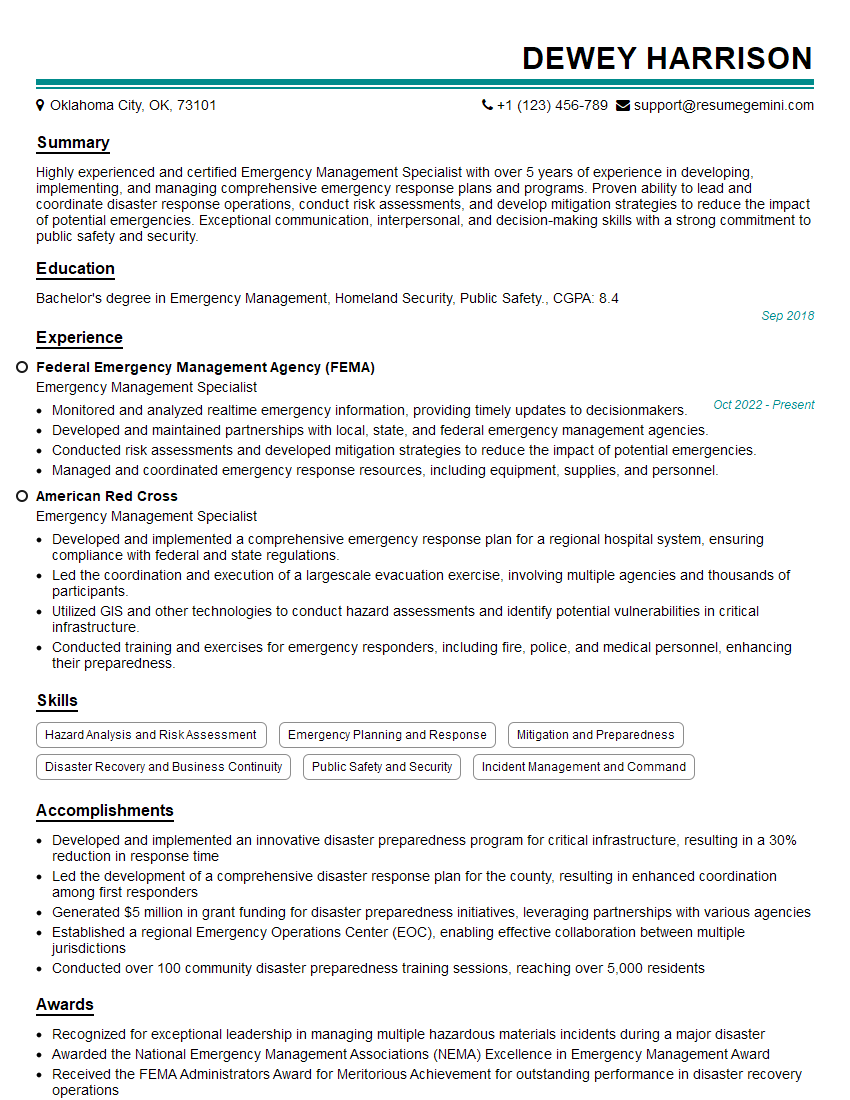
Emergency Management Specialist Resume Sample
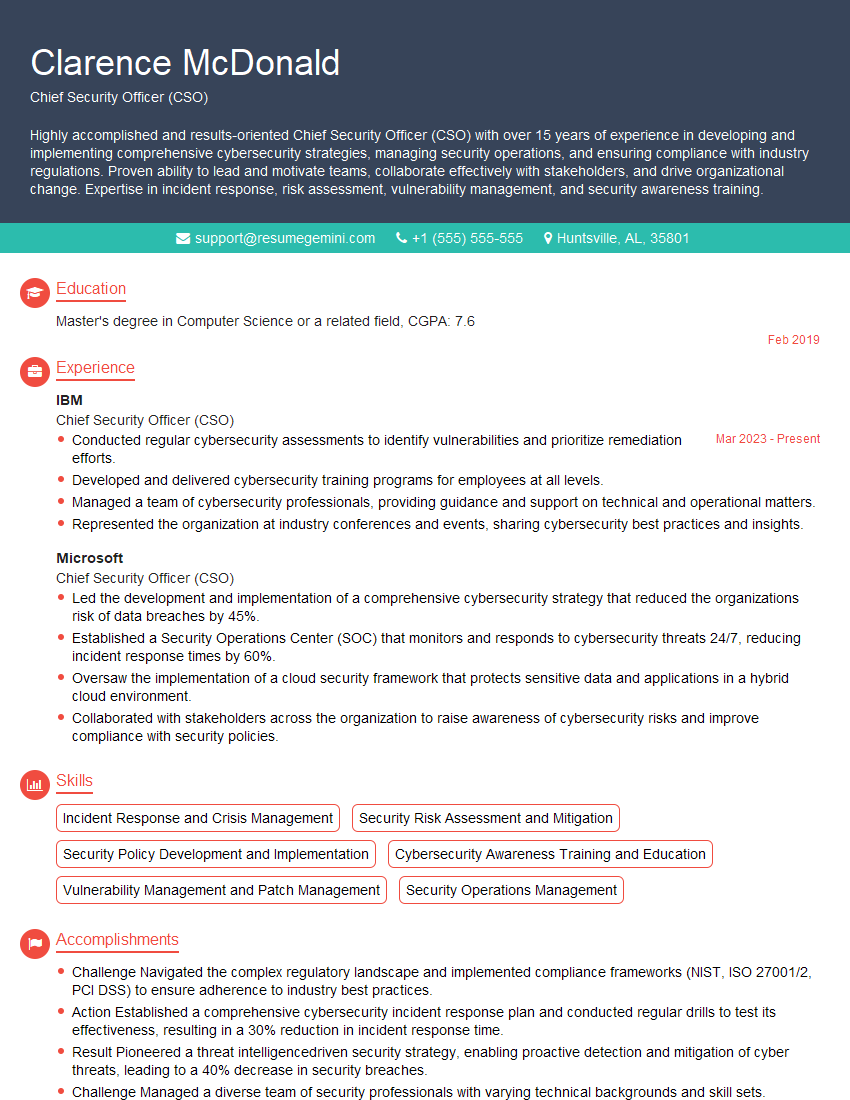
Chief Security Officer (CSO) Resume Sample
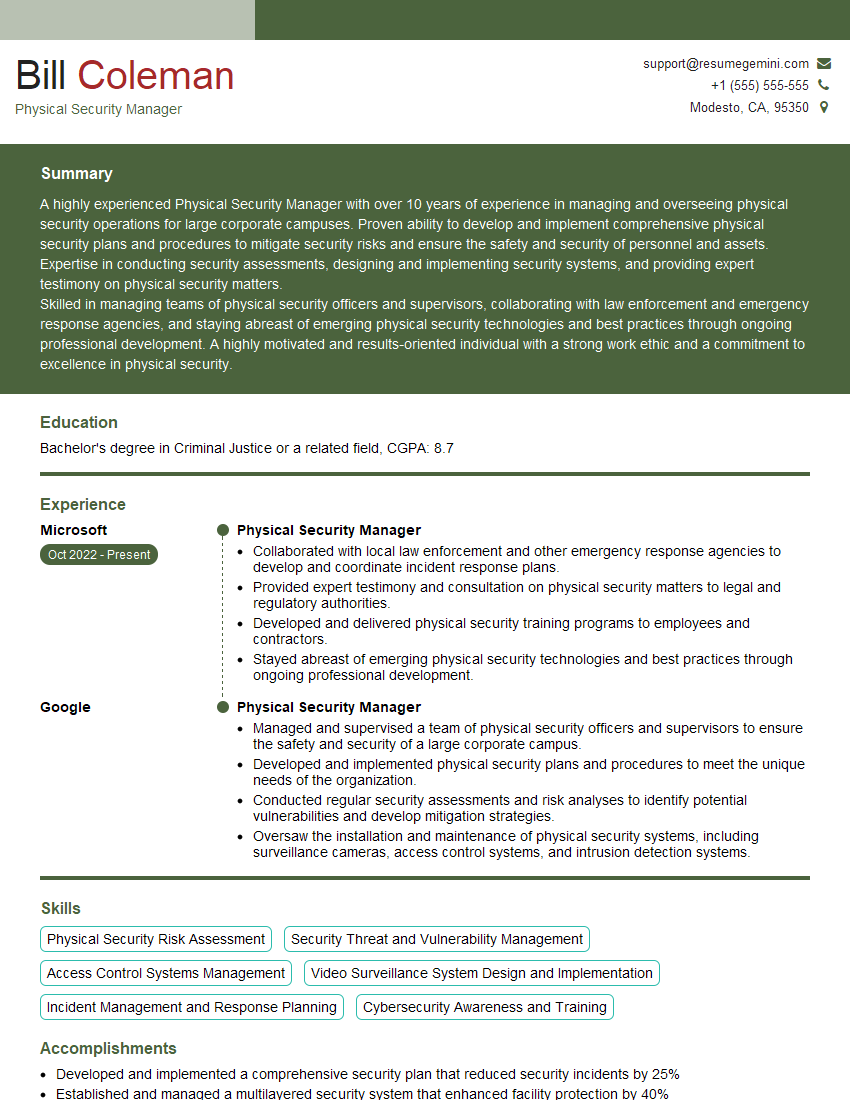
Physical Security Manager Resume Sample
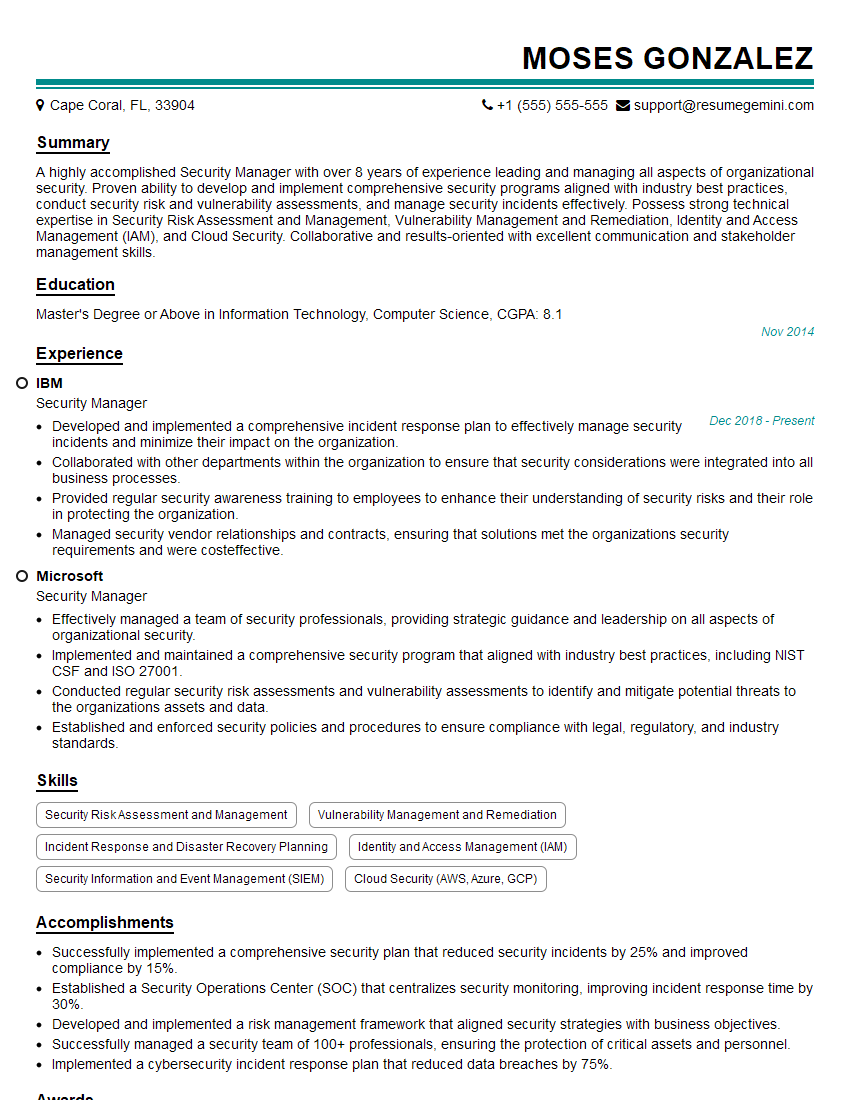
Security Manager Resume Sample
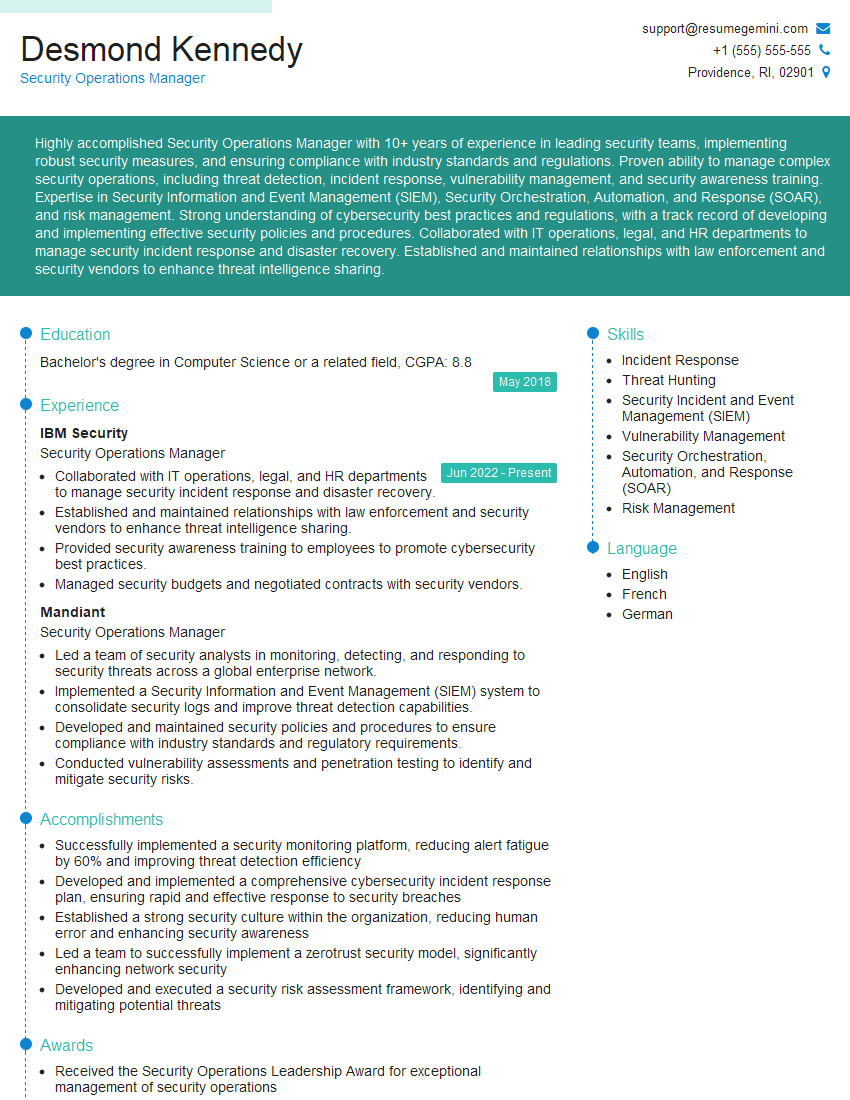
Security Operations Manager Resume Sample
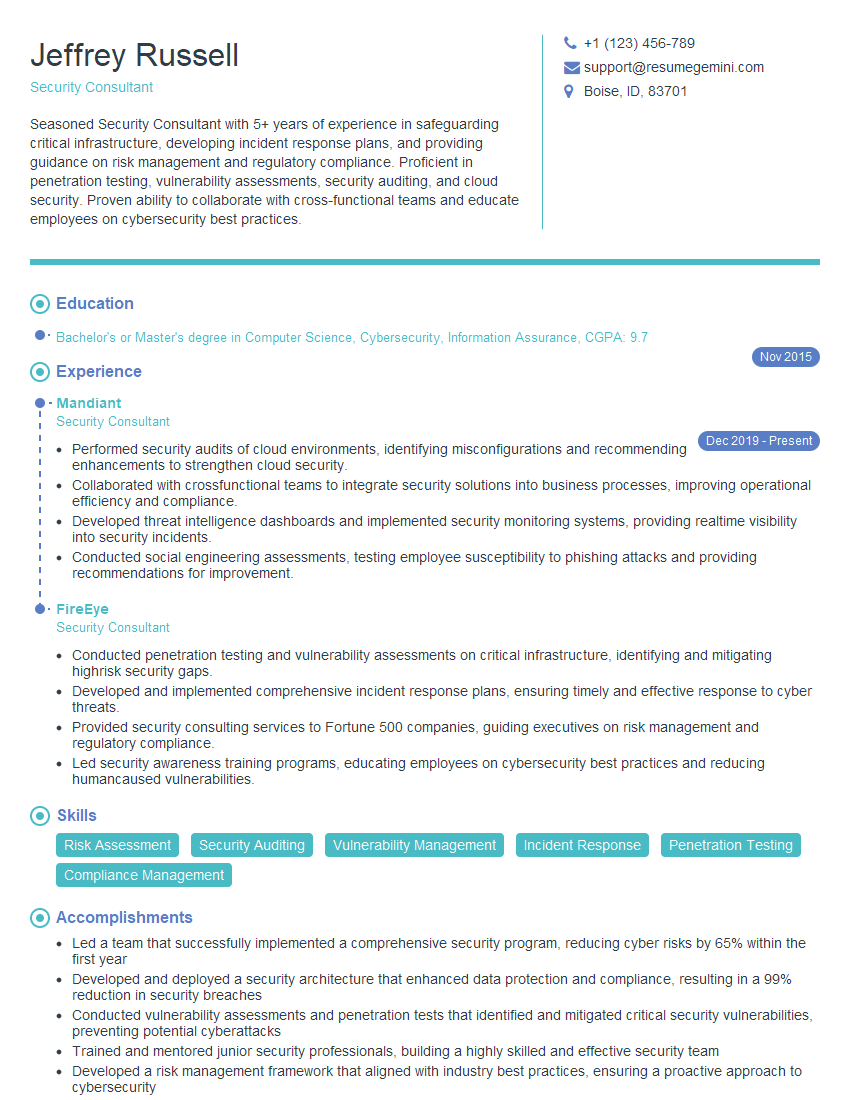
Security Consultant Resume Sample
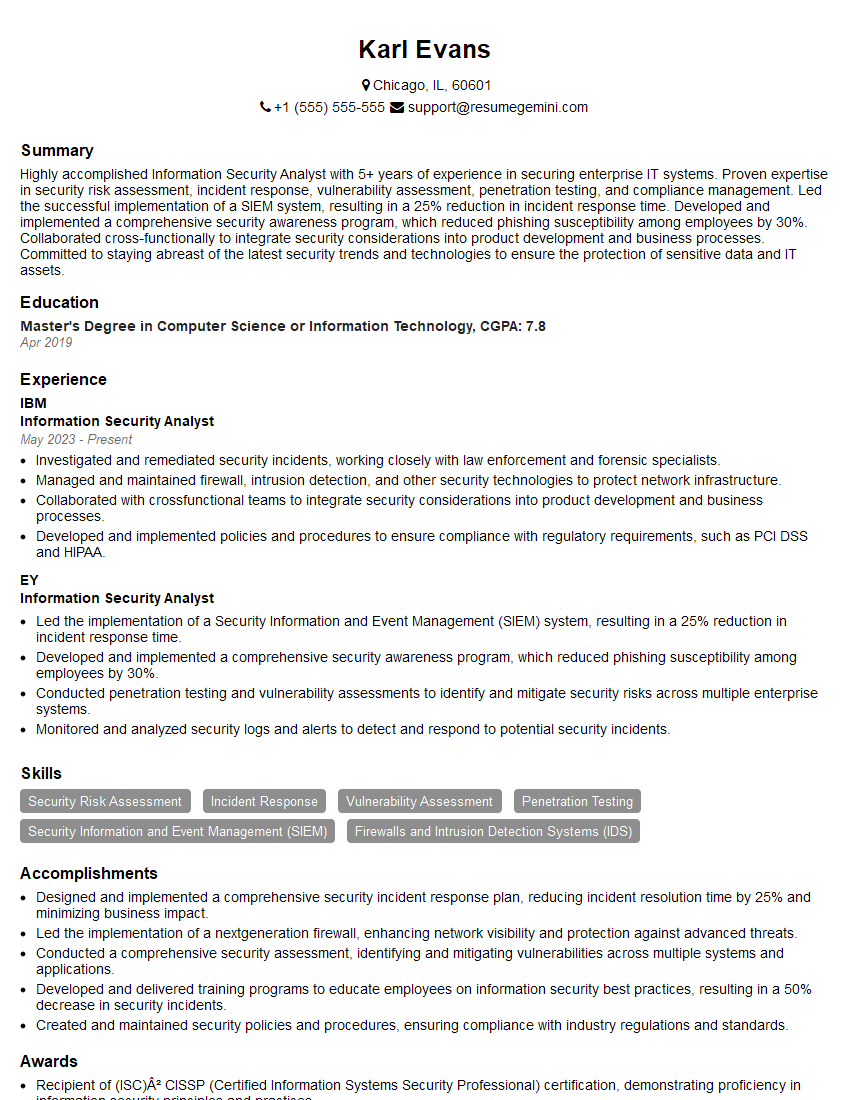
Information Security Analyst Resume Sample
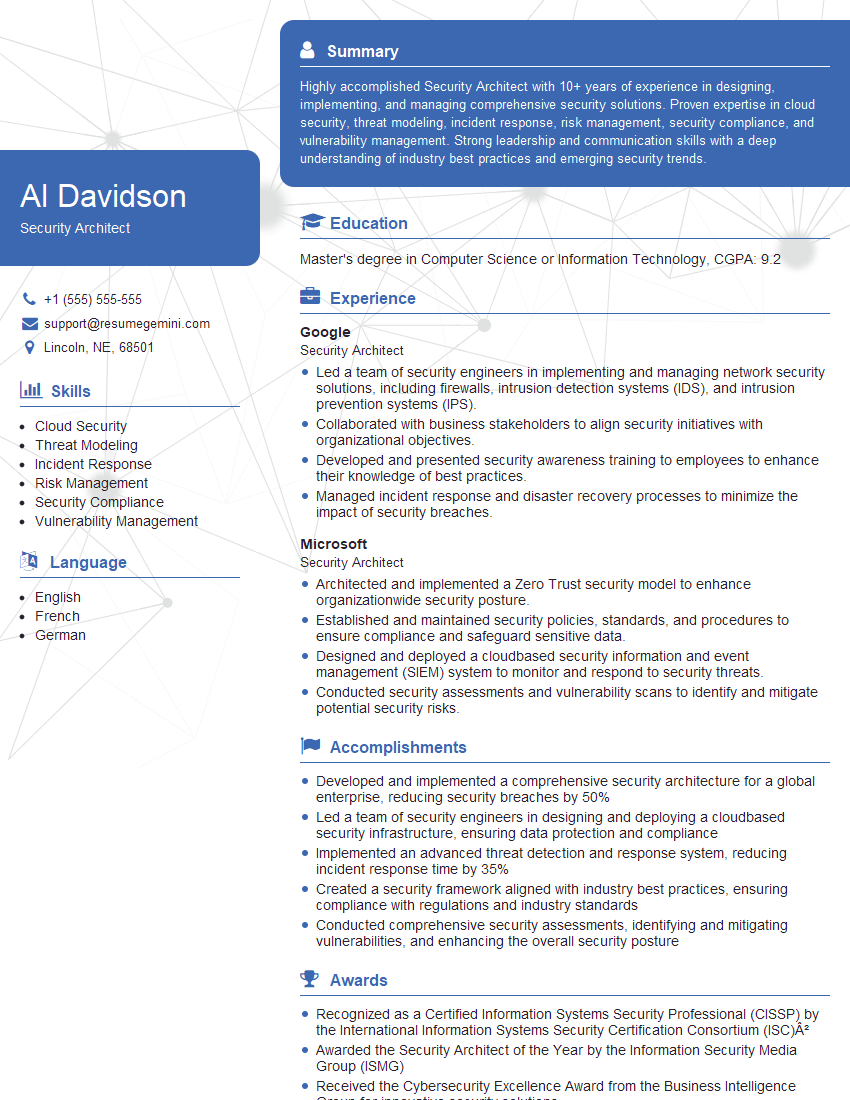
Security Architect Resume Sample
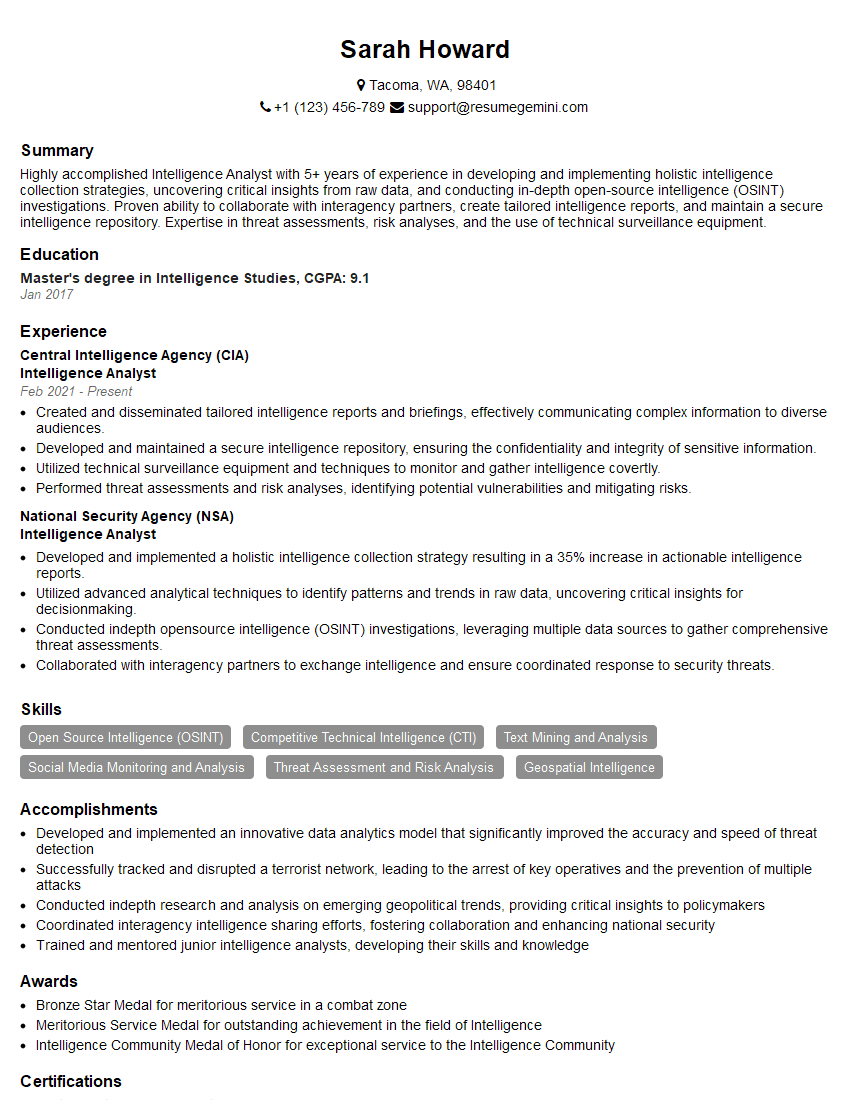
Intelligence Analyst Resume Sample
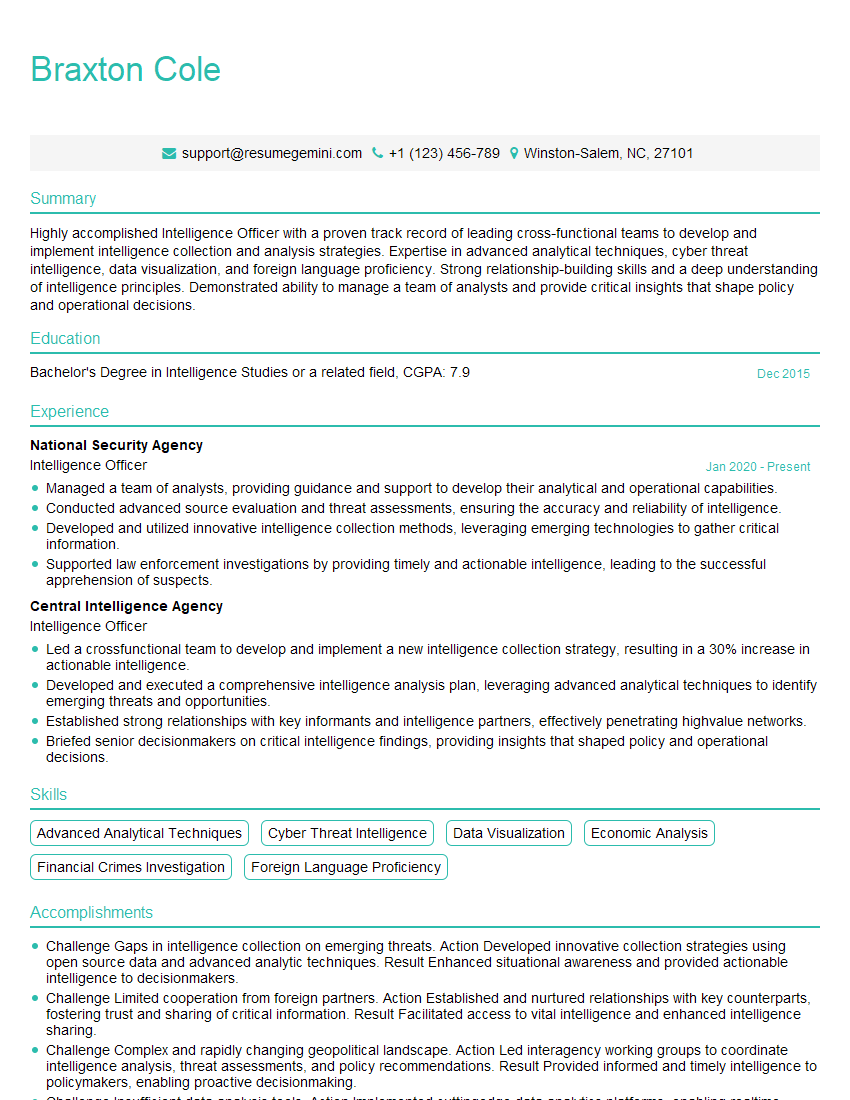
Intelligence Officer Resume Sample
Explore more articles
Users Rating of Our Blogs
Share Your Experience
We value your feedback! Please rate our content and share your thoughts (optional).
What Readers Say About Our Blog
Very informative content, great job.
good