The thought of an interview can be nerve-wracking, but the right preparation can make all the difference. Explore this comprehensive guide to Implementing and managing network security solutions interview questions and gain the confidence you need to showcase your abilities and secure the role.
Questions Asked in Implementing and managing network security solutions Interview
Q 1. Explain the difference between symmetric and asymmetric encryption.
Symmetric and asymmetric encryption differ fundamentally in how they handle encryption keys. Think of it like this: symmetric encryption is like sharing a secret code with a friend – you both need the same code (key) to encrypt and decrypt messages. Asymmetric encryption, on the other hand, is like having two separate keys: one public key for everyone to use to encrypt messages to you, and a private key that only you possess to decrypt them.
- Symmetric Encryption: Uses the same secret key for both encryption and decryption. It’s faster and more efficient but requires a secure method of key exchange. Examples include AES (Advanced Encryption Standard) and DES (Data Encryption Standard).
- Asymmetric Encryption: Uses a pair of keys: a public key for encryption and a private key for decryption. This eliminates the need for secure key exchange as the public key can be widely distributed. It’s slower but provides crucial security features like digital signatures and authentication. RSA (Rivest-Shamir-Adleman) is a common example.
In a practical scenario, a VPN might use asymmetric encryption (like RSA) to establish a secure connection, exchanging session keys. Then, it switches to symmetric encryption (like AES) for faster data transmission during the session.
Q 2. Describe the function of a firewall and its various types.
A firewall is a network security system that monitors and controls incoming and outgoing network traffic based on predetermined security rules. It acts as a gatekeeper, protecting your network from unauthorized access and malicious activities.
- Packet Filtering Firewalls: These are the simplest type, examining each packet’s header information (source/destination IP, port numbers, protocols) and allowing or blocking based on pre-defined rules. They are fast but less sophisticated.
- Stateful Inspection Firewalls: They track the state of network connections, understanding the context of each packet within a conversation. This allows for more granular control and improved security compared to packet filtering.
- Application-Level Gateways (Proxy Firewalls): These inspect the content of network traffic at the application layer (e.g., HTTP, SMTP), providing deeper inspection and allowing for more sophisticated filtering rules. They are slower but offer enhanced security against application-specific attacks.
- Next-Generation Firewalls (NGFWs): These combine the features of traditional firewalls with advanced security capabilities like intrusion prevention, malware inspection, and application control. They offer a comprehensive security solution, often incorporating deep packet inspection, user and entity behavior analytics (UEBA), and cloud integration.
For example, a small business might use a stateful inspection firewall to protect its network, while a large enterprise might deploy NGFWs with advanced threat intelligence feeds to combat sophisticated attacks.
Q 3. What are the key components of a robust intrusion detection and prevention system (IDS/IPS)?
A robust Intrusion Detection/Prevention System (IDS/IPS) consists of several key components working together to identify and respond to malicious activities within a network.
- Sensors/Agents: These are deployed throughout the network to collect network traffic data. They might be network-based (monitoring network traffic) or host-based (monitoring activity on individual computers).
- Central Management Console: This provides a centralized interface for managing and monitoring all IDS/IPS sensors, configuring rules, analyzing alerts, and generating reports.
- Signature Database: This contains a library of known attack signatures (patterns of malicious activity) that the IDS/IPS uses to detect intrusions. Regular updates are crucial for effectiveness.
- Anomaly Detection Engine: This component looks for deviations from normal network behavior, identifying potential intrusions that might not match known signatures. This is important for detecting zero-day exploits.
- Response Mechanism (IPS only): An Intrusion Prevention System (IPS) goes beyond detection by actively blocking or mitigating detected threats. This might involve dropping malicious packets, resetting connections, or taking other actions to prevent the attack from succeeding.
A real-world example might involve an IPS detecting a SQL injection attempt targeting a web server and automatically blocking the malicious traffic before it can compromise the database.
Q 4. How do you implement and manage VPNs for secure remote access?
Implementing and managing VPNs for secure remote access involves several steps:
- Choosing a VPN solution: Select a VPN solution that meets your needs – this could range from cloud-based services to on-premises solutions. Factors to consider include scalability, security features, and ease of management.
- VPN Gateway Configuration: Configure the VPN gateway on your network. This typically involves defining the VPN protocol (e.g., IPsec, OpenVPN), configuring authentication methods (e.g., certificates, usernames/passwords), and setting up access control lists.
- Client Configuration: Configure VPN clients on remote devices (laptops, smartphones). This often involves installing VPN client software and entering the necessary connection details (server address, credentials).
- Security Policy Enforcement: Establish and enforce a robust security policy for VPN access. This should include strong password requirements, multi-factor authentication, and regular security audits.
- Monitoring and Management: Continuously monitor VPN activity to detect anomalies and ensure the security of the connection. This includes monitoring logs for suspicious activities, analyzing connection performance, and regularly updating VPN software and firmware.
For instance, a company might use IPsec VPNs for site-to-site connections and OpenVPN for remote user access, ensuring different security measures are applied depending on the level of risk.
Q 5. What are the different types of network security threats and vulnerabilities?
Network security threats and vulnerabilities are diverse and constantly evolving. They can be broadly categorized as follows:
- Malware: Viruses, worms, Trojans, ransomware, and spyware – software designed to damage, disrupt, or gain unauthorized access to systems.
- Phishing and Social Engineering: Attacks that exploit human psychology to trick users into revealing sensitive information or performing actions that compromise security.
- Denial-of-Service (DoS) and Distributed Denial-of-Service (DDoS) Attacks: Attempts to overwhelm a system or network with traffic, rendering it unavailable to legitimate users.
- Man-in-the-Middle (MitM) Attacks: An attacker intercepts communication between two parties, eavesdropping or modifying the data exchanged.
- SQL Injection: Exploiting vulnerabilities in database applications to gain unauthorized access to data.
- Cross-Site Scripting (XSS): Injecting malicious scripts into websites to steal user data or hijack sessions.
- Zero-Day Exploits: Attacks that exploit previously unknown vulnerabilities in software or hardware.
- Insider Threats: Malicious or negligent actions by individuals with legitimate access to network resources.
Vulnerabilities are weaknesses in systems or applications that can be exploited by attackers. These can stem from software bugs, misconfigurations, weak passwords, or lack of security updates.
Q 6. Explain the concept of zero-trust security.
Zero-trust security is a security model based on the principle of ‘never trust, always verify.’ It assumes no implicit trust granted to any user, device, or network segment, regardless of location (inside or outside the network perimeter). Every access request is verified before it’s granted.
Instead of relying on a traditional perimeter-based security model (where the network inside the firewall is trusted), zero trust verifies every access attempt based on multiple factors, including:
- Identity Verification: Strong authentication mechanisms like multi-factor authentication (MFA) are crucial.
- Device Posture Assessment: Checking the security status of devices attempting access (e.g., is antivirus up-to-date, is the OS patched?).
- Contextual Awareness: Considering the location, time, and other factors when evaluating access requests.
- Microsegmentation: Dividing the network into smaller, isolated segments to limit the impact of breaches.
- Least Privilege Access: Granting users only the minimum necessary access rights.
Imagine a scenario where an employee tries to access a sensitive database from their personal laptop. A zero-trust system would verify their identity, check the security posture of their laptop, and then grant access only to the specific data they need, for a limited time, and only from approved locations.
Q 7. How do you perform vulnerability assessments and penetration testing?
Vulnerability assessments and penetration testing are crucial for identifying and mitigating security weaknesses. They are distinct but complementary processes:
- Vulnerability Assessment: This is a systematic process of identifying vulnerabilities in systems and networks using automated tools and manual techniques. It involves scanning systems for known weaknesses, checking configurations, and analyzing code for potential flaws. Tools like Nessus, OpenVAS, and QualysGuard are commonly used.
- Penetration Testing: This simulates real-world attacks to assess the effectiveness of security controls. Ethical hackers attempt to exploit identified vulnerabilities to determine the potential impact of a successful attack. This process requires a thorough understanding of attack methodologies and often involves social engineering techniques.
The process typically involves these steps:
- Planning and Scoping: Defining the scope of the assessment/test (which systems, networks, applications will be evaluated), the methodology to be used, and the timelines.
- Information Gathering: Collecting information about the target systems and networks (e.g., IP addresses, network diagrams, software versions).
- Vulnerability Scanning/Exploitation: Automated scanning for known vulnerabilities, followed by manual verification and potential exploitation attempts (during penetration testing).
- Reporting: Documenting findings, including identified vulnerabilities, their severity, potential impact, and recommended remediation steps.
- Remediation: Implementing the recommended security fixes and updates to address the vulnerabilities.
For example, a bank might regularly conduct vulnerability assessments to identify software vulnerabilities and penetration testing to assess their defenses against various attack vectors, including social engineering attacks targeting employees.
Q 8. Describe your experience with SIEM (Security Information and Event Management) tools.
SIEM (Security Information and Event Management) tools are the cornerstone of a robust security posture. They aggregate security logs from various sources across the network – firewalls, servers, endpoints, and more – providing a centralized view of security events. I have extensive experience with several leading SIEM platforms, including Splunk and IBM QRadar. My experience encompasses not just the deployment and configuration, but also the crucial task of correlating events to identify threats, analyze trends, and generate actionable alerts. For instance, in a previous role, we used Splunk to detect a sophisticated phishing attack by correlating login failures from multiple geographic locations with unusual access patterns to sensitive data. This allowed us to swiftly contain the breach and mitigate further damage. Beyond detection, SIEMs are essential for compliance reporting, providing audit trails for regulatory mandates.
My expertise includes developing custom dashboards and reports tailored to specific security needs, optimizing alert thresholds to minimize false positives, and integrating SIEM with other security tools like SOAR (Security Orchestration, Automation, and Response) platforms for automated incident response.
Q 9. How do you manage security incidents and breaches?
Managing security incidents and breaches requires a structured and well-rehearsed approach. My process typically follows a standardized framework, like NIST’s Cybersecurity Framework. It begins with preparation – establishing incident response plans, clearly defining roles and responsibilities, and conducting regular training exercises. When an incident occurs, the first step is detection – often facilitated by the SIEM system – followed by analysis to determine the scope and impact of the breach. This involves deep packet inspection, malware analysis, and forensic investigation.
The next phase is containment, which might include isolating infected systems, disabling compromised accounts, or blocking malicious IP addresses. After containment, eradication is crucial – removing malware, patching vulnerabilities, and restoring data from backups. Finally, the recovery phase involves bringing systems back online, verifying their functionality, and implementing measures to prevent future occurrences. Throughout this process, communication with stakeholders – from IT staff to senior management and potentially law enforcement – is paramount. For example, during a ransomware attack at a previous company, this structured approach allowed us to quickly isolate the affected systems, recover essential data from backups, and minimize the overall disruption.
Q 10. Explain the importance of network segmentation.
Network segmentation is like creating different zones within your network, each with its own security perimeter. Imagine a large apartment building: you wouldn’t want everyone to have access to every apartment. Network segmentation works the same way. It divides the network into smaller, isolated segments, limiting the impact of a security breach. If one segment is compromised, the attacker’s access is limited to that segment only, preventing them from moving laterally to other critical systems. This greatly reduces the attack surface and minimizes the potential damage.
Implementing network segmentation involves using technologies like VLANs (Virtual Local Area Networks), firewalls, and routing protocols to isolate different parts of the network. This could include segregating guest Wi-Fi from the internal network, separating sensitive data servers from less critical systems, or isolating IoT devices from the corporate network. Effectively segmenting your network is a fundamental best practice for strengthening your overall security posture.
Q 11. What are your experiences with different authentication methods (e.g., MFA, RADIUS)?
I have extensive experience with various authentication methods, aiming for a multi-layered approach to enhance security. Multi-factor authentication (MFA) is a critical component, adding an extra layer of security beyond just passwords. This could involve using a combination of something you know (password), something you have (security token), and something you are (biometrics). RADIUS (Remote Authentication Dial-In User Service) is a centralized authentication, authorization, and accounting (AAA) protocol often used in network access control. I’ve used RADIUS extensively to manage authentication for wireless networks and VPNs.
Beyond these, I have experience with smart card authentication, certificate-based authentication, and passwordless authentication methods. The selection of the appropriate authentication method depends on the sensitivity of the data and the level of risk tolerance. For example, while MFA is crucial for access to sensitive systems, a simpler authentication method might suffice for accessing less critical resources. The key is to strike a balance between security and usability.
Q 12. How do you ensure compliance with industry regulations (e.g., HIPAA, GDPR)?
Ensuring compliance with industry regulations like HIPAA (Health Insurance Portability and Accountability Act) and GDPR (General Data Protection Regulation) requires a comprehensive approach that goes beyond simply implementing technology. It necessitates a deep understanding of the specific requirements of each regulation and a commitment to building a security program that aligns with those requirements. This starts with a thorough risk assessment to identify potential vulnerabilities and develop mitigation strategies.
For HIPAA, this includes implementing strict controls for protecting Protected Health Information (PHI), ensuring data encryption both in transit and at rest, and conducting regular security awareness training for employees. For GDPR, it involves implementing processes for data subject access requests, ensuring data breaches are reported promptly, and maintaining detailed records of data processing activities. I have experience in creating and maintaining compliance documentation, conducting regular audits, and implementing measures to address any identified gaps. Successful compliance isn’t a one-time event; it requires continuous monitoring and adaptation to evolving regulatory landscapes and emerging threats.
Q 13. Describe your experience with network monitoring tools.
Network monitoring tools are essential for maintaining network health, performance, and security. My experience includes using a variety of tools, from simple network management systems (NMS) to sophisticated network performance monitoring (NPM) solutions. These tools provide real-time visibility into network traffic, bandwidth usage, device performance, and potential security threats. I have experience with SolarWinds, PRTG Network Monitor, and Nagios, amongst others.
Beyond basic monitoring, I am adept at setting up alerts and notifications for critical events, such as network outages, high bandwidth consumption, and suspicious activities. This proactive approach allows for timely intervention and prevents minor issues from escalating into major problems. For instance, at a prior role, utilizing NPM tools, we were able to identify and resolve a network bottleneck before it impacted crucial business applications, demonstrating the preventative power of effective network monitoring.
Q 14. Explain the concept of access control lists (ACLs).
Access Control Lists (ACLs) are like gatekeepers for your network, defining which devices or users are allowed to access specific network resources. They are essentially a set of rules that determine whether to permit or deny network traffic based on various criteria, such as source and destination IP addresses, ports, and protocols. They are implemented on devices like firewalls, routers, and switches.
For example, an ACL on a firewall might be configured to allow inbound HTTP traffic on port 80 from trusted IP addresses, while denying all other inbound traffic. This prevents unauthorized access to web servers. permit tcp any host 192.168.1.100 eq 80 is a simple example of an ACL rule allowing TCP traffic from any source to a specific server IP address on port 80. ACLs are a fundamental security control that allows for granular control over network access, enhancing security and preventing unauthorized access to sensitive resources.
Q 15. How do you handle security logs and audit trails?
Security logs and audit trails are the backbone of any robust security posture. They provide a chronological record of system events, allowing us to track user activity, identify security breaches, and ensure compliance. My approach involves a multi-layered strategy.
- Centralized Logging: I utilize a Security Information and Event Management (SIEM) system to collect logs from various sources – firewalls, intrusion detection systems (IDS), servers, endpoints, and applications – into a central repository. This allows for comprehensive monitoring and analysis.
- Log Retention Policy: A well-defined retention policy is crucial. We determine how long different log types need to be retained based on regulatory requirements (like HIPAA or PCI DSS) and our own risk assessment. This balances the need for historical data with storage limitations.
- Log Integrity and Security: Log integrity is paramount. We employ techniques like digital signatures and tamper-evident logging to ensure logs haven’t been altered. Secure storage and access control mechanisms prevent unauthorized modification or deletion.
- Log Analysis and Alerting: The SIEM system is configured to generate alerts based on predefined rules and thresholds. For example, we might set an alert for unusual login attempts or large data transfers. These alerts trigger investigations to determine if a security incident has occurred.
- Regular Auditing: Periodic audits of our logging and monitoring systems ensure their effectiveness and identify areas for improvement. This includes reviewing log data for potential anomalies, testing alert mechanisms, and verifying the integrity of our security controls.
For example, in a past role, we used Splunk to monitor our network and application logs. We configured alerts for suspicious activities like failed login attempts from unusual geographic locations, which helped us quickly identify and mitigate a potential brute-force attack.
Career Expert Tips:
- Ace those interviews! Prepare effectively by reviewing the Top 50 Most Common Interview Questions on ResumeGemini.
- Navigate your job search with confidence! Explore a wide range of Career Tips on ResumeGemini. Learn about common challenges and recommendations to overcome them.
- Craft the perfect resume! Master the Art of Resume Writing with ResumeGemini’s guide. Showcase your unique qualifications and achievements effectively.
- Don’t miss out on holiday savings! Build your dream resume with ResumeGemini’s ATS optimized templates.
Q 16. What are your experiences with cloud security solutions (e.g., AWS, Azure, GCP)?
I have extensive experience with cloud security solutions, particularly AWS, Azure, and GCP. My expertise covers a wide range of services, including identity and access management (IAM), virtual private clouds (VPCs), security groups, and cloud security posture management (CSPM) tools.
- AWS: I’ve worked with IAM roles and policies to implement the principle of least privilege, securing EC2 instances with security groups and using AWS WAF (Web Application Firewall) to protect web applications. I’ve also leveraged GuardDuty for threat detection and CloudTrail for auditing.
- Azure: My experience includes configuring Azure Active Directory (Azure AD) for robust authentication and authorization, managing Azure virtual networks and subnets, and using Azure Security Center for vulnerability assessment and threat protection. Azure Monitor provides valuable insights into resource utilization and security events.
- GCP: In GCP, I’ve worked with Identity and Access Management (IAM) roles and policies to control access to resources. I have experience with Virtual Private Cloud (VPC) networking, firewall rules, and Cloud Security Command Center for security posture management. I’ve also used Cloud Logging and Cloud Monitoring for comprehensive security and operational insights.
Understanding the shared responsibility model of cloud security is critical. While cloud providers manage the underlying infrastructure security, the customer is responsible for securing their data and applications running within the cloud environment. I ensure that security controls are implemented at both levels to achieve a comprehensive security posture.
Q 17. Explain your understanding of different types of malware.
Malware is malicious software designed to disrupt, damage, or gain unauthorized access to computer systems. There are various types, each with unique characteristics and attack vectors.
- Viruses: These require a host program to replicate and spread. They often attach themselves to files and execute when the file is opened.
- Worms: Self-replicating programs that spread across networks without requiring user interaction. They can quickly overwhelm systems and networks.
- Trojans: Disguised as legitimate software, they often grant attackers remote access to a system. They can steal data, install other malware, or control the system remotely.
- Ransomware: Encrypts files and demands a ransom for their release. Various ransomware strains employ different encryption techniques and extortion methods.
- Spyware: Secretly monitors user activity, collecting sensitive information like passwords, browsing history, and keystrokes. It often operates in the background, making detection difficult.
- Adware: Displays unwanted advertisements, often slowing down systems and impacting user experience.
- Rootkits: Hide their presence on a system, making them difficult to detect and remove. They often grant attackers persistent access.
- Bots: Automated programs controlled by attackers, often used in large-scale attacks like distributed denial-of-service (DDoS) attacks.
Understanding these different types of malware is crucial for effective threat detection and response. A multi-layered security approach that combines preventative measures like firewalls, intrusion detection systems, and endpoint protection with proactive measures like regular vulnerability scanning and security awareness training is essential.
Q 18. How do you implement and manage data loss prevention (DLP) measures?
Data Loss Prevention (DLP) is crucial for protecting sensitive data from unauthorized access, use, disclosure, disruption, modification, or destruction. Implementation and management involve a multifaceted approach.
- Data Classification: The first step is identifying and classifying sensitive data based on its value and sensitivity. This might include personally identifiable information (PII), financial data, intellectual property, or customer records.
- Policy Definition: Clear policies are established that define acceptable data handling practices, access controls, and data transfer restrictions. These policies should align with relevant regulations and industry best practices.
- DLP Technology: We deploy DLP solutions, which can be network-based, endpoint-based, or cloud-based. These solutions monitor data movement, identifying sensitive data and preventing its unauthorized transfer or access. This includes features like data encryption, access control lists, and data loss prevention software.
- Monitoring and Reporting: Regular monitoring of DLP systems is essential to detect and respond to potential data breaches or policy violations. Detailed reports provide insights into data usage patterns and help identify areas for improvement.
- Employee Training: Employees need to understand data security policies and their responsibilities in preventing data loss. Training programs educate them on best practices for data handling and reporting suspicious activity.
For instance, I once implemented a DLP solution that monitored email traffic for sensitive data such as credit card numbers and social security numbers. This solution prevented the accidental or malicious transmission of this information outside of the organization.
Q 19. Describe your experience with security awareness training programs.
Security awareness training is vital in mitigating risks stemming from human error, which is often the weakest link in security. Effective programs go beyond simple compliance training.
- Phishing Simulations: Regular phishing simulations help employees identify and report phishing attempts. This builds their awareness and strengthens their ability to spot suspicious emails and links.
- Interactive Training Modules: Engaging modules that include interactive scenarios and quizzes improve knowledge retention and create a more engaging learning experience.
- Tailored Content: Training materials should be relevant to the specific roles and responsibilities of employees. A general security training program may not be effective for everyone.
- Regular Refresher Courses: Security threats constantly evolve, so ongoing training is crucial to keep employees updated on the latest threats and best practices.
- Gamification: Using game mechanics, like points, badges, and leaderboards, can incentivize participation and improve engagement.
In a previous role, I developed a security awareness program that included phishing simulations, interactive training modules, and regular newsletters with security tips. The program significantly reduced the number of phishing incidents and improved overall security awareness across the organization. We measured success through metrics such as successful phishing simulation identification rates and incident reports.
Q 20. What is your experience with scripting for security automation?
Scripting for security automation is essential for improving efficiency and reducing the risk of human error. I am proficient in several scripting languages, including Python and PowerShell.
- Python: I use Python for automating tasks such as vulnerability scanning, log analysis, and security auditing. Python’s extensive libraries like `requests`, `BeautifulSoup`, and `paramiko` make it ideal for interacting with APIs and managing network devices.
- PowerShell: PowerShell is excellent for automating tasks within the Windows environment, such as managing Active Directory, configuring firewalls, and deploying security updates.
# Example Python script to check a website's SSL certificate expiry date import ssl import socket context = ssl.create_default_context() with context.wrap_socket(socket.create_connection(('www.example.com', 443)), server_hostname='www.example.com') as s: cert = s.getpeercert() print(cert['notAfter'])
Automation helps us to proactively identify and address security vulnerabilities, reducing the window of opportunity for attackers. It allows us to implement consistent security policies across multiple systems and reduces the burden on security personnel.
Q 21. How do you assess and mitigate network security risks?
Assessing and mitigating network security risks involves a systematic approach.
- Vulnerability Scanning: Regularly scanning our network for vulnerabilities using automated tools is crucial. This identifies weaknesses that attackers could exploit.
- Penetration Testing: Simulating real-world attacks helps identify vulnerabilities that automated scanners might miss. Ethical hackers attempt to penetrate the network, revealing weaknesses in our defenses.
- Risk Assessment: A comprehensive risk assessment identifies potential threats and vulnerabilities and determines their likelihood and impact. This helps prioritize remediation efforts.
- Security Controls Implementation: Based on the risk assessment, appropriate security controls are implemented, such as firewalls, intrusion detection/prevention systems, and access control lists. These controls mitigate identified risks.
- Security Awareness Training: Educating employees about security threats and best practices minimizes human error, a significant contributor to security breaches.
- Incident Response Plan: A detailed incident response plan outlines the steps to take in case of a security incident, ensuring a rapid and effective response.
- Continuous Monitoring: Regularly monitoring network activity and security logs helps detect and respond to security incidents promptly.
For example, after identifying a vulnerability in a web application through penetration testing, we implemented a web application firewall (WAF) to mitigate the risk. We also updated the application to address the underlying vulnerability, demonstrating a proactive approach to risk management.
Q 22. Explain your understanding of network topologies and their security implications.
Network topologies describe the physical or logical layout of a network. Understanding them is crucial for security because different topologies present varying levels of vulnerability. For example, a bus topology, where all devices connect to a single cable, is vulnerable; a single point of failure can disrupt the entire network. A compromise on one device potentially impacts all. In contrast, a star topology, with devices connecting to a central hub or switch, offers better security. Isolating a compromised device is easier since it only affects that device’s connections. A ring topology, where data flows in a circle, also has single points of failure and can be challenging to secure.
Security Implications: Beyond the physical layout, consider the security implications of each. A star topology with a robust switch offering features like port security and VLANs is inherently more secure than a bus topology with shared media access. Mesh networks, while resilient, require complex security management to ensure secure communication paths.
Practical Example: In a hospital setting, a star topology with VLAN segmentation is crucial to isolate critical medical devices from the general network, protecting patient data and the integrity of life-saving systems. A poorly designed network topology can lead to significant security breaches and operational disruptions.
Q 23. How do you stay updated on the latest network security threats and best practices?
Staying updated in the dynamic world of network security requires a multi-pronged approach. I leverage several key strategies:
- Subscription to security advisories and threat intelligence feeds: Organizations like CERT, SANS Institute, and various vendor security bulletins provide critical information on emerging threats and vulnerabilities. I carefully analyze these updates, focusing on those relevant to my organization’s specific technologies.
- Participation in professional communities and conferences: Networking with peers and attending industry events allows for the exchange of knowledge and insights into real-world security challenges and best practices. It is crucial to stay connected to the pulse of the security landscape.
- Continuous learning and certifications: Pursuing certifications like CISSP, CCNP Security, or relevant vendor-specific certifications demonstrates commitment to professional development and keeps my skillset current. These often cover updated threat models and mitigation techniques.
- Vulnerability scanning and penetration testing: Regularly performing these assessments on our network infrastructure identifies vulnerabilities before malicious actors can exploit them. The findings drive improvements in our security posture.
- Monitoring security blogs and news sources: Staying informed through reputable sources like KrebsOnSecurity, Threatpost, and Dark Reading allows for proactive threat awareness and informed decision-making. This is a crucial element for rapid response to newly identified threats.
Q 24. Describe your experience with different types of firewalls (stateful, next-generation).
My experience encompasses both stateful and next-generation firewalls (NGFWs). Stateful firewalls track the state of network connections, allowing only traffic that is part of an established session. This provides basic protection against unauthorized access. They operate at Layer 3 (Network) and Layer 4 (Transport) of the OSI model.
Next-Generation Firewalls (NGFWs) go beyond stateful inspection. They offer advanced security features such as deep packet inspection (DPI), intrusion prevention systems (IPS), application control, and often incorporate features for sandboxing and malware analysis. NGFWs operate at higher layers of the OSI model, offering more granular control and threat detection capabilities.
Example: A stateful firewall can block an incoming connection attempt from an unknown IP address. An NGFW, however, can analyze the traffic for malicious content, even if it is part of an established connection. It can identify and block malicious applications, such as hidden malware downloads, that a basic firewall might miss. I’ve used both Palo Alto Networks and Fortinet NGFWs extensively, which provided robust control over application traffic and more detailed security monitoring. The increased visibility improved our overall network security posture significantly.
Q 25. Explain the concept of least privilege access.
The principle of least privilege access (LPA) dictates that users and processes should only have the necessary permissions to perform their assigned tasks. This minimizes the potential damage from a security breach. If a user account is compromised, the attacker’s access is limited to the functions associated with that specific role.
Practical Application: Instead of granting a user administrator-level access to an entire network, LPA would involve creating separate accounts with specific, narrowly defined permissions. A database administrator, for instance, would only have access to the database server, not the file server or other systems. This principle significantly reduces the attack surface and limits the scope of potential damage if there’s a compromise.
Implementation: LPA is implemented through access control lists (ACLs), role-based access control (RBAC), and other access management systems. Regular audits and reviews of user permissions are critical to ensure the principle remains effective. This prevents privilege creep where users gradually accumulate more access than initially necessary.
Q 26. How do you implement and manage wireless security protocols (e.g., WPA2, WPA3)?
Implementing and managing wireless security protocols involves a layered approach. WPA2 (Wi-Fi Protected Access 2) and its successor, WPA3, are the dominant standards. WPA2 uses the AES encryption protocol, offering robust security. However, WPA3 offers improvements, including stronger security protocols and enhanced protection against brute-force attacks.
Implementation Steps:
- Strong Passphrase: Choose a long, complex passphrase—WPA2 and WPA3 both depend on a strong passphrase to secure the network.
- Enable WPA3 (if supported): WPA3 provides improved security features, particularly against dictionary attacks.
- Regular Firmware Updates: Keep wireless access points (WAPs) up to date with the latest firmware patches to address known vulnerabilities.
- Network Segmentation: Divide your wireless network into different VLANs to isolate sensitive data from less secure areas.
- Access Point Security: Configure strong administrative credentials for your WAPs and disable unnecessary features.
- Monitoring: Regularly monitor wireless network activity for suspicious behavior.
Example: When setting up a guest Wi-Fi network, I would configure it as a separate VLAN with limited access compared to the main corporate network, using WPA3 and a strong passphrase, updated regularly. This provides essential security while also catering to external users.
Q 27. What is your experience with security orchestration, automation, and response (SOAR) tools?
Security orchestration, automation, and response (SOAR) tools play a critical role in streamlining security operations. My experience includes using SOAR platforms to automate repetitive tasks, improve incident response times, and centralize security management. These tools integrate with various security technologies, such as SIEMs (Security Information and Event Management), firewalls, and endpoint detection and response (EDR) systems.
Benefits: SOAR allows for efficient threat detection, automated responses to incidents (like blocking malicious IPs or quarantining infected machines), and faster investigation processes. This dramatically reduces the time it takes to resolve security incidents, limiting potential damage and downtime.
Example: In a previous role, we implemented a SOAR platform to automate the response to malware alerts. Upon detection, the SOAR platform would automatically isolate the affected machine, initiate a forensic investigation, and initiate the remediation process, significantly improving our response time and minimizing damage. This increased efficiency allowed the security team to focus on higher-level tasks, like threat hunting and proactive security initiatives.
Q 28. Describe a time you had to troubleshoot a complex network security issue.
One particularly challenging situation involved a series of Distributed Denial of Service (DDoS) attacks targeting our web server. Initially, the attacks seemed random, causing intermittent service disruptions. We started by analyzing network traffic logs using our SIEM system. The logs revealed a pattern: the attacks originated from various IP addresses, but the volume of traffic was concentrated during peak business hours, suggesting a coordinated effort.
Troubleshooting Steps:
- Traffic Analysis: We carefully examined the traffic patterns, identifying the source IP addresses and the types of packets involved.
- Mitigation Strategies: We implemented rate limiting and traffic filtering at our firewall, initially focusing on blocking known bad IP addresses.
- DDoS Mitigation Service: Recognizing the scale and sophistication of the attacks, we engaged a DDoS mitigation service provider. They provided a cloud-based solution that absorbed the bulk of the malicious traffic, protecting our servers.
- Root Cause Analysis: After the initial mitigation, we performed a thorough root cause analysis to determine the vulnerabilities that allowed the attackers to target our system so effectively. This involved reviewing our firewall configurations, web server settings, and overall network security posture.
- Security Enhancements: Based on our analysis, we implemented stronger security measures, including enhanced firewall rules, web application firewall (WAF) deployment, and improved network segmentation.
This experience highlighted the importance of having a robust incident response plan, leveraging advanced security tools, and understanding the significance of proactive security measures. The use of the DDoS mitigation service proved crucial in mitigating the impact of the attacks and maintaining business continuity.
Key Topics to Learn for Implementing and Managing Network Security Solutions Interview
- Network Security Fundamentals: Understanding core concepts like firewalls, intrusion detection/prevention systems (IDS/IPS), VPNs, and access control lists (ACLs). Consider practical scenarios where these technologies are applied.
- Security Architecture and Design: Designing secure network architectures, including segmentation, demilitarized zones (DMZs), and zero-trust models. Explore real-world examples of secure network designs and their benefits.
- Threat Modeling and Vulnerability Management: Identifying potential threats and vulnerabilities within a network, implementing mitigation strategies, and utilizing vulnerability scanning tools. Practice analyzing hypothetical network scenarios to identify weaknesses.
- Security Information and Event Management (SIEM): Understanding SIEM tools and their role in monitoring network activity, detecting security incidents, and generating alerts. Consider the practical implications of managing and interpreting SIEM data.
- Incident Response and Disaster Recovery: Developing and implementing incident response plans, handling security breaches, and ensuring business continuity through disaster recovery strategies. Practice formulating response plans for different types of security incidents.
- Network Security Protocols: A deep understanding of protocols like TCP/IP, DNS, HTTPS, and their security implications. Be prepared to discuss protocol vulnerabilities and best practices for secure implementation.
- Cloud Security: Familiarize yourself with cloud security concepts, including securing cloud infrastructure, data, and applications. Consider the differences in security strategies between on-premise and cloud environments.
- Compliance and Regulations: Understanding relevant security standards and regulations (e.g., HIPAA, PCI DSS) and how they impact network security implementation and management. Be ready to discuss how to ensure compliance within a network environment.
Next Steps
Mastering the implementation and management of network security solutions is crucial for a successful and rewarding career in IT. It opens doors to high-demand roles with excellent growth potential. To significantly boost your job prospects, crafting a compelling and ATS-friendly resume is paramount. ResumeGemini is a trusted resource that can help you build a professional resume that effectively showcases your skills and experience. ResumeGemini provides examples of resumes tailored to Implementing and managing network security solutions, ensuring your application stands out from the competition. Take the next step towards your dream job – invest in your resume today.
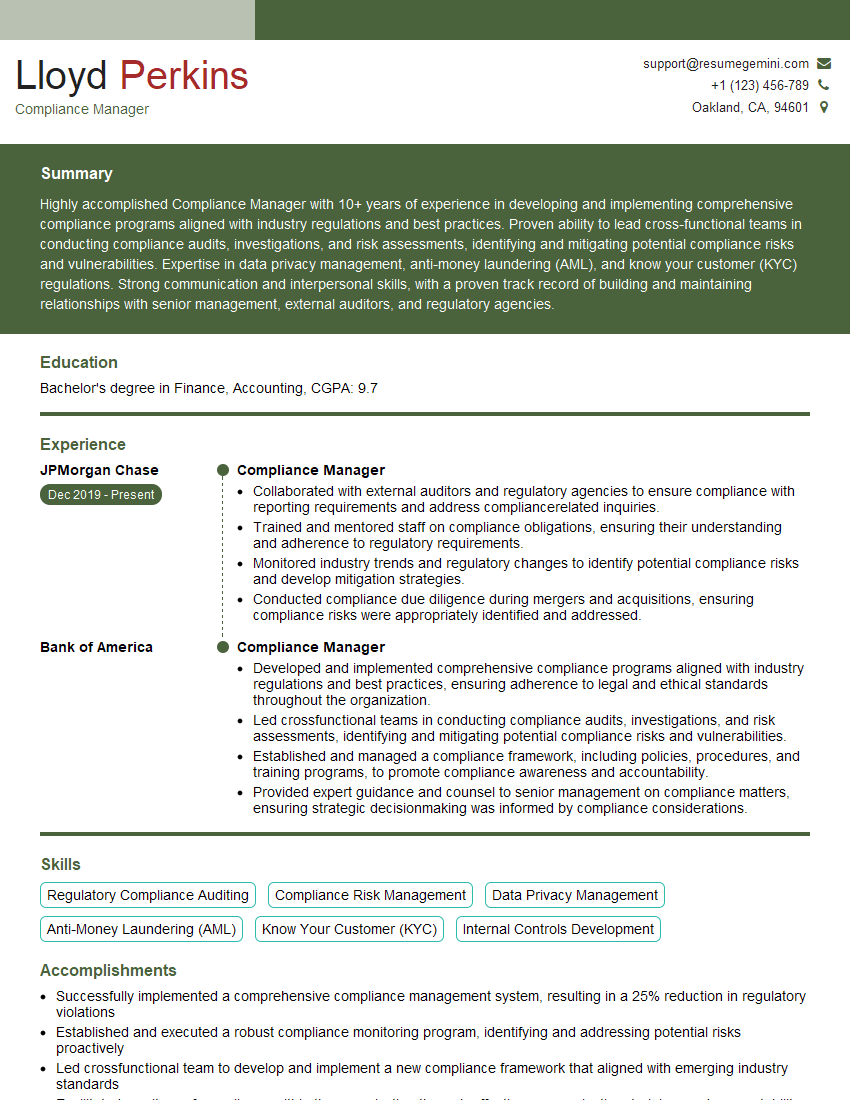
Compliance Manager Resume Sample
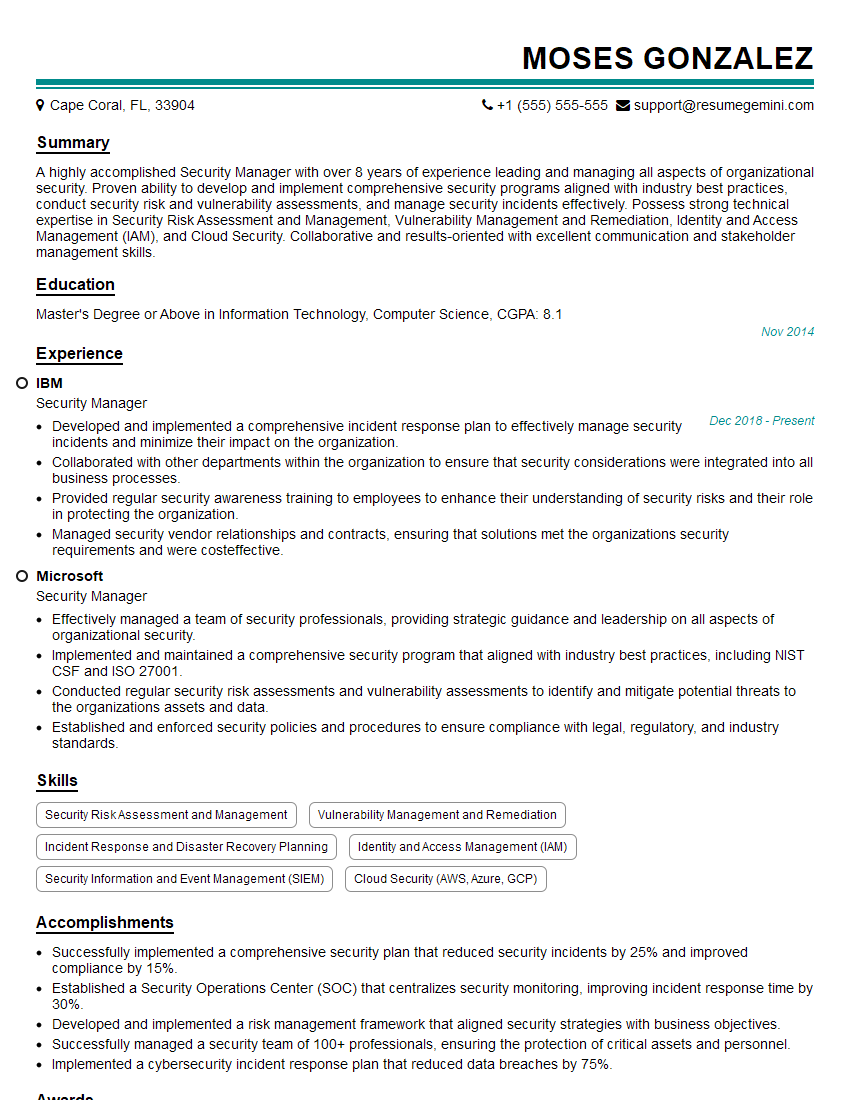
Security Manager Resume Sample

Security Administrator Resume Sample
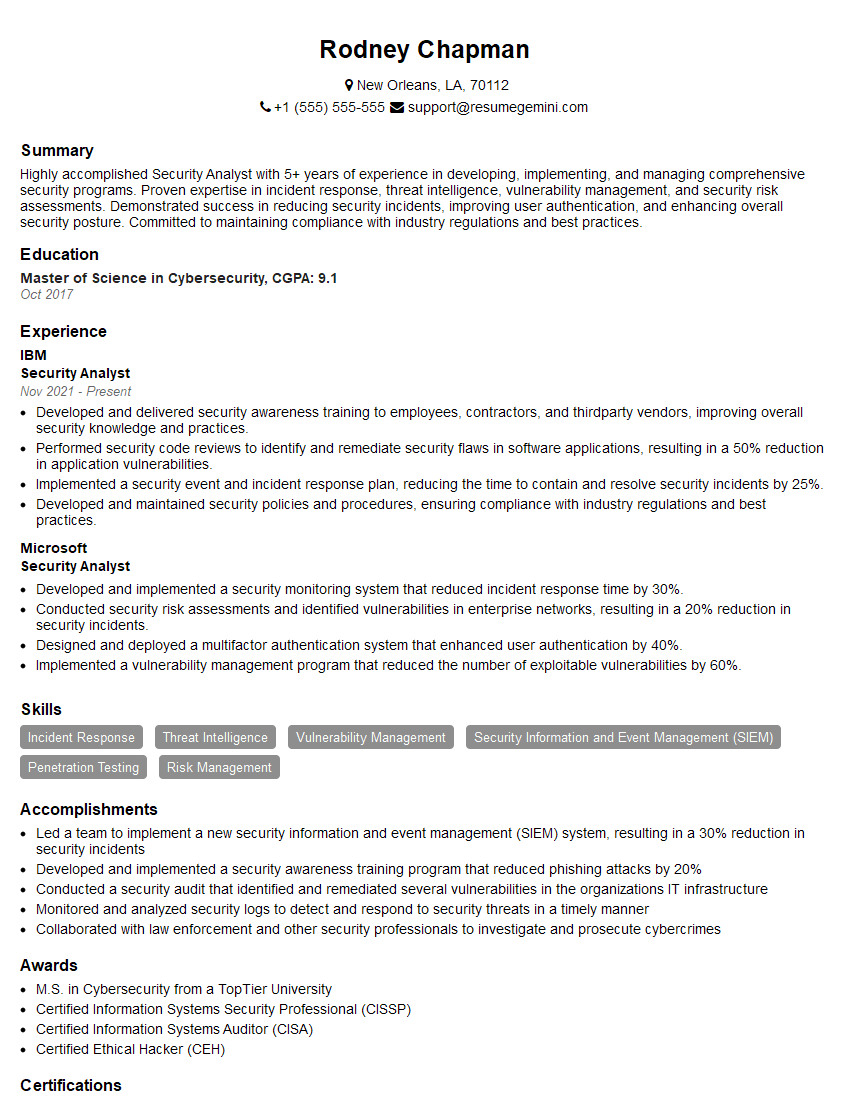
Security Analyst Resume Sample
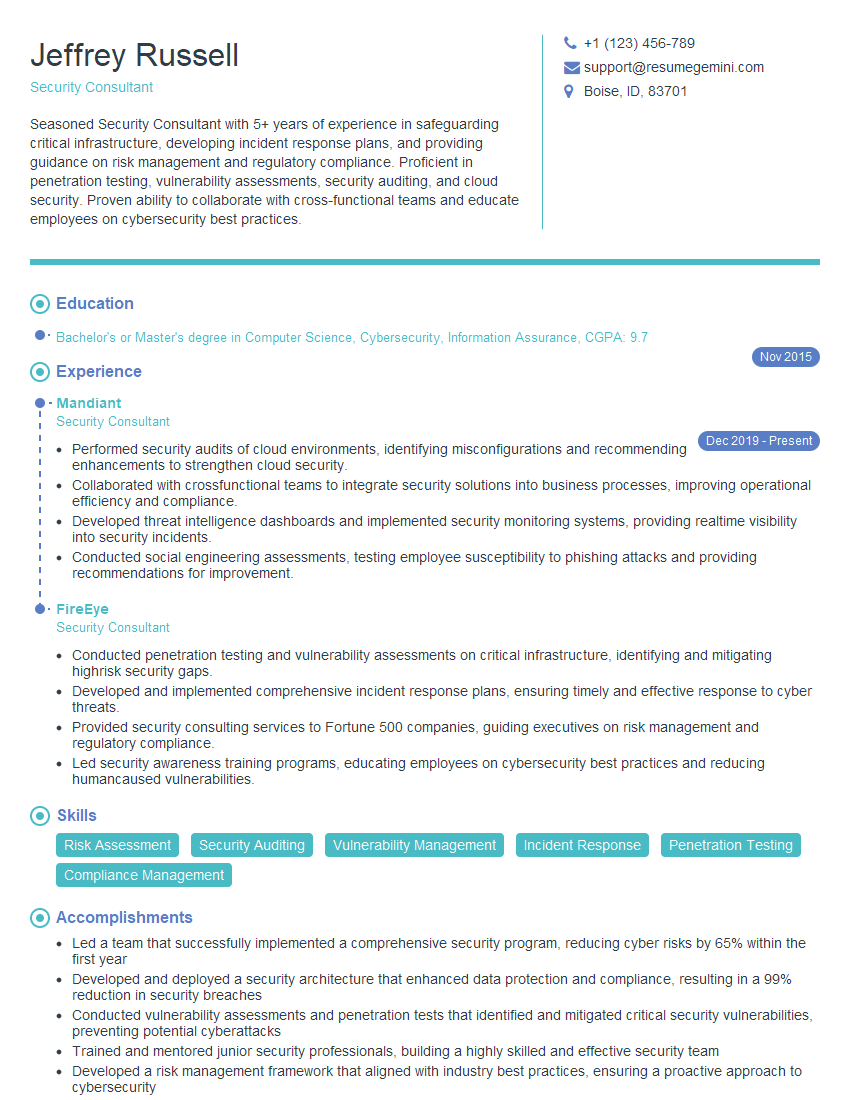
Security Consultant Resume Sample
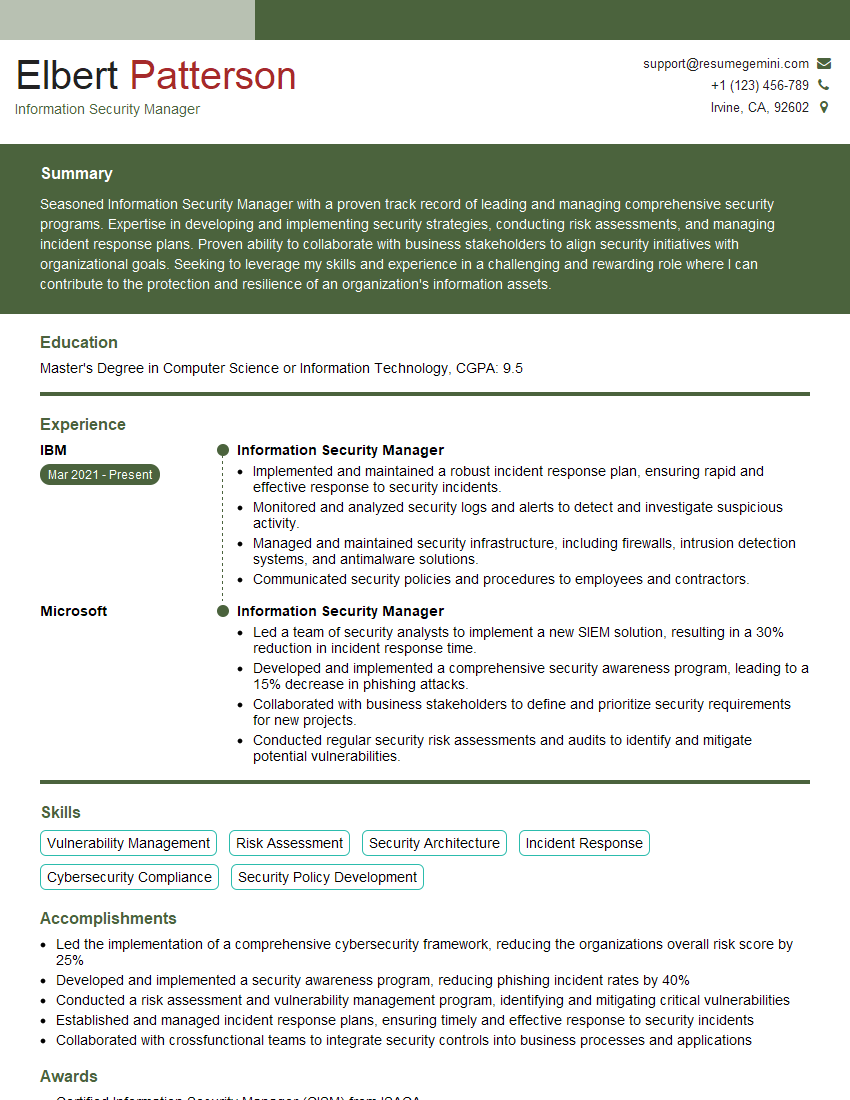
Information Security Manager Resume Sample
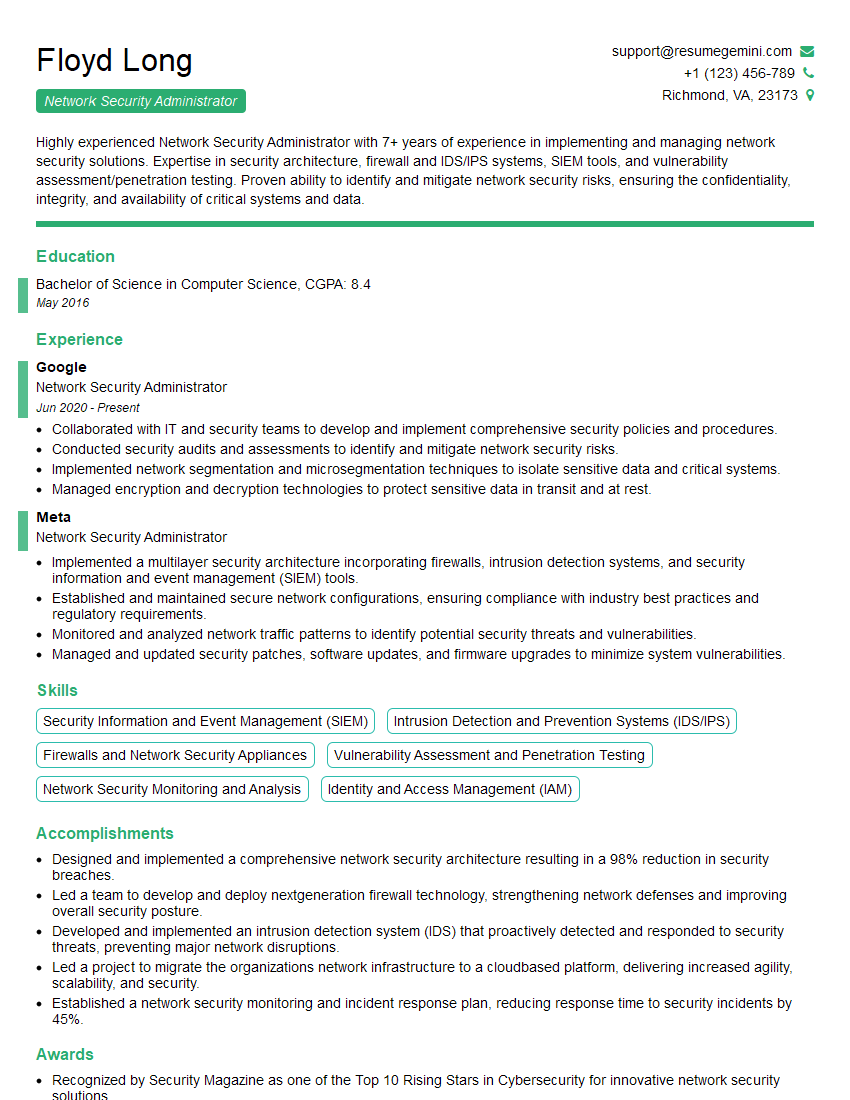
Network Security Administrator Resume Sample
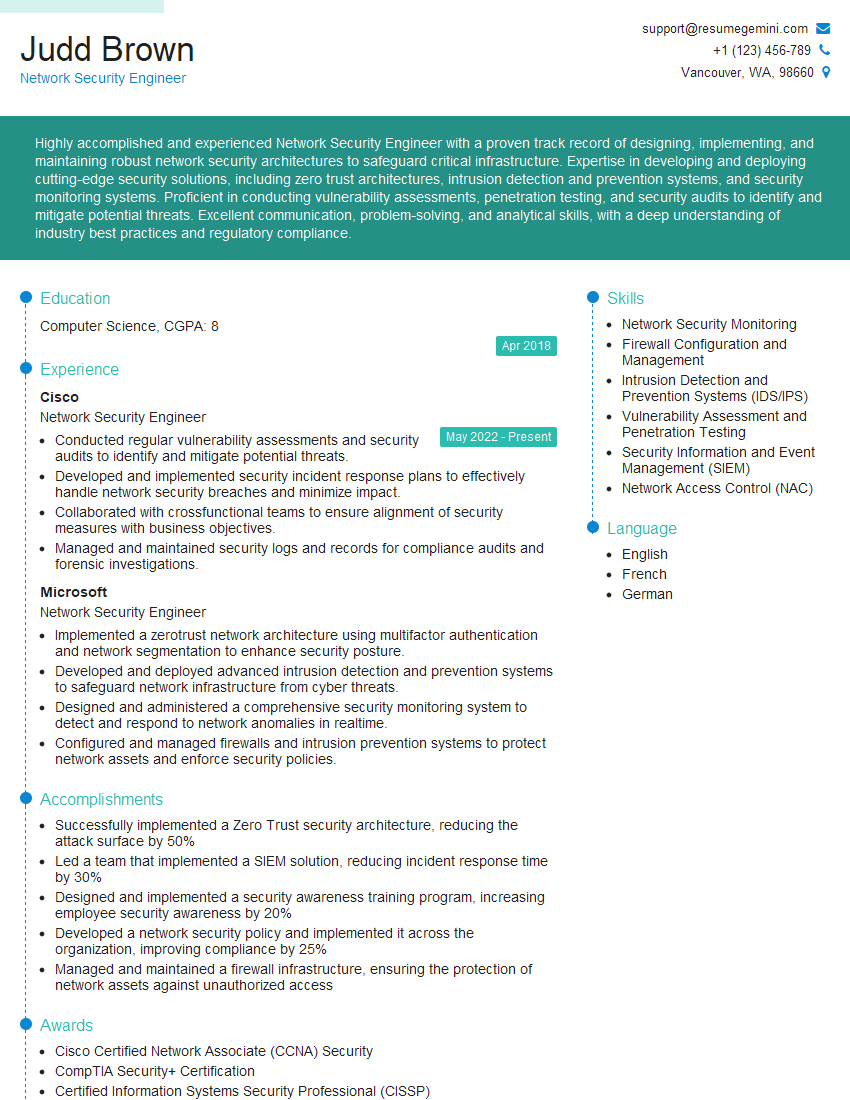
Network Security Engineer Resume Sample
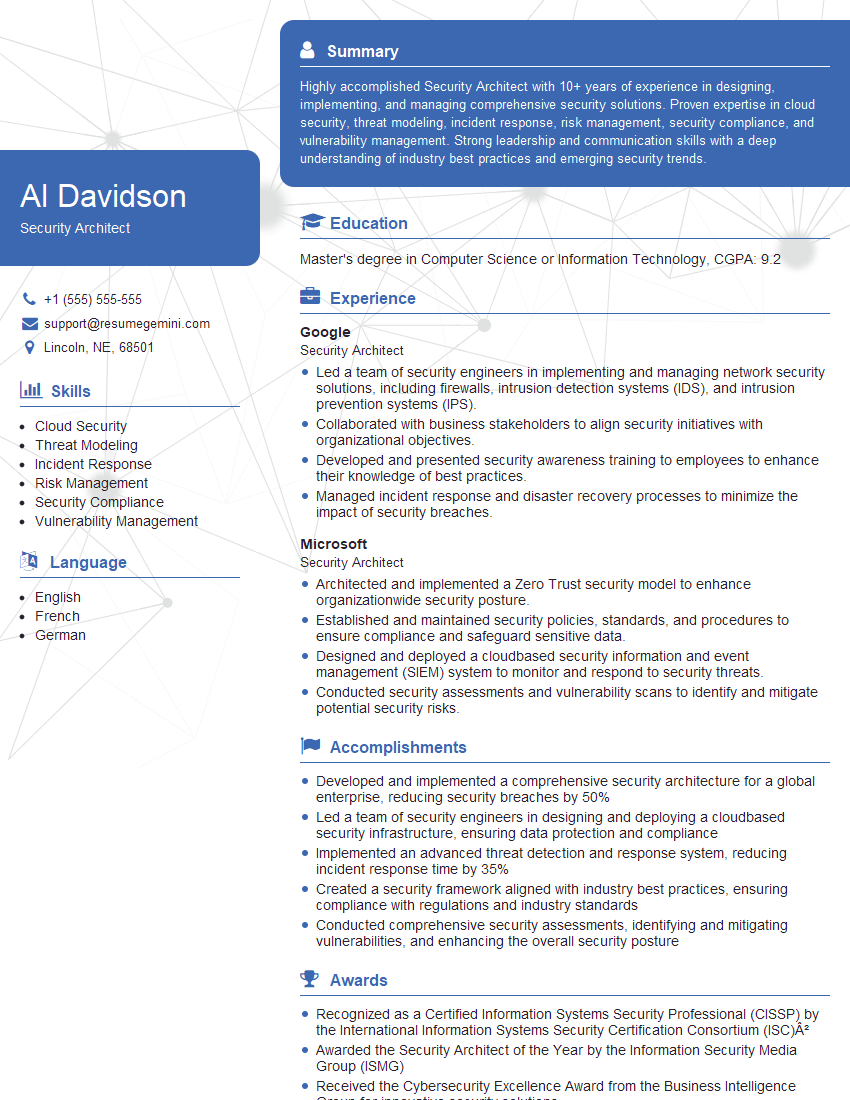
Security Architect Resume Sample

IT Security Specialist Resume Sample
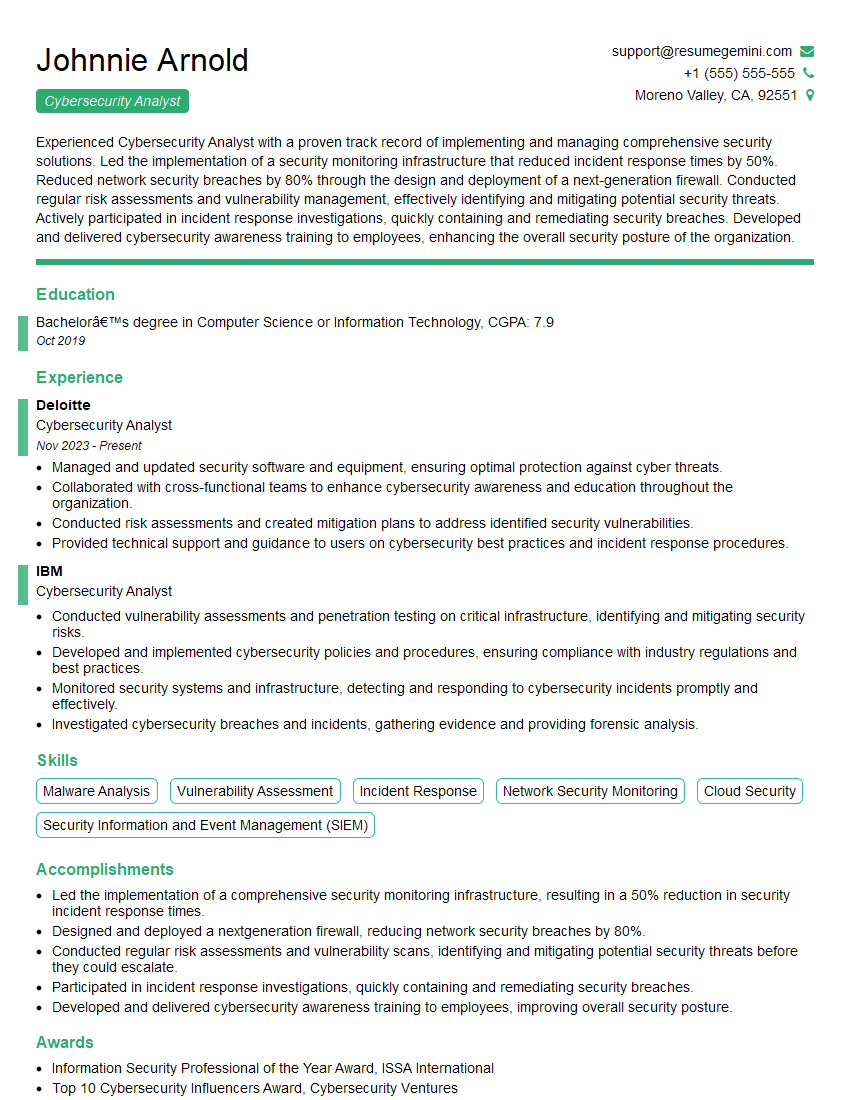
Cybersecurity Analyst Resume Sample
Explore more articles
Users Rating of Our Blogs
Share Your Experience
We value your feedback! Please rate our content and share your thoughts (optional).
What Readers Say About Our Blog
Very informative content, great job.
good