Feeling uncertain about what to expect in your upcoming interview? We’ve got you covered! This blog highlights the most important Aquaculture Technology and Practices interview questions and provides actionable advice to help you stand out as the ideal candidate. Let’s pave the way for your success.
Questions Asked in Aquaculture Technology and Practices Interview
Q 1. Describe your experience with different aquaculture systems (e.g., recirculating aquaculture systems (RAS), flow-through systems, integrated multi-trophic aquaculture (IMTA)).
My experience spans various aquaculture systems, each with its unique challenges and advantages. I’ve worked extensively with Recirculating Aquaculture Systems (RAS), which offer high control over water quality and allow for year-round production, even in landlocked areas. Imagine a closed-loop system where water is constantly filtered, treated, and reused. This minimizes water usage and environmental impact. I’ve also worked with flow-through systems, a more traditional approach where water constantly flows in and out. These are typically less expensive to set up but require a consistent supply of high-quality water and can have higher environmental impacts due to water discharge. Finally, I have significant experience in Integrated Multi-Trophic Aquaculture (IMTA), a sustainable approach where different species are cultured together to mimic natural ecosystems. For example, cultivating seaweed alongside finfish helps remove excess nutrients from the water, improving water quality and reducing the need for chemical treatments. Each system requires a different skill set and management approach, and my expertise allows me to adapt to the specific needs of each.
- RAS: Excellent control, high yield, reduced environmental impact, higher initial investment.
- Flow-through: Lower initial investment, simpler operation, reliant on water source quality and quantity, higher environmental impact.
- IMTA: Sustainable, enhanced water quality, complex management, potential for species interactions.
Q 2. Explain the principles of water quality management in aquaculture.
Water quality management is the cornerstone of successful aquaculture. It involves maintaining optimal levels of various parameters crucial for the health and growth of cultured organisms. Think of it like providing the perfect living environment for your fish or shellfish. The key principles revolve around minimizing waste accumulation and maintaining a balance of dissolved oxygen, pH, ammonia, nitrite, nitrate, and temperature. This is achieved through a combination of proper stocking density (avoiding overcrowding), efficient filtration systems (mechanical, biological, and chemical), regular water exchange (in flow-through systems), and bioremediation techniques (using beneficial microorganisms to break down waste). Regular monitoring and adjustments are essential to prevent disease outbreaks and ensure optimal growth.
Q 3. How do you monitor and control water parameters such as temperature, dissolved oxygen, pH, and ammonia levels?
Monitoring and controlling water parameters are done using a variety of tools and techniques. We use sensors and probes for continuous monitoring of temperature, dissolved oxygen (DO), pH, and ammonia. These sensors provide real-time data that are usually logged and analyzed using specialized software. For example, a DO probe measures the amount of oxygen dissolved in the water, crucial for fish respiration. If DO levels drop too low, we might increase aeration or reduce stocking density. For parameters like ammonia, we use test kits for regular spot checks. Based on the data collected, we can adjust various aspects of the system: adding aeration for low DO, adjusting pH using chemicals (carefully and cautiously), and employing biological filtration to remove ammonia and nitrites. The entire process needs meticulous record-keeping, which forms the basis for continuous improvement and predictive modeling of potential problems.
For example, if ammonia levels rise above safe limits, we might increase the flow rate through the biofilter, add beneficial bacteria to enhance nitrification, or temporarily reduce the feeding rate to decrease waste production.
Q 4. What are the common diseases affecting cultured fish/shellfish and how are they managed?
Aquaculture is susceptible to a wide range of diseases, both bacterial and parasitic. Common bacterial infections include Vibriosis and Edwardsiellosis, while parasitic infestations might involve sea lice or copepods. Viral diseases also pose a threat. Disease management involves a multi-pronged approach including:
- Biosecurity: Strict hygiene protocols to prevent pathogen introduction – think of it like maintaining a sterile operating room.
- Prophylactic Measures: Vaccination, optimal water quality, and stress reduction to enhance fish immunity.
- Treatment Strategies: Using antibiotics or antiparasitics judiciously, following strict guidelines to avoid antimicrobial resistance.
- Early Detection: Regular health checks and monitoring for clinical signs, allowing for timely intervention. This often involves visual inspections, blood tests and other diagnostic tools.
- Quarantine: Isolating newly introduced fish to prevent the spread of infection.
Q 5. Describe your experience with fish nutrition and feed management.
Fish nutrition is paramount for optimal growth, health, and reproductive success. My experience encompasses formulating and managing feeding strategies based on the species, growth stage, and production goals. This includes assessing nutritional requirements, selecting appropriate feed types, determining feeding rates, and monitoring feed conversion ratios (FCR). A low FCR indicates efficient feed utilization. I have experience in both dry pellet and live feed production and management. For example, the feeding regime for juvenile fish will differ significantly from that of adult fish, with juveniles requiring higher protein diets for rapid growth. We carefully monitor growth rates and adjust the feeding strategy to meet the changing nutritional needs of the fish.
Q 6. What are the different types of aquaculture feeds and their advantages/disadvantages?
Aquaculture feeds range from simple to complex formulations. Dry pellets are the most common, offering convenience and consistent nutrient delivery. However, they can be less palatable and may lack certain essential nutrients compared to other options. Extruded feeds are processed under high heat and pressure, improving digestibility and stability but potentially decreasing nutrient availability. Live feeds (e.g., rotifers, Artemia) are crucial for larval stages but are more expensive and labor-intensive to produce. Moist pellets, somewhere between dry and live feeds, improve palatability while offering extended shelf life and improved handling. Finally, some species may also benefit from supplemental feeds that include specific vitamins and minerals to enhance their immunity and growth. Each feed type has advantages and disadvantages concerning cost, nutritional value, ease of handling, and environmental impact.
Q 7. How do you assess the health of cultured fish/shellfish?
Assessing the health of cultured fish and shellfish requires a multi-faceted approach. Visual inspection for external signs of disease (e.g., lesions, abnormal behavior) is the first step. We also use blood samples to analyze hematological parameters (e.g., red and white blood cell counts) and measure levels of key serum components. Parasitological examinations help identify internal parasites. Advanced techniques like histology (microscopic examination of tissue samples) can diagnose more subtle pathologies. We also monitor growth rates, feed conversion ratios, and mortality rates, as these can indicate underlying health issues. A healthy fish will exhibit normal behavior, be active and responsive, have clear skin, and maintain good appetite. Regular monitoring and timely intervention are critical in ensuring overall health and productivity. This often involves setting up health monitoring programs, which are designed to catch problems early.
Q 8. Explain your understanding of sustainable aquaculture practices.
Sustainable aquaculture practices aim to produce aquatic food while minimizing environmental impacts and ensuring long-term economic and social viability. It’s about balancing the needs of production with the health of the ecosystem and the well-being of communities. This involves a multifaceted approach.
- Responsible Site Selection: Choosing locations that minimize damage to sensitive habitats like mangroves or seagrass beds. For example, integrated multi-trophic aquaculture (IMTA) systems, where different species are grown together, can help reduce waste and improve water quality by using the waste products of one species as food for another.
- Efficient Feed Management: Utilizing sustainable feed sources, minimizing waste, and optimizing feed conversion ratios (FCR) – the amount of feed needed to produce a unit of fish. Reducing reliance on wild-caught fishmeal and fish oil is crucial. Alternative protein sources like insects or algae are gaining traction.
- Water Quality Management: Implementing robust water treatment systems to reduce pollution from uneaten feed, feces, and other waste. Regular monitoring of water parameters (temperature, dissolved oxygen, pH, ammonia) is key.
- Disease Management: Employing preventative measures like biosecurity protocols to minimize disease outbreaks and reduce the need for antibiotics. This involves strict hygiene practices, quarantine of new stock, and careful selection of disease-resistant species.
- Social Responsibility: Ensuring fair labor practices, contributing positively to local communities, and promoting transparency in the supply chain.
In essence, sustainable aquaculture is about adopting a holistic approach that considers the entire life cycle of the farmed species and its impact on the environment and society.
Q 9. What are the environmental impacts of aquaculture and how can they be mitigated?
Aquaculture, while crucial for food security, can have significant environmental impacts if not managed properly. These include:
- Water Pollution: Excess feed, feces, and uneaten food can lead to eutrophication (excessive nutrient enrichment), causing algal blooms that deplete oxygen and harm aquatic life. Antibiotics and other chemicals used in aquaculture can also contaminate the water.
- Habitat Destruction: The construction of aquaculture farms can destroy sensitive coastal ecosystems like mangroves and seagrass beds, which provide vital nursery grounds for many fish species. Escape of farmed fish can also impact native populations.
- Disease Transmission: Farmed fish can act as reservoirs for diseases, potentially infecting wild populations.
- Introduction of Invasive Species: Farmed fish or other organisms can escape and become invasive, outcompeting native species for resources.
- Climate Change Impacts: Aquaculture can contribute to greenhouse gas emissions through feed production, transportation, and energy use.
Mitigation strategies involve adopting sustainable practices (as discussed in the previous answer), using integrated multi-trophic aquaculture, employing efficient waste management techniques, developing and using environmentally friendly feeds, and restoring degraded habitats.
Q 10. Describe your experience with aquaculture harvesting and post-harvest handling techniques.
My experience encompasses various harvesting and post-harvest handling techniques across different aquaculture systems. For example, in a recirculating aquaculture system (RAS) for tilapia, harvesting involves carefully draining a tank section, then gently netting the fish. In an open-water cage system for salmon, harvesting might involve specialized boats with pumps and nets.
Post-harvest handling is critical for maintaining product quality and safety. This includes:
- Immediate chilling: Rapid cooling of fish after harvest to prevent microbial spoilage and maintain freshness. Ice slush is commonly used.
- Proper cleaning and sorting: Removing debris and sorting fish by size and quality.
- Hygiene and sanitation: Maintaining strict hygiene throughout the process to prevent contamination.
- Processing and packaging: Following appropriate procedures for filleting, freezing, or other processing methods, ensuring proper labeling and packaging for safety and marketability.
Efficient post-harvest handling not only extends shelf life and enhances quality but also minimizes waste and improves economic returns. I’ve worked with various processing plants and implemented quality control protocols to ensure that standards are consistently met.
Q 11. How do you ensure biosecurity measures are implemented and maintained on an aquaculture farm?
Biosecurity is paramount in aquaculture to prevent the introduction and spread of diseases. It’s a proactive approach rather than a reactive one. My approach involves a multi-layered strategy:
- Quarantine: All new stock undergoes a strict quarantine period before introduction into the main production system. This allows for observation and treatment if necessary.
- Hygiene protocols: Strict hygiene practices are enforced, including proper disinfection of equipment and clothing, handwashing, and controlled access to the farm.
- Waste management: Careful management of waste to prevent the spread of pathogens. This includes proper disposal of dead fish and effective removal of waste from the aquaculture system.
- Surveillance and early detection: Regular monitoring of fish health and water quality parameters to detect early signs of disease outbreaks. Rapid response strategies are in place to contain outbreaks.
- Staff training: All personnel receive thorough training on biosecurity protocols and their importance.
- Vector control: Managing wild birds and other potential vectors of disease through appropriate strategies.
Implementing these measures helps protect the farm’s stock from disease and maintains productivity, preventing significant economic losses. A well-defined biosecurity plan, regularly reviewed and updated, is essential.
Q 12. What is your experience with aquaculture data management and record keeping?
Effective data management is crucial for efficient and sustainable aquaculture operations. I have extensive experience using various software and hardware for data collection, analysis, and reporting. This includes:
- Monitoring systems: Employing sensors and automated systems for real-time monitoring of water quality, fish health, and feed consumption. This can involve sophisticated systems with data loggers and online dashboards.
- Database management: Using database software (e.g., Access, SQL) to store and manage various operational data, including production records, feed inventory, water quality parameters, and disease reports. This allows for data analysis and trend identification.
- Record-keeping: Maintaining detailed records of all farm activities, including stocking rates, feeding schedules, treatments administered, and harvest data. Accurate records are vital for compliance and improving operational efficiency.
- Data analysis: Using data analysis techniques to identify trends, assess performance, and make informed management decisions. This might involve the use of statistical software or spreadsheets.
- Reporting: Generating reports for management, regulatory agencies, and other stakeholders, including production summaries, financial reports, and environmental impact assessments.
My approach to data management is focused on accuracy, consistency, and accessibility, ensuring that data is readily available for informed decision-making.
Q 13. Explain your understanding of different aquaculture species and their specific requirements.
My understanding of aquaculture species and their specific requirements is comprehensive. Each species has unique needs regarding water quality, temperature, diet, and stocking density. For example:
- Salmon: Require cold, well-oxygenated water, a specific diet high in protein and omega-3 fatty acids, and relatively low stocking densities to prevent stress and disease.
- Tilapia: Tolerate a wider range of water temperatures and salinity, are relatively hardy, and can be grown at higher stocking densities, but are susceptible to certain diseases.
- Shrimp: Require specific salinity and temperature ranges, and are sensitive to water quality changes. They have specialized dietary needs.
- Oysters: Are filter feeders requiring good water quality and appropriate substrate for attachment and growth.
Understanding these species-specific requirements is crucial for optimizing production, minimizing stress on the animals, and maximizing economic returns. This understanding also allows me to select the most suitable species for a given location and environmental conditions.
Q 14. How do you troubleshoot common problems in aquaculture systems?
Troubleshooting is a daily activity in aquaculture. The approach involves a systematic process:
- Observation and data collection: Carefully observe the fish for signs of stress or disease, such as abnormal behavior, lethargy, or mortality. Gather data on water quality parameters, feed consumption, and other relevant factors.
- Problem identification: Based on the observations and data, identify the potential cause of the problem. This could be related to water quality (e.g., low dissolved oxygen, high ammonia), disease, nutritional deficiencies, or other factors.
- Testing and analysis: Conduct further tests to confirm the diagnosis. This might involve water analysis, disease testing, or feed analysis.
- Solution implementation: Implement the appropriate corrective measures based on the diagnosis. This could involve adjusting water quality parameters, administering medication, adjusting the feeding regime, or other interventions.
- Monitoring and evaluation: Monitor the situation closely to assess the effectiveness of the implemented solution and make adjustments as needed. Record keeping is vital for learning and future improvements.
Experience enables rapid problem identification. For example, if I observe increased mortality and cloudy water, I suspect a bacterial infection and would proceed with water quality tests and potentially antibiotic treatment after consultation with a veterinarian. Systematic troubleshooting, coupled with thorough record-keeping, leads to improved farm management and reduced losses.
Q 15. Describe your experience with aquaculture equipment maintenance and repair.
Aquaculture equipment maintenance is crucial for operational efficiency and minimizing losses. My experience encompasses a wide range of systems, from basic water filtration and aeration to sophisticated recirculating aquaculture systems (RAS). This involves preventative maintenance like regular cleaning of filters, checking pump performance, and inspecting pipes for leaks. I’m also proficient in troubleshooting and repairing issues, ranging from minor electrical faults to more complex mechanical problems. For example, I once diagnosed a malfunctioning oxygen sensor in an RAS by systematically checking the sensor’s calibration, wiring, and the dissolved oxygen meter itself, ultimately replacing a faulty cable connector and restoring optimal oxygen levels.
My experience includes working with various types of equipment, including:
- Water pumps (centrifugal, submersible)
- Aeration systems (air pumps, diffusers)
- Filtration systems (mechanical, biological)
- Water treatment systems (UV sterilization, ozonation)
- Feeding systems (automatic feeders)
- Monitoring systems (sensors, data loggers)
I’m adept at reading technical manuals, interpreting diagnostic codes, and sourcing replacement parts. I believe in a proactive approach, regularly scheduling maintenance to prevent breakdowns and maximize the lifespan of the equipment.
Career Expert Tips:
- Ace those interviews! Prepare effectively by reviewing the Top 50 Most Common Interview Questions on ResumeGemini.
- Navigate your job search with confidence! Explore a wide range of Career Tips on ResumeGemini. Learn about common challenges and recommendations to overcome them.
- Craft the perfect resume! Master the Art of Resume Writing with ResumeGemini’s guide. Showcase your unique qualifications and achievements effectively.
- Don’t miss out on holiday savings! Build your dream resume with ResumeGemini’s ATS optimized templates.
Q 16. What is your understanding of the economic aspects of aquaculture?
The economic aspects of aquaculture are multifaceted, encompassing production costs, market prices, and overall profitability. Understanding these factors is essential for successful aquaculture operations. Production costs include land acquisition or lease, infrastructure development (ponds, tanks, RAS), feed costs (often the largest expense), labor, energy (for aeration, water pumping, etc.), and veterinary services. Market prices are influenced by factors like global demand, competition, and seasonal variations. Profitability depends on optimizing production efficiency, minimizing costs, and securing favorable market prices.
For example, a farmer specializing in tilapia might analyze feed conversion ratios (FCR) to identify areas to reduce feed costs. An FCR of 1.2 means that 1.2 kg of feed is required to produce 1 kg of fish. Improving breeding practices or feed formulation could lower this ratio, boosting profitability. Similarly, strategic marketing and direct sales to restaurants or retailers can command premium prices compared to selling to larger distributors.
Analyzing economic data, including production records, market trends, and financial statements, is key to making informed management decisions and ensuring the long-term financial viability of an aquaculture enterprise.
Q 17. What are the different types of aquaculture licenses and permits?
Aquaculture licensing and permitting vary considerably depending on location (national, regional, and local regulations), the species being cultured, and the scale of the operation. Generally, licenses and permits address environmental protection, water usage, animal welfare, and biosecurity.
- Water use permits: These are necessary to legally draw water for aquaculture activities, often involving specific water quality standards and limitations on withdrawal volume.
- Discharge permits: These regulate the release of wastewater from aquaculture facilities, ensuring that pollutants do not exceed permitted levels and protect the surrounding ecosystem.
- Species-specific permits: Certain species may require special permits due to their conservation status or potential impact on the native environment. For instance, permits are frequently required for cultivating endangered species or invasive species.
- Operational permits: These cover aspects like facility construction, safety standards, and record-keeping requirements.
- Environmental impact assessment (EIA): Larger aquaculture operations often need an EIA to demonstrate that their activities won’t cause significant harm to the environment.
It’s crucial to thoroughly research and comply with all applicable regulations before establishing any aquaculture operation to avoid legal issues and environmental damage. Failure to obtain the necessary permits can lead to hefty fines and even closure of the facility.
Q 18. How do you comply with regulatory requirements in aquaculture?
Compliance with regulatory requirements in aquaculture is paramount for responsible and sustainable practices. This involves a multifaceted approach. First, a thorough understanding of the applicable regulations is essential. This includes reviewing national and regional laws, as well as local ordinances. Second, maintaining meticulous records is crucial. Detailed records of water quality parameters, feed usage, fish health, and any incidents or mortalities must be kept to demonstrate compliance. Third, implementing robust biosecurity protocols helps prevent disease outbreaks and protect the environment. This involves controlling access to facilities, disinfecting equipment, and monitoring for any signs of disease.
Regular inspections and audits by regulatory agencies should be expected and welcomed as opportunities to demonstrate adherence to standards. Proactive engagement with regulators, including attending workshops and seeking clarification when needed, can ensure ongoing compliance and minimize potential conflicts. For instance, implementing a comprehensive traceability system for farmed products ensures that all stages of production, from sourcing to harvest and processing, can be easily traced, meeting requirements for food safety and transparency.
Ultimately, regulatory compliance not only mitigates legal risks but also fosters consumer trust and contributes to the long-term sustainability of the aquaculture industry.
Q 19. What is your experience with aquaculture breeding and genetics?
My experience in aquaculture breeding and genetics focuses on improving the productivity and resilience of cultured species. This involves selective breeding programs to enhance traits such as growth rate, disease resistance, and feed conversion efficiency. I have worked with various techniques, including artificial insemination, larval rearing, and broodstock management. For example, I was involved in a project to develop a disease-resistant strain of shrimp by selecting individuals that showed natural resistance to a common viral pathogen. This involved careful monitoring, genetic testing, and several generations of selective breeding.
Understanding the genetic diversity within a population is critical to maintain long-term genetic health and prevent inbreeding depression. Modern molecular techniques, such as DNA fingerprinting and marker-assisted selection, are valuable tools to monitor genetic diversity and guide selective breeding programs. Furthermore, optimizing hatchery conditions and larval rearing techniques is key to maximizing survival and growth rates in the early life stages of the cultured species. Successful breeding programs require both technical skills and a deep understanding of the biology and genetics of the target species.
Q 20. Explain your understanding of different aquaculture production methods (e.g., extensive, intensive, semi-intensive).
Aquaculture production methods are categorized by their intensity of management and resource input. Extensive aquaculture utilizes natural resources with minimal human intervention, semi-intensive systems have moderate levels of management, and intensive systems involve high levels of control and resource input.
- Extensive aquaculture: This is often found in open ponds or coastal areas, relying on natural food sources and minimal manipulation of environmental parameters. Examples include traditional rice-fish farming or shellfish cultivation in estuaries. It has low production costs but also low yields and is subject to environmental fluctuations.
- Semi-intensive aquaculture: This method involves supplementary feeding and some control over water quality and environmental conditions. Examples include pond aquaculture with controlled stocking densities and regular fertilization to enhance food availability. It offers a balance between production intensity and environmental impact.
- Intensive aquaculture: This system involves high stocking densities, controlled environmental conditions (temperature, dissolved oxygen, water flow), and regular monitoring of fish health. Recirculating aquaculture systems (RAS) represent a prime example. Intensive systems achieve high yields but require significant capital investment and ongoing operational costs, also posing higher risks of disease outbreaks.
The choice of production method depends on factors like species, available resources, market demands, and environmental considerations. A well-designed system will incorporate sustainable practices to minimize environmental impact and ensure long-term economic viability.
Q 21. What is your experience with the use of technology in aquaculture (e.g., sensors, automation, AI)?
Technology is revolutionizing aquaculture, improving efficiency, sustainability, and profitability. I have experience with various technologies, including:
- Sensors: Dissolved oxygen sensors, temperature sensors, pH sensors, and turbidity sensors provide real-time monitoring of water quality parameters. This enables proactive adjustments to maintain optimal conditions for fish health and growth. Data loggers store this information, allowing for detailed analysis of trends and identification of potential problems.
- Automation: Automated feeding systems deliver precise amounts of feed at predetermined times, optimizing feed utilization and reducing labor costs. Automated water exchange systems maintain desired water quality parameters, minimizing manual intervention.
- AI and machine learning: These tools can be used to analyze large datasets from sensors and other sources to predict potential problems, optimize feeding strategies, and improve overall farm management. For example, AI can be used to detect early signs of disease based on changes in fish behavior or water quality parameters, enabling timely intervention and preventing widespread outbreaks.
- Remote monitoring: Cloud-based platforms allow for remote monitoring of aquaculture facilities from anywhere with an internet connection, enabling early detection of problems and rapid response.
The integration of these technologies is transforming aquaculture from a labor-intensive industry to a more data-driven and efficient sector, leading to higher yields, reduced costs, and improved sustainability.
Q 22. Describe a time you had to solve a complex problem in an aquaculture setting.
During my time managing a recirculating aquaculture system (RAS) for tilapia, we faced a significant challenge with ammonia buildup. This is a common problem in RAS, as the system’s closed nature can lead to a rapid accumulation of nitrogenous waste if not properly managed. Initially, our biological filtration system, which relies on beneficial bacteria to convert ammonia to less harmful nitrite and then nitrate, was failing to keep up. The ammonia levels were consistently exceeding safe limits, threatening the health and survival of our fish.
To solve this, I implemented a multi-pronged approach. First, I increased water exchange rates, providing more dilution and removing excess ammonia. Second, I conducted a thorough inspection and cleaning of the biofilters, addressing clogged media that was impeding bacterial activity. Third, I augmented the biological filtration by introducing additional filter media with a higher surface area to support a larger bacterial colony. Finally, I implemented a rigorous monitoring system, including daily ammonia testing and adjustments to water parameters based on the results. This comprehensive approach successfully brought ammonia levels back within safe limits and prevented further fish mortality. The experience highlighted the critical importance of proactive monitoring, robust maintenance procedures, and a flexible approach to problem-solving in aquaculture.
Q 23. What is your experience with risk management in aquaculture?
Risk management in aquaculture is paramount, given the inherent vulnerabilities of aquatic organisms to environmental fluctuations and disease outbreaks. My experience encompasses developing and implementing comprehensive risk assessment plans, incorporating biosecurity measures, environmental monitoring, and financial forecasting. For example, during a project involving shrimp farming, we identified the risk of disease outbreaks as a major concern. To mitigate this, we implemented stringent biosecurity protocols, including quarantine procedures for incoming stock, regular water quality testing, and immediate response plans in case of disease detection. We also incorporated contingency plans to cover potential losses, including insurance and emergency funding. Financial risk mitigation involved developing detailed budget projections that factored in potential market fluctuations and operational costs. Regular monitoring and adjustments to our strategies ensured proactive risk management throughout the project’s lifecycle.
Q 24. How do you ensure the quality and safety of aquaculture products?
Ensuring the quality and safety of aquaculture products involves a holistic approach, starting from the initial breeding and stocking procedures and continuing through harvesting, processing, and distribution. We adhere to strict protocols to maintain water quality, prevent disease outbreaks, and minimize the use of antibiotics and other chemicals. This includes regular water testing, monitoring of feed quality, and implementation of appropriate biosecurity measures. Post-harvest handling is critical. This involves careful harvesting techniques to minimize stress on the fish, rapid chilling to prevent spoilage, and hygienic processing methods. We implement rigorous quality control checks at each stage, including visual inspection, microbiological testing, and compliance with relevant food safety standards. Traceability systems are essential, allowing us to track the entire production process and rapidly identify any potential sources of contamination or quality issues. This comprehensive approach not only guarantees the safety of the final product but also enhances its marketability and consumer confidence.
Q 25. What is your understanding of the global aquaculture market?
The global aquaculture market is a dynamic and rapidly expanding sector, driven by increasing global population and demand for protein. It’s characterized by diverse production systems, ranging from extensive pond farming to intensive recirculating aquaculture systems. Major producing countries include China, Norway, India, and Vietnam, with significant regional variations in species and production methods. Key trends include a shift towards more sustainable practices, such as integrated multi-trophic aquaculture (IMTA), which aims to reduce environmental impact. The market also sees significant growth in high-value species like salmon and shrimp, while technological advancements, such as automation and precision aquaculture, are driving efficiency gains. However, the market faces challenges such as disease outbreaks, environmental concerns, and fluctuating market prices. Understanding these market dynamics is crucial for effective planning and strategic decision-making in the aquaculture industry.
Q 26. What are the future trends in aquaculture?
The future of aquaculture is shaped by several key trends. One significant trend is the increasing adoption of sustainable aquaculture practices to mitigate environmental impacts. This includes minimizing waste, reducing reliance on wild-caught feed, and employing eco-friendly technologies. Precision aquaculture, employing data analytics and automation, is revolutionizing production efficiency and reducing operational costs. Recirculating aquaculture systems (RAS) are becoming more prevalent, allowing for year-round production and reduced reliance on water resources. The development and use of alternative protein sources, such as insects and single-cell proteins, offer solutions to feed sustainability challenges. Furthermore, advancements in genetics and selective breeding are improving yields and enhancing disease resistance. Finally, consumer demand for transparency and traceability is driving the adoption of blockchain technology and other innovative traceability systems. These trends collectively point towards a more sustainable, efficient, and technologically advanced aquaculture sector.
Q 27. Describe your experience working in a team environment in aquaculture.
Throughout my career, teamwork has been essential for success in aquaculture. In one instance, our team faced a significant challenge with a bacterial infection in our salmon farm. Each team member brought unique expertise: biologists assessed the disease, engineers optimized water treatment, and operations personnel managed the affected fish populations. Successful crisis management hinged on effective communication, collaborative problem-solving, and clearly defined roles and responsibilities. Open communication ensured efficient information flow, and regular meetings allowed for coordinated response strategies. By leveraging the collective knowledge and skills of the team, we were able to contain the outbreak, minimize losses, and implement long-term prevention strategies. This experience highlighted the importance of strong team dynamics, effective communication, and collaborative problem-solving in overcoming the challenges inherent in aquaculture.
Q 28. What are your salary expectations for this aquaculture position?
My salary expectations for this position are commensurate with my experience and expertise in aquaculture technology and management. Considering my demonstrated ability to manage complex projects, implement sustainable practices, and lead teams effectively, I am seeking a competitive salary in the range of [Insert Salary Range]. I am confident that my contributions will significantly benefit your organization and am open to further discussion to align my compensation with the specific requirements and responsibilities of this role.
Key Topics to Learn for Aquaculture Technology and Practices Interview
- Water Quality Management: Understanding parameters like dissolved oxygen, pH, ammonia, nitrite, and nitrate; practical application in maintaining optimal water conditions for different species; troubleshooting techniques for water quality issues.
- Aquaculture Systems: Familiarity with different aquaculture systems (e.g., raceways, recirculating aquaculture systems (RAS), cages, ponds); understanding their advantages, disadvantages, and suitability for various species; problem-solving in system design and maintenance.
- Nutrition and Feeding: Knowledge of fish and shellfish nutritional requirements; formulating appropriate diets; practical application in feed management and optimizing feed conversion ratios; recognizing and addressing nutritional deficiencies.
- Disease Management and Biosecurity: Identifying common diseases and parasites affecting cultured species; implementing effective biosecurity protocols to prevent disease outbreaks; understanding treatment strategies and preventative measures.
- Breeding and Genetics: Principles of selective breeding and genetic improvement in aquaculture; understanding the role of genetics in enhancing growth, disease resistance, and other desirable traits; practical applications in broodstock management and progeny selection.
- Harvesting and Post-Harvest Handling: Methods for harvesting different aquaculture species; proper handling and processing techniques to maintain quality and minimize losses; understanding market demands and post-harvest processing technologies.
- Sustainable Aquaculture Practices: Environmental impact assessment of aquaculture operations; implementing sustainable practices to minimize environmental footprint; understanding certification schemes and eco-labeling.
- Economic and Business Aspects: Understanding the financial aspects of aquaculture operations; cost analysis, budgeting, and profitability; market analysis and business planning.
Next Steps
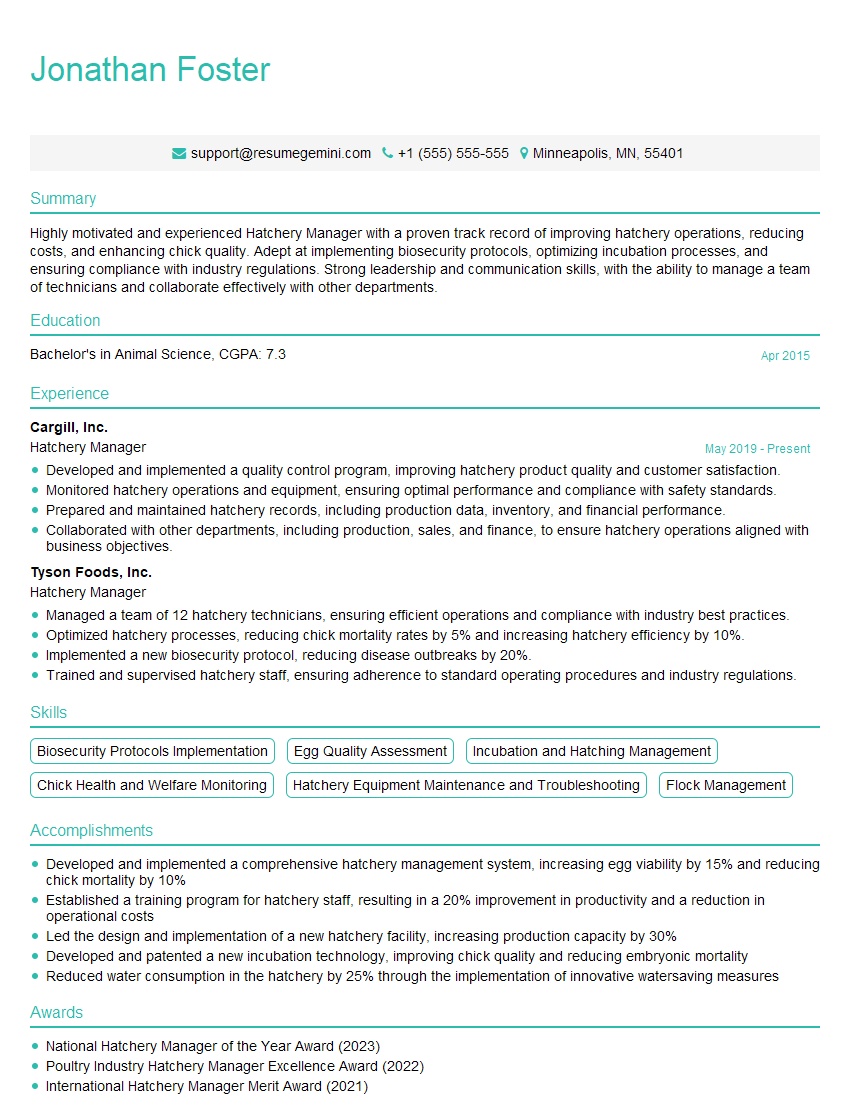
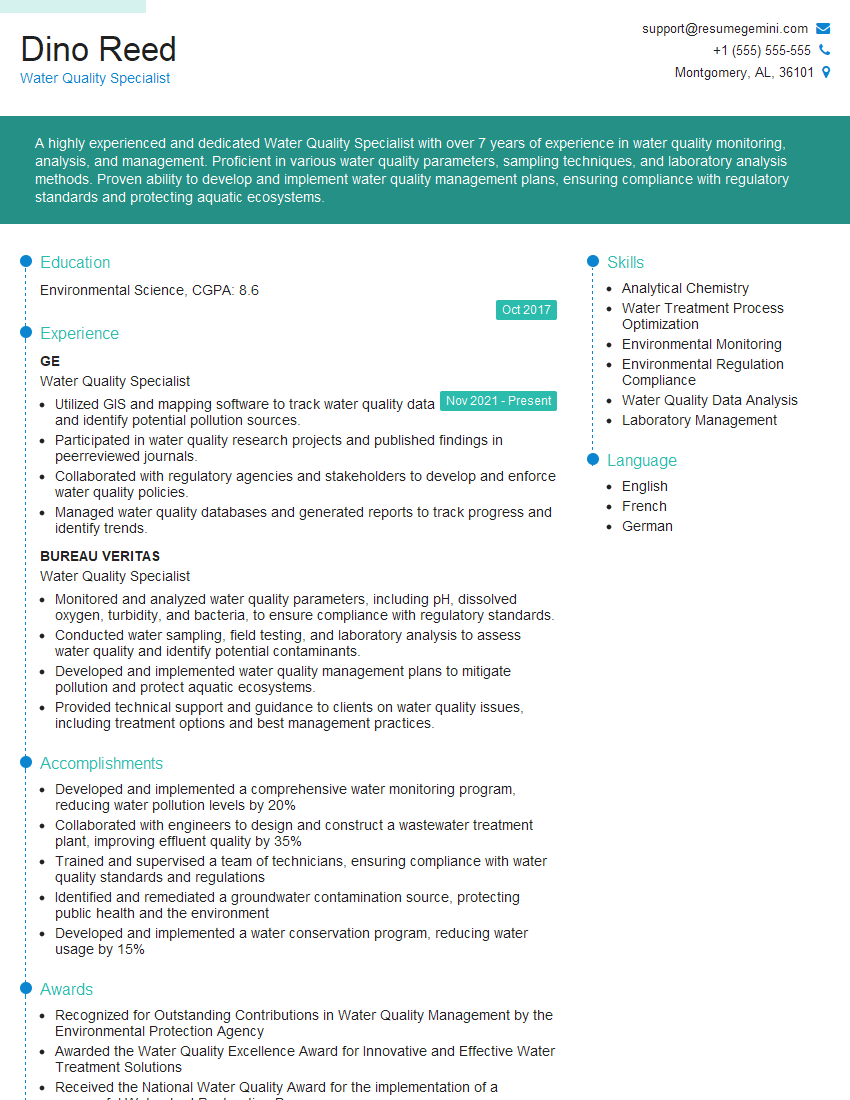
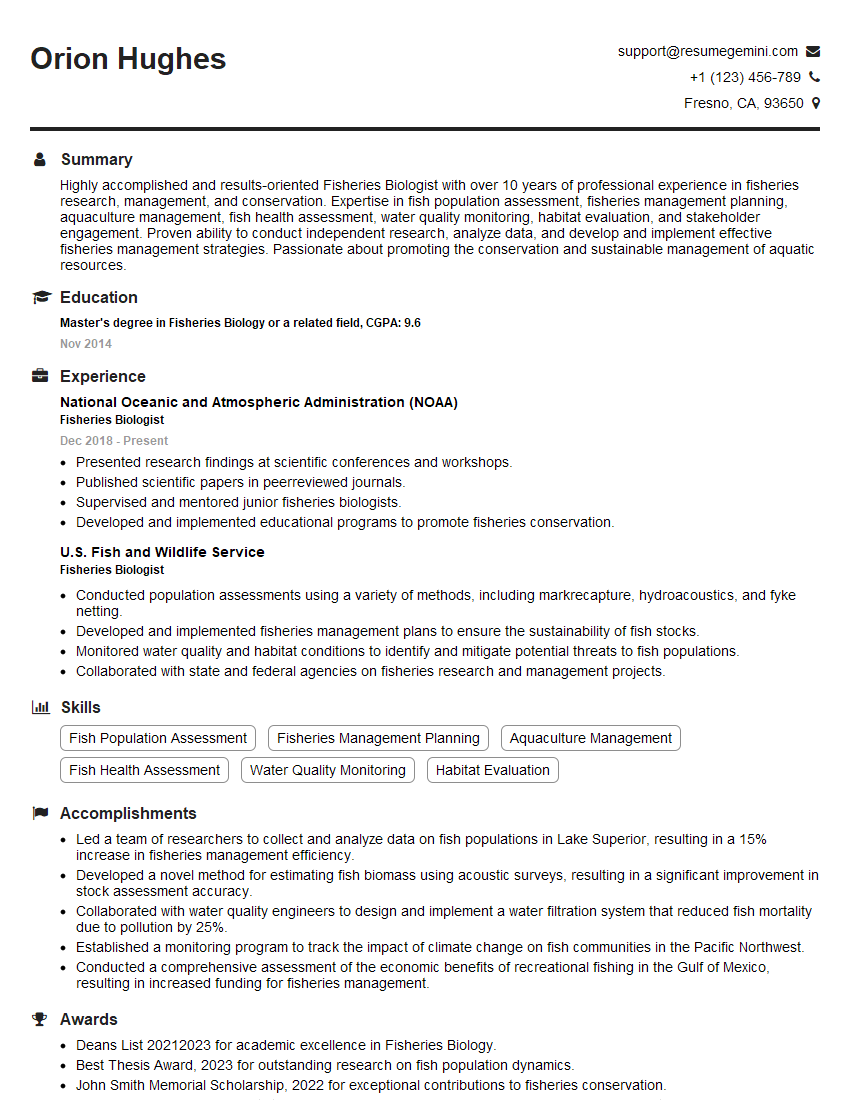
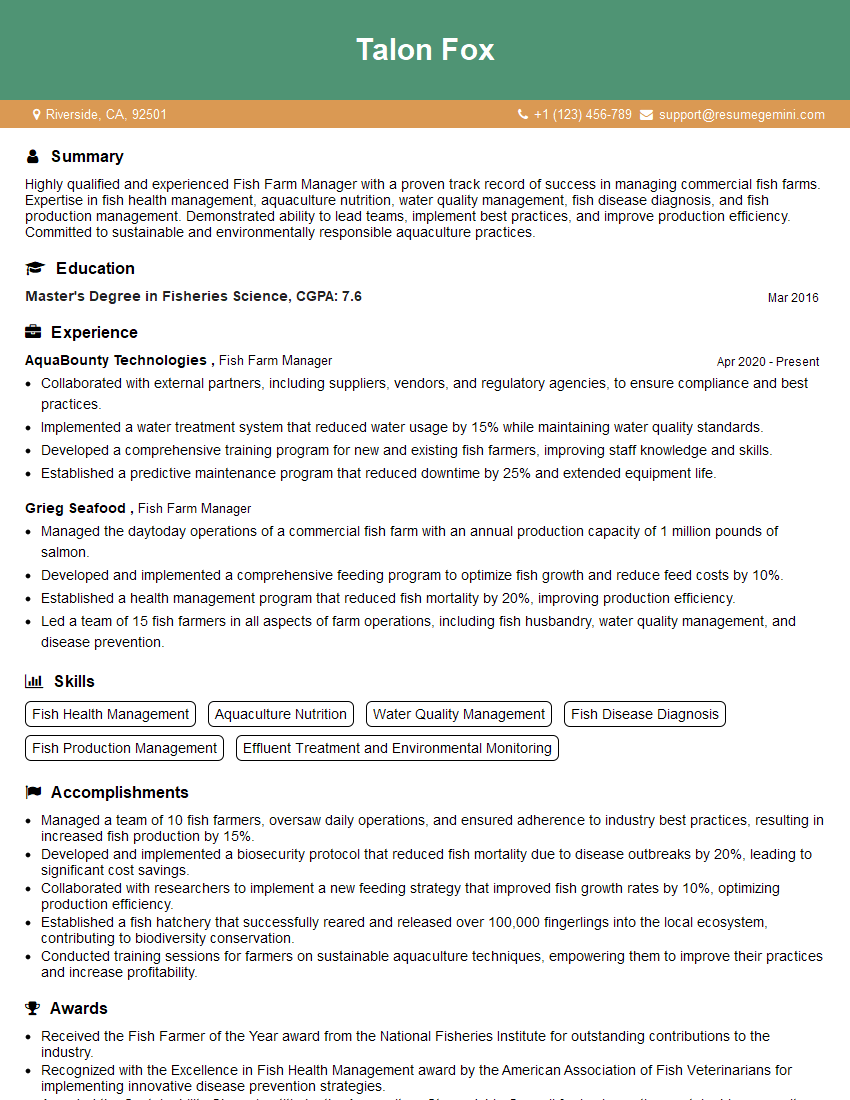
Mastering Aquaculture Technology and Practices is crucial for a successful and rewarding career in this growing field. A strong understanding of these principles will significantly improve your job prospects and allow you to contribute meaningfully to the industry. To make the most of your job search, creating an ATS-friendly resume is essential. This ensures your qualifications are effectively communicated to potential employers. We highly recommend using ResumeGemini to build a professional and impactful resume. ResumeGemini provides a streamlined process and offers examples of resumes tailored specifically to Aquaculture Technology and Practices, helping you present your skills and experience in the best possible light.
Explore more articles
Users Rating of Our Blogs
Share Your Experience
We value your feedback! Please rate our content and share your thoughts (optional).
What Readers Say About Our Blog
Very informative content, great job.
good