Preparation is the key to success in any interview. In this post, we’ll explore crucial Arm Care and Injury Prevention interview questions and equip you with strategies to craft impactful answers. Whether you’re a beginner or a pro, these tips will elevate your preparation.
Questions Asked in Arm Care and Injury Prevention Interview
Q 1. Describe the common causes of rotator cuff injuries.
Rotator cuff injuries, affecting the group of muscles and tendons stabilizing the shoulder joint, are surprisingly common. They typically result from overuse, sudden trauma, or a combination of both.
- Overuse: Repetitive overhead movements, like painting ceilings or throwing a baseball, gradually wear down the tendons, leading to inflammation and tears. Imagine constantly stretching an elastic band – eventually, it will fray.
- Sudden Trauma: A fall, a direct blow to the shoulder, or a sudden forceful movement can cause a sudden tear in one or more of the rotator cuff tendons. Think of snapping a rubber band.
- Age-related Degeneration: As we age, the tendons naturally lose some of their strength and elasticity, making them more susceptible to injury. This is like an old rubber band losing its snap.
- Poor Posture: Slouching or poor posture can put extra stress on the shoulder joint, increasing the risk of rotator cuff problems. It’s like constantly bending a paperclip – it will eventually break.
Identifying the specific cause helps tailor the treatment plan. For example, a sudden tear may require surgery, whereas overuse injuries can often be managed conservatively with rest, physical therapy, and anti-inflammatory medications.
Q 2. Explain the difference between lateral and medial epicondylitis.
Lateral and medial epicondylitis, often called tennis elbow and golfer’s elbow respectively, are both overuse injuries affecting the tendons around the elbow. The key difference lies in their location and the muscles involved.
- Lateral Epicondylitis (Tennis Elbow): This affects the tendons on the outside of the elbow, primarily those involved in extending the wrist and fingers (e.g., extensor carpi radialis brevis). Think of the muscles you use to straighten your hand back after making a fist. Repetitive backhand strokes in tennis are a classic example of a cause.
- Medial Epicondylitis (Golfer’s Elbow): This involves the tendons on the inside of the elbow, focusing on the wrist and finger flexor muscles (e.g., flexor carpi radialis). These are the muscles used to curl your hand into a fist. Repetitive movements like swinging a golf club can contribute.
While both conditions share similar symptoms like pain and tenderness around the elbow, the location of the pain is the most significant differentiating factor, guiding the targeted treatment approach.
Q 3. What are the key components of a comprehensive hand therapy program?
A comprehensive hand therapy program is tailored to the specific needs of the patient but generally includes several key components:
- Edema Management: Reducing swelling through elevation, manual lymphatic drainage, and modalities like cold therapy. Think of it like squeezing out excess water from a sponge.
- Range of Motion Exercises: Gentle exercises to restore and maintain joint mobility and flexibility in the fingers, wrist, and forearm. These movements help prevent stiffness and contractures.
- Strengthening Exercises: Gradual progression of exercises to build muscle strength and endurance. It’s like gradually increasing weights at the gym.
- Splinting and Orthotics: Using custom-made splints or orthoses to protect the injured area, support healing, and improve function. Imagine a brace providing support to a healing bone.
- Functional Activities: Re-training the hand for everyday activities, such as writing, buttoning clothes, and using utensils. These exercises help reintegrate the hand into normal life.
- Scar Management: Techniques such as massage and silicone gel sheeting to reduce scarring, improve the appearance of the scar and increase the flexibility of the skin.
- Patient Education: Teaching patients about their condition, injury prevention, proper body mechanics, and self-management strategies. This empowers them to take an active role in their recovery.
The overall goal is to restore function, reduce pain, and prevent future injuries. A good program is dynamic, adapting to the patient’s progress.
Q 4. How would you assess the range of motion in a patient’s elbow?
Assessing elbow range of motion (ROM) requires a systematic approach using goniometry (a specialized protractor) or visual estimation, while paying close attention to the patient’s comfort level.
Here’s a step-by-step process:
- Preparation: Ensure the patient is comfortable and relaxed. Explain each step to build trust and cooperation.
- Flexion: Ask the patient to bend their elbow as far as comfortably possible. Measure the angle formed between the upper and lower arm using the goniometer, aligning it with the anatomical landmarks (olecranon process, epicondyles). Normal range is typically 135-150 degrees.
- Extension: Ask the patient to straighten their elbow as far as possible. Again, measure the angle with the goniometer. Normal range is 0-10 degrees of hyperextension.
- Pronation and Supination: Instruct the patient to turn their forearm inward (pronation) and outward (supination) as far as possible, measuring the degrees of movement. Normal is about 90 degrees of each movement.
- Documentation: Record the ROM measurements for each movement, noting any pain, limitations, or asymmetries. This information helps monitor progress and guides treatment.
Always compare the injured elbow’s ROM to the uninjured side to establish a baseline and track improvements. Remember to be gentle and stop if the patient experiences pain.
Q 5. Outline the stages of rehabilitation for a carpal tunnel syndrome patient.
Rehabilitation for carpal tunnel syndrome (CTS), a condition affecting the median nerve in the wrist, follows a staged approach:
- Phase 1: Acute Phase (Initial 1-4 weeks): This stage focuses on pain and inflammation reduction. Treatment involves splinting to immobilize the wrist, NSAIDs (non-steroidal anti-inflammatory drugs), and possibly corticosteroid injections. Gentle range-of-motion exercises are introduced to prevent stiffness.
- Phase 2: Subacute Phase (4-8 weeks): As inflammation subsides, emphasis shifts to strengthening the wrist and hand muscles. Activities like light grip exercises and tendon gliding exercises are added, along with progressive increases in ROM exercises. Splint usage may be gradually reduced.
- Phase 3: Return to Function Phase (8-12 weeks): This phase concentrates on restoring functional activities. Patients will work on activities like writing, typing, and using tools, adapting the tasks as needed. Strengthening exercises become more challenging and functional exercises become more advanced.
- Phase 4: Maintenance Phase (Ongoing): This phase focuses on preventative measures. Ergonomic adjustments to workspace, regular stretches, and strengthening exercises are crucial to prevent recurrence. Proper posture and avoiding repetitive strain is key.
The duration of each phase varies depending on the patient’s response to treatment and the severity of their CTS. Regular follow-up appointments with a therapist are essential throughout the rehabilitation process.
Q 6. Explain the principles of ergonomic assessment and intervention in the workplace.
Ergonomic assessment and intervention in the workplace aims to create a work environment that minimizes the risk of musculoskeletal disorders (MSDs), like carpal tunnel syndrome or tendonitis. It involves a multi-step process:
- Assessment: This includes identifying potential risk factors by observing worker movements, postures, and the tools and equipment they use. This involves analyzing workstations, job tasks, and work habits. Questionnaires or interviews with employees can also highlight issues.
- Analysis: Once the risk factors are identified, they are analyzed to determine their impact on the workers’ health. This may involve using validated checklists or conducting more detailed biomechanical analyses. High-risk tasks and work processes are prioritized for improvement.
- Intervention: This involves implementing changes to reduce or eliminate the identified risks. These may include:
- Workstation modifications: Adjusting chair height, desk height, keyboard and mouse placement, monitor position, etc.
- Tool redesign: Modifying tools to reduce force and awkward postures.
- Work process changes: Modifying repetitive tasks, introducing rest breaks, or rotating tasks.
- Training and education: Educating employees on proper body mechanics, lifting techniques, and the importance of taking breaks.
- Evaluation: After interventions are implemented, they are evaluated to determine their effectiveness in reducing MSD risk. This may involve revisiting the assessment tools and re-evaluating employee health and well-being. This may lead to additional improvements to further minimize risk.
A successful ergonomic program is a proactive, continuous process of assessment, intervention, and evaluation, creating a safe and healthy work environment for everyone.
Q 7. What are the different types of splints used for upper extremity injuries?
Splints play a crucial role in managing upper extremity injuries, providing support, immobilization, and promoting healing. The type of splint used depends on the specific injury and its location:
- Wrist Splints: These come in various forms, including volar (palm-side) splints for carpal tunnel syndrome, dorsal (back-of-hand) splints for extensor tendon injuries, and cock-up splints that keep the wrist slightly extended.
- Elbow Splints: Used to immobilize the elbow after fractures, dislocations, or post-surgery, ranging from simple slings to more rigid casts.
- Shoulder Immobilizers: These offer support and limit movement for shoulder injuries like rotator cuff tears or dislocations. They can range from simple slings to more complex immobilizers.
- Thumb Spica Splints: These are specifically designed for injuries affecting the thumb, often used for de Quervain’s tenosynovitis or other thumb tendon injuries.
- Finger Splints: These can be simple aluminum splints for mallet finger, or more complex splints to support fractures or other injuries.
Material selection varies too, from lightweight aluminum to more comfortable and malleable plastics. Custom-made splints offer superior fit and functionality.
Q 8. Describe your experience with modalities like ultrasound and electrical stimulation in arm rehabilitation.
Ultrasound and electrical stimulation are valuable modalities in arm rehabilitation, each offering unique therapeutic benefits. Ultrasound uses high-frequency sound waves to generate heat deep within tissues, promoting increased blood flow, reducing inflammation, and accelerating tissue repair. I frequently use ultrasound for conditions like tendinitis or muscle strains in the arm, applying it for 5-10 minutes per treatment area, adjusting the intensity based on patient comfort and the specific condition. Electrical stimulation, on the other hand, uses electrical currents to stimulate muscles and nerves. This can help reduce pain, improve muscle strength, and reduce muscle spasms. I often use this for patients recovering from nerve injuries or experiencing muscle weakness, carefully selecting the type of current (e.g., TENS for pain relief, NMES for muscle strengthening) and parameters based on the individual’s needs and tolerance.
For example, a patient with lateral epicondylitis (tennis elbow) might benefit from ultrasound to reduce inflammation in the affected tendons, followed by electrical stimulation to stimulate the weakened extensor muscles in the forearm. The treatment plan is always tailored to the individual’s specific presentation and progress. I carefully monitor the patient’s response and adjust the parameters accordingly to ensure optimal outcomes and patient safety.
Q 9. How do you determine the appropriate exercise program for a patient with a shoulder impingement?
Developing an appropriate exercise program for a patient with shoulder impingement requires a thorough assessment. This includes evaluating range of motion, strength, muscle imbalances, and the presence of pain. The program must address the underlying causes of the impingement, which often involve a combination of factors such as rotator cuff weakness, scapular instability, and postural issues. The initial phase typically focuses on reducing pain and inflammation, often employing modalities like ice, rest, and gentle range-of-motion exercises. Once the acute phase subsides, the program progresses to strengthening exercises that target the rotator cuff muscles, scapular stabilizers, and the muscles surrounding the shoulder joint. It’s crucial to emphasize proper form to avoid further injury. For instance, we may start with exercises like pendulum swings and wall slides, gradually progressing to resistance band exercises and weight training. Functional exercises, such as reaching overhead and performing activities of daily living, are integrated later in the rehabilitation process to ensure the patient can regain full function.
Throughout the rehabilitation process, I closely monitor the patient’s progress and make adjustments to the program as needed. Regular assessments, combined with careful observation of the patient’s response to the exercises, ensures that the program remains safe and effective.
Q 10. What are the signs and symptoms of cubital tunnel syndrome?
Cubital tunnel syndrome, the compression of the ulnar nerve at the elbow, presents with a range of symptoms. The hallmark symptom is numbness and tingling in the ring and little fingers, often extending to the ulnar aspect of the forearm and hand. Patients may also report pain, often described as a burning or aching sensation, in these same areas. The symptoms are frequently worse at night or after prolonged periods of elbow flexion. Weakness in the hand, particularly affecting grip strength and fine motor control, can also occur in more advanced cases. In severe cases, muscle atrophy (wasting away of muscle tissue) in the hand may be evident.
For example, a patient might complain of waking up at night with a numb little finger, finding that shaking their hand temporarily relieves the symptoms. This, along with other physical examination findings, can point towards a diagnosis of cubital tunnel syndrome. A thorough neurological examination is critical for confirming the diagnosis.
Q 11. How would you differentiate between a nerve injury and a muscle strain in the arm?
Differentiating between a nerve injury and a muscle strain in the arm requires a careful clinical evaluation. Nerve injuries often cause numbness, tingling, or burning sensations in a specific dermatomal pattern (following the path of the nerve). Weakness may be present in muscles innervated by the affected nerve, often accompanied by decreased reflexes. Muscle strains, on the other hand, typically present with localized pain, muscle spasm, and tenderness to palpation. There’s often swelling and bruising in the affected area, and range of motion may be limited due to pain and inflammation. Weakness may also be present but is generally less focal than with a nerve injury.
For example, a sharp, shooting pain along the ulnar nerve distribution and associated weakness in the hand intrinsics would suggest a possible ulnar nerve injury. Meanwhile, localized pain and swelling in the biceps muscle, following a forceful contraction, with limited elbow flexion, would suggest a biceps muscle strain. Electrodiagnostic studies (EMG/NCS) can be valuable in cases where differentiation is difficult.
Q 12. Explain your approach to educating patients about injury prevention strategies.
Educating patients about injury prevention is a critical aspect of my practice. My approach involves a combination of strategies that are tailored to the individual’s needs, activities, and risk factors. This includes discussions about proper body mechanics during everyday activities, such as lifting, carrying, and reaching. I emphasize the importance of maintaining good posture and avoiding repetitive movements or prolonged static positions. For example, I might advise a patient with a history of shoulder impingement to avoid overhead activities without proper warm-up and to use proper lifting techniques to reduce strain on their shoulders.
I also emphasize the importance of stretching and strengthening exercises to improve muscle flexibility, balance, and overall strength. Providing patients with specific exercises they can perform at home, along with clear instructions and demonstrations, is crucial. Furthermore, I often create individualized educational handouts or videos that provide a visual and practical reference. I encourage questions and ensure that patients feel comfortable communicating any concerns they have to me to ensure they understand their own risk profiles and the tailored strategies necessary for prevention.
Q 13. Describe your experience with functional assessments for upper extremity injuries.
Functional assessments are essential for evaluating the impact of upper extremity injuries on a patient’s ability to perform everyday activities. These assessments go beyond simply measuring range of motion and strength; they assess how well a patient can use their arm in functional contexts. I use a variety of tests, including timed tasks such as buttoning a shirt, lifting objects of varying weights, and performing activities that mimic the patient’s work or recreational activities. Observation of movement patterns and posture during these tasks helps identify limitations and areas for improvement.
For instance, a patient recovering from a distal radius fracture might be asked to perform a timed task of picking up small objects and placing them in a container. The time taken, along with observations of their hand coordination and dexterity, provides information about their functional recovery. I integrate the results of these assessments into the patient’s treatment plan to ensure that the rehabilitation program is effectively addressing their functional deficits.
Q 14. What are some common mistakes people make that lead to arm injuries?
Many common mistakes contribute to arm injuries. One frequent error is neglecting proper warm-up before engaging in strenuous activities. This leaves muscles unprepared for the demands placed upon them, increasing the risk of strains and tears. Another common mistake is using improper lifting techniques, which places excessive stress on the arms, shoulders, and back. Many individuals lift with their back instead of their legs, leading to muscle strains and potential injuries.
Overuse injuries are also prevalent, particularly in individuals who engage in repetitive movements without adequate rest or recovery. For example, a person spending hours typing without breaks may develop carpal tunnel syndrome or tendinitis. Finally, poor posture can significantly contribute to arm and shoulder problems. Poor posture forces muscles and joints to work harder, increasing the risk of injury. Educating patients about these common mistakes and implementing preventative strategies is essential in reducing the incidence of arm injuries.
Q 15. How do you adapt rehabilitation programs for patients with different age groups or medical conditions?
Adapting rehabilitation programs requires a nuanced understanding of age-related physiological changes and the specific impact of various medical conditions on the musculoskeletal system. For example, a 70-year-old patient recovering from a rotator cuff tear will have different needs than a 25-year-old recovering from the same injury.
- Age: Older adults often have decreased muscle mass, bone density, and joint flexibility. Rehabilitation programs must be adjusted to accommodate these changes, progressing more slowly and focusing on maintaining functional independence rather than achieving peak strength. We might use lighter weights, longer rest periods, and incorporate more range of motion exercises focusing on maintaining joint mobility.
- Medical Conditions: Conditions like diabetes, arthritis, or cardiovascular disease can significantly influence recovery. For instance, a diabetic patient might require careful monitoring of blood sugar levels during exercise, while a patient with heart conditions might need a lower-intensity program with frequent rest breaks. Patients with arthritis may benefit from incorporating hydrotherapy to reduce joint stress.
- Individual Needs: Each patient is unique, and their personal goals, activity levels, and overall health status must be carefully considered. A professional athlete will have different rehabilitation goals and a higher tolerance for intensity compared to a sedentary individual.
In practice, I always begin with a thorough assessment, tailoring the program to the individual’s specific needs and limitations. Regular reassessment and adjustment are vital to ensure the program remains effective and safe.
Career Expert Tips:
- Ace those interviews! Prepare effectively by reviewing the Top 50 Most Common Interview Questions on ResumeGemini.
- Navigate your job search with confidence! Explore a wide range of Career Tips on ResumeGemini. Learn about common challenges and recommendations to overcome them.
- Craft the perfect resume! Master the Art of Resume Writing with ResumeGemini’s guide. Showcase your unique qualifications and achievements effectively.
- Don’t miss out on holiday savings! Build your dream resume with ResumeGemini’s ATS optimized templates.
Q 16. Describe your experience working with assistive devices for upper extremity rehabilitation.
Assistive devices are essential tools in upper extremity rehabilitation, helping patients regain function and independence. My experience encompasses a wide range of devices, from simple splints and slings to more complex robotic systems.
- Splints and Slings: These are used to immobilize or support injured joints, promoting healing and reducing pain. I’ve used them extensively for managing fractures, sprains, and post-surgical recovery. For example, a custom-fabricated splint might be used to correct a wrist deformity following a fracture.
- Dynamic Splints: These provide controlled movement, assisting with range-of-motion exercises and preventing contractures. I often utilize these to guide rehabilitation following nerve injuries or tendon repairs.
- Functional Orthotics: These devices assist with daily tasks, such as eating or dressing. I’ve worked with patients who needed custom orthotics to help them regain the ability to write or use tools after stroke or other neurological events.
- Robotic Devices: These offer highly controlled and repetitive movement patterns, promoting improved strength and coordination. I have experience integrating these advanced technologies into rehabilitation programs for patients with severe upper extremity weakness, using them to augment therapy and provide quantifiable data on patient progress.
Selecting the appropriate assistive device is crucial. The choice depends on the patient’s specific needs, the nature and severity of the injury, and the phase of rehabilitation.
Q 17. What are the key considerations for designing a home exercise program for a patient with an arm injury?
Designing a home exercise program (HEP) for a patient with an arm injury requires a structured and individualized approach. Safety and proper technique are paramount to prevent further injury and ensure effective rehabilitation.
- Patient Assessment: A thorough assessment, including range of motion, strength, pain levels, and functional limitations, is the cornerstone. This forms the basis for selecting appropriate exercises.
- Exercise Selection: Exercises should target specific muscle groups and functional limitations. This could range from simple pendulum exercises for shoulder range of motion to more advanced resistance exercises using therabands or light weights. Exercises must be tailored to the patient’s pain tolerance level and current capabilities.
- Progression: The HEP should progressively increase in intensity and complexity as the patient recovers. The program should allow for regular adjustments based on the patient’s progress and response to treatment. Starting slow and gradually increasing intensity is essential.
- Patient Education: Clear and concise instructions are critical. The patient must understand how to perform each exercise correctly, along with proper posture and breathing techniques. Visual aids, such as videos or diagrams, can enhance comprehension.
- Frequency and Duration: The HEP should specify the frequency (e.g., daily or every other day) and duration (number of repetitions and sets) of each exercise. It must be realistic and achievable for the patient’s lifestyle and capabilities.
- Safety Considerations: The HEP should include precautions to avoid overexertion or improper technique. Patients should be advised to stop if they experience significant pain.
Finally, regular follow-ups are essential to monitor progress, address any concerns, and modify the program as needed. I always emphasize the importance of listening to one’s body and stopping if they feel pain.
Q 18. Explain your understanding of the biomechanics of the shoulder joint.
The shoulder joint is a complex ball-and-socket joint, allowing for a wide range of motion. Understanding its biomechanics is crucial for effective arm care and injury prevention.
- Bony Anatomy: The glenohumeral joint (shoulder joint) is formed by the head of the humerus (upper arm bone) articulating with the glenoid fossa of the scapula (shoulder blade).
- Ligaments and Capsule: The glenohumeral ligaments and the joint capsule provide stability, but the shoulder’s extensive range of motion comes at the cost of some inherent instability.
- Muscles: The rotator cuff muscles (supraspinatus, infraspinatus, teres minor, and subscapularis) are critical for dynamic stability and controlled movement. Other muscles, such as the deltoids, pectorals, and latissimus dorsi, contribute to larger movements.
- Scapulothoracic Articulation: The scapula moves on the thorax (rib cage), influencing the overall shoulder mechanics. Proper scapular control is essential for optimizing shoulder function and reducing stress on the glenohumeral joint.
- Biomechanical Principles: Understanding concepts like leverage, force vectors, and moment arms helps analyze how forces act on the shoulder joint during various activities. This allows for identifying potential risk factors for injury and developing strategies for prevention.
For example, improper lifting techniques can significantly increase stress on the rotator cuff, increasing the risk of injury. Understanding the biomechanics allows the creation of targeted interventions such as strengthening exercises or ergonomic adjustments to reduce risk.
Q 19. Describe different methods of pain management for upper extremity injuries.
Pain management for upper extremity injuries is a multi-faceted approach. It requires understanding the underlying cause of the pain and employing a combination of strategies.
- Pharmacological Interventions: Over-the-counter pain relievers (like ibuprofen or acetaminophen) and prescription medications (such as NSAIDs or opioids in specific cases) can help manage pain and inflammation. The choice of medication depends on the severity of the pain and the patient’s overall health.
- Physical Modalities: These include modalities such as ice, heat, ultrasound, and electrical stimulation. Ice is often used initially to reduce inflammation, while heat can help relax muscles and improve blood flow. Ultrasound and electrical stimulation may help reduce pain and promote tissue healing.
- Therapeutic Exercise: Targeted exercises can help restore range of motion, strength, and function, while simultaneously addressing pain through controlled movement and gradual loading. This is typically incorporated into a larger rehabilitation program.
- Manual Therapy: Techniques like soft tissue mobilization, joint mobilization, and manipulation can help address muscle imbalances, joint restrictions, and pain. These techniques must be performed by qualified professionals.
- Other Complementary Therapies: Other options may include trigger point injections, acupuncture, or other approaches depending on the patient’s preference and healthcare provider’s recommendations.
It’s important to note that pain management is highly individualized and requires a collaborative approach between the patient and their healthcare provider. The goal is to find the most effective combination of strategies to alleviate pain and restore function while minimizing side effects.
Q 20. How do you assess a patient’s progress throughout the rehabilitation process?
Assessing a patient’s progress involves a multi-pronged approach, combining objective and subjective measures.
- Objective Measurements: This includes quantifiable data, such as range of motion (measured with a goniometer), strength (measured with dynamometry), and functional performance (measured with standardized tests like the DASH or QuickDASH questionnaires).
- Subjective Measures: This involves gathering the patient’s subjective experience, including their pain levels (using visual analog scales or numerical rating scales), functional limitations, and overall satisfaction with their progress. Open-ended questions are valuable in understanding the patient’s perspective.
- Functional Assessments: Functional tasks are assessed to evaluate the patient’s ability to perform activities of daily living (ADLs) such as dressing, eating, and grooming. Observations of these activities can provide valuable insights into progress.
- Imaging and Other Diagnostics: Depending on the injury, imaging studies (such as X-rays, MRI, or ultrasound) may be repeated at intervals to monitor healing and assess tissue integrity.
Regular reassessments (weekly or bi-weekly depending on the condition) allow for timely adjustments to the rehabilitation program, ensuring it remains appropriate and effective. I regularly document findings, allowing for careful monitoring of progress and any setbacks.
Q 21. How do you modify activities of daily living to accommodate upper extremity limitations?
Modifying activities of daily living (ADLs) is crucial for patients with upper extremity limitations. The goal is to maintain independence and function while protecting the injured area.
- Adaptive Equipment: Using adaptive equipment, such as long-handled utensils, button hooks, or jar openers, can make everyday tasks easier and reduce strain on the affected limb.
- Ergonomic Adjustments: Modifying the workspace to promote better posture and reduce strain is vital. For instance, adjusting chair height, keyboard position, or using ergonomic tools can lessen the burden on the arm and shoulder.
- One-Handed Techniques: Patients can learn to adapt tasks to perform them with one hand if the other is limited in function. This may require practice and patience but enhances independence. Examples include learning to button clothes or open doors using different techniques.
- Environmental Modifications: Simple changes to the home environment, such as removing obstacles, rearranging furniture, or installing grab bars, can improve safety and ease of movement.
- Task Substitution: Replacing demanding tasks with simpler alternatives may be necessary. For example, using a pre-cut vegetable option versus manually cutting them.
Collaborating with occupational therapists is often beneficial as they are skilled in assessing and recommending specific adaptive strategies and equipment tailored to the individual’s needs and limitations. A comprehensive approach ensures that patients can regain as much independence as possible, even with limitations.
Q 22. What are your strategies for managing challenging patient behaviors?
Managing challenging patient behaviors requires a multifaceted approach centered on empathy, clear communication, and a collaborative spirit. I begin by actively listening to understand the patient’s concerns and perspectives, validating their feelings even if I don’t agree with their behavior. For example, a patient frustrated by slow progress might exhibit anger or defiance. Instead of reacting defensively, I’d acknowledge their frustration, explaining the healing process and collaboratively setting realistic goals. This helps build trust and rapport. If the behavior escalates, I employ de-escalation techniques, remaining calm and assertive while offering choices. For instance, I might suggest a brief break or a different treatment approach. In cases of persistent disruptive behavior, I don’t hesitate to involve the patient’s support system or refer them to a mental health professional if needed, prioritizing the patient’s well-being and the safety of the clinical environment. Documentation of these interactions is crucial, ensuring a comprehensive record for review and potential intervention.
Q 23. Describe your experience collaborating with other healthcare professionals.
Collaboration is fundamental in arm care. I’ve extensively collaborated with orthopedic surgeons, physiatrists, occupational therapists, and physical therapists. For instance, in a case involving a complex rotator cuff tear, I worked closely with an orthopedic surgeon to ensure post-surgical rehabilitation aligned perfectly with the surgical plan. My role involved designing a customized exercise program focusing on regaining range of motion and strength, and I provided regular progress updates to the surgeon. Collaboration with occupational therapists is particularly valuable in addressing functional limitations that impact daily activities. We jointly assess the patient’s needs, integrating exercises to improve daily tasks like dressing or lifting. Effective communication, regular meetings, and shared documentation ensure optimal patient outcomes. This team approach ensures a holistic and comprehensive treatment plan addressing both the physical and functional aspects of recovery.
Q 24. What is your approach to documenting patient progress and treatment plans?
Accurate and timely documentation is paramount. My approach combines detailed subjective reporting – capturing the patient’s self-reported pain levels, functional limitations, and overall experience – with objective measures. This might include range of motion assessments, strength testing using dynamometry, and functional outcome measures like the Disabilities of the Arm, Shoulder and Hand (DASH) questionnaire. The treatment plan is meticulously documented, detailing the rationale behind the chosen interventions, frequency, and expected outcomes. I regularly update the records reflecting patient progress, any modifications made to the treatment plan, and any challenges encountered. For example, if a patient experiences increased pain during a specific exercise, I’ll document the event, modify the exercise accordingly, and adjust the plan as needed. Clear, concise, and regularly updated documentation provides a comprehensive record for the patient, other healthcare providers, and insurance purposes, ensuring continuity of care.
Q 25. How do you stay current with the latest advances in arm care and injury prevention?
Staying current involves a multifaceted approach. I regularly attend conferences, workshops, and continuing education courses related to arm biomechanics, injury mechanisms, and rehabilitation techniques. I am a member of professional organizations like the American Physical Therapy Association (APTA) and subscribe to relevant journals like the Journal of Hand Therapy and the Journal of Orthopaedic & Sports Physical Therapy. These publications often feature cutting-edge research and clinical practice guidelines. Online resources, such as reputable medical websites and databases like PubMed, provide access to the latest research articles and clinical trials. Participating in professional development opportunities and networking with colleagues keeps my skills sharp and my knowledge base updated, ensuring I provide the most effective and evidence-based care to my patients.
Q 26. Explain your understanding of different types of imaging techniques used for diagnosing arm injuries.
Imaging techniques are critical for diagnosing arm injuries. X-rays provide a clear view of bone structures, identifying fractures, dislocations, and osteoarthritis. For example, an X-ray would readily reveal a fracture of the humerus. Magnetic Resonance Imaging (MRI) offers detailed images of soft tissues, including muscles, ligaments, tendons, and nerves, making it ideal for diagnosing rotator cuff tears, ligament sprains, and nerve entrapments such as carpal tunnel syndrome. Ultrasound is a cost-effective and readily available technique used to assess tendon integrity, detect fluid collections, and guide injections. Computed Tomography (CT) scans provide high-resolution images of bone and soft tissue, useful in cases of complex fractures or suspected tumors. The choice of imaging modality depends on the suspected injury and the clinical presentation. I carefully review the imaging results, correlating them with the patient’s history and physical examination findings to arrive at an accurate diagnosis.
Q 27. Describe your experience with manual therapy techniques for the upper extremity.
Manual therapy is a cornerstone of my approach to upper extremity rehabilitation. My experience includes various techniques like soft tissue mobilization to address muscle tightness and fascial restrictions, joint mobilization to improve joint mobility and reduce pain, and neural mobilization techniques to address nerve impingements. For instance, I frequently use soft tissue mobilization techniques to address muscle tightness in the pectoralis minor or upper trapezius muscles, common contributors to shoulder impingement syndrome. Joint mobilization techniques are crucial in restoring optimal joint mechanics in patients with osteoarthritis or post-surgical stiffness. I assess each patient individually, tailoring my manual therapy techniques to address their specific needs and limitations. It’s essential to perform these techniques with precision, always carefully monitoring the patient’s response to prevent exacerbation of symptoms. Combining manual therapy with therapeutic exercise and patient education creates a comprehensive and effective treatment strategy.
Q 28. How do you handle situations where a patient’s progress plateaus?
When a patient’s progress plateaus, a thorough reassessment is crucial. I begin by reviewing the initial assessment, treatment plan, and documented progress. This helps pinpoint potential areas where adjustments are needed. I then conduct a comprehensive re-evaluation, which may include a repeat physical examination, functional assessments, and possibly additional imaging if necessary. This helps identify any unforeseen complications or factors hindering progress. For instance, a plateau might be due to unaddressed psychosocial factors like fear avoidance behavior, which requires a shift towards a more cognitive-behavioral approach. Sometimes, it might be necessary to modify the treatment plan, adjusting the intensity, frequency, or type of exercises, or introducing new modalities. For example, if strength gains are slow, I might introduce more challenging exercises or incorporate weight training. In some cases, referral to another specialist, such as a pain management specialist or psychologist, might be warranted. Open communication with the patient regarding the plateau and the proposed changes in the treatment plan helps foster a collaborative approach to overcome the challenges and regain momentum towards recovery.
Key Topics to Learn for Arm Care and Injury Prevention Interview
- Anatomy and Biomechanics of the Upper Extremity: Understanding muscle groups, joint structures, and movement patterns is fundamental. Consider the implications of different movements on joint stability and potential injury risk.
- Common Arm Injuries and Risk Factors: Explore conditions like rotator cuff tears, tendonitis, carpal tunnel syndrome, and epicondylitis (tennis/golfer’s elbow). Learn to identify risk factors associated with specific activities or postures.
- Ergonomics and Workplace Safety: Discuss the principles of proper posture, workstation setup, and tool design to minimize strain and prevent injuries. Be prepared to explain practical applications in various work settings.
- Rehabilitation and Recovery Strategies: Familiarize yourself with common rehabilitation techniques, including therapeutic exercises, modalities (e.g., ice, heat), and assistive devices. Understand the stages of recovery and the importance of patient education.
- Injury Prevention Programs and Strategies: Discuss the development and implementation of effective injury prevention programs, including risk assessments, training programs, and monitoring strategies. Consider the role of education and behavioral change.
- Assessment and Evaluation Methods: Understand different methods for assessing arm function, range of motion, and muscle strength. Be prepared to discuss clinical tests and subjective assessments.
- Evidence-Based Practice: Demonstrate familiarity with current research and best practices in arm care and injury prevention. Be able to critically evaluate information and justify your recommendations.
Next Steps
Mastering Arm Care and Injury Prevention is crucial for career advancement in many healthcare and occupational settings. A strong understanding of these concepts demonstrates your commitment to patient safety and workplace well-being, making you a highly valuable asset to any team. To significantly enhance your job prospects, create an ATS-friendly resume that effectively highlights your skills and experience. ResumeGemini is a trusted resource to help you build a professional and impactful resume. They provide examples of resumes tailored to Arm Care and Injury Prevention to guide you in crafting your own compelling application materials.
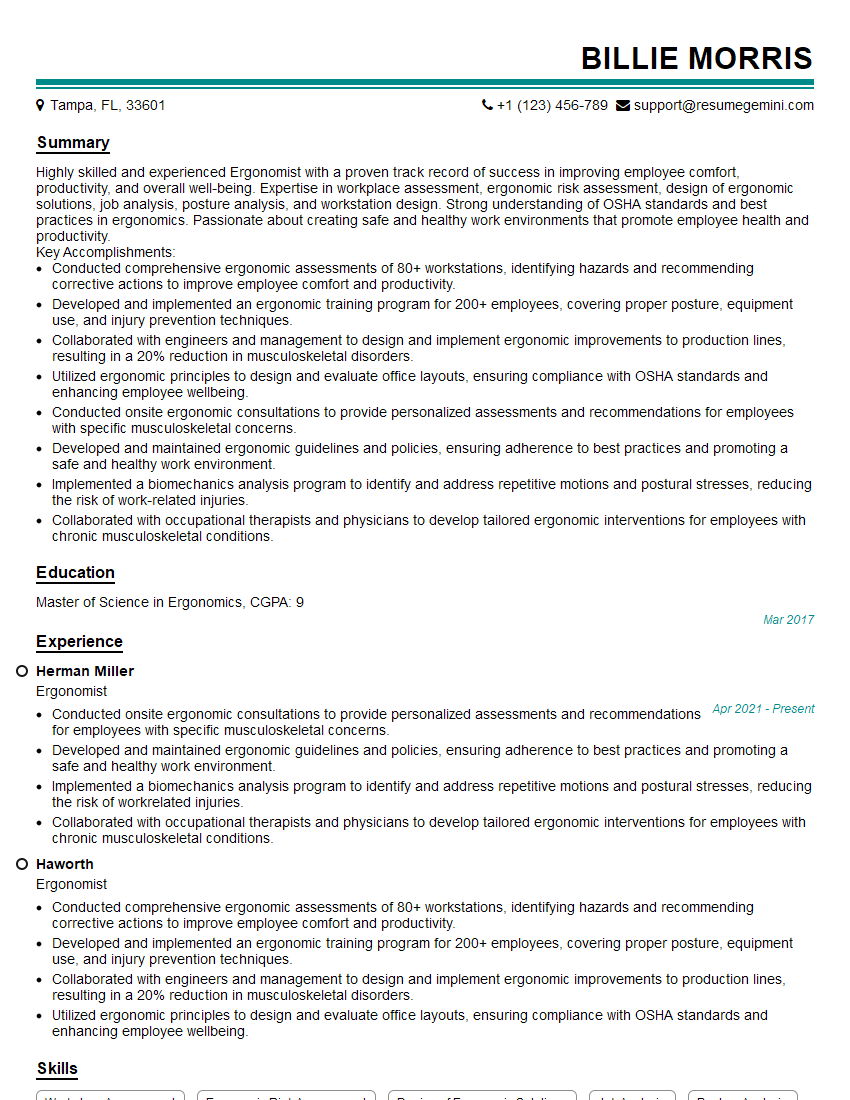
Ergonomist Resume Sample
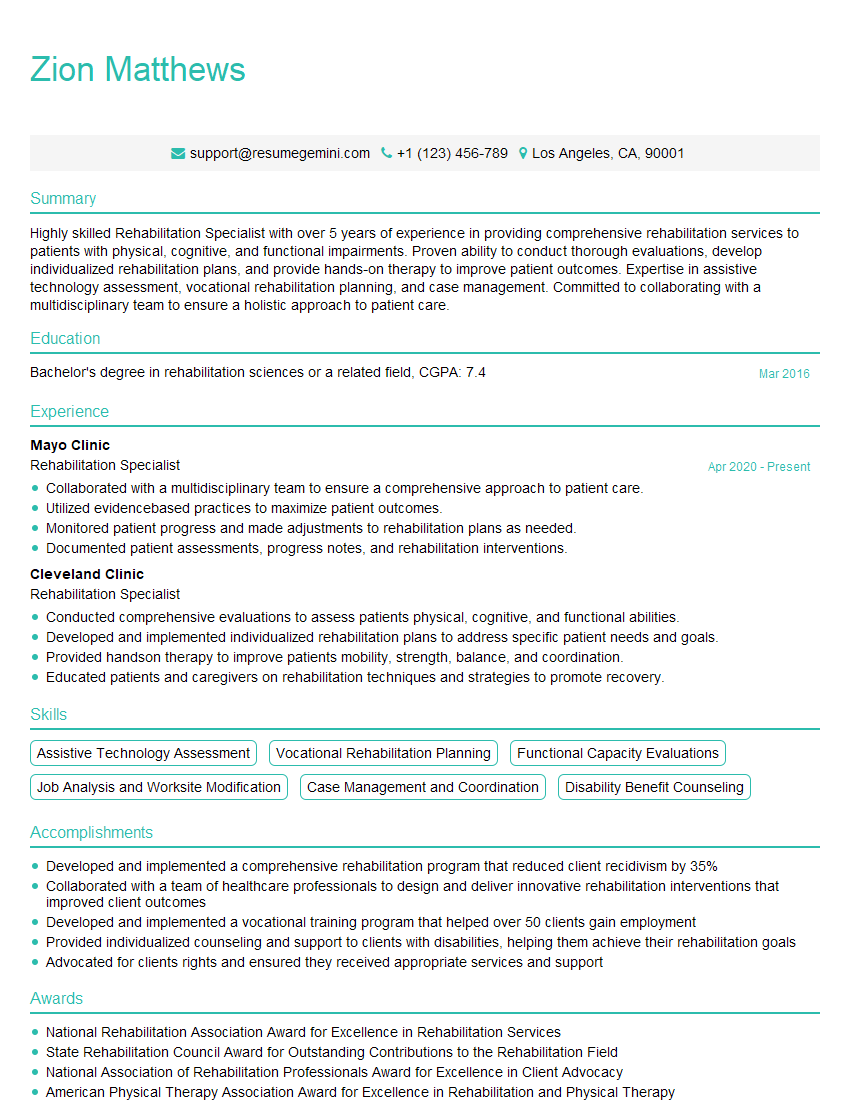
Rehabilitation Specialist Resume Sample
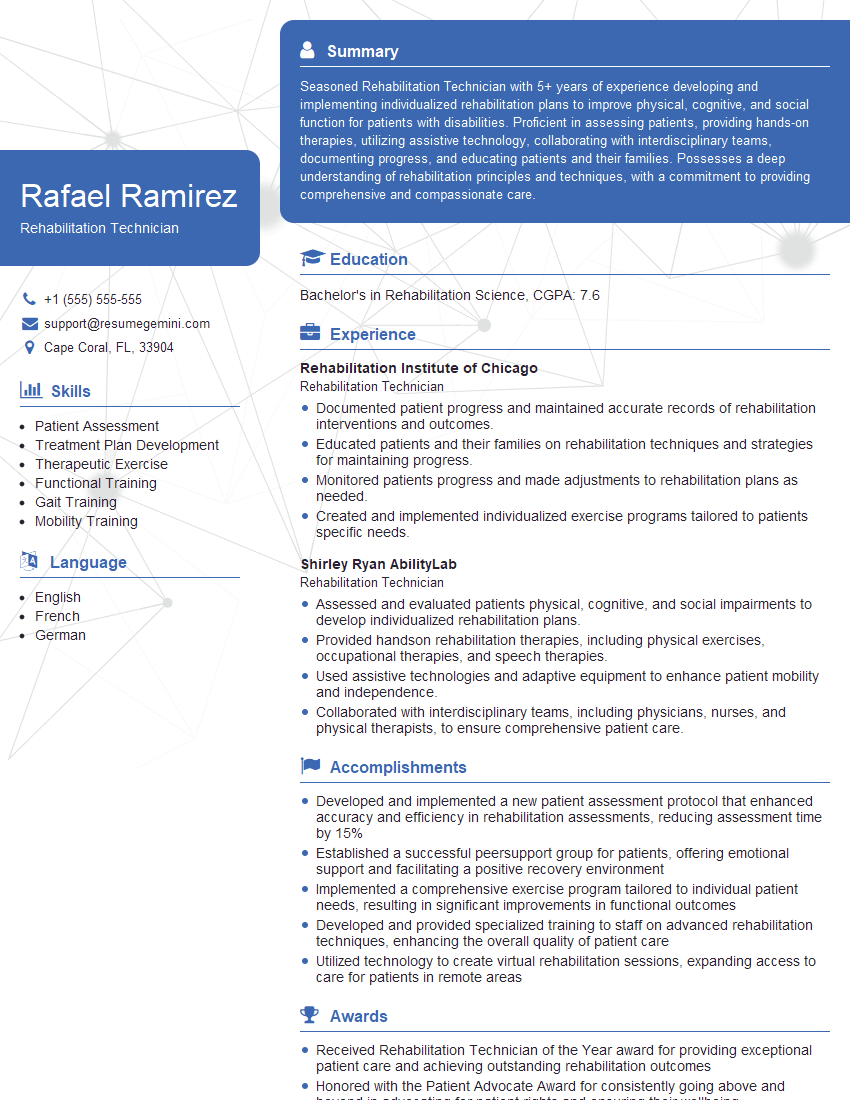
Rehabilitation Technician Resume Sample
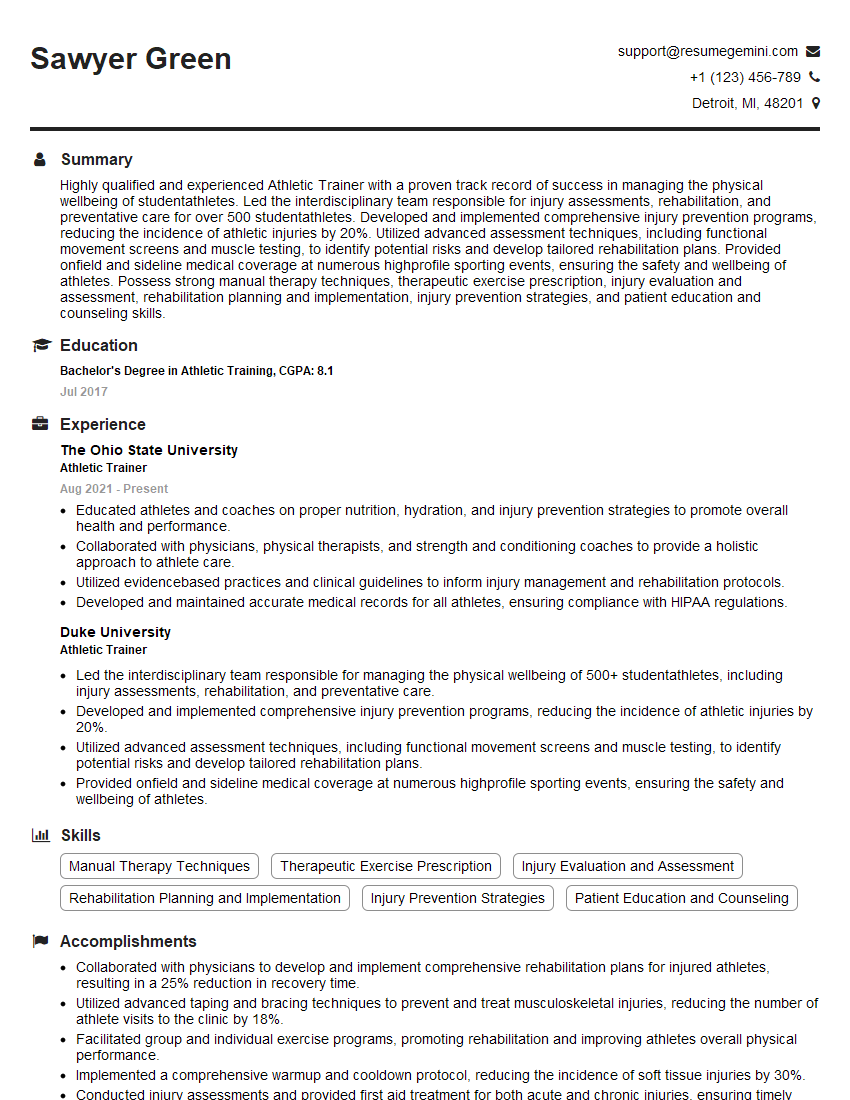
Athletic Trainer Resume Sample
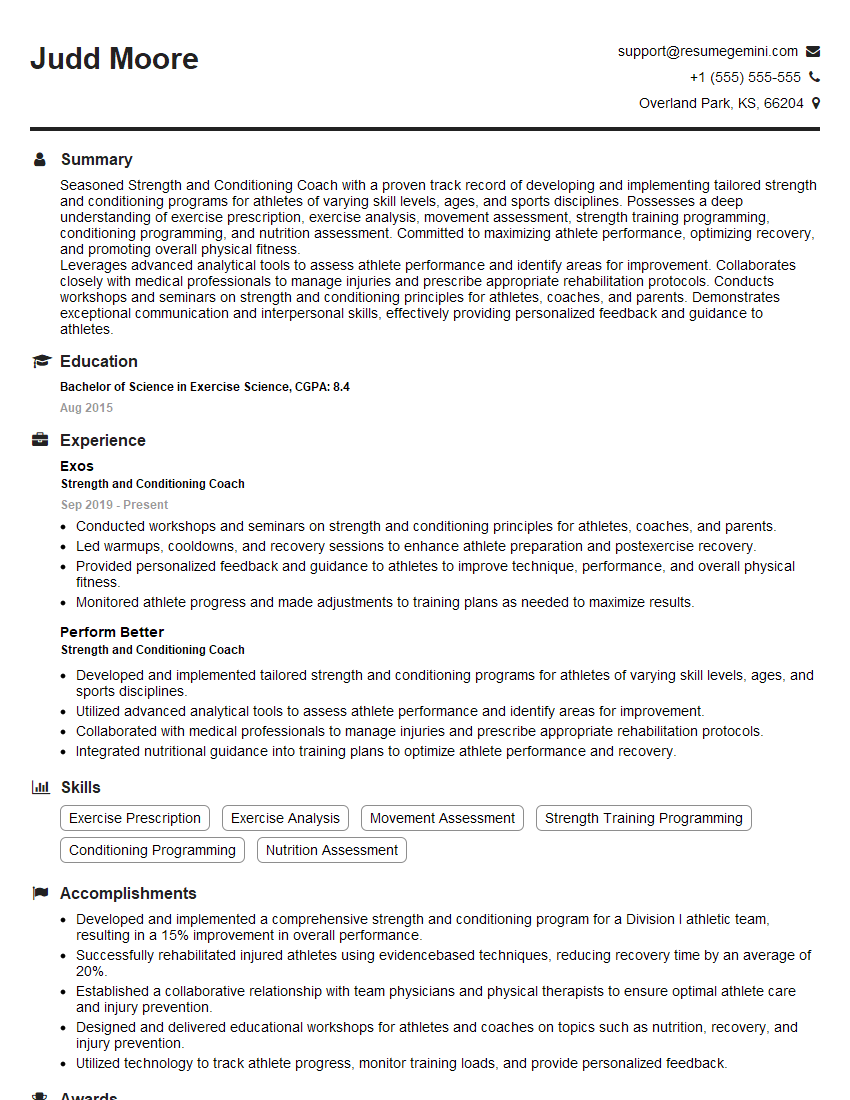
Strength and Conditioning Coach Resume Sample
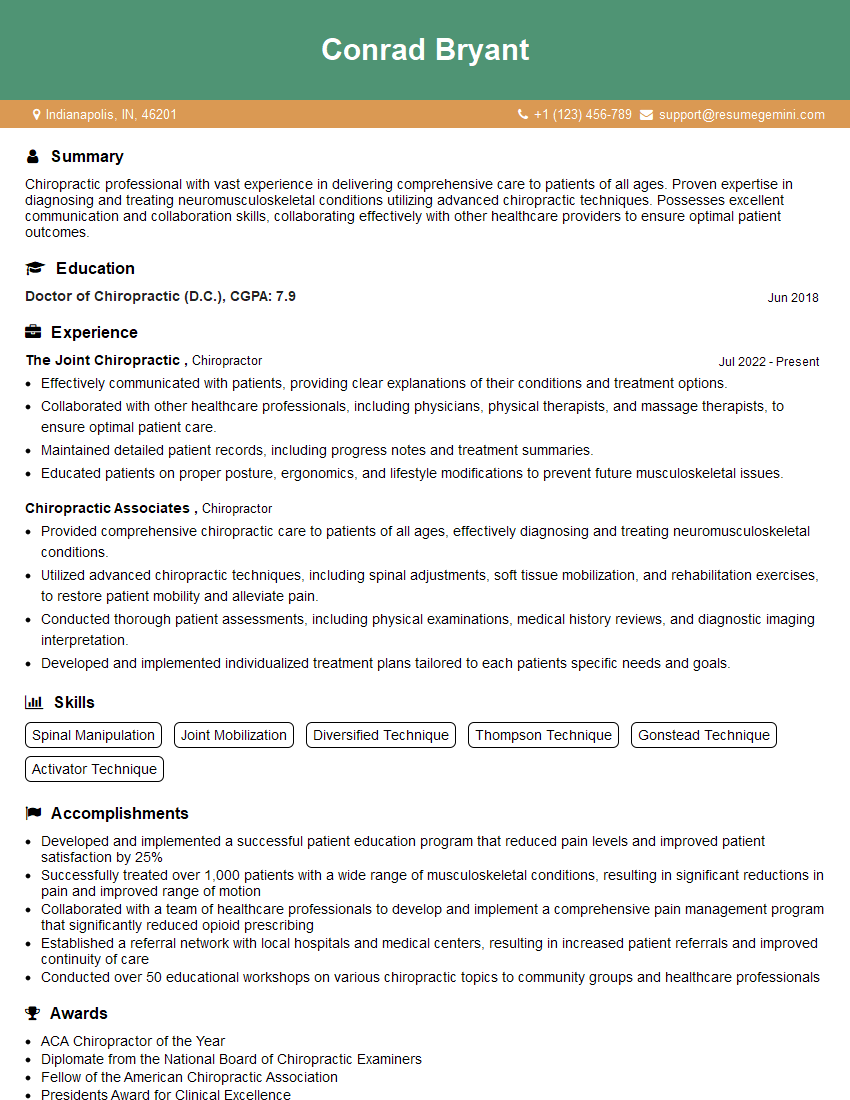
Chiropractor Resume Sample
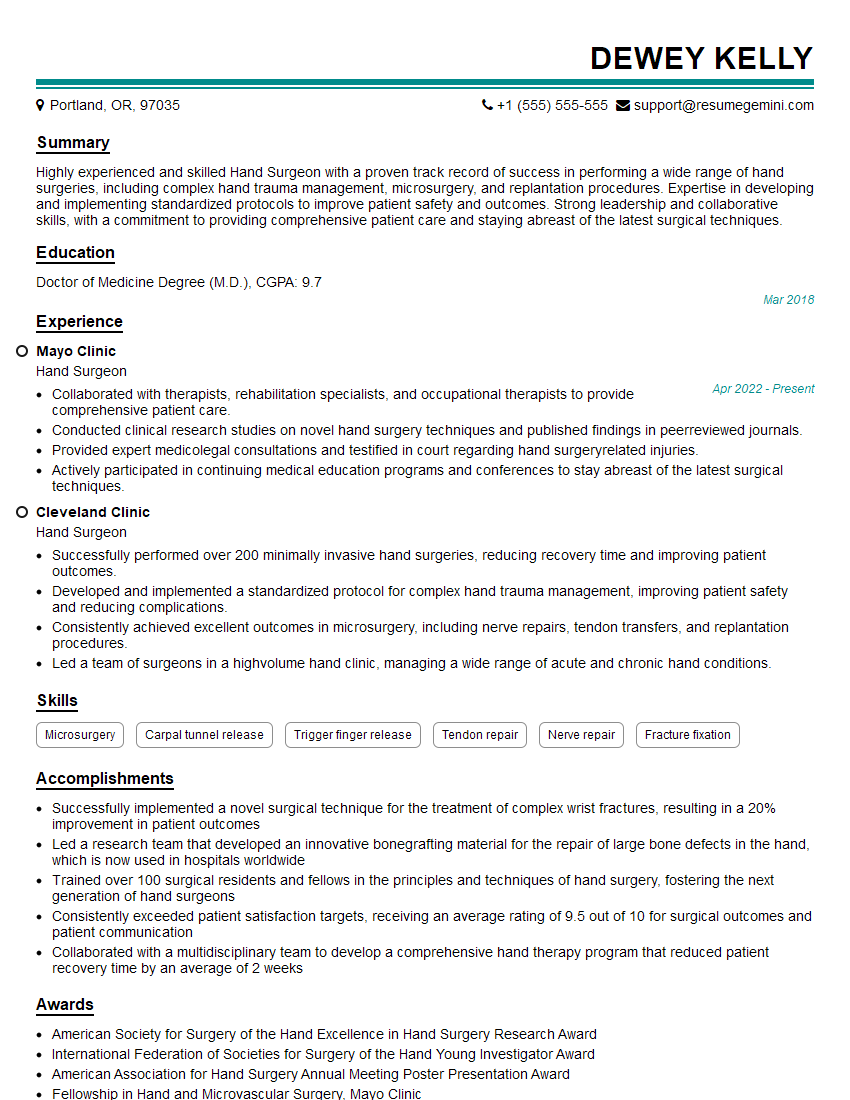
Hand Surgeon Resume Sample
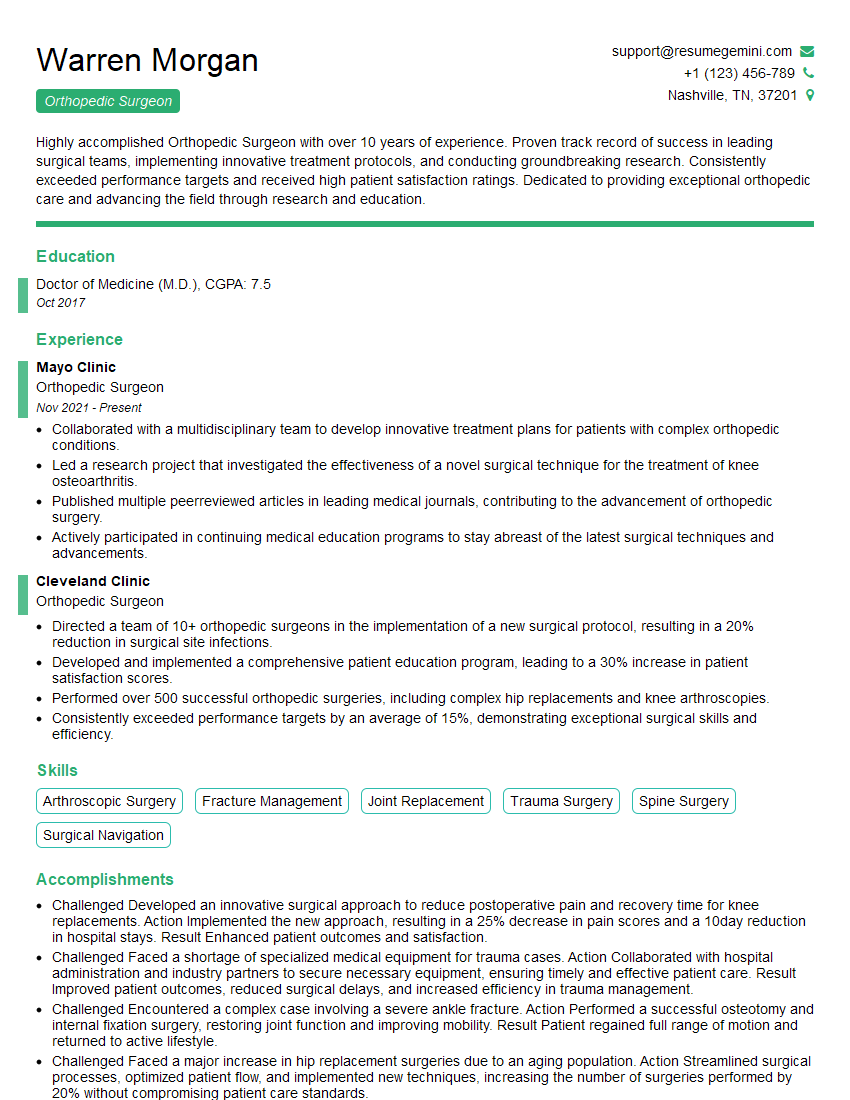
Orthopedic Surgeon Resume Sample
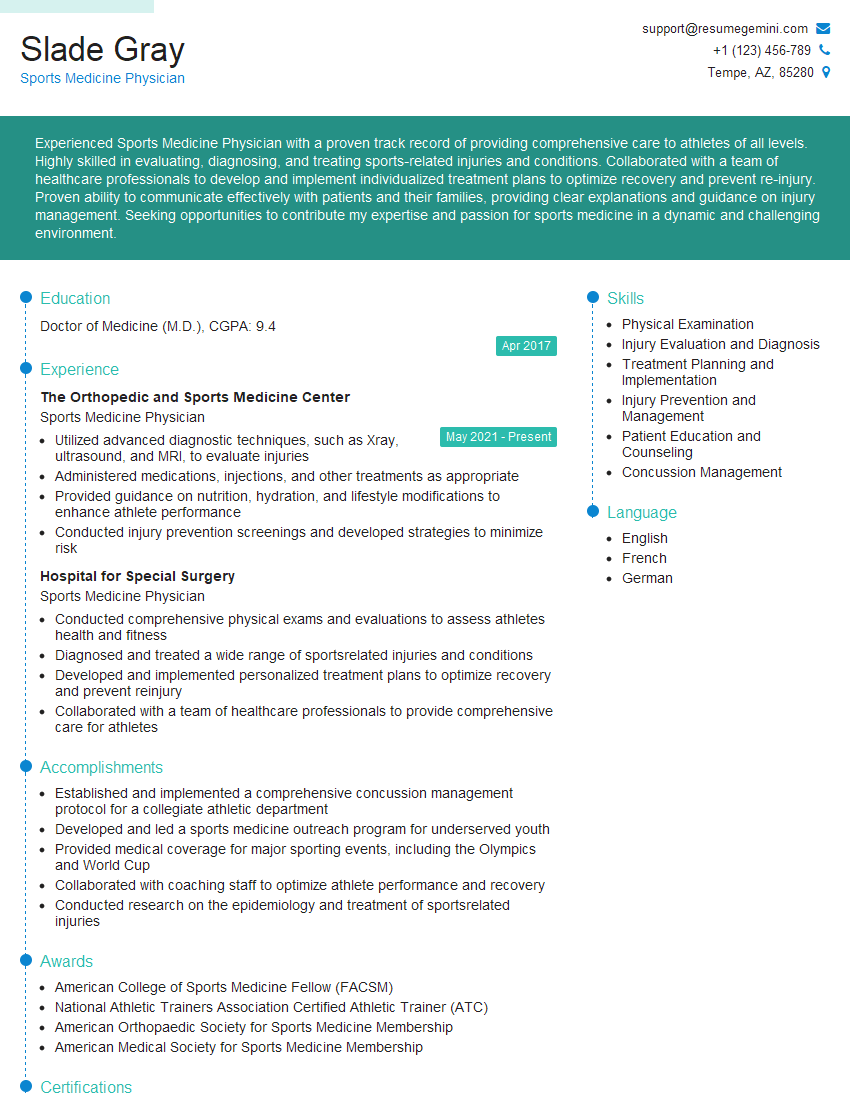
Sports Medicine Physician Resume Sample
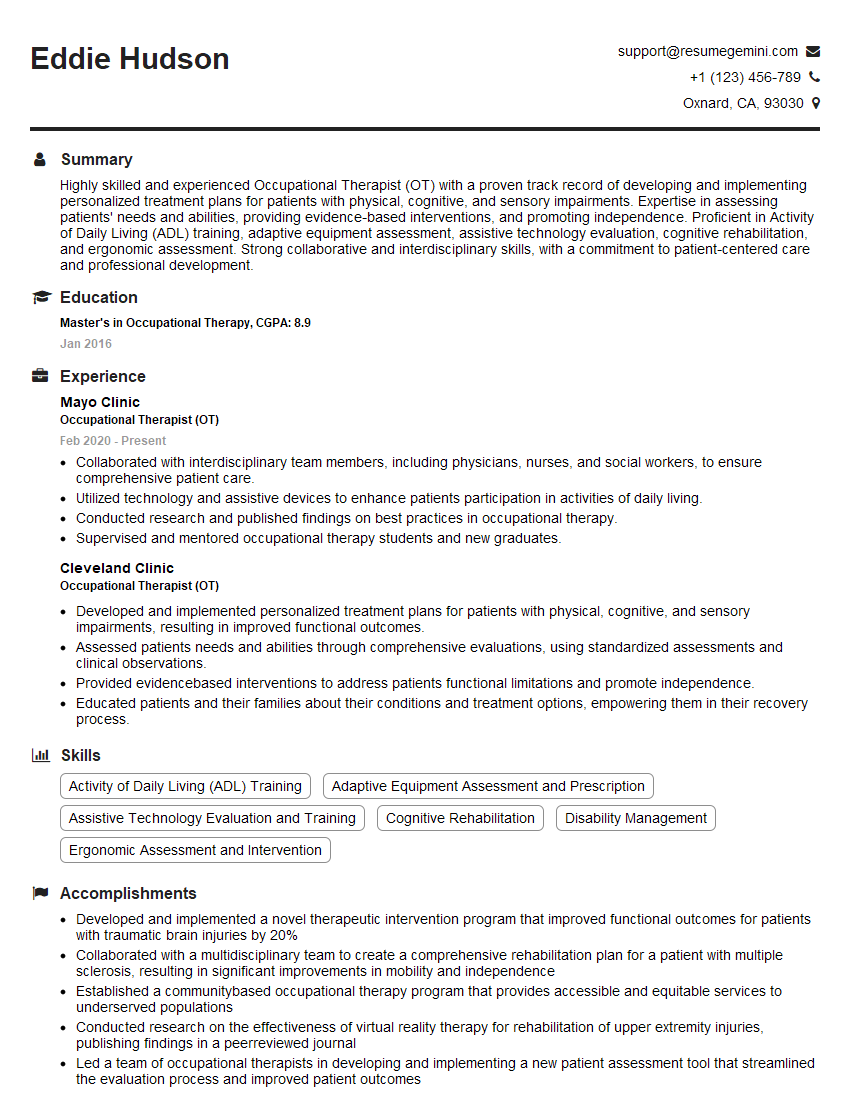
Occupational Therapist (OT) Resume Sample
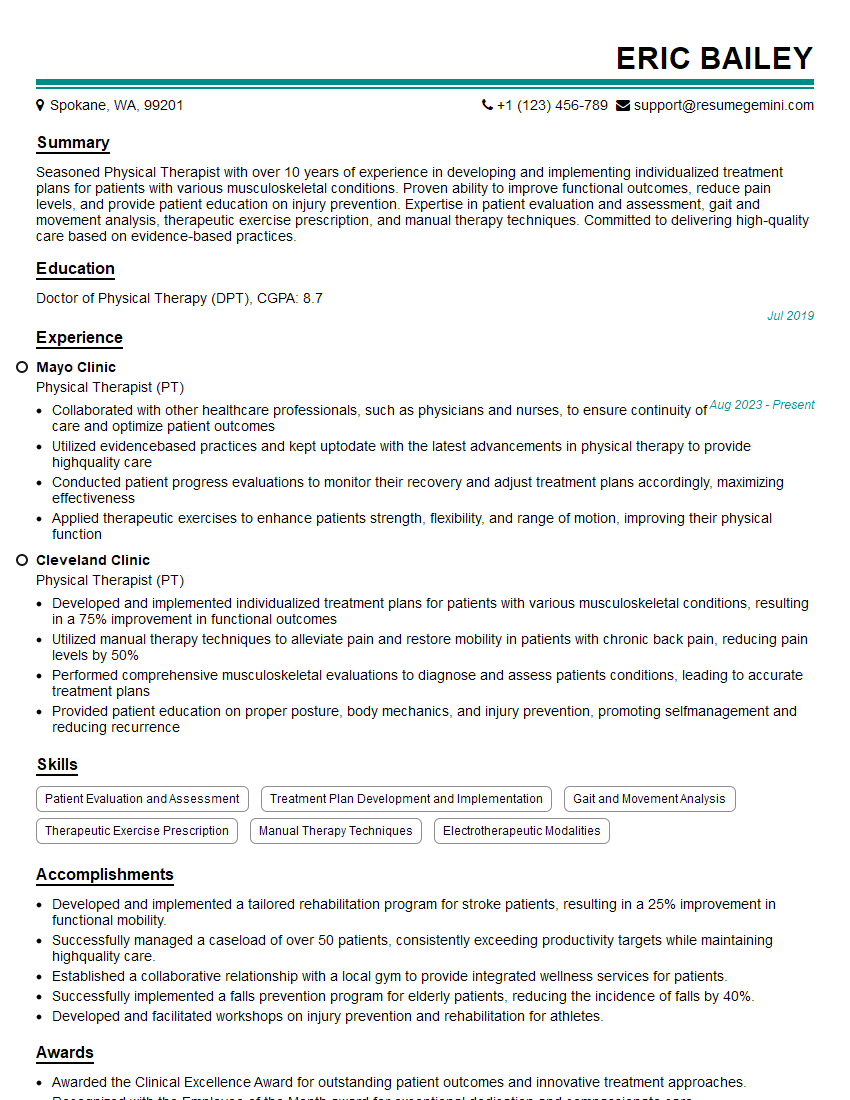
Physical Therapist (PT) Resume Sample
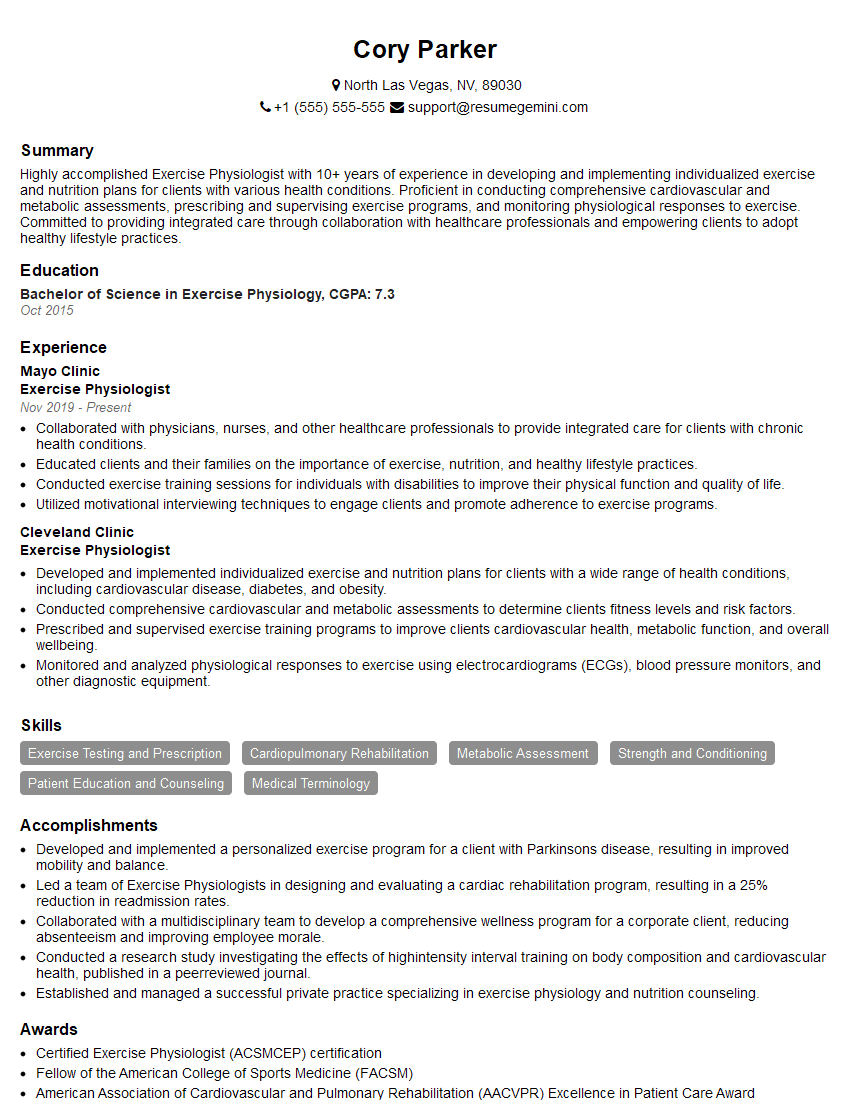
Exercise Physiologist Resume Sample
Explore more articles
Users Rating of Our Blogs
Share Your Experience
We value your feedback! Please rate our content and share your thoughts (optional).
What Readers Say About Our Blog
Very informative content, great job.
good