Feeling uncertain about what to expect in your upcoming interview? We’ve got you covered! This blog highlights the most important Art Exhibition Preparation interview questions and provides actionable advice to help you stand out as the ideal candidate. Let’s pave the way for your success.
Questions Asked in Art Exhibition Preparation Interview
Q 1. Describe your experience with art handling and installation techniques.
Art handling and installation are crucial for preserving artwork and presenting it effectively. My experience encompasses a wide range of techniques, from the careful handling of delicate sculptures to the precise installation of large-scale paintings. This includes understanding the specific needs of different media – for example, the climate control requirements for paintings on canvas versus the structural support needed for heavy bronze sculptures.
I’m proficient in various techniques, such as using appropriate lifting equipment, employing acid-free materials for mounting and framing, and adhering to best practices for preventing damage during transport and placement. I’ve worked with numerous materials, including fragile ceramics, oil paintings, photography, and mixed media installations. For instance, during the installation of a particularly fragile glass sculpture, I oversaw the use of specialized padded crates, climate-controlled vehicles, and a team of experienced art handlers working in tandem to ensure safe transport and installation. My approach prioritizes meticulous planning and careful execution to minimize risk and ensure the artwork’s safety.
- Lifting techniques: Using appropriate equipment such as straps, dollies, and hand trucks to avoid strain or damage.
- Material handling: Understanding the properties of different materials (e.g., the fragility of ceramics, the sensitivity of oil paintings to light) and employing the correct handling procedures.
- Installation methods: Employing appropriate hanging systems, pedestals, and display cases depending on the artwork’s form and size.
Q 2. Explain your process for assessing the condition of artwork before an exhibition.
Assessing the condition of artwork before an exhibition is paramount. It’s a multi-step process that ensures the artwork arrives safely and remains in optimal condition throughout the exhibition. My process typically begins with a thorough visual inspection, noting any existing damage, discoloration, or deterioration. This visual assessment is often complemented by detailed photographic documentation, which serves as a record of the artwork’s condition upon arrival.
Beyond the visual, I often utilize specialized tools and techniques like UV light to detect hidden damage or restoration work. For particularly sensitive works, I might consult with art conservators to gain expert opinions and develop preservation plans. For example, when evaluating a delicate 18th-century watercolor painting, I used a magnifying glass to check for any tears or foxing, and a UV light to detect any previous repairs or over-painting. This detailed assessment guides decisions about appropriate handling, display techniques, and environmental controls throughout the exhibition period. A comprehensive condition report is prepared, detailing all findings and potential risks.
Q 3. How do you prioritize tasks during the busy period leading up to an exhibition opening?
The period leading up to an exhibition opening is always intense. Effective prioritization is crucial. My approach uses a project management framework incorporating a critical path method. This involves identifying key tasks and deadlines, creating a detailed timeline, and assigning responsibilities. I leverage tools like Gantt charts to visualize the project’s progress and identify potential bottlenecks.
High-priority tasks, such as artwork transport, installation, and crucial security measures, naturally take precedence. I regularly update my timeline and communicate changes to the team. Flexibility is key – unexpected delays or issues might require adjusting the schedule on the fly. For example, if a crucial piece of equipment fails, I’ll immediately work to source a replacement and reschedule related tasks accordingly. Regular team meetings and clear communication are essential for managing workflow and keeping everyone informed.
Q 4. What software or tools do you use to manage exhibition logistics?
Managing exhibition logistics requires robust software and tools. I use a combination of tools depending on the project’s scale and specific requirements. For example, project management software such as Asana or Trello helps track tasks, deadlines, and team assignments. Spreadsheet software like Google Sheets or Microsoft Excel are invaluable for budgeting, inventory management, and creating detailed packing lists.
Specialized databases, depending on the institution, may be used to manage artwork details, condition reports, and insurance information. For communication, I rely on email, project management software’s built-in communication features, and video conferencing. The specific tools employed are selected based on the specific needs of the project but the core aim is consistent efficient tracking, communication and documentation.
Q 5. Describe your experience with creating and managing exhibition budgets.
Creating and managing exhibition budgets requires meticulous planning and attention to detail. I begin by thoroughly estimating all costs associated with the exhibition, from artwork transport and insurance to printing, marketing, and staff time. This initial budget is presented in a clear and detailed format, often using spreadsheet software. It will outline anticipated costs for each category and any potential contingencies.
Throughout the exhibition preparation, I track expenses against the budget, regularly reviewing spending to ensure we remain on track. If unexpected costs arise (for example, urgent artwork repairs), I’ll propose adjustments to the budget and seek approval from the relevant stakeholders. Transparency and proactive communication are key to maintaining budgetary control and preventing overspending.
Q 6. How do you ensure the safety and security of artwork during transport and installation?
Ensuring the safety and security of artwork is my top priority. This begins with proper packing and handling during transport. I use custom-made crates and specialized packing materials designed to protect artwork from shocks, vibrations, and environmental changes. Artwork is insured for the duration of transport and the exhibition using reputable insurers. Climate-controlled vehicles are always used to transport sensitive pieces.
During installation, the environment is carefully monitored to maintain appropriate temperature and humidity levels. Security measures, including alarm systems, surveillance cameras, and security personnel, are deployed as needed, depending on the value and vulnerability of the artwork. The gallery or museum’s existing security infrastructure is integrated with our exhibition-specific precautions. Regular checks are performed throughout the exhibition to ensure the continued safety of the pieces.
Q 7. What is your experience with different types of display cases and their appropriate use?
I’m familiar with various display cases and their appropriate uses. The choice depends largely on the artwork’s nature and the desired presentation. For example, airtight, UV-filtering cases are essential for preserving light-sensitive materials like photographs or watercolors. These cases often have climate control to maintain a stable environment.
Simple, clear acrylic cases are suitable for showcasing three-dimensional objects, offering unobstructed views. Cases with internal lighting might be used to highlight specific features of an artwork. For larger, less delicate pieces, sturdy plinths or free-standing display systems may suffice. Choosing the correct display method requires considering not only the artwork’s physical characteristics but also the exhibition’s overall design and curatorial goals. Improper display can risk damage and diminish presentation, so careful selection is crucial.
Q 8. Explain your process for working with artists and curators during exhibition preparation.
Collaboration with artists and curators is the cornerstone of successful exhibition preparation. It’s a multifaceted process requiring clear communication, mutual respect, and a shared vision. My approach begins with initial meetings to understand the artistic concept, the curator’s thematic goals, and the artist’s preferences regarding presentation. We discuss logistical aspects like artwork dimensions, handling requirements, and desired placement. Throughout the process, I act as a facilitator, ensuring open dialogue and addressing concerns proactively. For example, in a recent exhibition featuring delicate glass sculptures, I worked closely with the artist to develop a custom installation system that minimized risk of damage during transport and handling, while also showcasing the pieces effectively. This included designing bespoke plinths and employing vibration-dampening materials. Regular progress meetings and detailed documentation ensure everyone remains informed and any changes are addressed promptly. I find that fostering a collaborative environment generates creative solutions and anticipates potential challenges.
Q 9. How do you manage potential conflicts or delays during the installation process?
Managing conflicts and delays requires proactive planning and a flexible approach. A detailed project timeline with clearly defined milestones is crucial. Potential issues are identified and mitigation strategies are developed upfront, such as securing backup materials or having alternate installation crews on standby. For example, if a specific type of lighting is unavailable due to a delay, we would research suitable alternatives and get the artist’s approval before proceeding. Open communication amongst the entire team—artists, curators, installers, technicians—is essential. Regular check-ins allow for early identification of problems. Should conflicts arise (e.g., differing opinions on artwork placement), I facilitate constructive discussions, ensuring everyone’s perspective is heard and a compromise that respects the artistic vision while being logistically feasible is reached. Detailed documentation of decisions and changes ensures transparency and accountability.
Q 10. Describe your experience with lighting design and its impact on artwork presentation.
Lighting design is paramount in artwork presentation, profoundly affecting the viewer’s experience and the perception of the art. My experience encompasses both technical and artistic aspects. I work closely with lighting designers or, if necessary, design the lighting myself, taking into account the artwork’s material, color, and texture. For instance, a painting with rich, dark hues might require strategically placed spotlights to highlight details and texture without overwhelming the piece. Conversely, a delicate watercolor might necessitate softer, diffused light to avoid harsh shadows. We consider the overall ambiance of the exhibition space, ensuring the lighting complements the overall aesthetic. I’ve also worked with various lighting technologies, from traditional halogen spotlights to LED systems allowing for precise color temperature and intensity control. Understanding the impact of lighting on color rendition and the prevention of light damage to sensitive works is crucial. In some cases, UV filtration is implemented to protect artwork from fading.
Q 11. What is your understanding of conservation ethics in relation to exhibition preparation?
Conservation ethics are central to my work. It’s about safeguarding the artwork’s integrity and longevity. This involves adhering to strict handling procedures, using archival-quality materials (e.g., acid-free mats and framing), and implementing environmental controls (discussed further in the next answer). Before installation, a thorough assessment of each artwork’s condition is conducted, documenting any existing damage. This helps us develop a handling plan that minimizes risk during transport, installation, and the exhibition’s duration. We avoid direct contact with artwork whenever possible, using appropriate gloves and supports. Proper storage and climate control during the exhibition and any subsequent transport are equally critical to prevent damage. My experience includes working with conservators to address delicate works and employing specialized mounting and display techniques to ensure minimal stress on the artwork.
Q 12. How do you address concerns related to environmental factors, like temperature and humidity, in an exhibition?
Environmental factors like temperature and humidity are significant threats to artwork. Fluctuations can cause warping, cracking, fading, and pest infestation. I always prioritize creating a stable and controlled environment within the exhibition space. This involves using specialized climate control systems (HVAC) to maintain consistent temperature and relative humidity levels appropriate for the artworks on display. The ideal parameters vary depending on the materials—paintings, sculptures, textiles—and are determined in consultation with conservators and, when possible, the artists. Detailed monitoring systems are often implemented to track these conditions continuously, ensuring any deviations are promptly addressed. For example, in an exhibition featuring historic textiles, we employed dehumidifiers to ensure a stable, low-humidity environment to prevent mold growth. Proper ventilation and air filtration systems are also essential to minimize dust and pollutants, which can damage artwork over time.
Q 13. What experience do you have with the installation of large-scale artworks?
I have extensive experience installing large-scale artworks, requiring specialized skills and planning. This often involves collaboration with engineers, rigging specialists, and transportation companies. The process begins with meticulous planning, including detailed drawings and risk assessments. Structural considerations are paramount to ensure the artwork’s stability and safety within the exhibition space. We may need to reinforce floors, walls, or ceilings depending on the artwork’s weight and dimensions. For example, installing a massive kinetic sculpture involved working with structural engineers to ensure the supporting structure could handle the artwork’s weight and movement. Safe handling and installation techniques are critical; this frequently includes employing specialized lifting equipment, cranes, or other machinery to move the artwork into place with precision and care. Detailed documentation throughout the process—from transportation to final installation—is key to ensuring accountability and safety.
Q 14. Describe your experience with creating labels and wall text for an exhibition.
Creating engaging and informative labels and wall text is crucial for enhancing the visitor experience and conveying the artistic context. My approach is to work closely with the curators to develop content that is accurate, accessible, and engaging for a diverse audience. We strive for clarity, avoiding jargon and overly technical language. The language used will depend on the target audience – a children’s exhibition would differ greatly from a specialist art historical one. The design should complement the overall aesthetic of the exhibition. I consider aspects like font choice, size, and placement to ensure readability and visual appeal. For instance, in a recent exhibition featuring contemporary photography, we used a clean, modern sans-serif font for the wall text and incorporated high-quality images alongside the written information. We also ensured that labels were large enough to be read easily from a distance, and were strategically placed to avoid obstructing the artwork. Multilingual options are considered when necessary to cater to broader audiences.
Q 15. How do you ensure accessibility for all visitors in an exhibition space?
Ensuring accessibility for all visitors is paramount in exhibition design. It’s not just about compliance; it’s about creating an inclusive experience. My approach is multifaceted, beginning with careful consideration of the physical space and extending to the information provided.
- Physical Access: This includes ramps and elevators for wheelchair users, wide walkways to accommodate those with mobility aids, and clearly marked accessible restrooms. I also ensure sufficient space for maneuvering wheelchairs and other assistive devices.
- Sensory Considerations: For visitors with visual or auditory impairments, we provide audio descriptions of artwork, tactile models for the visually impaired, and transcripts of any audio components. We also minimize distracting sounds and ensure appropriate lighting levels.
- Information Accessibility: All exhibition text is provided in large print and Braille, and we use clear, simple language avoiding jargon. We also offer multilingual signage and audio guides. Accessible website and online resources are a key part of our outreach.
- Quiet Zones: For visitors who are sensitive to sensory overload, we designate quiet zones or areas where the noise level is significantly reduced.
For example, in a recent exhibition, we collaborated with a local organization for the visually impaired to develop tactile models of key sculptures, ensuring a truly inclusive experience for all attendees.
Career Expert Tips:
- Ace those interviews! Prepare effectively by reviewing the Top 50 Most Common Interview Questions on ResumeGemini.
- Navigate your job search with confidence! Explore a wide range of Career Tips on ResumeGemini. Learn about common challenges and recommendations to overcome them.
- Craft the perfect resume! Master the Art of Resume Writing with ResumeGemini’s guide. Showcase your unique qualifications and achievements effectively.
- Don’t miss out on holiday savings! Build your dream resume with ResumeGemini’s ATS optimized templates.
Q 16. What is your experience with working with fragile or delicate artworks?
Working with fragile and delicate artworks demands meticulous planning and execution. My experience includes handling everything from ancient ceramics to contemporary glass sculptures. It’s a process that starts long before the artwork even arrives at the venue.
- Pre-installation assessment: Before transport, I meticulously assess each artwork’s condition, noting any existing damage or vulnerabilities. This informs the handling and installation procedures. We often request high-resolution images and detailed condition reports from lenders.
- Specialized Handling: We use appropriate materials – acid-free tissue paper, cotton gloves, custom-made crates, and climate-controlled transport – to minimize risk. Only trained personnel handle these works, and every step is documented.
- Environmental Control: In the exhibition space, we monitor temperature and humidity levels rigorously to maintain a stable climate suitable for the artwork’s preservation. This is especially important for works sensitive to light exposure, where controlled lighting is essential.
- Installation Procedure: The installation is a slow and carefully choreographed process. We use specialized mounting techniques, like cradles for sculptures or custom frames for paintings, chosen for optimal support and stability.
For instance, when installing a collection of 18th-century porcelain, we used custom-made foam inserts within climate-controlled crates, employed acid-free gloves throughout the handling, and installed each piece on individually designed mounts to minimize pressure points.
Q 17. Explain your process for documenting the installation and de-installation of an exhibition.
Detailed documentation is critical for insurance, archival purposes, and future reference. My process involves both physical and digital documentation at every stage.
- Photography: Before, during, and after installation, high-resolution photographs are taken. These capture the artwork’s condition, installation process, and any changes to the environment. Detailed close-ups of any existing damage or repairs are also crucial.
- Condition Reports: Before and after the exhibition, comprehensive condition reports are generated. These document the artwork’s condition, any incidents, and any necessary interventions.
- Installation Drawings and Plans: We create detailed plans showing the precise location of each artwork, lighting specifications, and any specialized mounts or supports. This information is cross-referenced with inventory lists.
- Digital Database: All information – photos, condition reports, installation drawings, and inventory details – is stored digitally in a secure, accessible database. This database also tracks the artwork’s journey from arrival to return.
This system not only protects the artwork but also allows us to replicate the installation successfully for any future exhibitions or research purposes.
Q 18. Describe your experience with risk assessment and mitigation in an exhibition context.
Risk assessment is an integral part of exhibition planning, aiming to identify and minimize potential hazards. This includes environmental risks (temperature fluctuations, light damage), security risks (theft, vandalism), and physical risks (damage during handling or installation).
- Hazard Identification: We conduct a thorough risk assessment, considering all aspects of the exhibition, from the artwork itself to the physical space and security arrangements. This process often involves consultations with conservators, security experts, and other relevant professionals.
- Risk Mitigation: Based on the assessment, we develop mitigation strategies. This could involve implementing environmental controls, enhancing security measures (CCTV, alarms, security personnel), using specialized handling techniques, or establishing clear emergency procedures.
- Insurance and Contingency Planning: We work closely with insurers to ensure adequate coverage. This is crucial in mitigating the financial consequences of unexpected damage or loss. Contingency plans address potential problems, like power outages or security breaches, ensuring business continuity.
- Regular Monitoring and Review: Throughout the exhibition, we continually monitor the environment and security systems. Regular inspections help identify potential issues before they escalate. We review the risk assessment and mitigation strategies throughout, adapting them as needed.
For example, in a high-value exhibition, we implemented a multi-layered security system, including motion sensors, CCTV, and 24-hour security guards, along with an evacuation plan in case of emergency.
Q 19. What is your experience with different framing and mounting techniques?
My experience encompasses a wide range of framing and mounting techniques, tailored to the specific needs of the artwork. The choice depends on the artwork’s material, size, fragility, and intended display.
- Framing: I’m familiar with various framing materials, from traditional wood to conservation-grade materials like aluminum and archival mat boards. The choice depends on the artwork and its preservation needs. Conservation framing minimizes risk of damage from pressure or acidity.
- Mounting: Mounting techniques vary greatly depending on the artwork’s format. We use methods such as hinging (for delicate papers), cradling (for canvas paintings), and custom supports (for sculptures) to ensure secure and stable display without causing damage. Acid-free materials are always prioritized.
- Hardware: Selecting appropriate hanging hardware is crucial. This includes the correct type and weight capacity of wire, hooks, and other fittings. We carefully consider the wall type and load-bearing capacity when planning the installation.
- Preservation Considerations: All materials used – from frames to mounts to adhesives – are chosen for their archival qualities, ensuring long-term preservation of the artwork.
For instance, when mounting a series of large-format photographs, we used museum-grade archival materials, custom-built cradles for added support, and UV-filtering acrylic to protect them from light damage.
Q 20. How do you maintain clear communication and coordination amongst your team members?
Clear communication and coordination are vital for a successful exhibition. My approach relies on proactive communication strategies and established protocols.
- Pre-Exhibition Meetings: We hold regular meetings before, during, and after the exhibition to discuss logistics, timelines, and potential challenges. This creates a shared understanding and allows for collaborative problem-solving.
- Project Management Software: We utilize project management software (e.g., Asana, Trello) to track tasks, deadlines, and progress. This centralizes information, promoting transparency and accountability.
- Dedicated Communication Channels: We use various communication channels such as email, instant messaging, and regular team meetings to ensure prompt and efficient exchange of information. This is especially important for addressing any urgent issues that may arise during installation or the exhibition’s run.
- Roles and Responsibilities: Each team member has clearly defined roles and responsibilities. This prevents duplication of effort and ensures everyone is accountable for their tasks. A detailed task allocation chart helps maintain order and efficiency.
For example, using project management software, we track all aspects of the exhibition—from artwork arrival to de-installation—creating a clear and accessible record for the entire team.
Q 21. Describe a time you had to solve a complex problem related to artwork installation.
During the installation of a contemporary sculpture made from highly sensitive resin, we encountered a problem: the piece was significantly heavier than anticipated, and the planned mounting system was insufficient. The original design risked irreversible damage to the artwork.
The initial solution proposed by the artist was deemed too risky by our team. We needed a new strategy, and quickly. I collaborated with the artist, our structural engineer, and the installation team. We systematically explored alternatives, considering different mounting systems and structural supports. After carefully assessing the sculpture’s weight distribution and structural integrity, we developed a new support system using reinforced steel cables, and a custom-made cradle. This ensured both the integrity of the artwork and the safety of our team.
This experience underscored the importance of thorough planning and flexibility. It also highlighted the value of teamwork and collaboration in resolving unexpected challenges in a timely and effective manner.
Q 22. How do you manage your time effectively to meet tight deadlines?
Effective time management in art exhibition preparation is crucial for meeting tight deadlines. Think of it like conducting an orchestra – every instrument (task) needs to be coordinated precisely. My approach is threefold: meticulous planning, prioritization, and proactive communication.
Planning: I begin with a detailed project timeline, breaking down the entire process into smaller, manageable tasks. This includes everything from securing artwork to installing lighting, with specific deadlines for each step. I utilize project management software to visually track progress and identify potential bottlenecks.
Prioritization: Using methods like the Eisenhower Matrix (urgent/important), I prioritize tasks to ensure that critical activities are completed first. For example, securing insurance for valuable artwork takes precedence over finalizing the exhibition catalogue.
Communication: Open and consistent communication with the curator, artists, installers, and venue staff is vital. Regular updates and early identification of potential delays allow for proactive problem-solving. A weekly progress report to all stakeholders ensures everyone remains informed and aligned.
For instance, during a recent exhibition, I used a Gantt chart to visualize the project timeline. This helped in identifying a potential conflict between the artwork delivery and the venue’s availability. By proactively communicating this to all parties, we managed to reschedule the delivery and avoid a significant delay.
Q 23. What is your understanding of copyright and licensing in relation to exhibiting artwork?
Copyright and licensing are paramount in exhibiting artwork. It’s like obtaining permission before using someone else’s song in your film – you need their consent. I ensure compliance through diligent research and clear contractual agreements.
Understanding Copyright: Copyright protects the artist’s work from unauthorized reproduction, display, and distribution. This includes physical reproductions like prints, but also digital uses like online exhibition catalogues.
Securing Licenses: Before exhibiting any artwork, I obtain written permission from the artist or copyright holder. This license specifies the permitted use (e.g., exhibition display, reproduction in the catalogue), the duration, and any associated fees.
Documentation: I maintain meticulous records of all copyright permissions, including copies of signed licenses and communication with artists or their representatives. This is critical for legal protection and transparency.
In a recent exhibition, we had to secure multiple licenses for works of different artists. We created a spreadsheet to track the permissions, ensuring every artwork’s legal requirements were fulfilled before the exhibition opened.
Q 24. Describe your experience with working with different types of materials used in exhibition design.
My experience spans a wide range of materials in exhibition design – from traditional to cutting-edge technologies. Each material demands a unique approach to handling, display, and preservation.
Traditional Materials: I’ve worked extensively with canvases, sculptures (wood, stone, metal), photographs (prints and digital), and drawings on various papers. The focus here is on proper framing, mounting, and environmental control to prevent damage.
Digital Media: Increasingly, exhibitions incorporate digital art, video installations, and interactive displays. This requires expertise in media players, projectors, screens, and software, ensuring seamless technical functionality.
Mixed Media: Many contemporary exhibitions utilize mixed media installations. I have experience working with installations involving light, sound, performance elements, requiring close coordination with technicians and artists.
For example, in one exhibition, we combined large-scale photography prints with interactive touchscreens displaying artist statements and biographical information. This required collaboration with both print specialists and digital media technicians to ensure a unified presentation.
Q 25. How do you stay up-to-date with best practices in art exhibition preparation?
Staying current in art exhibition best practices is a continuous process – like a gardener nurturing their plants. I stay updated through several methods:
Professional Conferences and Workshops: Attending conferences such as those hosted by museum associations offers insights into current trends and innovations in exhibition design and management.
Industry Publications and Journals: I regularly read publications dedicated to museum studies, art conservation, and exhibition design to stay abreast of new materials, technologies, and best practices.
Networking: Engaging with colleagues through professional networks and attending gallery openings facilitates the exchange of knowledge and experiences.
Online Resources: I leverage online resources, such as museum websites and articles, to learn about successful exhibitions and innovative approaches.
For instance, recently, I learned about a new, environmentally friendly framing material at a museum conference, which I’m now considering for future exhibitions.
Q 26. What are some common challenges you face during exhibition preparation and how do you overcome them?
Exhibition preparation presents various challenges. Think of it as navigating a complex maze. However, with preparation and adaptability, these obstacles can be overcome.
Logistics: Managing the logistics of transporting, handling, and storing artwork is often complex. To mitigate this, I work with reputable art handlers and develop detailed transport plans.
Budget Constraints: Working within a limited budget requires careful planning and resource allocation. Prioritizing essential elements and finding cost-effective solutions are key strategies.
Technical Issues: Unexpected technical problems with lighting, sound, or digital displays can arise. Having backup plans and skilled technicians on hand is crucial.
Unforeseen Circumstances: Delays in artwork delivery or unforeseen damage are always a possibility. Proactive communication and contingency plans are essential.
In one instance, a significant storm delayed artwork delivery. By communicating promptly with the artists and the venue, and by having a backup plan in place (holding a small preview event), we managed to mitigate the negative impact on the exhibition’s opening.
Q 27. How do you ensure the exhibition design aligns with the curator’s vision?
Aligning the exhibition design with the curator’s vision is fundamental. It’s like translating a composer’s musical score into a captivating performance – the design must faithfully represent the artistic intent. I achieve this through collaborative work, open communication, and iterative design processes.
Initial Consultations: Detailed discussions with the curator at the initial stages of the project are critical to understanding their vision and the overarching themes of the exhibition.
Concept Development: I develop initial design concepts based on these discussions, incorporating relevant feedback and iterating on these designs until a shared understanding is reached.
Mood Boards and Sketches: I often use visual aids like mood boards and preliminary sketches to help the curator visualize the exhibition space and design elements.
Ongoing Collaboration: Throughout the process, I maintain open lines of communication with the curator, ensuring their vision is maintained and adapting to any changes as needed.
For example, in a recent exhibition focusing on environmental themes, I worked closely with the curator to incorporate sustainable materials and lighting solutions, reflecting the exhibition’s message in the design itself.
Q 28. Describe your experience with post-exhibition deinstallation and artwork return.
Post-exhibition deinstallation and artwork return are critical for ensuring the safe return of artwork to artists. This process is akin to carefully packing away delicate instruments after a concert – it requires precision and care.
Documentation: Thorough documentation of the artwork’s condition before, during, and after the exhibition is crucial. This includes photography and detailed notes.
Packing and Handling: Artwork is carefully packed using appropriate materials and techniques, tailored to each individual piece’s fragility and dimensions. Professional art handlers are utilized for large or delicate works.
Transportation: Secure transportation arrangements are made, coordinating with art handlers and the artists or their representatives.
Communication: Clear and timely communication with artists regarding the deinstallation schedule and artwork return is maintained.
In one exhibition involving several large sculptures, we carefully documented their condition before dismantling, using high-resolution photography and detailed written descriptions. This meticulous approach ensured the safe return of all artwork to the artists without any damage or loss.
Key Topics to Learn for Art Exhibition Preparation Interview
- Curatorial Vision & Theme Development: Understanding how to translate an exhibition concept into a cohesive and engaging narrative, considering audience engagement and artistic merit.
- Artwork Selection & Installation: Practical skills in selecting artworks that align with the exhibition theme, considering spatial constraints, lighting, and overall aesthetic impact. This includes experience with various installation techniques and considerations for fragile or large-scale pieces.
- Budget Management & Logistics: Demonstrating knowledge of creating and managing budgets, negotiating with artists and vendors, coordinating transportation and insurance, and adhering to project timelines.
- Marketing & Public Relations: Understanding the importance of pre-exhibition promotion, media outreach, and engaging with target audiences through various channels (e.g., social media, press releases, website).
- Exhibition Design & Layout: Applying principles of visual communication and design to create an aesthetically pleasing and informative exhibition space that enhances the viewer’s experience. This includes wall text writing and graphic design considerations.
- Risk Management & Contingency Planning: Preparing for potential challenges, such as artwork damage, technical difficulties, or unexpected logistical issues; developing solutions and contingency plans to mitigate risks.
- Collaboration & Teamwork: Highlighting experience in working effectively with artists, designers, technicians, and other stakeholders to achieve shared exhibition goals.
- Post-Exhibition Analysis & Evaluation: Understanding methods for assessing the success of the exhibition through data analysis (e.g., visitor numbers, feedback), identifying areas for improvement in future projects.
Next Steps
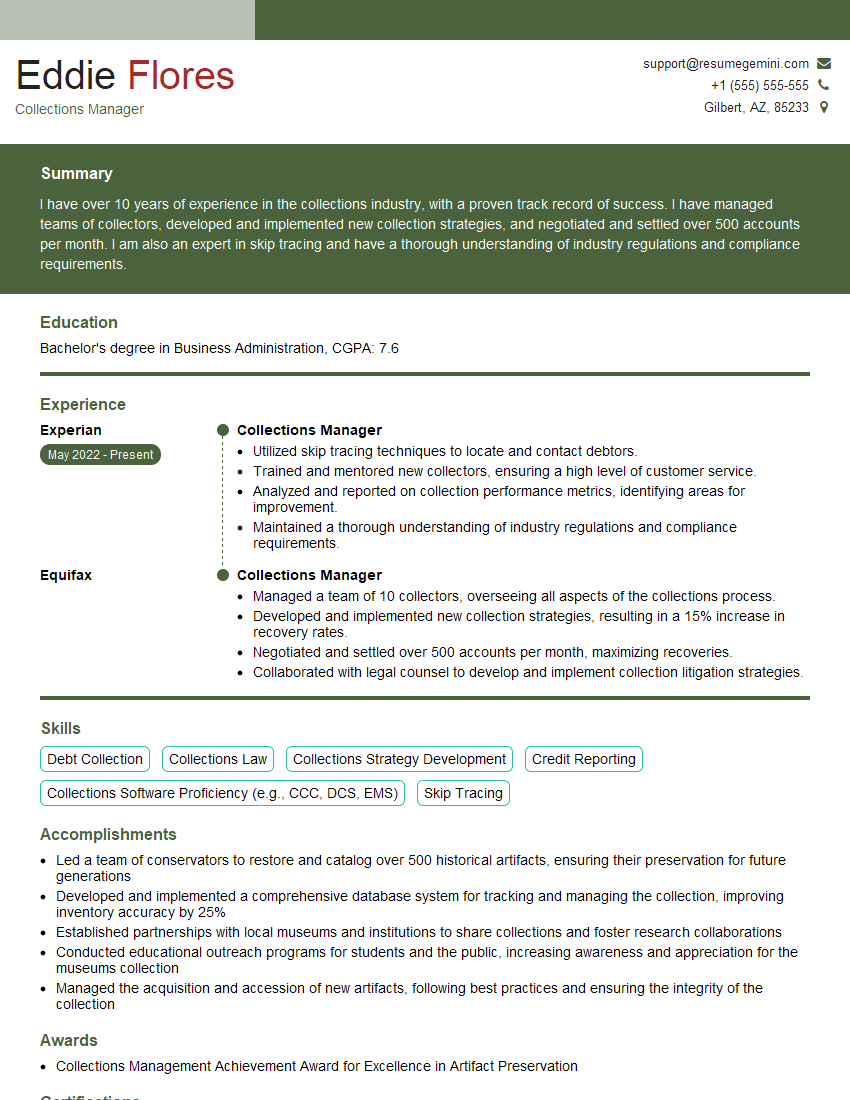
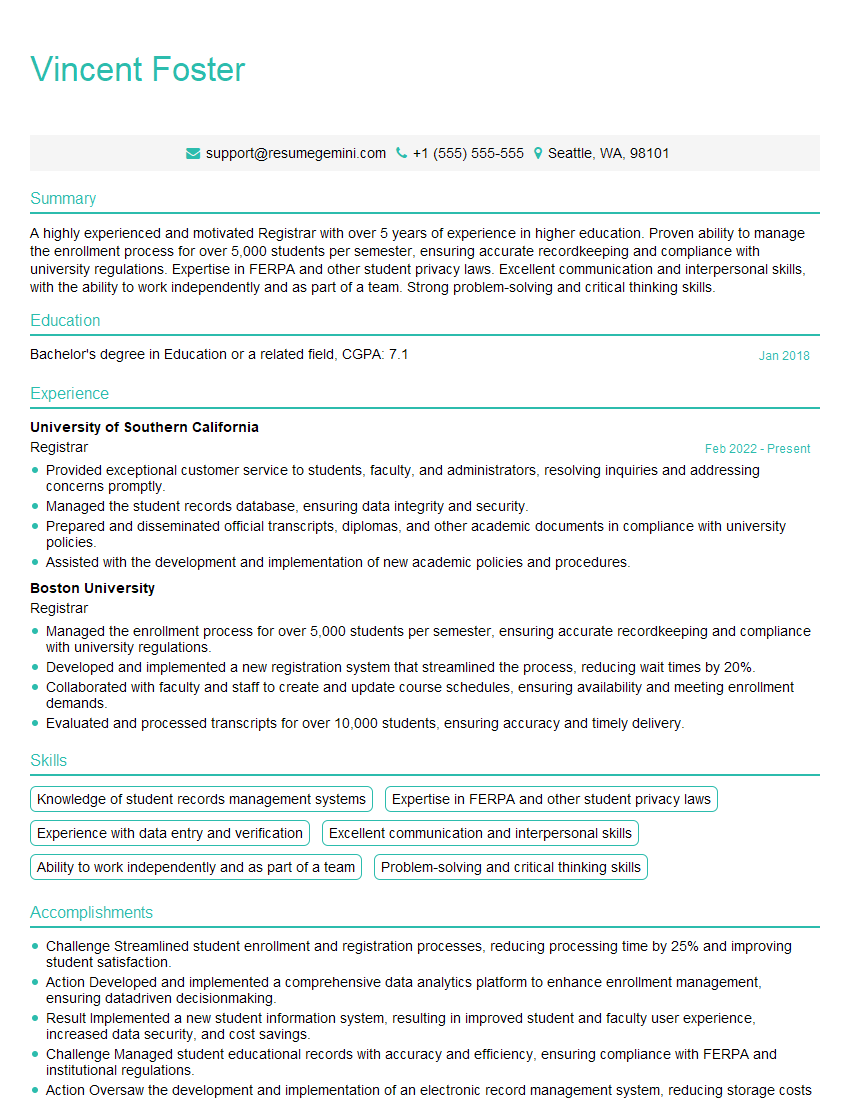
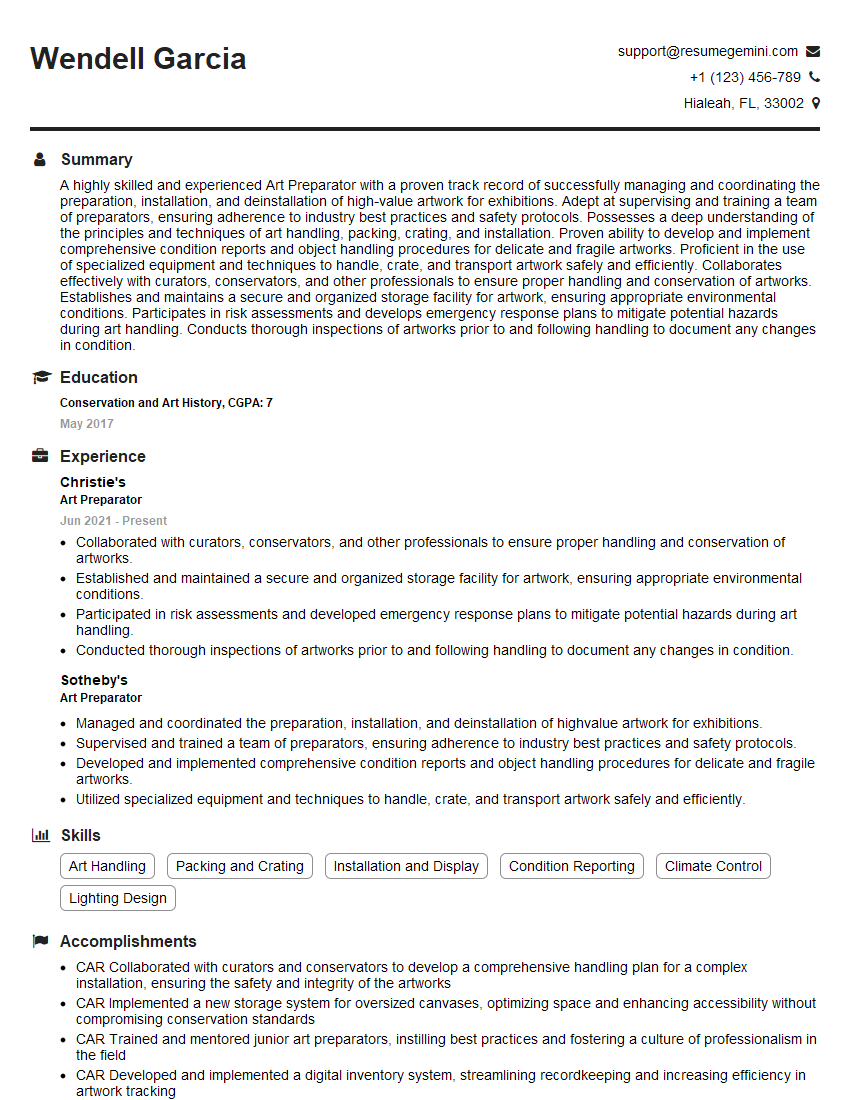
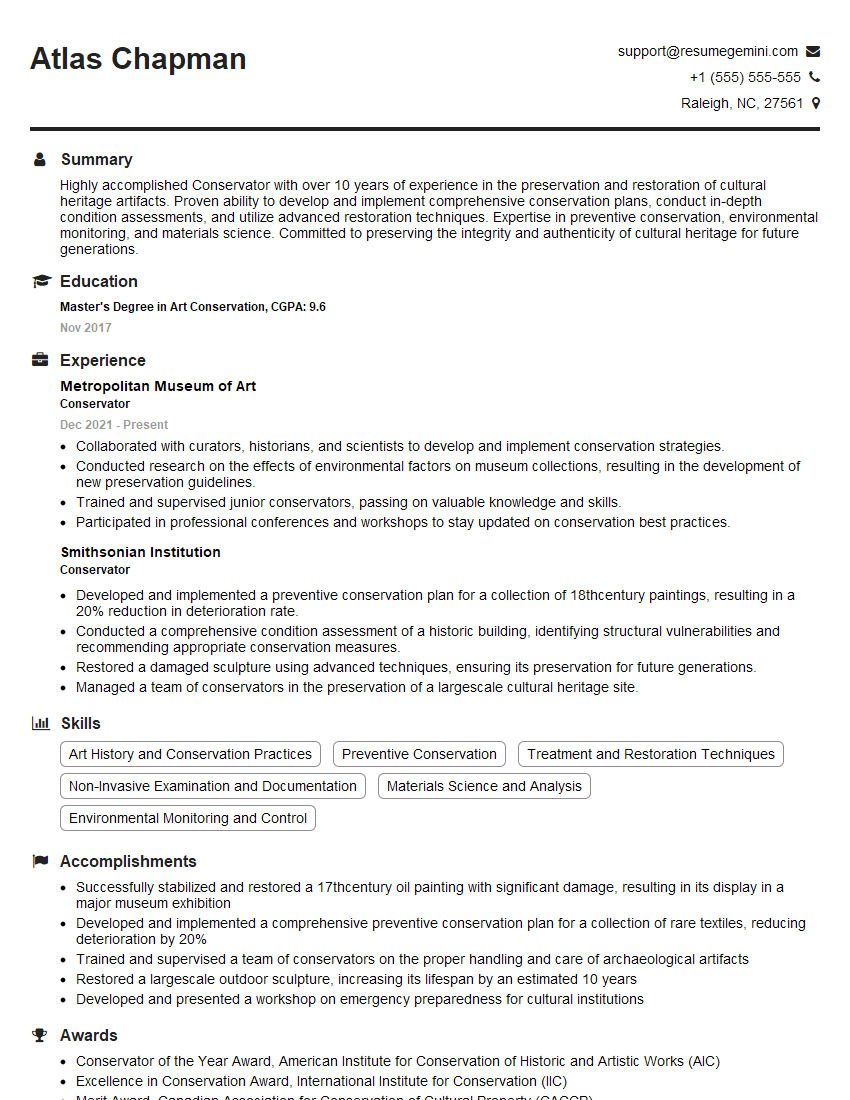
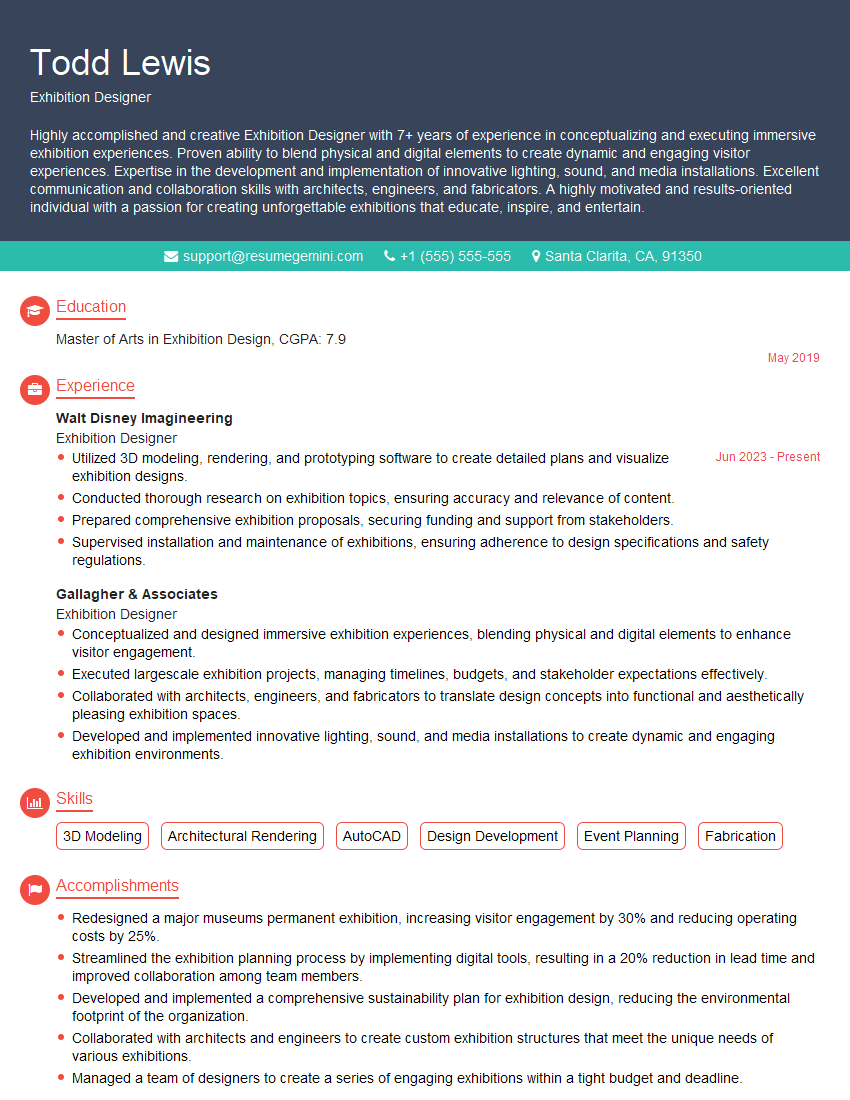
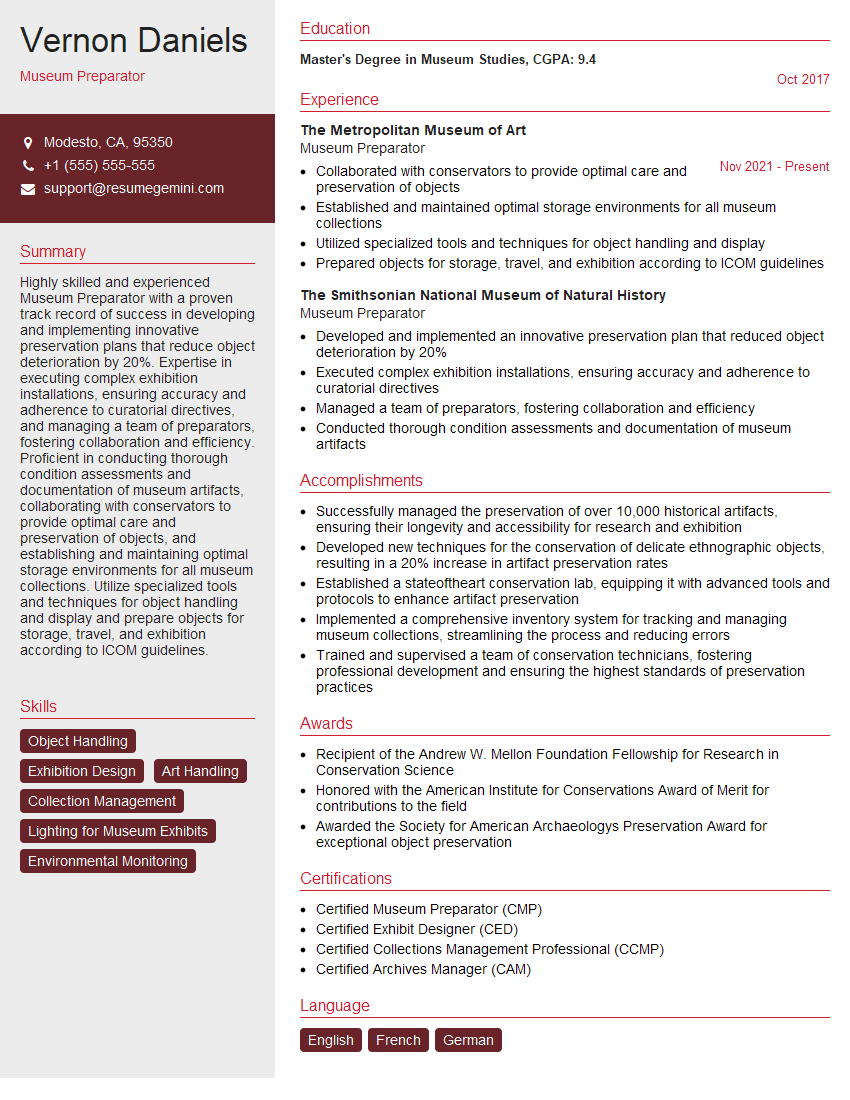
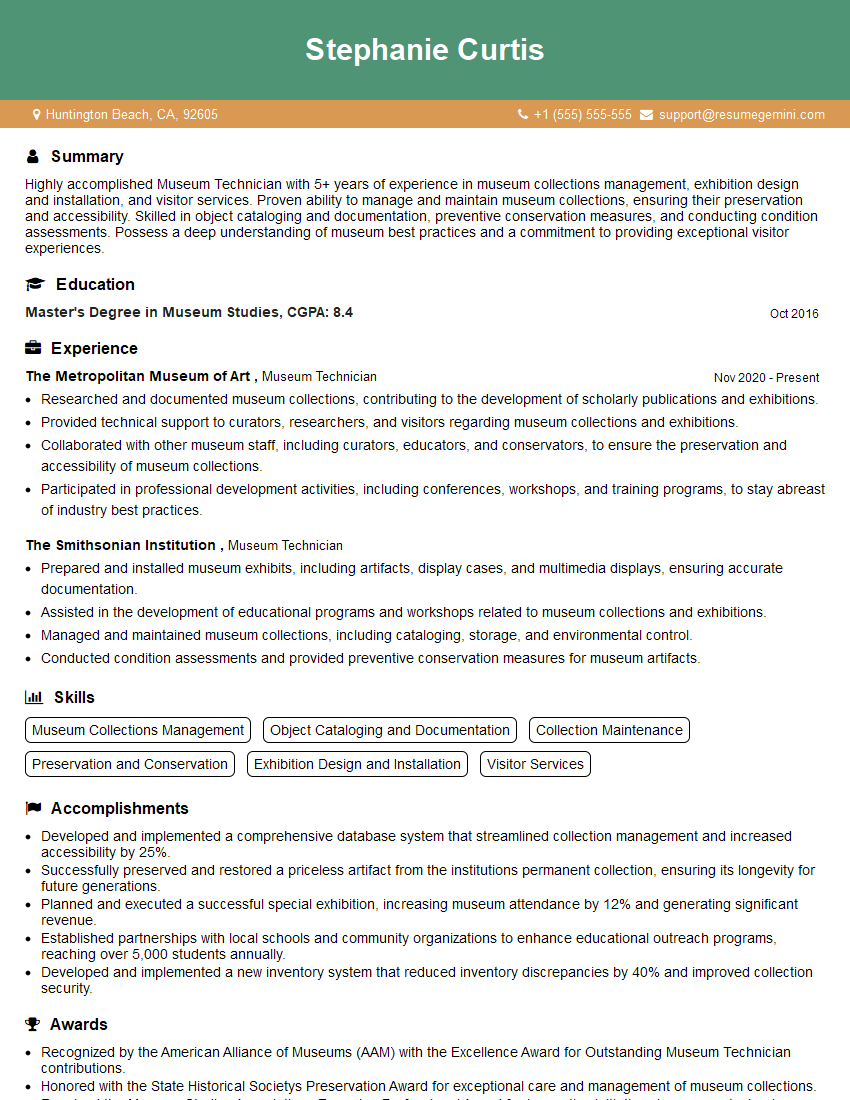
Mastering Art Exhibition Preparation is crucial for career advancement in the art world. A strong understanding of these key areas will significantly enhance your interview performance and demonstrate your value to potential employers. To increase your job prospects, it’s vital to create a resume that showcases your skills and experience effectively. An ATS-friendly resume is essential in today’s job market. ResumeGemini is a trusted resource that can help you build a professional and impactful resume, maximizing your chances of landing your dream job. Examples of resumes tailored specifically to Art Exhibition Preparation are available to help you get started.
Explore more articles
Users Rating of Our Blogs
Share Your Experience
We value your feedback! Please rate our content and share your thoughts (optional).
What Readers Say About Our Blog
Very informative content, great job.
good