Every successful interview starts with knowing what to expect. In this blog, we’ll take you through the top Art Museum Partnerships interview questions, breaking them down with expert tips to help you deliver impactful answers. Step into your next interview fully prepared and ready to succeed.
Questions Asked in Art Museum Partnerships Interview
Q 1. Describe your experience cultivating and managing relationships with corporate sponsors.
Cultivating and managing relationships with corporate sponsors requires a multifaceted approach, blending strategic planning with genuine relationship-building. It’s not just about securing funding; it’s about forging long-term partnerships that benefit both the museum and the sponsor.
My experience involves developing tailored sponsorship packages, carefully aligning corporate objectives with museum initiatives. For example, I worked with a technology company to sponsor our new interactive exhibit, leveraging their expertise in augmented reality to create a unique visitor experience. This not only secured significant funding but also provided valuable cross-promotional opportunities for the sponsor.
Beyond financial transactions, I focus on regular communication, exclusive events for sponsors, and consistent reporting on the impact of their contributions. This builds trust and strengthens the partnership, making it more likely they’ll renew their support year after year. I maintain a CRM (Customer Relationship Management) system to track interactions and ensure no detail is overlooked.
Q 2. How do you identify and qualify potential corporate partners for an art museum?
Identifying and qualifying potential corporate partners is a strategic process. I start by analyzing the museum’s needs and identifying potential alignment opportunities with various industries. For instance, a luxury watchmaker might be an ideal partner for an exhibition on 18th-century craftsmanship, while a sustainable energy company could align with an exhibition focused on environmental art.
My qualification process involves researching potential partners to understand their corporate social responsibility (CSR) initiatives, target audiences, and marketing strategies. I look for companies whose values and goals resonate with the museum’s mission. A key aspect is assessing their financial capacity and willingness to commit to a meaningful partnership. This often involves initial meetings to gauge mutual interest and establish rapport.
I use market research data, industry reports, and online resources to identify potential partners, and I also leverage my existing network of contacts within the business community. The goal is to find partners who see sponsorship as a strategic investment, not just a charitable contribution.
Q 3. Explain your strategy for developing compelling sponsorship proposals.
Developing compelling sponsorship proposals requires a deep understanding of both the museum and the potential sponsor. It’s not a generic template; each proposal is tailored to highlight the specific benefits of the partnership. The key is to demonstrate a clear return on investment (ROI) for the sponsor.
My strategy involves clearly articulating the museum’s mission and the goals of the specific project or exhibition being sponsored. I then present various sponsorship levels, each with different benefits, such as branding opportunities, event invitations, exclusive access to museum events, and social media mentions. Visual aids, such as mock-ups of branding placement or event invitations, enhance the proposal’s impact.
For example, a sponsorship proposal for a major exhibition might include options ranging from a logo placement on promotional materials to a full naming rights sponsorship, with each level offering a progressive increase in exposure and benefits for the sponsor. The proposal meticulously outlines deliverables, timelines, and reporting mechanisms to ensure transparency and accountability.
Q 4. What metrics do you use to measure the success of art museum partnerships?
Measuring the success of art museum partnerships goes beyond simply tracking the monetary value of the sponsorship. A comprehensive approach involves qualitative and quantitative metrics.
Quantitative metrics include: the total amount of sponsorship secured; the number of new visitors or members attributed to the partnership; website traffic and social media engagement related to sponsored events or exhibits; and media coverage generated.
Qualitative metrics focus on the strategic impact. These include: the strength of the relationship with the sponsor; the positive brand association generated for both the museum and the sponsor; the level of satisfaction expressed by the sponsor; and the long-term sustainability of the partnership. I regularly analyze these metrics to assess the partnership’s effectiveness and inform future strategies.
Q 5. How do you negotiate sponsorship agreements and manage contracts?
Negotiating sponsorship agreements and managing contracts requires strong communication, legal expertise, and a collaborative approach. My process involves clearly defining the terms and conditions of the partnership in a legally sound contract.
Negotiations focus on finding a mutually beneficial agreement. This includes determining the sponsorship levels, deliverables, timelines, reporting requirements, and intellectual property rights. I strive to create a win-win scenario where both the museum and the sponsor feel their interests are protected and met.
The contract is a crucial document that outlines all aspects of the partnership, leaving no room for ambiguity. Once the contract is signed, I maintain regular communication with the sponsor, providing updates on project progress and ensuring deliverables are met according to the agreed-upon timeline. This proactive approach fosters trust and contributes to the long-term success of the partnership.
Q 6. Describe your experience in grant writing for art museums.
Grant writing for art museums requires a deep understanding of the funding landscape and the ability to craft compelling narratives that resonate with grant-making organizations. My experience involves identifying appropriate funding opportunities, tailoring proposals to each funder’s specific priorities, and meticulously documenting the museum’s achievements and future plans.
Each grant proposal is meticulously researched and tailored to align with the funder’s mission and priorities. This includes understanding their preferred application format, reporting requirements, and past funding decisions. I focus on articulating the project’s significance, impact, and sustainability. Strong storytelling is paramount, using clear and concise language to highlight the museum’s accomplishments and the project’s potential.
For example, I successfully secured a grant to support a new education program by demonstrating how it would broaden access to art for underserved communities. The proposal included detailed budgets, evaluation plans, and letters of support from community partners. Careful attention to detail and a well-structured narrative were crucial to securing the funding.
Q 7. How do you build relationships with foundations and individual donors?
Building relationships with foundations and individual donors requires a personalized and consistent approach. It’s about cultivating genuine connections based on mutual respect and shared values.
My strategy involves regularly engaging with foundations and individual donors through various channels, including personal meetings, newsletters, exclusive events, and targeted communication. I aim to create a sense of community and involvement, making them feel valued and informed about the museum’s progress. Cultivating relationships with major donors often involves providing personalized updates on projects they’ve supported and offering unique opportunities for engagement.
For individual donors, I often leverage storytelling to connect them emotionally with the museum’s mission and the impact of their contributions. I provide transparent reporting on how donations are used and invite them to participate in special events or behind-the-scenes experiences. Building trust and demonstrating the value of their support are crucial elements in fostering long-term relationships.
Q 8. Explain your process for managing a portfolio of partnerships.
Managing a portfolio of museum partnerships requires a strategic and organized approach. I utilize a CRM (Customer Relationship Management) system to track all partnerships, from initial contact to ongoing engagement. This allows me to maintain a centralized database of contact information, partnership agreements, performance metrics, and communication history. My process involves several key steps:
- Prioritization: I categorize partnerships based on their strategic value and potential return on investment (ROI). This helps me allocate resources effectively, focusing on high-impact collaborations first.
- Regular Communication: Consistent and proactive communication is crucial. I schedule regular check-ins with partners – some weekly, others monthly – depending on the agreement and the nature of the partnership.
- Relationship Building: Strong relationships are the foundation of successful partnerships. I invest time in building rapport and understanding the partners’ goals and needs.
- Performance Monitoring: I continuously track key performance indicators (KPIs) to assess the success of each partnership. This data informs future strategies and ensures accountability.
- Documentation: Meticulous documentation is essential. All communication, agreements, and performance data are carefully stored in the CRM for easy access and future reference.
For example, I might prioritize a long-term corporate sponsorship over a smaller, one-off grant, depending on the overall strategic goals of the museum.
Q 9. How do you track and report on partnership performance?
Tracking and reporting on partnership performance involves a multifaceted approach. I define specific, measurable, achievable, relevant, and time-bound (SMART) goals for each partnership at the outset. These goals might include increased website traffic, donor acquisition, event attendance, or brand awareness. I then track these KPIs using various methods:
- CRM Data: My CRM system provides real-time data on communication, engagement, and campaign performance.
- Website Analytics: For online partnerships, website analytics (Google Analytics, etc.) track traffic sources, engagement metrics, and conversions.
- Event Registration Data: For event partnerships, registration data provides insights into attendance and demographics.
- Surveys and Feedback: Collecting feedback from partners and participants helps evaluate satisfaction and identify areas for improvement.
I create regular reports, summarizing performance against the established SMART goals. These reports are shared with partners and internal stakeholders to demonstrate the value of the partnerships and to inform future strategy. Visual representations, such as graphs and charts, make the data more accessible and understandable.
Q 10. How do you handle challenging situations or conflicts with partners?
Conflict resolution is a critical skill in partnership management. My approach emphasizes proactive communication and collaborative problem-solving. When challenges arise, I:
- Identify the Root Cause: I carefully analyze the situation to understand the underlying reasons for the conflict.
- Open Communication: I initiate a direct and honest conversation with the partner, focusing on understanding their perspective.
- Collaborative Solutions: I work with the partner to brainstorm and develop mutually acceptable solutions.
- Mediation (if necessary): If internal resolution fails, I may involve a neutral third party to mediate the conflict.
- Documentation: All communication and agreements related to conflict resolution are carefully documented.
For instance, if a corporate sponsor feels their branding isn’t receiving sufficient prominence, I’ll review the partnership agreement, analyze the marketing materials, and work with the marketing team to find a solution that meets both parties’ needs. The goal is always to maintain a positive and productive relationship.
Q 11. Describe your experience with event planning and execution in the context of museum partnerships.
Event planning and execution are integral to many museum partnerships. My experience encompasses all aspects, from conceptualization to post-event analysis. This includes:
- Concept Development: Collaborating with partners to develop engaging event themes and formats aligned with both the museum’s and the partner’s objectives.
- Budget Management: Creating and managing event budgets, securing sponsorships, and tracking expenses.
- Logistics: Handling all logistical aspects, including venue selection, catering, staffing, and technology.
- Marketing and Promotion: Developing and implementing marketing strategies to promote the event and attract attendees.
- Post-Event Evaluation: Analyzing event data to assess its success and identify areas for improvement in future events.
For example, I recently planned a fundraising gala in partnership with a major financial institution. This involved securing the venue, coordinating catering, managing guest lists, overseeing marketing efforts, and ensuring compliance with all relevant regulations. The event was a resounding success, exceeding fundraising targets and strengthening the partnership.
Q 12. How do you integrate marketing and communication strategies into partnership development?
Integrating marketing and communication strategies into partnership development is crucial for maximizing the impact of the collaboration. My approach is multifaceted and involves:
- Joint Marketing Plans: Collaborating with partners to develop comprehensive marketing plans that leverage both organizations’ resources and expertise.
- Cross-Promotion: Utilizing cross-promotional opportunities, such as joint email campaigns, social media posts, and website features.
- Branding Guidelines: Ensuring consistent branding and messaging across all marketing materials.
- Content Creation: Developing high-quality content, such as press releases, blog posts, and videos, to promote the partnership and its activities.
- Media Outreach: Coordinating media outreach efforts to secure coverage in relevant publications and media outlets.
For example, when collaborating with a local arts council, we might create a joint social media campaign using a shared hashtag, highlighting both the museum’s exhibitions and the council’s upcoming events. This synergistic approach increases both parties’ reach and audience engagement.
Q 13. What is your understanding of different types of museum partnerships (e.g., corporate, foundation, individual)?
Museum partnerships come in various forms, each with its own characteristics and benefits. My experience encompasses:
- Corporate Partnerships: These involve collaborations with businesses seeking to align their brands with the museum’s mission and values. Benefits can include financial support, in-kind contributions, and access to wider audiences.
- Foundation Partnerships: Foundations provide grants or funding for specific projects or initiatives. These partnerships often require detailed grant proposals and regular reporting on project progress.
- Individual Partnerships: This includes major donors, members, and volunteers. Cultivating these relationships requires personalized communication and appreciation.
- Government Partnerships: Collaborations with local, state, or national government agencies may provide funding, program support, or access to community resources.
- University Partnerships: These collaborations can involve research, education programs, and student internships.
Understanding the unique needs and expectations of each type of partner is key to developing successful and mutually beneficial relationships. For instance, a corporate partner might prioritize brand visibility, while a foundation might focus on measurable impact and social responsibility.
Q 14. How do you ensure compliance with legal and ethical guidelines in partnership development?
Compliance with legal and ethical guidelines is paramount in partnership development. My approach emphasizes:
- Contract Review: All partnership agreements are thoroughly reviewed by legal counsel to ensure compliance with all applicable laws and regulations.
- Transparency and Disclosure: Maintaining transparency in all dealings with partners and disclosing any potential conflicts of interest.
- Data Privacy: Adhering to all data privacy laws and regulations, such as GDPR and CCPA, when handling personal information.
- Intellectual Property Rights: Respecting and protecting the intellectual property rights of all partners.
- Conflict of Interest Policies: Strictly adhering to the museum’s conflict of interest policies to avoid any bias or impropriety.
For example, before entering into any partnership, I ensure all contracts clearly define the responsibilities of each party, intellectual property rights, and data protection measures. This proactive approach prevents potential legal issues and maintains the integrity of the partnership.
Q 15. How familiar are you with developing budgets and managing expenses related to partnerships?
Budgeting and expense management for art museum partnerships requires a meticulous approach. It begins with clearly defining the partnership’s objectives and anticipated activities. This informs the creation of a detailed budget, allocating funds for various aspects such as event planning, marketing and promotion, staff time, materials, and potential sponsor contributions. I use a phased budgeting approach, breaking down costs into pre-partnership development, partnership activation, and post-partnership evaluation phases. This allows for regular monitoring and adjustments based on actual spending and partnership performance. Tracking expenses involves using dedicated accounting software and maintaining detailed records of all transactions. Regular financial reports are generated to monitor progress against the budget, ensuring transparency and accountability.
For instance, in a recent collaboration with a luxury brand for a special exhibition, we meticulously budgeted for exhibition design, marketing collateral, event catering, staff overtime, and a contingency fund to cover unforeseen expenses. We regularly reviewed the budget, adjusting allocations as needed, leading to the project finishing under budget and within the projected timeline.
Career Expert Tips:
- Ace those interviews! Prepare effectively by reviewing the Top 50 Most Common Interview Questions on ResumeGemini.
- Navigate your job search with confidence! Explore a wide range of Career Tips on ResumeGemini. Learn about common challenges and recommendations to overcome them.
- Craft the perfect resume! Master the Art of Resume Writing with ResumeGemini’s guide. Showcase your unique qualifications and achievements effectively.
- Don’t miss out on holiday savings! Build your dream resume with ResumeGemini’s ATS optimized templates.
Q 16. Describe your experience building and maintaining a CRM for donor and partner relationships.
Building and maintaining a robust CRM (Customer Relationship Management) system for donor and partner relationships is crucial for effective partnership management. I have extensive experience implementing and utilizing CRMs, such as Salesforce or DonorPerfect, to track interactions, manage communication, and analyze partnership data. The system is designed to capture comprehensive data points including contact information, communication history, donation records (for donors), partnership agreements, sponsorship levels, and project involvement. This allows for targeted communication, personalized outreach, and data-driven decision-making in nurturing relationships and securing future partnerships. The system also facilitates reporting and analysis to track partnership performance and demonstrate ROI (Return on Investment).
For example, using a CRM, I was able to identify a group of lapsed corporate sponsors and craft personalized re-engagement campaigns based on their past involvement and current business needs. This resulted in a significant increase in renewed sponsorships and strengthened our relationships with these key partners.
Q 17. What is your experience working with diverse teams and stakeholders?
Working effectively with diverse teams and stakeholders is fundamental to successful partnership development. I thrive in collaborative environments and possess strong communication and interpersonal skills to effectively navigate differing perspectives and priorities. My experience involves working with internal teams (curatorial, marketing, development, finance) and external stakeholders (corporate sponsors, foundations, individual donors, artists, community organizations). I foster inclusivity by actively soliciting input from all stakeholders, ensuring that everyone feels heard and valued. I am adept at facilitating consensus-building and resolving conflicts through transparent communication and a collaborative problem-solving approach.
One notable example was a large-scale fundraising campaign where I collaborated with the museum’s curatorial team, marketing department, and a diverse group of external partners. Through open communication and collaborative planning, we successfully secured funding exceeding our initial target and exceeded expectations for community engagement.
Q 18. How do you adapt your approach to partnership development based on different partner needs?
Adapting my approach to partnership development based on individual partner needs is paramount. I understand that each partnership is unique, requiring a tailored strategy that aligns with the partner’s objectives and resources. I begin by conducting thorough due diligence to understand the partner’s mission, values, target audience, and business goals. This information informs the design of a customized partnership agreement that benefits both parties. For example, some partners may prefer high-visibility sponsorship opportunities, while others might be more interested in supporting educational programs or community outreach initiatives. My approach involves active listening, creating mutually beneficial proposals, and maintaining ongoing communication to ensure that the partnership remains aligned with the partner’s evolving needs.
In one case, a tech company was interested in showcasing their innovative technologies, while a local foundation prioritized community engagement. We developed distinct partnership agreements catering to each partner’s specific goals, resulting in successful and mutually beneficial collaborations.
Q 19. How do you measure the ROI of different partnership initiatives?
Measuring the ROI of partnership initiatives requires a multi-faceted approach that extends beyond simply calculating financial returns. I employ a range of metrics to assess the success of partnerships, including financial contributions, increased brand awareness, audience engagement (e.g., website traffic, exhibition attendance), media coverage, and community impact. We establish Key Performance Indicators (KPIs) at the outset of each partnership, defining specific, measurable, achievable, relevant, and time-bound goals. Post-partnership, we meticulously collect data to track progress against these KPIs, allowing us to quantify the value generated by each partnership.
For example, we track website traffic generated by sponsored online content and social media engagement to measure brand awareness improvements. We also quantify the increase in exhibition attendance and membership sales linked to specific partnership activities. By analyzing this data, we can clearly demonstrate the overall value and return on investment of each partnership initiative.
Q 20. Explain your understanding of gift acceptance policies and procedures.
Understanding gift acceptance policies and procedures is critical for ensuring ethical and legal compliance in managing donations and sponsorships. This involves familiarity with IRS regulations, state laws, and the museum’s internal guidelines regarding gift acceptance, conflict of interest, and donor privacy. It’s crucial to assess the source of gifts, their intended purpose, and potential conflicts of interest before accepting any contribution. This includes reviewing donor backgrounds, confirming the legality of the donation source, and ensuring that gifts align with the museum’s mission and values. Proper documentation of all gifts, including acknowledgment letters and donation records, is essential for transparency and accountability. A robust gift acceptance policy ensures that the museum maintains its integrity and operates within legal and ethical boundaries. This is important for preserving the institution’s reputation and fostering donor trust.
For instance, we developed a detailed checklist to guide staff in evaluating each donation, ensuring compliance with all relevant laws and regulations and maintaining a transparent record-keeping system.
Q 21. How do you build and maintain a strong pipeline of potential partners?
Building and maintaining a strong pipeline of potential partners involves a strategic and proactive approach. It starts with identifying target partners that align with the museum’s mission and programs. This could include corporations, foundations, government agencies, and individual philanthropists. Methods used include market research, networking events, attending industry conferences, maintaining relationships with existing partners, and utilizing online databases. Prospect research plays a crucial role in understanding potential partners’ interests, philanthropic history, and alignment with the museum’s goals. I actively build relationships with prospective partners through personalized outreach, presenting compelling proposals tailored to their specific interests, and showcasing the museum’s unique value proposition. Regular follow-up and consistent communication are crucial for nurturing these relationships and moving them through the pipeline towards potential partnerships.
We established a robust database of prospective partners segmented by industry, giving capacity, and areas of philanthropic interest. This allows us to target specific opportunities for tailored outreach, leading to a steady flow of potential partnership leads.
Q 22. How do you handle donor cultivation and stewardship for art museum partnerships?
Donor cultivation and stewardship are crucial for long-term success in art museum partnerships. It’s not just about securing an initial donation; it’s about building meaningful relationships based on mutual trust and shared values. My approach involves a multi-stage process.
- Identification & Research: I begin by identifying potential donors who align with the museum’s mission and have a demonstrated interest in art or our specific initiatives. This involves researching their philanthropic history, interests, and giving patterns.
- Cultivation: This stage focuses on building rapport. It includes invitations to exclusive museum events, personalized communication highlighting relevant exhibitions or programs, and opportunities for behind-the-scenes access. For example, I might invite a potential donor to a private viewing of a new acquisition or a curator’s talk.
- Solicitation: Once a strong relationship is established, I’ll make a carefully crafted proposal, clearly outlining the impact of their contribution and showcasing the tangible benefits of their partnership. This requires understanding their motivations and tailoring the ask to resonate with their personal values.
- Stewardship: This is the ongoing process of maintaining the relationship. It involves regular communication, updates on how their donation is making a difference, invitations to special events, and recognition for their generosity in museum publications and acknowledgements.
For instance, in my previous role, we cultivated a relationship with a major corporation by offering them exclusive naming rights to a new wing in exchange for a significant donation. We maintained the relationship by providing them with regular updates on the wing’s progress, hosting corporate events there, and featuring their logo prominently.
Q 23. Describe your experience with developing partnership recognition and benefits.
Developing a compelling partnership recognition and benefits program is essential for attracting and retaining sponsors. It’s about crafting a tiered system that provides appropriate recognition and value for each level of investment.
- Tiered Benefits: I design programs with different levels of sponsorship, each offering increasing benefits. This could range from basic logo placement on website to exclusive events, naming opportunities, and prominent display of the partner’s logo in the museum.
- Recognition Strategy: This includes prominently displaying partner logos in strategic locations within the museum, acknowledging them in publications, on website, social media, and during events. The level of recognition directly correlates with the sponsorship level.
- Benefits Tailoring: I focus on offering benefits that are genuinely valuable to the partner. For a tech company, it might be showcasing their technology at an event. For a financial institution, it might be a private tour for their clients. This personalized approach enhances engagement.
- Measuring Impact: I track the effectiveness of the recognition and benefits program by measuring partner satisfaction and the program’s overall contribution to fundraising goals. This data helps refine the program over time.
For example, I once designed a program for a museum where the top tier of sponsors received exclusive invitations to a gala hosted by the museum director, while lower-tier sponsors were recognized through logo placement in exhibition brochures.
Q 24. What is your familiarity with various fundraising strategies and techniques?
My familiarity with fundraising strategies is extensive. I’m proficient in a variety of techniques, including:
- Major Gifts: Cultivating relationships with high-net-worth individuals and foundations for significant donations.
- Corporate Sponsorships: Securing funding from corporations in exchange for branding opportunities and other benefits.
- Grant Writing: Preparing compelling proposals to secure funding from government agencies and private foundations.
- Crowdfunding: Utilizing online platforms to engage a wider audience and raise funds for specific projects.
- Planned Giving: Working with donors to incorporate charitable gifts into their estate plans.
- Membership Drives: Increasing membership levels to generate recurring revenue.
- Events & Auctions: Organizing fundraising events such as galas, auctions, and benefit concerts.
I adapt my approach based on the specific needs of the museum and the available resources. For instance, a smaller museum might benefit most from a focused grant writing strategy and membership drive, while a larger museum might focus on major gifts and corporate sponsorships.
Q 25. How have you successfully leveraged partnerships to achieve museum goals?
I’ve leveraged partnerships to achieve several key museum goals. For example, I secured a partnership with a local design firm to renovate the museum’s entrance, enhancing its accessibility and visitor experience. This partnership not only improved the physical space but also strengthened the museum’s reputation within the community.
In another instance, a partnership with a prominent art collector resulted in a significant donation of artwork, significantly enriching the museum’s collection and attracting new visitors. This collaboration also offered valuable curatorial insight and public relations opportunities.
Furthermore, I’ve used partnerships to expand the museum’s educational outreach programs. Collaborating with schools and community organizations provided access to underserved populations, furthering the museum’s mission of accessibility and community engagement.
These examples demonstrate how strategic partnerships can extend beyond fundraising, contributing to multiple aspects of museum operations and mission fulfillment.
Q 26. How do you prioritize partnership opportunities based on strategic goals?
Prioritizing partnership opportunities requires a strategic approach aligned with the museum’s overall goals. I use a framework that considers several key factors:
- Alignment with Strategic Plan: The most important factor. Partnerships must directly support the museum’s strategic goals, whether it’s expanding collections, enhancing education programs, or improving facilities.
- Potential Impact: I evaluate the potential impact of the partnership on the museum’s mission and financial sustainability. This involves assessing the potential funding amount, visibility, and long-term benefits.
- Resource Requirements: I assess the resources required to manage and maintain the partnership, ensuring it aligns with the museum’s capacity.
- Partner Reputation & Values: I thoroughly vet potential partners, ensuring their reputation and values are consistent with the museum’s image and mission.
- Mutual Benefit: The partnership should provide value for both the museum and the partner. It’s a two-way street, not a one-sided transaction.
Using a scoring system based on these factors helps me objectively rank partnership opportunities and focus on those with the greatest potential impact.
Q 27. Describe your understanding of the importance of diversity and inclusion in partnership development.
Diversity and inclusion are paramount in partnership development. It’s not only ethically responsible but also strategically advantageous. A diverse portfolio of partners brings varied perspectives, resources, and networks, enriching the museum’s programming and reach.
- Targeted Outreach: I actively seek partnerships with organizations and individuals from underrepresented communities. This involves attending relevant events, networking within diverse groups, and developing culturally sensitive outreach materials.
- Inclusive Language & Practices: I use inclusive language in all communications and ensure our partnership agreements and recognition strategies reflect our commitment to diversity and inclusion.
- Representation: I aim for representation from diverse backgrounds among our partners and within our internal teams managing these partnerships.
- Equitable Practices: I strive for equitable partnerships, avoiding arrangements that could unintentionally perpetuate existing inequalities.
For example, I might seek partnerships with minority-owned businesses or community organizations serving diverse populations, ensuring that our partnerships reflect the diversity of the community we serve. This approach not only enhances our ethical standing but also expands our reach and impact within the community.
Key Topics to Learn for Art Museum Partnerships Interview
- Understanding Museum Missions & Audiences: Analyze a museum’s strategic goals and target demographics to tailor partnership proposals effectively. Consider how diverse audiences engage with art and how partnerships can broaden reach.
- Developing & Pitching Partnership Proposals: Learn to craft compelling proposals that clearly articulate mutual benefits, including budget allocation, timelines, and measurable outcomes. Practice delivering persuasive presentations to potential partners.
- Negotiation & Contract Management: Understand the legal and financial aspects of partnerships. Practice negotiating favorable terms and managing contracts to ensure successful collaborations.
- Building & Maintaining Relationships: Explore strategies for cultivating strong relationships with corporate sponsors, foundations, individual donors, and other stakeholders. Understand the importance of communication and trust.
- Measuring Partnership Success: Learn to define key performance indicators (KPIs) to track the effectiveness of partnerships. Analyze data to demonstrate ROI and inform future strategies.
- Fundraising & Grant Writing (where applicable): Explore the principles of successful grant writing and fundraising strategies relevant to securing funding for museum initiatives through partnerships.
- Ethical Considerations & Conflict Resolution: Understand the ethical implications of partnerships and develop strategies for resolving conflicts and maintaining positive relationships.
Next Steps
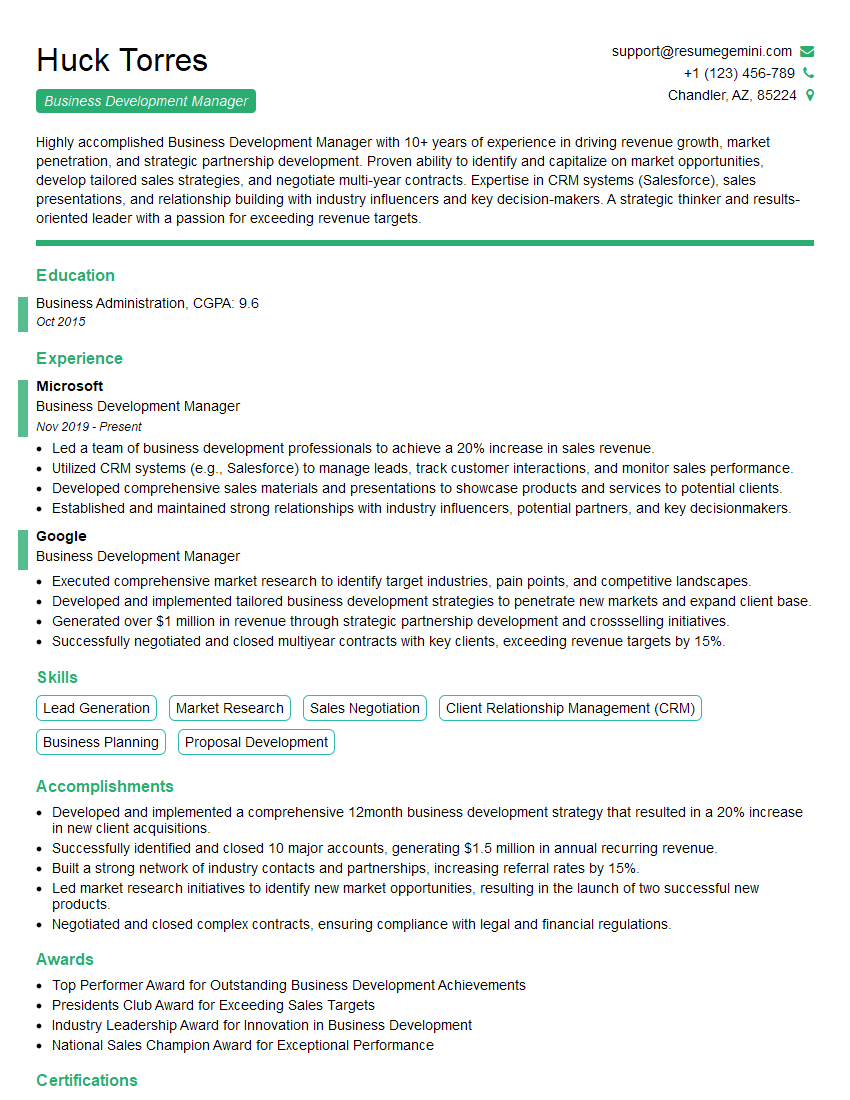
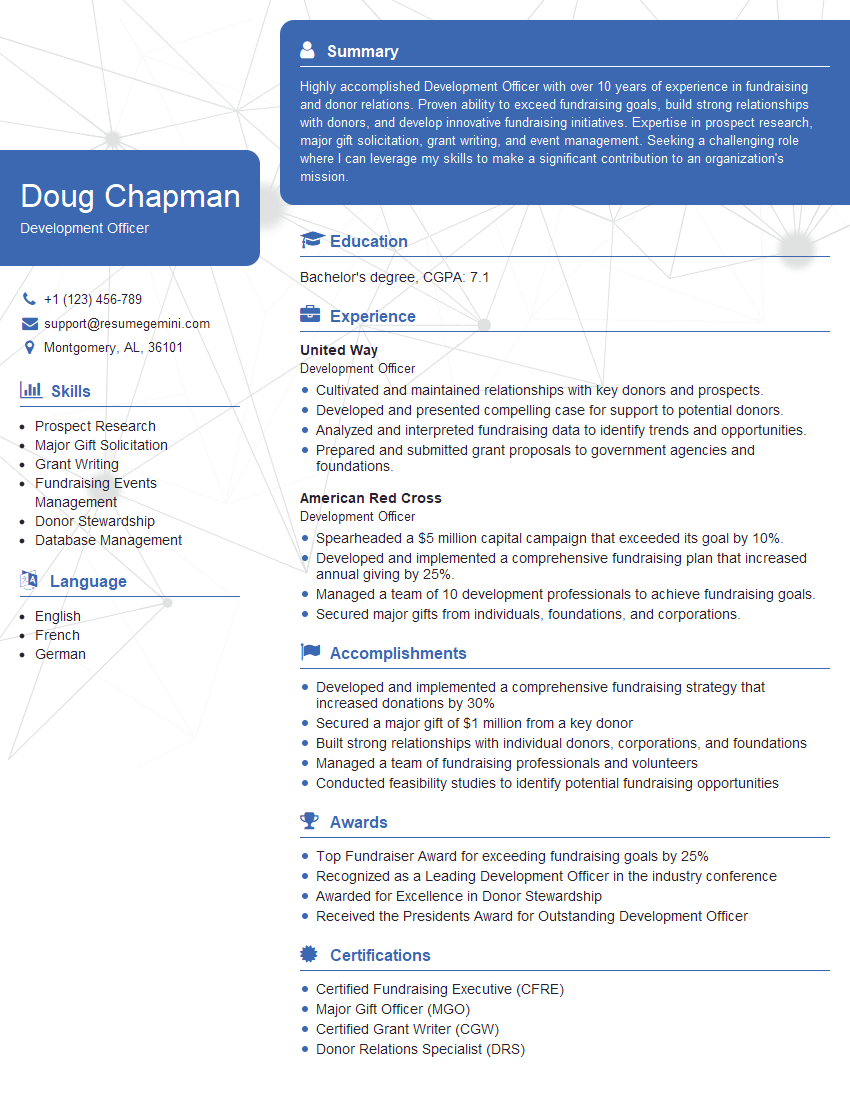
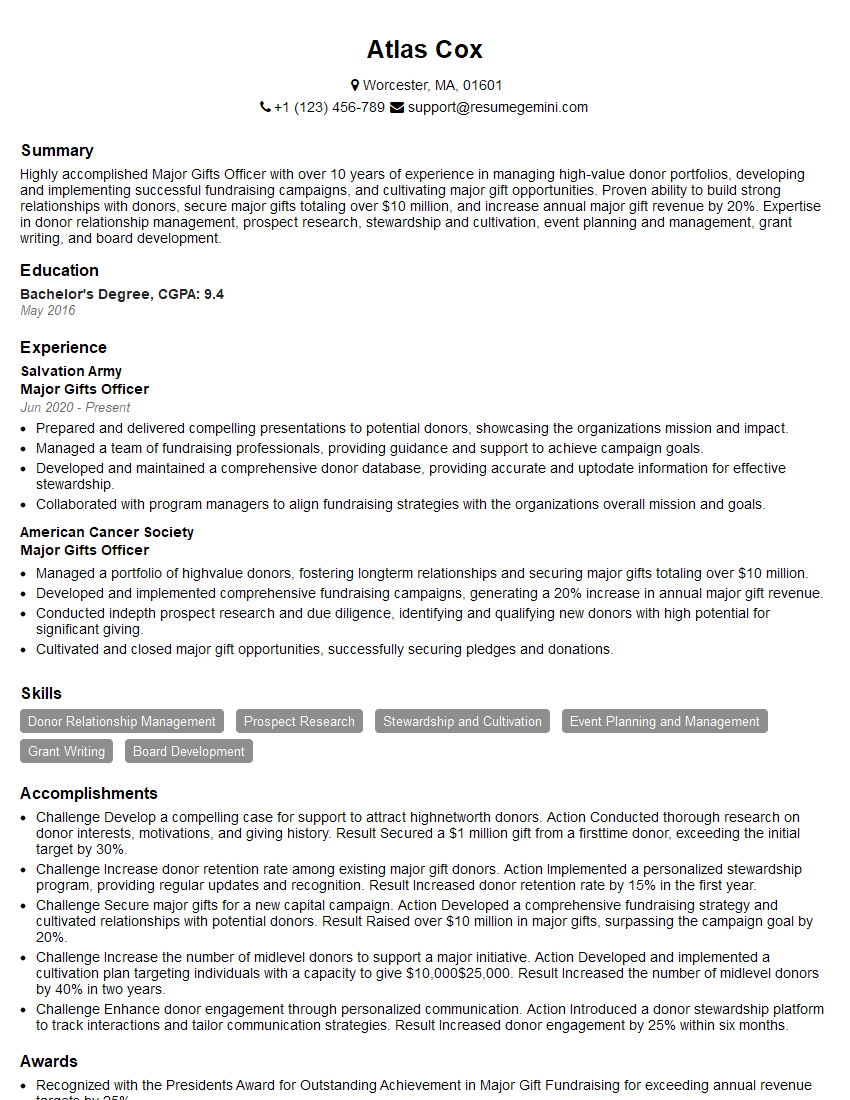
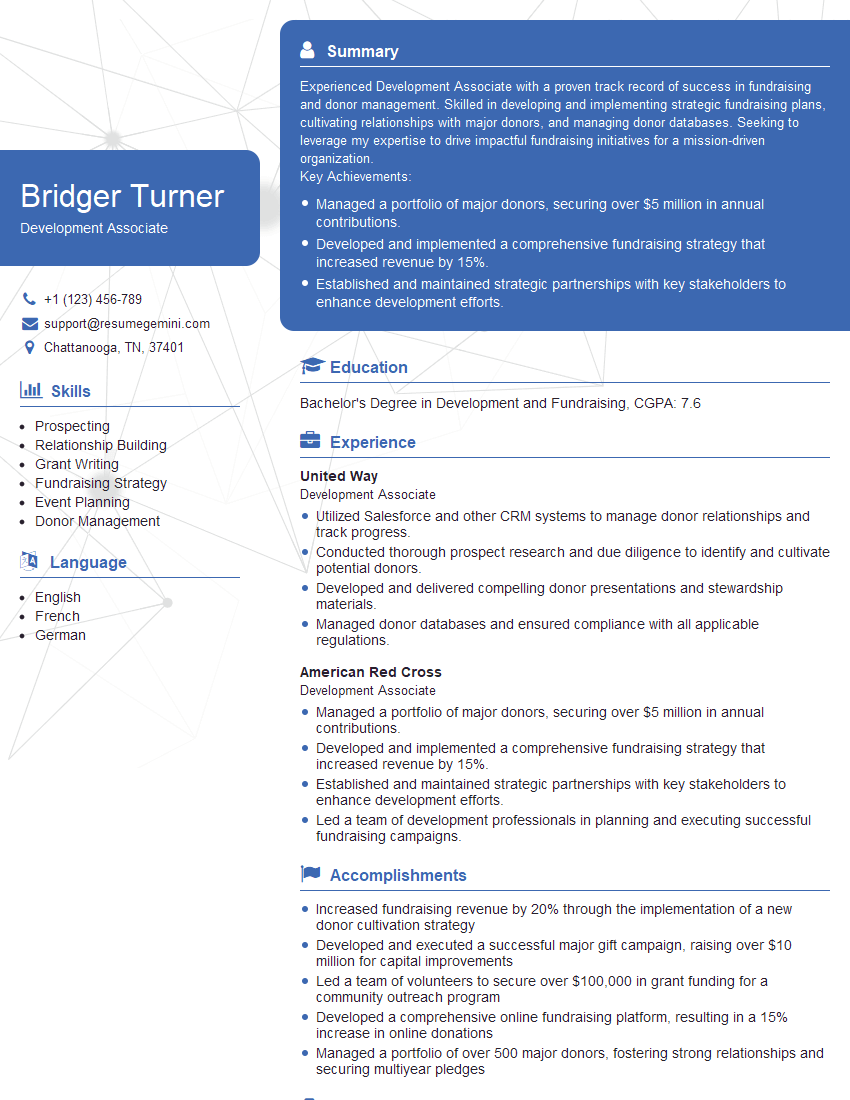
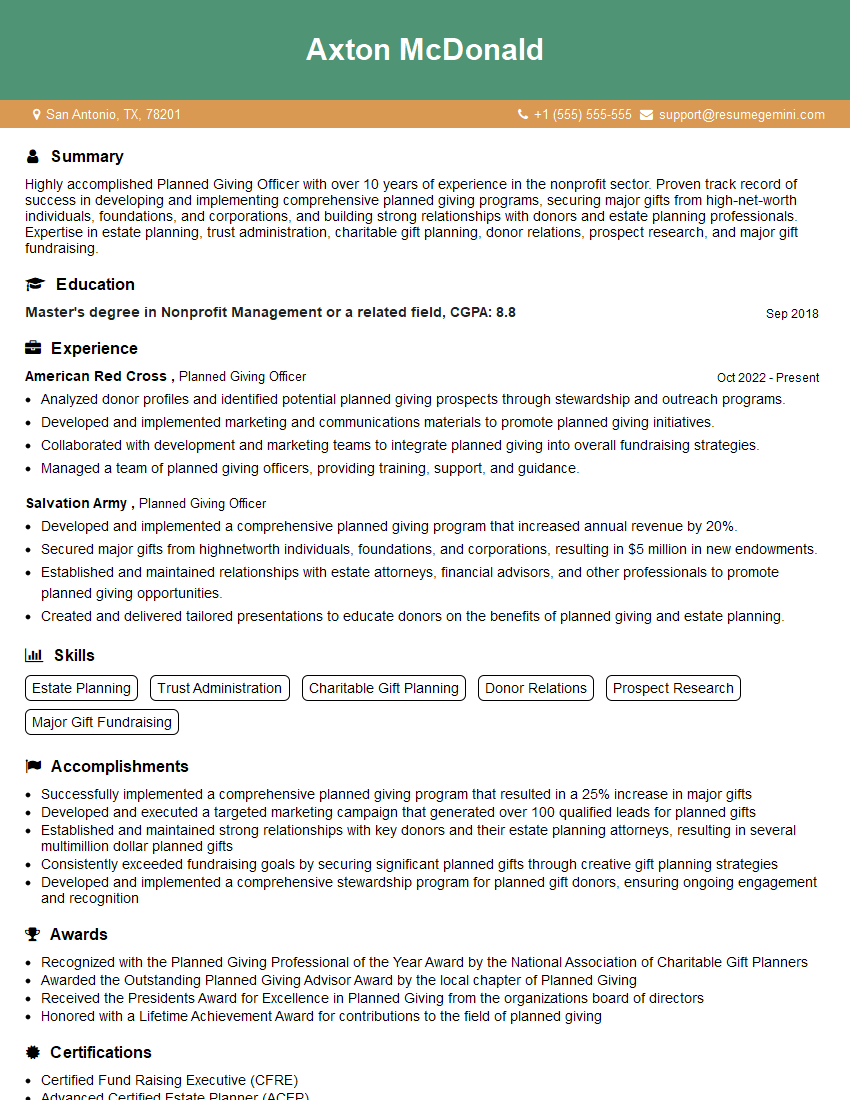
Mastering Art Museum Partnerships opens doors to exciting career opportunities in the dynamic arts sector, offering a blend of creativity, strategic thinking, and impactful contributions. A strong resume is crucial for showcasing your skills and experience to potential employers. To maximize your job prospects, create an ATS-friendly resume that highlights your relevant achievements and qualifications. ResumeGemini is a trusted resource to help you build a professional and impactful resume tailored to the specific demands of the Art Museum Partnerships field. Examples of resumes tailored to this area are available to guide you.
Explore more articles
Users Rating of Our Blogs
Share Your Experience
We value your feedback! Please rate our content and share your thoughts (optional).
What Readers Say About Our Blog
Very informative content, great job.
good