Interviews are opportunities to demonstrate your expertise, and this guide is here to help you shine. Explore the essential Proficient in Data Acquisition and Analysis Software interview questions that employers frequently ask, paired with strategies for crafting responses that set you apart from the competition.
Questions Asked in Proficient in Data Acquisition and Analysis Software Interview
Q 1. Explain the difference between structured and unstructured data.
The key difference between structured and unstructured data lies in its organization and format. Structured data is highly organized and easily searchable because it resides in a predefined format, like a table in a relational database. Think of a spreadsheet – each piece of information fits neatly into a row and column. Each column has a specific data type (e.g., number, text, date). This makes it easy for computers to understand and analyze.
Unstructured data, on the other hand, lacks a predefined format. It’s like a free-form essay – the information isn’t neatly organized. Examples include text documents, images, audio files, and social media posts. Processing and analyzing unstructured data requires more sophisticated techniques because it’s difficult for computers to readily interpret.
Example: A customer database (structured) contains neatly organized information about customers: Name, Address, Phone Number, Purchase History. In contrast, customer feedback from online reviews (unstructured) is a collection of free-form text comments that require natural language processing techniques for analysis.
Q 2. Describe your experience with various data acquisition methods (APIs, web scraping, databases).
My experience spans several data acquisition methods. I’ve extensively used APIs (Application Programming Interfaces) to programmatically access and retrieve data from various sources like social media platforms, weather services, and financial markets. For example, I used the Twitter API to collect tweets related to a specific hashtag for sentiment analysis. I’m adept at handling API rate limits and authentication protocols to ensure efficient and ethical data collection.
Web scraping is another significant part of my skillset. I’ve used libraries like Beautiful Soup and Scrapy in Python to extract data from websites where APIs are unavailable or insufficient. For example, I scraped product information (price, description, reviews) from an e-commerce website for a price comparison project. I always adhere to the website’s robots.txt file and respect their terms of service to ensure legal and ethical web scraping practices.
Finally, I possess considerable experience interacting with various databases, including SQL (like MySQL, PostgreSQL) and NoSQL (like MongoDB, Cassandra). I’ve written SQL queries to extract specific data from relational databases, and I’m proficient in using NoSQL database drivers to manage and retrieve data from NoSQL databases. For instance, I’ve used MongoDB to store and analyze large volumes of unstructured data from a social media campaign.
Q 3. How do you handle missing data in a dataset?
Missing data is a common challenge in any data analysis project. My approach to handling it depends on the nature and extent of the missing data. I first assess the missing data pattern – is it missing completely at random (MCAR), missing at random (MAR), or missing not at random (MNAR)? Understanding the pattern is crucial for selecting an appropriate imputation method.
For small amounts of missing data, I might opt for deletion – either listwise deletion (removing entire rows with missing values) or pairwise deletion (using available data for each analysis). However, this method can lead to information loss, especially with larger datasets.
More frequently, I employ imputation techniques to fill in the missing values. Simple imputation methods include replacing missing values with the mean, median, or mode of the respective variable. More sophisticated techniques include k-Nearest Neighbors (k-NN) imputation, which estimates missing values based on the values of similar data points, and multiple imputation, which creates several plausible imputed datasets and combines the results. The best method depends on the dataset’s characteristics and the nature of the missing data.
Q 4. What are some common data cleaning techniques you use?
Data cleaning is a crucial step before analysis. I typically employ several techniques. Firstly, I identify and handle missing values using the methods described previously. Then, I deal with outliers – data points that significantly deviate from the norm. Outliers can be identified using box plots or z-score calculations. Depending on their cause, I may remove them, transform them (e.g., using log transformation), or investigate the reason for their existence.
Inconsistencies in data, such as variations in spelling or formatting, are also addressed. For example, I might standardize addresses or date formats using regular expressions or dedicated data cleaning tools. I also check for and correct data type errors. A common issue is having numbers stored as text. I use data type conversion functions to rectify these. Finally, I check for duplicates and remove them. This ensures the data’s integrity and reliability for subsequent analysis.
Q 5. Explain your experience with ETL processes.
ETL (Extract, Transform, Load) processes are fundamental to data warehousing and data integration. My experience includes designing and implementing ETL pipelines using various tools. I’ve used cloud-based ETL services like AWS Glue and Azure Data Factory, as well as open-source tools like Apache Kafka and Apache Spark. The process begins with extracting data from diverse sources – databases, APIs, flat files, etc. I’ve used scripting languages like Python to automate data extraction from diverse sources.
The transformation stage involves cleaning, transforming, and enriching the extracted data. This can include data type conversions, joining data from multiple sources, data validation, and the creation of new features. The final stage involves loading the transformed data into a target data warehouse or data lake, optimizing for query performance and data storage efficiency. For example, I’ve optimized data loading processes to reduce the time it takes to populate a large data warehouse with information from multiple operational databases.
Q 6. What data visualization tools are you proficient in?
I am proficient in several data visualization tools. Tableau is a favorite for its ease of use and powerful features for creating interactive dashboards and visualizations. I use it frequently to present complex data insights in a clear and engaging manner to both technical and non-technical audiences. Power BI is another tool in my arsenal, offering similar capabilities and strong integration with Microsoft products.
For more customized and programmatic visualization, I leverage Python libraries like Matplotlib and Seaborn, allowing me to generate publication-quality static and dynamic plots. I’ve used these to create various visualizations, including scatter plots, histograms, box plots, and heatmaps for exploratory data analysis and presenting key findings. Choosing the right tool depends on the project’s needs and audience.
Q 7. Describe your experience with SQL and NoSQL databases.
I have extensive experience with both SQL and NoSQL databases. SQL databases, such as MySQL and PostgreSQL, are relational databases that organize data into tables with rows and columns. I am highly proficient in writing complex SQL queries to retrieve, manipulate, and analyze data. For instance, I’ve optimized complex SQL queries to reduce query execution time by several orders of magnitude using indexing and query optimization techniques.
NoSQL databases, such as MongoDB and Cassandra, are non-relational databases offering flexible schema and scalability. I’m adept at using NoSQL databases to handle large volumes of unstructured or semi-structured data. For example, I’ve worked with MongoDB to store and analyze JSON documents containing social media posts and user activity data. My choice between SQL and NoSQL depends on the specific requirements of the project, including data structure, query patterns, and scalability needs.
Q 8. How do you identify and address data quality issues?
Data quality is paramount. Identifying issues involves a multi-pronged approach starting with profiling the data. This involves examining data characteristics like completeness, accuracy, consistency, and timeliness. I use tools like SQL queries or Python libraries (e.g., pandas, great_expectations) to generate descriptive statistics and identify anomalies. For example, unexpected values in a ‘gender’ column (like ‘xyz’) immediately signal an issue.
Addressing these issues depends on the nature of the problem. Missing values might be imputed using mean/median imputation or more sophisticated techniques like K-Nearest Neighbors. Inconsistent data (e.g., variations in date formats) needs standardization. Outliers, depending on their cause, may be removed or further investigated. Ultimately, a robust data quality management plan includes defining clear data quality rules, implementing automated checks during data ingestion, and establishing a process for regular data audits.
In a previous role, we discovered inconsistencies in customer addresses. By profiling the data, we identified numerous variations in formatting and spelling. We implemented a fuzzy matching algorithm to standardize addresses, significantly improving the accuracy of our marketing campaigns.
Q 9. What experience do you have with data warehousing?
My experience with data warehousing encompasses the entire lifecycle, from requirements gathering and design to implementation and maintenance. I’ve worked extensively with relational databases like PostgreSQL and SQL Server, utilizing dimensional modeling techniques (star schema, snowflake schema) to build efficient and scalable data warehouses.
I’m proficient in ETL (Extract, Transform, Load) processes, leveraging tools such as Apache Airflow for scheduling and orchestration. I understand the importance of data governance and have experience implementing data quality checks within the warehouse to ensure data integrity. In a past project, I designed and implemented a data warehouse for a retail company, which resulted in a significant improvement in the speed and efficiency of their reporting and analytics processes. This involved optimizing query performance, improving data consistency, and implementing robust security measures.
Q 10. Explain your understanding of data modeling.
Data modeling is the process of creating a visual representation of data structures to clarify relationships between different entities. It’s like creating a blueprint for your data. I typically use Entity-Relationship Diagrams (ERDs) to represent entities (e.g., customers, products) and their attributes (e.g., customer ID, product name), as well as the relationships between them (e.g., one-to-many, many-to-many).
Different modeling approaches exist, such as relational modeling (for relational databases) and NoSQL modeling (for NoSQL databases). The choice depends on the specific needs of the project. For example, relational modeling suits structured data with clearly defined relationships, while NoSQL models are better suited for unstructured or semi-structured data. A good data model is crucial for efficient data storage, retrieval, and analysis. Poor data modeling can lead to performance issues and difficulties in data analysis.
In a previous project involving a social media platform, we used a graph database model to represent users and their connections, enabling efficient analysis of social networks.
Q 11. Describe your experience with big data technologies (Hadoop, Spark).
I have extensive experience with big data technologies, particularly Hadoop and Spark. Hadoop’s distributed storage (HDFS) and processing framework (MapReduce) are invaluable for handling massive datasets that exceed the capacity of traditional databases. I’ve used Hadoop to store and process petabytes of data in various projects, including log analysis and large-scale machine learning.
Spark offers significant performance advantages over Hadoop MapReduce, especially for iterative algorithms and real-time processing. I’ve leveraged Spark’s capabilities in projects involving data stream processing and machine learning model training. I’m familiar with Spark’s various components, including Spark SQL, MLlib (for machine learning), and GraphX (for graph processing). For example, I used Spark to build a recommendation engine for an e-commerce platform, processing terabytes of user data to generate personalized recommendations.
Q 12. How do you ensure data security and privacy?
Data security and privacy are paramount. My approach involves implementing a multi-layered security strategy. This includes access control mechanisms (restricting access based on roles and responsibilities), data encryption (both at rest and in transit), and regular security audits.
Compliance with relevant regulations like GDPR and CCPA is crucial. This involves implementing data minimization principles (collecting only necessary data), providing users with transparency and control over their data, and establishing procedures for handling data breaches. I’m also adept at using security tools and technologies to protect sensitive data, including data masking and anonymization techniques. In a previous project, I implemented a comprehensive data security plan that ensured compliance with GDPR regulations.
Q 13. What are some common data analysis techniques you use?
My repertoire of data analysis techniques is quite broad, encompassing both descriptive and predictive methods. Descriptive techniques include exploratory data analysis (EDA) using visualizations (histograms, scatter plots, box plots) to understand data patterns. I use summary statistics (mean, median, standard deviation) to characterize data distributions.
Predictive methods include regression analysis (linear, logistic) for forecasting and classification (decision trees, support vector machines, random forests) for categorizing data points. I also use clustering techniques (K-means, hierarchical clustering) to group similar data points. The choice of technique depends heavily on the nature of the data and the research question. For instance, I might use linear regression to predict sales based on advertising spend and logistic regression to predict customer churn.
Q 14. How do you interpret statistical results?
Interpreting statistical results requires a cautious and nuanced approach. It begins with understanding the context of the data and the research question.
I consider the statistical significance (p-values) and effect sizes to determine the strength and reliability of the findings. I pay close attention to confidence intervals to assess the uncertainty associated with estimates. It’s crucial to avoid overinterpreting results or drawing conclusions that are not supported by the data. I always consider potential biases and limitations of the analysis and communicate my findings clearly and transparently, acknowledging any limitations.
For example, if a study shows a statistically significant correlation between two variables, it doesn’t automatically imply causation. I would explore potential confounding factors and investigate the underlying mechanisms before drawing definitive conclusions. Visualizing the data alongside statistical results helps immensely in effective interpretation.
Q 15. Explain your experience with statistical modeling.
Statistical modeling is the process of using mathematical and computational techniques to analyze data, identify patterns, and make predictions. My experience spans a wide range of models, from simple linear regression to more complex techniques like generalized linear models (GLMs), time series analysis, and survival analysis. I’m proficient in selecting the appropriate model based on the data characteristics and the research question at hand. For example, in a project analyzing customer churn, I used logistic regression to predict the probability of a customer canceling their subscription based on factors like usage frequency and customer service interactions. The model allowed us to identify high-risk customers and implement targeted retention strategies.
I’m also experienced in model validation and diagnostics, ensuring the chosen model accurately reflects the underlying data and generalizes well to new, unseen data. This includes techniques like cross-validation, residual analysis, and goodness-of-fit tests. Understanding the limitations of each model is crucial, and I always strive for transparency and explainability in my analyses.
Career Expert Tips:
- Ace those interviews! Prepare effectively by reviewing the Top 50 Most Common Interview Questions on ResumeGemini.
- Navigate your job search with confidence! Explore a wide range of Career Tips on ResumeGemini. Learn about common challenges and recommendations to overcome them.
- Craft the perfect resume! Master the Art of Resume Writing with ResumeGemini’s guide. Showcase your unique qualifications and achievements effectively.
- Don’t miss out on holiday savings! Build your dream resume with ResumeGemini’s ATS optimized templates.
Q 16. Describe your experience with machine learning algorithms.
My experience with machine learning algorithms encompasses a variety of supervised, unsupervised, and reinforcement learning methods. In supervised learning, I frequently use algorithms like linear and logistic regression, support vector machines (SVMs), decision trees, and random forests for classification and regression tasks. For example, I developed a model using random forests to predict equipment failure in a manufacturing plant, improving preventative maintenance scheduling and reducing downtime. The model’s accuracy was significantly higher than previous methods based on expert judgment.
Unsupervised learning techniques, such as k-means clustering and principal component analysis (PCA), are also part of my toolkit. I used PCA to reduce the dimensionality of a large dataset containing sensor readings, making it easier to visualize and analyze the data. I’ve also explored deep learning models, such as convolutional neural networks (CNNs) for image processing and recurrent neural networks (RNNs) for time series forecasting, leveraging libraries like TensorFlow and PyTorch.
Q 17. How do you communicate complex data insights to non-technical audiences?
Communicating complex data insights to non-technical audiences requires translating technical jargon into plain language and using visual aids effectively. I avoid using technical terms unless absolutely necessary and always define them clearly if I must. I prefer using compelling visuals, such as charts, graphs, and dashboards, to illustrate key findings. For instance, instead of saying “the correlation coefficient between X and Y is 0.8,” I’d say something like, “There’s a strong positive relationship between X and Y; as X increases, Y tends to increase as well.” I would then support this statement with a clear scatter plot.
Storytelling is also a powerful tool. Framing the data insights within a narrative makes the information more engaging and memorable. I focus on the ‘so what?’ – the implications of the findings for the business or organization. For instance, if a model predicts a decline in sales, I’d explain why this is happening and suggest actionable steps to mitigate the risk, focusing on the business impact.
Q 18. What is your experience with data governance?
Data governance is crucial for ensuring data quality, consistency, and security. My experience involves implementing and maintaining data governance policies and procedures, including data quality checks, data security measures, and metadata management. I’ve worked with various data governance frameworks and understand the importance of establishing clear roles and responsibilities for data management. For example, in a previous role, I helped develop a data governance framework that included processes for data validation, data cleansing, and data security. This involved collaborating with different stakeholders, including IT, business units, and legal teams.
I’m familiar with data cataloging and metadata management tools, which are essential for maintaining a clear understanding of where data is located, how it’s structured, and who is responsible for it. This ensures that data is easily accessible, trustworthy, and compliant with relevant regulations.
Q 19. How do you handle large datasets efficiently?
Handling large datasets efficiently requires a combination of technical skills and strategic thinking. I employ techniques like data sampling, data partitioning, and parallel processing to reduce processing time and memory usage. For example, instead of loading the entire dataset into memory, I might use techniques like Apache Spark or Dask to process data in chunks or distribute the workload across multiple machines. This is particularly important when dealing with datasets that are too large to fit into the memory of a single machine.
Database optimization is crucial. I’m proficient in working with relational databases (SQL) and NoSQL databases, optimizing queries and indexing strategies to improve data retrieval speed. Cloud-based solutions, like AWS S3 and Azure Blob Storage, also offer cost-effective and scalable solutions for storing and processing large datasets. Proper data cleaning and preprocessing are essential steps to reduce dataset size and improve analysis efficiency.
Q 20. Describe a time you had to troubleshoot a data acquisition problem.
In a previous project, we were experiencing intermittent failures in our data acquisition system from a network of environmental sensors. The data was crucial for a real-time monitoring application. The initial troubleshooting involved checking network connectivity, cable integrity, and sensor power supply. However, the problem persisted.
We then analyzed the error logs and noticed a pattern: the failures seemed to correlate with periods of high humidity. This led us to suspect that the sensors were vulnerable to moisture. After further investigation, we identified a design flaw in the sensor casing that allowed water ingress. We addressed the issue by implementing a better sealing mechanism and developed a more robust error handling process that included automatic sensor retries and alerts. This solved the intermittent data acquisition problem and ensured data integrity.
Q 21. What are your preferred programming languages for data analysis?
My preferred programming languages for data analysis are Python and R. Python offers a rich ecosystem of libraries for data manipulation (Pandas), visualization (Matplotlib, Seaborn), and machine learning (Scikit-learn, TensorFlow, PyTorch). Its versatility makes it suitable for a broad range of data analysis tasks, from data cleaning and exploration to building complex machine learning models. R excels in statistical computing and visualization, providing a wealth of packages tailored to statistical modeling and data visualization.
I often use both languages depending on the specific needs of a project. For instance, I might use R for statistical modeling and then use Python for deploying the model and integrating it into a larger application. Proficiency in both languages gives me flexibility and allows me to choose the best tool for the job. I also have experience with SQL for database management and querying.
Q 22. What version control systems are you familiar with (Git, etc.)?
Version control is crucial for collaborative data projects. I’m highly proficient in Git, using it daily for managing code, data scripts, and even documentation. I understand branching strategies like Gitflow, enabling parallel development and seamless integration of changes. For example, in a recent project involving sensor data analysis, Git allowed me and my team to work concurrently on different analysis pipelines without overwriting each other’s work. We used feature branches extensively, merging them into the main branch only after thorough testing and code review. Beyond Git, I have some experience with SVN (Subversion), though Git is my preferred system due to its flexibility and distributed nature.
Q 23. Explain your experience with cloud computing platforms (AWS, Azure, GCP).
I have extensive experience with cloud computing platforms, primarily AWS (Amazon Web Services). I’m comfortable using various AWS services for data acquisition and analysis, including S3 (for data storage), EC2 (for compute), Lambda (for serverless functions), and Redshift (for data warehousing). For instance, I designed and implemented a data pipeline on AWS that ingested real-time sensor data from multiple sources, processed it using Lambda functions, and stored the results in Redshift for subsequent analysis and reporting. I’ve also worked with Azure briefly, focusing on their data lake solutions, and have a basic understanding of GCP’s offerings, particularly their BigQuery service.
Q 24. How familiar are you with different data formats (CSV, JSON, XML)?
I’m fluent in several common data formats. CSV (Comma Separated Values) is a staple for its simplicity and wide compatibility. I frequently use JSON (JavaScript Object Notation) for its flexibility and human-readability, particularly when dealing with semi-structured or nested data. XML (Extensible Markup Language) is less common in my workflow but I can comfortably parse and manipulate it when needed. In one project, we received data in all three formats; my ability to seamlessly handle them was vital to the project’s success. I’m also familiar with more specialized formats like Parquet and Avro, chosen for their efficiency in handling large datasets.
Q 25. Explain your experience with data validation and verification.
Data validation and verification are paramount to ensure data integrity. My approach involves a multi-stage process. First, I perform schema validation to check if the data conforms to the expected structure. Then, I apply data type validation, ensuring numerical values are indeed numbers, dates are formatted correctly, and so on. I also employ range checks and consistency checks to identify outliers or inconsistencies. Finally, I conduct cross-validation by comparing the data against multiple sources or using checksums to detect errors during data transmission. For example, I once uncovered a significant data entry error in a large dataset through a simple range check, preventing flawed conclusions in a critical business analysis.
Q 26. Describe your experience with A/B testing and experiment design.
I have significant experience with A/B testing and experimental design. I understand the importance of randomized controlled trials, proper sample sizes, and statistical significance testing. I’ve designed and executed numerous A/B tests, from simple button color changes to complex algorithm comparisons. My process includes defining clear hypotheses, selecting appropriate metrics, randomizing participants, collecting data, and performing statistical analysis. For example, I recently designed an A/B test to compare the performance of two different machine learning models for fraud detection. The results showed a statistically significant improvement in accuracy using the newly developed model, enabling substantial cost savings.
Q 27. How do you prioritize tasks when dealing with multiple data acquisition projects?
Prioritizing tasks across multiple data acquisition projects requires a structured approach. I typically use a combination of techniques, including MoSCoW method (Must have, Should have, Could have, Won’t have), prioritization matrices (e.g., value vs. effort), and agile methodologies. Factors I consider are project deadlines, business impact, resource availability, and technical dependencies. I regularly communicate with stakeholders to ensure alignment and adjust priorities as needed. Visual task management tools, such as Kanban boards, help visualize workflow and facilitate effective task assignment.
Q 28. What are your salary expectations?
My salary expectations are in the range of $120,000 to $150,000 per year, depending on the specifics of the role, benefits package, and overall compensation.
Key Topics to Learn for Proficient in Data Acquisition and Analysis Software Interview
- Data Acquisition Fundamentals: Understanding various data acquisition methods (e.g., sensors, APIs, databases), data formats (e.g., CSV, JSON, XML), and data quality considerations (e.g., accuracy, completeness, consistency).
- Data Cleaning and Preprocessing: Mastering techniques for handling missing data, outliers, and inconsistencies. Practical application includes using scripting languages (like Python) with libraries like Pandas for data manipulation and cleaning.
- Data Analysis Techniques: Developing a strong understanding of descriptive statistics, exploratory data analysis (EDA), and data visualization. Be prepared to discuss your experience with common statistical methods and their application to real-world problems.
- Software Proficiency: Demonstrate a deep understanding of specific software used for data acquisition and analysis (mention specific software if applicable, e.g., MATLAB, LabVIEW, Python with relevant libraries). Showcase your ability to efficiently use the software’s features for data import, processing, analysis, and visualization.
- Data Interpretation and Communication: Practice presenting your findings clearly and concisely, both verbally and visually. This includes creating effective visualizations (charts, graphs) and explaining complex data insights to both technical and non-technical audiences.
- Problem-Solving and Analytical Skills: Be ready to discuss your approach to tackling data-related challenges, including defining problems, formulating hypotheses, selecting appropriate analytical methods, and drawing meaningful conclusions.
- Version Control (e.g., Git): Demonstrate familiarity with version control systems to manage your code and data effectively, a crucial skill in collaborative data science environments.
Next Steps
Mastering Proficient in Data Acquisition and Analysis Software is crucial for career advancement in today’s data-driven world. It opens doors to exciting opportunities and higher earning potential. To maximize your job prospects, it’s essential to have an ATS-friendly resume that highlights your skills and experience effectively. ResumeGemini can help you create a professional and impactful resume that showcases your expertise in this critical field. We provide examples of resumes tailored to Proficient in Data Acquisition and Analysis Software to guide you in building your own.
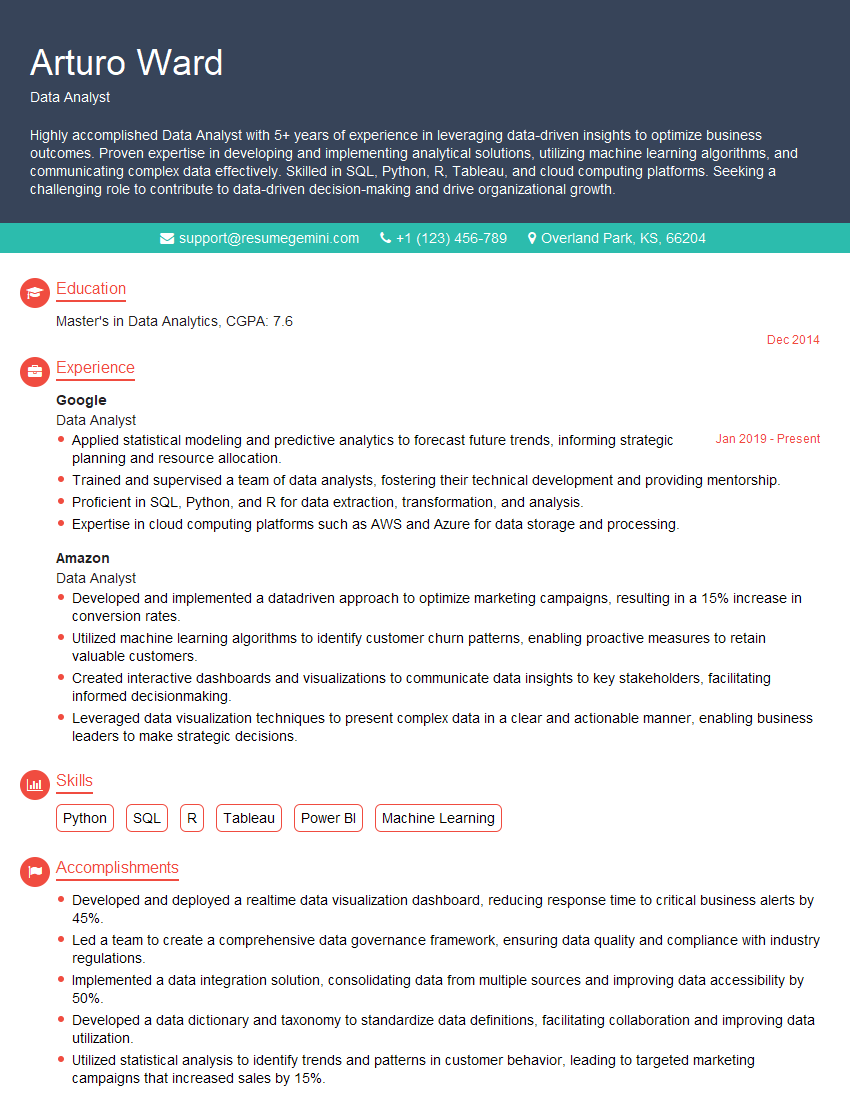
Data Analyst Resume Sample
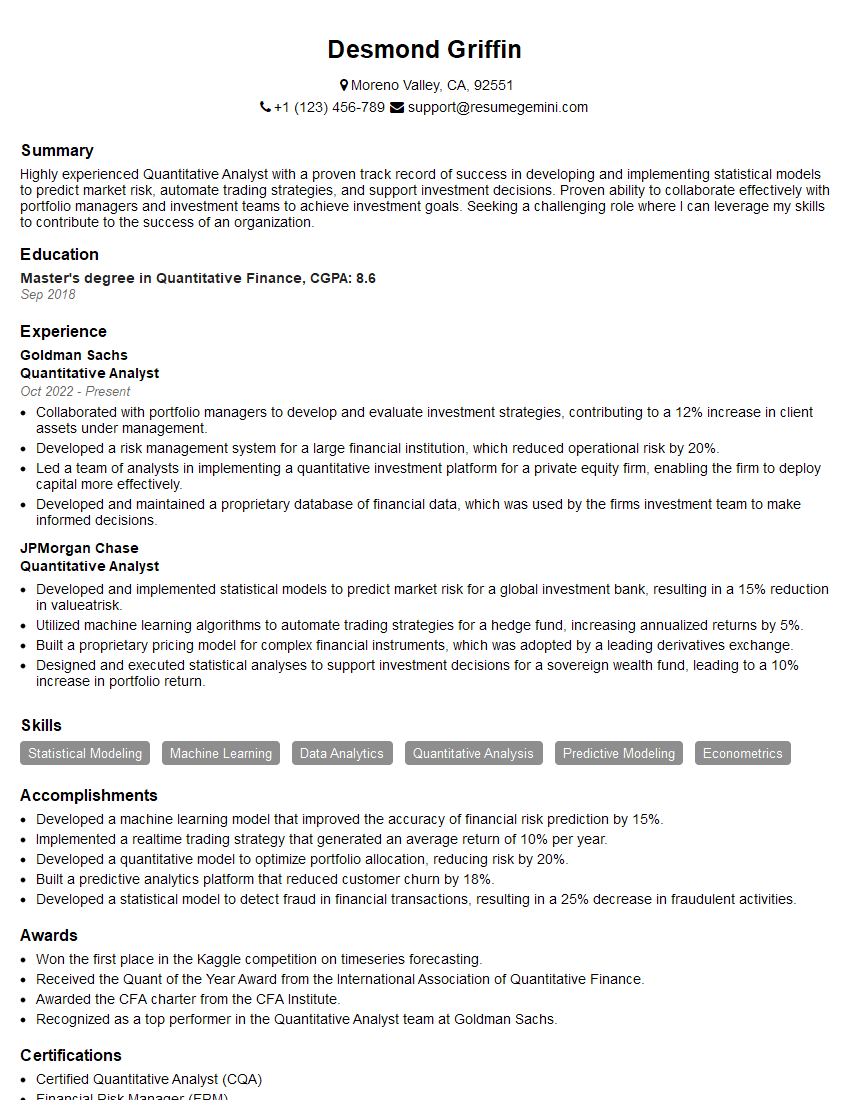
Quantitative Analyst Resume Sample
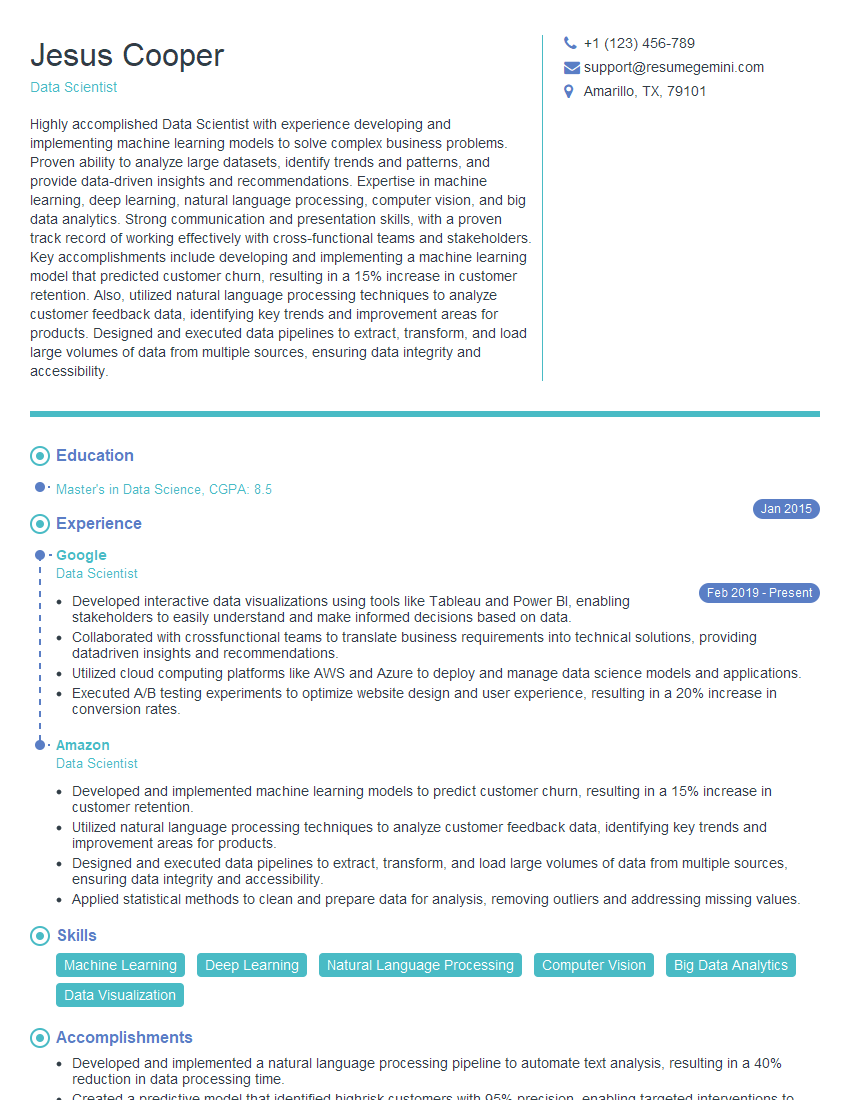
Data Scientist Resume Sample
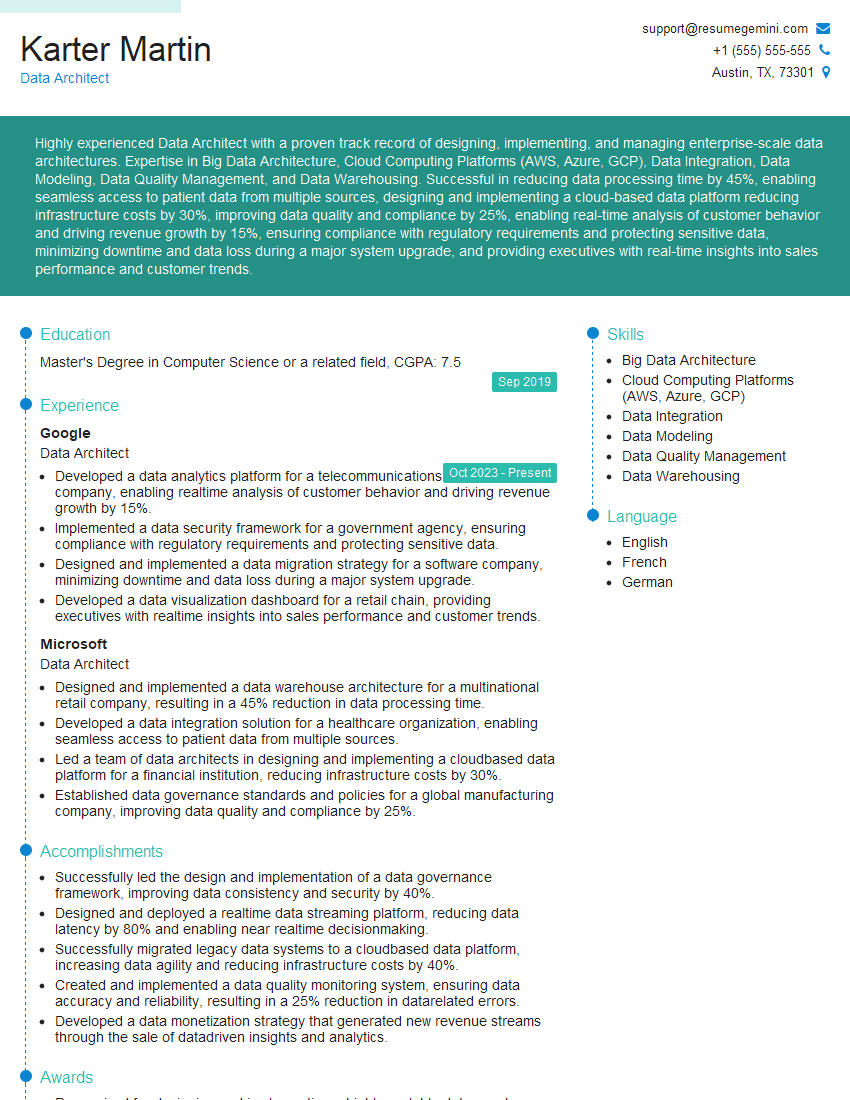
Data Architect Resume Sample
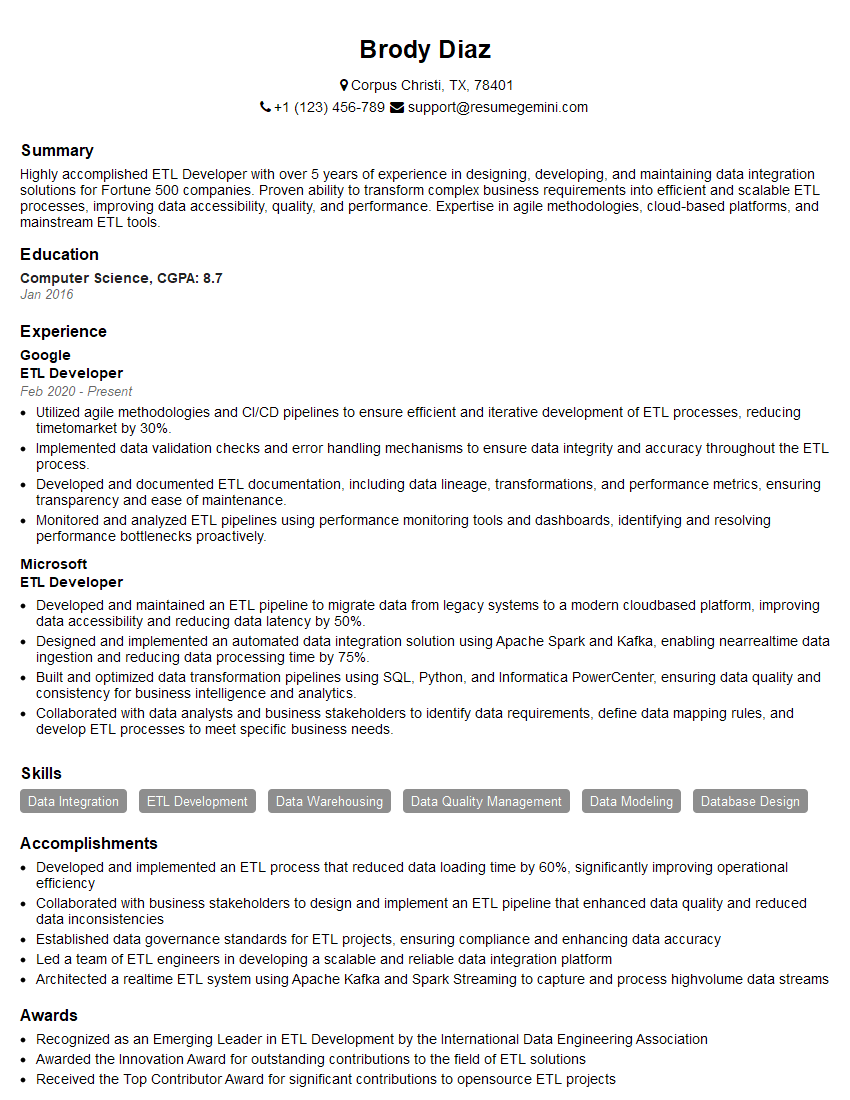
ETL Developer Resume Sample
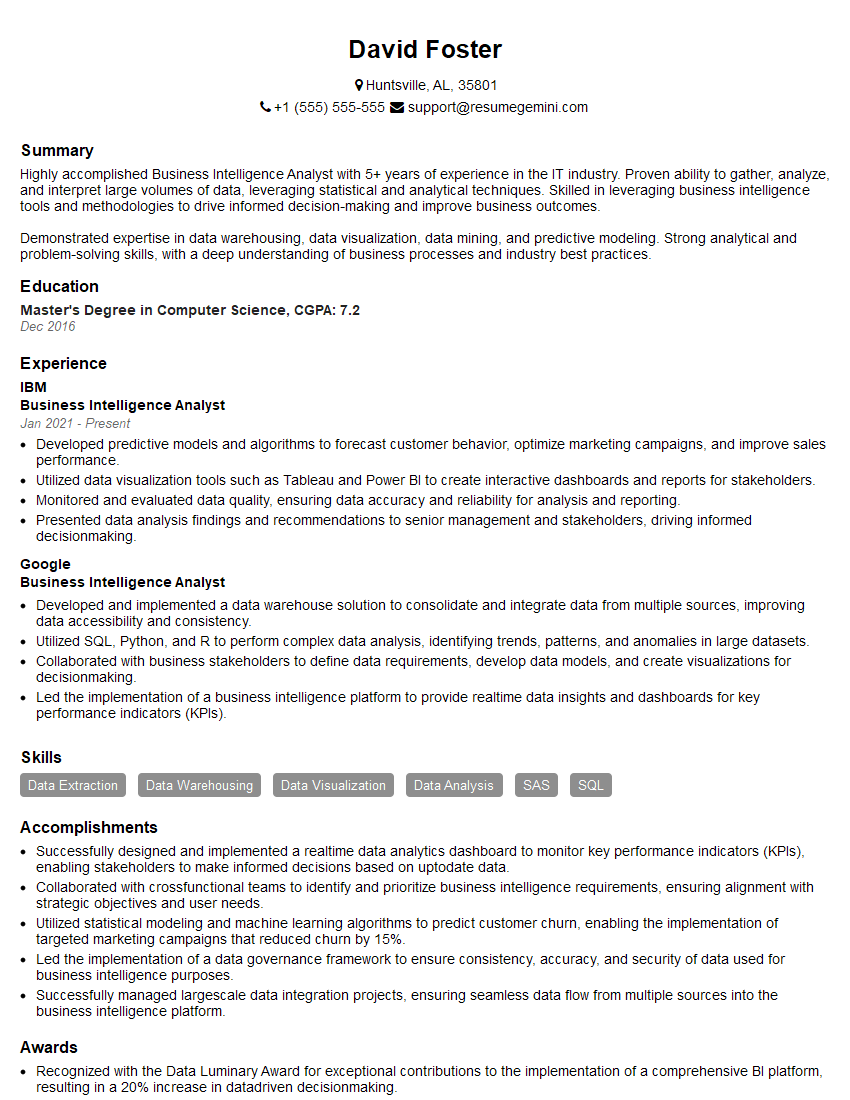
Business Intelligence Analyst Resume Sample
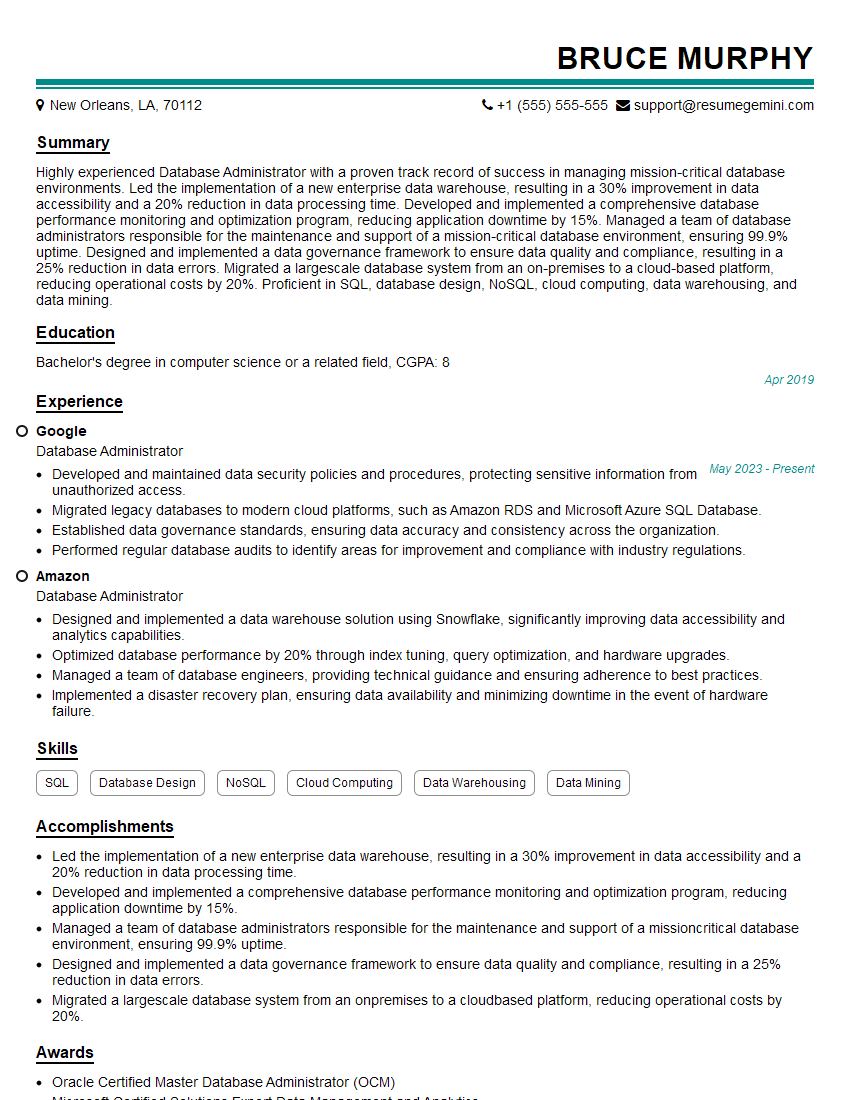
Database Administrator Resume Sample
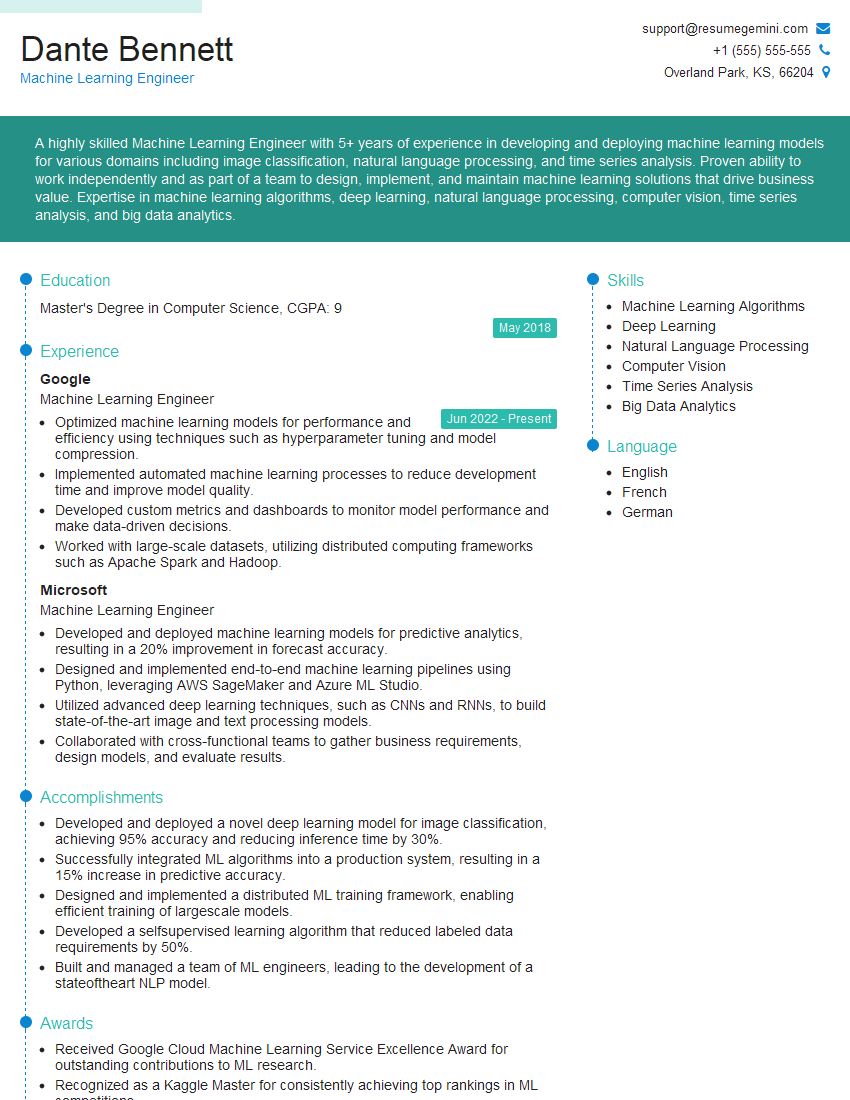
Machine Learning Engineer Resume Sample
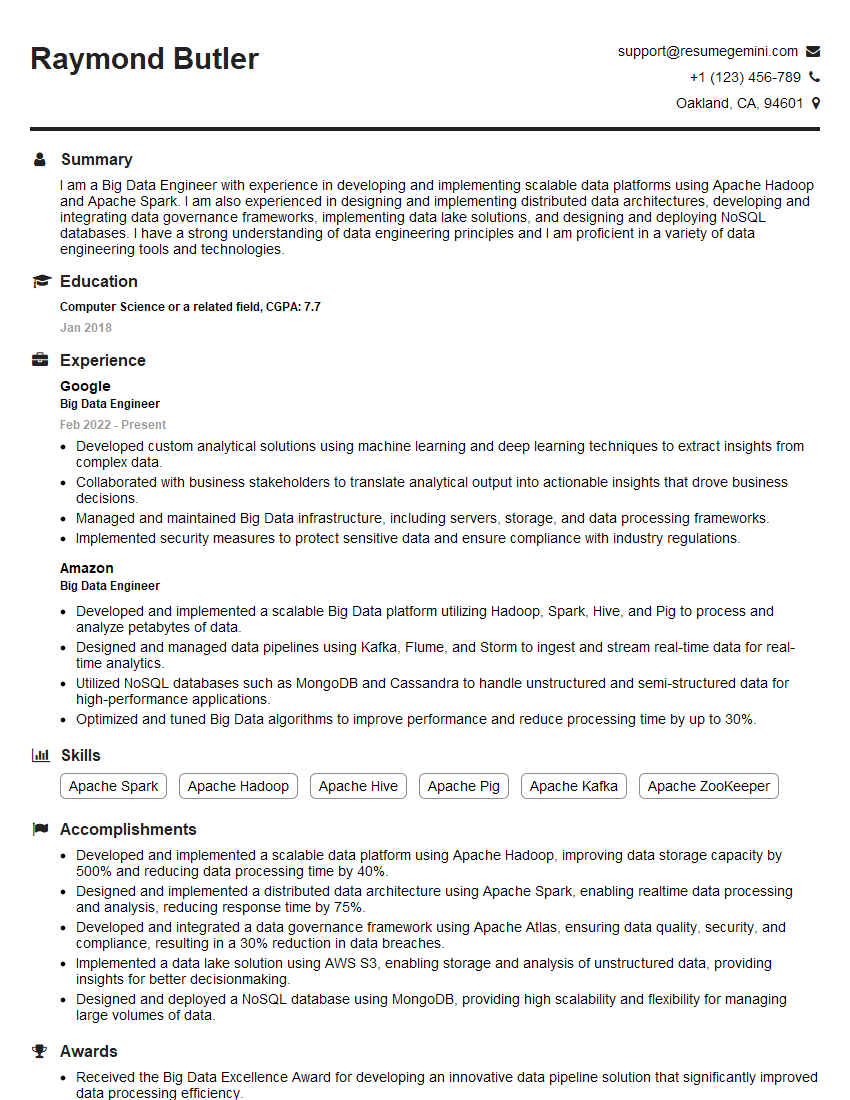
Big Data Engineer Resume Sample
Explore more articles
Users Rating of Our Blogs
Share Your Experience
We value your feedback! Please rate our content and share your thoughts (optional).
What Readers Say About Our Blog
Very informative content, great job.
good