The right preparation can turn an interview into an opportunity to showcase your expertise. This guide to Artistic Vision and Creativity interview questions is your ultimate resource, providing key insights and tips to help you ace your responses and stand out as a top candidate.
Questions Asked in Artistic Vision and Creativity Interview
Q 1. Describe your creative process from concept to execution.
My creative process is iterative and often non-linear, but generally follows these stages: Concept Development begins with brainstorming and research, exploring various ideas and themes. I utilize mood boards, sketches, and mind maps to visualize potential directions. Refinement and Experimentation involves sketching, prototyping, and testing different approaches. This phase allows me to refine the initial concept, experimenting with various techniques and styles until I find the most effective visual language. Execution and Iteration is where I bring the refined concept to life, using appropriate tools and techniques. This isn’t a one-way street; I frequently revisit earlier stages, refining and iterating based on the feedback I get from the work itself. Finalization and Presentation involves polishing the final product and preparing it for presentation, ensuring it aligns with the initial vision and meets the project’s objectives. For example, when designing a logo, I might start with numerous sketches, then refine them digitally, testing variations in color and typography before settling on the final version.
Q 2. How do you translate abstract ideas into tangible visual representations?
Translating abstract ideas into tangible visual representations requires a strong understanding of visual language. I start by breaking down the abstract concept into its core elements and emotions. Then, I identify symbolic representations that effectively communicate these elements. For instance, ‘freedom’ could be represented by soaring birds, open spaces, or flowing lines. I use metaphors, analogies, and symbolism to bridge the gap between the abstract concept and its visual equivalent. Color, texture, composition, and other visual elements are then strategically chosen to create the desired mood and convey the intended message. Consider a project exploring the theme of ‘isolation’. I might use a solitary figure in a vast, empty landscape, employing a muted color palette to enhance the feeling of loneliness and detachment.
Q 3. Explain your approach to solving a design problem with limited resources.
Resource limitations often force creative problem-solving. My approach involves prioritizing essential elements and focusing on impactful simplicity. This means identifying the core message and finding the most efficient way to communicate it visually. I often explore unconventional materials or techniques to achieve the desired effect without incurring high costs. For instance, instead of using expensive photographic equipment, I might use cleverly arranged found objects and creative lighting to achieve a visually compelling result. Prioritizing and strategically allocating available resources ensures I focus on high-impact elements that deliver the most effective visual communication. A successful project could be achieving a stunning visual identity for a small business on a tight budget using readily available design tools and by focusing on a strong and memorable logo.
Q 4. How do you incorporate user feedback into your creative process?
User feedback is crucial to the success of any creative project. I actively solicit feedback throughout the process, from initial concept sketches to the final product. This can be achieved through surveys, focus groups, or informal feedback sessions. I analyze feedback for recurring themes and insights that can inform design decisions. However, I don’t blindly follow all feedback; I carefully consider the validity and relevance of each suggestion, ensuring it aligns with the overall design goals and the target audience. Constructive criticism helps refine the project and ensure it resonates with its intended users. For example, if feedback reveals a logo is unclear, I might adjust its design to improve its memorability and recognition.
Q 5. Describe a time you had to defend a creative decision.
I once had to defend my decision to use a minimalist design for a website, against a client who preferred a more cluttered, visually busy approach. My argument centered around user experience and clarity. I presented data supporting the effectiveness of minimalist designs in terms of improved navigation and faster load times. I showed examples of successful websites using similar styles. I also explained how the minimalist approach allowed the key content and brand messaging to stand out more effectively, leading to better user engagement. Ultimately, the client appreciated my reasoned approach and the supporting data, leading to them embracing the minimalist design.
Q 6. How do you stay current with design trends and technologies?
Staying current in the fast-paced world of design requires continuous learning. I actively follow industry publications, blogs, and online communities. I attend workshops, conferences, and webinars to learn about new design trends and technologies. Experimenting with new tools and techniques also helps me expand my skillset. This constant learning allows me to adapt to evolving user expectations and technological advancements. It’s important to differentiate between trends and timeless design principles, however, ensuring I am using new technology and styles in a way that is both innovative and effective rather than purely trend-driven.
Q 7. Explain your understanding of color theory and its application.
Color theory is fundamental to my design process. I understand the color wheel, including primary, secondary, and tertiary colors, and how they relate to one another. I use color harmonies like complementary, analogous, and triadic to create visually pleasing and balanced compositions. The psychology of color—how different colors evoke different emotions and associations—plays a significant role. For instance, warm colors like red and orange can convey energy and excitement, while cool colors like blue and green can create a sense of calm and tranquility. I apply color theory to create a mood, guide the viewer’s eye, and enhance the overall message of the design. A strong understanding of color theory allows me to tailor the visual experience and create designs that are not only visually stunning but also emotionally resonant.
Q 8. How do you balance aesthetics with functionality in your designs?
Balancing aesthetics and functionality is crucial in design. It’s about creating something beautiful that also works effectively. Think of it like building a beautiful bridge – it needs to be visually stunning, but more importantly, it needs to be structurally sound and safe to use.
I achieve this balance through iterative design. I start with a strong understanding of the user needs and functionality requirements. Then, I explore different aesthetic approaches, always testing how well each option fulfills the functional needs. This often involves prototyping and user testing. For example, if I’m designing a website, I might initially focus on a visually striking layout, but then test its usability by observing how users navigate through it. Based on the feedback, I’d adjust the aesthetics to improve user experience without sacrificing the visual appeal.
Sometimes, subtle adjustments can make a big difference. For example, a carefully chosen color palette can both enhance the visual appeal and improve readability. Similarly, strategic use of whitespace can improve visual clarity and guide the user’s eye, making the interface more intuitive.
Q 9. Describe your experience working collaboratively on a creative project.
Collaboration is the heart of many successful creative projects. In one project, designing an interactive museum exhibit, I worked with a team of historians, programmers, and other designers. Our initial brainstorming sessions were crucial for establishing a shared vision. We used mind-mapping and mood boards to visually represent our ideas and ensure everyone was on the same page. We utilized a project management tool to track our progress and deadlines. This helped maintain transparency and accountability.
Open communication was key. Regular check-ins allowed us to address any concerns or challenges promptly. Differing opinions were welcomed as opportunities for creative growth. For instance, the historians’ insights helped shape the narrative, while the programmers ensured the interactive elements were feasible. The result was a project that seamlessly integrated historical accuracy, engaging interactivity, and an aesthetically pleasing design, exceeding initial expectations.
Q 10. How do you handle constructive criticism?
Constructive criticism is invaluable for growth. I approach it as an opportunity to learn and refine my work. I actively listen to feedback, clarifying any points I don’t fully understand. I avoid getting defensive and instead try to see the criticism from the perspective of the audience or client. I analyze the feedback to determine its validity. If the criticism is relevant and helpful, I incorporate it into my designs, adjusting accordingly.
For instance, if someone suggests a change to improve user experience, I’ll carefully evaluate how the change affects both the functionality and the aesthetics of the design. Sometimes, a simple adjustment can significantly improve the overall impact. If the criticism seems irrelevant or subjective, I’ll politely explain my rationale while still considering its potential value. The key is to be open-minded but also to maintain confidence in your creative vision.
Q 11. How do you manage your time effectively when working on multiple projects?
Managing multiple projects requires a structured approach. I utilize project management techniques like prioritizing tasks based on deadlines and importance. I break down large projects into smaller, manageable tasks, making them less overwhelming. Tools like task management software (e.g., Trello, Asana) help me track progress and stay organized.
Time blocking is essential. I allocate specific time slots for each project, focusing on one at a time to minimize context switching and maximize efficiency. Regularly reviewing my schedule and adjusting priorities as needed is crucial, particularly when unexpected events occur. For example, if a high-priority task arises, I’ll reschedule less urgent tasks to accommodate the new priority. Ultimately, effective time management is about being organized, adaptable, and realistic about my capacity.
Q 12. Describe your preferred software and tools for your creative work.
My creative workflow relies on a variety of software and tools, tailored to the specific project. For graphic design, I primarily use Adobe Creative Suite (Photoshop, Illustrator, InDesign), which provides a comprehensive set of tools for image manipulation, vector graphics, and layout design. For web design and development, I use Figma for prototyping and collaboration, and HTML, CSS, and JavaScript for front-end development.
Beyond these core tools, I utilize other applications as needed. For example, I might use Blender for 3D modeling or Procreate for digital painting, depending on the project requirements. My selection of tools is always driven by the need to optimize the creative process and achieve the highest quality results.
Q 13. How do you ensure the accessibility of your designs?
Accessibility is a fundamental aspect of good design. It means ensuring that my designs are usable by people with disabilities. This involves considering various aspects, such as visual impairments, auditory impairments, motor impairments, and cognitive disabilities.
For visual impairments, I use sufficient color contrast, provide alternative text for images (alt text), and ensure proper font sizes and spacing for readability. For auditory impairments, I ensure that videos have captions or transcripts. For motor impairments, I consider keyboard navigation and screen reader compatibility. I also design for cognitive disabilities by keeping designs simple, clear, and consistent. Adhering to WCAG (Web Content Accessibility Guidelines) is paramount in this process. This ensures my designs are inclusive and cater to a wider audience.
Q 14. Explain your understanding of visual hierarchy and its importance.
Visual hierarchy is the arrangement of elements in a design to guide the viewer’s eye and emphasize key information. Think of it as a visual roadmap, directing the viewer through your design in a specific order. It’s about creating a clear path that leads the user to the most important information first.
This is achieved through several techniques: size (larger elements are more prominent), contrast (using different colors or brightness levels), color (vibrant colors attract attention), placement (items placed higher or more centrally are noticed first), and proximity (grouping related elements together). For example, in a website, the headline is usually the largest element and prominently displayed to immediately communicate the main message. Then, supporting information follows in a logical sequence. A well-designed visual hierarchy ensures clarity, improves comprehension, and enhances the overall user experience.
Q 15. Describe a project where you had to overcome a significant creative challenge.
One significant creative challenge I faced was designing a marketing campaign for a sustainable fashion brand that needed to appeal to a younger, environmentally conscious demographic while also maintaining a sense of luxury and sophistication. The challenge lay in balancing the often-conflicting aesthetics of ‘eco-friendly’ (which can sometimes be perceived as simplistic or utilitarian) and ‘high-end’ (which can be associated with excessive consumption and unsustainable practices).
My solution involved a multi-pronged approach. First, I researched current trends in sustainable materials and manufacturing processes to inform the visual language. I incorporated imagery that showcased the natural beauty of the fabrics and the ethical sourcing, but avoided overly simplistic or ‘cutesy’ representations of environmentalism. Secondly, I focused on sophisticated color palettes, high-quality photography, and minimalist design elements to convey a sense of luxury. Finally, I incorporated storytelling through the campaign’s visuals, highlighting the journey of the product from sustainable source to finished garment. This approach resonated well with the target audience, effectively communicating both the brand’s commitment to sustainability and its dedication to quality and style.
Career Expert Tips:
- Ace those interviews! Prepare effectively by reviewing the Top 50 Most Common Interview Questions on ResumeGemini.
- Navigate your job search with confidence! Explore a wide range of Career Tips on ResumeGemini. Learn about common challenges and recommendations to overcome them.
- Craft the perfect resume! Master the Art of Resume Writing with ResumeGemini’s guide. Showcase your unique qualifications and achievements effectively.
- Don’t miss out on holiday savings! Build your dream resume with ResumeGemini’s ATS optimized templates.
Q 16. How do you measure the success of your creative work?
Measuring the success of creative work isn’t solely about aesthetics; it’s about achieving the intended impact. I use a multi-faceted approach:
- Client Satisfaction: Direct feedback from the client is crucial. Did the work meet their expectations and achieve their business goals? This might include sales figures, brand awareness metrics, or customer engagement data.
- Audience Engagement: For public-facing work, I analyze audience reactions – views, shares, comments, and overall reception. This provides valuable insights into how effectively the work resonates with the intended audience.
- Personal Evaluation: I reflect on whether the project allowed me to grow creatively and explore new techniques or perspectives. Did I achieve my own artistic goals within the project’s constraints?
- Industry Recognition (where applicable): Awards, nominations, or positive critiques from industry professionals can provide external validation of the work’s quality and impact.
Ultimately, success is a combination of meeting client needs, achieving audience engagement, and fostering personal and professional growth.
Q 17. How do you adapt your creative style to different project requirements?
Adapting my creative style requires flexibility and a deep understanding of the project’s context and objectives. I start by thoroughly researching the brand, target audience, and specific project goals. This might involve studying existing branding guidelines, analyzing competitor work, or conducting market research.
For example, a project for a tech startup might necessitate a modern, minimalist style with clean lines and a bold color palette, emphasizing innovation and functionality. Conversely, a project for a luxury jewelry brand might require a more opulent and refined aesthetic with intricate details and a sophisticated color scheme.
I view stylistic adaptation not as a compromise of my personal style, but as an opportunity to refine and expand my skillset and understand the power of visual communication in diverse contexts. My core artistic principles remain consistent (e.g., strong composition, thoughtful color choices), but their expression adapts to serve the specific needs of each project.
Q 18. Explain your understanding of branding and its visual application.
Branding is the process of creating a unique identity for a company or product that sets it apart from the competition. It’s much more than a logo; it’s a comprehensive strategy encompassing visual elements, messaging, values, and overall experience.
Visual application of branding involves creating a cohesive system of visual elements that communicate the brand’s essence consistently across all touchpoints. This includes:
- Logo design: The foundational visual element, representing the brand’s identity.
- Color palette: Carefully selected colors that evoke specific emotions and associations.
- Typography: Font choices that reflect the brand’s personality and tone.
- Imagery and photography: Visual content that aligns with the brand’s aesthetic and messaging.
- Graphic style guides: Detailed documents that provide clear guidelines for consistent brand application across various platforms.
A strong visual brand identity helps establish recognition, builds trust with customers, and ultimately drives business success. Think of iconic brands like Coca-Cola or Apple; their visual branding is instantly recognizable and deeply ingrained in consumer consciousness.
Q 19. How do you ensure consistency in design across multiple platforms?
Maintaining design consistency across multiple platforms (website, social media, print materials, etc.) is crucial for a strong brand identity. I achieve this through:
- Style Guides: Creating comprehensive style guides that outline all aspects of the brand’s visual identity – logo usage, color palettes, typography, imagery styles, and even spacing and layout guidelines.
- Digital Asset Management (DAM): Utilizing a DAM system to store and manage all brand assets (logos, fonts, images, templates) ensures everyone involved has access to the correct and up-to-date versions.
- Template Creation: Designing reusable templates for common design elements (e.g., social media posts, email newsletters) simplifies the process and ensures consistency.
- Collaboration Tools: Using collaborative design tools and platforms allows for real-time feedback and ensures everyone is working from the same source files.
- Regular Audits: Periodically reviewing design across different platforms to identify any inconsistencies and address them promptly.
By following these steps, I ensure a consistent brand experience, reinforcing brand recognition and building a unified brand image.
Q 20. Describe your experience with different design styles (e.g., minimalist, maximalist).
I have extensive experience working with a range of design styles, adapting my approach to the project’s specific needs. Minimalist design emphasizes simplicity and functionality, using a limited color palette, clean lines, and negative space. This style is ideal for conveying clarity and sophistication, often used in technology or luxury branding. Think of the clean interfaces of Apple products or the branding of high-end fashion houses.
Maximalist design, conversely, embraces abundance and richness, employing complex patterns, vibrant colors, and a multitude of details. This style can be powerful for expressing energy, creativity, and personality, often used in art, entertainment, or youth-oriented brands. Think of the vibrant works of some pop artists or the playful designs found in children’s book illustrations.
My ability to navigate these diverse styles allows me to select the most appropriate aesthetic to effectively communicate the brand’s message and connect with its target audience.
Q 21. How do you approach creating a cohesive visual identity for a brand?
Creating a cohesive visual identity begins with a deep understanding of the brand itself. This involves extensive research and collaboration with the client to define the brand’s values, mission, target audience, and competitive landscape. I then translate these insights into a comprehensive visual system.
My approach includes:
- Brand Strategy & Research: Conducting thorough market research to identify the target audience and competitive landscape. Defining the brand’s personality, values, and unique selling propositions.
- Mood Board Creation: Developing mood boards to visually represent the desired aesthetic and feeling of the brand. This serves as a visual guide during the design process.
- Logo Design: Crafting a logo that encapsulates the brand’s essence and is memorable and easily recognizable.
- Color Palette Development: Selecting colors that align with the brand’s personality and evoke the desired emotional response.
- Typography Selection: Choosing fonts that reflect the brand’s tone and personality.
- Style Guide Creation: Creating a comprehensive style guide to ensure consistency in brand application across all platforms.
- Iterative Design Process: Employing an iterative design process with client feedback at each stage to ensure alignment with their vision.
The end result is a unified visual identity that effectively communicates the brand’s story, values, and personality, establishing a strong and lasting connection with its audience.
Q 22. Explain your understanding of typography and its impact on design.
Typography is far more than just choosing a font; it’s the art and technique of arranging type to make written language legible, readable, and appealing. It’s the visual language of communication, impacting everything from readability and hierarchy to the overall mood and message of a design. A well-chosen typeface can elevate a design, while a poorly chosen one can detract significantly.
- Readability: Serif fonts (like Times New Roman) are often preferred for body text due to their readability, while sans-serif fonts (like Arial) are often better suited for headlines and shorter text blocks. The font size, leading (line spacing), and kerning (space between letters) all play crucial roles in ensuring readability.
- Hierarchy: Using different font sizes, weights (bold, regular, light), and styles (italics) creates a visual hierarchy, guiding the reader’s eye to the most important information first. For example, a larger, bolder headline immediately commands attention compared to smaller body text.
- Mood and Tone: Different typefaces evoke different feelings. A playful script font might be appropriate for a children’s book, whereas a strong, geometric sans-serif might suit a corporate brochure. The choice of font directly influences the overall emotional response to the design.
For instance, imagine a website promoting a luxury brand. Using a delicate serif font with ample spacing would communicate elegance and sophistication, while a clunky, informal font would clash with the brand’s image. Conversely, a children’s website would benefit from a playful, rounded font that is both visually appealing and easily readable for its target audience.
Q 23. How do you use storytelling in your creative work?
Storytelling is the backbone of effective design. It’s about creating a narrative, a journey that engages the audience and leaves a lasting impression. I incorporate storytelling by considering the ‘who,’ ‘what,’ ‘where,’ ‘when,’ and ‘why’ of a project. This means understanding the target audience, the core message, the context of the design, and the desired outcome.
For example, in designing a website for a non-profit organization, I wouldn’t just list their services; instead, I’d weave a compelling narrative that showcases the impact of their work through imagery, testimonials, and carefully crafted text. I might start with a powerful image capturing a moment of impact, then use concise, evocative text to tell the story of the people the organization helps. The overall design becomes a visual representation of their mission, connecting emotionally with visitors and inspiring action.
This storytelling approach applies to various design disciplines. In a poster design, the story might be unfolded through a sequence of images, leading the viewer to a clear call to action. Similarly, in a logo design, the visual elements can represent the brand’s history, values, and aspirations.
Q 24. Describe your process for developing a mood board or style guide.
Developing a mood board or style guide is a crucial step in any design project. It acts as a visual blueprint, guiding the direction and maintaining consistency throughout the project. My process involves several iterative stages:
- Research & Inspiration: I start by gathering visual inspiration – images, color palettes, typography samples, textures – from various sources, including online platforms like Pinterest and Behance, design magazines, and even real-world observations.
- Defining the Brand/Project: I thoroughly understand the project’s goals, target audience, and brand identity (if applicable). This understanding forms the foundation for selecting appropriate visual elements.
- Mood Board Creation: I organize the collected visual elements into a mood board, focusing on creating a cohesive narrative. This isn’t about random visual clutter, but a curated selection that reflects the desired mood, tone, and aesthetic.
- Style Guide Development: Based on the mood board, I create a comprehensive style guide detailing specific elements such as fonts, colors, imagery style, spacing, and layout guidelines. This ensures design consistency across various platforms and deliverables.
- Iteration & Refinement: The mood board and style guide are not set in stone. I continuously review and refine them throughout the project, adapting as needed based on feedback and project developments.
For instance, when designing a style guide for a tech company, the mood board might feature clean lines, geometric shapes, and a vibrant color palette, reflecting the modern and innovative nature of the brand. The style guide will then meticulously specify the exact colors, fonts, and spacing for every element, ensuring consistent brand presentation.
Q 25. How do you handle conflicting creative ideas within a team?
Conflicting creative ideas are inevitable in team environments. Instead of viewing them as problems, I see them as opportunities for innovation and growth. My approach involves:
- Open Communication & Active Listening: I create a safe space where every team member feels comfortable sharing their ideas without fear of judgment. This involves actively listening to each perspective and seeking clarification when needed.
- Understanding the ‘Why’: I encourage team members to articulate the rationale behind their ideas. Understanding the underlying motivations helps uncover the strengths and weaknesses of each approach.
- Brainstorming & Collaboration: Instead of directly rejecting ideas, I facilitate brainstorming sessions, encouraging the team to combine and build upon the existing ideas. Often, the best solutions emerge from a combination of different perspectives.
- Objective Evaluation & Compromise: We evaluate the ideas based on objective criteria, such as alignment with project goals, feasibility, and aesthetic appeal. Sometimes, compromise is necessary, involving elements from different ideas to create a unified, cohesive design.
- Decision-Making Process: A clear decision-making process, whether through voting or consensus, ensures that the final decision is well-understood and accepted by the team.
A collaborative approach fosters a sense of ownership and ensures that the final design is the best possible outcome, incorporating the best elements from every perspective.
Q 26. How do you prioritize tasks when working under tight deadlines?
Working under tight deadlines necessitates a strategic approach to task prioritization. My strategy revolves around:
- Project Breakdown: I break down the project into smaller, manageable tasks, assigning each a realistic timeframe.
- Prioritization Matrix: I use a prioritization matrix (like the Eisenhower Matrix – Urgent/Important) to categorize tasks based on their urgency and importance. This helps focus on the most critical tasks first.
- Time Blocking: I dedicate specific time blocks to particular tasks, minimizing distractions and ensuring focused work. The Pomodoro Technique (working in focused bursts with short breaks) can also be helpful.
- Delegation (if applicable): If working with a team, I delegate tasks effectively, leveraging the strengths of each team member.
- Regular Check-ins & Adjustments: I conduct regular check-ins to track progress and make adjustments as needed. This might involve re-prioritizing tasks or seeking assistance if delays occur.
It’s crucial to be realistic about the time required for each task and build in buffer time for unexpected delays. Over-committing can lead to burnout and compromise the quality of the final product.
Q 27. Describe your experience with design systems and their implementation.
Design systems are crucial for maintaining consistency and efficiency in design. They are a collection of reusable components, guidelines, and specifications that streamline the design and development process. My experience involves:
- Component Library Creation: I’ve been involved in building component libraries using tools like Figma or Sketch, creating reusable UI elements like buttons, forms, and navigation menus. This ensures consistency across different projects and platforms.
- Style Guide Development: I’ve contributed to creating comprehensive style guides that document design specifications, typography, color palettes, and other visual elements, ensuring a unified brand identity.
- Implementation & Collaboration: I’ve collaborated with developers to implement design systems, ensuring that the design specifications are accurately translated into code. This involves close collaboration and clear communication to avoid discrepancies.
- Maintenance & Updates: Design systems require ongoing maintenance and updates to reflect changes in brand guidelines or technology. I’ve managed this iterative process, ensuring that the system remains relevant and useful.
A well-implemented design system significantly improves efficiency, reduces design inconsistencies, and accelerates the design and development process. It’s a valuable asset for organizations with multiple projects or a large design team.
Q 28. How do you maintain a high level of creativity over extended periods?
Maintaining a high level of creativity over extended periods requires a conscious effort and a multi-faceted approach. I focus on:
- Continuous Learning: I actively seek out new inspiration and knowledge, exploring different design styles, techniques, and technologies. This could involve attending workshops, online courses, or simply browsing design blogs and portfolios.
- Diversification of Activities: I don’t limit myself to just design work. I engage in other creative pursuits – painting, photography, writing – which helps to broaden my perspective and spark new ideas.
- Mindfulness & Breaks: Regular breaks are essential to avoid burnout. I incorporate mindfulness practices, like meditation or spending time in nature, to refresh my mind and foster creativity.
- Collaboration & Feedback: Sharing ideas and receiving feedback from others helps to challenge my assumptions and expand my thinking. Collaboration can be invigorating and lead to unexpected creative breakthroughs.
- Embrace Failure & Experimentation: I view failure as a learning opportunity. I encourage experimentation and don’t fear trying new things, even if they don’t always succeed.
Ultimately, maintaining creativity is a journey, not a destination. It’s about cultivating a mindset of continuous learning, exploration, and self-care.
Key Topics to Learn for Artistic Vision and Creativity Interview
- Understanding Your Artistic Voice: Defining your unique style, influences, and artistic philosophy. Explore how your personal experiences shape your creative process.
- Conceptualization and Ideation: Discuss techniques for brainstorming, developing strong concepts, and translating abstract ideas into tangible visual forms. Practice explaining your creative process clearly and concisely.
- Visual Communication and Storytelling: How you effectively communicate narratives, emotions, and ideas through your chosen medium. Analyze examples of successful visual storytelling and discuss your approach.
- Technical Proficiency and Innovation: Demonstrate your mastery of relevant tools and techniques, and showcase your ability to adapt to new technologies and approaches. Be ready to discuss your problem-solving skills within your artistic practice.
- Collaboration and Teamwork: Discuss your experiences working collaboratively on creative projects. Highlight your communication skills and ability to contribute effectively within a team environment.
- Critique and Self-Reflection: Explain how you approach constructive criticism and use it to refine your artistic vision. Discuss your process for self-evaluation and continuous improvement.
- Market Awareness and Trends: Demonstrate an understanding of current trends and industry practices within your artistic field. Show your ability to adapt your work to market demands while maintaining your artistic integrity.
Next Steps
Mastering Artistic Vision and Creativity is crucial for career advancement in today’s competitive landscape. It allows you to effectively communicate your ideas, solve creative challenges, and build a unique and recognizable brand. To maximize your job prospects, crafting a strong, ATS-friendly resume is essential. ResumeGemini can significantly enhance your resume-building experience, helping you present your skills and experience in the most compelling way. We provide examples of resumes tailored specifically to showcasing Artistic Vision and Creativity – take advantage of these resources to present yourself effectively to potential employers.
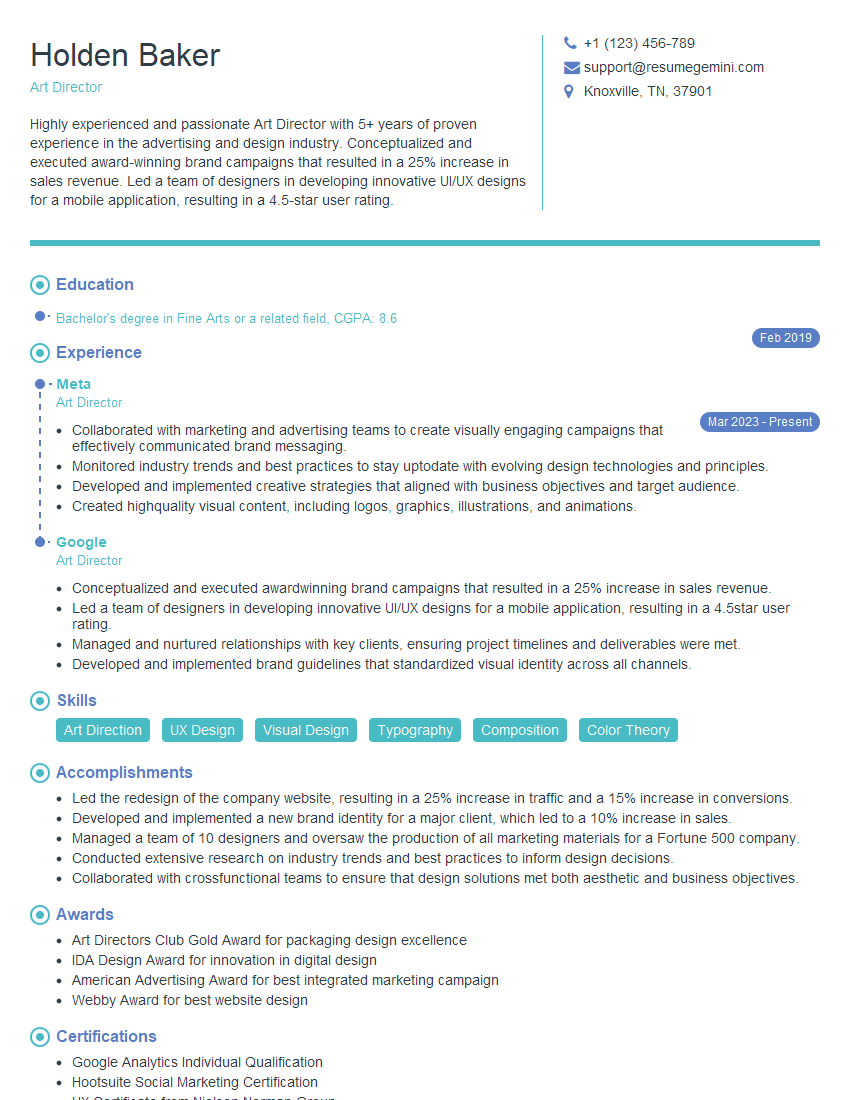
Art Director Resume Sample

Creative Director Resume Sample
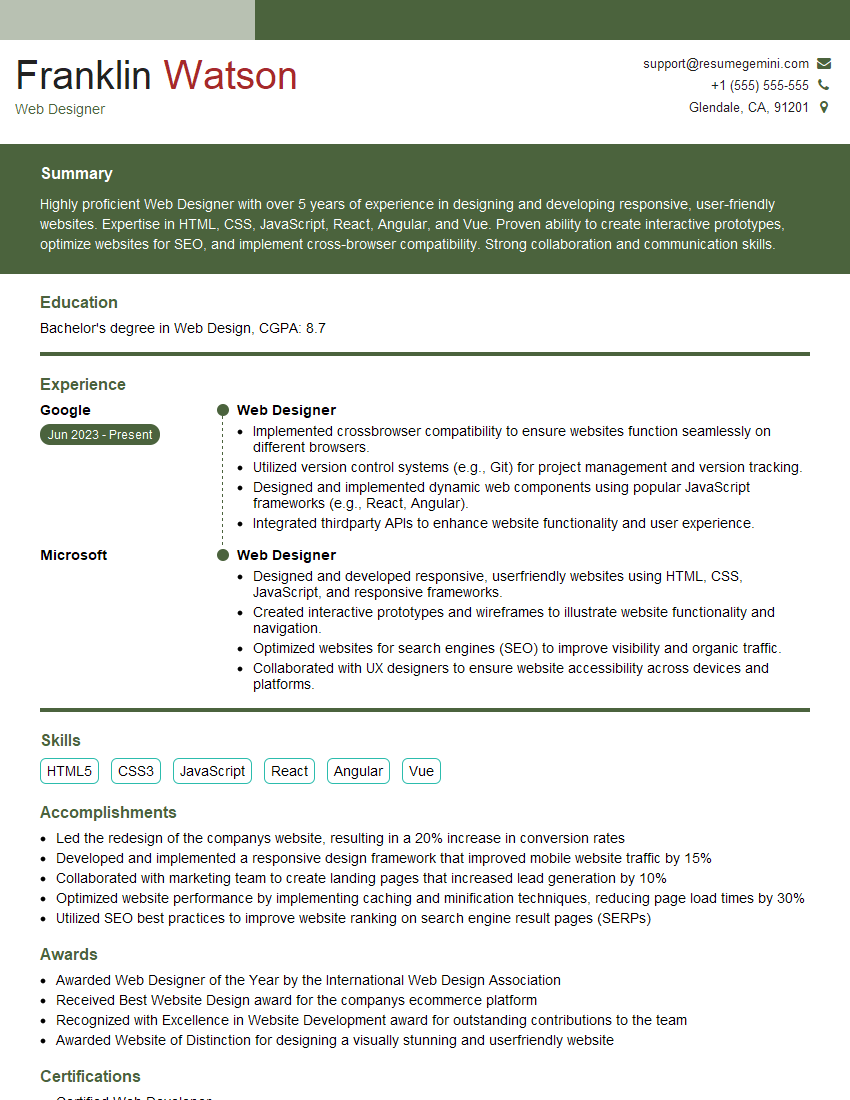
Web Designer Resume Sample
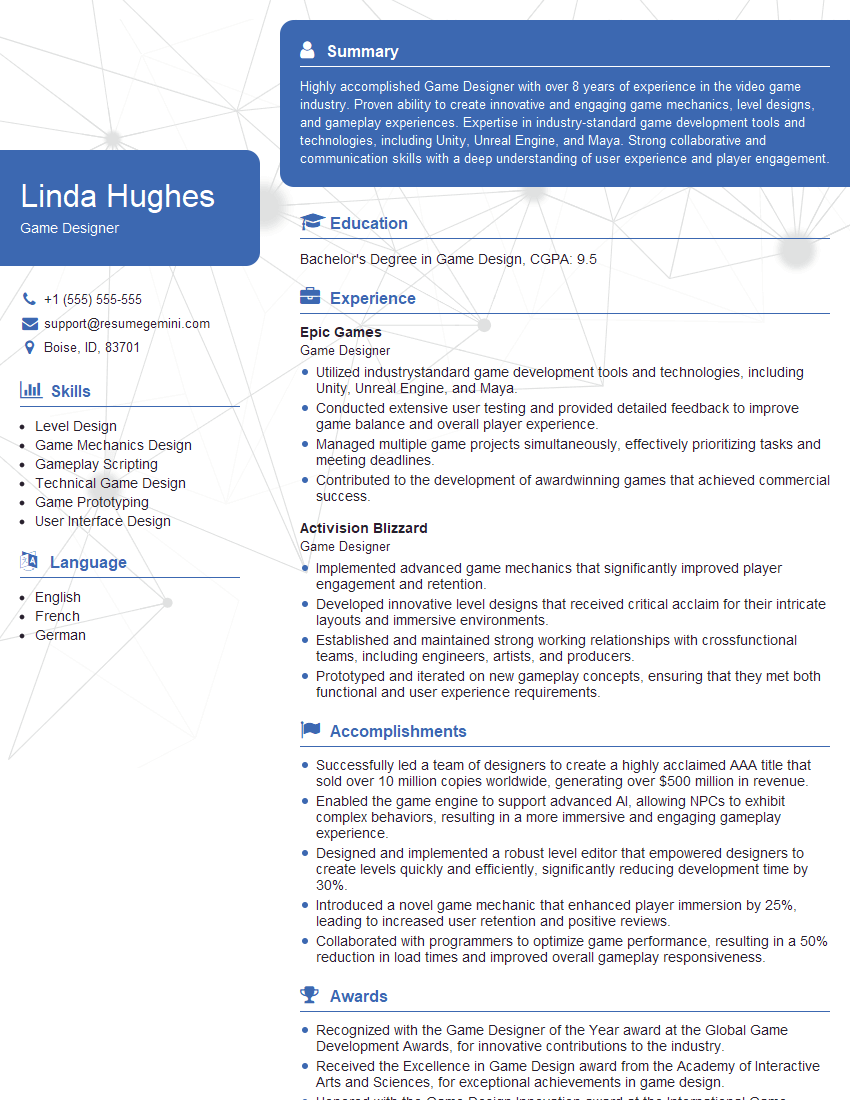
Game Designer Resume Sample
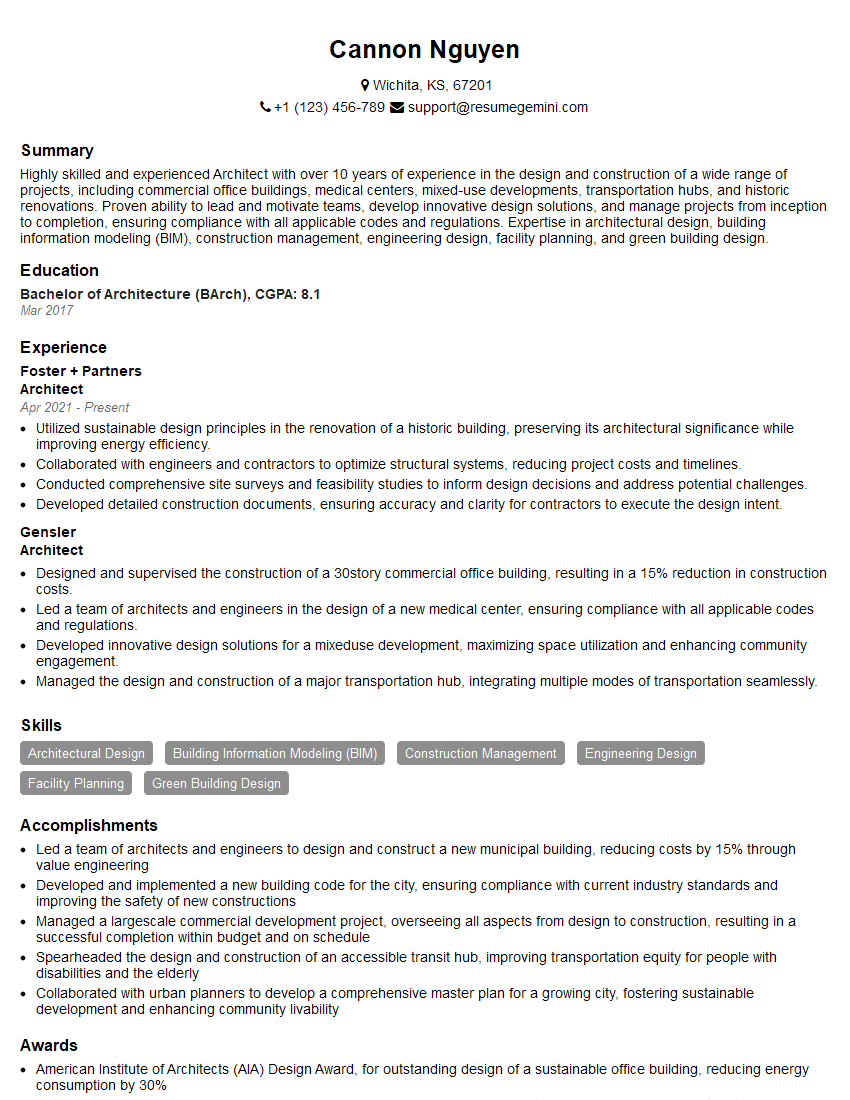
Architect Resume Sample
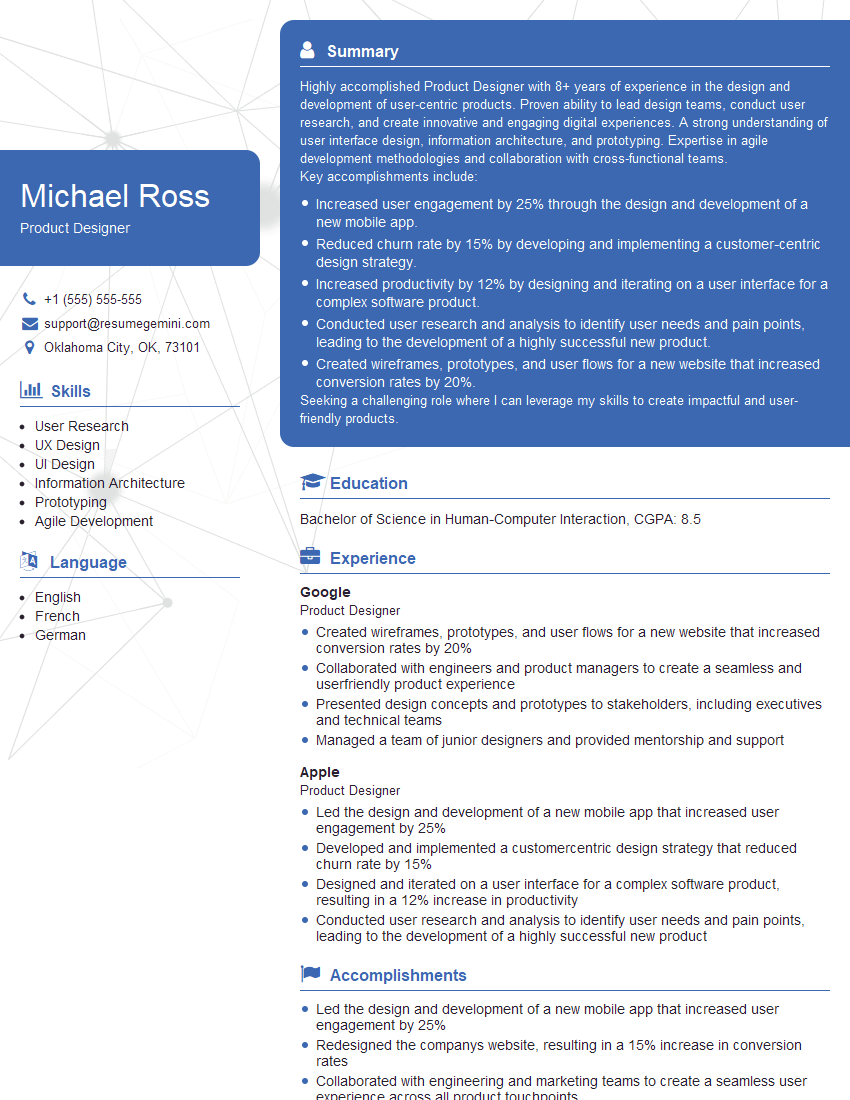
Product Designer Resume Sample
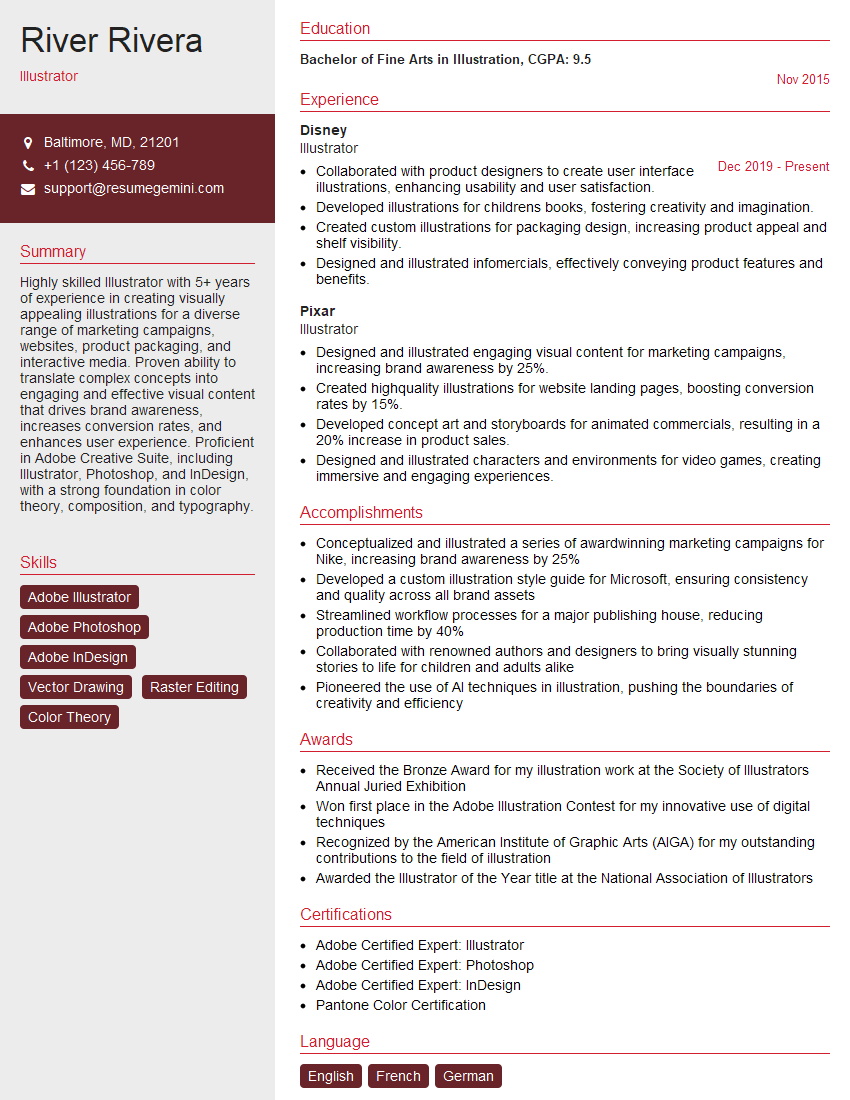
Illustrator Resume Sample
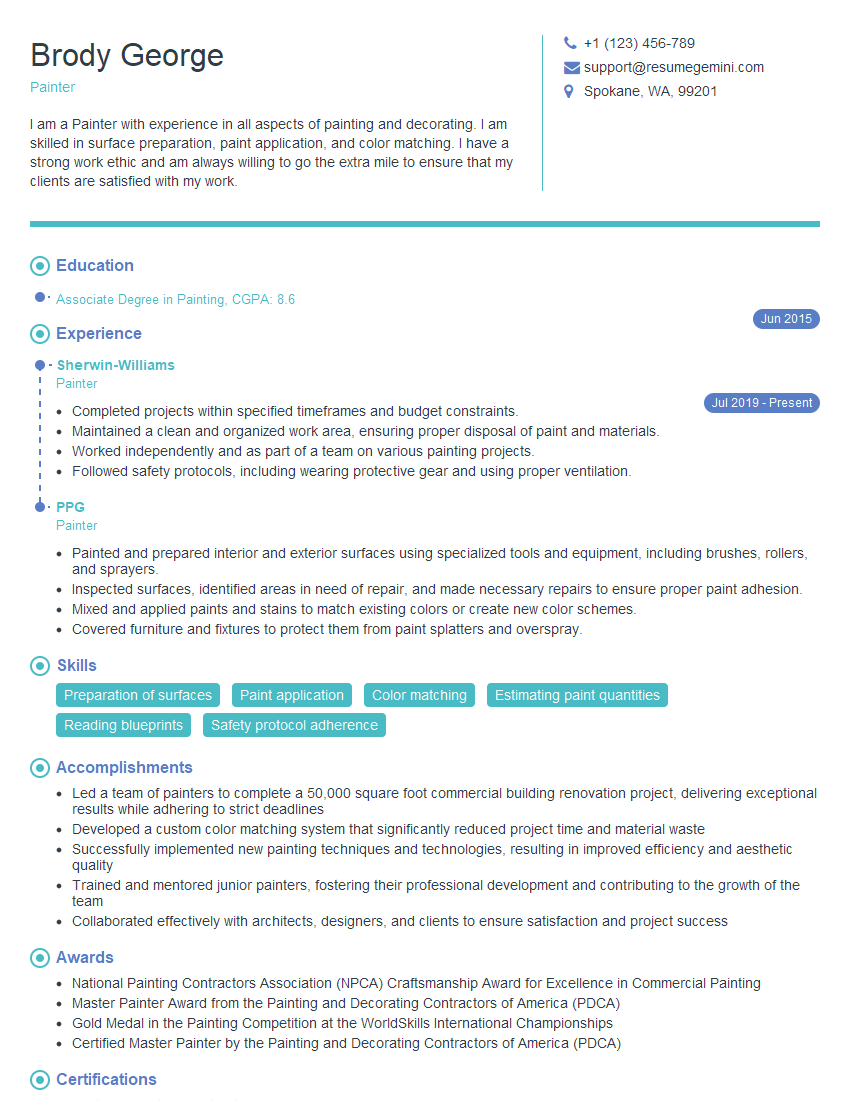
Painter Resume Sample
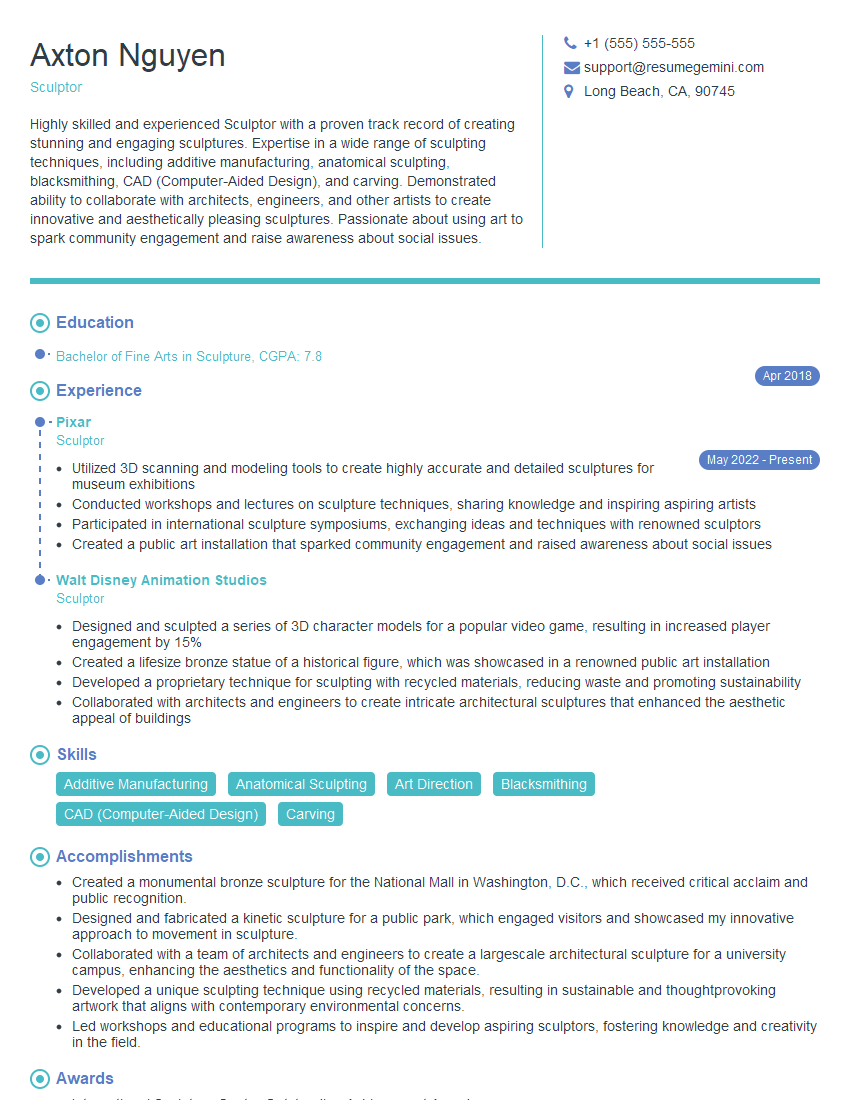
Sculptor Resume Sample
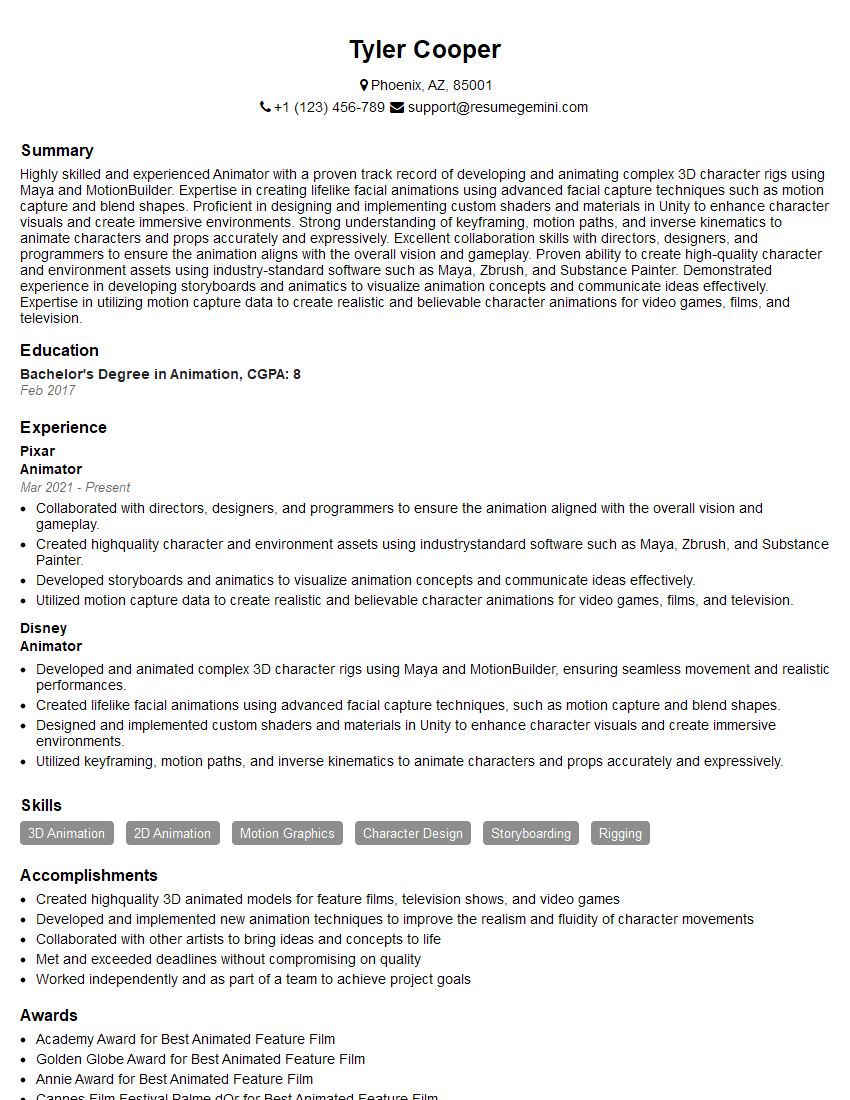
Animator Resume Sample
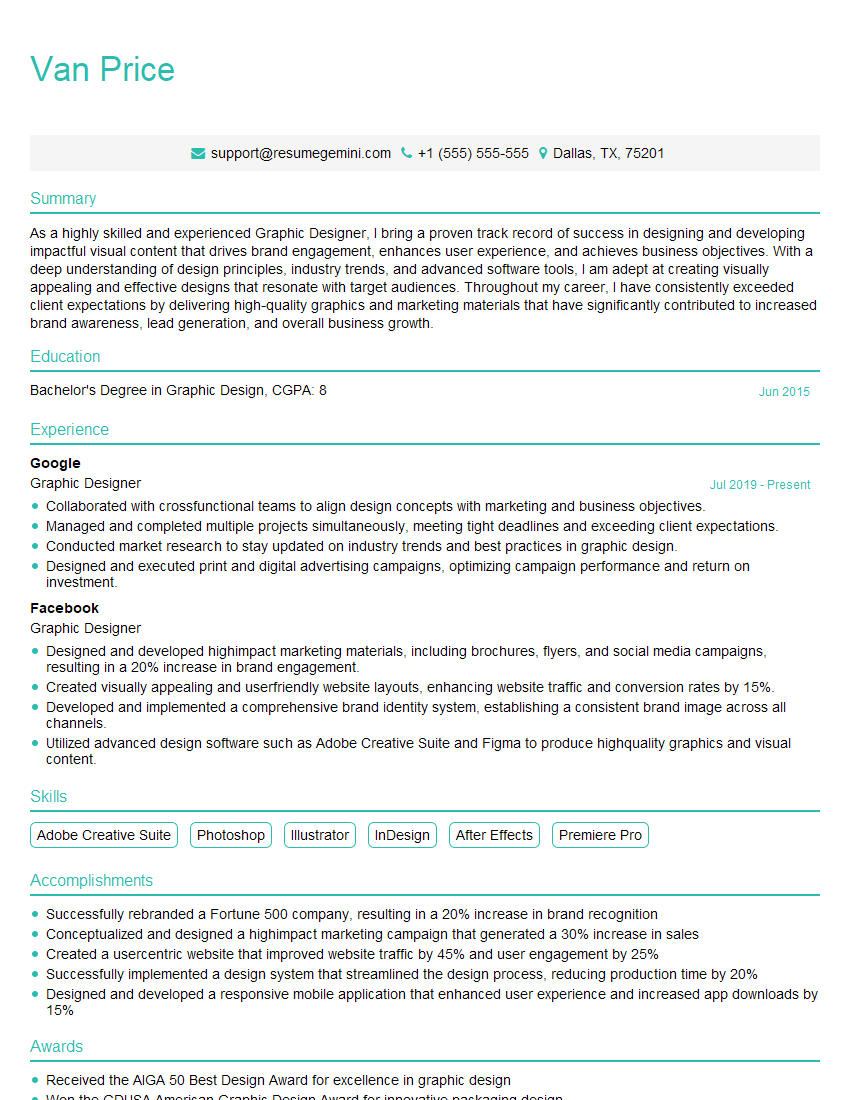
Graphic Designer Resume Sample
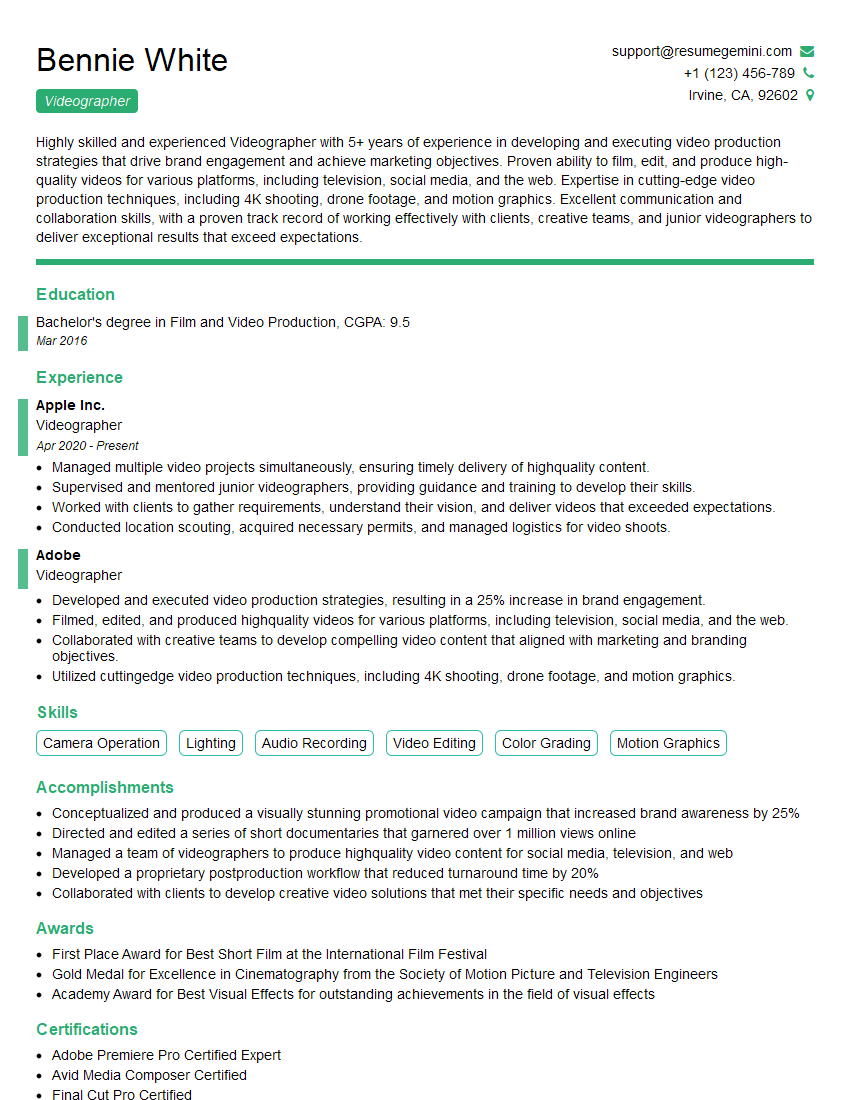
Videographer Resume Sample
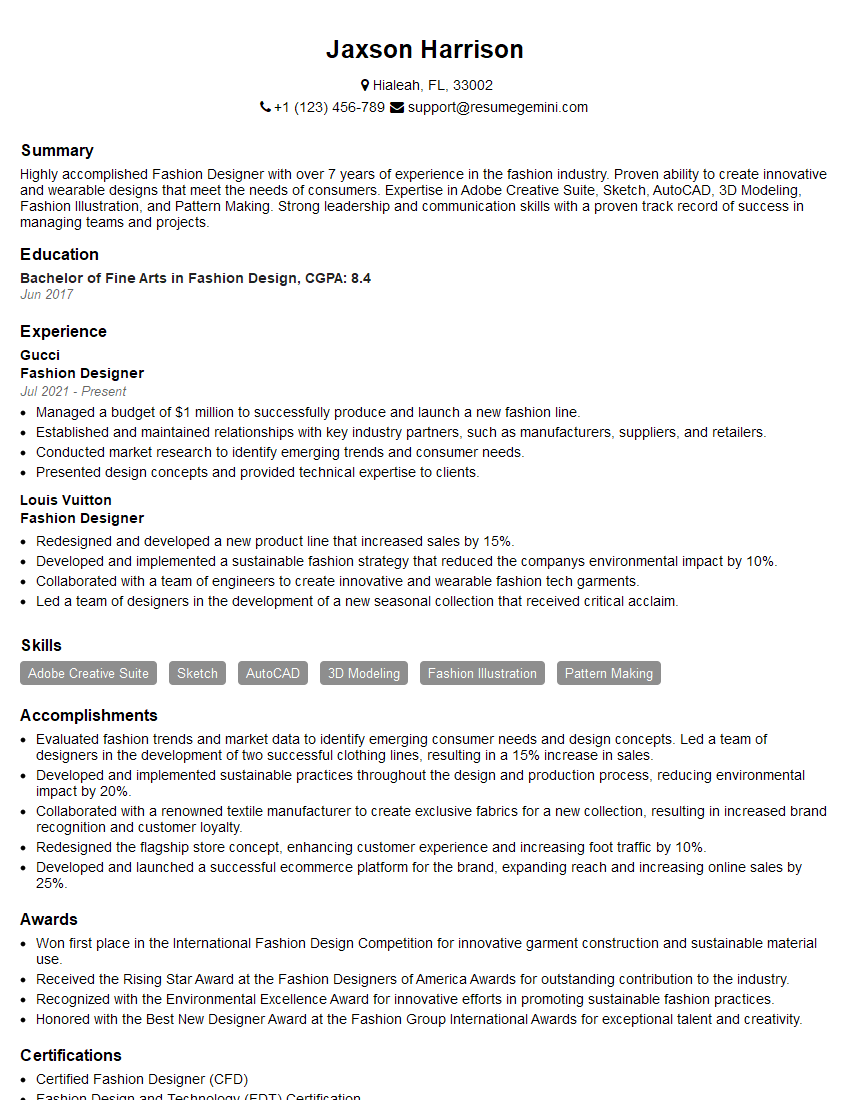
Fashion Designer Resume Sample
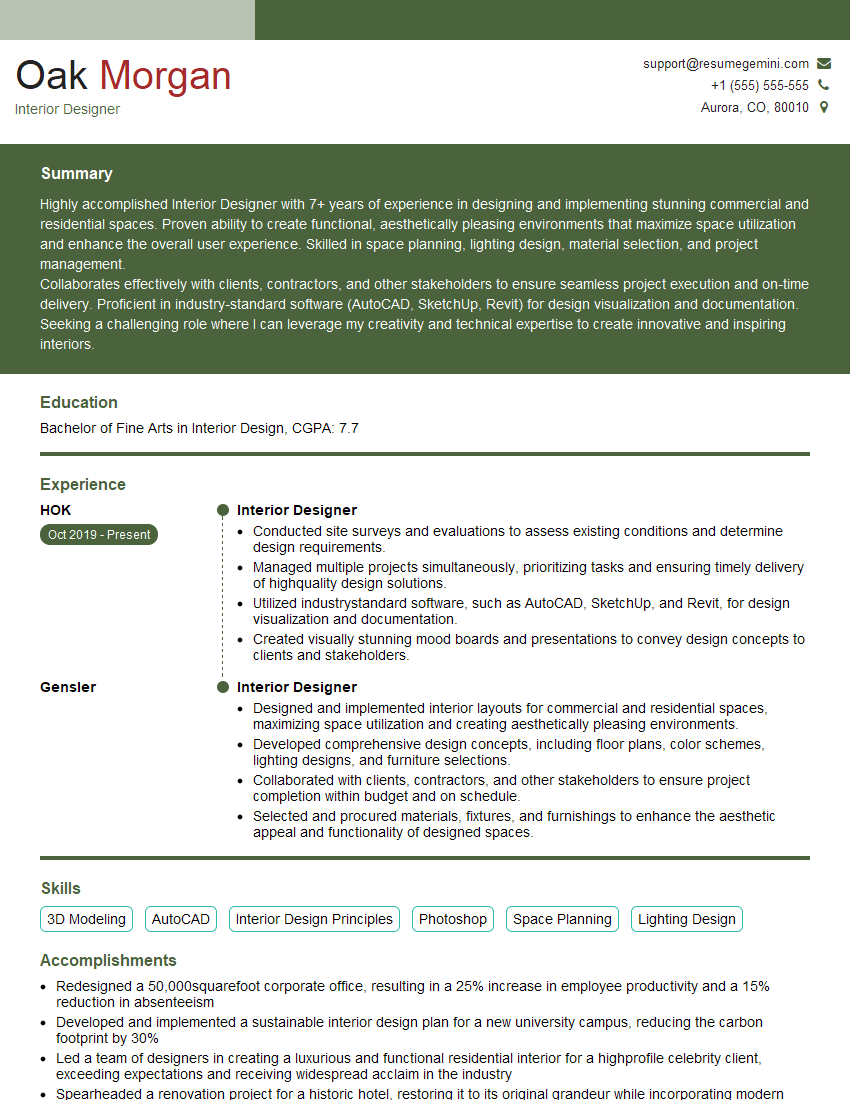
Interior Designer Resume Sample
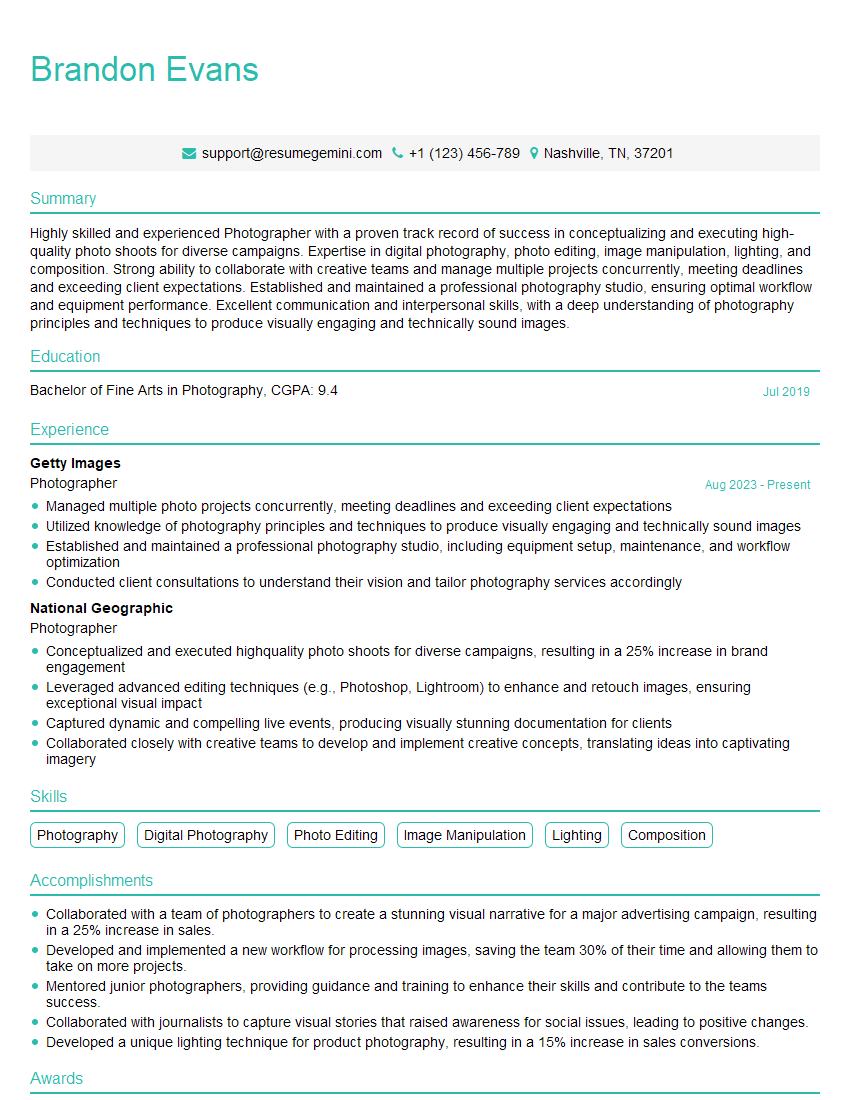
Photographer Resume Sample

Copywriter Resume Sample

Content Creator Resume Sample
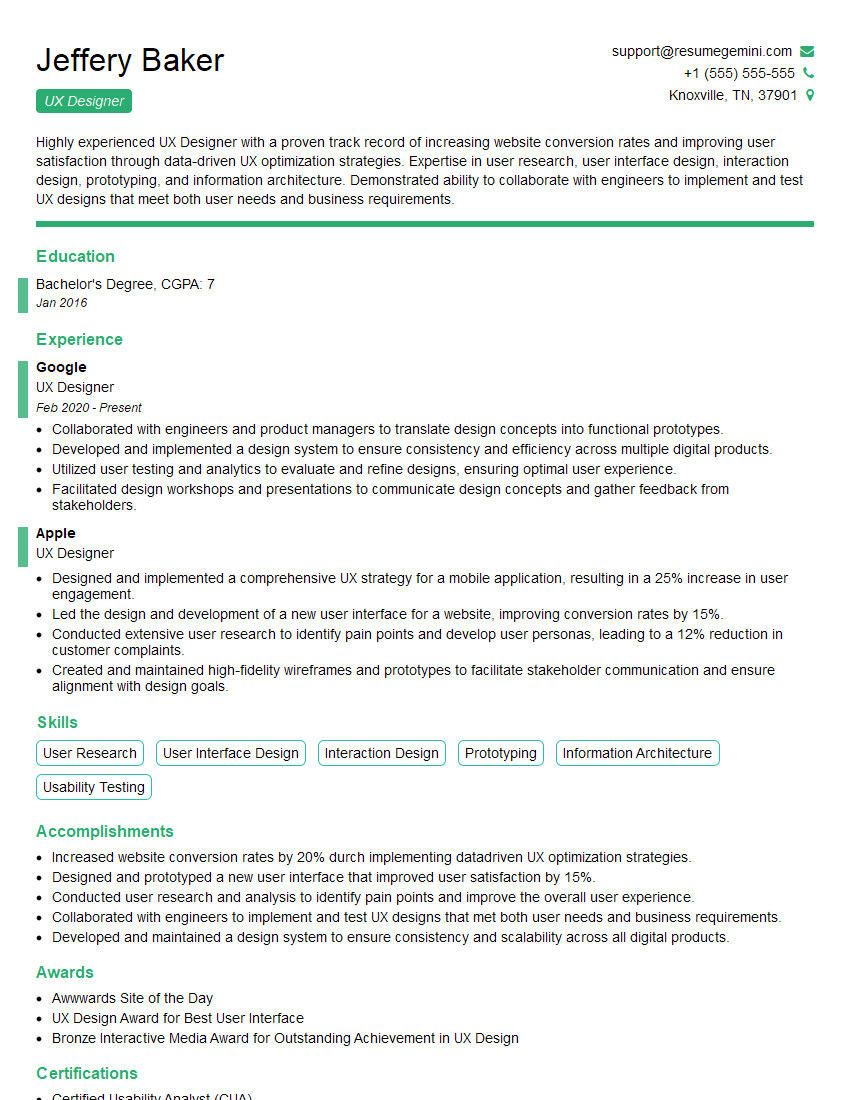
UX Designer Resume Sample
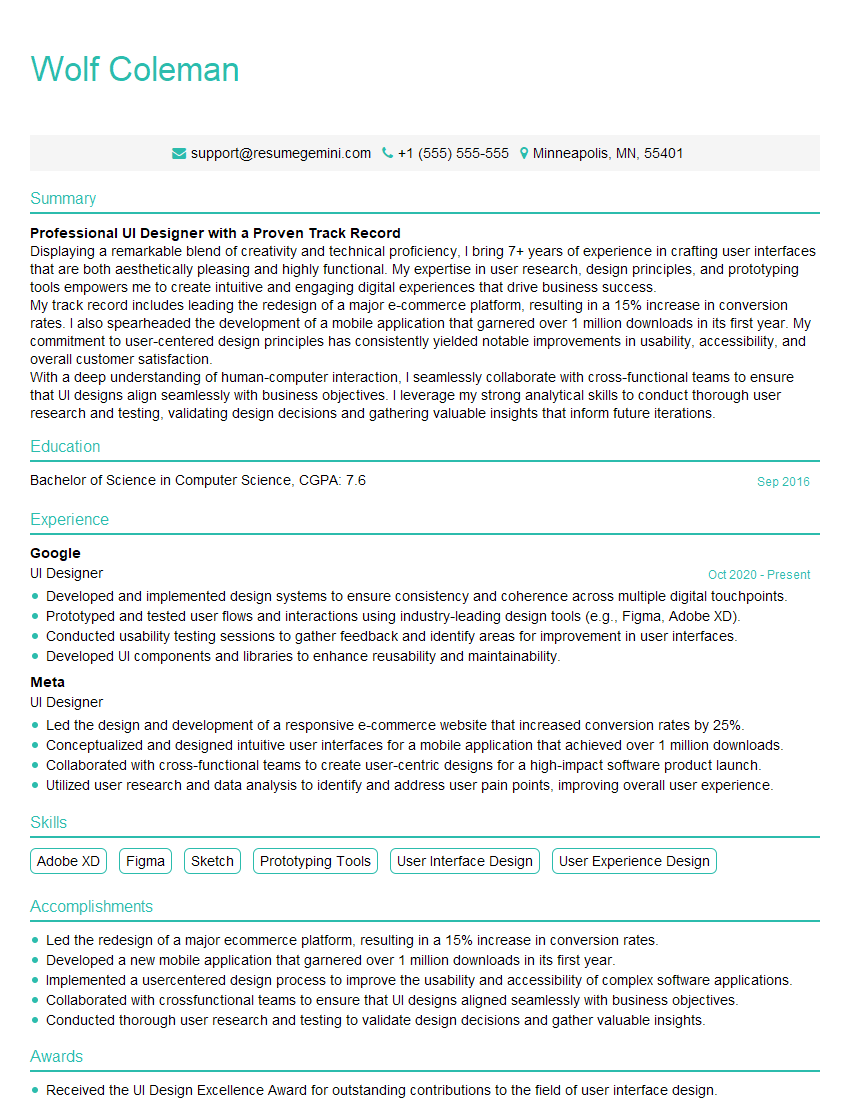
UI Designer Resume Sample
Explore more articles
Users Rating of Our Blogs
Share Your Experience
We value your feedback! Please rate our content and share your thoughts (optional).
What Readers Say About Our Blog
Very informative content, great job.
good