Interviews are more than just a Q&A session—they’re a chance to prove your worth. This blog dives into essential ASTM F2502 Toy Safety Testing interview questions and expert tips to help you align your answers with what hiring managers are looking for. Start preparing to shine!
Questions Asked in ASTM F2502 Toy Safety Testing Interview
Q 1. Explain the scope and purpose of ASTM F2502.
ASTM F2502, “Standard Consumer Safety Performance Specification for Toys,” outlines the safety requirements for toys intended for children aged 12 years and younger. Its purpose is to minimize the risks of injury associated with toy use through a series of comprehensive tests. This standard helps manufacturers ensure their toys meet safety standards, preventing potential hazards and protecting children. Think of it as a comprehensive checklist ensuring a toy is safe for play.
Q 2. Describe the different types of toy tests covered by ASTM F2502.
ASTM F2502 covers a wide range of tests addressing various potential hazards. These include:
- Mechanical and Physical Tests: These assess aspects like sharp edges and points, small parts that could be choking hazards, stability (to prevent tipping), and strength (to withstand normal play). For example, a toy car’s structural integrity would be tested to ensure it doesn’t break easily into sharp pieces.
- Flammability Tests: These evaluate the flammability of the toy’s materials to prevent fire hazards. This is particularly crucial for toys made of textiles or plastics.
- Chemical Tests: These examine the toy’s composition for the presence of toxic substances, such as lead or phthalates, that could harm a child through ingestion or skin contact. Imagine the importance of ensuring paint used on a toy doesn’t contain harmful lead.
- Electrical Tests: For toys with electrical components, these tests ensure safe voltage levels, proper insulation, and protection against electric shock.
Q 3. What are the key differences between ASTM F2502 and other toy safety standards?
While ASTM F2502 is a widely recognized and respected standard, other toy safety standards exist, often focusing on specific regions or addressing particular toy types. For instance, the European Union has its own EN 71 series of toy safety standards. Key differences often lie in specific test methods, allowable limits for hazardous substances, and the scope of toys covered. ASTM F2502 provides a broad, comprehensive approach, whereas other standards may focus more narrowly. Imagine the difference between a general building code and one specific to earthquake-prone zones; both are crucial but address different needs and contexts.
Q 4. How do you determine the appropriate test methods for a specific toy?
Determining appropriate test methods requires a careful review of the toy’s design, materials, and intended use. The first step involves a thorough risk assessment, identifying all potential hazards. Then, you select the relevant test methods from ASTM F2502 addressing those hazards. For example, a plush toy would require flammability and small parts tests, while an electronic toy would need electrical and chemical tests in addition. A detailed test plan is crucial to ensure all relevant aspects are covered. This process often involves collaboration between engineers, safety experts, and manufacturers.
Q 5. What are the common hazards associated with toys and how does ASTM F2502 address them?
Common toy hazards include:
- Choking Hazards: Small parts that a child could swallow.
- Sharp Points/Edges: Causing cuts and abrasions.
- Flammability: Leading to burns.
- Toxic Substances: From paints, plastics, or other materials, causing poisoning.
- Excessive Noise: Potentially causing hearing damage.
- Electrical Hazards: Electric shocks from malfunctioning electronic toys.
ASTM F2502 addresses these by specifying test methods to determine whether a toy presents these hazards. For example, the small parts test ensures toys don’t contain components small enough to cause choking. Limits on lead content in paint address the toxic substance hazard.
Q 6. Explain the process of sample selection and preparation for ASTM F2502 testing.
Sample selection is crucial for accurate results. ASTM F2502 generally requires testing representative samples from a production batch, ensuring the tested units accurately reflect the entire batch’s characteristics. This ensures a statistically sound assessment of safety. The number of samples required may vary depending on the type of test and the complexity of the toy. Before testing, samples are visually inspected and prepared according to the specific requirements of each test method. This might include cleaning the toy or disassembling it if necessary, always being careful not to damage or alter the toy’s crucial characteristics that might affect the test results.
Q 7. Describe the testing procedures for small parts and their significance.
The small parts test is arguably the most critical test in ASTM F2502. It determines whether a toy contains small parts that could pose a choking hazard to young children. The test involves measuring the dimensions of all detachable or accessible parts. If any part falls within the defined size range (typically a cylinder that can pass through a specified sized hole), it’s considered a potential choking hazard and may result in the toy being deemed unsafe. The significance lies in the prevention of childhood choking incidents, a leading cause of serious injury and even death in young children. This test is often paired with careful visual inspection of the toy’s design and construction to identify potential future failures that might result in smaller parts becoming hazards.
Q 8. How do you interpret and report ASTM F2502 test results?
Interpreting ASTM F2502 test results involves a thorough assessment of whether each tested toy meets the specified safety requirements. This isn’t a simple pass/fail; it’s a detailed evaluation. We look at each individual test, noting any measurements and observations. For instance, a small parts test might reveal a small part that is too easily detached. A flammability test might show that a material ignites too quickly. Each of these findings is documented.
The report itself typically follows a standardized format, clearly outlining the test methods used (following ASTM F2502), the samples tested, the test results (including any deviations or anomalies), and a final conclusion stating whether the toy complies with the standard. We use clear, concise language avoiding technical jargon where possible, accompanied by detailed photos and illustrations to support our findings. For example, an image showing a small part detached would accompany a measurement showing it’s smaller than the safety threshold. This detailed reporting allows manufacturers to understand exactly where improvements are needed.
Q 9. What are the common causes of toy-related injuries and how can they be prevented?
Common toy-related injuries often stem from choking hazards (small parts), sharp edges or points causing lacerations, and flammability leading to burns. Other risks include ingestion of toxic substances and strangulation from cords or long strings.
- Choking Hazards: Prevented through careful design and material selection; small parts tests are crucial here. Toys intended for young children (0-3) should be designed without small parts, or have parts securely attached to prevent detachment.
- Sharp Edges/Points: Mitigated by ensuring smooth surfaces and rounded edges. Testing involves tactile inspection and possibly hardness testing to ensure materials won’t easily fracture and create sharp edges.
- Flammability: Prevented by using flame-retardant materials. ASTM F2502 includes flammability tests that evaluate ignition time and spread rate.
- Toxicity: Minimized by using non-toxic paints, dyes, and materials. Regulations outline acceptable levels of certain substances.
- Strangulation Hazards: Avoided by limiting cord lengths and designing toys without long, thin strings that pose a strangulation risk.
Ultimately, preventative measures involve rigorous testing, careful design considerations, and adherence to strict safety standards. This prevents injuries and protects children.
Q 10. How do you handle non-conformances during ASTM F2502 testing?
Non-conformances during ASTM F2502 testing are addressed systematically. First, we meticulously document the specific failure. We then analyze the root cause, identifying precisely why the toy failed to meet the standard – is it a material issue, a design flaw, or a manufacturing defect? This investigation is crucial. Next, we communicate the findings to the client clearly and concisely, explaining the discrepancy with supporting evidence (e.g., photos, data). We discuss possible corrective actions, possibly suggesting design modifications or manufacturing process improvements to bring the toy into compliance. The client then takes the necessary steps to rectify the issue. After the correction, retesting is conducted to verify compliance. The entire process is documented, maintaining a transparent and rigorous record.
Q 11. Describe your experience with different types of testing equipment used in ASTM F2502.
My experience encompasses a wide range of testing equipment used in ASTM F2502. This includes:
- Small Parts Testers: These devices measure the size of small parts to ensure they don’t pose a choking hazard. I’ve used various models with differing techniques to ensure accurate measurements.
- Tensile Testing Machines: These assess the strength of materials, ensuring that toys can withstand the forces exerted by a child. This helps prevent parts from breaking off and causing harm.
- Flammability Testers: Used to evaluate the flammability of toy materials, measuring ignition time and flame spread rate. Different types of flammability testers are used depending on the type of material being tested.
- Impact Testers: Measure the impact resistance of toys, evaluating their ability to withstand drops or impacts. This is crucial for items that might be dropped or thrown.
- Chemical Analysis Equipment: Used to test for the presence of toxic substances in materials. I have experience operating various instruments such as chromatographs to detect and quantify these substances.
Proficiency with this equipment demands not only technical expertise but also a rigorous understanding of calibration, maintenance, and data interpretation.
Q 12. What is your understanding of the role of accreditation in ASTM F2502 testing?
Accreditation, specifically ISO/IEC 17025, is paramount in ASTM F2502 testing. It signifies that our testing laboratory meets internationally recognized standards for competence, impartiality, and the consistency of our results. Accreditation ensures that our test data is reliable, traceable, and defensible. It instills confidence in our findings among manufacturers, regulatory bodies (like the CPSC), and consumers. Without accreditation, the results would lack the credibility required for compliance and safety assurance. Think of it like a seal of approval, demonstrating our laboratory’s commitment to delivering high-quality, trustworthy testing services.
Q 13. Explain the importance of maintaining proper documentation during testing.
Maintaining proper documentation is essential for several reasons. First, it provides a complete audit trail, allowing us to trace every step of the testing process. This is critical for troubleshooting if issues arise or for responding to any inquiries from clients or regulatory agencies. Secondly, meticulous record-keeping ensures the reproducibility of results. If someone needs to repeat a test, the documentation allows them to follow the same procedures and achieve comparable results. Thirdly, proper documentation supports the legal defensibility of our findings, offering protection in the unlikely event of litigation. Our documentation includes detailed test reports, calibration records, sample chain-of-custody, and photographic or video evidence where appropriate. This comprehensive record-keeping is a non-negotiable part of our commitment to quality and accuracy.
Q 14. How familiar are you with relevant CPSC regulations related to toy safety?
I’m intimately familiar with relevant CPSC (Consumer Product Safety Commission) regulations pertaining to toy safety. These regulations are based on, and often incorporate, standards like ASTM F2502. My understanding extends to specific requirements concerning small parts, flammability, lead content, phthalates, and other chemical restrictions. I regularly consult the CPSC website and publications to stay abreast of any updates or modifications to the existing regulations. This awareness is crucial, as non-compliance can have significant legal and commercial implications. Understanding these regulations allows me to advise clients effectively on how to ensure their toys meet the necessary safety standards and comply with the applicable laws and regulations.
Q 15. Describe your experience in conducting risk assessments for toys.
Risk assessment for toys under ASTM F2502 involves a systematic evaluation of potential hazards throughout the toy’s lifecycle, from design and manufacturing to use and disposal. It’s like being a detective, looking for potential dangers before they cause harm. This involves identifying hazards – anything that could cause injury or damage – and then assessing the likelihood and severity of those hazards occurring.
My approach typically includes a thorough examination of the toy’s design, materials, and intended use. I analyze small parts, sharp edges, potential choking hazards, and the strength of the materials to withstand the forces of play. I also consider the age range of the intended user, as what’s safe for a toddler is far different from what’s safe for an older child. For example, a toy designed for a toddler would undergo more rigorous testing for small parts than a toy intended for older children. I would document all findings and assign risk levels, using a standardized scale, to each hazard identified, and recommend suitable control measures like design modifications or warnings. This systematic process ensures that potential risks are identified and mitigated effectively.
Career Expert Tips:
- Ace those interviews! Prepare effectively by reviewing the Top 50 Most Common Interview Questions on ResumeGemini.
- Navigate your job search with confidence! Explore a wide range of Career Tips on ResumeGemini. Learn about common challenges and recommendations to overcome them.
- Craft the perfect resume! Master the Art of Resume Writing with ResumeGemini’s guide. Showcase your unique qualifications and achievements effectively.
- Don’t miss out on holiday savings! Build your dream resume with ResumeGemini’s ATS optimized templates.
Q 16. How do you ensure the accuracy and reliability of ASTM F2502 test results?
Ensuring accuracy and reliability in ASTM F2502 testing is paramount. This requires a meticulous approach to every stage, from sample selection to data analysis. Think of it as being a meticulous scientist in a laboratory, ensuring precise measurements and controlled conditions. We start by using calibrated equipment that’s regularly checked and maintained according to manufacturer’s specifications. We follow the standard’s procedures precisely, ensuring appropriate sample size and replications. We also use standardized testing methods which allows for comparisons across different batches or manufacturers. Blind testing, where the tester is unaware of the sample’s origin, is a crucial step in reducing bias. Thorough documentation of the entire process, including any deviations from the standard, is vital. Finally, statistical analysis of the results helps determine if the findings are statistically significant and representative of the entire population of toys.
Q 17. Explain your experience with different types of materials used in toy manufacturing.
My experience encompasses a broad range of materials used in toy manufacturing, from plastics and metals to textiles and wood. Each material presents unique challenges and requires specific testing methodologies. For instance, plastics require tests to determine their strength, flammability, and the potential for leaching of harmful substances. Metals need to be evaluated for sharp edges, corrosion resistance, and the presence of lead or other heavy metals. Textiles are tested for flammability, strength, and the presence of harmful dyes or chemicals. Wood is examined for splinters and the presence of harmful treatments. I am familiar with the relevant standards and testing methods for each material type. Working with these materials also requires an understanding of their properties and how they might behave under different conditions during play or through everyday wear. Understanding these nuances allows for accurate assessment of potential hazards.
Q 18. What are the limitations of ASTM F2502?
While ASTM F2502 is a comprehensive standard, it has limitations. It’s crucial to remember that it’s not an exhaustive list of every potential hazard. New materials and toy designs constantly emerge, making it challenging for any standard to cover everything. For example, ASTM F2502 might not fully account for the risks associated with newer technologies incorporated in toys. Moreover, the standard focuses primarily on physical hazards, and may not fully address aspects like chemical hazards, allergies, or psychological impacts. It also assumes a certain level of supervision during toy use; therefore, it doesn’t fully encompass scenarios where children may misuse the toy or where inadequate supervision is present. Therefore, a comprehensive safety assessment should go beyond ASTM F2502 to address these potential limitations.
Q 19. How do you stay updated on changes and revisions to ASTM F2502?
Staying updated on ASTM F2502 revisions is crucial for maintaining the accuracy and relevance of our testing. I subscribe to ASTM International, which provides regular updates and notifications on standard revisions. I also attend industry conferences and workshops and review technical publications to stay abreast of the latest developments in toy safety testing. Keeping updated on the latest changes allows me to ensure that the tests we conduct comply with the most current regulations and best practices. This active engagement with the evolving standard ensures my expertise is consistently relevant and reliable.
Q 20. Describe a time you had to troubleshoot a problem during a toy safety test.
During a recent test on a children’s playhouse, we encountered inconsistencies in the strength testing of the structure’s joints. The initial test results indicated that the joint failed under a lower load than the design specifications predicted. We systematically investigated the problem. We repeated the test multiple times and carefully examined the assembly method and the quality of the joints. We discovered that the screws used in assembly were not tightened sufficiently and this was resulting in premature failure. We then corrected the assembly process, re-tested the playhouse, and documented the revised procedure and the new findings to ensure that future tests would accurately reflect the product’s performance. The incident highlighted the importance of carefully documenting all aspects of the testing process and thorough investigation to resolve inconsistencies.
Q 21. How would you handle a discrepancy between test results and manufacturer specifications?
A discrepancy between test results and manufacturer specifications warrants a thorough investigation. It’s like finding a discrepancy in a scientific experiment; you need to systematically retrace your steps. First, we’d review the test procedure to ensure it was followed precisely according to ASTM F2502 guidelines. Then, we would re-examine the test equipment calibration and the integrity of the test samples. We’d also compare our test results with those from other labs, if available. If the discrepancy persists, we’d investigate the manufacturing process, considering factors like materials, assembly, and quality control. This might involve on-site visits to the manufacturing facility. Based on the findings of this investigation, a detailed report would be issued, outlining the reasons for the discrepancy and recommendations for corrective actions. It’s essential to maintain open communication with the manufacturer throughout this process, aiming for a collaborative solution to ensure toy safety.
Q 22. What is your experience with using statistical analysis in toy safety testing?
Statistical analysis is crucial in ASTM F2502 testing for ensuring the reliability and validity of our results. We don’t just rely on a single test; instead, we conduct multiple tests to account for inherent variability in materials and manufacturing processes. This allows us to determine if a toy meets the specified safety requirements with statistical confidence.
For example, let’s say we’re testing the small parts hazard of a toy. We might test 10 samples. Instead of simply stating that 9/10 passed, we use statistical methods like calculating the mean and standard deviation of the small part dimensions to determine if the results are consistent and fall within acceptable limits. We might employ hypothesis testing to determine if there’s a significant difference between the sample mean and the safety standard. This allows us to make data-driven conclusions, reducing the chance of making incorrect safety assessments based on limited data. We regularly use software like Minitab or JMP to perform these analyses.
Q 23. How do you ensure the safety of testing personnel during ASTM F2502 testing?
Safety of testing personnel is paramount. We adhere to strict safety protocols throughout the entire testing process. This starts with thorough training on the proper use of equipment and the potential hazards involved in each test. We provide personal protective equipment (PPE), including safety glasses, gloves, and lab coats, as needed. The testing environment is designed to minimize risk; for example, we use appropriate containment procedures when dealing with small parts or potentially hazardous materials. Regular safety audits and refresher training ensure our team remains well-informed and equipped to handle any situation safely. We also maintain detailed safety incident reporting procedures so that any near misses or incidents can be investigated to prevent future occurrences.
Think of it like this: If we’re testing a toy for impact resistance, we might use a pendulum impact tester. Safety protocols ensure the tester is properly calibrated and maintained, and personnel are positioned safely during operation to avoid potential injuries from flying debris.
Q 24. Explain your experience with reporting non-conformances to manufacturers or regulatory bodies.
Reporting non-conformances is a critical part of my role. When a toy fails to meet the ASTM F2502 standards, I prepare a detailed report outlining the specific non-conformances, including photographic or video evidence, exact measurements, test methodologies used and the specific clauses of the standard that were not met. This report is then communicated to the manufacturer and, depending on the severity of the issue, also to the appropriate regulatory bodies. The communication process is tailored to the audience; the communication to the manufacturer focuses on corrective actions and detailed descriptions of the failures while communications to regulatory bodies follow their specific reporting requirements. I always strive for clear, concise, and objective reporting that ensures everyone understands the findings and the actions required to resolve the issues. I follow-up with the manufacturers to ensure that corrective actions have been implemented effectively and retesting has been conducted to validate their effectiveness.
Q 25. How do you collaborate with other teams (design, manufacturing) to ensure toy safety?
Collaboration is key. Effective toy safety relies on communication and coordination between design, manufacturing, and testing teams. I participate in design reviews early in the product development process, providing input on potential safety concerns and suggesting design modifications to enhance safety. During manufacturing, I work closely with the team to ensure the production processes are consistent with the tested prototypes and that quality control measures are in place to maintain safety standards. Regular meetings and open communication channels ensure that everyone is aware of potential risks and that solutions are developed collaboratively. For instance, if a design change impacts a previous test result, we work together to re-evaluate the safety of the product.
Q 26. Describe your understanding of the importance of traceability in toy safety testing.
Traceability is essential for ensuring the integrity and credibility of our testing results. Every step of the testing process, from sample identification and preparation to test execution and result recording, must be meticulously documented and traceable. We use unique sample IDs, detailed test reports, and documented calibration records. This ensures that any discrepancies or anomalies can be investigated, and the results can be confidently verified. Think of it like a chain of custody; every link needs to be accounted for. If a problem arises, this detailed traceability allows for efficient investigation and corrective action. This detailed documentation is also crucial in case of audits or legal challenges.
Q 27. How familiar are you with international toy safety standards (e.g., EN 71)?
I am very familiar with international toy safety standards, particularly EN 71 (European Union). I understand the key differences and overlaps between ASTM F2502 and EN 71, including the different testing methods and requirements for specific aspects like chemical migration, flammability, and small parts. Knowing these international standards allows me to provide comprehensive safety assessments that account for global market requirements. For instance, while ASTM F2502 focuses on specific aspects like small parts, EN 71 has more comprehensive coverage including aspects like heavy metals and phthalates. Understanding both standards ensures comprehensive safety assessments.
Q 28. What are your strengths and weaknesses related to ASTM F2502 testing?
My strengths include my in-depth knowledge of ASTM F2502, my proficiency in statistical analysis techniques, and my excellent communication and collaboration skills. I’m able to clearly explain complex technical information to both technical and non-technical audiences. A weakness I’m actively working on is staying completely up-to-date on all emerging trends in toy materials and technologies. The field is constantly evolving and new materials require continuous learning and adaptation of testing methodologies to ensure continued competency. I mitigate this by actively participating in professional development courses and staying informed of industry updates through publications and conferences.
Key Topics to Learn for ASTM F2502 Toy Safety Testing Interview
- Mechanical and Physical Properties: Understanding the testing methods for evaluating toy durability, including tensile strength, impact resistance, and torsion testing. Consider how these relate to age appropriateness and potential hazards.
- Flammability Testing: Familiarize yourself with the different flammability standards and procedures outlined in ASTM F2502, and be prepared to discuss the implications of various test results. Think about how different materials behave under different flame conditions.
- Small Parts Hazard: Master the principles of small parts testing, including the appropriate testing methods and the legal implications of failing to meet these standards. Be able to discuss practical scenarios involving small part ingestion risk.
- Chemical Testing: Understand the regulations regarding toxic substances in toys and the procedures for testing for lead, phthalates, and other harmful chemicals. Be prepared to discuss the interpretation of results and their consequences.
- Choking Hazards: Beyond small parts, explore the evaluation of other potential choking hazards, such as the shape and size of toys and their components. Be able to explain the rationale behind specific safety measures.
- Sharp Points and Edges: Know the methods used to assess sharp points and edges on toys, and discuss the acceptable limits and the potential risks associated with exceeding these limits. Consider different toy designs and how they might present different challenges.
- Data Analysis and Reporting: Understand how to interpret and report the results of ASTM F2502 testing. This includes understanding statistical analysis, creating clear reports, and communicating findings effectively.
Next Steps
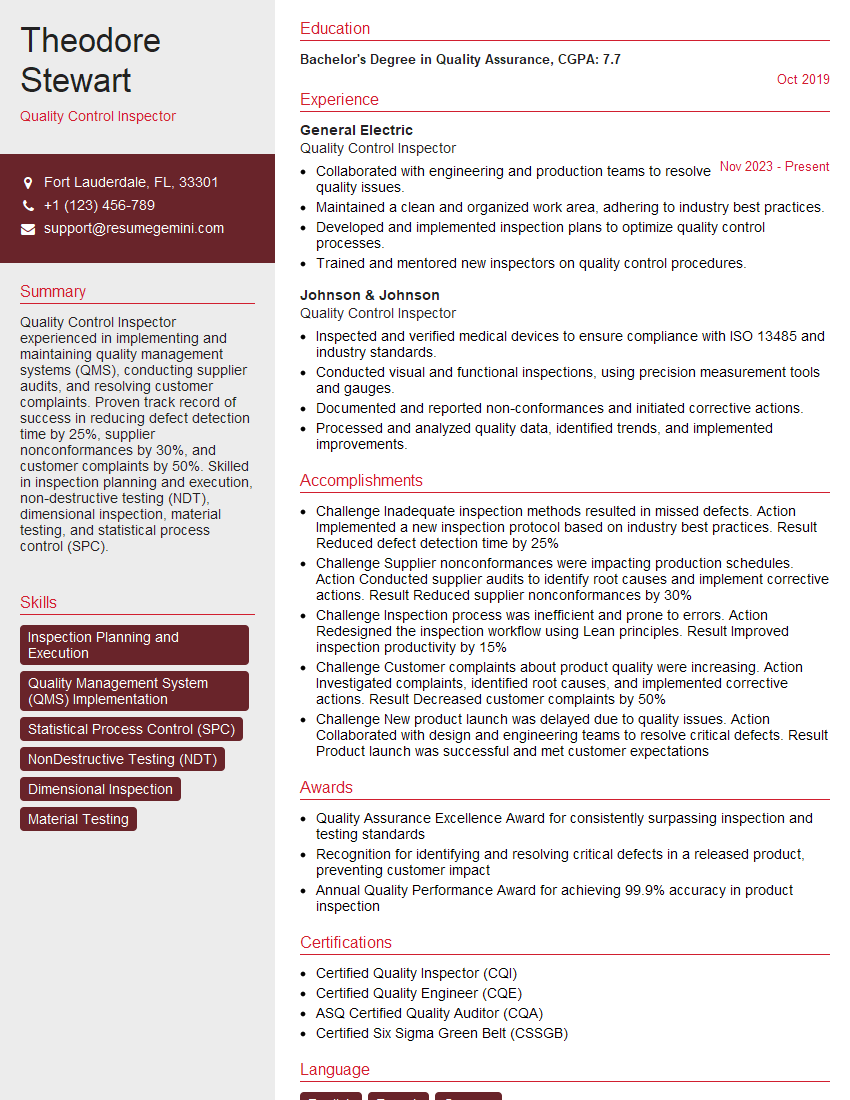
Mastering ASTM F2502 Toy Safety Testing is crucial for career advancement in the toy industry, demonstrating your commitment to safety and compliance. A strong resume is essential for showcasing your expertise to potential employers. To significantly increase your chances of landing your dream job, focus on building an ATS-friendly resume that highlights your skills and experience in a clear and concise manner. ResumeGemini is a trusted resource that can help you create a professional and impactful resume tailored to the specific requirements of the ASTM F2502 Toy Safety Testing field. Examples of resumes tailored to ASTM F2502 Toy Safety Testing are available to help you craft your winning application.
Explore more articles
Users Rating of Our Blogs
Share Your Experience
We value your feedback! Please rate our content and share your thoughts (optional).
What Readers Say About Our Blog
Very informative content, great job.
good