Preparation is the key to success in any interview. In this post, we’ll explore crucial Athlete and Team Performance Evaluation interview questions and equip you with strategies to craft impactful answers. Whether you’re a beginner or a pro, these tips will elevate your preparation.
Questions Asked in Athlete and Team Performance Evaluation Interview
Q 1. Explain the key performance indicators (KPIs) you would use to evaluate an athlete’s progress.
Evaluating an athlete’s progress requires a multifaceted approach, moving beyond simple win-loss records. Key Performance Indicators (KPIs) should reflect both quantitative and qualitative data, providing a holistic picture of improvement.
- Performance-Based KPIs: These directly measure athletic output. Examples include:
- Speed: Measured via timed sprints (e.g., 40-yard dash) or specific drills relevant to the sport.
- Strength: Tracked through one-rep max (1RM) lifts, power output (Watts), or specific strength tests relative to bodyweight.
- Endurance: Assessed through VO2 max tests, lactate threshold testing, or time-to-exhaustion in specific exercises.
- Agility: Measured using agility drills (e.g., T-test, cone drills), and changes in reaction time.
- Skill-Specific Metrics: These vary widely depending on the sport. For a basketball player, this might include shooting percentage, free throw percentage, or assists; for a golfer, it could be driving distance and putting accuracy.
- Physiological KPIs: These assess the athlete’s physical condition and adaptation to training.
- Body Composition: Changes in body fat percentage, lean muscle mass, and overall body weight.
- Resting Heart Rate (RHR): A lower RHR indicates improved cardiovascular fitness.
- Recovery Metrics: Sleep quality, heart rate variability (HRV), and perceived exertion levels.
- Qualitative KPIs: These involve subjective assessments.
- Athlete Feedback: Regular check-ins to gauge their perception of their training, progress, and overall well-being.
- Coach Observation: Detailed notes on technique, work ethic, and mental resilience during training sessions and competitions.
By combining these KPIs, we gain a complete understanding of the athlete’s strengths, weaknesses, and areas for improvement. For example, a runner might show improved 5k times (performance) but a decrease in VO2 max (physiological), suggesting a need to adjust training focus. This integrated approach allows for data-driven decision-making to optimize training plans.
Q 2. Describe your experience with different performance testing methods (e.g., VO2 max, lactate threshold testing).
I have extensive experience with various performance testing methods, each offering unique insights into an athlete’s capabilities.
- VO2 Max Testing: This measures the maximum amount of oxygen an individual can utilize during intense exercise. It’s a crucial indicator of aerobic capacity and is essential for endurance athletes. I use graded exercise tests on treadmills or stationary bikes, analyzing breathing and blood lactate levels to determine the VO2 max value. This data helps in designing training zones and monitoring training progress. I have personally conducted and interpreted hundreds of these tests across various sports.
- Lactate Threshold Testing: This test determines the exercise intensity at which lactate production exceeds lactate clearance. It’s a strong predictor of endurance performance, identifying the sustainable pace an athlete can maintain before experiencing significant fatigue. I use incremental exercise tests, analyzing blood lactate samples at different intensities. This helps us tailor training to improve the athlete’s lactate threshold.
- Other Tests: My experience also extends to other methods, including isokinetic dynamometry for strength assessments, jump tests for power assessment, and various agility and speed tests (T-test, 40-yard dash, etc.). The selection of tests depends greatly on the specific sport and athletic goals.
Beyond conducting the tests, I am proficient in interpreting the results within the context of the athlete’s training history, nutritional status, and overall health. This holistic approach allows for accurate evaluations and tailored training recommendations.
Q 3. How would you design a training program to improve an athlete’s speed and agility?
Designing a training program to enhance speed and agility requires a systematic approach that integrates various training modalities.
- Plyometrics: These exercises use explosive movements to improve power and reactivity. Examples include box jumps, depth jumps, and medicine ball throws. These are crucial for building the explosive power needed for quick acceleration.
- Sprint Training: High-intensity sprints at varying distances (e.g., 10-40 meters) are crucial to develop top-end speed. I would incorporate various sprint drills like acceleration runs, fly sprints, and hill sprints to improve running mechanics and speed.
- Agility Drills: Cone drills, ladder drills, and shuttle runs are used to enhance coordination, change-of-direction speed, and footwork. I always emphasize proper technique to minimize the risk of injury.
- Strength Training: Focuses on compound exercises that work multiple muscle groups simultaneously (e.g., squats, deadlifts, cleans). This builds overall strength and power, crucial for explosive movements in speed and agility-based activities. Strength training, however, should be programmed carefully to avoid excessive muscle bulk that could hinder speed and agility.
- Flexibility and Mobility: Dynamic stretching and mobility work are vital to maintain flexibility and range of motion, enhancing the efficiency of speed and agility movements. Regular foam rolling or other self-massage techniques can further assist in this process.
The program’s structure would involve progressive overload, gradually increasing intensity, volume, or complexity over time to prevent plateaus and maximize gains. Proper rest and recovery are critical to prevent overtraining and injuries. Monitoring the athlete’s progress through objective measurements and subjective feedback ensures the program remains effective and safe.
Q 4. What is your experience with analyzing performance data using statistical software?
I am highly proficient in analyzing performance data using statistical software packages such as SPSS, R, and Python. My analytical skills extend to descriptive statistics (means, standard deviations, percentiles), inferential statistics (t-tests, ANOVA, regression analysis), and more advanced techniques when necessary.
For instance, I routinely use regression analysis to model the relationship between training load and performance outcomes, identifying optimal training thresholds. Time series analysis is applied to track trends in performance metrics over time, allowing for early identification of potential problems. I frequently utilize visualization tools to present complex data in clear and understandable formats, such as charts and graphs, which are instrumental in communicating findings to athletes and coaches.
Furthermore, I have experience with developing custom scripts in R and Python to automate data processing and analysis, enhancing efficiency and accuracy. This allows for more comprehensive insights that would be difficult to achieve manually. My analytical skills are not limited to quantitative data; I integrate qualitative data (e.g., athlete feedback, coach observations) to develop a comprehensive understanding of athlete performance.
Q 5. How do you identify and address potential burnout in athletes?
Identifying and addressing athlete burnout requires a proactive and holistic approach. It’s not merely about physical fatigue, but encompasses mental, emotional, and physical exhaustion.
- Monitoring: Regular monitoring of training load, recovery indicators (sleep, HRV), performance metrics, and mood questionnaires are crucial for early detection. Changes in performance, increased irritability, and decreased motivation are key warning signs.
- Communication: Open and honest communication with athletes is paramount. Creating a safe environment where athletes can express concerns without fear of judgment is crucial. Active listening skills are essential.
- Training Management: Implementing periodized training programs with appropriate rest and recovery periods. Avoiding excessive training volume or intensity, and incorporating active recovery strategies (light exercise, stretching) are vital.
- Lifestyle Factors: Assessing lifestyle factors like nutrition, sleep patterns, stress levels, and social support. Addressing deficiencies in these areas can significantly reduce burnout risk.
- Mental Skills Training: Incorporating mindfulness techniques, stress management strategies, goal-setting exercises, and mental imagery into the training regime can improve mental resilience.
- Intervention: If burnout is suspected, a phased approach is often needed involving a reduction in training volume, increased rest periods, and potentially seeking professional help from a sports psychologist.
Prevention is key. A well-structured training plan, open communication, and a focus on the athlete’s overall well-being significantly minimize the risk of burnout. Recognizing the signs early and taking appropriate action helps athletes maintain their health and continue their training effectively.
Q 6. Describe your understanding of different training periodization models.
Training periodization is a cornerstone of effective athletic development. It involves systematically manipulating training variables (volume, intensity, frequency) over time to optimize an athlete’s performance while minimizing injury risk. Different models cater to various needs and sport-specific demands.
- Linear Periodization: This model involves a gradual, linear progression of training load over time, with a peak in performance at the end of the training cycle. It’s straightforward and suitable for athletes with longer training periods.
- Non-Linear Periodization (or Block Periodization): This model involves short periods of high-intensity training followed by periods of lower intensity, or even complete rest. This helps to prevent overtraining while maintaining high performance levels. It is often favored for its ability to better manage fatigue.
- Undulating Periodization: This model involves daily or weekly fluctuations in training intensity and volume. It provides more variety and helps to prevent monotony. It is better suited to experienced athletes and those with higher tolerance to variability.
Choosing the appropriate model is critical and depends on factors such as the athlete’s experience level, the length of the competitive season, the specific demands of their sport, and their individual response to training. My experience allows me to assess these factors and design a periodized training plan that maximizes performance and minimizes the risk of injury or overtraining.
Q 7. How do you integrate sports science findings into coaching strategies?
Integrating sports science findings into coaching strategies is essential for maximizing athlete potential. It involves a continuous process of learning, applying, and refining approaches based on evidence.
- Data-Driven Decision Making: Using performance data (e.g., VO2 max, lactate threshold, strength tests) to inform training plans. For example, if an athlete’s lactate threshold is low, the training plan should focus on increasing aerobic capacity.
- Technology Integration: Utilizing wearable technology (GPS trackers, heart rate monitors) to gather detailed information on training load, recovery, and performance. This provides real-time feedback to adjust the training program dynamically.
- Individualized Approaches: Recognizing that athletes respond differently to training. Using performance testing data to tailor training plans to individual needs and strengths.
- Biomechanical Analysis: Using video analysis or motion capture to identify technique flaws and refine movements to enhance efficiency and reduce injury risk.
- Nutritional Guidance: Working with sports nutritionists to optimize athletes’ diets for optimal performance and recovery.
- Recovery Strategies: Incorporating evidence-based recovery methods (sleep optimization, active recovery, nutrition strategies) to aid in muscle recovery, injury prevention and improved overall performance.
The key is to stay updated with the latest scientific literature and to critically evaluate the applicability of research findings to real-world coaching situations. I continually engage with peer-reviewed research, attend conferences, and participate in professional development activities to maintain my expertise in sports science and ensure my coaching strategies are evidence-based.
Q 8. What is your experience with talent identification and development?
Talent identification and development is a multifaceted process aimed at discovering athletes with high potential and nurturing their skills to achieve peak performance. It involves a combination of objective and subjective assessments.
- Objective Assessments: These include physiological testing (e.g., VO2 max, lactate threshold), anthropometric measurements (height, weight, body composition), and performance tests specific to the sport (e.g., sprint speed, agility drills). For example, in identifying young swimmers, I’d use timed trials at different distances to assess speed and endurance.
- Subjective Assessments: These involve evaluating factors like motivation, coachability, work ethic, and psychological resilience. Observations during training sessions and interviews with the athletes and their coaches are crucial. For instance, a highly skilled basketball player might be overlooked if they lack teamwork and sportsmanship.
- Long-Term Development Plans: Once identified, athletes require tailored development plans. This might involve specialized training programs, nutritional guidance, injury prevention strategies, and mental skills training, adjusting the plan as the athlete progresses. We monitor progress continuously and modify the plan based on the athletes’ performance.
My experience spans across various sports, from identifying promising junior tennis players based on their technique and game sense to working with elite marathon runners to enhance their endurance and pacing strategies. I utilize a holistic approach, considering not just physical capabilities but also the athlete’s mental and emotional aspects.
Q 9. How do you communicate performance data effectively to coaches and athletes?
Effective communication of performance data is key to athlete and coach buy-in. I use a multi-pronged approach:
- Visualizations: Charts, graphs, and videos make complex data easily digestible. For example, I’ll use a line graph to showcase an athlete’s improvement in sprint speed over time, or a heat map to illustrate their movement patterns during a game.
- Clear and Concise Language: I avoid jargon and explain findings in simple terms, focusing on actionable insights rather than overwhelming the audience with raw data. Instead of saying ‘decreased eccentric hamstring strength,’ I’d say, ‘We need to focus on strengthening your hamstrings to prevent injury.’
- Interactive Sessions: I conduct regular meetings with coaches and athletes, encouraging open dialogue and questions. This allows for personalized feedback and collaborative goal setting. For example, during a session, I’d show the athlete a video of their technique, and discuss areas for improvement.
- Personalized Reports: I prepare tailored reports that summarise key findings and recommendations, specific to the athlete’s needs and the coach’s training plans.
The key is to tailor the communication style to the audience. Coaches need concise, data-driven insights, while athletes benefit from more personalized feedback and encouragement.
Q 10. Explain your experience with injury prevention and rehabilitation strategies.
Injury prevention and rehabilitation are crucial aspects of athlete performance. My approach is holistic and proactive.
- Movement Screening: I conduct thorough assessments of an athlete’s movement patterns to identify any imbalances or weaknesses that could predispose them to injury. For example, I might identify weaknesses in hip flexor mobility that could lead to hamstring strains.
- Strength and Conditioning Programs: I design tailored programs focusing on strength, power, flexibility, and stability to minimize the risk of injuries. This often involves plyometrics, resistance training, and flexibility exercises. We might focus on improving core strength to protect the spine, for example.
- Return-to-Play Protocols: In case of injury, I work closely with medical professionals to develop a gradual and safe return-to-play plan. This involves careful monitoring of the athlete’s progress and a progressive increase in training load. This might involve starting with low-impact exercises and slowly introducing more intense training over several weeks.
- Education and Communication: Educating athletes about injury prevention, proper warm-up and cool-down routines, and safe training practices is paramount.
My experience includes developing injury prevention programs for collegiate basketball players and designing rehabilitation plans for professional runners after hamstring injuries. The success of these interventions is closely monitored and any necessary adjustments are made.
Q 11. Describe your knowledge of nutrition and its impact on athletic performance.
Nutrition plays a vital role in athletic performance, influencing energy levels, recovery, and overall health. My approach emphasizes individualized plans based on the athlete’s sport, training load, and individual needs.
- Macronutrient Balance: Determining the optimal balance of carbohydrates, proteins, and fats is crucial. Carbohydrates provide energy, proteins aid muscle repair, and fats are important for hormone production. We calculate daily needs based on training demands and the athlete’s body composition.
- Hydration Strategies: Maintaining proper hydration is essential to optimize performance and prevent dehydration. I advise athletes on fluid intake strategies before, during, and after training.
- Micronutrient Optimization: Ensuring adequate intake of vitamins and minerals is crucial for various physiological processes. I evaluate the athlete’s diet to identify any deficiencies and recommend supplements if necessary.
- Timing of Nutrition: The timing of meals and snacks around training sessions is critical for optimal energy levels and recovery. We strategize on pre-workout, during-workout, and post-workout nutrition.
For example, I worked with a cyclist to increase their carbohydrate intake to sustain high-intensity training. We also focused on optimizing their protein intake for muscle recovery. I always make sure nutrition advice is practical and tailored to the athlete’s lifestyle and preferences.
Q 12. How do you incorporate technology into your performance analysis process?
Technology has revolutionized performance analysis. I integrate several technologies into my workflow:
- Wearable Sensors: These devices (GPS trackers, heart rate monitors, accelerometers) provide real-time data on an athlete’s movement, physiological responses, and training load. This data allows for objective assessment of training effectiveness and identification of areas for improvement. Data from these sensors is used to track metrics like distance covered, speed, heart rate variability, and sleep quality.
- Video Analysis Software: Software like Dartfish allows for detailed analysis of movement techniques, identifying strengths and weaknesses. This is crucial for improving technique and preventing injury. For instance, we can analyze a basketball player’s shooting form to identify issues with their release or follow-through.
- Force Plates and Motion Capture: These provide precise measurements of ground reaction forces and movement patterns, particularly useful in sports like running or jumping. This allows for assessment of biomechanical efficiency and identification of potential injury risks.
- Performance Management Software: Dedicated software (e.g., TeamBuildr) assists in managing athlete data, tracking progress, and communicating with coaches and athletes effectively.
Data from these sources is integrated to create a comprehensive picture of the athlete’s performance, providing a robust basis for evidence-based decision-making in training and rehabilitation. The technology allows us to make more objective decisions, track progress in more detail and to customize the training interventions more accurately.
Q 13. Describe your experience with creating and implementing performance plans.
Creating and implementing performance plans involves a collaborative process with the athlete and coach.
- Needs Assessment: I begin by evaluating the athlete’s current performance level, strengths, weaknesses, and goals. This involves analyzing existing data, conducting assessments, and discussing with the athlete and coach.
- Goal Setting: We collaboratively set realistic and measurable short-term and long-term goals. These goals should be specific, measurable, achievable, relevant, and time-bound (SMART).
- Plan Development: Based on the needs assessment and goals, I develop a tailored plan that incorporates training programs, nutrition strategies, injury prevention measures, and mental skills training. We address all aspects of the athlete’s performance, including technical, tactical, physical, and mental components.
- Implementation and Monitoring: The plan is implemented, and progress is carefully monitored using performance data and regular feedback sessions. Adjustments are made as needed based on the athlete’s response to training.
- Evaluation and Review: Regular evaluation of the plan’s effectiveness is crucial. This involves analyzing performance data, assessing the athlete’s progress toward goals, and gathering feedback. This ensures the plan remains relevant and effective.
For example, I developed a plan for a young swimmer to improve their sprint times. The plan included strength and conditioning, technique work, and nutritional guidance. We tracked their progress weekly and adjusted the plan based on their performance and feedback.
Q 14. How do you measure the effectiveness of a training intervention?
Measuring the effectiveness of a training intervention requires a multifaceted approach.
- Pre- and Post-Intervention Testing: Comparing performance measures before and after the intervention provides a direct assessment of its impact. This could involve comparing sprint speed, jump height, or endurance capacity.
- Performance Monitoring During Intervention: Tracking performance metrics throughout the intervention provides insights into the training response and identifies areas for improvement. This could involve monitoring weekly training loads, recovery metrics, and subjective feedback from the athlete.
- Qualitative Feedback: Collecting feedback from the athlete and coach is crucial to gain a holistic understanding of the intervention’s impact. This might involve questionnaires, interviews, and observation of training sessions.
- Statistical Analysis: Statistical analysis helps to determine the significance of observed changes in performance. This allows for objective assessment of the intervention’s effectiveness and helps to identify factors that influenced the results.
For example, when implementing a new strength training program for a rugby team, we compared their strength and power outputs before and after the program using validated tests. We also monitored their injury rates and subjective feedback to gauge the program’s effectiveness. A statistical analysis was performed to determine if the improvements were significant and likely due to the intervention.
Q 15. Explain your approach to working with athletes from diverse backgrounds and abilities.
My approach to working with athletes from diverse backgrounds and abilities centers on inclusivity and individualized attention. I believe that understanding each athlete’s unique physical, psychological, and cultural context is crucial for effective performance enhancement. This starts with active listening and building rapport – getting to know their individual goals, aspirations, and any potential challenges they face. I adapt my training programs and communication styles accordingly, ensuring that the athlete feels comfortable, respected, and understood. For example, an athlete from a collectivist culture might respond better to team-based training and collaborative feedback, while an athlete from an individualistic culture might prefer more self-directed training and individual feedback sessions. Furthermore, I tailor training plans to accommodate physical limitations or differences in skill levels, always prioritizing safety and progress within the athlete’s capabilities. This includes collaborating with medical professionals when needed, ensuring any pre-existing conditions or injuries are addressed properly.
Career Expert Tips:
- Ace those interviews! Prepare effectively by reviewing the Top 50 Most Common Interview Questions on ResumeGemini.
- Navigate your job search with confidence! Explore a wide range of Career Tips on ResumeGemini. Learn about common challenges and recommendations to overcome them.
- Craft the perfect resume! Master the Art of Resume Writing with ResumeGemini’s guide. Showcase your unique qualifications and achievements effectively.
- Don’t miss out on holiday savings! Build your dream resume with ResumeGemini’s ATS optimized templates.
Q 16. How do you handle conflict or disagreements within a team setting?
Conflict within a team is inevitable, but it’s how we manage it that determines its impact. My approach is proactive and focuses on open communication and constructive dialogue. I encourage athletes to express their concerns openly, emphasizing the importance of mutual respect and understanding. I facilitate team meetings where disagreements can be addressed directly, creating a safe space for open discussion. I use active listening to understand each perspective and guide the team towards finding common ground and solutions that benefit the entire group. Sometimes, mediation might be needed where I act as a neutral facilitator, helping the athletes articulate their feelings and work towards a resolution. The focus is always on problem-solving rather than assigning blame. For example, if two athletes are competing for the same position, I would work with them to define individual goals, highlighting that their contributions can support the team’s overall success, even if they are not both in the starting lineup.
Q 17. Describe your experience with athlete monitoring and recovery strategies.
Athlete monitoring and recovery are paramount to long-term performance and injury prevention. My experience involves implementing comprehensive monitoring systems that track key performance indicators (KPIs) such as training load, sleep quality, nutrition, and recovery metrics (like heart rate variability). We use wearable technology, such as GPS trackers and heart rate monitors, to objectively measure training intensity and recovery status. Subjective data, such as daily wellness questionnaires, provide valuable insights into an athlete’s perceived exertion and readiness to train. This data is then analyzed to identify potential overtraining or fatigue, allowing for timely adjustments to training plans. Recovery strategies include sufficient sleep, nutrition optimization, active recovery methods (like light jogging or stretching), and sometimes, incorporating modalities like massage therapy or cold water immersion. For example, if an athlete’s heart rate variability is consistently low, indicating high stress, we would adjust the training load and incorporate more recovery days into their schedule.
Q 18. What is your approach to providing feedback to athletes?
Providing effective feedback is a crucial element of athlete development. My approach is based on the principles of specificity, objectivity, and positivity. Feedback should always be specific and tied to observable behaviors or performance metrics. Instead of saying ‘you need to improve,’ I would say ‘your backswing needs to be shorter to improve your accuracy.’ I use data and video analysis to support my feedback, making it objective and less subjective. I also emphasize positive reinforcement, focusing on the athlete’s strengths and highlighting their progress. Constructive criticism is delivered in a supportive manner, focusing on improvement rather than fault-finding. For example, after a competition, I would highlight their successes and provide specific, actionable suggestions for improvement in areas where they might have struggled. Feedback is also delivered in a timely and regular manner, not just after major competitions.
Q 19. How do you use technology to track and analyze athlete performance data?
Technology plays a vital role in tracking and analyzing athlete performance data. I utilize various technologies, including wearable sensors (GPS trackers, heart rate monitors, accelerometers), video analysis software, and performance management systems. Wearable sensors provide real-time data on training load, speed, distance, and other physiological metrics. Video analysis allows us to assess technique and identify areas for improvement. Performance management systems help integrate and analyze data from various sources, creating a comprehensive picture of an athlete’s performance. Example data might look like this: {“AthleteID”:123, “Date”:”2024-03-08”, “HeartRateAvg”:160, “Distance”:10000}. This data informs training adjustments, personalized coaching strategies, and injury prevention measures. Machine learning algorithms can even predict future performance and identify potential risks based on historical data.
Q 20. How do you stay current with the latest advancements in sports science and technology?
Staying current in sports science and technology requires a multifaceted approach. I regularly attend conferences and workshops, subscribe to relevant journals and publications, and actively participate in online professional development courses. I also network with other professionals in the field, sharing knowledge and insights. Following leading researchers and institutions on social media and staying abreast of new technologies in the market provides insights into the latest advancements. Critically evaluating research findings and incorporating evidence-based practices into my work is key. This continuous learning helps me refine my training methods, enhance my understanding of athlete physiology and psychology, and ensure that I’m using the most effective tools and techniques to maximize athlete performance.
Q 21. Explain your understanding of biomechanics and its application to athletic performance.
Biomechanics is the study of human movement, and its application to athletic performance is critical. Understanding biomechanics helps us analyze movement patterns, identify inefficiencies, and optimize technique to enhance performance and reduce injury risk. This involves analyzing factors like joint angles, muscle activation patterns, and forces acting on the body during movement. For example, analyzing a runner’s stride length and cadence can reveal areas for improvement in running efficiency. Using motion capture technology or video analysis, we can identify flaws in technique and develop targeted interventions to address them. Biomechanical assessments can also help design personalized training programs and select appropriate equipment to improve performance and reduce risk of overuse injuries. By correcting faulty movement patterns, we can enhance an athlete’s power, speed, endurance, and agility, while simultaneously decreasing their risk of injury.
Q 22. What is your experience with strength and conditioning programs for different sports?
Strength and conditioning programs are crucial for optimizing athletic performance across various sports. My experience spans designing and implementing programs for diverse athletes, from endurance runners needing maximal oxygen uptake (VO2 max) improvement to powerlifters focused on maximal strength gains and weightlifters emphasizing explosive power. I tailor programs to specific sport demands. For instance, a basketball player’s program will prioritize agility, plyometrics, and core strength, while a marathon runner’s will focus on endurance, aerobic capacity, and injury prevention. I utilize periodization, a systematic approach that varies training intensity and volume throughout the year, to optimize performance and minimize injury risk. This might involve a preparatory phase focusing on building a base level of fitness, followed by a competitive phase concentrating on high-intensity training specific to the sport, and finally, a recovery phase to allow the body to rest and rebuild. I meticulously track progress through regular assessments, adjusting the program accordingly to address any weaknesses or plateaus.
For example, when working with a collegiate soccer team, I noticed a high incidence of hamstring injuries. Through data analysis and movement screening, I identified weaknesses in hip flexibility and strength. I incorporated targeted exercises focusing on hip mobility and strength training into their program. This resulted in a significant reduction in hamstring injuries during the season. This highlights the importance of evidence-based practice and adaptive program design.
Q 23. Describe your understanding of the psychological aspects of athletic performance.
Understanding the psychological aspects of athletic performance is paramount. Mental fortitude, self-belief, and emotional regulation significantly influence an athlete’s ability to reach their peak potential. I consider factors such as motivation, anxiety management, concentration, and self-confidence critical for success. For example, an athlete experiencing high pre-competition anxiety may underperform, despite possessing the physical capabilities. A strong understanding of sport psychology allows me to identify and address such issues effectively. This understanding encompasses different personality types, coping mechanisms, and the impact of team dynamics on individual performance. I utilize evidence-based techniques, including mindfulness, visualization, and goal-setting, to help athletes cultivate a resilient mindset and improve their mental game.
Q 24. How do you measure and improve an athlete’s mental toughness?
Measuring and improving an athlete’s mental toughness involves a multi-faceted approach. I assess mental toughness using various methods, including questionnaires (like the Athletic Coping Skills Inventory-28), interviews, and observations during training and competition. This helps me gauge areas needing improvement, such as resilience to pressure, focus under stress, and confidence in their abilities. To improve mental toughness, I utilize several strategies:
- Goal Setting: Setting specific, measurable, achievable, relevant, and time-bound (SMART) goals helps build confidence and motivation.
- Stress Inoculation Training: Exposing athletes to progressively challenging stressful situations helps them develop coping mechanisms.
- Mindfulness Techniques: Practicing mindfulness through meditation or deep breathing exercises improves focus and reduces anxiety.
- Visualization: Mentally rehearsing successful performances enhances confidence and improves performance execution.
- Cognitive Restructuring: Identifying and challenging negative thought patterns helps build a more positive and resilient mindset.
For example, I worked with a swimmer who struggled with performance anxiety during major competitions. We implemented a visualization program where she mentally rehearsed her race flawlessly, focusing on positive self-talk and imagery. This significantly reduced her anxiety and improved her performance.
Q 25. How would you evaluate team dynamics and cohesion?
Evaluating team dynamics and cohesion requires a holistic approach. I assess team cohesion using both qualitative and quantitative methods. Qualitative methods include observing team interactions during training and competitions, conducting interviews with team members, and facilitating focus groups. Quantitative methods involve administering questionnaires designed to measure various aspects of team cohesion, such as group integration (social cohesion) and task cohesion (shared commitment to team goals). I also analyze team communication patterns and the level of trust and support amongst team members. Factors considered include leadership styles, communication effectiveness, conflict resolution strategies, and the overall team atmosphere. Indicators of a strong team include a clear understanding of roles, shared goals, effective communication, mutual respect, and a positive team culture.
For instance, if a team shows significant conflict between subgroups or poor communication, this can be addressed through team-building exercises, leadership training, or clear role clarification. This ensures the team operates cohesively and effectively toward their goals.
Q 26. Describe your approach to developing team-based performance strategies.
My approach to developing team-based performance strategies is collaborative and data-driven. I work closely with the coaching staff and athletes to identify team strengths and weaknesses, setting shared goals. The process involves:
- Needs Assessment: Identifying skill gaps and areas for improvement within the team.
- Goal Setting: Establishing specific, measurable, achievable, relevant, and time-bound (SMART) goals for the team.
- Strategy Development: Designing training programs and game plans that address team needs and goals.
- Implementation and Monitoring: Implementing strategies, regularly monitoring progress, and making adjustments as needed.
- Evaluation and Feedback: Evaluating the effectiveness of strategies and providing feedback to athletes and coaches.
For example, a rugby team might need to improve their lineout efficiency. We might analyze video footage of past games, identify areas for improvement, and develop specific drills to enhance their lineout skills. Regular practice and feedback would refine the execution and maximize efficiency.
Q 27. How do you identify and address performance bottlenecks within a team?
Identifying and addressing performance bottlenecks within a team necessitates a systematic approach. I start by analyzing performance data to pinpoint areas hindering optimal performance. This might involve analyzing game statistics, player tracking data, or even qualitative feedback from players and coaches. Common bottlenecks include poor communication, individual skill deficits, ineffective strategies, or lack of team cohesion. Once identified, I design targeted interventions, which may include individual skill training, team-building activities, strategic adjustments, or improved communication protocols. Regular monitoring and feedback are essential to ensure that the implemented solutions are effective and that new bottlenecks don’t emerge.
For example, a basketball team might be struggling with turnovers. By analyzing game data, we might identify a particular player consistently making poor passes under pressure. We would then focus on skill development for this player, incorporating drills to improve their decision-making and passing technique.
Q 28. Explain your experience with using data to inform decisions about team composition and strategy.
Data plays a crucial role in informing decisions about team composition and strategy. I leverage various data sources, including performance metrics (e.g., speed, power, accuracy), physiological data (e.g., heart rate, lactate threshold), and qualitative data (e.g., player feedback, coach observations). This data is then analyzed to identify patterns, trends, and insights that inform decisions. For instance, we might use player tracking data to determine optimal player positioning on the field, or physiological data to assess an athlete’s readiness for competition. Data-driven decisions enhance objectivity and provide empirical evidence to support decisions related to team composition, training programs, and game strategies.
For example, using GPS tracking data from soccer players, we might observe that a specific player consistently covers the most ground, is effective in both attack and defense, and has a high successful pass completion rate. This data supports selecting this player for a more demanding central midfielder role. This shows how objective data can guide decisions to optimize team composition and effectiveness.
Key Topics to Learn for Athlete and Team Performance Evaluation Interview
- Performance Measurement Metrics: Understanding and applying various quantitative and qualitative metrics to assess athlete and team performance (e.g., speed, strength, endurance, teamwork, strategy execution).
- Data Analysis and Interpretation: Using data from performance monitoring systems (e.g., wearable technology, video analysis) to identify strengths, weaknesses, and areas for improvement in individual athletes and the team as a whole.
- Performance Enhancement Strategies: Developing and implementing training programs, nutritional plans, and recovery strategies based on performance data analysis. Understanding the principles of periodization and progressive overload.
- Technological Tools and Applications: Familiarity with performance analysis software, wearable technology, and other tools used to track and evaluate athletic performance.
- Communication and Feedback: Effectively communicating performance evaluations and providing constructive feedback to athletes and coaching staff to promote growth and improvement. Understanding different communication styles and adapting approaches for different personalities.
- Team Dynamics and Collaboration: Analyzing team dynamics and identifying factors that contribute to or hinder team performance. Implementing strategies to foster cohesion and improve team effectiveness.
- Injury Prevention and Management: Understanding the role of performance evaluation in identifying risk factors for injury and developing strategies to minimize injury risk. Knowing how to incorporate recovery strategies into training programs.
- Ethical Considerations: Understanding the ethical implications of performance evaluation, including data privacy, athlete confidentiality, and the potential for bias.
Next Steps
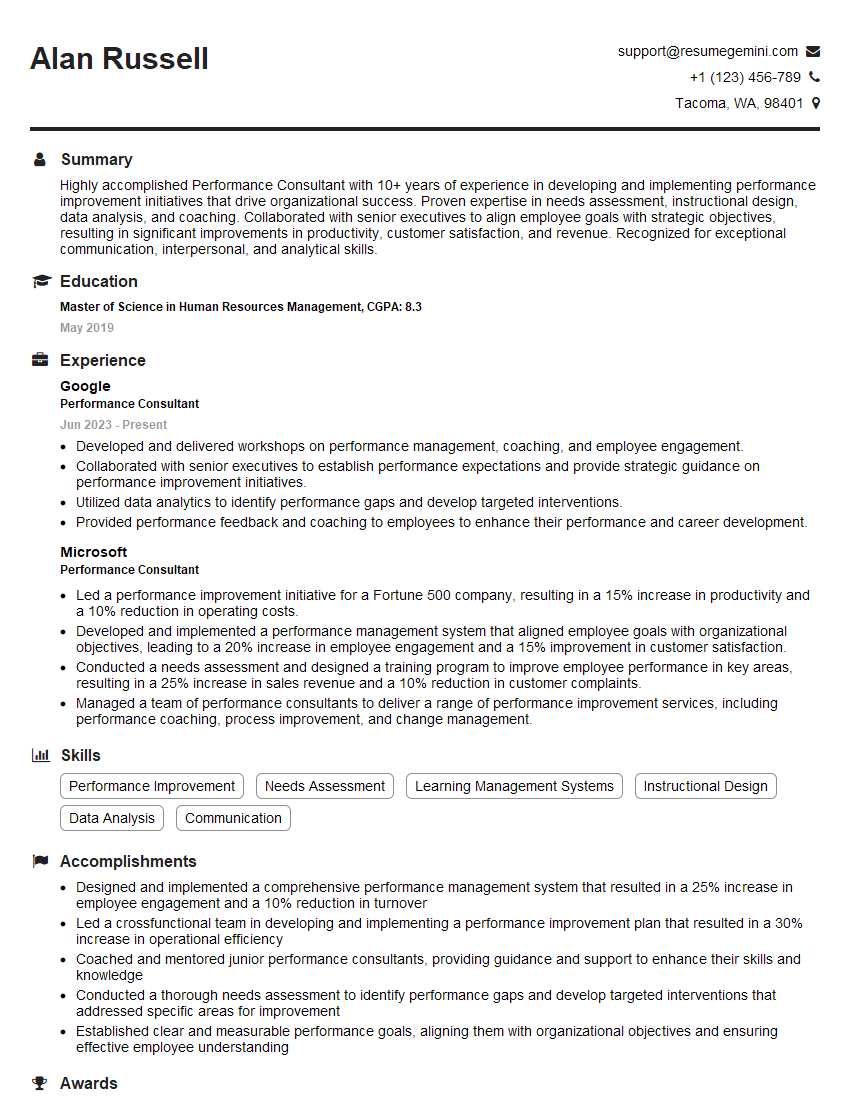
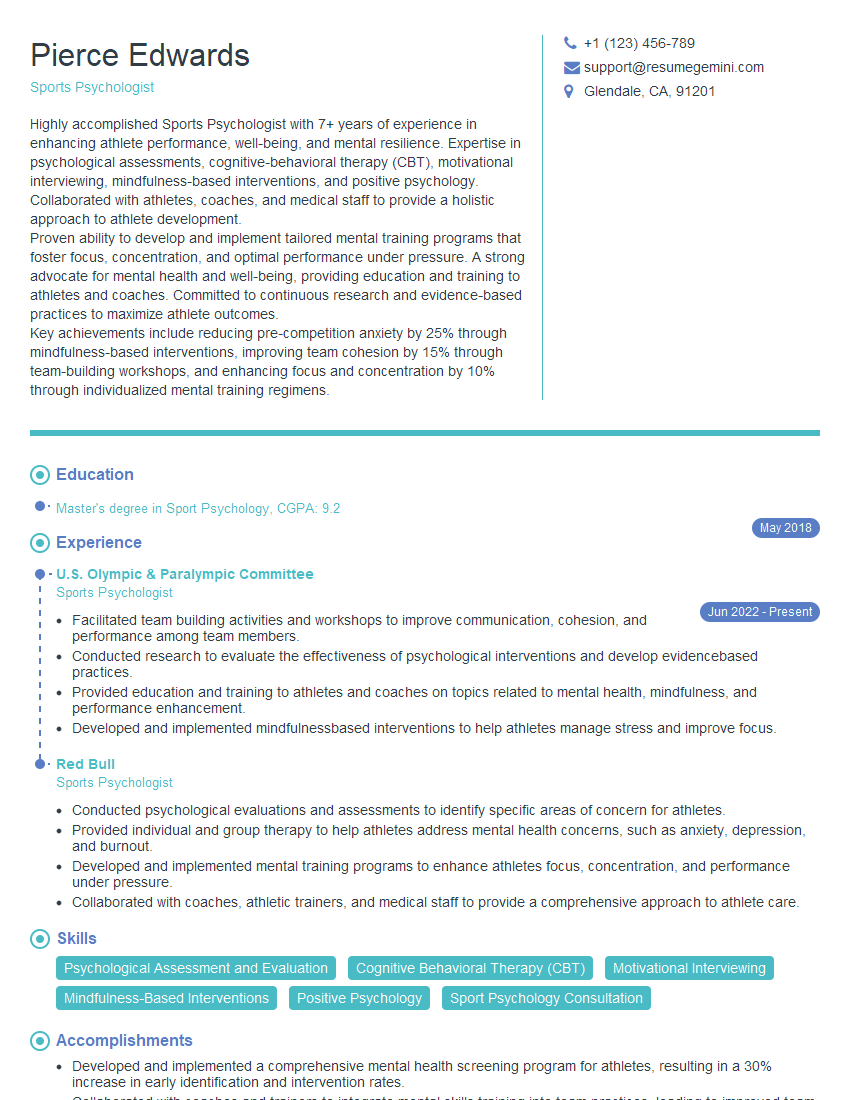
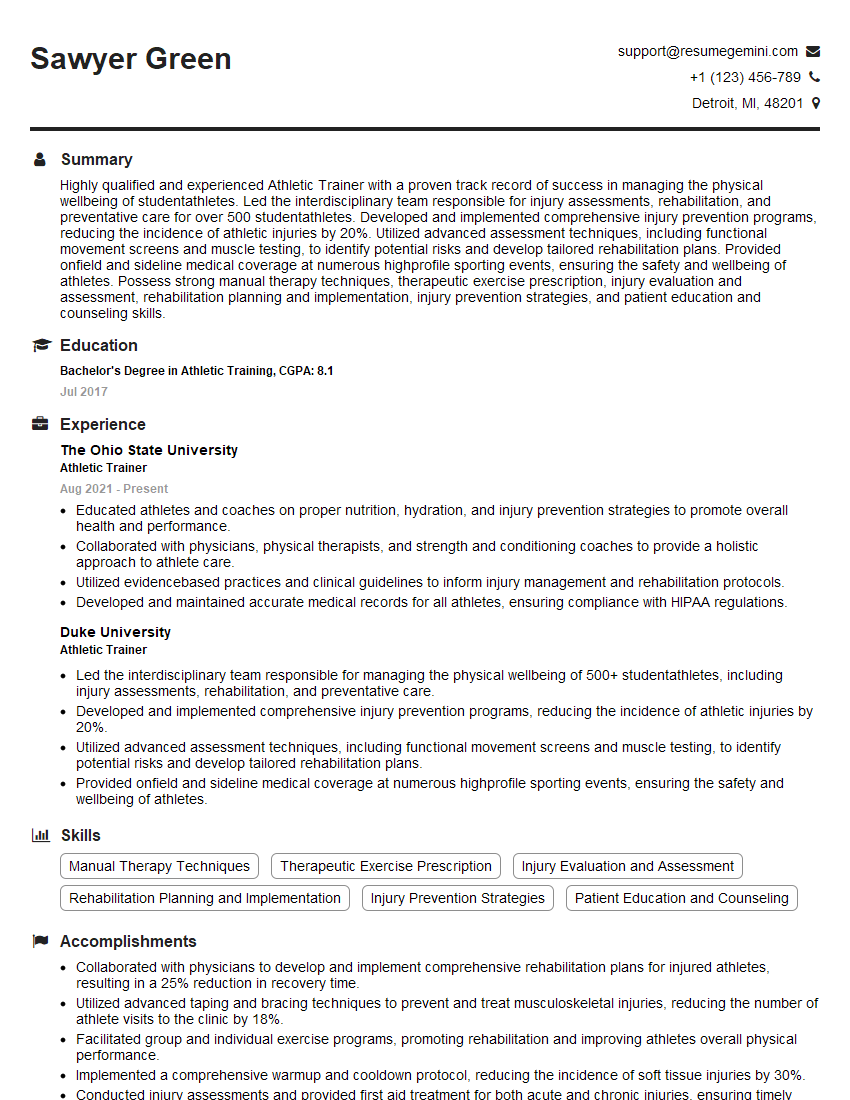
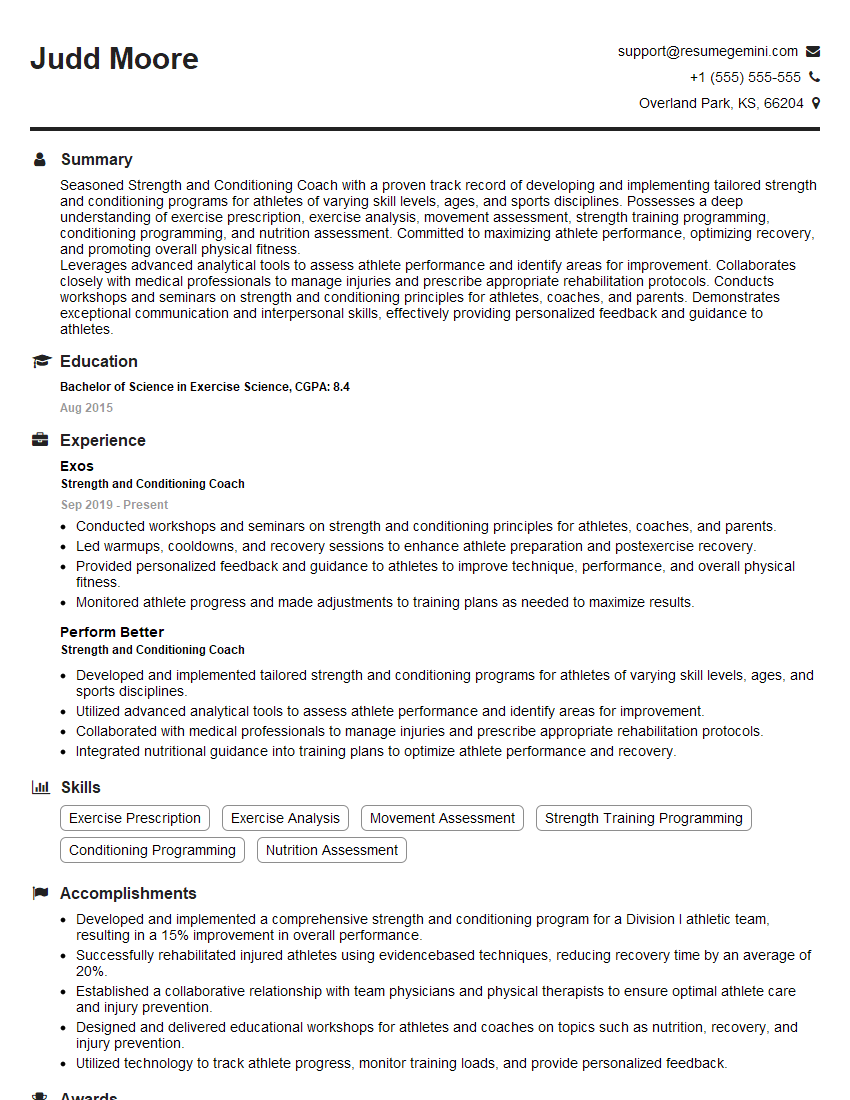
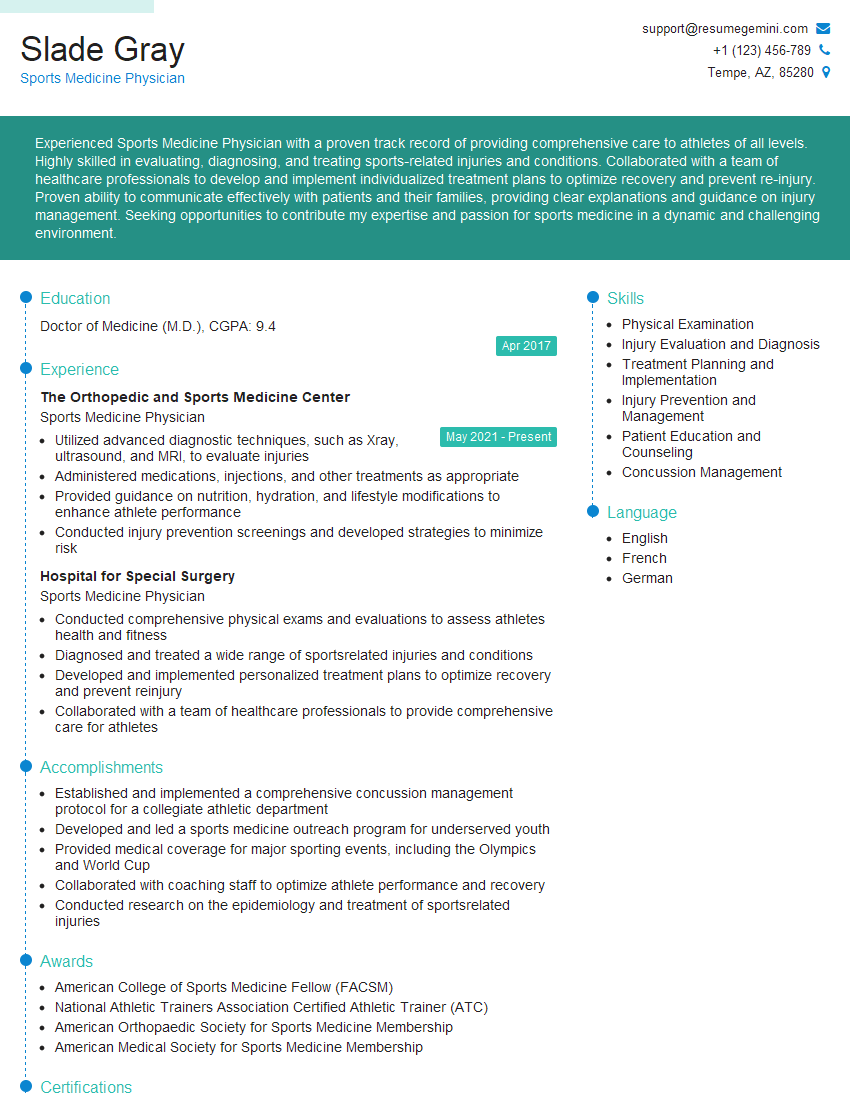
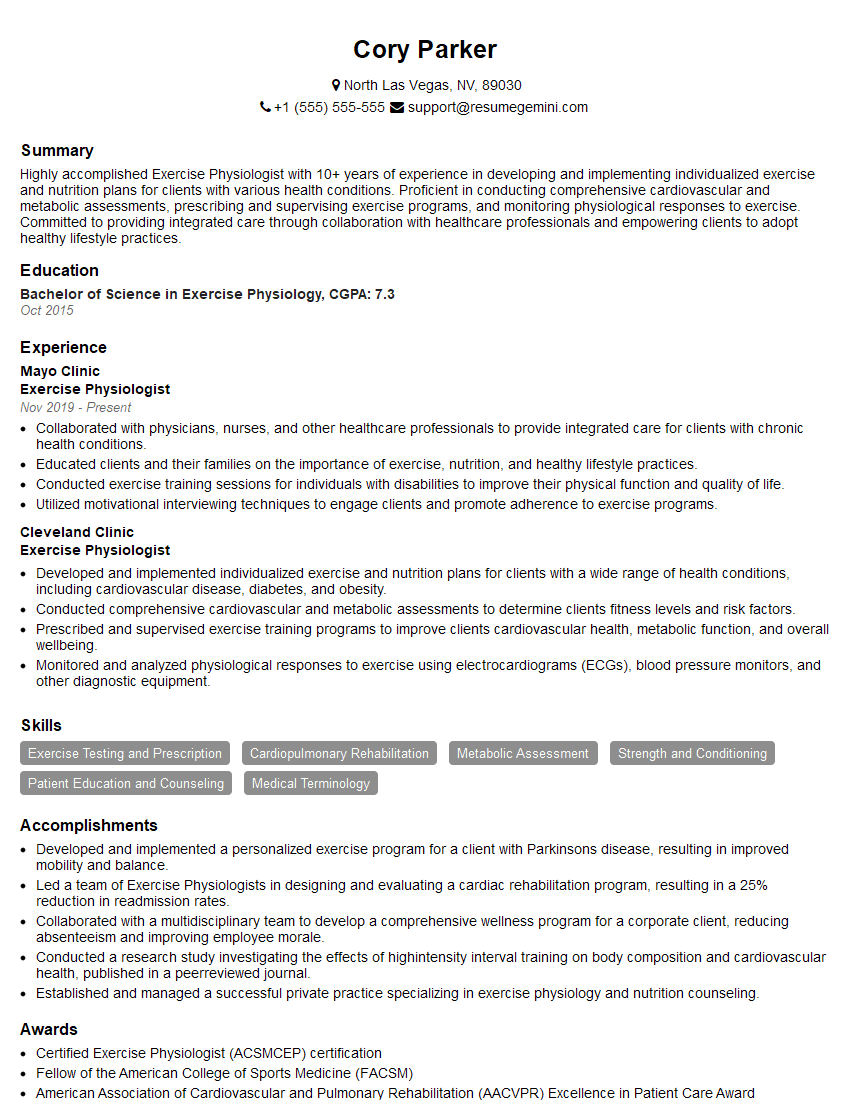
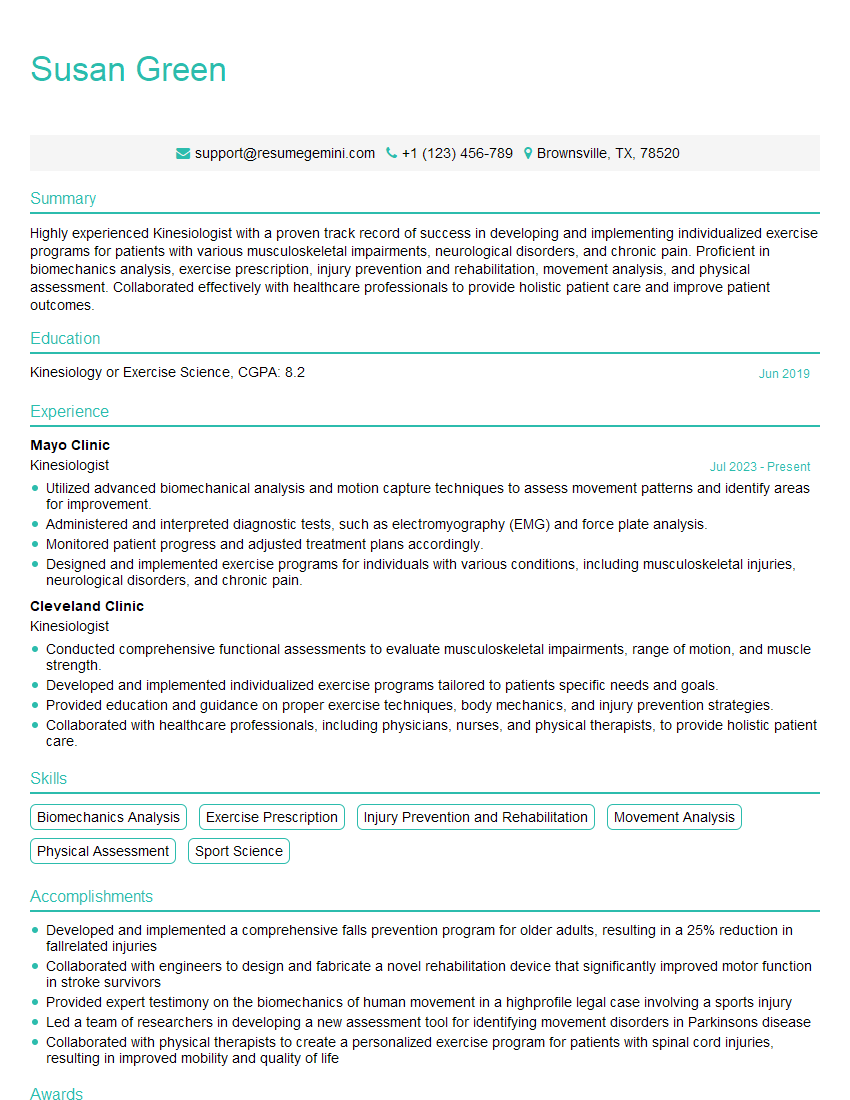
Mastering Athlete and Team Performance Evaluation is crucial for career advancement in sports science, coaching, and athletic administration. A strong understanding of these principles demonstrates your ability to contribute meaningfully to athletic success. To significantly boost your job prospects, create an ATS-friendly resume that highlights your relevant skills and experience. ResumeGemini is a trusted resource that can help you craft a compelling and effective resume tailored to the specific requirements of your target roles. Examples of resumes tailored to Athlete and Team Performance Evaluation are available through ResumeGemini to further guide your preparation.
Explore more articles
Users Rating of Our Blogs
Share Your Experience
We value your feedback! Please rate our content and share your thoughts (optional).
What Readers Say About Our Blog
Very informative content, great job.
good