Every successful interview starts with knowing what to expect. In this blog, we’ll take you through the top Atlas Copco Calibration Tools interview questions, breaking them down with expert tips to help you deliver impactful answers. Step into your next interview fully prepared and ready to succeed.
Questions Asked in Atlas Copco Calibration Tools Interview
Q 1. Explain the calibration process for an Atlas Copco torque wrench.
Calibrating an Atlas Copco torque wrench ensures its accuracy in applying the desired torque to fasteners. This is crucial for preventing over-tightening (leading to fastener damage) or under-tightening (resulting in loose connections and potential failure). The process typically involves using a calibrated torque wrench tester or a traceable reference torque wrench.
Verification: First, you’ll verify the wrench’s current accuracy against a known standard. This might involve applying a series of known torques and comparing the wrench’s readings to the standard’s readings.
Adjustment (if necessary): If the wrench is out of tolerance (i.e., its readings are outside the acceptable range), adjustments might be possible depending on the wrench’s design. Some wrenches have internal adjustments, while others might require sending them to a specialized calibration lab for service.
Documentation: The entire calibration process needs to be meticulously documented, including the date, equipment used, results, and any adjustments made. This ensures traceability and compliance with industry standards.
Example: Imagine you’re tightening bolts on a critical aircraft component. An improperly calibrated torque wrench could lead to catastrophic failure. Regular calibration is essential for safety and reliability in such high-stakes applications.
Q 2. Describe the different types of Atlas Copco pressure gauges and their applications.
Atlas Copco offers a range of pressure gauges, each designed for specific applications. They typically fall into these categories:
Analog Pressure Gauges: These use a mechanical pointer to indicate pressure. They’re generally robust, reliable, and relatively inexpensive, making them suitable for basic pressure monitoring in various industries (e.g., pneumatics, hydraulics). They are less prone to electronic malfunctions.
Digital Pressure Gauges: These display pressure readings digitally. They offer higher accuracy and resolution than analog gauges and often include features like data logging and different units of measurement (psi, bar, kPa). They are ideal for applications requiring precise measurements and data recording.
Speciality Gauges: Atlas Copco also provides specialized pressure gauges for particular applications. For example, some gauges are designed for high-pressure environments, while others might incorporate specific safety features.
Applications: These gauges find application in diverse fields, including manufacturing, automotive, aerospace, and oil & gas, wherever accurate pressure measurement is essential. Choosing the right gauge depends on factors like the pressure range, accuracy requirements, environmental conditions, and the need for data logging.
Q 3. How do you troubleshoot a malfunctioning Atlas Copco digital pressure gauge?
Troubleshooting a malfunctioning Atlas Copco digital pressure gauge involves a systematic approach:
Check the Calibration: The first step is to verify if the gauge has been properly calibrated recently. A calibration certificate or record will confirm its accuracy.
Inspect for Physical Damage: Examine the gauge for any signs of physical damage such as cracks, dents, or loose connections. These issues can impact the gauge’s functionality.
Check the Power Supply (if applicable): Ensure the gauge is receiving adequate power. Low battery or a faulty power supply could lead to inaccurate readings or complete failure.
Verify the Sensor: The pressure sensor is a critical component. A faulty sensor will yield inaccurate readings. In some cases, sensor replacement might be necessary.
Review the Operating Manual: The user manual provides detailed troubleshooting steps and common issues for your specific gauge model.
Example: If a gauge consistently shows a higher or lower reading than expected, even after checking the power and physical condition, the sensor may be faulty, necessitating professional service or replacement.
Q 4. What are the common sources of error in Atlas Copco calibration tools?
Common sources of error in Atlas Copco calibration tools include:
Environmental Factors: Temperature fluctuations, humidity, and vibrations can significantly impact the accuracy of calibration tools. These external factors need to be controlled or accounted for during calibration.
Operator Error: Incorrect handling, improper setup, and misreading of instruments can introduce errors. Proper training and adherence to standardized procedures are essential to minimize operator-induced errors.
Instrument Wear and Tear: Regular use can lead to wear and tear on the calibration tools, affecting their accuracy. Regular maintenance and periodic recalibration are crucial to counter this.
Calibration Standard Inaccuracy: If the reference standards used during calibration are themselves inaccurate, errors will propagate to the calibrated tools. Using traceable and highly accurate standards is paramount.
Example: A torque wrench left exposed to extreme temperatures might show inaccurate readings due to thermal expansion or contraction of internal components.
Q 5. Explain the importance of traceability in Atlas Copco calibration procedures.
Traceability in Atlas Copco calibration procedures is essential for ensuring the reliability and accuracy of the calibration process. It establishes an unbroken chain of comparison to national or international standards.
Traceability means that every calibration performed can be linked back to a known and verified standard, often through a series of calibrations. This ensures that the measurements obtained are consistent and reliable, thus reducing ambiguity and disputes.
Importance: Traceability is crucial for:
Compliance: Many industries have regulations and standards requiring traceable calibration procedures (e.g., ISO 9001, ISO 17025).
Accuracy Verification: Traceability helps verify the accuracy of calibration results, providing confidence in the reliability of the equipment used.
Problem Solving: If an issue arises, traceability helps track down the source of the error.
Example: Imagine a manufacturing plant experiences a product defect. Traceability in calibration allows them to quickly identify if a faulty calibration of a pressure gauge or torque wrench could be the root cause.
Q 6. How do you ensure the accuracy of Atlas Copco calibration tools?
Ensuring the accuracy of Atlas Copco calibration tools involves several key steps:
Regular Calibration: Establish a regular calibration schedule based on the tool’s use, the criticality of the application, and manufacturer recommendations.
Use of Traceable Standards: Calibrate the tools against traceable standards that can be linked back to national or international standards.
Controlled Environment: Perform calibrations in a controlled environment to minimize the influence of external factors such as temperature and humidity.
Qualified Personnel: Employ trained and qualified personnel to perform calibrations using proper techniques and equipment.
Proper Documentation: Maintain detailed records of all calibrations, including date, equipment used, results, and any adjustments made.
Preventative Maintenance: Regularly inspect and maintain the calibration tools to ensure their proper functioning.
Example: A company might set a six-monthly calibration schedule for their torque wrenches, ensuring they are regularly checked and maintained to guarantee their accuracy in production.
Q 7. Describe the different types of calibration standards used with Atlas Copco equipment.
Atlas Copco calibration tools often rely on different types of calibration standards, depending on the tool being calibrated:
Deadweight Testers: Used for calibrating pressure gauges, these provide highly accurate pressure references using precisely weighted pistons.
Torque Wrenches (Reference): Highly accurate torque wrenches used as reference standards for calibrating other torque wrenches.
The specific standards used will depend on the specific type of Atlas Copco equipment being calibrated. The calibration lab should always ensure the traceability of these standards to national or international standards (such as NIST or similar national metrology institutes).
Important Note: The accuracy of the calibration standards directly affects the accuracy of the calibrated tools. Regular calibration of these standards is essential for maintaining the integrity of the entire calibration process.
Q 8. What are the safety precautions when using Atlas Copco calibration tools?
Safety is paramount when using any Atlas Copco calibration tool. Before commencing any operation, always consult the specific tool’s user manual for detailed safety instructions. Generally, this includes:
- Personal Protective Equipment (PPE): Always wear appropriate PPE, including safety glasses, gloves, and hearing protection, as required by the specific task and the tool’s operating instructions. Some tools may require specialized safety equipment.
- Proper Grounding: Ensure the tool is properly grounded to prevent electrical shocks, especially when working near electrical equipment.
- Stable Work Area: Maintain a clean and organized workspace free from obstructions to prevent accidents. Ensure the tool is stable and securely positioned during operation.
- Environmental Considerations: Be mindful of the surrounding environment. Avoid using the tool in hazardous areas or conditions, such as near flammable materials or in extreme temperatures.
- Regular Inspections: Before each use, visually inspect the tool for any signs of damage, wear, or loose parts. Never use a damaged tool.
- Training: Ensure you have received proper training and are competent in using the specific Atlas Copco calibration tool before attempting any calibration procedures.
Remember, safety is a shared responsibility. Report any unsafe conditions or damaged equipment immediately to your supervisor.
Q 9. How do you interpret a calibration certificate from Atlas Copco?
An Atlas Copco calibration certificate provides verification that a specific instrument meets predetermined accuracy standards. Interpreting it involves understanding key elements:
- Instrument Identification: The certificate clearly identifies the calibrated instrument, including its model number and serial number. This ensures traceability.
- Calibration Date: The date the calibration was performed is crucial for determining the validity of the results.
- Calibration Method: The certificate will specify the methods and standards used during the calibration process, allowing for verification of the procedure’s reliability.
- Calibration Results: This section presents the measured values against the reference standards, often presented as a table. It shows whether the instrument is within its acceptable tolerance limits.
- Uncertainty of Measurement: The certificate states the uncertainty associated with the calibration results, quantifying the potential error. Lower uncertainty indicates higher accuracy.
- Expiry Date: The certificate indicates the validity period of the calibration. Recalibration is necessary after this date.
- Accredited Laboratory Information: If the calibration was performed by an ISO 17025-accredited laboratory, the certificate will mention this, signifying higher confidence in the calibration results.
For example, if the certificate shows that the measured value is within the specified tolerance, this indicates that the instrument is functioning accurately and can be used reliably. Any values outside tolerance would require investigation and possible repair or adjustment. Always keep the certificate with the calibrated instrument for easy reference and traceability.
Q 10. What is the difference between verification and calibration?
While both verification and calibration assess the accuracy of a measurement instrument, they differ in scope and process:
- Verification: This is a simple check to ensure that the instrument is still functioning within its specified tolerance limits. It usually involves a quick comparison against a known standard without detailed documentation. Think of it as a quick health check.
- Calibration: Calibration is a more rigorous process. It involves adjusting the instrument to meet the required standards of accuracy, typically using traceable standards. Detailed documentation, including measurement data and uncertainty, is generated. Think of it as a comprehensive health check and a potential adjustment if needed.
Example: Imagine a pressure gauge. Verification might involve comparing its reading to a known pressure source. If it’s close enough, it’s considered verified. Calibration, however, would involve a series of measurements at different pressure points against highly accurate reference standards, potentially followed by adjustments to ensure accurate readings across the entire range.
Q 11. Explain the role of ISO 17025 in Atlas Copco calibration.
ISO 17025 is an internationally recognized standard that outlines the general requirements for the competence of testing and calibration laboratories. For Atlas Copco calibration, it ensures that the calibration processes are reliable, consistent, and traceable. This means:
- Traceability: Calibration results are traceable to national or international standards, ensuring accuracy and comparability across different locations and instruments.
- Competence: The personnel performing the calibration are properly trained and competent in their tasks.
- Equipment and Facilities: Calibration is performed using properly maintained and calibrated equipment in controlled environments.
- Quality Management System: A robust quality management system ensures consistency and accuracy in the calibration process.
- Impartiality and Confidentiality: The calibration process is conducted impartially and confidentially.
If an Atlas Copco calibration is performed by an ISO 17025 accredited laboratory, the resulting certificate carries higher credibility and acceptance, often required by industries with stringent quality control demands.
Q 12. How do you manage calibration records for Atlas Copco equipment?
Managing calibration records for Atlas Copco equipment involves a systematic approach. This commonly involves:
- Calibration Management Software: Using specialized software to track calibration schedules, results, and certificates. This allows for automated reminders and reporting.
- Centralized Database: Maintaining a central database to store all calibration records, ensuring easy access and retrieval.
- Unique Identification: Assigning a unique identifier (e.g., serial number) to each tool for easy tracking throughout its life cycle.
- Regular Audits: Conducting regular audits of the calibration records to ensure accuracy and compliance with standards.
- Document Control: Implementing a document control system to ensure version control and prevent the use of outdated calibration procedures or certificates.
- Secure Storage: Storing calibration records securely (both physical and digital) to prevent loss or unauthorized access.
A well-maintained calibration record system enables easy compliance with regulatory requirements, improves traceability, and minimizes downtime associated with malfunctioning equipment. It is crucial for quality assurance and helps prevent costly errors.
Q 13. What are the common maintenance procedures for Atlas Copco calibration tools?
Common maintenance procedures for Atlas Copco calibration tools depend on the specific tool, but generally include:
- Regular Cleaning: Keeping the tool clean and free of dust, debris, and other contaminants using appropriate cleaning materials. Avoid harsh chemicals that could damage the tool.
- Visual Inspection: Regularly inspecting the tool for signs of wear, damage, or loose components before each use. Replace damaged parts immediately.
- Lubrication (if applicable): Lubricating moving parts as per the manufacturer’s instructions to ensure smooth operation and prevent wear.
- Storage: Storing the tool in a clean, dry, and protected environment to prevent damage and corrosion. Proper storage prevents unnecessary wear and tear.
- Calibration Verification: Regularly verifying the calibration of the tool to ensure its accuracy and compliance with standards. The frequency of verification will be indicated in the tool’s documentation.
Following the manufacturer’s recommended maintenance schedule is essential for maximizing the tool’s lifespan and accuracy. Neglecting maintenance can lead to inaccurate measurements, increased downtime, and potentially safety hazards.
Q 14. Describe the process of selecting appropriate calibration tools from Atlas Copco.
Selecting the appropriate Atlas Copco calibration tool involves several steps:
- Identify the Measurement Parameter: Determine what you need to calibrate (e.g., pressure, temperature, flow, torque). This is the fundamental step.
- Determine the Required Accuracy: Define the level of accuracy needed for your application. Higher accuracy often means using a more sophisticated and potentially more expensive tool.
- Consider the Measurement Range: Select a tool with a measurement range that covers the expected values you will be measuring.
- Evaluate Features and Functionality: Consider any additional features that might be beneficial, such as data logging, communication interfaces, or ease of use.
- Check for Traceability: Verify if the tool and its calibration certificate are traceable to national or international standards.
- Consult Atlas Copco Resources: Utilize Atlas Copco’s product catalog, website, or technical support to find a tool that matches your requirements.
- Budgetary Considerations: Consider the cost of the tool, including calibration and maintenance.
For instance, calibrating a high-precision pressure sensor in a critical application would require a high-accuracy, traceable calibration tool, possibly with data logging capabilities, unlike calibrating a general-purpose pressure gauge for a less critical process.
Q 15. How do you handle discrepancies found during the calibration process?
Discrepancies during calibration are addressed systematically. First, I’d meticulously re-check the entire process – ensuring proper tool setup, environmental conditions (temperature, humidity), and adherence to the Atlas Copco calibration procedure. This often involves double-checking my readings and calculations. If the discrepancy persists, I investigate potential sources of error, such as instrument drift, faulty equipment, or even operator error. Documentation is crucial; I carefully record all findings, including initial readings, re-checks, and any corrective actions. If the problem remains unresolved after these steps, I’d consult Atlas Copco’s technical support or escalate to a senior calibration technician for expert guidance. A thorough investigation is always necessary before declaring a tool as unusable.
For instance, if calibrating an Atlas Copco torque wrench and I find a persistent 5% deviation from the expected value, I’d first review the calibration procedure, re-check my torque application method, and verify that the wrench’s calibration certificate is still valid. If the issue continues, I’d inspect the wrench for any physical damage or signs of malfunction. Only after a comprehensive analysis would I consider the possibility of instrument failure.
Career Expert Tips:
- Ace those interviews! Prepare effectively by reviewing the Top 50 Most Common Interview Questions on ResumeGemini.
- Navigate your job search with confidence! Explore a wide range of Career Tips on ResumeGemini. Learn about common challenges and recommendations to overcome them.
- Craft the perfect resume! Master the Art of Resume Writing with ResumeGemini’s guide. Showcase your unique qualifications and achievements effectively.
- Don’t miss out on holiday savings! Build your dream resume with ResumeGemini’s ATS optimized templates.
Q 16. What is the significance of uncertainty in calibration measurements?
Uncertainty in calibration measurements is vital because it quantifies the reliability of our results. It essentially represents the range of values within which the true measurement likely falls. A smaller uncertainty indicates a more precise and reliable calibration. Reporting uncertainty is crucial for meeting ISO standards (e.g., ISO 17025) and ensures the credibility of the calibration certificate. The uncertainty encompasses various factors, including the resolution of the measuring instrument, environmental variations, and the skill of the technician. Understanding uncertainty allows us to gauge the confidence level in the calibrated tool’s performance within its specified range. Ignoring uncertainty can lead to inaccurate measurements and potentially dangerous situations in industrial settings.
Imagine calibrating an Atlas Copco pressure gauge. A reported uncertainty of ±0.5% indicates the true value likely resides within 0.5% above or below the measured value. This information is critical for knowing the level of trust we can place in that gauge’s readings in various applications.
Q 17. Explain the concept of calibration intervals for Atlas Copco tools.
Calibration intervals for Atlas Copco tools aren’t fixed; they depend on several factors: the tool’s type, its usage frequency, the operating environment’s harshness, and the tool’s specifications. Some tools might require calibration annually, while others might need it every three months or even more frequently. Atlas Copco provides recommendations in their user manuals and calibration guidelines. Regular calibration ensures the accuracy and reliability of the tools remain within acceptable limits. Tools frequently used in demanding conditions often require more frequent calibration to compensate for wear and tear and environmental effects. We use a calibration management system to track these intervals to prevent tools from drifting outside of their acceptable tolerances.
For example, a precision torque wrench used daily in a workshop would likely require more frequent calibration than a less frequently used impact wrench operating in a controlled environment.
Q 18. How do you perform a calibration of an Atlas Copco flow meter?
Calibrating an Atlas Copco flow meter involves comparing its readings against a known standard, typically a traceable flow standard certified by a recognized calibration laboratory. The process usually starts by preparing the equipment, selecting the appropriate flow standard, and connecting the flow meter to the calibration setup. Then, I’d run known flow rates through the meter, recording the meter’s readings and comparing them to the known flow rates provided by the standard. The differences between the readings and the known standard are used to determine the calibration corrections. I usually perform the calibration over a range of flow rates to verify the meter’s linearity and accuracy across its entire operating range. All readings and adjustments are thoroughly documented. Special attention is paid to maintaining stable environmental conditions throughout the process. Following Atlas Copco’s detailed calibration instructions is crucial to ensure accuracy and compliance.
For instance, we might use a piston prover as a flow standard to generate known flow rates for calibrating a gas flow meter. Detailed comparison data would be generated and analyzed, creating a calibration curve which highlights any adjustments necessary.
Q 19. What are the benefits of using Atlas Copco calibration tools over competitors?
Atlas Copco calibration tools offer several advantages over competitors. Their robustness and reliability are key differentiators. Atlas Copco’s tools are known for their durability and precise design, allowing for consistent and accurate measurements even in harsh industrial environments. Their calibration software often integrates seamlessly with their tools for efficient data management and reporting, and their comprehensive documentation and support are invaluable. Additionally, the traceability of their standards to national or international standards ensures the legitimacy and accuracy of calibration results. This contributes to enhanced confidence in the calibration process.
For example, compared to some competitors, Atlas Copco’s pressure calibrators frequently boast better accuracy and improved long-term stability, leading to fewer recalibrations and higher confidence in measurement results. Their user-friendly software also simplifies the calibration process, reducing potential human error.
Q 20. Describe your experience with Atlas Copco’s calibration software.
My experience with Atlas Copco’s calibration software has been largely positive. It’s generally intuitive and efficient, providing a streamlined workflow for managing calibration data. The software usually allows for easy data entry, storage, analysis, and reporting. It often features tools for generating calibration certificates, tracking calibration intervals, and managing multiple tools and instruments. The software’s ability to automatically generate reports saves considerable time and effort and minimizes the risk of errors compared to manual data handling. It integrates well with Atlas Copco’s hardware, making the overall calibration process significantly easier and more efficient.
For example, the software’s automated report generation feature saves me significant time compared to manually creating reports. The data management tools also allow for easy tracking of calibration certificates and preventing outdated calibrations. The clear and concise presentation of the results makes communicating calibration findings to clients simple.
Q 21. How do you deal with a failed calibration of an Atlas Copco tool?
A failed calibration means the tool’s measurements are outside the acceptable tolerance limits specified by Atlas Copco or relevant standards. First, I thoroughly investigate the cause. This includes reviewing the calibration process, checking for any equipment malfunctions, and examining the tool itself for signs of damage or wear. Depending on the nature of the failure, the tool might require repair, adjustment, or replacement. If the problem is traceable to the tool itself (not operator error), I’d follow Atlas Copco’s repair and maintenance procedures. All findings are meticulously documented, including the cause of failure, any corrective actions, and the final result. In case of a significant or recurring failure, I’d consult with Atlas Copco’s technical support to determine whether the tool is beyond economical repair or needs to be replaced.
For example, if a torque wrench consistently fails its calibration checks, I’d inspect it for damage, such as a bent shaft. If the damage is repairable, I’d follow the manufacturer’s instructions; if not, it would need to be replaced, and all the information would be logged. A report describing the failed calibration and subsequent actions will be carefully documented.
Q 22. Explain the importance of proper documentation in Atlas Copco calibration.
Proper documentation in Atlas Copco calibration is paramount for ensuring traceability, compliance, and the overall reliability of equipment. Think of it as the meticulous record-keeping that proves your work was done correctly and meets all standards.
- Traceability: Detailed records allow you to trace the history of each calibration, identifying the instrument, the technician, the date, and the results. This is crucial for audits and troubleshooting.
- Compliance: Many industries (e.g., aerospace, pharmaceuticals) have strict regulations requiring precise calibration documentation to ensure product quality and safety. Atlas Copco calibration documentation helps meet these requirements.
- Reliability: Accurate records are vital for identifying trends and patterns in instrument performance. This allows for proactive maintenance and helps prevent costly downtime.
For instance, a meticulously documented calibration of a pressure sensor might include the serial number of the sensor, the reference standard used, the calibration points, the measured values, the uncertainties, and the technician’s signature. This comprehensive record ensures that the calibration process was conducted accurately and reliably.
Q 23. How would you train a new employee on using Atlas Copco calibration tools?
Training a new employee on Atlas Copco calibration tools involves a phased approach focusing on theory, practical application, and continuous assessment. I’d begin with a thorough review of the relevant safety protocols and then move onto the practical aspects.
- Classroom Training: This would cover the theoretical background of calibration, the principles of measurement uncertainty, and the specific functionalities of the Atlas Copco calibration tools being used. We’d use manuals, videos, and interactive presentations.
- Hands-on Training: Under close supervision, the new employee would perform calibrations on a range of instruments, starting with simpler ones and gradually progressing to more complex equipment. This practical experience solidifies theoretical knowledge.
- Mentorship and Observation: Pairing the new employee with an experienced calibrator allows for on-the-job learning and immediate feedback. This allows me to observe their technique and provide guidance.
- Testing and Certification: Once the employee demonstrates proficiency, a formal assessment would be conducted to verify their understanding and skills. This might involve calibrating a set of instruments and documenting the process accurately.
Think of it like learning to drive. First, you learn the theory, then you practice under supervision, and finally, you take a driving test. The same structured approach applies to mastering Atlas Copco calibration tools.
Q 24. Describe your experience working with different types of Atlas Copco sensors.
My experience encompasses a wide range of Atlas Copco sensors, including pressure sensors (both pneumatic and hydraulic), temperature sensors (thermocouples, RTDs), and flow sensors. Each sensor type presents unique challenges and requires specific calibration techniques.
- Pressure Sensors: I’ve extensively worked with various pressure ranges and sensor technologies, from simple Bourdon tube gauges to sophisticated digital pressure transducers. Calibration often involves using deadweight testers or highly accurate pressure standards.
- Temperature Sensors: My experience includes calibrating thermocouples and Resistance Temperature Detectors (RTDs) using dry-block calibrators and reference thermometers. Understanding the various thermocouple types (e.g., K-type, J-type) and their characteristics is crucial.
- Flow Sensors: I’ve calibrated various flow meters, utilizing techniques such as gravimetric or volumetric methods. Understanding the principles of flow measurement and the limitations of different sensor types is essential.
For example, calibrating a high-precision pressure sensor requires a higher-accuracy reference standard and a more controlled environment compared to calibrating a basic pressure gauge. Understanding these nuances is critical for accurate and reliable calibration.
Q 25. How do you ensure the integrity of the calibration process?
Maintaining the integrity of the calibration process is crucial. I utilize a multi-pronged approach to ensure this.
- Regular Equipment Calibration: All calibration equipment, including reference standards, must be calibrated regularly by a traceable and accredited laboratory. This ensures the accuracy of the measurements.
- Environmental Control: Maintaining a stable environment (temperature, humidity) is crucial, especially for high-precision calibrations. This minimizes the impact of environmental factors on the measurements.
- Calibration Procedures: Strict adherence to documented calibration procedures is paramount. This reduces the potential for human error and ensures consistency.
- Traceability: Maintaining a complete chain of traceability, from the primary reference standards to the instruments being calibrated, is essential for meeting regulatory requirements and maintaining confidence in the results.
- Data Management: All calibration data should be securely stored and readily accessible. This is vital for audits and for tracking instrument performance over time.
Think of it like building a house: You wouldn’t build a house without a solid foundation. Similarly, the integrity of the calibration process relies on a foundation of well-maintained equipment, carefully followed procedures, and comprehensive record-keeping.
Q 26. What are the limitations of Atlas Copco calibration tools?
While Atlas Copco calibration tools are highly advanced, they do have certain limitations.
- Range Limitations: Each tool has a specific measurement range. Attempting to calibrate instruments outside this range can lead to inaccurate results or damage the equipment.
- Sensor Compatibility: Certain tools might not be compatible with all types of sensors. Understanding the compatibility matrix of the tool and the sensors is crucial.
- Environmental Factors: Environmental conditions (temperature, humidity, vibration) can affect the accuracy of calibration. The tools’ performance can be degraded under extreme conditions.
- User Skill: The accuracy of calibration results depends on the user’s skill and knowledge. Improper use can lead to erroneous results.
For example, a particular Atlas Copco pressure calibrator might have a limited pressure range, meaning it can’t be used to calibrate sensors that operate outside that range. This needs to be considered when selecting the right tool for the job.
Q 27. How do you stay updated on the latest developments in Atlas Copco calibration technology?
Staying updated on the latest developments in Atlas Copco calibration technology requires a multi-faceted approach.
- Atlas Copco Website and Documentation: Regularly reviewing Atlas Copco’s website for new product announcements, software updates, and technical bulletins is essential.
- Industry Publications and Conferences: Attending industry conferences and trade shows, as well as reading relevant publications, provides valuable insights into new technologies and best practices.
- Training Courses: Participating in Atlas Copco’s training courses and workshops ensures proficiency in using the latest calibration tools and techniques.
- Networking with Colleagues: Engaging in discussions and exchanging information with colleagues in the field helps to learn about new developments and share experiences.
Just like any rapidly evolving field, staying current in Atlas Copco calibration technology demands continuous learning and engagement with industry resources.
Q 28. Describe a time you had to troubleshoot a complex calibration issue.
I once encountered a situation where a high-precision pressure sensor consistently showed readings outside the acceptable tolerance range. Initial checks revealed no obvious issues with the sensor or the calibration equipment.
The troubleshooting process involved:
- Systematic Verification: I meticulously checked all connections, ensuring there were no leaks or loose wiring. I also verified the calibration equipment using a secondary reference standard.
- Environmental Assessment: I carefully analyzed the environmental conditions. I discovered that subtle temperature fluctuations within the calibration chamber were exceeding the sensor’s specified operating range.
- Data Analysis: I reviewed past calibration data for the sensor to identify any potential trends or anomalies. This pointed to a recurring issue with inconsistent readings under similar temperature fluctuations.
- Solution Implementation: Based on my findings, I implemented temperature stabilization measures within the calibration chamber. This significantly reduced the temperature fluctuations and subsequently corrected the sensor’s readings.
This experience highlighted the importance of a systematic and thorough approach to troubleshooting, recognizing that seemingly insignificant environmental factors can have a significant impact on high-precision measurements. Thorough data analysis was key to identifying the root cause.
Key Topics to Learn for Atlas Copco Calibration Tools Interview
- Calibration Principles and Standards: Understanding ISO 17025, traceability, uncertainty analysis, and different calibration methods (e.g., comparison, substitution).
- Atlas Copco Calibration Tool Specifics: Familiarize yourself with the specific tools and technologies used by Atlas Copco, including their functionalities, limitations, and maintenance procedures. Research their product lines and common applications within various industries.
- Calibration Processes and Workflows: Understand the complete calibration lifecycle, from initial assessment and planning to execution, documentation, and reporting. Consider the importance of data management and regulatory compliance.
- Troubleshooting and Problem Solving: Practice identifying and resolving common calibration issues. Be prepared to discuss your approach to diagnosing problems and implementing corrective actions.
- Safety Procedures and Regulations: Demonstrate a strong understanding of relevant safety protocols and regulations pertaining to calibration equipment and procedures.
- Data Analysis and Interpretation: Show your ability to interpret calibration data, identify trends, and make informed decisions based on the results. Understanding statistical analysis is beneficial.
- Industry Applications and Best Practices: Research how Atlas Copco calibration tools are used in different industries (e.g., manufacturing, automotive, aerospace) and be prepared to discuss best practices for specific applications.
Next Steps
Mastering Atlas Copco Calibration Tools demonstrates a commitment to precision and quality, highly valued skills in today’s competitive job market. This expertise opens doors to rewarding careers with growth potential in various technical roles. To significantly enhance your job prospects, it’s crucial to present your skills effectively through a well-crafted, ATS-friendly resume. ResumeGemini is a trusted resource to help you build a professional resume that highlights your qualifications and catches the recruiter’s eye. Examples of resumes tailored to Atlas Copco Calibration Tools are available to guide you further.
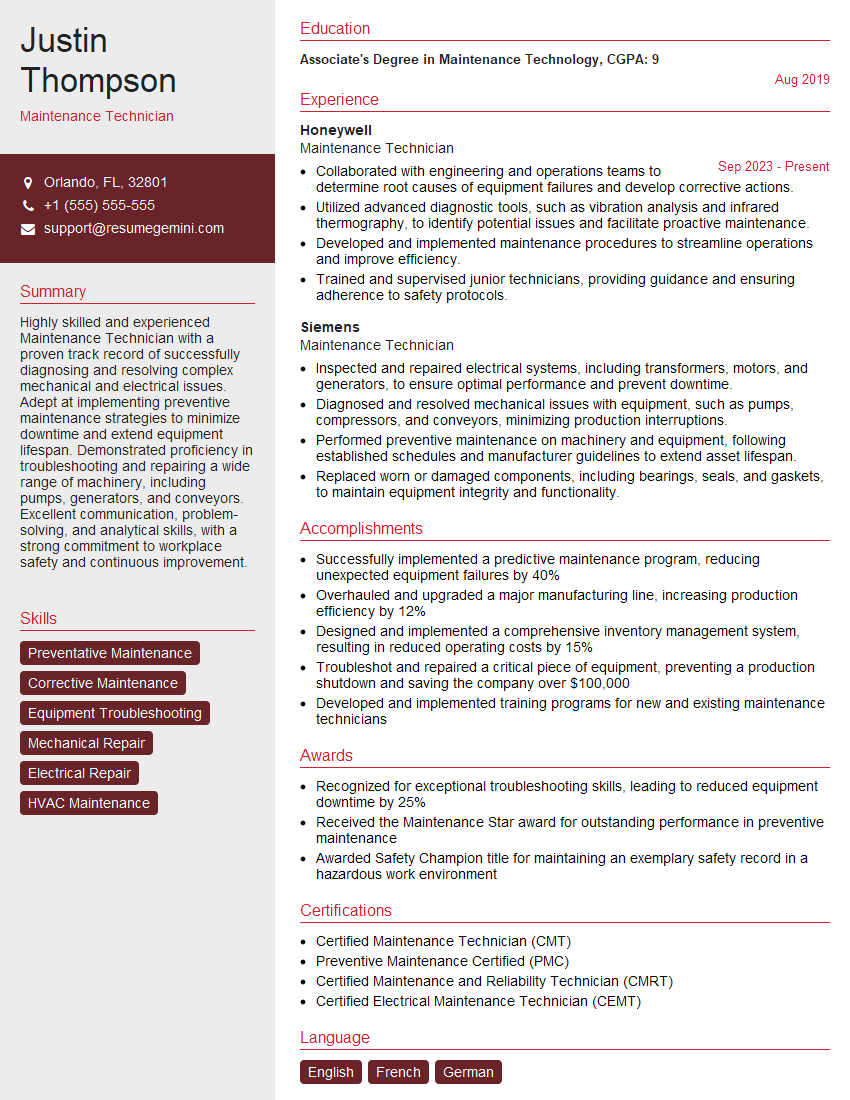
Maintenance Technician Resume Sample

Quality Assurance Technician Resume Sample
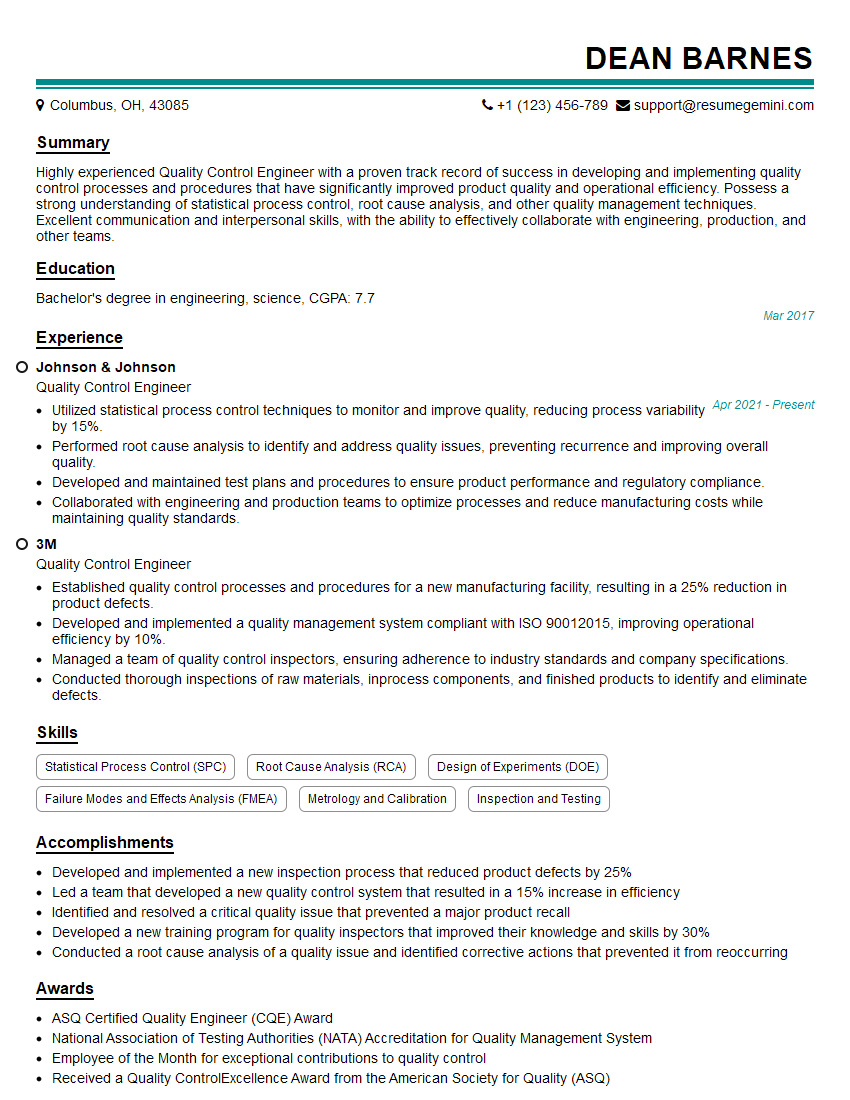
Quality Control Engineer Resume Sample
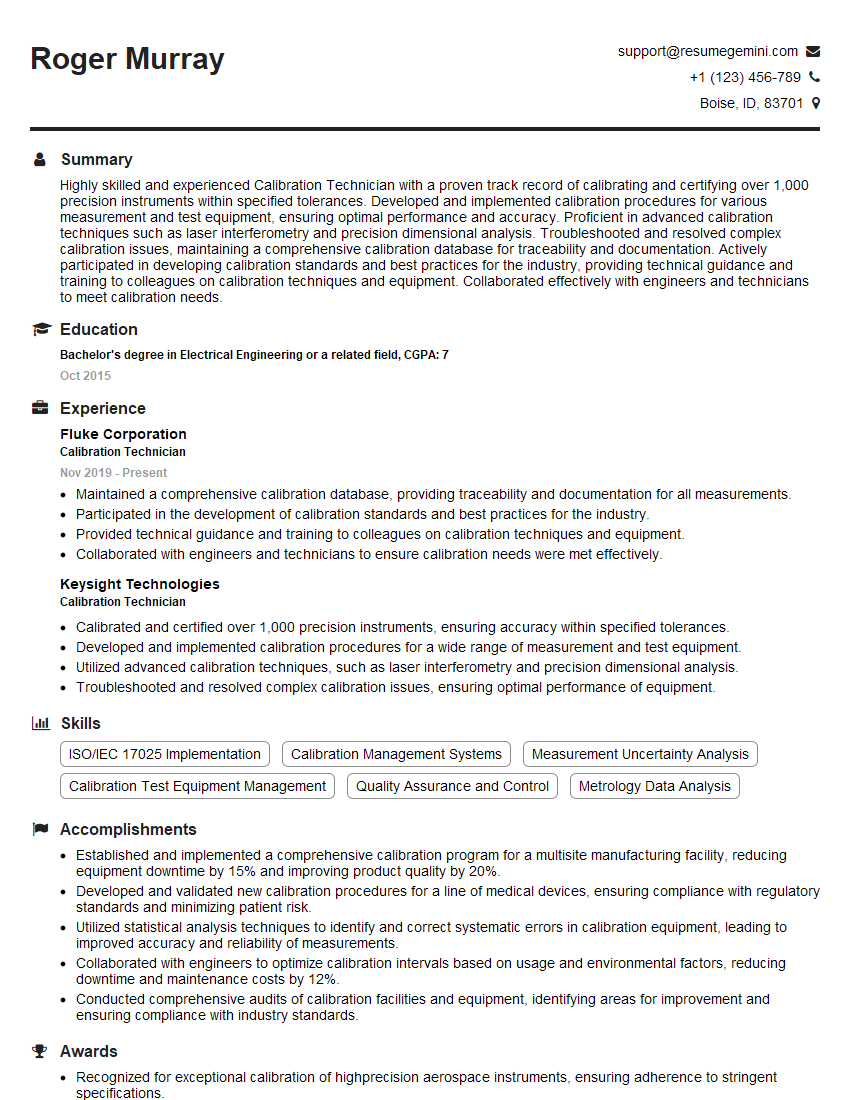
Calibration Technician Resume Sample
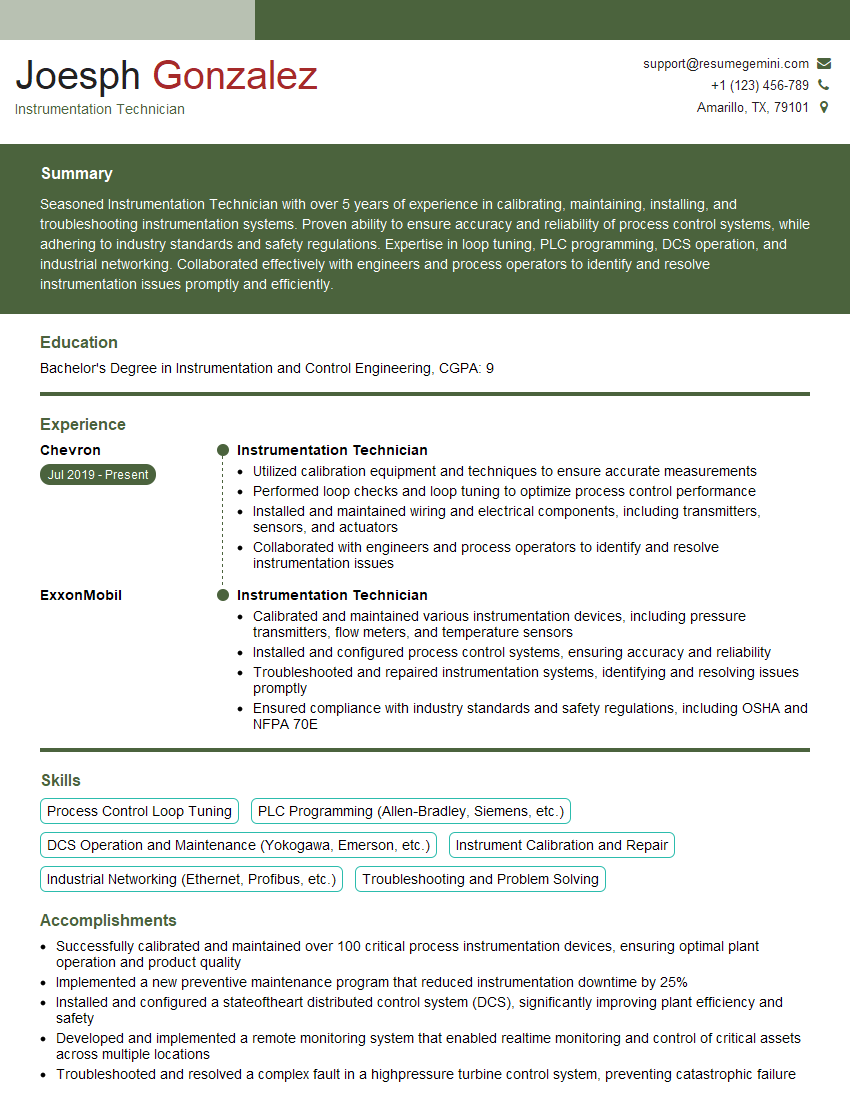
Instrumentation Technician Resume Sample
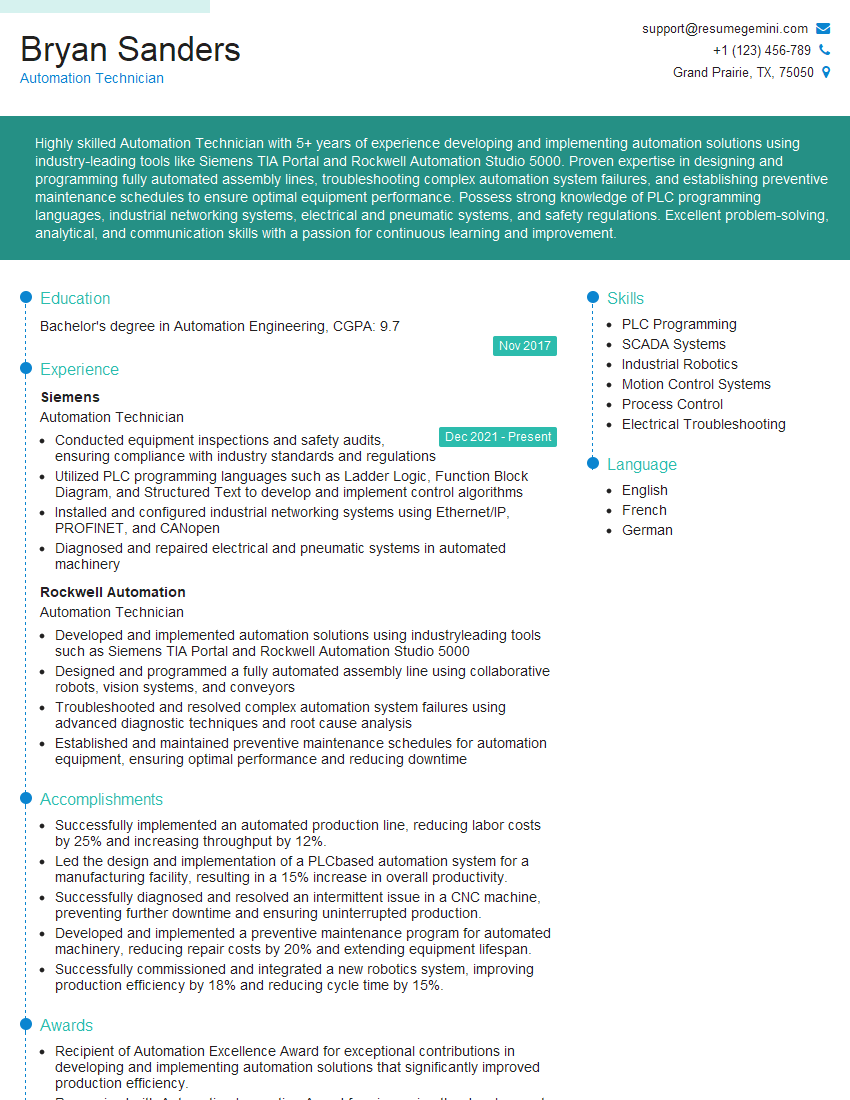
Automation Technician Resume Sample
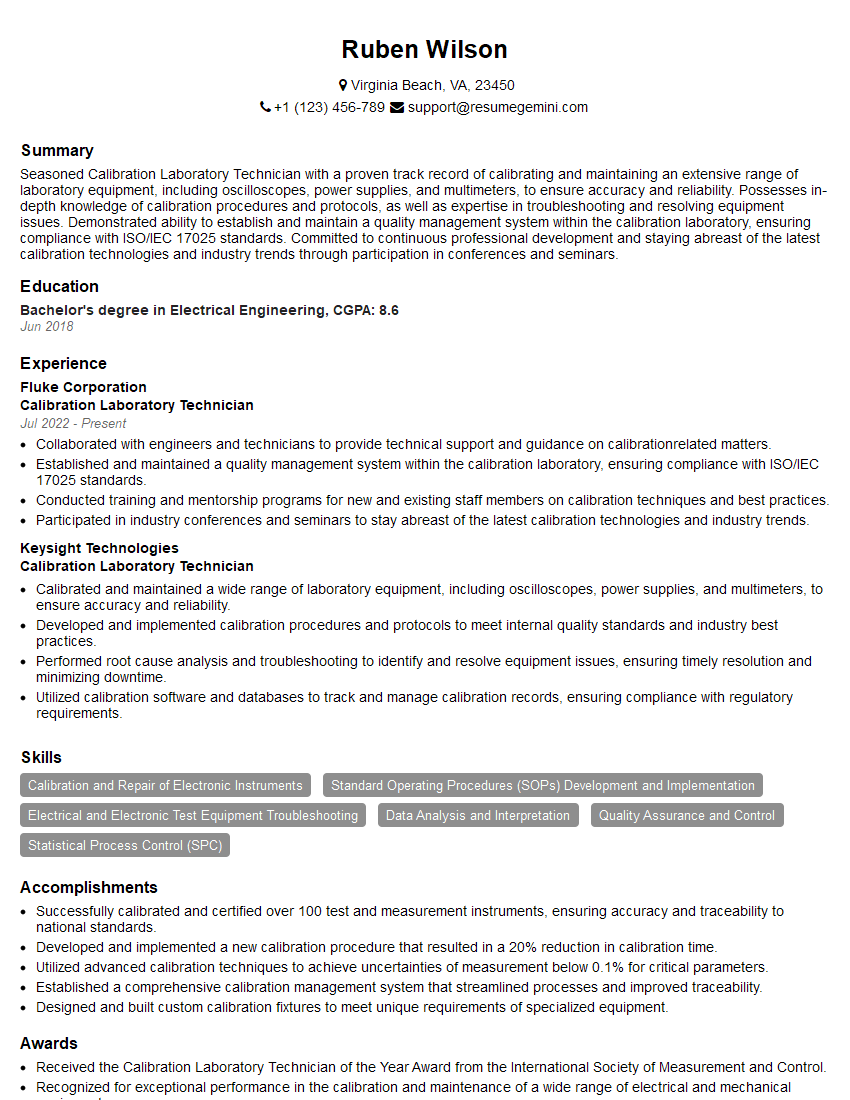
Calibration Laboratory Technician Resume Sample
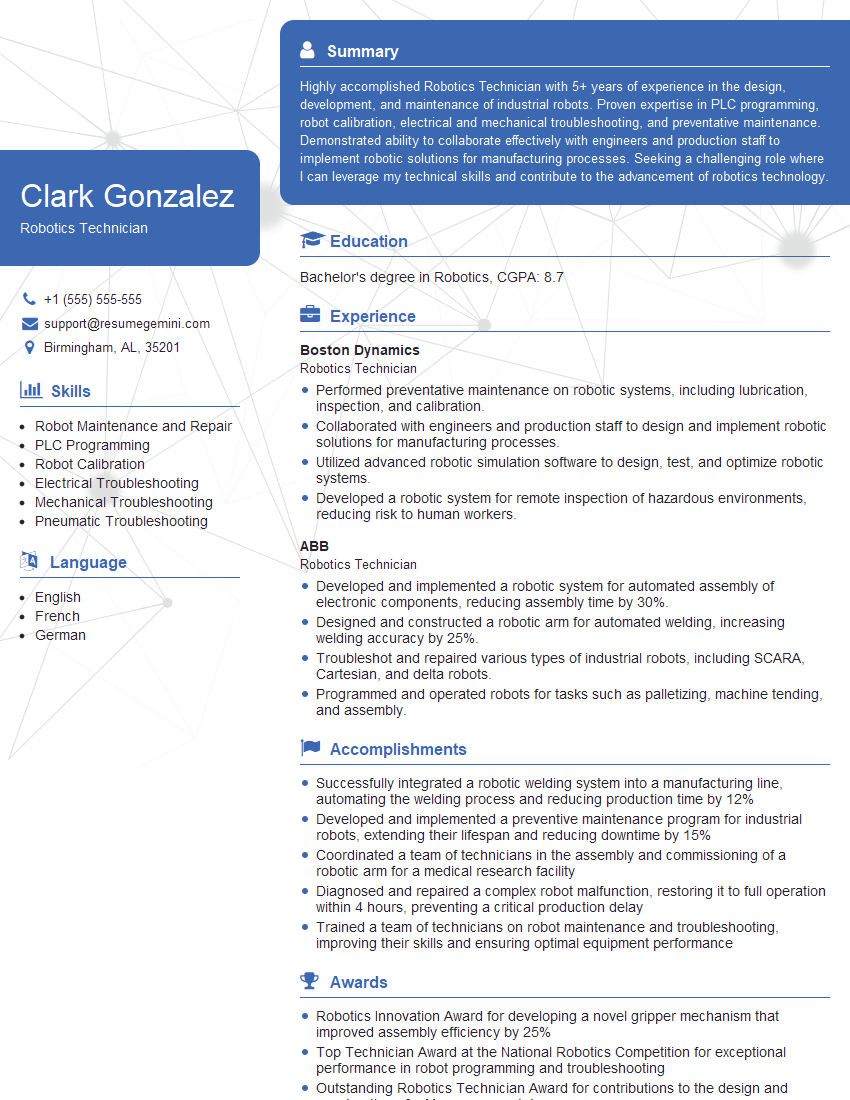
Robotics Technician Resume Sample
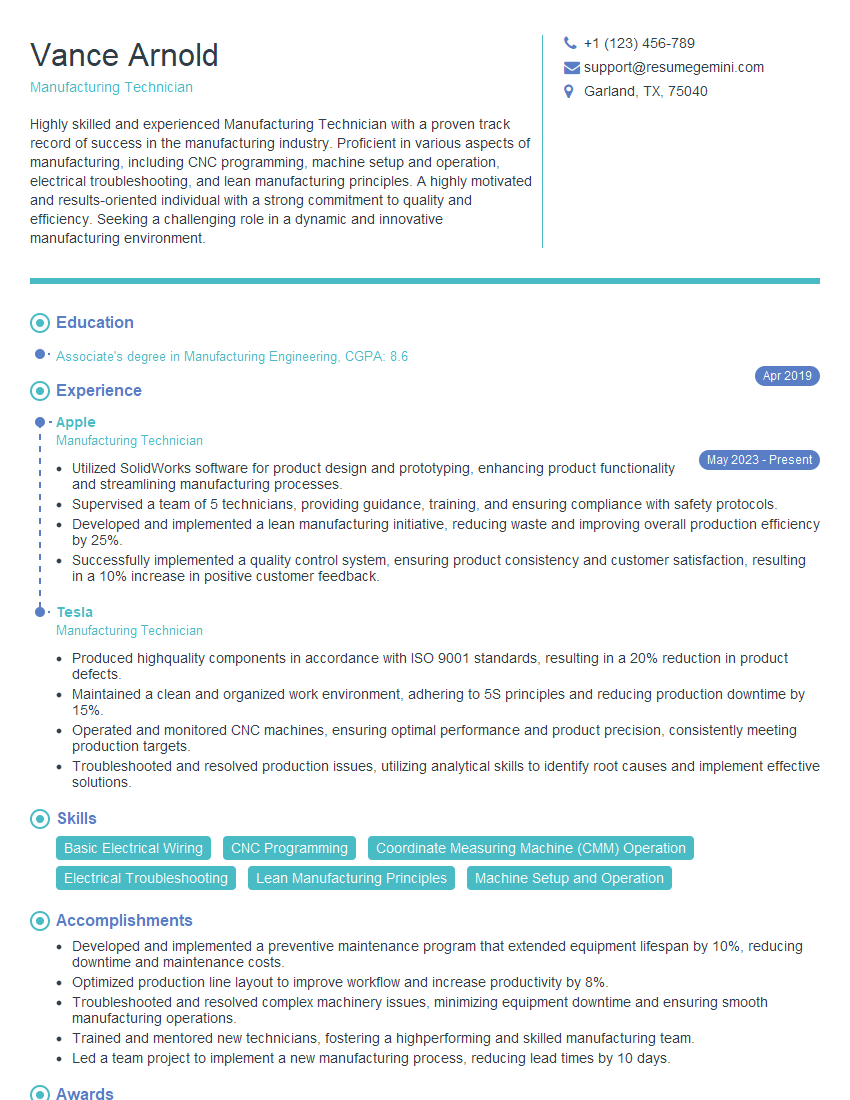
Manufacturing Technician Resume Sample
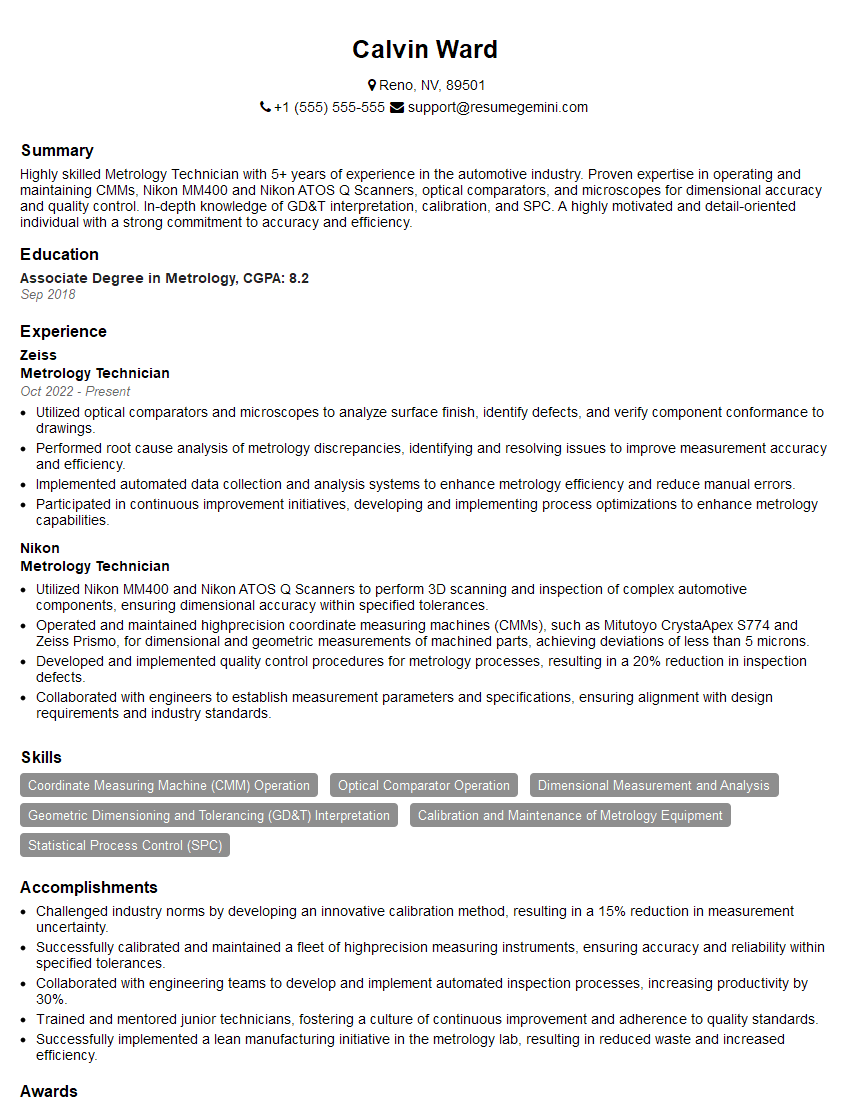
Metrology Technician Resume Sample
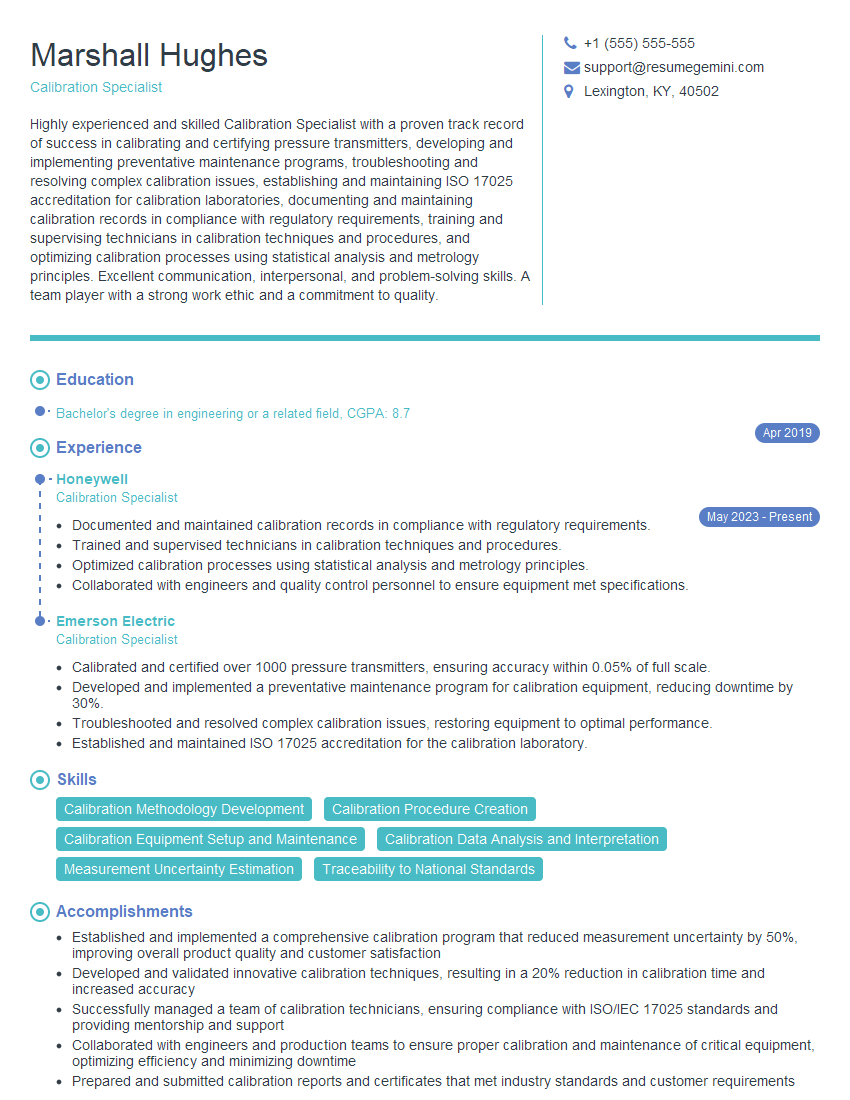
Calibration Specialist Resume Sample
Explore more articles
Users Rating of Our Blogs
Share Your Experience
We value your feedback! Please rate our content and share your thoughts (optional).
What Readers Say About Our Blog
Very informative content, great job.
good