Feeling uncertain about what to expect in your upcoming interview? We’ve got you covered! This blog highlights the most important Attention to Detail and Time Management interview questions and provides actionable advice to help you stand out as the ideal candidate. Let’s pave the way for your success.
Questions Asked in Attention to Detail and Time Management Interview
Q 1. Describe a time you caught a critical error due to your attention to detail.
Attention to detail is the bedrock of any successful project. In a previous role, I was responsible for reviewing financial reports before submission to the board. One report, seemingly flawless at first glance, contained a small discrepancy in a decimal point within a large sum. This seemingly minor error, easily overlooked by a less attentive individual, represented a significant difference of several thousand dollars. My meticulous review process, which involved double-checking calculations and cross-referencing data sources, allowed me to catch this error before it resulted in a major accounting issue and potentially embarrassing repercussions for the company.
Q 2. How do you prioritize tasks when facing multiple deadlines?
Prioritizing tasks with multiple deadlines requires a strategic approach. I use a combination of methods, including:
- Eisenhower Matrix (Urgent/Important): This helps categorize tasks based on urgency and importance, allowing me to focus on high-impact activities first. Urgent and Important tasks get immediate attention, Important but not Urgent tasks get scheduled, and less important tasks are delegated or eliminated.
- Time Blocking: I allocate specific time slots for different tasks, ensuring dedicated focus without constant context switching. This promotes deeper work and prevents procrastination.
- Project Management Software: Tools like Asana or Trello allow me to visualize my workload, set deadlines, and track progress effectively. This offers a clear overview of my commitments and helps in managing multiple projects simultaneously.
Flexibility is crucial; unforeseen issues might necessitate adjustments to the priority list. Regular review and re-evaluation of priorities are essential to adapt to changing circumstances.
Q 3. What strategies do you use to manage your time effectively?
Effective time management isn’t about cramming more into a day, but maximizing the impact of each hour. My strategies include:
- Planning and Goal Setting: I begin each day (or week) by outlining my goals and tasks, breaking them down into smaller, manageable steps. This prevents feeling overwhelmed and provides a clear roadmap.
- Timeboxing: Allocating specific time blocks to specific tasks allows for focused work and improved productivity. Pomodoro Technique (25-minute work intervals with short breaks) is particularly useful for maintaining concentration.
- Eliminating Distractions: I minimize interruptions by turning off notifications, finding a quiet workspace, and communicating my availability to colleagues. This uninterrupted focus significantly boosts efficiency.
- Batching Similar Tasks: Grouping similar tasks together (e.g., answering emails, making phone calls) reduces context switching and improves overall flow.
- Regular Review and Adjustment: I periodically assess my time management strategies and adjust them based on what works and what doesn’t. This iterative process allows for continuous improvement.
Q 4. Explain your approach to proofreading or reviewing documents.
My approach to proofreading and reviewing involves a multi-stage process. First, I take a quick overview to understand the document’s structure and content. Then, I move to a detailed review, carefully checking for grammatical errors, typos, inconsistencies in style and formatting, and factual inaccuracies. I often use a ‘reverse reading’ technique – reading from the last sentence to the first – to spot errors that might be missed during regular reading. Finally, I conduct a final review, focusing on the overall clarity and coherence of the document. This layered approach ensures a comprehensive and thorough review.
Q 5. How do you handle interruptions while working on a complex task?
Handling interruptions while working on complex tasks requires proactive strategies. I communicate my need for focused time to colleagues and set clear boundaries. When interruptions inevitably occur, I briefly acknowledge them and, if possible, schedule a follow-up discussion for a later time. If the interruption is urgent, I quickly note where I left off in my work to minimize the time lost regaining my focus. The use of a task management system to easily record my progress helps minimize the disruption caused by interruptions.
Q 6. Describe a situation where your attention to detail prevented a problem.
During a software testing phase, I meticulously examined each line of code. My attention to detail uncovered a minor bug in the input validation section. This seemingly minor bug could have resulted in a major security vulnerability had it gone unnoticed. By catching the bug early on, we prevented a potential data breach, saving the company significant financial and reputational damage. This incident reinforced the importance of thoroughness in even seemingly small details.
Q 7. How do you organize your workload to ensure efficiency?
I organize my workload using a combination of techniques to ensure efficiency:
- Prioritization: Tasks are prioritized using the Eisenhower Matrix, assigning them levels of urgency and importance.
- Task Breakdown: Large projects are broken down into smaller, manageable tasks, making them less daunting and easier to track.
- Time Blocking: Dedicated time slots are scheduled for specific tasks to ensure focused work and prevent multitasking.
- To-Do Lists: I use to-do lists to keep track of daily tasks, crossing off completed items for a sense of accomplishment and motivation.
- Project Management Tools: Tools like Asana or Trello provide a visual overview of projects and tasks, allowing for effective progress tracking and collaboration.
Regular review and adjustments to this system are essential for adapting to changing priorities and workloads. The key is finding a system that suits your personal working style and consistently adapting it for optimal efficiency.
Q 8. What tools or techniques do you use for time management?
Effective time management is crucial for productivity and success. My approach is multifaceted and relies on a combination of tools and techniques tailored to my specific needs and the project at hand. I utilize several key strategies:
- Prioritization: I employ the Eisenhower Matrix (urgent/important) to categorize tasks and focus on high-impact activities first. This prevents me from getting bogged down in less critical tasks.
- Time Blocking: I allocate specific time slots for particular tasks in my calendar, treating them like important appointments. This helps maintain focus and prevents tasks from spilling over into other areas.
- Task Management Software: I use project management tools like Asana or Trello to visually organize my tasks, track progress, and collaborate effectively with team members. These tools allow for setting deadlines, assigning responsibilities, and monitoring overall project timelines.
- Pomodoro Technique: For focused work on complex tasks, I utilize the Pomodoro Technique, working in 25-minute intervals followed by short breaks. This helps maintain concentration and prevents burnout.
- Regular Review and Adjustment: I regularly review my schedule and adjust my time blocks as needed. Life throws curveballs, and adapting is key to effective time management.
By combining these techniques, I ensure my time is used efficiently and effectively, leading to improved productivity and reduced stress.
Q 9. How do you stay focused when working on tedious or repetitive tasks?
Tedious or repetitive tasks can be a significant challenge to focus on. To combat this, I employ several strategies:
- Breaking Down Tasks: I divide large, repetitive tasks into smaller, more manageable chunks. This makes the overall project less daunting and provides a sense of accomplishment as each smaller task is completed.
- Gamification: I sometimes gamify the process by setting personal challenges or rewarding myself after completing a certain number of repetitions. This adds a fun element and boosts motivation.
- Background Music or Podcasts: Listening to calming music or informative podcasts can help create a more pleasant and engaging work environment, reducing the monotony of repetitive tasks. I find instrumental music or podcasts on topics unrelated to work are particularly effective.
- Mindfulness and Breaks: Taking short, regular breaks to stretch, walk around, or simply clear my mind helps to refresh focus and prevent burnout. Short breaks strategically placed can significantly improve concentration.
- Change of Scenery: If possible, I may change my workspace temporarily. A different environment can sometimes provide a needed boost in focus and motivation.
The key is to find what works best for you and adapt your strategies as needed. It’s about finding small ways to make the process more enjoyable and sustainable.
Q 10. How do you handle unexpected delays or changes in your schedule?
Unexpected delays and schedule changes are inevitable. My approach to handling them involves:
- Reassessment and Reprioritization: I immediately reassess the impact of the delay or change on the overall project and reprioritize tasks accordingly. This often involves adjusting deadlines and time blocks in my schedule.
- Communication: I proactively communicate the change to all relevant stakeholders, keeping everyone informed and managing expectations. Transparency is key to maintaining trust and collaboration.
- Flexibility and Adaptability: I maintain a flexible mindset and adapt my strategies to accommodate unexpected events. Rigidity can be detrimental when dealing with unforeseen circumstances.
- Problem-Solving: I focus on identifying the root cause of the delay and developing solutions to mitigate its impact. This might involve seeking help from colleagues or finding alternative approaches.
- Contingency Planning: I incorporate buffer time into my schedule wherever possible. This allows for unexpected delays without significantly impacting deadlines.
By employing these strategies, I can effectively navigate unexpected disruptions and minimize their impact on project timelines and overall success.
Q 11. Can you give an example of a time you had to meet a tight deadline?
During my previous role, I was responsible for delivering a crucial marketing campaign within a remarkably tight deadline – just three weeks. The campaign involved creating various marketing materials, including website updates, social media content, email marketing campaigns, and press releases.
To meet this challenge, I immediately implemented a strict time management plan. This involved creating a detailed project timeline with clearly defined milestones and deadlines for each task. I delegated tasks effectively to my team members, ensuring clear communication and collaboration. I utilized project management software to track progress and identify any potential bottlenecks. We worked extended hours, often communicating outside of regular business hours to keep the project on track. Through diligent planning and collaborative effort, we successfully launched the campaign on time and met all objectives. The successful launch resulted in a significant increase in brand awareness and customer engagement.
Q 12. How do you ensure accuracy in your work?
Ensuring accuracy in my work is paramount. My approach incorporates several key elements:
- Attention to Detail: I pay meticulous attention to detail throughout the entire workflow, carefully reviewing each step of the process. This involves double-checking data, reviewing calculations, and ensuring consistency across all materials.
- Methodical Approach: I adopt a methodical and systematic approach to my work, following established procedures and guidelines. This helps maintain consistency and reduce the likelihood of errors.
- Cross-Referencing: I routinely cross-reference information from multiple sources to verify accuracy and consistency. This helps to identify and correct any discrepancies.
- Utilizing Checklists: Checklists are incredibly useful for ensuring that all necessary steps are completed and nothing is overlooked. I create customized checklists for different tasks to aid my focus and accuracy.
- Seeking Feedback: I actively seek feedback from colleagues and supervisors to identify potential areas for improvement and ensure the accuracy of my work.
Accuracy is not merely a desirable trait, it’s essential for credibility and avoiding costly mistakes. I actively cultivate this in every aspect of my professional work.
Q 13. What steps do you take to double-check your work for errors?
My approach to double-checking my work is structured and thorough. It involves several steps:
- Self-Review: I conduct a thorough self-review of my work, focusing on identifying potential errors or inconsistencies. I often find it helpful to take a break before this review to gain a fresh perspective.
- Peer Review: Whenever possible, I seek a peer review of my work. A fresh set of eyes can often spot errors that I might have overlooked.
- Proofreading Tools: I utilize grammar and spell-checking tools to catch any minor errors that may have slipped past my initial review.
- Reverse-Engineering (if applicable): For tasks involving calculations or complex processes, I sometimes use reverse-engineering techniques to verify the accuracy of my results.
- Data Validation: I validate data against multiple sources to ensure consistency and accuracy. This is particularly crucial when dealing with large datasets or critical information.
This multi-layered approach significantly enhances the likelihood of catching errors before they become major issues.
Q 14. How do you delegate tasks effectively to ensure timely completion?
Effective delegation is crucial for timely project completion. My approach focuses on clarity, trust, and communication:
- Clear Task Definition: Before delegating, I clearly define the task, outlining specific goals, expectations, deadlines, and required resources. Ambiguity leads to errors and delays.
- Skill Matching: I assess the skills and abilities of team members to ensure that tasks are assigned to individuals who possess the necessary expertise to complete them successfully.
- Empowerment and Support: I provide delegated individuals with the necessary authority and resources to complete the task, along with ongoing support and mentorship.
- Regular Check-ins: I schedule regular check-ins to monitor progress, address any challenges, and provide feedback. This ensures that the task remains on track and that any issues are addressed promptly.
- Recognition and Feedback: I provide timely and constructive feedback, acknowledging accomplishments and identifying areas for improvement. This fosters a positive work environment and encourages future success.
Delegation isn’t about dumping tasks; it’s about empowering individuals to contribute effectively to the team’s success. It requires careful planning, clear communication, and ongoing support.
Q 15. Describe your process for planning and executing projects.
My project planning and execution process is a structured approach combining meticulous detail with efficient time management. I begin with a thorough needs analysis, breaking down the project into smaller, manageable tasks. This involves clearly defining deliverables, deadlines, and resource allocation. I then utilize project management tools like Gantt charts or Kanban boards (depending on project complexity) to visualize the workflow and dependencies. These tools help me identify potential bottlenecks early on. Each task is assigned a specific timeframe, and regular progress checks ensure everything stays on track. I document everything meticulously, maintaining a detailed record of decisions, progress, and any encountered challenges. For example, in a recent website redesign project, I divided the task into phases: design, development, testing, and deployment. Each phase had its own sub-tasks with clear deadlines. This phased approach, coupled with regular progress reviews, allowed for timely completion and successful launch.
Career Expert Tips:
- Ace those interviews! Prepare effectively by reviewing the Top 50 Most Common Interview Questions on ResumeGemini.
- Navigate your job search with confidence! Explore a wide range of Career Tips on ResumeGemini. Learn about common challenges and recommendations to overcome them.
- Craft the perfect resume! Master the Art of Resume Writing with ResumeGemini’s guide. Showcase your unique qualifications and achievements effectively.
- Don’t miss out on holiday savings! Build your dream resume with ResumeGemini’s ATS optimized templates.
Q 16. How do you manage competing priorities?
Managing competing priorities requires a strategic approach. I prioritize tasks based on urgency and importance using methods like the Eisenhower Matrix (urgent/important). This matrix helps categorize tasks into four quadrants: Do, Decide, Delegate, and Delete. For instance, an urgent and important task, like resolving a critical client issue, takes precedence over a less urgent task, like updating a presentation. I also leverage time blocking, dedicating specific time slots for focused work on high-priority items. To avoid feeling overwhelmed, I break down large projects into smaller, manageable chunks, tackling one at a time. Regular review of my to-do list and a commitment to only taking on what I can realistically handle within a given timeframe are crucial. Over-commitment is a frequent cause of stress and inefficiency; I avoid it.
Q 17. How do you identify and address potential problems proactively?
Proactive problem identification involves a combination of meticulous planning and critical thinking. During the initial planning stages, I anticipate potential roadblocks and develop contingency plans. This could involve researching potential risks, considering alternative solutions, and building buffer time into the schedule. For example, in a marketing campaign, I might anticipate potential delays in securing necessary approvals and proactively address this by submitting requests well in advance. Regular progress reviews and meticulous documentation aid in identifying and addressing emerging issues. Thorough communication with team members and stakeholders enables early detection of problems. When a problem does arise, I approach it methodically, identifying the root cause before implementing a solution. I encourage open communication so team members feel comfortable raising concerns early.
Q 18. What is your approach to multitasking?
My approach to multitasking is strategic, not frantic. I believe true multitasking is a myth; instead, I focus on task-switching efficiently. I use the Pomodoro Technique, working in focused bursts with short breaks in between. This allows me to maintain concentration while minimizing mental fatigue. I prioritize tasks and dedicate focused time blocks to each, rather than attempting to juggle multiple things simultaneously. For example, I might dedicate one hour to writing a report, then switch to answering emails for 30 minutes before returning to the report. The key is to switch between related tasks to minimize context switching overhead and maximize productivity.
Q 19. How do you track your progress on long-term projects?
Tracking progress on long-term projects requires a systematic approach. I utilize project management software, such as Asana or Trello, to set milestones, assign deadlines, and monitor progress against the established schedule. These tools provide visual representations of project timelines, aiding in progress tracking. I also establish regular checkpoints with periodic review meetings to assess progress, address challenges, and make necessary adjustments to the plan. I document progress regularly, which serves as a record for future reference and enables me to easily identify areas requiring attention. These detailed records also aid in reporting progress to stakeholders.
Q 20. How do you handle pressure and stress when working under tight deadlines?
Handling pressure and stress under tight deadlines involves a proactive approach built on effective time management and stress reduction techniques. I prioritize tasks strategically, focusing on the most critical ones first. I break down large tasks into smaller, more manageable chunks to reduce feelings of being overwhelmed. I also practice mindfulness and stress-reduction techniques, such as taking short breaks for meditation or deep breathing exercises. Maintaining open communication with my team and manager ensures everyone is aware of potential challenges and allows for collaborative problem-solving. Adequate sleep and a healthy lifestyle are crucial for maintaining energy levels and resilience during stressful periods. Ultimately, consistent, thorough planning and preparedness are the best defenses against deadline pressure.
Q 21. How do you utilize technology to improve your time management?
Technology is an indispensable tool for improving my time management. I utilize project management software for task management, scheduling, and progress tracking. Calendar apps with reminders ensure I attend meetings punctually and adhere to deadlines. Automation tools help streamline repetitive tasks, freeing up time for higher-priority activities. Communication platforms, such as Slack or Microsoft Teams, facilitate efficient collaboration and communication, minimizing delays caused by miscommunication. I leverage note-taking apps to record meeting minutes and project updates, enabling quick access to crucial information. Email filters help manage incoming mail effectively, ensuring I prioritize urgent messages. By carefully selecting and utilizing these tools, I maximize efficiency and minimize wasted time.
Q 22. Describe a time you had to revise your schedule due to unforeseen circumstances.
Unexpected events are a part of life, and often disrupt even the most meticulously planned schedules. I remember working on a critical marketing campaign deadline – the launch of a new product. We had a detailed timeline, assigning tasks and responsibilities with clear deadlines. However, three days before the launch, our primary graphic designer fell ill. This was a significant setback as they were responsible for the final image touch-ups and website integration.
My immediate response was to assess the situation. I first contacted a freelance designer with a similar skillset, and fortunately, found one available. I then had to revise the schedule, shifting tasks around to accommodate the new designer’s availability. This involved re-prioritizing tasks, streamlining certain processes, and communicating clearly with the rest of the team about the changes. We held an urgent meeting to discuss the revised schedule and delegate adjusted responsibilities. This required effective communication and negotiation to ensure everyone understood their new roles and deadlines. Ultimately, while stressful, the launch was successful thanks to the quick thinking and collaborative effort.
Q 23. How do you ensure all details are accounted for before submitting a project?
Ensuring all details are accounted for before submitting a project is paramount. My process involves a multi-step checklist, starting with a thorough review of the project’s requirements. This includes not just the client’s brief but also understanding the broader context and potential implications.
- Self-Review: I personally review my work, using a checklist tailored to the specific project, meticulously comparing my work against the requirements document.
- Peer Review: I strongly advocate for a peer review, having a colleague with a fresh perspective examine my work for any oversights or inconsistencies. Two pairs of eyes always catch more errors.
- Testing and Simulation: If applicable, I run tests to check for functionality, user experience, and edge cases. This could involve rigorous testing of software or simulations for more complex projects.
- Proofreading and Editing: I carefully proofread all deliverables for spelling, grammar, and stylistic errors. This is a crucial step that can significantly impact the project’s overall impression.
This layered approach greatly reduces the risk of overlooking critical details. Thinking of it as a quality control process ensures a high standard of work before it’s released.
Q 24. Describe your process for setting realistic goals and deadlines.
Setting realistic goals and deadlines is a skill built on understanding both your capabilities and the project’s complexity. My approach is to break down large projects into smaller, manageable tasks. I then estimate the time required for each task, factoring in potential unforeseen delays. I’ve learned the hard way that overly optimistic estimates can lead to burnout and missed deadlines.
I use various time management techniques, like the Pomodoro Technique (working in focused bursts with short breaks) to enhance efficiency and avoid burnout. I also consider potential constraints like resource availability and dependencies on other tasks or team members. The key is to be honest about your limitations and build a buffer into the schedule to accommodate unexpected problems.
Using project management software allows for visual representation of tasks and deadlines, making tracking and adjusting the timeline much easier. Regular review and adjustment of the schedule is key to its success.
Q 25. How do you measure your own productivity and efficiency?
Measuring productivity and efficiency is an ongoing process that requires self-awareness and a willingness to adapt. I use several methods:
- Task Completion Rate: I track the number of tasks completed against the planned schedule. This provides a clear picture of my overall progress.
- Time Tracking: I use time-tracking apps to log how long I spend on each task. This highlights areas where I’m most efficient and areas that require improvement.
- Qualitative Assessment: I also consider the quality of my work. Meeting deadlines is important, but delivering high-quality work is paramount. I reflect on whether the completed tasks met the required standards and if improvements could be made in the future.
- Regular Self-Reflection: I dedicate time for regular self-reflection, reviewing my progress, identifying bottlenecks, and adjusting my strategies accordingly. This continuous improvement cycle helps me optimize my workflow over time.
It’s not just about quantity, but also the quality of output. A balance of both ensures sustainable high performance.
Q 26. How do you stay organized and avoid feeling overwhelmed by your tasks?
Staying organized and avoiding overwhelm requires a proactive approach. I employ several strategies:
- Prioritization: I use methods like the Eisenhower Matrix (urgent/important) to prioritize tasks, focusing on the most critical ones first. This prevents feeling overwhelmed by the sheer number of tasks.
- Task Management Systems: I use project management software and to-do lists to keep track of my tasks, deadlines, and progress. This provides a visual overview and helps me stay on track.
- Time Blocking: I allocate specific time blocks for particular tasks. This reduces context switching and increases focus.
- Batching Similar Tasks: I group similar tasks together to streamline my workflow and avoid unnecessary mental switching costs.
- Regular Decluttering: Both my physical and digital workspace are regularly decluttered to minimize distractions and improve focus.
The key is finding a system that works best for you and consistently adhering to it. Regular review and adjustment is vital to refine your approach over time.
Q 27. What are some common pitfalls in time management, and how do you avoid them?
Common pitfalls in time management often stem from a lack of planning or poor self-awareness. Some of the most frequent problems include:
- Poor Planning: Underestimating task durations, failing to account for unexpected delays, or not breaking down large tasks into smaller, more manageable ones.
- Perfectionism: Spending excessive time on minor details, leading to delays in completing more important tasks.
- Procrastination: Delaying tasks until the last minute, resulting in stress and lower quality work.
- Lack of Prioritization: Working on less important tasks before tackling more critical ones, leading to inefficient use of time.
- Ineffective Delegation: Failing to delegate tasks that could be handled by others.
To avoid these pitfalls, I emphasize planning, prioritization, effective delegation, and self-awareness. Regularly reviewing my schedule and adjusting it as needed is essential to staying on track. Learning to say ‘no’ to non-essential tasks is also crucial for preventing overload.
Q 28. How do you adapt your time management strategies based on project complexity?
Adapting time management strategies to project complexity is crucial for success. For simpler projects, a more flexible approach may suffice. However, complex projects require a more structured and detailed plan.
For complex projects, I utilize more robust project management techniques such as:
- Work Breakdown Structure (WBS): Breaking the project down into smaller, manageable tasks, defining dependencies and milestones.
- Gantt Charts: Visualizing the project timeline, dependencies, and critical path, allowing for better monitoring and control.
- Agile Methodologies: Employing iterative development and regular check-ins to adapt to changing requirements and priorities.
- Regular Progress Meetings: Maintaining open communication with team members to identify and address any potential issues promptly.
The key is to choose the right tools and techniques based on the project’s specific requirements and complexity. Flexibility and adaptability are key to navigating unforeseen challenges and ensuring project success.
Key Topics to Learn for Attention to Detail and Time Management Interview
- Understanding Attention to Detail: Defining what constitutes attention to detail in a professional context; recognizing the impact of even minor errors; identifying personal strengths and weaknesses in this area.
- Practical Application of Attention to Detail: Providing examples of how you’ve demonstrated attention to detail in past roles; describing your methods for quality control and error prevention; showcasing instances where your meticulousness contributed to positive outcomes.
- Time Management Strategies: Prioritization techniques (e.g., Eisenhower Matrix); effective scheduling and planning; utilizing productivity tools and methods; managing interruptions and distractions.
- Practical Application of Time Management: Discussing your approach to project management, especially under pressure; explaining how you handle competing deadlines; demonstrating your ability to meet targets consistently; providing examples of efficient workflow optimization.
- Connecting Attention to Detail and Time Management: Recognizing the synergistic relationship between these two skills; explaining how strong attention to detail improves time management efficiency; illustrating how effective time management allows for greater attention to detail.
- Problem-Solving & Attention to Detail: Showcasing your ability to identify and resolve errors; demonstrating a systematic approach to problem-solving with a focus on accuracy; explaining how you anticipate potential issues and proactively mitigate them.
- Self-Reflection & Continuous Improvement: Identifying areas for improvement in both attention to detail and time management; describing strategies for personal development in these areas; showcasing a proactive approach to learning and adaptation.
Next Steps
Mastering attention to detail and time management is crucial for career advancement. These skills demonstrate professionalism, reliability, and the ability to deliver high-quality work efficiently. To enhance your job prospects, create an ATS-friendly resume that clearly highlights your achievements and capabilities in these areas. ResumeGemini is a trusted resource that can help you build a professional resume that effectively showcases your skills. Examples of resumes tailored to demonstrate expertise in Attention to Detail and Time Management are available for your review, allowing you to craft a compelling narrative that secures your next interview.

Operations Manager Resume Sample
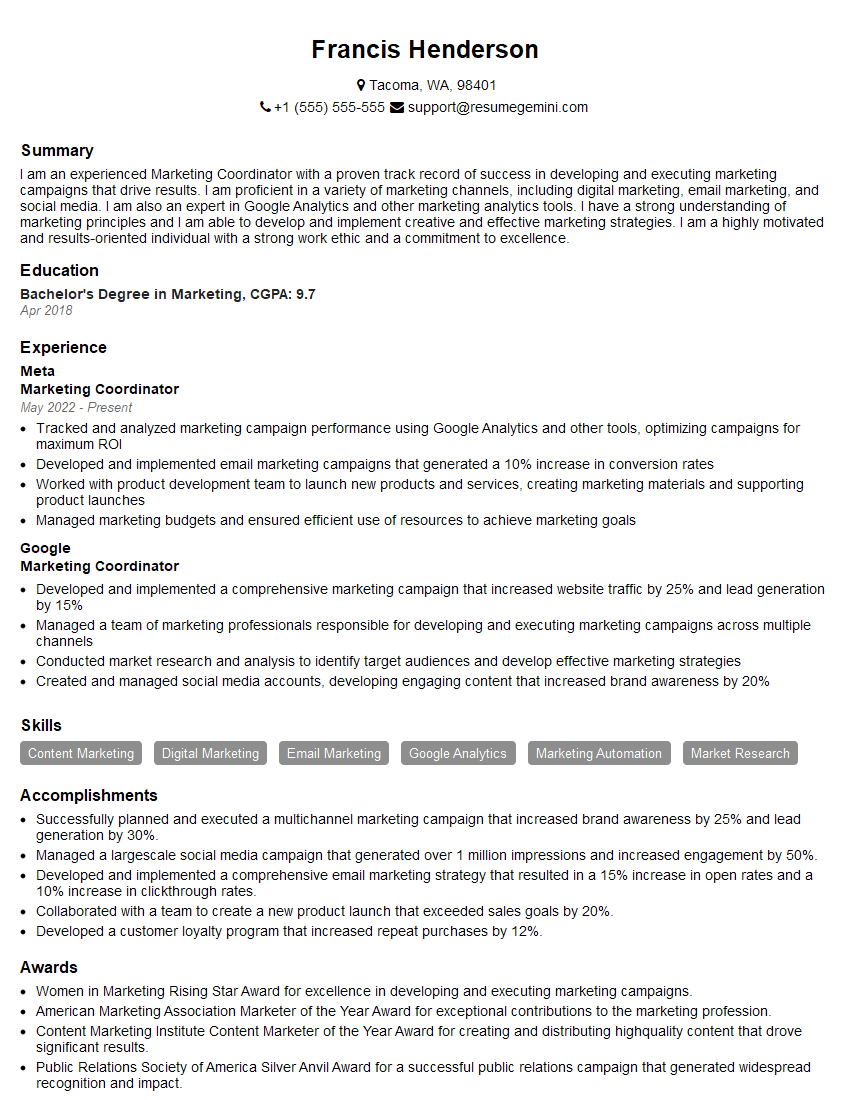
Marketing Coordinator Resume Sample
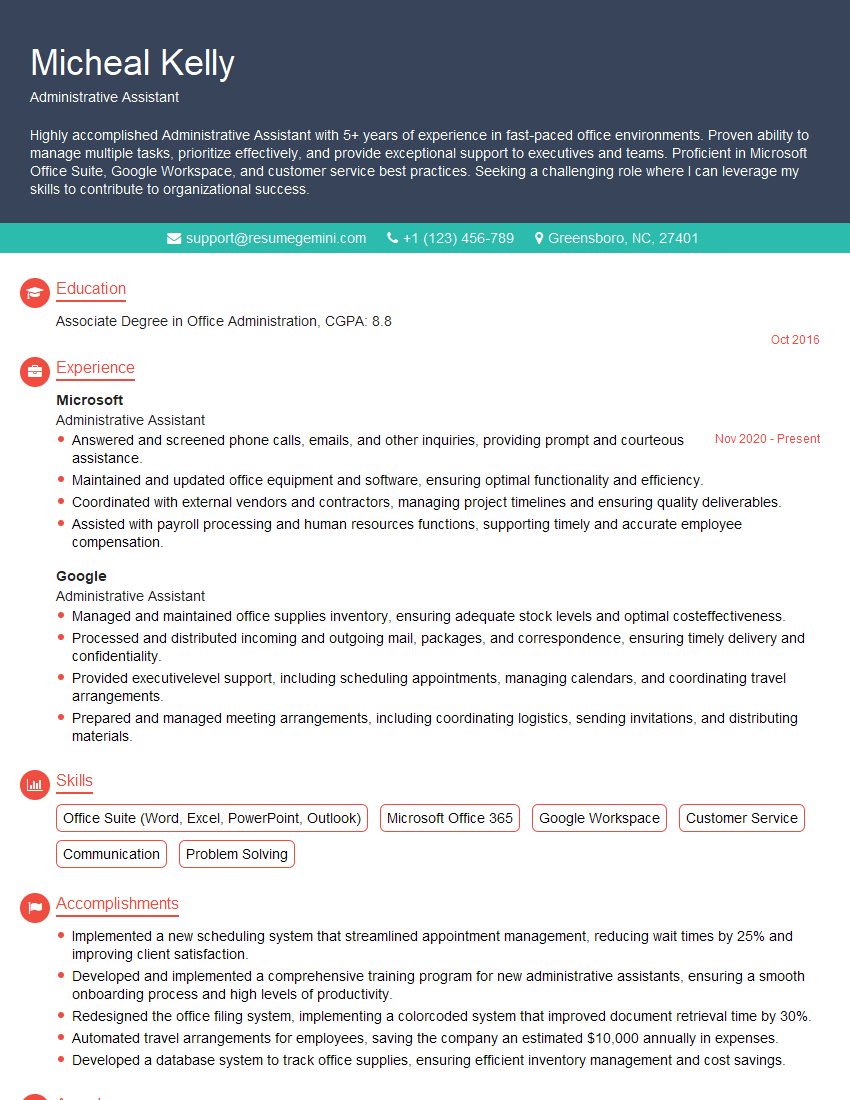
Administrative Assistant Resume Sample
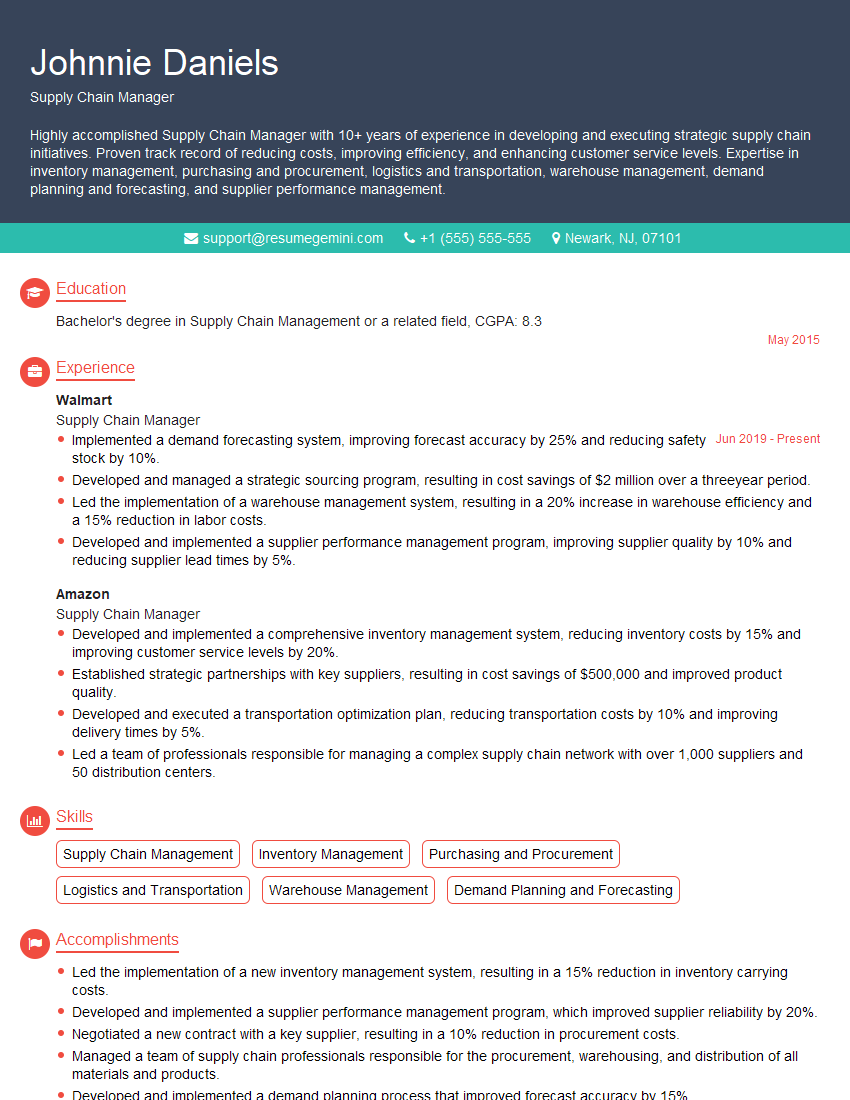
Supply Chain Manager Resume Sample
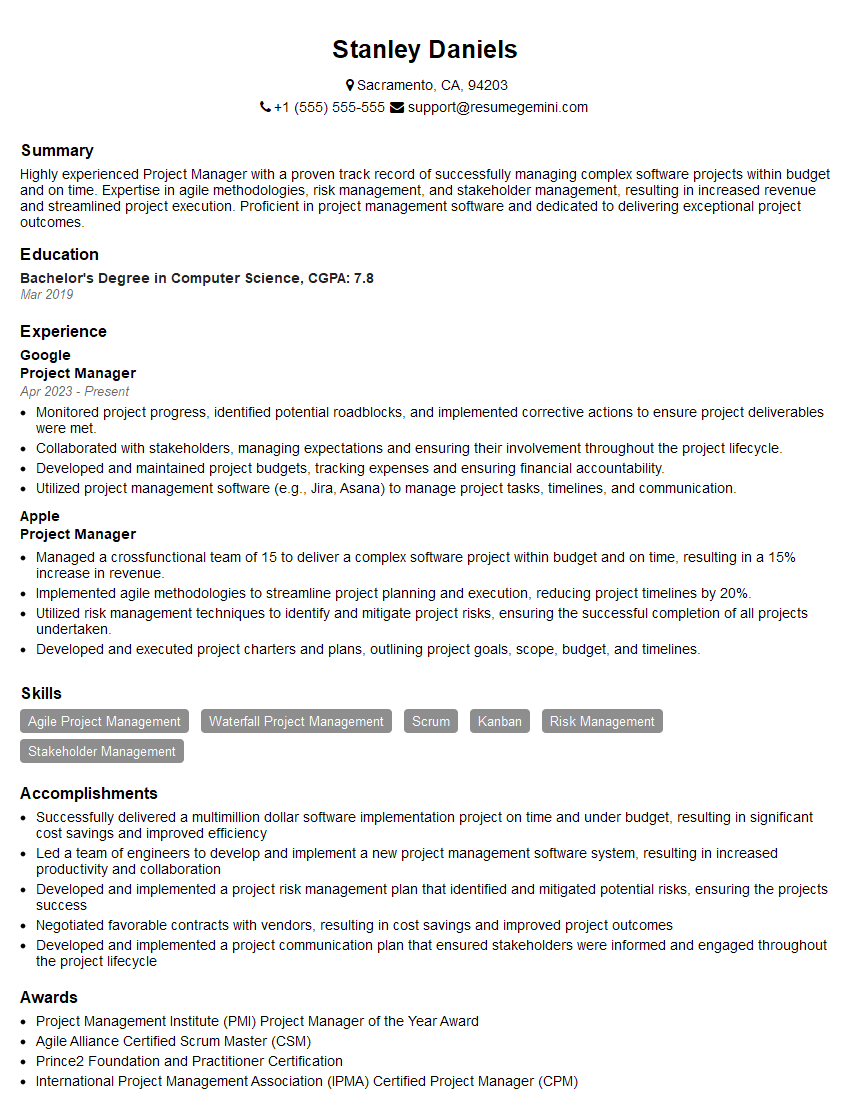
Project Manager Resume Sample

Compliance Officer Resume Sample
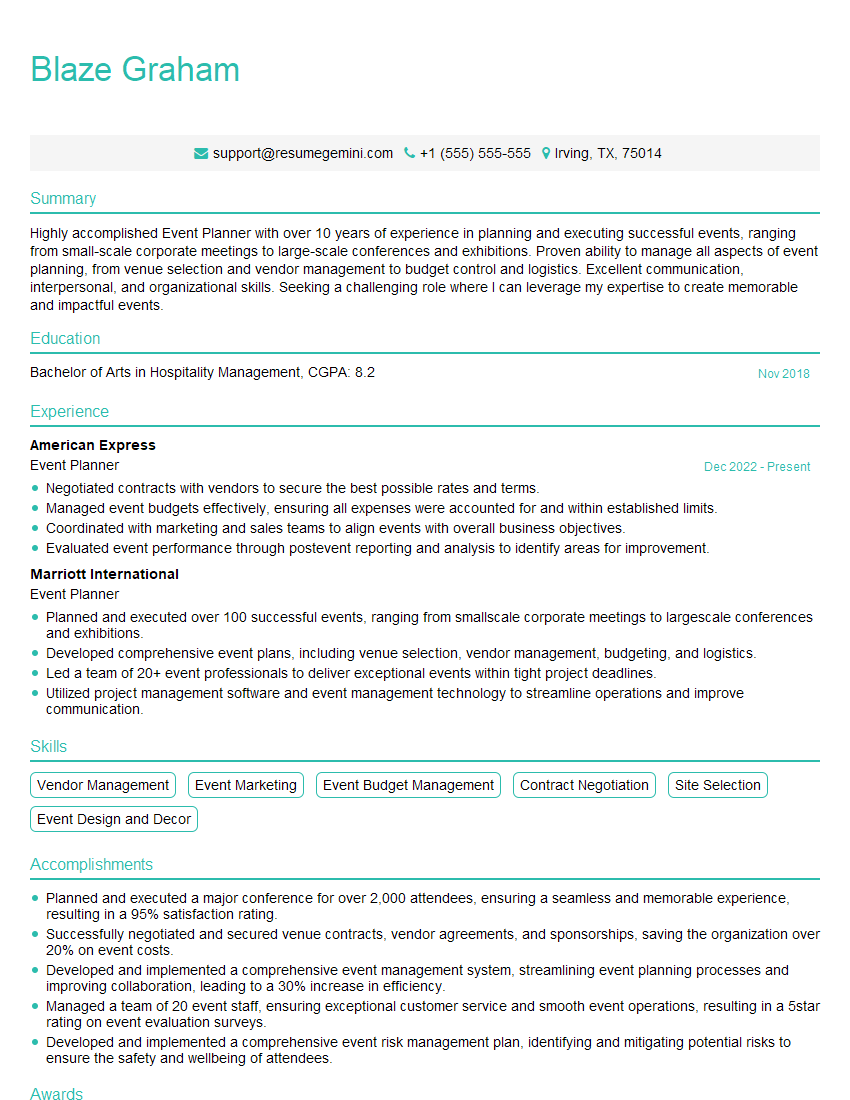
Event Planner Resume Sample
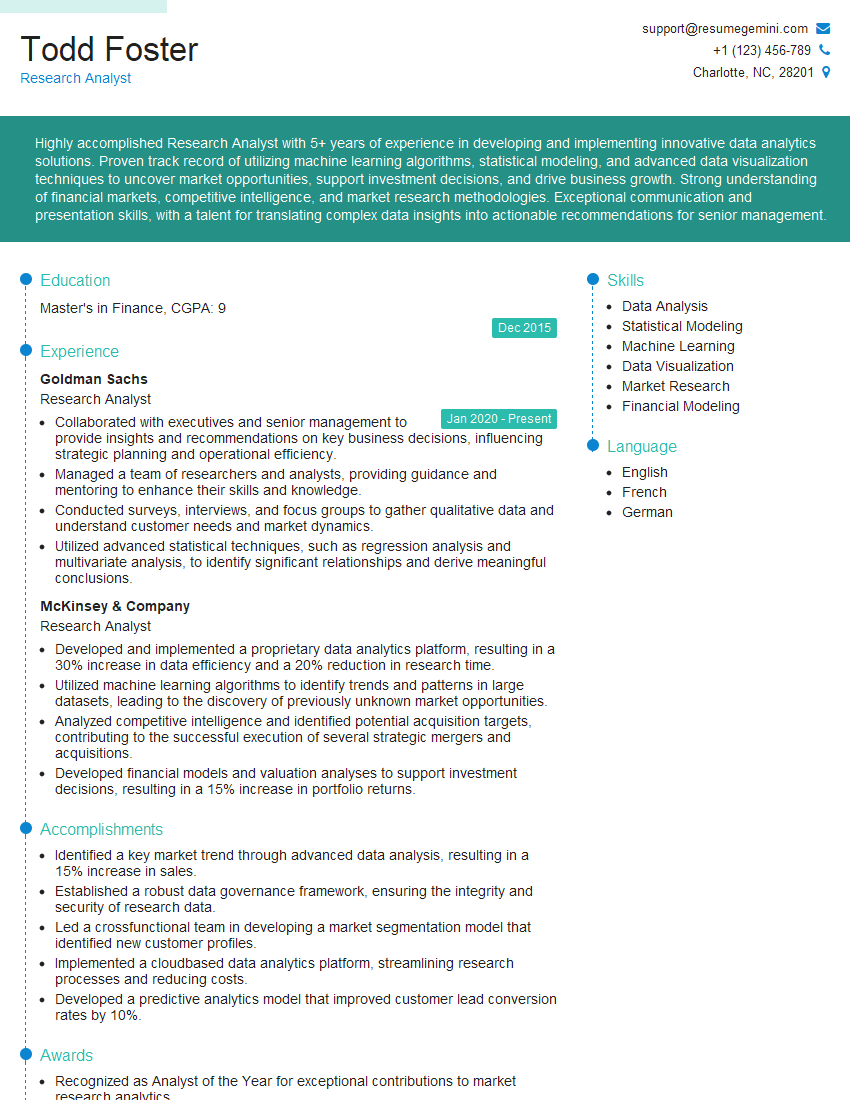
Research Analyst Resume Sample
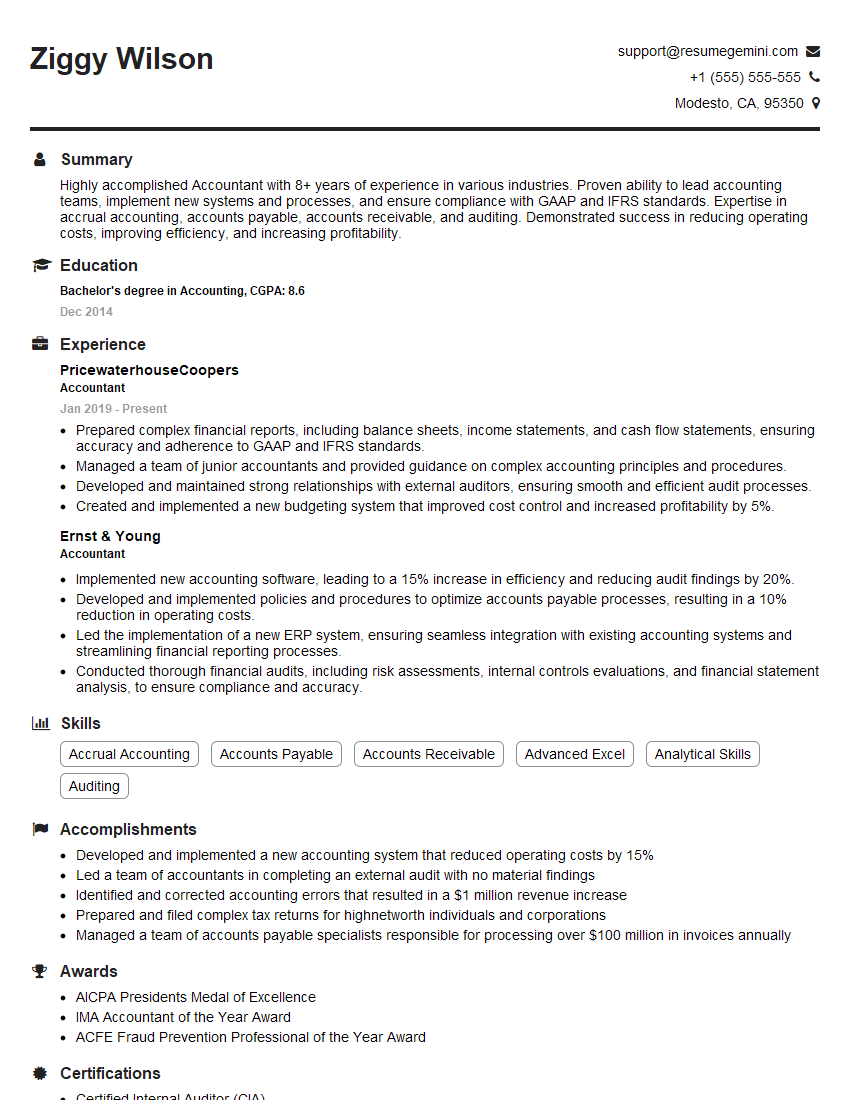
Accountant Resume Sample
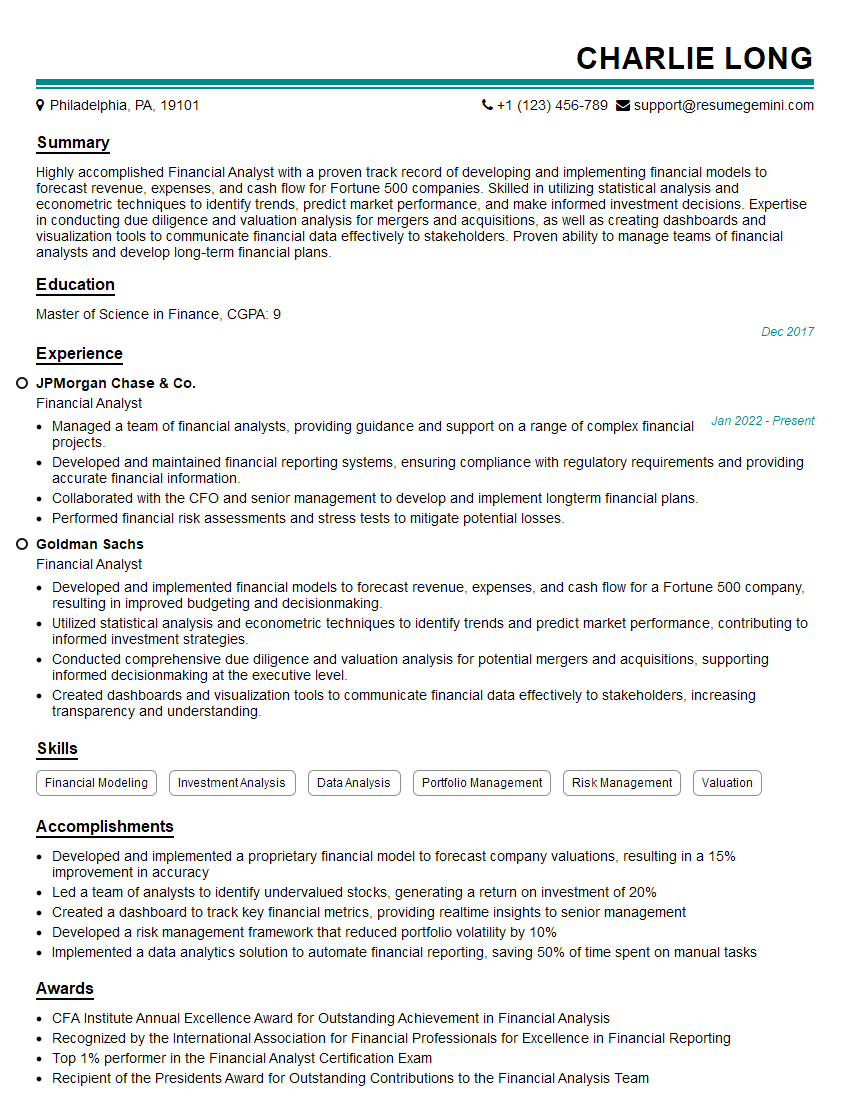
Financial Analyst Resume Sample
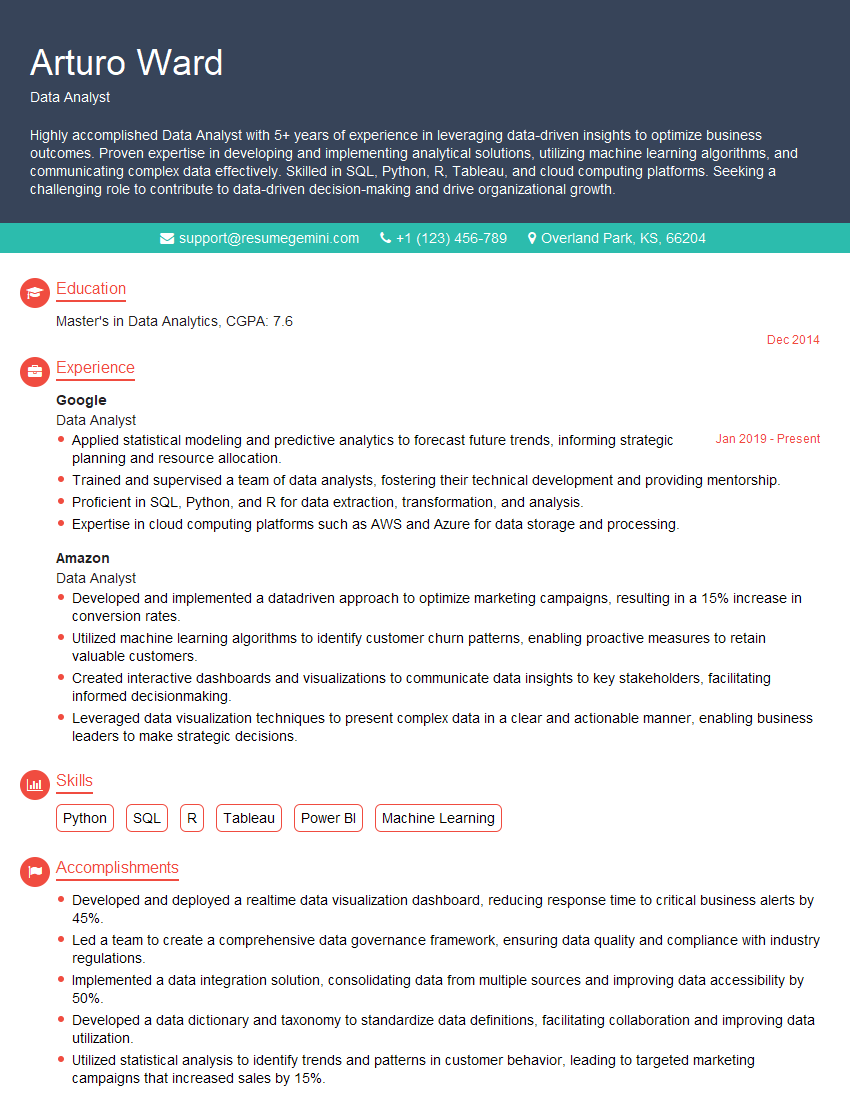
Data Analyst Resume Sample
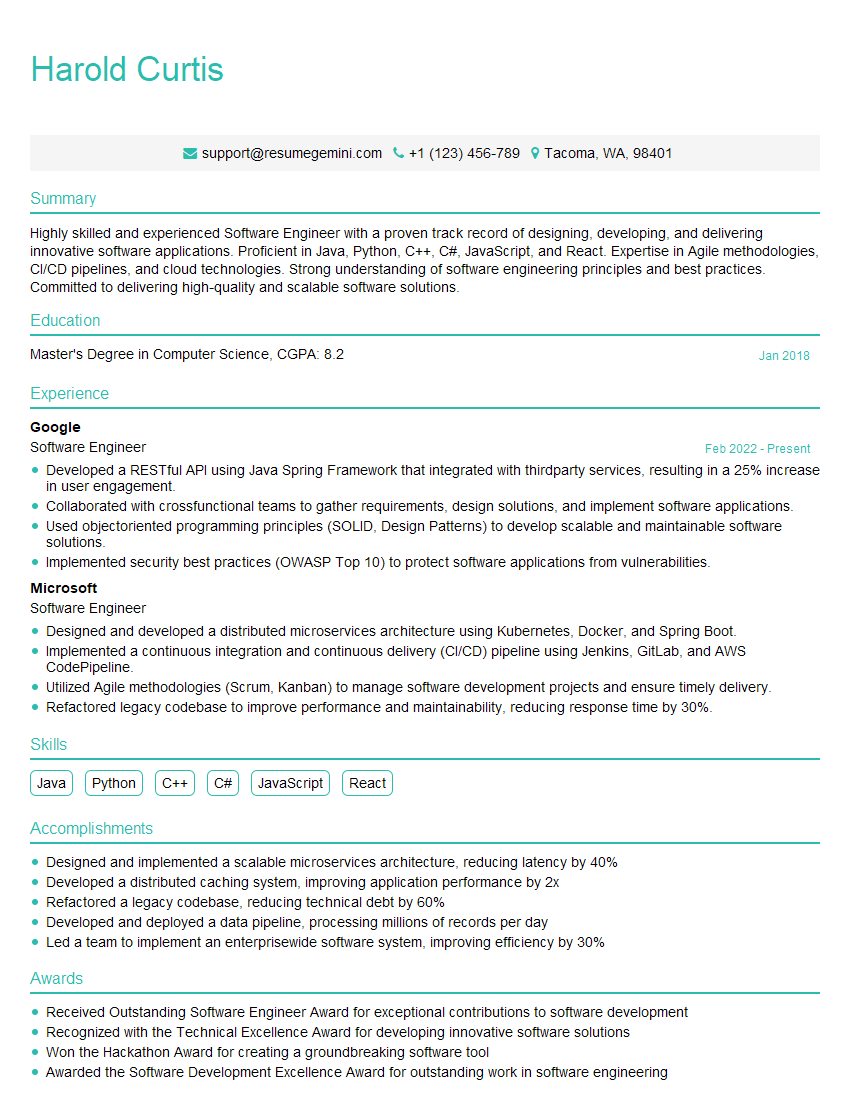
Software Engineer Resume Sample
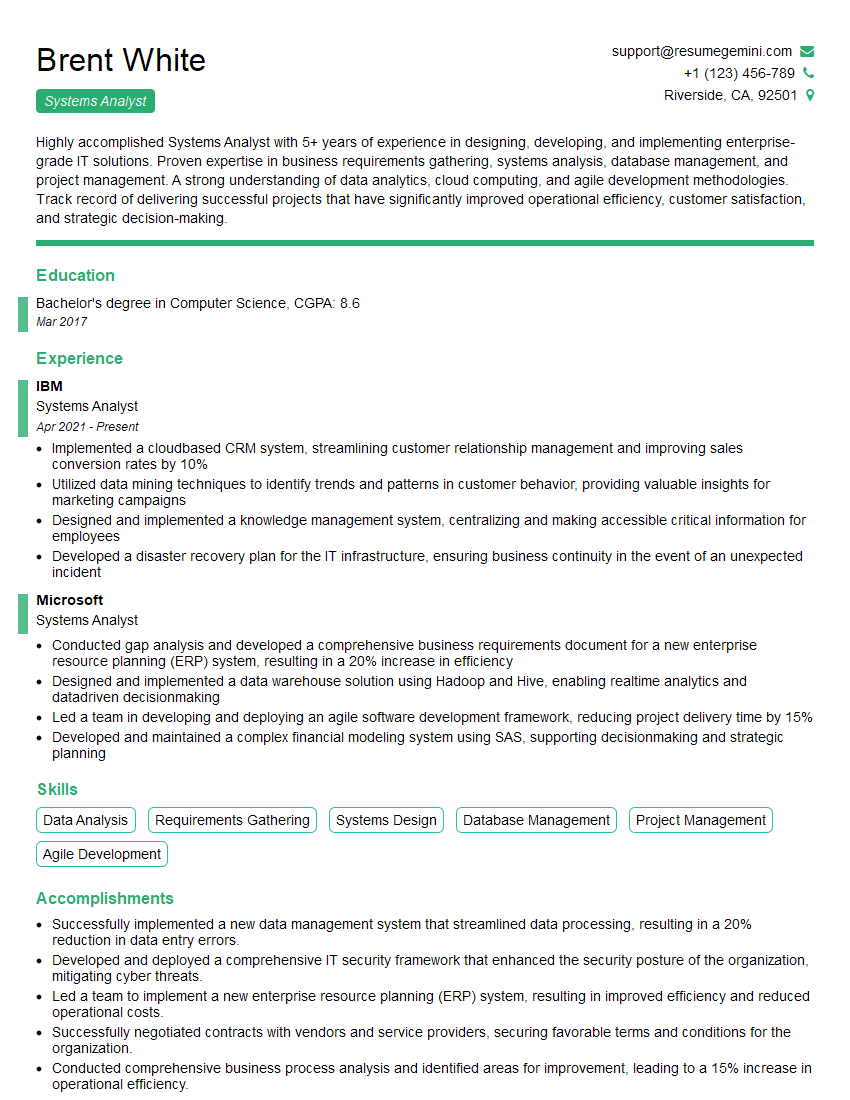
Systems Analyst Resume Sample
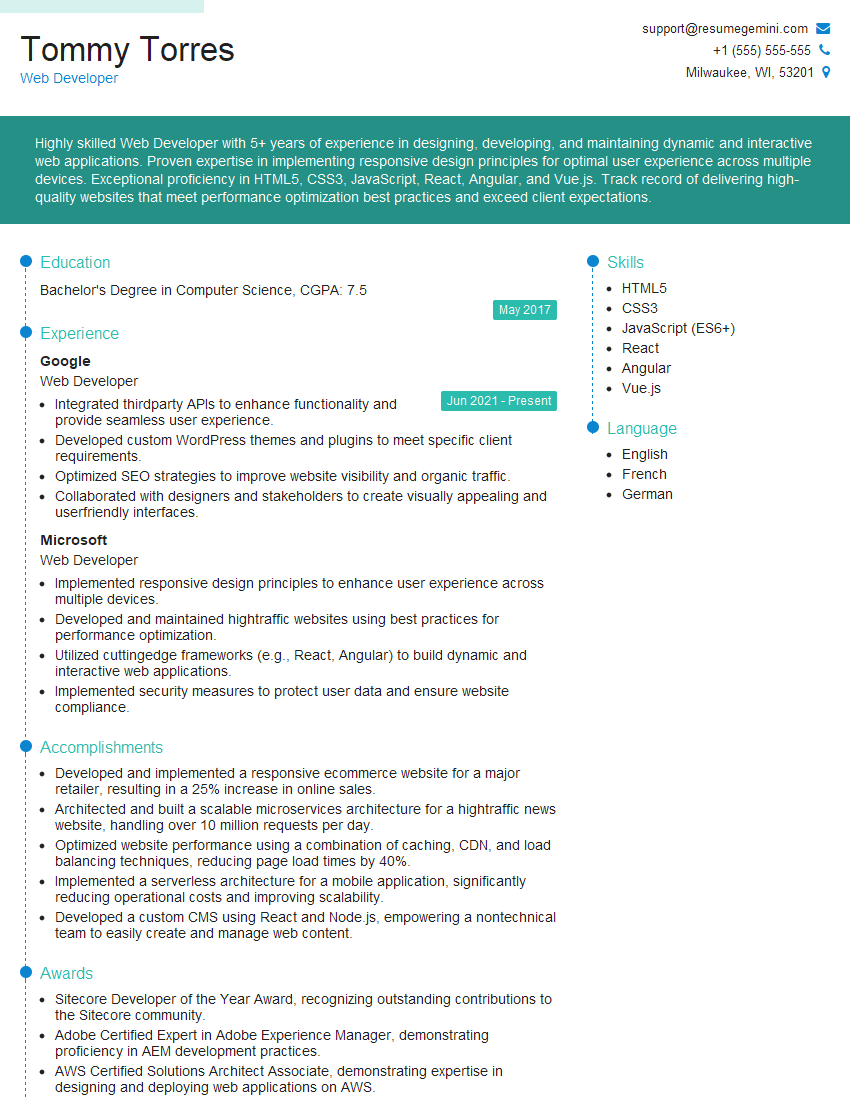
Web Developer Resume Sample
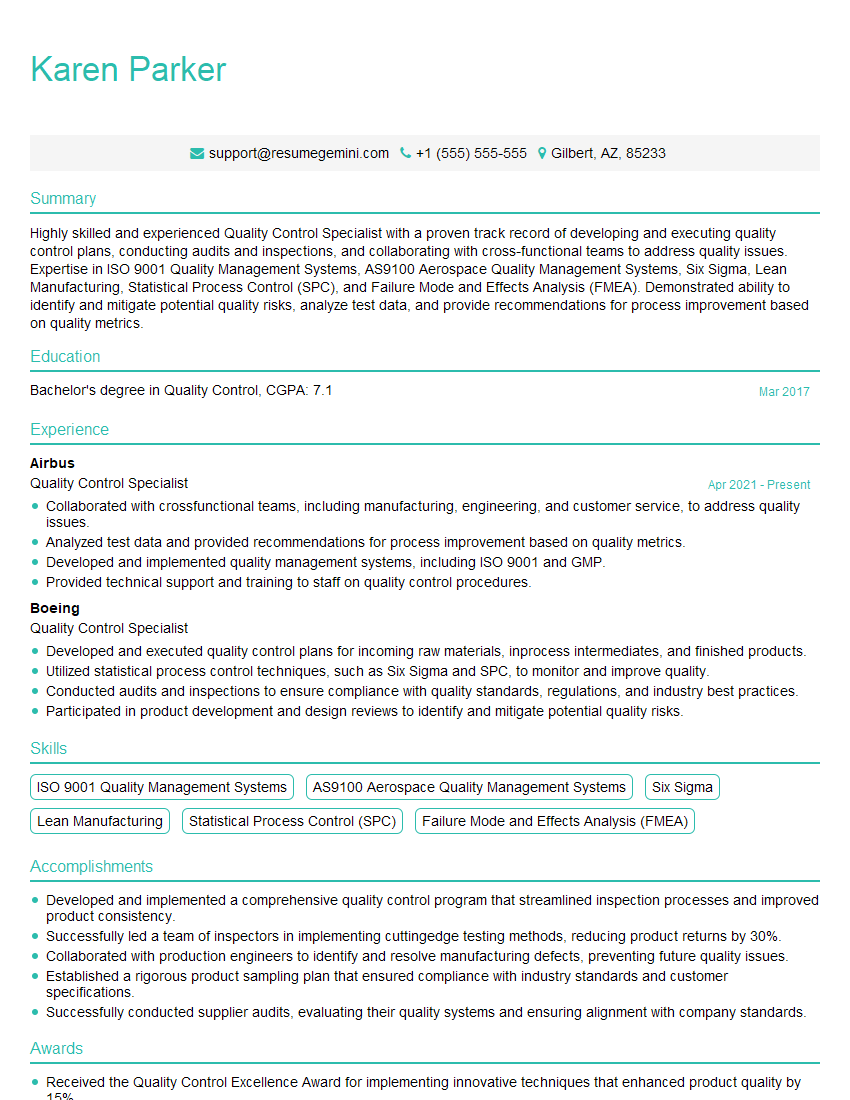
Quality Control Specialist Resume Sample
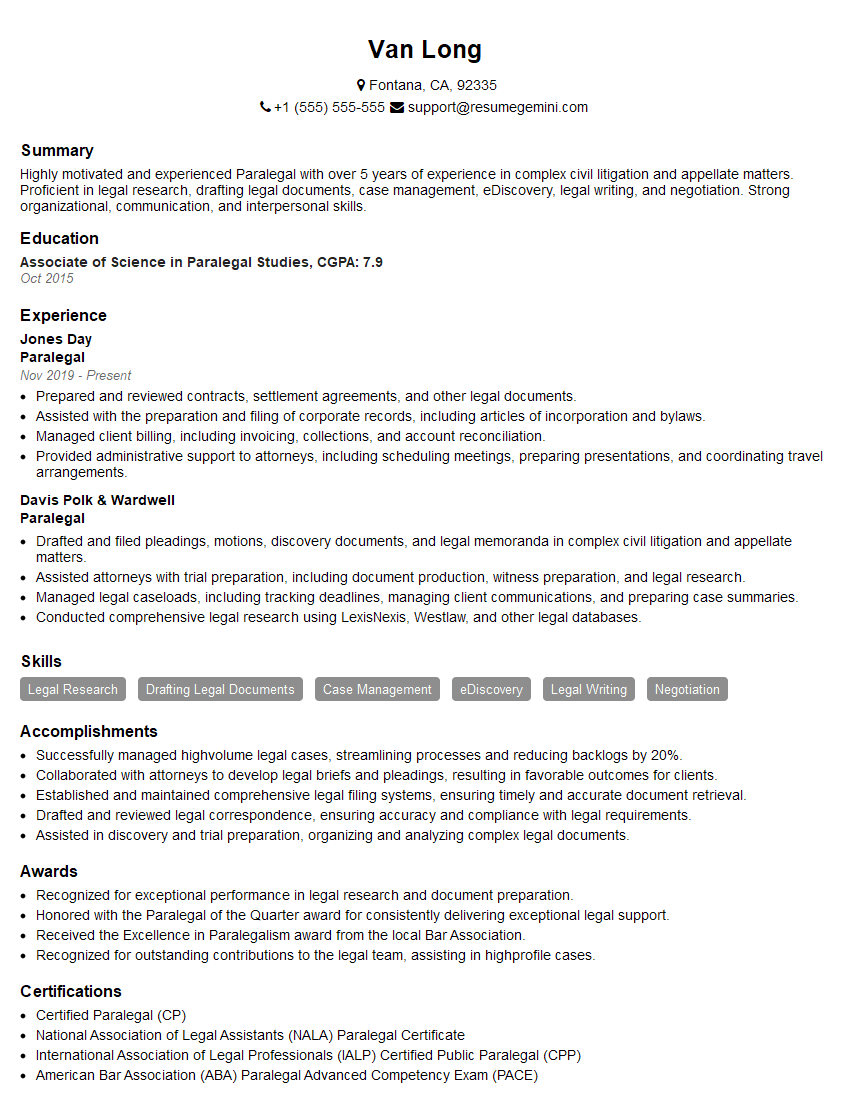
Paralegal Resume Sample
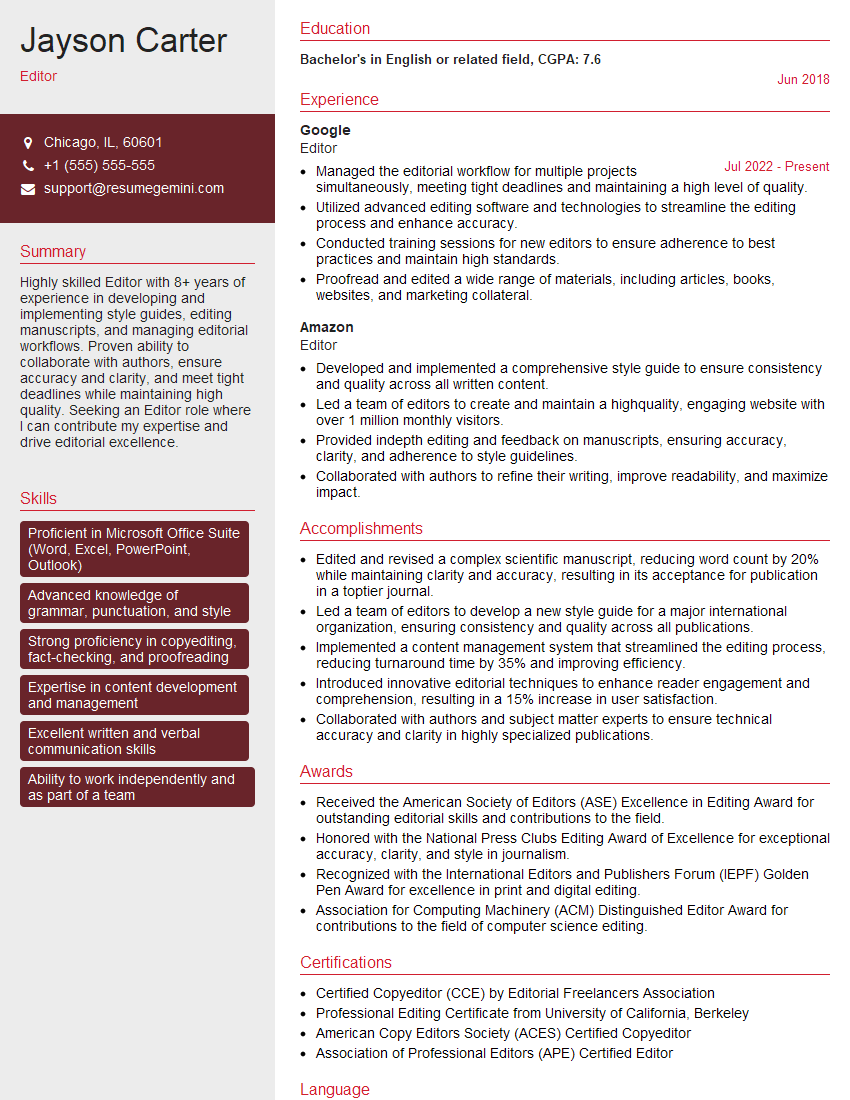
Editor Resume Sample
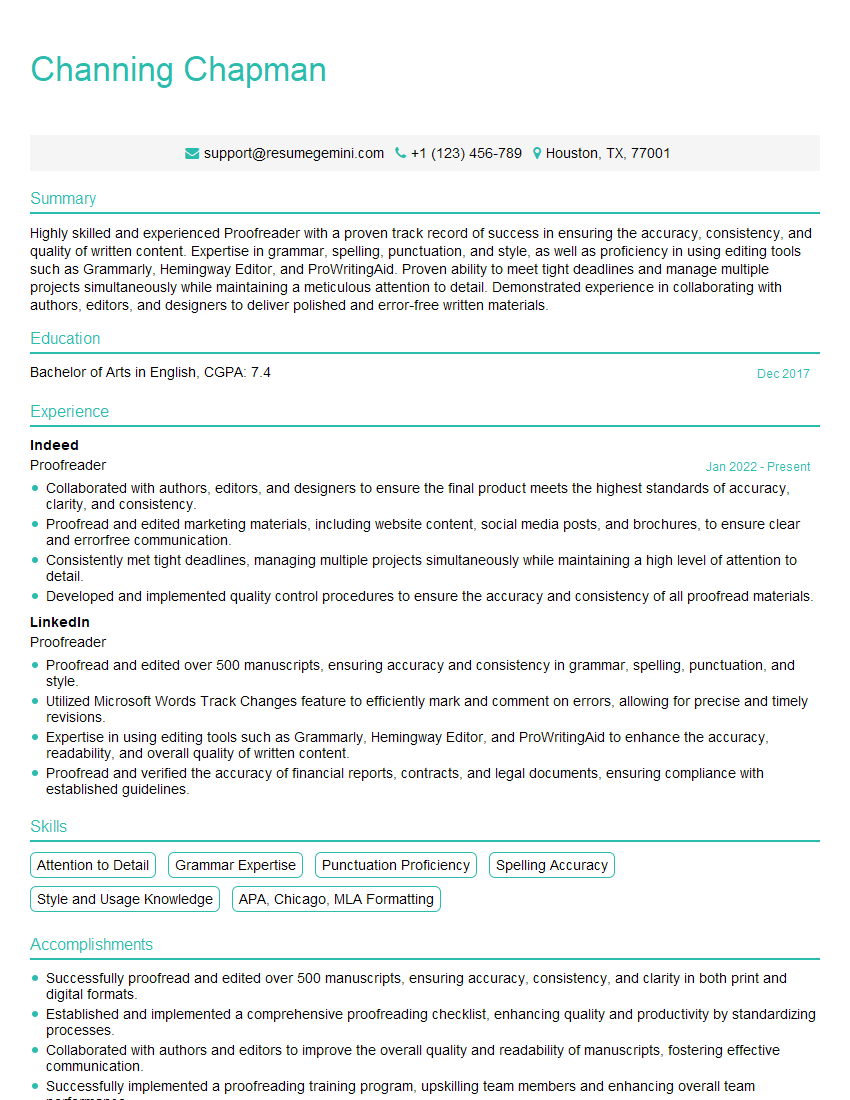
Proofreader Resume Sample

Technical Writer Resume Sample
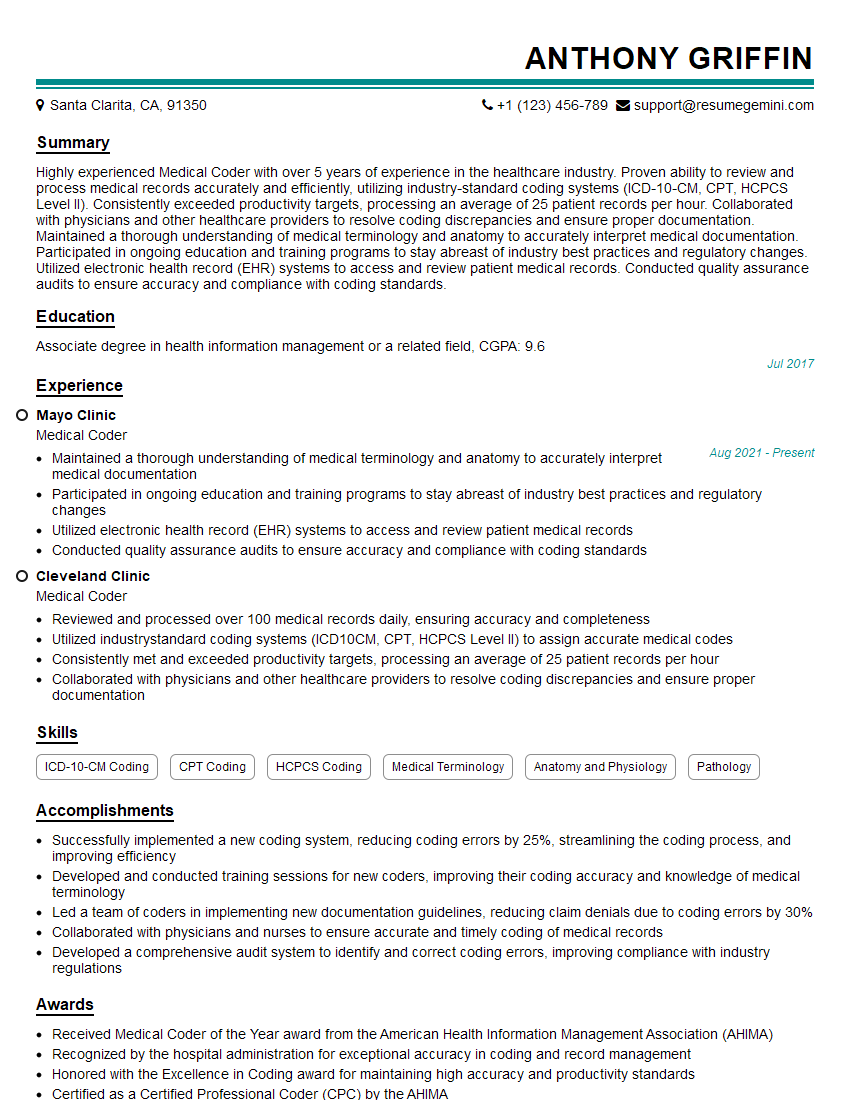
Medical Coder Resume Sample
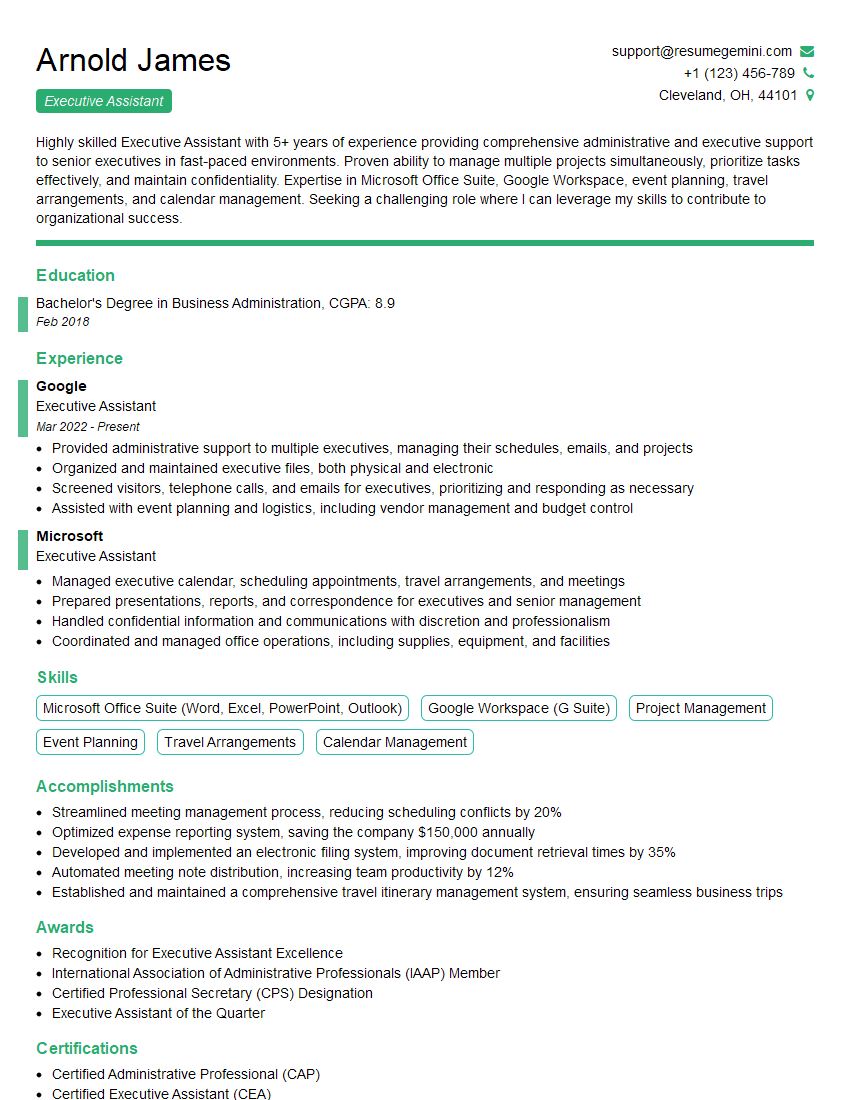
Executive Assistant Resume Sample
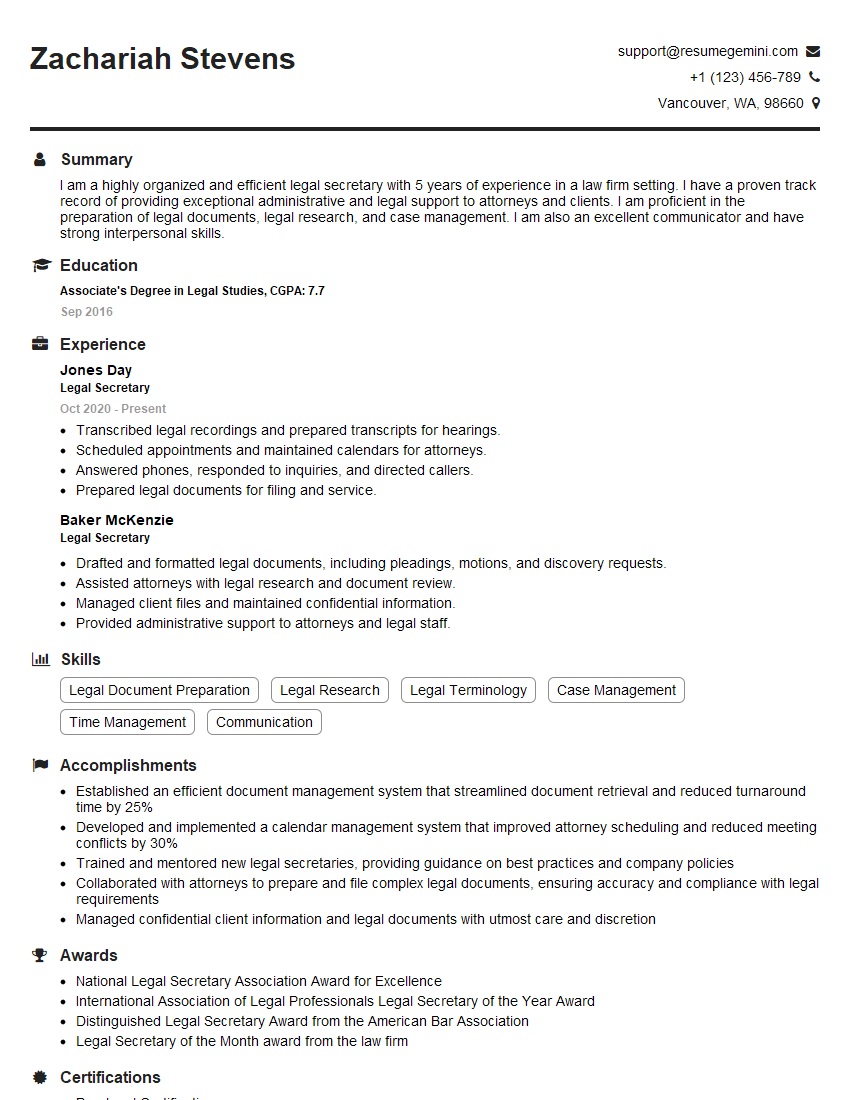
Legal Secretary Resume Sample
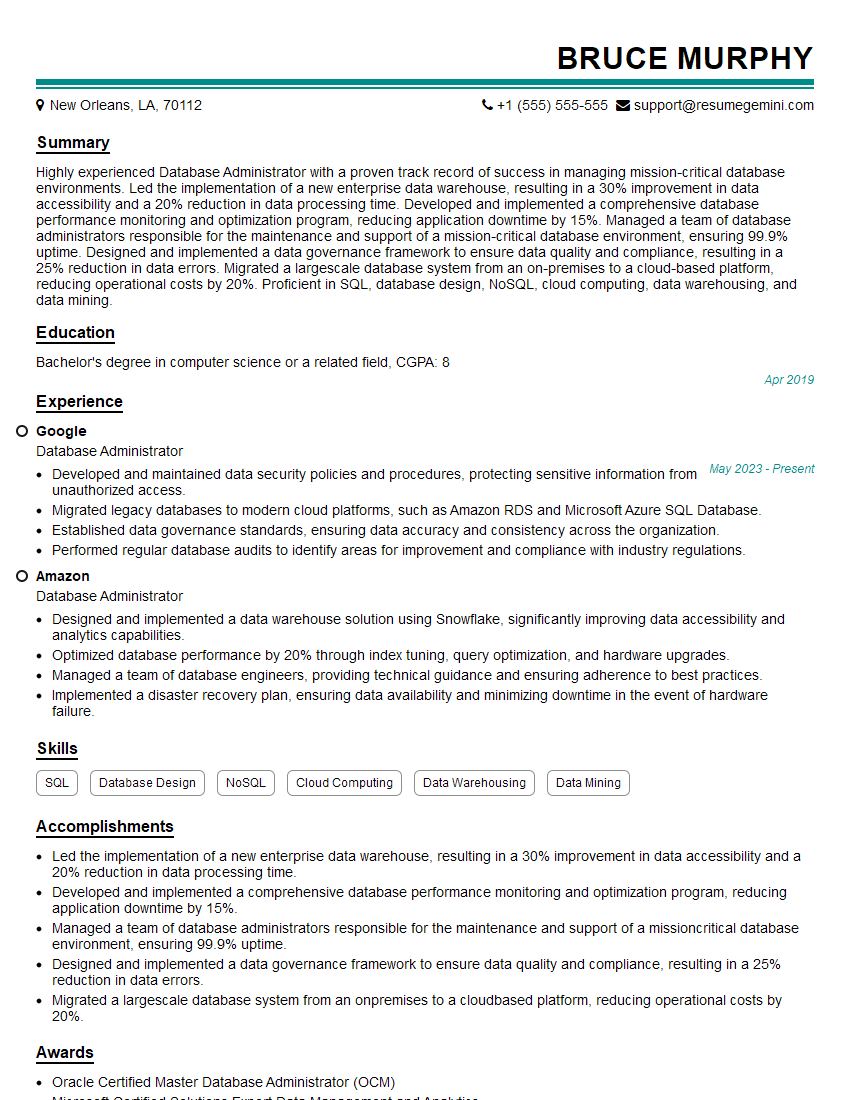
Database Administrator Resume Sample
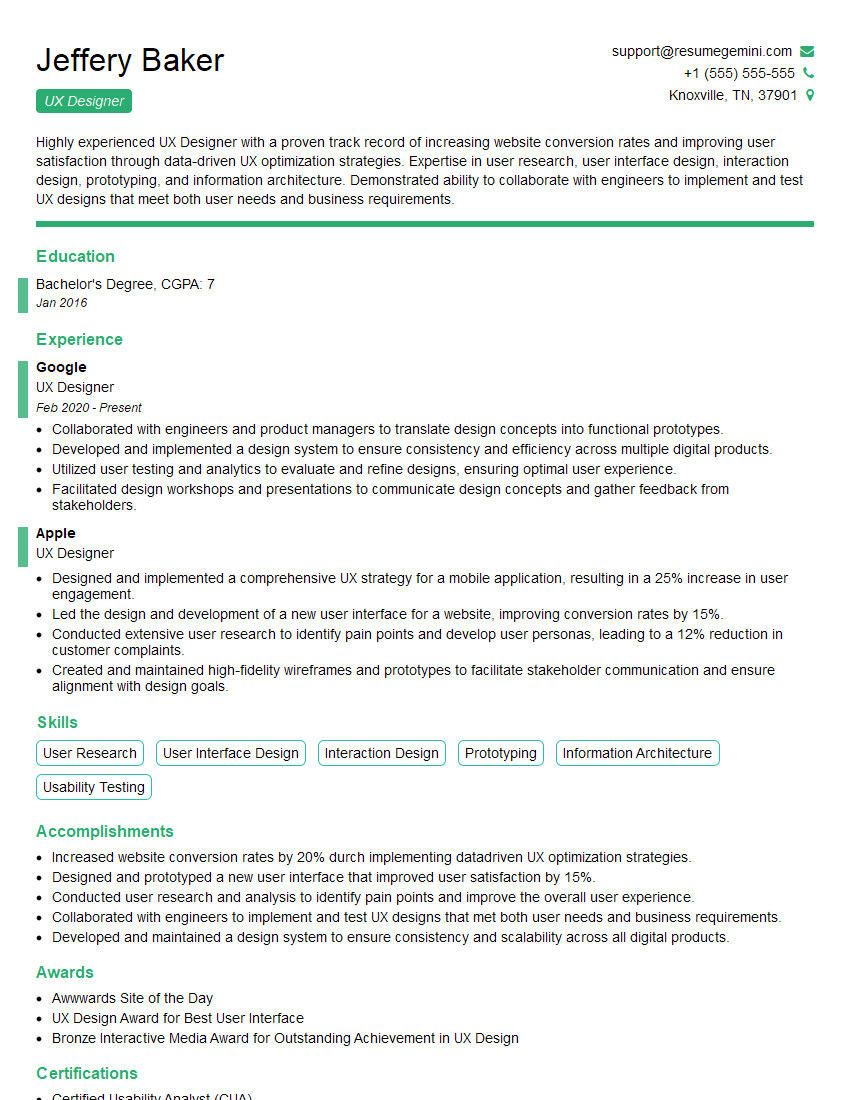
UX Designer Resume Sample
- Operations Manager
- Marketing Coordinator
- Administrative Assistant
- Supply Chain Manager
- Project Manager
- Compliance Officer
- Event Planner
- Research Analyst
- Accountant
- Financial Analyst
- Data Analyst
- Software Engineer
- Systems Analyst
- Web Developer
- Quality Control Specialist
- Paralegal
- Editor
- Proofreader
- Technical Writer
- Medical Coder
- Executive Assistant
- Legal Secretary
- Database Administrator
- UX Designer
Explore more articles
Users Rating of Our Blogs
Share Your Experience
We value your feedback! Please rate our content and share your thoughts (optional).
What Readers Say About Our Blog
Very informative content, great job.
good