Interviews are more than just a Q&A session—they’re a chance to prove your worth. This blog dives into essential WHMIS Training interview questions and expert tips to help you align your answers with what hiring managers are looking for. Start preparing to shine!
Questions Asked in WHMIS Training Interview
Q 1. Explain the purpose of the Workplace Hazardous Materials Information System (WHMIS).
The Workplace Hazardous Materials Information System (WHMIS) is a crucial Canadian system designed to protect workers’ health and safety by providing them with the information they need to handle hazardous materials safely. Think of it as a comprehensive communication system ensuring everyone knows the risks associated with the chemicals they work with.
WHMIS achieves this by standardizing how hazardous materials are classified, labeled, and have their information communicated through Safety Data Sheets (SDS).
Q 2. Describe the three key elements of WHMIS.
WHMIS rests on three key pillars: Classification, Labeling, and Safety Data Sheets (SDS).
- Classification: This involves categorizing hazardous materials into specific classes based on their inherent dangers (e.g., flammability, toxicity). This ensures consistent understanding of the risks.
- Labeling: Each container of a hazardous material must carry a standardized label that clearly identifies the product’s class, associated hazards, and precautions. Think of it as a quick visual warning.
- Safety Data Sheets (SDS): These detailed documents provide comprehensive information about the hazardous material, including its physical and chemical properties, potential health effects, safe handling procedures, and emergency response information. They’re the detailed instruction manual.
Q 3. What are the different classes of hazardous materials under WHMIS?
WHMIS classifies hazardous materials into several classes, each representing a different type of hazard. These classes include:
- Class A: Compressed Gases: Gases under pressure that may explode, burn, or asphyxiate.
- Class B: Flammable and Combustible Materials: Materials that can easily ignite and burn.
- Class C: Oxidizing Materials: Materials that can cause or contribute to fire.
- Class D: Poisonous and Infectious Materials: Materials that can cause death or illness through ingestion, inhalation, or skin contact. This class is further divided into sub-classes: Division 1 (very toxic), Division 2 (toxic), Division 3 (biohazardous infectious materials).
- Class E: Corrosive Materials: Materials that can destroy living tissue or metal.
- Class F: Dangerously Reactive Materials: Materials that can undergo violent chemical change under certain conditions.
It’s important to remember that some materials may fall into multiple classes.
Q 4. Explain the role of the Safety Data Sheet (SDS) in WHMIS.
The Safety Data Sheet (SDS) is the cornerstone of WHMIS. It’s a comprehensive document providing detailed information about a hazardous material. Imagine it as the ‘instruction manual’ for safe handling. It provides information crucial for safe use, storage, handling, emergency procedures, and spill response.
SDSs are vital because they go beyond the limited information provided on the label. They offer in-depth details necessary for informed decision-making and risk mitigation.
Q 5. How should SDS information be accessed and interpreted?
SDS information should be readily accessible to all workers who handle hazardous materials. They should be kept in a central, easily accessible location, often near the area where the material is used. Interpretation requires understanding of the different sections within the SDS, typically following a standardized format (16 sections).
Training is crucial for proper interpretation. Workers should be educated on how to identify key information, understand hazard statements, and apply the recommended precautionary measures. If unsure about any information, consultation with a supervisor or safety officer is paramount.
Q 6. What are the requirements for labeling hazardous products under WHMIS?
WHMIS mandates specific requirements for labeling hazardous products. Labels must be clearly visible, legible, and durable. They must include:
- Product Identifier: The name of the hazardous material.
- Supplier Identifier: The name and contact information of the supplier.
- Hazard Symbols: Standardized pictograms representing the specific hazard class(es) of the material.
- Precautionary Statements: Instructions on how to safely handle, use, and store the material.
- Risk Phrases: Statements describing the nature and degree of hazard associated with the material.
Labels should be affixed directly to the container. For smaller containers, a label attached to a larger container or a central location is acceptable, provided workers have clear instructions on which label applies.
Q 7. Describe the WHMIS training requirements for workers.
WHMIS training is mandatory for all workers who may be exposed to hazardous materials in their workplace. This training must cover the key elements of WHMIS: classification, labeling, SDS interpretation, and safe handling practices. Training should be tailored to the specific hazards present in the workplace.
The frequency of training varies depending on the jurisdiction and the complexity of the job tasks involved. However, it’s common practice to provide initial training followed by regular refresher courses to ensure knowledge remains current and accurate. Documentation of training is essential to demonstrate compliance.
Q 8. What are the employer’s responsibilities under WHMIS?
Under WHMIS (Workplace Hazardous Materials Information System), employers bear significant responsibilities to ensure worker safety. These responsibilities span the entire lifecycle of hazardous materials within the workplace. Primarily, employers must provide a safe working environment free from hazards related to hazardous materials. This involves a multifaceted approach.
- Hazard Identification and Control: Employers must identify all hazardous materials used or present in the workplace, assess the associated risks, and implement control measures to minimize or eliminate worker exposure. This could involve engineering controls (e.g., ventilation systems), administrative controls (e.g., work procedures), and personal protective equipment (PPE).
- Information Provision: Employers are obligated to provide workers with the necessary information about the hazardous materials they handle. This includes providing Safety Data Sheets (SDSs), ensuring proper labeling of containers, and offering comprehensive WHMIS training.
- Training and Education: Employers must ensure all workers are adequately trained on WHMIS regulations, hazard identification, safe handling procedures, and emergency response protocols. This training must be relevant to the specific hazards present in their work area.
- Labeling and SDS Access: Employers need to ensure that all containers of controlled products are properly labeled and that up-to-date SDSs are readily accessible to all workers who may handle those products. This is critical for informed decision-making and safe handling.
- Compliance: Employers are responsible for maintaining compliance with all WHMIS regulations and keeping records of training, hazard assessments, and any incidents involving hazardous materials.
For example, a construction company must provide proper training to its workers on handling hazardous materials like solvents and ensure the availability of relevant SDSs. Failing to fulfill these obligations can lead to significant penalties and, more importantly, workplace injuries.
Q 9. Explain the difference between a supplier label and a workplace label.
Both supplier labels and workplace labels convey crucial information about hazardous materials, but they differ in their origin and intended audience.
- Supplier Labels: These are affixed to the container of a controlled product by the supplier before it reaches the workplace. They provide essential information about the product’s hazards, precautionary measures, and first-aid procedures. Think of it as the product’s passport – carrying essential safety details from the manufacturer.
- Workplace Labels: These labels are created by the employer and are used to label secondary containers (e.g., smaller containers where a product is transferred) or containers that lack supplier labels. They must contain the same hazard information as the supplier label, adapted to suit the secondary container or situation. They ensure consistency in hazard communication throughout the workplace.
Imagine a large drum of paint delivered to a painting company. The supplier label is on the drum itself. If a painter pours some into a smaller can for easier use, that can must have a workplace label mirroring the information on the drum’s supplier label. The key distinction lies in who creates the label and the context of its application.
Q 10. What are the key components of a WHMIS label?
A WHMIS label is designed to be easily understood at a glance. Key components include:
- Product Identifier: The name of the hazardous product.
- Hazard Symbols: Pictograms representing the type of hazard (e.g., flammability, toxicity). These are universally recognized symbols that immediately alert users to potential dangers.
- Risk Phrases (H-statements): Describe the specific hazards of the product, using standardized phrases (e.g., H226: Flammable liquid and vapor).
- Precautionary Statements (P-statements): Indicate preventative measures to take to mitigate the risks (e.g., P210: Keep away from heat/sparks/open flames/hot surfaces).
- Supplier Identification: The name and contact information of the supplier of the product.
For example, a label on a bottle of concentrated sulfuric acid would feature the corrosive symbol, relevant H-statements describing its corrosive nature, and P-statements recommending protective measures like eye protection and careful handling. The label’s layout is standardized to ensure quick and easy identification of hazards.
Q 11. What are the different types of WHMIS training required for workers?
WHMIS training needs vary depending on the worker’s role and the specific hazards they face. However, there are common elements found across all training programs.
- General WHMIS Awareness: This basic level covers the fundamentals of WHMIS, including the purpose of the system, the meaning of labels and SDSs, and the importance of workplace safety. It’s typically for all workers who may come into contact with hazardous materials even indirectly.
- Hazard-Specific Training: This training is tailored to the particular hazards present in a worker’s job. For instance, a worker handling corrosive chemicals requires specific training on safe handling procedures, PPE requirements, and emergency response protocols.
- Emergency Response Training: This covers procedures to follow in case of spills, leaks, or other incidents involving hazardous materials. It often includes training on the use of emergency equipment and evacuation plans.
A painter might receive general WHMIS training, along with hazard-specific training on handling solvents and paints, and emergency response training to deal with spills. A lab technician may require more extensive training due to the diversity of hazardous materials encountered in the workplace.
Q 12. How often should WHMIS training be updated?
WHMIS training should be updated regularly, at least annually, or more frequently as needed. Several factors trigger the need for updated training:
- Changes in Workplace Hazards: If new hazardous materials are introduced into the workplace or existing procedures change, retraining is necessary.
- Regulatory Updates: WHMIS regulations may be updated, requiring workers to receive training on the changes.
- Incident Investigations: If a workplace incident related to hazardous materials occurs, retraining may be necessary to reinforce safe practices and address the root causes of the incident.
- Technology Updates: Updates to equipment or processes handling hazardous materials may require revised training.
Regular updates ensure that workers are always equipped with the most current information and procedures, contributing to a safer work environment. Imagine a company introducing a new cleaning solution. Workers need to be retrained on its safe use and associated hazards to ensure continued safety and compliance.
Q 13. Explain the role of the WHMIS controlled product.
A WHMIS controlled product is any product that meets the criteria outlined in the WHMIS legislation and is classified as hazardous due to its physical, health, or environmental properties. This classification dictates the need for specific labeling, SDSs, and training requirements.
The significance of identifying a controlled product lies in triggering the entire WHMIS regulatory framework. Once a product is classified as a controlled product, the employer has specific obligations, including labeling, providing SDSs, conducting risk assessments, and ensuring worker training. Failure to comply with these obligations can have serious consequences for worker safety and legal repercussions for the employer.
For example, a cleaning agent containing corrosive substances would be considered a controlled product, thereby necessitating comprehensive labeling, SDS availability, and hazard-specific training for all workers handling it. Understanding and correctly classifying a product as a controlled product is pivotal to worker safety.
Q 14. Describe the different hazard symbols used in WHMIS.
WHMIS uses standardized hazard symbols (pictograms) to quickly communicate potential hazards associated with a controlled product. These symbols are universally recognized and help workers instantly identify the risks.
- Flammable: A flame symbol indicates flammability or combustibility of the product.
- Oxidizing: A circle with a flame indicates the product readily yields oxygen and may accelerate combustion.
- Toxic: A skull and crossbones symbol signifies a substance that can cause death or serious health problems through ingestion, inhalation, or skin contact.
- Corrosive: A symbol of a substance damaging or eating away other materials indicates the substance corrodes or burns skin and other materials.
- Biohazardous Infectious Materials: A symbol representing a circular biohazard symbol signifies infectious substances which can cause diseases.
- Environmental: A symbol of a fish and a tree signifies products harmful to aquatic organisms.
These symbols, in conjunction with other label elements, provide crucial information to ensure safe handling and prevent accidents. The symbols act as immediate visual cues, enhancing hazard communication and worker safety.
Q 15. What are the emergency procedures in case of a hazardous material spill?
Emergency procedures for hazardous material spills prioritize safety and containment. The first step is always to evacuate the immediate area, ensuring everyone is a safe distance away. Next, we need to contain the spill. This might involve using absorbent materials like spill pads or kitty litter to soak up liquids, or using a dam to prevent further spread. The type of containment will depend entirely on the nature of the spilled material. After containment, we proceed to notify the appropriate authorities – this usually involves your supervisor and emergency services (fire department, HAZMAT team). Finally, cleanup should be performed by trained personnel using the correct personal protective equipment (PPE) and following the instructions on the Safety Data Sheet (SDS) for the specific material.
For example, imagine a spill of concentrated acid. Immediate evacuation is crucial due to the corrosive nature. Containment might involve using specialized spill kits containing neutralizers and absorbent materials. Failure to follow these steps could result in serious injury or environmental damage.
Career Expert Tips:
- Ace those interviews! Prepare effectively by reviewing the Top 50 Most Common Interview Questions on ResumeGemini.
- Navigate your job search with confidence! Explore a wide range of Career Tips on ResumeGemini. Learn about common challenges and recommendations to overcome them.
- Craft the perfect resume! Master the Art of Resume Writing with ResumeGemini’s guide. Showcase your unique qualifications and achievements effectively.
- Don’t miss out on holiday savings! Build your dream resume with ResumeGemini’s ATS optimized templates.
Q 16. How do you handle a situation where an employee doesn’t understand WHMIS information?
When an employee doesn’t understand WHMIS information, patience and clear communication are key. I would first assess their understanding to identify the specific areas of confusion. Is it the labeling system, the SDS, or the overall concepts of hazard identification and risk control? Once the knowledge gap is identified, I would use a multi-faceted approach to improve their comprehension. This could include revisiting relevant sections of the training materials, using visual aids like diagrams or videos, offering one-on-one instruction tailored to their learning style, or providing additional resources like online tutorials or interactive exercises.
For instance, if an employee struggles with interpreting SDSs, I might walk them through a specific example step-by-step, explaining each section and its importance. It’s important to create a safe learning environment where employees feel comfortable asking questions without fear of judgment.
Q 17. How would you ensure WHMIS compliance within a workplace?
Ensuring WHMIS compliance requires a comprehensive and proactive approach. It starts with a thorough risk assessment to identify all hazardous materials present in the workplace. Based on this assessment, appropriate control measures must be implemented, including proper labeling, storage, handling procedures, and the provision of PPE. Regular inspections are crucial to ensure that these controls are being followed effectively. Employee training is paramount, with regular refresher courses and updates to address any changes in regulations or workplace procedures. Finally, maintaining accurate records of training, inspections, and any incidents involving hazardous materials is essential for demonstrating compliance to regulatory authorities.
For example, a regular audit might include checking that all containers are properly labeled, that SDSs are readily accessible, and that employees are using PPE correctly. This proactive approach helps prevent accidents and maintains a safe working environment.
Q 18. What are the penalties for non-compliance with WHMIS regulations?
Penalties for WHMIS non-compliance can be substantial and vary depending on the jurisdiction and the severity of the violation. These can include significant fines, potential legal action from injured employees or regulatory bodies, and damage to the company’s reputation. In severe cases, a company could face suspension or even closure. The specific penalties will be detailed in the relevant occupational health and safety legislation of the province or territory.
It’s crucial to understand that the potential costs of non-compliance, including fines, legal fees, and potential lost productivity due to accidents, far outweigh the investment in proper WHMIS training and compliance measures.
Q 19. How do you stay up-to-date with changes in WHMIS regulations?
Staying current with WHMIS regulations requires ongoing vigilance. I regularly consult the official websites of relevant government agencies, such as the Canadian Centre for Occupational Health and Safety (CCOHS). I also subscribe to newsletters and industry publications that provide updates on changes to WHMIS legislation and best practices. Attending relevant workshops and conferences is another excellent method to network with other professionals and learn about the latest developments. Staying informed ensures that our training programs remain up-to-date and compliant with the latest regulations.
Proactive monitoring ensures that we avoid potential legal and safety issues and remain at the forefront of workplace safety practices.
Q 20. Describe your experience developing and delivering WHMIS training programs.
Throughout my career, I’ve designed and delivered numerous WHMIS training programs for diverse workplaces. My approach is highly adaptable, catering to the specific needs and risk profiles of each organization. I’ve developed programs ranging from short introductory sessions for new employees to comprehensive, multi-day workshops for experienced workers handling hazardous materials. These programs incorporate a mix of interactive lectures, practical demonstrations, case studies, and hands-on exercises, ensuring that learning is engaging and relevant. I’ve utilized various training methods, including online modules, classroom-based training, and on-the-job training, to accommodate various learning styles and workplace settings. I always strive to make the training practical and applicable to the employees’ daily tasks.
For example, I recently developed a tailored program for a manufacturing facility that involved hands-on training with proper handling techniques for specific chemicals used in their production process. This ensured that the learning was directly transferable to their daily work.
Q 21. How do you assess the effectiveness of your WHMIS training?
Assessing the effectiveness of WHMIS training involves a multi-pronged approach. Immediately post-training, I conduct written or oral quizzes to evaluate knowledge retention and understanding of key concepts. In the longer term, I monitor workplace practices to observe whether employees are correctly applying the learned procedures and using PPE appropriately. Furthermore, I review incident reports to identify any areas where training might need improvement or reinforcement. Employee feedback, gathered through surveys or informal discussions, provides valuable insights into the program’s strengths and weaknesses. A reduction in workplace incidents related to hazardous materials is a strong indicator of successful training.
For example, a decrease in the number of near misses or accidents involving chemical spills would be strong evidence of effective training. Regularly reviewing and updating our training programs based on this feedback ensures continued improvement and optimal safety outcomes.
Q 22. Describe a time you had to troubleshoot a WHMIS-related issue.
One time, a new chemical arrived at our facility without proper WHMIS labeling. This posed a significant safety risk. My first step was to immediately isolate the chemical and prevent any employee exposure. Then, I reviewed the supplier’s Safety Data Sheet (SDS) to confirm the chemical’s identity and hazards. I discovered the supplier had incorrectly classified the hazard symbols. I then worked with our management team and the supplier to rectify the situation. We ensured proper labels were applied, the SDS was corrected, and updated training was provided to all personnel who might handle the substance. We also revised our incoming chemical inspection process to include a more thorough review of labels and SDSs to prevent similar occurrences. This experience highlighted the critical importance of accurate labeling and thorough SDS review in maintaining a safe workplace.
Q 23. How would you handle a conflict regarding WHMIS procedures?
Conflicts regarding WHMIS procedures are best addressed through open communication and a collaborative approach. My strategy involves active listening to all parties involved to understand their concerns and perspectives. I then facilitate a discussion focusing on the relevant WHMIS regulations and company policies. By referring to the specific regulations and providing clear explanations, I aim to find a mutually agreeable solution. For example, if there’s a disagreement about the appropriate PPE for a specific task, I would present the relevant sections of the SDS, highlighting the recommended protective measures. In instances where a solution isn’t immediately apparent, I would involve senior management to ensure a fair and effective resolution. The goal is always to prioritize safety and ensure compliance with WHMIS legislation.
Q 24. What is your experience with different training methodologies for WHMIS?
My experience encompasses a variety of WHMIS training methodologies. I’ve delivered traditional classroom-based training, utilizing lectures, discussions, and hands-on activities. This method allows for immediate feedback and interaction. I’ve also developed and implemented online training modules, leveraging interactive elements like quizzes and simulations to enhance engagement and accessibility. Furthermore, I have experience with blended learning approaches, combining online modules with in-person workshops to cater to different learning preferences. The choice of methodology depends on factors like the size of the audience, the complexity of the material, and the learners’ technical skills. For example, a large group of employees might benefit from online modules, while a small group requiring specialized training might benefit from a customized classroom session.
Q 25. Describe your experience creating WHMIS training materials.
I have extensive experience in creating WHMIS training materials. This includes developing presentations, creating interactive exercises, designing online modules, and writing comprehensive training manuals. My approach is to break down complex information into easily digestible chunks, using clear and concise language, incorporating visual aids, and relating the information to real-world scenarios. For example, when explaining hazard symbols, I use images and real-life examples to help trainees remember their meaning. I also ensure the materials are accessible and adaptable for various learning styles. Regular feedback from participants and updates based on changes in WHMIS regulations ensure the materials remain relevant and effective. I always ensure alignment with current legislation and best practices.
Q 26. How do you ensure your WHMIS training is engaging and effective?
Engaging and effective WHMIS training is crucial. I achieve this by incorporating a variety of techniques. I start by building rapport with the trainees to create a safe and comfortable learning environment. I use storytelling and real-life examples to illustrate key concepts, making the information more relevant and memorable. Interactive elements like quizzes, group discussions, and case studies keep trainees actively involved. I use visual aids such as videos and infographics to enhance understanding. Regular breaks and changes in activity prevent learner fatigue. Finally, I consistently solicit feedback to assess effectiveness and make improvements for future sessions. A successful training program results in employees who understand and apply WHMIS procedures confidently and effectively.
Q 27. How do you adapt your WHMIS training to different learning styles?
I adapt my WHMIS training to accommodate different learning styles by utilizing a multi-modal approach. This involves catering to visual learners through the use of diagrams, charts, and videos; auditory learners through lectures, discussions, and audio recordings; and kinesthetic learners through hands-on activities and simulations. I also offer various learning materials such as printed manuals, online modules, and interactive exercises. Providing diverse learning pathways ensures that all trainees have the opportunity to effectively engage with the material and achieve a strong understanding of WHMIS principles. This inclusive approach maximizes learning outcomes and ensures consistent safety practices across the workforce.
Q 28. What are some common WHMIS misconceptions you’ve encountered and how did you address them?
A common misconception is that only certain employees need WHMIS training—those who directly handle chemicals. In reality, WHMIS training is essential for *all* employees, as everyone in the workplace needs to be aware of potential hazards and know how to respond to incidents. Another common misconception is that SDSs are only for emergency situations. SDSs provide crucial information for safe handling, storage, and disposal of chemicals, not just for emergency responses. I address these misconceptions by clearly outlining the legal requirements of WHMIS and emphasizing that workplace safety is a shared responsibility. I illustrate the importance of understanding the hazards and precautions associated with even seemingly innocuous chemicals. Using real-life examples of workplace accidents often reinforces the significance of comprehensive WHMIS training for all.
Key Topics to Learn for WHMIS Training Interview
- Understanding WHMIS Legislation: Grasp the core principles and legal requirements of the Workplace Hazardous Materials Information System.
- Hazard Identification and Classification: Learn how to identify and classify hazardous materials based on their physical and health hazards, including understanding different hazard classes and their associated symbols.
- Safety Data Sheets (SDS): Master the interpretation and application of information found within SDS, focusing on key sections like hazards, handling precautions, and emergency procedures.
- Labels and their Significance: Understand the importance of proper labeling and how to identify and interpret the various hazard symbols and pictograms found on containers.
- Control Measures and Safe Handling Practices: Learn about practical control measures such as personal protective equipment (PPE), ventilation, and engineering controls to minimize workplace hazards. Be prepared to discuss specific examples.
- Emergency Response Procedures: Familiarize yourself with procedures to follow in case of spills, leaks, or other emergencies involving hazardous materials. This includes knowing the location of emergency equipment and contact information.
- Worker Rights and Responsibilities: Understand the rights and responsibilities of both employers and employees regarding WHMIS compliance.
- Practical Application & Case Studies: Prepare to discuss real-world scenarios involving hazardous materials and explain how you would apply your WHMIS knowledge to ensure a safe working environment.
- WHMIS Updates and Changes: Stay abreast of any recent changes or updates to WHMIS regulations.
Next Steps
Mastering WHMIS training significantly enhances your safety awareness and demonstrates a commitment to workplace safety, making you a highly desirable candidate across many industries. This specialized knowledge boosts your employability and showcases your dedication to a safe and responsible work environment. To further enhance your job prospects, create an ATS-friendly resume that highlights your WHMIS expertise. ResumeGemini is a trusted resource that can help you build a professional and effective resume. We provide examples of resumes tailored to WHMIS Training to help guide you.
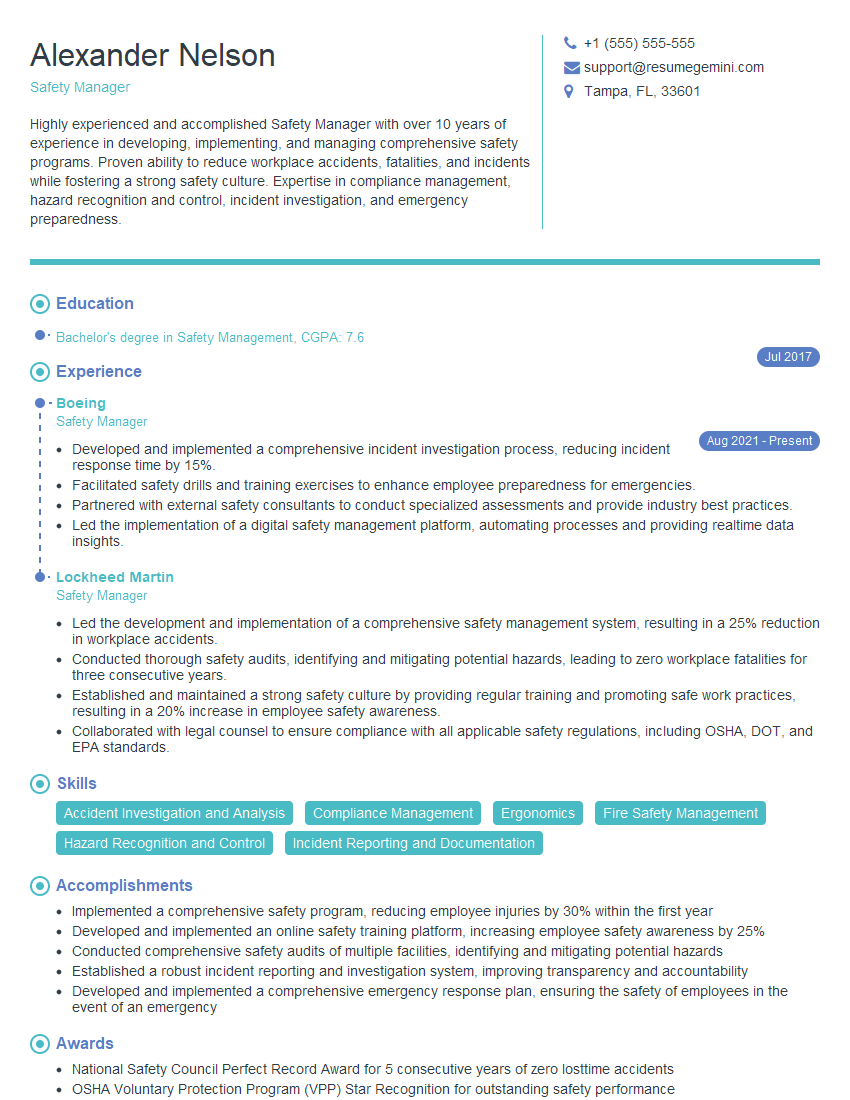
Safety Manager Resume Sample
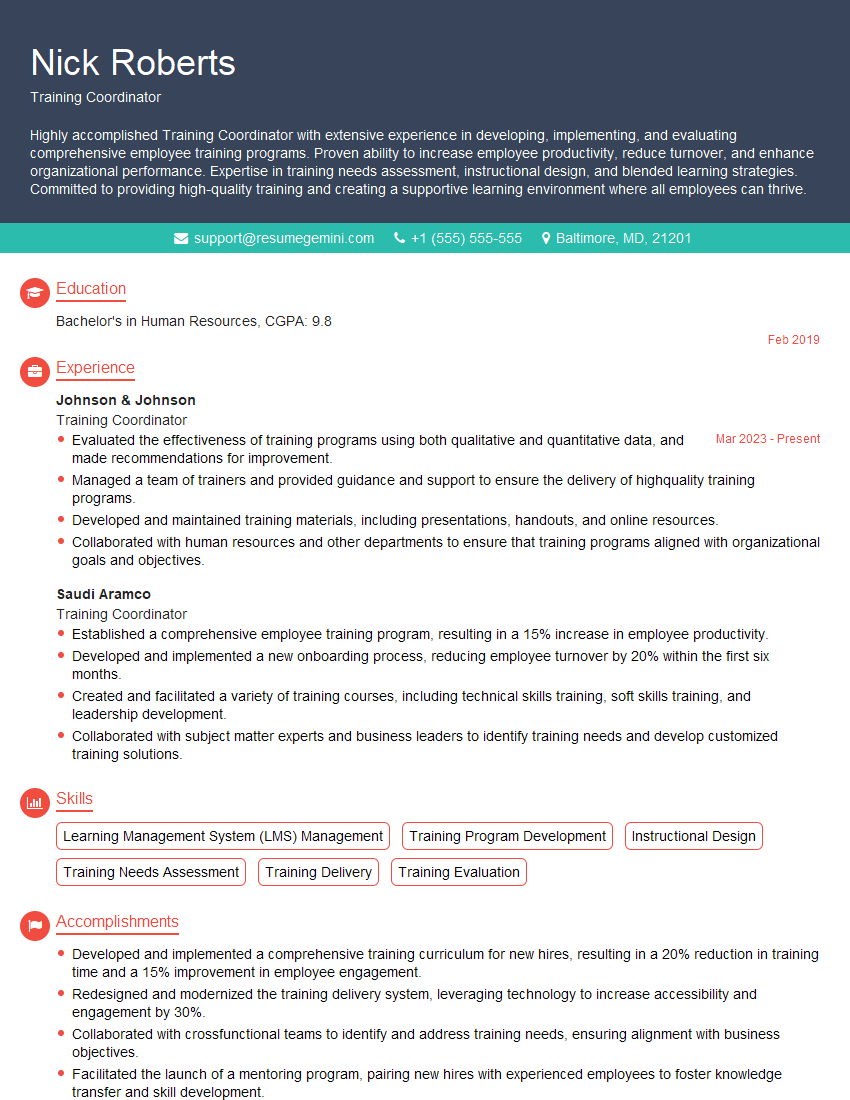
Training Coordinator Resume Sample
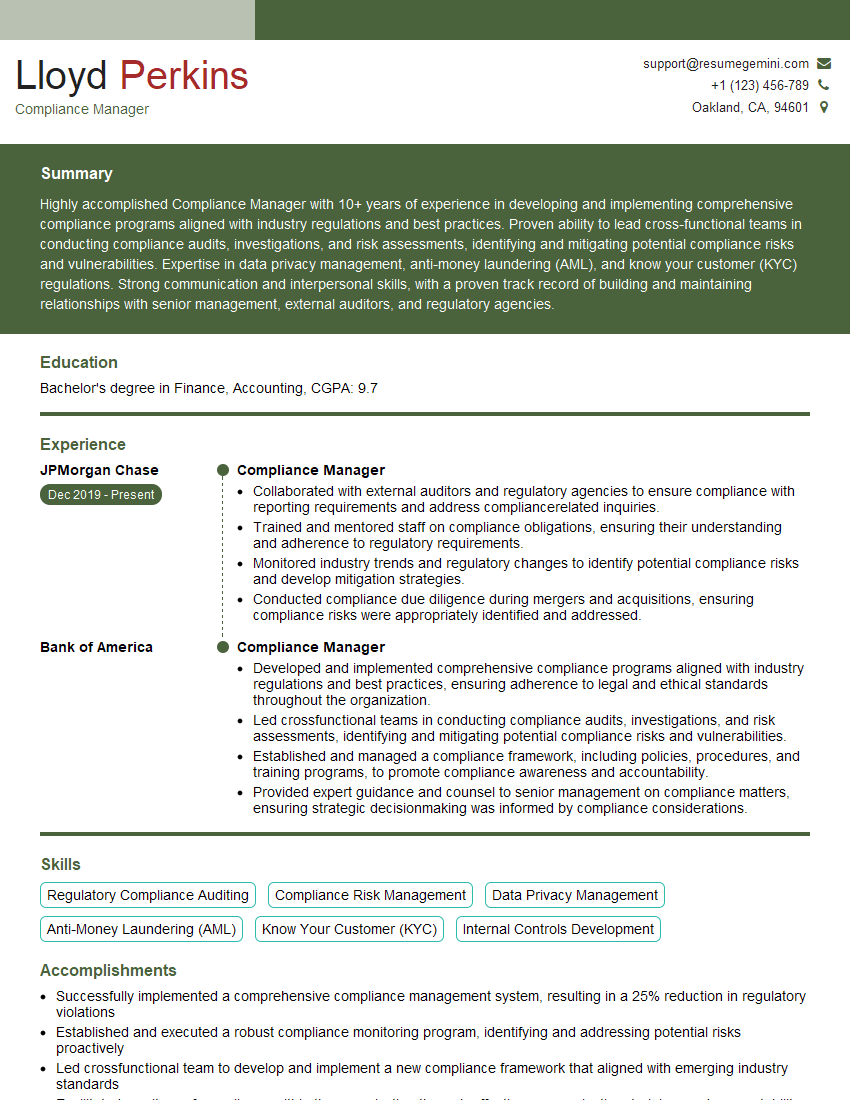
Compliance Manager Resume Sample

Compliance Officer Resume Sample
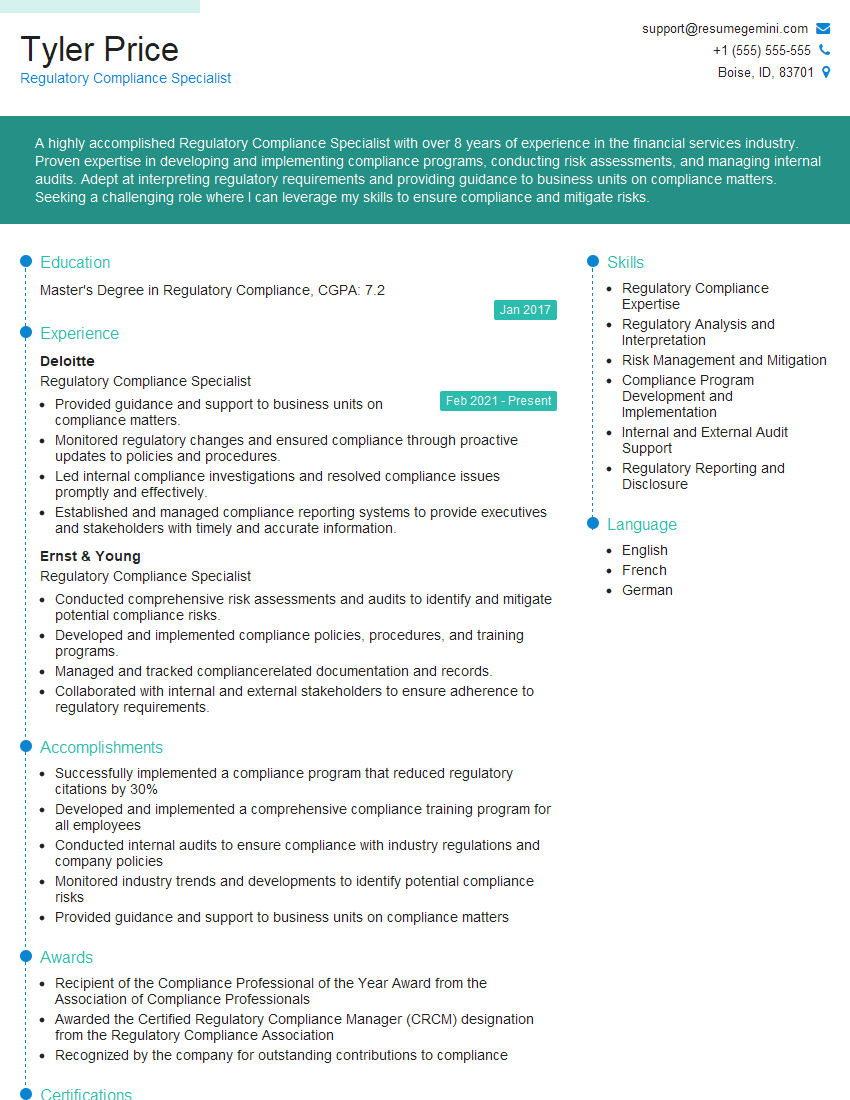
Regulatory Compliance Specialist Resume Sample
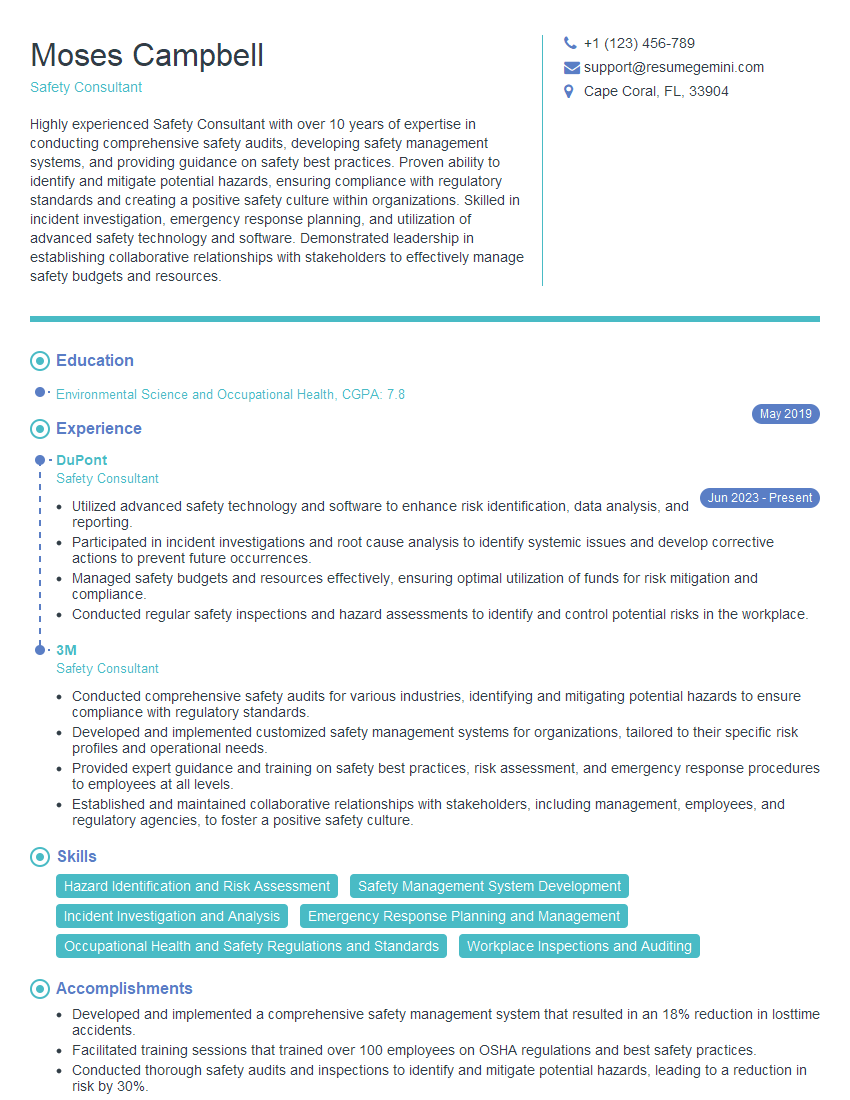
Safety Consultant Resume Sample
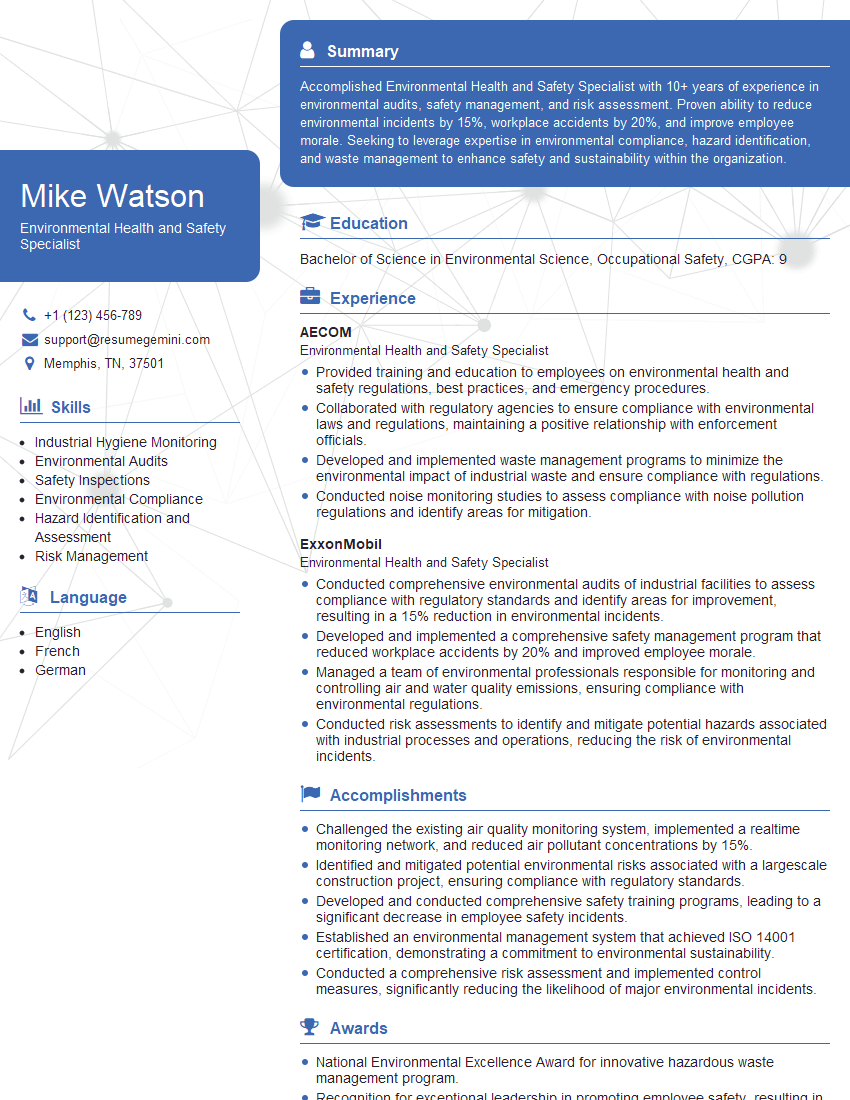
Environmental Health and Safety Specialist Resume Sample
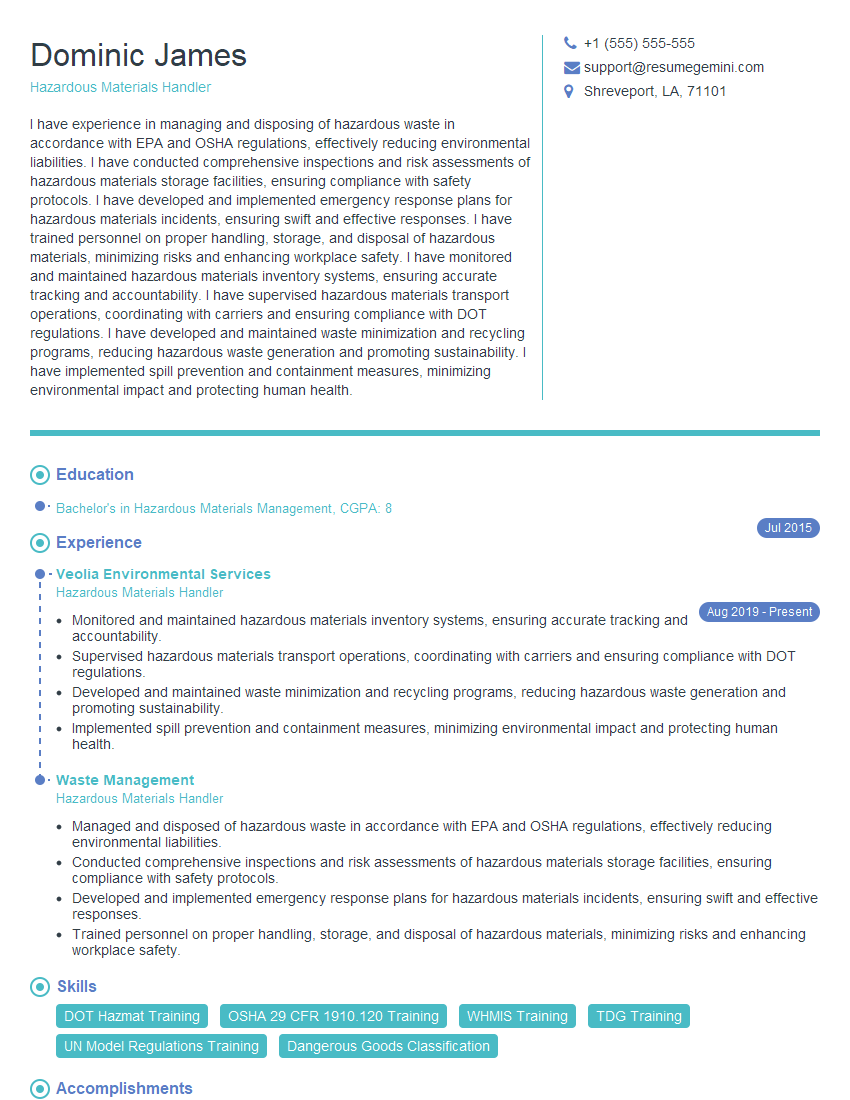
Hazardous Materials Handler Resume Sample
Explore more articles
Users Rating of Our Blogs
Share Your Experience
We value your feedback! Please rate our content and share your thoughts (optional).
What Readers Say About Our Blog
Very informative content, great job.
good