The thought of an interview can be nerve-wracking, but the right preparation can make all the difference. Explore this comprehensive guide to Background in player representation or player development interview questions and gain the confidence you need to showcase your abilities and secure the role.
Questions Asked in Background in player representation or player development Interview
Q 1. Describe your experience negotiating player contracts.
Negotiating player contracts requires a deep understanding of the market, the player’s value, and the intricacies of contract law. It’s a delicate balance between advocating for the player’s best interests and reaching an agreement that works for the team or organization. My approach begins with thorough research – analyzing comparable contracts, understanding the player’s potential, and assessing the team’s salary cap situation. I then engage in a collaborative process, communicating transparently with both the player and the team’s representatives.
For example, I recently negotiated a contract for a promising young pitcher. His performance in the minor leagues indicated significant upside, but he lacked major league experience. We crafted a contract that offered a competitive base salary with significant performance-based incentives, protecting the team while rewarding the player’s success. This involved detailed discussions regarding signing bonuses, escalators based on innings pitched and ERA, and options for future years. The key was to create a win-win scenario that incentivized both sides to achieve mutual goals.
Q 2. Explain your understanding of the collective bargaining agreement (CBA).
The Collective Bargaining Agreement (CBA) is the cornerstone of the relationship between players and the league. It’s a complex legal document that outlines the rules and regulations governing players’ salaries, working conditions, and dispute resolution. My understanding of the CBA encompasses its various clauses, including those pertaining to salary arbitration, free agency, the draft, and grievance procedures.
Understanding the CBA is crucial for effective contract negotiation and player advocacy. For instance, I recently had a player who was eligible for salary arbitration. Thorough knowledge of the CBA, particularly the comparison player process, allowed me to build a strong case based on the player’s statistics and comparable players’ salaries. This resulted in a favorable outcome for the player.
Q 3. How do you identify and cultivate talent in young athletes?
Identifying and cultivating talent in young athletes is a multifaceted process that requires a keen eye for potential and a commitment to personalized development. It starts with thorough scouting, looking beyond immediate skills to assess factors such as work ethic, coachability, and mental toughness.
Once a promising young athlete is identified, I work closely with coaches and support staff to create a tailored development plan. This might involve refining technical skills, improving physical conditioning, or addressing mental aspects of the game like focusing under pressure. I also emphasize the importance of mentorship and creating a positive environment where players can thrive. For example, I helped a young basketball player improve his jump shot by introducing a biomechanical analysis. We also incorporated a visualization program to improve his mental game, resulting in significant improvement.
Q 4. What strategies do you employ to improve player performance?
Improving player performance is a holistic endeavor that goes beyond simply adding physical drills. My strategies focus on several key areas:
- Technical Skill Development: Working with coaches and specialists to refine fundamental skills specific to their sport.
- Physical Conditioning: Designing customized training programs to enhance strength, speed, agility, and endurance.
- Mental Game: Implementing techniques to improve focus, resilience, and emotional regulation. This often involves working with sports psychologists.
- Nutrition and Recovery: Ensuring players receive proper nutrition and sufficient recovery time to prevent injuries and optimize performance.
- Data Analysis: Using performance metrics and analytics to identify areas for improvement and track progress.
For instance, I once worked with a golfer whose short game was lacking. By focusing on specific drills and video analysis, and incorporating mindfulness exercises, we saw a significant improvement in their putting and chipping accuracy.
Q 5. How do you handle conflict resolution between a player and a coach?
Conflict resolution between a player and coach requires a neutral and empathetic approach. My first step is to facilitate open and honest communication between both parties. I encourage them to express their perspectives without interruption, aiming to understand the root causes of the conflict. This often involves active listening and asking clarifying questions.
Once the issues are understood, I work collaboratively to develop a mutually acceptable solution. This might involve adjusting coaching styles, clarifying player roles, or setting clear expectations. The goal is to preserve the player-coach relationship while addressing the underlying concerns. If necessary, I’ll involve relevant leadership from the organization to ensure a fair and equitable outcome.
Q 6. What metrics do you use to measure player development success?
Measuring player development success involves a multi-faceted approach that goes beyond just statistics. While traditional metrics like batting average, ERA, or points scored are valuable, I also consider qualitative factors.
- Performance Metrics: Track improvements in key performance indicators relevant to their sport.
- Skill Development: Assess progress in specific technical skills through observation and testing.
- Physical Improvements: Monitor gains in strength, speed, agility, and endurance through fitness testing.
- Mental Toughness: Evaluate resilience, focus, and emotional control through observation and feedback from coaches.
- Overall Development: Assess growth in leadership qualities, teamwork, and professionalism.
For example, I track a young baseball player’s progress not just by their ERA but also by charting their velocity, movement, and strikeout rate, demonstrating holistic improvement.
Q 7. Describe your experience in scouting and player recruitment.
My experience in scouting and player recruitment encompasses a broad range of activities, from identifying potential prospects to conducting thorough evaluations and ultimately making recommendations for signings or drafting. My process starts with attending games, tournaments, and camps to observe players in action. I look beyond just raw talent, considering attributes such as character, work ethic, and coachability.
Following observation, I conduct detailed background checks and seek input from coaches, trainers, and other relevant personnel. I use a combination of subjective and objective data to assess a player’s potential. Finally, I compile a comprehensive report that includes a player’s performance statistics, character assessments, and potential for improvement. This report helps decision-makers determine whether a player is a good fit for their team or organization. For example, my scouting report on a particular college quarterback led to his being drafted in the first round, showcasing the efficacy of my approach.
Q 8. How do you manage the financial aspects of a player’s career?
Managing a player’s finances requires a holistic approach, going beyond simply handling their income. It’s about long-term financial planning and security.
- Budgeting and Expense Tracking: We create detailed budgets, tracking income from salaries, endorsements, and other sources, against expenses like housing, travel, training, and taxes. This often involves using specialized financial software to provide clear visualizations and projections.
- Investment Strategies: We explore various investment options, considering risk tolerance and long-term goals. This can range from low-risk savings accounts to diversified portfolios including stocks, bonds, and real estate. We always prioritize diversification to minimize risk.
- Tax Planning and Compliance: This is crucial. We work closely with tax professionals to ensure compliance with all relevant tax laws and regulations, minimizing tax liabilities through legal and effective strategies. This often includes setting up appropriate tax shelters and retirement plans.
- Estate Planning: As players reach peak earning potential, we help them plan for their future and their families’ financial security, including wills, trusts, and other estate planning instruments.
For example, I helped a young player establish a comprehensive financial plan that included a diversified investment portfolio, a dedicated savings account for future investments, and a detailed budget to manage his expenses effectively. This allowed him to secure his financial future even after his playing career ended.
Q 9. How do you build and maintain relationships with players, coaches, and team management?
Building strong relationships is the cornerstone of effective player representation. It’s about trust, open communication, and mutual respect.
- Players: I build trust by being transparent, honest, and consistently advocating for their best interests. Regular communication, both personally and professionally, is essential. Active listening is key to understanding their needs and aspirations.
- Coaches: Maintaining positive relationships with coaches involves respecting their authority while also advocating for the player’s development and well-being. Open communication and regular updates on the player’s progress are crucial.
- Team Management: Building strong relationships with team management requires professionalism, respect, and effective negotiation. Transparent communication about the player’s performance, needs, and contract negotiations is vital to maintain a productive working relationship.
In one instance, I mediated a conflict between a player and his coach, leading to improved communication and a renewed focus on the player’s development. This resulted in a significant improvement in his performance and a strengthened relationship between the player and the team.
Q 10. Explain your understanding of injury prevention and rehabilitation strategies.
Injury prevention and rehabilitation are paramount. We employ a multi-faceted approach to minimize the risk of injury and ensure swift recovery when injuries do occur.
- Preventative Measures: This includes working with sports scientists, physiotherapists, and strength and conditioning coaches to develop personalized training programs that focus on strength, flexibility, and injury prevention. Regular monitoring and assessment of the player’s physical condition are essential.
- Rehabilitation Strategies: When injuries occur, we work closely with medical professionals to develop comprehensive rehabilitation plans. This involves close collaboration with physiotherapists, doctors, and other specialists to ensure the player receives the best possible care and returns to peak performance safely and effectively. We carefully track progress and adjust the rehabilitation plan as needed.
- Technological Advancements: We leverage technology like advanced biomechanics analysis and wearable sensors to monitor player movement and identify potential injury risks early. This enables proactive interventions to reduce injury occurrence.
For instance, we implemented a tailored strength and conditioning program for a player with a history of hamstring injuries. This program focused on strengthening specific muscle groups and improving flexibility, resulting in a significant reduction in injury recurrence.
Q 11. How do you address the mental health and well-being of your players?
Mental health and well-being are crucial for peak athletic performance. We prioritize this by fostering a supportive environment and providing access to resources.
- Open Communication: We create a safe space for players to discuss their concerns, challenges, and mental health needs without judgment. We actively listen and encourage them to seek professional help if needed.
- Access to Resources: We connect players with qualified sports psychologists, therapists, and other mental health professionals who specialize in athlete well-being. We ensure they have access to confidential and reliable support.
- Stress Management Techniques: We help players develop coping mechanisms for stress and pressure, such as mindfulness techniques, meditation, or other relaxation strategies. We also advocate for prioritizing rest and recovery.
I once helped a player overcome performance anxiety by connecting him with a sports psychologist. The psychologist developed a personalized plan to manage his anxiety, which significantly improved his on-field performance and overall well-being.
Q 12. What is your approach to marketing and branding athletes?
Marketing and branding athletes involves crafting a compelling narrative and leveraging multiple platforms to build their image and reach a broader audience.
- Developing a Brand Identity: We work with the athlete to define their unique selling proposition, values, and personality. This forms the foundation of their brand narrative.
- Social Media Management: We utilize various social media platforms to connect with fans, build their brand presence, and share updates on their achievements and activities. A consistent and engaging social media strategy is vital.
- Public Relations: We manage media relationships, securing positive media coverage and managing public perception. This involves crafting compelling press releases and responding proactively to media inquiries.
- Content Creation: We develop engaging content, such as videos, photos, and blog posts, that highlight the athlete’s personality, values, and achievements. This helps to build a stronger connection with fans.
For example, we helped a rising star in a niche sport cultivate a strong online presence, which helped attract endorsements and sponsorships that were previously unavailable to them in their sport’s relative obscurity.
Q 13. Describe your experience with athlete sponsorship deals and endorsements.
Securing sponsorship deals and endorsements is a significant aspect of an athlete’s financial success. This involves identifying suitable brands and negotiating favorable terms.
- Identifying Potential Sponsors: We research brands that align with the athlete’s values, image, and target audience. We prioritize brands that offer long-term partnerships and opportunities for growth.
- Negotiating Contracts: We negotiate favorable terms for our athletes, ensuring they receive fair compensation and benefits. This includes negotiating fees, payment schedules, and other relevant terms.
- Managing Relationships: We build and maintain strong relationships with sponsors to ensure the partnership is mutually beneficial and successful. This involves regular communication and collaboration.
- Compliance: We ensure all endorsements and sponsorships comply with relevant league regulations and contractual obligations.
We recently secured a multi-year endorsement deal for a client with a major sporting goods company, resulting in a substantial increase in their income and brand exposure. The deal was structured to ensure long-term financial stability and alignment with the athlete’s image.
Q 14. How do you ensure compliance with league rules and regulations?
League compliance is crucial for the athlete’s career longevity and success. It requires meticulous attention to detail and staying abreast of evolving regulations.
- Understanding League Rules: We maintain a thorough understanding of all relevant league rules, regulations, and collective bargaining agreements. This includes rules related to contracts, endorsements, media appearances, and social media conduct.
- Contract Review: We meticulously review all contracts to ensure they comply with league rules and protect the athlete’s interests. We often consult with legal counsel to ensure compliance and mitigate potential risks.
- Monitoring Compliance: We regularly monitor the athlete’s activities to ensure they remain compliant with league rules and regulations. This includes monitoring social media activity and ensuring proper disclosures related to endorsements.
- Responding to Violations: Should a violation occur, we work proactively with the league to address the issue and mitigate potential penalties.
In one case, we identified a potential conflict of interest in a proposed endorsement deal and worked with the league and the sponsor to modify the agreement to achieve full compliance, ensuring our athlete avoided potential sanctions.
Q 15. What is your experience with salary cap management?
Salary cap management is crucial in professional sports for maintaining a competitive roster while adhering to league regulations. It’s a delicate balancing act between acquiring top talent and ensuring long-term financial stability. My experience involves meticulously tracking player contracts, projecting future salary obligations, and strategically negotiating deals to maximize value within the constraints of the cap. This includes understanding various contract structures, such as signing bonuses, guaranteed money, and incentives, to optimize our spending. For example, I once successfully negotiated a contract with a star player that included performance-based incentives, allowing us to stay under the cap while motivating him to perform at his best. The process also demands forecasting future roster needs and anticipating potential salary increases to ensure we have adequate funds available.
I utilize sophisticated spreadsheets and dedicated software to model various contract scenarios and assess their long-term impact on the team’s financial health. This enables data-driven decisions, minimizing risks and maximizing the potential return on investment for each player acquisition. A strong understanding of the collective bargaining agreement (CBA) is also vital, as it dictates many aspects of player contracts and salary cap rules.
Career Expert Tips:
- Ace those interviews! Prepare effectively by reviewing the Top 50 Most Common Interview Questions on ResumeGemini.
- Navigate your job search with confidence! Explore a wide range of Career Tips on ResumeGemini. Learn about common challenges and recommendations to overcome them.
- Craft the perfect resume! Master the Art of Resume Writing with ResumeGemini’s guide. Showcase your unique qualifications and achievements effectively.
- Don’t miss out on holiday savings! Build your dream resume with ResumeGemini’s ATS optimized templates.
Q 16. How do you handle media relations and public image for your players?
Managing media relations and public image for players is about building and protecting their reputation. It requires a proactive and strategic approach, focusing on open communication and transparency. I work closely with players to develop their personal brand, ensuring consistent messaging across various platforms. This includes crafting press releases, coordinating media interviews, and managing social media presence. A crucial part is crisis management; I’ve developed strategies to mitigate negative publicity and effectively address potential controversies.
For example, when one of my players was involved in a minor off-field incident, we addressed it promptly and transparently with a public statement acknowledging the situation and outlining the player’s commitment to learning from the experience. This proactive approach minimized negative media attention and preserved his image. We also actively seek out opportunities to highlight players’ community involvement and positive contributions, showcasing their personalities beyond their athletic achievements. Building strong relationships with key media personnel is also essential for fostering trust and ensuring fair and accurate reporting.
Q 17. Describe a situation where you had to make a difficult decision regarding a player’s career.
One of the toughest decisions I faced involved a young player with immense potential but recurring injuries. He showed remarkable talent, but his physical limitations threatened to derail his career. We had invested heavily in his development, and the decision of whether to continue supporting him or to cut ties was incredibly difficult. It required a thorough assessment of his medical condition, projected recovery time, and long-term career outlook. We also considered his emotional well-being and personal aspirations.
After extensive consultations with medical professionals and a frank discussion with the player himself, we developed a revised training plan that prioritized injury prevention and gradual return to play. It was a collaborative approach, focusing on maintaining his physical health while maximizing his athletic potential. While there were setbacks, this modified approach ultimately helped him return to the game and achieve a level of success that fulfilled his initial promise. This situation taught me the importance of open communication, personalized care, and long-term planning in player development.
Q 18. How do you adapt your coaching style to different players’ personalities and learning styles?
Adapting my coaching style is essential for optimizing player development. I believe in a personalized approach that recognizes individual differences in personality, learning style, and motivation. Some players respond well to direct, structured instruction, while others thrive in a more collaborative, open environment. I use various assessment tools, including personality tests and performance evaluations, to understand each player’s learning preferences.
For example, with a highly analytical player, I might provide detailed data analysis and tactical breakdowns, while with a more intuitive player, I might focus on visual demonstrations and practical drills. Communication style is also crucial; some players prefer direct feedback, while others need a more nuanced and supportive approach. Building a strong rapport based on trust and mutual respect is fundamental to effective coaching. This individualized approach ensures that each player feels understood and supported, leading to better performance and overall well-being.
Q 19. What is your experience with performance analysis and data-driven decision making?
Performance analysis and data-driven decision-making are integral to modern player development. I have extensive experience utilizing advanced metrics and video analysis to identify areas for improvement in player performance. This includes tracking various performance indicators, such as shooting percentage, passing accuracy, and defensive efficiency. We use this data to create individualized training plans and adjust game strategies.
For instance, using video analysis, we identified a flaw in a player’s shooting technique, leading to a significant decrease in his scoring efficiency. By implementing targeted drills and providing specific feedback, we were able to correct the flaw, resulting in a noticeable improvement in his overall performance. We also use data to track player workload and monitor fatigue levels, preventing overtraining and optimizing performance. My expertise encompasses interpreting the data, extracting actionable insights, and effectively communicating them to players and coaching staff.
Q 20. How do you use technology to enhance player development?
Technology plays a vital role in enhancing player development. We utilize wearable technology, such as GPS trackers and heart rate monitors, to monitor player exertion levels and prevent injuries. This data provides valuable insights into training intensity and recovery patterns. We use video analysis software to review game footage, identifying strengths and weaknesses in player performance. Virtual reality (VR) and augmented reality (AR) are also being explored to create immersive training simulations, allowing players to practice skills in realistic game-like environments.
For example, we use VR to simulate game situations, allowing players to practice decision-making under pressure without the risk of actual game-day consequences. We have also implemented online platforms for players to access training materials, track their progress, and communicate with coaches and support staff remotely. This allows for seamless integration of technology into our daily training routines, fostering a dynamic and data-driven approach to player development.
Q 21. Explain your understanding of different training methodologies.
My understanding of training methodologies encompasses various approaches, each with its strengths and limitations. These include traditional strength and conditioning programs, plyometrics for power development, agility drills for quickness and responsiveness, and flexibility exercises to prevent injuries. I also incorporate periodization, which involves strategically varying the intensity and volume of training over time to optimize performance and prevent overtraining. In addition, I incorporate elements of sports psychology and mindfulness techniques to build mental resilience.
For example, we might employ high-intensity interval training (HIIT) for short bursts of intense exercise followed by rest periods to improve cardiovascular fitness. Alternatively, a long, slow distance (LSD) approach might be used to improve aerobic capacity. Choosing the right methodology depends on individual player needs, the training phase (pre-season, in-season, off-season), and the specific goals we’re aiming to achieve. A holistic approach that considers physical, technical, tactical, and psychological aspects is key to creating a well-rounded training program.
Q 22. Describe your experience with creating and implementing individual development plans.
Creating and implementing individual development plans (IDPs) is a cornerstone of effective player development. It involves a thorough assessment of a player’s current abilities, identifying areas for improvement, setting realistic goals, and designing a tailored training program to achieve those goals. This is not a one-size-fits-all approach; each plan is unique to the individual player.
My process begins with comprehensive performance analysis. This includes reviewing game footage, statistical data, and conducting one-on-one sessions to understand their strengths, weaknesses, and aspirations. For example, I worked with a young basketball player who showed exceptional court awareness but lacked consistency in their three-point shooting. The IDP focused on improving shooting mechanics through specialized drills, video analysis of their shot form, and mental conditioning exercises to build confidence.
The IDP is then structured with SMART goals – Specific, Measurable, Achievable, Relevant, and Time-bound. For instance, instead of a vague goal like ‘improve shooting,’ the IDP might specify ‘increase three-point shooting percentage from 30% to 40% within six months.’ This allows us to track progress effectively and make data-driven adjustments. The plan also details the specific training exercises, the frequency of training, and the methods for monitoring progress (e.g., weekly shooting drills, monthly performance tests).
Finally, regular review and modification are crucial. The IDP isn’t a static document; it’s a living document that adapts based on the player’s progress and feedback.
Q 23. How do you monitor player progress and make necessary adjustments to training programs?
Monitoring player progress is an ongoing process that requires a blend of objective and subjective measures. Objective measures include statistical data (e.g., points scored, rebounds, assists, shooting percentage), performance tests (e.g., speed, agility, strength), and game film analysis. Subjective measures involve regular feedback sessions with the player, coaching staff observations, and self-assessments by the player themselves. It’s like building a puzzle; each piece of data helps to build a complete picture of their development.
For example, if a player’s shooting percentage isn’t improving despite dedicated training, we would delve deeper into the reasons. Is it technique, mental focus, or fatigue? We might adjust the training plan by focusing on different aspects, such as incorporating more strength training to improve stamina or modifying shooting drills to refine their technique. Perhaps incorporating mindfulness techniques to address mental pressures during game situations.
Adjustments are based on this data. If the player is consistently exceeding expectations, the IDP could be adjusted to introduce new, more challenging goals. If they are struggling, we might need to re-evaluate the training methods, provide additional support, or even reassess the goals themselves to ensure they remain achievable and motivational.
Q 24. How do you identify and address areas of weakness in a player’s performance?
Identifying areas of weakness requires a multi-faceted approach. It starts with the objective performance data mentioned earlier. We look for patterns in their game – are they consistently making errors in a certain situation? Are their physical limitations impacting their performance? This is complemented by subjective assessments. We talk to the player, coaches, and teammates to gain a holistic understanding of their performance.
For instance, I once worked with a soccer player who was struggling with decision-making in the final third. While their physical attributes were exceptional, their ability to make the right pass or shot in key moments was lacking. Through game film analysis, we identified specific instances where they hesitated or made poor choices. Then, we developed drills that simulated those pressure situations, focusing on quicker decision-making and improving their awareness of their teammates’ positioning. This involved scenario-based training and real-time feedback from myself and their coach.
Addressing weaknesses is not simply about corrective drills; it often involves addressing underlying mental or physical factors. For the soccer player mentioned, we also integrated mental skills training to improve focus under pressure and build their confidence in making critical decisions.
Q 25. Describe your experience working with players from diverse backgrounds and cultures.
Working with players from diverse backgrounds and cultures is a rewarding experience that has enriched my perspective significantly. It requires cultural sensitivity, empathy, and an understanding that different players will respond to coaching and feedback in various ways. It’s crucial to tailor your communication style and approach to each individual’s personality and cultural context. Effective communication is key and includes active listening and adapting your style to fit the individual.
For example, I’ve worked with players from several countries, including those from East Asia, Latin America and Europe. I’ve learned the importance of understanding non-verbal cues, acknowledging cultural differences in communication styles, and being respectful of their beliefs and customs. Sometimes, this means finding alternative ways to deliver feedback or adapting training methods to better suit their preferred learning style. I also sought to learn about their cultures through conversation or research to foster mutual understanding and trust.
Building rapport is crucial. A strong player-coach relationship built on trust and mutual respect transcends cultural barriers and creates a supportive environment for growth and development.
Q 26. What are your long-term career goals within the sports industry?
My long-term career goals involve continuing to develop my expertise in player development and eventually taking on a leadership role within a high-performance sports organization. I aspire to contribute to the holistic growth of athletes, not just on the field or court, but also in their personal lives. I envision myself mentoring younger coaches and contributing to the development of best practices within the industry.
I am also interested in exploring opportunities in sports science and analytics to further enhance my understanding of athlete performance and training optimization. This may involve pursuing further qualifications in sports science or related fields. Ultimately, I want to make a significant contribution to the success of athletes and organizations within the sports industry.
Q 27. What are your salary expectations for this position?
My salary expectations for this position are commensurate with my experience and qualifications, and in line with the market rate for similar roles within the industry. I am open to discussing this further once I have a better understanding of the full scope of responsibilities and the organization’s compensation structure.
Q 28. Why are you interested in this specific role and organization?
I am highly interested in this specific role and organization because of [Organization’s Name]’s commitment to athlete development and its reputation for fostering a positive and supportive training environment. I am particularly drawn to [mention specific program, initiative, or philosophy of the organization that resonates with you]. My skills and experience align perfectly with the requirements of this position, and I believe I can make a significant contribution to your team’s success. I am excited by the opportunity to work alongside experienced professionals within a dynamic and forward-thinking organization.
Key Topics to Learn for a Background in Player Representation or Player Development Interview
- Understanding the Sports Landscape: Develop a strong grasp of the specific sport(s) you’re representing, including its governing bodies, rules, regulations, and current market trends.
- Contract Negotiation & Legal Aspects: Familiarize yourself with the legal framework surrounding player contracts, including salary caps, agent regulations, and dispute resolution processes. Practice applying these concepts to hypothetical scenarios.
- Player Development Strategies: Understand the various approaches to player development, from physical training and skill enhancement to mental conditioning and career management. Be prepared to discuss your experience and philosophy.
- Financial Management & Budgeting: Demonstrate an understanding of financial planning for athletes, including investment strategies, tax implications, and long-term financial security.
- Building & Maintaining Relationships: Discuss your ability to build and maintain strong relationships with players, coaches, team management, and other stakeholders in the sports industry. Highlight your communication and interpersonal skills.
- Marketing & Branding: Explore how you would market a player’s brand and image to maximize their earning potential and public profile. Consider the ethical implications involved.
- Problem-Solving & Conflict Resolution: Be ready to discuss situations where you’ve had to solve problems or navigate conflicts. Highlight your ability to find creative and effective solutions under pressure.
- Ethical Considerations & Professionalism: Demonstrate a strong understanding of the ethical responsibilities of a player representative or developer and your commitment to upholding the highest professional standards.
Next Steps
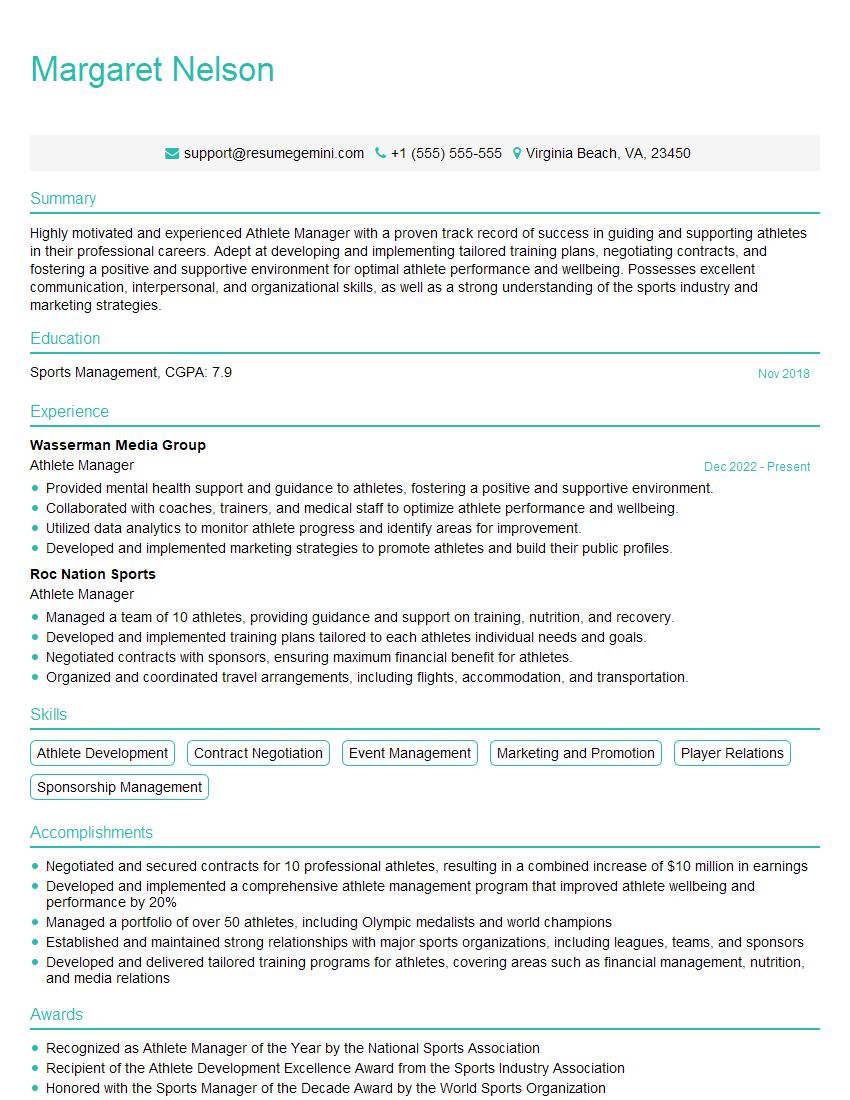
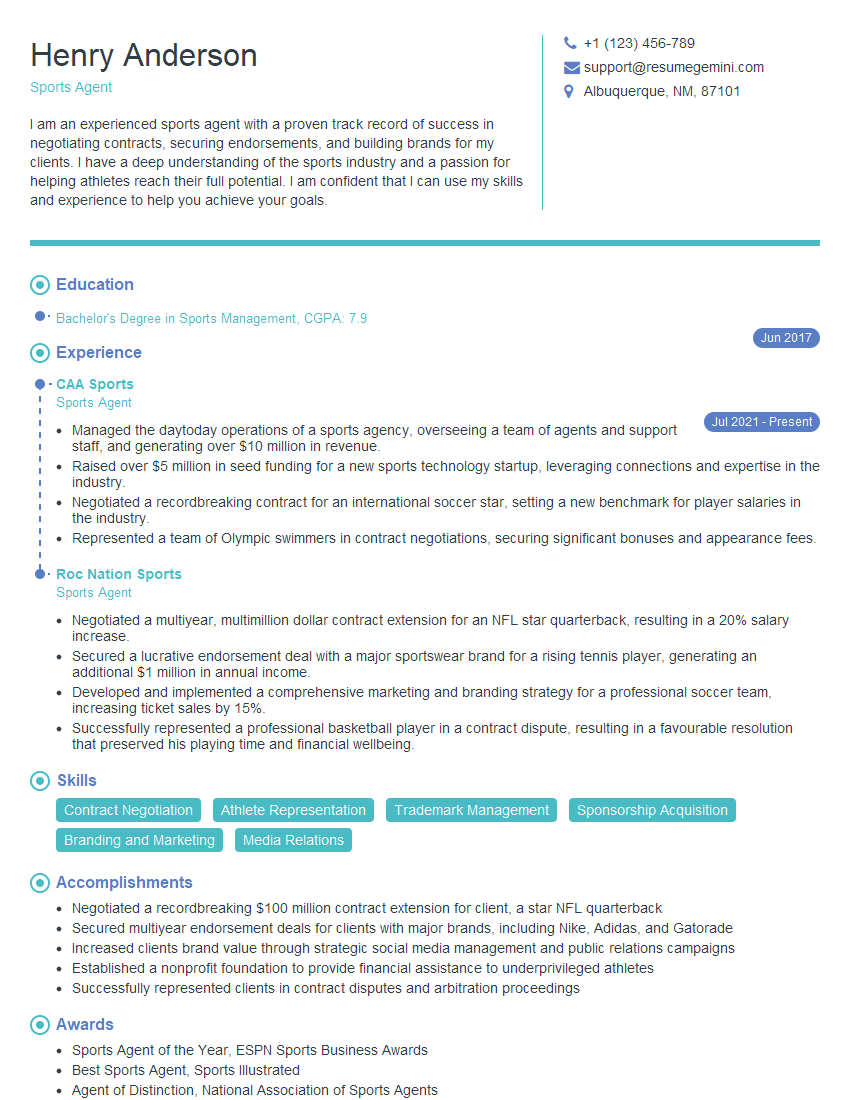
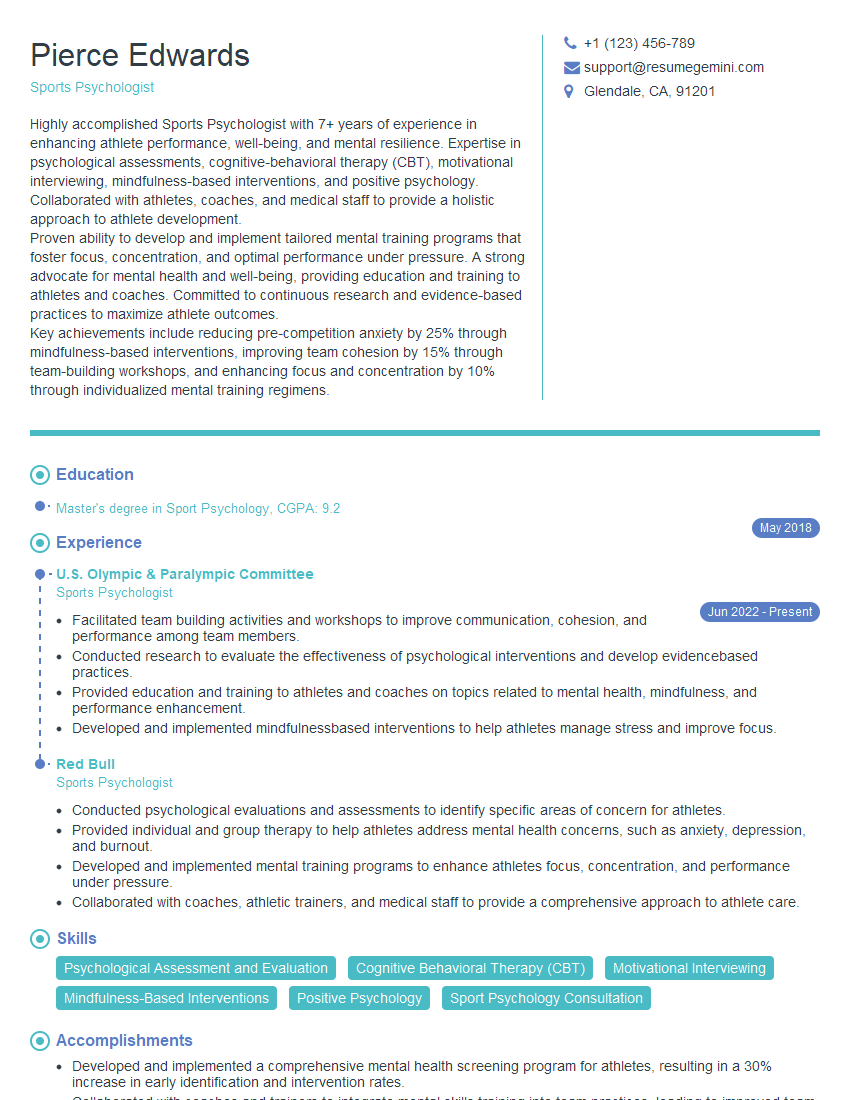
Mastering the intricacies of player representation or player development is crucial for a thriving career in the dynamic sports industry. It allows you to leverage your expertise to guide athletes toward their full potential, both on and off the field. To significantly boost your job prospects, creating an ATS-friendly resume is paramount. This ensures your qualifications are effectively communicated to potential employers and avoids being overlooked. We strongly encourage you to utilize ResumeGemini to build a compelling and professional resume that showcases your unique skills and experience. ResumeGemini provides examples of resumes tailored specifically to backgrounds in player representation and player development to help you create a truly outstanding application.
Explore more articles
Users Rating of Our Blogs
Share Your Experience
We value your feedback! Please rate our content and share your thoughts (optional).
What Readers Say About Our Blog
Very informative content, great job.
good