Preparation is the key to success in any interview. In this post, we’ll explore crucial Heavy Material Handling Techniques interview questions and equip you with strategies to craft impactful answers. Whether you’re a beginner or a pro, these tips will elevate your preparation.
Questions Asked in Heavy Material Handling Techniques Interview
Q 1. Describe your experience with different types of heavy lifting equipment.
My experience with heavy lifting equipment spans over 15 years, encompassing a wide range of machinery. I’ve operated and overseen the maintenance of various forklifts (both counterbalanced and reach trucks), overhead cranes (including gantry and jib cranes), mobile cranes (rough terrain and all-terrain), and specialized equipment like vacuum lifters and heavy-duty conveyors. I’m proficient in understanding their operational limitations, safety protocols, and maintenance requirements. For example, I’ve successfully managed the safe lifting and placement of oversized transformers using a combination of a mobile crane and specialized rigging techniques, ensuring minimal risk to personnel and equipment. Similarly, I’ve utilized reach trucks in narrow warehouse environments to optimize space and movement efficiency. This extensive hands-on experience gives me a holistic understanding of different equipment capabilities and their suitability for specific tasks.
Q 2. Explain the safe operating procedures for a forklift.
Safe forklift operation hinges on a multi-faceted approach. Firstly, a thorough pre-operational check is crucial – examining tires, brakes, hydraulics, and load-bearing components. Secondly, always assess the load weight and distribution before lifting; never exceed the forklift’s rated capacity. Thirdly, ensure clear visibility – use mirrors and spotters when necessary, particularly in congested areas. Maintaining a safe speed, appropriate turning radius, and avoiding sharp braking are vital. Never lift or carry loads that obstruct your vision. Finally, securing loads properly using appropriate straps or chains to prevent shifting or falling during transportation is absolutely non-negotiable. Imagine trying to navigate a busy warehouse with a load that’s even slightly unstable – it’s a recipe for disaster. In my experience, a pre-shift checklist and regular operator training significantly reduce the risk of accidents.
Q 3. How do you ensure the stability of loads during transportation?
Maintaining load stability during transport involves careful planning and execution. Proper load distribution is key; heavy items should be at the bottom and center of gravity should be kept low. Securing methods are crucial, using appropriate straps, chains, or nets to prevent shifting or movement. The type of securing method depends on the load’s characteristics (shape, weight, fragility) and the mode of transport. For instance, when transporting long steel beams, we use multiple tie-downs to prevent swaying and ensure uniform load distribution. Similarly, fragile cargo might require specialized cushioning and bracing to prevent damage. Regular inspections during transport and careful maneuvering are equally important. Thinking about it like a Jenga tower – each piece needs to be perfectly positioned and secured to avoid collapse.
Q 4. What are the different types of rigging techniques and when would you use each?
Rigging involves the safe attachment and movement of loads using ropes, slings, chains, and other equipment. Common techniques include:
- Vertical lifts: Using slings (chain, wire rope, or synthetic webbing) directly beneath the load, ideally with a spreader beam for wide loads. This is used frequently for lifting heavy machinery or pre-fabricated components.
- Choker hitches: Looping a sling around a load, ideal for cylindrical objects. Critical to ensure correct angle and load distribution to prevent slippage.
- Basket hitches: Using multiple slings to evenly distribute the load, offering better stability and load distribution compared to a single point lift. Used for irregularly shaped or delicate objects.
- Bridle hitches: Multiple slings attached to a single point, often used for lifting heavy objects with multiple attachment points.
The selection of rigging technique depends on the load’s geometry, weight, and fragility. Incorrect rigging can lead to catastrophic failure, so expert knowledge and proper training are paramount. For example, using a choker hitch incorrectly on a sharp-edged load could cause the sling to cut and the load to fall.
Q 5. Describe your experience with load securing methods.
My experience encompasses a variety of load securing methods, tailored to the specific cargo and transport mode. For truck transport, I frequently use ratchet straps, chains, and load bars to secure pallets and other unitised loads. For containerized shipping, I’m familiar with lashing systems and securing cargo within containers to withstand the stresses of ocean voyages. My expertise also extends to specialized securing techniques for oversized or unusual loads, such as using air bags or specialized cradles. The key is always to ensure the load is restrained against movement in all directions. This isn’t just about preventing damage; it’s about preventing accidents and ensuring safety for everyone on the road and during transport.
Q 6. How do you identify and assess potential hazards in a heavy material handling environment?
Hazard identification in heavy material handling involves a systematic approach. It begins with a thorough site survey, noting environmental factors like uneven terrain, overhead obstructions, and proximity to electrical lines. Equipment inspections are equally important: Checking for damage to forklifts, cranes, and slings, ensuring proper functioning and capacity is within safe operating limits. Finally, the human element is critical; assessing worker competence, training levels, adherence to safety procedures and communication protocols. A robust hazard and operability study (HAZOP) is invaluable in identifying potential scenarios and developing mitigation strategies. For instance, a lack of clear communication between a crane operator and ground crew could lead to a collision or a dropped load.
Q 7. What are your strategies for preventing accidents during heavy material handling operations?
Accident prevention strategies focus on a multi-pronged approach. Firstly, comprehensive training programs for all personnel are crucial; this covers safe operating procedures, hazard identification, and emergency response. Secondly, robust maintenance schedules for all equipment are essential, ensuring machinery is in optimal working order. Thirdly, implementing and enforcing strict safety protocols, including the use of Personal Protective Equipment (PPE) like hard hats, safety shoes, and high-visibility clothing is fundamental. Fourthly, clear communication channels and a culture of safety reporting where employees feel empowered to highlight potential hazards without fear of reprisal are essential. Finally, regular safety audits and inspections help identify and address potential weaknesses in the system. Remember, safety is not just a policy; it’s a culture that needs constant nurturing and improvement.
Q 8. Explain your understanding of load capacity and weight limits.
Load capacity and weight limits are fundamental in heavy material handling. Load capacity refers to the maximum weight a piece of equipment, like a crane or forklift, can safely lift under ideal conditions. Weight limits, on the other hand, often refer to the maximum weight allowed on a specific surface, like a floor or bridge, to prevent structural damage. Both are critical for safety and preventing accidents. For instance, a crane might have a rated load capacity of 50 tons, but if the ground it’s on has a weight limit of only 40 tons, we cannot safely lift the 50-ton load, even if the crane is capable. These limits are usually clearly marked on the equipment and should be strictly adhered to. Ignoring these limits can result in catastrophic failures, including equipment damage, injury, and even death.
Q 9. How do you inspect heavy machinery before operation?
Inspecting heavy machinery before operation is a crucial safety procedure. My inspection involves a systematic approach, starting with a visual check for any obvious damage, leaks, or loose parts. I then check fluid levels (hydraulic oil, engine oil, coolant) and look for any unusual wear or tear on critical components like chains, cables, and hydraulic cylinders. A functional test is always included, carefully operating each function, ensuring smooth and correct movements. For example, when checking a crane, I verify the proper functioning of all hoisting mechanisms, boom movements, and safety features like emergency stops and load indicators. Thorough documentation is done after the inspection to record any issues or required maintenance. This pre-operational check is not just a routine; it’s a vital safety measure protecting both the equipment and personnel.
Q 10. What are the common causes of heavy equipment malfunctions and how do you troubleshoot them?
Heavy equipment malfunctions stem from various causes, often linked to improper maintenance, operator error, or environmental factors. Common problems include hydraulic leaks (leading to reduced lifting power), engine problems (reduced power or complete failure), worn-out components (chains, cables, bearings), and electrical faults. Troubleshooting starts with identifying the symptoms, like unusual noises, sluggish movement, or warning lights. Then, a systematic approach is used. For example, a hydraulic leak might be due to a damaged hose or seal; we’d inspect the entire hydraulic system for the source. Engine problems might be fuel-related, electrical, or mechanical – requiring a careful diagnostic approach. Always prioritize safety during troubleshooting; never attempt repairs without proper training and equipment.
Q 11. Describe your experience with different types of cranes and their applications.
My experience encompasses various crane types, each suited to specific tasks. I’ve worked extensively with tower cranes for high-rise construction projects, where their ability to reach great heights and lift heavy loads is indispensable. I’m also proficient with mobile cranes, used for more versatile applications like lifting loads at various locations on a construction site. Overhead cranes, essential in factories and warehouses, are another area of my expertise, handling material movement within a confined space. Each crane type requires a different understanding of its capabilities, limitations, and operational procedures, highlighting the need for tailored safety measures for each.
Q 12. How do you handle unexpected situations during lifting operations?
Handling unexpected situations during lifting operations demands quick thinking and adherence to safety protocols. If I detect a problem during a lift, like a malfunctioning hoist or an unstable load, I immediately stop the operation and assess the situation. Communication is key; notifying the ground crew and other personnel is vital. Emergency procedures are then followed, depending on the specific problem. This might involve securing the load, calling for additional equipment, or evacuating the area. Experience helps in calmly evaluating the situation and making the right decisions, always prioritizing safety above all else. For example, once a sling broke unexpectedly, and my quick response to stop the lift and secure the load prevented a major accident.
Q 13. What is your experience with using load charts and calculations?
Load charts and calculations are integral to safe lifting operations. I’m highly proficient in using load charts to determine the appropriate crane configuration and lifting techniques for different loads and conditions. This involves considering factors such as the load weight, boom length, radius, and wind speed, all while adhering to safety factors. Calculations ensure that the chosen configuration is within the crane’s safe working load limit. For example, lifting a heavy component close to the crane’s maximum load capacity may require additional support or a different crane configuration. My experience includes using specialized software and manual calculations to ensure compliance with safety regulations and prevent overloading.
Q 14. Describe your proficiency with pre-lift planning.
Pre-lift planning is crucial for successful and safe heavy lifting operations. It’s a detailed process that starts with assessing the job site, understanding the load characteristics (weight, dimensions, center of gravity), and identifying potential hazards. The next step is selecting the right equipment, considering its capacity, reach, and suitability for the environment. A detailed lifting plan is created, specifying the lifting sequence, rigging methods, and communication protocols. The plan also includes emergency procedures and identifies roles and responsibilities for all team members. This proactive approach minimizes risks and significantly contributes to a smoother and safer operation. Thorough pre-lift planning is not just a best practice; it’s a cornerstone of responsible heavy material handling.
Q 15. How familiar are you with relevant safety regulations and standards (OSHA, etc.)?
Safety is paramount in heavy material handling. My familiarity with OSHA regulations and other relevant standards is extensive. I’ve worked extensively with OSHA 1910 Subpart N (for cranes and derricks), OSHA 1926 Subpart CC (for construction), and various other industry-specific safety codes depending on the project. I understand the importance of permitting, lockout/tagout procedures, hazard assessments, and personal protective equipment (PPE) selection and use. For instance, I once prevented a potential accident by identifying a critical missing element in a crane rigging plan during a pre-lift inspection – a detail overlooked by other team members. This resulted in a complete reassessment and a safe operation. My knowledge extends beyond mere compliance; I actively contribute to a proactive safety culture on every project.
Beyond OSHA, I’m familiar with ANSI/ASME standards for rigging hardware, and relevant regulations concerning the transport and handling of hazardous materials. Regular updates on the latest standards ensure my practices remain current and compliant.
Career Expert Tips:
- Ace those interviews! Prepare effectively by reviewing the Top 50 Most Common Interview Questions on ResumeGemini.
- Navigate your job search with confidence! Explore a wide range of Career Tips on ResumeGemini. Learn about common challenges and recommendations to overcome them.
- Craft the perfect resume! Master the Art of Resume Writing with ResumeGemini’s guide. Showcase your unique qualifications and achievements effectively.
- Don’t miss out on holiday savings! Build your dream resume with ResumeGemini’s ATS optimized templates.
Q 16. Explain your experience with maintaining detailed operational logs.
Maintaining accurate and detailed operational logs is crucial for accountability, regulatory compliance, and continuous improvement. My experience includes logging all aspects of a heavy lift operation, including pre-lift inspections, equipment details (serial numbers, maintenance history), personnel involved, material specifications (weight, dimensions, center of gravity), rigging configurations, lift procedures, and post-lift assessments. These logs document the entire process, from planning to completion. I utilize both manual and digital logbooks. For larger projects, I’ve implemented and managed digital logging systems, improving data organization, analysis and reporting efficiency. For example, I developed a spreadsheet system to track equipment usage and maintenance schedules, which reduced downtime and preventative maintenance costs by 15%. This system automatically generates reports for compliance audits.
Q 17. How do you communicate effectively with team members during heavy lift operations?
Effective communication is essential during heavy lift operations, where miscommunication can lead to serious accidents. My approach emphasizes clear, concise, and unambiguous communication, using both verbal and non-verbal cues. Before any lift, I conduct a thorough pre-lift meeting, explaining the plan, highlighting potential hazards, and assigning clear roles and responsibilities. Hand signals are used consistently and are supplemented with two-way radios to maintain contact between team members at all times. This might involve using standardized signal terminology such as those in ASME B30.5. I ensure every team member understands their role and the overall plan. I encourage open communication, where team members feel comfortable voicing concerns or suggestions. I foster a culture of mutual respect and trust, which is vital for efficient and safe operations. For instance, when faced with an unexpected situation, I would immediately communicate the issue and potential solutions to the team before making a decision, ensuring everyone feels included and informed.
Q 18. What is your experience with using specialized lifting equipment such as vacuum lifters or air casters?
I have extensive experience with specialized lifting equipment, including vacuum lifters and air casters. Vacuum lifters are ideal for handling delicate or sensitive materials, minimizing the risk of damage. My experience includes operating various vacuum lifter models, understanding their limitations, and correctly selecting the appropriate model and accessories for different tasks. This includes the crucial steps of verifying the vacuum seal and understanding the limits of the lifting capacity. Air casters, on the other hand, are excellent for moving heavy loads over smooth surfaces with minimal friction. I have experience in planning and executing lifts using air casters, ensuring the load is properly distributed and secured. This includes planning the route, calculating the pressure requirements, and managing the air supply. For example, I once successfully employed air casters to move a massive, delicate piece of machinery across a cleanroom floor, reducing the risk of damage and achieving a smooth, controlled move. Both vacuum lifters and air casters require meticulous planning and execution to ensure safety and efficiency.
Q 19. Describe your understanding of different types of slings and their applications.
Understanding different types of slings and their applications is fundamental to safe and efficient lifting. I am proficient in selecting the appropriate sling for a given load and application, considering factors such as the load’s weight, shape, and material. Common sling types include:
- Wire rope slings: Strong and durable, suitable for heavy loads but susceptible to damage from abrasion and sharp edges.
- Nylon webbing slings: Flexible and lightweight, better for loads with sharp edges but have lower breaking strengths than wire rope.
- Chain slings: Durable and resistant to abrasion, but can be susceptible to stretching and wear over time.
The correct sling angle is crucial to prevent overloading. Choosing the wrong sling can lead to catastrophic equipment failure. For example, I once prevented a sling failure by identifying that a wire rope sling with significant fraying was being used, and successfully advocated for its immediate replacement. My experience also involves regular inspection of slings for wear and tear, ensuring compliance with safety standards and extending their useful life.
Q 20. How do you manage inventory and track equipment maintenance?
Efficient inventory management and equipment maintenance are critical for operational efficiency and cost control. My experience includes implementing and managing inventory tracking systems using both spreadsheets and dedicated software, including tracking serial numbers, purchase dates, maintenance records, and location. I perform regular equipment inspections, adhering to manufacturer recommendations and safety guidelines. Preventative maintenance schedules are meticulously documented and followed. For instance, using a barcode scanning system to track equipment location and maintenance, we were able to improve response times to equipment malfunctions and reduce downtime by 20%. This streamlined process also provides valuable data for purchasing decisions and helps in identifying equipment needing retirement or upgrades.
Q 21. Explain your experience with using material handling software or systems.
I have experience using various material handling software and systems. These tools improve efficiency and provide valuable data for analysis and reporting. My experience includes utilizing software for inventory management, equipment scheduling, lift planning (including load calculations), and safety management. For example, I’ve used software to simulate complex lifts, to optimize rigging configurations, and to ensure the lift plan remains within safety limits. Familiarization with software is important, but the ability to solve problems and make smart decisions in the field remains vital for successful heavy material handling operations.
Q 22. How would you handle a situation where a load becomes unstable during lifting?
The immediate priority when a load becomes unstable during lifting is safety. The first step is to stop the lift immediately. Do not attempt to adjust or correct the situation while the load is in motion. This could lead to a catastrophic accident.
Next, assess the situation. Determine the cause of the instability (e.g., uneven weight distribution, load shifting, equipment malfunction). This involves carefully observing the load, the lifting equipment (crane, forklift, etc.), and the surrounding environment.
Depending on the cause and severity, different actions may be taken. If the instability is minor and correctable, carefully lower the load back to its starting position. If the instability is severe or if there’s a risk of a fall, sound the alarm to clear the area, and initiate emergency procedures as outlined by your company’s safety protocols.
For example, during a rigging operation, if I noticed a sling angle exceeding the safe limit, I would immediately stop the lift, reposition the sling to improve the angle, and then resume lifting, always prioritizing safety.
Thorough post-incident analysis is crucial. This helps to identify root causes and implement preventive measures. This may involve reviewing operating procedures, conducting equipment inspections, and retraining personnel.
Q 23. What is your understanding of the different types of warehouse layout and their impact on material handling efficiency?
Warehouse layout significantly impacts material handling efficiency. Different layouts cater to specific operational needs and product characteristics. Here are a few common types:
- U-shaped layout: Efficient for processes with sequential steps. Minimizes material movement distance.
- I-shaped layout: Simple and straightforward, best suited for smaller warehouses or those with simpler workflows.
- L-shaped layout: Offers a compromise between space utilization and workflow efficiency.
- S-shaped layout: Used for intricate operations requiring various departments to interact.
Impact on Efficiency: A well-designed layout minimizes travel time, reduces congestion, and optimizes space utilization. For instance, a poorly designed layout with long travel distances between storage and processing areas increases handling times and transportation costs. Conversely, a U-shaped layout designed for an assembly process can drastically cut down material travel times leading to increased productivity.
Factors like the volume of materials handled, the type of storage system (rack, shelving, floor storage), the frequency of order picking, and the nature of operations greatly influence the optimal warehouse layout. Proper selection and implementation are essential for optimal operational efficiency.
Q 24. How would you determine the most efficient route for moving heavy materials within a facility?
Determining the most efficient route for heavy materials involves considering several factors. It’s not just about the shortest distance; it’s about optimizing the entire process, considering factors like safety, capacity constraints, and traffic flow.
Methods for Determining the Most Efficient Route:
- Mapping and analysis: Creating a detailed map of the facility to identify potential bottlenecks, obstacles, and congestion points.
- Traffic flow analysis: Understanding the movement of other vehicles and personnel to identify the least congested routes.
- Weight capacity assessment: Ensuring that the chosen route can safely accommodate the weight of the material being transported.
- Turn radius consideration: Especially crucial when using large vehicles like forklifts or cranes. Route should account for vehicle maneuverability.
- Simulation and optimization software: Sophisticated software can model various scenarios and identify the most efficient route while minimizing conflicts.
Example: In a large manufacturing facility, we would use software and map analysis to minimize the travel distance for heavy steel components from the receiving dock to the assembly line. This would involve analyzing traffic flow during peak times and choosing wider aisles for heavy vehicle movement.
Q 25. Describe your experience with various types of conveyors and their operational requirements.
My experience encompasses a wide range of conveyor systems. These include:
- Belt conveyors: Excellent for moving bulk materials or large quantities of packaged goods over long distances. Operational requirements include regular maintenance of belts, rollers, and drive mechanisms, and proper tensioning.
- Roller conveyors: Simpler and less expensive than belt conveyors. Ideal for shorter distances and lighter loads. Maintenance focuses on keeping rollers aligned and lubricated.
- Screw conveyors: Efficient for moving powders, granular materials, and small parts. Operational requirements involve regular inspection for wear and tear on the screw and trough.
- Chain conveyors: Robust systems capable of handling heavier loads and steeper inclines. Maintenance is more complex due to the chain and drive mechanism.
- Overhead conveyors: Used to move materials above the floor, freeing up valuable floor space. Maintenance involves inspecting the track and trolley system.
Operational requirements for all conveyor types include regular inspections for wear and tear, lubrication as needed, safety devices (e.g., emergency stops), and adherence to safety protocols to prevent accidents and injuries.
Q 26. How do you ensure the safety of pedestrians in a heavy material handling environment?
Ensuring pedestrian safety in a heavy material handling environment is paramount. This requires a multi-faceted approach:
- Designated walkways and pedestrian zones: Clearly marked walkways separate pedestrian traffic from heavy equipment and material movement.
- Signage and warning systems: Clear signage warns of potential hazards, including speed limits for vehicles and alerts near moving equipment.
- Safety barriers and railings: Physical barriers prevent unauthorized access to hazardous areas.
- Speed limits and traffic control: Implementing speed limits for vehicles and using traffic control measures like traffic lights or stop signs.
- Training and awareness programs: Educating both pedestrians and equipment operators on safe practices is crucial. This includes recognizing and avoiding potential hazards and emergency procedures.
- Personal Protective Equipment (PPE): Ensuring pedestrians use appropriate PPE such as high visibility clothing, safety vests, and hearing protection.
A robust safety culture is crucial. Regular audits, inspections, and employee feedback are essential to identify and mitigate risks proactively.
Q 27. What is your experience with using personal protective equipment (PPE) in heavy material handling operations?
My experience with PPE in heavy material handling is extensive. Appropriate PPE is non-negotiable. It’s the first line of defense against injuries. The type of PPE used depends heavily on the specific task and potential hazards.
Common PPE includes:
- Safety helmets: Protecting against falling objects.
- Safety glasses or goggles: Protecting against flying debris and dust.
- Hearing protection: Mitigating noise exposure from heavy machinery.
- High-visibility clothing: Increasing visibility in low-light conditions or areas with heavy equipment movement.
- Steel-toe boots: Protecting feet from falling objects or crushing hazards.
- Gloves: Protecting hands from cuts, abrasions, and chemical exposure.
- Respiratory protection: In environments with dust, fumes, or other airborne hazards.
Ensuring the proper fit, regular inspection, and timely replacement of PPE are all vital aspects of a comprehensive safety program. I always emphasize the importance of proper PPE use and its role in accident prevention during training sessions.
Q 28. Explain your process for reporting near misses or accidents involving heavy equipment.
My process for reporting near misses or accidents involving heavy equipment is thorough and follows established safety protocols. It prioritizes immediate action and detailed documentation to prevent recurrence.
Steps Involved:
- Immediate action: In case of an accident, prioritize first aid and emergency response. Secure the scene and prevent further incidents.
- Incident reporting: Complete a detailed incident report, documenting all relevant information: date, time, location, individuals involved, equipment involved, sequence of events, witnesses, injuries sustained, and any contributing factors.
- Investigation: Conduct a thorough investigation to determine the root cause(s) of the incident. This may involve reviewing operating procedures, interviewing witnesses, and inspecting the equipment.
- Corrective actions: Implement corrective actions to prevent similar incidents from occurring. This may include retraining personnel, improving procedures, modifying equipment, or updating safety protocols.
- Documentation and follow-up: Maintain detailed records of the incident, investigation, and corrective actions taken. Follow up on the effectiveness of corrective actions and make further adjustments as needed. This ensures continuous improvement in safety procedures.
Near misses are reported using a similar process, highlighting the importance of learning from near misses to prevent future accidents. Timely and accurate reporting are crucial for maintaining a safe working environment.
Key Topics to Learn for Heavy Material Handling Techniques Interview
- Safe Lifting Techniques: Understanding proper body mechanics, load limits, and the use of assistive devices for preventing injuries and maximizing efficiency.
- Equipment Operation & Maintenance: Practical knowledge of operating various heavy machinery (forklifts, cranes, etc.), including pre-operation checks, safe operation procedures, and basic maintenance tasks.
- Material Handling Equipment Selection: Choosing the appropriate equipment based on load type, weight, size, and environmental conditions for optimal safety and productivity.
- Risk Assessment & Mitigation: Identifying potential hazards in material handling operations, implementing preventative measures, and understanding relevant safety regulations and procedures.
- Load Securing & Transportation: Proper techniques for securing loads to prevent shifting or damage during transport, understanding different methods and choosing the best option based on the load and transportation method.
- Storage & Warehousing Techniques: Optimizing warehouse layouts for efficient material flow, implementing effective inventory management strategies, and ensuring safe storage practices.
- Workplace Safety Regulations & Compliance: Familiarity with relevant OSHA (or equivalent) regulations and best practices related to heavy material handling, including personal protective equipment (PPE) requirements.
- Problem-Solving & Troubleshooting: Developing the ability to identify and solve problems related to equipment malfunctions, inefficiencies in material flow, and safety concerns.
- Inventory Management Principles: Understanding basic inventory control techniques, including stock rotation, cycle counting, and minimizing waste.
Next Steps
Mastering Heavy Material Handling Techniques is crucial for career advancement in logistics, warehousing, and construction. A strong understanding of these techniques demonstrates your commitment to safety and efficiency, making you a highly valuable asset to any employer. To significantly boost your job prospects, create an ATS-friendly resume that highlights your skills and experience effectively. We highly recommend using ResumeGemini to build a professional and impactful resume. ResumeGemini provides tools and resources to help you craft a compelling document, and examples of resumes tailored to Heavy Material Handling Techniques are available to guide you.
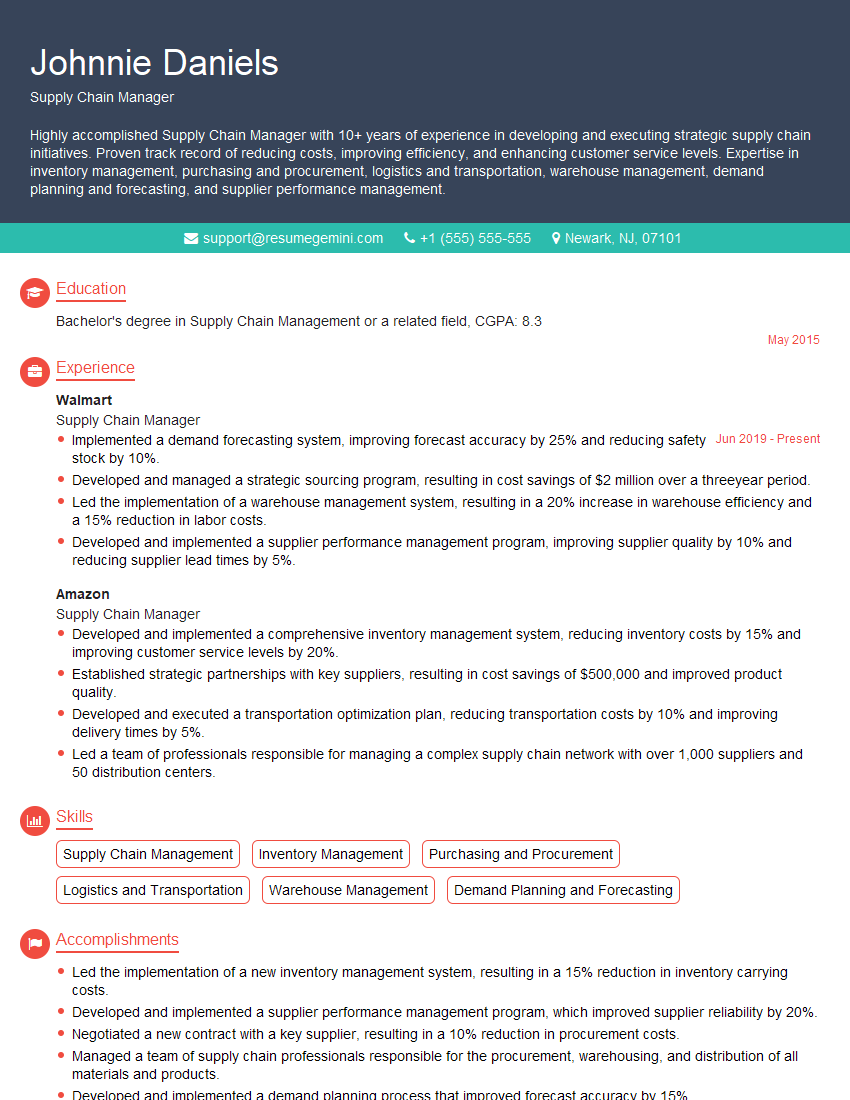
Supply Chain Manager Resume Sample
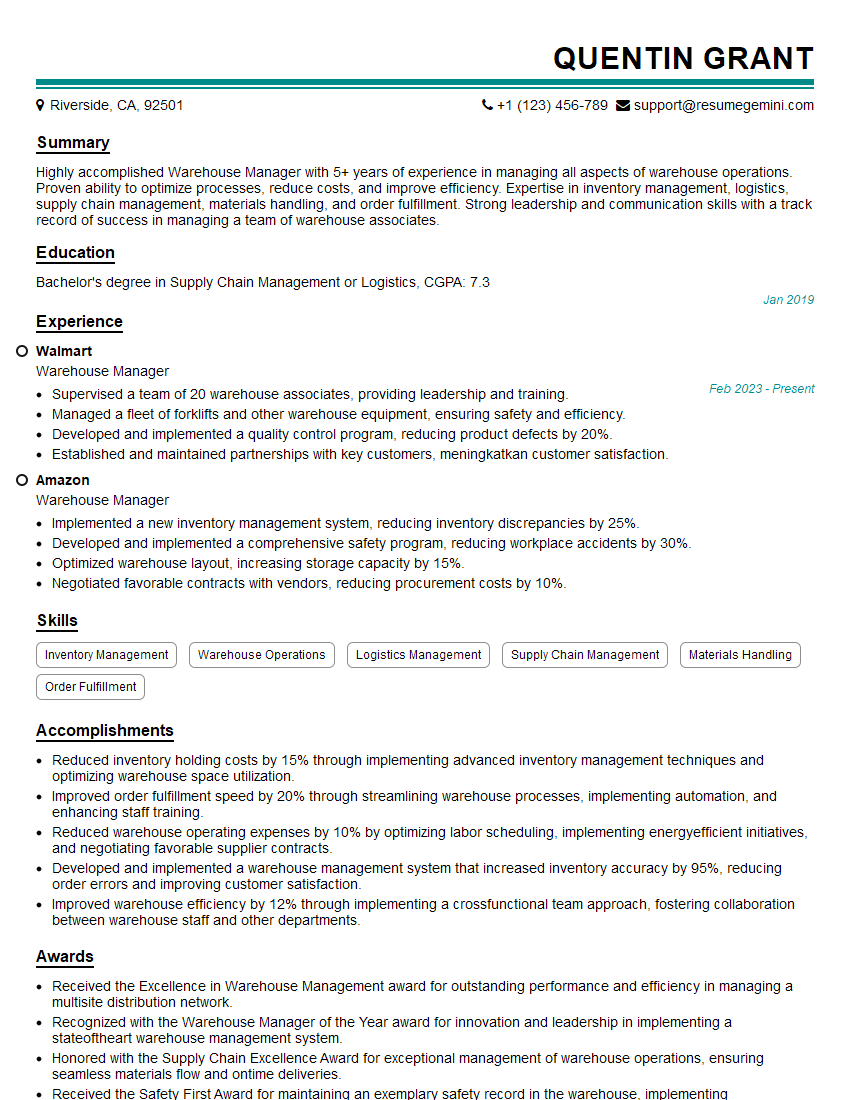
Warehouse Manager Resume Sample
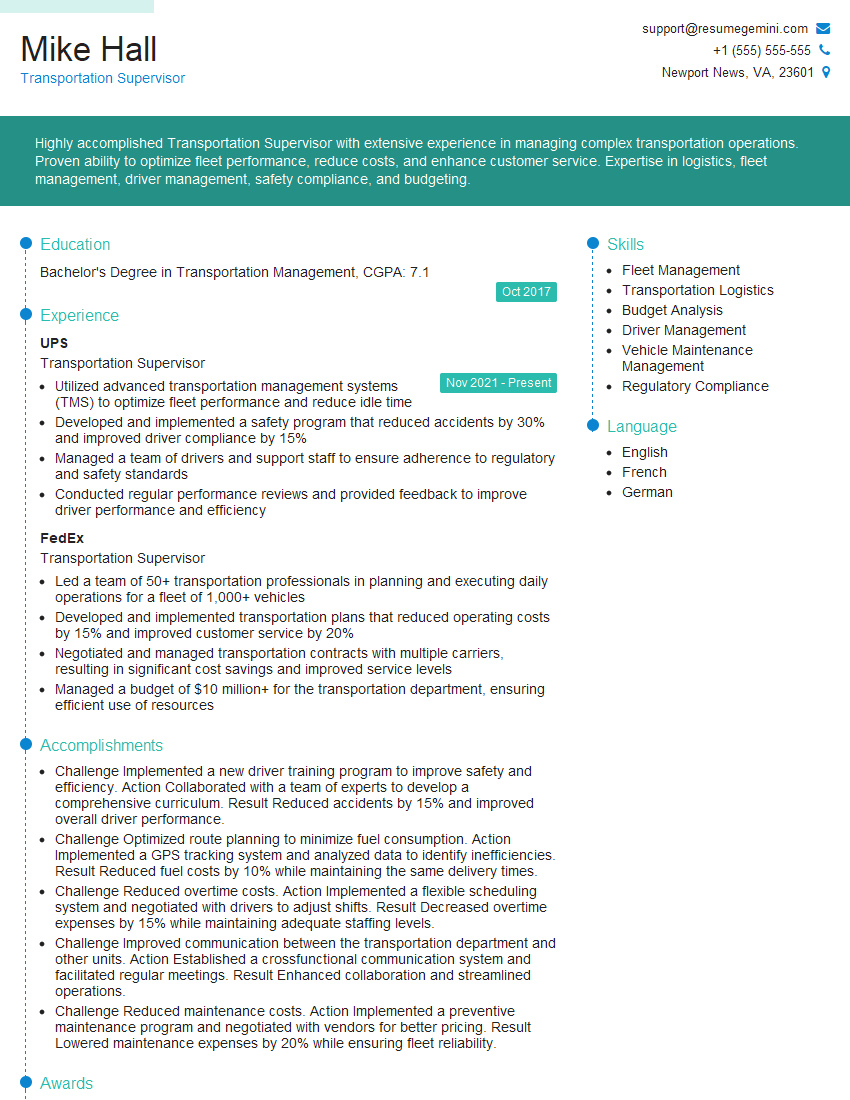
Transportation Supervisor Resume Sample
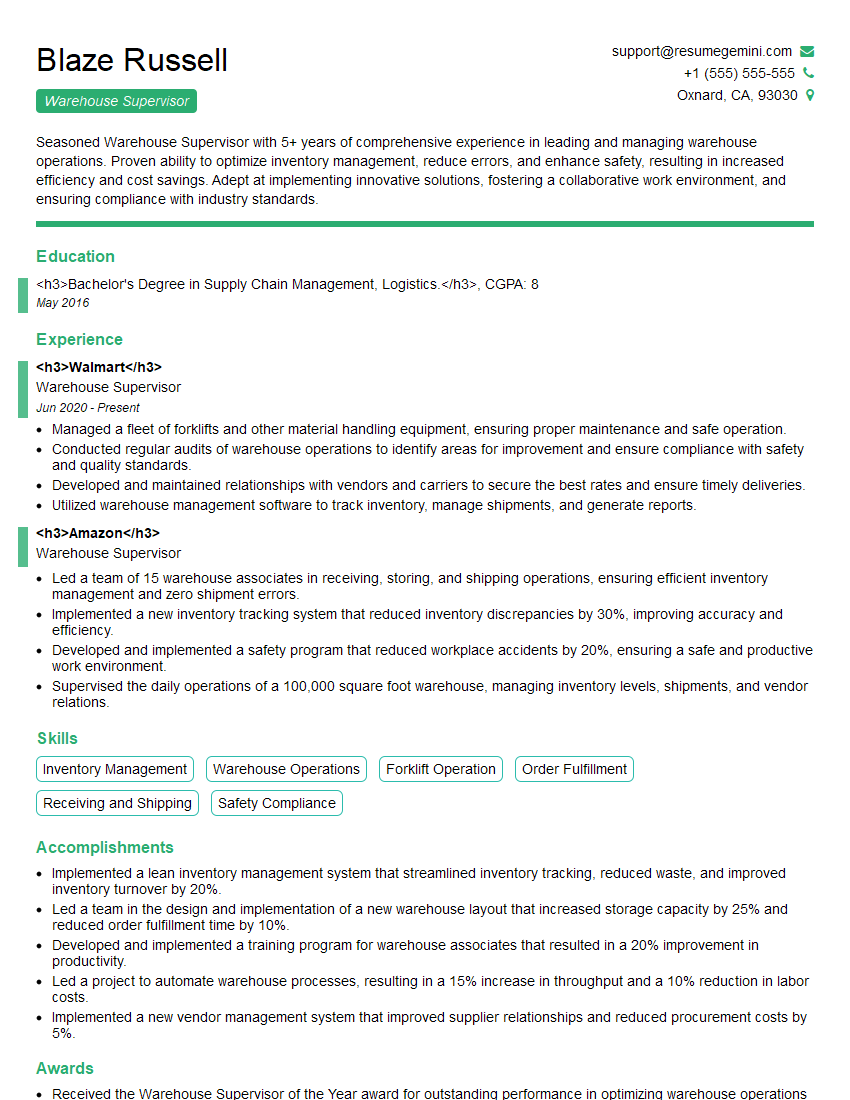
Warehouse Supervisor Resume Sample
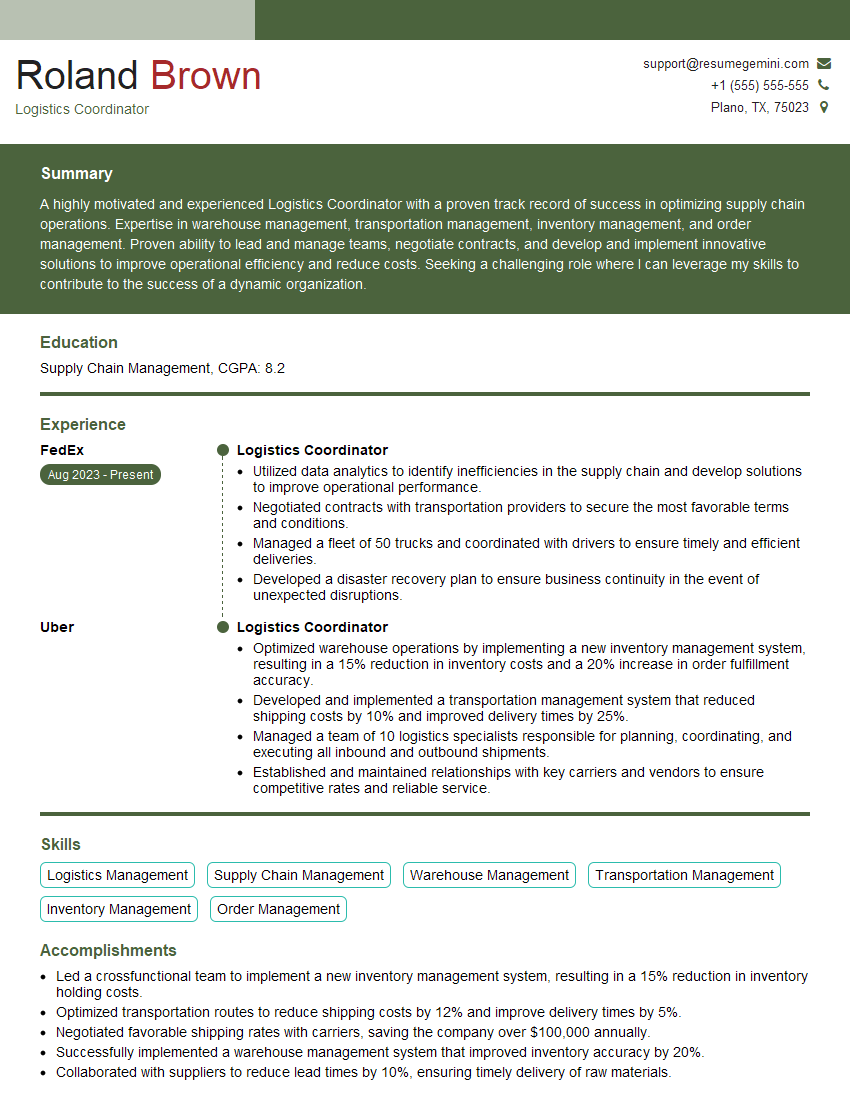
Logistics Coordinator Resume Sample
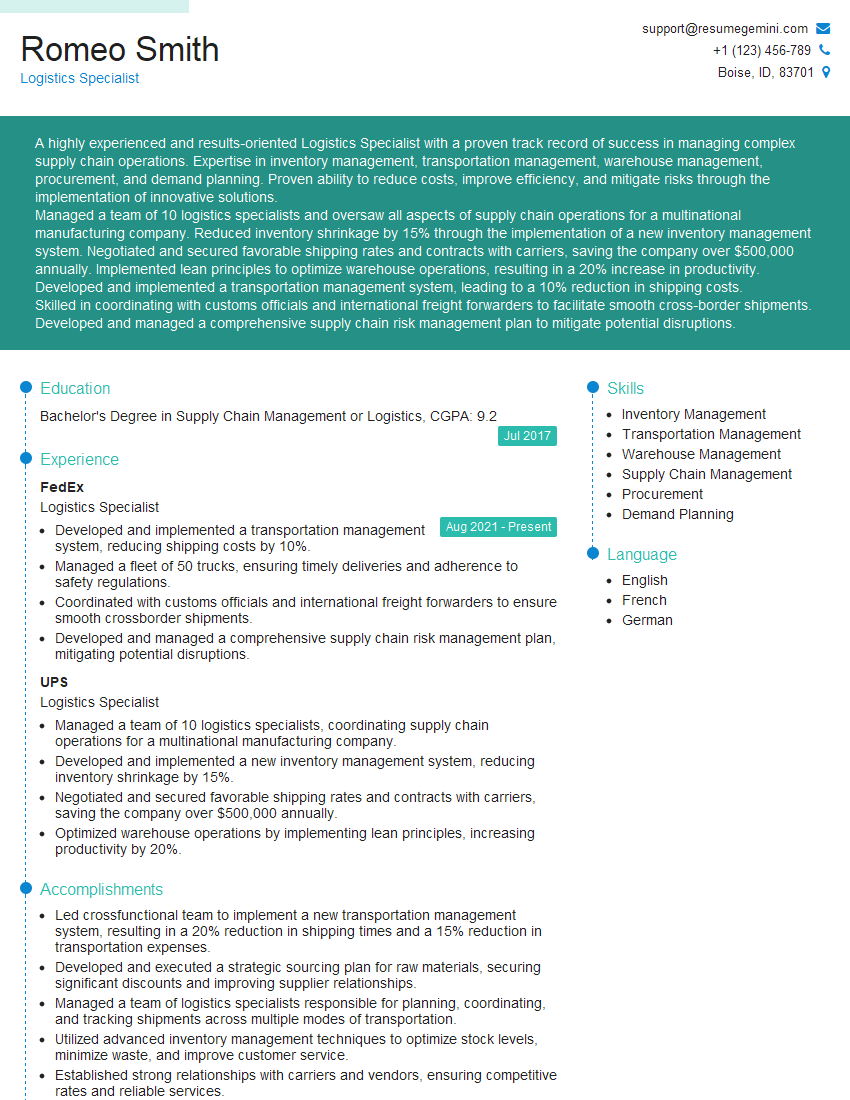
Logistics Specialist Resume Sample

Crane Operator Resume Sample
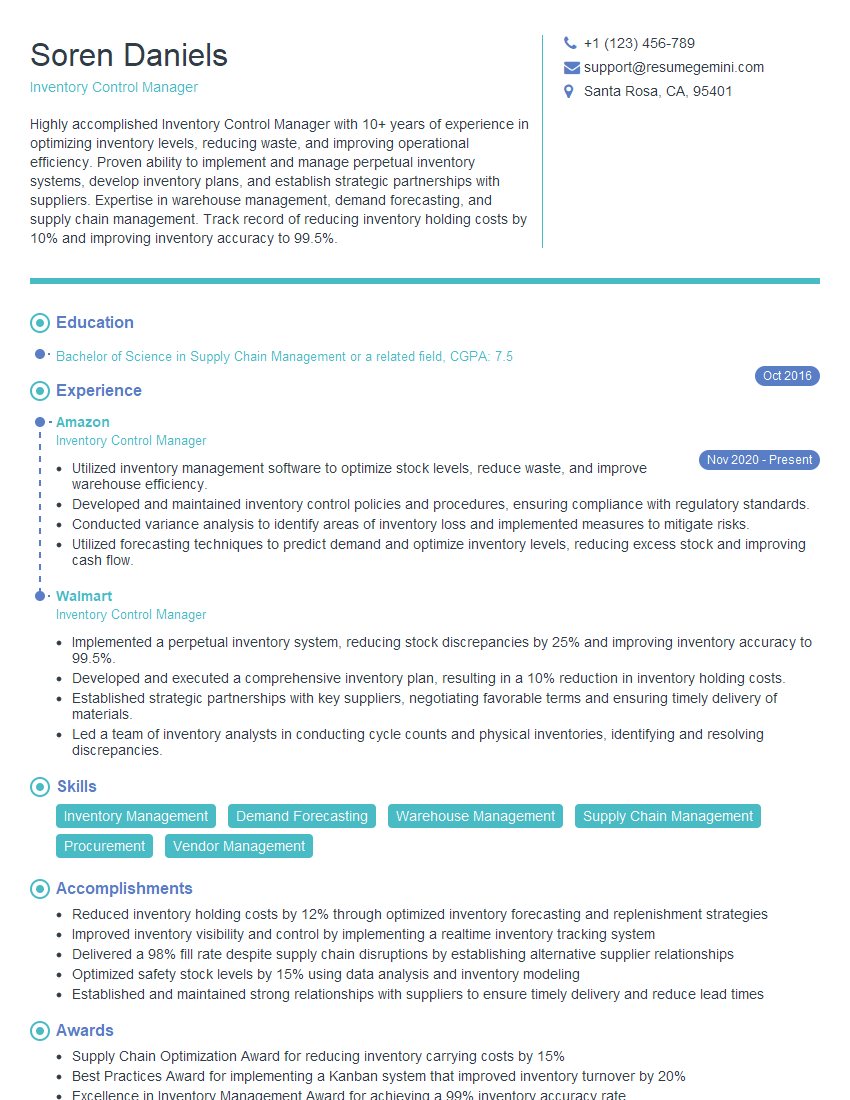
Inventory Control Manager Resume Sample
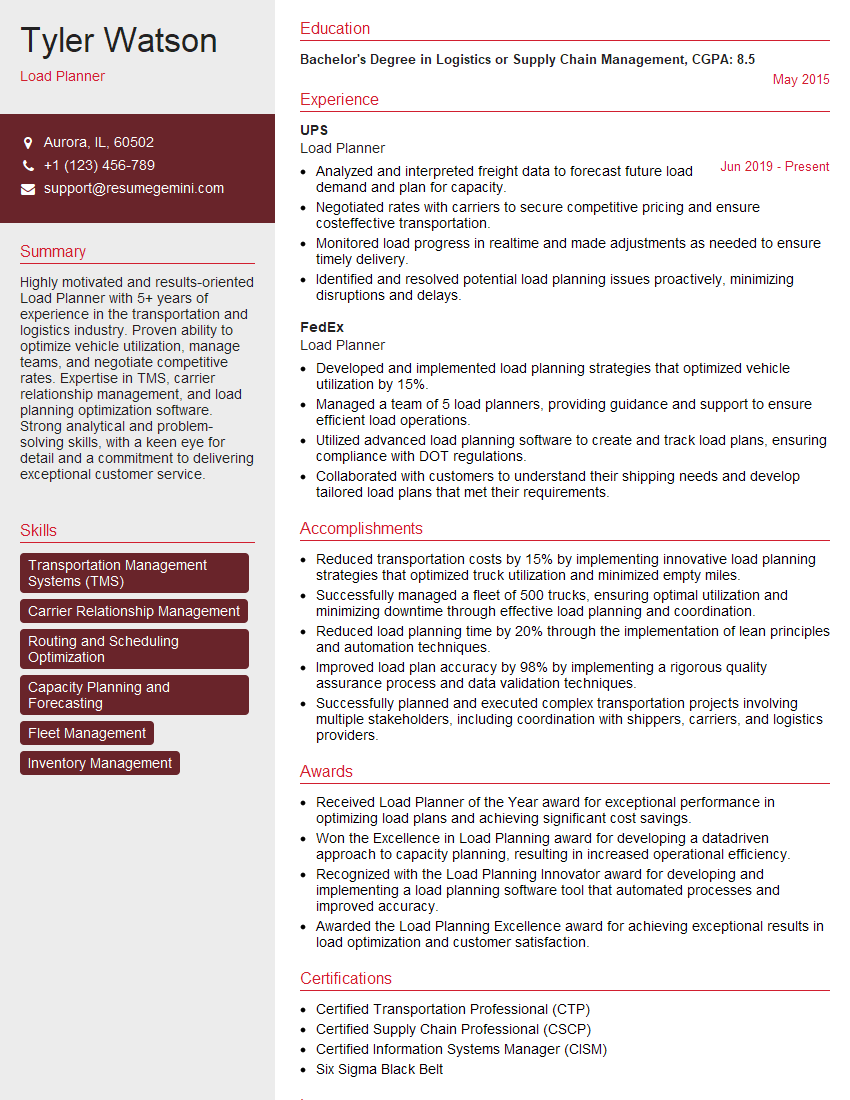
Load Planner Resume Sample
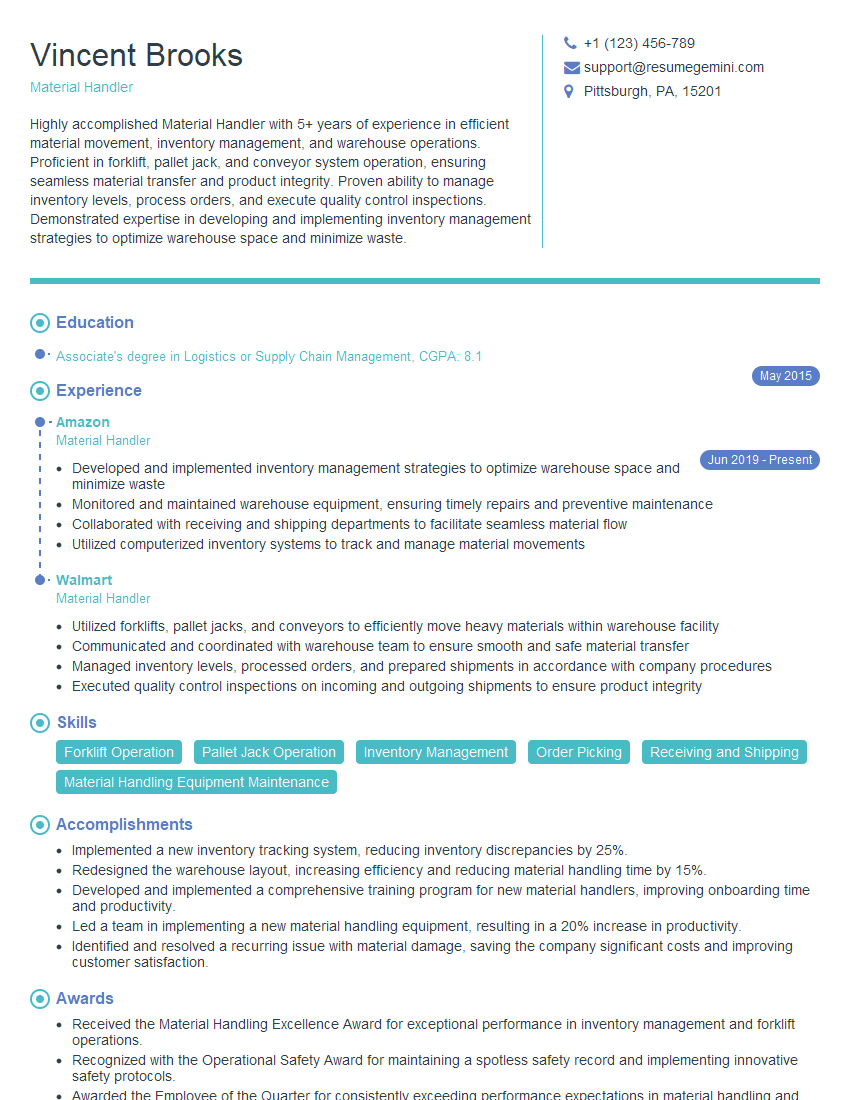
Material Handler Resume Sample

Heavy Equipment Operator Resume Sample
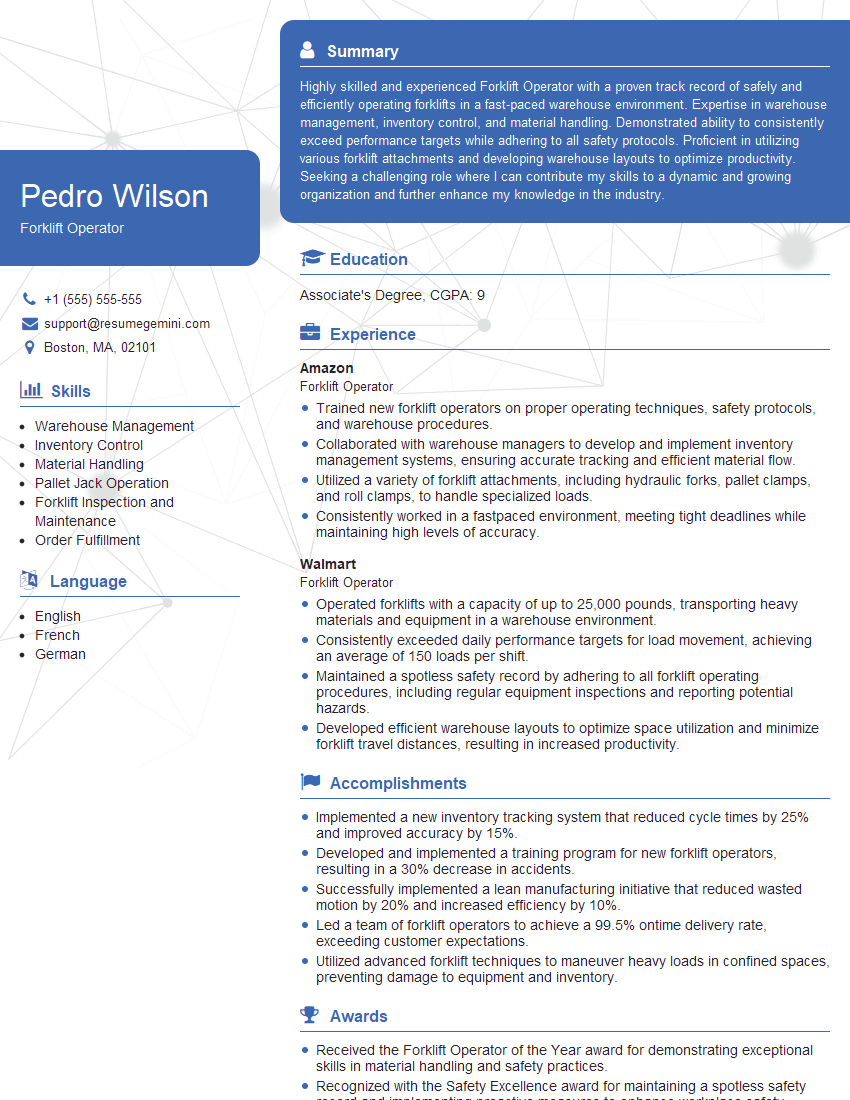
Forklift Operator Resume Sample
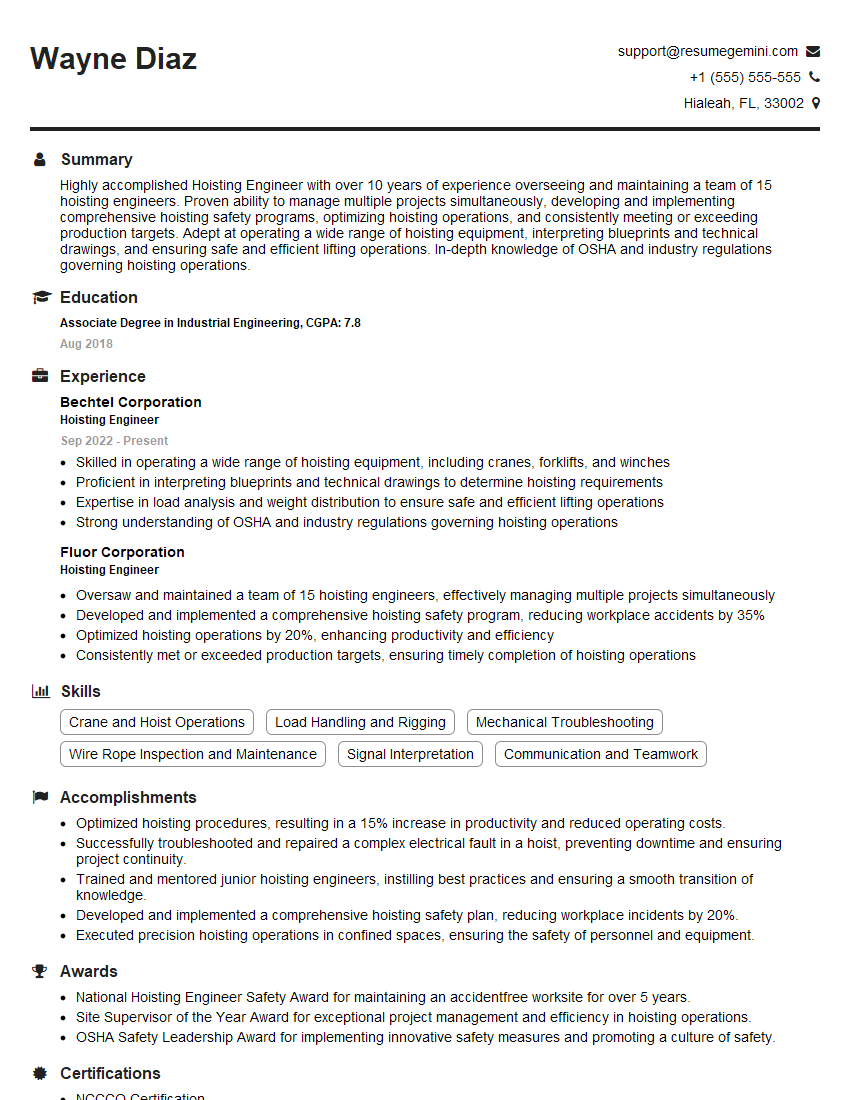
Hoisting Engineer Resume Sample
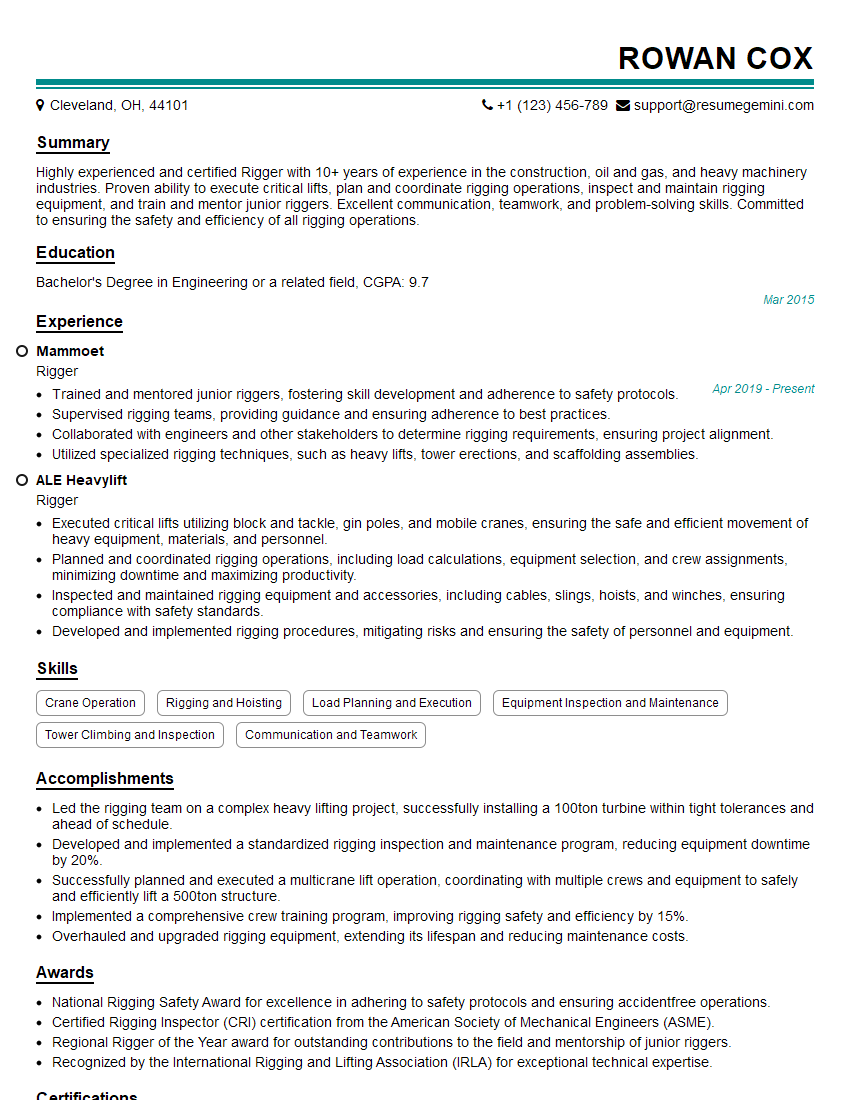
Rigger Resume Sample
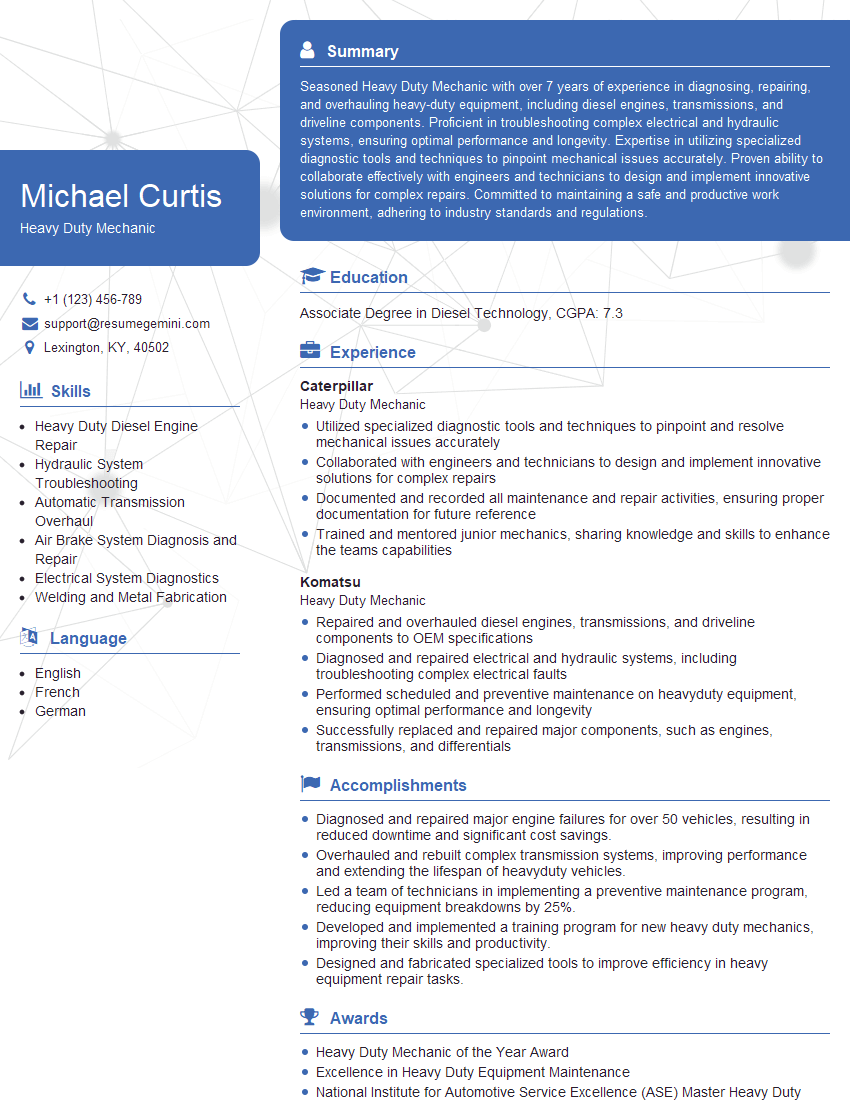
Heavy Duty Mechanic Resume Sample
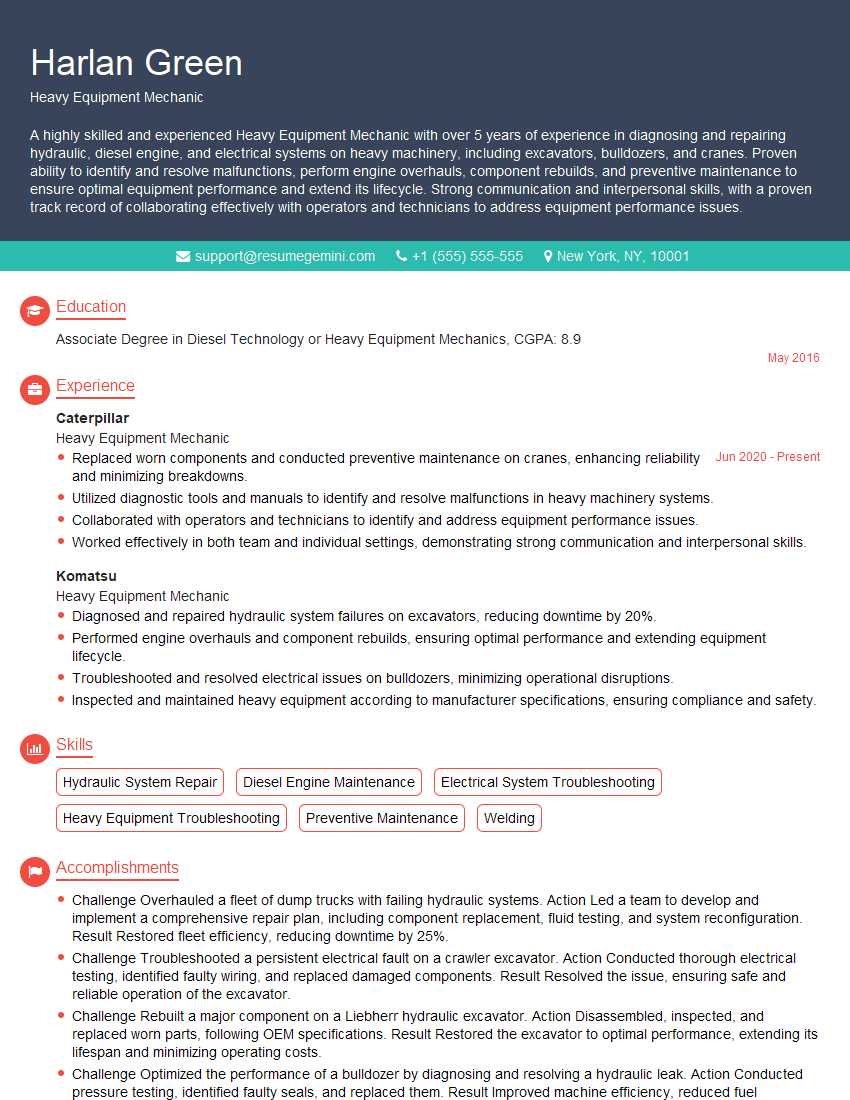
Heavy Equipment Mechanic Resume Sample
- Supply Chain Manager
- Warehouse Manager
- Transportation Supervisor
- Warehouse Supervisor
- Logistics Coordinator
- Logistics Specialist
- Crane Operator
- Inventory Control Manager
- Load Planner
- Material Handler
- Heavy Equipment Operator
- Forklift Operator
- Hoisting Engineer
- Rigger
- Heavy Duty Mechanic
- Heavy Equipment Mechanic
Explore more articles
Users Rating of Our Blogs
Share Your Experience
We value your feedback! Please rate our content and share your thoughts (optional).
What Readers Say About Our Blog
Very informative content, great job.
good