Preparation is the key to success in any interview. In this post, we’ll explore crucial Backline Maintenance interview questions and equip you with strategies to craft impactful answers. Whether you’re a beginner or a pro, these tips will elevate your preparation.
Questions Asked in Backline Maintenance Interview
Q 1. Describe your experience maintaining various types of musical instruments.
My experience encompasses maintaining a wide range of musical instruments, from delicate acoustic guitars to complex electronic keyboards and drum kits. I’m proficient in the preventative maintenance of stringed instruments, including fret dressing, cleaning, and setup adjustments. With electronic instruments, I’m experienced in troubleshooting faulty components, replacing parts, and calibrating signal processing units. For percussion instruments, my expertise includes head replacement, tuning, and general hardware maintenance. For example, I once successfully repaired a vintage bass guitar, resolving a buzzing issue traced to a faulty ground wire in the wiring harness. Another example involves rebuilding a malfunctioning drum machine by replacing its aging capacitors, leading to a restored performance. My approach is always to prioritize preserving the instrument’s original character while ensuring optimal functionality and longevity.
Q 2. How do you troubleshoot common backline equipment malfunctions?
Troubleshooting backline equipment malfunctions requires a systematic approach. I begin by identifying the symptoms: is there no sound, distortion, feedback, or other issues? Then I isolate the problem source by checking cables, connections, and individual components. For example, if there’s no sound from an amplifier, I’d check if it’s powered on, if the input signal is present, and if the output is functional. If the problem is with an instrument, I’d check the batteries, cables, and instrument’s internal circuitry. I utilize multimeters to test signal levels and continuity, and oscilloscopes to analyze complex waveforms if needed. A common issue I address is faulty instrument cables. I always carry spares and a cable tester to quickly diagnose and fix these problems. This methodical approach, combined with my knowledge of audio circuits and electronics, allows me to effectively resolve most backline equipment malfunctions quickly and efficiently.
Q 3. What preventative maintenance procedures do you regularly perform?
Preventative maintenance is crucial for ensuring reliable performance and extending the lifespan of backline equipment. My routine includes regular cleaning of all equipment, paying close attention to connectors and potentiometers to prevent corrosion. I visually inspect cables for damage and replace any worn-out ones. I regularly check amplifier bias currents and replace tubes if needed. For digital equipment, I perform firmware updates to address bugs and enhance functionality. With PA systems, I ensure proper grounding to minimize noise and hum. I also meticulously document all maintenance activities, which allows for a clearer picture of the equipment history and helps with future maintenance. For example, after every gig, I carefully clean and store all microphones to prevent buildup of moisture that could lead to damage.
Q 4. Explain your experience with cable management and signal flow.
Effective cable management and understanding signal flow are paramount in live sound. I prioritize using high-quality, well-labeled cables to minimize signal loss and noise. My cable management techniques include using cable ties, Velcro straps, and proper routing to prevent tangles and tripping hazards. I meticulously document the signal path, from instrument input to PA system output, creating a clear diagram. This is invaluable for troubleshooting and allows for quick identification of potential problem areas. For example, in a complex setup involving multiple instruments, effects pedals, and mixers, I would create a flow chart illustrating the path of each signal chain. This visual aid ensures a clear and functional audio setup which significantly improves the sound quality and reduces technical difficulties.
Q 5. How familiar are you with different types of audio interfaces?
I’m familiar with a wide range of audio interfaces, from basic USB interfaces for home recording to high-end professional interfaces used in studios and live sound applications. My experience includes working with interfaces from various manufacturers, including Focusrite, Universal Audio, and Avid. I understand the importance of choosing an interface based on the specific needs of the project, considering factors like the number of inputs and outputs, sample rate, bit depth, and latency. I’m proficient in setting up and configuring these interfaces, routing signals, and ensuring optimal performance. I am also adept at troubleshooting interface issues, addressing driver problems and connectivity issues.
Q 6. Describe your experience with PA systems and monitor setups.
My experience with PA systems and monitor setups spans various sizes and configurations, from small coffee shop gigs to larger concerts. I’m proficient in setting up and troubleshooting both active and passive PA systems, including speaker placement, EQ adjustments, and gain staging to achieve optimal sound coverage and clarity. When it comes to monitor setups, I consider the specific needs of each musician, ensuring adequate volume and appropriate EQ to support their individual performance. Proper speaker placement is crucial, preventing feedback and ensuring clear stage monitoring. For example, I have successfully managed large-scale sound reinforcement for outdoor festivals, ensuring uniform coverage for thousands of audience members. Another example involves setting up individual stage monitor mixes to support various instruments, creating a comfortable and acoustically optimal setting for the performing musicians.
Q 7. What are your preferred methods for documenting maintenance records?
I maintain detailed maintenance records using a combination of digital and physical methods. I utilize a dedicated spreadsheet software, including labeled photos, where I record the date, equipment serviced, procedures undertaken, parts replaced, and any relevant observations. This digital record is backed up regularly. For physical records, I maintain a labeled file containing service manuals, repair invoices, and equipment schematics. This ensures that all maintenance history is readily accessible, which facilitates effective troubleshooting and improves long-term management of the equipment. This system enables efficient tracking of maintenance schedules and cost management, which is crucial for long-term operational efficiency and informed decision-making regarding repairs or replacements.
Q 8. How do you handle urgent repairs during a live event?
Handling urgent repairs during a live event requires a calm, efficient, and methodical approach. Think of it like a high-stakes surgery – every action needs to be precise and considered. My first step is always assessment: identifying the problem quickly and accurately. Is it a blown speaker? A faulty cable? A power issue? Once I’ve diagnosed the problem, I prioritize based on the impact on the performance. A completely dead amplifier is far more urgent than a slightly distorted microphone.
Next, I utilize my pre-planned contingency strategies. This usually involves having backup equipment readily available and already patched in – almost like a spare tire in a race car. Switching to backup equipment is often the fastest solution. If the issue requires on-site repair, I leverage my experience to quickly troubleshoot, often repairing the issue in situ if feasible, otherwise I initiate the process of replacement/repair post-show. Clear communication with the stage manager, sound engineer, and the artist is crucial. Keeping everyone informed throughout the process minimizes disruption.
For example, during a recent outdoor festival, a sudden downpour caused a short circuit in one of the monitor speakers. I quickly identified the issue, isolated the faulty speaker using a pre-wired patch bay, switched to the backup monitor, and alerted the sound engineer of the issue to adjust the mix accordingly. The show continued without interruption and the affected speaker was repaired later.
Q 9. What is your experience with power distribution and safety procedures?
Power distribution and safety are paramount in backline maintenance. Think of it as the lifeblood of the entire system. My experience encompasses everything from understanding basic power distribution principles to implementing advanced safety protocols. This involves meticulously checking power cables for any signs of damage before each event, ensuring correct voltage and amperage are being supplied to equipment, and correctly using power conditioners and surge protectors to protect equipment from power fluctuations and surges. I’m intimately familiar with various types of power connectors and their safe usage, including IEC, XLR, and speakon connectors.
Safety procedures are non-negotiable. This includes working with properly grounded equipment, following lockout/tagout procedures when dealing with mains power, and always being aware of potential hazards like exposed wires or overloaded circuits. I am also trained in basic first aid and CPR. I always use appropriate Personal Protective Equipment (PPE), like insulated gloves when working with high voltage systems.
For instance, during a large-scale concert setup, I identified a potentially dangerous situation where multiple high-power amplifiers were drawing from a single, overloaded circuit. I immediately alerted the venue’s electrician, ensuring the load was properly distributed across multiple circuits to avoid a potential fire hazard.
Q 10. Describe your experience with various types of amplifiers and speakers.
My experience spans a wide range of amplifiers and speakers, from vintage tube amps to modern solid-state models, and from small PA speakers to large concert-sized line arrays. I’m proficient in understanding their individual specifications, impedance matching, and appropriate cabling. I understand the nuances of different amplifier technologies – their strengths, weaknesses, and appropriate applications. This includes knowledge of class A, B, AB, and D amplifiers, and their impact on sound quality and power efficiency.
Speaker knowledge includes understanding different driver configurations (woofers, midrange, tweeters), enclosure designs (bass reflex, sealed), and their effect on frequency response and dispersion patterns. I can identify and troubleshoot issues like blown drivers, faulty crossovers, and damaged cabinets. I’m also experienced with setting up and configuring speaker processing units (DSPs) to optimize sound quality and coverage.
For example, I once had to quickly replace a damaged bass speaker during a gig. By understanding the amplifier’s impedance requirements and the replacement speaker’s specifications, I was able to seamlessly swap the speaker and avoid any significant downtime.
Q 11. How do you manage inventory and ensure equipment availability?
Inventory management is crucial for efficient backline maintenance. I use a combination of physical and digital tools to ensure equipment availability. Physically, I maintain a detailed, color-coded inventory list with precise details of each item, including serial numbers and condition. This allows for easy tracking of equipment location and maintenance history. Digitally, I utilize inventory management software (e.g., spreadsheets or dedicated inventory programs) to maintain an up-to-date record of each piece of equipment, its condition, and repair history.
Regular equipment checks are vital. This involves visually inspecting equipment for damage, testing functionality, and performing preventive maintenance as needed. I also maintain a schedule for routine servicing and repairs to prevent potential failures. A robust system of check-in and check-out procedures prevents equipment loss or damage.
For example, before every tour, I meticulously check the inventory, comparing it against the rider requirements. Any missing or damaged items are immediately identified and replaced or repaired, ensuring we’re fully prepared for the tour’s demands.
Q 12. Explain your experience with microphone maintenance and testing.
Microphone maintenance and testing are essential for ensuring optimal audio quality. I’m experienced with various microphone types, including dynamic, condenser, and ribbon microphones. My maintenance procedures include carefully cleaning microphones, checking for any physical damage, and testing their functionality using a variety of methods.
Testing involves using audio test equipment such as signal generators, oscilloscopes, and multimeters to assess microphone sensitivity, frequency response, and impedance. I also conduct listening tests to identify any potential issues like distortion or noise. Regular cleaning and proper storage are key to extending microphone lifespan.
For instance, I discovered a faulty connection in a crucial vocal microphone just before a rehearsal. Using a multimeter, I quickly identified the problem with a broken cable, allowing me to replace the faulty cable and prevent a potential disaster.
Q 13. What software or tools do you utilize for backline maintenance?
Software and tools are integral to effective backline maintenance. My toolbox includes a combination of hardware and software. Hardware includes multimeters for measuring voltage, current, and resistance; signal generators for testing audio equipment; and oscilloscopes for analyzing audio signals. Software tools range from inventory management applications to DAWs (as discussed below).
I use spreadsheets for detailed equipment tracking, maintenance schedules, and cost management. Specialized software for inventory management can streamline the process and improve efficiency. Sometimes, dedicated test software supplied by equipment manufacturers may also be utilized.
For example, utilizing a spreadsheet, I can efficiently track the maintenance history of each amplifier, including the date of last service, repairs performed, and any upcoming maintenance requirements. This organized approach is essential for anticipating problems before they occur.
Q 14. Describe your experience with digital audio workstations (DAWs).
While my primary role focuses on backline maintenance, my experience with Digital Audio Workstations (DAWs) is beneficial in troubleshooting audio issues and testing equipment. I’m familiar with several DAWs, including Pro Tools, Logic Pro X, and Ableton Live. My DAW proficiency allows me to create test signals, analyze audio files, and identify signal flow issues. It’s not about intricate music production, but rather using the tools to diagnose and solve audio problems.
For instance, I can use a DAW to generate a precisely calibrated test tone to check the frequency response of a speaker system or use it to analyze an audio recording to isolate the source of a particular noise or distortion. This provides a more in-depth understanding of system performance than relying solely on listening tests.
For example, during a sound check, I used a DAW to generate pink noise and analyze the frequency response of the PA system. This allowed me to identify a small but significant frequency dip which I then rectified using the system’s equalizer, leading to improved clarity and balance across the sound spectrum.
Q 15. How do you identify and address potential safety hazards related to backline equipment?
Identifying and addressing safety hazards in backline equipment is paramount. It’s about proactively preventing accidents, not just reacting to them. My approach involves a multi-step process starting with a thorough visual inspection. This includes checking for frayed cables, exposed wiring, damaged power connectors, and unstable equipment setups. I look for anything that could potentially cause electrical shocks, tripping hazards, or equipment malfunctions during a performance.
For example, I once discovered a guitar amplifier with a severely cracked power cable. Instead of just taping it, which would be a temporary and potentially dangerous fix, I immediately replaced the entire cable. I document all inspections meticulously, highlighting any issues found. Beyond the visual, I also test all equipment before each event, paying close attention to ground connections and proper voltage.
Addressing hazards depends on the severity. Minor issues like loose screws might just need tightening. More significant problems like faulty power supplies require immediate replacement or removal from use. For instance, if a faulty dimmer pack could overheat and cause a fire, it’s immediately flagged and taken out of service. Safety is non-negotiable; I always prioritize it above all else.
Career Expert Tips:
- Ace those interviews! Prepare effectively by reviewing the Top 50 Most Common Interview Questions on ResumeGemini.
- Navigate your job search with confidence! Explore a wide range of Career Tips on ResumeGemini. Learn about common challenges and recommendations to overcome them.
- Craft the perfect resume! Master the Art of Resume Writing with ResumeGemini’s guide. Showcase your unique qualifications and achievements effectively.
- Don’t miss out on holiday savings! Build your dream resume with ResumeGemini’s ATS optimized templates.
Q 16. What is your experience with repairing or replacing instrument components?
My experience with repairing and replacing instrument components is extensive. I’ve worked on everything from replacing broken pots and switches on guitars, to soldering faulty connections in effects pedals, to replacing busted speakers in amplifiers. I’m comfortable troubleshooting and identifying the root causes of component failures.
For example, I once had to diagnose a persistent hum in a bass guitar. Through methodical testing, I isolated the problem to a faulty grounding wire within the control cavity. A simple resoldering solved the issue, saving the cost of a full repair. I use high-quality replacement parts and always test the repair to ensure proper function. However, some repairs may exceed my skillset or the time constraints of an event. In those cases, I have established relationships with reliable repair technicians who I can quickly consult and engage if needed.
Q 17. Describe your experience with setting up and testing backline equipment.
Setting up and testing backline equipment is a systematic process. It begins with understanding the artist’s needs and the venue’s specifics. I carefully review the rider (the technical specifications provided by the artist) and ensure all required equipment is present and functioning correctly. The setup includes the physical placement of amplifiers, instruments, and other equipment. I pay close attention to cable management to prevent tripping hazards and ensure optimal signal quality.
Testing involves systematically checking each piece of equipment, including microphones, monitors, amplifiers, effects pedals, and mixing consoles. I perform sound checks to ensure appropriate levels and eliminate any feedback. For example, before a show, I meticulously check microphone gain, monitor mixes, and amplifier settings, working closely with the sound engineer and the performers to ensure the sound is optimal. I frequently use test tones to diagnose issues before a performance. This process of setup and testing guarantees a flawless performance with minimal interruptions.
Q 18. How do you prioritize maintenance tasks during a busy schedule?
Prioritizing maintenance tasks during a busy schedule requires a strategic approach. I use a combination of methods including a task-management system, visual aids, and clear communication. I start by creating a prioritized list, categorizing tasks by urgency and importance. Emergency repairs take precedence, followed by tasks that could impact upcoming events. Routine maintenance, such as cleaning, is scheduled strategically to minimize downtime.
For example, I might use a color-coded system on my equipment list, red for urgent repairs, yellow for scheduled maintenance, and green for items in good condition. Regular communication with the event managers and artists ensures everyone is aware of the schedule and any potential delays. This approach ensures that even in high-pressure situations, crucial tasks are addressed efficiently and effectively.
Q 19. Explain your experience with working with different types of musical instruments.
My experience encompasses a wide range of musical instruments. I’m proficient in working with various types of guitars (electric, acoustic, bass), keyboards, drums, and percussion instruments. My understanding extends beyond simply handling the instruments to also knowing their specific technical requirements. This allows me to correctly configure amplifiers, effects pedals, and other equipment for each instrument.
For instance, setting up an acoustic guitar requires different considerations than an electric guitar. I am aware of the specific requirements of amplifiers, preamps, and microphones for each, ensuring optimal sound quality and performance. My knowledge extends to the maintenance needs of different instruments. Understanding the materials and construction of these instruments enables me to identify potential problems and perform preventative maintenance, including cleaning and minor repairs.
Q 20. How do you ensure the proper functioning of wireless microphones?
Ensuring proper functioning of wireless microphones involves several steps. First, I carefully check the frequency coordination to avoid interference with other wireless systems in the venue. This often requires using a spectrum analyzer to identify available frequencies and avoid conflicts. Proper antenna placement is crucial for reliable signal reception and optimal range.
I also test the battery life and ensure that the microphones are fully charged. Before each performance, I run a thorough sound check to make sure the signal is strong, clear, and free from dropouts. In cases where interference occurs, I adjust the frequency or the antenna placement to optimize performance. For instance, I once encountered significant interference from a nearby cell tower. To solve this, I used a directional antenna to minimize the interference and ensure clear audio transmission throughout the entire performance.
Q 21. Describe your experience working with in-ear monitor systems.
My experience with in-ear monitor systems is extensive. This includes setting up and configuring multi-channel systems, ensuring proper signal routing, and addressing any issues with frequency response or signal strength. Proper placement of the in-ear monitors is also important for comfort and a good seal to minimize feedback.
I have experience troubleshooting common problems such as dropouts, static, or low volume. For instance, if a performer experiences a drop-out in one ear, I’ll systematically check the transmitter, receiver, and cabling for any loose connections or damaged components. Furthermore, I’m adept at adjusting the mix levels within the in-ear monitor system to provide each performer with a personalized monitor feed according to their specific needs. This ensures a comfortable and optimal listening experience for the performers on stage.
Q 22. What is your experience with different types of lighting equipment?
My experience with lighting equipment encompasses a wide range, from conventional incandescent and halogen fixtures to the latest LED and moving-head technologies. I’m proficient in working with various control systems, including DMX (Digital Multiplex), analog dimmers, and intelligent lighting consoles. I’ve handled everything from basic PAR cans and Fresnels to complex automated lighting rigs used in large-scale concerts and theatrical productions. This includes troubleshooting malfunctions, performing preventative maintenance (like replacing bulbs and cleaning lenses), and rigging and focusing lights to achieve specific lighting designs. For example, I recently worked on a tour where we had to integrate both legacy incandescent lighting and new LED fixtures, requiring careful calibration and power management to avoid overloading circuits.
- Incandescent/Halogen: Understanding their heat output and lifespan is crucial for safety and efficient bulb replacement.
- LED: Expertise in LED color mixing, dimming curves, and power consumption is vital for optimizing energy use and creative lighting options.
- Moving Heads: Proficiency in their mechanical operation, calibration, and addressing within a DMX network is key for complex lighting designs.
Q 23. How do you communicate technical issues effectively to non-technical staff?
Communicating technical issues to non-technical staff requires clear, concise language, avoiding jargon. I use analogies and visual aids whenever possible. For instance, instead of saying “The DMX signal is experiencing packet loss,” I might say, “Imagine the lighting instructions are like a train carrying packages of information; some packages aren’t reaching their destination, causing the lights to flicker.” I also prioritize showing rather than simply telling; a quick demonstration of the problem often clarifies things more effectively. Finally, I always focus on the impact of the issue – for example, “This faulty dimmer could cause a power surge, potentially damaging other equipment.” This ensures they understand the urgency and importance of addressing the problem.
Q 24. Describe your experience collaborating with other technicians on complex projects.
Collaboration is essential in backline maintenance. I have extensive experience working as part of a team, often on tight deadlines in high-pressure environments. During a recent festival setup, our team faced a challenge with integrating a complex audio system with the existing lighting infrastructure. We utilized a collaborative problem-solving approach, dividing tasks based on individual expertise (lighting, audio, rigging) and employing regular check-ins and status updates. Open communication, active listening, and a willingness to share knowledge and problem-solve collaboratively were critical to completing the project successfully and on time.
Q 25. What is your approach to problem-solving when faced with unexpected equipment failures?
My approach to unexpected equipment failures is systematic and methodical. First, I prioritize safety, ensuring the equipment is isolated to prevent further damage or injury. Then, I systematically troubleshoot the problem, using a combination of visual inspection, diagnostic tools, and my knowledge of the equipment’s functionality. For example, if a power amplifier fails, I would check power supply, input/output signals, and internal components. I meticulously document my findings and any repairs made. If I can’t resolve the issue immediately, I leverage online resources, contact manufacturers, or consult with more experienced colleagues. Finally, I ensure that preventative measures are put in place to prevent similar issues in the future.
Q 26. How do you stay up-to-date with the latest technologies and best practices in backline maintenance?
Staying current in backline maintenance requires continuous learning. I actively participate in professional organizations like [Mention Relevant Organizations], attend industry trade shows (like [Mention Relevant Trade Shows]), and read industry publications. I also follow leading manufacturers’ websites and online forums for updates on new technologies and best practices. Additionally, I embrace hands-on learning by seeking opportunities to work with new equipment and technologies whenever possible. This ensures that my skills and knowledge remain at the forefront of the industry.
Q 27. Describe your experience with the transportation and secure storage of backline equipment.
Safe and secure transportation and storage of backline equipment is paramount. I’m experienced in properly packing and securing equipment for transport, using appropriate flight cases, padding, and securing methods to prevent damage during transit. This includes understanding weight limitations for vehicles and aircraft. In storage, I ensure equipment is kept in a clean, dry, and climate-controlled environment to minimize wear and tear. For example, I use dehumidifiers and monitor temperature to protect sensitive electronic components. Furthermore, I maintain a detailed inventory system, using barcodes or RFID tags for quick identification and tracking of all equipment. This ensures accountability and streamlines the process of locating items quickly.
Q 28. What is your salary expectation for this role?
Based on my experience and skills, my salary expectation for this role is between $[Lower Bound] and $[Upper Bound] per year. This is in line with industry standards for professionals with my level of experience and expertise in backline maintenance.
Key Topics to Learn for Backline Maintenance Interview
- Preventive Maintenance Schedules & Procedures: Understanding the creation and implementation of preventative maintenance schedules, including identifying critical components and establishing optimal inspection frequencies. This includes knowledge of relevant safety regulations and best practices.
- Troubleshooting & Diagnostics: Practical application of diagnostic tools and techniques to identify and resolve malfunctions in backline equipment. This encompasses understanding common failure points and implementing effective repair strategies.
- Equipment Knowledge: Deep understanding of the mechanics and operation of various backline equipment, including amplifiers, mixers, speakers, and related audio/visual technology. This should include familiarity with different manufacturers and models.
- Inventory Management: Knowledge of efficient inventory tracking systems for parts, equipment, and supplies. This involves understanding the importance of accurate record-keeping and minimizing downtime through proactive management.
- Safety Regulations & Procedures: Familiarity with relevant safety regulations and procedures pertaining to electrical safety, handling of heavy equipment, and working in potentially hazardous environments.
- Budgeting & Cost Management: Understanding the financial aspects of backline maintenance, including cost-benefit analysis of repairs versus replacements, and effective budget allocation.
- Communication & Teamwork: Effectively communicating technical information to both technical and non-technical audiences, collaborating with technicians and other staff members to ensure smooth operations.
Next Steps
Mastering backline maintenance skills opens doors to exciting career opportunities in live sound, event production, and entertainment technology. A strong understanding of these crucial areas will significantly enhance your job prospects and contribute to your professional growth within the industry. To maximize your chances of landing your dream role, it’s essential to create an ATS-friendly resume that highlights your skills and experience effectively. We strongly recommend using ResumeGemini to build a professional and impactful resume that showcases your qualifications. ResumeGemini provides examples of resumes tailored to Backline Maintenance to help you get started.
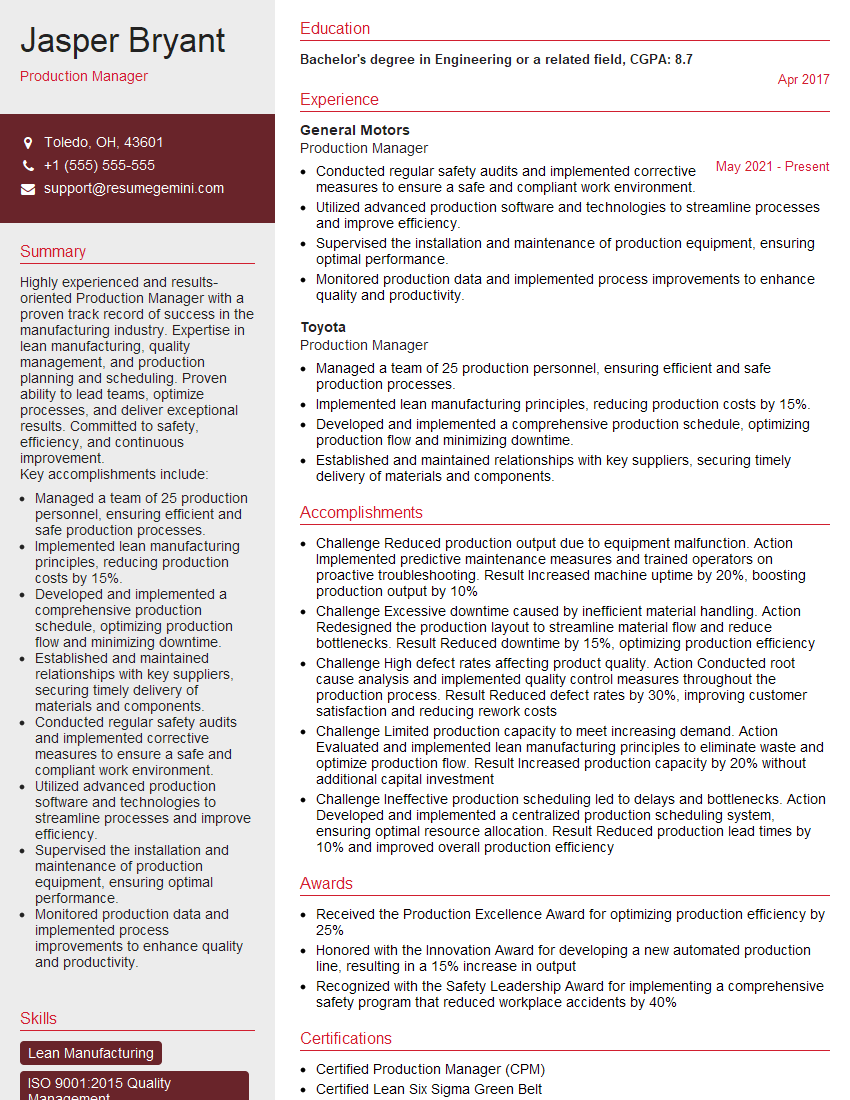
Production Manager Resume Sample
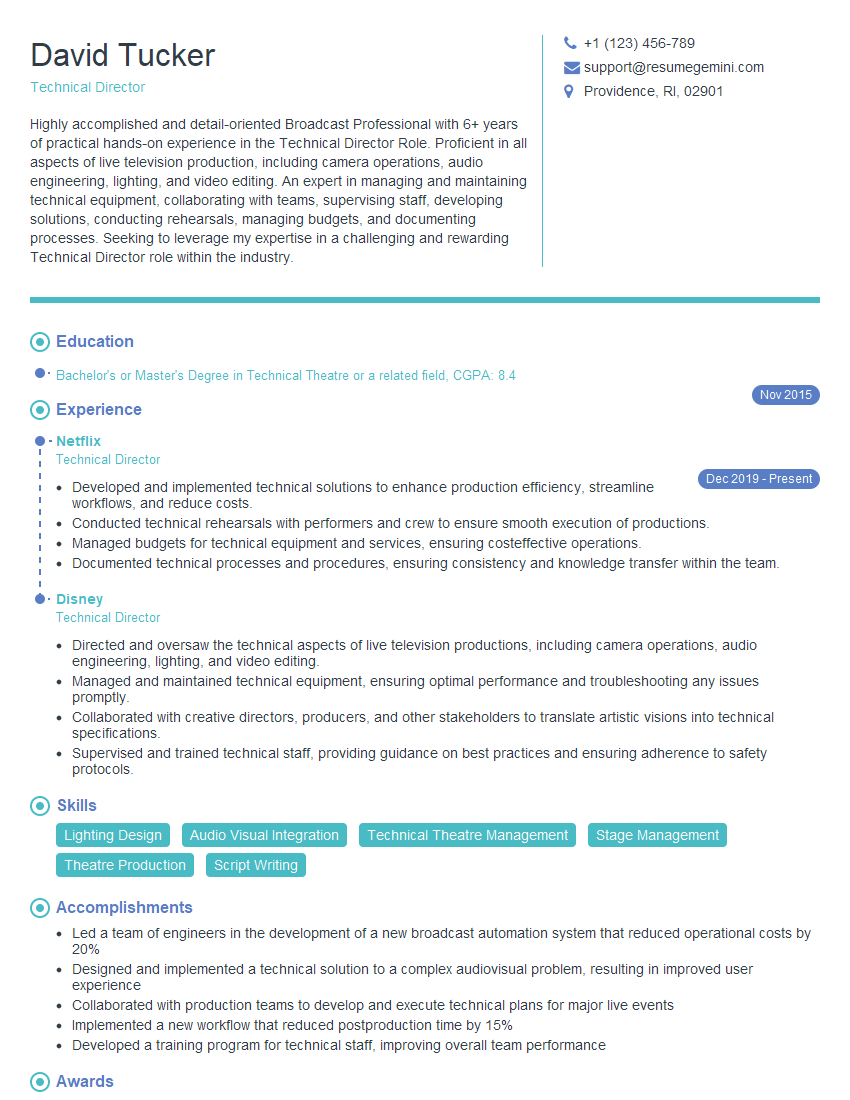
Technical Director Resume Sample
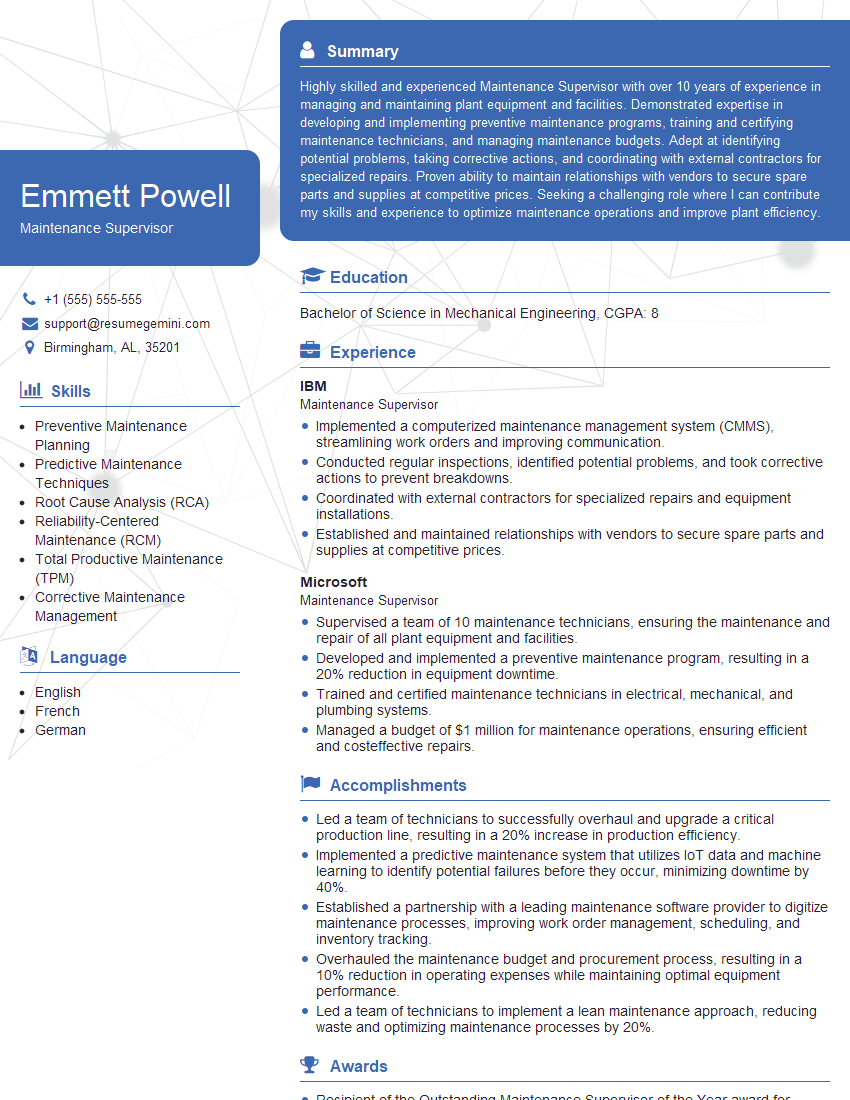
Maintenance Supervisor Resume Sample
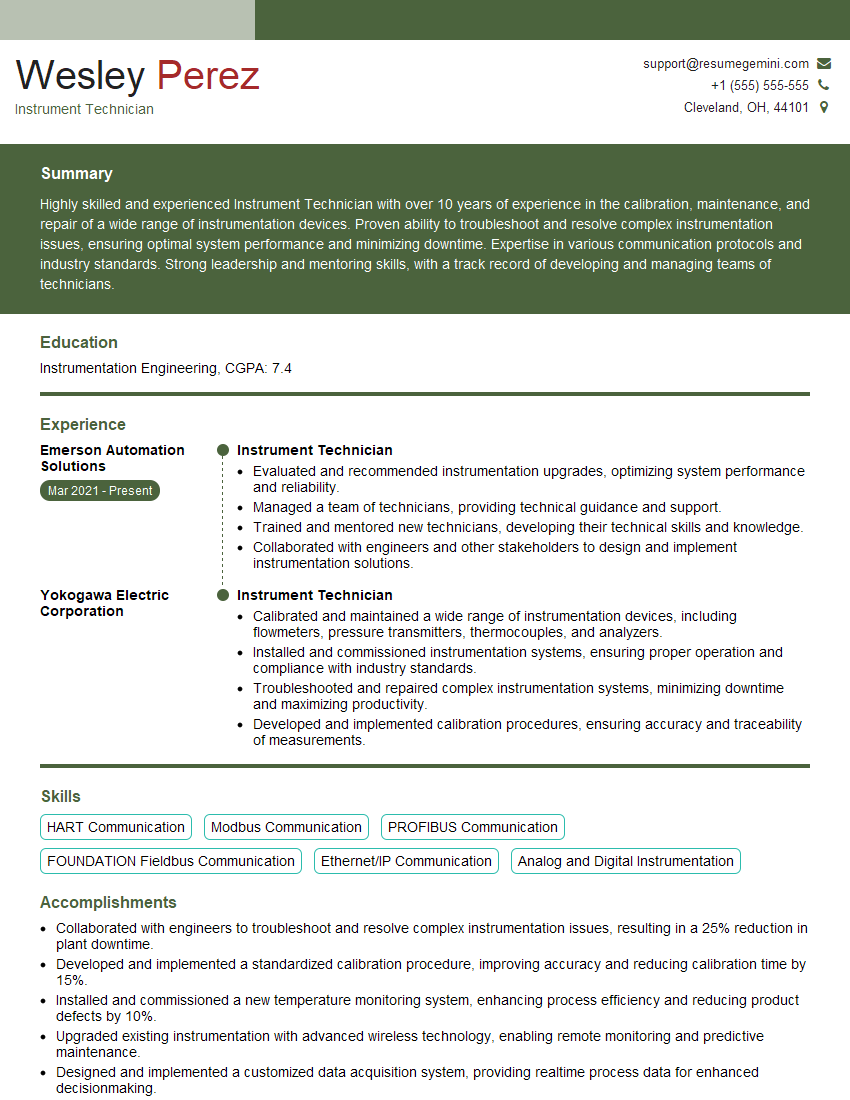
Instrument Technician Resume Sample
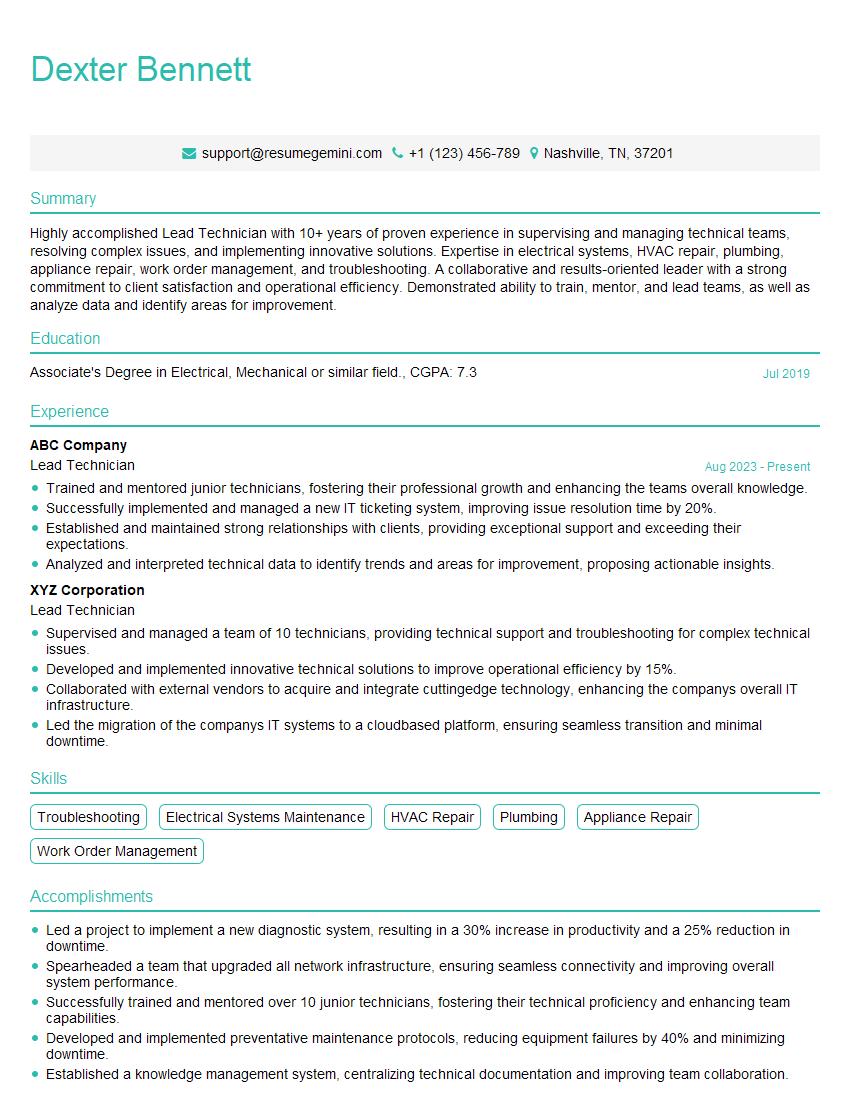
Lead Technician Resume Sample
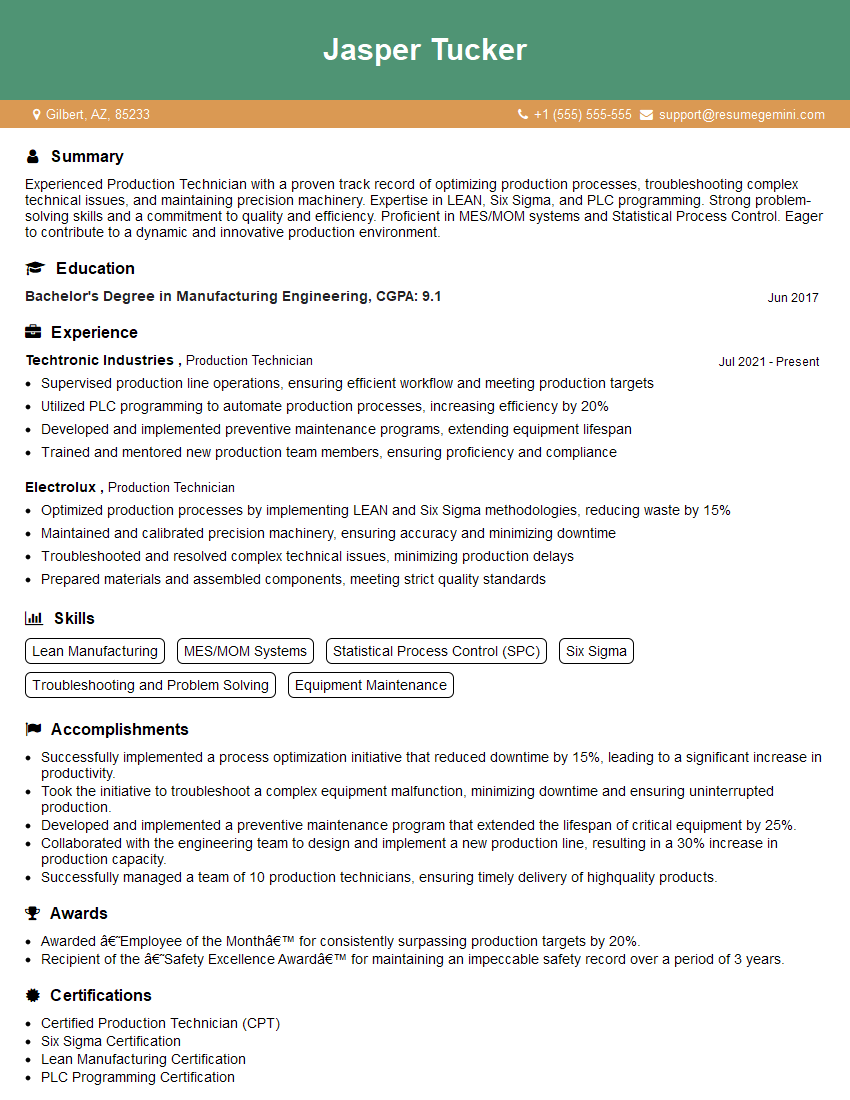
Production Technician Resume Sample
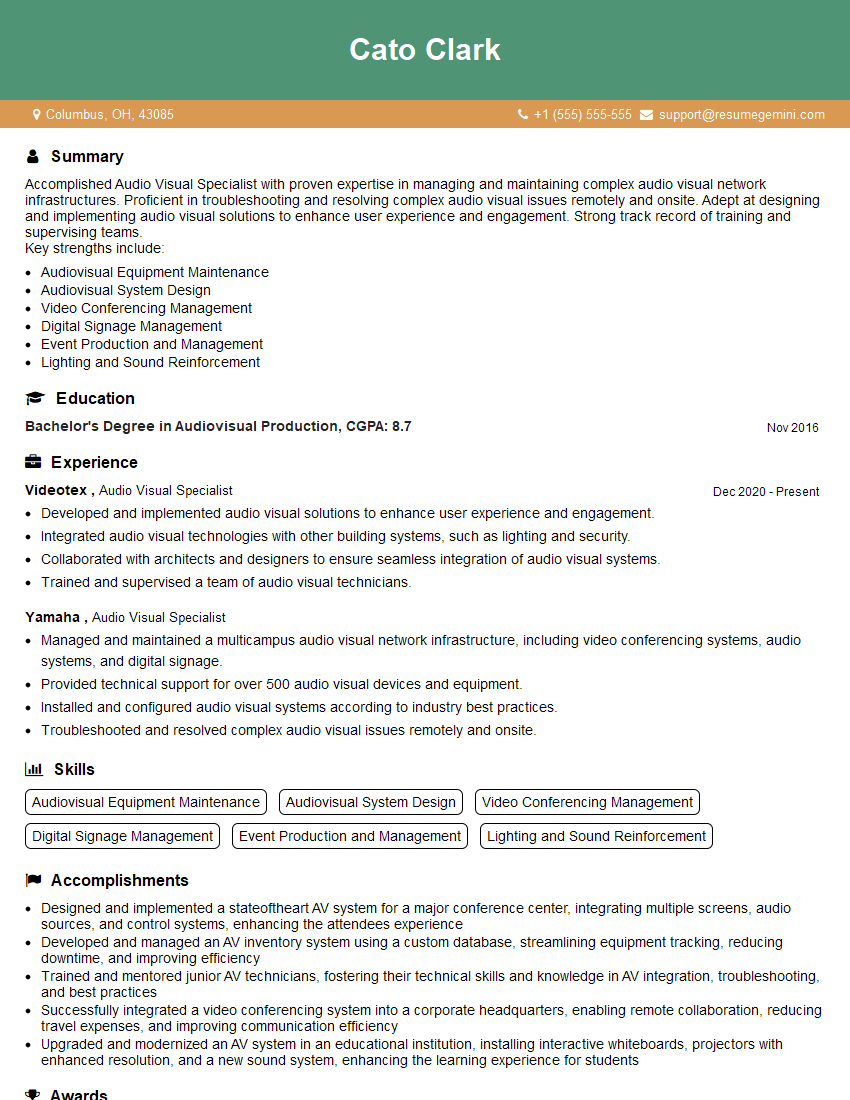
Audio Visual Specialist Resume Sample
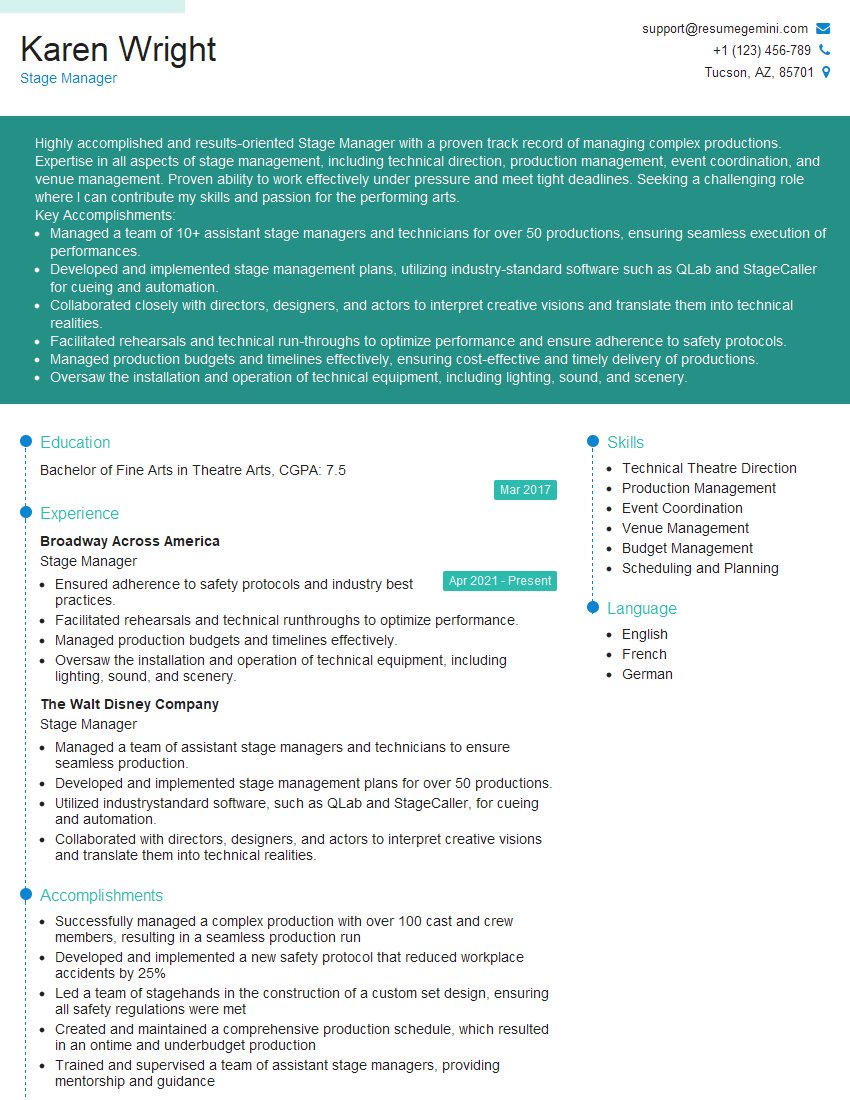
Stage Manager Resume Sample
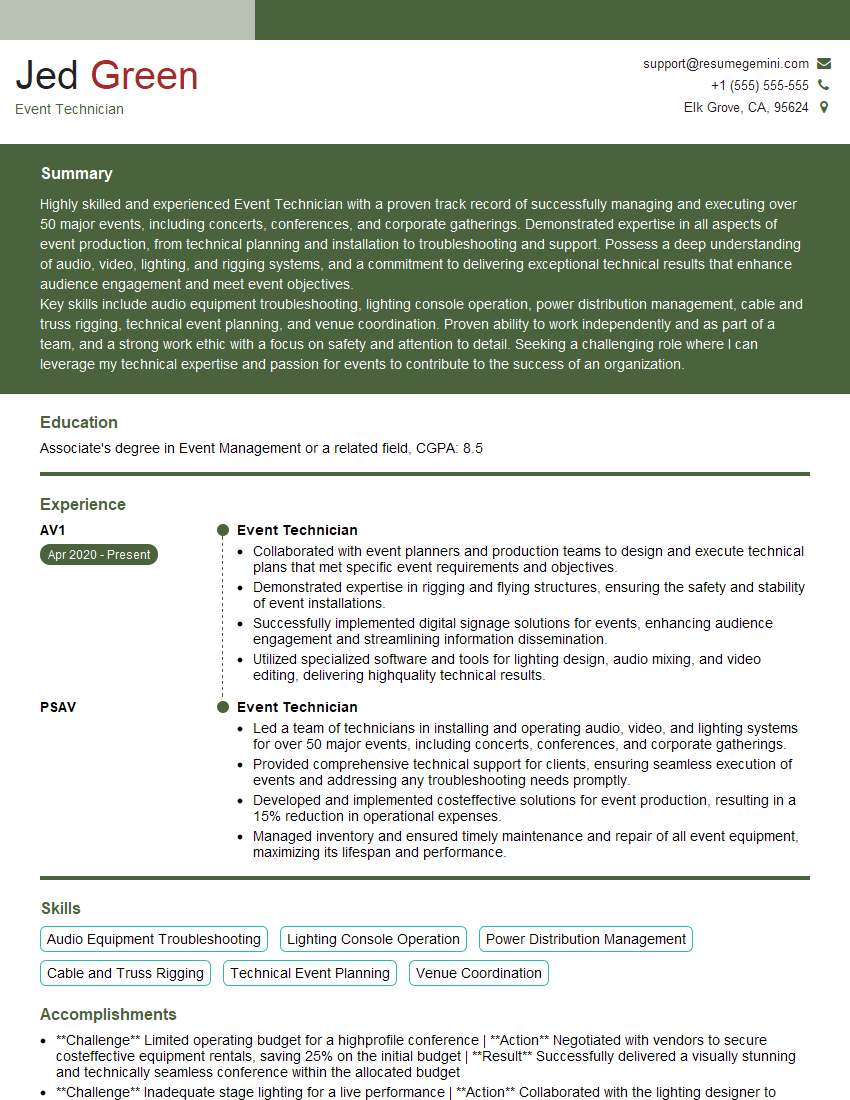
Event Technician Resume Sample
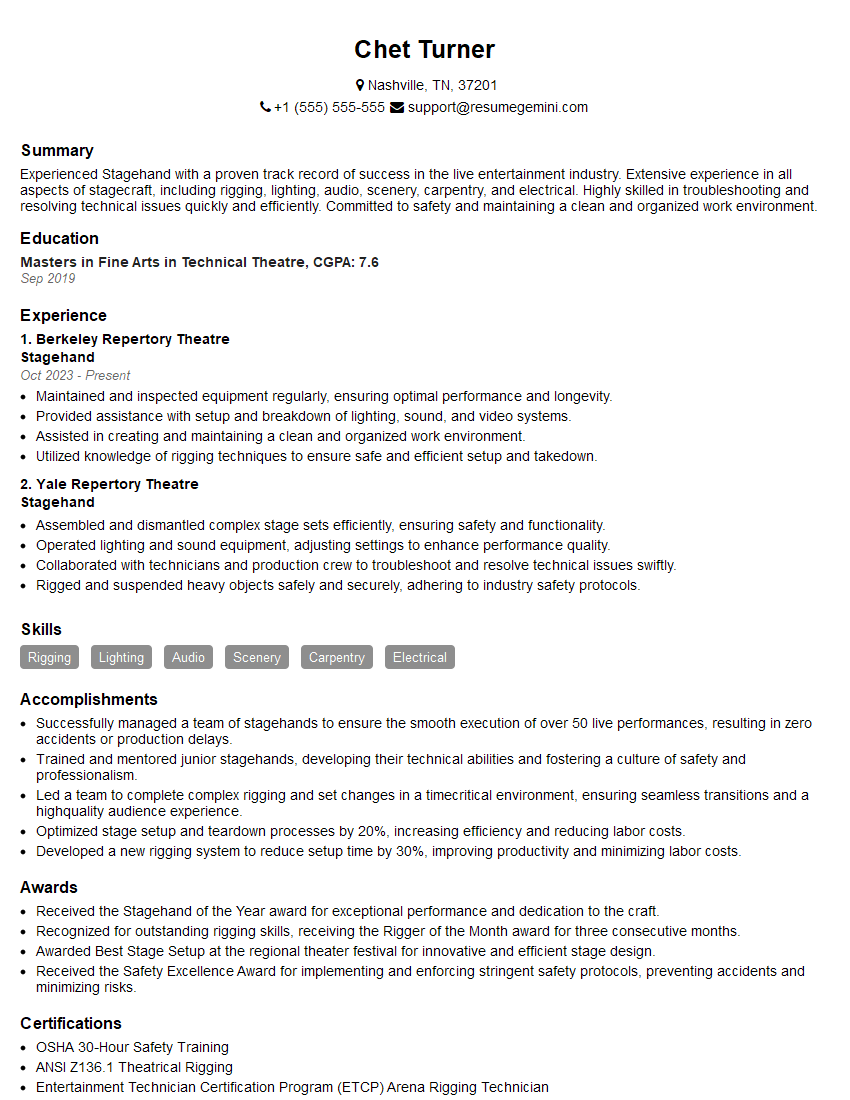
Stagehand Resume Sample
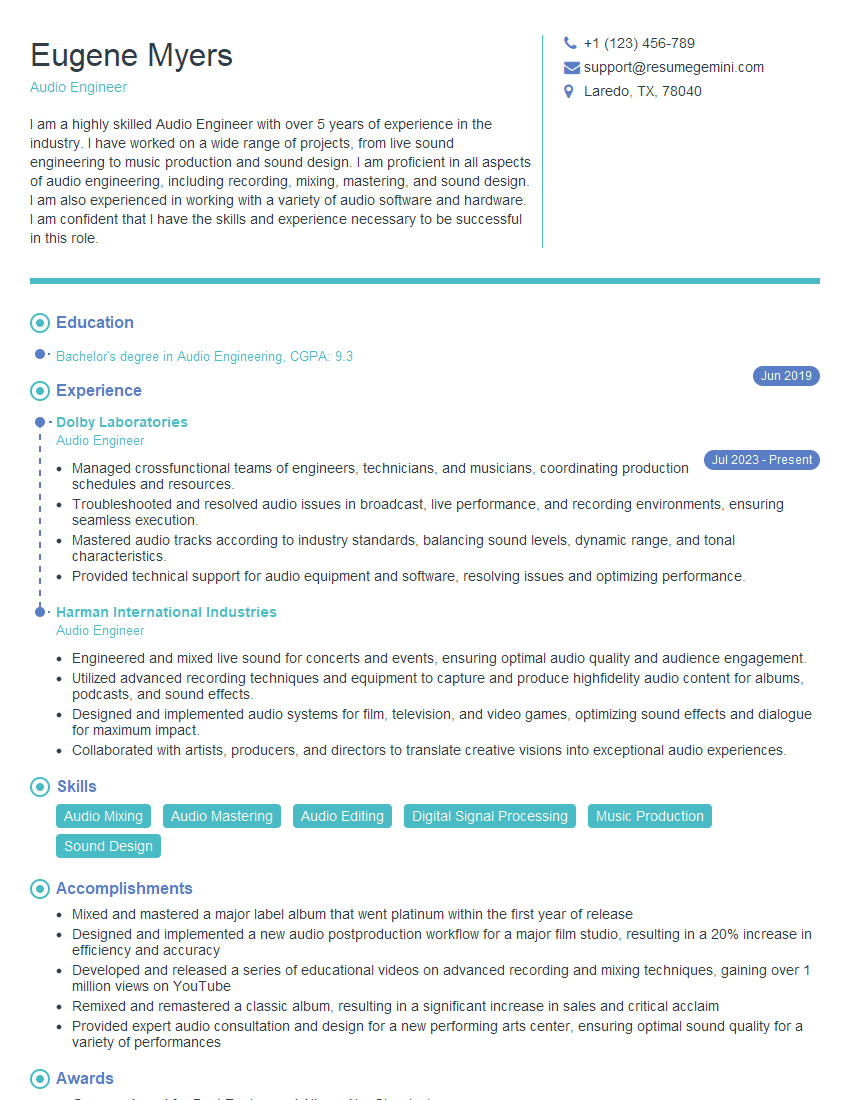
Audio Engineer Resume Sample
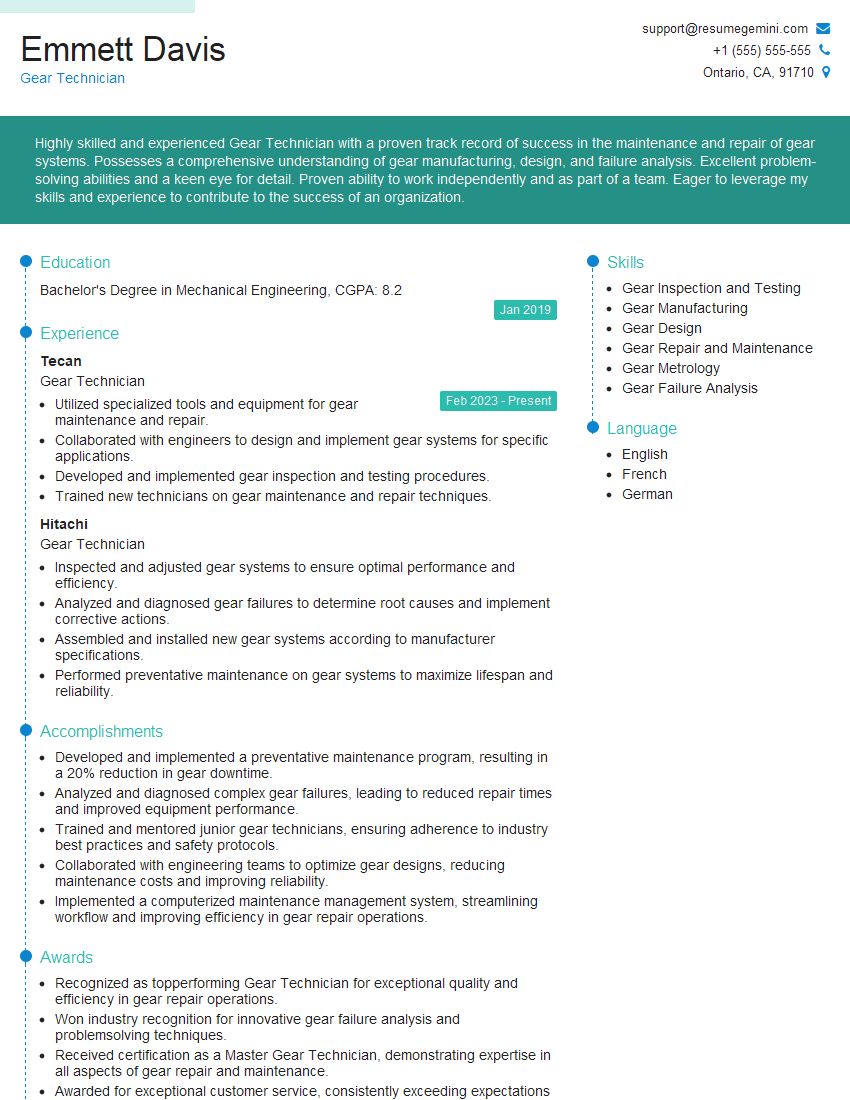
Gear Technician Resume Sample
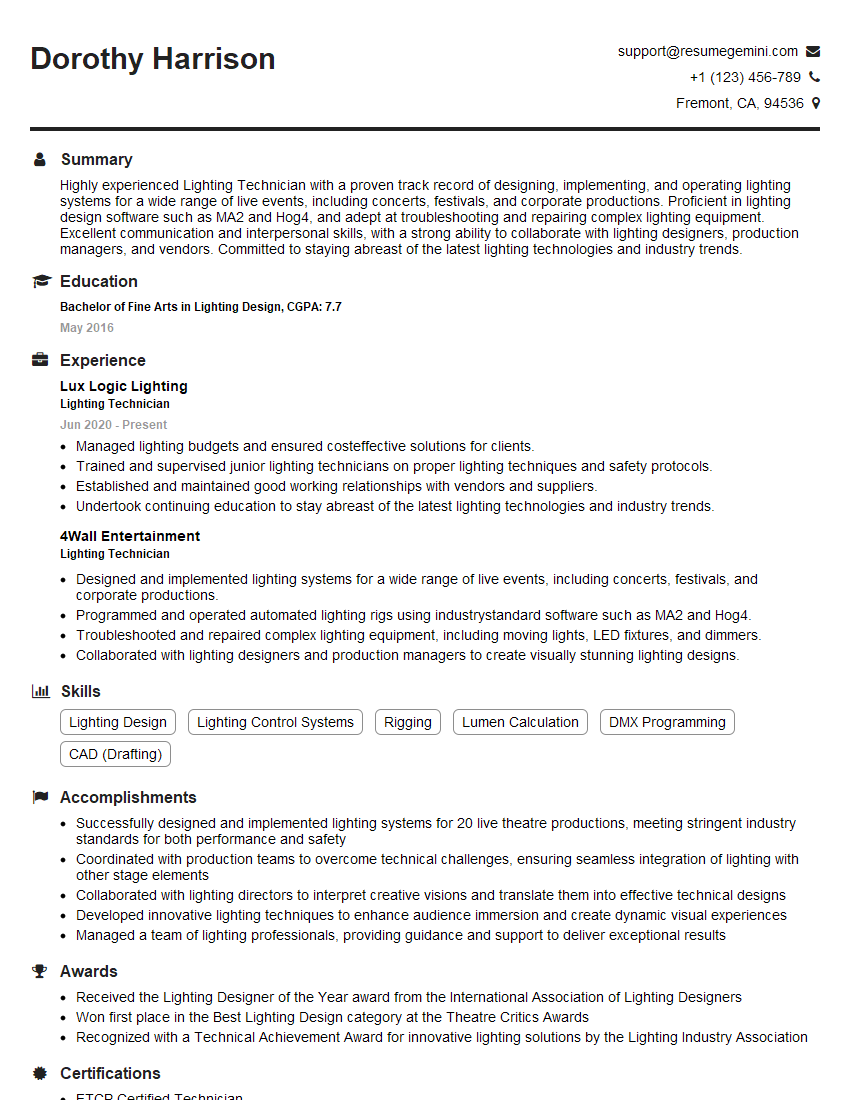
Lighting Technician Resume Sample
Explore more articles
Users Rating of Our Blogs
Share Your Experience
We value your feedback! Please rate our content and share your thoughts (optional).
What Readers Say About Our Blog
Very informative content, great job.
good