Interviews are more than just a Q&A session—they’re a chance to prove your worth. This blog dives into essential Backpacking Skills interview questions and expert tips to help you align your answers with what hiring managers are looking for. Start preparing to shine!
Questions Asked in Backpacking Skills Interview
Q 1. Describe your experience with map and compass navigation.
Map and compass navigation is fundamental to safe and efficient backpacking. It’s about using a topographic map to understand the terrain and a compass to maintain your bearing, even in poor visibility. My experience encompasses years of practice in diverse environments, from dense forests to mountainous regions. I’m proficient in orienting the map, taking bearings, and using pace counting to estimate distance. I also understand the importance of using landmarks for triangulation, especially when GPS is unreliable. For example, on a recent trip through the Adirondacks, heavy cloud cover rendered my GPS useless. I successfully navigated to my destination using a combination of map, compass, and recognizing features such as stream junctions and ridgelines. I regularly practice my skills to ensure accuracy and build confidence.
Q 2. Explain your process for planning a backpacking route, including safety considerations.
Planning a backpacking route involves a meticulous process ensuring safety and enjoyment. It begins with selecting a suitable area, considering my experience level and the group’s abilities. I thoroughly research the trail using online resources and guidebooks, paying close attention to elevation changes, water sources, and potential hazards like stream crossings or exposed ridgelines. Safety considerations are paramount. I check weather forecasts meticulously, building in contingency plans for unexpected changes. I identify potential escape routes in case of emergency and plan for sufficient daylight hours to reach each planned campsite. For example, I always ensure that at least two-thirds of the distance to the next planned campsite is covered before the sun sets to reduce my chances of running into trouble after dark. I always share my itinerary with a responsible party, leaving details of my route, planned campsites, and expected return time. This allows for timely intervention if I encounter difficulties.
Q 3. How do you select appropriate backpacking gear for varying weather conditions?
Gear selection depends entirely on the anticipated weather conditions and the length of the trip. For variable weather, layering is key. This means selecting clothing that can be added or removed to adapt to temperature changes. A base layer of moisture-wicking material, a mid-layer for insulation (fleece or down), and a waterproof and windproof outer shell are essential. Footwear is equally important; sturdy, waterproof boots that are broken in are crucial for comfort and preventing blisters. For cold conditions, I’d add extra insulation in the form of down jackets and sleeping bags with high temperature ratings. In hot weather, lightweight, breathable clothing is preferred, along with a wide-brimmed hat for sun protection. A good rain cover for your pack is crucial regardless of the forecast, as is a head lamp and extra batteries, as unexpected storms or delays can happen.
Q 4. What are the key principles of Leave No Trace ethics, and how do you apply them?
Leave No Trace (LNT) ethics are crucial for preserving the natural environment. The seven principles guide my backpacking practices: plan ahead and prepare; travel and camp on durable surfaces; dispose of waste properly; leave what you find; minimize campfire impacts; respect wildlife; and be considerate of other visitors. I apply these principles diligently, carrying out all trash, using a portable toilet system or burying waste properly, minimizing my campfire impact by using a lightweight backpacking stove, and keeping a respectful distance from wildlife. For example, I always pack out all orange peels and food scraps to avoid attracting animals. I also understand the importance of staying on established trails to prevent erosion and protect vegetation. My goal is to leave the environment as untouched as I found it, allowing others to enjoy the same pristine experience.
Q 5. Describe your experience with water purification and treatment in the backcountry.
Safe water purification and treatment are vital in the backcountry. I always carry a reliable water purification system, typically a combination of a water filter and water purification tablets. Water filters remove sediment and larger pathogens, while purification tablets kill remaining bacteria and viruses. I always treat all water sources, even if they appear clean. Before treating the water, I filter it to improve its taste and clarity. I understand that the quality of water sources can vary greatly, so I choose my system based on the known water sources along my planned route and also have a backup purification method on hand. I familiarize myself with water treatment methods that work well for the type of water in my chosen area. Practicing my water treatment system at home before a trip builds confidence in the process.
Q 6. How would you handle a medical emergency while backpacking?
Handling a medical emergency while backpacking requires preparedness and swift action. My first-aid kit is comprehensive, including items to address common injuries and illnesses. I have training in wilderness first aid and am proficient in administering basic medical care. In an emergency, my initial steps include assessing the situation, contacting emergency services if possible, and providing immediate first aid. I would then prioritize evacuation, either through self-rescue, assistance from fellow hikers, or contacting emergency services for a rescue. The exact course of action depends on the nature and severity of the emergency, the location, weather conditions, and available resources. Having a well-defined plan before venturing into the backcountry is paramount to handling such eventualities.
Q 7. What are the signs of hypothermia and how do you prevent and treat it?
Hypothermia is a dangerous drop in body temperature, potentially fatal if left untreated. Symptoms include shivering, confusion, slurred speech, drowsiness, and loss of coordination. Prevention is key; this involves dressing in layers, staying dry, and consuming enough food and water to maintain energy levels. If hypothermia is suspected, getting the person out of the cold and wet conditions is critical. Warm the person gradually, avoiding sudden increases in temperature which can shock the system. Providing warm drinks (not alcohol) and covering the person with warm, dry layers are also important. If symptoms are severe, immediate evacuation and professional medical attention are crucial. This is another reason to travel with partners and ensure you have informed a responsible party about your location and plans.
Q 8. Explain different types of shelters and their suitability for different conditions.
Backpacking shelters range widely in design and suitability, each with its own pros and cons. The choice depends heavily on the expected conditions, personal preference, and the weight you’re willing to carry.
- Tents: The most common choice, offering excellent protection from rain, wind, and insects. Different tent designs cater to various conditions; lightweight single-person tents are ideal for solo trips in good weather, while larger, heavier tents with robust materials are necessary for harsh conditions and groups. For instance, a double-walled tent with a good rainfly is crucial in a rainy environment.
- Tarps: Highly versatile and lightweight, tarps provide shelter from the elements but require more setup skill and offer less protection than tents. They are excellent for minimalist backpacking in fair weather. You need to know how to pitch them effectively to maximize protection. For example, a simple A-frame tarp setup offers decent rain protection.
- Hammocks: Suspend between trees, hammocks are comfortable and lightweight but require appropriate trees for setup and offer little protection from heavy rain or strong winds. They’re best suited for warmer, calmer climates with plentiful trees. A good quality rain fly is essential to make a hammock suitable for all weather.
- Bivy sacks: Lightweight and compact, bivy sacks provide minimal protection from the elements; mainly wind and light rain. They are often used as an emergency shelter or as a supplementary layer within a tent to increase warmth.
Ultimately, selecting the right shelter is a balance between weight, protection, and ease of setup, always tailored to the predicted conditions of the backpacking trip.
Q 9. How do you assess weather conditions and make adjustments to your plans?
Assessing weather conditions is paramount for safe and successful backpacking. I rely on a multi-pronged approach:
- Pre-trip planning: I thoroughly check the forecast from multiple sources (national weather services, specialized mountain weather forecasts) several days before and immediately before my trip. I pay close attention to predicted precipitation, wind speed, and temperature.
- On-trail observation: While on the trail, I constantly monitor the sky, temperature, and wind. Changes in cloud cover, wind direction, and temperature can indicate approaching storms. I look for signs like darkening skies, sudden temperature drops, or a shift in wind.
- Adjusting plans: Based on the observed and predicted conditions, I’m prepared to modify my itinerary. This might mean finding alternative campsites, accelerating my pace to reach shelter before a storm, or postponing a section of the hike.
For example, if a sudden thunderstorm is approaching, I’ll immediately seek shelter – finding a sturdy tree or a rock overhang is better than getting caught out in the open. If severe weather is predicted, I would consider aborting the trip or changing the route completely.
Q 10. Describe your experience with wilderness first aid.
I am Wilderness First Responder (WFR) certified, and have significant experience in wilderness first aid. My training includes managing various injuries and illnesses in remote settings, utilizing limited resources. This involves:
- Assessment and treatment of injuries: This includes soft tissue injuries (sprains, strains, lacerations), fractures, hypothermia, heat stroke, and altitude sickness.
- Emergency care: I’m proficient in CPR, wound management, splinting, and basic emergency medical techniques. I understand the importance of proper evacuation procedures when necessary.
- Prevention: A significant portion of wilderness first aid is preventative. I always ensure my group is adequately prepared with appropriate gear and knowledge to mitigate risks before they become problems.
I’ve had experiences treating everything from minor scrapes and blisters to more serious situations like managing a severe ankle sprain far from any help. These experiences have reinforced the importance of constant vigilance and proactive risk mitigation.
Q 11. How do you manage risk while backpacking?
Risk management in backpacking is a continuous process, starting with planning and extending to every moment on the trail. I employ a structured approach:
- Pre-trip planning and research: This involves carefully choosing routes appropriate for my skill level and experience. I research trail conditions, potential hazards (weather, wildlife, terrain), and emergency protocols. Access to accurate maps and navigation tools are crucial.
- Gear selection: I meticulously choose gear appropriate for the specific conditions, prioritizing reliability and functionality over weight when safety is concerned. Redundancy is key (e.g., carrying multiple ways to start a fire or multiple sources of light).
- Physical and mental preparedness: Maintaining a high level of physical fitness and mental resilience is essential. I also ensure I have the necessary skills for navigation, shelter construction, and self-rescue.
- Situational awareness: On the trail, I continuously monitor my surroundings, adjusting plans based on changing conditions and potential risks. This includes communicating regularly with my hiking partners.
For example, before a challenging high-altitude hike, I would conduct extensive research on weather patterns, altitude sickness risks, and necessary acclimatization procedures.
Q 12. How do you pack your backpack efficiently for optimal weight distribution?
Efficient packing is crucial for comfort and preventing injuries. My approach focuses on weight distribution and organization:
- Heavy items close to the back: The heaviest items (tent, sleeping bag, food) should be packed closest to your back, near the center of gravity. This helps prevent the pack from swaying and causing strain.
- Organize items by frequency of use: Items frequently used (rain gear, first-aid kit, water bottles) should be easily accessible in the top compartments or pockets.
- Distribute weight evenly: Balance weight between the top, bottom, and sides of the pack to avoid pressure points.
- Use compression straps: Tightening compression straps secures the load and prevents shifting during hikes.
- Pack light: Careful selection of lightweight gear and only packing essentials is essential. Every ounce counts.
Think of it like building a well-balanced structure; you don’t want all the weight on one side. I use packing cubes and stuff sacks to organize my gear and make it easier to find what I need.
Q 13. What are your strategies for dealing with wildlife encounters?
Wildlife encounters are inevitable in the backcountry. My strategy is a combination of prevention and response:
- Prevention: I avoid attracting animals by storing food properly (using bear canisters or hanging it from a tree), cooking well away from the sleeping area, and keeping a clean campsite. I also make noise while hiking to avoid surprising animals.
- Encounter response: If I encounter an animal, I remain calm and avoid sudden movements. I slowly back away, giving the animal space. I never approach or feed wildlife. Bear spray is an essential part of my gear and I know how to use it effectively.
- Research: Before any trip, I thoroughly research the wildlife in the area, identifying potential hazards and learning about appropriate behaviors.
For example, in bear country, I always practice proper food storage techniques and carry bear spray. Knowing how to react to different animals (deer, moose, bears, etc.) and understanding their behaviors is vital.
Q 14. Describe your experience with different fire-starting techniques.
Proficiency in fire-starting is essential for both cooking and emergency situations. I’m comfortable using various techniques:
- Matches and lighters: Reliable and simple, but vulnerable to weather. I always carry multiple waterproof matches or lighters.
- Ferro rod: A durable and reliable method, creating sparks to ignite tinder. It’s less affected by weather than matches.
- Fire-starting tools: I’m familiar with various commercial fire starters (e.g., cotton balls dipped in petroleum jelly), which provide a readily available, easily ignited fuel source.
- Natural methods: I’m skilled in using a bow drill, hand drill, and other friction-based fire starting methods, though these require significant practice and skill.
I always carry multiple fire-starting methods, including backups, to ensure reliability. I practice these techniques regularly to maintain proficiency.
Q 15. How do you manage food storage to avoid attracting wildlife?
Proper food storage is crucial for a safe and enjoyable backpacking trip, preventing both food spoilage and unwanted wildlife encounters. The key is to keep food out of reach and to eliminate any lingering scent.
Bear Canisters: In areas with bears or other large predators, bear canisters are mandatory. These are robust, airtight containers designed to withstand determined animals. They’re often required by national parks and wilderness areas, and using one provides peace of mind knowing your food is secure. Remember to clean the canister thoroughly after use and store it properly when not in use.
Hanging Food: If bear canisters aren’t required, you can hang your food from a tree limb, ideally at least 10 feet off the ground and 4 feet away from the trunk. Use a durable rope and a specialized bag designed for hanging food. Ensure the entire setup is secure; a poorly hung bag can easily be reached by persistent animals.
Food Storage Bags: For smaller items, airtight, scent-proof bags are essential. These bags prevent smells from escaping, reducing the likelihood of attracting animals. Storing food in these bags inside your tent is not recommended, unless it’s the only option after properly securing it. Even then, keeping food smells to an absolute minimum is vital.
Cleaning Up: Thoroughly clean all eating utensils and surfaces after each meal. Any leftover food scraps should be packed out. Never leave food or food waste unattended.
For example, on a recent trip to Yosemite, I used a bear canister religiously, as it is mandated in many areas. I also utilized scent-proof bags for smaller items like trail mix and energy bars. Proper food storage significantly contributed to a peaceful and wildlife-free experience.
Career Expert Tips:
- Ace those interviews! Prepare effectively by reviewing the Top 50 Most Common Interview Questions on ResumeGemini.
- Navigate your job search with confidence! Explore a wide range of Career Tips on ResumeGemini. Learn about common challenges and recommendations to overcome them.
- Craft the perfect resume! Master the Art of Resume Writing with ResumeGemini’s guide. Showcase your unique qualifications and achievements effectively.
- Don’t miss out on holiday savings! Build your dream resume with ResumeGemini’s ATS optimized templates.
Q 16. What are your strategies for staying safe while backpacking alone?
Backpacking solo presents unique safety challenges, demanding meticulous planning and preparedness. Here’s a multi-layered approach:
Share Your Itinerary: Always leave a detailed itinerary with a trusted friend or family member, including your planned route, expected return time, and emergency contact information. Regularly check in, if possible, especially if there’s poor cell service along your route.
Navigation Proficiency: Master the use of map, compass, and GPS device. Know how to navigate effectively, even without cell service. Practice your navigation skills before your solo trip.
First-Aid & Emergency Preparedness: Carry a comprehensive first-aid kit, including items for treating common injuries and emergencies. Learn basic first-aid and wilderness survival techniques. Consider carrying a personal locator beacon (PLB) or satellite messenger for emergencies in areas with limited cell service.
Self-Defense: Depending on the area, consider carrying bear spray or other self-defense tools. Familiarize yourself with appropriate use and safety precautions.
Weather Awareness: Check the weather forecast before you leave and monitor conditions throughout your trip. Be prepared to adjust your plans based on changing weather. Avoid hiking during thunderstorms.
Trust Your Instincts: If something feels unsafe or wrong, don’t hesitate to change your plans. Your safety is paramount.
For instance, during a solo trip through the Appalachian Trail, I meticulously planned my daily route, sharing it with my family. I regularly checked in when I had cell service. Possessing a thorough understanding of my surroundings and a well-equipped first-aid kit allowed me to confidently tackle the challenges of solo backpacking.
Q 17. How do you maintain your physical fitness for backpacking?
Maintaining physical fitness for backpacking requires a dedicated approach encompassing both cardiovascular health and strength training. It’s not just about one big effort before the trip, but about consistent training.
Cardiovascular Training: Engage in activities like hiking, running, cycling, or swimming regularly. Gradually increase the duration and intensity of your workouts to build endurance. This prepares your body for the strenuous activity of carrying a heavy pack over long distances.
Strength Training: Focus on exercises that strengthen your legs, core, and back. These muscle groups are essential for stability and power when carrying a backpack. Squats, lunges, deadlifts, and planks are excellent exercises to include in your routine.
Hiking with a Weighted Pack: Simulate backpacking conditions by practicing hiking with a weighted backpack. Start with a lighter weight and gradually increase it as your fitness improves. This helps your body adapt to the weight and strain of backpacking.
Flexibility & Mobility: Incorporate stretching and flexibility exercises to improve your range of motion and prevent injuries. Yoga and Pilates are great for improving flexibility and core strength.
I personally train by hiking with a weighted pack several times a week, gradually increasing the weight and distance. This practice not only builds the necessary endurance and strength but also helps me acclimate to the feel of a pack on my back.
Q 18. What is your experience with different types of backpacking stoves?
Backpacking stoves vary significantly in fuel type, weight, and ease of use. My experience encompasses several types:
Canister Stoves: These are popular for their convenience and ease of use. They utilize pre-filled fuel canisters, making them lightweight and easy to pack. However, they can be more expensive per fuel unit and the canisters are somewhat bulky to replace once empty. Examples include Jetboil and MSR PocketRocket.
White Gas Stoves: These are robust and reliable, ideal for extended trips in cold conditions. They use liquid fuel, which is more energy-dense and burns efficiently even in cold weather, but require more maintenance and careful handling due to the flammable nature of the fuel.
Alcohol Stoves: These are extremely lightweight and inexpensive, making them a good choice for ultralight backpacking. However, they’re often less efficient and can be more difficult to regulate the flame, particularly in windy conditions.
Multi-Fuel Stoves: These versatile stoves can burn multiple fuel types, offering flexibility in various conditions. However, they’re usually heavier and more complex to use compared to canister stoves.
My personal preference leans towards canister stoves for their ease of use and reliability on shorter trips, and white gas stoves for longer, colder expeditions where reliability is paramount.
Q 19. Explain your process for creating a backpacking itinerary.
Creating a backpacking itinerary requires careful planning and consideration of various factors:
Destination Selection: Choose a destination based on your experience level, physical fitness, and desired difficulty. Research the area, considering trail conditions, elevation gain, water sources, and potential hazards.
Route Planning: Study maps and guidebooks to plan your route. Consider the distance, elevation changes, and the time needed for each segment. Account for potential detours or unexpected delays. It’s extremely useful to have backup plans.
Daily Mileage: Set realistic daily mileage goals based on your fitness level and terrain. Don’t overestimate your capabilities, especially on the first few days. It is far better to take breaks when needed and adjust mileage on the trail rather than getting stuck in a dangerous situation.
Campsite Selection: Identify potential campsites along your route. Consider factors such as water availability, level ground, and proximity to hazards.
Resupply Points: Plan your resupply points, especially on longer trips. Identify locations where you can replenish food and water. Knowing where you can pick up additional supplies reduces overall weight you carry initially.
Permits & Regulations: Check for necessary permits and regulations for the area you’ll be backpacking in. Obtain permits well in advance.
For example, when planning a week-long trip in the Rockies, I meticulously plotted my route on a topographic map, identifying potential campsites and water sources. I also factored in extra time for unexpected delays or weather changes.
Q 20. How do you troubleshoot common gear malfunctions in the backcountry?
Troubleshooting gear malfunctions in the backcountry requires a combination of preventative measures, problem-solving skills, and a well-stocked repair kit.
Preventative Maintenance: Regularly inspect your gear before and during a trip. Address minor issues promptly to prevent them from escalating into major problems.
Repair Kit: Carry a comprehensive repair kit including duct tape, cordage, sewing kit, multi-tool, tire repair kit (if applicable), and spare parts as needed for your specific equipment.
Problem-Solving: Approach gear malfunctions systematically. Identify the problem, assess the severity, and determine whether it can be repaired with available resources. If the damage is beyond your repair capabilities, consider modifying your plans or seeking help if possible.
Improvisation: Be resourceful and creative in finding solutions. Use available materials to create temporary fixes. For example, duct tape can be used for patching tears in tents, backpacks, or sleeping bags.
On a recent trip, my stove malfunctioned due to a clogged fuel line. Fortunately, I had a cleaning tool in my kit, and with some patience, I successfully cleared the blockage and restored functionality, allowing me to continue my trip.
Q 21. Describe your experience with using a GPS device for navigation.
GPS devices are invaluable tools for navigation in the backcountry, particularly when visibility is limited or the terrain is challenging. However, it’s crucial to understand their limitations and never rely solely on a GPS device.
Device Selection: Choose a GPS device that meets your needs, considering features such as battery life, map detail, tracking capabilities, and ease of use. Handheld GPS devices are common for backpacking.
Map & Compass Proficiency: Even with a GPS device, it is vital to have a map and compass and the skills to use them effectively. A GPS device can malfunction, lose its signal, or run out of battery. Having backup navigation tools is crucial for safety.
Route Planning: Plan your route in advance using topographic maps. Input waypoints on your GPS device to track your progress and avoid getting lost.
Battery Management: Monitor your GPS device’s battery level throughout your trip and carry spare batteries or a portable charger.
GPS Limitations: Understand the limitations of GPS devices, such as signal loss in dense forests or canyons. Be prepared to use your map and compass skills as a backup.
During my expeditions, I frequently use a GPS device to track my progress, to locate campsites and water sources, and as a cross-reference against my map and compass. However, I never rely solely on the GPS; I always carry a map and compass and use both the traditional methods and GPS in conjunction to verify my position. This layered approach provides significant safety and peace of mind.
Q 22. How do you prepare for and respond to unexpected weather changes?
Preparing for and responding to unexpected weather changes is paramount in backpacking. It’s less about predicting the unpredictable and more about mitigating its impact. My strategy is threefold: preparation, monitoring, and adaptation.
Preparation involves checking the forecast meticulously before departure, but also understanding the area’s typical microclimates. I pack layers – base layers, insulating mid-layers, and a waterproof outer shell – allowing me to adjust to changing conditions. A waterproof backpack cover is crucial, protecting gear from rain. I always carry extra food and water, knowing that delays due to weather can easily impact rations.
Monitoring involves continuous observation. I pay attention to sky conditions, wind patterns, and temperature changes. Learning to read the signs of an approaching storm (darkening skies, sudden wind shifts, etc.) is crucial. This helps trigger my adaptation response.
Adaptation means adjusting my plans. If a storm threatens, finding suitable shelter – whether a designated campsite, a sturdy overhang, or even a well-constructed emergency bivy sack – becomes top priority. Knowing how to properly pitch a tent quickly in adverse conditions is essential. I might also adjust my itinerary to avoid exposed areas or delay travel until the weather improves. Safety always comes first. It’s better to wait out a storm safely than to risk injury or hypothermia.
Q 23. Explain your understanding of different types of terrain and their challenges.
Understanding terrain is fundamental to safe and efficient backpacking. Different terrains present unique challenges, demanding varied skills and equipment. I categorize terrains broadly into:
- Flatlands/Lowlands: These present fewer elevation challenges but can have other issues like dense vegetation, swamps, or exposure to extreme weather. Navigation can be tricky in featureless areas.
- Hills/Rolling terrain: Moderate elevation changes require good stamina and pacing. Trail erosion and uneven surfaces can increase the risk of injury. Proper footwear is vital.
- Mountains/High Altitude: These demand significant physical fitness, specialized gear (e.g., trekking poles, ice axe, crampons depending on the season and snow conditions), and experience in navigating challenging paths and potentially unpredictable weather conditions. Altitude sickness is a real concern, necessitating gradual ascent and careful hydration.
- Waterways/River crossings: These require assessing water depth, current speed, and potential hazards before attempting a crossing. Knowing different river crossing techniques (e.g., using trekking poles for stability) and having appropriate footwear is crucial. In certain situations, avoiding the crossing altogether might be the safest option.
I always assess the terrain before embarking on a hike, adjusting my plans and equipment based on the anticipated challenges. For example, if I’m backpacking in a mountainous region, I’ll invest more time in route planning, considering elevation gain, water sources, and potential exposure. I would also carry appropriate equipment and ensure the group is aware of the challenges and has the necessary experience.
Q 24. How do you communicate effectively with a backpacking group?
Effective communication is the backbone of a successful backpacking trip. It involves establishing clear expectations before setting out and maintaining open communication throughout the journey. This includes:
- Pre-trip Planning: A thorough discussion about the itinerary, physical fitness levels, potential challenges, and emergency protocols ensures everyone is on the same page. Clarifying roles and responsibilities is key (e.g., who’s in charge of navigation, first aid, cooking).
- Regular Check-ins: During the hike, regular check-ins – particularly at significant checkpoints or before navigating challenging terrain – ensure everyone is safe and comfortable. This is a chance to address concerns, adjust the pace, and share observations.
- Clear and Concise Communication: Using simple, direct language, avoiding jargon, and ensuring everyone understands the instructions is crucial. Non-verbal communication, like hand signals, is helpful in noisy environments.
- Active Listening: Paying attention to others’ needs and concerns shows respect and fosters a sense of teamwork. This might mean adjusting plans based on a member’s fatigue or concerns about the weather.
- Respectful Debate: If disagreements arise, encourage respectful discussion and finding collaborative solutions. The goal is a safe and enjoyable experience for everyone.
For example, if a group member is struggling with a particular section of the trail, open communication allows for a reassessment of the route, breaks, or assistance to be offered. Effective communication prevents small issues from escalating into major problems.
Q 25. How do you manage conflict within a backpacking group?
Conflict resolution in a backpacking group relies on proactive communication, empathy, and a willingness to compromise. The goal is not to eliminate disagreements but to address them constructively.
My approach involves:
- Addressing Issues Promptly: Don’t let small irritations fester. Address issues as they arise, in a private setting if possible, to avoid embarrassing anyone.
- Active Listening and Empathy: Understand each person’s perspective, even if you don’t agree with it. Emphasize shared goals and the importance of teamwork.
- Focus on Solutions, Not Blame: Avoid assigning blame. Instead, work collaboratively to find solutions that address the core issue. For example, if a disagreement occurs about pace, find a compromise that accommodates everyone’s abilities.
- Mediation if Necessary: If conflict persists, a neutral third party can help facilitate a productive conversation. However, often simply acknowledging each person’s feelings and working toward a compromise is sufficient.
- Prioritize Safety and Well-being: If conflict impacts safety or significantly compromises the group’s ability to function, decisive action may be necessary. This might include altering the plans or, in extreme cases, separating from a disruptive individual.
Remember, a successful backpacking trip is a shared experience. Resolving conflicts constructively strengthens the group’s bond and fosters a more enjoyable adventure.
Q 26. Describe your experience with different types of knots useful in backpacking.
Knot tying is a fundamental backpacking skill. Knowing several reliable knots enhances safety and efficiency. Some essential knots I frequently use include:
- Bowline: Forms a strong, reliable loop that won’t slip. I use it for attaching a rope to a pack or securing a tarp.
- Figure Eight: A simple stopper knot, often used as a safety backup on climbing harnesses or to secure the end of a rope.
- Clove Hitch: A quick and easy knot for attaching a rope to a ring or post, often used to secure a pack or tarp to a tree.
- Prusik Knot: A sliding knot used for ascending or descending ropes, useful for rescue situations or accessing difficult terrain.
- Taut-line Hitch: Used for adjusting the tension of a tarp or clothesline.
I always practice these knots regularly, ensuring I can tie them quickly and efficiently, even in challenging conditions. The ability to tie a knot correctly is not just convenient, it’s a vital safety precaution in certain situations.
Example: A clove hitch can be tied around a tree trunk and used to attach a clothesline for drying gear.
Q 27. What are your strategies for minimizing environmental impact during a backpacking trip?
Minimizing environmental impact is a cornerstone of responsible backpacking. My approach centers on the Leave No Trace (LNT) principles:
- Plan Ahead and Prepare: Knowing the area’s regulations, carrying appropriate waste disposal bags, and packing out everything I pack in.
- Travel and Camp on Durable Surfaces: Avoid sensitive areas like meadows or waterways, sticking to established trails and campsites.
- Dispose of Waste Properly: Pack out all trash, human waste, and food scraps. Properly bury human waste according to LNT guidelines.
- Leave What You Find: Resist the urge to collect rocks, plants, or other natural items. Leave the area as you found it, untouched and undisturbed.
- Minimize Campfire Impacts: Use a lightweight backpacking stove instead of building a campfire wherever possible. If a campfire is necessary, use existing fire rings and keep it small.
- Respect Wildlife: Maintain a safe distance from animals, avoid feeding them, and properly store food to prevent attracting animals to the campsite.
- Be Considerate of Other Visitors: Respect the quiet enjoyment of others by keeping noise levels down and staying on designated trails.
I actively promote these principles within my backpacking group, ensuring everyone understands their importance and contributes to protecting the environment.
Q 28. How do you ensure the safety and well-being of your backpacking group?
Ensuring the safety and well-being of my backpacking group is my top priority. This involves proactive planning, risk assessment, and emergency preparedness:
- Pre-trip Planning and Risk Assessment: Thoroughly researching the route, checking weather forecasts, and identifying potential hazards (e.g., river crossings, wildlife encounters, steep terrain) is vital before departure.
- Essential Gear and Supplies: Every member carries a basic first-aid kit, appropriate clothing and footwear, extra food and water, navigation tools, and a communication device (e.g., satellite messenger).
- First-Aid and Emergency Training: I possess up-to-date wilderness first-aid training and ensure at least one other member in the group is also trained. We also discuss and practice emergency procedures (e.g., shelter building, signaling for help) before the trip.
- Monitoring and Communication: Regular check-ins, paying attention to each person’s physical condition, and ensuring everyone is aware of potential hazards prevents minor problems from escalating into emergencies.
- Emergency Preparedness: We carry a comprehensive emergency kit (including a satellite messenger for communication in remote areas) and have a well-defined communication plan, including emergency contact information and procedures for contacting rescue services.
For example, before attempting a challenging river crossing, I will assess the conditions thoroughly, providing group members with instructions and ensuring everyone has the necessary equipment (e.g., trekking poles, waterproof bags) and understands the safety procedures. Proactive safety measures create a much safer and more enjoyable backpacking experience.
Key Topics to Learn for Backpacking Skills Interview
- Trip Planning & Navigation: Understanding map reading, compass use, GPS navigation, and route planning for various terrain and conditions. Practical application: Explain how you’d plan a multi-day backpacking trip, considering factors like weather, terrain, and resource availability.
- Gear Selection & Maintenance: Knowledge of essential backpacking equipment (pack, tent, sleeping bag, cooking system, etc.), its proper use, and maintenance procedures. Practical application: Discuss your experience selecting gear for different trip types and climates, and describe your approach to gear repair and maintenance in the field.
- Leave No Trace Principles: Demonstrate understanding of minimizing environmental impact through proper waste disposal, campsite selection, and fire safety. Practical application: Describe specific examples of how you’ve implemented Leave No Trace principles on backpacking trips.
- Wilderness First Aid & Safety: Knowledge of basic first aid, wilderness survival techniques, and risk assessment. Practical application: Explain your approach to safety planning for a backpacking trip and how you would handle common wilderness emergencies.
- Campsite Setup & Breakdown: Efficient and environmentally responsible setup and takedown of campsites, including tent pitching, cooking, and water purification. Practical application: Describe your process for setting up camp in various conditions and minimizing your impact on the environment.
- Backpacking Techniques & Fitness: Understanding of proper backpacking techniques (packing, pacing, hiking on different terrains) and maintaining physical fitness for extended outdoor activities. Practical application: Explain how you’ve adapted your hiking techniques to different terrains and conditions, and discuss your approach to maintaining physical fitness for backpacking.
Next Steps
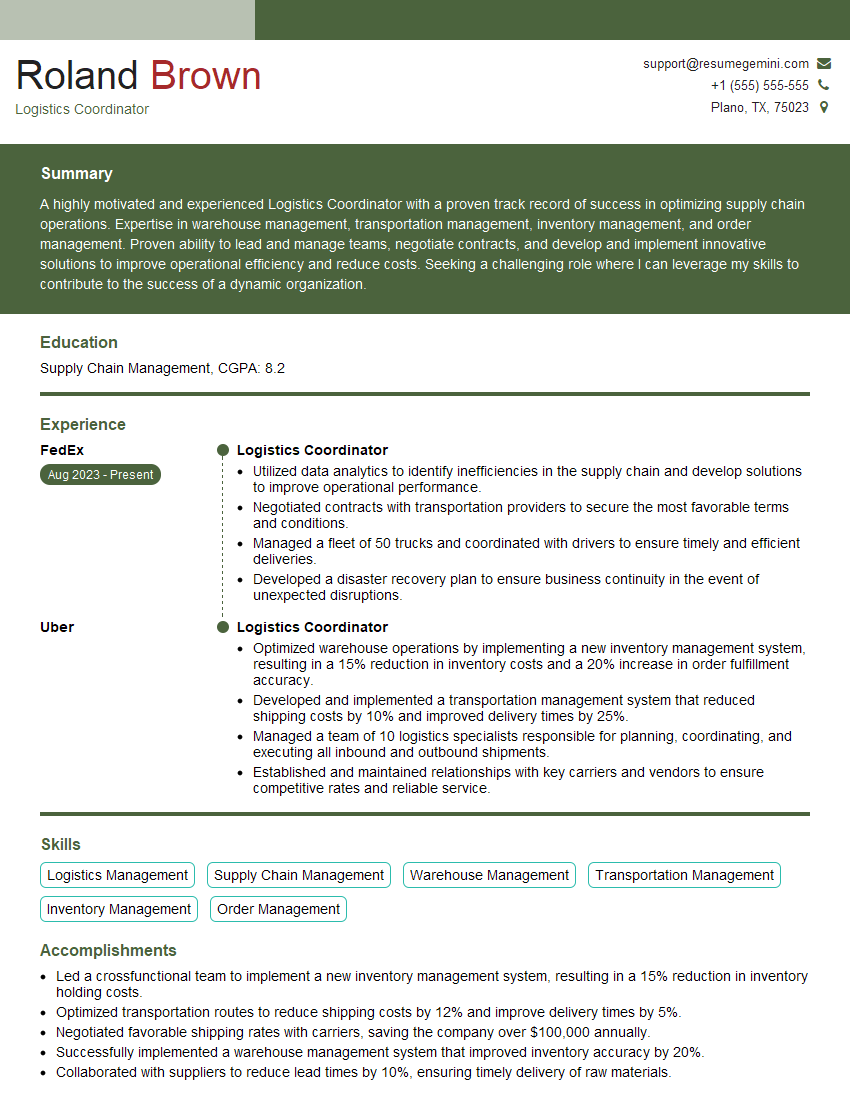
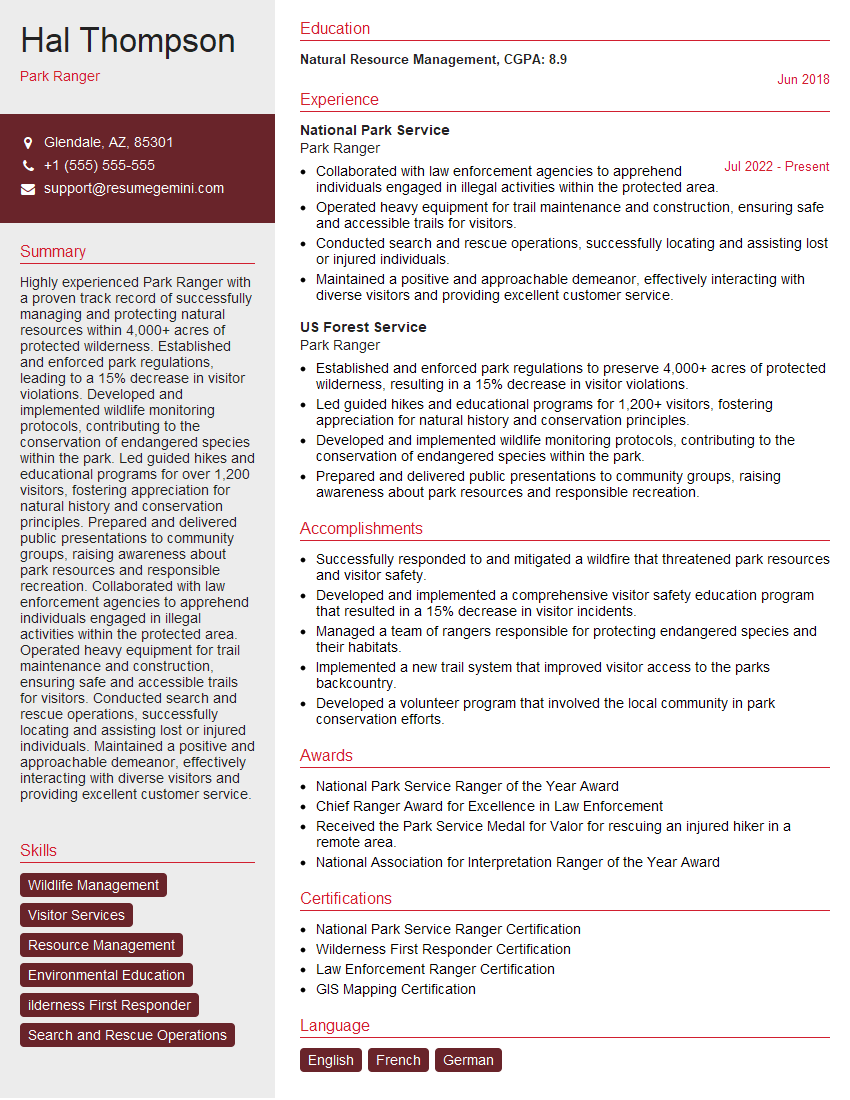
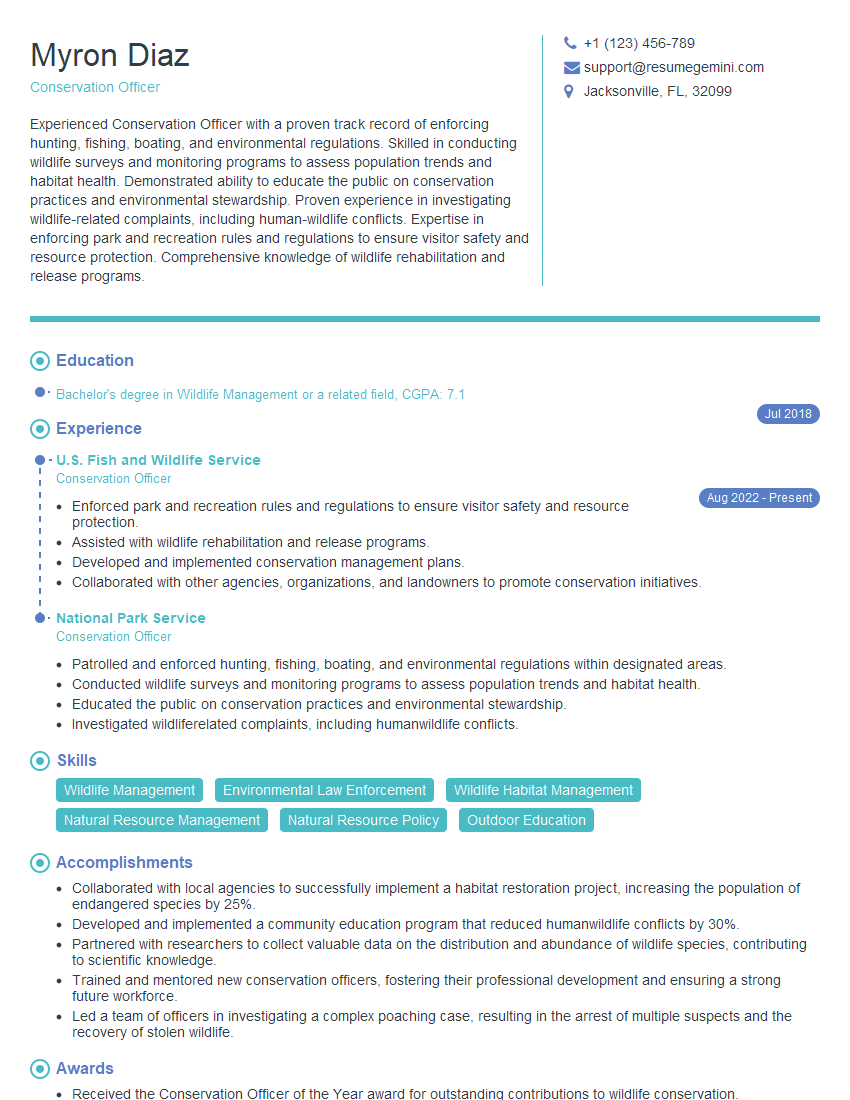
Mastering Backpacking Skills translates to valuable attributes highly sought after in many professional fields: problem-solving, adaptability, teamwork, and resilience. To highlight these skills effectively and increase your job prospects, crafting a strong, ATS-friendly resume is crucial. ResumeGemini is a trusted resource that can help you build a professional resume tailored to your experience. Examples of resumes showcasing Backpacking Skills are available to guide you. Invest time in crafting a compelling resume – it’s your first impression and a key to unlocking your career goals.

Explore more articles
Users Rating of Our Blogs
Share Your Experience
We value your feedback! Please rate our content and share your thoughts (optional).
What Readers Say About Our Blog
Very informative content, great job.
good