Are you ready to stand out in your next interview? Understanding and preparing for Bag Closing interview questions is a game-changer. In this blog, we’ve compiled key questions and expert advice to help you showcase your skills with confidence and precision. Let’s get started on your journey to acing the interview.
Questions Asked in Bag Closing Interview
Q 1. Describe your experience with various bag closing machines.
Throughout my career, I’ve worked extensively with a wide range of bag closing machines, from simple hand-operated tie-off systems to fully automated, high-speed systems. This includes experience with heat sealing machines (various types: impulse sealers, continuous motion sealers, etc.), stitching machines, twisting machines, and taping machines. I’ve worked with machines from different manufacturers, each with its unique features and operational characteristics. For instance, I was instrumental in implementing a new high-speed heat sealing system for a food packaging plant, which significantly increased production output and reduced labor costs. Another example involved troubleshooting a malfunctioning stitching machine in a textile manufacturing facility, identifying the cause as a worn needle and resolving it by timely replacement.
Q 2. Explain the different types of bag closing methods you are familiar with.
Bag closing methods vary widely depending on the bag material, product type, and desired level of sealing integrity. I’m proficient in several methods, including:
- Heat Sealing: This involves using heat to melt and fuse the bag material together, creating a hermetic seal. This method is common for flexible packaging materials like polyethylene and polypropylene. Different types of heat sealers exist, such as impulse sealers (for individual bags), and continuous motion sealers (high-speed for large production).
- Stitching: This robust method uses needles and thread to close bags, offering excellent strength and tear resistance. It’s often preferred for heavier bags or those containing bulky materials.
- Twisting and Tying: A simpler, manual method suitable for lighter bags, often followed by a knot or a twist tie. Efficiency drops significantly with high-volume applications.
- Taping: Using adhesive tape to secure the bag’s opening; this method is faster than twisting but might not provide the same level of protection from moisture or tampering.
- Crimping: This method uses mechanical force to deform the bag’s edge, creating a seal often reinforced with heat sealing.
The selection of a suitable method is crucial, and it hinges on considerations like product type, environmental conditions, and regulatory requirements.
Q 3. How do you ensure the quality and integrity of sealed bags?
Ensuring the quality and integrity of sealed bags is paramount. My approach involves a multi-faceted strategy:
- Regular Machine Calibration: Ensuring the bag closing machine is properly calibrated to deliver consistent sealing pressure, temperature (for heat sealing), and stitch tension (for stitching). This prevents weak or inconsistent seals.
- Visual Inspection: Conducting regular visual checks of sealed bags to identify any leaks, incomplete seals, or damaged areas. This often involves a sampling process.
- Leak Testing (when necessary): Employing leak testing methods, such as vacuum or pressure testing, to objectively measure seal integrity, especially for critical applications.
- Material Quality Control: Using high-quality bagging materials that are appropriate for the chosen closing method and product characteristics. Damaged or compromised materials directly impact sealing quality.
- Operator Training: Well-trained operators are essential to maintaining consistent quality. They should understand proper machine operation and quality control procedures.
By combining these methods, we minimize the risk of product spoilage, contamination, or leakage, thus maintaining the product’s shelf life and brand reputation.
Q 4. What are the common issues encountered in bag closing and how do you troubleshoot them?
Common issues in bag closing often stem from machine malfunctions, operator error, or material problems. Some frequent issues include:
- Inconsistent Seals: This can result from incorrect machine settings, damaged heating elements, or faulty sealing jaws. Troubleshooting involves checking machine settings, replacing worn parts, and ensuring proper material alignment.
- Bag Jams: These are often caused by bag misfeeds, wrinkles, or material buildup. Cleaning the machine, adjusting feed rollers, and ensuring proper bag handling can resolve this.
- Weak or Leaky Seals: This can result from insufficient sealing pressure, incorrect temperature settings, or contaminated bag material. Adjusting machine parameters and replacing defective materials is key.
- Broken Needles/Stitches (for stitching machines): Regular needle replacement and proper tension adjustment are necessary to prevent this.
My approach to troubleshooting involves systematic investigation, starting with the simplest possible causes (e.g., checking machine settings) before moving to more complex problems (e.g., inspecting internal components).
Q 5. Describe your experience with maintaining and cleaning bag closing equipment.
Maintaining and cleaning bag closing equipment is crucial for operational efficiency and product quality. My experience includes:
- Regular Cleaning: Daily cleaning of the machine, removing debris, and wiping down surfaces to prevent buildup that can hinder performance. This includes cleaning sealing jaws, removing any material residue, and maintaining proper hygiene standards, especially in food processing environments.
- Preventive Maintenance: Following a scheduled maintenance program that involves regular lubrication, component inspection, and part replacements. This minimizes unexpected downtime.
- Troubleshooting and Repair: Identifying and rectifying minor mechanical issues promptly to prevent major breakdowns. This often involves performing simple repairs or coordinating with maintenance personnel.
- Documentation: Keeping detailed records of maintenance activities, including cleaning logs, repair records, and part replacements. This facilitates tracking maintenance schedules and identifying potential problems.
Proactive maintenance reduces unplanned downtime, increases equipment lifespan, and ultimately improves the quality and consistency of the finished product.
Q 6. How do you handle production line slowdowns related to bag closing?
Production line slowdowns related to bag closing require immediate attention. My approach involves:
- Identifying the Bottleneck: Determining the root cause of the slowdown – is it a machine malfunction, operator error, material shortage, or something else?
- Troubleshooting the Issue: Addressing the underlying problem using the troubleshooting techniques discussed earlier. This might involve fixing a machine, retraining operators, or addressing material supply issues.
- Temporary Solutions: Implementing temporary measures to mitigate the slowdown while a permanent solution is being implemented. This could involve temporarily switching to a backup machine or re-allocating personnel.
- Communication: Keeping all relevant personnel informed about the situation, potential solutions, and expected timelines. This ensures a coordinated response and minimizes disruption.
- Root Cause Analysis: After resolving the immediate issue, conducting a thorough root cause analysis to prevent similar occurrences in the future. This could involve process improvements or changes in equipment maintenance procedures.
A systematic and proactive approach is vital to minimizing production downtime and maintaining output levels.
Q 7. Explain your understanding of safety protocols related to bag closing machinery.
Safety is paramount when operating bag closing machinery. My understanding encompasses:
- Lockout/Tagout Procedures: Strict adherence to lockout/tagout procedures before performing any maintenance or repairs on the equipment. This prevents accidental starts and injuries.
- Personal Protective Equipment (PPE): Always using appropriate PPE, such as safety glasses, gloves, and hearing protection, as required by the machine and the task.
- Machine Guards: Ensuring all machine guards are in place and functioning correctly to prevent accidental contact with moving parts.
- Emergency Stop Buttons: Understanding the location and proper use of emergency stop buttons in case of accidents or malfunctions.
- Training: Thorough operator training on safe operating procedures, including lockout/tagout, emergency procedures, and proper machine use. Regular refresher training reinforces safety awareness.
Prioritizing safety ensures a safe working environment, protecting workers from potential harm and minimizing accidents. A culture of safety is crucial and starts with awareness and thorough training.
Q 8. How do you monitor and maintain the efficiency of the bag closing process?
Monitoring and maintaining the efficiency of the bag closing process is crucial for productivity and product quality. It involves a multi-pronged approach encompassing preventative maintenance, real-time monitoring, and performance analysis.
- Preventative Maintenance: This includes regular inspections of sealing equipment (heat sealers, twist-tyers, etc.), checking for wear and tear, ensuring proper lubrication, and replacing parts as needed. Think of it like regularly servicing your car – preventing small problems from becoming major breakdowns. A well-maintained machine translates directly to fewer jams, less downtime, and consistently good seals.
- Real-time Monitoring: Production lines often incorporate sensors and counters to track the number of bags sealed per minute, the number of defective seals, and overall production output. This real-time data allows for immediate intervention if any issues arise, preventing large-scale problems. For example, a sudden drop in sealing speed could indicate a problem with the sealing mechanism.
- Performance Analysis: Regularly analyzing the collected data helps identify trends and patterns. Are certain bag types causing more issues? Is there a specific time of day when efficiency dips? This analysis informs proactive measures, such as operator training, equipment adjustments, or process optimization.
For example, in one project, we implemented a system that tracked seal strength in real-time. This enabled us to adjust the sealing parameters immediately when seal strength started to deviate from the norm, preventing a batch of poorly sealed bags from going out.
Q 9. What is your experience with different bag materials and their impact on the closing process?
Different bag materials significantly affect the bag closing process. Material properties like thickness, strength, heat resistance, and moisture content all impact the choice of sealing method and the parameters used.
- Polypropylene (PP): A common material, easy to heat seal, offering good strength and flexibility. It’s important to control the heat and dwell time to avoid burning or weak seals.
- Polyethylene (PE): Another popular choice, also heat-sealable but often requires slightly lower temperatures than PP. The density of PE can vary, impacting sealing consistency.
- Laminated Films: These combine different materials (e.g., PE/PP/aluminum foil) offering varying properties like barrier protection and aesthetics. Sealing laminated films requires careful attention to the various layers to ensure a complete seal on each.
- Paper-based Bags: These may require different closure methods such as twisting and tying, adhesive sealing, or specialized equipment for heat sealing. Material consistency is crucial.
Experience has taught me that a thorough understanding of the material specifications is paramount. Testing different sealing parameters for each material type is essential to optimize the process and achieve the best possible seal quality and production rate.
Q 10. How do you identify and address defective bags during the closing process?
Identifying and addressing defective bags is a critical part of quality control. Methods for detection range from visual inspection to automated systems.
- Visual Inspection: Trained personnel visually examine the sealed bags, looking for issues like incomplete seals, wrinkles, tears, or contamination. This is often used for smaller production runs or as a final check.
- Automated Detection Systems: Many automated bagging lines incorporate sensors that detect defective seals. These systems often use techniques like optical inspection (to identify visual defects) or pressure sensors (to measure the integrity of the seal). Defective bags are typically automatically rejected or flagged for manual review.
- Statistical Process Control (SPC): This methodology involves collecting data on defects and using control charts to monitor trends and identify potential causes of variations. This proactive approach helps prevent major quality issues.
When a defective bag is identified, the cause is investigated (e.g., machine malfunction, material defect, operator error). Corrective actions are then implemented to prevent similar defects in the future. This might involve machine adjustments, operator retraining, or even a material change.
Q 11. What are the key performance indicators (KPIs) you use to measure bag closing efficiency?
Key Performance Indicators (KPIs) are vital for measuring bag closing efficiency. They provide quantifiable data to assess performance and identify areas for improvement.
- Bags per Minute (BPM): Measures the speed of the bag closing process.
- Defect Rate: The percentage of bags with defective seals or other issues.
- Overall Equipment Effectiveness (OEE): Considers availability, performance, and quality to assess overall efficiency.
- Downtime: Time the machine is not producing, caused by jams, maintenance, or other issues.
- Seal Strength: A measure of the force required to break the seal; critical for packaging integrity.
By tracking these KPIs over time, we can pinpoint bottlenecks, assess the impact of improvements, and ensure continuous process optimization. For example, a consistently high defect rate might indicate a need for machine recalibration or operator retraining.
Q 12. How do you ensure compliance with packaging regulations and standards?
Ensuring compliance with packaging regulations and standards is non-negotiable. This involves understanding and adhering to various guidelines relating to food safety, material compatibility, labeling requirements, and environmental regulations.
- Food Safety Regulations: For food products, compliance with regulations like GMP (Good Manufacturing Practices) and FDA (Food and Drug Administration) standards is crucial. This includes ensuring materials are food-grade, maintaining hygiene standards, and preventing contamination.
- Material Compatibility: The chosen bag materials must be compatible with the product being packaged, preventing chemical reactions or leaching. This also includes proper labeling of materials used.
- Labeling Requirements: Accurate labeling is crucial, including nutritional information, weight, ingredients, and other legally required details.
- Environmental Regulations: Many regions have regulations regarding material recyclability, compostability, and waste reduction. We need to select eco-friendly packaging materials and processes whenever feasible.
Regular audits and documentation are essential to demonstrate compliance. Keeping updated on the latest regulations and best practices is a continuous process. We collaborate with regulatory bodies and use certified materials to ensure our processes are compliant.
Q 13. Describe your experience with different types of bag closures (e.g., heat sealing, twisting, tying).
My experience encompasses several types of bag closures, each with its own advantages and disadvantages.
- Heat Sealing: A common and efficient method for thermoplastic materials. The use of heat sealers provides strong, reliable seals, and the process can be automated for high-speed production. However, it’s crucial to carefully adjust parameters to avoid burning or weak seals.
- Twisting and Tying: A simpler, more manual method, often suitable for paper or cloth bags. It’s cost-effective but slower and less consistent than automated sealing. The quality relies heavily on operator skill.
- Adhesive Sealing: Uses glue or tape to seal bags. This method works well with various materials but can be affected by environmental conditions (humidity, temperature) and may not provide as strong a seal as heat sealing.
- Crimping: Often used for metalized bags, crimping creates a strong seal but requires specialized equipment.
Selecting the right closure method depends on factors such as the bag material, product characteristics, production speed requirements, and budget. I’ve successfully implemented and optimized each of these methods in various settings.
Q 14. How do you handle variations in bag sizes and types during production?
Handling variations in bag sizes and types requires a flexible and adaptable approach. This can involve utilizing equipment with adjustable settings or implementing changeover procedures that minimize downtime.
- Adjustable Equipment: Many modern bag closing machines have adjustable parameters for sealing temperature, pressure, speed, and jaw size to accommodate different bag dimensions. Proper adjustment is crucial for consistent sealing across various sizes.
- Quick Changeover Procedures: Well-defined procedures are needed for switching between different bag types or sizes. This involves minimal downtime by pre-preparing equipment settings and having readily available tooling.
- Modular Equipment: Modular machines allow for flexible configuration, allowing easy adaptation to different bag types and sizes with minimal tooling changes. This allows faster changeover and reduced production interruption.
- Automated Size Detection: Some advanced systems can automatically detect bag size and adjust parameters accordingly, reducing manual intervention and potential errors.
In practice, thorough training of operators on changeover procedures and regular maintenance of the equipment are key to ensuring efficiency when handling diverse bag sizes and types. A well-structured changeover system dramatically reduces downtime and improves overall production.
Q 15. What is your experience with automated bag closing systems?
My experience with automated bag closing systems spans over eight years, encompassing various technologies from basic rotary sealers to advanced robotic systems with integrated weighing and checkweighing capabilities. I’ve worked extensively with equipment from leading manufacturers like [Manufacturer A], [Manufacturer B], and [Manufacturer C], gaining proficiency in their operation, maintenance, and troubleshooting. This includes familiarity with PLC programming and HMI interfaces for system control and monitoring. For instance, at my previous role, I was instrumental in integrating a new automated bagging system into an existing production line, leading to a 30% increase in efficiency. This involved careful planning, meticulous installation, and comprehensive staff training.
I’m comfortable with different closing mechanisms including heat sealing, ultrasonic sealing, and clip closure systems, and understand the nuances of each regarding material compatibility and sealing strength. I’ve also been involved in projects assessing and selecting the optimal bag closing system for specific product and production requirements, taking into account factors like speed, bag size, material type, and budget.
Career Expert Tips:
- Ace those interviews! Prepare effectively by reviewing the Top 50 Most Common Interview Questions on ResumeGemini.
- Navigate your job search with confidence! Explore a wide range of Career Tips on ResumeGemini. Learn about common challenges and recommendations to overcome them.
- Craft the perfect resume! Master the Art of Resume Writing with ResumeGemini’s guide. Showcase your unique qualifications and achievements effectively.
- Don’t miss out on holiday savings! Build your dream resume with ResumeGemini’s ATS optimized templates.
Q 16. Describe your experience with troubleshooting electrical or mechanical issues in bag closing equipment.
Troubleshooting electrical or mechanical issues in bag closing equipment requires a systematic approach. I typically begin with a visual inspection, checking for obvious signs of damage or malfunction, like frayed wires, loose connections, or damaged belts. Then, I consult the machine’s maintenance manuals and utilize diagnostic tools, including multimeters, to pinpoint the source of the problem. My experience with PLC programming allows me to diagnose and resolve issues within the control system.
For example, I once resolved a production halt caused by a faulty sensor in a heat sealing unit. By carefully checking the sensor’s readings and comparing them to the system’s specifications, I identified a malfunctioning circuit component, replaced it, and quickly restored operations. My approach always prioritizes safety, ensuring that power is isolated before undertaking any repair work. I also maintain detailed records of troubleshooting steps taken and parts replaced, aiding in future maintenance and preventing recurring issues.
Q 17. How do you prioritize tasks during peak production periods in bag closing?
During peak production periods, prioritizing tasks in bag closing requires a strategic approach based on impact and urgency. I employ a system that prioritizes critical tasks which directly impact output and product quality first. This typically involves a combination of:
- Immediate Fixes: Addressing issues causing production stoppages takes top priority.
- High-Impact Maintenance: Preventative tasks with high potential for causing downtime, such as worn parts or critical system checks, are given a high priority.
- Planned Maintenance: Scheduled maintenance tasks are prioritized to minimize disruptions during peak times.
- Quality Control: Ensuring consistent bag closure quality and weight accuracy is always a key focus, even during high production volume.
I utilize production dashboards and real-time monitoring to track performance and identify bottlenecks swiftly. This data-driven approach helps me allocate resources efficiently and ensure smooth operations even under pressure. Effective communication with my team is crucial; clear task assignments and proactive updates are essential to avoid delays and confusion.
Q 18. Describe your experience with preventative maintenance for bag closing machinery.
Preventative maintenance is crucial for maximizing the lifespan and efficiency of bag closing machinery. My approach involves a proactive schedule that incorporates both daily and periodic maintenance checks. Daily checks include visual inspections for loose parts, debris, and signs of wear, along with operational tests. Periodic checks involve more in-depth inspections, lubrications, and cleaning, often following the manufacturer’s recommendations. I maintain meticulous records of all maintenance activities, which are crucial for tracking machine performance, identifying trends, and scheduling future maintenance.
For example, I create detailed checklists to ensure that every aspect of the maintenance schedule is consistently followed. This helps to ensure that the equipment continues to function at peak efficiency and reduces the risk of unexpected breakdowns. Furthermore, I’m adept at predicting potential maintenance issues based on operational data and patterns, allowing for proactive interventions that prevent more extensive repairs.
Q 19. How do you handle emergency situations on the bag closing production line?
Handling emergency situations on the bag closing production line demands a calm and methodical response. My first priority is always safety. I immediately isolate the affected equipment and secure the area to prevent accidents. Then, I assess the situation to determine the nature and severity of the problem. This could range from a minor malfunction to a major equipment failure. I then contact the appropriate personnel (maintenance, supervisors, etc.) and follow established emergency protocols.
Once the immediate safety concerns are addressed, I initiate troubleshooting procedures, using my expertise to diagnose the problem and implement a solution. Depending on the severity, this might involve simple repairs, calling in specialist support, or even initiating a temporary production change-over. After the emergency is resolved, I conduct a thorough post-incident review to identify the root cause, implement corrective actions, and prevent future occurrences. Detailed documentation of the incident, including actions taken and lessons learned, is essential.
Q 20. What is your familiarity with different types of bagging materials (e.g., plastic, paper, foil)?
I have extensive familiarity with a wide range of bagging materials, including plastic (polypropylene, polyethylene, etc.), paper (kraft paper, coated paper), and foil-laminated materials. My understanding encompasses the physical properties of each material (strength, flexibility, heat sealability, etc.) and their suitability for different bag closing methods. I understand how different material characteristics influence the selection of appropriate sealing parameters (temperature, pressure, sealing time) to ensure optimal seal integrity and prevent issues like leaks, tears, or improper sealing.
For example, I understand that heat sealing parameters must be adjusted depending on the material thickness and type. A thicker material would require higher temperature and pressure compared to a thinner one, to form a proper seal. Similarly, different plastic films would require different parameters. This knowledge is crucial for optimizing production speed and ensuring the quality of the final product.
Q 21. How do you ensure accurate bag filling and weighing before closing?
Accurate bag filling and weighing before closing is vital for product consistency and compliance. This involves integrating various technologies and processes. Typically, this begins with using accurate volumetric or gravimetric filling systems to dispense the correct amount of product into each bag. These systems are calibrated regularly to maintain accuracy. Then, a checkweigher is used to verify the weight of each filled bag, ensuring that it meets pre-defined specifications. Bags that are underweight or overweight are rejected, preventing inconsistencies and potentially costly errors.
In addition to these systems, I utilize Statistical Process Control (SPC) techniques to monitor the filling and weighing processes, identifying any trends or deviations from the desired parameters. This proactive monitoring allows for prompt adjustments to maintain accuracy and minimize waste. Furthermore, regular calibration and maintenance of the filling and weighing equipment are crucial for sustained accuracy. Any deviation from the desired weight range is thoroughly investigated, and corrective actions implemented to improve accuracy and precision.
Q 22. What are your experience and expertise with different types of sealing technologies?
My experience encompasses a wide range of bag sealing technologies, from the simplest heat sealing methods to sophisticated automated systems. I’m proficient with various sealing techniques including:
- Heat Sealing: This is a fundamental method, using heat to melt and fuse thermoplastic films. I’ve worked extensively with impulse sealers, continuous motion sealers, and specialized heat sealing jaws for different bag materials.
- Ultrasonic Sealing: This technique utilizes high-frequency vibrations to create a strong, hermetic seal, particularly useful for delicate or sensitive materials. I’ve hands-on experience troubleshooting and maintaining ultrasonic sealing systems, including understanding frequency adjustments for optimal sealing.
- Induction Sealing: This method uses electromagnetic induction to heat a foil liner within a bag, creating a tamper-evident seal. My experience extends to setting induction seal parameters, managing coil maintenance, and identifying liner material compatibility issues.
- Tape Sealing: While seemingly simple, tape sealing offers versatility and is crucial for specific applications. I’m familiar with various tape types and application methods, including automated dispensing systems and optimizing tape tension for consistent results.
My expertise lies not just in the operation but also in the maintenance, troubleshooting, and optimization of these systems for maximum efficiency and reliability. For example, I successfully implemented a new ultrasonic sealing system in a previous role, resulting in a 15% increase in production speed and a significant reduction in seal failures.
Q 23. Explain your experience in working with a team on a bag closing production line.
Working on a bag closing production line requires seamless teamwork. In my previous role, I was part of a ten-person team responsible for the entire bagging process, from filling to sealing and palletizing. My role focused on the sealing and quality control aspects. Effective collaboration was key to meeting production targets. We utilized daily huddles to identify potential bottlenecks, address machine malfunctions swiftly, and ensure efficient workflow. For instance, when one of the heat sealers malfunctioned, the team quickly reallocated tasks, with some members assisting in the repair while others focused on maintaining the flow of bags to other parts of the line, minimizing production downtime. We also implemented a system of continuous feedback, enabling immediate adjustments to prevent issues from escalating.
Q 24. Describe a time you had to deal with a faulty bag closing machine and how you resolved the problem.
During a production run, an ultrasonic sealer began producing inconsistent seals, leading to product leakage. My first step involved a systematic troubleshooting process:
- Visual Inspection: I carefully examined the machine for any visible damage, loose connections, or signs of wear and tear.
- Testing the Seal: I conducted several test seals with different bag materials to isolate the issue. This revealed the problem wasn’t material-specific, confirming the fault was within the machine itself.
- Checking System Parameters: I checked the machine’s control panel to ensure all parameters, such as ultrasonic frequency and sealing time, were set correctly. A slight miscalibration was identified and corrected.
- Component Inspection: A closer examination identified a faulty transducer. Fortunately, we had a spare part, enabling a rapid replacement.
- Re-testing and Calibration: After replacing the transducer and readjusting the parameters, I ran further tests to ensure the seals were consistent and met quality standards.
By systematically following these steps, the issue was resolved within an hour, minimizing production disruption and preventing significant product loss. This experience highlights the importance of thorough diagnostics and a readily available supply of spare parts in a production environment.
Q 25. How do you stay updated on new technologies and advancements in bag closing?
Staying updated on the latest technologies is crucial in this dynamic field. I actively participate in the following methods:
- Industry Trade Shows and Conferences: Attending these events provides direct exposure to new equipment and innovations, alongside networking opportunities with industry professionals.
- Professional Publications and Journals: I regularly read specialized publications and journals focusing on packaging technology and automation to remain abreast of the latest advancements.
- Online Resources and Webinars: Many manufacturers and industry organizations host webinars and online resources providing valuable information on emerging technologies.
- Manufacturer Training and Workshops: I seek opportunities to participate in manufacturer-provided training and workshops to receive hands-on experience with the latest machinery and techniques.
This multi-faceted approach ensures I remain knowledgeable about advancements in sealing mechanisms, materials, and automation solutions for bag closing.
Q 26. What are some ways to improve the efficiency of the bag closing process?
Improving the efficiency of the bag closing process involves a multifaceted approach:
- Automation: Implementing automated systems for bag feeding, sealing, and ejection significantly increases throughput and reduces reliance on manual labor.
- Process Optimization: Analyzing the entire process flow to identify and eliminate bottlenecks is crucial. This might involve adjusting machine settings, optimizing material handling, or improving worker ergonomics.
- Preventive Maintenance: Regular maintenance and proactive repairs minimize downtime and reduce the risk of unexpected production halts. A well-maintained machine operates at peak efficiency.
- Employee Training: Proper training empowers operators to handle equipment effectively and maintain quality standards. This also reduces the likelihood of machine damage due to improper operation.
- Quality Control: Implementing robust quality control measures at each stage of the process helps prevent defects and minimize waste. This includes regular checks of seal integrity and consistent monitoring of production parameters.
For instance, I once implemented a new automated bag-feeding system that reduced processing time by 20%, directly impacting the overall efficiency of the production line.
Q 27. How do you ensure proper labeling and marking of sealed bags?
Ensuring proper labeling and marking is vital for traceability and compliance. Methods include:
- Integrated Labeling Systems: Automated labeling systems, integrated with the sealing machine, apply labels accurately and consistently. This ensures every bag has the required information, reducing manual effort and the risk of errors.
- Print and Apply Systems: These systems print labels on demand and apply them to the bags, offering flexibility for variable data, such as batch numbers or expiration dates.
- Manual Labeling with Quality Checks: If manual labeling is necessary, strict quality checks are crucial to guarantee every bag is labeled correctly. This often involves a second person verifying the accuracy of labeling.
- Barcode/QR Code Integration: Implementing barcodes or QR codes facilitates easy tracking and identification of each bag, facilitating efficient inventory management and traceability throughout the supply chain.
The chosen method depends on the volume of production and the complexity of the labeling requirements. Regardless of the approach, accuracy and consistency are paramount to maintain compliance and brand reputation.
Q 28. Describe your experience in following and adhering to company safety and quality control procedures.
Safety and quality are paramount in my work. I meticulously follow all company safety procedures, including:
- Lockout/Tagout Procedures: I strictly adhere to lockout/tagout procedures when performing maintenance or repairs on machinery to prevent accidental injuries.
- Personal Protective Equipment (PPE): I consistently use the appropriate PPE, such as safety glasses, gloves, and hearing protection, as required by the specific task.
- Machine Guarding: I always ensure that all machine guards are in place and functioning correctly before operating any machinery.
- Regular Safety Training: I actively participate in regular safety training sessions and stay updated on any changes or new procedures.
Regarding quality control, I consistently follow established protocols, including regular inspection of sealed bags for quality, seal integrity, and correct labeling. I maintain detailed records and actively report any deviations from established standards. My commitment to safety and quality ensures efficient and reliable production while minimizing the risks to both personnel and product integrity.
Key Topics to Learn for Bag Closing Interview
- Bag Closing Machine Operation: Understanding the mechanics of various bag closing machines (e.g., heat sealers, clip sealers, twist tie machines), their functionalities, and maintenance procedures.
- Materials Handling and Quality Control: Proper handling of different bag materials, identifying defects, and ensuring consistent bag closure quality. This includes understanding material specifications and limitations.
- Safety Procedures and Regulations: Familiarity with workplace safety protocols specific to bag closing machinery and adherence to industry regulations (e.g., OSHA guidelines).
- Troubleshooting and Problem Solving: Identifying and resolving common issues related to machine malfunctions, material jams, and inconsistent closures. This involves practical problem-solving skills and understanding of preventative maintenance.
- Production Efficiency and Optimization: Strategies for maximizing output while maintaining quality and safety standards. This could include understanding process flow, cycle time reduction, and waste minimization.
- Hygiene and Sanitation Practices: Understanding and implementing proper hygiene and sanitation protocols in a food processing or pharmaceutical environment (if applicable).
- Record Keeping and Documentation: Maintaining accurate records of production output, machine maintenance, and quality control checks.
Next Steps
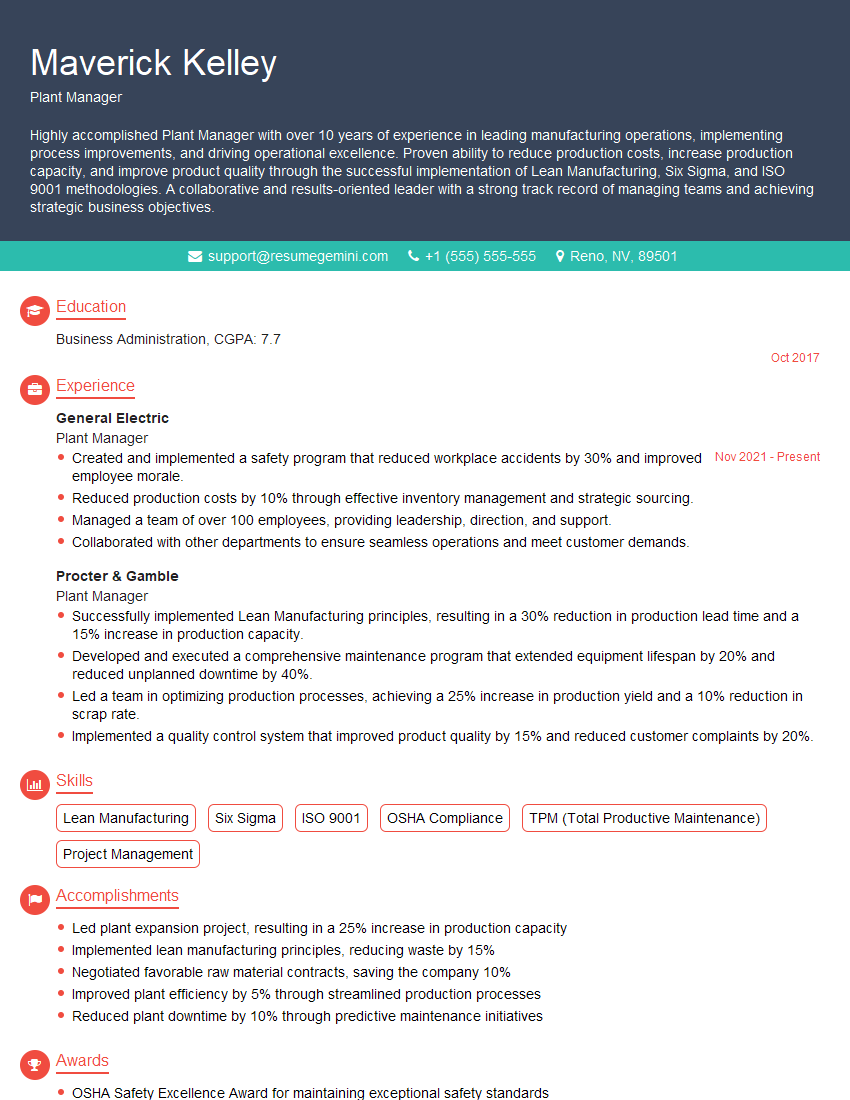
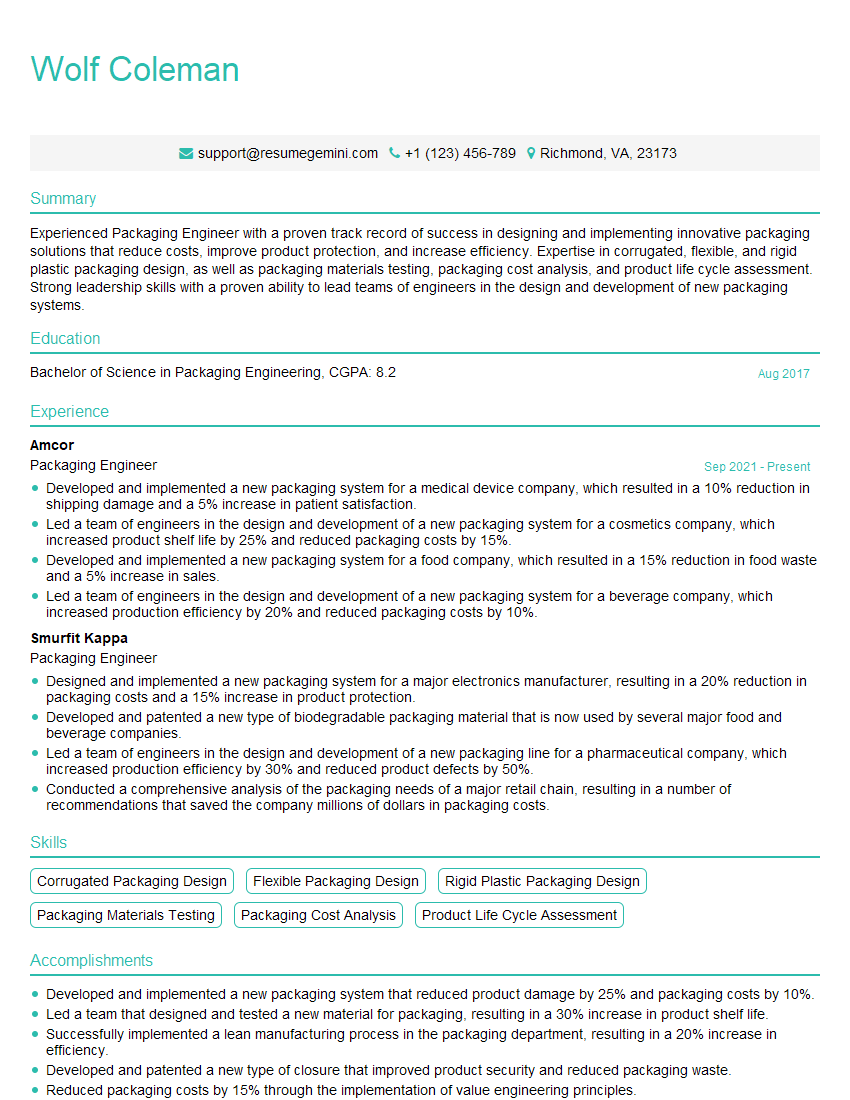
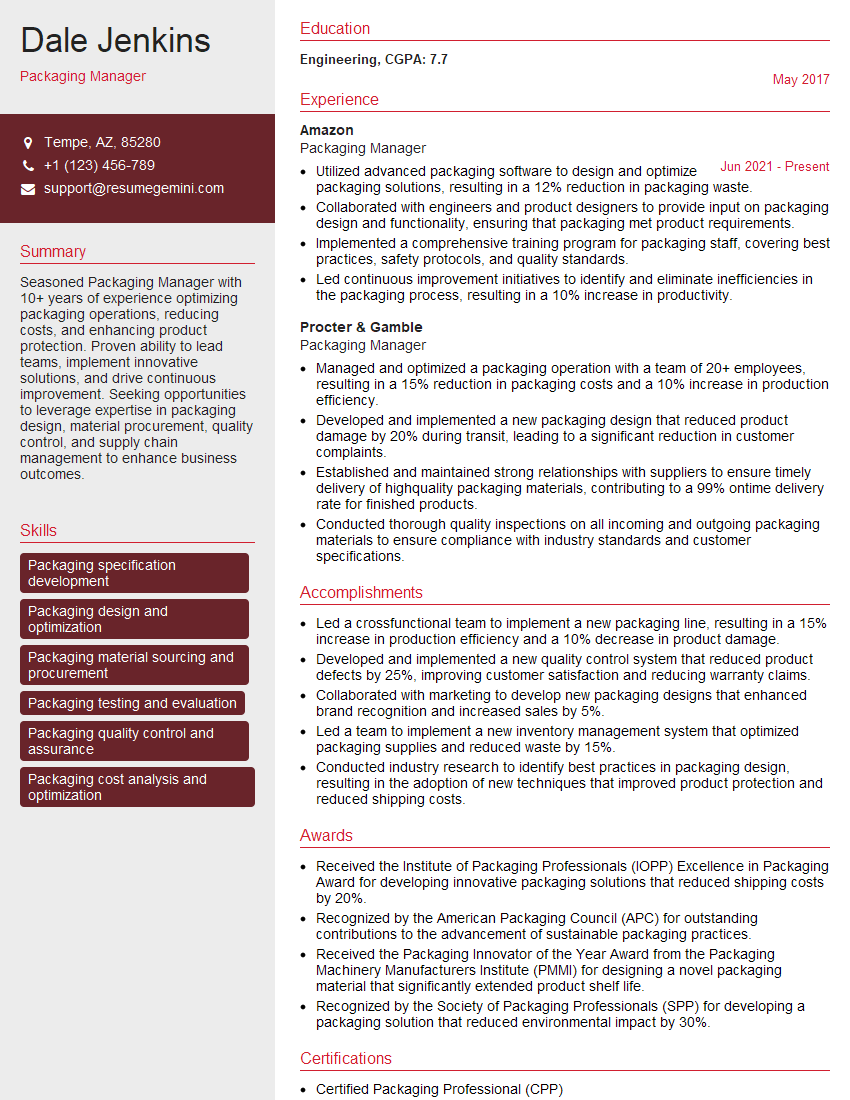
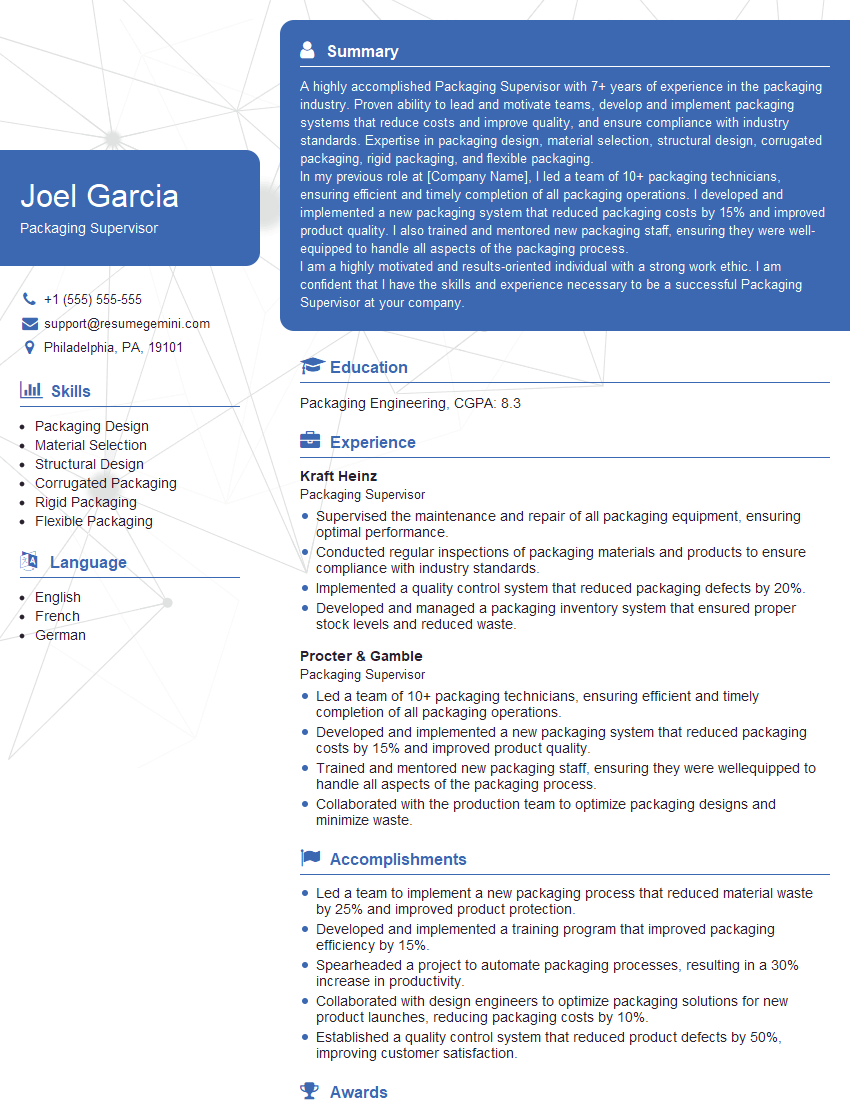
Mastering bag closing techniques and related knowledge is crucial for career advancement in manufacturing, packaging, and related industries. It opens doors to specialized roles and higher-paying positions. To maximize your job prospects, create a compelling and ATS-friendly resume that highlights your skills and experience. ResumeGemini is a trusted resource to help you build a professional resume that showcases your capabilities effectively. Examples of resumes tailored to Bag Closing roles are available to guide you. Invest time in crafting a strong resume – it’s your first impression with potential employers.




Explore more articles
Users Rating of Our Blogs
Share Your Experience
We value your feedback! Please rate our content and share your thoughts (optional).
What Readers Say About Our Blog
Very informative content, great job.
good