Preparation is the key to success in any interview. In this post, we’ll explore crucial Paper and Material Handling interview questions and equip you with strategies to craft impactful answers. Whether you’re a beginner or a pro, these tips will elevate your preparation.
Questions Asked in Paper and Material Handling Interview
Q 1. Describe your experience with different types of material handling equipment.
My experience encompasses a wide range of material handling equipment, from basic hand trucks and pallet jacks to sophisticated automated guided vehicles (AGVs) and conveyor systems. I’ve worked extensively with forklifts (both sit-down and stand-up), order pickers, reach trucks, and various types of cranes. Each piece of equipment has its own strengths and limitations, requiring different levels of operator skill and maintenance. For example, forklifts are essential for moving pallets efficiently across large distances, but require extensive training to operate safely. AGVs, on the other hand, offer automation and precision, but their implementation requires a well-planned warehouse layout and integration with warehouse management systems.
In one project, we optimized a warehouse by replacing manual pallet jacks with electric pallet jacks. This resulted in a significant reduction in employee fatigue and increased throughput, showing the immediate impact of selecting the right equipment for a specific task.
- Forklifts: Essential for moving heavy pallets.
- Pallet Jacks: Useful for shorter distances and smaller loads.
- Conveyor Systems: Automate the movement of goods along a defined path.
- AGVs: Offer automated and efficient movement of materials.
Q 2. Explain your understanding of warehouse safety procedures.
Warehouse safety is paramount. My understanding of safety procedures includes adhering to strict guidelines on equipment operation, proper storage of materials, and maintaining a clean and organized work environment. This includes regular safety training, emergency preparedness plans, and the implementation of safety protocols like using proper lifting techniques and wearing appropriate Personal Protective Equipment (PPE), such as safety shoes, gloves, and high-visibility vests. Regular inspections of equipment are crucial to prevent malfunctions. Furthermore, clear signage, well-lit areas, and designated walkways are essential for preventing accidents.
One example of a safety procedure I’ve implemented is a color-coded system for labeling hazardous materials, clearly indicating their potential risks and handling instructions. This ensures that all personnel are aware of the potential dangers associated with specific materials and take appropriate precautions.
Q 3. How do you prioritize tasks in a fast-paced warehouse environment?
In a fast-paced warehouse, prioritizing tasks effectively is critical. I utilize a combination of techniques to manage my workload. First, I identify the most urgent tasks based on their deadlines and impact on downstream processes. This often involves reviewing order fulfillment priorities and stock levels. Then, I utilize tools like kanban systems or a prioritized task list to visually manage my workflow. I also employ time management techniques like the Pomodoro Technique to maintain focus and efficiency. Finally, I’m flexible and adaptable to changing priorities, understanding that unexpected events may require me to adjust my plan on the fly.
For example, during peak season, we prioritize fulfilling orders with the closest deadlines first, ensuring on-time delivery to customers. We also focus on replenishing fast-moving inventory to prevent stockouts.
Q 4. What is your experience with inventory management systems?
I have extensive experience with various inventory management systems, including both manual systems and sophisticated software solutions like SAP, Oracle, and WMS (Warehouse Management Systems). My experience extends from data entry and reconciliation to implementing and optimizing these systems. This includes understanding inventory control principles, such as FIFO (First-In, First-Out) and LIFO (Last-In, First-Out), and their impact on inventory accuracy and cost management. I’m proficient in using inventory management systems to track stock levels, manage receiving and shipping processes, and generate reports on inventory performance.
In a previous role, we transitioned from a manual inventory system to a WMS. The transition improved accuracy, reduced stockouts, and streamlined order fulfillment. The system’s reporting capabilities provided valuable insights into inventory trends and helped optimize our storage strategy.
Q 5. Describe your experience with different types of paper and their handling requirements.
My experience with paper types and their handling requirements is extensive. I understand the differences between various paper grades, including newsprint, coated paper, bond paper, and specialty papers like card stock and corrugated board. Each type has unique properties influencing its handling needs. For example, newsprint is more delicate and susceptible to damage compared to card stock. Proper handling includes using appropriate equipment, such as specialized forklift attachments to prevent damage during transportation and storage. It also involves maintaining the correct environmental conditions to avoid issues like moisture damage, warping, and discoloration. Furthermore, understanding the different paper sizes and weights is important for efficient storage and transportation.
For instance, handling large rolls of newsprint requires specialized equipment and careful loading techniques to avoid tears and creases. Conversely, smaller quantities of bond paper can be managed with simpler methods, but still requires protection from moisture and dust.
Q 6. How do you handle damaged or defective materials?
Handling damaged or defective materials involves a systematic process. First, I identify the extent of the damage and determine its cause. Then, I segregate the damaged materials from undamaged stock to prevent contamination or further damage. Depending on the nature and extent of the damage, the materials might be repaired, returned to the supplier, or disposed of according to company procedures and environmental regulations. Documentation of the damage, its cause, and the actions taken is critical for tracking purposes and improving future handling processes.
For example, if a pallet of paper is damaged during transportation due to improper stacking, I would document the damage, take photos, and contact the supplier to initiate a claim. We would then segregate the damaged paper and dispose of it appropriately.
Q 7. What are your strategies for improving warehouse efficiency?
My strategies for improving warehouse efficiency focus on several key areas. First, optimizing the layout and flow of the warehouse minimizes travel time and improves material handling efficiency. This involves strategically positioning high-demand items for easy access. Secondly, implementing lean principles, like 5S methodology (Sort, Set in Order, Shine, Standardize, Sustain), reduces waste and improves overall organization. Thirdly, investing in technology, such as WMS and barcode scanners, automates tasks, improves accuracy, and provides real-time data for better decision-making. Finally, continuous employee training and process improvement initiatives enhance efficiency and safety.
In one instance, we implemented a cross-docking system, which eliminated the need for intermediate storage, significantly reducing handling time and improving order fulfillment speeds. The combination of layout optimization and technology investment resulted in a significant improvement in overall warehouse efficiency.
Q 8. How familiar are you with warehouse management systems (WMS)?
Warehouse Management Systems (WMS) are the backbone of efficient warehouse operations. I’m highly familiar with them, having worked extensively with various WMS platforms, including Oracle WMS, SAP EWM, and Manhattan Associates WMS. My experience encompasses implementing, configuring, and troubleshooting these systems. A WMS isn’t just software; it’s a crucial tool for optimizing inventory management, order fulfillment, and overall warehouse productivity. For instance, in a previous role, we implemented a new WMS that reduced our order picking time by 15% by optimizing picking routes and integrating with our automated guided vehicles (AGVs).
My understanding extends to key WMS functionalities such as:
- Inventory tracking and management
- Order management and fulfillment
- Labor management and reporting
- Warehouse slotting and optimization
- Integration with other enterprise systems (ERP, TMS)
I’m proficient in using WMS data for reporting and analysis to identify areas for improvement in warehouse efficiency and cost reduction. I understand the importance of data accuracy and regularly perform data audits to maintain the integrity of the WMS.
Q 9. Explain your understanding of different paper grades and their applications.
Paper grades are classified based on several factors including fiber type, weight, strength, and finish. This directly impacts their suitability for various applications. Think of it like choosing the right tool for a job – you wouldn’t use a hammer to screw in a screw!
- Writing and Printing Papers: These range from lightweight copy paper (e.g., 20lb bond) suitable for everyday printing to heavier weight papers (e.g., 60lb cover) used for brochures or book covers. The difference lies in the fiber content, which influences the paper’s opacity and smoothness.
- Packaging Papers: This category includes kraft paper (known for its strength and durability) commonly used in corrugated boxes and linerboard for heavier-duty applications. The choice depends on the product’s weight, fragility, and the shipping conditions.
- Specialty Papers: This diverse group includes papers with unique properties such as high gloss (used in magazines), textured papers for artistic purposes, and security papers for sensitive documents. These often involve specific coating or manufacturing processes.
For example, a delicate ceramic vase would require a high-quality corrugated box made from strong kraft linerboard and possibly additional cushioning, whereas a lightweight book could be shipped in a lighter weight cardboard box.
Q 10. Describe your experience with order picking and fulfillment processes.
My experience in order picking and fulfillment is extensive, encompassing both manual and automated processes. I’ve worked in environments utilizing various picking methods, including batch picking, zone picking, and wave picking. The choice of method depends on factors like order volume, product variety, and warehouse layout.
In a previous role, we implemented a zone picking strategy, dividing the warehouse into zones and assigning pickers to specific zones. This significantly improved efficiency compared to our previous method of single-order picking. We also leveraged handheld scanners to reduce errors and improve accuracy during the picking process.
My experience also includes managing the post-picking processes such as packing, labeling, and shipping. I’m familiar with different packaging materials and techniques to ensure product safety during transit. I’ve always prioritized accuracy and speed in fulfillment, understanding that timely and accurate delivery significantly impacts customer satisfaction.
Q 11. How do you ensure accuracy in inventory counts?
Ensuring accuracy in inventory counts is paramount for efficient warehouse operations. We use a multi-pronged approach involving regular cycle counting, physical inventory counts, and robust WMS integration.
- Cycle Counting: This involves regularly counting a small portion of inventory instead of performing a complete count at once. This allows for timely identification and correction of discrepancies. We utilize a scheduled cycle counting plan based on item value and turnover rate.
- Physical Inventory Counts: Periodically, we conduct a full physical inventory count to verify the accuracy of our WMS data. This is usually a more intensive process that requires careful planning and coordination.
- WMS Integration: Our WMS tracks inventory movements in real-time, providing immediate visibility into stock levels. Regular reconciliation of physical counts with WMS data allows for early detection of errors.
We also utilize barcode scanners and RFID technology to improve the speed and accuracy of inventory counts. Each count is documented thoroughly, and any discrepancies are investigated and resolved immediately to maintain data integrity.
Q 12. What is your experience with shipping and receiving procedures?
My experience with shipping and receiving procedures is comprehensive. I’m familiar with various shipping carriers, their rates, and service levels, and proficient in selecting the optimal carrier based on factors like delivery speed, cost, and product fragility.
In receiving, I’ve managed the entire process from unloading shipments to verifying quantities against purchase orders, inspecting goods for damage, and updating inventory records. We use a systematic approach including check-in procedures, damage reporting protocols, and clear communication with suppliers. On the shipping side, I’ve overseen the preparation of shipments, including packaging, labeling, and manifesting, adhering to all relevant regulations and carrier requirements.
I’ve worked with different shipping documents, including Bills of Lading, packing slips, and commercial invoices. I’m also experienced in managing returns and resolving shipping discrepancies.
Q 13. Explain your understanding of supply chain management principles.
Supply chain management (SCM) is the process of planning, implementing, and controlling the flow of goods and services from origin to consumption. It involves coordinating multiple entities, including suppliers, manufacturers, distributors, and retailers, to ensure efficient and effective delivery of goods to end customers.
My understanding of SCM principles includes:
- Demand Forecasting: Accurately predicting customer demand to optimize inventory levels and avoid stockouts or overstocking.
- Inventory Management: Effectively managing inventory to minimize costs while ensuring sufficient stock to meet customer demand. This involves strategies like Just-in-Time (JIT) inventory and Economic Order Quantity (EOQ).
- Logistics and Transportation: Optimizing the transportation of goods to minimize costs and ensure timely delivery. This encompasses carrier selection, route optimization, and warehouse location strategy.
- Supplier Relationship Management: Building strong relationships with suppliers to ensure reliable supply of goods and services.
- Risk Management: Identifying and mitigating potential risks within the supply chain, such as disruptions due to natural disasters or geopolitical events.
I believe in a collaborative, data-driven approach to SCM, utilizing advanced analytics and technology to optimize processes and enhance visibility throughout the supply chain.
Q 14. How do you handle discrepancies between inventory records and physical counts?
Discrepancies between inventory records and physical counts require immediate attention. My approach involves a systematic investigation to identify the root cause and implement corrective actions.
The process usually begins with a thorough review of the discrepancy report, focusing on the affected items and the magnitude of the difference. We then conduct a recount of the affected inventory, verifying the physical count’s accuracy. Possible causes need to be investigated, which could include:
- Data entry errors: Mistakes in entering inventory data into the WMS.
- Picking errors: Incorrectly picking items during the order fulfillment process.
- Receiving errors: Inaccuracies in recording received quantities.
- Inventory shrinkage: Losses due to damage, theft, or obsolescence.
Once the root cause is identified, appropriate corrective actions are taken. This might involve retraining staff, improving data entry procedures, implementing better inventory control measures, or enhancing security protocols. The goal is not just to correct the immediate discrepancy but also to prevent similar issues from occurring in the future.
Q 15. Describe your experience with different types of packaging materials.
My experience encompasses a wide range of packaging materials, from the most basic to highly specialized options. I’ve worked extensively with corrugated cardboard, a ubiquitous choice for its strength, cost-effectiveness, and recyclability. I understand the different grades and flute types (A-flute, B-flute, etc.) and how they impact product protection and stacking strength. Beyond cardboard, I’m familiar with various other materials, including:
- Paper-based packaging: Kraft paper, coated paperboard, and specialized papers for food packaging (e.g., grease-resistant).
- Plastic films: Shrink wrap, stretch film, bubble wrap, and various types of polyethylene (PE) and polypropylene (PP) films for cushioning and moisture protection.
- Foam padding: EPE (expanded polyethylene) and PU (polyurethane) foams in various densities for fragile items.
- Wood: Crates and pallets, selecting the appropriate type of wood based on weight capacity and environmental regulations.
- Sustainable alternatives: I have experience exploring and implementing eco-friendly options such as recycled cardboard, biodegradable plastics, and compostable packaging materials. This includes assessing their performance characteristics and ensuring they meet the required protection levels.
For example, in one project, I optimized packaging for a client’s delicate glassware by switching from a single layer of bubble wrap to a custom-designed insert made from recycled paperboard. This reduced packaging waste by 20% while maintaining the same level of product protection. The choice of material always depends on the product’s fragility, shipping distance, environmental considerations, and budget.
Career Expert Tips:
- Ace those interviews! Prepare effectively by reviewing the Top 50 Most Common Interview Questions on ResumeGemini.
- Navigate your job search with confidence! Explore a wide range of Career Tips on ResumeGemini. Learn about common challenges and recommendations to overcome them.
- Craft the perfect resume! Master the Art of Resume Writing with ResumeGemini’s guide. Showcase your unique qualifications and achievements effectively.
- Don’t miss out on holiday savings! Build your dream resume with ResumeGemini’s ATS optimized templates.
Q 16. What is your approach to problem-solving in a warehouse setting?
My approach to problem-solving in a warehouse setting is systematic and data-driven. I utilize a structured methodology that involves:
- Identify the problem: Clearly define the issue, gathering data through observation, reports, and communication with warehouse staff. For instance, is it slow picking times, high error rates, or inefficient storage?
- Analyze the root cause: Use various analytical tools such as process mapping, 5 Whys analysis, or Pareto charts to identify the underlying causes. This helps move beyond surface-level symptoms to the core issue.
- Develop solutions: Brainstorm potential solutions, considering their feasibility, cost, and impact on other processes. This could involve process optimization, improved training, technology implementation, or changes to warehouse layout.
- Implement and monitor: Implement the chosen solution, carefully monitoring its effectiveness using key performance indicators (KPIs) such as order fulfillment rate, picking accuracy, and storage utilization. Regular checks ensure the solution addresses the problem effectively.
- Evaluate and refine: After a set period, evaluate the solution’s performance, making adjustments as needed. This iterative process ensures continuous improvement and long-term efficiency.
For example, in a previous role, we experienced a bottleneck in our picking process. After analysis, we discovered that the warehouse layout was inefficient. We reconfigured the storage layout based on product popularity, improving pick paths and reducing travel time by 15%.
Q 17. How do you maintain a clean and organized workspace?
Maintaining a clean and organized workspace is crucial for safety, efficiency, and morale. My approach involves a combination of proactive measures and consistent maintenance:
- 5S Methodology: I implement the 5S methodology (Sort, Set in Order, Shine, Standardize, Sustain) to create a systematic approach to organization. This ensures that only necessary items are kept, everything has a designated place, the area is regularly cleaned, and processes are standardized.
- Regular cleaning schedules: Establishing regular cleaning schedules for different areas of the warehouse, assigning responsibilities to team members.
- Proper storage solutions: Utilizing appropriate storage solutions like shelving, racking, and bins to ensure materials are properly stored and easily accessible. This prevents clutter and improves efficiency.
- Designated areas for waste disposal: Implementing clearly marked areas for different types of waste, promoting recycling and proper waste management.
- Employee training and engagement: Training employees on proper housekeeping procedures and encouraging their active participation in maintaining a clean and organized workspace.
A clean and organized warehouse reduces the risk of accidents, improves productivity by minimizing search times, and creates a more positive work environment.
Q 18. What are your experience with RFID or barcode scanning technology?
I have extensive experience with both RFID and barcode scanning technologies. Barcode scanning is a mature technology I’ve used for years to track inventory, manage shipments, and process orders. This involves using handheld scanners to read barcodes on products and packaging, integrating the data into inventory management systems. I’m proficient in troubleshooting scanner issues and optimizing barcode placement for efficient reading.
More recently, I’ve gained experience with RFID (Radio-Frequency Identification). RFID provides greater speed and accuracy for inventory management, especially in high-volume environments. I understand how RFID tags are attached to items, how readers capture data, and how this data is integrated into warehouse management systems (WMS). For example, I worked on a project where we implemented an RFID-based system to track pallet movement in real-time, eliminating manual tracking errors and improving inventory accuracy significantly. RFID also allows for better tracking of goods throughout the entire supply chain.
Q 19. Describe your experience working with automated material handling systems.
My experience with automated material handling systems includes working with a variety of technologies, including:
- Automated Guided Vehicles (AGVs): I’ve worked with AGVs in various warehouse settings, optimizing their routes and programming to enhance efficiency.
- Conveyor systems: I have experience troubleshooting and maintaining conveyor belts and sorters of different types, understanding the importance of speed, capacity, and reliability.
- Automated storage and retrieval systems (AS/RS): I understand the complexities of AS/RS, including their programming, maintenance, and integration with warehouse management systems. These systems significantly enhance storage density and order fulfillment speed.
- Robotics: I am familiar with the role of robotics in material handling, such as robotic palletizers and automated picking systems. These technologies are changing the landscape of warehousing and improving productivity, particularly for high-volume applications.
In one project, we implemented an AS/RS system to improve storage capacity and order fulfillment speed. This resulted in a 30% reduction in order fulfillment time and a significant increase in storage density, allowing us to handle significantly higher volumes with the same footprint. Understanding the strengths and limitations of each automated system is crucial for optimization.
Q 20. How do you ensure the timely delivery of orders?
Ensuring timely order delivery involves a multi-faceted approach that focuses on efficient operations throughout the entire supply chain. Key elements include:
- Accurate order processing: Efficient order entry and processing, minimizing errors and delays. This includes effective use of WMS systems.
- Optimized picking and packing: Streamlined picking and packing processes, utilizing technologies like barcode scanning and optimized warehouse layout to minimize travel times.
- Effective inventory management: Maintaining accurate inventory levels and minimizing stockouts through robust inventory management practices. This ensures that the necessary materials are always available.
- Reliable transportation management: Collaborating with reliable carriers to ensure timely pickup and delivery of orders. Real-time tracking of shipments helps in proactive issue resolution.
- Proactive communication: Maintaining clear and consistent communication with customers regarding order status and any potential delays.
For instance, to prevent delays due to unforeseen events, I implemented a system to automatically alert carriers and customers of potential transportation disruptions, allowing for proactive mitigation strategies. The focus is always on proactively addressing potential bottlenecks and maintaining consistent communication to ensure customer satisfaction.
Q 21. What is your experience with different types of storage racking?
My experience includes various types of storage racking systems, each designed for different needs and materials. I understand the critical aspects of selecting appropriate racking for safety, efficiency and cost-effectiveness.
- Selective pallet racking: The most common type, offering high accessibility and flexibility. I’m skilled in optimizing the layout for efficient order picking.
- Drive-in/drive-through racking: Ideal for high-volume storage of similar items, maximizing storage capacity. I know how to manage FIFO (First-In, First-Out) and LIFO (Last-In, First-Out) inventory strategies within this system.
- Push-back racking: Space-saving solution where pallets are pushed back, accessed using a forklift. I’ve worked to maximize space utilization with this system.
- Double-deep racking: Similar to selective racking but allowing for two pallets deep, increasing storage density. I understand the challenges and advantages of this system and how to select appropriate equipment.
- Cantilever racking: Used for long or bulky items, such as lumber or pipes. I’m familiar with safety considerations for this type.
Choosing the correct racking system is crucial. In a previous role, we switched from selective pallet racking to drive-in racking for a specific product line, increasing our storage capacity by 40% without expanding the warehouse footprint. Each racking system has its specific strengths and weaknesses, and the choice always needs to be made considering the specific needs of the operation, load characteristics, and budget constraints.
Q 22. How do you manage multiple priorities simultaneously?
Managing multiple priorities effectively in a fast-paced paper and material handling environment requires a structured approach. I utilize a prioritization matrix, often based on urgency and importance. This helps me visually categorize tasks, ensuring critical deadlines aren’t missed. For example, I might prioritize fulfilling an urgent order for a key client over a less time-sensitive inventory audit. Further, I employ time-blocking techniques, allocating specific time slots for different tasks to maintain focus and avoid getting overwhelmed. Regularly reviewing my to-do list and adjusting priorities as needed is crucial. Finally, effective communication with my team is essential; keeping everyone informed allows for collaborative problem-solving and efficient task delegation.
Q 23. What is your experience with load planning and optimization?
Load planning and optimization are critical for efficiency and cost-effectiveness in material handling. My experience involves leveraging software like warehouse management systems (WMS) to optimize storage space and streamline order fulfillment. This includes considering factors such as weight distribution, cube utilization, and product fragility. For instance, I’ve optimized pallet stacking to minimize wasted space and prevent damage by strategically placing heavier items at the bottom and lighter, more fragile items on top. I’m also proficient in route optimization, utilizing software to determine the most efficient routes for delivery trucks, minimizing travel time and fuel costs. A recent project involved reducing our delivery time by 15% through careful route planning and load consolidation.
Q 24. Describe your understanding of relevant safety regulations (OSHA, etc.).
I have a thorough understanding of relevant safety regulations, including OSHA standards for material handling. This includes comprehensive knowledge of lockout/tagout procedures, hazard communication, personal protective equipment (PPE) requirements (such as safety glasses, gloves, and steel-toed boots), and safe lifting techniques. I’m familiar with regulations regarding forklift operation, including proper training, certification, and maintenance. In my previous role, I implemented a comprehensive safety training program that resulted in a 20% reduction in workplace accidents. Regular safety inspections and adherence to established procedures are crucial for a safe working environment, and I proactively ensure compliance with all applicable regulations.
Q 25. How do you adapt to changing priorities and deadlines?
Adaptability is essential in this dynamic industry. When priorities shift, I first assess the impact on existing projects and deadlines. Then, I communicate openly with my team to adjust timelines and re-allocate resources accordingly. I’m adept at using agile methodologies, embracing flexibility and iterative planning to accommodate change. For example, during a recent supply chain disruption, I quickly adjusted our inventory management strategy, prioritizing critical materials and finding alternative suppliers to minimize delays. Proactive communication and a willingness to adapt are key to successfully navigating changing circumstances.
Q 26. What are your strengths and weaknesses in a warehouse environment?
My strengths in a warehouse environment include my strong organizational skills, problem-solving abilities, and proficiency in utilizing warehouse management systems. I’m a quick learner, adaptable to new technologies and processes. My experience with inventory control and load optimization contributes significantly to efficiency. However, I would consider delegating tasks more effectively as a potential area for improvement; sometimes I tend to take on too much responsibility, impacting my overall productivity. I am actively working on this by learning to trust my team members more and effectively utilize their skills.
Q 27. Describe a time you had to resolve a conflict in the workplace.
In a previous role, a conflict arose between two team members regarding the optimal method for organizing a new storage area. One favored a system based on product type, while the other preferred organizing by order frequency. I facilitated a meeting where both team members could present their arguments. By actively listening to each perspective and highlighting the advantages and disadvantages of both methods, we found a compromise: a hybrid system that incorporated elements of both approaches. The solution not only resolved the conflict but also led to a more efficient storage system. This experience emphasized the importance of open communication and collaborative problem-solving in resolving workplace conflicts.
Q 28. How do you ensure the security of inventory and materials?
Inventory security is paramount. We implement a multi-layered approach, starting with physical security measures like access control systems, surveillance cameras, and secured storage areas. Regular inventory counts and audits are conducted to detect discrepancies and prevent theft or loss. We utilize barcoding and RFID technology to track items throughout the entire process, from receiving to shipment. Furthermore, we have robust procedures for handling damaged or obsolete materials, ensuring they’re properly disposed of or recycled. Employee training on security protocols is crucial, and we conduct regular refresher courses to reinforce best practices. This comprehensive approach minimizes risks and ensures the integrity of our inventory.
Key Topics to Learn for Paper and Material Handling Interview
- Warehouse Management Systems (WMS): Understanding how WMS software optimizes inventory management, order fulfillment, and warehouse operations. Practical application: Describe your experience with specific WMS platforms and how you’ve used them to improve efficiency.
- Material Handling Equipment (MHE): Familiarize yourself with various types of MHE (forklifts, conveyors, automated guided vehicles (AGVs), etc.), their applications, safety protocols, and maintenance. Practical application: Explain how you’d select the appropriate MHE for a specific task, considering factors like load capacity and space constraints.
- Inventory Control and Optimization: Learn about inventory management techniques (FIFO, LIFO, etc.), cycle counting, and strategies for minimizing waste and maximizing storage space. Practical application: Describe a time you identified and resolved an inventory discrepancy or improved inventory accuracy.
- Supply Chain Management (SCM): Understand the flow of materials from supplier to customer, including procurement, transportation, and warehousing. Practical application: Explain your understanding of lean principles and how they apply to optimizing the supply chain in a paper and material handling context.
- Safety Regulations and Compliance: Master relevant safety regulations and best practices for handling materials, operating MHE, and maintaining a safe work environment. Practical application: Describe your experience with implementing safety procedures and training others on safe work practices.
- Packaging and Wrapping Techniques: Understand different packaging materials and techniques for protecting goods during transportation and storage. Practical application: Explain how you’d choose the appropriate packaging for a specific product to ensure its safe delivery.
- Process Improvement and Lean Manufacturing: Learn about methodologies like Kaizen and Six Sigma for continuous improvement in material handling processes. Practical application: Describe a project where you implemented process improvements to increase efficiency or reduce costs.
Next Steps
Mastering Paper and Material Handling principles is crucial for career advancement in logistics, warehousing, and manufacturing. A strong understanding of these concepts significantly increases your marketability and opens doors to higher-paying roles with greater responsibilities. To stand out, create an ATS-friendly resume that highlights your skills and experience effectively. ResumeGemini is a trusted resource for building professional resumes that catch the eye of recruiters. They provide examples of resumes tailored to Paper and Material Handling, ensuring your application makes a strong first impression.
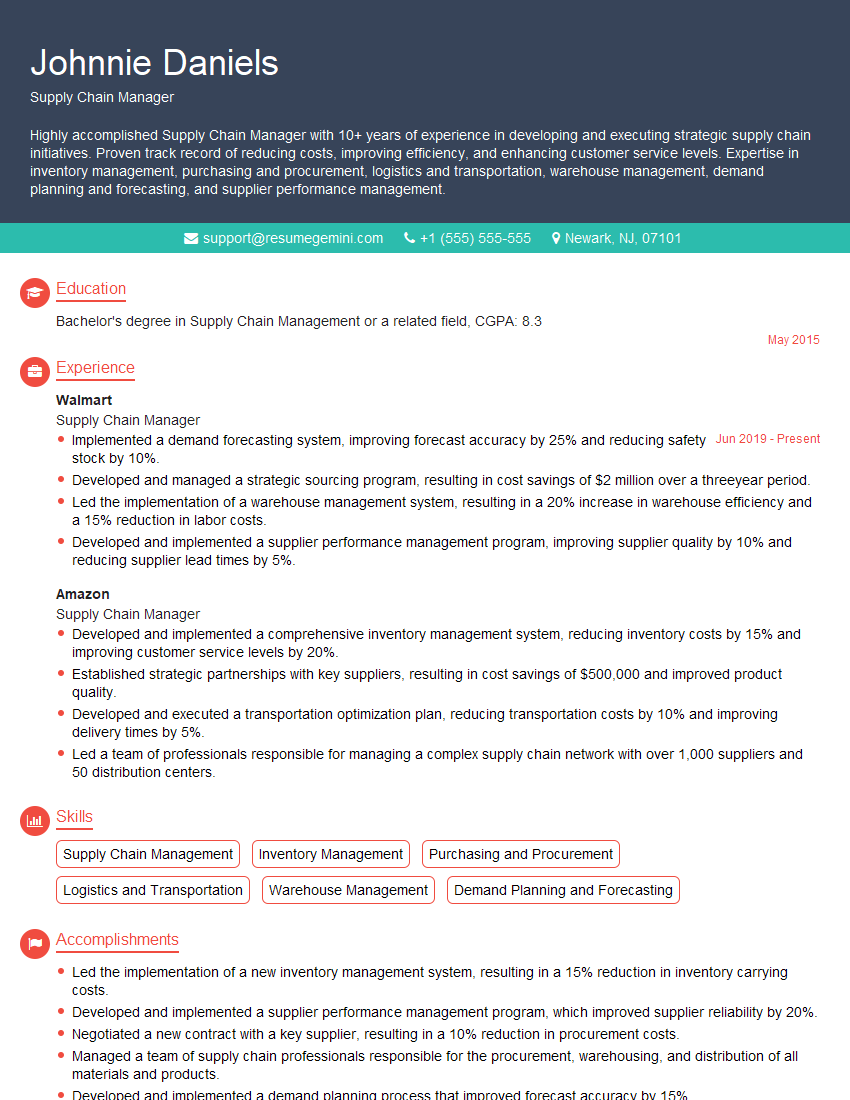
Supply Chain Manager Resume Sample
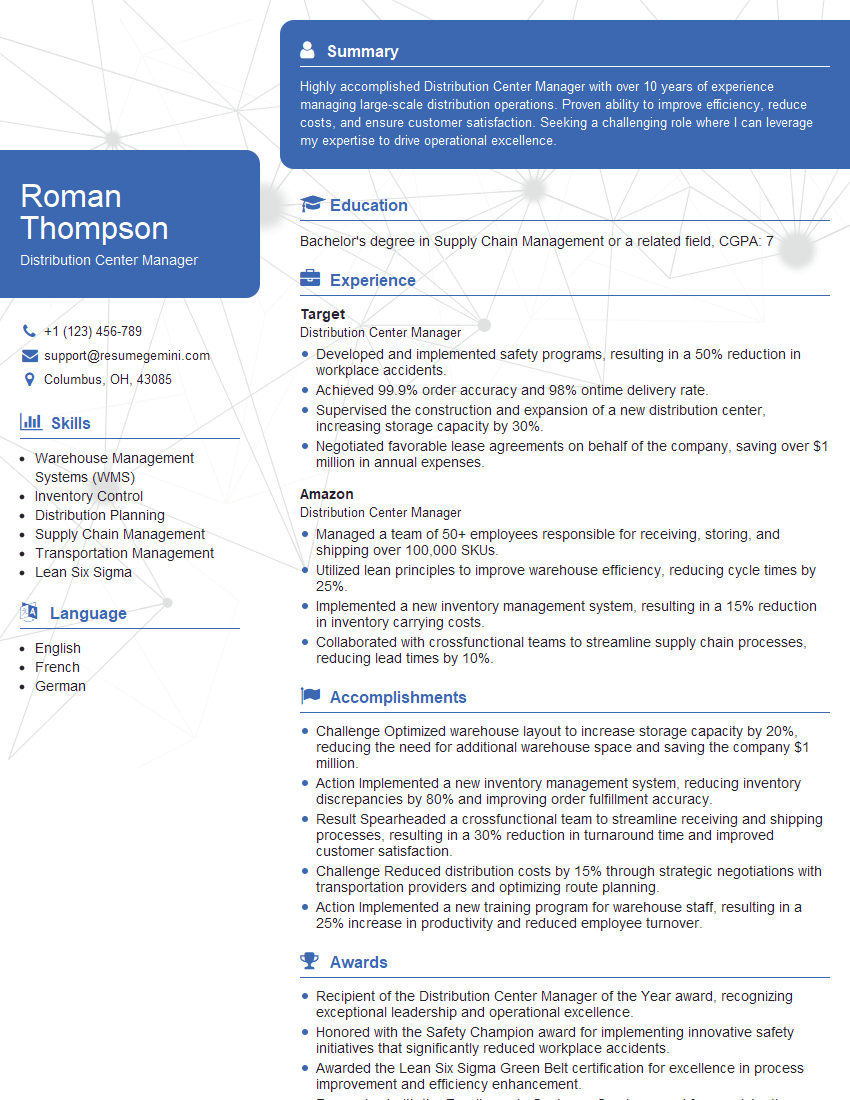
Distribution Center Manager Resume Sample
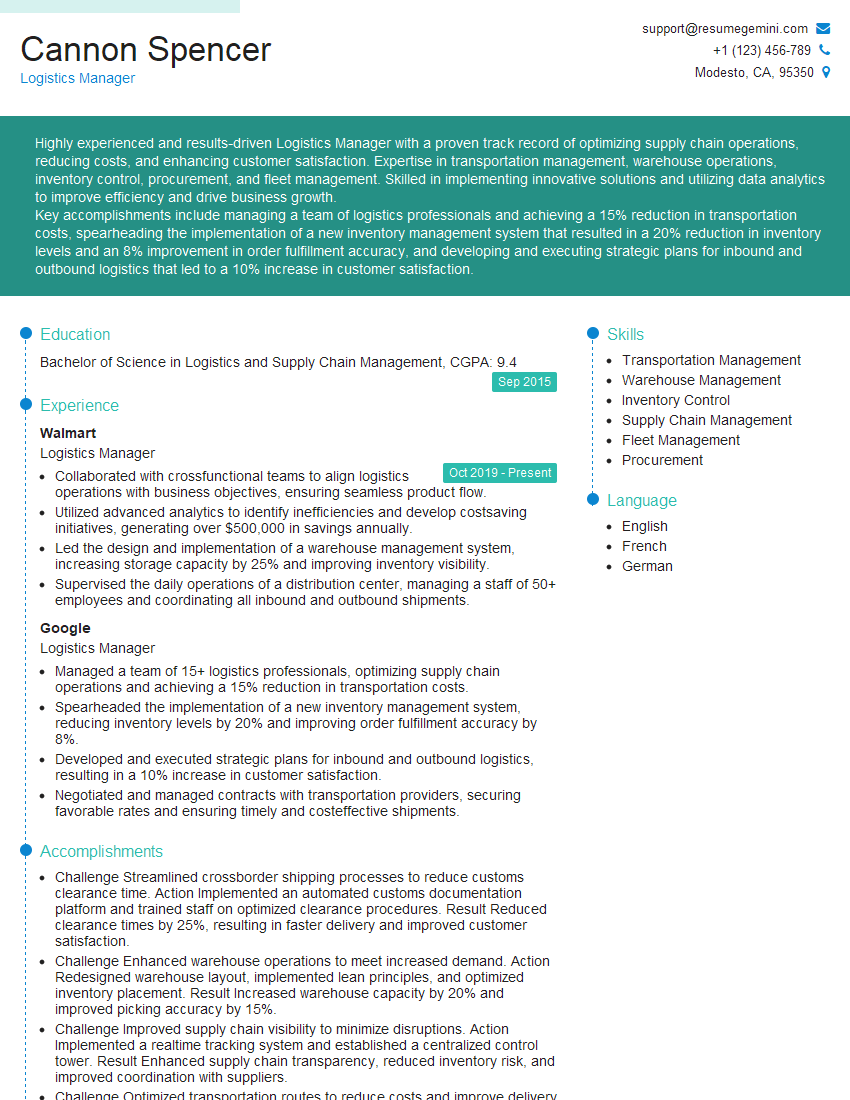
Logistics Manager Resume Sample
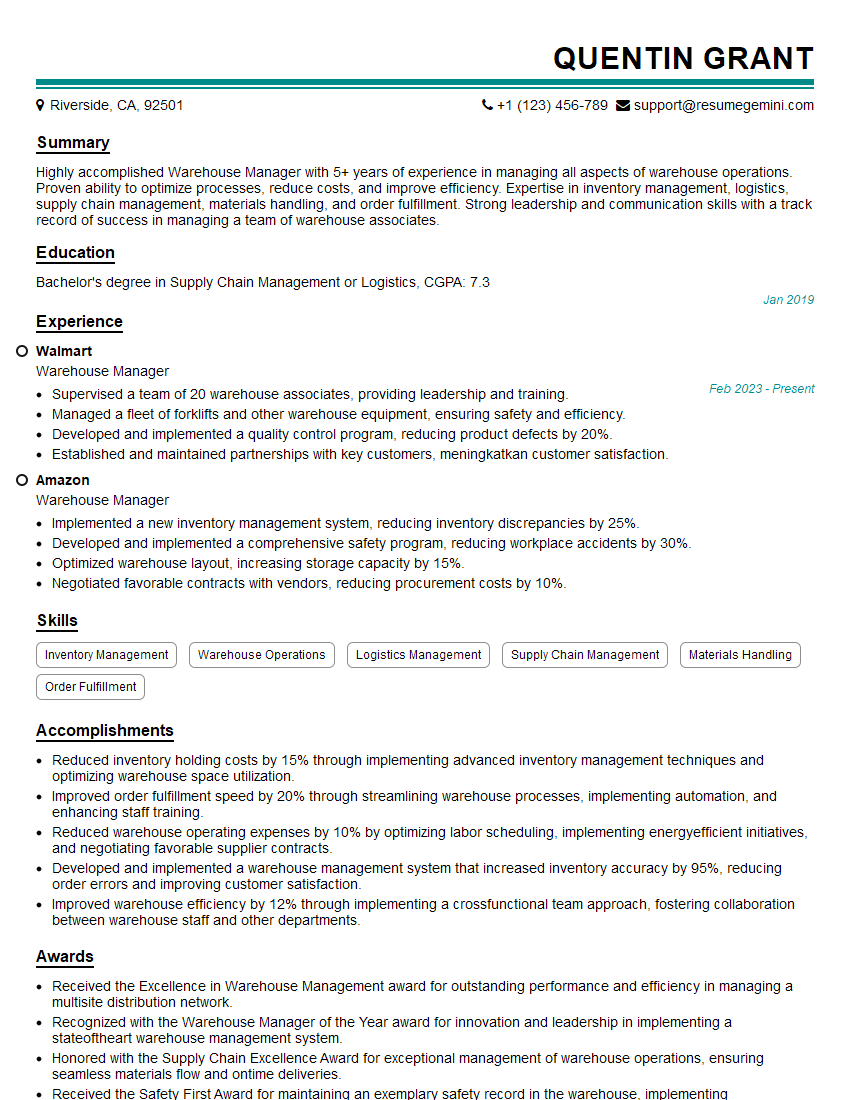
Warehouse Manager Resume Sample
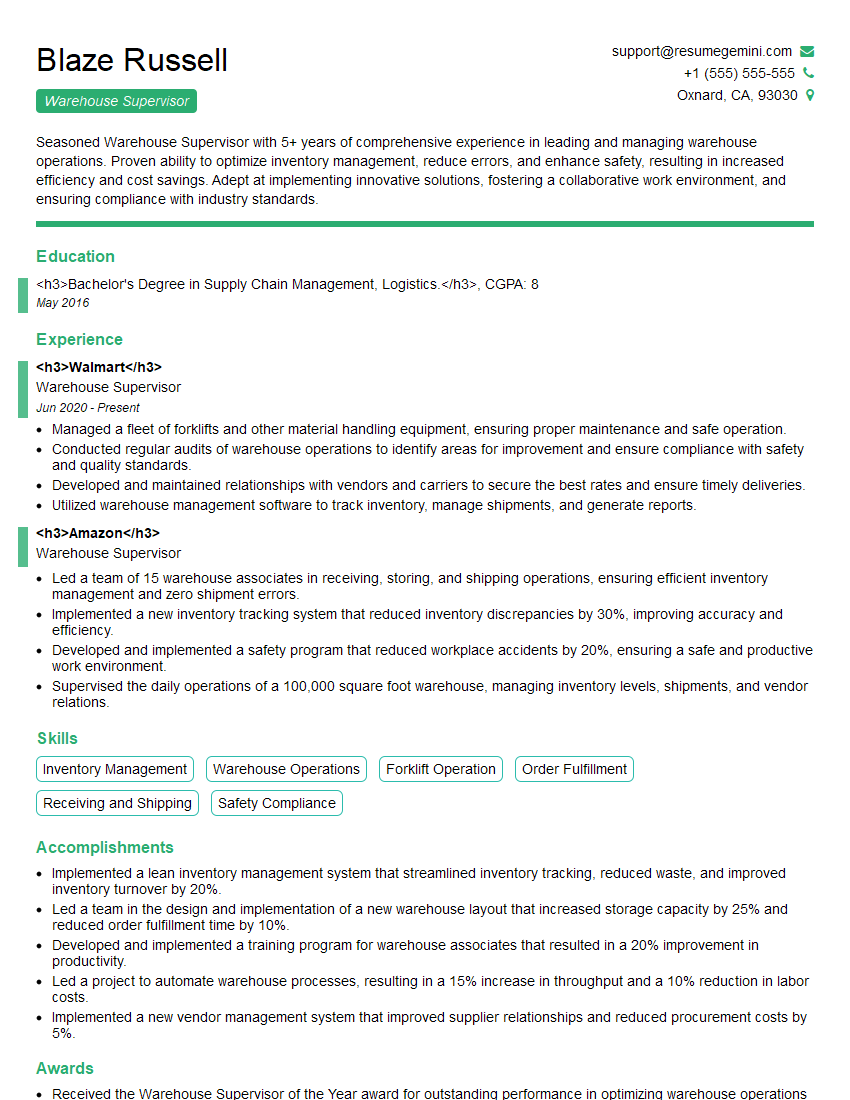
Warehouse Supervisor Resume Sample
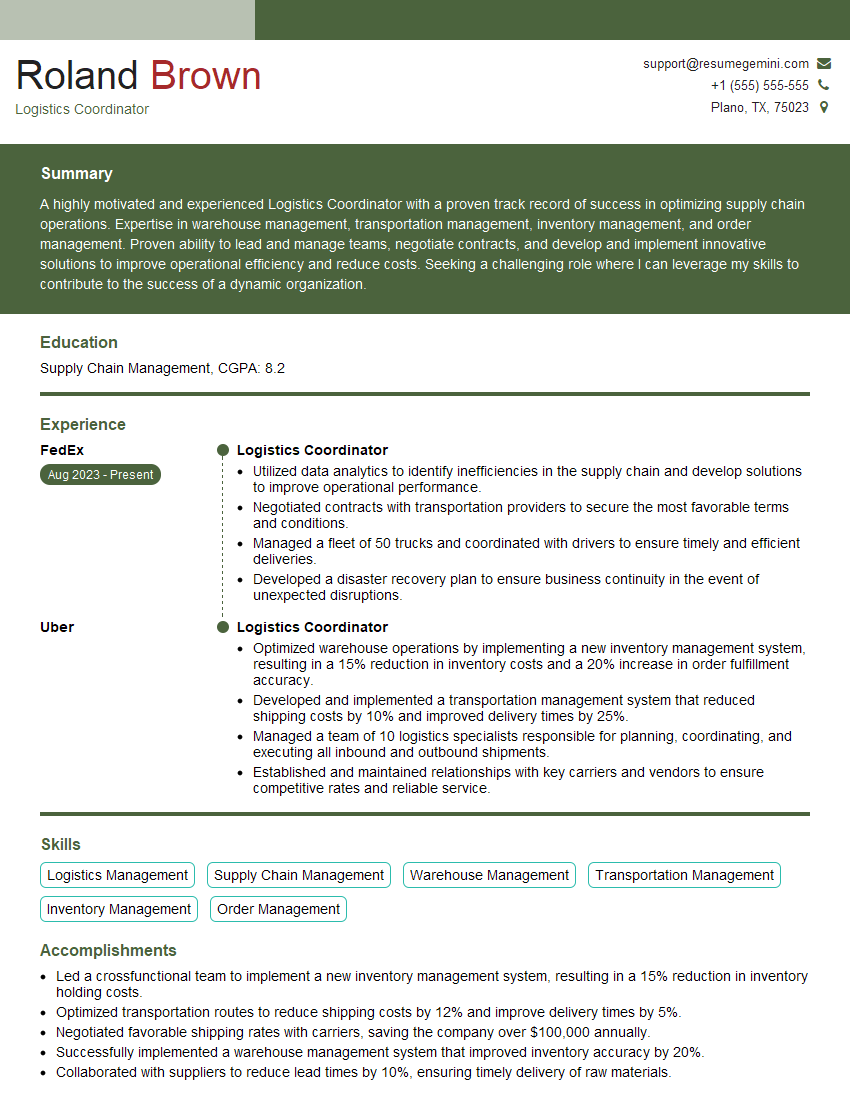
Logistics Coordinator Resume Sample
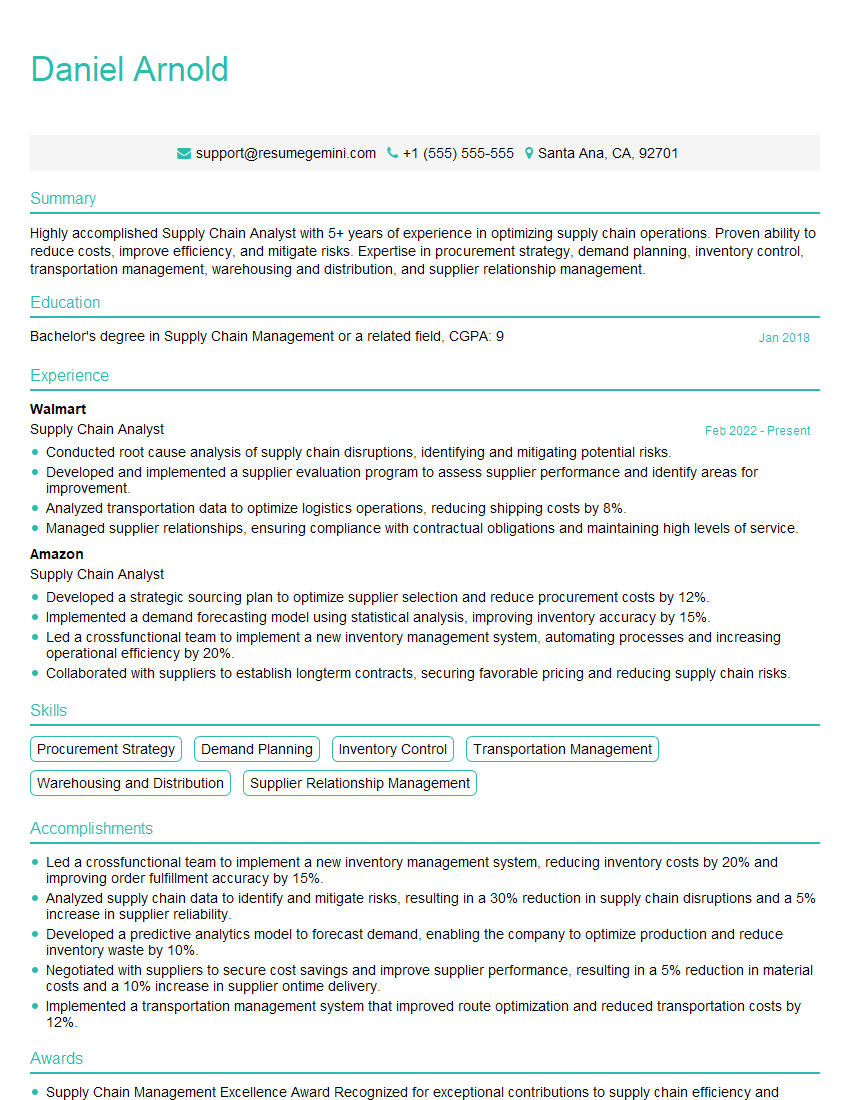
Supply Chain Analyst Resume Sample
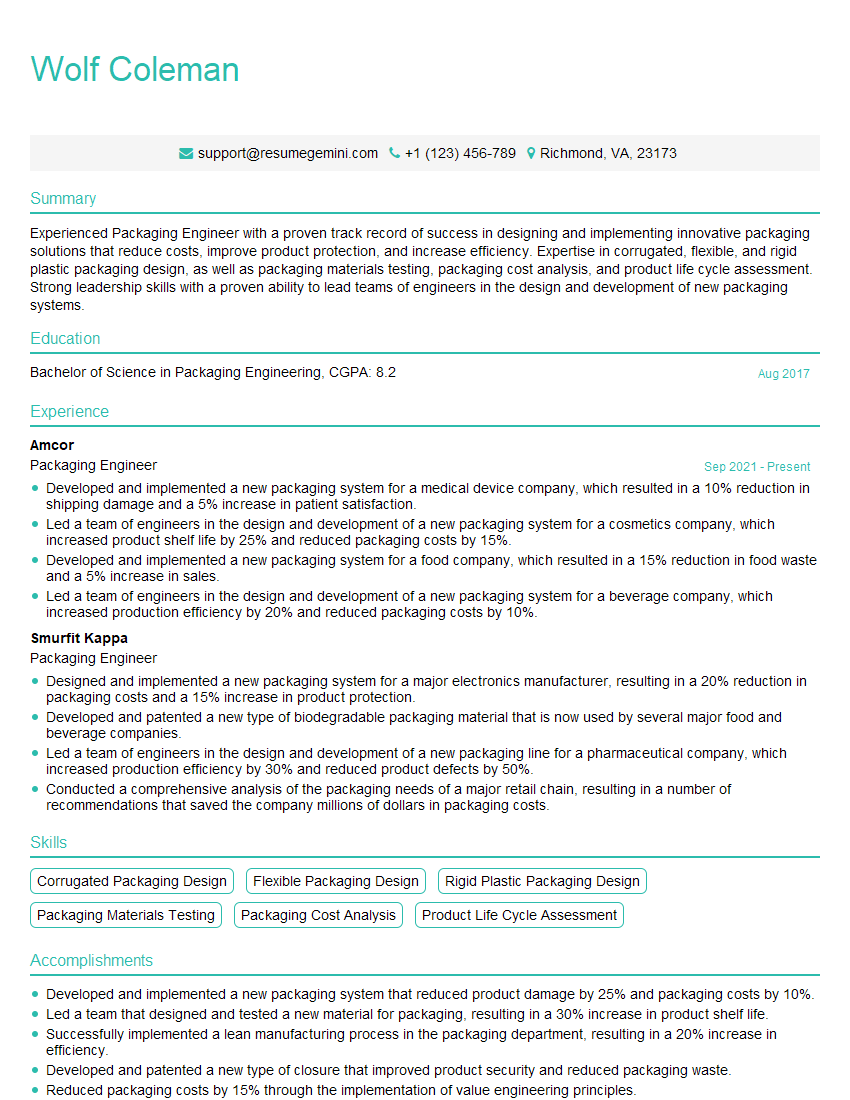
Packaging Engineer Resume Sample
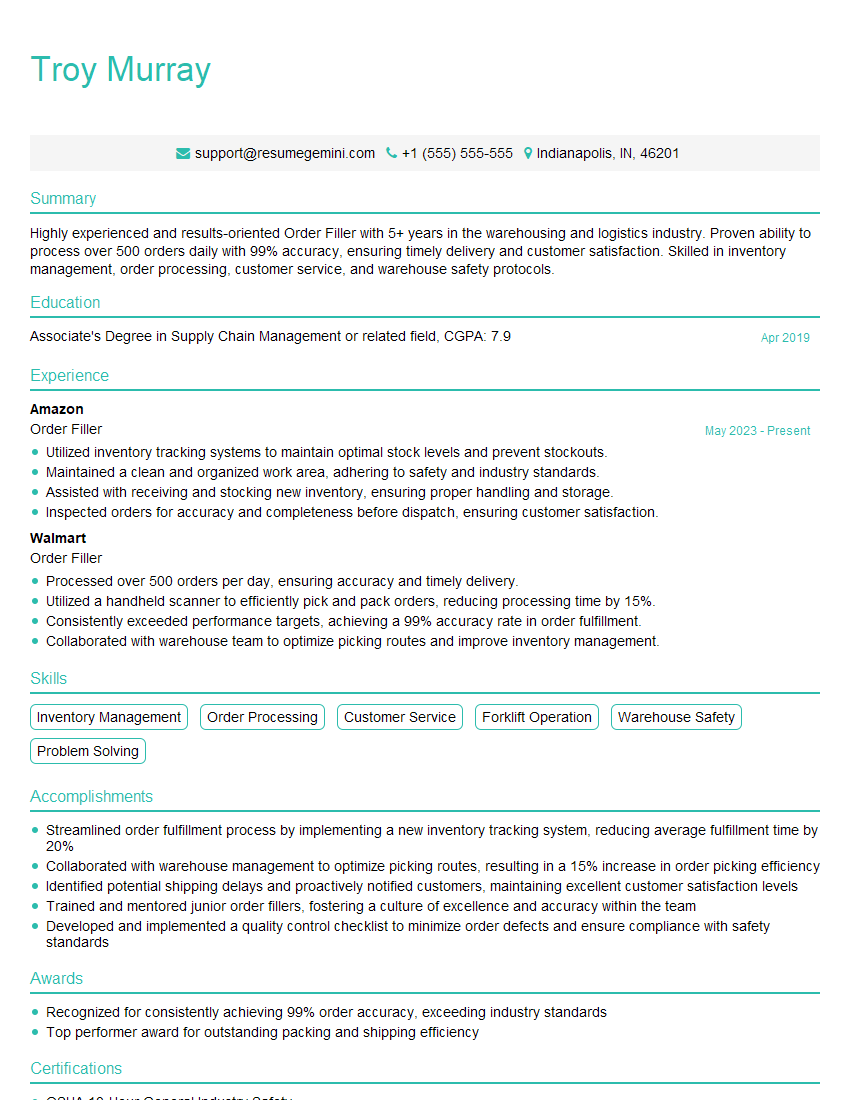
Order Filler Resume Sample
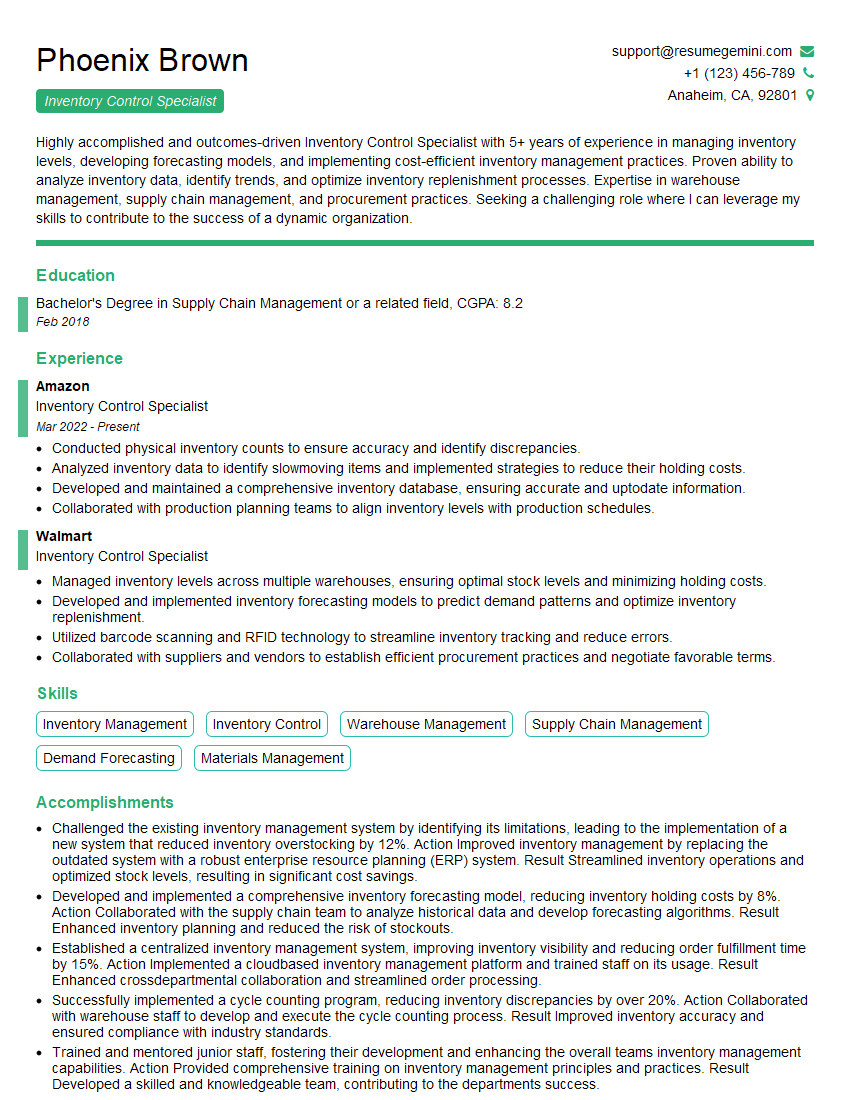
Inventory Control Specialist Resume Sample

Shipping and Receiving Clerk Resume Sample
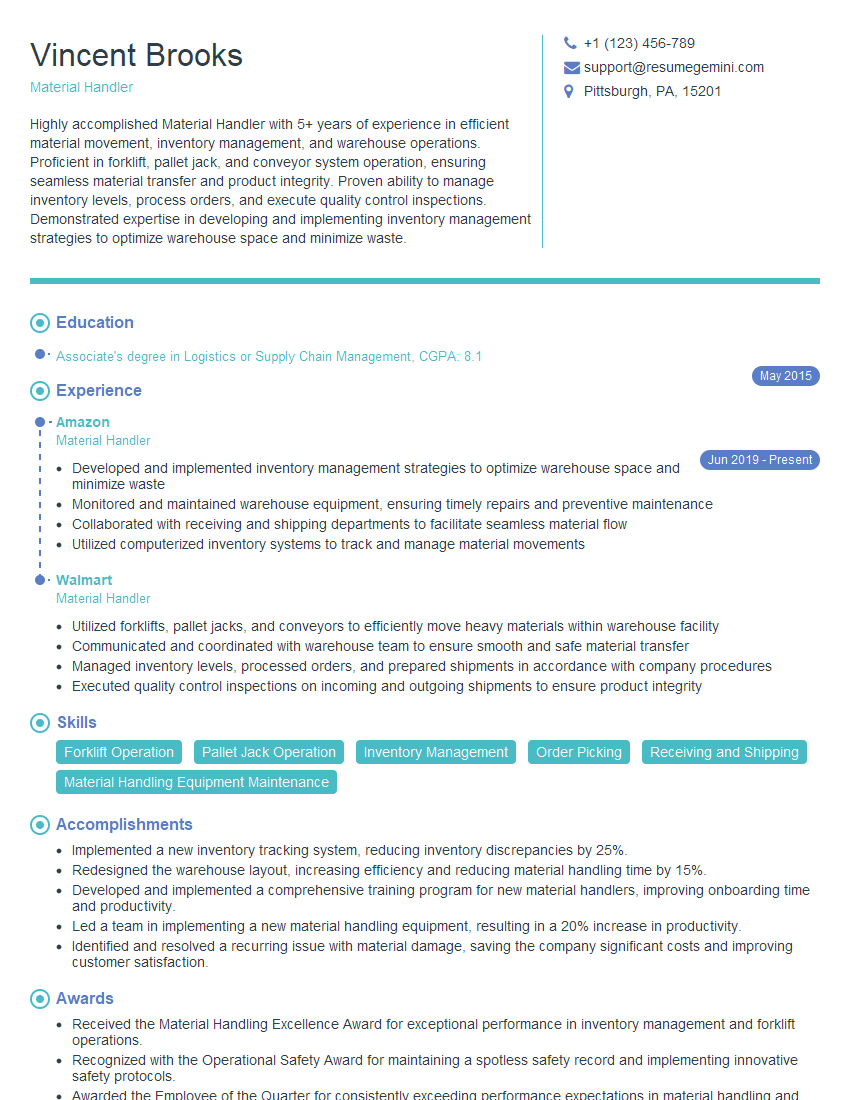
Material Handler Resume Sample
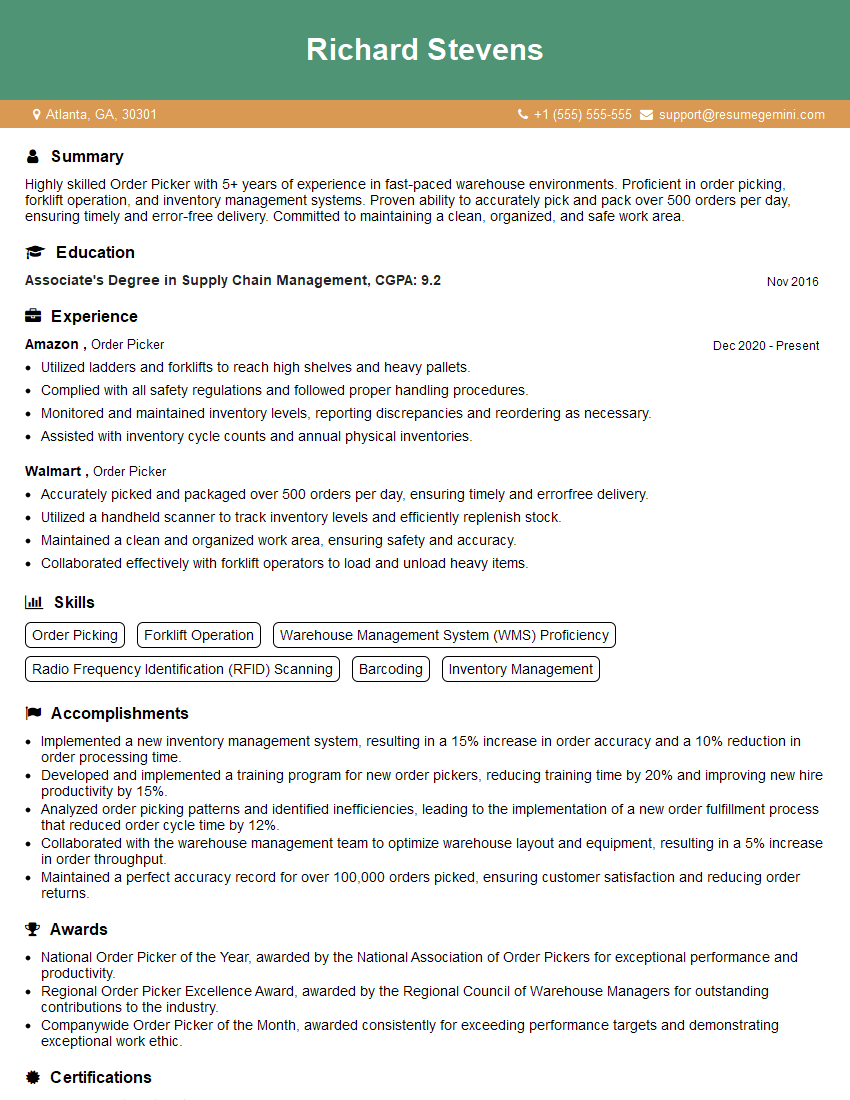
Order Picker Resume Sample
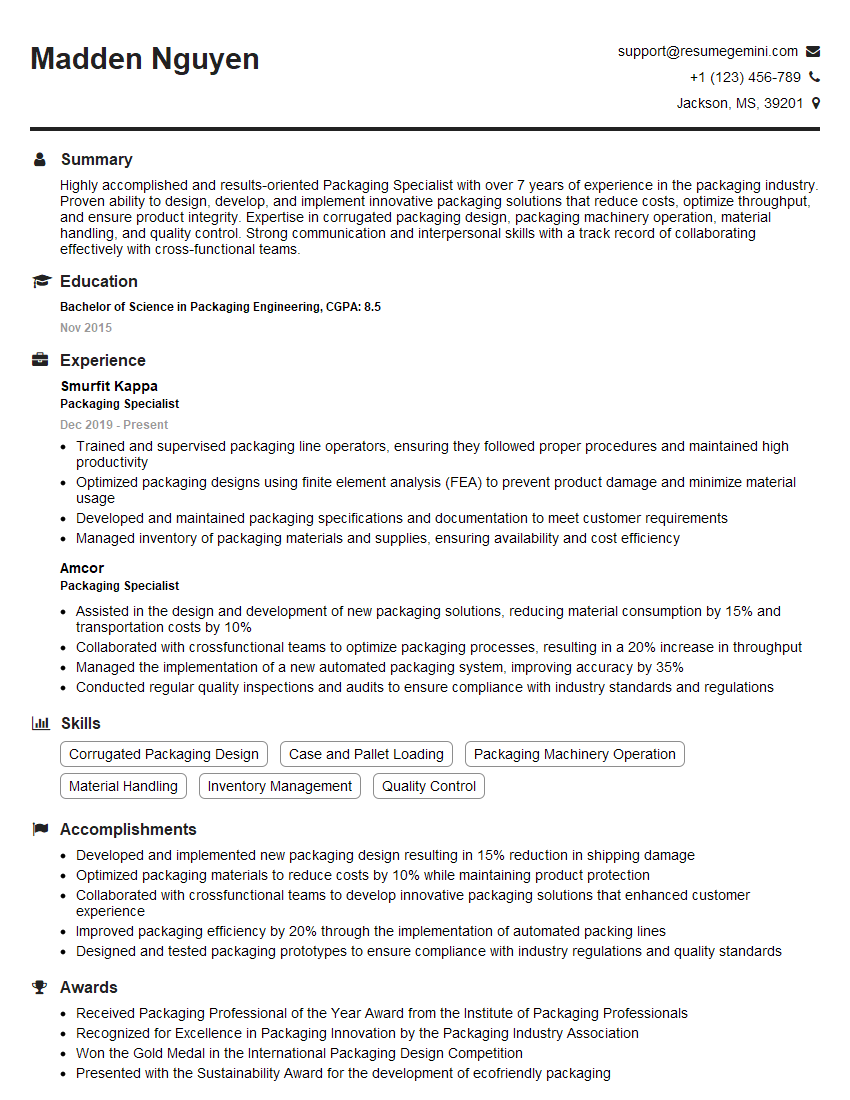
Packaging Specialist Resume Sample
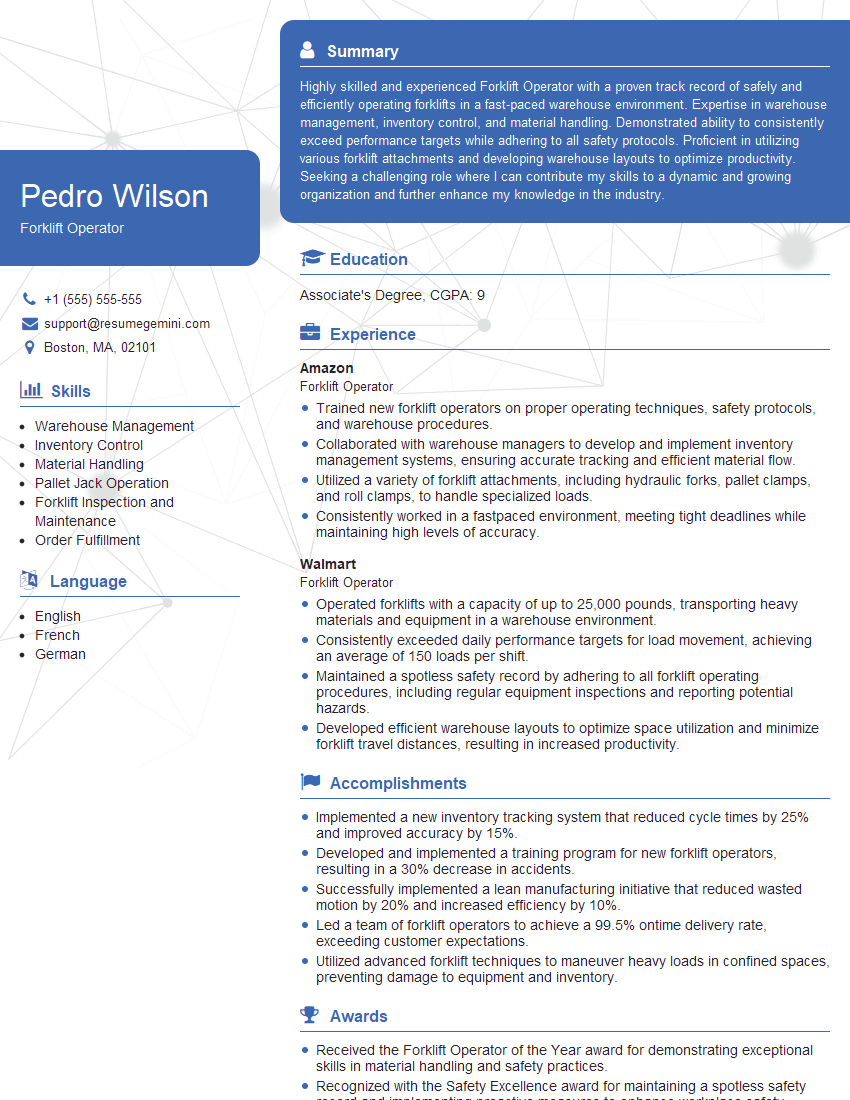
Forklift Operator Resume Sample
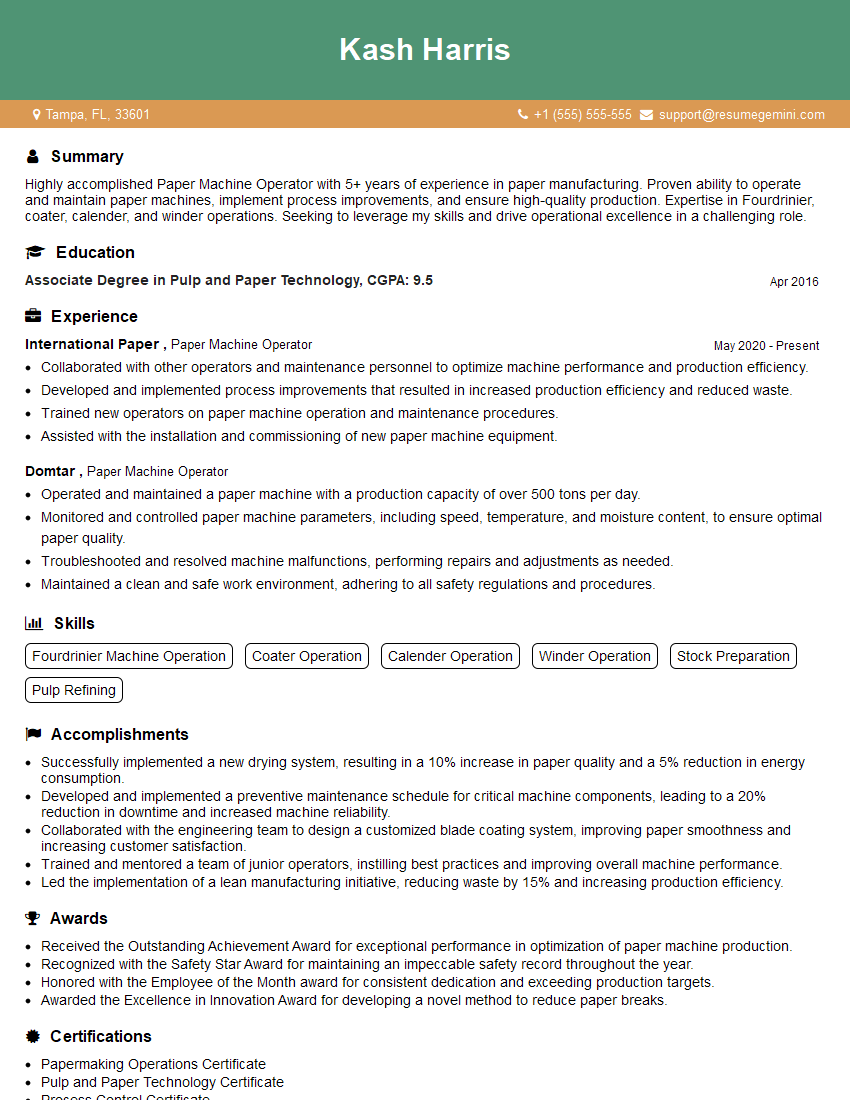
Paper Machine Operator Resume Sample
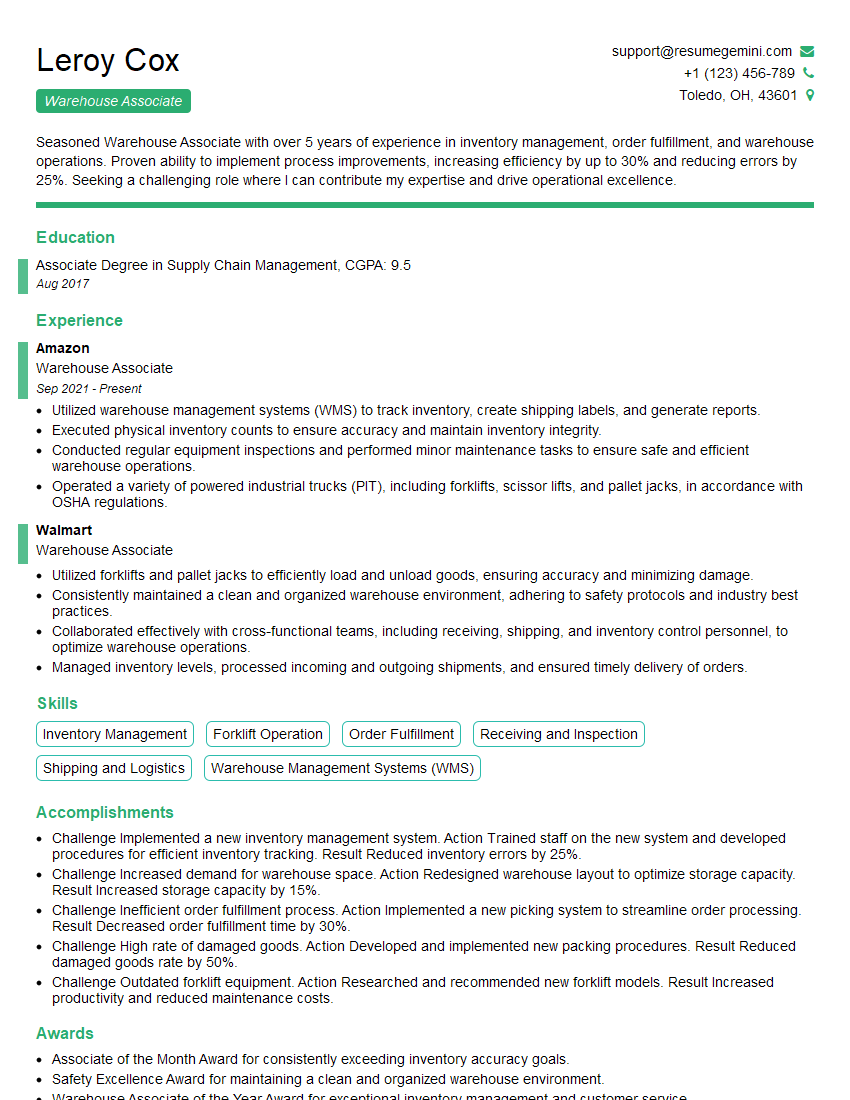
Warehouse Associate Resume Sample
- Supply Chain Manager
- Distribution Center Manager
- Logistics Manager
- Warehouse Manager
- Warehouse Supervisor
- Logistics Coordinator
- Supply Chain Analyst
- Packaging Engineer
- Order Filler
- Inventory Control Specialist
- Shipping and Receiving Clerk
- Material Handler
- Order Picker
- Packaging Specialist
- Forklift Operator
- Paper Machine Operator
- Warehouse Associate
Explore more articles
Users Rating of Our Blogs
Share Your Experience
We value your feedback! Please rate our content and share your thoughts (optional).
What Readers Say About Our Blog
Very informative content, great job.
good