Interviews are opportunities to demonstrate your expertise, and this guide is here to help you shine. Explore the essential Basic Math and Analytical Skills interview questions that employers frequently ask, paired with strategies for crafting responses that set you apart from the competition.
Questions Asked in Basic Math and Analytical Skills Interview
Q 1. What is the formula for calculating the area of a circle?
The area of a circle is calculated using the formula: Area = πr², where ‘r’ represents the radius of the circle (the distance from the center to any point on the circle) and ‘π’ (pi) is a mathematical constant, approximately equal to 3.14159.
Example: Imagine you’re designing a circular garden with a radius of 5 meters. To find its area, you’d plug the radius into the formula: Area = π * 5² = 25π ≈ 78.54 square meters. This tells you how much space you have for planting.
Q 2. Explain the concept of standard deviation.
Standard deviation measures the amount of variation or dispersion in a set of values. A low standard deviation indicates that the values tend to be close to the mean (average), while a high standard deviation indicates that the values are spread out over a wider range.
Think of it like this: imagine two groups of students taking the same test. Both groups might have the same average score, but one group might have scores clustered tightly around the average, while the other group has scores spread much more widely. The group with the wider spread of scores would have a higher standard deviation.
Standard deviation is crucial in statistics for understanding the reliability and consistency of data. For example, in quality control, a low standard deviation in the weight of a product signifies consistent manufacturing.
Q 3. How do you calculate the percentage increase or decrease between two numbers?
To calculate the percentage increase or decrease between two numbers, follow these steps:
- Find the difference: Subtract the original number from the new number.
- Divide by the original number: Divide the difference by the original number.
- Multiply by 100: Multiply the result by 100 to express it as a percentage.
Example: If a product’s price increased from $100 to $120, the percentage increase is calculated as follows:
- Difference: $120 – $100 = $20
- Divide: $20 / $100 = 0.2
- Multiply: 0.2 * 100 = 20%
Therefore, the price increased by 20%.
Q 4. What are the different types of statistical distributions?
There are numerous statistical distributions, each describing a different pattern of data. Some common types include:
- Normal Distribution (Gaussian Distribution): A bell-shaped curve, symmetrical around the mean. Many natural phenomena follow this distribution (e.g., height, weight).
- Binomial Distribution: Describes the probability of success or failure in a fixed number of independent trials (e.g., coin flips).
- Poisson Distribution: Models the probability of a given number of events occurring in a fixed interval of time or space (e.g., number of cars passing a point on a highway in an hour).
- Uniform Distribution: Each outcome has an equal probability (e.g., rolling a fair die).
- Exponential Distribution: Describes the time between events in a Poisson process (e.g., time until a machine breaks down).
The choice of distribution depends on the nature of the data and the research question.
Q 5. Describe the process of hypothesis testing.
Hypothesis testing is a statistical method used to determine if there’s enough evidence to support a claim (hypothesis) about a population. It involves these steps:
- State the hypothesis: Formulate a null hypothesis (H₀) – a statement of no effect or difference – and an alternative hypothesis (H₁) – the statement you’re trying to prove.
- Set the significance level (α): This is the probability of rejecting the null hypothesis when it’s actually true (Type I error). A common value is 0.05 (5%).
- Collect data and calculate a test statistic: This statistic measures the difference between the observed data and what’s expected under the null hypothesis.
- Determine the p-value: This is the probability of observing the obtained results (or more extreme results) if the null hypothesis is true. A small p-value suggests strong evidence against the null hypothesis.
- Make a decision: If the p-value is less than the significance level (α), reject the null hypothesis; otherwise, fail to reject it.
Example: A pharmaceutical company might test if a new drug lowers blood pressure significantly more than a placebo. The null hypothesis would be that there’s no difference, while the alternative hypothesis would be that the drug lowers blood pressure more effectively.
Q 6. Explain the concept of correlation and regression.
Correlation measures the strength and direction of a linear relationship between two variables. A correlation coefficient (often denoted as ‘r’) ranges from -1 to +1. A value of +1 indicates a perfect positive correlation (as one variable increases, the other increases), -1 indicates a perfect negative correlation (as one increases, the other decreases), and 0 indicates no linear correlation.
Regression goes further by modeling the relationship between variables. It aims to find the best-fitting line (or curve) that describes how one variable (dependent variable) changes as another variable (independent variable) changes. Regression analysis allows us to predict the value of the dependent variable based on the value of the independent variable.
Example: There might be a positive correlation between hours studied and exam scores. Regression analysis could then help predict a student’s likely exam score based on the number of hours they studied.
Q 7. How do you interpret a scatter plot?
A scatter plot displays the relationship between two variables. Each point represents a pair of values. By examining a scatter plot, you can visually assess:
- The direction of the relationship: Positive (upward trend), negative (downward trend), or no clear trend.
- The strength of the relationship: Points clustered tightly around a line suggest a strong relationship, while scattered points suggest a weak relationship.
- The presence of outliers: Points far from the general pattern.
Example: A scatter plot showing ice cream sales and temperature would likely show a positive correlation: as temperature increases, ice cream sales tend to increase.
Q 8. What is the difference between mean, median, and mode?
Mean, median, and mode are all measures of central tendency in statistics, providing different ways to describe the ‘center’ of a dataset. They each highlight different aspects of the data’s distribution.
Mean: This is the average value. You calculate it by summing all the numbers in a dataset and then dividing by the total number of values. Think of it as ‘fairly’ distributing the total among all data points. For example, the mean of {2, 4, 6, 8} is (2+4+6+8)/4 = 5.
Median: This is the middle value when the data is arranged in ascending order. If there’s an even number of data points, the median is the average of the two middle values. The median is less sensitive to outliers than the mean. For example, the median of {2, 4, 6, 8} is (4+6)/2 = 5. The median of {2, 4, 6, 100} is 5, showing how resistant it is to the extreme value 100.
Mode: This is the value that appears most frequently in a dataset. A dataset can have one mode (unimodal), more than one mode (multimodal), or no mode if all values appear with equal frequency. For example, the mode of {2, 4, 4, 6, 8} is 4.
In a nutshell: Imagine you’re analyzing customer satisfaction scores. The mean tells you the average score, the median gives you the score that falls exactly in the middle, and the mode reveals the most common score. Choosing the best measure depends on the specific data and what you want to highlight.
Q 9. How do you solve a system of linear equations?
Solving a system of linear equations means finding the values of the variables that satisfy all equations simultaneously. There are several methods, including:
Substitution: Solve one equation for one variable, then substitute that expression into the other equation(s). This reduces the number of variables and allows you to solve for the remaining ones.
Elimination (or Addition): Multiply equations by constants to make the coefficients of one variable opposites. Then, add the equations together to eliminate that variable, leaving you with an equation in one variable that you can solve.
Graphical Method: Graph each equation. The point where the lines intersect represents the solution (the x and y values at the intersection point).
Matrix Methods (e.g., Gaussian elimination): Used for larger systems, these methods involve manipulating matrices to solve for the variables.
Example (Substitution):
Solve:
x + y = 5
x - y = 1
From the first equation, x = 5 - y. Substitute this into the second equation: (5 - y) - y = 1. Solving for y gives y = 2. Substitute this back into x = 5 - y to get x = 3. The solution is x = 3, y = 2.
Q 10. Explain the concept of probability.
Probability is a measure of the likelihood of an event occurring. It’s expressed as a number between 0 and 1, where 0 means the event is impossible, and 1 means the event is certain. A probability of 0.5 indicates an equal chance of the event occurring or not occurring.
Calculating Probability: Probability is often calculated as the ratio of favorable outcomes to the total number of possible outcomes. For example, the probability of rolling a 6 on a fair six-sided die is 1/6, because there’s one favorable outcome (rolling a 6) out of six possible outcomes (rolling 1, 2, 3, 4, 5, or 6).
Example: Imagine a bag containing 5 red marbles and 3 blue marbles. The probability of drawing a red marble is 5/8 (5 red marbles / 8 total marbles).
Probability is crucial in many fields, from insurance to weather forecasting, helping us quantify uncertainty and make informed decisions.
Q 11. What is Bayes’ theorem and how is it used?
Bayes’ theorem is a fundamental concept in probability theory that describes how to update the probability of a hypothesis based on new evidence. It’s expressed mathematically as:
P(A|B) = [P(B|A) * P(A)] / P(B)
Where:
P(A|B)is the posterior probability – the probability of event A happening given that event B has occurred.P(B|A)is the likelihood – the probability of event B happening given that event A has occurred.P(A)is the prior probability – the initial probability of event A before considering any new evidence.P(B)is the marginal likelihood – the overall probability of event B occurring.
Example: Let’s say there’s a test for a disease that’s 90% accurate (both for positive and negative results). The disease is rare, affecting only 1% of the population. If someone tests positive, what’s the probability they actually have the disease? Bayes’ theorem helps answer this.
Applying Bayes’ theorem can often give surprising results, highlighting the importance of considering prior probabilities.
Q 12. How do you calculate compound interest?
Compound interest is the interest earned not only on the principal amount but also on the accumulated interest from previous periods. This ‘interest on interest’ leads to exponential growth over time.
The formula for calculating compound interest is:
A = P (1 + r/n)^(nt)
Where:
Ais the future value of the investment/loan, including interestPis the principal amount (the initial investment or loan amount)ris the annual interest rate (as a decimal)nis the number of times that interest is compounded per yeartis the number of years the money is invested or borrowed for
Example: If you invest $1000 at an annual interest rate of 5% compounded annually (n=1) for 3 years, the calculation would be:
A = 1000 (1 + 0.05/1)^(1*3) = $1157.63
Q 13. What is the difference between simple and compound interest?
The key difference lies in how interest is calculated:
Simple Interest: Interest is calculated only on the principal amount. It remains constant over the investment or loan period. The formula is:
I = Prt, whereIis the interest,Pis the principal,ris the rate, andtis the time.Compound Interest: Interest is calculated on the principal amount plus any accumulated interest from previous periods. This leads to exponential growth, where the interest earned in each period adds to the principal for the next period’s calculation.
Example: Suppose you invest $1000 at 10% annual interest. After one year:
Simple Interest: You earn $100 (10% of $1000).
Compound Interest: You earn $100 in the first year. In the second year, you earn 10% of $1100 (principal + interest), resulting in even greater earnings.
Compound interest is generally more beneficial for investors but also means higher repayments on loans.
Q 14. What is the rule of 72?
The Rule of 72 is a quick estimation method used to determine how long it will take for an investment to double in value at a given annual interest rate. It’s an approximation, and its accuracy increases as the interest rate decreases.
The rule states: Years to Double ≈ 72 / Interest Rate
Example: If you invest money at an annual interest rate of 8%, it will approximately take 72 / 8 = 9 years to double your investment. This is a rough estimate, but it’s helpful for quickly assessing investment growth potential.
While not perfectly accurate, the Rule of 72 offers a handy mental shortcut for financial planning and quick calculations.
Q 15. How do you calculate profit margins?
Profit margin measures the profitability of a business by showing the percentage of revenue that remains as profit after deducting all expenses. There are several types of profit margins, each offering a slightly different perspective.
- Gross Profit Margin: This is the simplest, calculated as (Revenue – Cost of Goods Sold) / Revenue. It shows how efficiently a company produces and sells its products or services. For example, if a company has revenue of $100,000 and cost of goods sold of $60,000, its gross profit margin is ($100,000 – $60,000) / $100,000 = 40%.
- Operating Profit Margin: This takes into account operating expenses (like salaries, rent, utilities) in addition to the cost of goods sold. It’s calculated as (Operating Income) / Revenue. Operating income is revenue minus cost of goods sold and operating expenses. A higher operating profit margin indicates better operational efficiency.
- Net Profit Margin: This is the most comprehensive, representing the ultimate profit after all expenses, including taxes and interest, are deducted. It’s calculated as (Net Income) / Revenue. A higher net profit margin signifies better overall profitability.
Understanding these different margins helps businesses assess their financial health and make informed decisions about pricing, cost control, and overall business strategy. Analyzing trends in profit margins over time provides valuable insights into the business’s performance.
Career Expert Tips:
- Ace those interviews! Prepare effectively by reviewing the Top 50 Most Common Interview Questions on ResumeGemini.
- Navigate your job search with confidence! Explore a wide range of Career Tips on ResumeGemini. Learn about common challenges and recommendations to overcome them.
- Craft the perfect resume! Master the Art of Resume Writing with ResumeGemini’s guide. Showcase your unique qualifications and achievements effectively.
- Don’t miss out on holiday savings! Build your dream resume with ResumeGemini’s ATS optimized templates.
Q 16. Explain the concept of break-even analysis.
Break-even analysis determines the point where total revenue equals total costs—meaning there’s neither profit nor loss. It’s a crucial tool for planning and understanding the financial viability of a business or project.
The break-even point can be calculated in terms of units sold or revenue generated. The formula using units is: Break-Even Point (Units) = Fixed Costs / (Selling Price per Unit – Variable Cost per Unit).
For example, imagine a bakery selling cakes. Their fixed costs (rent, salaries) are $5,000 per month, the selling price per cake is $20, and the variable cost per cake (ingredients, packaging) is $10. Their break-even point is $5,000 / ($20 – $10) = 500 cakes. They need to sell 500 cakes to cover all costs.
Break-even analysis is vital for: Setting realistic sales targets, making pricing decisions, assessing the impact of cost changes, and evaluating the feasibility of new products or projects.
Q 17. What are different methods for forecasting?
Forecasting predicts future outcomes based on historical data and other relevant factors. Several methods exist, each with its strengths and weaknesses:
- Qualitative Forecasting: Relies on expert opinions, market research, and subjective judgments. Useful when historical data is limited or unreliable (e.g., forecasting demand for a new product).
- Quantitative Forecasting: Uses mathematical models and statistical techniques to analyze historical data and predict future trends. Examples include:
- Time Series Analysis: Identifies patterns and trends in historical data over time (e.g., using moving averages or exponential smoothing to predict sales).
- Regression Analysis: Examines the relationship between dependent and independent variables to predict the value of the dependent variable (e.g., predicting sales based on advertising spending).
- Causal Forecasting: Considers factors that influence the variable being forecasted (e.g., predicting demand based on economic indicators).
The choice of forecasting method depends on the specific context, the availability of data, and the desired level of accuracy. Combining different methods can often provide a more robust forecast.
Q 18. How do you calculate the present value of a future sum?
Present Value (PV) is the current worth of a future sum of money, discounted at a specific rate of return. It answers the question: “How much money would I need to invest today to receive a specific amount in the future?”
The formula is: PV = FV / (1 + r)^n
Where:
- PV = Present Value
- FV = Future Value
- r = Discount rate (rate of return)
- n = Number of periods (e.g., years)
Example: If you expect to receive $1,000 in 5 years with a discount rate of 5%, the present value is $1,000 / (1 + 0.05)^5 ≈ $783.53. This means you’d need to invest about $783.53 today to get $1,000 in 5 years.
Present value calculations are crucial for investment decisions, evaluating project profitability, and making sound financial choices involving future cash flows.
Q 19. How do you calculate the future value of an investment?
Future Value (FV) is the value of an investment at a specified date in the future, assuming a certain rate of return. It essentially answers: “How much will my investment be worth in the future?”
The formula for future value of a single sum is: FV = PV * (1 + r)^n
Where:
- FV = Future Value
- PV = Present Value
- r = Interest rate (rate of return)
- n = Number of periods (e.g., years)
Example: If you invest $1,000 today at an annual interest rate of 8% for 3 years, the future value will be $1,000 * (1 + 0.08)^3 ≈ $1,259.71.
For investments with regular contributions (annuities), a slightly more complex formula is used. Future value calculations are fundamental for financial planning, retirement projections, and assessing investment growth potential.
Q 20. How do you interpret financial statements?
Interpreting financial statements involves analyzing a company’s financial performance and position using the three main statements: the Income Statement, the Balance Sheet, and the Cash Flow Statement.
The Income Statement shows a company’s revenues, expenses, and resulting profit or loss over a period of time. Analyzing it helps understand profitability, revenue growth, and expense management.
The Balance Sheet provides a snapshot of a company’s assets, liabilities, and equity at a specific point in time. It reveals the company’s financial structure, liquidity, and solvency.
The Cash Flow Statement tracks the movement of cash into and out of a company over a period. It highlights cash from operations, investing activities, and financing activities, offering insights into the company’s cash management and liquidity position.
Effective interpretation requires comparing figures over time, benchmarking against industry peers, and considering qualitative factors such as the economic environment and the company’s strategic goals. A thorough analysis can reveal underlying strengths, weaknesses, and potential risks.
Q 21. What are key financial ratios and what do they indicate?
Key financial ratios provide insights into a company’s performance and financial health. They are calculated using data from the financial statements and allow for comparisons across time and with competitors.
- Liquidity Ratios (e.g., Current Ratio, Quick Ratio): Measure a company’s ability to meet its short-term obligations.
- Profitability Ratios (e.g., Gross Profit Margin, Net Profit Margin, Return on Equity): Indicate how efficiently a company generates profit.
- Solvency Ratios (e.g., Debt-to-Equity Ratio, Times Interest Earned): Assess a company’s ability to meet its long-term obligations.
- Activity Ratios (e.g., Inventory Turnover, Accounts Receivable Turnover): Measure how efficiently a company manages its assets.
- Market Value Ratios (e.g., Price-to-Earnings Ratio, Price-to-Book Ratio): Assess a company’s market valuation relative to its financial performance and book value. These are only relevant for publicly traded companies.
Analyzing these ratios helps identify trends, potential problems, and areas for improvement. No single ratio tells the whole story, so a comprehensive analysis considering multiple ratios is crucial for making sound financial decisions.
Q 22. How do you perform a cost-benefit analysis?
A cost-benefit analysis (CBA) is a systematic approach to decision-making that weighs the pros and cons (costs and benefits) of different options. It helps determine whether the benefits of a project or decision outweigh its costs. A successful CBA requires identifying all relevant costs and benefits, quantifying them in monetary terms (as much as possible), and then comparing the total benefits to the total costs.
Steps involved in performing a CBA:
- Identify all costs: This includes direct costs (e.g., materials, labor, equipment) and indirect costs (e.g., opportunity costs, administrative overhead). Think about both initial investment costs and ongoing maintenance costs.
- Identify all benefits: This includes tangible benefits (e.g., increased revenue, cost savings) and intangible benefits (e.g., improved safety, enhanced reputation). Try to quantify these as much as possible using realistic estimates.
- Quantify costs and benefits: Assign monetary values to each cost and benefit. This might require research, market analysis, or estimations based on expert judgment. Be transparent about your assumptions and methodologies.
- Calculate the net present value (NPV): This is the most common method. It discounts future benefits to their present-day value, accounting for the time value of money. A positive NPV indicates that the benefits exceed the costs.
- Perform sensitivity analysis: Test the robustness of your analysis by changing key assumptions (e.g., cost estimates, discount rate) to see how the NPV changes. This helps identify areas of uncertainty.
- Compare alternatives: If there are multiple options, compare their respective NPVs to select the most cost-effective choice.
Example: Imagine a company considering investing in new software. The CBA would involve comparing the cost of the software, training, and implementation against the expected benefits such as increased efficiency, reduced errors, and improved customer satisfaction (translated into estimated cost savings or revenue gains).
Q 23. How do you solve a word problem involving percentages?
Solving word problems involving percentages requires carefully identifying the relevant information, translating the problem into a mathematical equation, and then solving the equation. It’s often helpful to break down the problem into smaller, manageable steps.
Example: A store offers a 20% discount on a $50 item. What is the final price?
- Find the discount amount: 20% of $50 is (20/100) * $50 = $10
- Subtract the discount from the original price: $50 – $10 = $40
- The final price is $40.
Another example (finding the percentage): John scored 25 out of 30 on a test. What is his percentage score?
- Set up the ratio: 25/30
- Convert to percentage: (25/30) * 100% ≈ 83.33%
- John’s percentage score is approximately 83.33%
Always clearly define what the question is asking for and what values are given. Remember to convert percentages to decimals when performing calculations (e.g., 20% = 0.20).
Q 24. Explain the concept of ratios and proportions.
Ratios and proportions describe the relationship between two or more quantities. A ratio compares two quantities, often expressed as a fraction (e.g., 2:3 or 2/3). A proportion states that two ratios are equal. It’s a statement of equality between two ratios.
Example of a ratio: If a recipe calls for 2 cups of flour and 1 cup of sugar, the ratio of flour to sugar is 2:1 or 2/1.
Example of a proportion: If we want to double the recipe, we maintain the same ratio. The proportion would be 2/1 = 4/2 (4 cups of flour to 2 cups of sugar).
Proportions are incredibly useful in scaling, converting units, and solving various problems. To solve a proportion, you can use cross-multiplication: if a/b = c/d, then ad = bc.
Example using cross-multiplication: If 3 apples cost $1.50, how much do 5 apples cost? Set up the proportion: 3/1.50 = 5/x. Cross-multiply: 3x = 7.50. Solve for x: x = $2.50
Q 25. How do you interpret data presented in a bar chart?
A bar chart uses rectangular bars to represent data, making it easy to compare different categories or groups. The length of each bar corresponds to the value of the data it represents.
Interpreting a bar chart involves:
- Identifying the categories: Determine what each bar represents (e.g., product types, months, regions).
- Understanding the scale: Note the units and the scale used on the y-axis (usually representing the quantity or value). This determines the magnitude represented by the bar lengths.
- Comparing bar lengths: Visually compare the lengths of the bars to identify the highest and lowest values, and to see which categories have similar or vastly different values.
- Identifying trends: Look for patterns or trends in the data. Are there any noticeable increases or decreases in the values across categories? Is there a clear leader or outlier?
Example: A bar chart showing sales figures for different months would allow easy comparison of sales performance across those months. A longer bar for a particular month would indicate higher sales for that month.
Q 26. How do you interpret data presented in a pie chart?
A pie chart displays data as slices of a circle, where each slice’s size represents the proportion of the whole. The entire circle represents 100% of the data.
Interpreting a pie chart requires:
- Understanding the whole: Identify what the entire pie chart represents (e.g., total budget, market share).
- Examining the slices: Look at the size of each slice. Larger slices represent larger proportions of the whole.
- Reading labels and percentages: Pie charts usually label each slice with the category name and the percentage it represents. This clearly indicates the proportion of each category relative to the whole.
- Identifying major and minor components: Easily identify the largest and smallest contributors to the whole.
- Comparing slices: Compare the relative sizes of different slices to understand the proportions of different categories.
Example: A pie chart displaying the breakdown of a company’s expenses would show the relative sizes of each expense category (e.g., salaries, rent, marketing) in relation to the total expenses. A large slice representing salaries would indicate a large portion of the total budget is allocated to salaries.
Q 27. Solve the equation 3x + 7 = 16
To solve the equation 3x + 7 = 16, we need to isolate ‘x’ on one side of the equation.
- Subtract 7 from both sides: 3x + 7 – 7 = 16 – 7 which simplifies to 3x = 9
- Divide both sides by 3: 3x / 3 = 9 / 3 which simplifies to x = 3
Therefore, the solution to the equation 3x + 7 = 16 is x = 3
Q 28. What is the square root of 144?
The square root of a number is a value that, when multiplied by itself, gives the original number. The square root of 144 is 12 because 12 * 12 = 144.
Key Topics to Learn for Basic Math and Analytical Skills Interview
- Number Systems and Operations: Understanding integers, decimals, fractions, and their relationships. Practical application includes accurately calculating costs, percentages, and ratios in various professional contexts.
- Algebraic Concepts: Solving equations, inequalities, and working with variables. This is crucial for interpreting data, formulating models, and making informed decisions.
- Data Interpretation and Analysis: Understanding charts, graphs, and tables; identifying trends and patterns; and drawing logical conclusions from presented data. This skill is highly valued across many professions.
- Ratio and Proportion: Solving problems involving ratios, proportions, and percentages. Applications range from financial analysis to resource allocation.
- Basic Statistics: Calculating averages (mean, median, mode), understanding basic probability, and interpreting statistical data. Essential for understanding and presenting data-driven insights.
- Problem-Solving Strategies: Developing a systematic approach to problem-solving, including breaking down complex problems into smaller, manageable parts. This is a transferable skill applicable to various challenges.
- Logical Reasoning and Deduction: Applying logical reasoning to analyze information and draw valid conclusions. Crucial for making sound judgments and identifying inconsistencies.
Next Steps
Mastering basic math and analytical skills is paramount for career advancement. These skills are foundational to many roles and demonstrate your ability to think critically, solve problems effectively, and contribute meaningfully to a team. To maximize your job prospects, focus on building an ATS-friendly resume that highlights these crucial skills. ResumeGemini is a trusted resource that can help you create a professional and impactful resume. We provide examples of resumes tailored to Basic Math and Analytical Skills to guide you in showcasing your abilities effectively. Take the next step towards your dream career today!
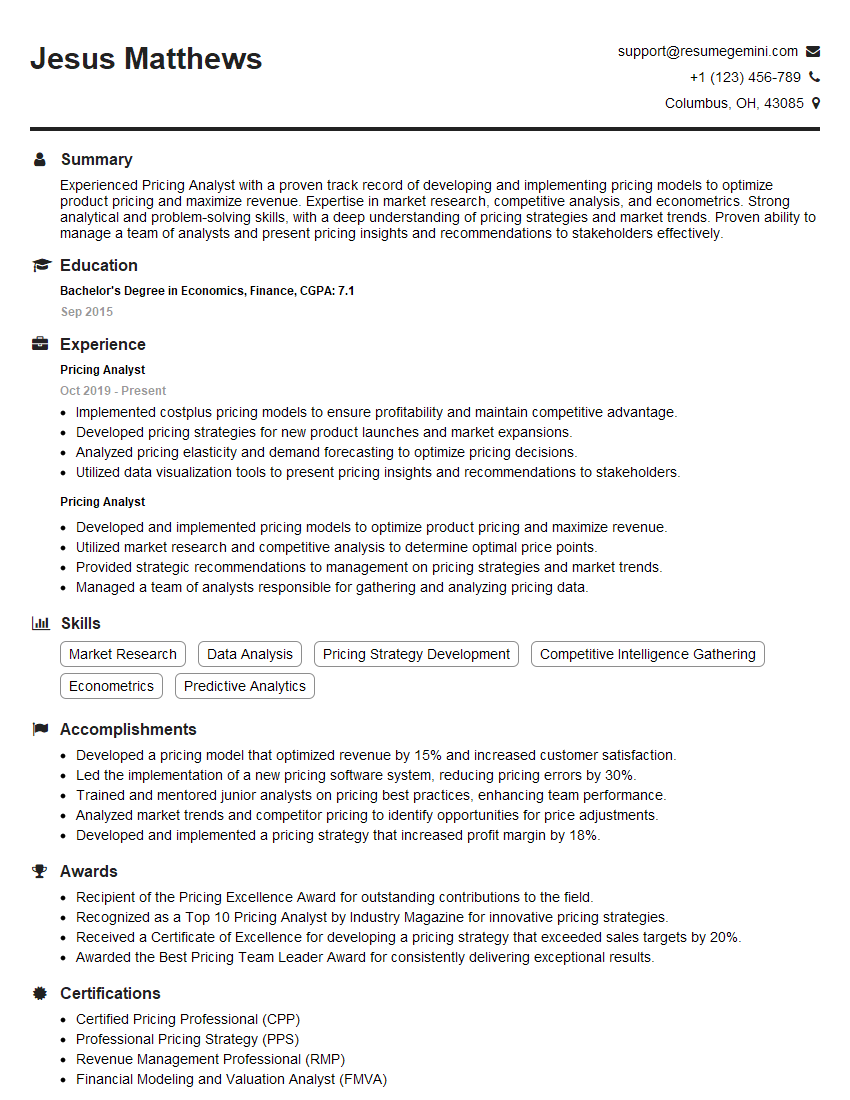
Pricing Analyst Resume Sample

Project Manager Resume Sample
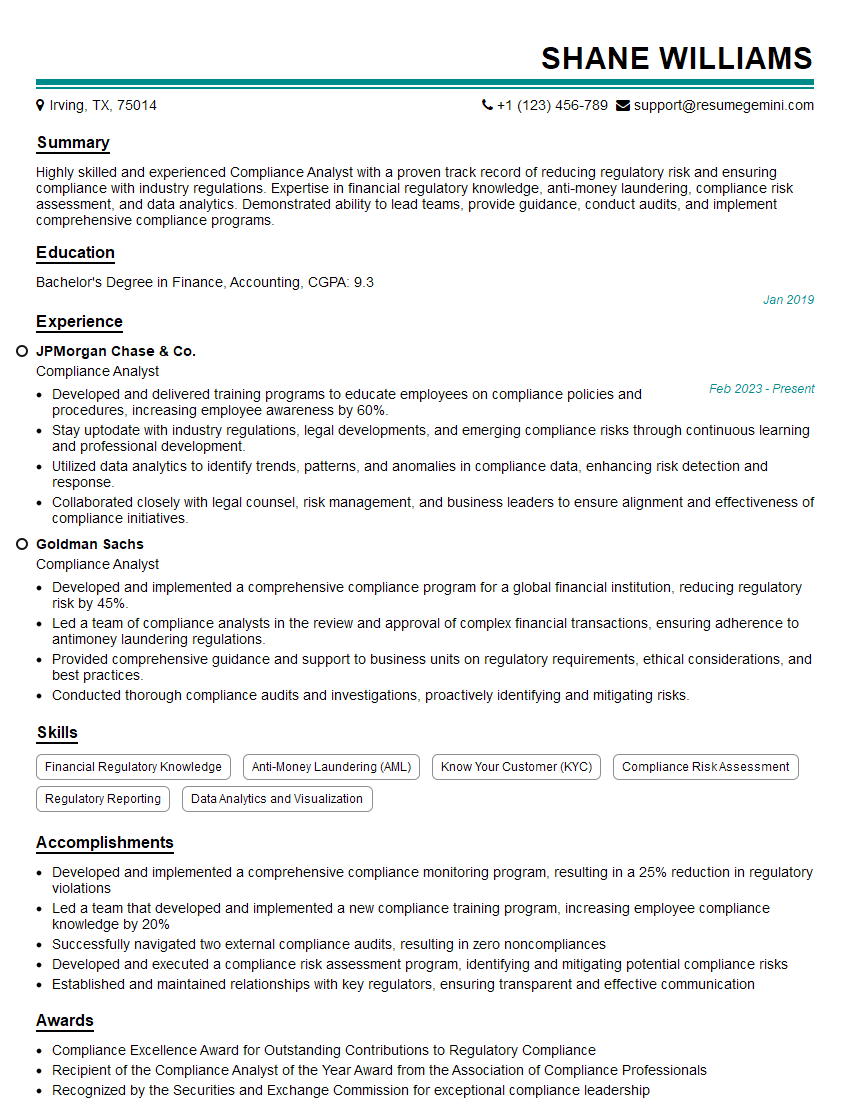
Compliance Analyst Resume Sample
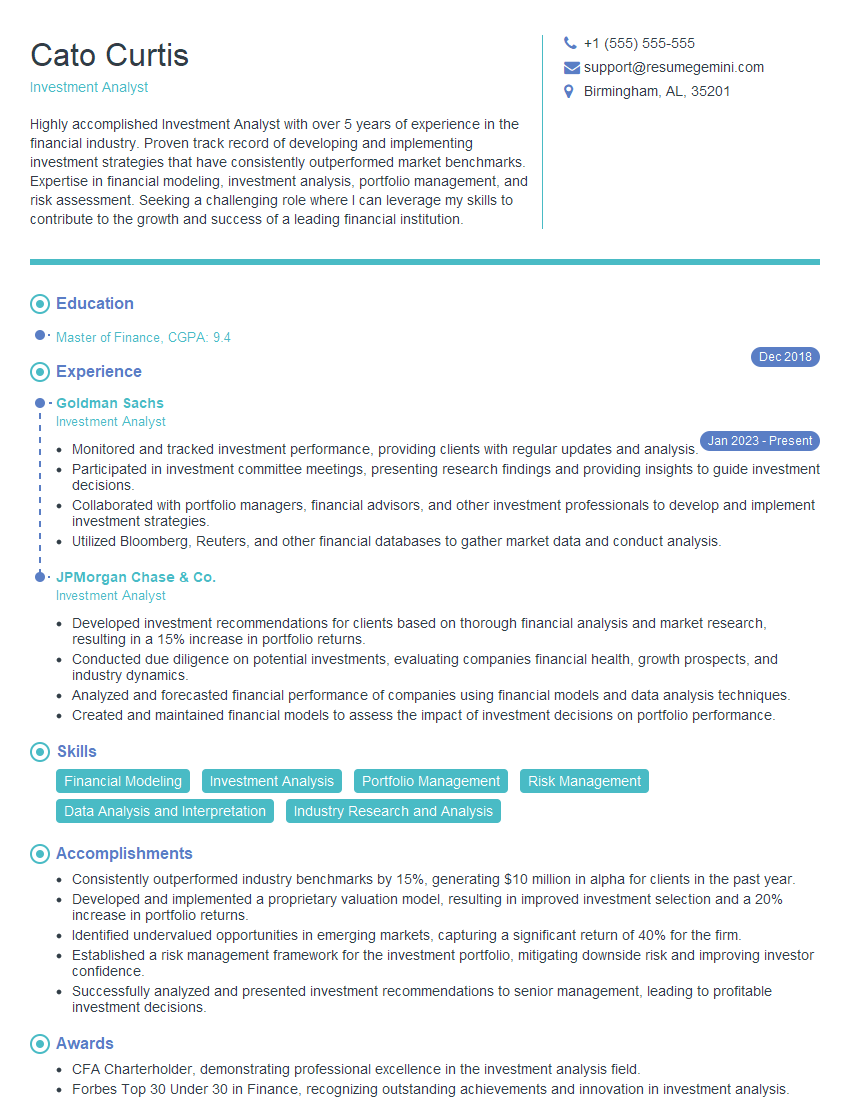
Investment Analyst Resume Sample
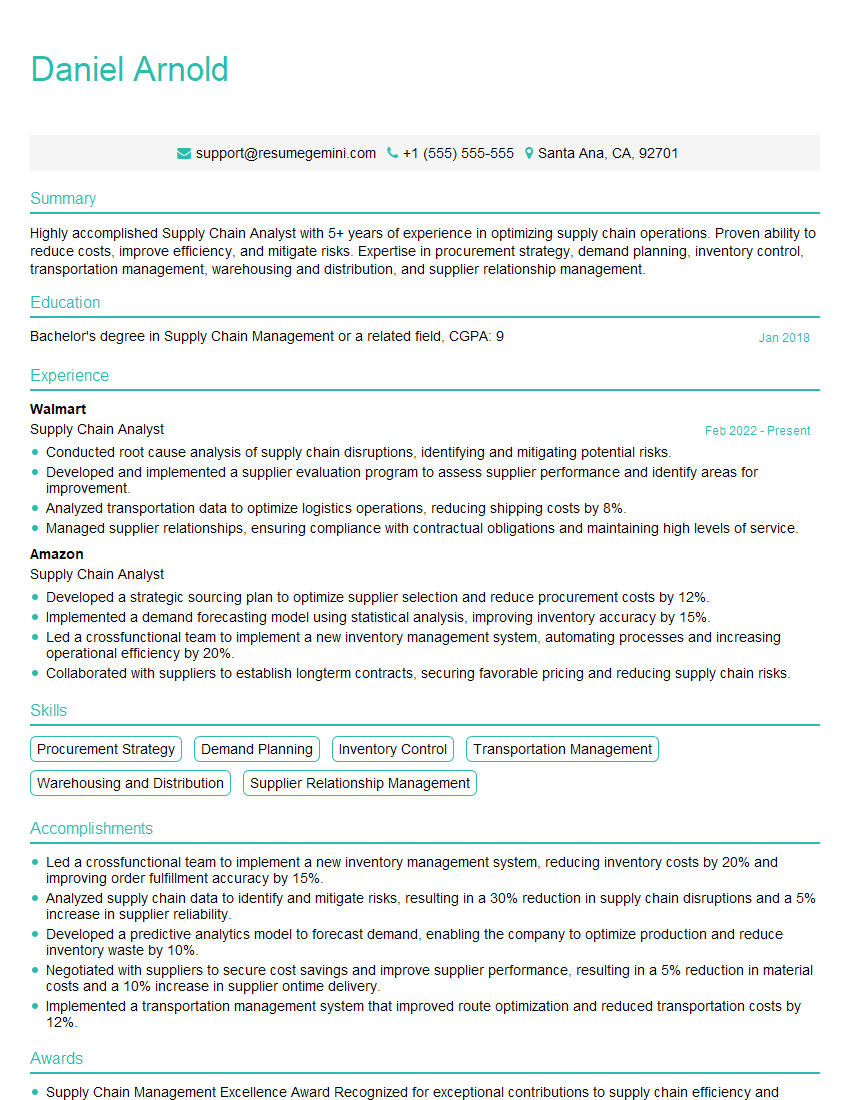
Supply Chain Analyst Resume Sample
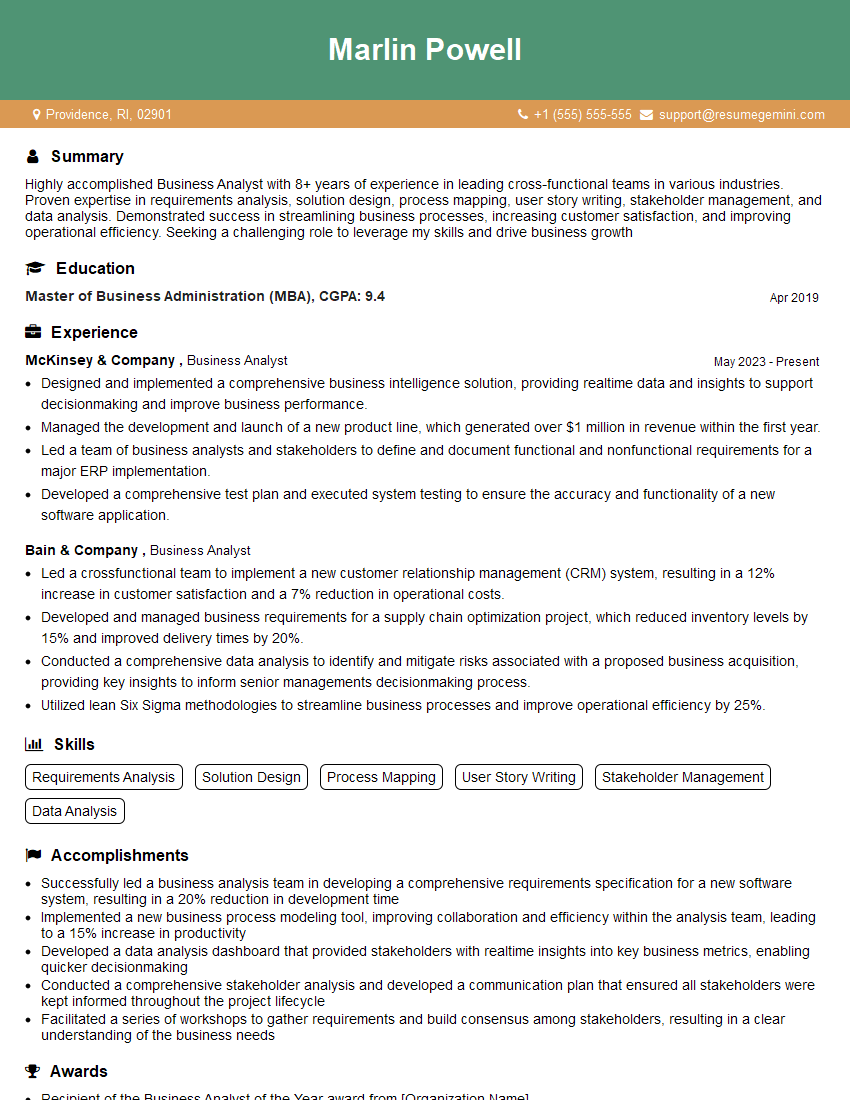
Business Analyst Resume Sample
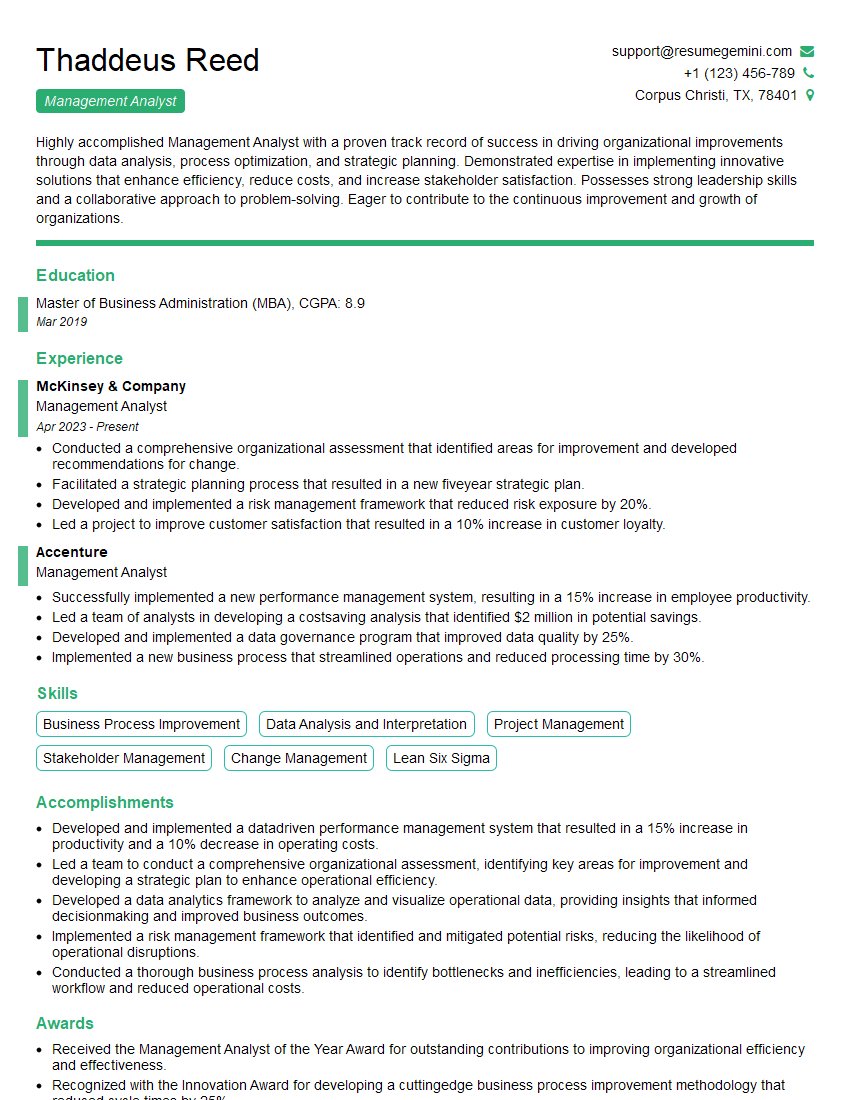
Management Analyst Resume Sample
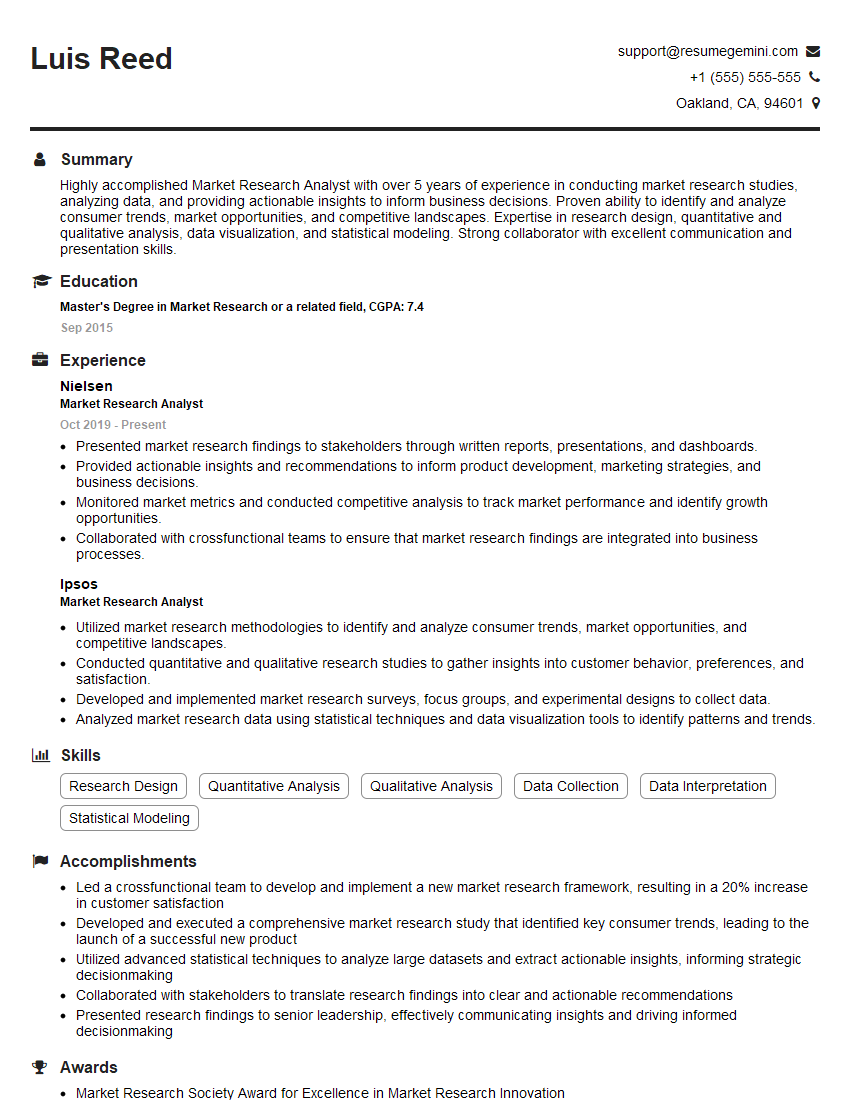
Market Research Analyst Resume Sample

Marketing Analyst Resume Sample
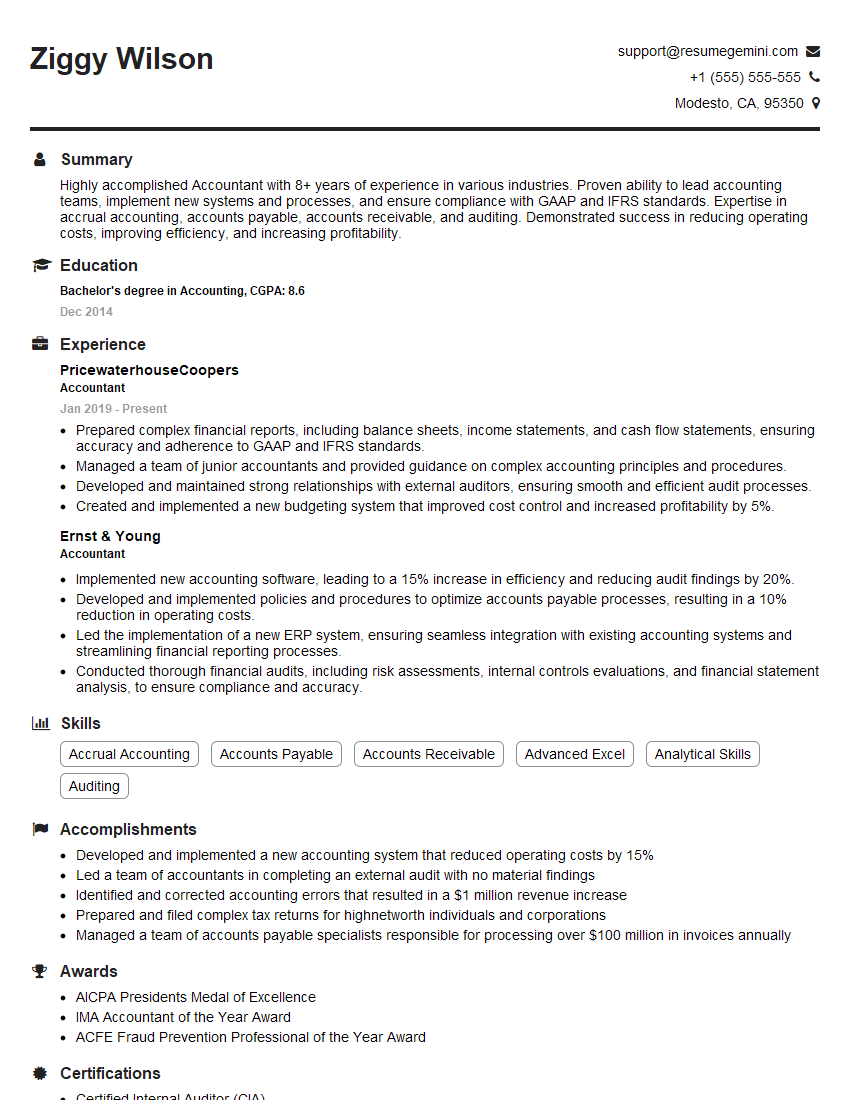
Accountant Resume Sample
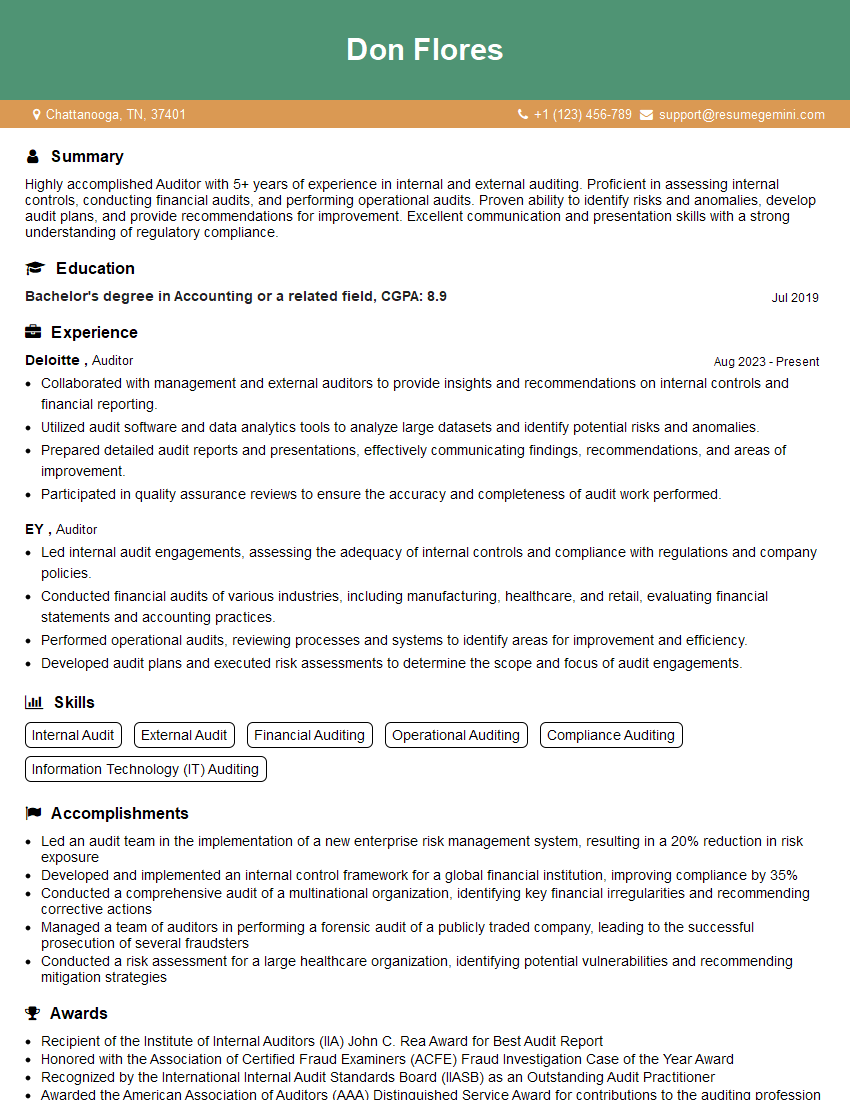
Auditor Resume Sample
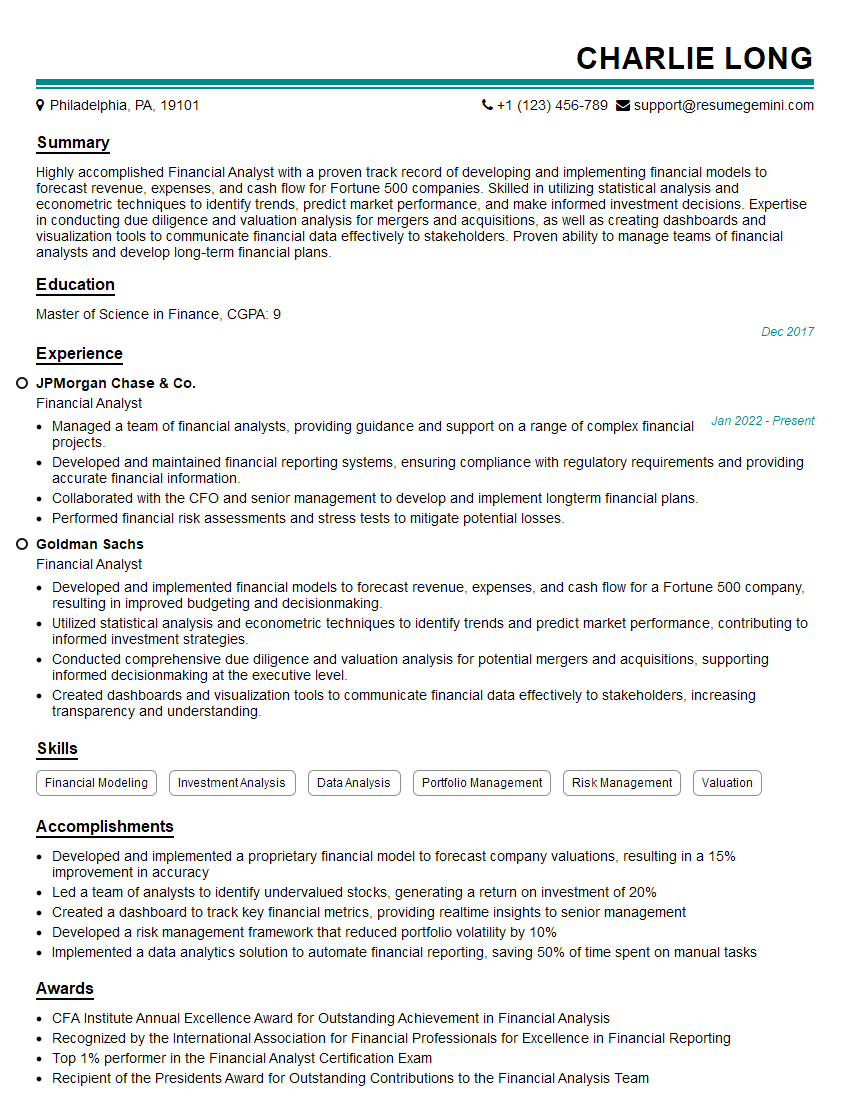
Financial Analyst Resume Sample
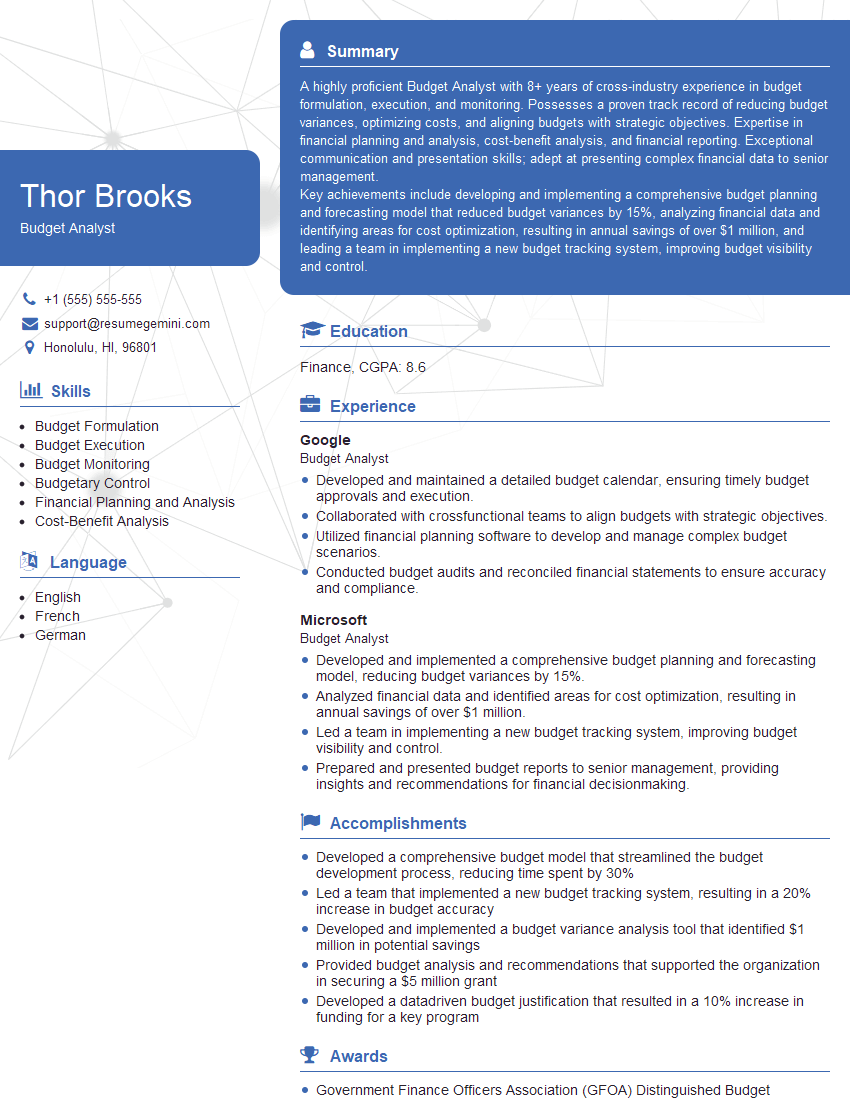
Budget Analyst Resume Sample
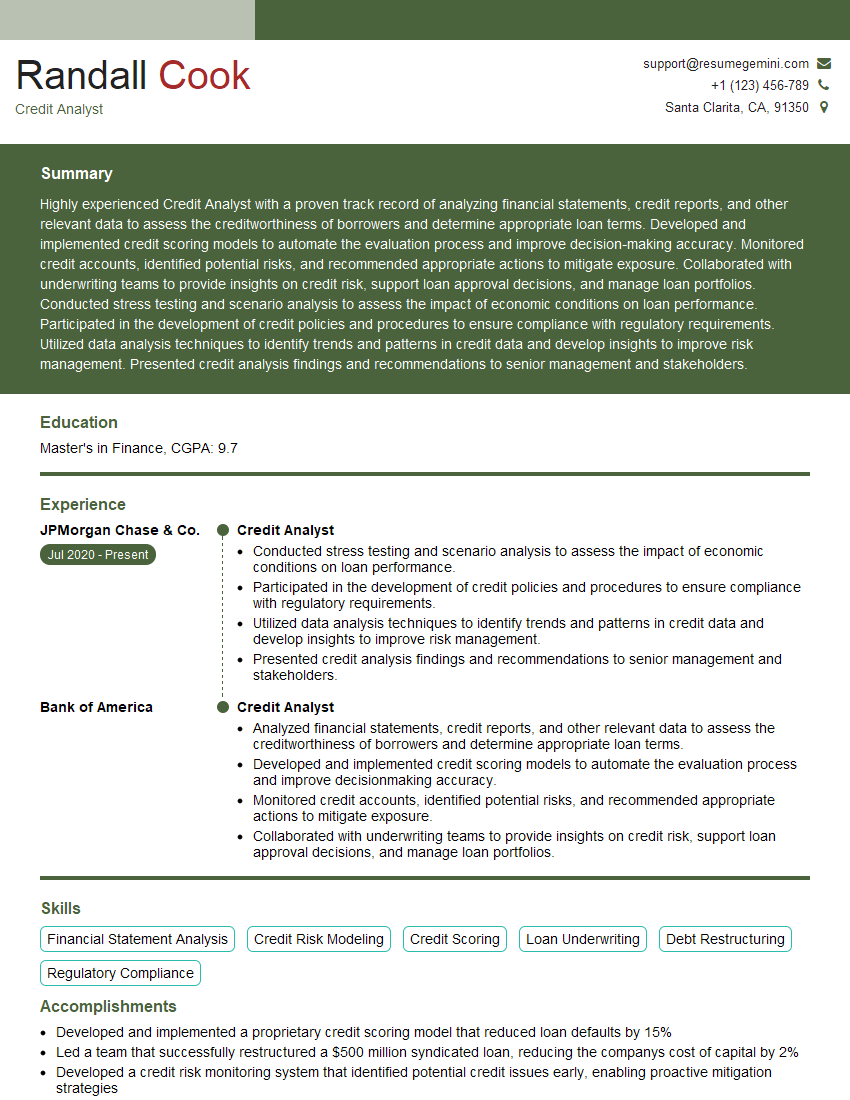
Credit Analyst Resume Sample

Risk Analyst Resume Sample
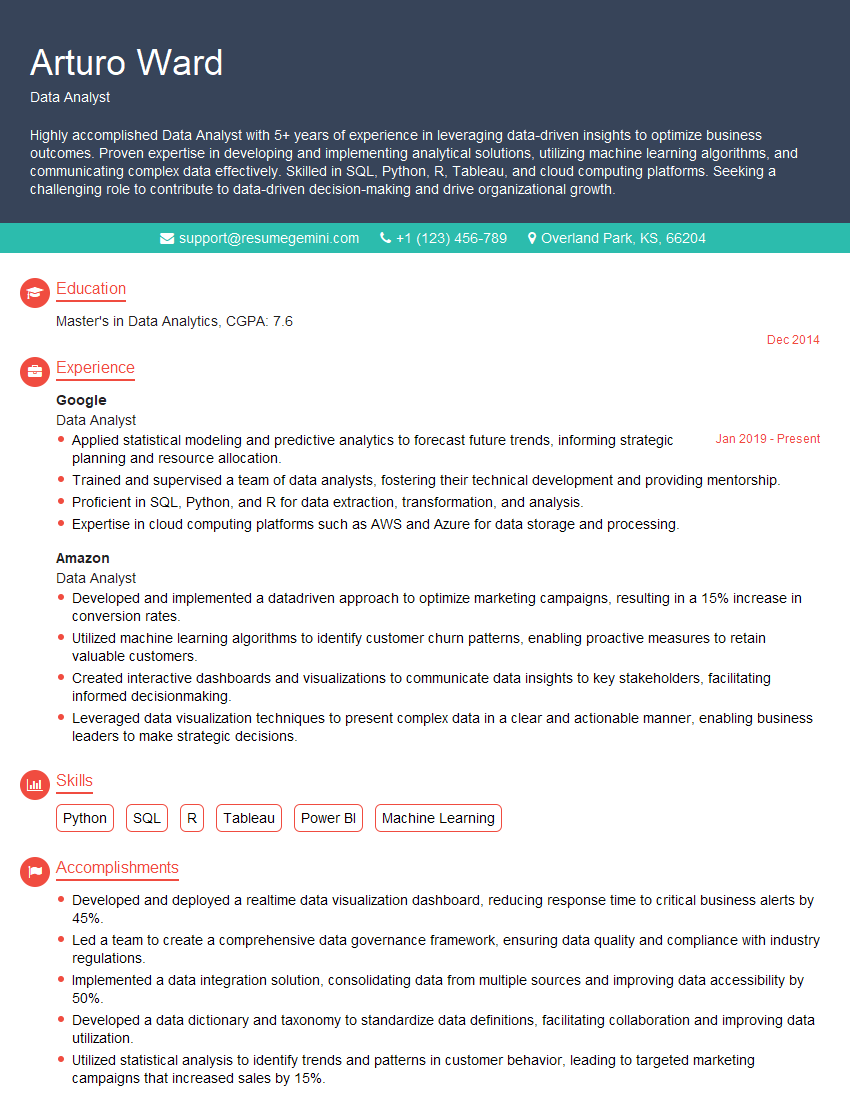
Data Analyst Resume Sample
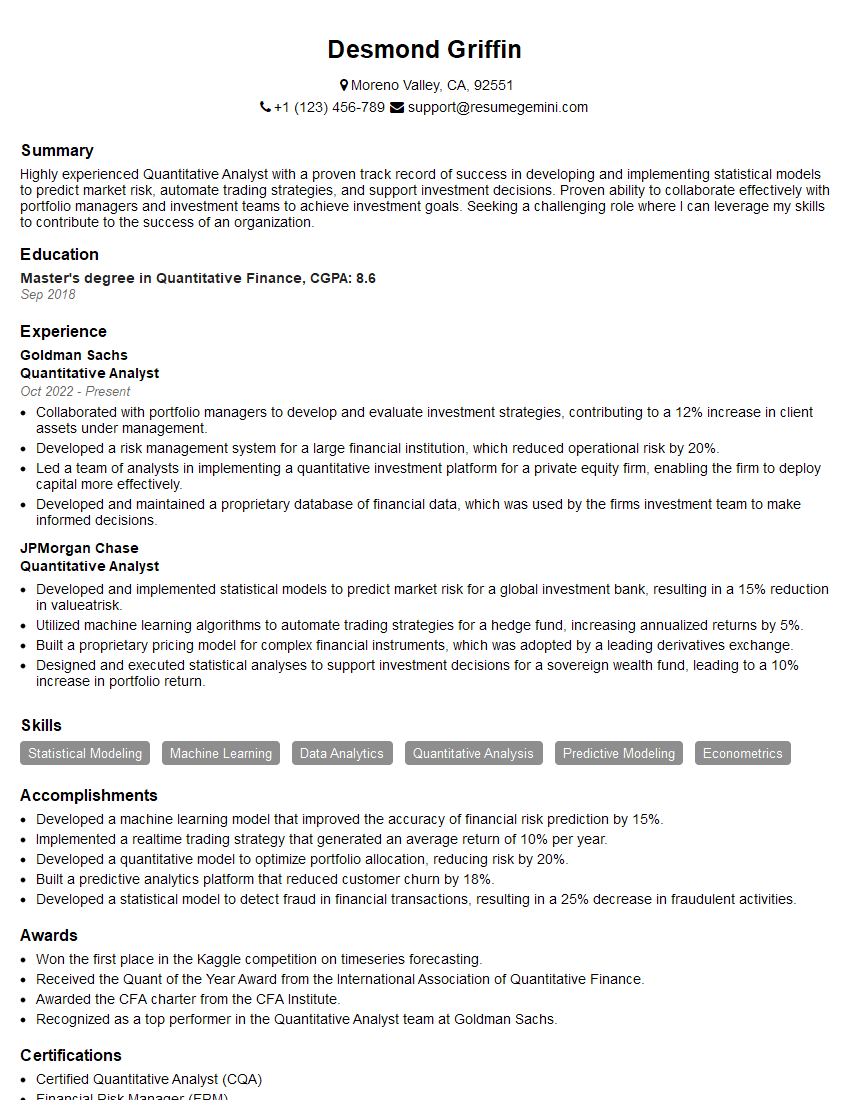
Quantitative Analyst Resume Sample
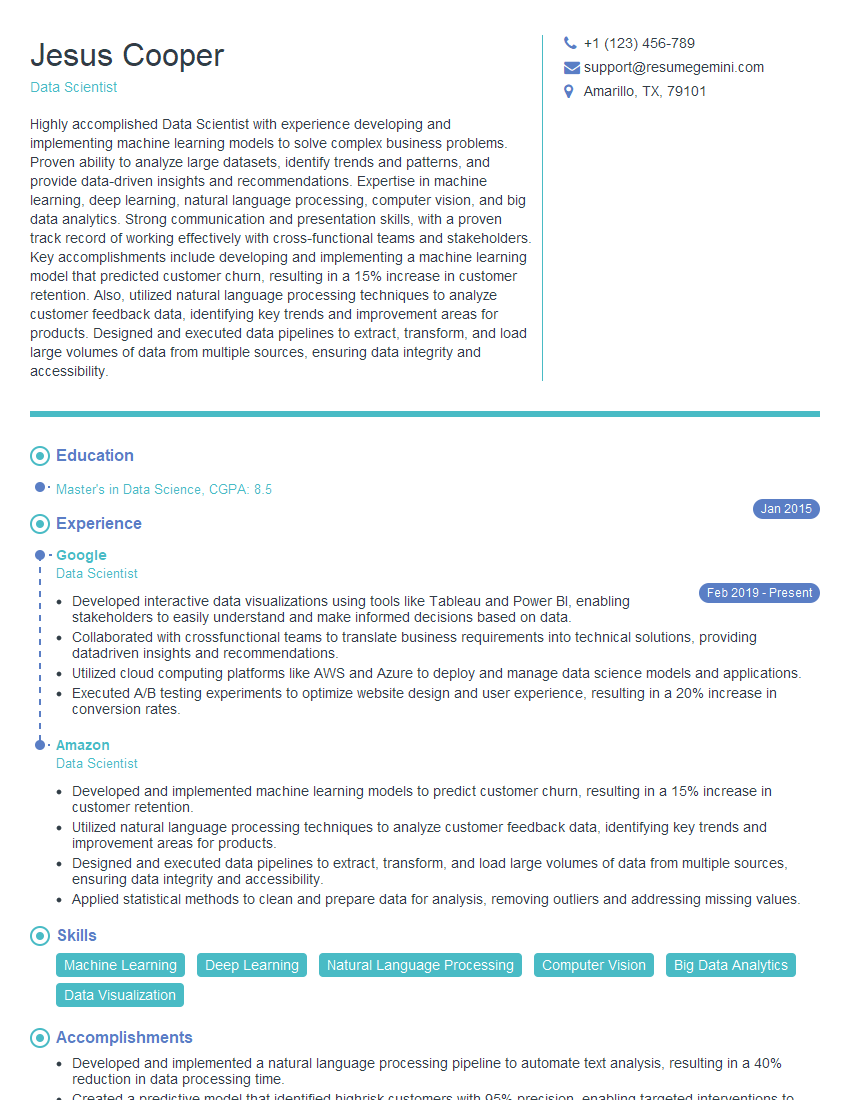
Data Scientist Resume Sample

Research Scientist Resume Sample
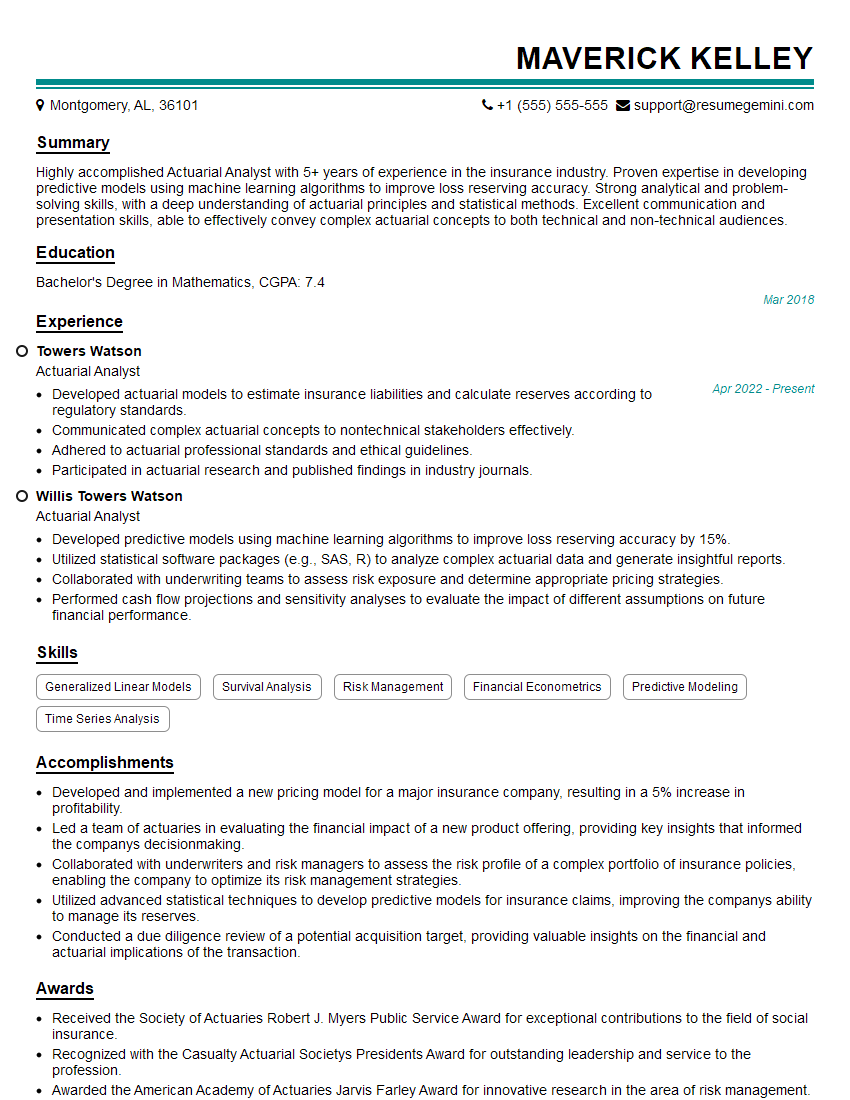
Actuarial Analyst Resume Sample
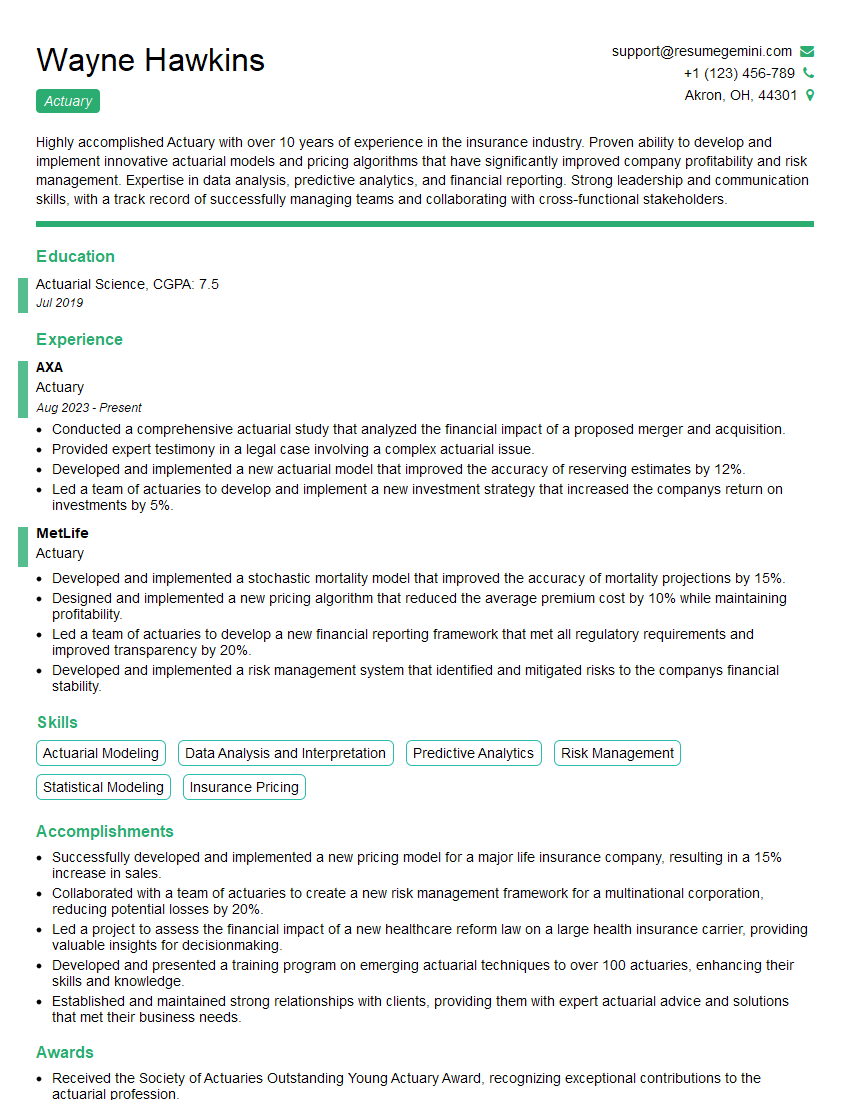
Actuary Resume Sample

Operations Research Analyst Resume Sample
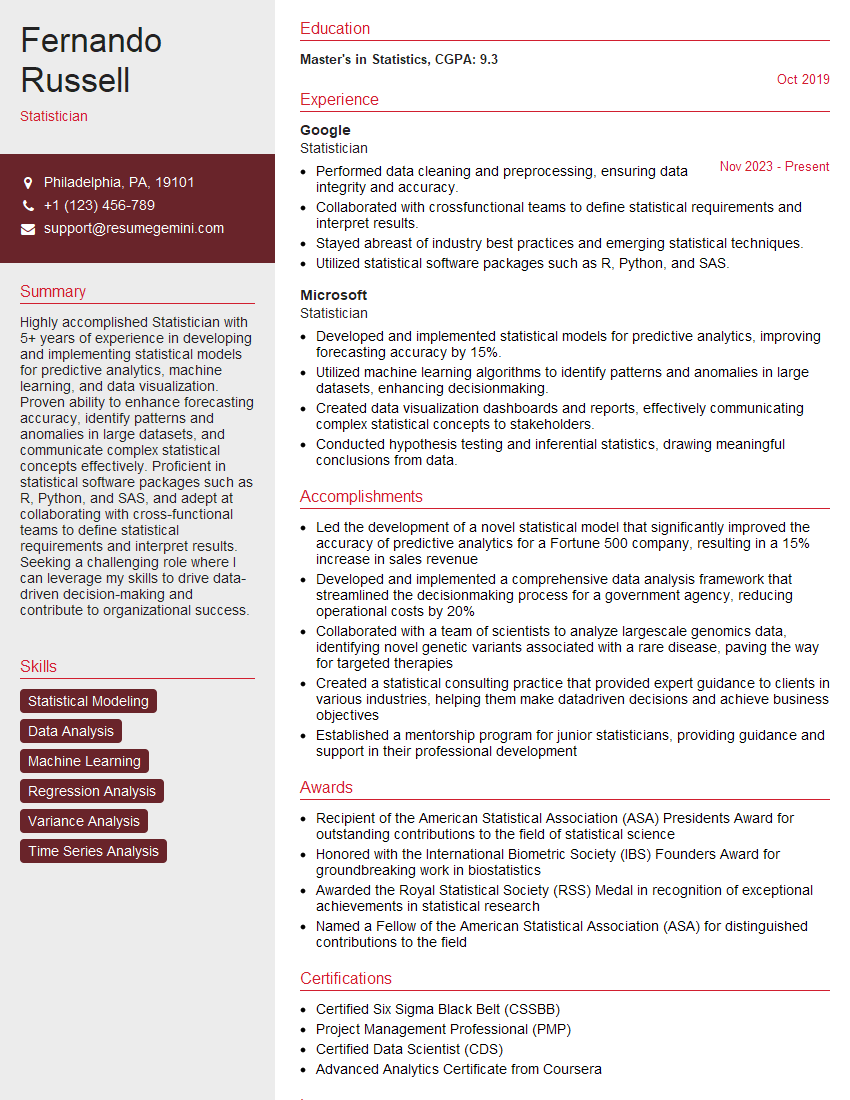
Statistician Resume Sample
- Pricing Analyst
- Project Manager
- Compliance Analyst
- Investment Analyst
- Supply Chain Analyst
- Business Analyst
- Management Analyst
- Market Research Analyst
- Marketing Analyst
- Accountant
- Auditor
- Financial Analyst
- Budget Analyst
- Credit Analyst
- Risk Analyst
- Data Analyst
- Quantitative Analyst
- Data Scientist
- Research Scientist
- Actuarial Analyst
- Actuary
- Operations Research Analyst
- Statistician
Explore more articles
Users Rating of Our Blogs
Share Your Experience
We value your feedback! Please rate our content and share your thoughts (optional).
What Readers Say About Our Blog
Very informative content, great job.
good