The right preparation can turn an interview into an opportunity to showcase your expertise. This guide to Basic Veterinary Care interview questions is your ultimate resource, providing key insights and tips to help you ace your responses and stand out as a top candidate.
Questions Asked in Basic Veterinary Care Interview
Q 1. Describe the process of administering subcutaneous injections in small animals.
Administering subcutaneous (SQ) injections in small animals requires precision and care to ensure the medication is delivered correctly and the animal experiences minimal discomfort. First, you’ll need the appropriate medication, a sterile needle and syringe, and alcohol swabs. You’ll also want to choose the correct injection site, typically the loose skin on the back of the neck or the flanks.
- Preparation: Gather your supplies and ensure the medication is correctly drawn into the syringe. Double-check the dosage to avoid errors.
- Sanitation: Cleanse the injection site with an alcohol swab, working in a circular motion outwards from the center. Allow the area to air dry completely. This prevents introducing infection.
- Injection: Gently pinch a fold of skin at the chosen site. This creates a pocket for the injection and helps prevent accidental intramuscular injection. Insert the needle at a shallow angle (approximately 45 degrees) into the pinched skin fold.
- Medication Delivery: Slowly inject the medication. Observe for any signs of discomfort or resistance. If resistance is met, carefully withdraw the needle and reassess the injection site and technique.
- Post-Injection: Gently release the skin fold and apply slight pressure to the injection site using an alcohol swab or gauze. Do not massage the area as this could cause irritation or hematoma formation. Observe the animal for any adverse reactions.
Example: When administering fluids subcutaneously to a dehydrated kitten, I would choose a site on the loose skin along its flank, ensuring I use a small gauge needle to minimize discomfort. I would always check for any swelling or lumps at the injection site in the following days.
Q 2. Explain the importance of proper sanitation and disinfection protocols in a veterinary setting.
Proper sanitation and disinfection are paramount in a veterinary setting to prevent the spread of infectious diseases among patients and staff. This involves a multi-faceted approach encompassing cleaning, disinfection, and sterilization.
- Cleaning: This is the first step, involving the removal of visible dirt, debris, and organic matter. We use appropriate cleaning agents, followed by thorough rinsing with clean water.
- Disinfection: This involves the use of chemical agents to kill or inactivate most microorganisms, reducing the risk of infection. The chosen disinfectant must be effective against the target organisms and appropriate for the surface being treated. Different disinfectants have different dwell times (how long they must remain on the surface to be effective).
- Sterilization: This is the process of destroying all forms of microbial life, including spores. Methods include autoclaving (steam under pressure) and gas sterilization. Sterilization is crucial for surgical instruments and other items that come into direct contact with sterile tissues.
Example: After a surgical procedure, all instruments are thoroughly cleaned and then autoclaved to ensure complete sterilization before being reused. Between patient examinations, examination tables are disinfected with a veterinary-approved disinfectant, adhering to the manufacturer’s recommended contact time. Neglecting these protocols can lead to serious outbreaks of disease.
Q 3. What are the common signs of dehydration in dogs and cats?
Dehydration in dogs and cats can manifest in various ways, and early detection is key for prompt treatment. The severity of the signs correlates with the degree of dehydration.
- Loss of skin elasticity (tenting): When you gently pinch the skin on the neck or back, dehydrated animals exhibit slow recoil; the skin remains tented or elevated instead of snapping back immediately.
- Dry mucous membranes: The gums, inside the lips, and the nose appear dry and sticky, lacking their usual moist, glossy appearance.
- Sunken eyes: The eyes may appear sunken into their sockets due to fluid loss.
- Lethargy and weakness: Dehydrated animals often display decreased energy levels and appear weak or listless.
- Decreased urine output: The animal may urinate less frequently, and the urine will be more concentrated (darker in color).
- Increased heart rate (tachycardia): The body tries to compensate for reduced blood volume by increasing the heart rate.
Example: A dog presented with dry gums, sunken eyes, and slow skin recoil is likely dehydrated. The severity of dehydration would determine the treatment strategy, which could range from increased water intake to intravenous fluid therapy.
Q 4. How would you restrain a cat for a routine physical examination?
Restraining a cat for a routine physical exam requires a gentle yet firm approach, prioritizing both the cat’s safety and the examiner’s well-being. The best approach depends on the cat’s temperament and the specific procedure. Many cats will tolerate being wrapped in a towel.
- Towel Restraint: This is a common and effective method. Carefully wrap the cat in a towel, leaving its head exposed for examination but preventing scratching. This technique is especially useful for nervous or fearful cats.
- Less Restrictive Handling: For calm and cooperative cats, gentle handling might be sufficient. Use slow movements, a calm voice, and avoid sudden gestures. Never restrain a cat tightly.
- Scruffing (With Caution): While sometimes used, scruffing should be approached cautiously and only by experienced personnel. It’s often stressful for the cat and could cause injury if done incorrectly. This technique should not be used as the primary method and only in cases where the animal is exhibiting aggression.
Important Considerations: Always prioritize safety for yourself and the animal. If the cat is aggressive or difficult to restrain, consider using appropriate sedation under the direction of a veterinarian.
Q 5. What are the key steps involved in taking a pet’s vital signs (temperature, pulse, respiration)?
Taking a pet’s vital signs is crucial for assessing their overall health status. Accuracy and gentleness are paramount.
- Temperature: Use a rectal thermometer lubricated with a water-soluble lubricant. Gently insert the thermometer about 1-1.5 inches. Hold the thermometer in place until the reading stabilizes (usually 1-2 minutes). The normal temperature range for dogs and cats is approximately 99.5-102.5°F (37.5-39.2°C).
- Pulse: The femoral artery (located on the inside of the thigh) is a common site for palpation. Count the heartbeats for 15 seconds and multiply by four to obtain the beats per minute (BPM). Normal pulse rates range from 60-160 BPM, depending on the animal’s size, breed, and activity level.
- Respiration Rate: Observe the rise and fall of the chest or abdomen for 15 seconds and multiply by four. Normal respiratory rates generally range from 16-40 breaths per minute (BPM) but can vary.
Important Note: Always record the vital signs along with the date, time, and any other relevant observations. Deviations from normal ranges warrant further investigation.
Q 6. Explain the different types of animal restraint techniques and when each is appropriate.
Animal restraint techniques vary greatly depending on the species, size, temperament of the animal, and the procedure being performed. Safety for both the animal and the handler is the top priority.
- Physical Restraint: This involves using your hands and body to control the animal. Techniques vary from gently holding a small animal to using more forceful methods to control a larger, more aggressive animal. This often involves the use of towels, muzzles, or other specialized equipment.
- Chemical Restraint: This uses medication to sedate or anesthetize the animal, making them easier to handle. This is typically done by a veterinarian or under their direct supervision. It’s critical to consider the risks and contraindications of specific drugs.
- Environmental Restraint: This involves using the animal’s environment to limit their movement, such as confining them to a cage or using a carrier.
Example: A small, docile dog might only need gentle restraint for a vaccination, while a large, aggressive dog may require both physical restraint and possibly chemical restraint (sedation) for a thorough examination.
Q 7. Describe your experience with administering oral and injectable medications to animals.
I have extensive experience administering both oral and injectable medications to a wide variety of animals. Accuracy and safety are always my top priorities.
- Oral Medications: For animals that willingly take medication, this can be as simple as administering the correct dose with a pill-pusher or hiding it in food. However, many animals are reluctant to take medications orally. Different methods like using flavored syringes or pill pockets can be employed. Always observe the animal after administration to ensure they have swallowed the medication completely.
- Injectable Medications: My experience includes administering intramuscular (IM), subcutaneous (SQ), and intravenous (IV) injections. Proper injection technique, selecting the correct site, and using appropriate needle size are critical to minimize pain and discomfort and ensure accurate drug delivery. Post-injection observation is equally crucial. Always assess for any signs of adverse reactions, swelling, or discomfort.
Example: I once had to administer a series of subcutaneous injections to a cat with severe dehydration. This required careful attention to hydration status, injection site selection, and monitoring the cat for fluid overload or other adverse events. I also have experience administering many oral medications, from heartworm preventative tablets to antibiotics. In each case, patience, careful observation, and appropriate client education are essential for success.
Q 8. How would you handle an aggressive animal during a veterinary procedure?
Handling an aggressive animal during a veterinary procedure requires a calm, systematic approach prioritizing safety for both the animal and the veterinary team. We would never attempt a procedure without appropriate safety measures in place. This usually starts with a thorough assessment of the animal’s behavior to understand the triggers for aggression. Is it fear-based, territorial, pain-related, or something else?
Depending on the level of aggression, we might utilize various restraint techniques, starting with the least restrictive. This could involve using muzzles, towels, or even specialized restraint equipment designed to minimize stress and injury. In some cases, chemical restraint (with appropriate veterinary approval and careful monitoring) might be necessary to ensure the safety of everyone involved. The environment is also critical – minimizing distractions and providing a quiet, comfortable space reduces the likelihood of an aggressive reaction. Having a trained assistant to help with restraint is paramount.
For example, I once worked with a dog displaying intense fear aggression during a nail trim. Instead of forcing the procedure, we spent several sessions desensitizing the dog to nail handling using positive reinforcement techniques (treats and praise). Once the dog felt more comfortable, we were able to complete the procedure with minimal stress.
Q 9. What are the common signs of pain in animals?
Recognizing pain in animals can be challenging as they cannot verbally communicate their discomfort. However, there are a number of subtle and overt signs that indicate pain.
- Behavioral Changes: Lethargy, decreased appetite, hiding, vocalization (whining, yelping, howling), changes in activity levels (restlessness or reluctance to move), aggression, and self-mutilation (licking or chewing at a wound excessively).
- Physical Signs: Changes in posture (hunched back, limping, stiffness), guarding of a particular area, altered respiration (rapid breathing or panting), increased heart rate, dilated pupils, and changes in body temperature.
- Physiological Changes: Elevated white blood cell count, changes in blood pressure.
It’s important to remember that these signs can vary depending on the species, individual animal, and the type and severity of pain. A comprehensive assessment, considering the animal’s history and observation of its behavior, is vital to properly diagnose pain.
Q 10. Explain the proper procedure for collecting a urine sample from a dog.
Collecting a urine sample from a dog can be achieved in several ways, each with its advantages and disadvantages. The preferred method depends on the dog’s temperament, the volume of urine needed, and the urgency of the situation.
- Free Catch: This is the simplest method, but requires patience and may not be suitable for all dogs. You’ll need to catch the urine stream mid-stream as the dog urinates. It’s best done outside on a clean surface with a sterile container.
- Manual Expression (Cystocentesis): This is a sterile procedure done by a veterinarian or trained technician that involves inserting a needle into the bladder to collect urine directly. This provides a truly sterile sample, ideal for culture.
- Catheterization: A catheter is inserted into the urethra to collect urine. This is useful for obtaining larger volumes of urine, but requires skill and carries the risk of infection.
For a free catch, it is important to ensure the container is clean and sterile to avoid contamination. For cystocentesis and catheterization, strict aseptic techniques are essential to prevent introducing pathogens.
Q 11. What are the potential complications associated with intravenous catheter placement?
Intravenous (IV) catheter placement, while a routine procedure, carries potential complications. These range from minor inconveniences to serious, life-threatening events. Understanding these potential problems and taking preventative measures is critical.
- Phlebitis: Inflammation of the vein at the catheter insertion site. This can cause pain, swelling, and redness. Careful site selection and aseptic technique are crucial to preventing this.
- Thrombophlebitis: Formation of a blood clot in the vein. This can restrict blood flow and lead to more serious consequences. Careful attention to catheter maintenance and prompt removal are essential.
- Infection: Bacteria can enter the bloodstream through the catheter insertion site. This can range from local infection to systemic sepsis. Strict aseptic technique is vital in preventing this.
- Catheter malposition: The catheter might be inadvertently placed outside the vein, leading to infiltration (leakage of fluids into surrounding tissues) or extravasation (leakage of irritating medications).
- Hematoma: Bleeding around the insertion site.
Regular monitoring of the catheter site, vigilant observation for signs of infection or complications, and proper catheter care are essential to minimizing these risks. In the case of complication, immediate intervention is necessary.
Q 12. How would you respond to a patient experiencing an allergic reaction?
Responding to an allergic reaction requires immediate action, as some reactions can be life-threatening (anaphylaxis). The speed and effectiveness of the response are critical. The first step is to identify the allergen if possible, and remove it from contact with the patient.
Depending on the severity, we would administer appropriate treatment, ranging from supportive care (oxygen supplementation) to administering medications like antihistamines (for milder reactions) or epinephrine (for anaphylaxis). Monitoring vital signs (heart rate, respiratory rate, blood pressure) is essential. If the reaction is severe or worsening, immediate transport to an emergency veterinary facility might be necessary. In cases of anaphylaxis, epinephrine is administered intravenously or intramuscularly to counter the effects of the allergic reaction. This is a life-saving procedure and should be done only by those appropriately trained.
I remember a case where a dog experienced a severe reaction to a flea preventative. We immediately administered oxygen, intravenous fluids, and epinephrine. The rapid intervention saved the dog’s life. Afterwards, careful desensitization protocols were used to help mitigate future potential reactions.
Q 13. Describe your experience with wound cleaning and bandaging.
Wound cleaning and bandaging are fundamental aspects of veterinary care. My experience encompasses a wide range of wound types, from simple abrasions to complex lacerations and surgical incisions. Proper wound management helps to prevent infection, promote healing, and minimize scarring.
The first step is a thorough cleaning of the wound to remove debris, dirt, and contaminants. This usually involves using a sterile saline solution and careful debridement (removal of dead or damaged tissue). The choice of antiseptic depends on the wound type and any potential infection. Next, we assess the wound’s depth and extent of tissue damage. Depending on this assessment, a bandage is applied to protect the wound, absorb drainage, and immobilize the affected area. There are numerous types of bandages, including simple gauze dressings, Robert Jones bandages (for limb immobilization), and more specialized wound dressings with specialized properties (e.g., antimicrobial properties).
Regular monitoring of the wound and bandage is crucial to detect any signs of infection (redness, swelling, increased pain, purulent discharge) or complications. If any of these signs are present, appropriate treatment must be given to prevent worsening of the wound and possible systemic infection.
Q 14. What are the different types of wound closure techniques?
Wound closure techniques aim to bring the edges of a wound together to promote healing and reduce scarring. The appropriate method depends on factors such as wound type, age, and the presence of infection.
- Primary Closure: This involves directly approximating (bringing together) the wound edges using sutures, staples, or adhesive bandages. This method is used for clean, fresh wounds with minimal tissue loss.
- Secondary Closure: This involves allowing the wound to heal by granulation (formation of new tissue) before closing it. This is typically used for wounds that are contaminated or have significant tissue loss.
- Delayed Primary Closure: This is a combination of both. The wound is left open for a period to allow for initial healing and then closed surgically after a few days.
- First Intention Healing: Wound closure techniques where wound edges are approximated, leading to minimal scar formation.
- Second Intention Healing: Wound healing that involves tissue granulation and contraction. This results in larger scars.
Appropriate selection of the wound closure method requires careful assessment of the wound and consideration of the animal’s overall health. Choosing the wrong technique could lead to complications, such as infection or delayed healing.
Q 15. How would you recognize and respond to signs of respiratory distress in a patient?
Recognizing respiratory distress in animals involves observing several key indicators. It’s crucial to remember that the severity of distress can range from mild to life-threatening, requiring immediate intervention in severe cases. Think of it like this: if a human were struggling to breathe, you’d know; animals show similar signs, although they might be subtler.
- Increased Respiratory Rate: Count the breaths per minute. A significantly faster breathing rate than normal for that species and size is a red flag. For example, a dog normally breathing 10-30 breaths per minute showing 60 breaths per minute is in trouble.
- Open-Mouth Breathing: Dogs and cats typically breathe through their noses. Open-mouth breathing, especially with an extended neck, indicates difficulty breathing.
- Cyanosis: This is a bluish discoloration of the gums or tongue due to low blood oxygen levels. It’s a serious sign requiring immediate veterinary attention.
- Retractions: These are visible indentations in the chest wall during inhalation, indicating the animal is working very hard to breathe. You might see the skin around the ribs or the area under the ribcage sink in with each breath.
- Dyspnea (labored breathing): The animal may be making audible noises, such as wheezing, gasping, or coughing, or exhibiting noticeable effort to breathe.
- Stridor: A high-pitched whistling sound during inhalation, often indicating an upper airway obstruction.
Responding to Respiratory Distress: Immediate action is vital. The steps depend on the severity. For mild distress, keeping the animal calm and providing supplemental oxygen (if available) is crucial. Severe cases necessitate immediate transport to a veterinary clinic. Keeping the animal as calm and comfortable as possible until professional help arrives is paramount. Remember to assess the airway, breathing, and circulation (ABCs) — a critical component of emergency veterinary care.
Career Expert Tips:
- Ace those interviews! Prepare effectively by reviewing the Top 50 Most Common Interview Questions on ResumeGemini.
- Navigate your job search with confidence! Explore a wide range of Career Tips on ResumeGemini. Learn about common challenges and recommendations to overcome them.
- Craft the perfect resume! Master the Art of Resume Writing with ResumeGemini’s guide. Showcase your unique qualifications and achievements effectively.
- Don’t miss out on holiday savings! Build your dream resume with ResumeGemini’s ATS optimized templates.
Q 16. What is your experience with basic laboratory procedures (e.g., blood collection, urinalysis)?
I have extensive experience in performing and interpreting basic laboratory procedures. This includes proficiency in venipuncture (blood collection) using various techniques appropriate to the patient’s size and condition – from small rodents to large dogs, adapting my approach to minimize stress and ensure a safe, accurate sample.
My urinalysis skills encompass collecting and analyzing urine samples, assessing parameters such as color, clarity, specific gravity, pH, and presence of blood, glucose, protein, and ketones. I’m also experienced with performing dipstick tests and microscopic examinations of urine sediment to identify crystals, cells, and casts. These tests aid in diagnosing a wide array of conditions, from urinary tract infections to kidney disease. For instance, detecting glucose in the urine might indicate diabetes, while the presence of red blood cells could signal a urinary tract infection or kidney stones. In short, these basic lab tests are invaluable diagnostic tools in veterinary medicine.
Beyond these, I’m familiar with basic hematology (blood cell counts) using automated analyzers and manual techniques. This provides crucial information about the patient’s overall health and helps diagnose various conditions including anemia and infections.
Q 17. Describe your understanding of animal anatomy and physiology.
My understanding of animal anatomy and physiology is comprehensive, encompassing the structures, functions, and interrelationships of various organ systems across different species. Think of it as a detailed map of the animal body, focusing on how each part contributes to the whole. A strong foundation in anatomy and physiology is crucial for diagnosis, treatment, and understanding disease processes.
For example, understanding canine cardiac physiology is essential for interpreting cardiovascular abnormalities such as murmurs or arrhythmias. Similarly, a thorough grasp of feline renal anatomy helps in diagnosing and managing kidney disease. I am familiar with the skeletal, muscular, nervous, respiratory, cardiovascular, digestive, urinary, endocrine, and reproductive systems and how they interact. Moreover, understanding species-specific variations in anatomy and physiology is crucial for accurate diagnosis and treatment. A cat’s anatomy differs significantly from a horse’s, requiring different approaches to examination and care.
Q 18. How familiar are you with common veterinary instruments and equipment?
I’m highly familiar with a wide array of common veterinary instruments and equipment. This includes:
- Diagnostic tools: Stethoscopes, otoscopes (for ear examination), ophthalmoscopes (for eye examination), thermometers, blood pressure cuffs.
- Surgical instruments: Scalpels, forceps, scissors, needle holders, retractors (familiarity, not necessarily proficiency in surgical use).
- Dental instruments: Scalers, curettes, dental probes, polishing instruments.
- Laboratory equipment: Microscopes, centrifuges, refractometers, hematology analyzers (basic operation and understanding of results).
- Anesthesia equipment: Vaporizers, monitoring equipment such as pulse oximeters and ECG machines (understanding of basic operation and monitoring).
- Restraint equipment: Different types of leashes, muzzles, and other restraint devices.
My familiarity extends beyond just knowing the names; I understand their proper use, maintenance, and sterilization techniques, crucial for ensuring accurate diagnoses and minimizing the risk of infection.
Q 19. What is your experience with assisting with surgical procedures?
I have significant experience assisting in surgical procedures under the direct supervision of experienced veterinary surgeons. My role involved preparing the surgical site, assisting with instrument handling, monitoring the patient’s vital signs (heart rate, respiratory rate, blood pressure, temperature), and maintaining a sterile surgical field. This experience has provided me with valuable insight into surgical techniques, aseptic practices, and post-operative care.
For example, I’ve assisted in spays and neuters, orthopedic surgeries, and soft tissue procedures. This hands-on experience has not only improved my surgical skills but has also sharpened my understanding of surgical principles, patient monitoring, and the importance of teamwork in a surgical environment.
Q 20. Explain the importance of proper record keeping in veterinary practice.
Proper record-keeping is absolutely vital in veterinary practice. It’s not just about documentation; it’s the cornerstone of quality care, legal protection, and efficient practice management. Imagine a doctor’s office without patient charts; it would be chaos!
Accurate records ensure continuity of care. If a different vet sees the animal later, they need the complete history to provide appropriate treatment. Detailed records improve the quality of care by allowing for better tracking of treatment effectiveness and identification of trends. Legally, meticulous records protect the veterinarian from malpractice claims. They serve as proof of the care provided, demonstrating responsible practice.
Furthermore, comprehensive records are essential for tracking medications, vaccinations, allergies, and disease history. They also aid in public health monitoring, assisting with the surveillance and control of zoonotic diseases (diseases that can be transmitted between animals and humans). In short, precise record-keeping is fundamental to responsible, efficient, and legally sound veterinary practice.
Q 21. How would you handle a client who is upset about their pet’s condition?
Handling an upset client requires empathy, patience, and active listening. It’s crucial to remember that their distress stems from concern for their pet. I would start by acknowledging their emotions, validating their feelings, and providing a safe space for them to express their concerns. Active listening is paramount – I’d make eye contact, avoid interrupting, and summarize their concerns to ensure I understand their perspective.
For instance, if a client is upset about their pet’s diagnosis, I would explain the condition in simple, understandable terms, answering their questions clearly and honestly. I’d avoid medical jargon and focus on providing reassurance and support. Collaborating with them to create a treatment plan they feel comfortable with is key. This could involve discussing various options and their associated pros and cons, empowering the client to make informed decisions. Ultimately, the goal is to create a trusting relationship based on mutual understanding and respect. Even if I can’t provide a cure, offering compassionate support is crucial.
Q 22. What is your understanding of animal behavior and how it impacts veterinary care?
Understanding animal behavior is crucial for effective veterinary care. A pet’s behavior can be a significant indicator of its overall health and well-being. Fear, aggression, or unusual lethargy can signal underlying medical issues or pain. Conversely, a calm and comfortable animal is more likely to cooperate during examinations and treatments.
- Species-Specific Behaviors: Recognizing species-specific behaviors is vital. For example, a cat exhibiting flattened ears and a puffed tail is displaying clear signs of fear, whereas a dog exhibiting similar body language might be showing aggression.
- Individual Variations: It’s also important to understand individual variations within a species. Some dogs are naturally more anxious than others, requiring a tailored approach to examination and treatment.
- Impact on Treatment: Understanding behavior allows vets to modify their approach to minimize stress for the animal. This might involve using positive reinforcement techniques, providing a safe and secure environment, or using pheromone diffusers to calm anxious patients. A stressed animal is more likely to resist examination, potentially leading to inaccurate diagnoses or injuries.
Q 23. Describe your experience with dental prophylaxis in dogs and cats.
Dental prophylaxis, or professional teeth cleaning, is a routine procedure for dogs and cats. It involves removing plaque and tartar buildup, polishing the teeth, and assessing the gums for any signs of gingivitis or periodontal disease. My experience includes performing complete oral examinations, scaling teeth using ultrasonic scalers, and applying fluoride treatments to strengthen enamel. I’m also proficient in extracting teeth when necessary, using appropriate anesthetic techniques to ensure the animal’s comfort and safety.
For example, I once treated a senior Golden Retriever with severe periodontal disease. Through meticulous scaling and polishing, we managed to significantly improve his oral health, reducing his pain and improving his overall quality of life. In this case, preventative dental care could have significantly reduced the severity of the condition.
Q 24. What is your understanding of zoonotic diseases?
Zoonotic diseases are infections that can spread between animals and humans. Understanding these diseases is critical for both animal and public health. Many zoonotic diseases are caused by bacteria, viruses, parasites, or fungi. Some common examples include rabies, leptospirosis, toxoplasmosis, and ringworm.
- Prevention: Prevention strategies are crucial and include regular vaccinations for pets, proper hygiene practices (handwashing after handling animals), and avoiding contact with wild animals.
- Diagnosis and Treatment: Proper diagnosis and treatment of zoonotic diseases in animals can significantly reduce the risk of transmission to humans. This includes early detection through routine veterinary examinations and appropriate antibiotic or antiviral therapy when needed.
- Public Health Implications: Veterinarians play a key role in public health by reporting suspected zoonotic diseases to public health authorities, contributing to the prevention and control of outbreaks.
Q 25. How would you safely handle and dispose of biohazardous waste?
Safe handling and disposal of biohazardous waste is paramount in veterinary practice. This involves following strict protocols to prevent exposure to infectious agents. Sharps (needles, scalpels) must be placed in puncture-resistant containers. Other biohazardous materials (such as soiled bandages, tissues, and animal carcasses) need to be placed in designated, leak-proof bags and disposed of according to local regulations. Autoclaving (high-pressure steam sterilization) is often used to decontaminate instruments and materials before disposal.
For example, all sharps containers in our clinic are clearly labeled, and staff are trained on the proper procedures for their use. Regular audits ensure compliance with regulations and best practices. Ignoring these safety protocols can lead to serious consequences, such as infections, environmental contamination, and legal repercussions.
Q 26. Describe your experience with emergency veterinary procedures.
My experience with emergency veterinary procedures includes managing various life-threatening situations. This includes cardiopulmonary resuscitation (CPR), managing trauma cases, treating anaphylactic shock, and stabilizing animals in critical condition before referral to specialized facilities. I am proficient in performing advanced life support techniques such as intravenous fluid therapy and administering emergency medications.
One memorable case involved a dog hit by a car. Through rapid assessment, stabilization, and prompt treatment of its injuries, we were able to save its life. This highlighted the importance of quick thinking, efficient teamwork, and mastery of emergency protocols.
Q 27. What are your strengths and weaknesses as a veterinary professional?
My strengths include excellent communication skills, a calm and compassionate demeanor under pressure, and a strong commitment to continuing education. I’m a quick learner and adept at problem-solving, even in complex cases. However, I sometimes tend to be a perfectionist, which can occasionally lead to overworking myself. I am actively working on improving my time management skills to better balance my workload.
Q 28. Why are you interested in this specific veterinary position?
I am interested in this specific veterinary position because of your clinic’s reputation for excellence in patient care and commitment to employee well-being. The opportunity to work alongside experienced and dedicated professionals, while contributing to a positive and supportive team environment, aligns perfectly with my career aspirations. I believe my skills and experience will be a valuable asset to your team, and I am particularly excited about the potential to contribute to your clinic’s commitment to providing the highest standard of care.
Key Topics to Learn for Basic Veterinary Care Interview
- Animal Handling and Restraint: Understanding safe and effective techniques for handling various animal species, considering their temperament and size. Practical application includes demonstrating knowledge of different restraint methods and recognizing potential hazards.
- Physical Examination Techniques: Mastering the systematic approach to a physical exam, including vital signs assessment (heart rate, respiratory rate, temperature), auscultation, palpation, and observation of key indicators of health and illness. This includes recognizing normal vs. abnormal findings.
- Basic Wound Care and Management: Knowledge of cleaning, bandaging, and monitoring wound healing processes. Practical application encompasses understanding infection prevention and recognizing signs of complications.
- Pharmacology and Medication Administration: Understanding common veterinary medications, their dosages, routes of administration (oral, subcutaneous, intramuscular), and potential side effects. This includes safe handling and storage procedures.
- Basic Diagnostic Procedures: Familiarity with common diagnostic tests, such as urinalysis, fecal examination, and blood collection techniques. Understanding how these tests contribute to diagnosis and treatment planning.
- Client Communication and Education: Developing effective communication skills to explain diagnoses, treatment plans, and aftercare instructions to clients in a clear and compassionate manner. Role-playing scenarios can help solidify this skill.
- Emergency and Critical Care: Understanding basic life support techniques, recognizing life-threatening conditions (e.g., shock, respiratory distress), and initiating appropriate emergency procedures. This section should emphasize the importance of quick thinking and decisive action.
Next Steps
Mastering Basic Veterinary Care is crucial for building a strong foundation in your veterinary career. It demonstrates a commitment to animal welfare and positions you as a competent and confident candidate. To maximize your job prospects, create an ATS-friendly resume that highlights your skills and experience effectively. ResumeGemini is a trusted resource to help you build a professional and impactful resume tailored to the veterinary field. Examples of resumes specifically designed for Basic Veterinary Care roles are available to guide you through the process.

Veterinary Laboratory Technician Resume Sample
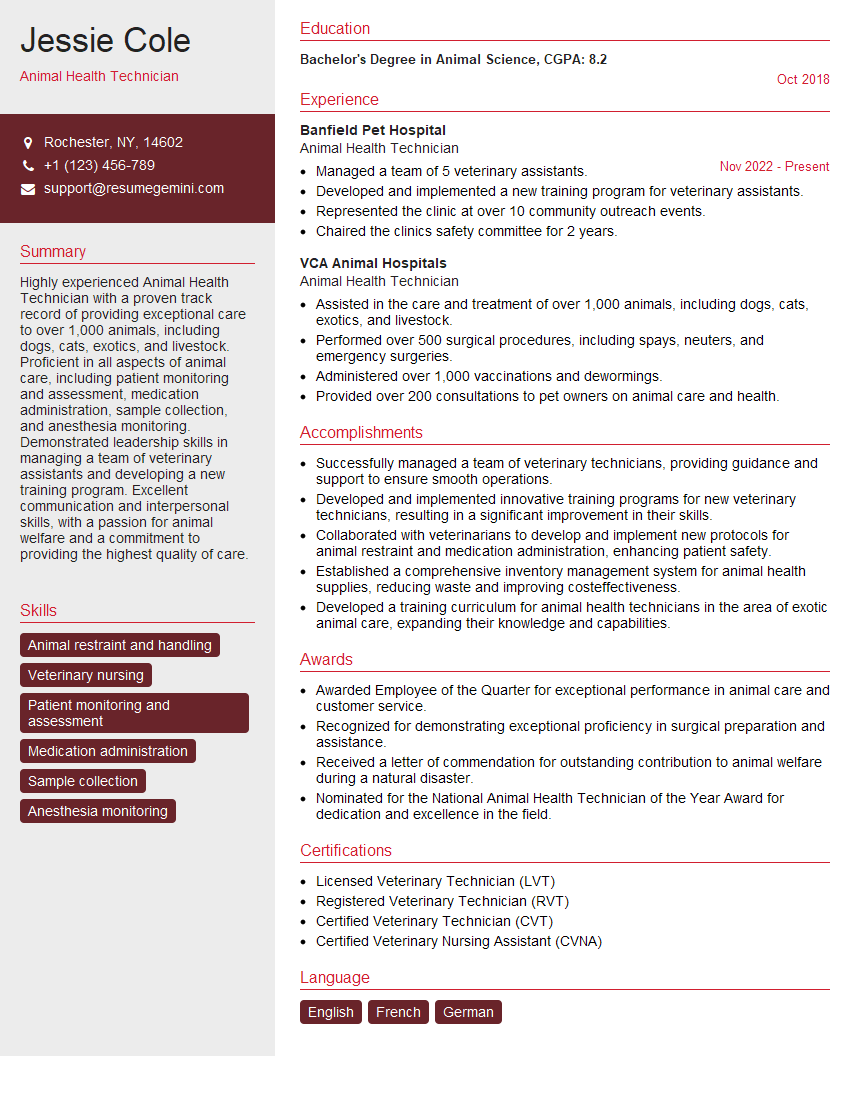
Animal Health Technician Resume Sample
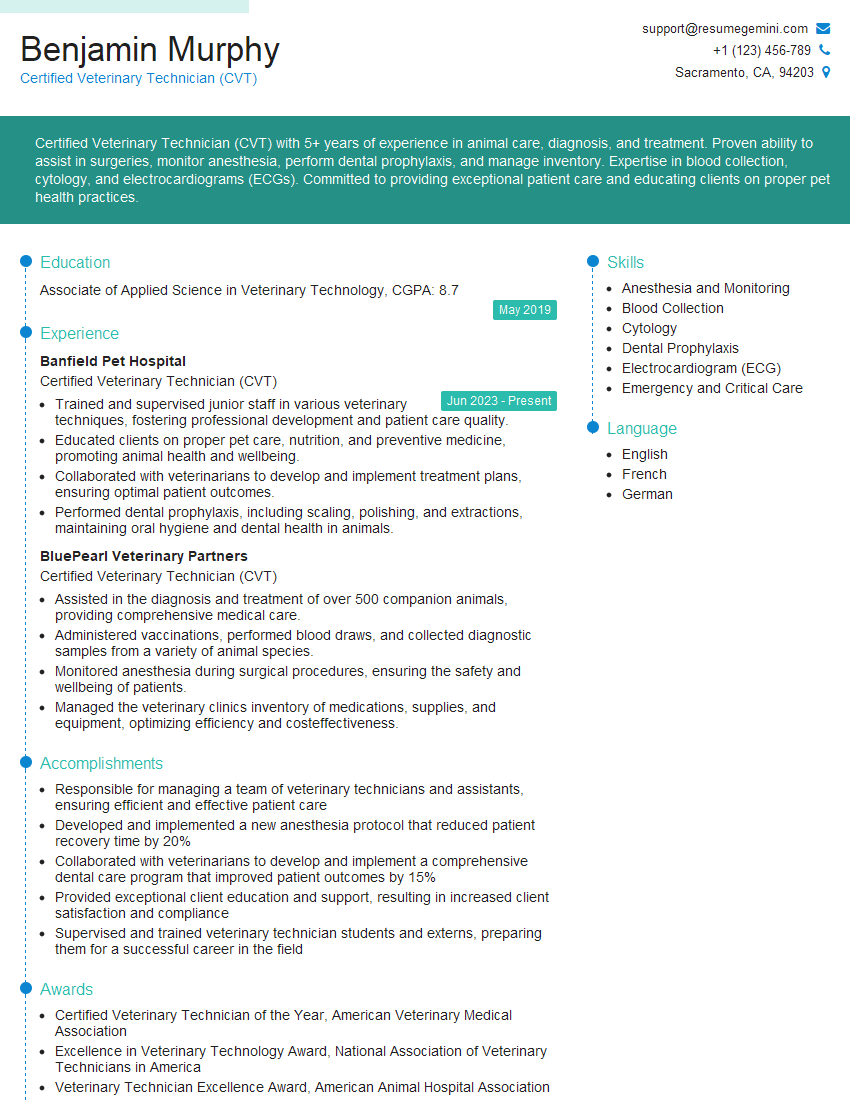
Certified Veterinary Technician (CVT) Resume Sample
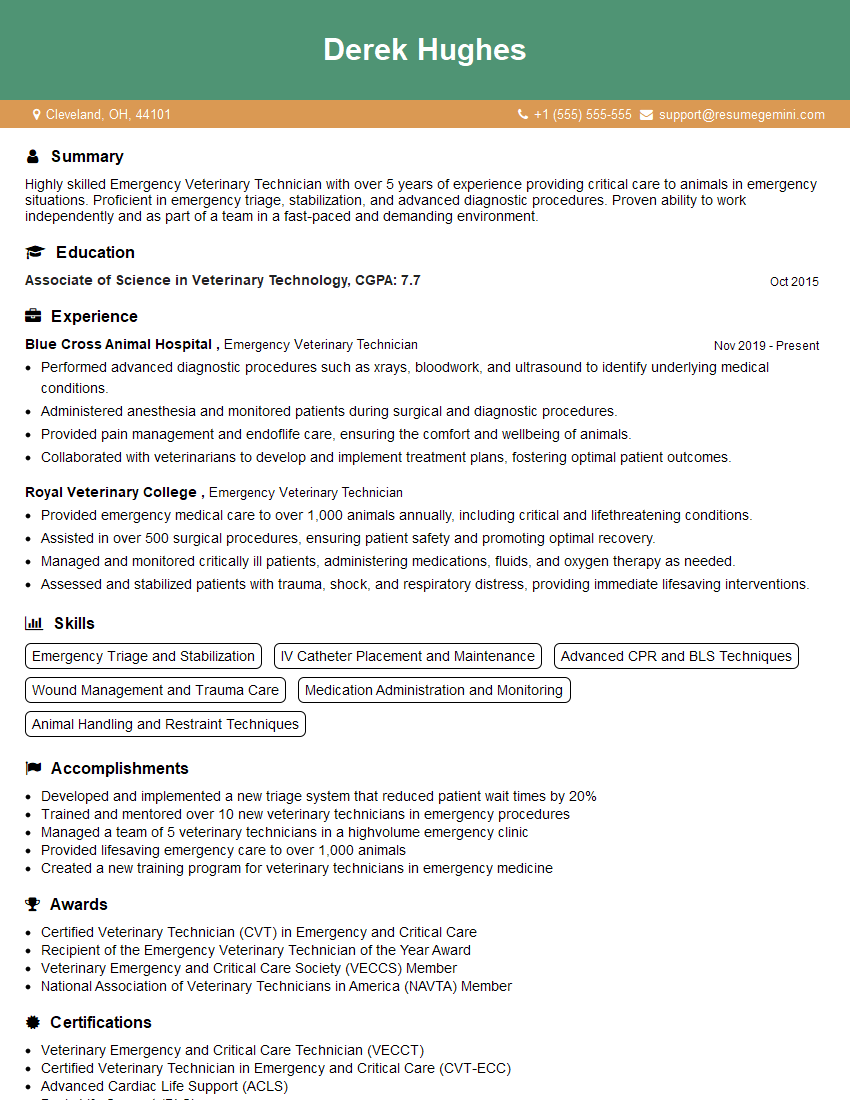
Emergency Veterinary Technician Resume Sample
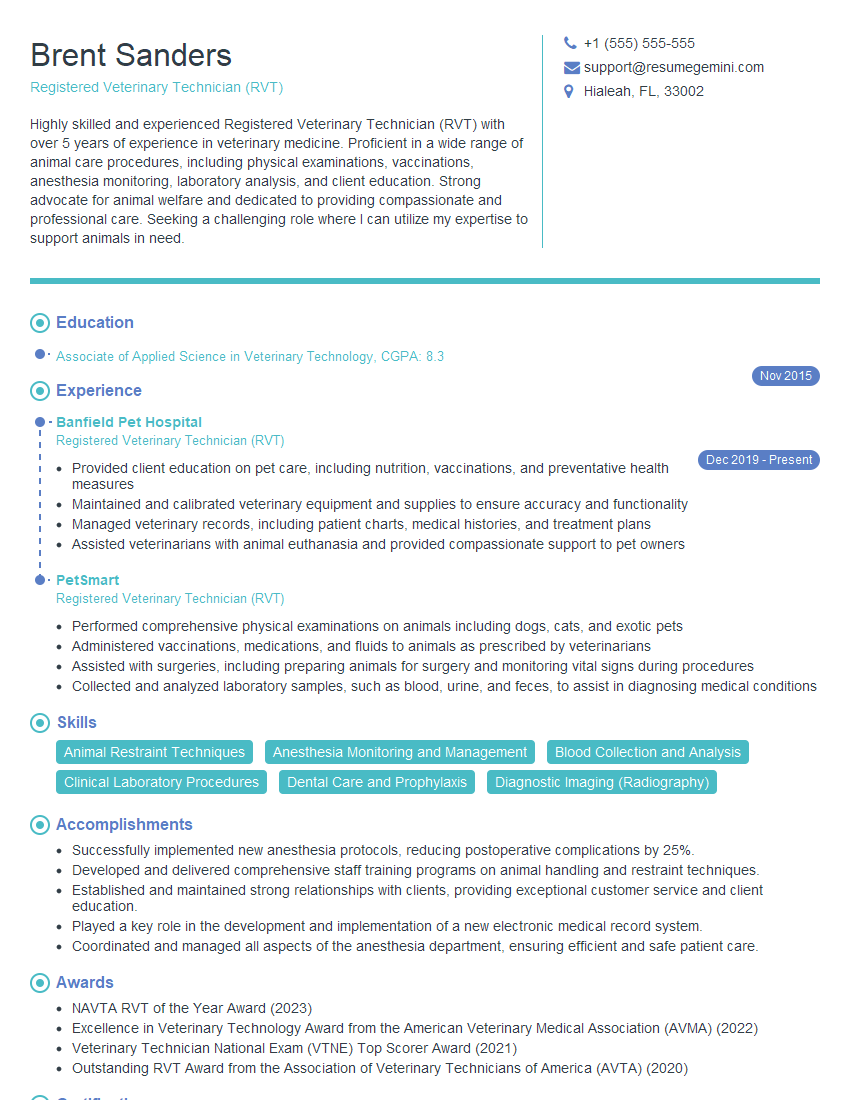
Registered Veterinary Technician (RVT) Resume Sample
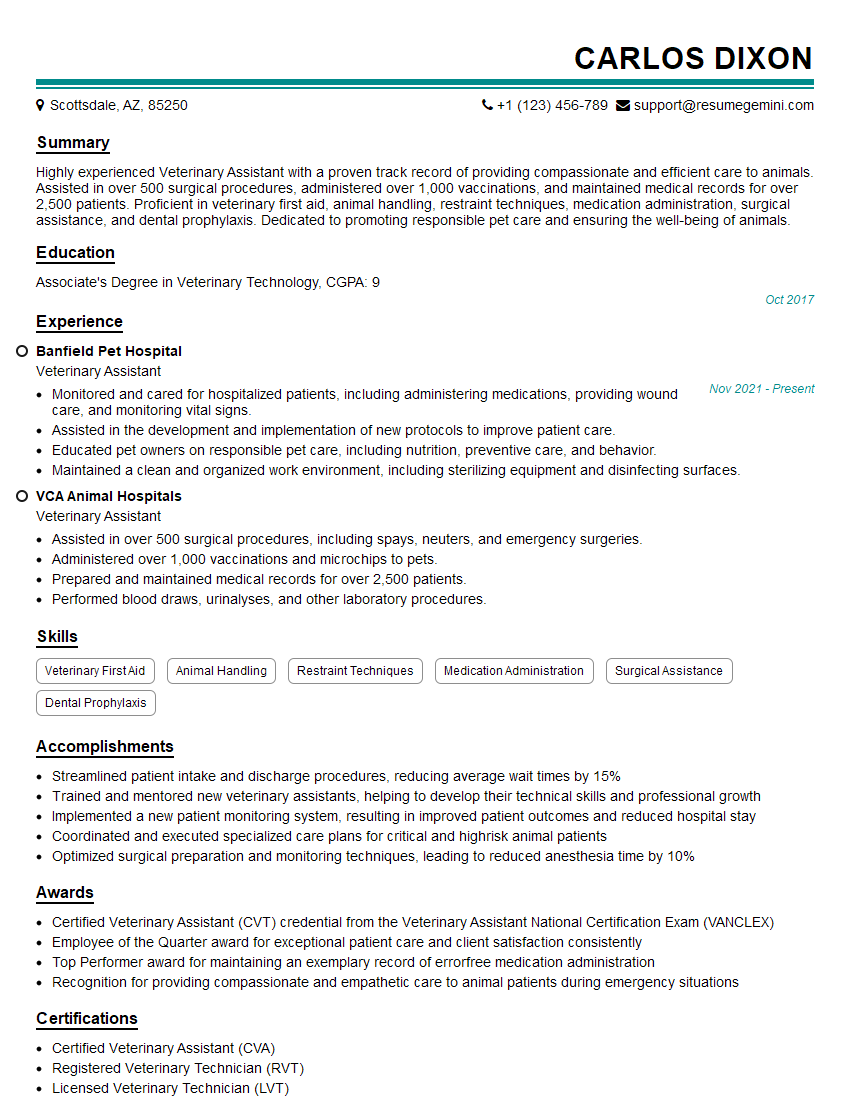
Veterinary Assistant Resume Sample
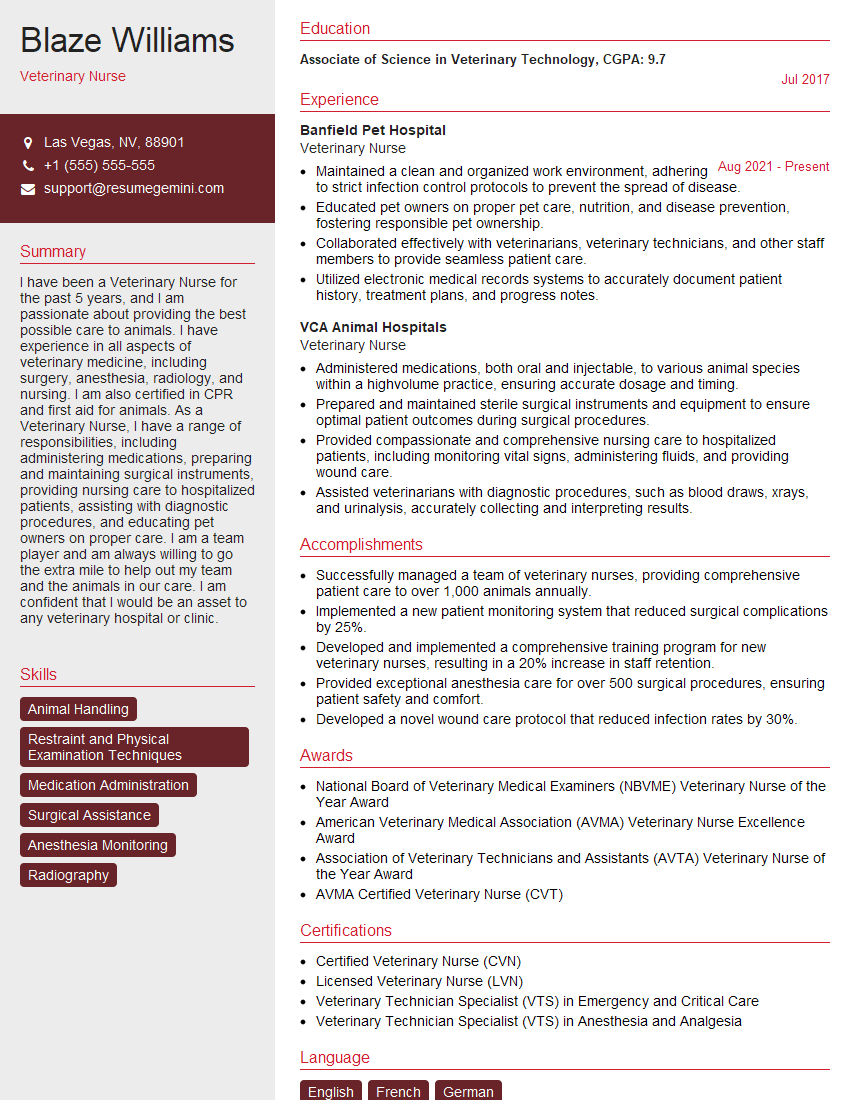
Veterinary Nurse Resume Sample
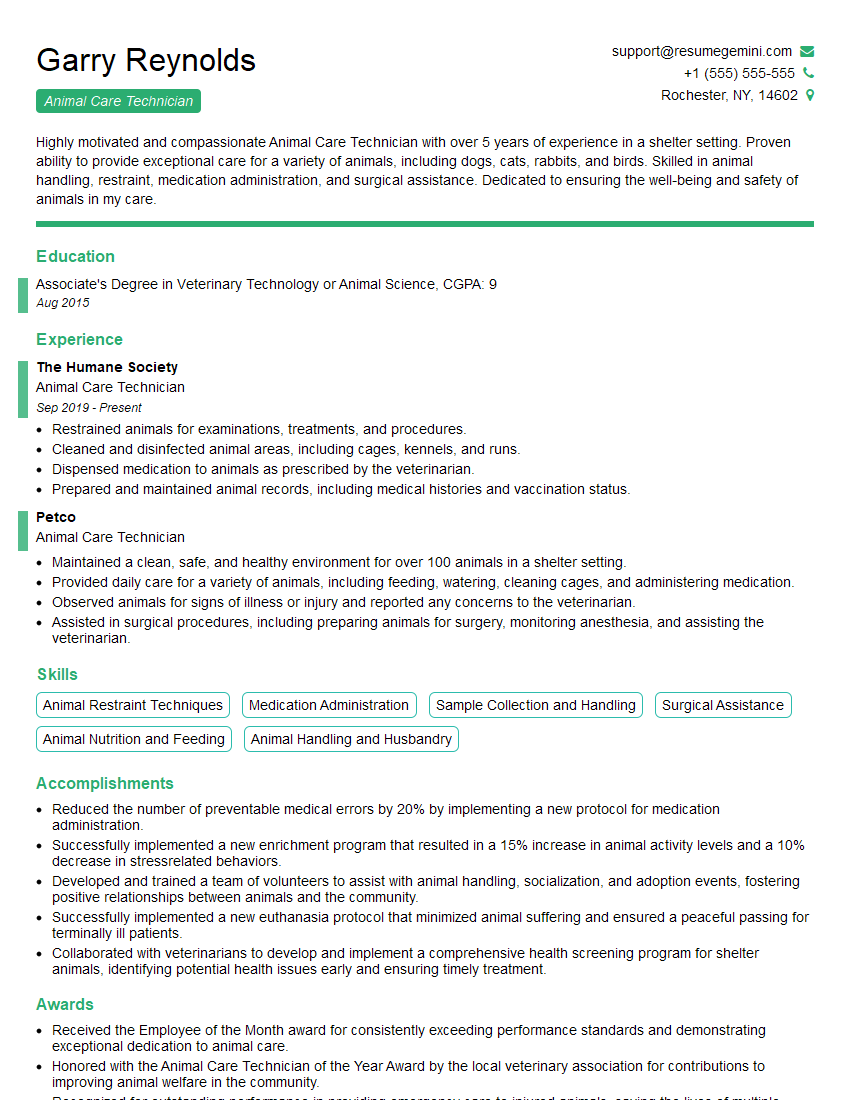
Animal Care Technician Resume Sample
Explore more articles
Users Rating of Our Blogs
Share Your Experience
We value your feedback! Please rate our content and share your thoughts (optional).
What Readers Say About Our Blog
Very informative content, great job.
good