Unlock your full potential by mastering the most common Battery shredding interview questions. This blog offers a deep dive into the critical topics, ensuring you’re not only prepared to answer but to excel. With these insights, you’ll approach your interview with clarity and confidence.
Questions Asked in Battery shredding Interview
Q 1. Explain the different types of shredders used in battery recycling.
Battery shredders are categorized based on their size, throughput, and cutting mechanism. We primarily use two types in our facility: hammer mills and shear shredders.
Hammer mills: These utilize rapidly rotating hammers to crush and pulverize the batteries. They’re ideal for high-throughput operations and are effective at reducing material size quickly. Think of it like a very powerful blender for metal and chemicals. An example is a high-speed hammer mill with a robust screening system to control particle size.
Shear shredders: These use rotating blades or cutters to shear the batteries into smaller pieces. They offer better control over particle size and are often preferred when dealing with larger or more robust battery packs. Imagine a giant pair of scissors, efficiently cutting through the battery casing and components. A two-stage shear shredder system is frequently used for precise control, with the first stage creating larger chunks and the second stage finely reducing them.
The choice of shredder depends on factors such as battery type, desired particle size, throughput requirements, and budget constraints. We often utilize a combination of both types for optimal results.
Q 2. Describe the safety procedures you would implement during battery shredding operations.
Safety is paramount. Our battery shredding operations follow a rigorous protocol, starting with stringent personal protective equipment (PPE) requirements. This includes flame-retardant clothing, safety glasses, respirators with appropriate filters (to protect against metal dust and potential chemical fumes), hearing protection, and steel-toe boots. We also implement strict lockout/tagout procedures before any maintenance or repair work on the equipment.
The shredding area is well-ventilated to minimize the risk of fire and explosion from flammable materials. We have automated fire suppression systems in place and regularly conduct fire drills. Workers are trained extensively on emergency procedures, including handling chemical spills and using fire extinguishers. Regular equipment inspections and maintenance are performed to prevent malfunctions. Finally, we continuously monitor air quality and material composition using sensors to ensure worker safety and regulatory compliance.
Q 3. How do you ensure the efficient separation of different battery components after shredding?
Efficient separation is crucial for maximizing the value of recovered materials. After shredding, we utilize a multi-stage separation process. This often includes:
Screening: Screens of varying mesh sizes separate materials based on particle size, allowing us to isolate larger components like casings from smaller particles of cathode material.
Air classification: Airflow separates lighter materials (such as plastics) from heavier materials (like metals).
Eddy current separation: This uses magnetic fields to separate non-ferrous metals (like aluminum and copper) from ferrous metals (like steel).
Density separation: This technique uses liquids of different densities to separate materials based on their relative weight. For example, separating plastics from heavier metals.
The specific combination of techniques employed depends on the battery chemistry and the desired purity of the recovered materials. The goal is to produce streams of materials suitable for further processing and refining. Imagine it like carefully sorting different colored candies based on their size, shape, and weight to prepare them for packaging.
Q 4. What are the common hazards associated with battery shredding, and how can they be mitigated?
Battery shredding poses several hazards:
Fire and explosion: Electrolyte leakage and flammable materials can lead to fires and explosions, especially with lithium-ion batteries.
Toxic dust and fumes: Shredding releases fine particles of heavy metals and other toxic substances that can be inhaled. For example, lead, cadmium, and cobalt can pose significant health risks if not properly managed.
Mechanical hazards: Moving machinery presents risks of entanglement and crushing injuries.
Electrical hazards: Short circuits and exposed wires can create electrical hazards if batteries aren’t properly discharged before shredding.
Mitigation strategies include robust ventilation systems, appropriate PPE, regular equipment maintenance, meticulous pre-processing to discharge batteries, and thorough worker training on safe operating procedures. We also incorporate automated safety systems, such as emergency shut-off switches and fire suppression systems, throughout the process.
Q 5. What are the environmental regulations governing battery shredding and recycling?
Environmental regulations governing battery shredding and recycling vary by location but generally focus on minimizing environmental impact and ensuring responsible handling of hazardous materials. These regulations often cover:
Air emissions: Limits on the release of particulate matter, heavy metals, and other pollutants into the atmosphere.
Water discharge: Restrictions on the discharge of process water containing heavy metals or other contaminants.
Waste management: Proper handling, storage, and disposal of hazardous wastes generated during the shredding process, including detailed record-keeping.
Hazardous material handling: Safe handling, storage, and transport of hazardous materials like electrolytes and heavy metals, conforming to standards like those set by OSHA (Occupational Safety and Health Administration) and EPA (Environmental Protection Agency).
Compliance is crucial, and we employ an environmental specialist who monitors our operations and ensures our processes meet or exceed all relevant regulations.
Q 6. Explain the process of pre-processing batteries before shredding.
Pre-processing is critical to ensure the safety and efficiency of the shredding process. It involves several steps:
Manual sorting: Identifying and removing any large debris or foreign materials. We also segregate different battery types and sizes, which can be helpful for optimization later.
Discharging: Safely discharging the batteries to minimize the risk of fire and short circuits. This might involve using specialized equipment designed for controlled discharge.
De-casing: Removing battery casings to expose the internal components and improve the separation efficiency of subsequent processes.
Size reduction (sometimes): Larger batteries might undergo some initial size reduction, before entering the primary shredding stages.
Effective pre-processing reduces the load on the shredder, minimizes hazards, and facilitates more efficient component separation. Think of it as preparing ingredients before cooking – proper prep is key to a smooth and successful outcome!
Q 7. How do you handle different battery chemistries during the shredding process?
Different battery chemistries require different handling approaches. For example, lithium-ion batteries require special care due to their flammability and potential for thermal runaway. Lead-acid batteries, while less prone to fire, still require handling precautions due to the toxicity of lead.
Our process incorporates several strategies to address this:
Separate processing lines: We might use different shredders and separation equipment for different battery chemistries to avoid cross-contamination and optimize the recovery process for each type of battery.
Modified shredding parameters: We might adjust the speed, hammer/blade configuration, and screen sizes of our shredders depending on the battery type to ensure optimal particle size and minimize hazards.
Specialized safety procedures: Extra precautions, such as enhanced ventilation or inerting agents, are implemented when handling specific battery chemistries.
Careful pre-processing and tailoring the shredding parameters and safety measures to each battery type is vital for a successful and safe recycling process.
Q 8. Describe your experience with different types of shredding equipment (e.g., hammer mills, crushers).
My experience encompasses a wide range of shredding equipment used in battery recycling. Hammer mills are excellent for initial size reduction, breaking down large battery packs into smaller, more manageable pieces. Their high-speed hammers create significant impact force, effectively crushing and tearing the materials. I’ve worked extensively with both single-stage and multi-stage hammer mills, optimizing their configuration for different battery chemistries and desired output sizes. For finer processing, I’ve utilized crushers, specifically jaw crushers and impact crushers. Jaw crushers provide a more controlled size reduction, ideal for creating consistent particle sizes, while impact crushers offer a higher throughput for processing larger volumes of shredded material. Choosing the right equipment depends critically on the type of battery, desired particle size, and throughput requirements.
For example, in one project involving lithium-ion batteries, we used a multi-stage hammer mill to pre-shred the batteries, followed by an impact crusher to refine the particle size before subsequent separation processes. In another project dealing with lead-acid batteries, a single-stage hammer mill proved sufficient for initial size reduction, followed by manual sorting to remove larger components prior to further processing.
Q 9. How do you maintain and troubleshoot shredding equipment?
Maintaining and troubleshooting shredding equipment is crucial for efficient and safe operation. This involves a proactive approach, including regular inspections, lubrication, and part replacements. We follow strict maintenance schedules, checking for wear and tear on hammers, screens, and rotors. Lubrication is key to reducing friction and preventing premature wear, and we use specialized lubricants compatible with the materials being processed. We also have a robust system for tracking part replacements, ensuring timely interventions before major failures occur.
Troubleshooting typically involves identifying the source of the problem through systematic checks. For example, if the shredder is producing inconsistent particle sizes, we might examine the screen size, hammer wear, or feed rate. If the shredder is experiencing jams, we might inspect the feed system or check for foreign objects. We maintain detailed records of maintenance and repairs, which are instrumental in identifying recurring issues and making improvements to our processes. A dedicated team performs routine diagnostics and responds promptly to any reported problems.
Q 10. What are the key performance indicators (KPIs) you monitor in battery shredding operations?
Key Performance Indicators (KPIs) in battery shredding operations are critical for evaluating efficiency and optimizing the process. These include:
- Throughput: Measured in tons per hour, this reflects the overall processing capacity of the system.
- Particle size distribution: Ensuring the shredded material meets the specifications for downstream processing.
- Energy consumption: Monitoring energy usage helps identify areas for improvement and reduce operational costs.
- Equipment uptime: Maximizing operating time minimizes downtime and increases productivity.
- Metal recovery rate: A measure of the efficiency of the metal recovery process.
- Hazardous waste generation: Tracking the amount of hazardous waste produced helps manage disposal costs and environmental impact.
Regular monitoring of these KPIs allows for prompt identification of potential problems and timely adjustments to maximize efficiency and minimize waste.
Q 11. How do you ensure the quality of the shredded material?
Ensuring the quality of shredded material is paramount, as it directly impacts the efficiency and success of downstream processes, such as metal recovery and material separation. This involves carefully controlling the shredding process itself, using appropriate equipment and parameters (like hammer speed and screen size), but also robust quality control checks at various stages.
We use sieving and visual inspection to verify the particle size distribution and homogeneity of the shredded material. We also utilize automated sensors to detect contaminants and ensure the material meets purity standards. Regular calibration and maintenance of these quality control tools are essential for ensuring accurate and reliable results. Any deviations from the required quality are meticulously documented, allowing us to trace the source of the problem and implement corrective actions.
Q 12. Describe your experience with metal recovery from shredded batteries.
My experience in metal recovery from shredded batteries involves a multi-stage process. After shredding, we use a combination of techniques to separate the valuable metals from the other components. Eddy current separators are frequently used to remove non-ferrous metals like aluminum and copper. Magnetic separators are employed for the removal of ferrous metals such as iron and steel. These separators often operate in series, with the output of one feeding into the next. Following this, more sophisticated techniques may be used such as density separation, or even chemical processing, depending on the desired purity of the final products.
The efficiency of metal recovery is significantly influenced by the particle size and composition of the shredded material. Finer particle sizes generally facilitate better separation, and pre-processing steps, such as size reduction and initial sorting, can drastically improve the efficiency of metal recovery processes. The recovered metals are then processed further for refining and use in various applications.
Q 13. How do you manage and dispose of hazardous waste generated during battery shredding?
Managing and disposing of hazardous waste from battery shredding is a critical aspect of responsible recycling. This involves careful segregation of different waste streams based on their hazardous properties. We follow strict protocols compliant with all relevant environmental regulations, ensuring all materials are handled safely and disposed of properly. The process includes the collection, storage, and transportation of hazardous waste to licensed treatment, storage, and disposal facilities.
For example, spent electrolyte solutions require specialized treatment to neutralize their acidity and reduce their toxicity before disposal. Battery casings and other non-hazardous materials may be recycled or used as secondary raw materials, minimizing waste generation. We maintain meticulous records of all hazardous waste handling procedures and ensure that all relevant regulatory reporting requirements are met.
Q 14. What are the advantages and disadvantages of different battery shredding techniques?
Various battery shredding techniques exist, each with its advantages and disadvantages.
- Hammer milling: Offers high throughput and is effective for initial size reduction but can lead to higher energy consumption and finer particle sizes, potentially complicating downstream separation.
- Crushing (jaw and impact crushers): Provides more controlled size reduction and is suitable for specific particle size requirements but typically offers lower throughput compared to hammer mills.
- Shear shredding: Ideal for certain materials and can result in cleaner cuts but often struggles with very hard or tough components.
The optimal technique depends on several factors: the type of battery being processed, desired particle size, required throughput, energy efficiency considerations, and the overall cost-effectiveness of the system. For instance, hammer milling might be best for high-volume processing of simpler battery types, while crushing could be preferable for more controlled size reduction in complex battery systems. A combined approach, utilizing multiple techniques in sequence, is frequently the most effective strategy.
Q 15. How do you ensure the efficient recovery of valuable materials from shredded batteries?
Efficient recovery of valuable materials from shredded batteries hinges on a multi-stage approach combining advanced shredding techniques with sophisticated separation methods. Think of it like carefully disassembling a complex clock – you need the right tools and meticulous care to get all the parts out without damaging them.
Pre-processing: This initial step involves dismantling larger battery components, such as casings and connectors, manually or using specialized equipment. This reduces the load on the shredder and improves separation efficiency.
Shredding: Different shredding stages (coarse, medium, fine) are employed to progressively reduce the particle size, exposing valuable materials like lithium, cobalt, nickel, and copper. The choice of shredder type (e.g., hammer mill, rotor shredder) is crucial for achieving optimal particle size distribution.
Separation: A range of separation technologies are used, including air classification, magnetic separation, eddy current separation, and density separation, to isolate individual components. For instance, magnetic separation removes ferrous metals, while eddy current separation isolates non-ferrous metals. Hydrometallurgical processes are then often used to extract valuable metals from the remaining materials.
Quality Control: Regular analysis of the separated materials ensures the purity and value of the recovered components. This involves chemical analysis and testing for contaminants.
For example, in one project, we implemented a multi-stage air classification system that increased the recovery rate of lithium-containing materials by 15% compared to our previous single-stage system. This highlighted the importance of optimizing particle size distribution for effective separation.
Career Expert Tips:
- Ace those interviews! Prepare effectively by reviewing the Top 50 Most Common Interview Questions on ResumeGemini.
- Navigate your job search with confidence! Explore a wide range of Career Tips on ResumeGemini. Learn about common challenges and recommendations to overcome them.
- Craft the perfect resume! Master the Art of Resume Writing with ResumeGemini’s guide. Showcase your unique qualifications and achievements effectively.
- Don’t miss out on holiday savings! Build your dream resume with ResumeGemini’s ATS optimized templates.
Q 16. What are your strategies for optimizing the efficiency of the battery shredding process?
Optimizing battery shredding efficiency involves a holistic approach encompassing equipment selection, process parameters, and continuous monitoring and improvement. It’s like fine-tuning an engine for peak performance.
Equipment Selection: Choosing the right shredder type and size is paramount. Hammer mills are effective for coarse shredding, while rotor shredders excel at finer particle size reduction. The selection depends on the battery type and the desired particle size distribution.
Process Parameter Optimization: Factors like rotor speed, screen size, and feed rate significantly impact the shredding efficiency and particle size. We use data analytics (discussed later) to continuously refine these parameters.
Pre-treatment Optimization: Effective pre-treatment, such as manual dismantling or automated processes, can significantly reduce the load on the shredder and enhance the overall efficiency of the material recovery process.
Preventive Maintenance: Regular maintenance of the shredder and associated equipment minimizes downtime and ensures consistent performance. This is key for maximizing operational efficiency.
Material Handling Optimization: Efficient material handling systems, including conveyors and storage solutions, are critical for smooth operation and prevent bottlenecks.
In a past project, we implemented a new feed system that reduced downtime due to clogging by 20%, directly translating to increased throughput and cost savings.
Q 17. How do you deal with unexpected equipment malfunctions during shredding operations?
Unexpected equipment malfunctions are an inevitable reality in any industrial process, and battery shredding is no exception. Having a robust plan in place is crucial for minimizing downtime and maintaining safety. Think of it as having a well-equipped emergency response team for a factory.
Preventive Maintenance: Regular inspections, lubrication, and part replacements significantly reduce the likelihood of unexpected failures. This proactive approach is much more cost-effective than reactive repairs.
Redundancy: Having backup systems or components can ensure continuous operation even when a primary system fails. For example, a spare shredder or a secondary conveyor system can minimize downtime.
Rapid Response Team: A dedicated team trained to quickly diagnose and repair equipment malfunctions is essential. This team needs access to spare parts and technical documentation.
Remote Diagnostics: Modern equipment often comes equipped with remote monitoring capabilities. This enables early detection of potential problems, allowing for proactive maintenance and preventing major breakdowns.
Safety Procedures: Strict safety protocols must be in place to protect personnel during equipment malfunctions. This includes emergency shutdown procedures and personal protective equipment.
In one instance, a sudden motor failure was quickly addressed due to our proactive maintenance schedule and the readily available spare motor. The downtime was limited to only two hours.
Q 18. Explain your understanding of the different stages of the battery recycling process.
The battery recycling process involves several key stages, each with its own specific challenges and opportunities. It’s like a complex recipe with many steps to follow precisely.
Collection and Transportation: This initial stage involves gathering spent batteries from various sources, such as households, businesses, and vehicle dismantling facilities, and safely transporting them to recycling facilities.
Disassembly and Pre-treatment: Batteries are disassembled to remove larger components, such as casings and connectors. This step prepares the batteries for shredding and improves the efficiency of material recovery.
Shredding: The batteries are shredded into smaller particles, exposing the valuable materials within. Different shredding stages may be used to achieve the desired particle size distribution.
Separation: A range of separation technologies are employed to isolate individual components, including air classification, magnetic separation, eddy current separation, and density separation. This allows for the recovery of various valuable metals.
Hydrometallurgical Processing: This chemical process is used to extract valuable metals from the remaining materials after physical separation. This involves leaching, solvent extraction, and electrowinning.
Refining and Product Manufacturing: The recovered metals are refined to high purity and then used to manufacture new batteries or other products.
Q 19. Describe your experience with process optimization in battery shredding.
Process optimization in battery shredding is an ongoing journey, not a destination. It requires a constant commitment to data-driven decision-making and a willingness to adapt and improve. Think of it as continuous improvement through kaizen principles.
Data Acquisition and Analysis: We leverage sensors and data logging systems to gather real-time data on various process parameters, such as shredder speed, throughput, particle size distribution, and energy consumption. This data is then analyzed to identify areas for improvement.
Statistical Process Control (SPC): SPC techniques are used to monitor process variability and identify potential problems before they escalate. Control charts are essential tools for this purpose.
Simulation and Modeling: Simulation software can be used to model different shredding scenarios and optimize process parameters before implementing changes in the real world. This minimizes risks and maximizes the chances of success.
Lean Manufacturing Principles: Applying lean manufacturing principles helps eliminate waste and improve efficiency. This includes techniques like value stream mapping and 5S.
For example, by analyzing data on particle size distribution, we were able to identify an optimal screen size that increased the recovery rate of lithium by 8% without impacting the overall efficiency of the process.
Q 20. How do you ensure compliance with environmental regulations?
Ensuring compliance with environmental regulations is paramount in battery shredding, as it involves handling hazardous materials. This requires a rigorous approach to safety and environmental responsibility. It’s akin to following a strict recipe in a pharmaceutical lab.
Permitting and Licensing: We adhere to all relevant local, national, and international environmental permits and licenses related to waste handling, hazardous materials, and air and water emissions.
Waste Management Plan: A comprehensive waste management plan is in place to manage all waste streams, including hazardous waste. This involves proper storage, transportation, and disposal of waste materials in accordance with regulations.
Emission Control: We implement measures to control air and water emissions, such as dust collection systems and wastewater treatment facilities. Regular monitoring of emissions is crucial to ensure compliance.
Employee Training: Employees receive comprehensive training on safe handling procedures, emergency response protocols, and environmental regulations. This ensures that all personnel understand their responsibilities.
Regular Audits and Inspections: We conduct regular internal audits and allow for external inspections by regulatory authorities to ensure ongoing compliance.
For example, our facility has invested in state-of-the-art dust collection systems to significantly reduce particulate matter emissions, well below the regulatory limits.
Q 21. Describe your experience with data analysis in relation to battery shredding operations.
Data analysis is the backbone of efficient and environmentally sound battery shredding operations. It’s like having a sophisticated dashboard providing real-time insights into the process performance.
Process Monitoring: Sensors and data logging systems collect real-time data on various parameters, including shredder speed, throughput, particle size distribution, energy consumption, and material composition. This data is crucial for identifying areas for improvement.
Predictive Maintenance: Data analysis can be used to predict potential equipment failures, allowing for proactive maintenance and minimizing downtime. Machine learning algorithms can be employed to analyze historical data and identify patterns indicative of potential problems.
Process Optimization: Data analysis helps optimize process parameters, such as rotor speed, screen size, and feed rate, to improve efficiency and maximize the recovery of valuable materials. Statistical analysis techniques can be used to identify optimal settings.
Environmental Monitoring: Data analysis supports environmental compliance by monitoring emissions and waste streams. This data helps identify any deviations from regulatory limits and allows for corrective actions.
In one project, we used machine learning to predict equipment failures with 95% accuracy, leading to a significant reduction in unexpected downtime and maintenance costs.
Q 22. How do you manage and motivate a team in a battery shredding environment?
Managing a team in a battery shredding environment requires a blend of strong leadership, safety emphasis, and effective communication. It’s a high-risk, high-reward environment, so fostering a culture of safety and mutual respect is paramount. I motivate my team through clear expectations, regular feedback, and recognition of achievements. We use daily safety briefings to address potential hazards and reinforce safe work practices. I also prioritize team building activities to improve communication and collaboration. For example, after a successful, incident-free month, I might organize a team lunch or an off-site event to boost morale and celebrate accomplishments. Open communication channels are vital – employees feel comfortable reporting near misses or concerns without fear of retribution. This helps to identify potential problems before they escalate into serious incidents.
- Clear Expectations: Providing detailed job descriptions and training ensures everyone understands their roles and responsibilities.
- Regular Feedback: Providing both positive and constructive feedback keeps team members engaged and focused on improvement.
- Recognition and Rewards: Acknowledging and rewarding contributions fosters a positive work environment and increases motivation.
- Team Building: Regular team-building activities improve communication and collaboration, crucial in a high-pressure setting.
Q 23. Explain your knowledge of different battery chemistries and their implications for shredding.
Different battery chemistries present unique challenges during shredding. Understanding these differences is crucial for safe and efficient recycling. For instance, Lead-acid batteries (the most common type) contain lead, sulfuric acid, and other heavy metals. These require specific safety precautions during handling and shredding to prevent exposure to hazardous materials. Lithium-ion batteries (LiBs), on the other hand, pose different risks. Their internal components can be highly reactive and prone to thermal runaway, potentially leading to fires or explosions if not handled carefully. Nickel-Cadmium (NiCd) and Nickel-Metal Hydride (NiMH) batteries also contain heavy metals and require careful handling. My approach involves a detailed assessment of the incoming battery types, followed by the implementation of specific processes and equipment tailored to each chemistry. This might include pre-processing steps like discharging or dismantling for LiBs before shredding, and dedicated shredding lines with specialized safety features for lead-acid batteries.
- Lead-Acid: Requires precautions against lead dust and sulfuric acid.
- Lithium-ion: Demands careful handling to avoid thermal runaway and potential fires or explosions.
- NiCd/NiMH: Needs attention to heavy metal content and potential environmental contamination.
Q 24. How do you handle emergencies and safety incidents during battery shredding operations?
Emergency preparedness is paramount in battery shredding. We have comprehensive safety protocols in place, including regular training for all personnel on emergency response procedures. This training covers fire suppression, handling chemical spills, and first aid. Our facility is equipped with fire suppression systems, emergency showers, and eyewash stations. We conduct regular drills to ensure our team is adequately prepared. In case of an incident, our procedure involves immediate evacuation of the affected area, contacting emergency services, and implementing our established emergency response plan. Post-incident, a thorough investigation is conducted to determine the root cause and prevent future occurrences. This investigation involves reviewing safety protocols, equipment maintenance logs, and employee testimonies. The results are documented and used to refine our safety procedures. For example, a near miss involving a small fire might lead to an upgrade in our fire suppression systems or additional training on fire prevention techniques.
Q 25. Describe your experience working with automated battery shredding systems.
My experience with automated battery shredding systems is extensive. I’ve worked with various systems, from smaller, dedicated units for specific battery chemistries to large, integrated processing lines handling multiple battery types. These systems incorporate features such as automated feeding, shredding, separation, and material handling. Automation improves efficiency, reduces manual handling, and minimizes safety risks. For example, I’ve overseen the implementation of a robotic system for handling lithium-ion batteries, reducing the risk of human exposure to potentially dangerous materials. I am familiar with the programming and maintenance aspects of these systems, ensuring optimal performance and minimal downtime. We also regularly monitor performance data to identify areas for improvement. This could involve adjusting parameters, optimizing the shredding process, or implementing predictive maintenance strategies to reduce downtime.
Q 26. What are your strategies for improving the safety of battery shredding operations?
Improving the safety of battery shredding operations is an ongoing process. My strategies focus on a multi-layered approach encompassing personnel training, equipment upgrades, and process optimization. This starts with robust employee training programs that cover all aspects of safe handling procedures, emergency response protocols, and personal protective equipment (PPE) use. Regular refresher courses and on-the-job training keep employees up-to-date with best practices and new technologies. We also invest in advanced safety equipment, including automated systems for material handling, improved ventilation systems for dust control, and enhanced fire suppression technology. Regular equipment inspections and preventative maintenance are also crucial to mitigate the risk of breakdowns or malfunctions. Process optimization involves streamlining workflows to minimize human interaction with hazardous materials and to create safer operating conditions. Data-driven analysis of incidents and near misses helps identify areas for improvement and informs our safety protocols. For instance, if a particular step in the process is identified as high-risk, we can implement automation, revise the procedure, or add extra safety measures.
Q 27. How do you minimize the environmental impact of battery shredding?
Minimizing the environmental impact of battery shredding is crucial. We employ a range of strategies, including meticulous material separation to recover valuable metals and reduce landfill waste. This involves using advanced separation techniques to isolate different materials such as metals, plastics, and electrolytes. We work closely with downstream recyclers to ensure the responsible processing and reuse of recovered materials. Wastewater treatment is another key area of focus. We treat wastewater to remove heavy metals and other contaminants before discharge, in compliance with all environmental regulations. Dust suppression techniques, such as enclosed shredding systems and effective ventilation, minimize air pollution from hazardous particulates. Furthermore, we continuously strive to optimize our processes to reduce energy consumption and minimize greenhouse gas emissions, in addition to investing in sustainable and renewable energy sources whenever feasible. We track our environmental performance using key indicators such as waste generation rates, energy consumption, and emissions. We use this data to identify areas for improvement and continuously refine our practices.
Q 28. How do you ensure the traceability of materials throughout the battery recycling process?
Traceability of materials is essential for environmental compliance and responsible recycling. We use a robust tracking system that follows materials from the moment they enter our facility until they exit as recycled products. This involves a barcode system to identify and track individual batches of batteries. Each batch is recorded with details such as origin, battery type, and processing date. The system also monitors the movement of materials through the various stages of the process. This allows us to accurately account for all materials and ensure compliance with waste management regulations. Regular audits are carried out to ensure the accuracy and integrity of the traceability system. In case of any non-conformances, a corrective action plan is immediately implemented to rectify the issue and prevent future occurrences. The data generated by the traceability system is also used to improve process efficiency and resource management. For example, if we find that a particular type of battery is consistently generating more waste, we can investigate the issue and implement process improvements to reduce the waste generation rate.
Key Topics to Learn for Battery Shredding Interview
- Battery Chemistry and Composition: Understanding different battery types (Li-ion, lead-acid, NiMH, etc.), their components, and their chemical properties is crucial for safe and efficient shredding.
- Shredding Processes and Equipment: Familiarize yourself with various shredding techniques, machinery used (hammer mills, shear shredders, etc.), and their operational parameters. Consider the differences in processing different battery types.
- Safety Protocols and Regulations: Learn about the hazards associated with battery shredding (fire, explosion, toxic materials) and the safety measures implemented to mitigate these risks. Understand relevant environmental regulations and waste management practices.
- Material Separation and Recovery: Understand the processes involved in separating valuable materials (metals, plastics, etc.) from shredded battery components. This includes techniques like eddy current separation and density separation.
- Quality Control and Process Optimization: Explore methods for ensuring the quality of the shredded material and optimizing the shredding process for efficiency and cost-effectiveness. This might include particle size analysis and process monitoring techniques.
- Environmental Impact and Sustainability: Understand the environmental consequences of battery shredding and the importance of sustainable practices in minimizing waste and maximizing resource recovery.
- Troubleshooting and Maintenance: Be prepared to discuss common problems encountered in battery shredding operations and the maintenance procedures required to keep equipment running efficiently and safely.
Next Steps
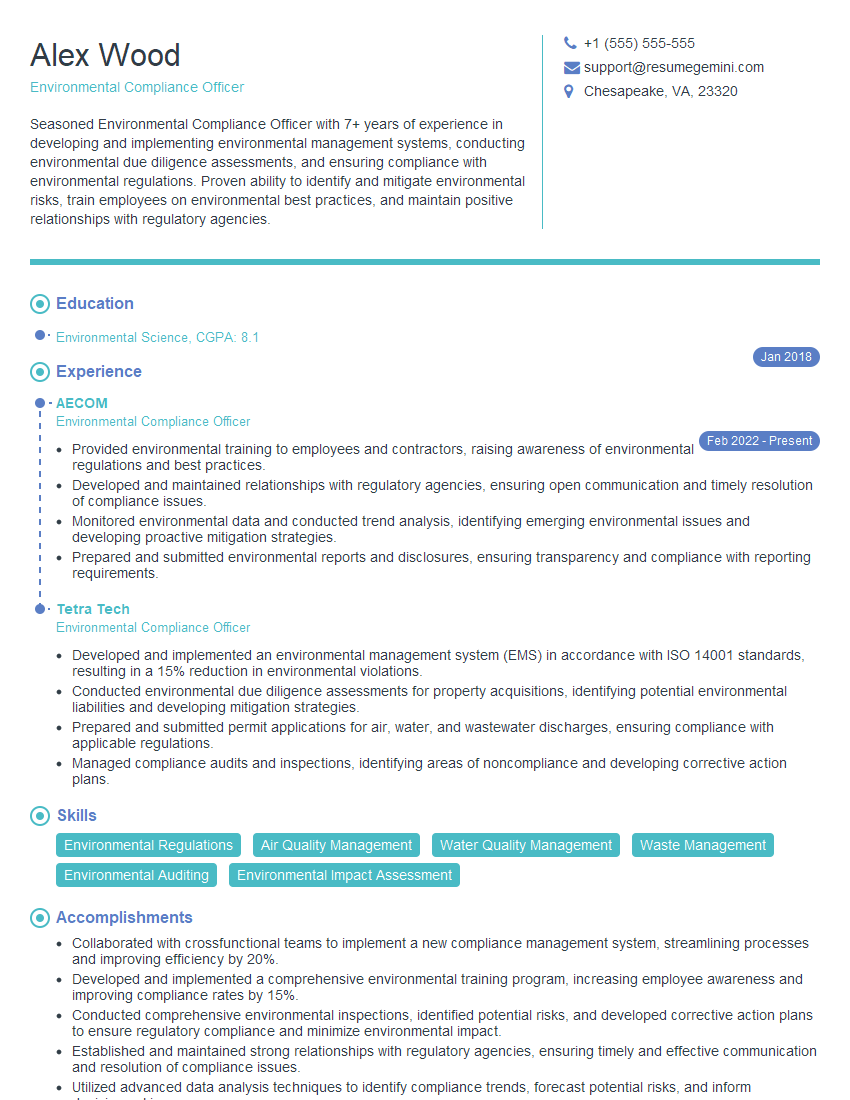
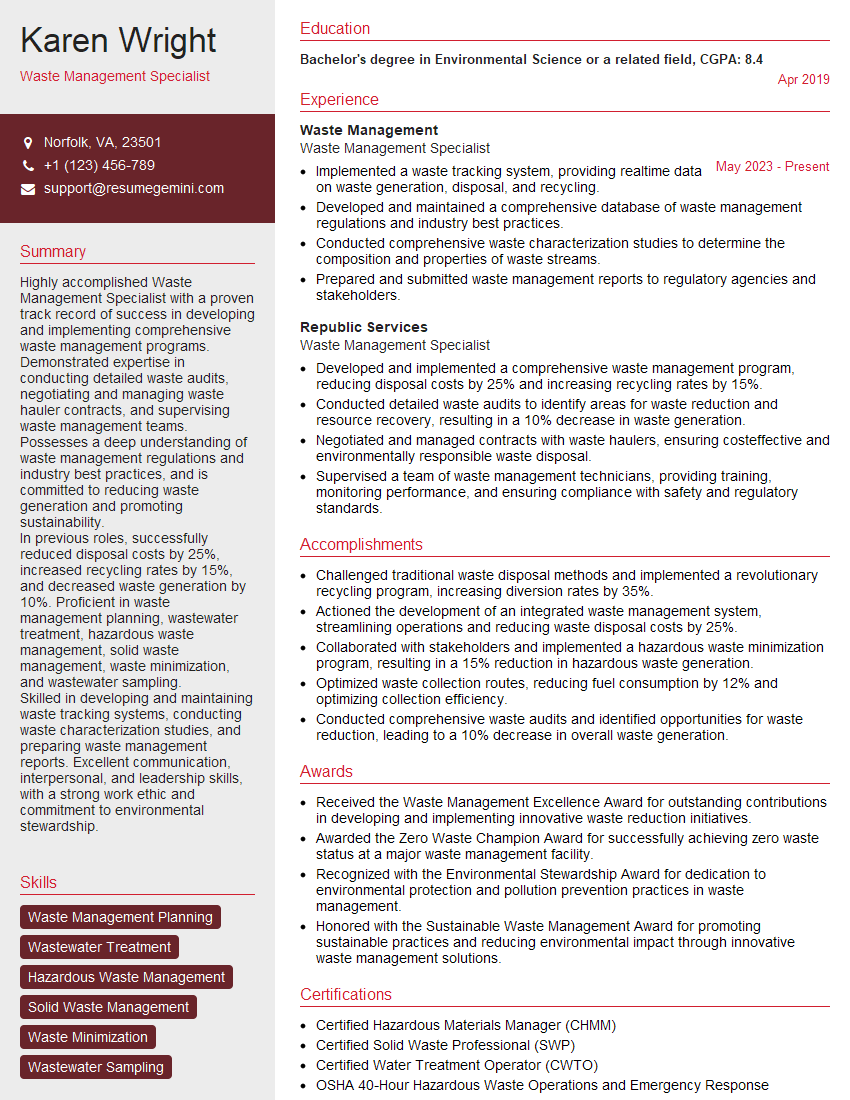
Mastering the intricacies of battery shredding opens doors to a rewarding career in a rapidly growing industry focused on sustainable resource management. To maximize your job prospects, creating a compelling and ATS-friendly resume is essential. ResumeGemini can help you build a professional resume that highlights your skills and experience effectively. We provide examples of resumes tailored to the battery shredding industry to guide you in crafting a winning application. Invest the time to build a strong resume – it’s your first impression on potential employers.

Explore more articles
Users Rating of Our Blogs
Share Your Experience
We value your feedback! Please rate our content and share your thoughts (optional).
What Readers Say About Our Blog
Very informative content, great job.
good