Cracking a skill-specific interview, like one for Beef Cow-Calf Production, requires understanding the nuances of the role. In this blog, we present the questions you’re most likely to encounter, along with insights into how to answer them effectively. Let’s ensure you’re ready to make a strong impression.
Questions Asked in Beef Cow-Calf Production Interview
Q 1. Describe your experience in managing a beef cow-calf operation.
My experience in managing a beef cow-calf operation spans over 15 years, encompassing all aspects from pasture management and herd health to breeding and marketing. I’ve overseen operations ranging from small family farms to larger commercial operations, consistently focusing on maximizing profitability while maintaining high animal welfare standards. For instance, on one operation, I implemented a rotational grazing system that increased forage utilization by 20% and reduced supplementation costs. This involved strategically moving the herd across different paddocks to allow for pasture recovery and optimize nutrient uptake. In another instance, I developed and implemented a comprehensive herd health program that significantly reduced morbidity and mortality rates, leading to a marked improvement in overall herd productivity.
- Pasture Management: Implementing rotational grazing and utilizing diverse forage species.
- Herd Health: Developing and implementing vaccination and parasite control programs.
- Breeding Management: Utilizing both natural service and artificial insemination to optimize breeding efficiency.
- Financial Management: Tracking costs and income to ensure profitability.
Q 2. What are the key factors affecting beef cattle reproductive efficiency?
Beef cattle reproductive efficiency is paramount to a successful operation. Several key factors influence this crucial metric. Think of it like this: each cow is a small business, and her ability to produce a calf yearly is her bottom line. Key factors include:
- Body Condition Score (BCS): Cows need sufficient body reserves to cycle and conceive. A BCS of 5-6 (on a scale of 1-9) is ideal for optimal reproduction. Thin cows often experience delayed or absent estrus cycles.
- Nutrition: Adequate energy and protein are critical for follicular development and ovulation. Nutrient deficiencies can lead to anestrus (absence of estrus) and reduced conception rates.
- Bull Fertility: A healthy and fertile bull is essential. Regular bull soundness exams are crucial to identify problems such as low sperm count or motility.
- Breeding Management: Effective heat detection and timely breeding are essential. Utilizing tools like activity monitors or employing experienced personnel can significantly improve breeding success.
- Health Status: Diseases such as brucellosis, leptospirosis, and Trichomoniasis can severely impair reproductive performance. Vaccination and biosecurity measures are crucial.
- Age and Parity: Heifers typically have lower conception rates than mature cows, and older cows may experience decreased fertility. Managing heifers appropriately is key.
- Environmental Stress: Heat stress can significantly impact reproductive performance, leading to reduced conception rates and increased embryonic mortality. This needs to be addressed via shade, water availability and heat abatement strategies.
Q 3. Explain your approach to pasture management for optimal forage production.
My approach to pasture management centers around maximizing forage production and quality while maintaining soil health. It’s a holistic approach, balancing the needs of the cattle with the needs of the land. Imagine your pasture as a living organism. If you don’t manage it properly, it will become sick and unproductive. My strategies include:
- Rotational Grazing: This involves dividing pastures into smaller paddocks and moving cattle systematically to allow for rest and regrowth. It improves forage quality, reduces weed pressure, and promotes soil health. Think of it like giving your pasture a chance to breathe and recover.
- Forage Species Selection: Utilizing a mix of grasses and legumes creates a more diverse and resilient pasture, improving overall forage production and nutritional value. Legumes (like clover) also fix nitrogen, enriching the soil.
- Soil Testing and Fertility Management: Regular soil testing guides the application of fertilizer to optimize nutrient availability. This ensures the pasture has the building blocks it needs to thrive.
- Weed Control: Implementing integrated weed management strategies, including both cultural and chemical methods, keeps weed populations in check, preventing them from competing with desirable forage species.
- Rest and Recovery: Allowing pastures sufficient time for rest and recovery between grazing periods is crucial for forage regeneration and prevents overgrazing. Overgrazing can damage the plant’s root system and make it vulnerable to disease.
Q 4. How do you monitor and manage the health of a beef cow herd?
Monitoring and managing the health of a beef cow herd is a continuous process, requiring a proactive and vigilant approach. Think of it like preventative car maintenance: regular check-ups prevent bigger problems down the road. My strategies include:
- Regular Visual Inspections: Daily observation for signs of illness, lameness, or injury. This is your first line of defense.
- Vaccination Programs: Implementing a comprehensive vaccination program to protect against common diseases like clostridial diseases, leptospirosis, and bovine respiratory disease (BRD).
- Parasite Control: Regularly monitor for internal and external parasites, implementing strategic deworming programs based on fecal egg counts and pasture management. I advocate for a strategic approach rather than blanket treatment to avoid resistance.
- Body Condition Scoring (BCS): Regularly assessing the BCS of individual cows to identify those at risk of nutritional deficiencies or excessive weight loss.
- Record Keeping: Detailed record-keeping is crucial for tracking animal health, production performance, and response to treatments.
- Veterinary Consultations: Regular consultation with a veterinarian for herd health planning, disease diagnosis, and treatment guidance. This allows for early intervention and more effective management.
- Early Intervention: Prompt identification and treatment of sick animals is vital to prevent the spread of disease and minimize economic losses.
Q 5. Detail your experience with artificial insemination (AI) in beef cattle.
My experience with artificial insemination (AI) in beef cattle is extensive. AI allows for the genetic improvement of herds by utilizing superior sires, even those geographically distant. It is crucial to master proper techniques for successful insemination. My approach includes:
- Heat Detection: Accurate and timely heat detection is paramount for success. Techniques such as using heat detection patches or observing behavioral changes are essential. Early morning and late evening checks are vital.
- Proper AI Technique: Strict adherence to proper AI techniques, including proper handling of semen straws and precise deposition of semen into the uterus, is crucial. Training is imperative to improve accuracy and reduce losses.
- Semen Handling: Maintaining the integrity and viability of the semen through proper storage and handling is paramount. Following manufacturer’s instructions is critical.
- Record Keeping: Detailed records of AI procedures, including the sire used, date of insemination, and pregnancy status, are essential for monitoring success rates and making informed management decisions. This data enables breeding management programs.
- Pregnancy Diagnosis: Utilizing pregnancy diagnosis techniques, such as rectal palpation or ultrasound, to confirm pregnancy and identify non-pregnant animals, ensuring quick response and managing subsequent breeding cycles effectively.
Q 6. Describe your strategies for preventing and controlling internal and external parasites in beef cattle.
Preventing and controlling internal and external parasites is crucial for maintaining herd health and productivity. A comprehensive approach involves integrating multiple strategies. I approach parasite control with a focus on integrated parasite management (IPM):
- Strategic Deworming: Rather than routine deworming, fecal egg count (FEC) testing is used to identify animals that require treatment, minimizing the development of parasite resistance. This targeted approach is far more effective than blanket deworming.
- Pasture Management: Rotational grazing helps to break the parasite life cycle by preventing parasite build-up in pastures. Resting pastures allows for natural parasite reduction.
- Monitoring: Regular monitoring for signs of parasitism, such as weight loss, poor coat condition, and diarrhea, is crucial for early detection and intervention. Regular FEC testing is critical.
- Fly Control: Implementing strategies to control flies, including strategic use of insecticides, traps, and biological control methods, helps to reduce transmission of diseases.
- Biosecurity: Implementing strict biosecurity measures to prevent the introduction of new parasites into the herd. This involves quarantine of new animals and limiting contact with other livestock.
- Consult Veterinary Advice: Collaborating with a veterinarian to develop a comprehensive parasite control program, selecting appropriate anthelmintics, and optimizing treatment strategies.
Q 7. How do you determine the appropriate nutritional requirements for different stages of beef cattle production?
Determining appropriate nutritional requirements for different stages of beef cattle production involves understanding the animal’s nutritional needs at each stage of its life cycle. This is a complex process that must consider many factors. It’s like building a house: you need different materials for the foundation, walls, and roof.
- Gestation: Pregnant cows require increased energy and nutrient intake, particularly during the latter stages of pregnancy to support fetal development. This is especially important in the last trimester.
- Lactation: Lactating cows have very high nutritional demands to produce milk, requiring a substantial increase in energy, protein, and minerals compared to non-lactating cows. Milk production is extremely energy-intensive.
- Growth (Calves/Heifers): Growing animals require high levels of energy and protein to support muscle development and growth. The growth rate changes throughout this phase and needs to be tracked.
- Maintenance: Mature, non-pregnant, and non-lactating cows require adequate nutrition to maintain body condition and overall health. This involves understanding their basal metabolic rate (BMR) and their environmental demands.
- Nutrient Analysis: Forage analysis is crucial for determining the nutritional content of pasture and hay, ensuring that supplementation meets the nutritional gaps.
- Body Condition Score (BCS): Regular BCS assessment guides nutritional decision-making, allowing for adjustments in feed rations to meet individual cow requirements.
Using commercially available feed formulations and consulting with nutritionists assists in fine-tuning these requirements based on the specific circumstances of your operation. Factors such as pasture quality, environmental conditions, and desired growth rates should always be taken into consideration.
Q 8. What are the common challenges associated with wintering beef cattle, and how do you address them?
Wintering beef cattle presents unique challenges, primarily revolving around nutritional needs, cold stress, and disease prevalence. Successful wintering strategies depend heavily on the climate and available resources.
Nutritional Deficiencies: Cold weather increases energy requirements for maintaining body temperature. Inadequate forage quality or quantity can lead to weight loss, reduced reproductive performance, and weakened immunity. Addressing this involves careful feed planning, using high-quality hay with appropriate protein and energy levels, potentially supplementing with grains or protein supplements to meet increased energy demands, and regular monitoring of body condition scores (BCS).
Cold Stress: Exposure to extreme cold, wind, and snow can significantly impact cattle health, leading to hypothermia, frostbite, and increased mortality, especially in young calves or thin cows. Mitigation strategies include providing adequate shelter – windbreaks, barns, or three-sided sheds – and ensuring access to clean, fresh water, which may require heated water troughs in severe climates. Additionally, careful selection of cattle breeds adapted to cold conditions significantly improves winter hardiness.
Disease Outbreaks: Winter confinement increases the risk of disease transmission due to increased density and contact between animals. Implementing strict biosecurity measures is crucial, including vaccination programs, parasite control, regular health checks, and isolating sick animals. Good sanitation practices within the barns and pastures also play a key role in preventing outbreaks.
For example, on one operation, I implemented a strategic feeding program involving a blend of high-quality alfalfa hay and a protein supplement tailored to the herd’s winter energy needs, resulting in a significant reduction in weight loss compared to previous years. We also built additional windbreaks to effectively manage cold stress, reducing the incidence of hypothermia in calves.
Q 9. Explain your experience with cattle handling and herd management techniques.
Cattle handling and herd management are crucial for efficiency, animal welfare, and safety. My experience encompasses a wide range of techniques, emphasizing low-stress handling practices.
Low-Stress Handling: I’ve consistently employed curved chutes, solid side panels, and quiet, calm movements to minimize stress on cattle. Understanding cattle behavior – their flight zone and point of balance – is key to guiding them effectively and safely through handling facilities. This reduces the risk of injuries to both animals and handlers.
Herd Health Management: This includes regular health checks, vaccinations, parasite control programs, and prompt attention to sick or injured animals. I’m experienced in implementing and monitoring herd health plans that prioritize preventative measures to reduce the need for extensive treatments. Record-keeping is essential for tracking animal health data and evaluating the efficacy of implemented programs.
Pasture Management: Rotating pastures to allow adequate rest and recovery periods is crucial for maintaining forage quality and preventing overgrazing. Proper pasture management also contributes to reducing parasite burdens and improving overall herd health.
Breeding Management: I have experience in various breeding strategies, including artificial insemination (AI) and natural service. Accurate record-keeping of breeding dates, calf birth dates, and sire information are essential for effective genetic management and production tracking.
In one operation, implementing low-stress handling techniques reduced injuries during processing by 70%, improving animal welfare and handler safety. Similarly, strategic pasture rotation improved forage quality and minimized parasite loads, contributing to improved animal health and productivity.
Q 10. Describe your knowledge of different beef cattle breeds and their characteristics.
My knowledge of beef cattle breeds encompasses both maternal and paternal breeds, understanding their strengths and weaknesses is crucial for selecting the optimal breed for a specific operation’s goals.
Maternal Breeds: These breeds excel in mothering ability, milk production, longevity, and hardiness. Examples include Angus, Hereford, Simmental, and Red Angus. Angus are known for their excellent marbling and carcass quality; Herefords are noted for their hardiness and adaptability to various climates; while Simmentals offer excellent growth rates and milk production.
Paternal Breeds: These breeds are selected for their superior growth rates, muscling, and carcass traits. Examples include Charolais, Limousin, and Gelbvieh. Charolais are characterized by their fast growth and muscularity, often resulting in larger carcasses; Limousin are also fast-growing and known for lean meat production; while Gelbvieh are known for their adaptability and efficient feed conversion.
Breed Selection Considerations: When selecting breeds, I consider factors such as climate, forage availability, market demands, and the specific goals of the operation (e.g., maximizing calf weaning weight, producing high-quality carcasses, or enhancing reproductive performance).
For instance, in a cold climate with limited forage, a breed like Hereford or Angus, known for their hardiness and ability to thrive on lower quality forage, would be a more suitable choice compared to a heat-sensitive, high-growth breed like Charolais.
Q 11. How do you assess the body condition score of beef cattle, and why is it important?
Assessing body condition score (BCS) is a crucial aspect of managing beef cattle. BCS is a subjective assessment of an animal’s fat reserves, typically rated on a scale of 1 to 9, with 1 being emaciated and 9 being excessively obese.
Assessment Methods: BCS is assessed by visually and palpating specific areas of the cow’s body, such as the ribs, loin, tailhead, and hooks. A well-conditioned cow (BCS 5-6) will have a moderate amount of fat covering the ribs, with a smooth transition to the loin and hip bones.
Importance of BCS: Monitoring BCS provides critical insights into the nutritional status of the herd. A low BCS indicates nutritional deficiency, potentially leading to reduced fertility, increased susceptibility to diseases, and decreased productivity. A high BCS might suggest overfeeding, potentially increasing health risks. Regular BCS monitoring allows for timely adjustments in feeding strategies to maintain optimal body condition and ensure efficient production.
Practical Application: I typically conduct BCS assessments at regular intervals (e.g., monthly) and use this information to adjust feeding strategies, particularly during critical periods such as wintering and breeding seasons. Adjusting feed rations based on BCS ensures that cattle receive the right amount of nutrients, optimizing production efficiency and minimizing losses.
Q 12. What are your strategies for managing and reducing the risk of heat stress in beef cattle?
Heat stress in beef cattle is a significant concern, especially in hot and humid climates. It can severely impact productivity, reproduction, and animal welfare. Effective heat stress management strategies are essential for maintaining profitability and animal well-being.
Providing Shade: Providing adequate shade is crucial for reducing the impact of direct sunlight. This can include natural shade from trees or artificial shade structures like shelters or tarps.
Access to Water: Ensuring consistent access to clean, cool water is critical. This may involve using multiple water sources to prevent overcrowding and providing supplemental water during hot periods.
Improved Ventilation: Adequate ventilation in barns and housing facilities helps dissipate heat and reduce humidity.
Strategic Grazing Management: Managing grazing patterns to allow access to shaded areas or cooler pastures during peak heat times helps alleviate stress.
Cooling Strategies: In extreme heat, strategies like sprinklers or fans can provide effective cooling. These methods should be implemented carefully to avoid chilling animals.
Nutritional Considerations: Ensuring proper nutrition by providing adequate nutrients can improve animals’ resilience to heat stress. Supplemental electrolytes may be needed in extreme conditions.
On one operation, we improved shade availability by planting trees and installing shade structures. We also strategically adjusted grazing schedules to minimize midday exposure to direct sunlight during peak summer months. These combined efforts resulted in a marked decrease in heat stress-related issues and increased productivity.
Q 13. Explain your experience with record-keeping and data management in a beef cow-calf operation.
Effective record-keeping and data management are foundational to successful beef cow-calf operations. Accurate and timely data allows for informed decision-making, optimizing profitability and improving herd health.
Individual Animal Records: I maintain detailed records for each animal, including birth date, sire and dam information, breeding dates, calving dates, weaning weights, health treatments, and any other relevant information.
Herd Health Records: These records track vaccination schedules, parasite control programs, disease outbreaks, and treatment responses. This data is essential for monitoring herd health trends and proactively managing health risks.
Financial Records: Accurate financial records track all income and expenses, including feed costs, veterinary expenses, labor costs, and sale proceeds. This information is essential for calculating profitability and identifying areas for improvement.
Production Records: Production records track important metrics such as weaning weights, calf mortality rates, and pregnancy rates. This data allows for the evaluation of herd performance and identifying areas for improvement in breeding strategies and management practices.
Data Management Systems: I utilize both physical records and computerized databases to store and manage data. Software specifically designed for livestock management can simplify data entry, analysis, and reporting.
By using a computerized system, I can efficiently generate reports on various aspects of the operation, including herd health, production performance, and financial summaries. This enables data-driven decision making, optimizing production strategies and enhancing overall profitability.
Q 14. How do you evaluate the financial performance of a beef cow-calf operation?
Evaluating the financial performance of a beef cow-calf operation involves a comprehensive analysis of various financial metrics. The primary goal is to determine the profitability and efficiency of the operation.
Return on Investment (ROI): ROI measures the profitability of the operation relative to the investment made. It is calculated by dividing the net profit by the total investment.
Net Profit Margin: This metric indicates the percentage of revenue remaining after all expenses are deducted. It provides a clear picture of the operation’s overall profitability.
Cost of Production: Calculating the cost of production per unit (e.g., per calf or per pound of beef) is crucial for determining the break-even point and making pricing decisions.
Weaning Weight and Calf Crop Percentage: These are essential production metrics that directly impact profitability. A higher weaning weight and a larger calf crop percentage lead to greater returns.
Breakeven Analysis: This involves calculating the minimum output or selling price required to cover all costs and achieve profitability. It is crucial for setting realistic goals and making strategic decisions.
For example, by analyzing cost of production and market prices, I can determine the optimal selling time for calves to maximize profitability. Similarly, monitoring weaning weights and calf crop percentages guides decisions regarding breeding strategies and herd management to improve efficiency.
Q 15. Describe your experience with marketing and selling beef cattle.
My experience in marketing and selling beef cattle is multifaceted, encompassing direct sales, auction participation, and exploring niche markets. Direct sales involve building relationships with local butchers, restaurants, and consumers who value high-quality, locally sourced beef. This approach allows for premium pricing and direct feedback, helping to refine production practices. Auction sales provide a broader market reach, though prices are subject to market fluctuations and competition. I’ve also explored niche markets like selling grass-fed beef to consumers seeking a specific product profile, commanding a higher price point. A crucial element is understanding market trends – analyzing demand for different cuts, weights, and grades to optimize production and marketing strategies. For example, I’ve found that offering customized cuts based on customer preferences greatly improves sales and customer loyalty.
Career Expert Tips:
- Ace those interviews! Prepare effectively by reviewing the Top 50 Most Common Interview Questions on ResumeGemini.
- Navigate your job search with confidence! Explore a wide range of Career Tips on ResumeGemini. Learn about common challenges and recommendations to overcome them.
- Craft the perfect resume! Master the Art of Resume Writing with ResumeGemini’s guide. Showcase your unique qualifications and achievements effectively.
- Don’t miss out on holiday savings! Build your dream resume with ResumeGemini’s ATS optimized templates.
Q 16. What are your strategies for minimizing losses from disease and predation?
Minimizing losses from disease and predation requires a proactive, multi-pronged approach. Biosecurity is paramount. This includes strict sanitation protocols, preventing contact with outside animals, and regularly inspecting cattle for signs of illness. A comprehensive vaccination program (detailed in my answer to question 3) is essential. For predation, robust fencing is critical, particularly fencing that’s well-maintained and appropriate for the terrain and the animals present in the area. Guard animals, such as llamas or donkeys, can provide an additional layer of protection, particularly against coyotes and other predators. Monitoring livestock regularly – daily if possible – allows for quick identification and intervention should illness or predation occur. I’ve had success with early detection programs, allowing us to quickly isolate sick animals and prevent outbreaks. Regular pasture rotation also helps to minimize parasite build-up and improve animal health.
Q 17. How do you implement a comprehensive vaccination program for beef cattle?
A comprehensive vaccination program is tailored to the specific risks in a given region and considers the age and health status of the cattle. It’s crucial to consult with a veterinarian to develop a customized schedule. Typically, this includes vaccinations against common diseases such as bovine respiratory disease (BRD), clostridial diseases, and leptospirosis. Calves receive their first vaccinations shortly after birth, often a combination vaccine, followed by booster shots at specific intervals throughout their lives. Record-keeping is essential – maintaining detailed records of each animal’s vaccination history, ensuring timely booster shots are administered. I use a combination of individual and group vaccination methods depending on herd size and specific needs. For example, group vaccination is efficient for large herds, while individual vaccination allows for targeted interventions.
Q 18. What is your experience with pregnancy diagnosis in beef cattle?
Pregnancy diagnosis is a key component of efficient beef cattle management. I employ both transrectal ultrasonography and palpation techniques, depending on the stage of gestation and herd size. Ultrasound provides a highly accurate diagnosis, enabling early detection of pregnancy and identifying potential issues, such as twins or fetal abnormalities. Palpation is a less expensive technique, suitable for later stages of pregnancy. The timing of pregnancy diagnosis is critical. Early diagnosis allows for timely culling of open (non-pregnant) cows, reducing feed costs and improving overall herd productivity. I generally perform pregnancy diagnosis 30 to 45 days post-breeding, allowing for a quick and efficient management decision.
Q 19. Explain your understanding of different grazing systems (e.g., rotational grazing).
My understanding of grazing systems encompasses various methods, with rotational grazing being a cornerstone of my approach. Rotational grazing involves dividing pastures into smaller paddocks and systematically moving cattle from one paddock to another, allowing each paddock to rest and recover before grazing again. This system improves pasture health and forage quality, leading to increased carrying capacity and better animal performance. Other systems include continuous grazing, where cattle have unrestricted access to pasture; and strip grazing, where cattle are provided access to a narrow strip of pasture daily. The best system depends on factors like land topography, soil type, climate, and the herd’s size. For example, on hilly terrain, rotational grazing helps protect the soil from erosion while maximizing forage utilization. The key is to select a grazing system that optimizes resource utilization and maintains the sustainability of the land.
Q 20. How do you manage and utilize supplemental feed for beef cattle?
Supplemental feeding is crucial for optimizing cattle performance, especially during periods of limited pasture availability, such as drought or winter. The type and amount of supplemental feed depend on several factors, including the animal’s stage of production (e.g., pregnant cows versus growing heifers), the available forage, and the desired production goals. Common supplemental feeds include hay, silage, and commercially available feed concentrates. I carefully monitor body condition scores to determine the need for and type of supplemental feed. For example, during the late stages of pregnancy, cows require extra energy to support fetal development, and supplemental feeding is essential to prevent weight loss. It’s important to introduce supplemental feeds gradually to avoid digestive upsets. Accurate feed budgeting is also essential to prevent waste and manage costs effectively.
Q 21. Describe your experience with cattle handling equipment and facilities.
My experience with cattle handling equipment and facilities emphasizes safety and efficiency. I utilize a well-designed set of handling facilities that includes a working chute, head gate, and squeeze chute. This allows for efficient and safe processing of cattle for tasks such as vaccination, weighing, and treatment. Properly designed facilities minimize stress on the animals and reduce the risk of injury to both the animals and the handlers. I also use low-stress cattle handling techniques, emphasizing calm movements and positive reinforcement to encourage cattle to move willingly through the handling system. The equipment is regularly inspected and maintained to ensure its functionality and safety. For example, regular lubrication of the squeeze chute mechanisms reduces wear and tear and ensures smooth operation.
Q 22. What is your approach to managing bulls and breeding soundness examinations?
Bull management is crucial for a successful breeding season. My approach begins with a rigorous breeding soundness examination (BSE) for every bull before the breeding season. This BSE isn’t just a once-a-year event; I prefer to conduct it 6-8 weeks prior to turnout to allow for time to address any issues found. The exam assesses several key factors including:
- Semen morphology: Evaluating the percentage of normal sperm, looking for abnormalities that could affect fertility.
- Sperm motility: Assessing the percentage of sperm that are actively moving, crucial for successful fertilization.
- Libido and breeding ability: Observing the bull’s sexual behavior and ability to mount and successfully breed a dummy cow.
- Physical examination: Checking for any physical impairments that might hinder breeding, such as lameness, injuries, or other health concerns.
Bulls failing the BSE are either culled or treated depending on the severity of the issue. For example, a bull with minor issues might receive treatment and be re-evaluated, while a bull with severe problems is immediately removed from the breeding program. Beyond the BSE, regular observation of bulls throughout the breeding season is key. I closely monitor breeding activity, looking for signs of poor performance like low conception rates in the cows, and noting any changes in their behavior or physical condition. This proactive approach ensures that the breeding program remains efficient and successful.
Q 23. How do you address issues related to calf mortality and morbidity?
Calf mortality and morbidity are significant challenges in cow-calf operations. My strategy is built on a three-pronged approach: prevention, early detection, and prompt treatment.
- Prevention: This starts with ensuring optimal nutrition for the cows, especially during pregnancy and lactation. Good pasture management, supplemental feeding when needed, and proper vaccination programs are crucial to build strong immunity in both dams and calves. I also focus on managing the calving environment to minimize stress and ensure safe calving areas. Clean and dry calving pens, and attentive monitoring during calving are essential.
- Early Detection: Regular observation is vital. I implement daily checks of the herd, particularly around calving time, looking for signs of weakness, illness, or dystocia (difficult birth). This proactive monitoring allows for timely intervention, increasing the chances of saving both dam and calf. I record all births meticulously, noting any complications and taking any necessary actions.
- Prompt Treatment: A well-stocked first-aid kit readily available and a veterinarian on call are necessary. For illnesses, prompt diagnosis and treatment based on veterinary advice are critical. Severe cases often require immediate veterinary assistance. We utilize proper sanitation and hygiene practices to prevent the spread of disease.
For example, if I observe a calf that’s weak and struggling to nurse, I would immediately intervene to help it suckle or provide supplemental feed and assess if additional assistance such as warming up the calf or providing additional fluids is needed. Data tracking for each calf is essential to identify trends and implement targeted preventative strategies for future breeding seasons.
Q 24. Explain your understanding of different beef cattle marketing strategies.
Beef cattle marketing strategies vary depending on the operation’s goals and resources. They can broadly be classified into several approaches:
- Selling calves at weaning: This is the most common strategy, where calves are sold at around 6-8 months of age. This approach requires less investment in feed and labor but offers less control over the final price.
- Backgrounding/stocker operations: In this approach, calves are purchased and grown on cheaper feed sources like pasture before being sent to feedlots for finishing. This requires more management and investment, but can potentially yield higher returns.
- Direct-to-consumer marketing: This growing segment involves selling beef directly to consumers through farmers’ markets, community-supported agriculture (CSA) programs, or online sales. This method typically commands a higher price but requires greater marketing efforts and often involves more processing and handling.
- Selling feeder cattle: Calves are sold to feedlots at specific weights, allowing the producer to focus on production instead of finishing the cattle to market weight.
- Custom grazing: This involves receiving feeder cattle from feedlots and grazing them on pasture before they are ready for slaughter, a profit margin that includes both land rent and weight gain.
The best strategy depends on factors like market conditions, feed costs, available resources, and the producer’s risk tolerance. I evaluate these factors carefully and adapt my marketing strategy accordingly, often utilizing a combination of approaches to optimize profitability and manage risk.
Q 25. Describe your experience with biosecurity measures in a beef cattle operation.
Biosecurity is paramount in preventing the introduction and spread of diseases. My biosecurity plan involves a multi-layered approach:
- Isolation of new animals: Any new animals introduced into the herd are quarantined for a minimum of 30 days and monitored closely for signs of illness before integration into the main herd. This period allows for any latent infections to become apparent.
- Vaccination programs: A comprehensive vaccination program tailored to our herd’s specific needs and the prevalent diseases in the region is implemented. This includes vaccinations against common bovine diseases like bovine respiratory disease (BRD), leptospirosis, and others based on veterinary recommendations.
- Vector control: We actively manage parasites with a responsible deworming schedule, considering the parasites’ resistance and impact on the environment. Good pasture management practices that minimize the accumulation of parasite larvae are also crucial.
- Hygiene protocols: Maintaining clean and sanitary facilities, including water troughs, feed bunks, and calving areas, is essential. Proper cleaning and disinfection procedures are followed to limit disease transmission.
- Traffic control: Limiting access to the pasture and facilities minimizes the risk of introducing pathogens from outside sources. This includes restricting visitors and implementing vehicle cleaning protocols.
- Record-keeping: Detailed records of animal health, vaccination, and any disease outbreaks are maintained for disease surveillance and traceability. This information can be helpful for epidemiological investigation and decision-making.
Implementing and consistently enforcing these measures helps significantly reduce the risk of disease outbreaks, thus protecting animal health and improving overall productivity. We regularly review and refine our biosecurity protocols based on new information and emerging diseases.
Q 26. What are the key indicators of a successful beef cow-calf operation?
Several key indicators define a successful beef cow-calf operation. These include:
- High calf crop percentage: This represents the percentage of cows that successfully wean a calf. A high calf crop percentage indicates good breeding management and overall cow health.
- Weaning weight: This reflects the growth rate and overall health of the calves. Higher weaning weights translate to higher returns.
- Pregnancy rate: A high pregnancy rate indicates efficient breeding management and a healthy herd.
- Low mortality rate: A low calf and cow mortality rate is an indicator of good health management and reduces economic losses.
- Profitability: Ultimately, the success of any operation is measured by its profitability. This is influenced by all the above factors, plus market prices, feed costs, and overall management efficiency.
- Sustainably managed pasture: A healthy and sustainable pasture plays a significant role in overall production, ensuring the wellbeing of both the cows and the environment.
These indicators work together. For example, a high calf crop percentage combined with high weaning weights leads to increased profitability. Regularly monitoring and analyzing these indicators allow for timely adjustments to management practices, thereby increasing efficiency and overall farm performance.
Q 27. How do you stay up-to-date on the latest advancements in beef cattle production?
Staying current in beef cattle production requires a multifaceted approach.
- Professional organizations: Active participation in organizations like the American Angus Association, or the Beef Improvement Federation provides access to up-to-date information, research findings, and networking opportunities with other professionals.
- Industry publications and journals: Regularly reading trade publications and scientific journals keeps me informed about advancements in breeding, nutrition, health, and marketing.
- Conferences and workshops: Attending conferences and workshops allows for direct interaction with leading researchers and industry experts, providing valuable insights and best practices.
- Collaboration with veterinarians and extension specialists: Consulting with veterinarians and extension specialists provides expert advice and guidance based on our specific herd and regional conditions.
- On-farm data collection and analysis: Careful tracking of key performance indicators and regular data analysis enable identification of areas for improvement and informed decision-making. Identifying trends in weaning weights, pregnancy rates, and other relevant metrics allows for a data-driven approach to improvements.
By utilizing these resources, I ensure my operation remains competitive and adaptable to evolving technologies and market demands. Continuous learning is crucial for success in this dynamic industry.
Key Topics to Learn for Beef Cow-Calf Production Interview
- Breeding and Genetics: Understanding reproductive cycles, bull selection criteria, genetic improvement strategies, and the impact of genetics on calf performance.
- Nutrition and Forage Management: Developing and implementing grazing strategies, utilizing supplemental feeding techniques, understanding nutrient requirements at different life stages (pregnancy, lactation, growth), and calculating feed costs.
- Health and Herd Management: Implementing vaccination protocols, parasite control strategies, recognizing and addressing common health issues, record-keeping, and herd health data analysis.
- Pasture and Range Management: Optimizing pasture utilization, rotational grazing techniques, understanding soil health and its impact on forage production, and sustainable land management practices.
- Financial Management: Budgeting, cost analysis, calculating profitability, marketing strategies for calves, understanding market trends, and risk management.
- Animal Handling and Welfare: Safe and humane handling practices, understanding animal behavior, facility design for efficient animal flow, and minimizing stress on cattle.
- Sustainability and Environmental Stewardship: Implementing environmentally friendly practices, reducing carbon footprint, water management, and soil conservation techniques.
- Practical Application: Be prepared to discuss specific examples from your experience, demonstrating your problem-solving abilities and decision-making skills in real-world scenarios. Consider examples showcasing successful implementation of best practices and how you overcame challenges.
- Advanced Topics (for technical interviews): Precision livestock farming technologies, data analysis for improved decision-making, understanding specific breed characteristics and their suitability for different environments, and advanced reproductive techniques.
Next Steps
Mastering Beef Cow-Calf Production opens doors to exciting career opportunities in a growing industry. To stand out from the competition, a well-crafted resume is crucial. An ATS-friendly resume, optimized for applicant tracking systems, dramatically increases your chances of getting your application noticed. ResumeGemini is a trusted resource to help you build a professional, impactful resume that highlights your skills and experience effectively. They offer examples of resumes tailored to Beef Cow-Calf Production to guide you through the process. Invest time in crafting a strong resume; it’s your first impression with potential employers.
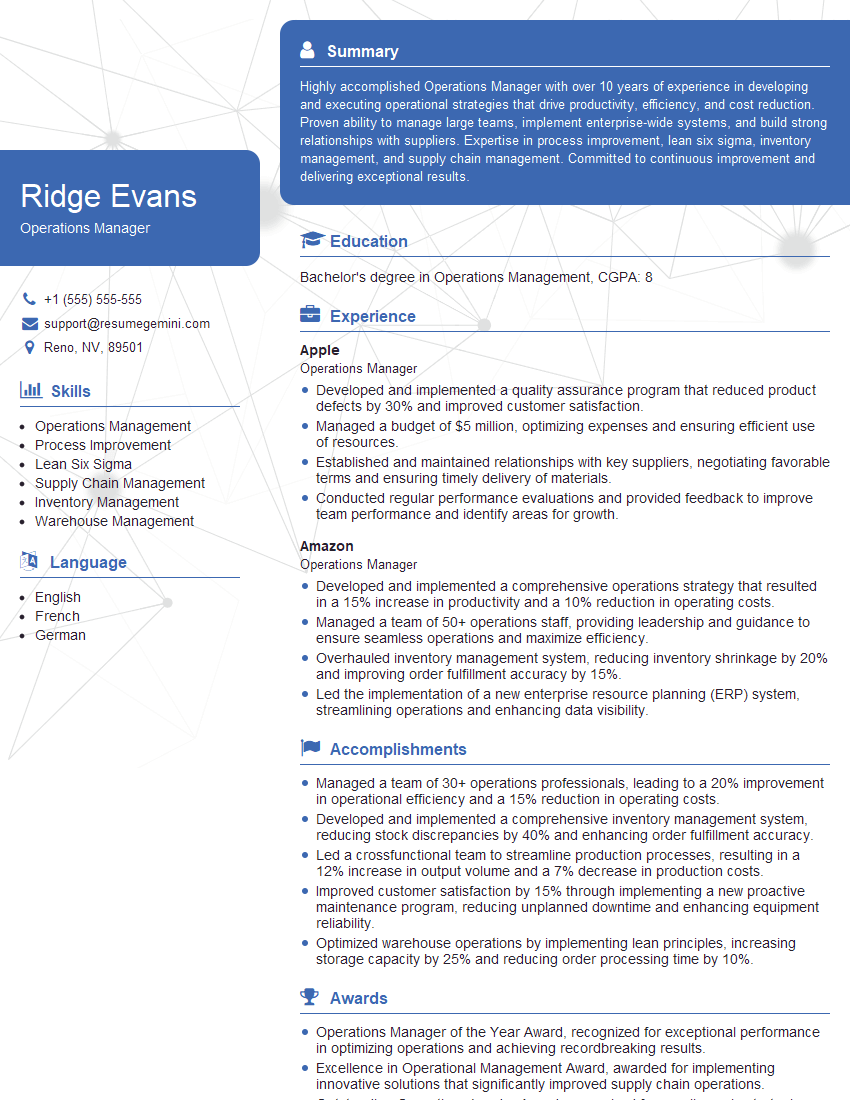
Operations Manager Resume Sample

Production Supervisor Resume Sample
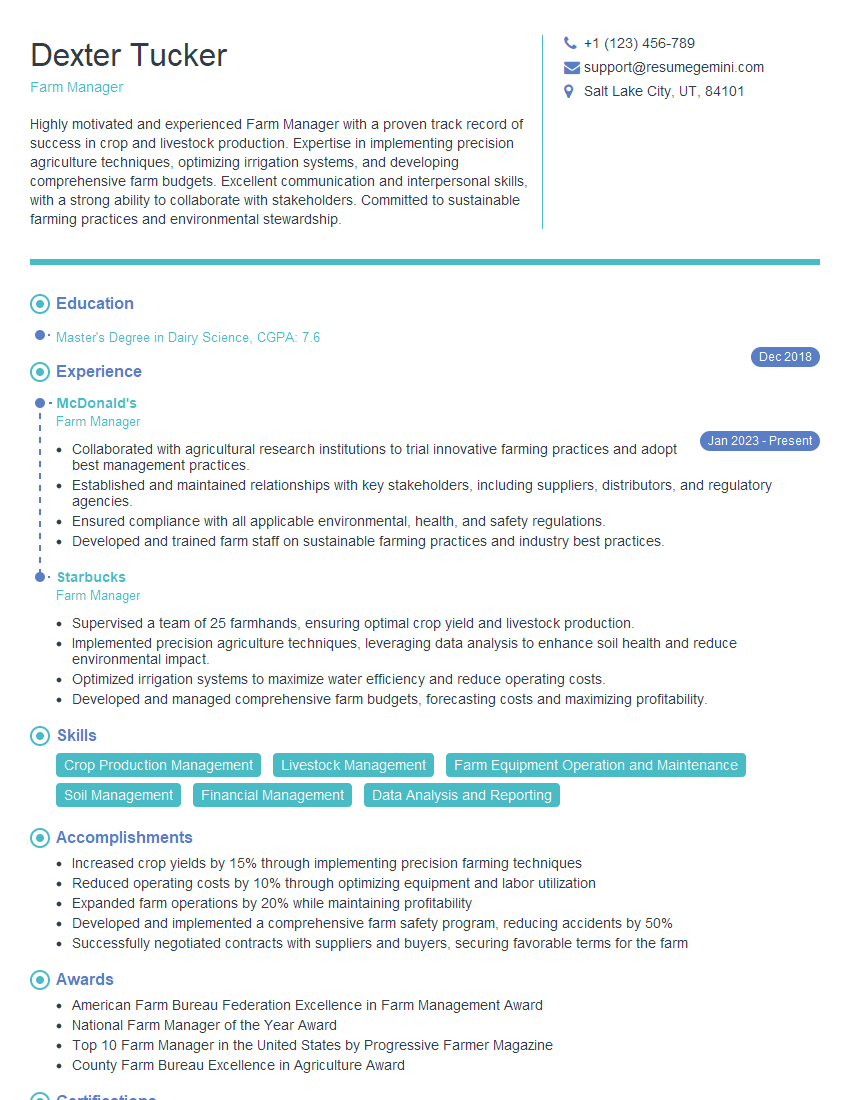
Farm Manager Resume Sample

Range Manager Resume Sample
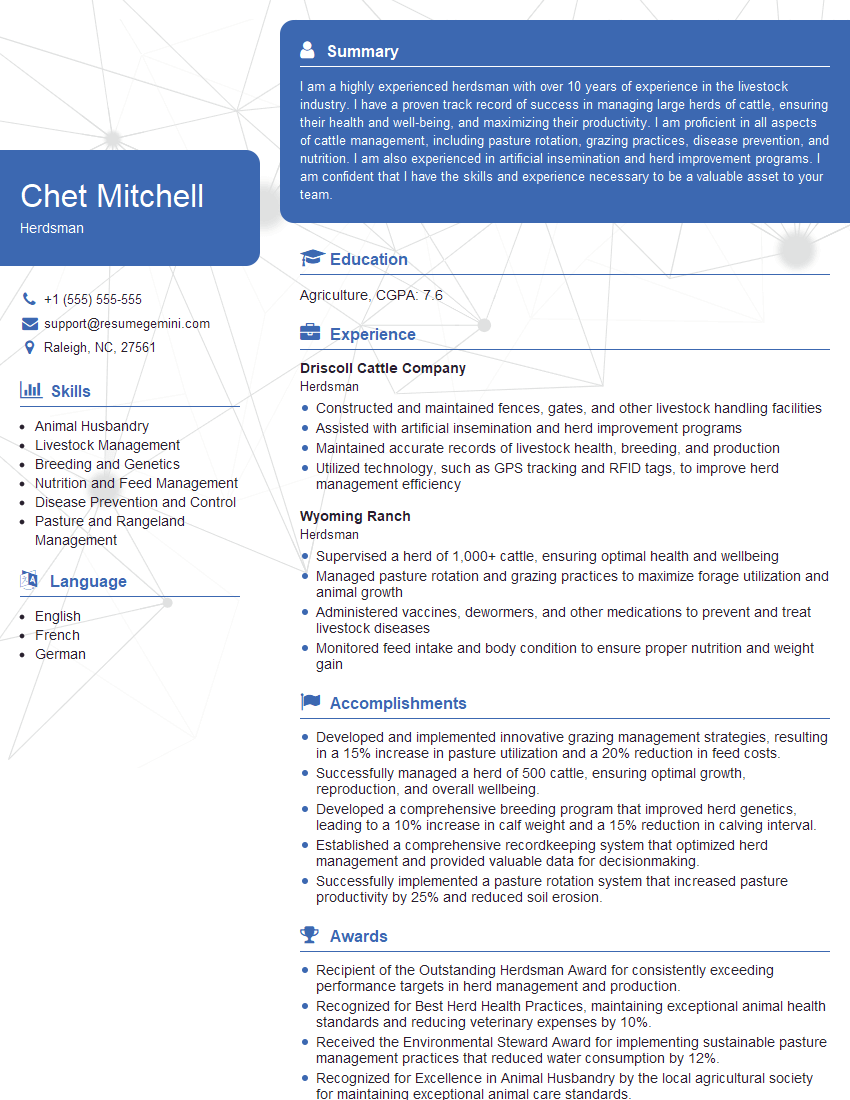
Herdsman Resume Sample
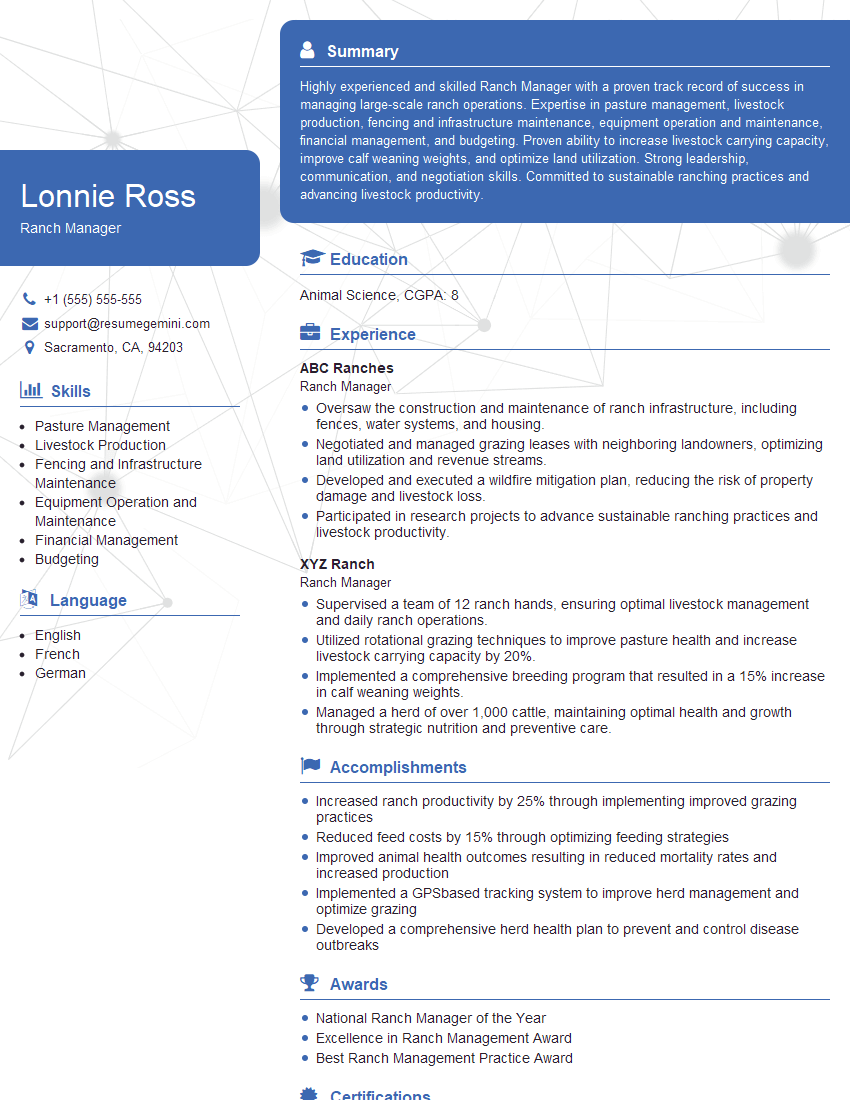
Ranch Manager Resume Sample

Field Technician Resume Sample

Beef Cattle Specialist Resume Sample
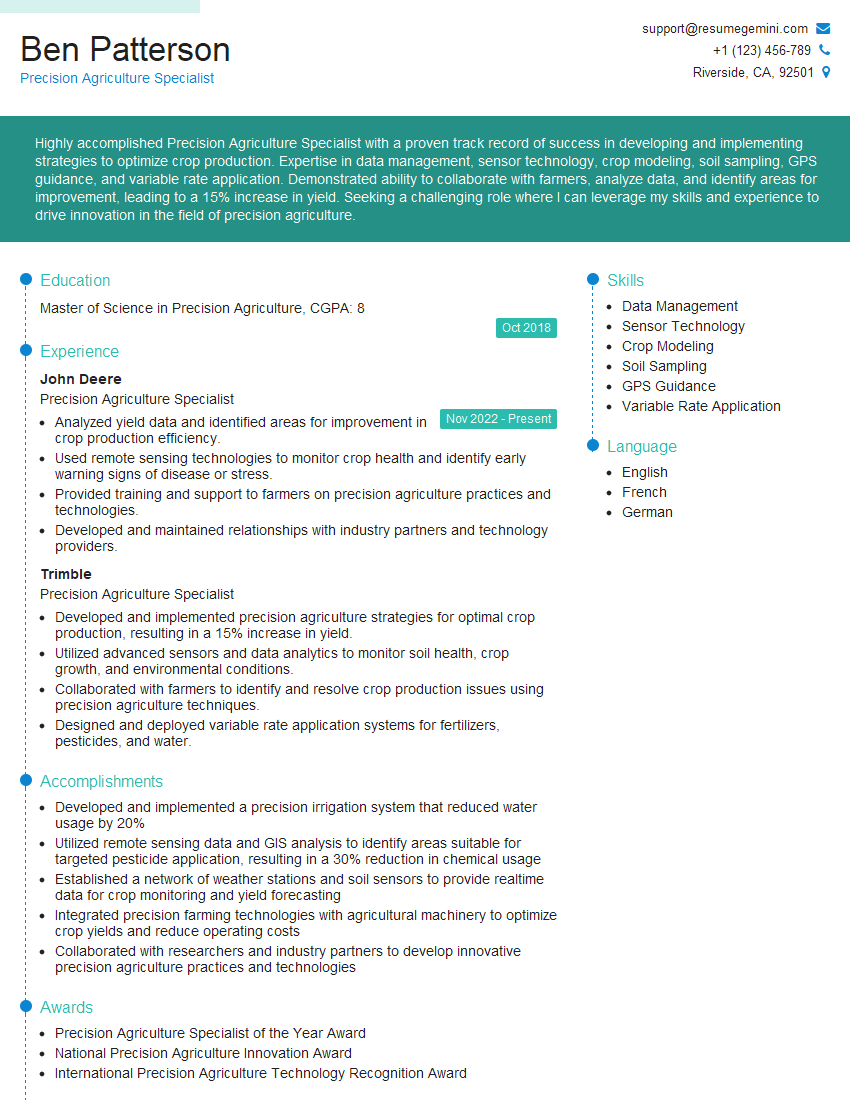
Precision Agriculture Specialist Resume Sample
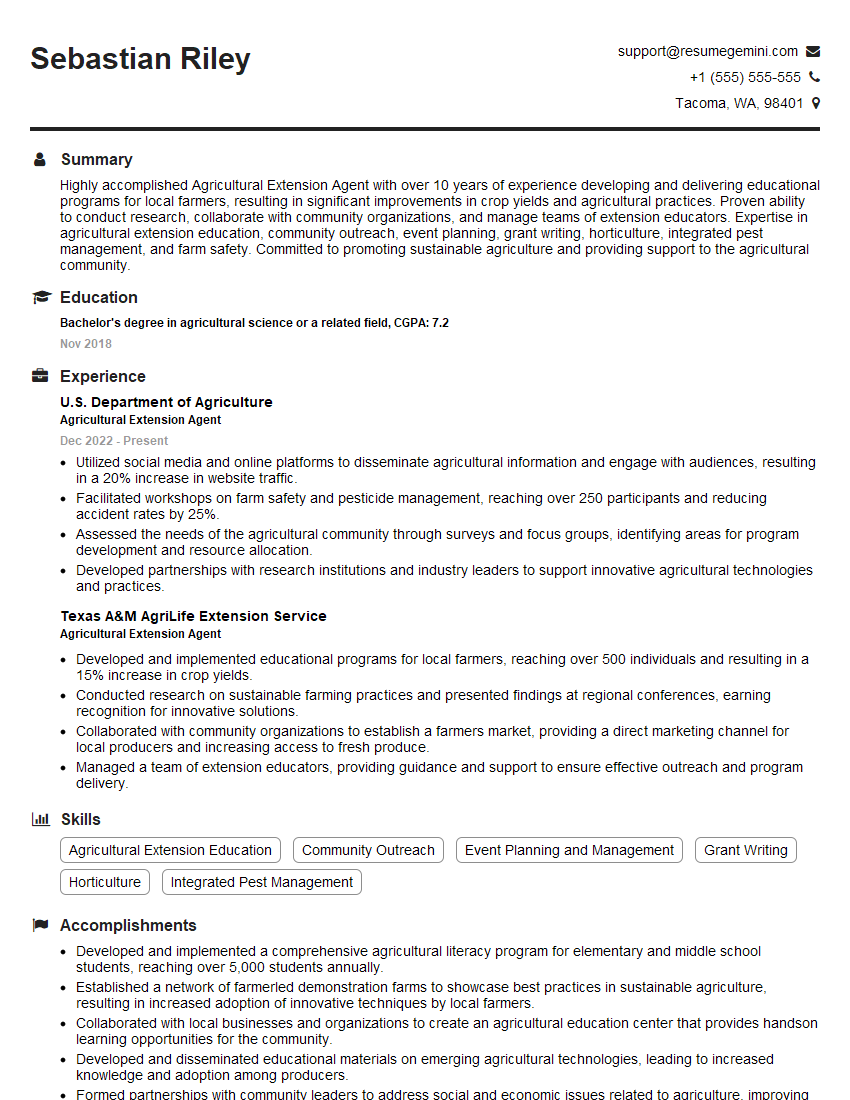
Agricultural Extension Agent Resume Sample
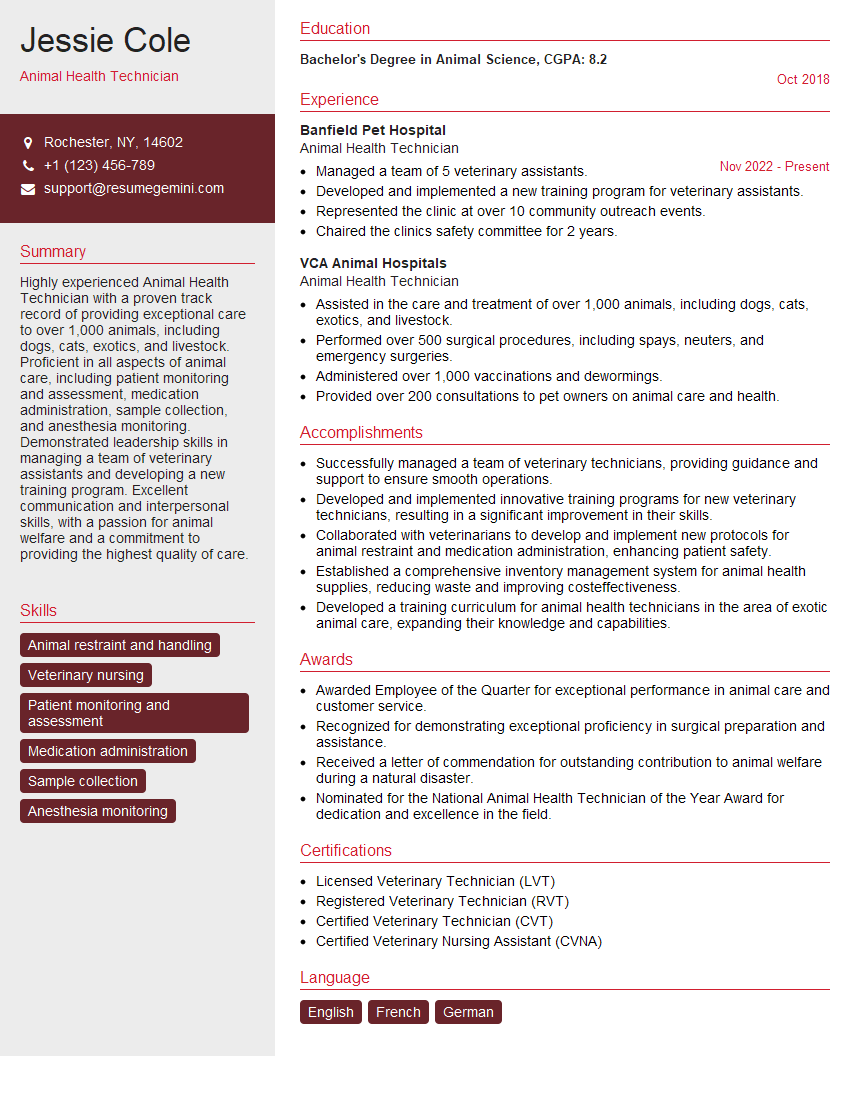
Animal Health Technician Resume Sample
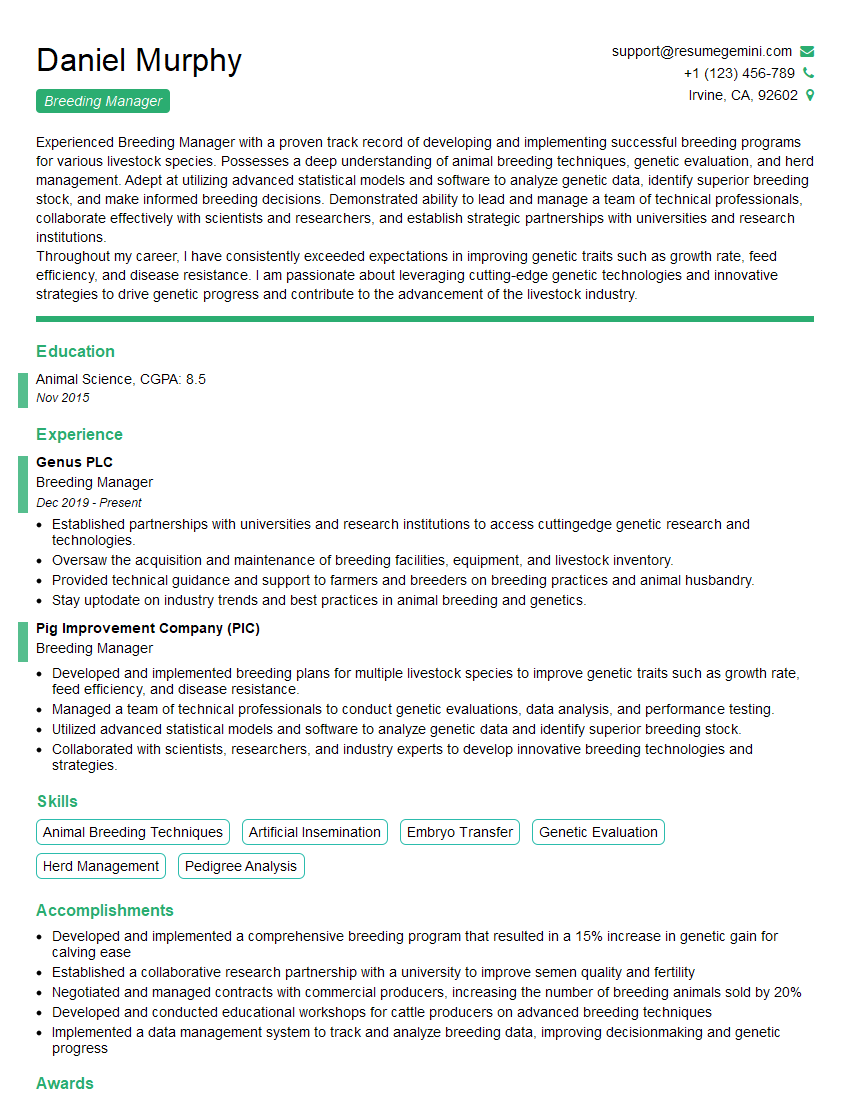
Breeding Manager Resume Sample
Explore more articles
Users Rating of Our Blogs
Share Your Experience
We value your feedback! Please rate our content and share your thoughts (optional).
What Readers Say About Our Blog
Very informative content, great job.
good