Interviews are more than just a Q&A session—they’re a chance to prove your worth. This blog dives into essential Benzene Measurement interview questions and expert tips to help you align your answers with what hiring managers are looking for. Start preparing to shine!
Questions Asked in Benzene Measurement Interview
Q 1. Describe the different methods for measuring benzene concentration in air.
Measuring benzene concentration in air requires sensitive and reliable methods. Several techniques are commonly employed, each with its strengths and limitations. These include:
- Gas Chromatography-Mass Spectrometry (GC-MS): This is the gold standard, offering high sensitivity and specificity. It separates benzene from other volatile organic compounds (VOCs) and then identifies and quantifies it based on its mass-to-charge ratio.
- High-Performance Liquid Chromatography (HPLC): While less frequently used for air monitoring than GC-MS, HPLC can be effective, particularly when analyzing benzene in liquid samples or when dealing with complex matrices.
- Photoionization Detectors (PIDs): These portable instruments are useful for quick, on-site screening. They are less precise than GC-MS but provide immediate results, making them valuable for initial assessments or leak detection.
- Passive Samplers: These devices utilize diffusion to collect benzene over a period of time, providing a time-weighted average concentration. They are simple to use and require minimal equipment, making them suitable for long-term monitoring.
- Direct-reading instruments: These are designed for quick measurements and on-site analysis of benzene concentrations in ambient air. They utilize various measurement principles, for example electrochemical sensors, but require careful calibration and regular maintenance.
The choice of method depends on factors such as required accuracy, sensitivity, budget, and the complexity of the sample matrix.
Q 2. Explain the principles of Gas Chromatography-Mass Spectrometry (GC-MS) in benzene analysis.
Gas Chromatography-Mass Spectrometry (GC-MS) is a powerful analytical technique used to identify and quantify benzene. It involves two stages:
- Gas Chromatography (GC): A sample containing benzene is injected into a heated column packed with a stationary phase. The components of the sample, including benzene, separate based on their different boiling points and interactions with the stationary phase. Imagine it like a race where different runners (benzene and other compounds) have different speeds, reaching the finish line at different times.
- Mass Spectrometry (MS): Once separated by the GC column, the individual compounds reach a mass spectrometer. Here, they are ionized (given an electrical charge) and then separated based on their mass-to-charge ratio. This is like weighing each runner at the finish line to identify them precisely.
The mass spectrum obtained provides a unique fingerprint for each compound, allowing for definitive identification of benzene. The peak area in the chromatogram is proportional to the concentration of benzene in the sample, which allows for quantification.
Q 3. What are the OSHA permissible exposure limits (PELs) for benzene?
The Occupational Safety and Health Administration (OSHA) sets permissible exposure limits (PELs) to protect workers from hazardous substances. For benzene, the OSHA PEL is 1 part per million (ppm) as an eight-hour time-weighted average (TWA). This means the average exposure over an eight-hour workday should not exceed 1 ppm. OSHA also sets an action level of 0.5 ppm, triggering certain monitoring and safety procedures. Exceeding these limits can lead to serious health consequences, including leukemia. It’s crucial to remember that these are legal limits, and best practices often suggest striving for even lower exposure levels.
Q 4. Discuss the advantages and disadvantages of different benzene sampling methods (e.g., sorbent tubes, impingers).
Several methods exist for sampling benzene in air, each with trade-offs:
- Sorbent Tubes: These tubes are filled with a solid adsorbent material (e.g., charcoal) that traps benzene molecules. They are simple, portable, and suitable for collecting samples over extended periods. Advantages: Ease of use, cost-effective, good for time-weighted averages. Disadvantages: Potential for breakthrough (benzene passing through the tube), limitations in the detection of low concentrations.
- Impingers: Impingers use a liquid absorbent to trap benzene. The collected sample is then analyzed in the laboratory. Advantages: Efficient at collecting very low concentrations, appropriate for a wide range of benzene levels. Disadvantages: More complex to use, higher risk of sample loss during transport, requires more sophisticated lab analysis.
The best sampling method depends on the specific application, the anticipated concentration range, and available resources. For instance, sorbent tubes are often preferred for routine monitoring due to their convenience, while impingers might be necessary for very low concentrations.
Q 5. How do you ensure the accuracy and precision of benzene measurements?
Ensuring accuracy and precision in benzene measurements requires meticulous attention to detail throughout the entire process:
- Calibration: Regular calibration of instruments using certified standards is critical to ensure the accuracy of measurements. Think of it like regularly checking the accuracy of your kitchen scale.
- Blanks and Spikes: Including blanks (samples without benzene) and spiked samples (samples with known concentrations of benzene) help identify and correct for potential contamination or procedural errors. This is like a control experiment to ensure your measurement process is functioning correctly.
- Proper Sampling Techniques: Following established sampling procedures, including proper use of sampling equipment, is essential. This includes ensuring appropriate flow rates and sample volumes for all chosen methods.
- Chain of Custody: Maintaining a complete chain of custody for samples, from collection to analysis, ensures the integrity of the results. This documentation trail is essential for legal or regulatory compliance.
- Method Validation: Choosing and validating appropriate analytical methods for the expected benzene concentration range is crucial for ensuring reliable results. This step involves systematically testing the method to ensure that it accurately measures benzene.
By addressing these aspects, we can minimize uncertainties and improve the reliability of the benzene measurement data.
Q 6. What are the potential sources of error in benzene analysis?
Potential sources of error in benzene analysis are numerous and can be categorized into several groups:
- Sampling errors: Improper sampling techniques, leaks in the sampling system, or insufficient sample volume can lead to inaccurate results. For example, if the sorbent tube is not properly sealed, some benzene could be lost.
- Analytical errors: These include instrumental drift, contamination of samples or reagents, errors in data processing, and inaccurate calibration of instruments. For example, a dirty GC column could cause peak broadening, affecting the quantification of benzene.
- Matrix effects: The presence of other compounds in the sample can interfere with the detection of benzene. This can lead to underestimation or overestimation of the concentration. For example, some co-eluting VOCs could mask the benzene peak in GC-MS.
- Human errors: Incorrect recording of data, misinterpretation of results, or mistakes in sample handling can all affect the accuracy of the measurements. This could include recording an incorrect sample volume or mislabeling a sample.
Understanding these potential sources of error is crucial for implementing effective quality control measures and ensuring the reliability of benzene measurements.
Q 7. Explain the importance of quality control and quality assurance in benzene measurement.
Quality control (QC) and quality assurance (QA) are indispensable for ensuring the reliability and validity of benzene measurements. QA encompasses all the planned and systematic actions necessary to provide confidence that a service or product meets requirements, while QC is the operational techniques and activities used to fulfill requirements for quality. In the context of benzene measurement, this includes:
- Regular calibration and maintenance of instruments: This ensures the accuracy and precision of measurements over time.
- Use of certified reference materials and standards: These allow for accurate calibration and validation of analytical methods.
- Implementation of appropriate sampling procedures: This ensures that the collected samples accurately represent the benzene concentration in the environment.
- Analysis of blanks and spiked samples: This helps to identify and correct for potential errors and contamination.
- Regular participation in proficiency testing programs: This provides an independent assessment of the laboratory’s performance and adherence to quality standards.
- Detailed record keeping and documentation: This allows for traceability and ensures accountability for the entire measurement process.
By adhering to strict QC/QA protocols, laboratories can demonstrate the reliability of their benzene measurement results, ensuring data integrity and supporting informed decision-making.
Q 8. How do you calibrate and maintain benzene measurement equipment?
Calibrating and maintaining benzene measurement equipment is crucial for accurate and reliable results. This involves regular checks, cleaning, and potentially adjustments to ensure the instrument is operating within its specified tolerances. Different instruments (e.g., gas chromatographs, photoionization detectors) require slightly different procedures.
Calibration: Most benzene detectors utilize a multi-point calibration process using certified gas standards of known benzene concentrations. This involves introducing the standard gas into the instrument and adjusting the instrument’s response to match the known concentration. Calibration is usually performed at several points across the instrument’s working range to create a calibration curve. Frequency depends on usage and regulatory requirements, often daily or weekly for high-frequency use.
Maintenance: Routine maintenance includes regular cleaning of the sampling lines and detector components to prevent contamination and buildup that can affect accuracy. This might involve using specialized solvents appropriate for the instrument’s materials. Regular inspection of filters and pumps is also crucial. Detailed maintenance logs are kept, recording calibration data, maintenance activities, and any observed anomalies. Following the manufacturer’s instructions is paramount. For example, a gas chromatograph might require column replacement periodically.
Example: Imagine a gas chromatograph (GC) used to measure benzene in workplace air. Before each use, the GC is calibrated using a series of certified benzene gas standards (e.g., 1 ppm, 5 ppm, 10 ppm). Then, the instrument is used to measure unknown samples. If the calibration is out of range, the results will be unreliable. After each use, the GC’s injection port and detector are cleaned to prevent contamination from the previous sample.
Q 9. Describe the process of sample preparation for benzene analysis.
Sample preparation for benzene analysis is critical to obtaining accurate results. It depends on the sample matrix (air, water, soil) and the analytical technique used. Improper preparation can lead to contamination, loss of analyte, or interference.
Air Samples: Air samples are typically collected using sorbent tubes (e.g., charcoal) or canisters. For sorbent tubes, after collection, the tubes are desorbed using a solvent (e.g., carbon disulfide), creating a solution that’s then analyzed. Canister samples are directly analyzed after pressure equalization. Quality control samples (blanks, duplicates) are essential.
Water Samples: Water samples require different techniques, depending on the expected benzene concentration. Headspace analysis involves equilibrating the sample with a headspace of gas above the liquid. Benzene partitions into the headspace and is then sampled and analyzed. Liquid-liquid extraction techniques may also be used. Preservation of samples is often vital; water samples might require the addition of a preservative to prevent microbial degradation or benzene loss.
Soil Samples: Soil samples necessitate extraction of benzene from the soil matrix. Techniques such as solid-phase microextraction (SPME) or solvent extraction (using, e.g., hexane) can be used. Afterwards, a clean-up step may be required to remove interfering compounds before analysis.
Quality Control: Throughout the process, several quality control measures are essential, including the use of blanks (to check for contamination), duplicates (to assess reproducibility), and spiked samples (to test extraction efficiency). These checks ensure data reliability.
Q 10. How do you interpret benzene measurement results?
Interpreting benzene measurement results involves comparing the measured concentration to established exposure limits and guidelines. Understanding the context of the measurement (workplace, environmental, etc.) is crucial.
Comparison to Limits: Measured benzene concentrations are compared to regulatory limits set by organizations like OSHA (Occupational Safety and Health Administration) or EPA (Environmental Protection Agency). Exceeding these limits indicates a potential health risk. For example, OSHA’s permissible exposure limit (PEL) for benzene is 1 ppm (averaged over 8 hours). If a measurement exceeds 1 ppm, this indicates non-compliance.
Uncertainty and Accuracy: Results should always be evaluated considering the analytical uncertainty associated with the measurement method. A result of 0.9 ppm with an uncertainty of ±0.2 ppm isn’t definitively below the 1 ppm limit. Accurate reporting should include the uncertainty range.
Contextual Understanding: Understanding the sampling location, time of sampling, and other environmental factors affecting the measured concentration is critical to proper interpretation. A high concentration in a confined space warrants a different response than a low concentration in a well-ventilated area.
Example: If a workplace air sample reveals a benzene concentration of 1.5 ppm (8-hour average), this clearly exceeds OSHA’s PEL of 1 ppm. This triggers actions like investigation of the source of benzene exposure, implementation of control measures (ventilation improvements, engineering controls), and potentially worker relocation.
Q 11. What are the health effects associated with benzene exposure?
Benzene exposure presents significant health risks, affecting various systems within the body. The severity of effects depends on both the concentration and duration of exposure.
Acute Effects: High-level, short-term exposure can lead to central nervous system depression, manifested as dizziness, headache, drowsiness, and even unconsciousness. Eye, skin, and respiratory irritation can also occur.
Chronic Effects: Chronic (long-term) exposure poses more serious health consequences, including:
- Blood disorders: Benzene is a potent bone marrow toxin and can cause aplastic anemia (a condition where the bone marrow doesn’t produce enough blood cells), leukopenia (low white blood cell count), and thrombocytopenia (low platelet count). It can also increase the risk of leukemia (blood cancer).
- Reproductive effects: Studies suggest potential links to fertility problems and birth defects.
- Immune system effects: Impaired immune function is a potential long-term consequence.
- Other effects: Long-term exposure has also been linked to various other health issues, including damage to the liver, kidneys, and nervous system.
Carcinogenic Nature: Benzene is classified as a human carcinogen; there is no safe level of exposure. Even low levels of chronic exposure increase the risk of leukemia and other cancers.
Q 12. How do you assess the risk of benzene exposure in a workplace?
Assessing the risk of benzene exposure in a workplace involves a multi-step process combining measurement, risk assessment, and control strategies.
1. Identify Potential Sources: First, pinpoint potential sources of benzene exposure within the workplace. This could involve reviewing safety data sheets (SDS), conducting workplace inspections, and interviewing workers.
2. Measure Benzene Concentrations: Conduct air monitoring to determine the actual benzene concentrations in the workplace atmosphere. Sampling strategies should consider the potential pathways of exposure and the variability of benzene concentrations (e.g., time of day, work activities). Personal sampling (measuring the exposure of individual workers) is often used in conjunction with area monitoring (measuring the general air quality).
3. Exposure Assessment: Once you have the exposure measurements, you can calculate the workers’ average daily exposure (ADE) and compare it to regulatory limits (such as the OSHA PEL). This comparison helps quantify the extent of the exposure risk.
4. Risk Characterization: Based on the exposure assessment, characterize the risk by considering both the concentration of benzene and the duration of exposure. A high concentration for a short time presents a different risk profile than a low concentration over many years.
5. Risk Control: If the risk assessment identifies unacceptable exposure levels, implement engineering controls (ventilation, substitution of less hazardous materials), administrative controls (limiting exposure time, work practices), and PPE as needed.
Example: In a petroleum refinery, benzene might be released during maintenance activities. By measuring benzene levels during these activities, estimating the time workers spend in the area, and comparing the exposure to OSHA’s PEL, a thorough risk assessment can be completed. This assessment can then be used to develop appropriate controls to reduce worker exposure.
Q 13. What are the regulatory requirements for benzene monitoring and reporting?
Regulatory requirements for benzene monitoring and reporting vary depending on the location and industry. However, several key regulations govern benzene monitoring and reporting across different jurisdictions. These often include:
Occupational Exposure Limits: Many countries and regions have established permissible exposure limits (PELs) or occupational exposure limits (OELs) for benzene in the workplace air. These legally mandated limits define the maximum acceptable concentration of benzene to which workers can be exposed. Failure to comply can result in penalties.
Monitoring Requirements: Regulations may mandate specific monitoring frequencies and methods depending on the industry and the potential for exposure. Industries with higher risks of benzene exposure typically require more frequent and comprehensive monitoring. Record-keeping requirements are also common.
Reporting Obligations: Regulations might require employers to report any incidents of exceeding exposure limits, accidents involving benzene spills, or other significant events related to benzene exposure. These reports are often submitted to regulatory agencies.
Air Quality Standards: For environmental monitoring, there are usually standards that specify maximum benzene concentrations allowed in ambient air. These regulations typically fall under environmental protection agencies.
Example: In the United States, OSHA sets the PEL for benzene, and employers must conduct monitoring to ensure compliance. The EPA sets air quality standards to protect the public. Failure to comply can result in significant fines or legal action.
Q 14. Explain the role of personal protective equipment (PPE) in reducing benzene exposure.
Personal protective equipment (PPE) plays a crucial role in reducing benzene exposure, acting as a last line of defense when other controls are insufficient or not feasible. However, PPE is not a substitute for engineering or administrative controls and should be viewed as a supplementary measure.
Types of PPE: The appropriate PPE depends on the specific exposure scenario. Commonly used PPE includes:
- Respirators: Air-purifying respirators (APRs) with organic vapor cartridges are often used to protect against benzene inhalation. The selection of the appropriate respirator depends on the concentration of benzene and the duration of exposure. Positive-pressure respirators, such as supplied-air respirators (SARs), offer greater protection in high-concentration environments. Proper fit testing and training are crucial for effective respirator use.
- Gloves: Protective gloves made of materials resistant to benzene permeation (e.g., nitrile or neoprene) are vital when handling benzene or benzene-containing materials. The selection of gloves depends on the type of work and the concentration of benzene.
- Protective Clothing: Coveralls or other protective clothing can reduce skin contact with benzene. This is essential in tasks that involve potential spills or splashes.
- Eye Protection: Safety glasses or goggles can prevent accidental eye exposure to benzene.
Limitations of PPE: It’s crucial to understand the limitations of PPE. Even the best PPE can fail if not properly used, maintained, or selected. Furthermore, PPE only protects the worker wearing it; it does not prevent benzene from entering the workplace air. Therefore, engineering controls and administrative controls remain paramount for minimizing benzene exposure.
Q 15. How do you manage a spill or release of benzene?
Managing a benzene spill requires immediate and decisive action to minimize exposure and environmental impact. Think of it like containing a wildfire – quick response is crucial. First, evacuate the area immediately, ensuring everyone is a safe distance away. Then, contain the spill using absorbent materials like spill pads or booms, preventing further spread. Next, notify the appropriate authorities – this includes emergency services and regulatory agencies like the EPA (in the US) or equivalent in your region. Finally, clean up the spill following established safety protocols and using specialized equipment and procedures. This often involves professional hazardous materials cleanup crews. The specifics of the cleanup will depend on the size and location of the spill, but proper disposal of contaminated materials is paramount.
Example: Imagine a benzene spill in a chemical plant. The immediate response would involve activating the plant’s emergency response plan, evacuating personnel from the affected area, deploying spill containment booms to prevent it from entering a nearby waterway, and contacting emergency responders and regulatory agencies. The cleanup could involve specialized vacuum trucks and potentially soil remediation.
Career Expert Tips:
- Ace those interviews! Prepare effectively by reviewing the Top 50 Most Common Interview Questions on ResumeGemini.
- Navigate your job search with confidence! Explore a wide range of Career Tips on ResumeGemini. Learn about common challenges and recommendations to overcome them.
- Craft the perfect resume! Master the Art of Resume Writing with ResumeGemini’s guide. Showcase your unique qualifications and achievements effectively.
- Don’t miss out on holiday savings! Build your dream resume with ResumeGemini’s ATS optimized templates.
Q 16. Describe the process of developing a benzene monitoring plan.
Developing a benzene monitoring plan is like creating a detailed blueprint to ensure worker safety and environmental protection. It starts with a thorough assessment of potential benzene exposure sources – this includes identifying equipment, processes, and areas where benzene is handled or could be released. Next, you’ll determine sampling locations based on this assessment, focusing on areas with the highest potential for exposure. Then, you’ll choose appropriate sampling methods (active or passive, discussed later), considering factors like the expected benzene concentration and the nature of the workplace. The plan should also outline sampling frequency – this will depend on factors like the level of risk and regulatory requirements. Finally, the plan must detail analytical procedures, data handling, and reporting requirements. The entire plan should be reviewed and updated regularly to adapt to changing circumstances and reflect improvements in technology or safety protocols.
Example: A painting facility using benzene-containing paint would need a monitoring plan that includes air sampling near the spray booths, regular monitoring of worker breathing zones, and perhaps soil sampling around the facility if there is any potential for leakage.
Q 17. What are some common workplace scenarios requiring benzene measurement?
Benzene measurement is crucial in various workplace scenarios where exposure risks exist. Think of it as a vital safety net. Common scenarios include:
- Chemical manufacturing plants: Benzene is a common chemical feedstock and byproduct, requiring extensive monitoring.
- Petroleum refineries: Benzene is a component of crude oil and is found in various petroleum products.
- Gas stations and fueling facilities: Although typically present in smaller quantities, benzene is a component of gasoline and can lead to exposure.
- Paint and coating industries: Some paints and coatings contain benzene or benzene-containing solvents.
- Rubber and plastic manufacturing: Benzene is used in the synthesis of certain polymers.
- Research laboratories: Handling and use of benzene in research settings require careful monitoring.
In each of these scenarios, benzene measurement helps ensure compliance with occupational safety and health regulations and minimizes worker health risks.
Q 18. Explain the difference between active and passive benzene sampling.
Active and passive sampling are two different approaches to measuring benzene in the air, each with its own strengths and weaknesses. Think of it like choosing between a fishing net (active) and a fishing trap (passive).
Active sampling uses a pump to draw air through a collection device, typically a sorbent tube, at a known flow rate over a specific time period. This allows for precise control over the volume of air sampled and is suitable for measuring relatively high concentrations of benzene. It’s like actively going out and catching fish.
Passive sampling uses a diffusion device to collect benzene over a longer period, typically several days or weeks. The benzene diffuses into the sampling device at a rate determined by its concentration in the air. It requires less equipment and is suitable for measuring lower concentrations and long-term average exposures. It’s like setting a trap and waiting for the fish to come to you.
Q 19. What are the limitations of each benzene measurement technique?
Both active and passive benzene sampling have limitations. Understanding these limitations is vital for accurate interpretation of results.
Active sampling limitations: Requires specialized equipment, needs trained personnel for operation, can be disruptive to the work environment, and might not accurately represent time-weighted average exposures if the sampling period is short.
Passive sampling limitations: Sampling rate can be affected by temperature and airflow, suitable only for relatively low concentrations, and the sampling period is longer, providing only an average exposure over the sampling period. It’s also less precise for short-term peak concentrations.
Q 20. How do you handle non-detects in benzene analysis?
A non-detect in benzene analysis simply means the concentration is below the method detection limit (MDL). Think of it as the smallest amount the test can reliably measure. It’s not a zero result, but rather a statement that the concentration is less than a certain value. Reporting should clearly indicate the MDL and should state “ Example: If the MDL of a benzene analysis is 0.1 ppm and the result is a non-detect, it should be reported as <0.1 ppm, indicating that the benzene concentration is below the detectable limit of 0.1 ppm.
Q 21. How do you report benzene measurement results to regulatory agencies?
Reporting benzene measurement results to regulatory agencies requires strict adherence to established guidelines and formats. This ensures consistency and allows for accurate assessment of compliance. The report should include:
- Sampling location and date/time
- Sampling method used (active or passive)
- Analytical method used
- Results (including the MDL for non-detects)
- Chain of custody documentation
- Quality control data (e.g., blanks, duplicates)
- Laboratory accreditation information
The specific format and required information may vary depending on the regulatory agency and the specific situation. Always refer to the relevant regulations and guidelines to ensure compliance.
Q 22. What is the role of the Standard Operating Procedure (SOP) in benzene measurement?
A Standard Operating Procedure (SOP) for benzene measurement is a crucial document that outlines every step of the measurement process, ensuring consistency, accuracy, and safety. Think of it as a detailed recipe for obtaining reliable benzene data. It dictates everything from sample collection and handling to instrument calibration, analysis, and data reporting. A well-written SOP minimizes variability between measurements, enhancing the reliability of results and ensuring compliance with regulatory requirements. For instance, an SOP might specify the exact type of sampling container to use, the required cleaning procedures, the specific analytical method, and the acceptable range of measurement uncertainties. Deviation from the SOP is carefully documented and justified, maintaining a complete audit trail.
Q 23. Describe your experience with different types of benzene detection equipment.
My experience encompasses a wide range of benzene detection equipment, including gas chromatography-mass spectrometry (GC-MS), which is the gold standard for accuracy and sensitivity. I’ve also worked extensively with photoionization detectors (PIDs), which offer real-time, on-site monitoring, ideal for quick assessments or surveys. Furthermore, I’m familiar with various sampling techniques, like using sorbent tubes for passive or active sampling followed by GC-MS analysis. Each method has its strengths and weaknesses; for example, GC-MS provides higher accuracy but is less portable than a PID. The choice of equipment depends heavily on the specific application, required sensitivity, and the available resources. In one project, we used PIDs for initial screening of benzene levels in a manufacturing plant, followed by confirmatory measurements using GC-MS for precise quantification of the concentrations identified.
Q 24. How do you ensure the safety of personnel during benzene measurement procedures?
Safety is paramount in benzene measurement. Benzene is a known carcinogen, and exposure must be strictly controlled. Our procedures always prioritize the use of appropriate personal protective equipment (PPE), including respirators, gloves, and safety glasses. We adhere to strict ventilation protocols to minimize exposure during sampling and analysis. All personnel involved receive comprehensive training on safe handling practices, emergency procedures, and the proper use of PPE. We also conduct regular safety audits and risk assessments to identify and mitigate potential hazards. For example, when dealing with high concentrations of benzene, we might employ specialized sampling techniques like using remote sampling equipment or establishing controlled access zones. Detailed safety briefings and work permits are essential before commencing any benzene measurement activities.
Q 25. What is your experience with data validation and analysis in benzene measurement?
Data validation and analysis are critical to ensure the reliability and integrity of benzene measurements. This involves verifying the accuracy and precision of the collected data, identifying and correcting any errors or outliers, and performing statistical analysis to assess the overall quality of the results. We use quality control samples (blanks, duplicates, and spiked samples) to assess the accuracy and precision of the analytical methods. Data are carefully reviewed for consistency, and any unusual readings are investigated thoroughly. We utilize statistical methods like linear regression and ANOVA to analyze the data and draw meaningful conclusions. For instance, we might use regression analysis to model the relationship between benzene concentration and a specific process parameter in a manufacturing plant. Documentation of all validation steps and statistical analyses is meticulously maintained to ensure transparency and traceability.
Q 26. How do you troubleshoot problems encountered during benzene analysis?
Troubleshooting is an integral part of benzene analysis. Problems can arise from various sources, including instrument malfunction, sampling errors, or data processing issues. My approach involves a systematic investigation, starting with a careful review of the entire process, from sample collection to data reporting. We check for instrument calibration, ensure the correct analytical method was followed, and verify the integrity of the data. Common problems include detector drift in GC-MS or contamination of samples. For example, a consistently high blank value might indicate sample contamination, requiring careful investigation of sampling procedures and cleaning protocols. We use a flowchart-based troubleshooting guide to systematically check different components and steps to isolate the problem and implement the appropriate corrective action. Each troubleshooting step and its outcome is meticulously documented.
Q 27. Explain your familiarity with relevant safety regulations and standards regarding benzene.
I am thoroughly familiar with relevant safety regulations and standards regarding benzene, including OSHA (Occupational Safety and Health Administration) regulations in the US and equivalent regulations in other countries. This includes understanding permissible exposure limits (PELs), the requirements for respiratory protection, and the procedures for handling and disposal of benzene-contaminated materials. I am also conversant with industry best practices and guidelines established by organizations like NIOSH (National Institute for Occupational Safety and Health). My understanding of these regulations ensures that all our benzene measurement procedures are compliant, minimizing risks and protecting personnel and the environment. Keeping up to date with the latest regulations and guidelines through professional development is a continuous process.
Q 28. Describe your experience with using statistical methods to analyze benzene data.
Statistical methods are essential for analyzing benzene data and drawing meaningful conclusions. I have extensive experience using various statistical techniques, including descriptive statistics (mean, median, standard deviation), hypothesis testing (t-tests, ANOVA), and regression analysis. We use these methods to compare benzene levels in different locations, assess the effectiveness of emission control measures, and model the relationship between benzene concentration and various factors. For example, we might use ANOVA to compare benzene levels in different areas of a refinery, or regression analysis to model the relationship between benzene emissions and production rate. The choice of statistical method depends on the specific research question and the characteristics of the data. All statistical analyses are carefully documented, including the assumptions made, the methods used, and the interpretations of the results.
Key Topics to Learn for Benzene Measurement Interview
- Benzene Chemistry and Properties: Understanding benzene’s chemical structure, reactivity, and its behavior in different environments is fundamental. This includes knowledge of its volatility, solubility, and potential for reactions.
- Sampling Techniques: Master various methods for collecting benzene samples, including air sampling (passive and active), water sampling, and soil sampling. Understand the importance of proper sample handling and preservation to ensure accurate results.
- Analytical Methods: Become proficient in different analytical techniques used for benzene measurement, such as Gas Chromatography-Mass Spectrometry (GC-MS), High-Performance Liquid Chromatography (HPLC), and spectrophotometry. Understand the principles behind each method, their limitations, and their applications.
- Calibration and Quality Control: Learn about the importance of instrument calibration and quality control procedures in ensuring accurate and reliable benzene measurements. This includes understanding standard operating procedures (SOPs) and data validation techniques.
- Health and Safety Regulations: Familiarize yourself with relevant occupational safety and health regulations and guidelines related to benzene exposure and measurement. Understanding safety protocols is crucial for responsible practice.
- Data Interpretation and Reporting: Develop your skills in interpreting analytical data, identifying potential sources of error, and preparing clear and concise reports summarizing findings. This includes understanding data visualization and statistical analysis.
- Regulatory Compliance: Understand the regulatory framework surrounding benzene monitoring and reporting, including emission limits and reporting requirements. This knowledge is critical for compliance and risk management.
- Problem-Solving and Troubleshooting: Practice identifying and troubleshooting potential issues encountered during the benzene measurement process, from sample collection to data analysis. This demonstrates practical skills and experience.
Next Steps
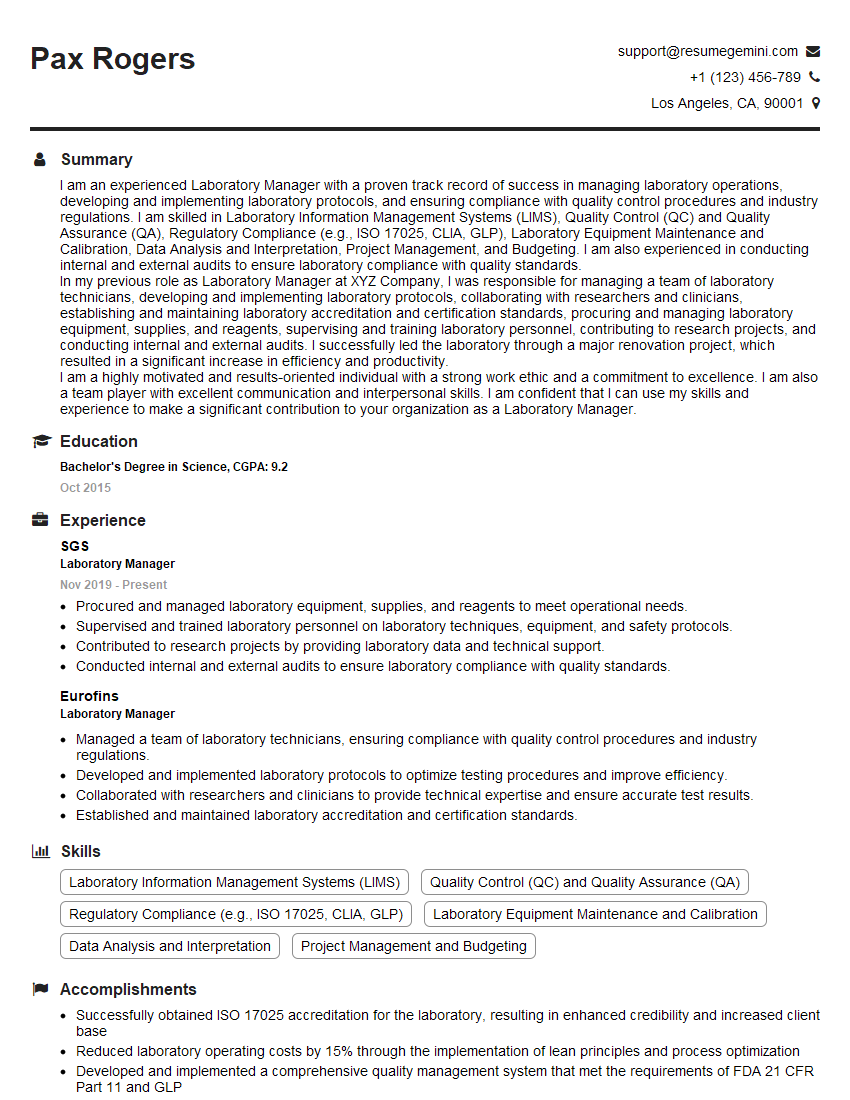
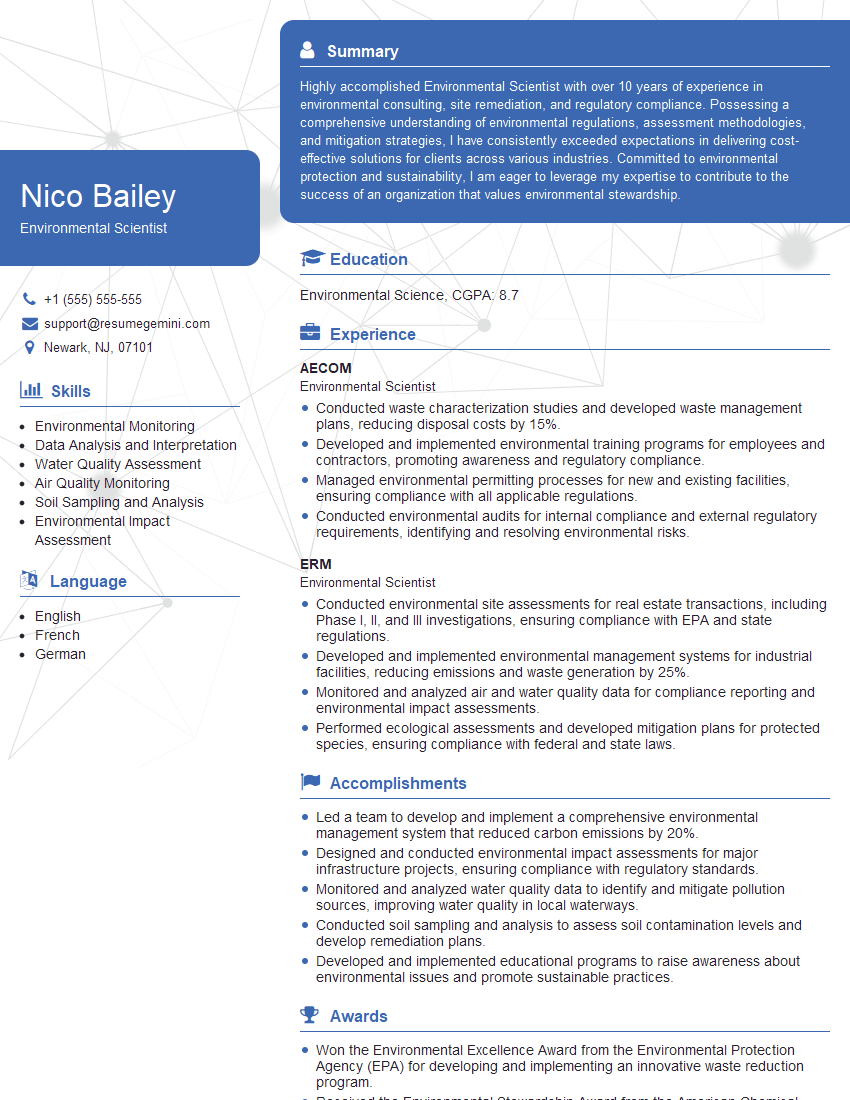
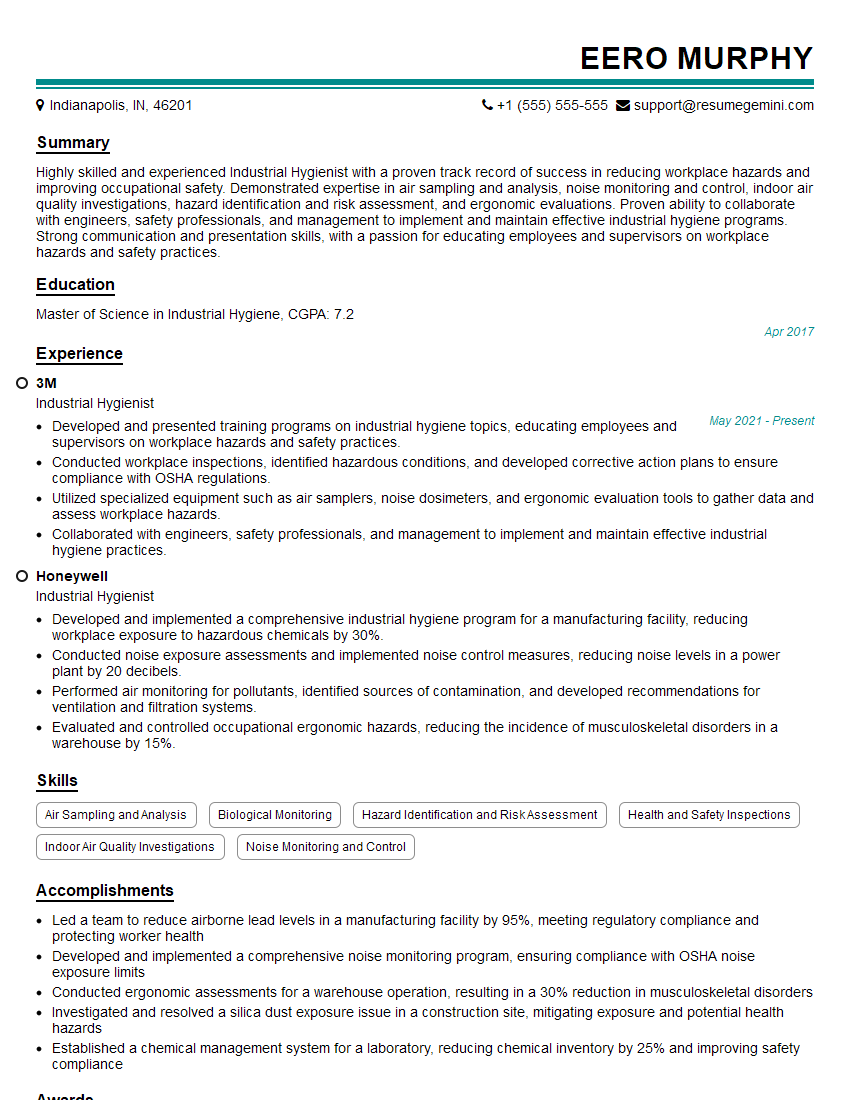
Mastering benzene measurement opens doors to exciting career opportunities in environmental monitoring, industrial hygiene, and analytical chemistry. A strong understanding of this field demonstrates valuable skills and expertise highly sought after by employers. To significantly boost your job prospects, focus on creating an ATS-friendly resume that highlights your qualifications effectively. ResumeGemini is a trusted resource that can help you build a professional and impactful resume tailored to the specific requirements of your target roles. Examples of resumes tailored to Benzene Measurement are available within ResumeGemini to provide further guidance.





Explore more articles
Users Rating of Our Blogs
Share Your Experience
We value your feedback! Please rate our content and share your thoughts (optional).
What Readers Say About Our Blog
Very informative content, great job.
good