Interviews are more than just a Q&A session—they’re a chance to prove your worth. This blog dives into essential Biosecurity and Animal Health interview questions and expert tips to help you align your answers with what hiring managers are looking for. Start preparing to shine!
Questions Asked in Biosecurity and Animal Health Interview
Q 1. Describe the principles of biosecurity in preventing the spread of animal diseases.
Biosecurity, in the context of animal health, is a multifaceted approach designed to prevent the introduction and spread of animal diseases. Think of it as a fortress protecting your animals. It relies on several core principles, all working together to minimize risk. These include:
- Exclusion: Preventing the entry of disease agents onto a farm or premises. This involves strict controls on animal movement, vehicle access, and personnel entry, often employing measures like disinfection footbaths and vehicle washes.
- Containment: Limiting the spread of disease within a farm or between farms if an outbreak occurs. This might involve isolating sick animals, implementing strict hygiene protocols, and controlling the movement of people and equipment within the affected area.
- Eradication: The complete elimination of a disease from a farm, region, or even a country. This is often a complex undertaking requiring rigorous surveillance, culling (in severe cases), and stringent biosecurity measures.
- Hygiene and sanitation: Maintaining a clean and hygienic environment to minimize the presence of disease vectors and reduce disease transmission. This involves regular cleaning and disinfection of facilities, proper waste disposal, and pest control.
For instance, imagine a poultry farm. Strict biosecurity would mean requiring all visitors to change clothes and footwear before entering, disinfecting vehicles, and implementing a strict quarantine period for any newly introduced birds. This layered approach significantly reduces the chance of an outbreak.
Q 2. Explain the difference between biosecurity and biosafety.
While both biosecurity and biosafety aim to protect against harmful biological agents, they differ in their focus. Biosecurity primarily focuses on preventing the spread of disease among animals and protecting animal populations. Biosafety, on the other hand, is concerned with protecting humans from exposure to biological hazards, including infectious agents and toxins.
Think of it this way: biosecurity protects the animals from disease, while biosafety protects the people working with those animals (and potentially the wider public) from the same diseases. A veterinary lab, for example, would prioritize biosafety measures to protect staff from potentially dangerous pathogens. Meanwhile, a livestock farm would focus on biosecurity to prevent the spread of disease among its animals.
Q 3. What are the key elements of a comprehensive biosecurity plan for a livestock farm?
A robust biosecurity plan for a livestock farm needs multiple elements working in concert. Key components include:
- Farm perimeter security: Defining and controlling access to the farm, including fences, gates, and designated entry/exit points.
- Vehicle and equipment control: Establishing procedures for cleaning and disinfecting vehicles and equipment entering and leaving the farm.
- Personnel hygiene: Implementing handwashing protocols, changing clothing, and using protective gear for farm workers and visitors.
- Waste management: Implementing safe and hygienic methods for disposing of animal waste, dead animals, and other biohazardous materials.
- Pest control: Implementing measures to control rodents, insects, and birds, which can act as vectors for disease transmission.
- Animal movement control: Establishing protocols for introducing new animals to the farm, including quarantine periods and health checks.
- Record keeping: Maintaining detailed records of animal health, movement, and biosecurity practices.
- Emergency preparedness: Developing a plan to respond to disease outbreaks, including procedures for isolation, notification, and disease control.
A well-defined biosecurity plan, regularly reviewed and updated, is crucial for the long-term health and economic viability of any livestock operation.
Q 4. How do you assess the risk of an emerging animal disease?
Assessing the risk of an emerging animal disease involves a multi-step process. First, we need to understand the characteristics of the disease itself: its pathogenicity (how severe the disease is), its transmissibility (how easily it spreads), and its host range (which animal species it can infect). Next, we analyze the environment: factors such as climate change, wildlife interactions, and human activities can all impact the risk. Finally, we evaluate the susceptibility of the animal population, considering factors like their genetic diversity and pre-existing health status.
A common framework uses a risk matrix, plotting the likelihood of the disease appearing against its potential impact. This helps prioritize risk mitigation strategies. For example, a highly pathogenic and easily transmitted disease with a large susceptible population presents a high-risk scenario requiring immediate and extensive control measures.
Q 5. What are the common methods for disease surveillance in animal populations?
Disease surveillance in animal populations employs various methods aimed at detecting and monitoring diseases early. These include:
- Passive surveillance: This relies on reports from veterinarians, farmers, and other stakeholders. It’s relatively inexpensive but may miss many cases, particularly in areas with poor reporting systems.
- Active surveillance: This involves targeted sampling and testing of animal populations, often focusing on specific diseases or high-risk areas. It is more expensive but provides more accurate data.
- Serological surveillance: This involves testing blood samples to detect antibodies against specific pathogens, indicating past exposure to the disease. It’s useful for monitoring disease prevalence in a population.
- Molecular surveillance: Using techniques like PCR to detect the presence of the pathogen’s genetic material in samples. This method is highly sensitive and specific.
- Sentinel surveillance: This approach uses strategically selected herds or flocks to monitor disease activity, providing early warnings of outbreaks.
Combining multiple methods gives a comprehensive picture of disease patterns and allows for a timely response to outbreaks.
Q 6. Explain the role of vaccination in animal disease control.
Vaccination plays a crucial role in animal disease control by stimulating the animal’s immune system to produce antibodies against specific pathogens. This provides protection against future infections, thereby reducing the incidence and spread of disease. Vaccination programs can significantly reduce the economic burden of disease outbreaks, preventing losses from morbidity (illness), mortality (death), and reduced productivity.
Effective vaccination programs require careful consideration of several factors, including vaccine efficacy, vaccine safety, coverage rates, and the logistical challenges of vaccination campaigns in large animal populations. For instance, mass vaccination campaigns have proven vital in controlling foot-and-mouth disease and avian influenza in various parts of the world.
Q 7. Describe different techniques for disease diagnosis in animals.
Diagnosing animal diseases employs a range of techniques, each with its strengths and limitations:
- Clinical examination: Observing the animal’s physical condition, including behavior, posture, body temperature, and any visible lesions.
- Laboratory tests: These can include hematology (blood cell counts), clinical chemistry (blood biochemistry), microbiology (bacterial and viral cultures), serology (detecting antibodies), and molecular diagnostics (PCR).
- Imaging techniques: Radiography (X-rays), ultrasonography, and computed tomography (CT) scans can be used to visualize internal organs and detect abnormalities.
- Post-mortem examination (necropsy): In the case of death, a thorough examination of the carcass to identify disease-causing agents and lesions.
Often, a combination of techniques is used to arrive at an accurate diagnosis, ensuring effective disease management and control.
Q 8. How do you control and eliminate animal diseases during an outbreak?
Controlling and eliminating animal disease outbreaks requires a swift and multi-pronged approach, focusing on containment, treatment, and prevention. Think of it like putting out a wildfire – you need to contain the flames before they spread, treat the affected areas, and then take steps to prevent future fires.
Containment: This involves immediate quarantine of affected animals and restricting movement of potentially infected animals, people, and equipment. This prevents further spread. For example, during a foot-and-mouth disease outbreak, strict movement restrictions on livestock and people within a defined radius are crucial.
Treatment: Treatment strategies vary depending on the disease. This could involve administering medication, providing supportive care, and culling severely affected animals to prevent suffering and further spread. Effective treatment protocols need to be informed by veterinary expertise and epidemiological data.
Prevention: Post-outbreak, rigorous cleaning and disinfection of premises are essential to eliminate pathogens. Vaccination programs play a critical role in building herd immunity and preventing future outbreaks. For example, regular vaccination against avian influenza in poultry farms is common practice.
Surveillance: Continuous monitoring of animal populations for signs of disease is crucial, even after an outbreak is considered over. Early detection helps prevent future outbreaks from becoming major epidemics.
Effective control also depends on strong collaboration between veterinarians, farmers, government agencies, and researchers.
Q 9. What are the biosecurity measures required for importing/exporting animals?
Importing and exporting animals necessitates stringent biosecurity measures to prevent the introduction and spread of animal diseases. These measures act as a protective barrier, similar to airport security screening for human passengers. Failure to do so can have devastating economic and environmental consequences.
Pre-export/import health certifications: Animals must undergo thorough veterinary checks and meet specific health requirements, usually backed by official health certificates. This often includes testing for specific diseases relevant to the importing country.
Quarantine: Animals may be held in quarantine facilities for a specific period, allowing for observation and further testing to ensure they’re disease-free. This helps prevent introduction of latent infections.
Treatment and Vaccination: Depending on the animal and the destination country, treatment for certain diseases or preventative vaccination may be necessary before export/import. For example, rabies vaccination is often mandatory for dogs entering many countries.
Transportation protocols: Animals need to be transported in hygienic and appropriate conditions to minimize stress and reduce the risk of disease transmission. This includes appropriate vehicle cleaning and disinfection.
Import/Export Permits: Official permits and licenses are needed, ensuring compliance with the regulations of both the exporting and importing countries.
These measures are essential to safeguard animal health, prevent economic losses, and protect biodiversity.
Q 10. What are the ethical considerations in animal disease control?
Ethical considerations in animal disease control are paramount and often involve balancing the needs of animal welfare with public health and economic interests. It’s a delicate balance – like choosing between saving one life or preventing a larger catastrophe.
Minimizing suffering: Disease control measures should be implemented humanely, prioritizing the welfare of animals. Culling, while sometimes necessary, should be done efficiently and with minimal suffering, often requiring professional oversight and strict protocols.
Transparency and communication: Stakeholders, including farmers and the public, should be kept informed about disease control measures, their rationale, and potential impacts. Open communication builds trust and reduces fear and uncertainty.
Scientific justification: Control measures should be based on sound scientific evidence and regularly reviewed to ensure effectiveness and minimize unintended consequences. This requires strong research and monitoring.
Fairness and equity: The economic burden of disease control measures shouldn’t disproportionately affect certain segments of the population. For instance, compensation schemes might be necessary for farmers affected by culling programs.
Ethical review boards and professional guidelines provide critical frameworks for making difficult decisions.
Q 11. Describe the role of government agencies in animal health and biosecurity.
Government agencies play a crucial role in protecting animal health and biosecurity, acting as the guardians of the nation’s animal resources and public health. Think of them as the first responders and preventative care providers for animal health.
Disease surveillance and monitoring: Agencies collect data on animal diseases, monitor trends, and identify potential outbreaks. This involves close collaboration with veterinarians and other stakeholders.
Disease control and eradication programs: They develop and implement strategies to control and eliminate animal diseases, often working closely with the international community to address transboundary diseases.
Biosecurity policy and regulation: They establish and enforce regulations for animal import/export, movement, and trade, ensuring that biosecurity standards are met.
Emergency response: They coordinate responses to animal disease outbreaks, providing resources, guidance, and support to affected areas. This includes coordinating quarantine and culling operations.
Research and development: Agencies support research and development of new diagnostic tools, vaccines, and other technologies to improve animal health and biosecurity.
Public awareness and education: They conduct public education campaigns to raise awareness about biosecurity threats and best practices.
Examples include the USDA (United States Department of Agriculture) in the US, the APHA (Animal and Plant Health Agency) in the UK, and the OIE (World Organisation for Animal Health) internationally.
Q 12. How do you communicate effectively with farmers and other stakeholders about biosecurity?
Effective communication with farmers and other stakeholders is crucial for successful biosecurity implementation. It’s about building trust and ensuring everyone understands their role in protecting animal health.
Clear and simple language: Avoid technical jargon; use plain language that everyone can understand. Use relatable examples.
Multiple communication channels: Use a mix of methods—meetings, workshops, fact sheets, videos, and online platforms—to reach a broad audience and cater to different learning styles.
Active listening and feedback: Create opportunities for farmers to ask questions and provide feedback. Address their concerns and acknowledge their contributions.
Two-way communication: Regular updates and consultations foster trust and encourage adherence to biosecurity protocols.
Collaboration and partnership: Work collaboratively with farmers’ organizations and other stakeholders to create a shared understanding of biosecurity challenges and solutions.
Tailored messaging: Adapt communication strategies to the specific needs and concerns of different target audiences. For instance, you might tailor a message to the concerns of small vs. large scale farms.
Effective communication is essential to building a strong biosecurity culture that protects both animal health and the livelihoods of those who depend on them.
Q 13. What are some common biosecurity threats to wildlife?
Wildlife faces various biosecurity threats, some originating from human activities and others from natural processes. These threats can disrupt ecosystems and lead to devastating population declines.
Infectious diseases: Zoonotic diseases (diseases transmissible from animals to humans) pose a significant threat. Examples include avian influenza, rabies, and Ebola. These can spill over into wildlife populations, causing significant mortality and affecting biodiversity.
Invasive species: Introduction of non-native species can outcompete native wildlife, disrupt food webs, and introduce new diseases. This is often facilitated by human activities, such as trade and transportation.
Habitat loss and fragmentation: Loss and fragmentation of wildlife habitats increase stress on animals, making them more susceptible to diseases and less resilient to environmental changes. This reduces their ability to fight off disease.
Climate change: Changing environmental conditions can affect the distribution and transmission of diseases, increasing the risk of outbreaks in wildlife populations.
Pollution: Environmental pollution can weaken wildlife immune systems, increasing their susceptibility to diseases.
Effective wildlife biosecurity requires a multidisciplinary approach involving conservationists, veterinarians, ecologists, and policymakers. It is essential for maintaining healthy ecosystems and preventing the spread of diseases.
Q 14. Explain the concept of One Health and its relevance to biosecurity.
The ‘One Health’ concept recognizes the interconnectedness of human health, animal health, and environmental health. It emphasizes that these three areas are intertwined, and problems in one area can have cascading effects on the others. Think of it as a three-legged stool – if one leg is weak, the whole stool is unstable.
In the context of biosecurity, One Health underscores that animal diseases can have significant implications for human health and the environment. For instance, zoonotic diseases often originate in animals before spilling over into human populations. Similarly, environmental degradation can increase the risk of disease emergence and spread in both animals and humans. Protecting animal health is fundamentally linked to protecting human health and environmental integrity.
A One Health approach to biosecurity involves collaboration across multiple disciplines, including human medicine, veterinary medicine, environmental science, and public health. This collaborative approach is crucial to effectively preventing and responding to biosecurity threats and promoting overall health and well-being.
Q 15. How do you ensure the biosecurity of a research laboratory working with animal pathogens?
Ensuring biosecurity in a research lab handling animal pathogens requires a multi-layered approach, focusing on containment, access control, and hygiene. Think of it like building a fortress around the pathogens, with multiple checkpoints and defenses.
- Physical Containment: This involves using appropriate laboratory facilities, such as biosafety cabinets (BSCs) – think of them as highly specialized, ventilated workbenches that protect both the worker and the environment – and animal containment facilities with appropriate ventilation and filtration systems to prevent the escape of pathogens. The level of containment (BSL-1 to BSL-4) depends on the risk posed by the pathogens.
- Access Control: Strict protocols are needed to limit access to the lab. Only authorized personnel with appropriate training should enter, and entry logs should be meticulously maintained. Think of it like a high-security building with keycard access and surveillance.
- Hygiene and Decontamination: Rigorous cleaning and disinfection procedures are crucial. All surfaces, equipment, and waste must be properly decontaminated using appropriate disinfectants. Imagine a surgical suite – everything needs to be meticulously clean and disinfected.
- Waste Management: Infectious waste needs to be handled and disposed of according to strict regulations, often involving autoclaving (high-pressure steam sterilization) or incineration to ensure complete destruction of the pathogens.
- Personal Protective Equipment (PPE): Appropriate PPE, including lab coats, gloves, eye protection, and respirators, must be worn at all times. This is like wearing protective armor to shield oneself from potential hazards.
- Emergency Procedures: Clear protocols must be in place to handle spills, accidents, and other emergencies, involving immediate containment and reporting to appropriate authorities.
For example, a lab working with highly pathogenic avian influenza viruses would require a BSL-3 or BSL-4 laboratory with stringent access controls, extensive personal protective equipment, and a robust waste management system.
Career Expert Tips:
- Ace those interviews! Prepare effectively by reviewing the Top 50 Most Common Interview Questions on ResumeGemini.
- Navigate your job search with confidence! Explore a wide range of Career Tips on ResumeGemini. Learn about common challenges and recommendations to overcome them.
- Craft the perfect resume! Master the Art of Resume Writing with ResumeGemini’s guide. Showcase your unique qualifications and achievements effectively.
- Don’t miss out on holiday savings! Build your dream resume with ResumeGemini’s ATS optimized templates.
Q 16. What are the standard operating procedures for handling infectious animal materials?
Standard operating procedures (SOPs) for handling infectious animal materials are crucial for preventing accidental exposure and contamination. These SOPs are highly specific to the pathogen, but generally include:
- Risk Assessment: Before any procedure, a thorough risk assessment must be conducted to identify potential hazards and implement appropriate control measures.
- PPE Selection and Use: Selecting and properly using appropriate PPE is crucial, based on the pathogen’s risk level. This includes proper donning and doffing procedures to prevent contamination.
- Engineering Controls: Using engineering controls such as BSCs, autoclaves, and proper ventilation systems is essential to contain the pathogen.
- Aseptic Techniques: Strict adherence to aseptic techniques, like sterile work practices, is vital to minimize contamination risks.
- Specimen Labeling and Tracking: All materials must be properly labeled and tracked throughout the handling process. This helps to maintain accountability and prevent cross-contamination.
- Spill Response: Having a well-defined spill response plan is crucial to effectively handle accidental spills and prevent further contamination.
- Waste Disposal: Infectious waste needs to be handled and disposed of according to strict protocols, using appropriate methods like autoclaving and incineration.
- Training and Competency: All personnel handling infectious materials must receive adequate training and demonstrate competency before commencing any work.
For instance, handling a sample suspected of containing foot-and-mouth disease virus would involve using a BSL-2 laboratory, wearing appropriate PPE including gloves, lab coat, and eye protection, and following strict aseptic techniques during sample processing.
Q 17. Describe different types of animal waste management systems and their biosecurity implications.
Animal waste management systems are critical for biosecurity, as improper management can lead to pathogen spread and environmental contamination. Different systems have varying levels of effectiveness and biosecurity implications.
- Incineration: This is the most effective method for destroying infectious waste, completely eliminating pathogens via high temperatures. It’s typically reserved for high-risk materials. However, it is expensive and requires specialized equipment.
- Autoclaving: This uses high-pressure steam sterilization to kill pathogens. While effective for many materials, certain plastics and other items cannot withstand the high temperatures. It’s a widely used and cost-effective method for many types of waste.
- Chemical Disinfection: Certain chemicals can effectively disinfect waste. However, the choice of disinfectant depends heavily on the type of pathogen and potential environmental impacts. This method is often used as a pre-treatment step before other methods like landfill disposal.
- Landfill Disposal: This is only suitable for low-risk waste after proper treatment. It’s a cost-effective method but poses risks if waste is not treated properly and containment is compromised. Strict regulations govern its application for animal waste.
- Composting: Under specific conditions, composting can effectively reduce the pathogen load, but complete elimination is not guaranteed. It is primarily suitable for non-infectious waste or those with minimal pathogen risk.
For example, a pig farm dealing with classical swine fever would prioritize incineration or autoclaving for infected carcasses and potentially contaminated materials. A research lab might use a combination of autoclaving for liquid waste and incineration for solid waste.
Q 18. How do you assess the effectiveness of a biosecurity program?
Assessing biosecurity program effectiveness requires a multi-pronged approach. It’s not just about checking boxes, but rather demonstrating that the system actually works to prevent outbreaks.
- Regular Audits and Inspections: Internal and external audits should be performed regularly to evaluate compliance with SOPs and identify areas for improvement. This includes checking equipment functionality, review of training records, and assessment of waste management practices.
- Surveillance and Monitoring: Active surveillance for disease within the facility (e.g., testing animals, environmental monitoring) can detect breaches early on. Think of this as your early warning system.
- Incident Reporting and Response: A robust system for reporting and investigating incidents, including near misses, is crucial for identifying weaknesses and improving protocols. Documenting everything allows for analysis of patterns and improvement.
- Performance Indicators: Establishing key performance indicators (KPIs), such as the number of biosecurity breaches, the effectiveness of decontamination procedures, and the rate of disease occurrences, allows for quantifiable assessment of progress. This provides data-driven evidence of success or failure.
- Staff Training and Competency: Regular training and competency assessments of staff members are vital to ensure that they understand and follow protocols effectively. It’s about continuous improvement in people’s knowledge and skills.
For example, a consistently low number of biosecurity breaches, coupled with no disease outbreaks within a facility, indicates a highly effective program. Conversely, frequent breaches or disease outbreaks highlight deficiencies that need addressing.
Q 19. What are some common biosecurity breaches and how can they be prevented?
Common biosecurity breaches can arise from seemingly small oversights, emphasizing the importance of consistent adherence to protocols. Preventing them requires a culture of vigilance.
- Inadequate PPE: Incorrect use or lack of appropriate PPE significantly increases exposure risks. For example, not wearing gloves while handling infected materials.
- Poor Hygiene Practices: Failing to maintain proper hygiene, including handwashing and surface disinfection, can facilitate pathogen spread. This can lead to cross-contamination between different animals or labs.
- Compromised Waste Management: Improper handling or disposal of infectious waste can lead to environmental contamination and pathogen spread. For instance, incorrect disposal of sharps or other contaminated materials.
- Uncontrolled Access: Unauthorized entry or access to restricted areas can introduce pathogens and compromise containment. This is why access controls are so vital.
- Equipment Malfunction: Failure of critical equipment, such as BSCs or autoclaves, can compromise containment and increase the risk of exposure. Regular maintenance and testing are essential.
- Lack of Training: Insufficient or inadequate training for personnel can result in poor practices and increase the likelihood of breaches.
Prevention involves implementing and strictly adhering to SOPs, regular training, effective risk assessment, and a culture of vigilance. For instance, regular maintenance schedules for equipment, thorough staff training programs, and a clear escalation path for reporting potential breaches can minimize the risk.
Q 20. Describe the importance of biosecurity in food safety.
Biosecurity plays a critical role in ensuring food safety by preventing the spread of zoonotic diseases (diseases transmitted from animals to humans) and foodborne pathogens. A compromised biosecurity system can have devastating consequences on food production and public health.
- Preventing Disease Outbreaks: Strong biosecurity measures in animal production facilities prevent outbreaks of diseases like avian influenza, foot-and-mouth disease, and Salmonella, protecting both animal populations and the human food supply.
- Maintaining Food Quality: Effective biosecurity minimizes contamination of food products, ensuring high quality and safety. Think of things like preventing bacterial contamination of meat products.
- Protecting Trade and Economy: Disease outbreaks can severely impact international trade and national economies. Robust biosecurity systems help to maintain trade relations and protect economic stability.
- Public Health Protection: By preventing the spread of zoonotic diseases, biosecurity safeguards public health and reduces the risk of human illness.
For example, a biosecure poultry farm will implement measures to prevent avian influenza, protecting both the birds and the safety of the meat produced for human consumption. Similarly, biosecurity measures on a cattle farm help prevent the spread of E. coli, protecting the beef supply.
Q 21. What is the role of personal protective equipment (PPE) in biosecurity?
Personal Protective Equipment (PPE) forms a crucial element of biosecurity, providing a barrier between personnel and potential biological hazards. The type of PPE used depends on the risk level.
- Gloves: Protect hands from contamination, using different types based on the risk (e.g., nitrile gloves for most work, thicker, more specialized gloves for high-risk pathogens).
- Lab Coats: Protect clothing and skin from splashes or spills of infectious materials.
- Eye Protection: Goggles or face shields protect eyes from splashes and aerosols.
- Respirators: Protect respiratory systems from airborne pathogens; different respirator types offer varying levels of protection based on the pathogen and its route of transmission.
- Footwear: Closed-toe shoes or boots protect feet from potential spills or exposures.
- Protective Coveralls: Provide full-body protection in high-risk situations.
Proper donning and doffing (putting on and taking off) procedures are also critical to prevent self-contamination. For example, a researcher working with highly contagious viruses would wear a respirator, protective coveralls, gloves, and eye protection to minimize exposure risks. A veterinarian dealing with an infected animal might wear gloves, a lab coat and eye protection.
Q 22. How do you manage biosecurity during natural disasters?
Managing biosecurity during natural disasters requires a proactive and adaptable approach. The immediate priority shifts from routine biosecurity to emergency response, focusing on protecting both animal health and human safety. This involves several key strategies.
- Pre-Disaster Planning: This is crucial. We need to develop comprehensive contingency plans that outline steps to take before, during, and after a disaster. This includes identifying potential threats, establishing communication protocols, securing essential resources (like vaccines, disinfectants, and emergency animal shelters), and pre-positioning supplies in safe locations.
- Emergency Response: During a disaster, the focus is on immediate needs. This includes securing animals, providing emergency veterinary care, preventing the spread of disease through proper sanitation and waste management, and implementing strict movement controls to avoid the spread of pathogens. For example, during a hurricane, we’d prioritize evacuating animals from flood-prone areas and securing them in safe, temporary shelters maintaining strict hygiene protocols.
- Post-Disaster Assessment and Recovery: Following a disaster, we must conduct a thorough assessment of the impact on animal health and biosecurity. This includes surveillance for disease outbreaks, implementing disease control measures as needed, and repairing any damaged biosecurity infrastructure. Re-establishing routine biosecurity practices is also key, gradually transitioning from emergency protocols back to normal operations. For example, we may need to implement a rigorous surveillance program for a specific disease known to spread in the wake of flooding.
Effective biosecurity during natural disasters requires strong inter-agency coordination, community involvement, and a clear understanding of the unique risks posed by the specific disaster.
Q 23. Explain the use of biosecurity in preventing antimicrobial resistance.
Biosecurity plays a vital role in preventing antimicrobial resistance (AMR). AMR develops when microorganisms (bacteria, viruses, fungi, etc.) evolve, becoming resistant to the drugs designed to kill them. This makes infections harder to treat and can lead to serious illnesses and even death.
Strong biosecurity measures reduce the need for antimicrobial use in the first place. By preventing disease outbreaks, we minimize the need for antibiotics, antivirals, or antifungals. This is achieved through several strategies:
- Preventing the introduction and spread of disease: Strict quarantine procedures for new animals, proper hygiene practices, and effective rodent and pest control all help prevent disease outbreaks, thus reducing the need for antibiotics.
- Appropriate use of antimicrobials: Biosecurity practices encourage responsible antimicrobial use, guided by veterinary advice, based on the need and following strict guidelines to avoid overuse and misuse.
- Disease surveillance and early detection: Biosecurity includes active surveillance to detect diseases early. Early detection allows for quicker intervention, potentially with less need for intensive antimicrobial treatment.
- Vaccination programs: Preventing diseases through vaccination is a crucial biosecurity measure significantly reducing the reliance on antimicrobials.
In essence, robust biosecurity acts as a preventive measure against disease, minimizing the need for and promoting the judicious use of antimicrobials, thereby slowing the development and spread of AMR. Think of it as preventative medicine on a larger scale – far better to prevent disease than to treat it with drugs that may eventually become ineffective.
Q 24. Describe your experience with biosecurity risk assessments.
I have extensive experience conducting biosecurity risk assessments, which are a systematic process of identifying, analyzing, and evaluating potential biosecurity threats and vulnerabilities. My approach follows a structured framework, usually including:
- Identifying Potential Hazards: This involves identifying all potential biological hazards, considering the specific location, animal species, and activities. This might include pathogens, pests, or even invasive species. For example, a poultry farm would have different potential hazards than a zoo.
- Assessing Vulnerabilities: This step assesses how susceptible the farm, facility, or system is to these hazards. This considers factors like the effectiveness of current biosecurity measures, staff training, and infrastructure.
- Determining Risks: We combine the likelihood of each hazard occurring with its potential consequences. This leads to a risk ranking, allowing us to prioritize interventions.
- Developing Risk Mitigation Strategies: Based on the risk assessment, we recommend specific biosecurity measures to reduce the likelihood and impact of threats. This might involve improvements to infrastructure, enhanced hygiene protocols, staff training, or changes to operational procedures.
- Implementation and Monitoring: Once mitigation strategies are in place, regular monitoring and evaluation are necessary to ensure their effectiveness and make any needed adjustments. This ensures the ongoing protection of the animals and the facility.
I’ve used this approach in various settings, including livestock farms, research laboratories, and wildlife sanctuaries, adapting the assessment to the specific context and needs. The results are documented in comprehensive reports with clear recommendations for improved biosecurity.
Q 25. How do you stay updated on the latest developments in animal health and biosecurity?
Staying updated in the rapidly evolving fields of animal health and biosecurity is paramount. I utilize several key strategies:
- Scientific Journals and Publications: I regularly read peer-reviewed journals like the Journal of Veterinary Internal Medicine, Preventive Veterinary Medicine, and publications from organizations like the OIE (World Organisation for Animal Health) to stay abreast of the latest research and disease outbreaks.
- Professional Organizations and Conferences: Active membership in professional organizations like the American Association of Veterinary Laboratory Diagnosticians (AAVLD) or the American Veterinary Medical Association (AVMA) provides access to conferences, webinars, and networking opportunities. These events offer crucial insights into emerging threats and advancements in biosecurity technologies.
- Government Agencies and International Organizations: I monitor updates from government agencies like the USDA (United States Department of Agriculture) and international organizations like the FAO (Food and Agriculture Organization of the United Nations) and the WHO (World Health Organization) for early warnings of disease outbreaks and policy changes.
- Online Resources and Databases: I use online databases like PubMed and Google Scholar to access scientific literature and stay informed about recent research developments. Alert systems are frequently setup to receive relevant updates.
- Networking and Collaboration: Collaboration with other professionals in the field, both nationally and internationally, is crucial for sharing knowledge and best practices.
This multi-faceted approach ensures that my knowledge remains current, enabling me to make informed decisions and provide effective biosecurity advice.
Q 26. What software or technologies are you familiar with for managing biosecurity data?
My experience encompasses several software and technologies used for managing biosecurity data. These range from simple databases to sophisticated geographic information systems (GIS).
- Database Management Systems (DBMS): I’m proficient with relational databases like MySQL and PostgreSQL, as well as Microsoft Access, to manage animal health records, biosecurity protocols, and surveillance data. These systems allow for efficient data storage, retrieval, and analysis.
- Geographic Information Systems (GIS): GIS software, such as ArcGIS, is valuable for mapping disease outbreaks, tracking animal movements, and visualizing biosecurity risks across geographical areas. This spatial analysis provides critical insights for targeted interventions.
- Laboratory Information Management Systems (LIMS): LIMS software is essential in veterinary laboratories for managing samples, test results, and quality control data. This is critical for accurate and timely reporting of disease outbreaks.
- Specialized Biosecurity Software: There are numerous commercial software packages designed specifically for biosecurity management, often integrating various aspects such as risk assessment, surveillance, and reporting. Familiarity with these platforms is valuable for efficient biosecurity management within a facility.
The choice of software depends on the specific needs and scale of the operation. My expertise allows me to select and implement the most appropriate tools for optimal data management and analysis in various contexts.
Q 27. Describe a time you had to solve a challenging biosecurity problem.
One challenging biosecurity problem I encountered involved a suspected outbreak of avian influenza on a large commercial poultry farm. The initial diagnostic tests were inconclusive, creating uncertainty and the risk of rapid spread. This required a multifaceted approach.
First, we immediately implemented strict movement controls to prevent the potential spread of the virus. This included restricting access to the farm, implementing strict disinfection protocols for personnel and equipment, and halting the movement of birds both in and out of the facility. We also employed rigorous surveillance, testing samples from both affected and unaffected birds to confirm the presence and extent of the virus.
Secondly, given the uncertainty of the initial test results, we engaged a specialized veterinary diagnostic laboratory to conduct more sensitive and specific testing. This confirmed the presence of avian influenza, allowing us to promptly implement a comprehensive control plan, which included culling of the infected flock and strict environmental sanitation.
Finally, we worked closely with regulatory authorities, informing them of the outbreak and collaborating to manage the situation effectively. This included implementing a detailed post-outbreak disinfection plan, implementing robust surveillance programs across surrounding farms, and working with the farm owner to rebuild their flock using stringent biosecurity measures, based on the lessons learned.
The successful resolution demonstrated the importance of rapid and decisive action, rigorous diagnostics, and effective collaboration in managing a potentially devastating biosecurity incident. The experience reinforced the need for proactive planning and the importance of strong contingency plans.
Q 28. How would you handle a suspected outbreak of a highly contagious animal disease?
Handling a suspected outbreak of a highly contagious animal disease requires a rapid and coordinated response following a pre-defined, well-rehearsed protocol. The key elements are:
- Immediate Notification and Containment: Report the suspicion immediately to the appropriate veterinary authorities (e.g., USDA in the US, or equivalent in other countries). Simultaneously, implement strict quarantine measures to isolate the potentially infected animals and prevent further spread. This includes restricting access to the premises and implementing strict movement controls.
- Rapid Diagnostic Testing: Collect samples and conduct rapid diagnostic tests to confirm the presence and identify the specific disease agent. This may require collaboration with specialized veterinary diagnostic laboratories.
- Disease Control Measures: Based on the confirmed diagnosis, implement appropriate control measures, which may include culling of infected animals, vaccination, or other control strategies tailored to the specific disease. The OIE (World Organisation for Animal Health) provides guidelines on disease control.
- Surveillance and Monitoring: Implement enhanced surveillance in the surrounding area to detect any further cases and monitor the spread of the disease. This might involve increased testing in neighboring farms and close monitoring of animal health.
- Communication and Information Dissemination: Maintain open communication with stakeholders, including farmers, the public, and international organizations. Transparent communication helps to manage fear and ensure compliance with control measures.
- Traceability and Investigation: Conduct a thorough epidemiological investigation to determine the source and routes of transmission to prevent future outbreaks. This usually includes tracing the movements of animals and identifying potential risk factors.
The response to a highly contagious disease outbreak requires a coordinated effort between veterinarians, animal health officials, farmers, and other stakeholders. The speed and effectiveness of the response are crucial to limiting the spread and economic impact of the outbreak.
Key Topics to Learn for Biosecurity and Animal Health Interview
- Disease Surveillance and Outbreak Investigation: Understanding epidemiological principles, data analysis techniques, and disease reporting protocols. Practical application includes designing surveillance strategies and interpreting epidemiological data to inform control measures.
- Biosecurity Risk Assessment and Management: Identifying and evaluating biosecurity threats, developing and implementing risk mitigation strategies, and applying risk-based decision-making frameworks. Practical application includes designing biosecurity plans for farms, laboratories, or other facilities.
- Animal Health Regulations and Policy: Knowledge of national and international regulations related to animal health, trade, and movement of animals and animal products. Practical application includes understanding import/export procedures and compliance requirements.
- Infectious Disease Control and Prevention: Understanding the transmission dynamics of animal diseases, implementing vaccination strategies, and applying biosecurity measures to prevent disease spread. Practical application includes designing and implementing control programs for specific diseases.
- Veterinary Public Health: Understanding the interface between animal and human health, including zoonotic diseases and their control. Practical application includes participating in One Health initiatives and collaborating with human health professionals.
- Diagnostic Techniques and Laboratory Procedures: Familiarity with various diagnostic methods used in animal health, including serological tests, molecular diagnostics, and microbiological techniques. Practical application includes interpreting laboratory results and using diagnostic information to guide disease control decisions.
- Emergency Preparedness and Response: Understanding the principles of emergency preparedness and response in the context of animal health emergencies, including outbreak management and communication strategies. Practical application includes participating in emergency response exercises and developing contingency plans.
Next Steps
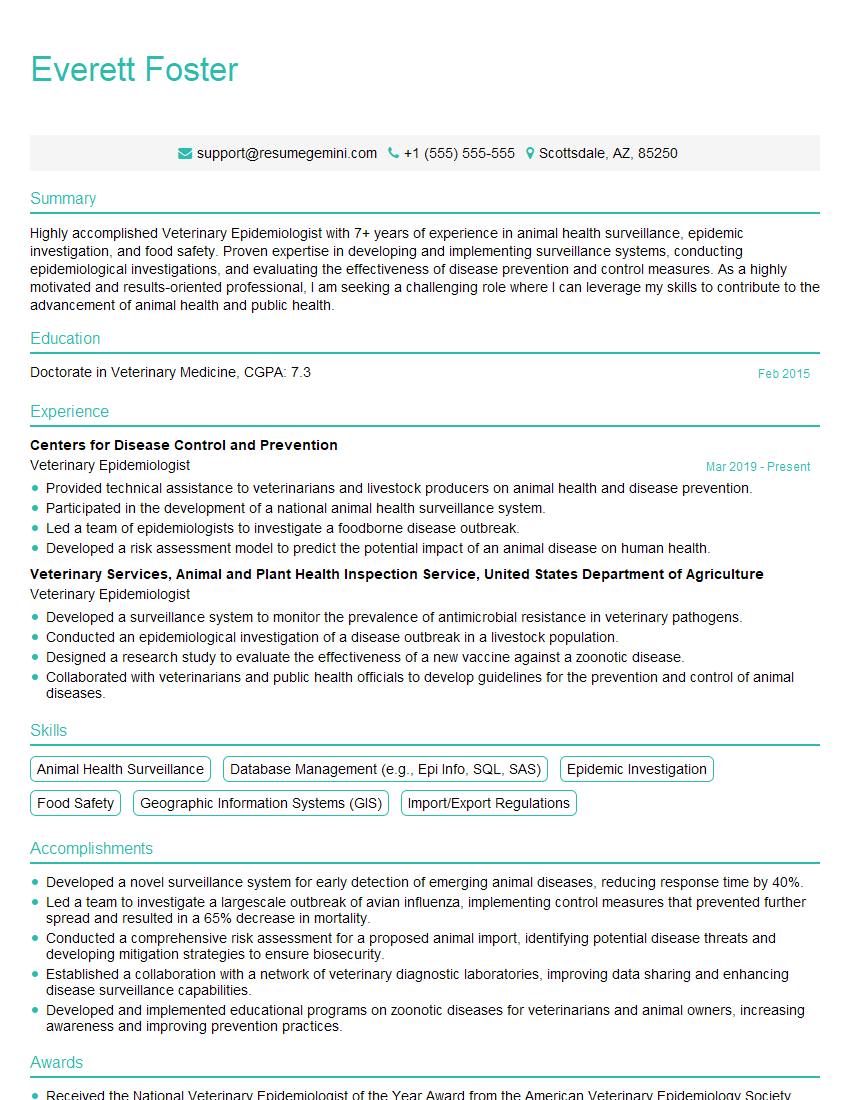
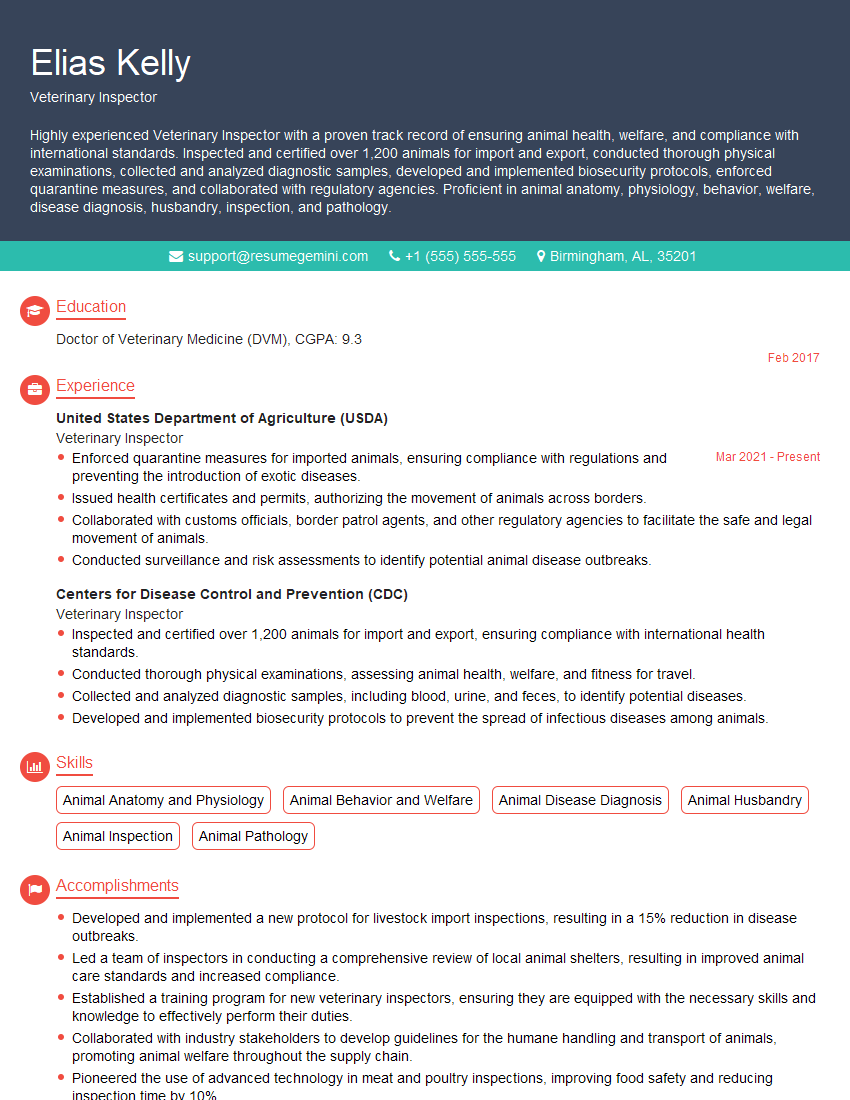
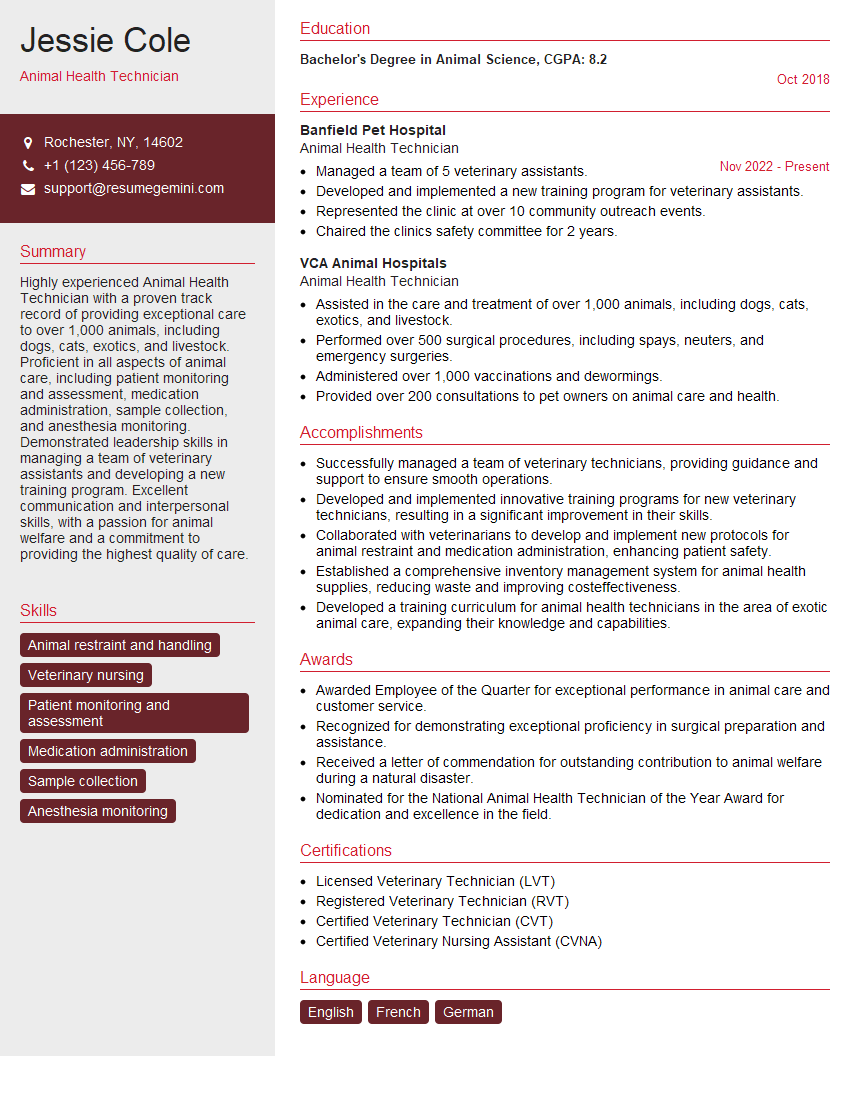
Mastering Biosecurity and Animal Health is crucial for a rewarding and impactful career, offering opportunities for innovation and positive global impact. A strong foundation in these areas will significantly enhance your job prospects and open doors to diverse roles within government agencies, research institutions, private industry, and international organizations. To maximize your chances of securing your dream role, creating an ATS-friendly resume is paramount. ResumeGemini is a trusted resource to help you build a professional and impactful resume that highlights your skills and experience effectively. We provide examples of resumes tailored to Biosecurity and Animal Health to guide you in crafting a compelling application. Invest in your future – build a resume that stands out!
Explore more articles
Users Rating of Our Blogs
Share Your Experience
We value your feedback! Please rate our content and share your thoughts (optional).
What Readers Say About Our Blog
Very informative content, great job.
good