Cracking a skill-specific interview, like one for Body Shape Analysis, requires understanding the nuances of the role. In this blog, we present the questions you’re most likely to encounter, along with insights into how to answer them effectively. Let’s ensure you’re ready to make a strong impression.
Questions Asked in Body Shape Analysis Interview
Q 1. Explain the different body shape classifications (e.g., hourglass, pear, apple, rectangle).
Body shape classification helps understand the proportions of an individual’s body, guiding clothing choices for a flattering silhouette. Several common classifications exist, each characterized by specific measurements and proportions. These include:
- Hourglass: Balanced proportions with a bust and hip measurement roughly equal, defined waist.
- Pear (Triangle): Hips are wider than the bust and shoulders, creating a triangular shape.
- Apple (Inverted Triangle): Bust and shoulders are wider than the hips, often with a fuller midsection.
- Rectangle: Bust, waist, and hip measurements are relatively similar, creating a straight, rectangular shape.
- Round: Full bust, waist, and hips with a less defined waistline.
- Diamond: Narrow shoulders and hips with a fuller midsection.
It’s crucial to remember that these are guidelines; individuals can exhibit variations within these categories, and some may fall between classifications. Body shape analysis is not about fitting into a box, but about understanding your unique proportions to enhance your appearance.
Q 2. How do you determine a client’s body shape accurately?
Accurately determining a client’s body shape involves a careful and respectful process. It’s essential to create a comfortable environment and emphasize that this is about enhancing their self-image, not about judgment. The process typically involves:
- Measurements: Taking precise measurements of bust, waist, and hips using a flexible measuring tape. Ensuring the tape is held level and snug but not constricting is critical for accuracy.
- Visual Assessment: Observing the client’s overall silhouette and the proportions of their upper and lower body. This includes noting the relationship between the shoulders, waist, and hips.
- Body Posture and Alignment: Considering posture influences how clothing drapes and enhances the apparent body shape. Correcting posture can improve the overall silhouette and the way clothes sit.
- Client Discussion: A conversation to understand client preferences, concerns, and aspirations. This ensures a personalized approach that respects individual style and body image.
It’s vital to avoid subjective judgments and focus on factual measurements and observations to ensure accuracy and avoid misinterpretations. This thorough approach leads to personalized style advice.
Q 3. Describe the key characteristics of each body shape.
Each body shape possesses unique characteristics, influencing how clothing should be styled:
- Hourglass: Defined waist, balanced bust and hips. The goal is to accentuate the waist.
- Pear: Wider hips than bust and shoulders. The focus is on balancing proportions and creating visual width at the shoulders.
- Apple: Wider shoulders and bust than hips, often with a fuller midsection. Strategies involve creating a balanced look by emphasizing the lower body and de-emphasizing the midsection.
- Rectangle: Similar measurements across bust, waist, and hips. The objective is to create curves and shape the silhouette with clothing.
- Round: Full bust, waist, and hips. Emphasis is placed on elongating the silhouette and drawing the eye upward.
- Diamond: Narrow shoulders and hips, fuller midsection. The goal is to create visual balance by emphasizing the shoulders and hips.
Understanding these characteristics helps tailor recommendations for clothing styles and cuts to flatter each body shape.
Q 4. What are the common challenges faced when advising clients with different body shapes?
Advising clients with diverse body shapes presents several challenges:
- Body Image Issues: Clients may have negative perceptions of their body shape, requiring sensitivity, empathy, and positive reinforcement.
- Limited Clothing Options: Finding suitable garments can be challenging for certain body shapes, demanding creative problem-solving and awareness of available options.
- Fashion Trends: Current trends may not always flatter all body shapes, demanding adaptation and customized advice to ensure style without compromise.
- Misinformation: Incorrect information or outdated advice can hinder progress, highlighting the need for up-to-date knowledge and evidence-based guidance.
- Personal Style Preferences: Respecting individual style while integrating body shape advice is a delicate balance that requires careful communication and collaboration.
Overcoming these challenges involves fostering a positive and supportive environment, providing realistic and achievable goals, and celebrating successes along the way.
Q 5. How do you advise clients on clothing styles that best complement their body shape?
Advising clients on clothing styles involves a holistic approach considering both body shape and personal preferences. It’s about understanding how clothing cuts, fabrics, and details can enhance or detract from a specific silhouette. For instance:
- Hourglass: Fitted garments emphasizing the waistline, such as A-line skirts, wrap dresses, or belted tops.
- Pear: A-line skirts or dresses, flared bottoms, and tops with details at the shoulders (e.g., ruffles, embellishments) to create balance.
- Apple: Empire waistlines, V-neck tops, A-line skirts or dresses to elongate the body and de-emphasize the midsection.
- Rectangle: Belted dresses, peplum tops, and details to create curves such as ruffles or layering.
- Round: V-necks, A-line silhouettes, and vertical lines to create a lengthening effect.
- Diamond: Structured jackets, V-necks, and A-line skirts to balance the proportions.
The key is to focus on enhancing the client’s best features and minimizing areas of concern through strategic clothing choices.
Q 6. Explain how fabric choice affects the appearance of different body shapes.
Fabric choice significantly influences the appearance of different body shapes. Certain fabrics drape differently, cling to the body, and can create visual effects. For example:
- Structured fabrics (e.g., tweed, linen): Can add shape and definition, ideal for creating structure in rectangle or pear body shapes.
- Flowing fabrics (e.g., chiffon, silk): Create a more fluid silhouette, suitable for camouflaging areas or adding elegance to a variety of shapes.
- Lightweight fabrics (e.g., cotton, jersey): Comfortable and versatile but can cling to the body, necessitating careful consideration of style and cut.
- Heavy fabrics (e.g., velvet, wool): Add weight and can create volume, best used strategically.
Understanding how fabrics behave and their effect on the overall appearance is crucial for creating visually appealing outfits for each body type.
Q 7. Discuss the role of proportions in selecting appropriate clothing.
Proportions play a vital role in selecting appropriate clothing. Understanding the relationship between different body parts allows for a tailored approach:
- Length and Height: Consider torso length, leg length, and overall height when choosing skirt lengths, trouser styles, and dress designs.
- Shoulder to Waist Ratio: This influences the effectiveness of different neckline styles, sleeve lengths, and waist placement.
- Waist to Hip Ratio: This affects the choice of bottoms and the efficacy of waist-enhancing elements.
Using visual cues and measurements, one can create balance and harmony in an outfit. For example, individuals with shorter legs might benefit from high-waisted bottoms or vertically striped patterns. Longer torsos might look best in empire waistlines or dresses that emphasize the lower body. Addressing proportions through thoughtful clothing selection ensures that clothes highlight and complement the individual’s shape effectively.
Q 8. How do you use visual illusions (e.g., vertical lines, strategic patterns) to enhance a client’s body shape?
Visual illusions are powerful tools in body shape analysis. We use them to create the illusion of a more balanced or desirable silhouette, playing with the eye’s perception of lines and proportions. Vertical lines, for instance, elongate the body, making someone appear taller and leaner. Strategic patterns, like strategically placed stripes or seams, can draw attention to certain areas, emphasizing assets and subtly minimizing others.
Example 1: A vertical stripe down the center of a dress will create a lengthening effect, ideal for someone who wants to appear taller.
Example 2: Using a darker color on the sides of a garment and a lighter color in the center can create the illusion of a smaller waistline. This plays on the contrast to visually narrow the midsection. The placement of seams or embellishments also plays a crucial role; strategically placed details can lead the eye and create the desired effect.
Q 9. Describe techniques for balancing proportions in different body types.
Balancing proportions depends heavily on understanding the individual’s body type. The goal is to create visual harmony, drawing attention to strengths and minimizing perceived weaknesses.
- Apple Body Shape: Create visual length by wearing vertical lines and avoiding details around the midsection. Draw attention upwards with interesting necklines or scarves.
- Pear Body Shape: Balance the proportions by adding volume to the upper body with structured shoulders, wider necklines, and detailing on the top half. Avoid excessive volume on the lower body.
- Hourglass Body Shape: Enhance the waist definition with fitted garments that emphasize the curves without squeezing. Avoid baggy clothing that hides the natural shape.
- Rectangle Body Shape: Create the illusion of curves by using belts to define the waist, adding details such as ruffles or peplums to create volume, and utilizing strategic patterns to add visual interest.
The key is to create a sense of visual equilibrium; you want to enhance the client’s natural assets to make them feel confident and comfortable.
Q 10. What advice would you give a client with an apple body shape?
For a client with an apple body shape, characterized by a fuller midsection and narrower hips and legs, the focus is on creating length and drawing attention away from the midriff. We recommend:
- Vertical lines: Long cardigans, dresses with vertical seams or prints, and column-style dresses create a lengthening effect.
- V-necklines: These elongate the neck and draw the eye upward, visually balancing the proportions.
- Empire waistlines: Dresses or tops with empire waistlines emphasize the slimmest part of the torso, creating a more balanced silhouette.
- A-line skirts or dresses: These gracefully skim over the hips and thighs, avoiding tight or clingy fabrics in those areas.
- Darker colors for the midsection: Darker tones help to visually minimize the midriff, while lighter colors can be incorporated on the lower body to add some visual balance.
Ultimately, it’s about finding clothing that feels comfortable and confident while creating a visually pleasing silhouette.
Q 11. What advice would you give a client with a pear body shape?
A pear body shape, with wider hips and thighs compared to the upper body, requires a strategy that balances the proportions by adding visual weight to the upper body and creating a flow from top to bottom. Here’s what we recommend:
- Structured tops and jackets: Adding details like shoulder pads, ruffles, or embellishments on tops and jackets creates volume in the upper body, visually balancing the hips.
- Boat necks or wider necklines: These draw attention to the shoulders and upper body, adding width and balance.
- A-line skirts or dresses: While A-line shapes work well for most body types, it’s crucial to avoid excessively tight skirts that add unnecessary volume to the lower body.
- Darker colors on the bottom: Darker colors visually minimize the lower body, while lighter or brighter colors can be used on the upper body.
- Avoid pockets on the hips: Extra details like pockets on the hips can accentuate this area, so it is generally advised to avoid them.
Remember, the goal is to create a sense of harmony and visual balance.
Q 12. What advice would you give a client with an hourglass body shape?
The hourglass figure, defined by a balanced bust and hip ratio with a defined waist, is naturally harmonious. The styling goal is to enhance the natural curves and waist definition.
- Fitted clothing: Fitted garments that accentuate the waistline are ideal. Think belted dresses, tailored jackets, and well-fitting tops and bottoms.
- Wrap dresses: These are extremely flattering as they naturally cinch the waist and create a beautiful silhouette.
- li>V-necklines or sweetheart necklines: These are great options to add a touch of elegance.
- Avoid overly baggy clothing: Baggy clothes hide the beautiful shape, so it is important to highlight the curves.
The key is to avoid anything too shapeless that conceals the waistline. Celebrating this beautiful natural shape is key!
Q 13. What advice would you give a client with a rectangle body shape?
The rectangle body shape, with relatively similar measurements across the shoulders, waist, and hips, benefits from creating the illusion of curves and definition. The styling goal is to add shape and visual interest.
- Belts: Belts are crucial for defining the waist and creating a more hourglass-like illusion. Experiment with different belt styles and placements.
- Peplums: Peplum tops or dresses add volume and shape around the waist, creating a more curvaceous look.
- Ruffles or embellishments: Adding details to the upper body or hip area adds visual interest and creates balance. Strategically placed ruffles can create the illusion of curves.
- Prints and patterns: Using prints strategically can add visual interest and create the illusion of curves.
- Avoid shapeless clothing: Opt for clothing that creates definition and visual structure.
The aim is to add visual curves and create a more defined silhouette.
Q 14. How do you address body image concerns with clients?
Addressing body image concerns requires a sensitive and empathetic approach. It’s crucial to create a safe and supportive environment where clients feel comfortable expressing their feelings and concerns. We start by:
- Active Listening: Truly listening to the client’s concerns, without judgment or interruption, is paramount. Understanding their personal history and experiences with body image is important.
- Emphasizing Strengths: Focus on the client’s positive attributes and assets. We help them see their beauty, rather than focusing solely on areas they may be self-conscious about.
- Realistic Goals: Setting achievable and realistic goals together is essential. We collaborate to create a vision of improvement that is both attainable and sustainable.
- Positive Reinforcement: Throughout the process, providing positive reinforcement and acknowledging progress is essential for building confidence and self-esteem. Celebrate every milestone achieved.
- Professional Boundaries: Remembering my role as a style consultant, not a therapist, is crucial. If necessary, we refer them to a mental health professional for deeper support.
Body image is complex, and a holistic approach that addresses both the physical and emotional aspects is key.
Q 15. Describe your approach to building rapport and trust with clients.
Building rapport and trust is paramount in body shape analysis. It’s about creating a safe and comfortable environment where clients feel heard and understood. I begin by actively listening to their concerns and aspirations, understanding not just their body type but also their lifestyle, personal style preferences, and comfort levels. This initial conversation allows me to tailor my advice to their specific needs. I use empathetic language, avoid judgmental comments, and focus on celebrating their unique features. I believe in transparency, clearly explaining my assessment process and the rationale behind my recommendations. Showing genuine interest in their individual journey fosters a sense of trust and collaboration, making them more receptive to my guidance.
For example, I might start by asking, “Tell me about your current wardrobe and the challenges you face when dressing.”, rather than immediately jumping into body type categorizations. This open-ended question invites them to share their experiences and allows me to build a relationship before offering any solutions.
Career Expert Tips:
- Ace those interviews! Prepare effectively by reviewing the Top 50 Most Common Interview Questions on ResumeGemini.
- Navigate your job search with confidence! Explore a wide range of Career Tips on ResumeGemini. Learn about common challenges and recommendations to overcome them.
- Craft the perfect resume! Master the Art of Resume Writing with ResumeGemini’s guide. Showcase your unique qualifications and achievements effectively.
- Don’t miss out on holiday savings! Build your dream resume with ResumeGemini’s ATS optimized templates.
Q 16. How do you handle client requests that conflict with your professional advice?
Handling conflicting requests requires diplomacy and skillful communication. If a client’s request contradicts my professional advice, I approach it with sensitivity and understanding. I start by acknowledging their preference, validating their feelings, and then gently explain the potential drawbacks of their choice based on their body shape and the principles of flattering silhouettes. I don’t dismiss their opinion but instead present alternative solutions that incorporate their desires while still adhering to the best practices of body shape analysis. I might offer variations or compromises, showcasing how we can achieve a similar aesthetic effect using different techniques. Ultimately, the goal is to help the client make an informed decision that aligns with both their style preferences and the flattering principles we’ve discussed.
For instance, if a client insists on a style that I know won’t flatter their figure, I might suggest modifications like altering the length, fabric, or fit to minimize the negative effects. Or, I could offer a similar style in an alternative cut that would better suit their body shape. The key is collaboration, not confrontation.
Q 17. How do you stay up-to-date with current fashion trends and body shape analysis techniques?
Staying current in fashion and body shape analysis requires a multifaceted approach. I regularly subscribe to reputable fashion magazines and follow influential designers and stylists on social media. I attend industry workshops and seminars to learn about the latest techniques and trends. Furthermore, I actively participate in online forums and communities dedicated to body shape analysis and fashion, engaging in discussions and learning from experienced professionals. This continuous learning process allows me to stay at the forefront of the field and tailor my advice to evolving trends while maintaining a solid foundation in classic principles of body shape enhancement.
I also delve into research articles and academic publications that explore new methodologies in body shape analysis and how different body types respond to varying trends. This ensures my advice remains grounded in both contemporary fashion and scientific understanding.
Q 18. Explain your understanding of different neckline styles and their effect on various body shapes.
Necklines significantly impact the overall visual balance of an outfit and can either enhance or detract from a body shape. For example, a V-neckline is universally flattering because it elongates the neck and draws the eye downward, creating a slimming effect on most body types. However, a high, round neckline might suit a pear shape by balancing wider hips with a fuller upper body. Conversely, it could overwhelm someone with a small bust. A scoop neckline can be flattering on those with a fuller bust, while a sweetheart neckline is perfect for heart-shaped bodies, accentuating the bust while minimizing a broader shoulder line. Square necklines are ideal for creating a broader appearance across the shoulders, so they can work well for those with slender frames. Understanding these subtle nuances allows me to guide clients in choosing necklines that complement their specific body shape and create a harmonious overall look.
I consider the client’s proportions – shoulder width relative to hip width, bust size, length of neck etc. – when recommending necklines. This holistic approach ensures the chosen neckline enhances their natural features.
Q 19. How do you advise clients on selecting appropriate waistlines and pant styles?
Waistlines and pant styles are crucial for defining shape and creating a balanced silhouette. The placement of a waistline can either accentuate or minimize certain areas. A high-waisted pant style is typically flattering for most body types as it elongates the legs and creates the illusion of a longer torso. However, for petite individuals, a high waistline might not be the most appropriate choice unless balanced with other stylistic elements. Low-rise pants are generally less recommended as they can make legs appear shorter. Pant styles like wide-leg or bootcut pants create balance and are generally suitable for pear shapes, while straight-leg or slim-fit pants are better for rectangular shapes. Skinny jeans, while popular, are usually only recommended for those with very balanced proportions. Understanding how different waistlines and pant styles interact with various body types helps me guide clients towards options that optimize their figure.
For example, I might suggest a high-waisted A-line skirt paired with a fitted top for a client with an hourglass figure, thus enhancing her waist while balancing her hips and bust. For a client with a rectangular shape, I might suggest wide-leg trousers with a defined belt to create a more defined waistline.
Q 20. Discuss the influence of accessories on enhancing body shape.
Accessories play a significant role in enhancing body shape. They can draw attention to certain areas, create visual interest, and ultimately improve the overall look. A strategically placed belt can define the waist and create an hourglass illusion, even without naturally defined curves. Long necklaces can elongate the torso and draw the eye down, creating a slimming effect. Bold statement earrings can add balance and draw focus upward, working wonders for those who wish to emphasize their face and upper body. Scarves can add volume and color, drawing attention away from certain areas or balancing proportions. Similarly, handbags or belts can visually adjust proportions. The right accessories can transform an outfit from ordinary to extraordinary, subtly highlighting the best features of the body shape.
For example, a long pendant necklace can be used to visually lengthen the torso for someone with a shorter frame. Similarly, a wide belt can create the illusion of a smaller waist for someone with a less defined waistline.
Q 21. How do you consider personal style preferences when advising on body shape?
Personal style preferences are central to effective body shape analysis. My role isn’t just to dictate what someone *should* wear, but to help them discover how to express their individual style while optimizing their figure. I carefully listen to their preferences, understanding their comfort levels, favorite colors, and existing wardrobe. I then translate their preferences into style choices that also flatter their body shape. It’s a balancing act—respecting their aesthetic sensibilities while guiding them towards choices that enhance their physique. I always avoid imposing a style on a client that they wouldn’t feel confident or comfortable in. The goal is to blend style and body shape analysis seamlessly, leading to a wardrobe that’s both flattering and true to their personal identity.
For example, if a client loves bohemian style but has a pear-shaped body, I might suggest flowy, A-line skirts and tops with details that draw attention upward, balancing the lower body. This approach respects their style while optimizing their shape. I might also suggest they consider wider-leg pants and avoid skinny jeans to further enhance the style while flatter the shape.
Q 22. What software or tools do you use to assist with body shape analysis?
While there isn’t a single, universally accepted software for body shape analysis, I utilize a combination of tools to streamline the process and ensure accuracy. This includes:
- Measurement Tracking Software: Spreadsheet programs like Excel or dedicated client management software allow me to meticulously record client measurements over time, tracking progress and identifying trends.
- Digital Body Measurement Tools: Some clients find traditional measuring tapes less comfortable. In these cases, I may utilize apps or body scanners (depending on client preference and available technology) providing 3D body scans. These tools offer objective, repeatable measurements and can sometimes create visual aids for clients.
- Image Analysis Software (Optional): In certain cases, photo analysis software can assist in visual assessment of body proportions, particularly helpful for creating customized style guides or identifying areas for improvement. However, it’s vital to ensure client consent and focus on empowering, not objectifying, the imagery.
The key is to combine technology with a human touch; technology aids accuracy, but a skilled eye and personalized interaction remain paramount.
Q 23. How do you measure a client’s body effectively and accurately?
Accurate body measurement is fundamental. I employ a standardized procedure ensuring consistency and reducing errors. This involves:
- Clear Communication: I clearly explain each measurement step to build client trust and reduce anxiety. I answer any questions they may have and ensure their comfort.
- Proper Equipment: I use flexible, high-quality measuring tapes, ensuring they’re clean and accurately calibrated before each use.
- Consistent Technique: I follow established measurement techniques to ensure uniformity. This includes taking measurements at the same points on the body (e.g., natural waistline, hip circumference at the widest point) and noting the position of the tape measure (e.g., snug but not tight).
- Multiple Measurements: To ensure accuracy, I typically take each measurement twice and record the average. This minimizes discrepancies caused by slight variations.
- Client Privacy: Measurements are handled with the utmost discretion and confidentiality.
The method used depends on the purpose of the analysis. For example, a detailed body shape assessment for clothing creation necessitates a broader range of measurements than a quick assessment for general style advice.
Q 24. Describe your experience working with diverse body types and sizes.
My experience encompasses a wide range of body types and sizes. I’ve worked with clients of all ages, ethnicities, and body compositions, including those with varying levels of body confidence. Understanding that everyone’s body is unique and beautiful is paramount.
My approach centers on creating a supportive, non-judgmental environment. I avoid using body shaming terminology or making assumptions about a client’s lifestyle based on their body type. I focus on celebrating individual differences, tailoring my advice to their specific needs and goals. This approach ensures that all clients, regardless of their body type, feel valued and comfortable.
For example, I’ve successfully helped clients with hourglass figures define their waistline through flattering clothing choices, and I’ve assisted those with rectangular body shapes create curves through strategic styling techniques.
Q 25. How do you adjust your approach based on different client age groups and cultural backgrounds?
Adapting my approach to different age groups and cultural backgrounds is crucial for effective communication and culturally sensitive body shape analysis.
- Age: Younger clients may be more focused on trends and expressing individuality, while older clients may prioritize comfort and practicality. My communication style adapts accordingly, balancing trend awareness with timeless style.
- Culture: Cultural norms greatly influence body image perceptions and clothing preferences. I take the time to understand a client’s cultural background and preferences before offering any style advice. For example, modest dressing is essential for some cultures, so I adapt my recommendations to respect these values.
- Communication Style: I adjust my communication style to fit the client’s personality and comfort level. Some clients appreciate detailed explanations, while others may prefer concise advice.
Respectful communication and cultural sensitivity are essential components of ethical and successful body shape analysis.
Q 26. Explain your understanding of the ethical considerations in body shape analysis.
Ethical considerations are at the forefront of my practice. The key ethical principles I adhere to include:
- Confidentiality: Client information and measurements are treated with strict confidentiality. This is vital for building trust and ensuring a safe space for discussion.
- Informed Consent: Clients are always fully informed about the process, including the purpose of the analysis, methods used, and the limitations of the advice offered. Their explicit consent is obtained before proceeding.
- Body Positivity: My approach centers on body positivity and self-acceptance. I never promote unrealistic body ideals or engage in body shaming. My aim is to empower clients to dress confidently in a way that reflects their personality and values.
- Avoiding Harmful Stereotypes: I avoid perpetuating harmful stereotypes related to specific body types. I recognize and celebrate diversity in body shapes and sizes.
- Professional Boundaries: Maintaining professional boundaries is crucial. This includes appropriate language, physical contact (limited to measurements only with clear consent), and avoiding personal opinions or judgments.
Ethical conduct is fundamental to building trust and creating a positive and empowering experience for clients.
Q 27. How do you handle difficult client interactions or negative feedback?
Handling difficult client interactions or negative feedback requires empathy, patience, and active listening. My approach is to:
- Listen Empathetically: I actively listen to the client’s concerns without interruption, acknowledging their feelings and perspective.
- Seek Clarification: I ask clarifying questions to ensure I fully understand the source of their dissatisfaction.
- Offer Solutions: Based on the feedback, I explore potential solutions that address their concerns. This might involve adjusting the initial recommendations or re-explaining certain aspects of the analysis.
- Validate Their Feelings: I validate their feelings, showing that their concerns are heard and understood, even if I don’t agree with their assessment.
- Apologize if Necessary: If I’ve made a mistake or caused offense, I’ll sincerely apologize and take responsibility.
Handling difficult situations with grace and professionalism reinforces trust and strengthens the client relationship.
Q 28. Describe a time you successfully helped a client improve their body image and style.
One client, a young woman who felt overwhelmed by her pear-shaped body, came to me feeling self-conscious about her lower body. She felt that nothing looked good on her. Through a thorough analysis, I identified her body shape and helped her understand her proportions. Instead of focusing on what she perceived as flaws, I highlighted her strengths, such as her well-defined waist and her lovely upper body.
I guided her towards clothing styles that accentuated her waist, balanced her proportions, and showcased her best features. We explored A-line skirts and dresses, high-waisted bottoms, and tops that drew attention upwards. I also taught her about accessorizing to enhance her silhouette.
The transformation was remarkable. Her confidence soared as she discovered clothing that made her feel comfortable and beautiful. Seeing her newfound confidence and self-assuredness was deeply rewarding and reinforced my passion for helping clients develop a positive body image and style.
Key Topics to Learn for Body Shape Analysis Interview
- Somatotypes: Understanding the three basic body types (Ectomorph, Mesomorph, Endomorph) and their characteristics. This includes recognizing variations and combinations.
- Body Composition Assessment: Mastering techniques for accurately assessing body fat percentage, muscle mass, and other relevant metrics. This includes understanding the limitations and biases of different methods.
- Anthropometric Measurements: Proficiency in taking precise measurements (e.g., waist circumference, hip circumference) and interpreting the data to inform body shape analysis.
- Nutritional Implications: Connecting body shape analysis to dietary recommendations and lifestyle adjustments. Understanding the relationship between body composition and nutritional needs.
- Exercise Prescription: Developing tailored exercise plans based on individual body shape and composition. This involves understanding the effects of different exercise types on body composition.
- Client Communication & Counseling: Effectively communicating findings to clients, addressing concerns, and motivating them to adopt healthy habits. This involves ethical considerations and sensitivity to diverse body types.
- Technological Applications: Familiarity with software and tools used for body composition analysis and data management. This includes understanding the strengths and weaknesses of various technologies.
- Ethical Considerations: Understanding the ethical implications of body shape analysis, avoiding harmful stereotypes, and promoting body positivity.
Next Steps
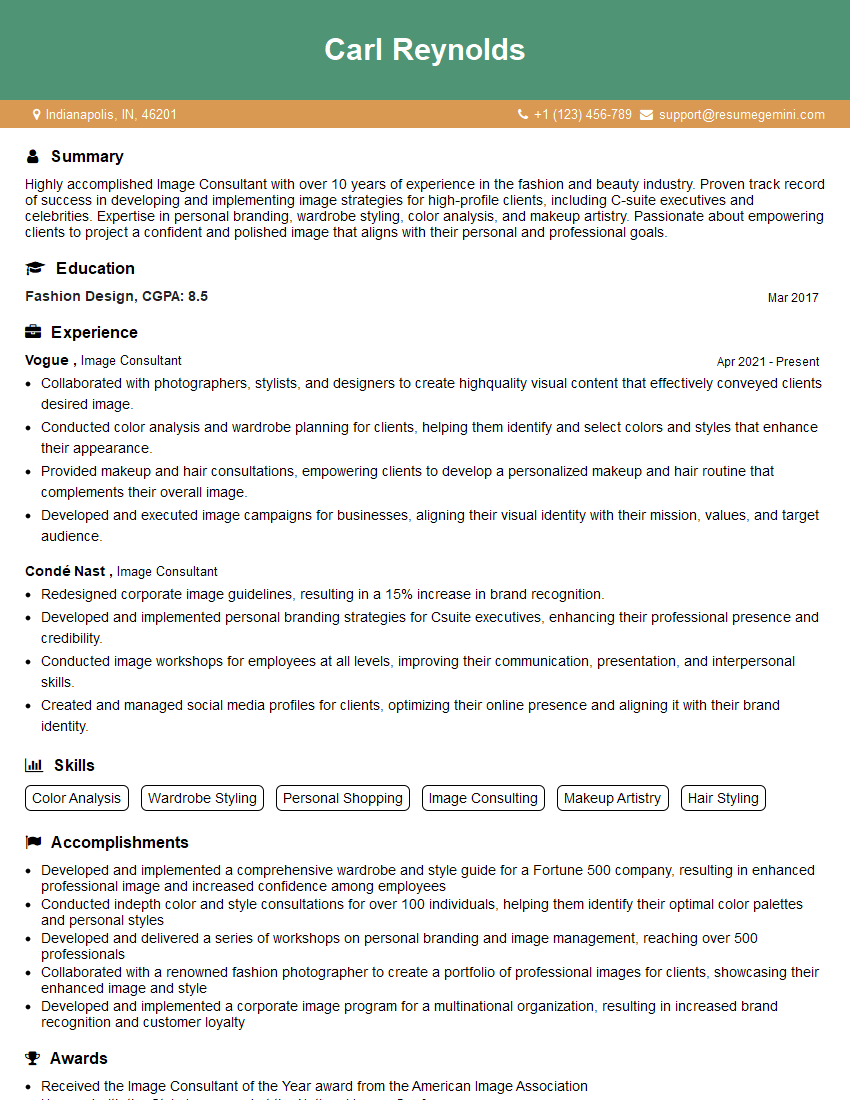
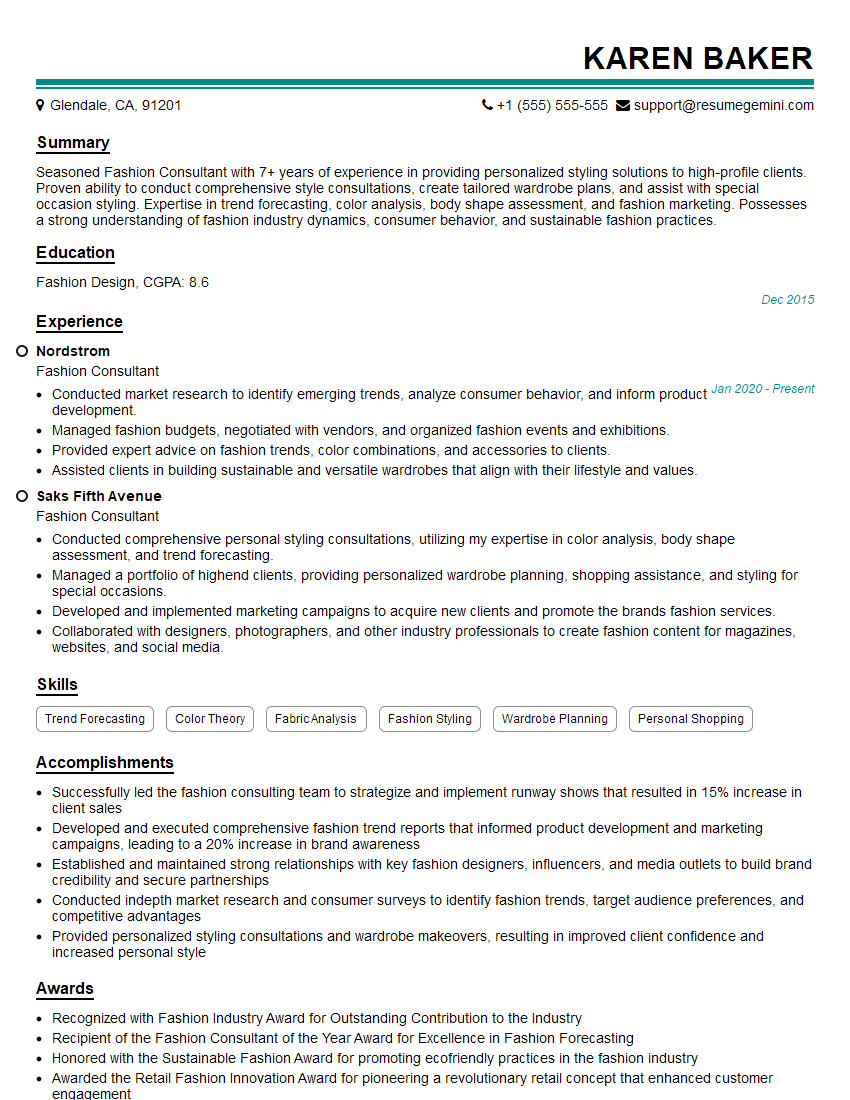
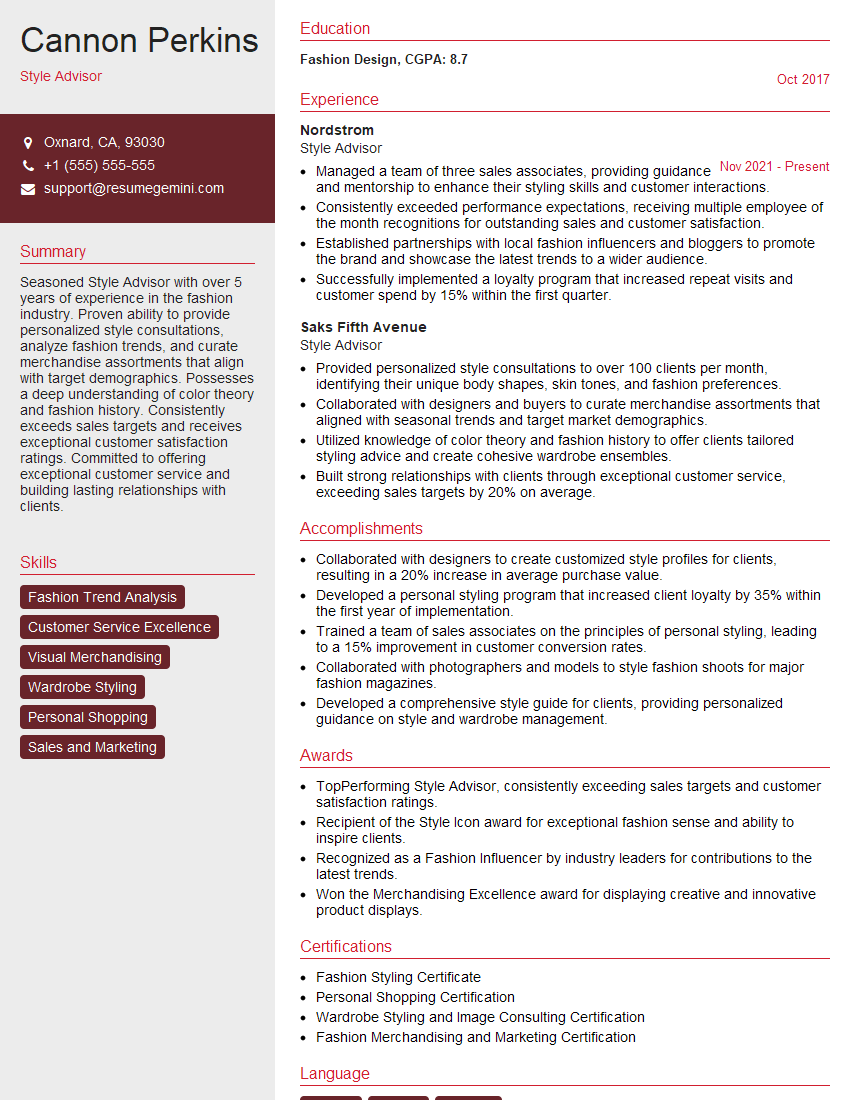
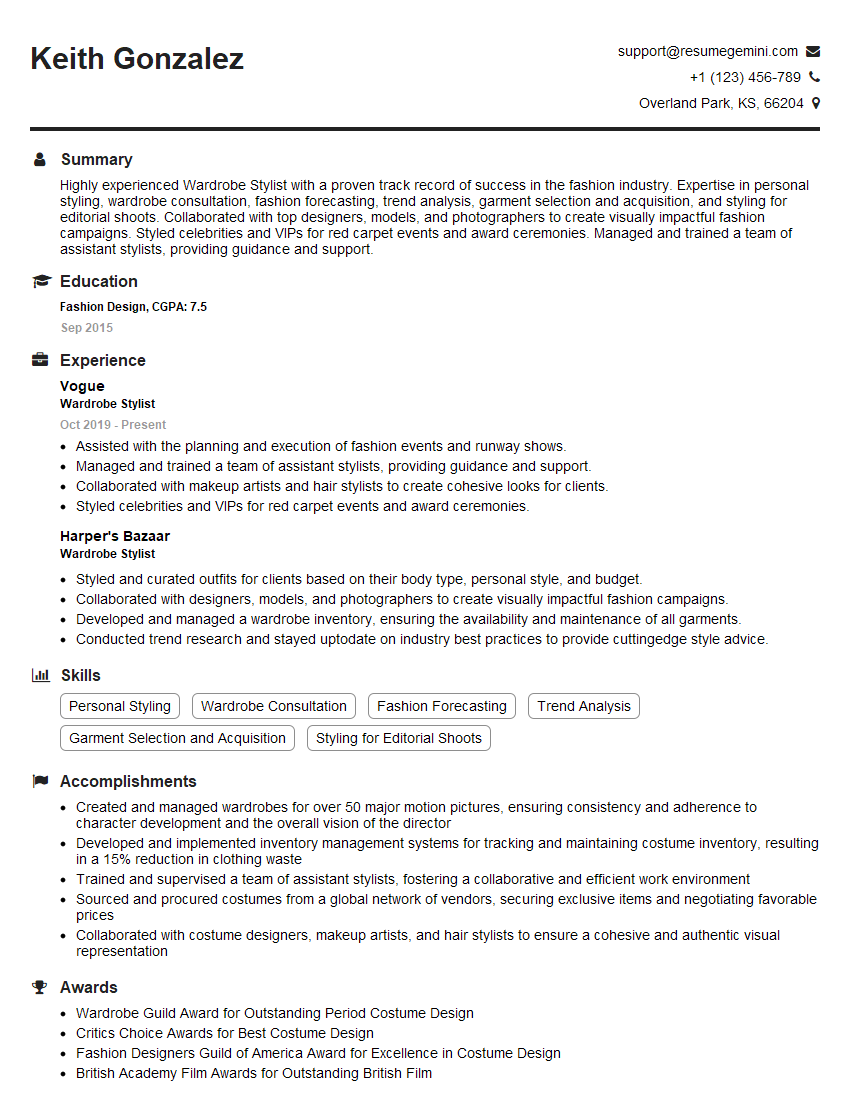
Mastering Body Shape Analysis opens doors to exciting career opportunities in fitness, health, and wellness. A strong understanding of these concepts will significantly enhance your interview performance and help you secure your dream role. To further strengthen your application, create an ATS-friendly resume that highlights your skills and experience effectively. ResumeGemini is a trusted resource to help you build a professional and impactful resume. Examples of resumes tailored to Body Shape Analysis professionals are available to guide you through the process.
Explore more articles
Users Rating of Our Blogs
Share Your Experience
We value your feedback! Please rate our content and share your thoughts (optional).
What Readers Say About Our Blog
Very informative content, great job.
good