Are you ready to stand out in your next interview? Understanding and preparing for Using Equipment interview questions is a game-changer. In this blog, we’ve compiled key questions and expert advice to help you showcase your skills with confidence and precision. Let’s get started on your journey to acing the interview.
Questions Asked in Using Equipment Interview
Q 1. Describe your experience operating heavy machinery.
My experience with heavy machinery spans over 10 years, encompassing a wide range of equipment, including excavators, bulldozers, forklifts, and loaders. I’ve worked on various construction sites, from small residential projects to large-scale infrastructure developments. This experience has given me a comprehensive understanding of their operation, maintenance, and the safety protocols crucial for their effective and safe use. For instance, I’ve operated excavators to excavate foundations, trenches, and utilities, demonstrating proficiency in maneuvering the machine precisely within confined spaces. My experience also includes operating bulldozers for earthmoving tasks, requiring a strong understanding of grading techniques and terrain management.
Q 2. What safety procedures do you follow when using equipment?
Safety is paramount when operating any equipment. My safety procedures are always consistent and comprehensive. Before starting any operation, I always perform a pre-operational inspection, checking for any visible damage, fluid leaks, or loose components. I also ensure that all safety devices, such as seatbelts, emergency shut-off switches, and lights, are functioning correctly. During operation, I maintain a safe distance from other personnel and equipment, and I’m always mindful of my surroundings, watching out for any potential hazards. I strictly adhere to site-specific safety regulations and always wear appropriate Personal Protective Equipment (PPE), including hard hats, safety glasses, high-visibility vests, and steel-toe boots. Furthermore, I’m trained in emergency procedures and know how to react safely in the event of a malfunction or accident.
Q 3. How do you perform routine maintenance checks on your equipment?
Routine maintenance is crucial for the longevity and efficient operation of any equipment. My routine checks typically involve visually inspecting all components for wear and tear, checking fluid levels (hydraulic oil, engine oil, coolant), lubricating moving parts, and inspecting tires for proper inflation. I also regularly check the brakes, steering mechanisms, and other critical safety systems. For instance, on an excavator, I’d check the bucket’s hydraulics for leaks and ensure smooth operation of the swing mechanism. I maintain detailed records of all maintenance activities, including dates and descriptions of the work performed. This proactive approach ensures early detection of potential problems, preventing major breakdowns and costly repairs.
Q 4. Explain the troubleshooting steps you take when equipment malfunctions.
Troubleshooting equipment malfunctions involves a systematic approach. First, I try to identify the nature of the problem – is it a mechanical, electrical, or hydraulic issue? I then consult the equipment’s operational manual for guidance. If the problem persists, I’ll perform a series of diagnostic checks, such as checking circuit breakers, fuses, and wiring. If the problem is more complex, I might need to use diagnostic tools to pinpoint the specific fault. For example, if an excavator’s bucket won’t move, I would first check the hydraulic fluid level and pressure, then examine the hydraulic lines for any leaks or blockages. If the problem remains unsolved, I would call in a qualified mechanic to diagnose and repair the equipment.
Q 5. What are the common causes of equipment failure and how do you prevent them?
Common causes of equipment failure often stem from neglect of routine maintenance, operator error, and environmental factors. Lack of lubrication can lead to excessive wear and tear, while overloading the equipment can strain components and lead to premature failure. Environmental factors like extreme temperatures and exposure to harsh weather can also contribute to deterioration. To prevent these issues, I emphasize regular maintenance, proper operation according to manufacturer guidelines, and avoiding overloading the equipment. Regular cleaning to remove debris and dirt also helps prevent premature wear. For instance, regular cleaning of an excavator’s undercarriage prevents the build-up of mud and debris that could damage critical components.
Q 6. Describe your experience with specific types of equipment (e.g., excavators, forklifts).
My experience with excavators includes operating both hydraulic and cable-operated models. I’m proficient in various excavation techniques, from trenching and digging foundations to demolition and material handling. With forklifts, I’m skilled in safe loading and unloading practices, maneuvering in tight spaces, and adhering to weight capacity limits. I’m familiar with different forklift types – pneumatic, cushion, and rough terrain – and know how to select the appropriate type for the specific job and terrain. This diverse experience allows me to adapt quickly to different equipment and work environments. I’ve even used specialized attachments like grapples and pallet forks to enhance the versatility of the forklifts.
Q 7. How do you ensure the efficient operation of the equipment?
Efficient equipment operation relies on several key factors. Firstly, proper planning and preparation are critical. This includes understanding the job requirements, selecting the right equipment, and preparing the worksite to optimize workflows. Secondly, efficient operation requires skillful handling of the equipment. This involves smooth movements, avoiding sudden jerks, and maintaining optimal speed to reduce wear and tear and maximize productivity. Thirdly, adhering to the manufacturer’s recommended operating procedures and performing regular maintenance are crucial to extending the lifespan of the equipment. Finally, ongoing operator training and skill development enhances proficiency and leads to increased efficiency and safety.
Q 8. How do you handle unexpected equipment problems on the job?
Unexpected equipment problems are inevitable, so a proactive approach is key. My first step is always safety – securing the area and ensuring no one is at risk. Then, I follow a systematic troubleshooting process. This involves carefully assessing the problem: What’s malfunctioning? What are the symptoms? I refer to the equipment’s manual, checking for troubleshooting guides or error codes. If the manual doesn’t offer a solution, I systematically check connections, power sources, and any potential mechanical issues. I might also consult with more experienced colleagues or the equipment manufacturer’s support line. For example, if a conveyor belt stopped working, I’d first check the power supply, then examine the belt for damage, and finally check the motor and its controls. If the issue is beyond my immediate capabilities, I would document the problem thoroughly and report it to the appropriate supervisor to ensure timely repair and minimize downtime.
Q 9. What are your skills in operating specific software used to control equipment?
I’m proficient in several software applications used for equipment control, including SCADA (Supervisory Control and Data Acquisition) systems like Ignition and Wonderware InTouch. These systems allow for remote monitoring and control of various equipment parameters. For example, in a previous role, I used Ignition to monitor and adjust the temperature and pressure within a large industrial oven, ensuring optimal processing conditions. My experience also extends to PLC (Programmable Logic Controller) programming software such as RSLogix 5000, which I utilized to troubleshoot and modify control logic for automated machinery. I’m comfortable interpreting data visualizations, diagnosing faults based on the data displayed, and adjusting control settings as necessary. Furthermore, I have experience with various data logging and analysis tools for performance tracking and predictive maintenance.
Q 10. Describe your experience with preventative maintenance.
Preventative maintenance is crucial for maximizing equipment lifespan and minimizing unexpected downtime. My approach involves adhering to the manufacturer’s recommended maintenance schedule, which usually includes regular inspections, lubrication, and component replacements. For example, I meticulously track the hours of operation for heavy machinery and schedule oil changes, filter replacements, and other necessary services according to the manufacturer’s guidelines. I also perform regular visual inspections for signs of wear and tear, such as cracks, leaks, or loose connections. Beyond scheduled maintenance, I believe in proactive monitoring. I’m attentive to subtle changes in equipment performance that might indicate developing problems, such as unusual noises, vibrations, or reduced efficiency. Early detection allows for timely intervention, preventing larger, more costly repairs later. This proactive approach has consistently reduced equipment failures in my previous roles.
Q 11. How do you prioritize tasks when operating multiple pieces of equipment?
Prioritizing tasks when operating multiple pieces of equipment requires a structured approach. I use a combination of urgency and importance to determine the order of operations. The most critical factor is safety; addressing any immediate safety concerns takes precedence. Next, I prioritize tasks based on deadlines and the potential impact of delays. For example, if I’m operating a crane, a conveyor belt, and a packaging machine, I would first ensure the crane is operating safely, then prioritize tasks with immediate deadlines, such as fulfilling urgent customer orders via the packaging machine. Finally, I use techniques like time blocking and task lists to manage my workflow effectively. By clearly defining tasks and their dependencies, I can ensure a smooth and efficient operation while avoiding bottlenecks.
Q 12. Explain your understanding of load capacity and weight distribution.
Understanding load capacity and weight distribution is paramount for safe and efficient equipment operation. Load capacity refers to the maximum weight an equipment piece can safely handle, while weight distribution refers to how that weight is distributed across the equipment’s surface or structure. Exceeding the load capacity can lead to equipment failure, structural damage, and potential injury. Improper weight distribution can cause instability or uneven wear and tear. For instance, when operating a forklift, I always check the load capacity rating and ensure the weight is evenly distributed across the forks. Similarly, when using a crane, I calculate the center of gravity of the load and ensure it’s within the crane’s safe operating limits. Accurate load calculation and mindful distribution prevent accidents and prolong the life of the equipment.
Q 13. How do you adapt to using different types of equipment?
Adapting to different types of equipment requires a flexible and methodical approach. I start by thoroughly reviewing the equipment’s operating manual, focusing on safety procedures, control mechanisms, and maintenance requirements. Hands-on training, where available, is invaluable. Even without formal training, I leverage online resources, videos, and consultations with colleagues to gain a practical understanding. I focus on understanding the fundamental principles of operation rather than memorizing specific controls, as many equipment types share underlying principles. For example, while the controls of a backhoe might differ significantly from a bulldozer, the basic principles of hydraulics and leverage are similar. This foundational knowledge allows for faster adaptation to new equipment. I believe continuous learning and a willingness to ask questions are essential for successfully operating a wide range of equipment.
Q 14. Describe a time when you had to repair equipment yourself.
In a previous role, our packaging machine experienced a recurring jam that was slowing down production significantly. The initial troubleshooting steps by the maintenance team did not resolve the issue. I noticed that the problem seemed to correlate with specific types of packaging material. By carefully examining the machine’s mechanism, I identified a slight misalignment in the rollers that guided the material. Using basic hand tools, I adjusted the roller alignment, which immediately resolved the jamming issue. This experience highlighted the importance of careful observation, problem-solving skills, and even a basic level of hands-on mechanical ability. Documenting the repair and the cause of the problem also proved beneficial for future preventative maintenance.
Q 15. How do you ensure the safety of yourself and others around the equipment?
Ensuring safety around equipment is paramount. It’s a multi-faceted approach combining preventative measures, adherence to regulations, and swift response to potential hazards. My approach is based on a three-pronged strategy: pre-operation checks, operational vigilance, and emergency preparedness.
Pre-operation Checks: Before any equipment operation, I meticulously inspect the machine for any visible damage, loose parts, or fluid leaks. This includes checking safety guards, emergency shut-off mechanisms, and ensuring all necessary personal protective equipment (PPE) like safety glasses, gloves, and hearing protection is available and in good condition. For example, before operating a forklift, I’d check the forks, mast, tires, and hydraulic fluid levels.
Operational Vigilance: During operation, maintaining a safe distance from moving parts is crucial. I never reach into moving machinery and always follow established procedures and work instructions. I also ensure the work area is clear of obstacles and other personnel. For instance, while operating a crane, I establish a designated exclusion zone to prevent accidental collisions or injuries.
Emergency Preparedness: Understanding the location of emergency shut-off switches and knowing how to use them is vital. I am also familiar with emergency procedures specific to the equipment and facility. If a problem occurs, my first priority is to safely shut down the equipment and assess the situation before attempting any repairs or further actions. For example, I’ve practiced emergency shut-downs on various pieces of construction equipment, from excavators to bulldozers.
Career Expert Tips:
- Ace those interviews! Prepare effectively by reviewing the Top 50 Most Common Interview Questions on ResumeGemini.
- Navigate your job search with confidence! Explore a wide range of Career Tips on ResumeGemini. Learn about common challenges and recommendations to overcome them.
- Craft the perfect resume! Master the Art of Resume Writing with ResumeGemini’s guide. Showcase your unique qualifications and achievements effectively.
- Don’t miss out on holiday savings! Build your dream resume with ResumeGemini’s ATS optimized templates.
Q 16. What is your experience with hydraulic systems in equipment?
I have extensive experience with hydraulic systems, encompassing both preventative maintenance and troubleshooting. I understand the principles of hydraulic pressure, flow, and the role of various components like pumps, valves, cylinders, and accumulators. I am adept at identifying leaks, diagnosing malfunctions, and performing repairs. For instance, I once diagnosed a faulty directional control valve on a backhoe by systematically checking pressure readings at various points in the hydraulic circuit, ultimately leading to its replacement and restoration of the machine’s functionality. My experience includes working with both open-center and closed-center systems, understanding their respective advantages and disadvantages.
Q 17. What is your knowledge of electrical systems in equipment?
My knowledge of electrical systems in equipment extends to both low-voltage and high-voltage applications. I’m proficient in identifying and troubleshooting issues related to wiring, motors, sensors, control circuits, and other electrical components. Safety is always paramount when dealing with electricity, and I strictly adhere to lockout/tagout procedures to prevent electrical shocks. I’m familiar with reading electrical schematics and using multimeters and other diagnostic tools to pinpoint problems. For example, I successfully resolved a short circuit in the electrical system of a large industrial generator by carefully tracing the wiring diagram and using a multimeter to isolate the faulty section of the wiring.
Q 18. What are your skills in reading technical manuals and schematics?
Reading technical manuals and schematics is an essential skill for anyone working with equipment. I’m highly proficient in interpreting both. My approach involves starting with an overview to grasp the overall system function before delving into the specifics. I’m comfortable with various diagrams, including wiring diagrams, hydraulic schematics, and pneumatic diagrams. I utilize these documents not only for troubleshooting but also for preventative maintenance and understanding operational procedures. For example, while working on a complex piece of manufacturing equipment, I successfully used the schematics to understand its control logic and to replace a faulty programmable logic controller (PLC) module.
Q 19. Describe your experience with different types of engines.
My experience encompasses various engine types, including gasoline, diesel, and propane engines. I understand their fundamental operating principles, maintenance requirements, and troubleshooting techniques. This includes experience with both small engines (like those found in lawnmowers) and large engines (found in heavy machinery). I’m comfortable performing routine maintenance tasks such as oil changes, filter replacements, and spark plug replacements. I’ve also worked with various engine control systems, including those with electronic fuel injection. For example, I have experience diagnosing and repairing issues in diesel engines, including problems related to fuel injection, turbochargers, and cooling systems.
Q 20. How familiar are you with relevant safety regulations and standards?
I am intimately familiar with relevant safety regulations and standards, including OSHA (Occupational Safety and Health Administration) guidelines and industry-specific standards. My understanding extends to the safe operation, maintenance, and repair of equipment. This knowledge is integral to my work, ensuring that all activities are compliant with legal and ethical requirements. I regularly review updates and changes to these regulations to maintain current knowledge. For example, I am well-versed in lockout/tagout procedures, confined space entry protocols, and the use of appropriate PPE. My commitment to safety goes beyond mere compliance; it’s a core value that guides my actions.
Q 21. How do you handle emergency situations involving equipment failure?
Handling emergency situations requires a calm and methodical approach. My first priority is always the safety of myself and others. This involves immediately shutting down the equipment using the emergency shut-off, if possible, and securing the area to prevent further incidents or injuries. Then, I assess the situation, determining the nature and extent of the failure. Depending on the situation, I may contact maintenance personnel, emergency services, or supervisors. Following established procedures and prioritizing safety are key. I’ve had to deal with unexpected hydraulic failures, electrical malfunctions, and engine breakdowns, employing the steps mentioned above to ensure a safe resolution. Clear communication and decisive action are crucial in minimizing potential harm.
Q 22. How do you maintain accurate records of equipment usage and maintenance?
Maintaining accurate equipment usage and maintenance records is crucial for efficiency, safety, and regulatory compliance. I employ a multi-faceted approach. This involves a combination of digital and physical record-keeping systems.
Digital Systems: I utilize Computerized Maintenance Management Systems (CMMS) like UpKeep or Fiix. These platforms allow for logging equipment usage hours, scheduled maintenance, repairs, and parts replacements, all in a centralized, easily searchable database. For example, I would log each use of a specific piece of heavy machinery, noting the date, operator, duration, and any observations. Any preventative maintenance actions are also meticulously logged here.
Physical Records: Even with digital systems, I maintain physical logbooks for certain equipment, especially in situations with limited or unreliable internet access. These logbooks follow a standardized format, ensuring consistency and traceability. This serves as a backup and readily available record in case of digital system failures.
Regular Audits: I perform regular audits to ensure the accuracy and completeness of both digital and physical records. This involves comparing data from different sources and identifying discrepancies that need to be addressed. It’s like balancing your checkbook – a vital process to catch errors early.
This comprehensive system ensures transparency, simplifies tracking, and facilitates proactive maintenance, minimizing downtime and maximizing equipment lifespan.
Q 23. Explain your experience with using specialized tools and equipment.
My experience encompasses a wide range of specialized tools and equipment, from precision measuring instruments like micrometers and calipers to heavy machinery such as excavators and forklifts. I’m proficient in operating various types of welding equipment (MIG, TIG, stick), utilizing CNC milling machines, and working with power tools in a safe and efficient manner.
Example: In a previous role, I regularly used a laser level for precise surveying and grading work. Understanding its calibration and limitations was crucial for ensuring project accuracy. Incorrect use could result in significant rework.
Example: I have extensive experience with diagnostic equipment used for troubleshooting electrical systems in heavy machinery. This requires a strong understanding of electrical schematics and safety protocols. I can diagnose issues, identify faulty components, and implement safe and effective repair procedures.
Safety training and adherence to manufacturer’s guidelines are paramount when operating specialized tools and equipment. My experience ensures that I can use these tools safely and effectively while adhering to all relevant safety standards.
Q 24. What are your problem-solving skills when dealing with equipment malfunctions?
My problem-solving approach to equipment malfunctions is systematic and thorough. I follow a structured process:
Safety First: Immediately secure the area and ensure the safety of myself and others. This is always my top priority.
Assessment: Carefully assess the situation, identifying the symptoms and the extent of the malfunction. I would take notes and photos to document the issue.
Troubleshooting: Based on my assessment, I would systematically troubleshoot the issue, using diagnostic tools and my knowledge of the equipment. This might involve checking power, fuses, fluid levels, or other relevant components.
Repair or Escalation: If I can safely and effectively repair the malfunction, I will do so. If the problem is beyond my capabilities or poses a safety risk, I will escalate it to a qualified technician or supervisor.
Documentation: I meticulously document all troubleshooting steps, repairs performed, and any parts replaced. This information is critical for future reference and preventative maintenance.
For example, if a forklift experienced a sudden loss of power, I would first ensure the area was safe, then check the battery, fuses, and the main power switch before escalating to a mechanic for a more in-depth assessment if needed.
Q 25. Describe a time you had to work under pressure while using equipment.
During a large-scale construction project, we faced a critical deadline for completing the foundation work. A key piece of equipment, a large excavator, experienced a hydraulic failure. The pressure was immense as delays would have significant cost implications.
Under this pressure, I calmly assessed the situation. I coordinated with the maintenance team, prioritizing the repair while simultaneously working with the project manager to find a temporary solution – renting a backup excavator – to minimize downtime. The team worked efficiently, and the repair was completed sooner than anticipated. The temporary excavator helped maintain progress, averting substantial project delays. This situation highlighted the importance of clear communication, resourcefulness, and efficient teamwork under pressure.
Q 26. How do you communicate effectively with your team while operating equipment?
Effective communication is essential for safety and efficiency when operating equipment. I prioritize clear, concise communication using a combination of methods:
Pre-operation briefings: Before starting any task, I conduct a brief briefing with my team, outlining the plan, safety procedures, and potential hazards.
Hand signals: When working in close proximity or in noisy environments, clear hand signals are vital for safe communication and coordination. Everyone on the team understands the standard hand signals.
Two-way radios: Two-way radios are crucial for larger projects or when working over distances, ensuring instant communication and efficient coordination.
Post-operation debriefings: After completing a task, I conduct a debriefing with the team to discuss what went well, what could be improved, and any safety concerns.
Open communication fosters a safe and productive work environment, enabling the team to efficiently and safely complete tasks.
Q 27. How do you stay updated with new equipment technology and advancements?
Staying updated on new equipment technology and advancements is crucial for maintaining a competitive edge and improving operational efficiency. I employ various strategies:
Industry Publications and Trade Shows: I regularly read industry publications like Equipment World and attend trade shows to learn about the latest innovations and advancements in equipment technology.
Manufacturer Websites and Training: I access manufacturer websites to check for updates, new models, and training opportunities on existing equipment. Many manufacturers offer online training modules to enhance operator knowledge.
Online Courses and Certifications: I pursue online courses and professional certifications to enhance my knowledge and skills in operating and maintaining new equipment technologies.
Networking: Networking with other professionals in the field through conferences and online forums helps me stay abreast of emerging trends and best practices.
Continual learning ensures I remain proficient in using the latest equipment technologies and adopt the most efficient and safe practices.
Q 28. Describe your understanding of environmental regulations related to equipment usage.
Understanding and adhering to environmental regulations related to equipment usage is paramount. My understanding covers several key areas:
Emissions Control: I’m familiar with regulations regarding emissions from equipment, such as those governed by the EPA (Environmental Protection Agency) in the United States. This includes knowledge of emission standards, maintenance requirements, and the use of low-emission equipment.
Fuel Handling and Storage: I’m aware of regulations concerning the safe handling, storage, and disposal of fuels and lubricants used in equipment. This covers proper storage practices to prevent spills and contamination of soil and water.
Waste Management: I understand regulations regarding the disposal of waste generated during equipment operation and maintenance, such as oil, filters, and other hazardous materials. Proper disposal procedures are always followed.
Noise Pollution: I’m aware of regulations regarding noise pollution generated by equipment and utilize appropriate noise-reducing measures such as hearing protection and equipment maintenance to minimize noise impact on the environment.
Compliance with these regulations is non-negotiable and is integral to my work practices. I make sure to stay informed about changes to these regulations through various resources.
Key Topics to Learn for Using Equipment Interview
- Equipment Safety and Regulations: Understanding and adhering to all safety protocols, including lockout/tagout procedures, personal protective equipment (PPE) requirements, and emergency response plans. Practical application: Describing your experience with specific safety procedures and how you ensured team compliance.
- Equipment Operation and Maintenance: Proficiency in operating various types of equipment, including start-up, shutdown, and routine maintenance procedures. Practical application: Detailing your experience with troubleshooting malfunctions, performing preventative maintenance, and documenting maintenance logs.
- Technical Troubleshooting and Diagnostics: Identifying and resolving equipment malfunctions through systematic troubleshooting, utilizing diagnostic tools, and understanding basic mechanical principles. Practical application: Illustrating your ability to diagnose problems quickly and efficiently, minimizing downtime and potential safety hazards.
- Quality Control and Assurance: Understanding the importance of maintaining consistent quality output and identifying defects. Practical application: Explaining your experience with quality checks, calibration procedures, and how you contributed to maintaining high standards.
- Data Acquisition and Analysis: Recording and interpreting data from equipment to identify trends, optimize performance, and ensure accuracy. Practical application: Describing your experience with data logging, analysis software, and the interpretation of resulting data to improve efficiency.
- Teamwork and Communication: Effective collaboration with colleagues, supervisors, and clients. Practical application: Providing examples of teamwork and clear communication in equipment-related tasks and projects.
Next Steps
Mastering the use of equipment is crucial for career advancement in many fields, offering opportunities for specialized roles and increased earning potential. To maximize your job prospects, it’s vital to create a resume that showcases your skills effectively and is easily parsed by Applicant Tracking Systems (ATS). We strongly encourage you to leverage ResumeGemini, a trusted resource for building professional and ATS-friendly resumes. ResumeGemini offers examples of resumes tailored to Using Equipment roles, helping you present your qualifications in the most compelling way.
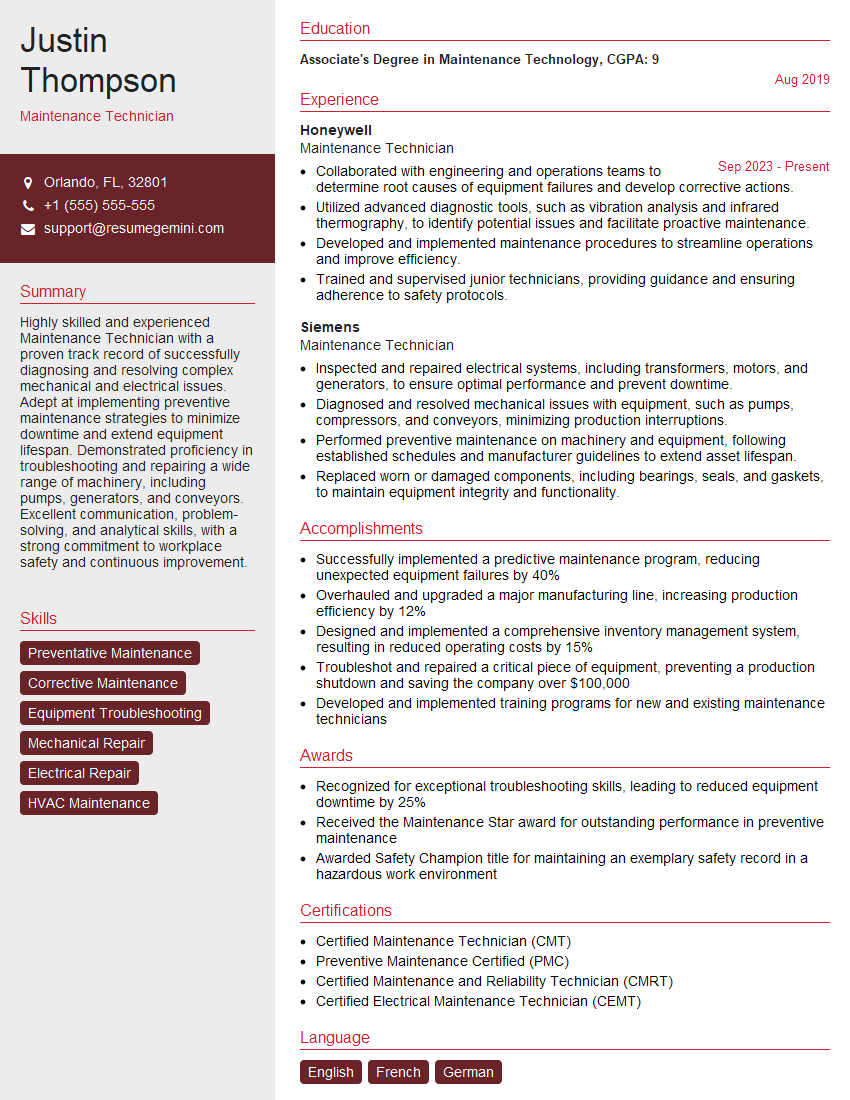
Maintenance Technician Resume Sample

Field Technician Resume Sample
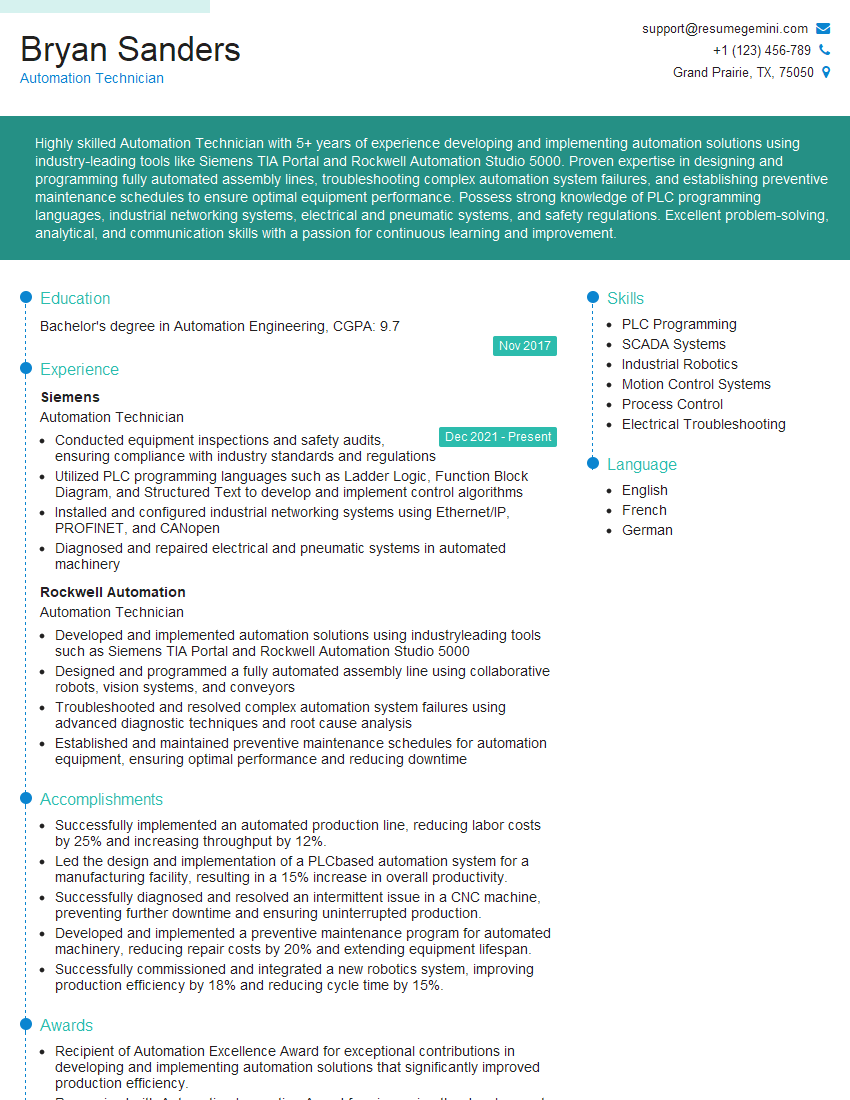
Automation Technician Resume Sample
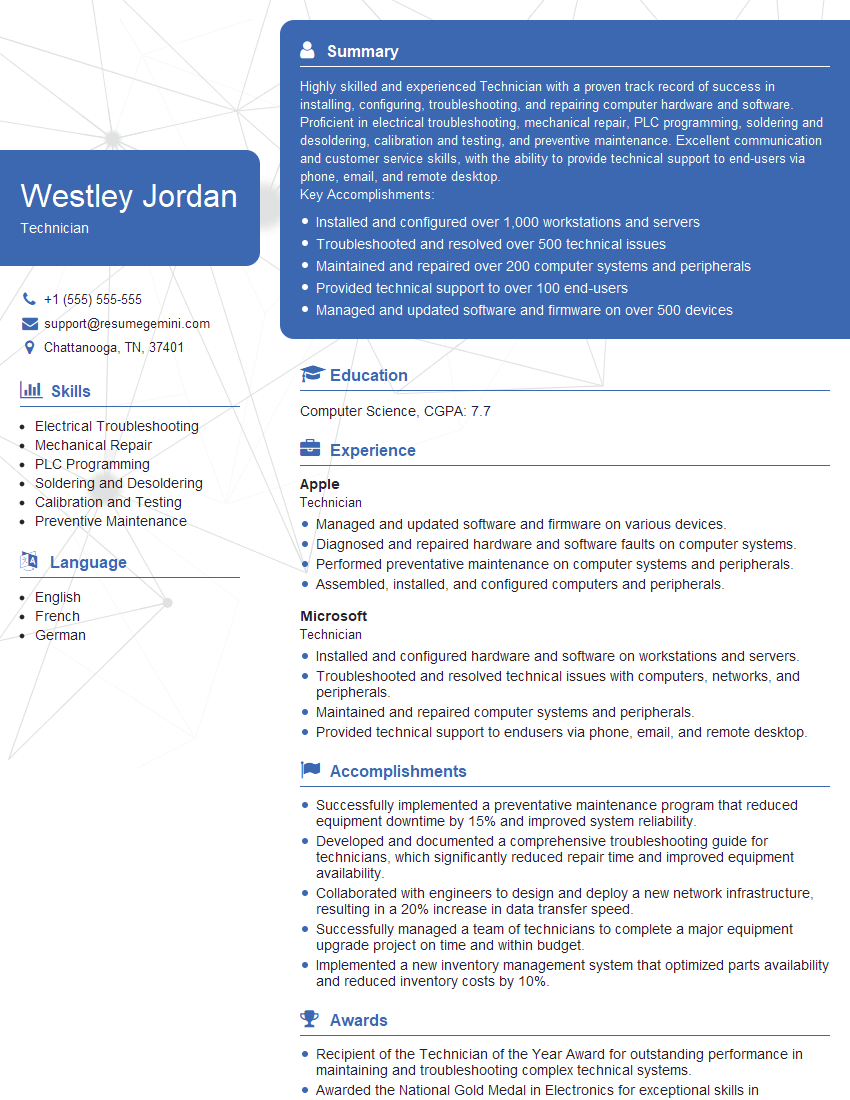
Technician Resume Sample
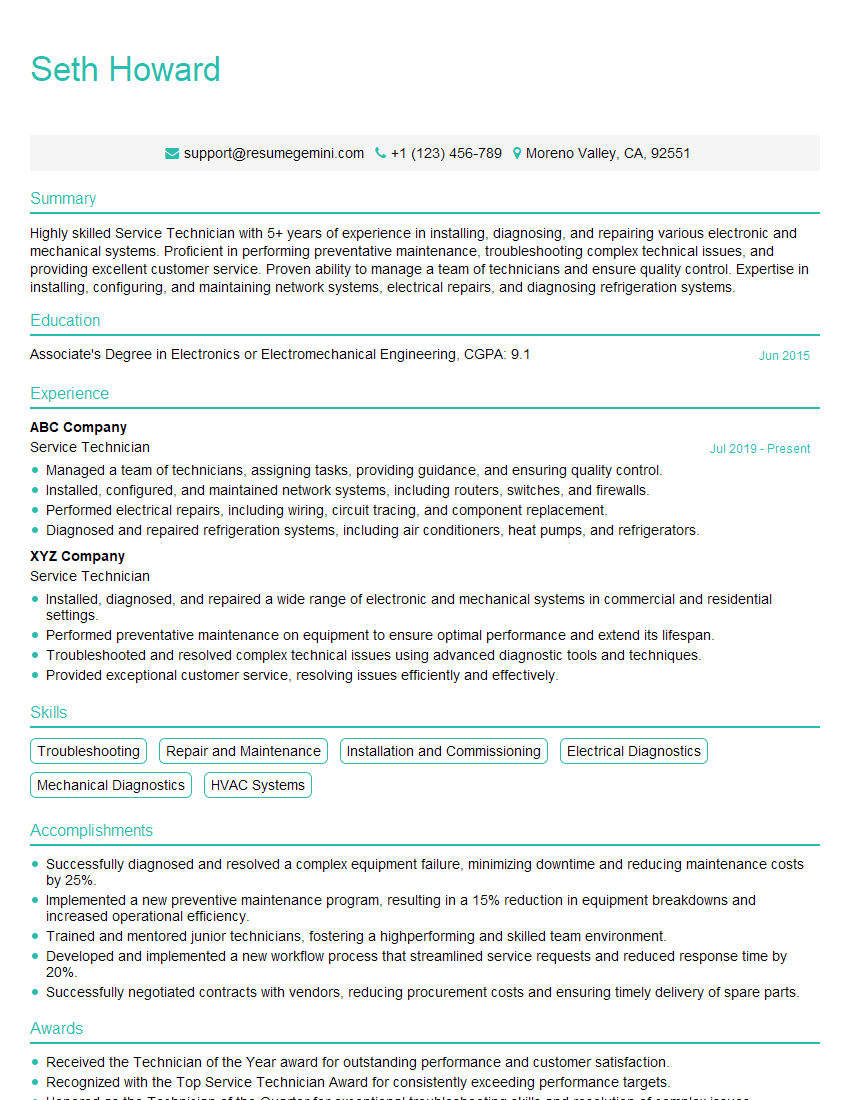
Service Technician Resume Sample
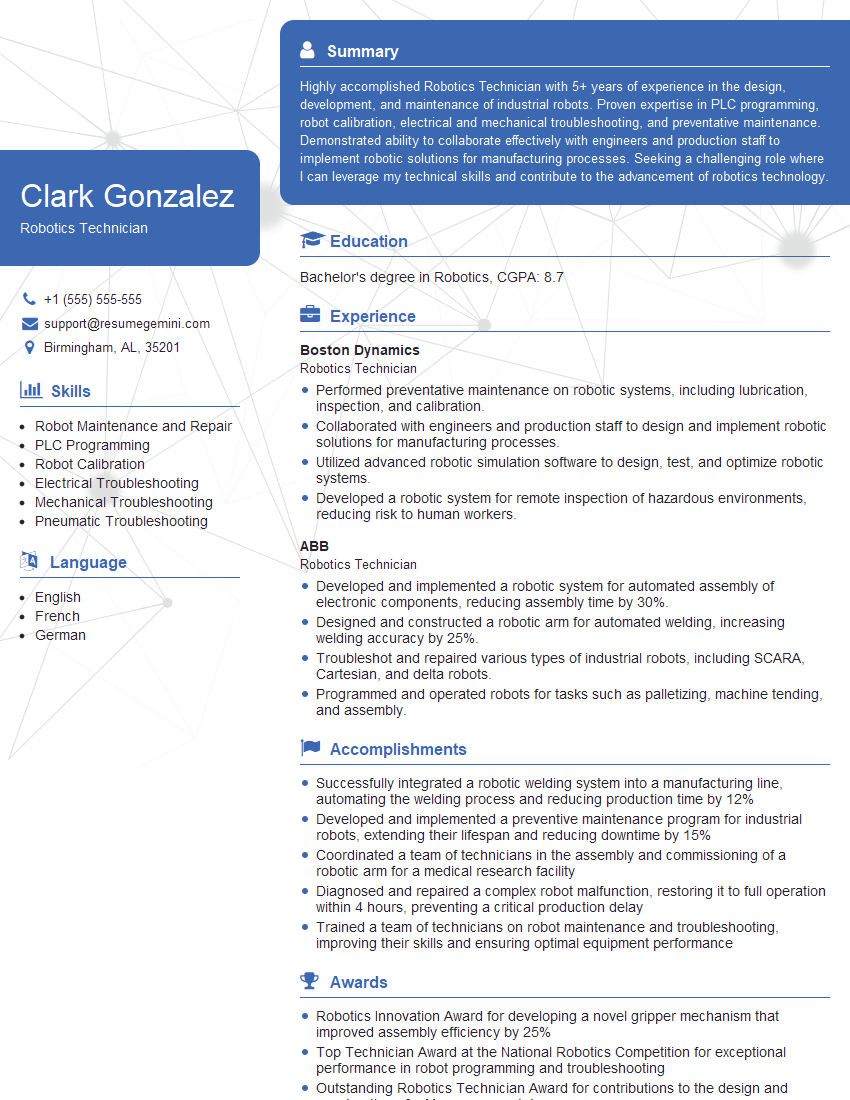
Robotics Technician Resume Sample
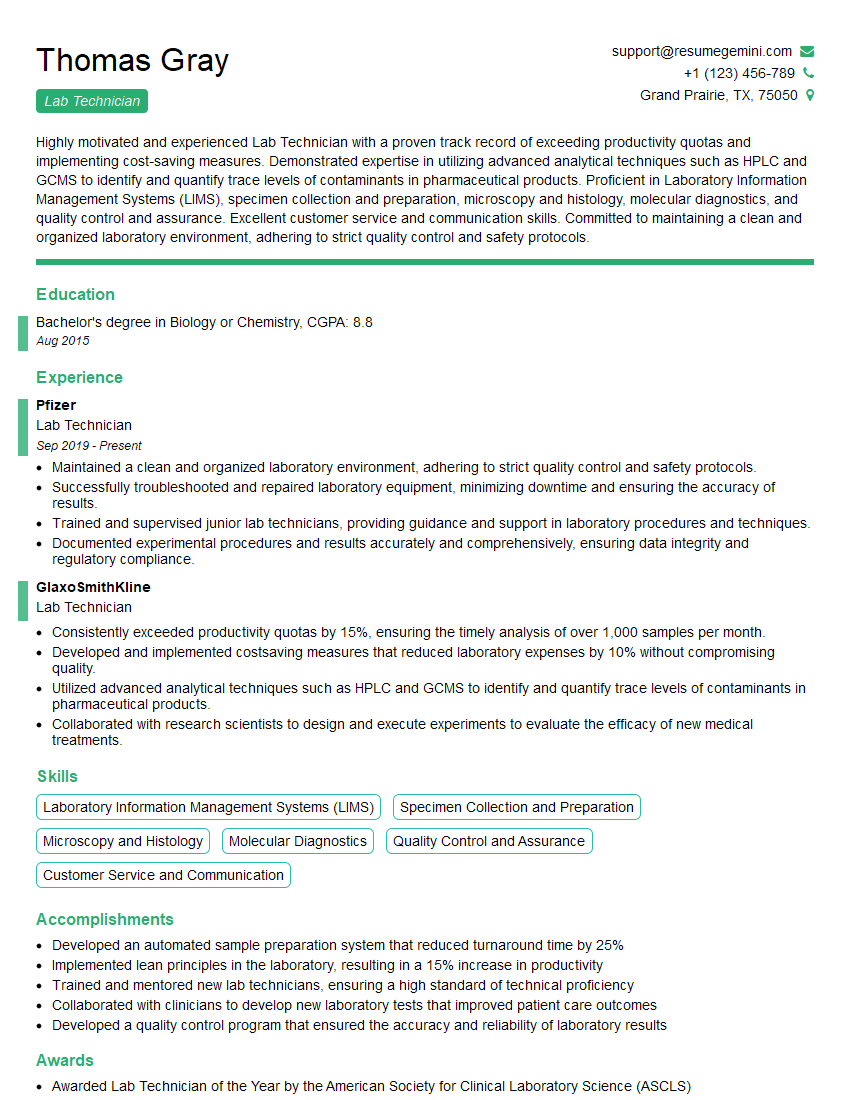
Lab Technician Resume Sample
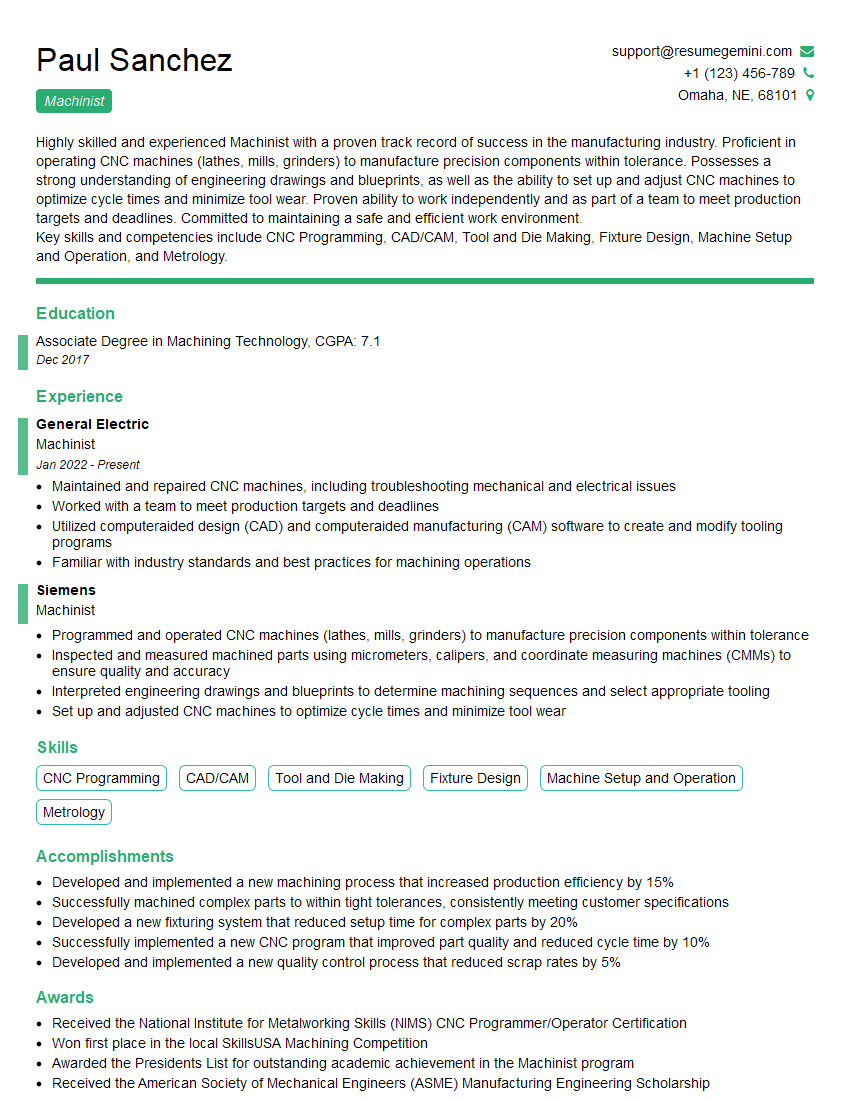
Machinist Resume Sample
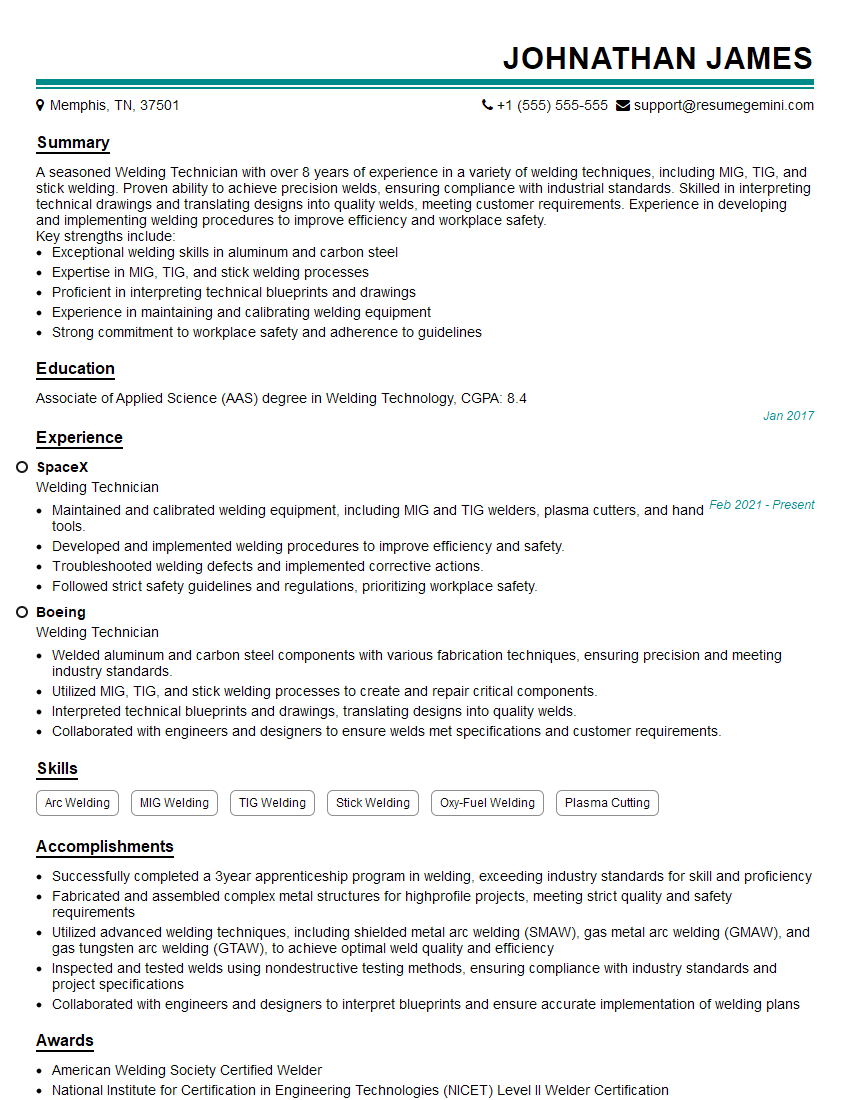
Welding Technician Resume Sample
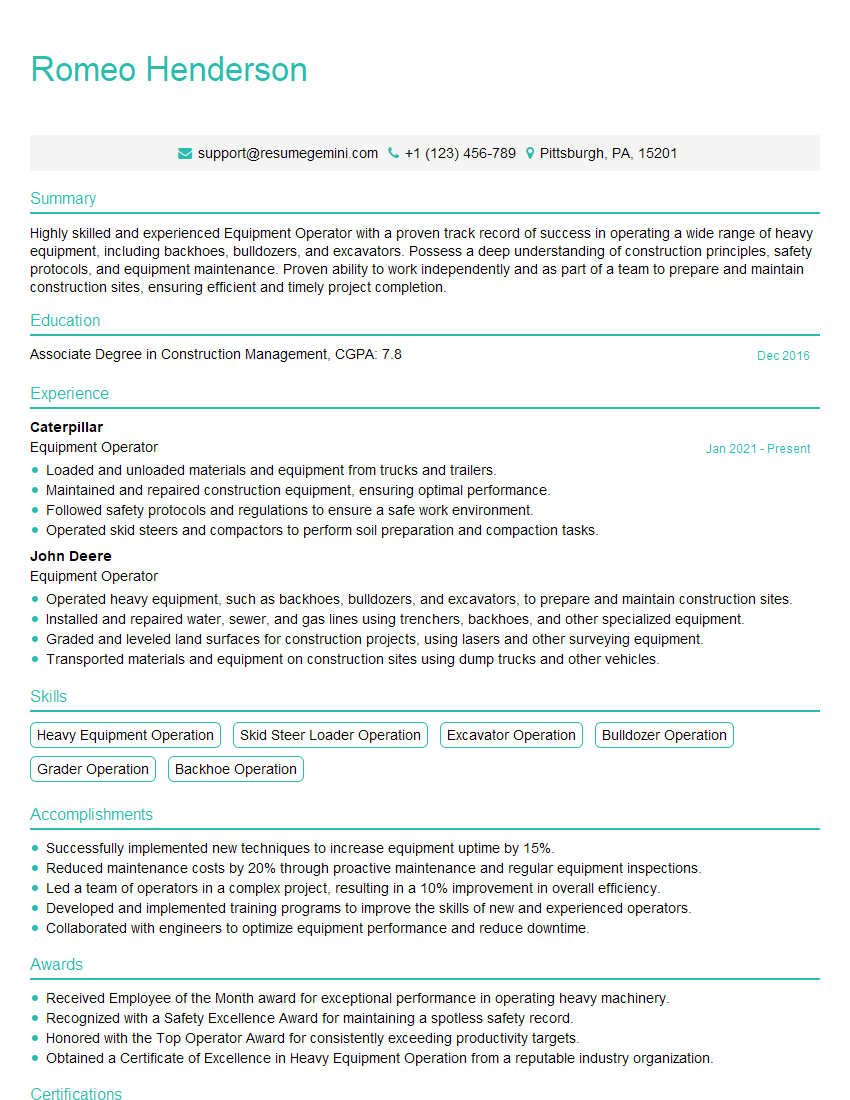
Equipment Operator Resume Sample
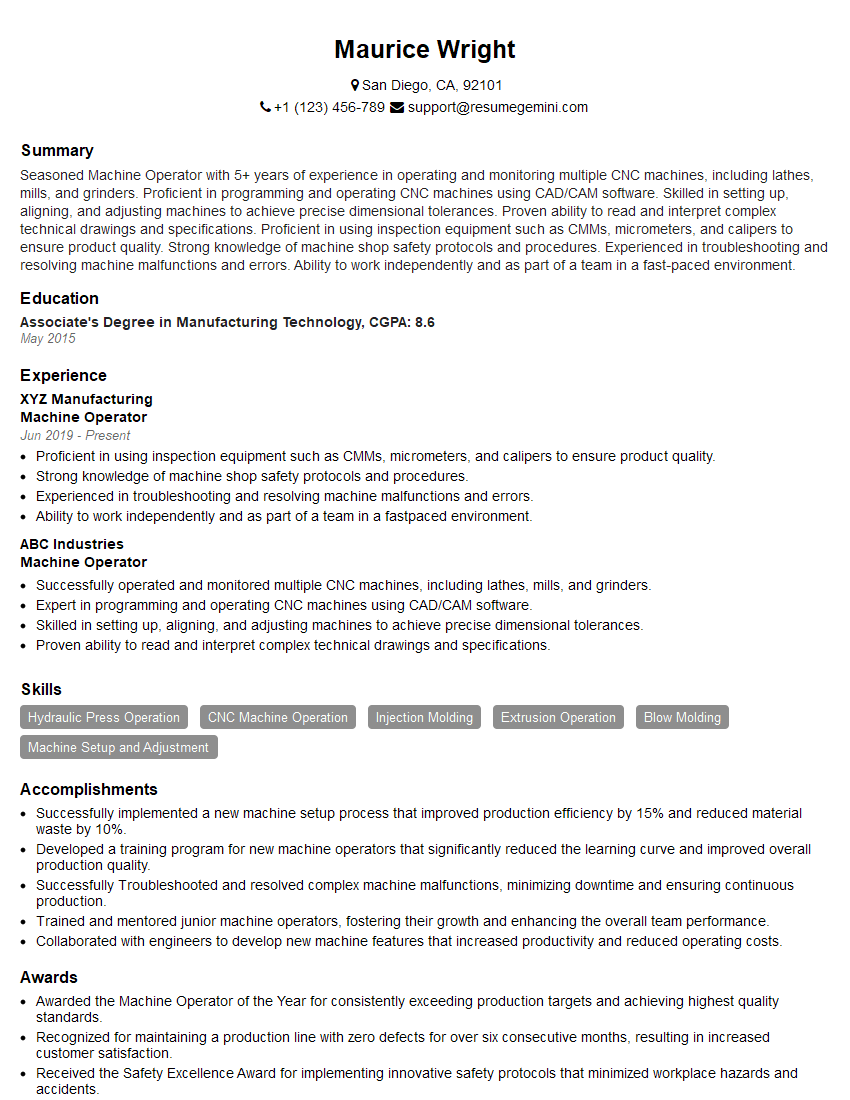
Machine Operator Resume Sample
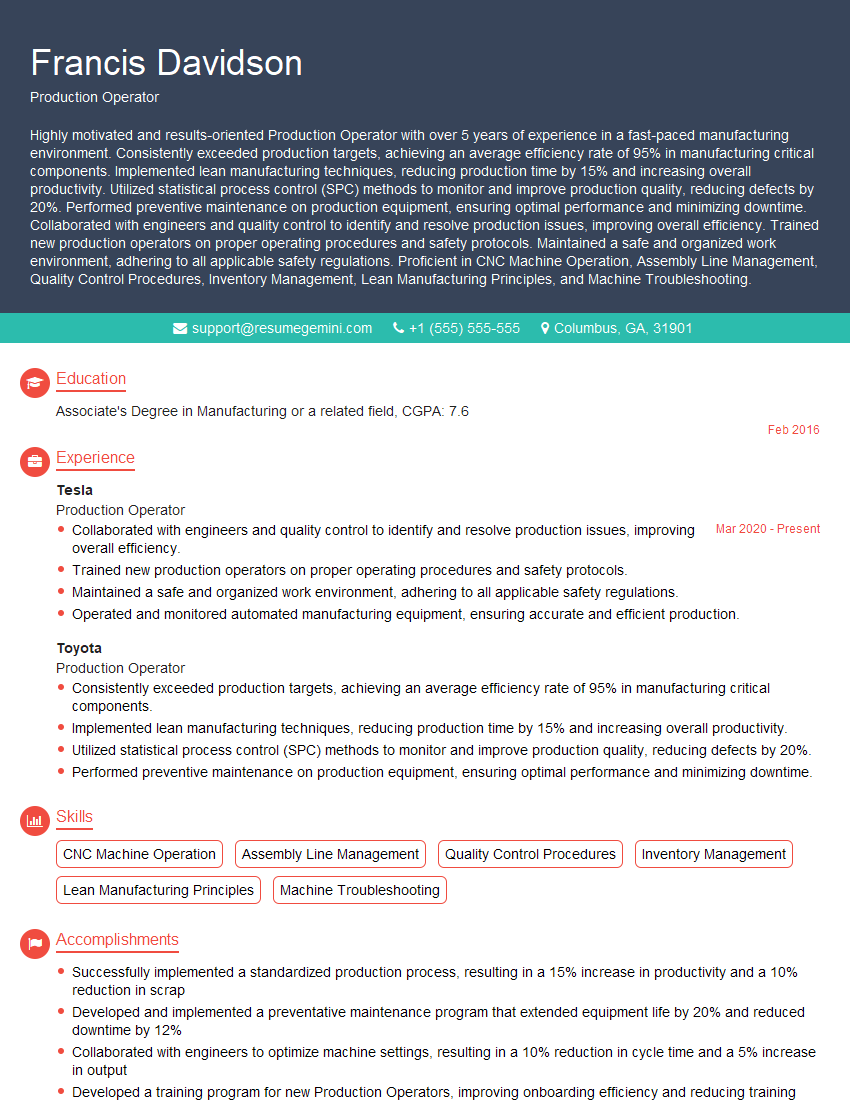
Production Operator Resume Sample
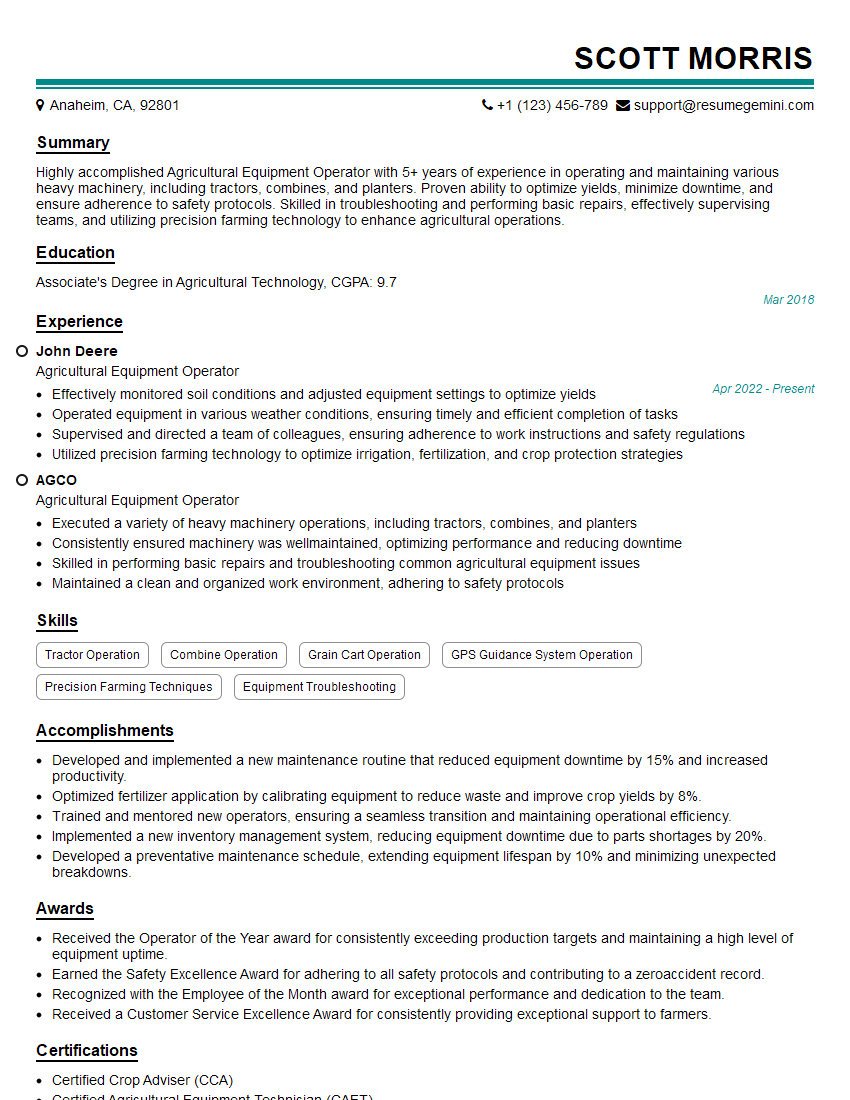
Agricultural Equipment Operator Resume Sample
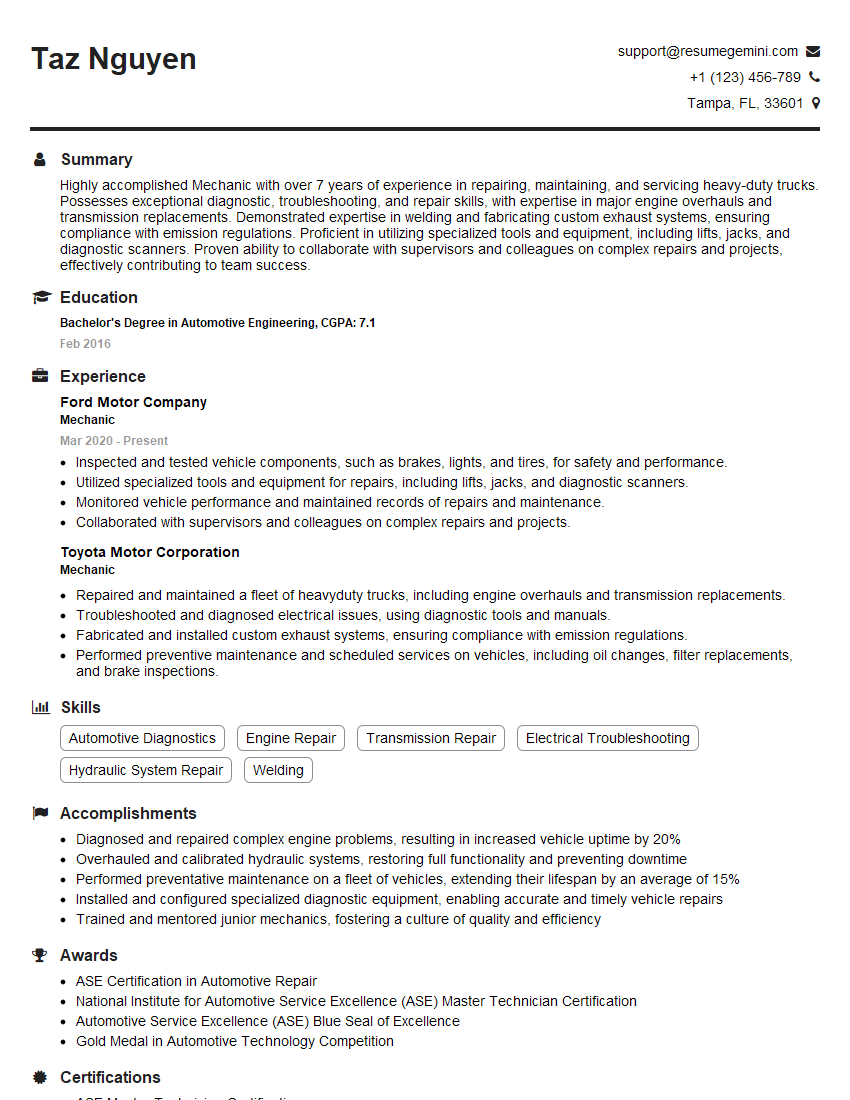
Mechanic Resume Sample
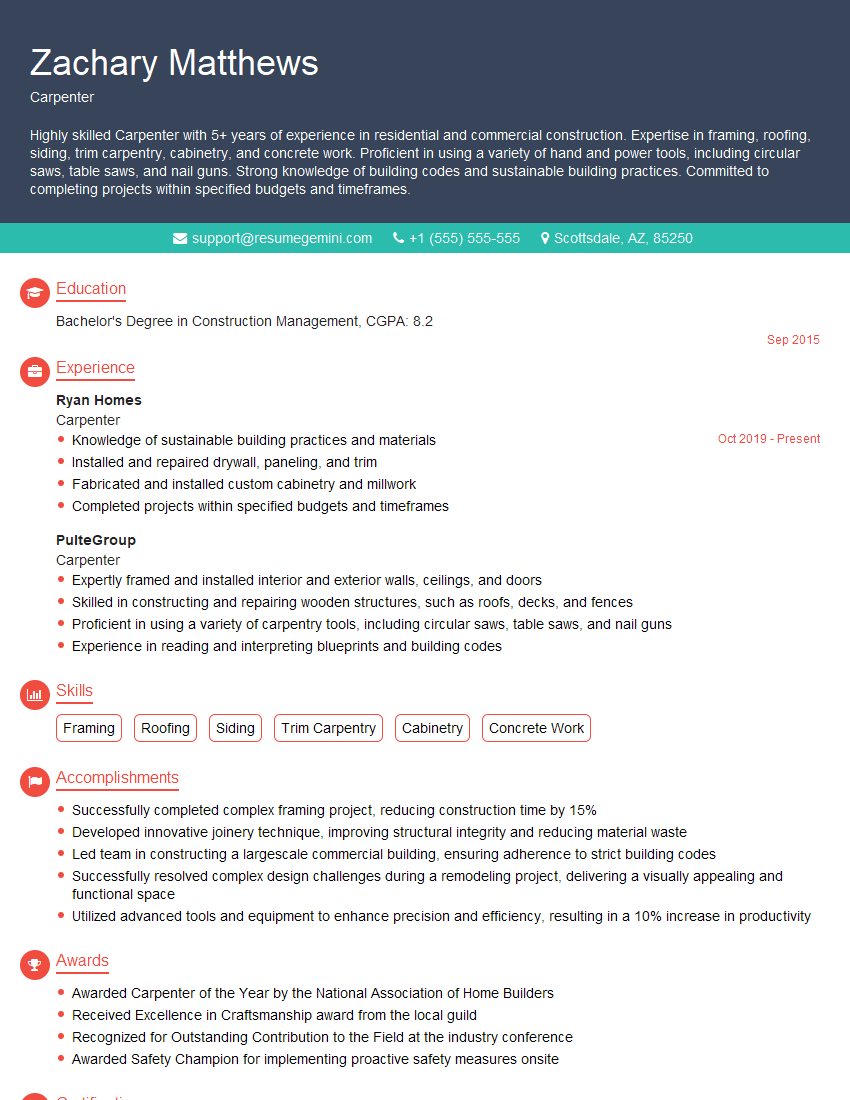
Carpenter Resume Sample
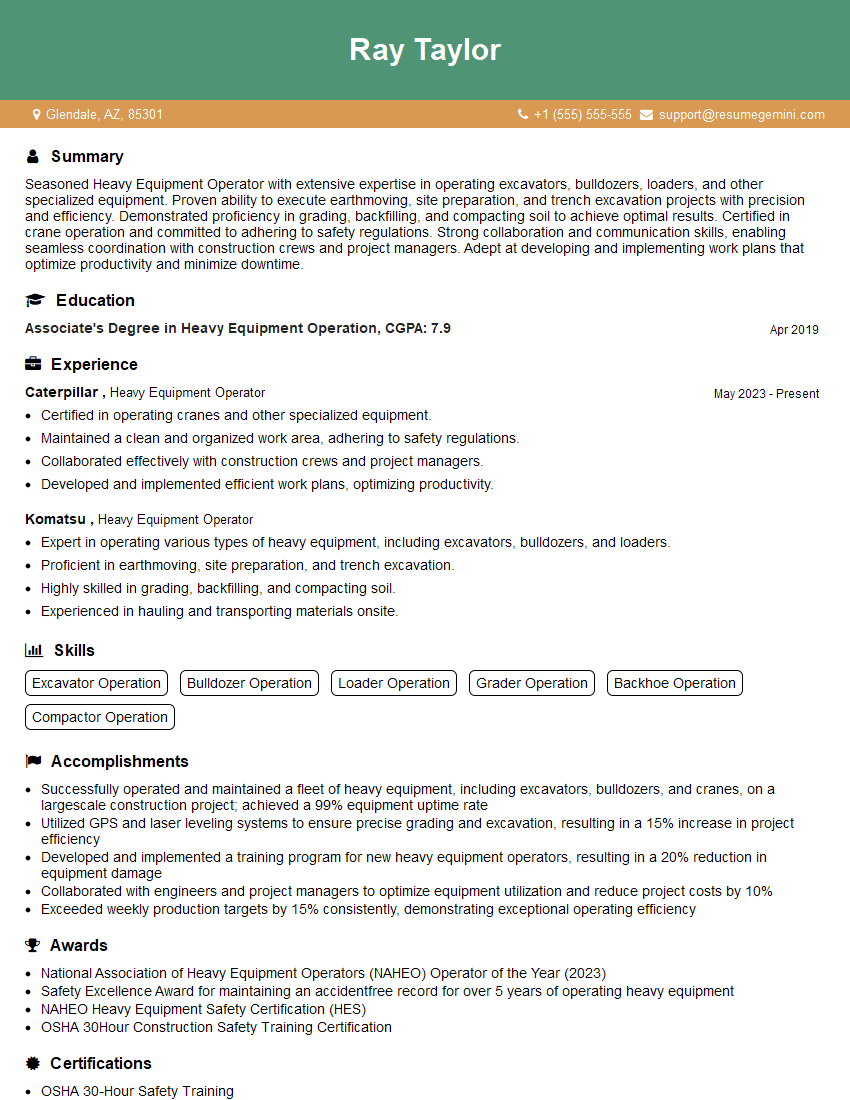
Heavy Equipment Operator Resume Sample
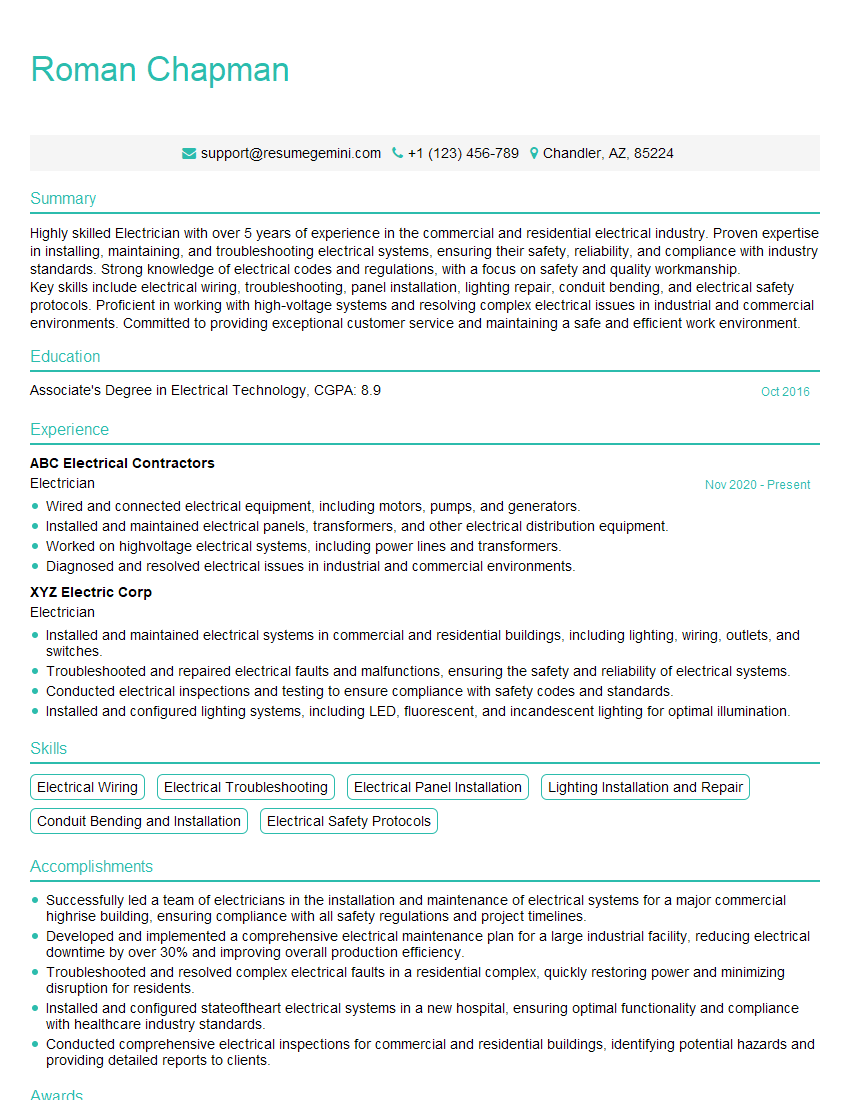
Electrician Resume Sample
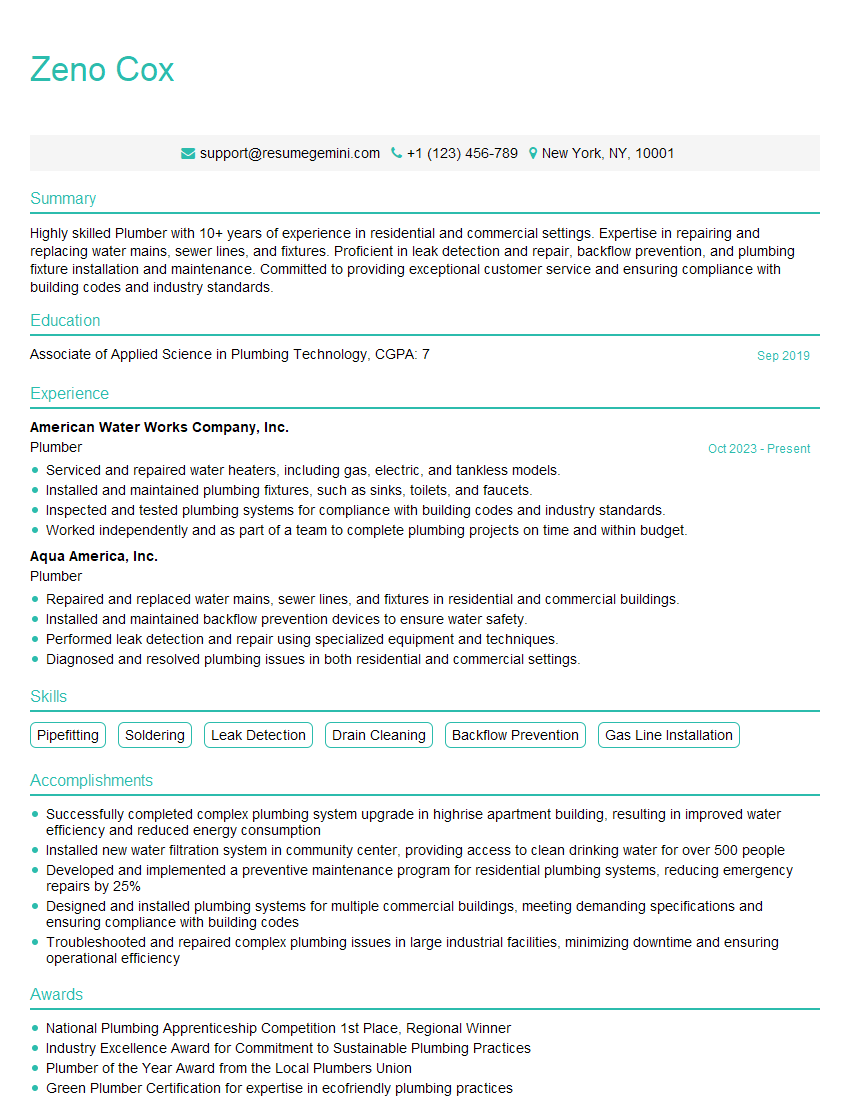
Plumber Resume Sample
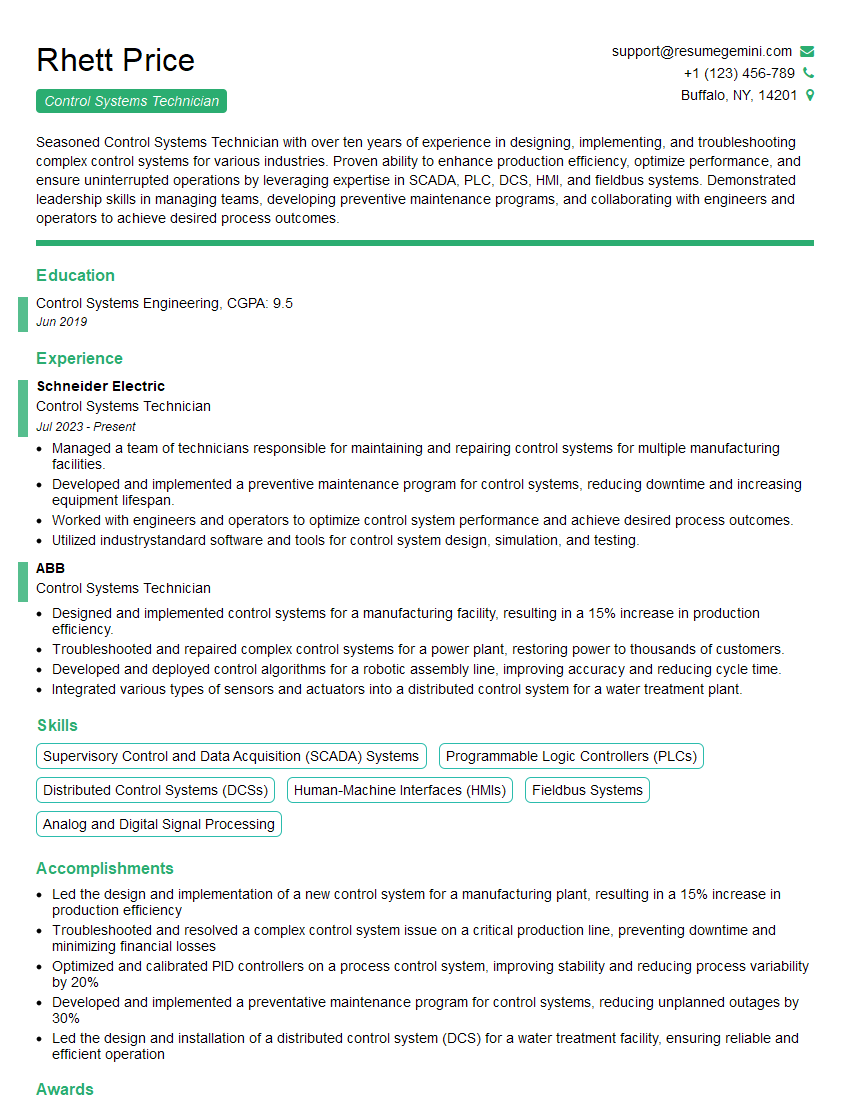
Control Systems Technician Resume Sample
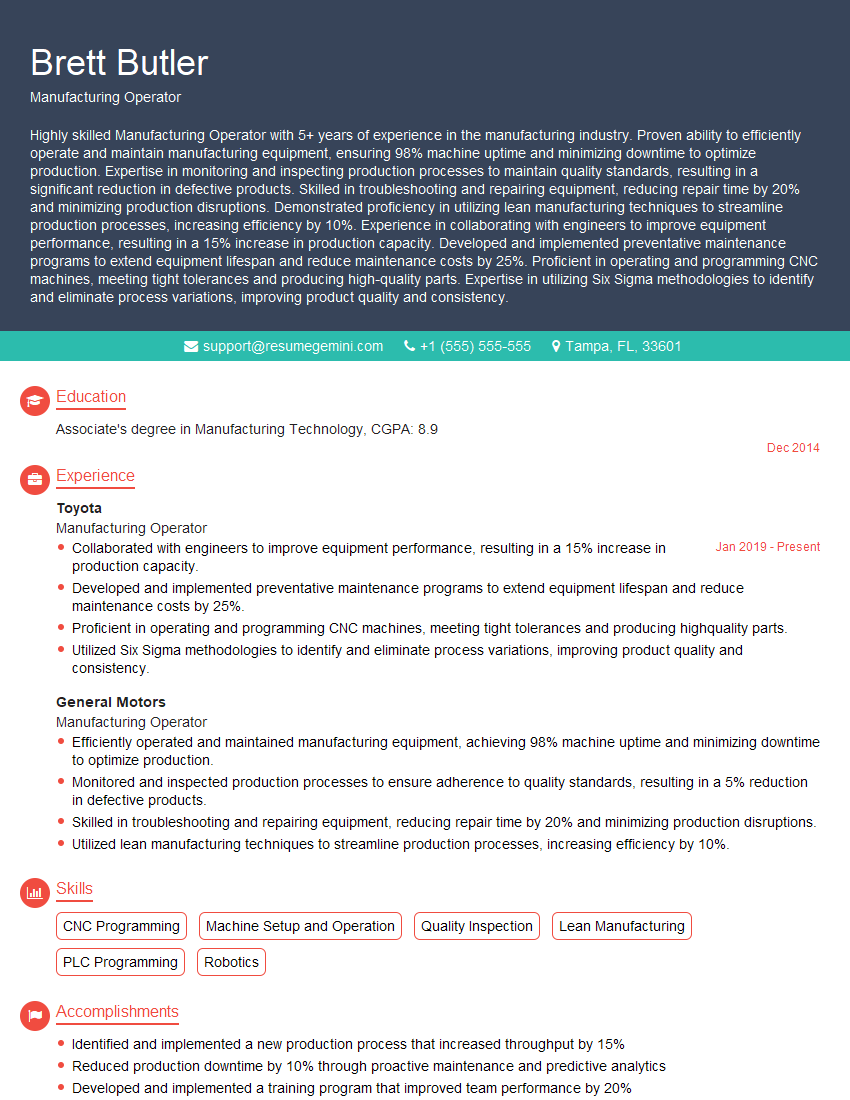
Manufacturing Operator Resume Sample
- Maintenance Technician
- Field Technician
- Automation Technician
- Technician
- Service Technician
- Robotics Technician
- Lab Technician
- Machinist
- Welding Technician
- Equipment Operator
- Machine Operator
- Production Operator
- Agricultural Equipment Operator
- Mechanic
- Carpenter
- Heavy Equipment Operator
- Electrician
- Plumber
- Control Systems Technician
- Manufacturing Operator
Explore more articles
Users Rating of Our Blogs
Share Your Experience
We value your feedback! Please rate our content and share your thoughts (optional).
What Readers Say About Our Blog
Very informative content, great job.
good