Unlock your full potential by mastering the most common Boundary Establishment interview questions. This blog offers a deep dive into the critical topics, ensuring you’re not only prepared to answer but to excel. With these insights, you’ll approach your interview with clarity and confidence.
Questions Asked in Boundary Establishment Interview
Q 1. Define ‘healthy boundaries’ in a professional context.
Healthy boundaries in a professional context are the limits and expectations you set to protect your physical, emotional, and mental well-being while maintaining effective working relationships. They define what you’re comfortable with and what you’re not, regarding workload, communication styles, time commitments, and personal information shared. Think of them as guardrails that keep you safe and productive without hindering collaboration.
For example, a healthy boundary might be setting specific working hours to avoid burnout, politely declining extra tasks when your workload is already substantial, or having a clear policy on how and when you’re available for communication outside of work hours. These boundaries are not about being uncooperative, but rather about setting realistic expectations and maintaining your professional well-being.
Q 2. Explain the importance of establishing clear boundaries in a team environment.
Establishing clear boundaries in a team environment is crucial for fostering respect, productivity, and a positive work atmosphere. Without them, you risk blurring the lines of responsibility, leading to conflict, resentment, and decreased efficiency. Clear boundaries provide structure, prevent role overlap, and ensure accountability.
- Improved Communication: Defined boundaries encourage clear communication channels and expectations regarding project roles, deadlines, and decision-making processes.
- Enhanced Productivity: When everyone knows their responsibilities and limits, there’s less confusion and duplication of effort, leading to higher productivity.
- Reduced Conflict: Clear boundaries minimize misunderstandings and overlapping responsibilities, thereby reducing the potential for interpersonal conflict.
- Increased Respect: When individuals respect each other’s boundaries, it fosters trust and mutual respect within the team.
Q 3. Describe a time you had to enforce a boundary with a difficult colleague.
In a previous role, a colleague consistently interrupted meetings to share unrelated personal anecdotes, often derailing discussions and wasting time. While I initially tried to subtly redirect the conversation, it continued. I finally had to address the issue directly. During a one-on-one, I calmly explained that while I appreciated their enthusiasm, the constant interruptions impacted meeting productivity. I respectfully requested they focus their contributions on the agenda items and save personal anecdotes for less formal settings. This direct, yet respectful, approach resolved the issue, leading to more focused meetings.
Q 4. How would you address a situation where a colleague consistently oversteps professional boundaries?
Addressing a colleague who consistently oversteps professional boundaries requires a multi-step approach. First, I’d document instances of the boundary violations. Next, I would have a private conversation with the colleague, expressing my concerns and explaining the impact their actions have on my work and the team’s dynamic. I’d use ‘I’ statements, focusing on how their behavior affects me, rather than accusatory language. For example, ‘I find it difficult to complete my tasks when I am constantly interrupted during my dedicated focus time.’ If the behavior persists after this initial conversation, I would escalate the issue to my supervisor, providing documentation of the incidents and outlining the steps already taken.
Q 5. What strategies do you employ to maintain healthy boundaries in a high-pressure work environment?
Maintaining healthy boundaries in a high-pressure environment requires proactive strategies. I utilize techniques such as:
- Time Blocking: Scheduling specific times for focused work, meetings, and breaks, ensuring I have dedicated time for tasks and personal needs.
- Prioritization: Focusing on the most important tasks and delegating less crucial ones when possible. Saying ‘no’ to additional tasks when my capacity is reached.
- Regular Breaks: Taking short breaks throughout the day to recharge and avoid burnout. Stepping away from my workstation to clear my head.
- Communication: Proactively communicating my availability and limitations to colleagues and superiors. Setting expectations about response times and working hours.
- Self-Care: Prioritizing activities outside of work, such as exercise, hobbies, or spending time with loved ones, to maintain a healthy work-life balance.
Q 6. How do you communicate boundaries effectively without being perceived as aggressive or passive?
Effective boundary communication requires assertiveness, not aggression or passivity. Assertiveness involves clearly stating your needs and limits without being demanding or apologetic. Here are some strategies:
- ‘I’ Statements: Using ‘I’ statements to express your feelings and needs without blaming others. For example, ‘I need to prioritize my current projects, so I won’t be available for this additional task until next week.’
- Direct and Clear Communication: Being specific and unambiguous about your boundaries, avoiding ambiguity that can lead to misinterpretations.
- Active Listening: Giving the other person a chance to express their perspective before responding. Showing respect even while setting limits.
- Positive Language: Framing requests in a positive way, focusing on what you can do, rather than what you can’t.
- Rehearsal: Practicing how to communicate boundaries beforehand can build confidence and ensure a smooth conversation.
Q 7. How do you handle boundary violations in a professional setting?
Handling boundary violations in a professional setting involves a measured response. The approach depends on the severity and nature of the violation. If it’s a minor infraction, a brief, polite reminder of the boundary may suffice. For more serious or repeated violations, I would address the issue directly with the individual, clearly stating the impact of their actions and reinforcing the expectation of respectful boundary adherence. Documentation is important. If the behavior continues after addressing it directly, I would escalate the issue to my supervisor or HR, providing documented evidence.
Q 8. Describe your approach to setting boundaries with clients or customers.
Setting boundaries with clients or customers is crucial for maintaining a healthy professional relationship and preventing burnout. My approach involves a proactive and transparent process. First, I clearly define the scope of my services and deliverables upfront, often documented in a contract or agreement. This includes specifying timelines, communication methods, and payment terms. Second, I clearly communicate my availability and response times. For instance, I might state that I respond to emails within 24 hours during weekdays but may have a longer response time on weekends. Third, I establish a process for handling urgent requests, ensuring that these don’t compromise my ability to meet pre-existing commitments. Finally, I actively listen to client needs and concerns, ensuring they understand my limitations and expectations, thus fostering mutual respect and realistic expectations.
For example, if a client requests an extensive amendment outside of the agreed-upon scope, I explain the additional time and cost involved, offering them a clear proposal. This approach ensures mutual understanding and prevents misunderstandings later on.
Q 9. Explain how you balance assertiveness with diplomacy when enforcing boundaries.
Balancing assertiveness with diplomacy in boundary enforcement is key. Assertiveness means clearly stating your needs and limits without aggression, while diplomacy involves respectful communication and consideration for the other person’s perspective. It’s not about being passive or aggressive, but finding the middle ground. I achieve this balance by using “I” statements, focusing on my needs and feelings without blaming or accusing the other person. For example, instead of saying, “You’re always contacting me outside of working hours,” I might say, “I find it challenging to respond to requests outside of my working hours as it impacts my work-life balance.” This approach facilitates a constructive conversation and allows for a collaborative solution.
Active listening is also crucial. Understanding the client’s perspective allows me to address their concerns empathetically while still upholding my boundaries. Sometimes, finding a compromise or alternative solution is possible, showing respect for their needs while protecting my own.
Q 10. How do you recognize signs of boundary violations from others?
Recognizing boundary violations requires attentiveness and self-awareness. Signs can be subtle or overt. Overt violations might include ignoring agreed-upon timelines, demanding immediate attention outside of agreed-upon hours, or consistently making unreasonable requests. Subtler violations can involve constant attempts to engage in personal conversations unrelated to work, excessive demands on my time or emotional energy, or ignoring established communication protocols. For example, repeated attempts to bypass established communication channels or persistent negativity despite attempts to address the issue can indicate a boundary violation.
I pay close attention to my own feelings. If I consistently feel stressed, overwhelmed, or resentful due to interactions with a particular client or customer, it’s a strong indication that a boundary has been crossed or is being pushed. This requires careful introspection and honest self-assessment.
Q 11. What are the potential consequences of failing to establish and maintain clear boundaries?
Failing to establish and maintain clear boundaries can lead to several negative consequences. Professionally, it can lead to burnout, decreased productivity, resentment towards clients or colleagues, and compromised quality of work. Personally, it can lead to stress, anxiety, and diminished well-being. Blurred boundaries can also damage professional relationships, leading to misunderstandings, conflicts, and ultimately, the loss of clients or opportunities. For example, consistently working overtime without compensation or consistently responding to clients outside working hours can lead to exhaustion and ultimately impact the quality of your work.
Financially, a lack of clear boundaries can also lead to undercharging for services, working for free, and being taken advantage of. It is crucial to understand the impact of unmanaged boundaries on your physical, mental and financial health.
Q 12. Describe a time when you had to adjust your boundaries based on a changing situation.
In a previous project, I had initially set a boundary around the number of revisions allowed for a design project. However, the client’s needs evolved significantly mid-project due to unforeseen market changes. While my initial boundary was reasonable, rigidly adhering to it would have resulted in a subpar product and an unhappy client. Therefore, I adjusted my boundaries, communicating openly with the client about the changes and their implications. We collaboratively agreed upon a revised scope and timeline, with a clear understanding of the additional costs involved. This demonstrated flexibility and ensured both parties remained satisfied with the outcome. This experience highlighted the importance of adapting boundaries when circumstances warrant, while maintaining transparent and open communication.
Q 13. How do you anticipate and proactively address potential boundary issues?
Proactively addressing potential boundary issues involves anticipating challenges and creating preventative measures. This includes having clear contracts, outlining communication protocols, and setting realistic expectations at the outset of any professional relationship. Regular check-ins with clients are essential to gauge their satisfaction and address any emerging concerns. For example, I regularly ask my clients for feedback on my performance and the project’s progress. This allows me to identify and address any potential friction early on, ensuring that boundaries remain respected.
Furthermore, I regularly review my own workload and capacity to ensure that I’m not overcommitting myself. This self-awareness prevents me from inadvertently creating situations where boundaries are likely to be violated. Setting realistic expectations and being honest about limitations are crucial for proactive boundary management.
Q 14. What are some common misconceptions about boundary setting?
A common misconception is that setting boundaries is selfish or uncaring. In reality, healthy boundaries protect both parties involved. They are not about rejection but about self-preservation and respect. Another misconception is that setting boundaries means being inflexible. As my experience demonstrates, boundaries should be adaptable, particularly when presented with significant changes. Setting boundaries is not about being rigid but about creating a framework for respectful and sustainable relationships, both personally and professionally. Finally, some believe that setting boundaries will damage relationships. On the contrary, clear boundaries often foster better and stronger relationships, built on mutual respect and understanding.
Q 15. How do you adapt your boundary setting approach based on different personalities and communication styles?
Adapting my boundary-setting approach hinges on understanding individual communication styles and personalities. It’s not a one-size-fits-all approach. For example, someone with a direct communication style might appreciate clear, concise boundary statements, while someone more indirect might need a more nuanced and empathetic approach.
- Direct Communicators: I’d use firm, direct language. For instance, ‘I’m unavailable for meetings after 5 pm.’
- Indirect Communicators: I’d use softer language, perhaps focusing on the impact of their actions on me. For example, ‘When I receive emails late at night, I find it difficult to focus the next day. Could we aim to keep urgent communications to business hours?’
- Highly Sensitive Individuals: I’d prioritize empathy and understanding, framing boundary setting as self-care rather than rejection. ‘I need to protect my time to ensure I’m my most productive and effective self. I’m going to prioritize these tasks first.’
Essentially, I tailor my communication to ensure the message is understood and respected, always aiming for clarity and respect regardless of the personality.
Career Expert Tips:
- Ace those interviews! Prepare effectively by reviewing the Top 50 Most Common Interview Questions on ResumeGemini.
- Navigate your job search with confidence! Explore a wide range of Career Tips on ResumeGemini. Learn about common challenges and recommendations to overcome them.
- Craft the perfect resume! Master the Art of Resume Writing with ResumeGemini’s guide. Showcase your unique qualifications and achievements effectively.
- Don’t miss out on holiday savings! Build your dream resume with ResumeGemini’s ATS optimized templates.
Q 16. How do you support colleagues who struggle with setting boundaries?
Supporting colleagues struggling with boundary setting involves a combination of education, empathy, and practical guidance. It’s crucial to avoid judgment and create a safe space for discussion.
- Education: I might share articles or resources on healthy boundaries and their benefits. I’d explain the connection between boundaries and well-being, stress management, and overall job satisfaction.
- Role-playing: We could practice assertive communication techniques together, helping them rehearse how to state their boundaries in different situations. For instance, I might role-play a scenario where they need to decline an extra task due to time constraints.
- Mentorship: I can mentor them by modelling healthy boundary setting in my own interactions. Showing them how I politely decline requests or manage my workload effectively can be powerful.
- Seeking Professional Help: In cases of extreme difficulty, I’d encourage them to seek professional support. A therapist can provide personalized guidance and strategies for managing boundary issues.
The key is to offer support without taking over; empowering them to take ownership of their boundaries.
Q 17. How do you address boundary violations that are culturally sensitive?
Addressing culturally sensitive boundary violations requires a delicate approach, prioritizing cultural awareness and sensitivity. This involves understanding that what might be considered a boundary violation in one culture may be acceptable in another.
- Education and Understanding: Before addressing the violation, I’d attempt to understand the cultural context behind the behavior. This might involve research or seeking advice from someone with expertise in the relevant culture.
- Open and Respectful Communication: I’d approach the conversation with empathy and respect, acknowledging the cultural differences while explaining how the behavior impacted me. For example, I might say ‘I understand that in your culture, this approach may be common, but it makes me uncomfortable. Could we find a way to interact that respects both of our cultural norms?’
- Focus on Behavior, Not Person: It is vital to focus on the specific behavior that crossed a boundary, rather than making personal or cultural judgements. Instead of saying ‘Your culture is so…’ I’d say ‘This specific action caused me discomfort.’
- Finding Common Ground: The goal is to find a solution that respects both cultural norms and individual needs. This may involve compromise and mutual understanding.
Cultural sensitivity is paramount. The objective is to address the issue while maintaining respect and avoiding perpetuating harmful stereotypes.
Q 18. How do you handle disagreements regarding boundaries in a professional setting?
Disagreements about boundaries in professional settings require calm, clear, and respectful communication. A collaborative approach is crucial.
- Active Listening: Start by listening carefully to the other person’s perspective. Understanding their point of view is crucial for finding a solution.
- Clearly State Your Boundaries: Reiterate your boundary, explaining why it’s important to you, using “I” statements to avoid sounding accusatory.
- Compromise and Negotiation: Explore possible compromises that respect both parties’ needs. Perhaps a flexible solution can be found that accommodates both viewpoints.
- Mediation: If a resolution cannot be reached independently, consider involving a neutral third party, like a manager or HR representative, to mediate the disagreement.
- Documentation: If the disagreement is significant, document the conversation, the agreed-upon solution (or lack thereof), and any further actions taken.
The goal is a mutually respectful resolution, not necessarily complete agreement. The process itself should model respectful boundary management.
Q 19. Explain the difference between assertive, aggressive, and passive communication styles in relation to boundaries.
Assertive, aggressive, and passive communication styles significantly impact boundary setting. They represent different ways of expressing needs and limits.
- Assertive: Assertive communication directly and respectfully expresses needs and boundaries while respecting the rights of others. Example: ‘I appreciate your offer, but I’m already overloaded with work. I can’t take on this additional project.’
- Aggressive: Aggressive communication expresses needs and boundaries in a hostile or dominating manner, often violating others’ boundaries. Example: ‘You’re always dumping your work on me! It’s not fair!’
- Passive: Passive communication avoids expressing needs and boundaries directly, leading to resentment and boundary violations. Example: (Silently accepting an excessive workload, leading to burnout).
Assertive communication is ideal for effective boundary setting, as it balances self-respect with respect for others. Aggressive and passive styles often lead to conflict or resentment.
Q 20. How do you balance the need for collaboration with the need to maintain personal boundaries?
Balancing collaboration and personal boundaries is a key skill. It requires understanding that collaboration doesn’t necessitate sacrificing your well-being or exceeding your capacity.
- Prioritization: Clearly prioritize tasks and responsibilities. This allows you to contribute to collaborative efforts without feeling overwhelmed.
- Time Management: Effectively managing your time ensures you can dedicate sufficient time to collaborative projects while maintaining personal boundaries.
- Open Communication: Communicate your limitations and availability proactively. Let colleagues know when you’re unavailable or unable to take on additional tasks.
- Delegation: Don’t be afraid to delegate tasks or ask for help when necessary. Collaboration involves shared responsibility.
- Saying No: Learn to politely but firmly decline requests that conflict with your boundaries or exceed your capacity.
Healthy collaboration thrives on mutual respect and clear communication. Setting boundaries doesn’t mean avoiding teamwork; it means participating effectively and sustainably.
Q 21. How do you ensure your boundaries align with organizational policies and procedures?
Aligning personal boundaries with organizational policies and procedures is vital to avoid conflicts and maintain a professional environment.
- Review Policies: Thoroughly review company policies related to working hours, communication protocols, and acceptable conduct to understand expectations.
- Seek Clarification: If policies are unclear or ambiguous, seek clarification from your manager or HR department.
- Consistent Application: Ensure your boundaries are consistently applied, avoiding inconsistencies that might lead to misunderstandings.
- Documentation: If you’ve communicated your boundaries to your colleagues and manager, keep records of these communications.
- Escalation: If your boundaries are repeatedly violated despite attempts at resolution, follow the organization’s established procedures for addressing such issues.
Understanding and adhering to organizational policies ensures that personal boundaries are respected within the professional framework, creating a more productive and harmonious workplace.
Q 22. Describe a time you successfully navigated a conflict that arose due to boundary issues.
Boundary conflicts often arise from miscommunication or differing expectations. Successfully navigating these requires clear communication, empathy, and a collaborative approach. In one instance, a team member consistently exceeded their agreed-upon workload, encroaching on my project deadlines. Instead of reacting defensively, I scheduled a meeting. I calmly explained the impact of this on my project timeline, using specific examples of missed deadlines and increased stress. We then collaboratively redefined project tasks and responsibilities, creating a more balanced workload. This involved actively listening to their perspective, acknowledging their contributions, and jointly establishing new boundaries. The key was open communication and a focus on finding a mutually agreeable solution, rather than assigning blame.
Q 23. How do you document and track boundary agreements to ensure accountability?
Documenting and tracking boundary agreements is crucial for accountability and transparency. I utilize a combination of methods. For instance, I might use a shared project management tool like Asana or Trello to outline individual responsibilities and project deadlines. For more complex boundary agreements, a formal document signed by all parties can provide clear, legally sound documentation. This document should include: the specific boundaries, the consequences of violating those boundaries, and a clear review process. Regular check-ins are also essential to ensure the agreed-upon boundaries remain relevant and effective. This might involve informal check-ins during team meetings or scheduled formal review sessions, depending on the nature of the agreement.
Q 24. How do you measure the effectiveness of your boundary-setting strategies?
Measuring the effectiveness of boundary-setting strategies involves both qualitative and quantitative assessments. Quantitatively, I might track metrics like project completion rates, task turnaround times, and team member stress levels (via surveys or feedback sessions). These metrics provide objective data on the impact of the boundaries. Qualitatively, I’d assess team morale, communication effectiveness, and the overall sense of fairness and respect within the team. Regular feedback sessions, both individually and with the team as a whole, are crucial here. I’d ask questions like: ‘Are the boundaries working for you?’, ‘Do you feel respected and supported?’, ‘Are there any areas where adjustments need to be made?’. By combining objective data and subjective feedback, I can gain a comprehensive understanding of the effectiveness of the strategies employed.
Q 25. What are the ethical considerations related to boundary establishment in your field?
Ethical considerations in boundary establishment are paramount. Primarily, boundaries must be fair, equitable, and applied consistently across all team members. This means avoiding favoritism or bias in the setting and enforcement of boundaries. Transparency is also essential. Individuals should be informed of the boundaries, the reasoning behind them, and the consequences of violating them. It’s crucial to respect individual needs and differences while establishing boundaries, ensuring they aren’t used to exploit or marginalize anyone. For example, I always ensure that boundaries are not used to create an unfair power dynamic or exclude individuals from necessary information or opportunities.
Q 26. How do you handle situations where a superior is violating your boundaries?
Addressing boundary violations by a superior requires a careful, strategic approach. The best course of action depends on the context and the severity of the violation. I would first attempt a private conversation, calmly and respectfully explaining how the behavior is impacting me and why it constitutes a boundary violation. I would focus on the impact of their actions on my work and well-being, rather than making personal accusations. If the behavior continues after this initial conversation, I might document the incidents, including dates, times, and specific examples. Depending on organizational policies, I may escalate the issue to HR or a higher authority, presenting the documented evidence. If the situation is truly untenable, I would explore other employment options. The approach should always prioritize maintaining professional decorum and protecting my own well-being.
Q 27. What resources would you utilize to further develop your boundary establishment skills?
To further develop my boundary establishment skills, I would utilize several resources. Professional development workshops focused on communication, assertiveness, and conflict resolution would be invaluable. Mentorship programs, offering guidance from experienced professionals, would provide practical advice and support. Reading relevant literature, such as books and articles on boundary setting and effective communication, would expand my theoretical understanding. I would also actively seek feedback from colleagues and supervisors to identify areas for improvement in my approach. Engaging in self-reflection and journaling would help me improve my self-awareness and understand my own communication style and needs.
Q 28. How do you maintain your own well-being while setting and enforcing boundaries?
Maintaining my well-being while setting and enforcing boundaries is crucial. It requires a proactive approach. I prioritize self-care activities like exercise, mindfulness, and spending time with loved ones. Setting realistic expectations for myself and my workload helps prevent burnout. I regularly evaluate my boundaries, adjusting them as needed to ensure they remain effective and sustainable. I also cultivate a supportive network of friends, family, and colleagues who understand and respect my boundaries and offer encouragement. Recognizing my limitations and seeking support when needed are essential aspects of maintaining both professional and personal well-being.
Key Topics to Learn for Boundary Establishment Interview
- Defining Boundaries: Understanding the theoretical frameworks and practical methods for establishing clear and healthy boundaries in various professional contexts.
- Communication & Assertion Skills: Developing effective communication strategies for setting and maintaining boundaries, including assertive communication techniques and conflict resolution skills.
- Ethical Considerations: Exploring the ethical implications of boundary establishment, particularly in relation to power dynamics, confidentiality, and professional responsibility.
- Practical Application in Diverse Settings: Applying boundary establishment principles in different professional scenarios, such as team collaborations, client interactions, and leadership roles. Consider examples across various industries.
- Recognizing and Addressing Boundary Violations: Identifying potential boundary violations and developing strategies for addressing them effectively and professionally. This includes understanding the potential consequences of unclear or violated boundaries.
- Self-Awareness and Self-Care: Recognizing the importance of self-awareness in setting and maintaining boundaries, and understanding the link between personal well-being and effective boundary setting.
- Negotiation & Compromise: Developing skills in negotiating boundaries and finding mutually acceptable solutions in situations where boundary establishment might involve compromise.
- Documentation & Record-Keeping: Understanding the importance of documenting boundaries and related interactions, particularly in professional contexts requiring clear records.
Next Steps
Mastering Boundary Establishment is crucial for career advancement. Clear boundaries protect your well-being, enhance professional relationships, and contribute to a more productive and fulfilling work environment. To significantly improve your job prospects, crafting an ATS-friendly resume is essential. ResumeGemini is a trusted resource to help you build a professional and impactful resume. We provide examples of resumes tailored to Boundary Establishment roles to help you showcase your skills and experience effectively. Take the next step towards your dream career today!
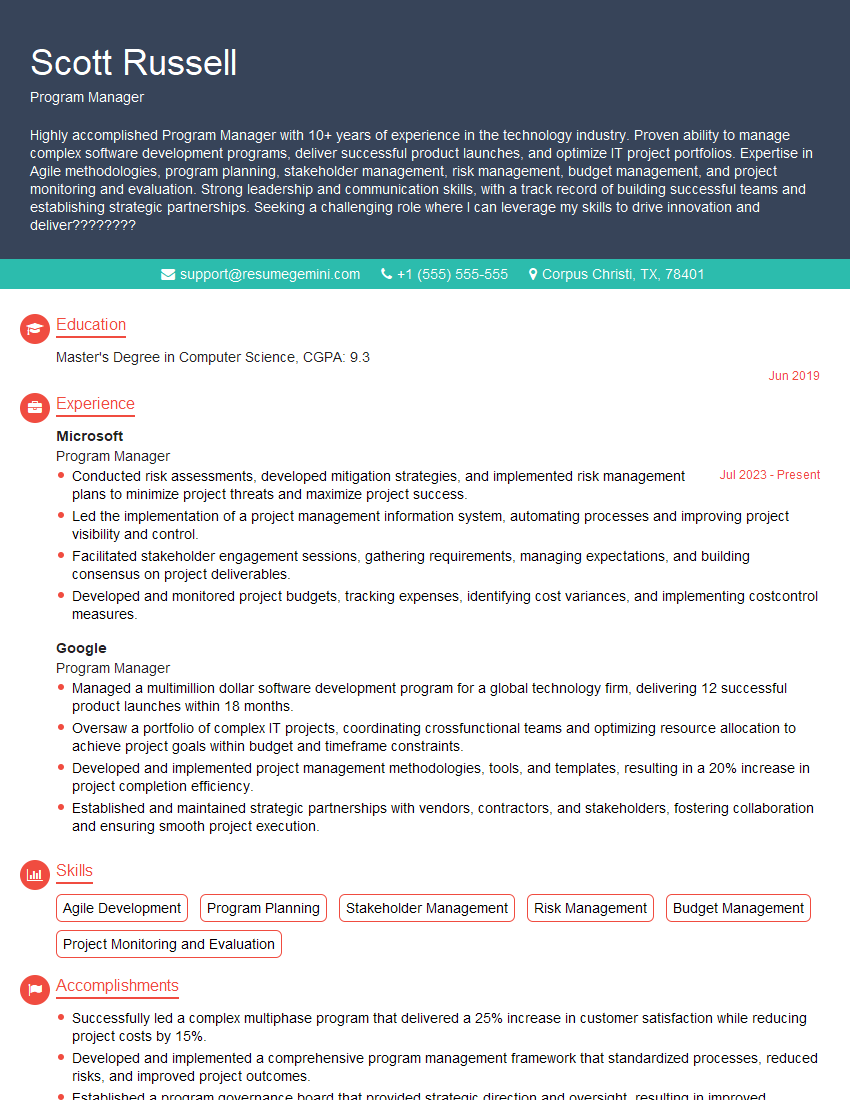
Program Manager Resume Sample
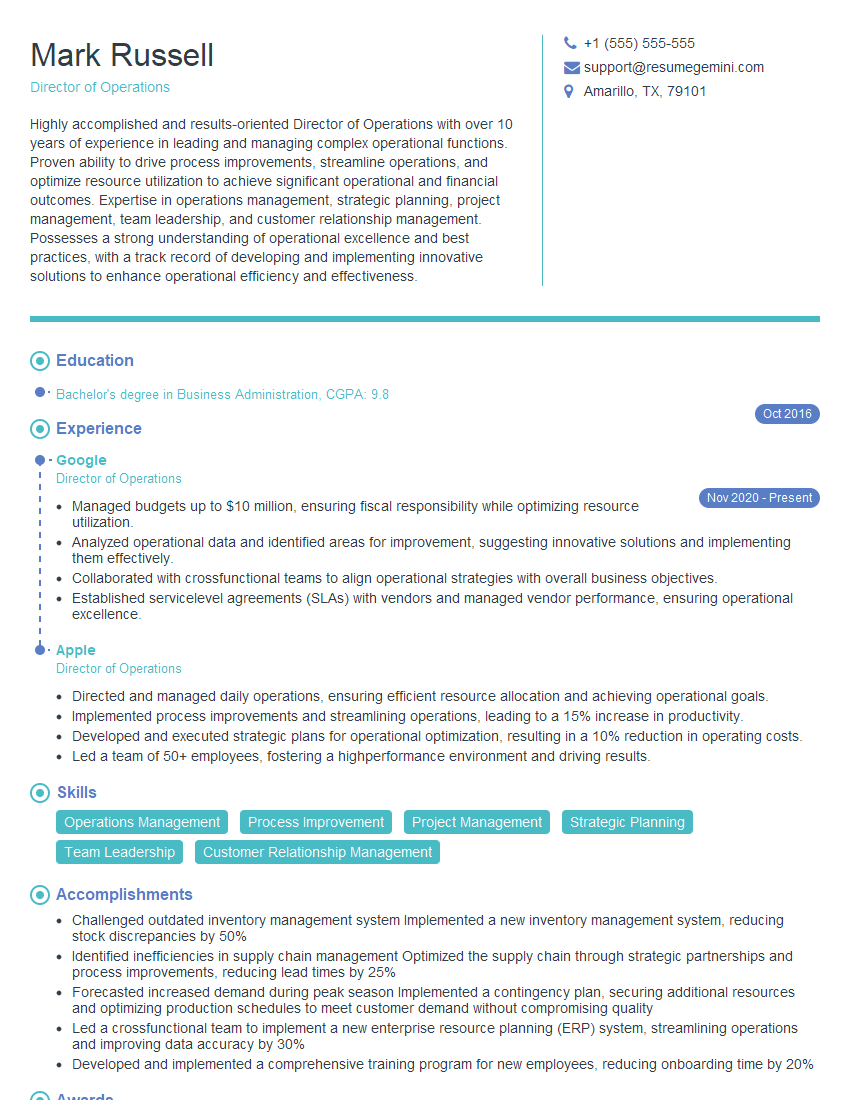
Director of Operations Resume Sample
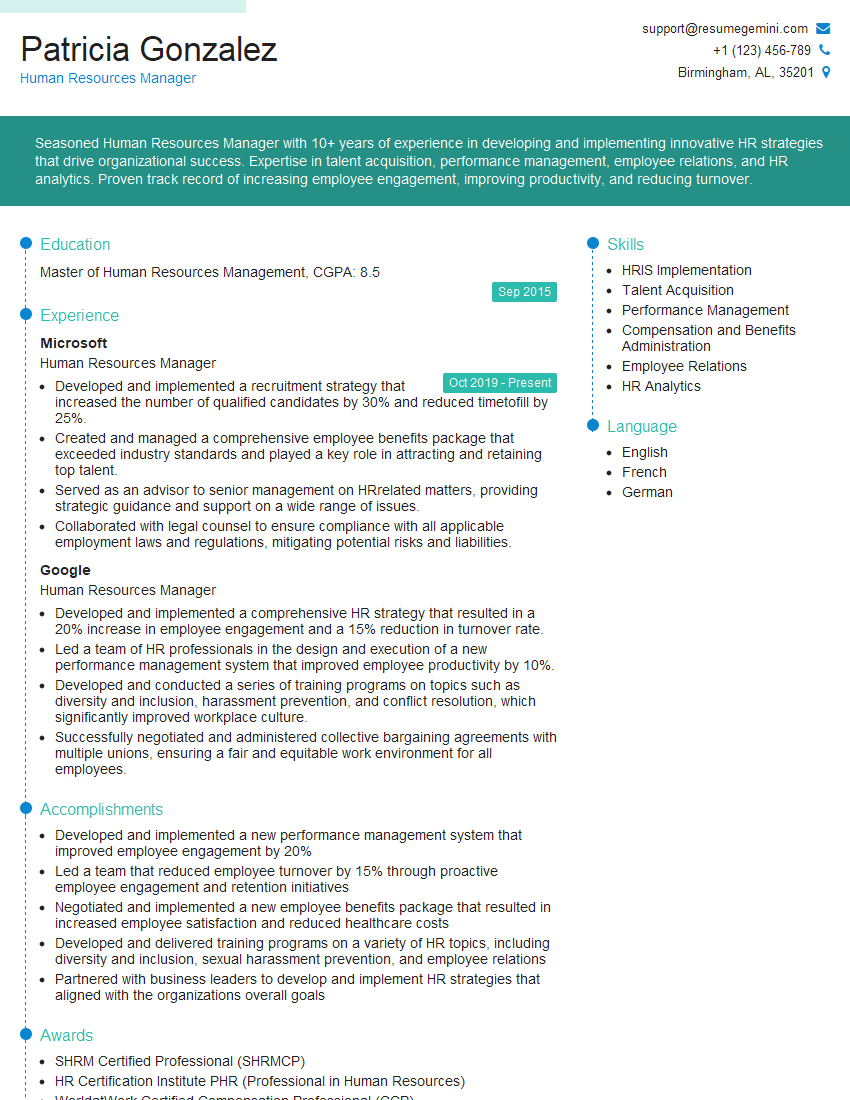
Human Resources Manager Resume Sample

Project Manager Resume Sample
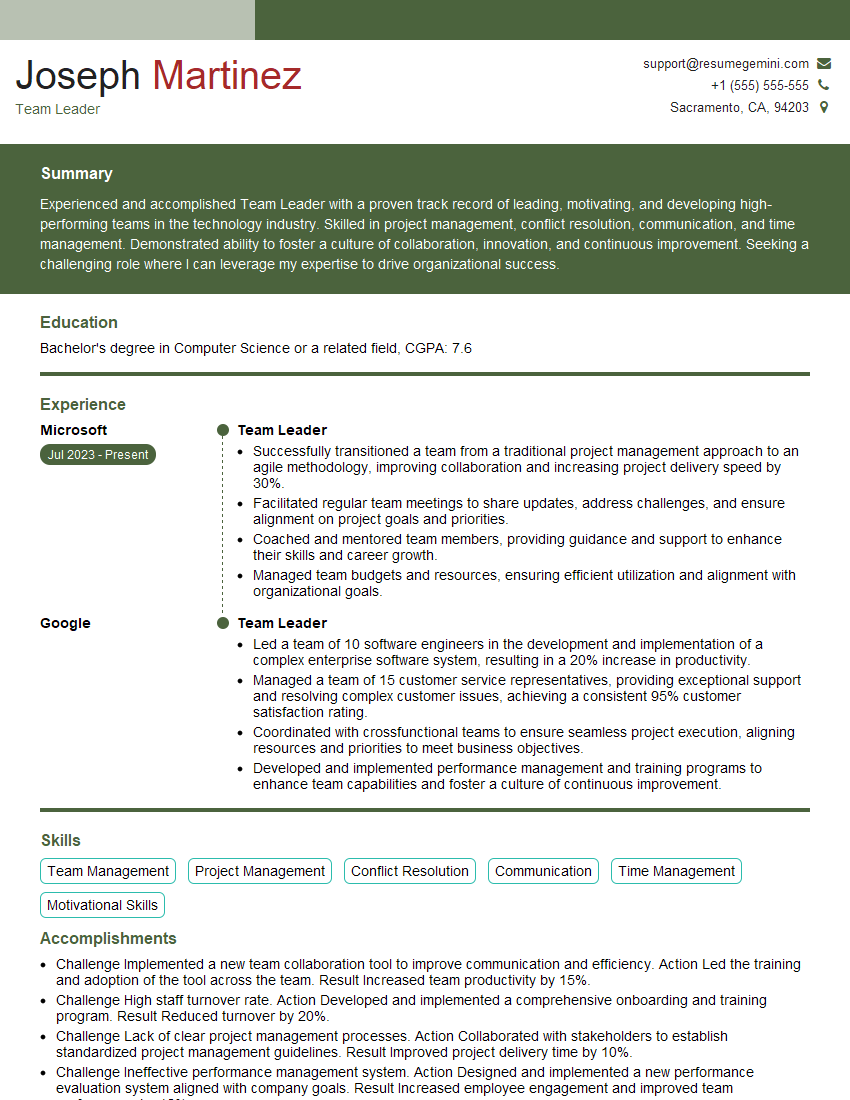
Team Leader Resume Sample

Compliance Officer Resume Sample
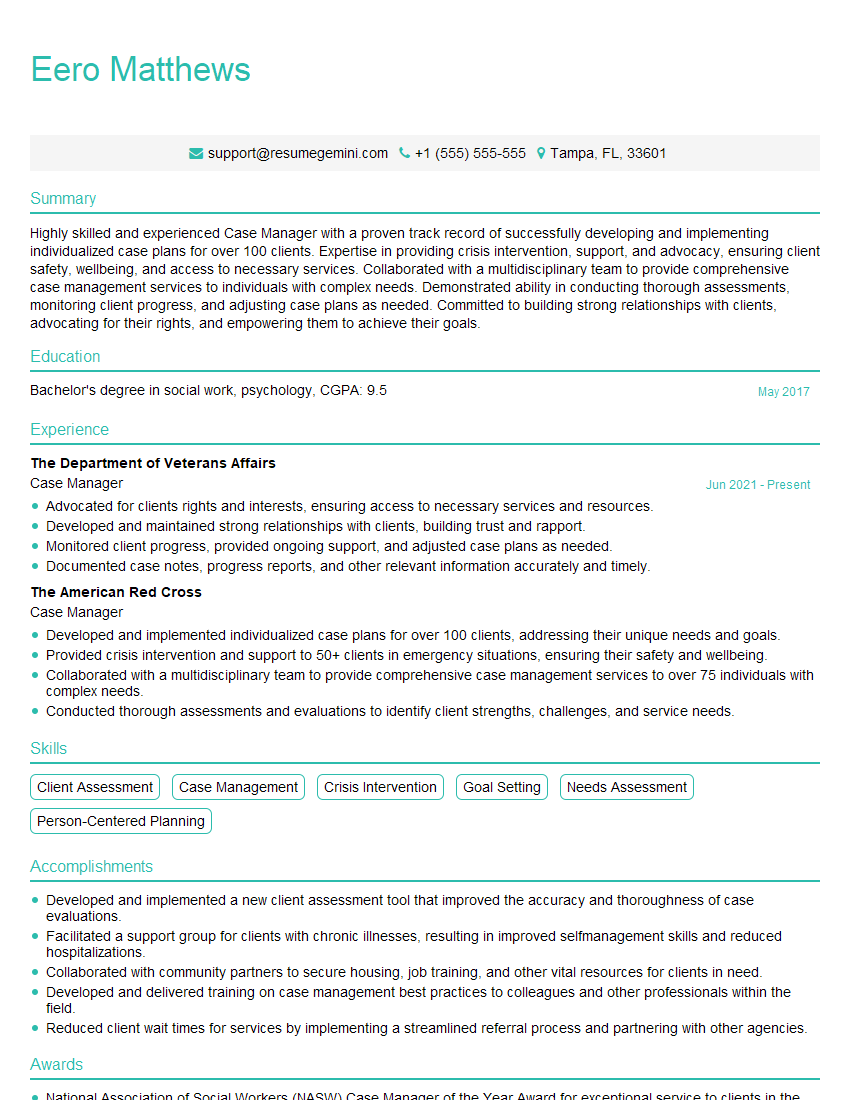
Case Manager Resume Sample
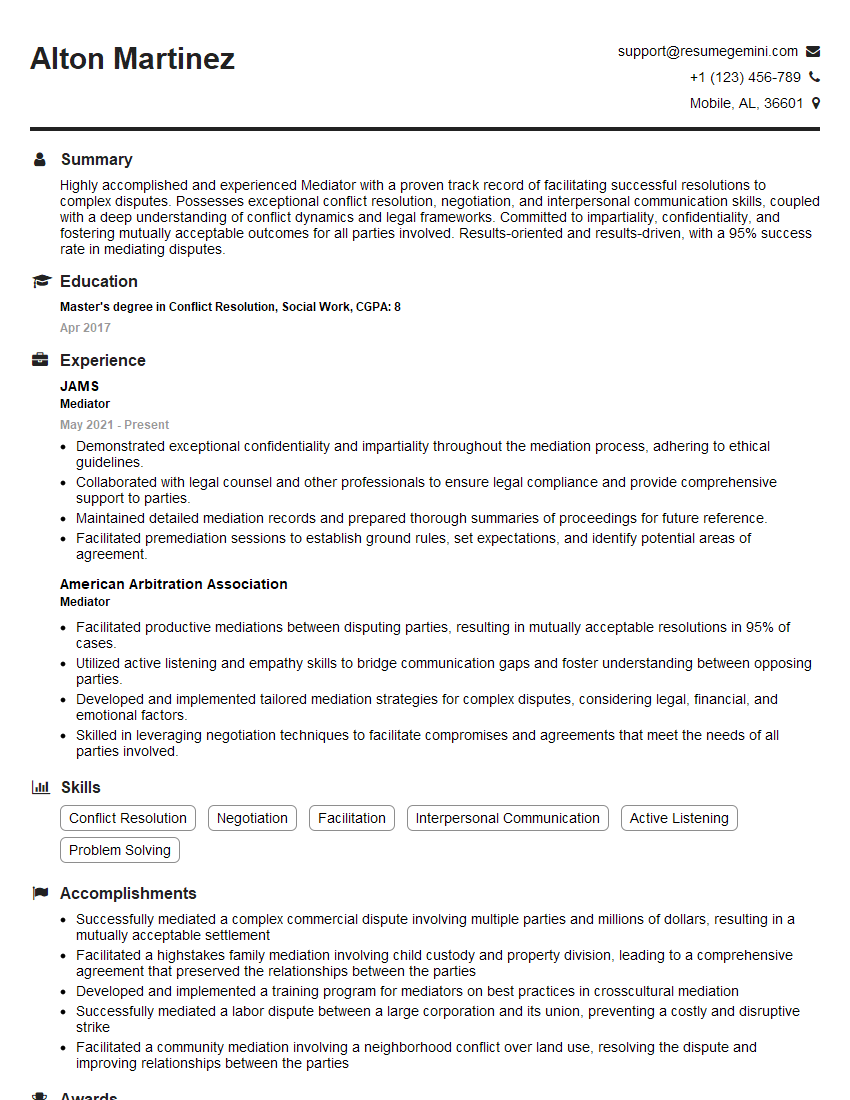
Mediator Resume Sample
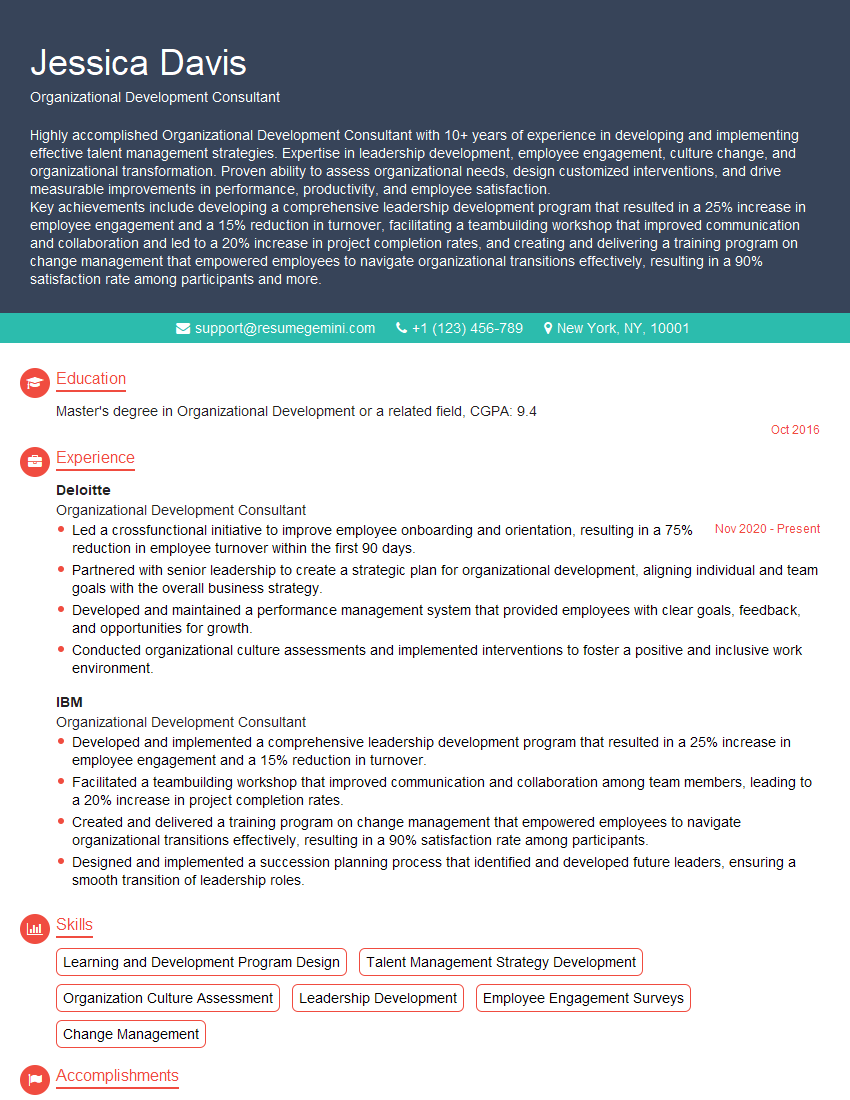
Organizational Development Consultant Resume Sample
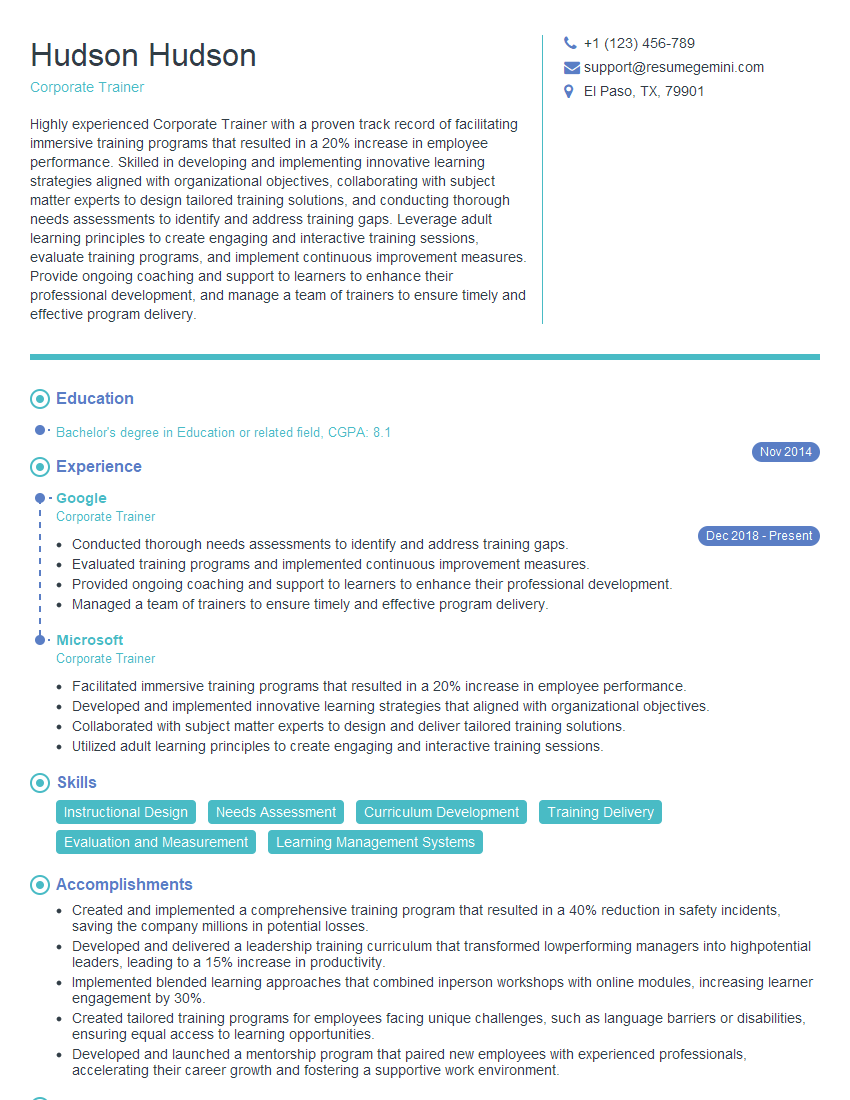
Corporate Trainer Resume Sample
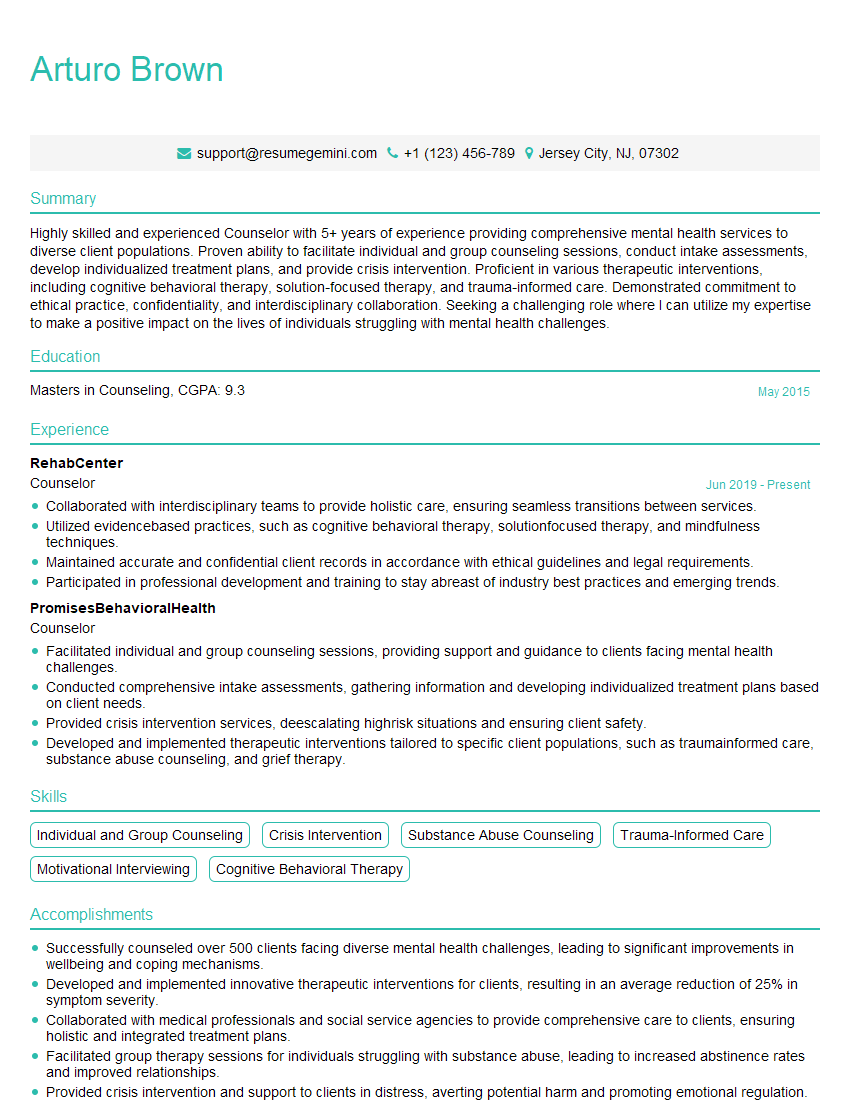
Counselor Resume Sample
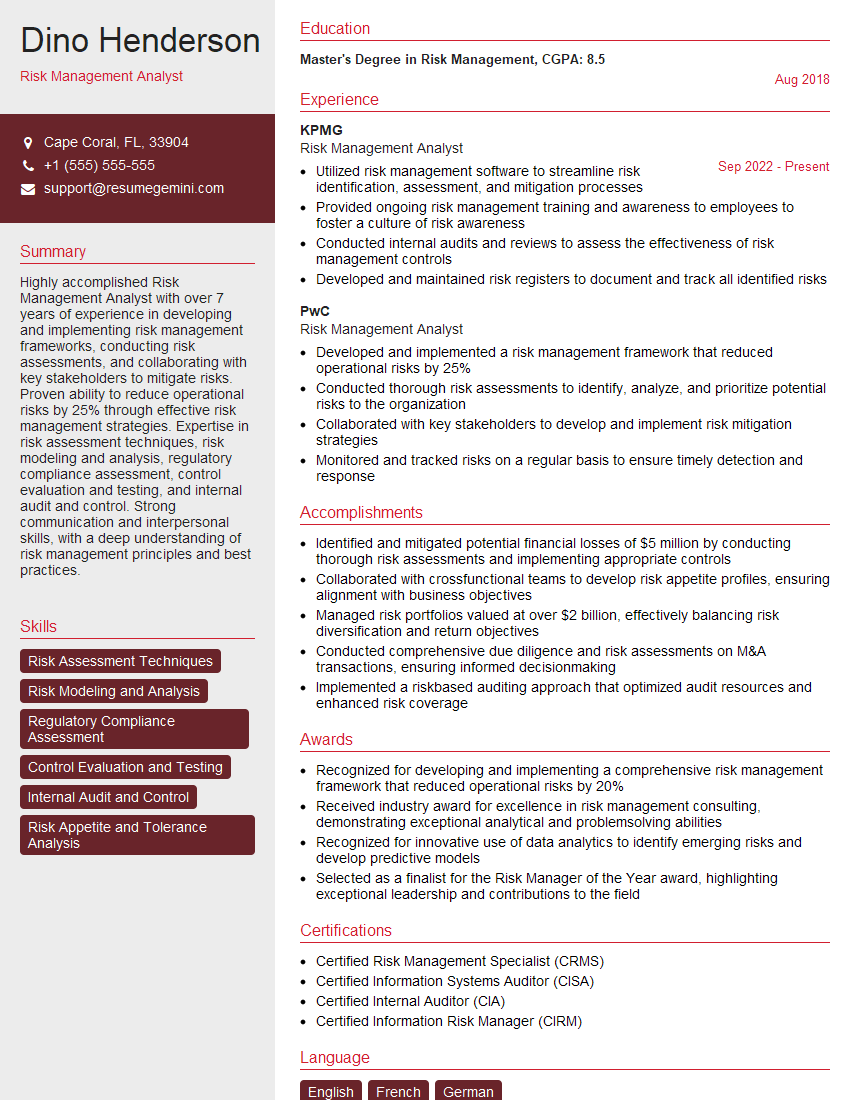
Risk Management Analyst Resume Sample
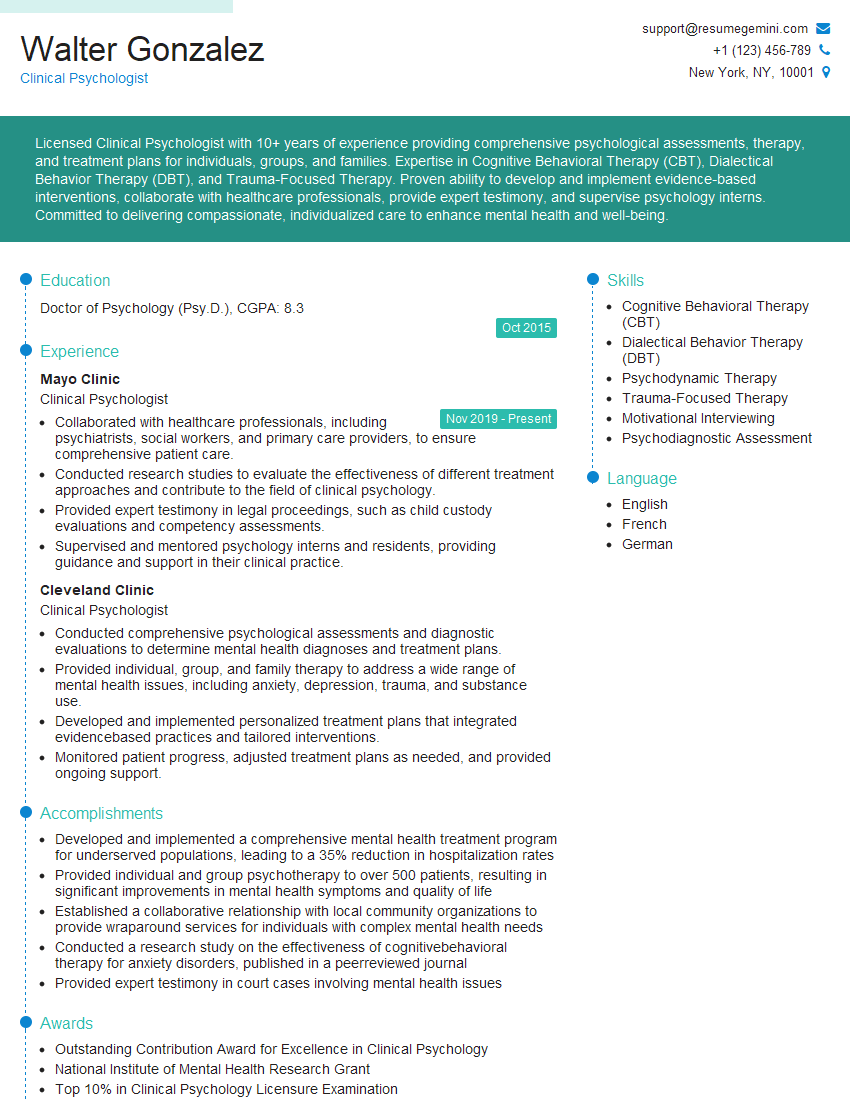
Clinical Psychologist Resume Sample
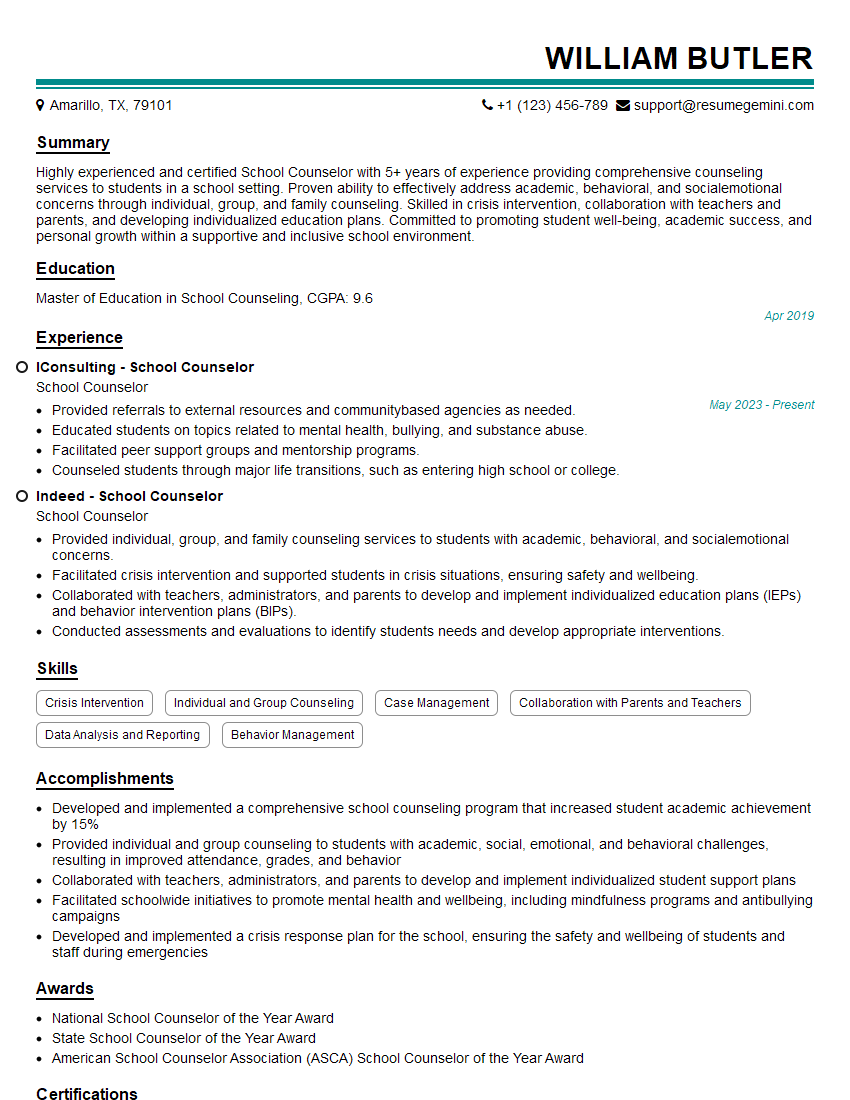
School Counselor Resume Sample
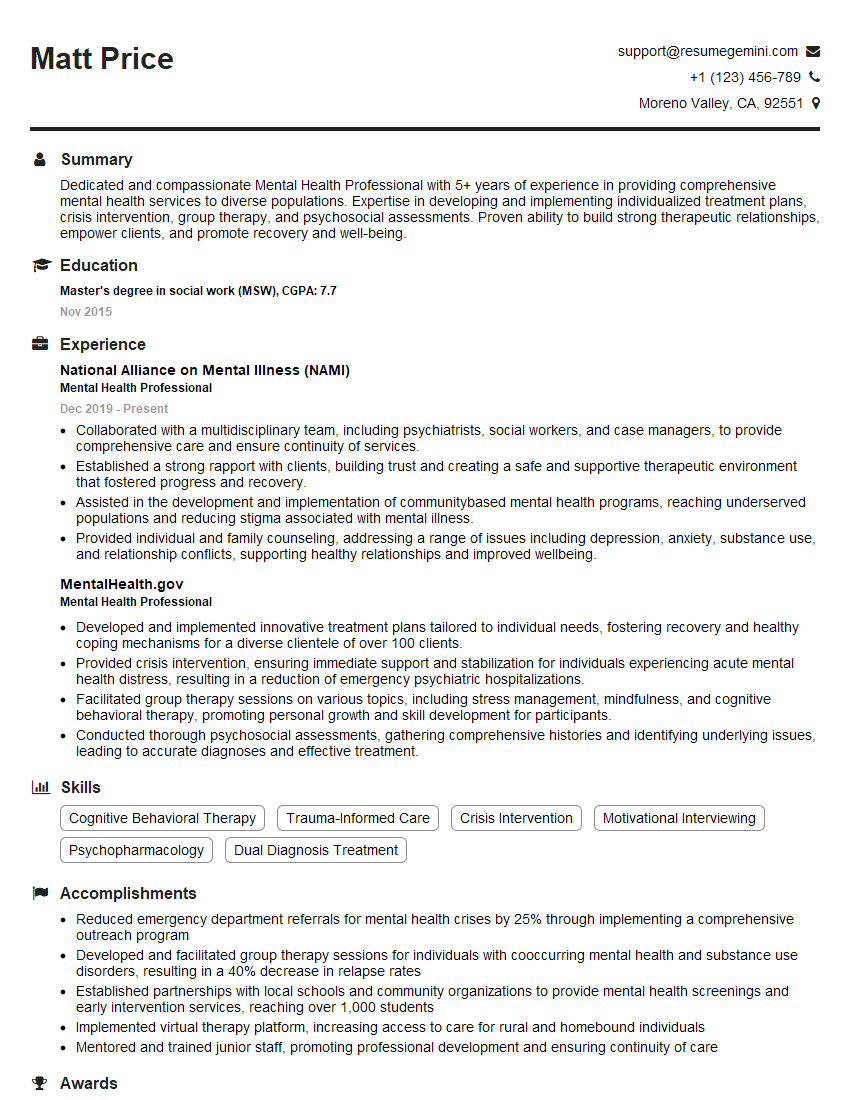
Mental Health Professional Resume Sample
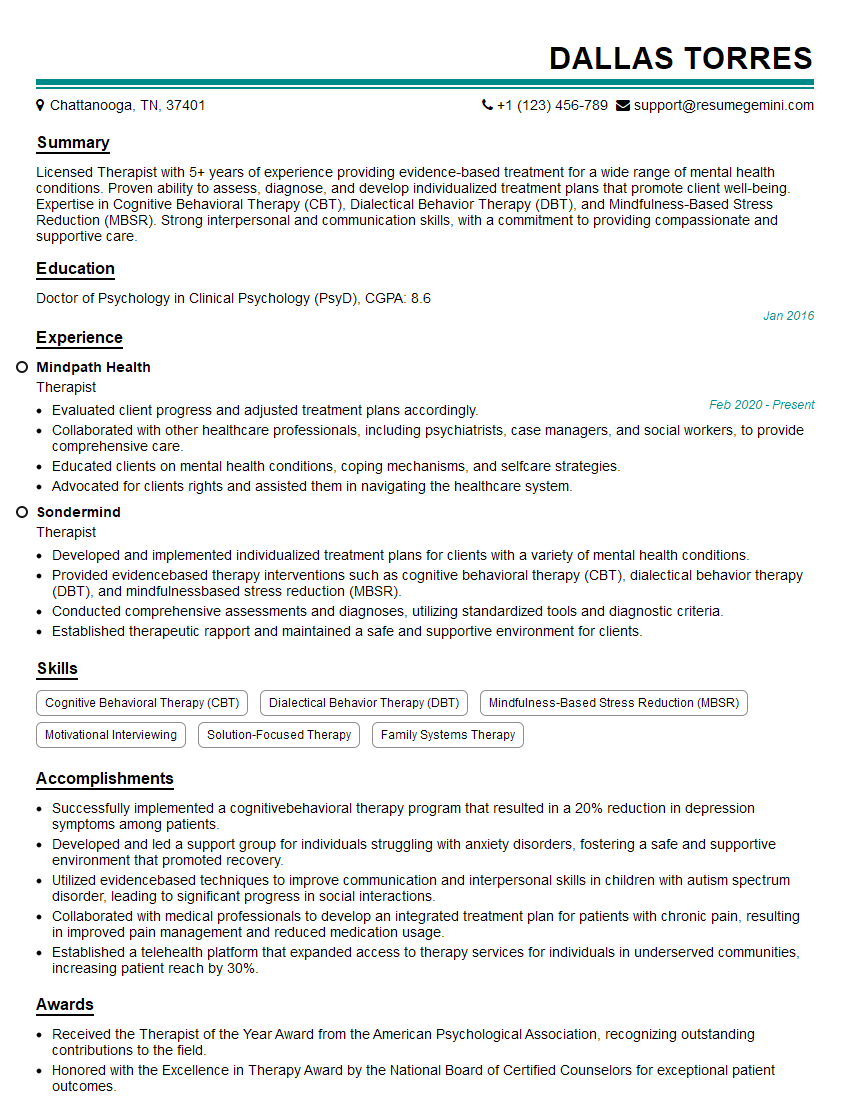
Therapist Resume Sample
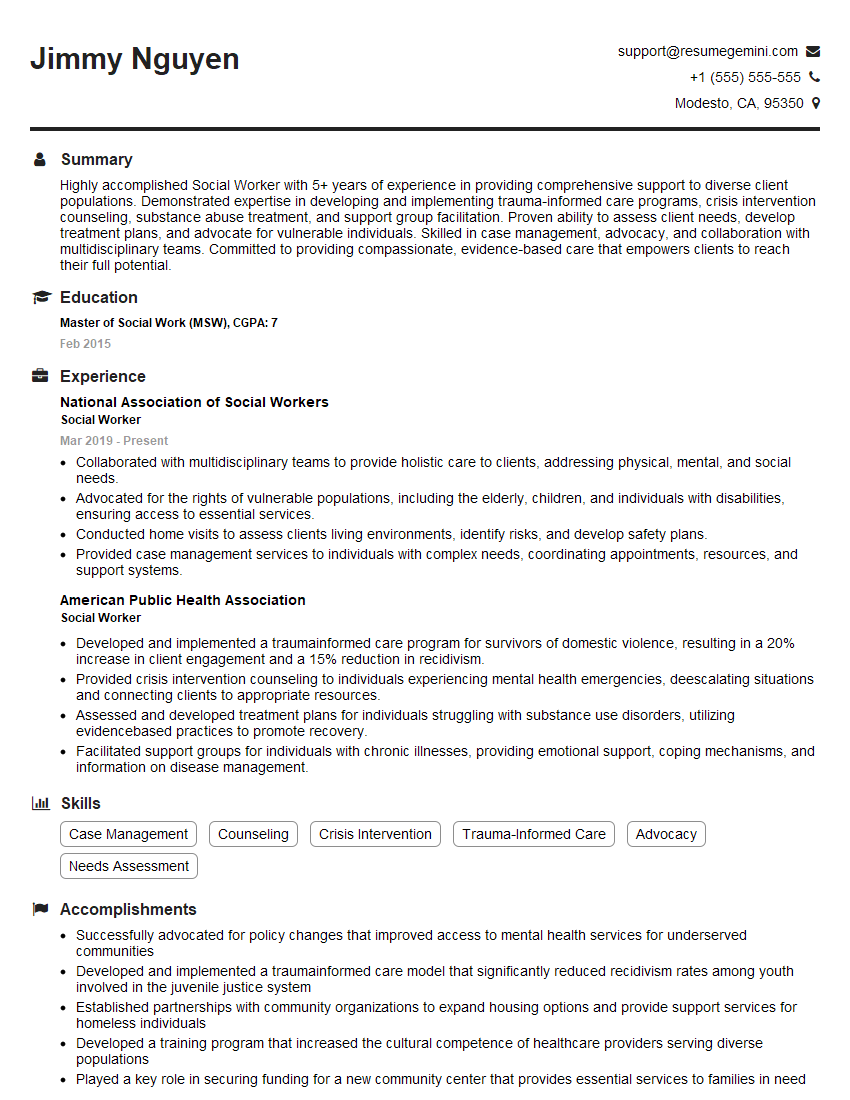
Social Worker Resume Sample
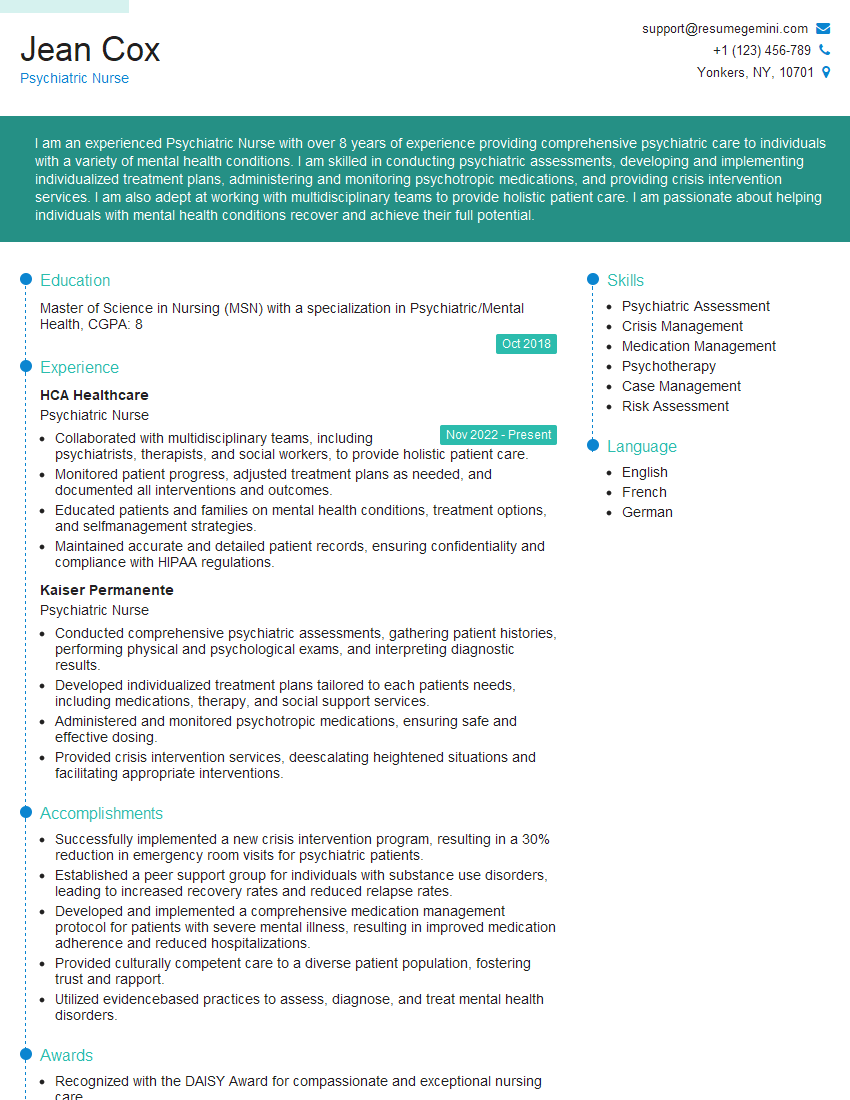
Psychiatric Nurse Resume Sample
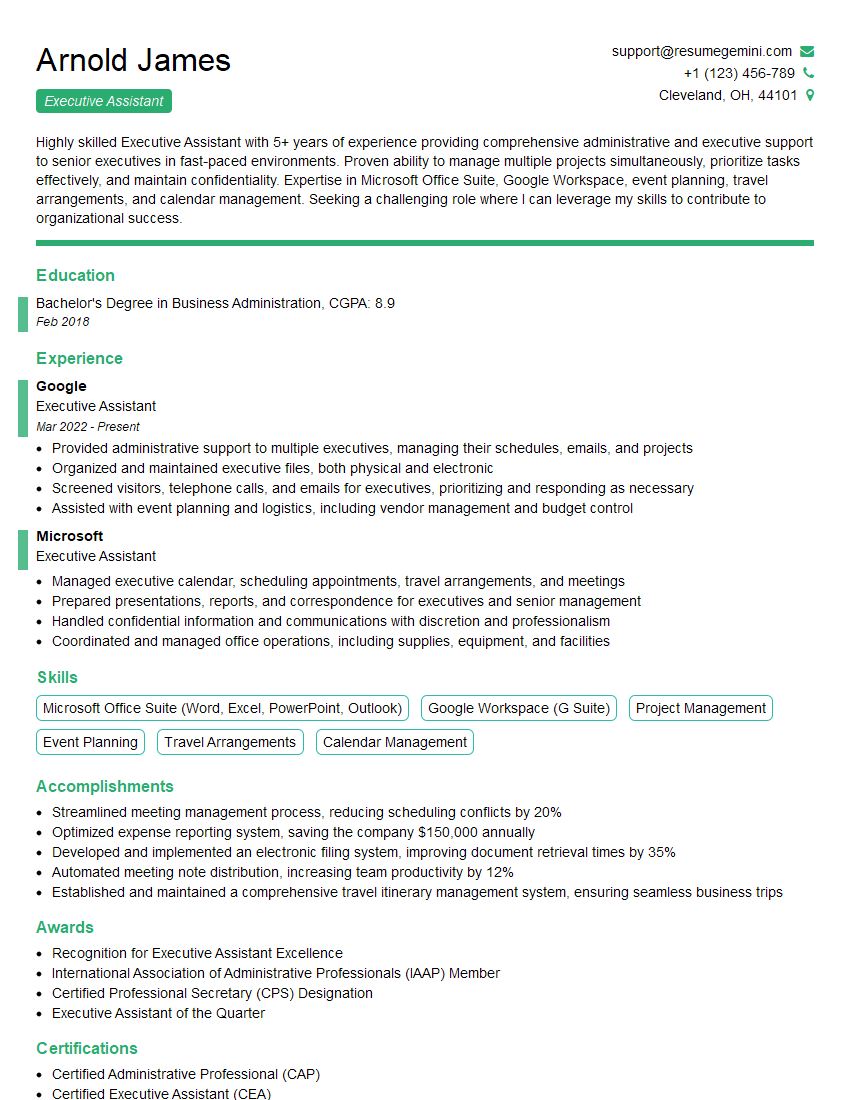
Executive Assistant Resume Sample
- Program Manager
- Director of Operations
- Human Resources Manager
- Project Manager
- Team Leader
- Compliance Officer
- Case Manager
- Mediator
- Organizational Development Consultant
- Corporate Trainer
- Counselor
- Risk Management Analyst
- Clinical Psychologist
- School Counselor
- Mental Health Professional
- Therapist
- Social Worker
- Psychiatric Nurse
- Executive Assistant
Explore more articles
Users Rating of Our Blogs
Share Your Experience
We value your feedback! Please rate our content and share your thoughts (optional).
What Readers Say About Our Blog
Very informative content, great job.
good