The right preparation can turn an interview into an opportunity to showcase your expertise. This guide to Broadcast Operations Management interview questions is your ultimate resource, providing key insights and tips to help you ace your responses and stand out as a top candidate.
Questions Asked in Broadcast Operations Management Interview
Q 1. Explain the role of a Master Control Operator in a broadcast environment.
The Master Control Operator (MCO) is the central nervous system of a broadcast operation, responsible for the on-air signal’s quality and integrity. Think of them as the air traffic controller of a television station. They oversee everything that goes to air, ensuring seamless transitions between programs, commercials, and promotions.
Their duties include monitoring incoming and outgoing signals, operating switching equipment to select and route video and audio sources, controlling on-screen graphics and lower thirds, and managing the overall timing and flow of the broadcast. They’re also responsible for responding to any technical issues or emergencies that might arise during a live broadcast. Imagine a live news broadcast – the MCO is the one making sure the right camera feeds are selected, the audio is clear, and the graphics are displayed correctly, all while maintaining a smooth, uninterrupted flow.
- Signal Monitoring: Constantly watching signal strength, quality, and audio levels.
- Source Selection: Switching between different video and audio sources (cameras, video servers, etc.).
- Graphics Control: Operating character generators and other systems to display on-screen graphics.
- Timing and Cueing: Adhering to strict timing schedules for commercials and program segments.
- Troubleshooting: Quickly identifying and resolving technical problems that may occur.
Q 2. Describe your experience with broadcast automation systems.
I have extensive experience with various broadcast automation systems, including [mention specific systems e.g., Grass Valley Ignite, Ross Video Overdrive, Harris NEXIO]. My experience spans both implementation and day-to-day operation. For instance, in my previous role at [mention previous company], I was instrumental in migrating our station from a legacy system to a fully IP-based automation platform. This involved not only configuring the hardware and software but also retraining our staff on the new system, resulting in a significant improvement in efficiency and operational flexibility.
My responsibilities included scheduling programming, managing playlists, creating and editing automation sequences, and troubleshooting system malfunctions. I’m proficient in creating and managing playout schedules, integrating with traffic and billing systems, and ensuring the seamless transition between automated and live content. I understand the intricacies of automation system databases and the importance of maintaining accurate metadata for efficient program management. For example, I once had to quickly resolve a critical issue where a scheduled program was missing from the automation system database, preventing its broadcast. By quickly pinpointing and rectifying the database error, I averted a significant on-air disruption.
Q 3. How do you ensure signal quality and redundancy in a broadcast operation?
Ensuring signal quality and redundancy is paramount in broadcast operations. Signal quality is maintained through meticulous monitoring of signal levels, using test patterns, and employing appropriate signal processing equipment such as equalizers and noise reduction units. A key strategy is redundancy, employing backup systems and pathways. This prevents complete system failure if a primary component malfunctions.
For instance, we might utilize dual-path SDI video transmission, where one path serves as the primary feed and the other is an immediate backup. This instantaneous failover guarantees uninterrupted broadcast in case of primary path failure. We also employ redundant power supplies and network infrastructure. This is crucial to ensuring high availability of equipment. Regular preventative maintenance, such as cleaning optical connections and verifying cable integrity, plays a significant role in maintaining signal quality. Monitoring tools and alarms provide early warnings of potential problems allowing for proactive intervention. Finally, regular signal quality checks and documentation are crucial for compliance, troubleshooting, and continual service improvement.
Q 4. What are your troubleshooting skills in resolving broadcast technical issues?
My troubleshooting approach is systematic and efficient. I begin by identifying the symptoms of the problem, gathering relevant information such as error logs and system status. I then formulate a hypothesis based on my experience and knowledge, systematically testing my assumptions. I utilize various tools like oscilloscopes, signal generators, and network analyzers to pinpoint the root cause. Documenting every step of the troubleshooting process is essential for future reference and knowledge sharing.
For instance, when a sudden loss of audio occurred during a live broadcast, I quickly identified the problem as a faulty audio cable. My systematic check of signal paths, starting from the audio source, ultimately led to the swift replacement of the cable, restoring the audio in minutes. I firmly believe in a proactive approach, performing regular preventative maintenance to minimize the occurrence of unexpected technical issues.
Q 5. Explain your experience with video and audio codecs.
My experience with video and audio codecs is extensive, covering various formats including MPEG-2, H.264 (AVC), H.265 (HEVC), and various flavors of AAC and MP3 audio codecs. I understand the tradeoffs between compression ratios, bitrates, and quality. I know the strengths and limitations of each codec in different broadcast applications, such as high-definition television, online streaming, and archive storage.
For example, in one project, we had to choose the optimal codec for streaming live events over the internet. After considering factors like bandwidth constraints, viewer device capabilities, and desired video quality, we selected H.264 with a variable bitrate encoding strategy to balance quality and efficient use of bandwidth. My experience also includes working with professional audio editing software and understanding sample rates, bit depths, and other audio-related parameters to deliver high-fidelity audio across platforms.
Q 6. Describe your familiarity with various broadcast transmission standards (e.g., SDI, IP).
I’m familiar with a wide range of broadcast transmission standards, both traditional and IP-based. My experience includes working with SDI (Serial Digital Interface) technology, from various SDI formats (SD-SDI, HD-SDI, 3G-SDI, 6G-SDI, 12G-SDI), understanding their bandwidth capabilities and signal characteristics. I’m also adept in IP-based workflows utilizing protocols like SMPTE 2022-6 and 2110, understanding the benefits and challenges of transitioning to IP-based infrastructure. This includes familiarity with network configurations, Quality of Service (QoS) settings, and network management tools.
The transition to IP-based broadcasting presents unique challenges. I have hands-on experience working with NMOS (Networked Media Open Specifications) to manage and discover IP-based devices in a broadcast environment. Understanding these standards and technologies is crucial for building robust and scalable broadcast systems.
Q 7. How do you manage and prioritize multiple tasks in a fast-paced broadcast environment?
Managing multiple tasks in a fast-paced broadcast environment requires organization, prioritization, and a calm demeanor. I utilize techniques like task lists and scheduling tools to break down complex tasks into smaller, manageable steps. I prioritize tasks based on their urgency and impact on the broadcast, addressing critical issues immediately while ensuring the timely completion of other tasks.
For example, during a live news broadcast, I might be simultaneously monitoring multiple signal sources, responding to director cues, and troubleshooting a minor graphics issue. My ability to swiftly assess priorities and delegate tasks where necessary allows me to maintain a smooth workflow even under pressure. Effective communication is key, keeping the team informed of progress and any potential challenges, ensuring collaboration and efficient problem-solving. This includes clear and concise communication with the technical director and other broadcast staff.
Q 8. Explain your experience with broadcast monitoring and logging systems.
Broadcast monitoring and logging systems are crucial for ensuring the smooth operation and quality of broadcast signals. They provide real-time and historical data on various aspects of the broadcast chain, from signal strength and audio levels to video quality and error rates. My experience encompasses working with several leading systems, including those from vendors like [Vendor Name A], [Vendor Name B], and [Vendor Name C].
I’ve used these systems to proactively identify and address potential issues before they impact viewers. For instance, using a system’s automated alerts, I was able to detect a significant drop in audio levels during a live sports event just moments before it became noticeable to viewers. This allowed us to quickly adjust the audio mix and prevent a major disruption. Furthermore, detailed logging allows for post-event analysis to identify recurring problems and implement preventative measures. We analyze these logs to understand trends, pinpoint recurring issues (like intermittent signal loss on a specific satellite uplink), and improve our operational efficiency.
Beyond basic monitoring, I’m experienced with systems that integrate with other tools for comprehensive analysis. This allows for correlation between various data points; for instance, linking a sudden increase in error rates on a specific encoder to a corresponding spike in network congestion shown in our network monitoring systems.
Q 9. What is your experience with cloud-based broadcast workflows?
Cloud-based broadcast workflows are revolutionizing the industry, offering scalability, flexibility, and cost-effectiveness. My experience includes working with cloud platforms like AWS and Azure for various aspects of broadcast operations, including ingest, processing, and playout. We’ve migrated portions of our on-premises infrastructure to the cloud, significantly reducing our capital expenditure on hardware while improving our agility.
For example, we leverage cloud-based transcoding services to efficiently handle multiple formats and resolutions, dynamically scaling resources based on demand. This eliminates the need for large, expensive on-site transcoding farms and allows us to respond quickly to changes in viewer demand. We also use cloud-based storage for archiving content, which offers better disaster recovery capabilities compared to traditional on-premises solutions.
However, I also understand the importance of managing the complexities of cloud infrastructure, including latency, security, and vendor lock-in. Therefore, our approach to cloud adoption has been gradual, ensuring robust monitoring, comprehensive security measures, and a well-defined disaster recovery plan.
Q 10. How do you handle unexpected technical failures during a live broadcast?
Handling unexpected technical failures during a live broadcast requires a calm, methodical approach and a robust set of contingency plans. My experience has shown that the key is preparation and proactive redundancy. Our team utilizes a layered approach to redundancy, with backup systems for every critical component.
- Immediate Action: The first step is to identify the failure and its impact. Then, we immediately switch to a backup system or source, minimizing downtime. We have detailed runbooks and procedures for each potential failure scenario, ensuring a coordinated and efficient response.
- Communication: Clear and timely communication is critical, both internally and externally. Internal communication ensures team coordination, while external communication, if necessary, keeps viewers informed and manages expectations.
- Root Cause Analysis: After resolving the immediate issue, we conduct a thorough root cause analysis to prevent future occurrences. This often involves reviewing logs, interviewing personnel, and examining system configurations.
For instance, during a live news broadcast, we experienced a sudden loss of the primary satellite uplink. Our pre-planned procedures kicked in immediately, seamlessly switching to a backup terrestrial connection. While there was a brief moment of disruption, viewers barely noticed the transition due to the smooth and efficient execution of our contingency plan.
Q 11. Describe your experience with content scheduling and playout systems.
Content scheduling and playout systems are the backbone of any broadcast operation. My experience spans working with various systems, from traditional on-air systems to more modern, file-based workflows. I’m proficient in using scheduling software to create and manage program schedules, including managing commercials, promos, and other content elements.
In addition to scheduling, I have significant experience with playout automation systems. These systems ensure seamless transitions between programs and handle various tasks, such as logging events, generating reports, and managing metadata. We utilize these systems to automate many repetitive tasks, freeing up staff to focus on more strategic activities. For instance, we have automated the process of generating daily program schedules, reducing manual effort and increasing accuracy.
The systems I’ve worked with offer features such as playlist management, metadata integration, and sophisticated error handling, allowing for efficient and reliable broadcast operations. I understand the intricacies of integrating these systems with other broadcast components, ensuring smooth workflows and minimizing the risk of errors.
Q 12. What is your understanding of broadcast compliance and regulations?
Broadcast compliance and regulations are paramount. My understanding encompasses a wide range of local, national, and international regulations, including those related to content standards, advertising, and data privacy. I’m familiar with regulations such as [Specific Regulation 1], [Specific Regulation 2], and [Specific Regulation 3], and their implications for broadcast operations. This includes understanding restrictions on advertising to children, regulations concerning political broadcasting, and requirements for captioning and accessibility.
We maintain meticulous records to ensure compliance, regularly reviewing our procedures and systems to ensure they align with the latest regulations. This includes regularly auditing our content to ensure it meets the required standards and conducting staff training to maintain awareness of legal requirements. Non-compliance can result in significant fines or license suspension; therefore, a proactive and comprehensive approach is essential.
Q 13. How do you ensure the security of broadcast content and systems?
Security of broadcast content and systems is a top priority. My experience includes implementing and maintaining security measures to protect both our physical infrastructure and our digital assets. This involves a multi-layered approach encompassing physical security, network security, and data security.
- Physical Security: Controlled access to our broadcast facilities, including surveillance systems and access control measures, is implemented to prevent unauthorized entry and tampering.
- Network Security: Firewalls, intrusion detection systems, and regular security audits are crucial to prevent cyberattacks and unauthorized access to our networks and systems.
- Data Security: Encryption, access control, and regular backups are utilized to protect our content and data from unauthorized access or loss. We adhere to strict data privacy regulations, ensuring the confidentiality and integrity of sensitive information.
We conduct regular security assessments and penetration testing to identify and address vulnerabilities proactively. Employee training on cybersecurity best practices is also a key component of our security strategy. The potential impact of a security breach, particularly involving sensitive information or interruption of service, is significant. Therefore, a comprehensive security approach is essential.
Q 14. Describe your experience with IP-based broadcast infrastructures.
IP-based broadcast infrastructures are transforming the industry, offering greater flexibility, scalability, and cost-effectiveness compared to traditional SDI-based systems. My experience includes designing, implementing, and managing IP-based workflows for various applications, including live production, contribution, and distribution.
I’m familiar with various IP protocols used in broadcast, such as SMPTE 2110, and have experience working with network devices like routers, switches, and encoders/decoders optimized for IP-based workflows. Migrating from SDI to IP requires careful planning and testing to ensure compatibility and reliability, especially during live broadcasts. We have successfully implemented IP-based workflows for several projects, realizing significant improvements in efficiency and flexibility.
For example, we migrated our live news contribution network to an IP-based system, allowing us to easily add new cameras and locations without significant hardware investment. The flexibility offered by IP allows us to route signals dynamically, optimizing bandwidth utilization and improving overall reliability.
Q 15. What experience do you have with file-based workflows?
File-based workflows have revolutionized broadcast operations, moving away from traditional tape-based systems. My experience spans several years, encompassing ingest, processing, editing, and delivery using various file formats like MXF, XDCAM, and ProRes. I’m proficient in managing metadata, ensuring file integrity and efficient storage using MAM (Media Asset Management) systems like Dalet or Avid Interplay. For example, in a recent project, we transitioned from a tape-based archive to a cloud-based file-based system, significantly improving accessibility and reducing storage costs. This involved meticulous planning, staff training, and the implementation of robust quality control measures to ensure seamless transition and data security. Another example involves optimizing our workflow for high-resolution content delivery by implementing a transcoding pipeline that dynamically created different versions of the same footage for various platforms (web, broadcast, mobile).
Career Expert Tips:
- Ace those interviews! Prepare effectively by reviewing the Top 50 Most Common Interview Questions on ResumeGemini.
- Navigate your job search with confidence! Explore a wide range of Career Tips on ResumeGemini. Learn about common challenges and recommendations to overcome them.
- Craft the perfect resume! Master the Art of Resume Writing with ResumeGemini’s guide. Showcase your unique qualifications and achievements effectively.
- Don’t miss out on holiday savings! Build your dream resume with ResumeGemini’s ATS optimized templates.
Q 16. Explain your experience with different types of broadcast equipment (cameras, switchers, routers).
My experience with broadcast equipment is extensive. I’ve worked extensively with various cameras, from Sony HDC-series cameras used in high-end studio productions to handheld ENG cameras like the Canon XA series for field shoots. I’m familiar with operating and troubleshooting different switcher models, including those from Ross Video and ATEM, understanding the nuances of various effects and transitions. My experience also includes working with routing systems like those from Grass Valley, understanding their role in signal management within a complex broadcast environment. For instance, I once resolved a critical issue during a live broadcast where a camera feed unexpectedly dropped. By quickly identifying the problem on the router, rerouting the signal, and coordinating with the camera operators, we successfully averted a major disruption to the program. Understanding the intricacies of different broadcast equipment allows for efficient problem-solving and optimized workflow.
Q 17. Describe your understanding of audio mixing and processing.
Audio mixing and processing are crucial for delivering a high-quality broadcast experience. My expertise encompasses using professional audio consoles (like Yamaha or SSL) for live mixing, including microphone techniques, equalization, compression, and effects processing. I understand the importance of gain staging, noise reduction, and audio routing within a broadcast environment. I’m also proficient in using digital audio workstations (DAWs) like Pro Tools for post-production audio editing and sweetening. In a recent project involving a live music performance, I was responsible for mixing the audio from multiple microphones, ensuring clear vocals, balanced instrument levels, and an engaging sonic experience for the viewers. This involved careful monitoring, adjustments to equalization and dynamics processing, and seamless integration with the video feed. My background includes hands-on experience with audio monitoring tools and metering techniques which are vital for delivering a professional audio signal.
Q 18. What is your experience with video editing and graphics creation?
I possess a strong background in video editing and graphics creation using industry-standard software. My expertise includes Avid Media Composer, Adobe Premiere Pro, and After Effects. I can edit video to create compelling narratives, add transitions, color correct footage, and incorporate graphics and animations. For example, in a recent project I created several animated lower thirds and promotional graphics using After Effects, integrating them seamlessly into the final edit. Beyond the technical skills, I understand the importance of visual storytelling and effective communication through video editing. I can adapt my editing style based on the project’s requirements, be it a fast-paced news segment or a slow and reflective documentary.
Q 19. How do you manage and maintain broadcast equipment?
Maintaining broadcast equipment involves a proactive and preventative approach. This includes regular inspections, cleaning, calibration, and preventative maintenance schedules to extend the equipment’s lifespan and minimize downtime. We use preventative maintenance logs to track service history and identify potential issues. I’m also skilled in troubleshooting equipment malfunctions and coordinating with technicians for repairs. For example, we established a regular maintenance schedule for our cameras, including cleaning lenses, checking cable connections, and running diagnostic tests. This reduced equipment failure during critical broadcasts. Furthermore, I’m adept at managing inventory, tracking equipment location and ensuring that all equipment is properly stored and protected.
Q 20. Explain your experience with project management in a broadcast setting.
My project management experience in broadcast involves planning, organizing, and executing projects efficiently and effectively. I utilize project management methodologies like Agile to manage resources, timelines, and budgets. I’m skilled in creating detailed project plans, assigning tasks, monitoring progress, and resolving conflicts. For instance, in one project involving a multi-camera live event, I used a Gantt chart to visualize timelines and dependencies. This helped the team stay organized, track progress and ensure the event ran smoothly. Effective communication, risk assessment, and proactive problem-solving are integral parts of my project management approach in broadcast operations.
Q 21. How do you collaborate with different teams within a broadcast operation?
Collaboration is essential in broadcast operations. I’ve worked closely with various teams, including engineering, production, newsroom, graphics, and post-production. Effective communication, clear expectations, and mutual respect are key. I utilize various communication tools, including project management software, email, and instant messaging to ensure clear communication and coordination among teams. For example, I’ve successfully coordinated a complex live broadcast involving multiple teams by establishing regular meetings, utilizing shared project documents, and providing regular updates on progress. Building strong relationships with team members is crucial for effective collaboration and successful project completion.
Q 22. How do you stay current with the latest broadcast technologies?
Staying current in the rapidly evolving world of broadcast technology requires a multi-pronged approach. It’s not enough to simply rely on one source of information; a combination of methods is crucial for staying ahead of the curve.
- Industry Publications and Websites: I regularly read publications like Broadcasting & Cable, TV Technology, and online resources such as NAB (National Association of Broadcasters) and SMPTE (Society of Motion Picture and Television Engineers) websites. These provide insights into the latest trends, technologies, and best practices.
- Conferences and Trade Shows: Attending industry events like NAB Show and IBC (International Broadcasting Convention) allows for networking with peers and vendors, hands-on experience with new equipment, and exposure to cutting-edge developments. I actively participate in workshops and presentations to deepen my understanding.
- Online Courses and Webinars: Platforms like LinkedIn Learning, Coursera, and various vendor-specific training programs offer valuable opportunities to learn about new technologies and software. I prioritize courses focused on areas like cloud-based workflows, IP video, and AI-driven automation.
- Professional Organizations: Membership in relevant organizations such as the SMPTE or local broadcast associations provides access to webinars, networking events, and ongoing education. It’s a great way to learn from experts and connect with peers.
- Vendor Engagement: Maintaining strong relationships with vendors allows for early access to beta programs, product demonstrations, and technical support. This ensures I understand the practical applications of new technologies before they are widely adopted.
This combination of active learning and networking ensures I’m well-informed about the latest developments and prepared to integrate them into our broadcast operations effectively.
Q 23. Describe your experience with disaster recovery planning for broadcast operations.
Disaster recovery planning is paramount in broadcast operations, where downtime can have significant financial and reputational consequences. My experience involves creating comprehensive plans that address various potential disruptions, ranging from natural disasters to equipment failures. This typically involves a multi-step process:
- Risk Assessment: Identifying all potential threats, such as power outages, fires, floods, cyberattacks, and equipment malfunctions. This includes analyzing their likelihood and potential impact on broadcast operations.
- Developing Recovery Strategies: Formulating strategies to mitigate each identified risk. This might include redundant systems (e.g., backup generators, secondary broadcast facilities), data backups (cloud storage, tape backups), and failover mechanisms. For example, having a secondary studio location ready to take over broadcasting in case of a primary site disaster.
- Testing and Training: Regularly testing the disaster recovery plan through simulations and drills. This ensures the plan is effective and that staff are properly trained to execute it efficiently. We perform both full-scale disaster recovery simulations and smaller tests of individual components.
- Communication Protocols: Establishing clear communication protocols during a crisis. This includes designated communication channels and contact lists to ensure everyone is informed and coordinated during an emergency.
- Documentation: Maintaining comprehensive documentation of the disaster recovery plan, including contact information, system diagrams, and recovery procedures. This documentation is regularly updated and reviewed.
In a previous role, we successfully executed our disaster recovery plan during a severe thunderstorm that caused a power outage at our main facility. Because of our preparedness, we were back on air within an hour using our backup generator and secondary studio, minimizing disruption to our viewers.
Q 24. How do you measure the efficiency and effectiveness of broadcast operations?
Measuring the efficiency and effectiveness of broadcast operations requires a multifaceted approach that goes beyond simply looking at the immediate output. We need to consider several key performance indicators (KPIs):
- On-Air Reliability: This measures the percentage of time the broadcast is on air without interruption. High uptime indicates effective system management and maintenance.
- Operational Costs: Tracking expenses related to personnel, equipment, and facilities helps identify areas for cost optimization.
- Production Time: Measuring the time it takes to produce a program from initial planning to broadcast. Shorter production times indicate improved efficiency.
- Resource Utilization: Analyzing the utilization of equipment and personnel to identify underutilized resources or bottlenecks. This helps in efficient resource allocation.
- Audience Engagement: While not a direct operational metric, tracking audience viewership and engagement gives feedback on program quality and effectiveness.
- Error Rate: Monitoring errors, such as on-air technical glitches or content mistakes, provides insights into areas needing improvement.
These KPIs are tracked using a combination of automated monitoring systems and manual reporting. The data is analyzed regularly to identify trends and areas for improvement. For instance, consistently high operational costs might indicate the need for new equipment or a shift in staffing strategies.
Q 25. What strategies do you employ for optimizing workflow and resource allocation in broadcast operations?
Optimizing workflow and resource allocation in broadcast operations involves a systematic approach that focuses on streamlining processes and maximizing the utilization of available resources. Key strategies include:
- Workflow Automation: Implementing automation technologies such as robotic process automation (RPA) and AI-powered tools to automate repetitive tasks, freeing up staff for more complex projects.
- Centralized Media Management: Utilizing a centralized media asset management (MAM) system to efficiently store, manage, and retrieve media assets, ensuring easy access for all authorized personnel.
- Cloud-Based Workflows: Migrating to cloud-based solutions for storage, processing, and distribution of media content, enabling scalability, flexibility, and cost savings.
- Team Collaboration Tools: Using communication and collaboration tools to facilitate seamless information sharing and communication among team members, promoting a more efficient and integrated workflow.
- Process Mapping and Optimization: Analyzing current workflows to identify bottlenecks, redundancies, and inefficiencies, implementing changes to improve overall flow.
- Resource Scheduling and Allocation: Implementing a robust scheduling system to optimize resource utilization, ensuring that equipment and personnel are assigned efficiently.
For example, in a previous role, we implemented a new MAM system that significantly reduced the time spent searching for and retrieving media assets, increasing overall efficiency by approximately 20%. This allowed our team to focus on more creative tasks.
Q 26. Describe a situation where you had to make a critical decision under pressure in a broadcast environment.
During a live news broadcast, our primary satellite uplink failed unexpectedly just minutes before a critical segment. The pressure was immense, as we had a scheduled interview with a high-profile guest and a large audience anticipated the report.
My immediate response involved rapidly assessing the situation and exploring alternative uplink options. The secondary uplink was available, but required a quick recalibration and verification to guarantee a stable signal. I quickly convened a small team comprising the technical director, the transmission engineer, and the news producer. We assigned responsibilities, prioritised the signal re-routing, and confirmed the secondary uplink stability. Simultaneously, the news producer worked with the guest to manage expectations.
The successful switch-over to the secondary uplink was completed within minutes, avoiding any significant disruption to the broadcast and preventing potential reputational damage. This situation underscored the importance of having redundant systems and a well-trained team capable of reacting quickly and decisively under pressure.
Q 27. How do you handle conflict resolution amongst team members in a broadcast operations setting?
Conflict resolution in a high-pressure broadcast environment demands a proactive and structured approach. I emphasize open communication, active listening, and a focus on finding mutually agreeable solutions. My approach typically involves:
- Identifying the Root Cause: Carefully listening to all parties involved to understand the underlying issues fueling the conflict. This often involves separating emotions from facts.
- Facilitating Dialogue: Creating a safe and respectful environment where individuals can express their concerns without interruption or judgment. I often use techniques like paraphrasing to ensure everyone feels heard.
- Mediation and Negotiation: Working with the individuals to find a solution that addresses everyone’s needs and concerns. Compromise is essential; sometimes, that means finding a completely new approach.
- Setting Clear Expectations: Once a solution is agreed upon, setting clear expectations regarding roles, responsibilities, and timelines to prevent future misunderstandings.
- Follow-up: Checking in after the resolution to ensure the agreed-upon solution is working effectively and that all parties are satisfied.
For example, I once mediated a disagreement between an editor and a graphics operator regarding the design of a news graphic. By facilitating a conversation, we discovered a misunderstanding regarding project specifications. Clarifying these points led to a satisfactory solution and improved team collaboration in future projects.
Q 28. Explain your experience with integrating new technologies into existing broadcast infrastructure.
Integrating new technologies into an existing broadcast infrastructure is a complex process that requires careful planning, execution, and testing. It’s crucial to consider various factors to minimize disruption and ensure a seamless transition.
- Needs Assessment: Defining the specific needs and objectives for integrating the new technology. What problem does this technology solve, and how will it improve our existing infrastructure?
- Compatibility Testing: Thoroughly testing the compatibility of the new technology with the existing infrastructure. This may involve conducting both laboratory tests and trial runs in a non-production environment.
- Phased Implementation: Implementing the new technology in phases, starting with a pilot program to evaluate the system’s performance in a controlled setting before a full-scale rollout.
- Training and Support: Providing comprehensive training to staff on the use of the new technology and establishing a support system to address any issues or challenges that may arise.
- Documentation: Maintaining detailed documentation of the implementation process, including system configurations, troubleshooting guides, and training materials.
- Risk Management: Identifying and assessing potential risks associated with the integration, including developing mitigation strategies to address them.
In a past project, we integrated a new IP-based video system into our existing SDI-based infrastructure. We adopted a phased approach, beginning with a trial implementation in a smaller studio. This allowed us to address potential issues and refine our integration strategy before implementing the system across the entire facility. This methodical approach ensured a smooth transition and minimal disruption to our daily operations.
Key Topics to Learn for Broadcast Operations Management Interview
- Master Control Room Operations: Understanding the workflow, equipment, and personnel involved in a live broadcast environment. Practical application includes troubleshooting technical issues during a live show and ensuring seamless transitions between segments.
- Technical Infrastructure: Knowledge of broadcast equipment (cameras, switchers, routers, encoders, decoders, etc.), signal flow, and network infrastructure. Practical application involves optimizing equipment performance for high-quality broadcasts and managing system upgrades.
- Workflow & Automation: Familiarity with broadcast automation systems and workflows, including playout systems, graphics insertion, and logging. Practical application: Developing efficient workflows to streamline production processes and reduce errors.
- Quality Control & Monitoring: Understanding quality control procedures, monitoring broadcast signals for technical issues, and implementing solutions to maintain signal quality. Practical application: Proactively identifying and resolving issues before they impact the broadcast.
- Team Management & Leadership: Effective communication, delegation, and conflict resolution within a broadcast operations team. Practical application: Motivating and guiding a team to achieve common goals under pressure.
- Compliance & Regulations: Awareness of broadcast regulations and industry standards related to content, technical specifications, and safety procedures. Practical application: Ensuring adherence to all relevant regulations and standards in all aspects of operations.
- Troubleshooting & Problem Solving: Developing effective strategies for identifying, diagnosing, and resolving technical issues quickly and efficiently. Practical application: Using systematic approaches to isolate and address complex technical problems in real-time.
- Budgeting & Resource Allocation: Understanding the financial aspects of broadcast operations, including budgeting, resource allocation, and cost management. Practical application: Efficiently managing resources to maximize efficiency and minimize expenditure.
Next Steps
Mastering Broadcast Operations Management is crucial for career advancement in the dynamic media landscape. A strong understanding of these technical and managerial aspects opens doors to leadership roles and increased earning potential. To maximize your job prospects, it’s vital to create a compelling, ATS-friendly resume that highlights your skills and experience effectively. We highly recommend using ResumeGemini, a trusted resource for building professional resumes. ResumeGemini provides examples of resumes tailored to Broadcast Operations Management to help you create a document that truly showcases your qualifications. Take the next step toward your dream job today!
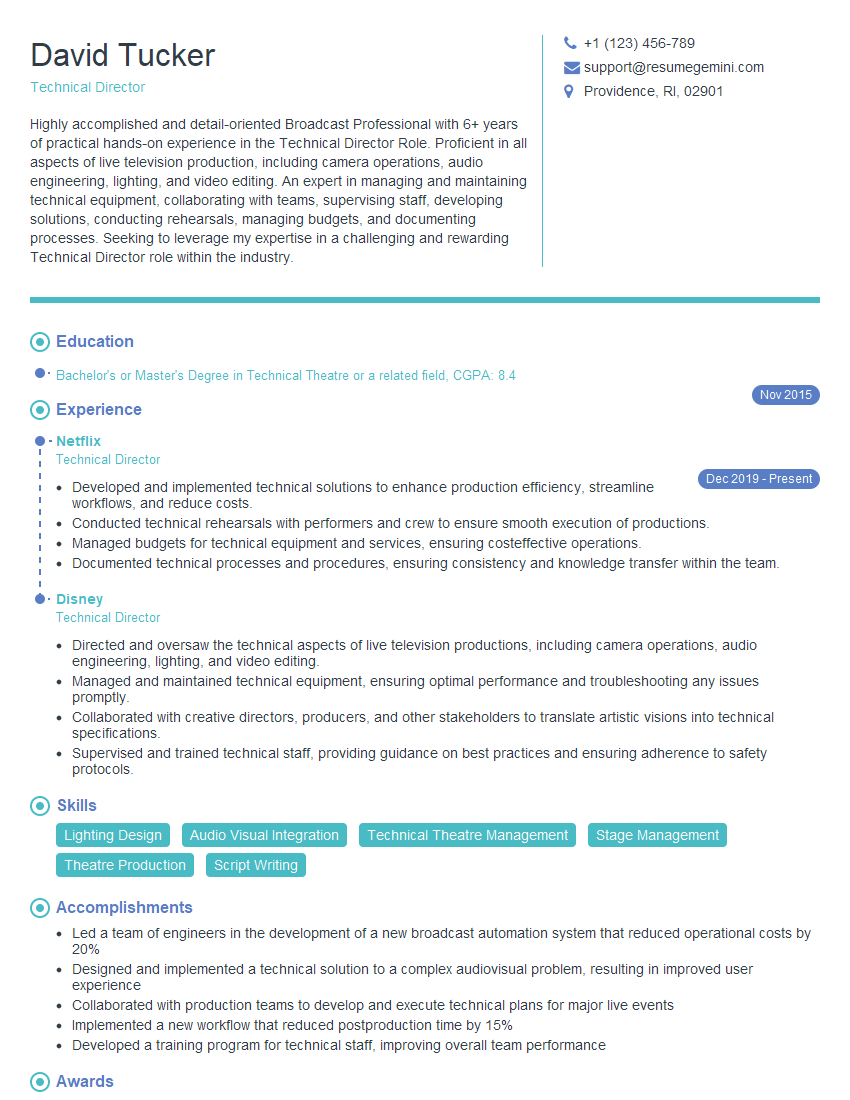
Technical Director Resume Sample

Production Coordinator Resume Sample
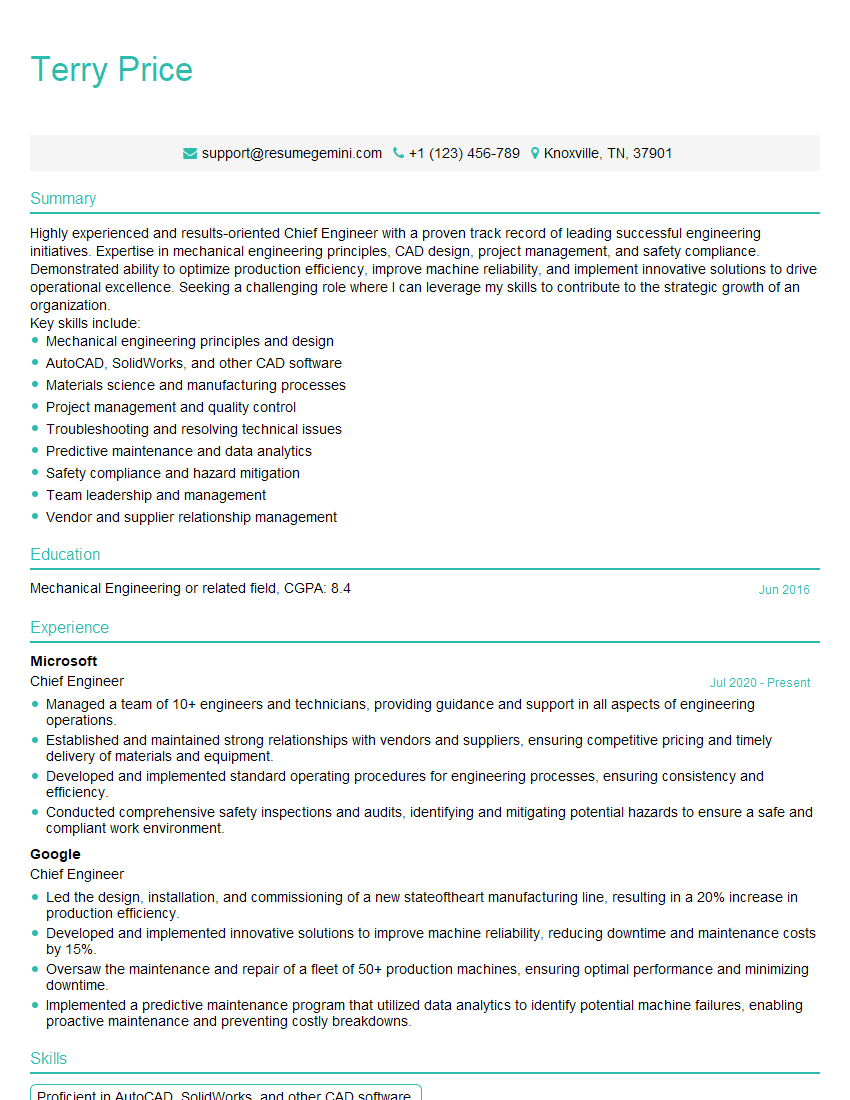
Chief Engineer Resume Sample

Scheduling Coordinator Resume Sample
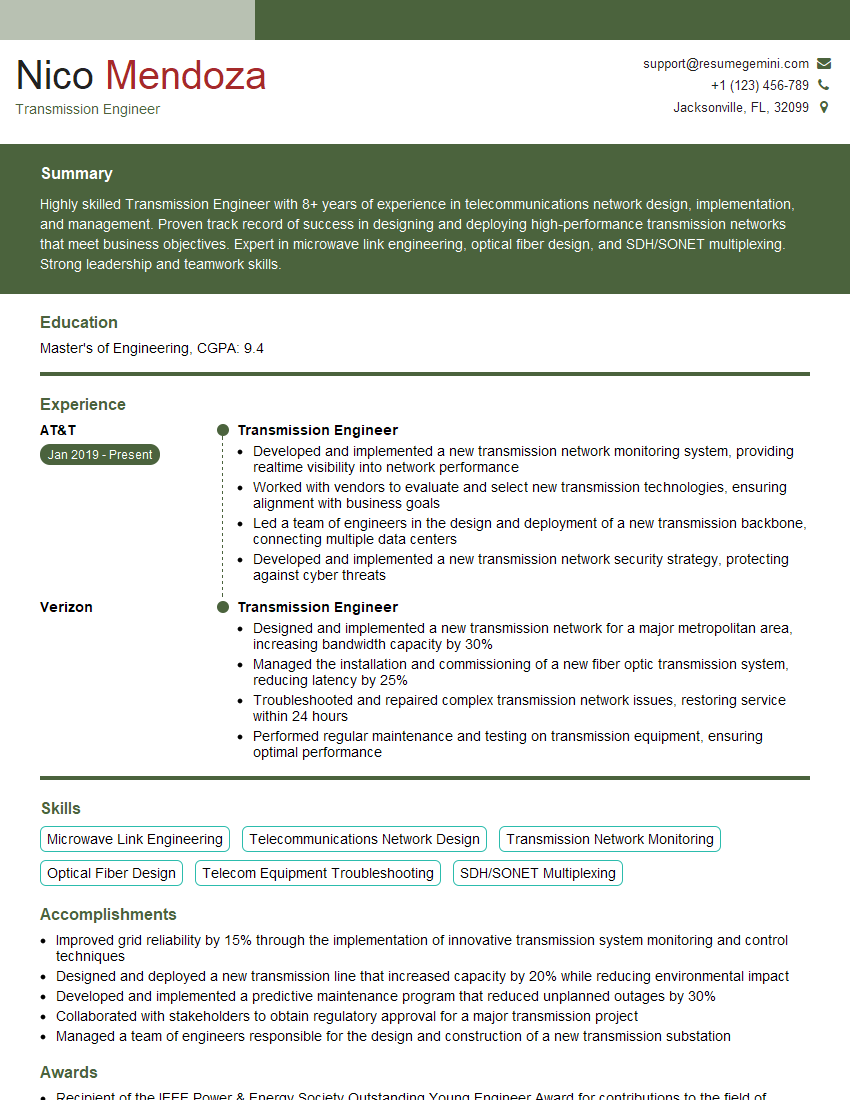
Transmission Engineer Resume Sample
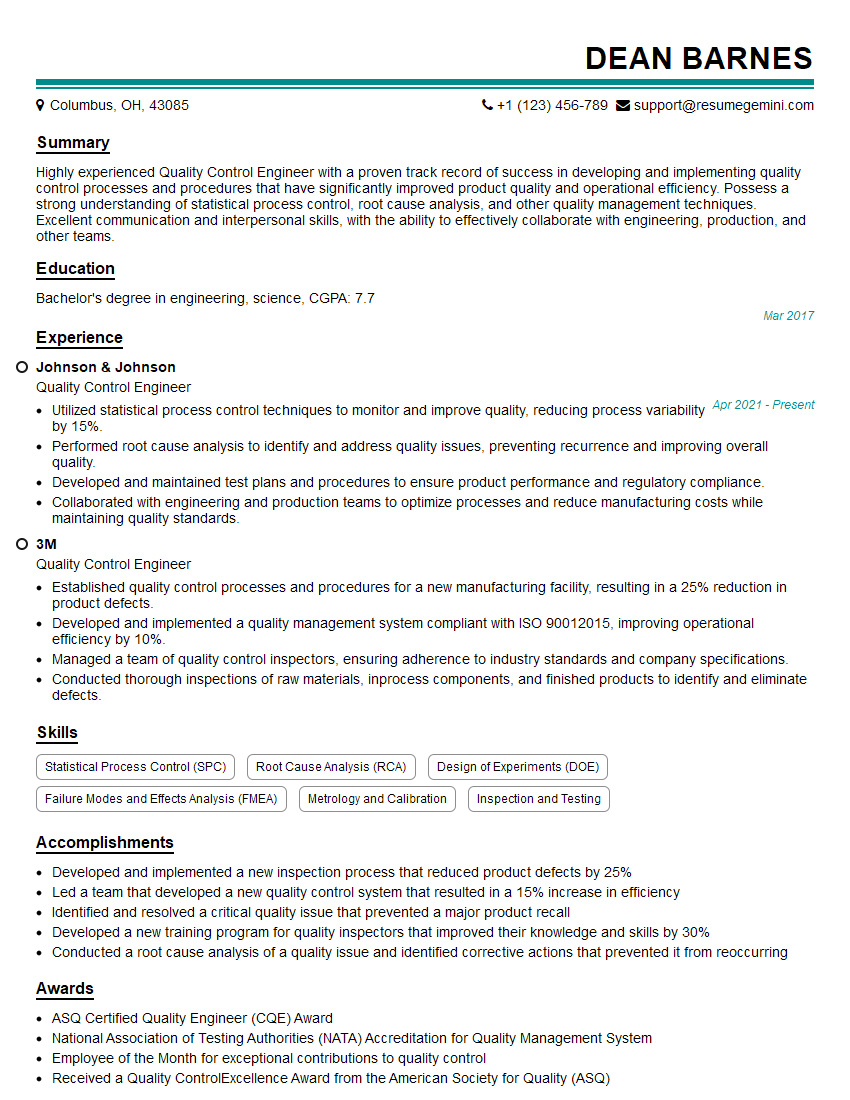
Quality Control Engineer Resume Sample
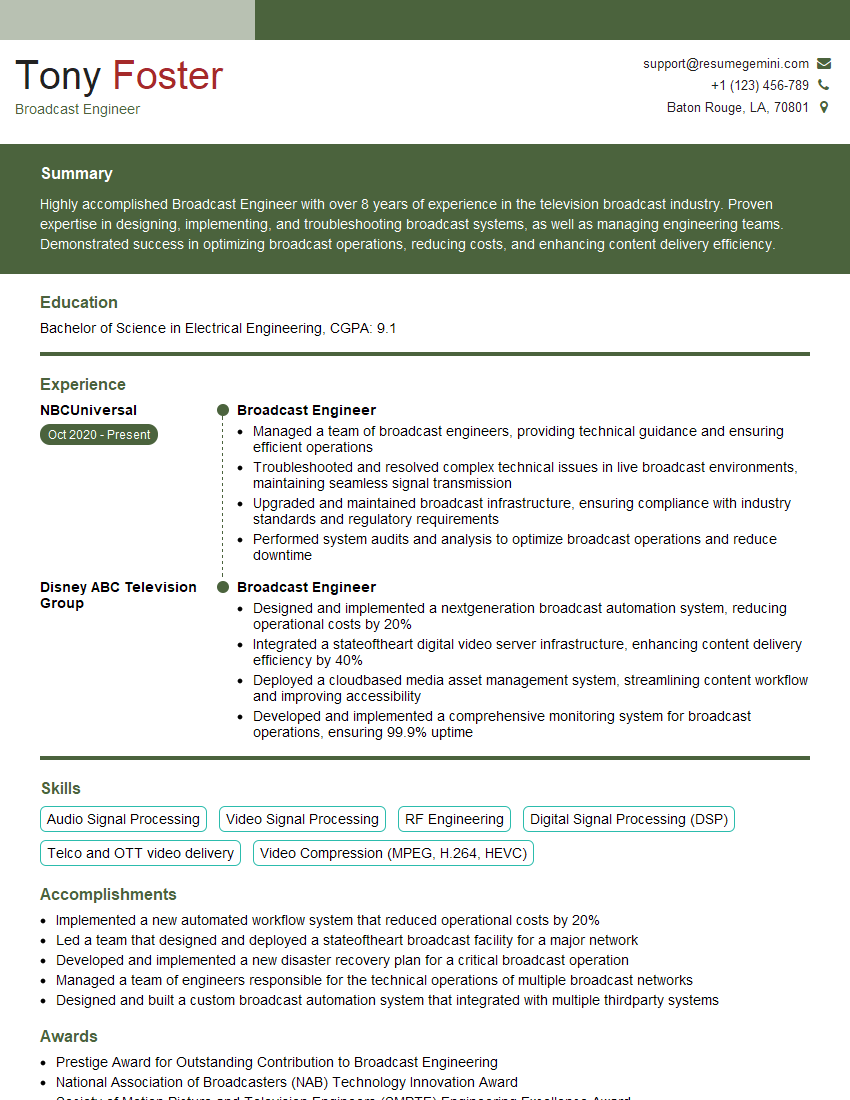
Broadcast Engineer Resume Sample
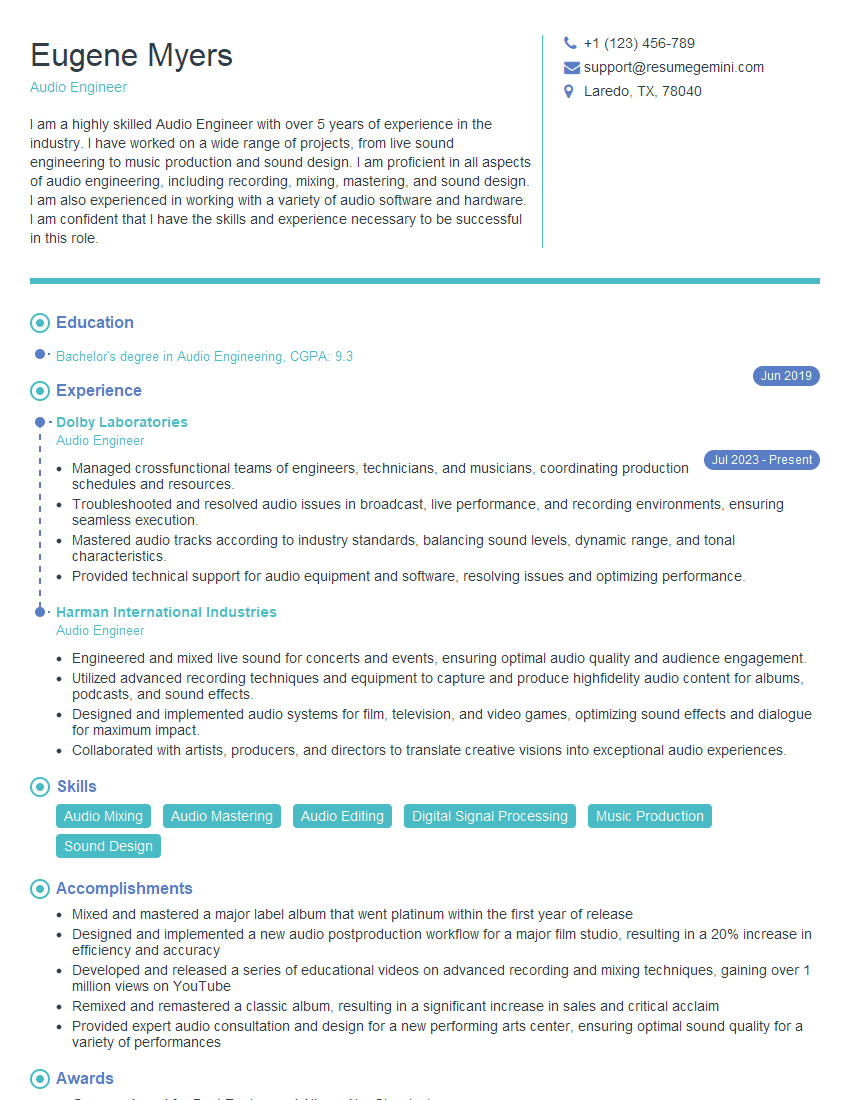
Audio Engineer Resume Sample
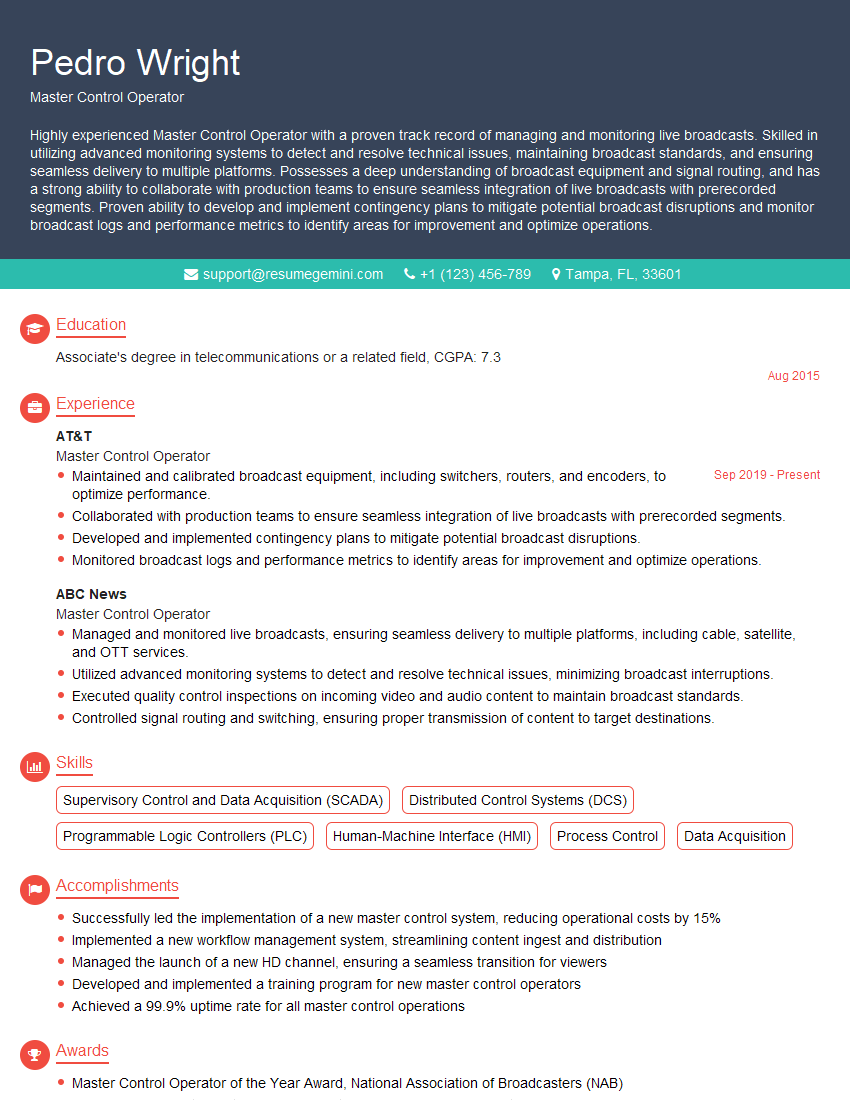
Master Control Operator Resume Sample
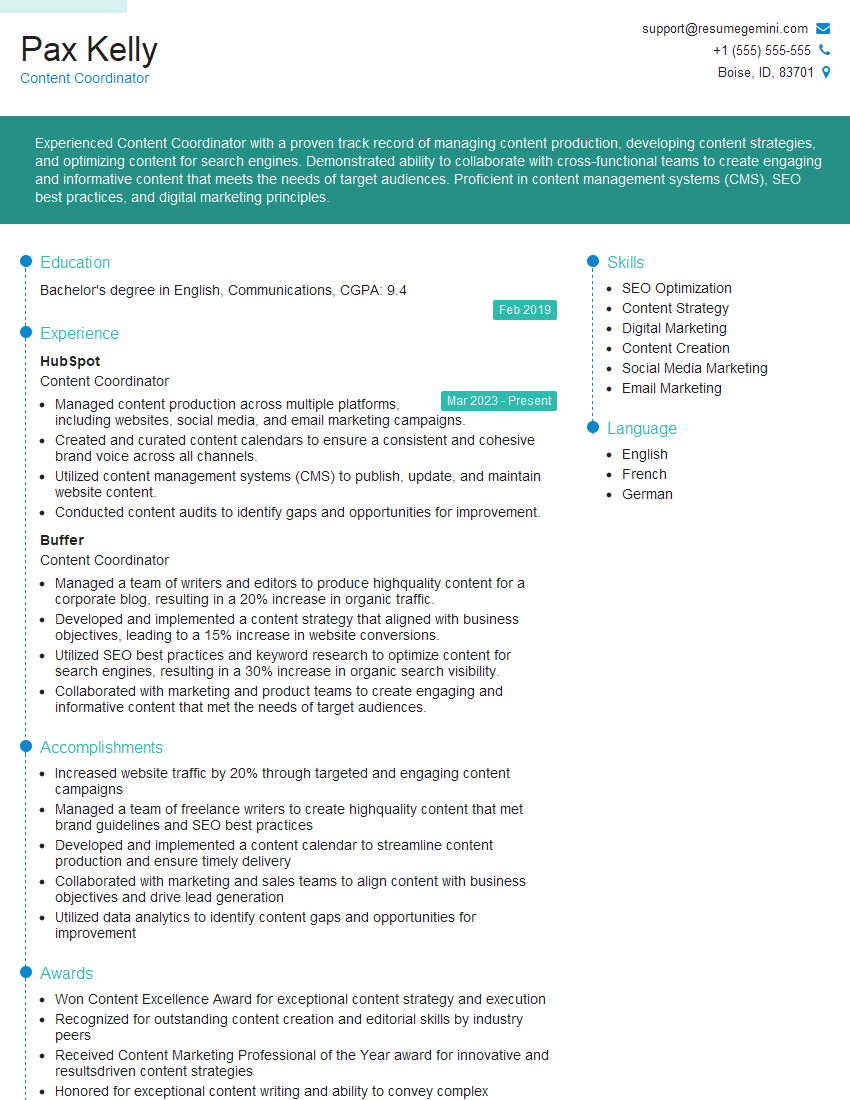
Content Coordinator Resume Sample
Explore more articles
Users Rating of Our Blogs
Share Your Experience
We value your feedback! Please rate our content and share your thoughts (optional).
What Readers Say About Our Blog
Very informative content, great job.
good