Every successful interview starts with knowing what to expect. In this blog, we’ll take you through the top Cost-Effective Cattle Production interview questions, breaking them down with expert tips to help you deliver impactful answers. Step into your next interview fully prepared and ready to succeed.
Questions Asked in Cost-Effective Cattle Production Interview
Q 1. What are the primary factors influencing the cost of cattle production?
The cost of cattle production is a complex interplay of several factors. Think of it like baking a cake – you need the right ingredients in the right proportions to get a delicious result. Similarly, efficient cattle production requires careful management across various areas.
- Feed Costs: This is typically the largest single expense, accounting for 40-70% of total costs. The type of feed (pasture, hay, grain), its quality, and the availability all influence this. For instance, a drought can dramatically increase hay prices, impacting profitability.
- Labor Costs: The time spent on tasks like feeding, pasture management, breeding, and health care directly impacts costs. A well-organized operation with efficient labor practices will save money.
- Health Costs: Prevention is key here! Regular vaccinations, parasite control, and prompt veterinary attention minimize losses from disease outbreaks. A healthy herd is a profitable herd.
- Land Costs: Land ownership or rental costs are significant, particularly for extensive grazing operations. The productivity of the land – its carrying capacity – is crucial in determining cost-effectiveness.
- Breeding and Genetics Costs: The cost of breeding stock, artificial insemination, or embryo transfer can significantly influence the genetic quality of the herd and subsequent production efficiency. Investing in superior genetics can lead to long-term savings.
- Marketing and Transportation Costs: Getting the cattle to market involves transportation costs, marketing fees, and potential holding costs if market conditions are unfavorable.
Understanding and managing these factors is critical for cost-effective cattle production. A farmer needs to constantly analyze their expenses, finding ways to optimize each area for maximum return.
Q 2. Describe different strategies for improving feed efficiency in cattle.
Improving feed efficiency means getting more meat or milk from the same amount of feed. This is a crucial aspect of cost reduction. Several strategies can achieve this:
- Improved Pasture Management: Rotating pastures, using rotational grazing, and implementing appropriate fertilization practices ensure cattle have access to high-quality forage, maximizing nutrient intake.
- Supplemental Feeding Strategies: Providing strategic supplements, such as protein or energy supplements during critical growth stages, can improve feed conversion ratios without overfeeding.
- Genetic Selection: Breeding cattle with superior feed efficiency traits – measured by residual feed intake (RFI) – is a long-term strategy that can significantly improve overall efficiency. Cattle with lower RFI consume less feed for the same level of production.
- Improved Feed Quality: Ensuring that cattle have access to high-quality hay or silage, minimizing spoilage, and using appropriate feed processing techniques can improve digestibility and nutrient utilization.
- Minimizing Feed Waste: Implementing efficient feeding systems, minimizing spillage, and regularly assessing feed troughs for waste help prevent losses.
- Data-driven Management: Using technology to monitor feed intake, growth rates, and other relevant parameters allows for better feed management decisions, leading to optimization.
Imagine a scenario where two farmers raise cattle with the same breed, but one uses improved pasture management and strategic supplementation, leading to significantly better feed efficiency and reduced production costs.
Q 3. How do you optimize grazing management for cost-effective pasture utilization?
Optimizing grazing management is about getting the most from your pasture while maintaining its health. It’s like carefully harvesting a crop – you don’t want to deplete the soil.
- Rotational Grazing: Dividing pastures into smaller paddocks and moving cattle between them regularly allows for better pasture utilization and improved forage quality. This gives the plant time to recover and prevents overgrazing.
- Rest and Recovery Periods: Allowing pastures adequate rest between grazing periods is vital for regrowth and preventing soil degradation. This prevents compaction and improves overall pasture health.
- Adaptive Grazing: Adjusting grazing strategies to match pasture growth and climatic conditions. For instance, reducing stocking density during droughts prevents overgrazing and pasture damage.
- Strategic Stock Density: Matching the number of animals to the carrying capacity of the pasture prevents overgrazing and ensures sufficient forage for all animals.
- Weed Control: Managing weeds prevents competition with desirable forage species, ensuring high-quality feed for the cattle.
- Soil Testing and Fertilization: Regular soil testing identifies nutrient deficiencies, guiding appropriate fertilization to enhance pasture productivity.
For example, implementing rotational grazing can significantly increase the carrying capacity of a pasture, reducing the land needed per animal and lowering overall costs. Ignoring this can lead to poor pasture quality and reduced production.
Q 4. Explain the role of genetics in reducing production costs.
Genetics play a vital role in reducing production costs. Think of it as selecting the best athletes for a sports team – you want the ones with superior performance traits.
- Improved Feed Efficiency: As mentioned earlier, selecting cattle with low residual feed intake (RFI) directly translates to lower feed costs.
- Enhanced Growth Rates: Genetics influence growth rates; faster-growing cattle require less time to reach market weight, reducing overall production time and costs.
- Disease Resistance: Breeding for disease resistance reduces the need for expensive medications and veterinary interventions.
- Improved Reproductive Performance: Selecting animals with high reproductive rates – higher calving percentages and shorter calving intervals – improves herd expansion and profitability.
- Improved Carcass Quality: Genetic selection for improved carcass traits, such as marbling and yield, can command higher prices at market.
A farmer choosing genetically superior breeding stock might spend more initially, but the long-term savings in feed, health care, and increased market value outweigh the initial investment. This is an example of long-term strategic cost-cutting.
Q 5. What are the common methods for disease prevention and control in cattle, and their cost implications?
Disease prevention and control are essential for cost-effective cattle production. A sick animal is a costly animal.
- Vaccination Programs: Regular vaccination against common diseases like brucellosis, leptospirosis, and bovine respiratory disease (BRD) prevents outbreaks and reduces veterinary costs. The cost of vaccines is a small fraction of the cost of treating an outbreak.
- Parasite Control: Effective parasite control programs involving deworming and fly control minimize production losses from internal and external parasites. Regular fecal egg counts guide the deworming strategy, preventing unnecessary treatment.
- Biosecurity Measures: Implementing strict biosecurity measures, such as quarantine protocols for new animals and proper hygiene practices, helps prevent the introduction and spread of diseases. The cost of implementing biosecurity is far less than dealing with a disease outbreak.
- Veterinary Services: Regular veterinary checkups, timely disease diagnosis, and appropriate treatment minimize losses from disease. Preventative care is less expensive than emergency treatment.
- Proper Nutrition and Management: Providing proper nutrition and optimal management practices enhance animal health and resilience to disease, reducing the need for costly interventions.
The cost of a preventative vaccination program is significantly less than the cost of treating a major disease outbreak, highlighting the importance of proactive health management.
Q 6. Discuss the economic impact of different cattle breeds on profitability.
Different cattle breeds have varying production characteristics, directly impacting profitability. It’s like choosing the right tool for a specific job.
- Beef Breeds: Breeds like Angus, Hereford, and Simmental are known for their beef production capabilities. Angus is valued for its marbling and carcass quality, commanding higher prices. Hereford are known for their hardiness and adaptability. The choice depends on market demands and production systems.
- Dairy Breeds: Breeds like Holstein, Jersey, and Guernsey are known for their milk production. Holsteins are known for high milk volume, while Jerseys have high butterfat content. The choice depends on the desired milk characteristics and market preferences.
- Dual-Purpose Breeds: Some breeds offer a combination of beef and milk production. These can be advantageous in situations where both products are valuable.
- Breed-Specific Costs: Costs associated with each breed vary based on their feeding requirements, disease susceptibility, and reproductive performance. For example, some breeds may require more expensive feed supplements to reach optimal production.
A farmer choosing a breed should carefully consider their production goals, market demands, and the specific costs associated with each breed to maximize profitability. Choosing a breed that doesn’t suit the local environment or market can severely impact the bottom line.
Q 7. How do you assess and manage the risks associated with cattle production?
Risk management in cattle production is crucial. It’s like having an insurance policy for your business.
- Market Risk: Fluctuations in cattle prices are a major concern. Strategies include hedging, forward contracting, and diversifying income sources.
- Weather Risk: Droughts, floods, and extreme temperatures can severely impact feed availability and animal health. Strategies include drought-resistant pastures, supplemental feeding plans, and crop insurance.
- Disease Risk: Disease outbreaks can cause significant losses. Strategies include vaccination, biosecurity measures, and adequate veterinary care.
- Financial Risk: Unexpected costs, debt, and interest rate fluctuations can impact profitability. Strategies include budgeting, financial planning, and access to credit.
- Production Risk: Variations in animal performance, reproduction rates, and mortality rates can affect overall production. Strategies include good breeding practices, proper nutrition, and careful monitoring of animals.
A comprehensive risk management plan involves identifying potential risks, assessing their likelihood and impact, and developing strategies to mitigate them. Regular monitoring and adaptation of the plan are vital to keep up with changing conditions.
Q 8. What are the key indicators of financial health in a cattle operation?
Key indicators of a cattle operation’s financial health are multifaceted and go beyond simple profit margins. They paint a holistic picture of efficiency and sustainability. Think of them as vital signs for your business.
- Net Profit Margin: This is the most basic indicator – total revenue minus total expenses, showing your overall profitability. A consistently low net profit margin signals potential issues requiring immediate attention.
- Return on Investment (ROI): Measures the efficiency of your investments. For example, if you invested $10,000 in breeding stock and received $15,000 in return after expenses, your ROI is 50%. A high ROI indicates effective capital utilization.
- Operating Efficiency: This assesses how effectively you manage your resources. Key metrics include feed conversion ratio (the amount of feed needed to produce a pound of meat), breeding efficiency (calving percentage), and mortality rates. Lower feed conversion ratios and higher calving rates indicate better efficiency.
- Debt-to-Equity Ratio: Indicates your reliance on debt financing. A high ratio (more debt than equity) increases financial risk. Maintaining a healthy balance is crucial for long-term stability.
- Cash Flow: Crucial for meeting day-to-day operational needs. Positive cash flow indicates sufficient funds to cover expenses, invest in improvements, and withstand unexpected events like droughts or disease outbreaks.
- Inventory Turnover Rate: Shows how quickly you sell your cattle. A higher turnover rate, indicating efficient sales management, generally leads to better liquidity.
Regularly monitoring these indicators allows for proactive adjustments to operational strategies and prevents financial distress.
Q 9. Describe your experience with budgeting and financial planning in cattle production.
Budgeting and financial planning are the cornerstones of successful cattle farming. I’ve developed and managed budgets for various herd sizes, from small family operations to larger commercial enterprises. My approach is always data-driven and incorporates both short-term and long-term perspectives.
For instance, a typical annual budget would include projected revenues from cattle sales (taking into account anticipated market prices and production levels), detailed cost estimates (feed, veterinary care, labor, land rent, equipment maintenance), and a contingency fund to absorb unforeseen expenses like disease outbreaks or equipment failures. I utilize spreadsheet software (like Excel or Google Sheets) to create detailed budgets, breaking them down by category and month to track expenses meticulously.
Financial planning involves forecasting future income and expenses, considering factors such as market trends, technological advancements, and potential risks. This enables proactive planning for investments in infrastructure, herd improvement, or debt repayment. I incorporate sensitivity analysis into my planning to evaluate the impact of potential variations in factors such as feed prices or cattle market fluctuations.
For example, by analyzing historical data and market predictions, I can model the impact of changing feed costs on profitability and make informed decisions about adjusting feeding strategies or exploring alternative feed sources. This forward-looking approach is vital in mitigating financial risks and maximizing profitability.
Q 10. How do you evaluate the return on investment (ROI) for different production practices?
Evaluating the ROI of different production practices is crucial for cost-effective cattle farming. It involves comparing the financial returns generated by various methods against their initial investment and ongoing costs. This helps to identify the most profitable approaches.
For example, consider comparing the ROI of using a new feed supplement to improve weight gain versus the cost of the supplement itself. You need to carefully analyze the increased weight gain and subsequent sale price against the cost of the supplement, factoring in any additional labor involved in its administration. I use a standardized formula to evaluate ROI: ROI = (Net Profit / Cost of Investment) * 100
Beyond simple calculations, qualitative factors should also be considered. For example, if a sustainable practice slightly lowers ROI but significantly enhances animal welfare and reduces environmental impact, it might still be chosen based on broader business goals and ethical considerations. A holistic approach balances financial returns with long-term sustainability.
I often use software that simplifies this process by integrating cost and production data. This software also allows me to easily compare different scenarios (e.g., different feed types, breeding strategies, etc.) and model the potential outcomes.
Q 11. Explain the importance of record-keeping in cost-effective cattle production.
Meticulous record-keeping is fundamental to cost-effective cattle production. It’s not just about tracking expenses; it’s about gaining invaluable insights into your operation’s performance and making data-driven decisions. Think of it as the backbone of informed decision-making.
Accurate records include detailed tracking of animal health (vaccinations, treatments, illnesses), breeding data (calving dates, conception rates), feed consumption, weights and growth rates, and all financial transactions (purchase and sale prices, vet bills, feed costs, labor expenses). This data allows for the identification of areas for improvement and the tracking of progress over time.
For example, comprehensive health records help identify diseases that consistently affect your herd, which allows proactive steps to improve overall animal health and minimize loss through targeted preventive measures. Precise feed records help to optimize feed rations based on animal needs and market prices, maximizing weight gain and minimizing feed costs. Furthermore, thorough breeding records allow for careful selection of breeding stock and efficient herd management, leading to improved productivity.
Modern software and specialized farm management applications significantly ease the burden of record-keeping, allowing for automated data collection and analysis. These tools allow for data visualization and trend analysis, which leads to better operational strategies.
Q 12. How do you utilize technology to improve efficiency and reduce costs in cattle farming?
Technology plays a transformative role in improving efficiency and reducing costs in cattle farming. It’s not just about adopting the latest gadgets; it’s about strategically integrating technology to streamline operations and enhance decision-making.
- Precision Livestock Farming (PLF) Technologies: Sensors and data-logging systems monitor animal health, behavior, and environmental conditions, providing real-time data for early disease detection, optimized feeding, and improved overall animal welfare. For example, sensors can detect changes in an animal’s activity levels that may indicate illness before visible symptoms appear.
- GPS Tracking and Geographic Information Systems (GIS): Improve grazing management, helping optimize pasture utilization and prevent overgrazing. GIS also assists in efficient land management planning.
- Automated Feeding Systems: Provide precise feed rations according to animal needs, minimizing waste and improving feed conversion efficiency. This reduces labor costs and ensures animals receive the optimal nutrients.
- Remote Monitoring and Data Analysis Software: Enables remote monitoring of animal health and environmental parameters, early detection of issues, and proactive management strategies. This minimizes the need for on-site visits and improves responsiveness.
- Drones for Livestock Monitoring: Provide a safe and efficient method to visually assess herd health and pasture conditions, saving time and labor compared to traditional methods. They can assist in detecting sick or injured animals from a distance.
Adopting these technologies, even incrementally, can lead to significant improvements in efficiency, reduced costs, and enhanced sustainability.
Q 13. Discuss your experience with implementing sustainable farming practices in cattle production.
Implementing sustainable farming practices is not just environmentally responsible; it’s also economically advantageous in the long run. It enhances the resilience of the operation and promotes long-term financial sustainability.
My experience includes implementing several sustainable strategies, including rotational grazing, which optimizes pasture use, reduces soil erosion, and improves pasture health. This leads to lower feed costs and improved animal health over time. We also incorporate cover cropping to improve soil fertility and reduce the reliance on synthetic fertilizers. This decreases the environmental impact and potentially saves on input costs.
Another crucial aspect is improving water management efficiency. Installing water troughs in strategic locations minimizes water loss and reduces the time and labor required for water distribution. Efficient water use also decreases operational costs and reduces the environmental footprint.
Beyond these, I’ve also worked on integrating renewable energy sources (solar power for water pumping or fencing) to reduce reliance on fossil fuels and decrease energy costs in the long term. Moreover, proper manure management techniques, such as composting or anaerobic digestion, can convert waste into valuable resources and reduce disposal costs.
Measuring the success of these strategies involves tracking key performance indicators such as feed efficiency, land productivity, water usage, and greenhouse gas emissions. This continuous monitoring ensures the effectiveness of the sustainable practices and allows for adjustments as needed.
Q 14. What are the strategies to minimize the impact of environmental factors on cattle production costs?
Environmental factors significantly impact cattle production costs. Mitigating these impacts requires a proactive, multi-pronged approach focusing on resilience and risk management.
- Climate-Resilient Breeding Strategies: Selecting breeds adapted to local climatic conditions (heat tolerance, drought resistance) reduces stress on animals, improving health and productivity in extreme weather. This minimizes losses associated with heat stress or drought.
- Improved Grazing Management: Rotational grazing and strategic pasture planning ensure efficient forage utilization and minimize the impact of drought. Supplementing feed strategically during dry periods can prevent significant weight loss and maintain herd productivity.
- Water Management: Implementing efficient irrigation systems and water storage solutions reduces reliance on unpredictable rainfall and prevents water shortages. This maintains animal health and feed production during dry spells.
- Disease Prevention and Control: Proactive vaccination and parasite control programs minimize the impact of disease outbreaks, reducing veterinary costs and animal losses. Biosecurity measures also play a critical role.
- Supplemental Feeding Strategies: Developing flexible feeding strategies that account for seasonal variations in forage availability helps to ensure animals receive adequate nutrition, preventing losses due to poor nutrition.
Effective risk management strategies, such as purchasing crop insurance or participating in livestock risk protection programs, can help to mitigate financial losses caused by unexpected environmental events.
Q 15. How do you manage labor costs in a cattle operation?
Managing labor costs in cattle production is crucial for profitability. It’s not just about wages; it’s about optimizing the efficiency of your workforce. Think of it like this: every hour spent on a task should yield a return greater than the cost of that hour.
- Strategic Hiring: Employing skilled individuals for specific tasks, rather than overstaffing with generalists, can save money. For example, instead of one person doing everything, consider specializing roles like feeding, herd health monitoring, and pasture management.
- Technology Integration: Automating tasks whenever possible is key. Automated feeders, water systems, and even drone technology for monitoring the herd significantly reduce manual labor.
- Efficient Workflows: Streamlining processes to minimize wasted time and effort is paramount. Consider implementing a checklist system to standardize routines and ensure nothing is overlooked.
- Employee Training and Retention: Investing in training improves efficiency and reduces the need for frequent hiring and re-training. Creating a positive work environment encourages loyalty, lowering turnover costs.
- Outsourcing: Some tasks, like veterinary services or specialized equipment maintenance, might be more cost-effective to outsource to experienced professionals.
For instance, on my farm, we implemented a rotational grazing system managed partly by automated water troughs and electric fencing. This reduced the labor needed for pasture management by 40%, freeing up time for other crucial tasks.
Career Expert Tips:
- Ace those interviews! Prepare effectively by reviewing the Top 50 Most Common Interview Questions on ResumeGemini.
- Navigate your job search with confidence! Explore a wide range of Career Tips on ResumeGemini. Learn about common challenges and recommendations to overcome them.
- Craft the perfect resume! Master the Art of Resume Writing with ResumeGemini’s guide. Showcase your unique qualifications and achievements effectively.
- Don’t miss out on holiday savings! Build your dream resume with ResumeGemini’s ATS optimized templates.
Q 16. Describe your experience with marketing and selling cattle.
Marketing and selling cattle effectively involves understanding the market, building relationships, and showcasing the quality of your product. It’s about more than just finding a buyer; it’s about finding the *right* buyer at the *right* price.
- Market Research: Stay informed about current market prices, demand, and trends. Utilizing market reports, attending livestock auctions, and networking with other producers are crucial for informed decision-making.
- Building Relationships: Develop strong relationships with buyers, whether they are feedlots, slaughterhouses, or individual ranchers. Reputation and trust are invaluable assets.
- Product Differentiation: Focus on quality. Animals with superior genetics, consistent weight gain, and excellent health command higher prices. Certified programs, like those emphasizing humane treatment or specific breeding traits, can enhance marketability.
- Direct Marketing: Consider exploring direct-to-consumer options, such as selling directly to restaurants or through farmers’ markets. This can sometimes command a premium price but requires additional marketing effort.
- Auction Strategies: When using auctions, understand the dynamics of the sales process and adjust your strategies accordingly. Timing and presenting your cattle in the best possible light are critical.
Personally, I’ve found success by focusing on producing high-quality, healthy cattle and building strong relationships with a select group of buyers who appreciate my commitment to ethical and sustainable farming practices. This consistent quality ensures stable demand and optimal pricing.
Q 17. What are the key considerations for selecting appropriate feed supplements?
Selecting appropriate feed supplements hinges on several factors: the cattle’s age, breed, production stage, current diet, and the available resources. The goal is to maximize nutrient intake while minimizing costs and ensuring optimal health.
- Nutritional Needs: Begin by assessing the nutritional deficiencies in the base diet. Soil testing helps understand the nutrient content of forage. A nutritional analysis of the cattle’s current feed can pinpoint areas needing supplementation.
- Supplement Type: Different supplements address different needs. Protein supplements, like soybean meal or cottonseed meal, enhance muscle growth. Energy supplements, like corn or barley, boost energy levels. Mineral supplements address deficiencies in essential minerals like calcium, phosphorus, and trace minerals.
- Cost-Effectiveness: Compare the cost per unit of nutrient provided by different supplements. A seemingly cheaper option may be less efficient if it delivers fewer nutrients.
- Palatability: Cattle are more likely to consume feed they find palatable. Supplement choice should consider factors impacting taste and acceptance.
- Storage and Handling: Ensure appropriate storage to prevent spoilage or deterioration of the supplements.
For instance, in a period of drought, we supplement our cattle’s low-quality hay with a mineral and protein blend specifically designed to address the nutritional deficits in the forage, ensuring they maintain healthy body weight and reproductive functions without excessive spending.
Q 18. How do you ensure optimal herd health and prevent outbreaks of disease?
Ensuring optimal herd health is a proactive, multi-faceted approach focused on prevention and early detection. A healthy herd is a profitable herd.
- Biosecurity: Implementing rigorous biosecurity measures is critical. This involves controlling access to the farm, isolating new animals before introduction, and practicing strict hygiene protocols for equipment and personnel.
- Vaccination Programs: Regular vaccination against common diseases is essential. The specific vaccines should be tailored to the prevalence of diseases in your region and the age and health status of your cattle.
- Parasite Control: Implementing a regular parasite control program is crucial, based on fecal egg counts and seasonal considerations.
- Regular Health Checks: Routinely monitor cattle for signs of illness, such as changes in behavior, appetite, or body condition. Early detection allows for prompt intervention and reduces the risk of outbreaks.
- Veterinary Consultation: Regular consultation with a veterinarian is crucial for disease prevention, treatment plans, and herd health management.
- Record Keeping: Maintaining detailed records of vaccinations, treatments, and health events is vital for effective disease management and tracking herd health trends.
We’ve successfully prevented significant disease outbreaks by implementing strict biosecurity measures, maintaining detailed health records, and working closely with our veterinarian to develop a comprehensive herd health plan tailored to our specific environment and herd.
Q 19. Explain your understanding of different animal welfare practices and their economic implications.
Animal welfare practices are not only ethically sound but also economically beneficial. Good welfare leads to improved productivity and reduces losses.
- Humane Handling: Proper handling techniques minimize stress and injury during procedures like vaccination or transportation. Stressed cattle have reduced productivity.
- Adequate Housing and Space: Providing adequate shelter, space, and ventilation minimizes disease risk and improves animal comfort.
- Access to Clean Water and Nutritious Feed: Ensuring consistent access to clean water and nutritious feed directly impacts productivity and health.
- Pain Management: Proper pain management during procedures reduces stress and promotes faster recovery.
- Environmental Enrichment: Providing environmental enrichment, such as access to pasture or opportunities for social interaction, improves animal welfare and potentially productivity.
Studies show that cattle raised under improved welfare conditions tend to have better weight gain, improved reproductive performance, and reduced disease incidence. These translate directly to increased profitability. For example, reducing stress through improved handling techniques has demonstrably improved our calving rates.
Q 20. What are the regulatory compliance issues related to cattle production, and how do you manage them?
Regulatory compliance in cattle production is vital and varies depending on location. Ignoring regulations can lead to significant penalties.
- Animal Health Regulations: Compliance with regulations regarding disease prevention, control, and reporting is crucial. This includes adhering to vaccination protocols and reporting suspected outbreaks promptly.
- Environmental Regulations: Regulations regarding manure management, water quality, and environmental protection must be met. This often involves implementing specific practices to minimize environmental impact.
- Food Safety Regulations: Regulations on food safety are critical. This encompasses aspects such as record-keeping, traceability, and residue monitoring.
- Transportation Regulations: Adhering to regulations related to the humane transportation of animals is non-negotiable.
- Labor Laws: Compliance with all relevant labor laws, including worker safety and wage regulations, is essential.
We maintain comprehensive records, regularly update ourselves on changes in legislation, and work closely with relevant agencies to ensure full compliance. Proactive compliance is cheaper than dealing with fines and legal issues.
Q 21. How do you handle and mitigate potential losses from unexpected events (e.g., drought, disease outbreaks)?
Unexpected events like drought or disease outbreaks can devastate a cattle operation. Mitigation strategies are vital for survival.
- Risk Assessment: Identify potential risks specific to your operation and location. Drought is common in our area, so we’ve developed contingency plans for water shortages.
- Insurance: Comprehensive insurance coverage, including livestock mortality, property damage, and liability, is a crucial financial safety net.
- Diversification: Diversifying income streams by exploring alternative enterprises, such as hay production or crop farming, reduces reliance on a single income source.
- Emergency Plans: Develop detailed emergency plans for specific scenarios, including drought, disease outbreaks, and natural disasters. These plans should outline procedures for feeding, water management, animal care, and resource allocation.
- Financial Reserves: Maintaining adequate financial reserves allows you to weather unexpected challenges and cover unforeseen expenses.
- Community Networks: Being part of a strong agricultural community provides access to support, information, and resources during crises.
During a recent drought, our emergency plan, which included supplemental feeding and water hauling, significantly minimized losses and allowed us to maintain herd health. A strong financial reserve also helped us navigate the difficult period.
Q 22. Describe your experience with different grazing systems (e.g., rotational grazing, continuous grazing).
My experience encompasses both continuous and rotational grazing systems. Continuous grazing, while simpler to manage, often leads to overgrazing in certain areas and undergrazing in others, resulting in reduced pasture productivity and potentially impacting animal health. Imagine a buffet where all the cattle have free access to all the food at once; some parts get devoured, leaving other parts untouched.
Rotational grazing, on the other hand, involves dividing pastures into smaller paddocks and systematically moving the cattle between them. This allows for controlled grazing, preventing overgrazing and promoting pasture recovery. Think of it like a carefully planned meal plan – each paddock provides a controlled portion of forage, giving the plants sufficient time to regrow and ensuring a consistent, high-quality food source for the herd. I’ve found that rotational grazing leads to better pasture health, improved animal performance, and reduced parasite burdens.
I’ve also experimented with variations like strip grazing (moving cattle through very narrow strips of pasture daily) and cell grazing (a more intensive form of rotational grazing), tailoring the system to the specific needs of my herd and the characteristics of my land. The optimal system always depends on factors like pasture type, herd size, and available labor.
Q 23. How do you use data analysis to track production metrics and make informed management decisions?
Data analysis is integral to my cost-effective cattle production strategy. I utilize a variety of tools to track key production metrics. This includes daily weight gain data collected through regular weighings, pasture measurements to assess forage availability and quality, and reproductive records for tracking breeding cycles, pregnancy rates, and calving intervals.
I use spreadsheets and specialized farm management software to analyze this data. For instance, I can track individual animal performance, identifying high-performing and low-performing animals. This allows for targeted interventions, such as adjusting feed rations for underperforming animals or implementing reproductive strategies for low-fertility cows. Further, by analyzing pasture data, I can optimize grazing management, ensuring consistent forage supply throughout the year. The software provides visualizations like graphs and charts, allowing me to easily identify trends and make data-driven decisions regarding herd health, feeding strategies and marketing.
Example: By tracking daily weight gain, I identified a correlation between the type of forage and weight gain. Shifting to a more nutrient-rich pasture resulted in a 15% increase in average daily weight gain.
Q 24. What are your strategies for improving the reproductive performance of your cattle herd?
Improving reproductive performance is crucial for profitability. My strategies focus on several key areas:
- Body Condition Scoring (BCS): Regularly assessing the body condition of cows ensures they are in optimal condition for breeding. Thin cows often have delayed estrus and lower conception rates.
- Strategic Breeding Programs: I utilize artificial insemination (AI) and estrus synchronization to optimize breeding times and maximize conception rates. This ensures calving is concentrated within a shorter period, simplifying management.
- Vaccination and Health Management: Regular vaccinations against reproductive diseases and proactive parasite control are essential for preventing health issues that can impair fertility.
- Bull Selection: Careful selection of bulls based on proven fertility and genetic merit is paramount. I use breeding soundness exams and utilize genetic evaluations to choose bulls.
- Nutritional Management: Providing adequate nutrition, especially during critical periods like breeding and gestation, is vital for successful pregnancies.
Implementing these strategies has consistently resulted in high pregnancy rates and reduced calving intervals, leading to a larger and more productive herd.
Q 25. Explain your understanding of the different phases of cattle production and their associated costs.
Cattle production can be broadly divided into several phases, each with its own associated costs:
- Breeding/Gestation: Costs include bull maintenance (or AI costs), veterinary care, and supplementary feeding for pregnant cows. This is a crucial phase as successful breeding directly impacts profitability.
- Calving: This phase involves labor costs for assistance with calving, neonatal care, and potential veterinary interventions for dystocia (difficult births).
- Nursery/Weaning: This involves costs associated with raising calves, providing supplementary feed (milk replacer, creep feed), and disease prevention.
- Growing/Finishing (for beef): This phase entails costs for feed (grazing or grain), pasture management, and health care to get the animal to optimal slaughter weight.
- Marketing/Sale: This phase involves transportation, processing fees, and marketing costs. Understanding market prices and trends is critical for maximizing profits.
Effective cost management requires careful monitoring of each phase. This often involves keeping detailed records, evaluating feed efficiency, and minimizing losses due to illness or mortality. It’s like running a business; you need to track your expenses and revenue carefully.
Q 26. How do you integrate precision agriculture techniques into your cattle operation?
Precision agriculture techniques are increasingly important in optimizing cattle production. I utilize several key technologies:
- GPS-enabled livestock tracking: This allows me to monitor the location and movement of animals, improving grazing management and reducing the risk of loss.
- Variable rate fertilization: Using soil sensors and data analysis to optimize fertilizer application, minimizing waste and maximizing pasture productivity. This ensures that I’m not over-fertilizing areas that don’t need it, saving money and reducing environmental impact.
- Remote monitoring of animal health: Utilizing wearable sensors to monitor vital signs like temperature and activity levels can provide early warnings of illness, allowing for prompt intervention and reduced mortality rates.
- Drone technology: Drones can be used for pasture assessment, monitoring herd health from a distance, and even managing difficult-to-reach areas.
These technologies enable data-driven decision-making, allowing for optimization of resource use and improvement of overall efficiency.
Q 27. What is your approach to managing manure and waste effectively and sustainably?
Manure management is crucial for environmental sustainability and economic efficiency. My approach focuses on:
- Manure as a fertilizer: I utilize a composting system to process manure, creating a valuable organic fertilizer for pastures. This reduces reliance on synthetic fertilizers and improves soil health.
- Proper storage and handling: Implementing proper storage facilities to prevent runoff and minimize odor. This protects water quality and avoids potential fines or regulatory issues.
- Nutrient management planning: Analyzing soil tests to determine appropriate fertilizer application rates, optimizing nutrient use and preventing excess nutrient runoff.
- Biogas production (exploring): I’m exploring the potential of anaerobic digestion to convert manure into biogas, a renewable energy source.
Responsible manure management is not just environmentally sound; it also reduces costs associated with disposal and can provide additional revenue streams through fertilizer sales or energy generation.
Q 28. Describe your experience with different methods of cattle handling and transportation.
Safe and efficient cattle handling is paramount for both animal welfare and operational efficiency. My experience involves various methods:
- Low-stress handling techniques: I use curved chutes and calm, controlled movements to minimize stress on animals during handling and transportation. This reduces injuries and improves animal behavior.
- Proper facility design: My facilities are designed to encourage smooth animal flow, minimizing stress points and potential for injuries. Well-designed facilities are an investment in animal welfare and efficiency.
- Trained personnel: My team receives regular training on safe and humane animal handling practices. This is key to minimizing stress and preventing accidents.
- Transportation considerations: When transporting cattle, I prioritize appropriate vehicle size, proper loading and unloading techniques, and adequate ventilation to ensure animal comfort and safety. This minimizes stress and improves animal health.
I prioritize methods that minimize stress and injury to the animals, which also contributes to improved animal health and higher productivity. It’s about creating a positive experience for the cattle, which ultimately translates to better outcomes.
Key Topics to Learn for Cost-Effective Cattle Production Interview
- Feed Management and Nutrition: Understanding feed conversion ratios, optimizing ration formulation for different life stages (e.g., breeding, gestation, lactation), and exploring cost-effective feed sources (forage production, supplementation).
- Pasture and Forage Management: Implementing grazing strategies (rotational grazing, strip grazing) to maximize forage utilization and minimize feed costs. Analyzing soil health and implementing sustainable grazing practices.
- Breeding and Genetics: Selecting superior genetics for improved productivity (e.g., higher weaning weights, disease resistance). Understanding the economics of artificial insemination vs. natural mating.
- Health Management and Disease Prevention: Implementing effective vaccination programs, biosecurity protocols, and parasite control strategies to minimize veterinary expenses and maximize animal health.
- Financial Management and Budgeting: Developing detailed budgets, tracking production costs, and analyzing profitability metrics (e.g., cost per pound of gain, return on investment). Understanding cost-benefit analysis for different management strategies.
- Marketing and Sales Strategies: Exploring different marketing channels (direct sales, auction markets, etc.) and optimizing pricing strategies to maximize profits.
- Sustainable and Ethical Cattle Production: Understanding and implementing environmentally friendly practices, focusing on animal welfare, and meeting consumer demands for sustainable beef.
- Data Analysis and Record Keeping: Utilizing technology and software to track key performance indicators (KPIs), identify areas for improvement, and support decision-making.
Next Steps
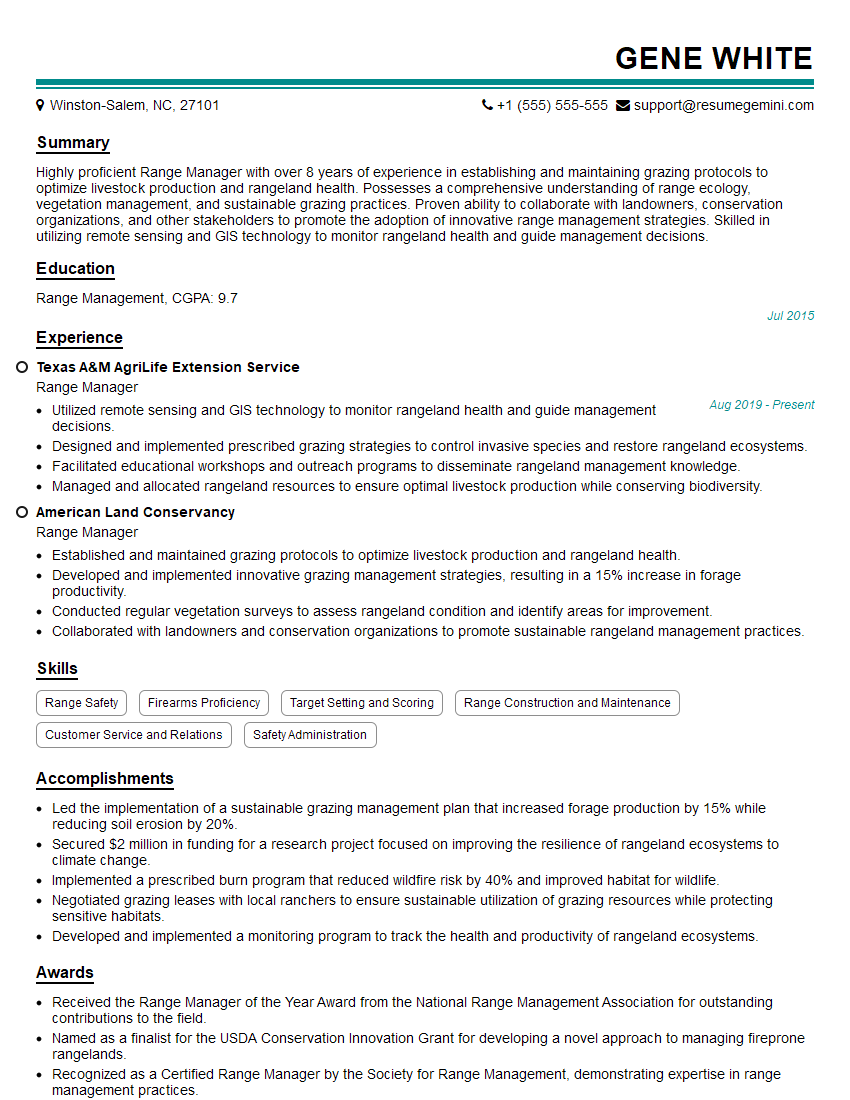
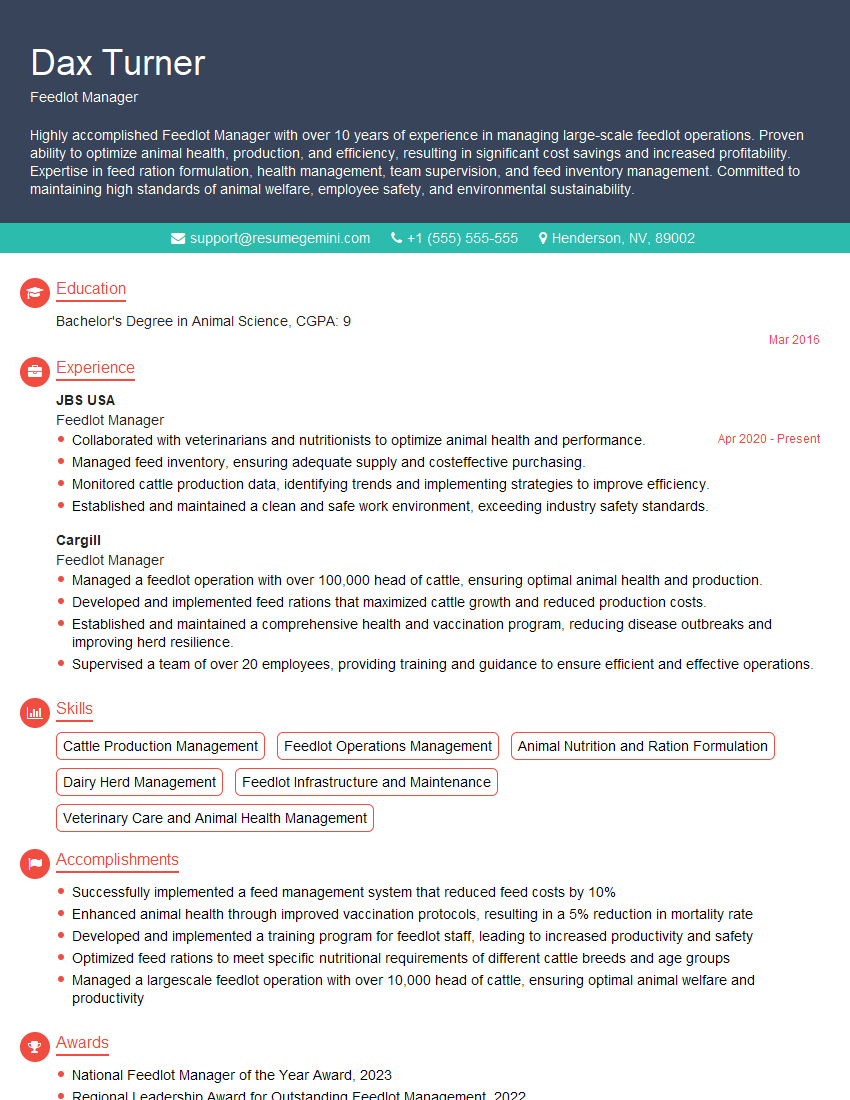
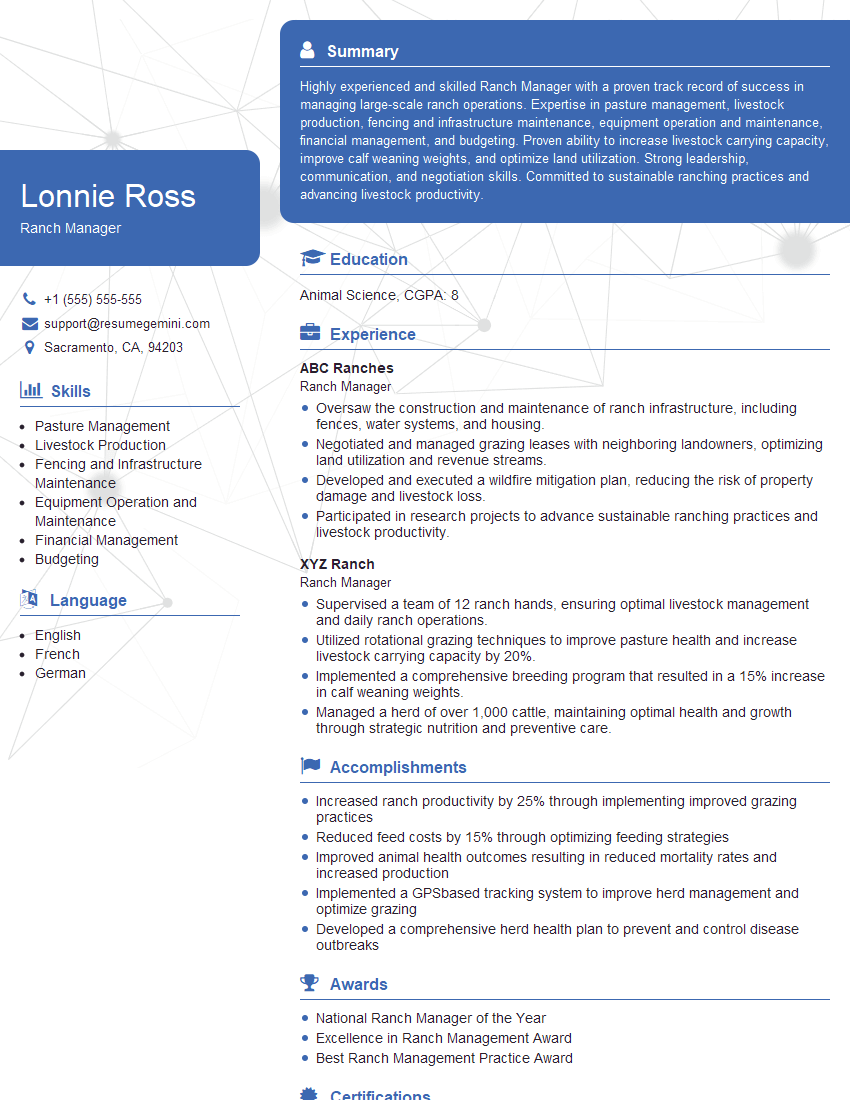
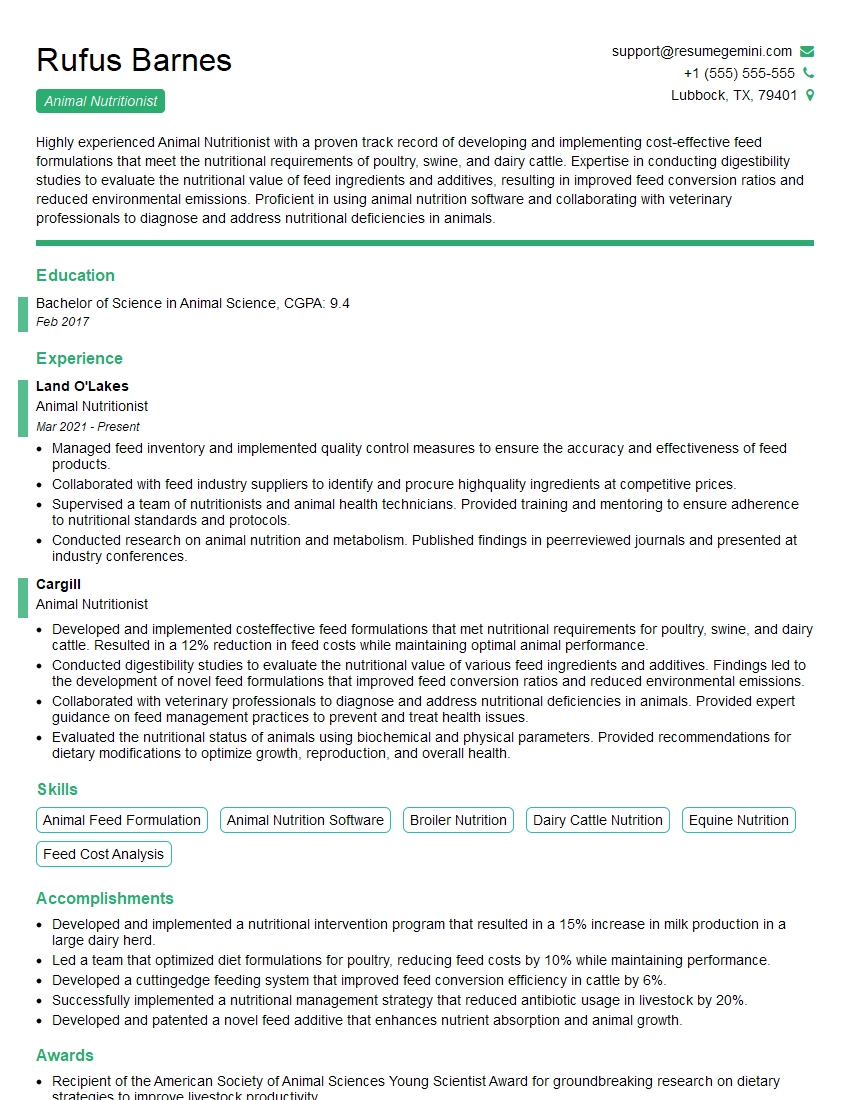
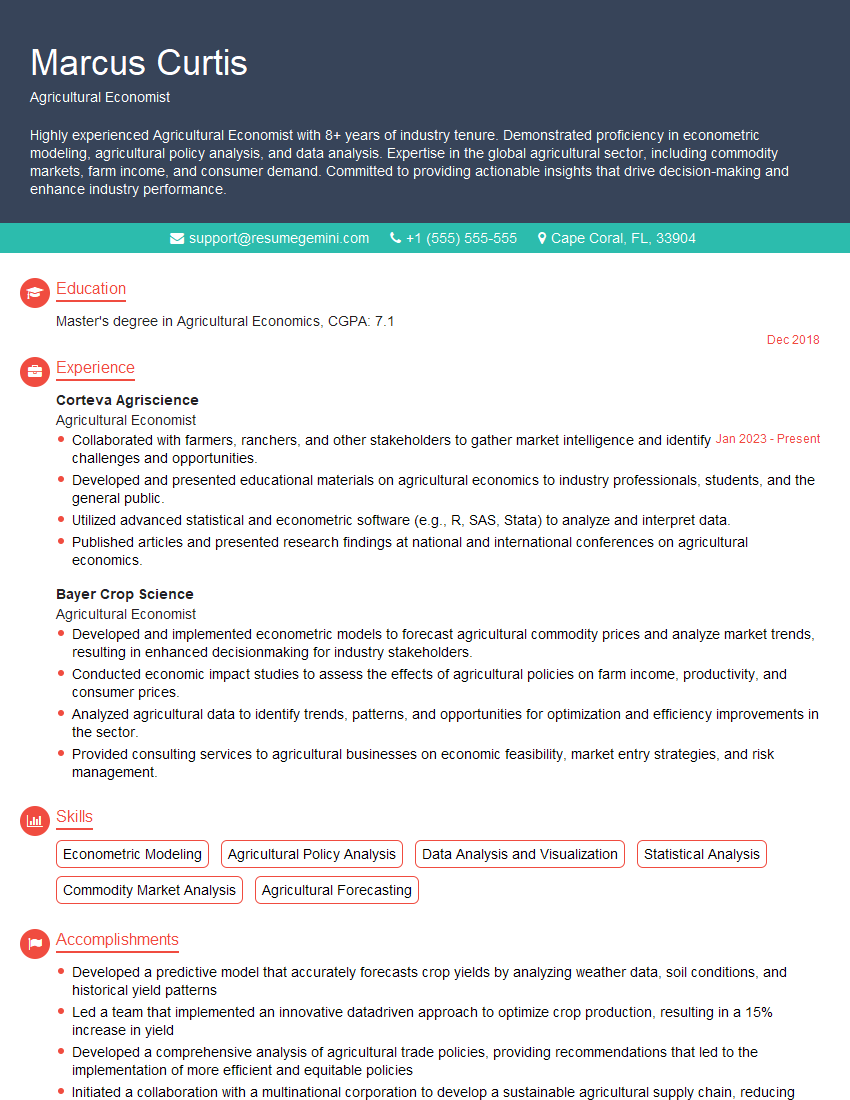
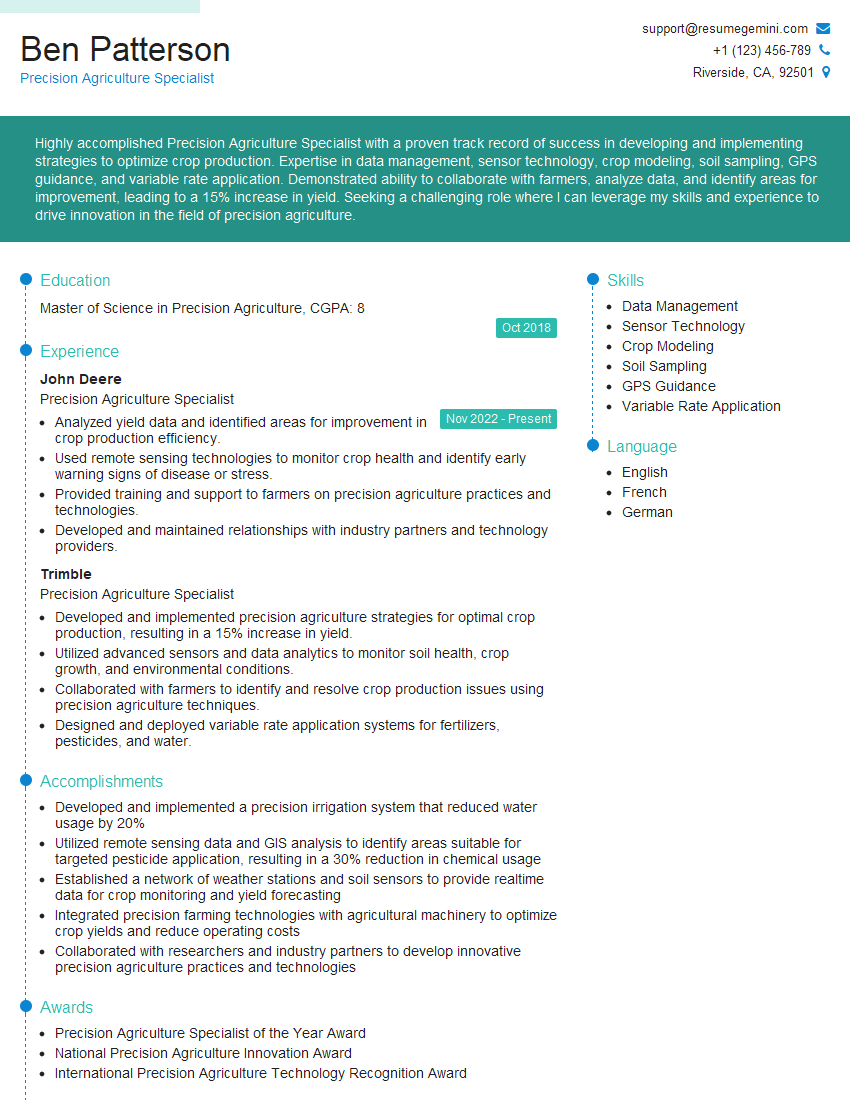
Mastering cost-effective cattle production is crucial for career advancement in the agricultural sector. It demonstrates your understanding of sustainable practices, financial acumen, and commitment to efficient resource management. To significantly boost your job prospects, create an ATS-friendly resume that highlights your skills and experience effectively. ResumeGemini is a trusted resource that can help you build a professional and impactful resume tailored to this specific field. Examples of resumes tailored to Cost-Effective Cattle Production are provided to guide you. Invest the time to build a strong resume – it’s your first impression with potential employers.

Explore more articles
Users Rating of Our Blogs
Share Your Experience
We value your feedback! Please rate our content and share your thoughts (optional).
What Readers Say About Our Blog
Very informative content, great job.
good