The thought of an interview can be nerve-wracking, but the right preparation can make all the difference. Explore this comprehensive guide to Budgetary Management and Cost Control interview questions and gain the confidence you need to showcase your abilities and secure the role.
Questions Asked in Budgetary Management and Cost Control Interview
Q 1. Explain the difference between budgeting and forecasting.
While both budgeting and forecasting involve predicting future financial outcomes, they differ significantly in their purpose and approach. Budgeting is the process of creating a detailed financial plan for a specific period, outlining planned expenditures and revenues. It’s a formal, often legally binding, document used for resource allocation and control. Think of it as a roadmap. Forecasting, on the other hand, is a broader prediction of future financial performance, often based on various data points and trend analysis. It’s more flexible and iterative, used for strategic decision-making and scenario planning. Imagine it as a weather prediction – it gives you an idea of what might happen, but it’s not a concrete plan.
For example, a company might budget $1 million for marketing in the next fiscal year, allocating specific amounts to different campaigns. Simultaneously, they might forecast a 10% increase in sales based on market trends, using this forecast to justify the marketing budget.
Q 2. Describe your experience with variance analysis.
Variance analysis is crucial for understanding the difference between budgeted and actual financial results. In my experience, I’ve used variance analysis extensively to pinpoint areas of underperformance or overachievement, and then develop corrective actions. This involves meticulously comparing budgeted figures against actuals, calculating the variance (the difference), and identifying the underlying causes. I’ve utilized various tools, including spreadsheets and dedicated financial software, to facilitate this process.
For instance, if the marketing budget was $100,000 but actual spending was $120,000, resulting in a $20,000 unfavorable variance, I would investigate reasons like unexpected price increases from vendors or additional campaign costs. This analysis informs adjustments to future budgets and processes.
Q 3. How do you identify and address budget overruns?
Identifying and addressing budget overruns requires a proactive and systematic approach. First, I meticulously track actual spending against the budget throughout the period. Early detection is key! When an overrun is identified, I immediately investigate the root cause. This might involve reviewing invoices, discussing with department heads, and analyzing performance reports. Common causes include unforeseen expenses, inaccurate initial estimations, or scope creep.
Once the cause is pinpointed, I develop corrective measures. This could involve cutting non-essential expenses, negotiating better prices with suppliers, adjusting project timelines, or reallocating funds from less critical areas. Furthermore, I document all actions taken and communicate them clearly to stakeholders, keeping everyone informed and aligned.
Q 4. What budgeting methods are you familiar with (e.g., zero-based budgeting, incremental budgeting)?
My experience encompasses several budgeting methods. Incremental budgeting, where the previous year’s budget is used as a base, adjusting it based on anticipated changes, is frequently employed for its simplicity. However, it can perpetuate inefficiencies. Zero-based budgeting (ZBB) starts from scratch each year, requiring justification for every expense. While more thorough, it’s more time-consuming. I’ve also worked with activity-based budgeting, which links budget allocations to specific activities and their costs. This provides greater transparency and accountability. Finally, I’m familiar with value-based budgeting, which focuses on aligning budget allocations with strategic priorities and maximizing value creation.
The choice of method depends on the organization’s size, complexity, and strategic goals. In smaller businesses, incremental budgeting might suffice, whereas larger organizations might benefit from ZBB or activity-based budgeting for greater control and efficiency.
Q 5. How do you prioritize competing budget requests?
Prioritizing competing budget requests necessitates a clear and objective framework. I typically use a multi-criteria decision analysis approach, considering factors like alignment with strategic goals, return on investment (ROI), urgency, and potential impact. I would create a scoring system for each criterion, assigning weights based on their importance to the organization’s overall objectives.
For example, a project with a high ROI and strong strategic alignment would receive a higher score compared to one with a lower ROI and less strategic importance, even if the latter is more urgent. Transparency is vital; I ensure all stakeholders understand the evaluation criteria and scoring process to ensure fairness and buy-in.
Q 6. Describe your experience with developing a budget from scratch.
Developing a budget from scratch involves a structured approach. I begin by understanding the organization’s strategic goals and objectives for the budget period. This forms the foundation for all subsequent decisions. Then, I conduct thorough research, gathering data on historical performance, market trends, and projected sales. I involve key stakeholders from different departments to obtain input and ensure accuracy.
Next, I develop a detailed budget framework, outlining revenue projections, expenditure categories, and allocation strategies. This involves meticulous cost estimation and revenue forecasting. Once the initial draft is prepared, I conduct several rounds of review and refinement, ensuring consistency and alignment with organizational priorities. Finally, I present the finalized budget to senior management for approval.
Q 7. Explain your process for monitoring and controlling costs.
Monitoring and controlling costs is an ongoing process, requiring regular tracking and analysis. I utilize a combination of methods including regular budget reports, variance analysis (as discussed earlier), and performance dashboards. These tools provide real-time insights into spending patterns and potential issues. I establish clear lines of accountability, ensuring that department heads are responsible for managing their allocated budgets.
Regular meetings with department heads are crucial for proactive cost management. We review performance against the budget, identify any deviations, and discuss corrective actions. Furthermore, I implement strong internal controls and procedures to prevent unauthorized spending and ensure financial accuracy. This comprehensive approach allows for timely intervention and helps prevent significant budget overruns.
Q 8. How do you communicate budget information to non-financial stakeholders?
Communicating budget information to non-financial stakeholders requires translating complex financial data into clear, concise, and relatable terms. I avoid jargon and instead focus on visuals and storytelling. For instance, instead of saying “We’ve experienced a 15% variance in Q3 marketing spend,” I might say, “Our marketing campaign in the third quarter cost 15% more than planned, primarily due to increased social media advertising.”
I often use visual aids like charts, graphs, and dashboards to illustrate key budget trends and performance. For example, a simple bar graph comparing budgeted versus actual spending for different departments makes it easy to understand where we are exceeding or falling short of our targets. I also tailor my communication to the audience’s specific needs and level of financial literacy. A senior executive needs a high-level overview, while a project manager requires more detailed information about their allocated budget and spending.
Finally, I always emphasize the impact of the budget on the overall business goals. Connecting budget decisions to tangible results – increased sales, improved customer satisfaction, or new product launches – helps stakeholders understand the importance of financial planning and control.
Q 9. What software or tools have you used for budgetary management and cost control?
Throughout my career, I’ve utilized a variety of software and tools for budgetary management and cost control. These include enterprise resource planning (ERP) systems like SAP and Oracle, which provide comprehensive financial management capabilities including budgeting, forecasting, and reporting. I’m also proficient in using specialized budgeting and forecasting software such as Anaplan and Vena, which offer advanced features for scenario planning and what-if analysis. For smaller projects or quick budget reviews, I often utilize spreadsheet software like Microsoft Excel or Google Sheets to create and manage budgets.
Beyond software, I leverage collaboration tools like Microsoft Teams and Slack to streamline communication and approvals within the budgeting process. These tools are crucial for timely updates and feedback, particularly in dynamic environments. In addition, I’m comfortable using data visualization tools such as Tableau and Power BI to create insightful reports and dashboards that effectively communicate budget performance to stakeholders.
Q 10. How do you handle unexpected budget shortfalls?
Unexpected budget shortfalls require a swift and decisive response. My approach is systematic and involves several key steps. First, I conduct a thorough investigation to understand the root cause of the shortfall. Is it due to unforeseen expenses, lower-than-anticipated revenue, or a combination of factors? Understanding the ‘why’ is crucial before devising a solution.
Second, I prioritize spending. This often involves identifying non-essential or low-impact projects or initiatives that can be delayed or scaled back. I work with department heads to collaboratively identify areas where costs can be reduced without significantly impacting overall objectives. Third, I explore potential revenue enhancement opportunities, such as seeking additional funding, exploring new revenue streams, or renegotiating contracts. If necessary, I may also need to re-allocate funds from less critical areas to support critical initiatives.
Finally, I communicate the shortfall and the implemented mitigation strategies transparently to all stakeholders. Open communication prevents misunderstandings and fosters collaboration. For instance, in a previous role, we faced a sudden drop in revenue due to unexpected market conditions. Through collaborative prioritization and careful reallocation of funds, we successfully navigated the shortfall and minimized its impact on our long-term goals.
Q 11. Describe a time you had to make difficult budget decisions.
In a previous role, we had to make significant budget cuts due to a company-wide restructuring. We faced the challenging task of reducing the marketing budget by 20% without compromising key marketing campaigns. The situation required careful analysis of each marketing initiative’s ROI (Return on Investment) and contribution to overall business objectives.
We started by evaluating each campaign’s effectiveness based on data-driven metrics such as conversion rates, customer acquisition costs, and brand awareness. We then prioritized high-impact campaigns that aligned directly with the company’s strategic goals. Less effective campaigns were either eliminated or scaled down significantly. This involved difficult conversations with various teams, requiring strong communication and justification of our decisions. Ultimately, despite the significant reduction, we managed to maintain crucial marketing efforts and achieve most of our key targets, demonstrating the success of a data-driven and strategic approach to difficult budget decisions.
Q 12. What key performance indicators (KPIs) do you use to monitor budget performance?
To monitor budget performance effectively, I utilize several key performance indicators (KPIs). These KPIs are tailored to the specific business context and objectives, but generally include:
- Variance Analysis: Comparing actual spending to budgeted amounts to identify deviations and understand their causes. This helps pinpoint areas needing immediate attention.
- Return on Investment (ROI): Measuring the return generated by investments against their costs. This ensures that resources are allocated to the most productive activities.
- Budget Adherence Rate: The percentage of the budget that is spent within the allocated limits. This provides an overall view of budget control.
- Cost per Unit/Acquisition: Tracking costs per unit of production or per customer acquisition to identify cost-saving opportunities.
- Efficiency Ratios: Measuring the efficiency of resource utilization, such as labor productivity or asset turnover.
Regular monitoring of these KPIs through reports and dashboards enables proactive identification and management of potential issues, ensuring budget control and efficient resource allocation.
Q 13. How do you ensure budget accuracy and integrity?
Ensuring budget accuracy and integrity is paramount. My approach involves a combination of robust processes, strong internal controls, and regular audits. I implement a clear and well-documented budgeting process, specifying responsibilities, timelines, and approval workflows. This ensures that all budget requests are properly reviewed, validated, and authorized.
We use a system of checks and balances to minimize errors and prevent fraud. This includes segregation of duties, regular reconciliation of accounts, and periodic audits of budget records. Technology plays a crucial role, with automated systems helping to reduce manual input errors and improve accuracy. Regular training for budget personnel is essential to ensure everyone is aware of policies and procedures.
Finally, a culture of accountability is fostered where individuals are responsible for the accuracy of their budget information. Regular reviews and feedback sessions help to identify and address any discrepancies quickly.
Q 14. Explain your understanding of cost-benefit analysis.
Cost-benefit analysis (CBA) is a systematic approach to evaluating the financial viability of a project or decision by comparing its expected costs against its expected benefits. It helps in making informed decisions by quantifying the trade-offs between cost and benefit. The process involves identifying all relevant costs and benefits, assigning monetary values to them, and then calculating a net present value (NPV) or other relevant metrics.
For example, let’s say a company is considering investing in new software. A CBA would identify costs such as software licensing, implementation, training, and potential downtime. Benefits would include increased efficiency, improved productivity, and reduced operational costs. By comparing these costs and benefits over a set period, the CBA helps determine whether the investment is worthwhile. A positive NPV suggests the project’s benefits outweigh its costs.
While primarily focused on financial aspects, a comprehensive CBA might also consider qualitative factors like employee morale or environmental impact, which can be challenging to quantify but are important to consider in the overall decision-making process.
Q 15. How do you incorporate risk management into your budgeting process?
Incorporating risk management into budgeting isn’t just about adding a buffer; it’s about proactively identifying and mitigating potential threats to budget achievement. I start by conducting a thorough risk assessment, identifying potential risks categorized by likelihood and impact. For example, in a construction project, risks might include material price increases, labor shortages, or unexpected weather delays. Each identified risk is then analyzed, and contingency plans are developed. This might involve securing alternative suppliers, negotiating flexible labor contracts, or incorporating weather-related delays into the project timeline and budget. We then quantify the potential financial impact of each risk and allocate budget reserves accordingly. This isn’t simply adding a percentage across the board but rather a targeted allocation based on the severity and probability of each risk. Regular monitoring and reporting are crucial – we track key risk indicators and adjust the budget as necessary. This proactive approach ensures that unforeseen events don’t derail the entire project.
Career Expert Tips:
- Ace those interviews! Prepare effectively by reviewing the Top 50 Most Common Interview Questions on ResumeGemini.
- Navigate your job search with confidence! Explore a wide range of Career Tips on ResumeGemini. Learn about common challenges and recommendations to overcome them.
- Craft the perfect resume! Master the Art of Resume Writing with ResumeGemini’s guide. Showcase your unique qualifications and achievements effectively.
- Don’t miss out on holiday savings! Build your dream resume with ResumeGemini’s ATS optimized templates.
Q 16. Describe your experience with capital budgeting.
My experience with capital budgeting encompasses all phases, from initial project identification and evaluation to post-implementation review. I’ve worked on projects ranging from the acquisition of new machinery to large-scale facility expansions. My approach involves a rigorous evaluation process, typically using methods such as Net Present Value (NPV) and Internal Rate of Return (IRR). For instance, when evaluating the purchase of new equipment, I’d forecast the equipment’s future cash flows, considering factors like depreciation, maintenance costs, and increased revenue generation. Then, I’d discount those cash flows back to their present value, using a discount rate that reflects the risk associated with the investment. The NPV would then tell us whether the project is expected to add value to the company, while the IRR would indicate the project’s expected rate of return. Beyond financial metrics, I also consider qualitative factors like strategic alignment, technological advancements, and operational efficiency. I’ve also been involved in sensitivity analysis, which helps us understand how changes in key assumptions (e.g., sales volume, material costs) would impact the project’s profitability. This allows us to make informed decisions under uncertainty and to identify critical areas that need close monitoring.
Q 17. What are some common cost drivers in your industry?
In my experience, common cost drivers vary based on the specific industry, but some are universal. For example, in manufacturing, material costs are a significant driver. Fluctuations in raw material prices directly impact production costs. Labor costs are another major driver, influenced by factors like wages, benefits, and productivity. Energy costs also play a substantial role, especially in energy-intensive industries. Additionally, technology and equipment costs can be significant drivers, with investments in automation and upgrades influencing overall operational expenses. Finally, regulatory compliance and environmental concerns also contribute to costs. For example, stricter environmental regulations may necessitate investments in cleaner technologies, thus increasing operational costs. Understanding these drivers is essential for effective cost control and budgeting.
Q 18. How do you evaluate the effectiveness of cost-cutting measures?
Evaluating the effectiveness of cost-cutting measures requires a multifaceted approach. First, I’d measure the actual cost reductions achieved against the projected savings. For example, if we implemented a new inventory management system to reduce warehousing costs, we’d compare the actual reduction in warehousing expenses to the predicted savings from the system implementation. Secondly, I’d assess the impact on key performance indicators (KPIs). Did the cost-cutting measures negatively affect product quality, customer satisfaction, or employee morale? A reduction in quality or customer satisfaction might offset any cost savings in the long run. Finally, we’d conduct a cost-benefit analysis, considering both short-term and long-term implications. While initial savings might be attractive, we need to ensure that the cost-cutting strategy is sustainable and does not compromise the company’s long-term competitiveness or strategic goals. For instance, cutting back on training might lead to short-term savings, but it could reduce employee productivity and skills in the long run, negating the initial benefits.
Q 19. Explain your understanding of Activity-Based Costing (ABC).
Activity-Based Costing (ABC) is a costing method that assigns costs to activities and then assigns those activity costs to products or services based on their consumption of those activities. Traditional costing methods often allocate overhead costs based on volume, like direct labor hours or machine hours. ABC, however, digs deeper. It identifies the specific activities involved in producing a product or service (e.g., design, manufacturing, marketing, distribution) and assigns costs to each activity. For example, the cost of designing a product might include salaries of designers, software licenses, and design time. These activity costs are then allocated to different products based on the amount of each activity consumed by each product. This provides a much more accurate picture of the true cost of each product or service, especially in complex organizations producing a diverse range of products or services. This level of detail helps identify areas for cost reduction and more accurately price products, leading to better profitability and decision-making.
Q 20. How do you use data analysis to improve budget management?
Data analysis plays a critical role in improving budget management. I leverage data in several ways. Firstly, historical data helps in forecasting. By analyzing past spending patterns, sales figures, and other relevant data, we can create more accurate budget projections. For example, analyzing sales data from previous years, seasonality trends, and market forecasts allows us to predict future sales volumes more accurately, influencing the budget accordingly. Secondly, real-time data helps in monitoring budget performance. Using dashboards and reporting tools, I can track actual spending against the budget, identify variances, and take corrective actions promptly. For instance, if actual spending on marketing is exceeding the budget, we can investigate the cause and adjust the marketing strategy or allocate resources more effectively. Finally, predictive analytics can provide insights into potential future budget challenges. By analyzing trends and patterns in data, we can anticipate potential cost overruns or revenue shortfalls and proactively adjust the budget to mitigate risks. This proactive approach helps in avoiding financial surprises and ensures better financial management.
Q 21. Describe your experience with financial modeling.
My experience with financial modeling involves building and using spreadsheets or specialized software to simulate financial outcomes under various scenarios. I’ve used models to forecast revenue, project cash flows, assess the financial impact of strategic decisions, and evaluate the feasibility of new projects. For example, I might build a model to analyze the financial viability of a new product launch. The model would include assumptions about production costs, marketing expenses, sales volume, and pricing strategies. By running simulations with different inputs, I can assess the sensitivity of the project’s profitability to changes in these assumptions. This helps in identifying key uncertainties and allows us to make informed decisions based on quantitative analysis. I’m proficient in using tools like Excel, and more sophisticated financial modeling software to build dynamic and comprehensive models that enable robust financial decision-making. This goes beyond simply creating a model; it also involves rigorous testing, validation, and interpretation of results, ensuring the model accurately represents the underlying business processes and provides reliable insights.
Q 22. How do you stay current with best practices in budgetary management and cost control?
Staying current in budgetary management and cost control requires a multifaceted approach. It’s not just about reading the latest academic papers; it’s about actively engaging with the field and adapting to evolving business landscapes.
Professional Development: I regularly attend industry conferences and workshops (e.g., those offered by organizations like the Institute of Management Accountants) to learn about new techniques and technologies.
Industry Publications: I subscribe to relevant journals and online resources like the Harvard Business Review and CFO magazine, keeping abreast of best practices and emerging trends in financial management.
Networking: I actively participate in professional networks and online forums, engaging in discussions and exchanging knowledge with other budgetary management experts. This collaborative approach allows for continuous learning and the exchange of real-world experiences.
Continuing Education: I actively pursue certifications (such as the Certified Management Accountant or Chartered Global Management Accountant) to enhance my credibility and maintain my proficiency in this dynamic field. These certifications often require ongoing professional development to remain valid.
Technology Monitoring: I closely follow advancements in budgeting software and financial analytics tools. Understanding the capabilities of these tools is critical to efficiently managing budgets and controlling costs.
This multi-pronged strategy ensures that my knowledge and skills remain relevant and adaptable to the constantly shifting demands of the business world.
Q 23. What are some common challenges in budgetary management, and how do you address them?
Budgetary management faces several common challenges. Understanding these challenges and developing proactive solutions is crucial for success.
Inaccurate Forecasting: Unrealistic or inaccurate revenue projections are a major hurdle. To address this, I utilize various forecasting methods, combining quantitative data analysis with qualitative input from sales and operations teams, employing sensitivity analysis to assess the impact of various scenarios.
Unexpected Expenses: Unforeseen events and cost overruns can derail even the best-laid plans. Implementing robust contingency planning and regular budget monitoring are key. This includes setting aside a reserve fund for unexpected expenses and promptly addressing deviations from the budget.
Lack of Communication: Poor communication between departments can lead to budget conflicts and inefficiencies. I address this by fostering open communication channels and implementing collaborative budgeting processes, ensuring all stakeholders are informed and involved.
Data Silos: Dispersed financial information can make comprehensive analysis difficult. To overcome this, I advocate for implementing integrated financial management systems to centralize data and facilitate more effective reporting and analysis.
Resistance to Change: Implementing new budgeting processes or technologies often faces resistance. Change management strategies, involving clear communication, training, and addressing employee concerns, are crucial for successful implementation.
By proactively addressing these common challenges, I can help organizations achieve their financial goals and enhance operational efficiency.
Q 24. How do you ensure compliance with accounting standards and regulations?
Compliance with accounting standards and regulations is paramount. My approach is based on a deep understanding of applicable frameworks, coupled with diligent adherence to internal controls.
Knowledge of Standards: I possess a thorough understanding of Generally Accepted Accounting Principles (GAAP) or International Financial Reporting Standards (IFRS), whichever is relevant to the organization’s context. This includes staying updated on any changes or updates to these standards.
Internal Controls: I implement and regularly review internal controls to ensure the accuracy and reliability of financial data. This includes segregation of duties, authorization procedures, and regular reconciliation of accounts.
Regular Audits: I collaborate fully with external and internal auditors to ensure compliance and identify any areas for improvement. This proactive approach helps minimize risks and strengthens the organization’s financial reporting integrity.
Documentation: Maintaining comprehensive documentation of financial transactions and processes is crucial for demonstrating compliance. This includes detailed records of all budgetary decisions and expenditures.
Training: I ensure that all team members are adequately trained on relevant accounting standards and internal control procedures. This is crucial for maintaining compliance across the organization.
My commitment to compliance isn’t just about avoiding penalties; it’s about building trust and ensuring the long-term financial health and sustainability of the organization.
Q 25. Describe your experience with presenting financial information to senior management.
Presenting financial information to senior management requires clarity, conciseness, and a focus on the key takeaways. My approach is tailored to the audience’s needs and preferences.
Data Visualization: I utilize clear and concise visuals such as charts, graphs, and dashboards to present complex financial data in an easily understandable format. This enhances comprehension and facilitates quicker decision-making.
Storytelling: I frame the financial data within a narrative, highlighting key trends and insights relevant to the organization’s strategic goals. This makes the information more engaging and memorable.
Tailored Communication: I adapt my communication style and the level of detail to suit the audience’s knowledge and interests. For example, I might provide a high-level overview to the board of directors but delve into greater detail during presentations to departmental managers.
Q&A Preparedness: I thoroughly prepare for potential questions and anticipate concerns that senior management might have. This demonstrates professionalism and confidence.
Actionable Recommendations: I always conclude with actionable recommendations based on the presented data. This helps senior management translate the information into concrete strategies.
For instance, in a recent presentation, I used interactive dashboards to show the impact of different marketing strategies on ROI, enabling senior management to quickly grasp the implications and make informed decisions.
Q 26. How do you build and maintain strong relationships with stakeholders?
Building and maintaining strong stakeholder relationships is essential for effective budgetary management. My approach is centered around open communication, active listening, and mutual respect.
Open Communication: I establish regular communication channels with stakeholders, providing them with timely and relevant information regarding budget performance and any potential issues.
Active Listening: I actively listen to stakeholders’ concerns and perspectives, taking their input into account when making budgetary decisions. This collaborative approach fosters trust and mutual understanding.
Transparency: I ensure transparency in all budgetary processes, providing clear explanations of how decisions are made and how funds are allocated.
Collaboration: I involve stakeholders in the budgeting process, fostering a sense of ownership and shared responsibility.
Feedback Mechanisms: I establish mechanisms for gathering feedback from stakeholders, allowing for continuous improvement and adaptation of the budgeting process.
For example, I once worked with a team who felt unheard during the budget allocation process. By implementing regular meetings and incorporating their suggestions, we significantly improved team morale and budget accuracy.
Q 27. How do you adapt your budgeting approach to different business contexts?
My budgeting approach is adaptable and flexible, tailoring strategies to the specific context of each business. A ‘one-size-fits-all’ approach is ineffective.
Industry-Specific Considerations: The budgeting process needs to align with the unique characteristics of the industry. For example, a capital-intensive manufacturing company will have different budgeting needs than a service-based business.
Company Size and Structure: Budgeting requirements differ significantly between small businesses and large multinational corporations. A small business might use a simplified budgeting process, whereas a large corporation might require sophisticated forecasting models and detailed cost allocation systems.
Growth Stage: A startup company’s budget will prioritize growth and investment, while a mature company might focus on cost optimization and efficiency. I adapt the level of detail and the emphasis on different aspects of the budget accordingly.
Economic Conditions: External factors like economic downturns or periods of high inflation require adjustments to the budgeting process. Contingency planning and flexible budgeting techniques are critical during uncertain economic times.
Technological Capabilities: The availability of advanced budgeting software and analytics tools influences the complexity and efficiency of the budgeting process. I leverage technology to automate tasks and improve accuracy.
For instance, I helped a startup company develop a lean budget focusing on key performance indicators (KPIs) related to customer acquisition and retention, while simultaneously assisting a large corporation in developing a sophisticated, multi-departmental budget using advanced forecasting models and cost allocation techniques.
Key Topics to Learn for Budgetary Management and Cost Control Interview
Ace your interview by mastering these fundamental concepts. We’ve broken down the key areas to ensure you’re fully prepared to showcase your skills and experience.
- Budgeting Processes: Understand different budgeting methods (zero-based, incremental, etc.), their applications, and advantages/disadvantages. Practice applying these methods to hypothetical scenarios.
- Cost Accounting: Gain a strong grasp of cost allocation, cost analysis techniques (e.g., break-even analysis, variance analysis), and their practical application in decision-making.
- Variance Analysis & Reporting: Learn to identify, analyze, and interpret budget variances. Practice presenting your findings clearly and concisely, focusing on root causes and corrective actions.
- Financial Forecasting & Planning: Develop your ability to project future costs and revenues, incorporating various factors and uncertainties. Explore different forecasting models and their limitations.
- Performance Measurement & KPIs: Familiarize yourself with key performance indicators (KPIs) relevant to budgetary management and cost control. Understand how to track, analyze, and report on these metrics effectively.
- Internal Controls & Compliance: Demonstrate understanding of internal control frameworks and their importance in maintaining budgetary integrity and regulatory compliance.
- Software & Tools: Highlight your proficiency with relevant budgeting and cost control software (mention specific software if applicable to your experience). Be prepared to discuss your experience with data analysis and reporting tools.
Next Steps
Mastering budgetary management and cost control significantly enhances your career prospects, opening doors to leadership roles and increased earning potential. A well-crafted resume is crucial for highlighting these skills to potential employers. An ATS-friendly resume, optimized for Applicant Tracking Systems, dramatically improves your chances of getting your application noticed.
To create a truly compelling and effective resume, leverage the power of ResumeGemini. ResumeGemini provides a user-friendly platform to build professional, ATS-optimized resumes. We offer examples of resumes tailored specifically for candidates in Budgetary Management and Cost Control to help guide your process. Take the next step in advancing your career – build your best resume with ResumeGemini today!
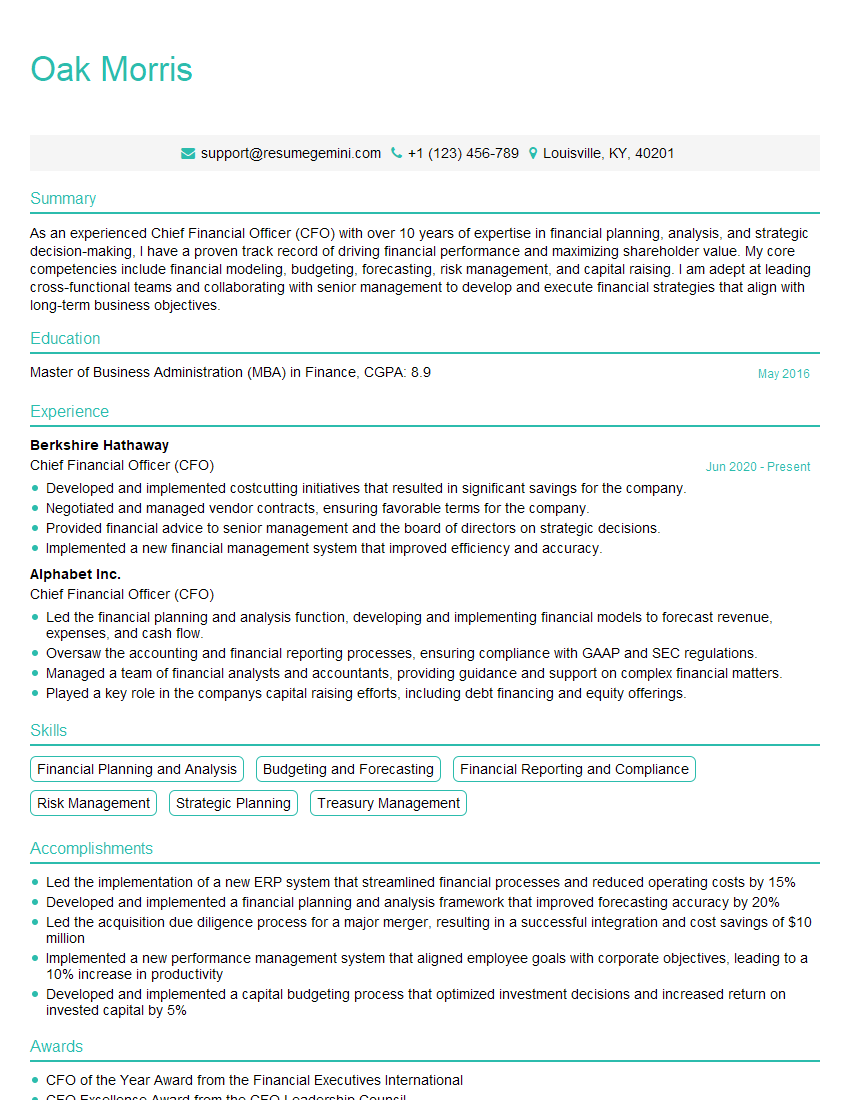
Chief Financial Officer (CFO) Resume Sample
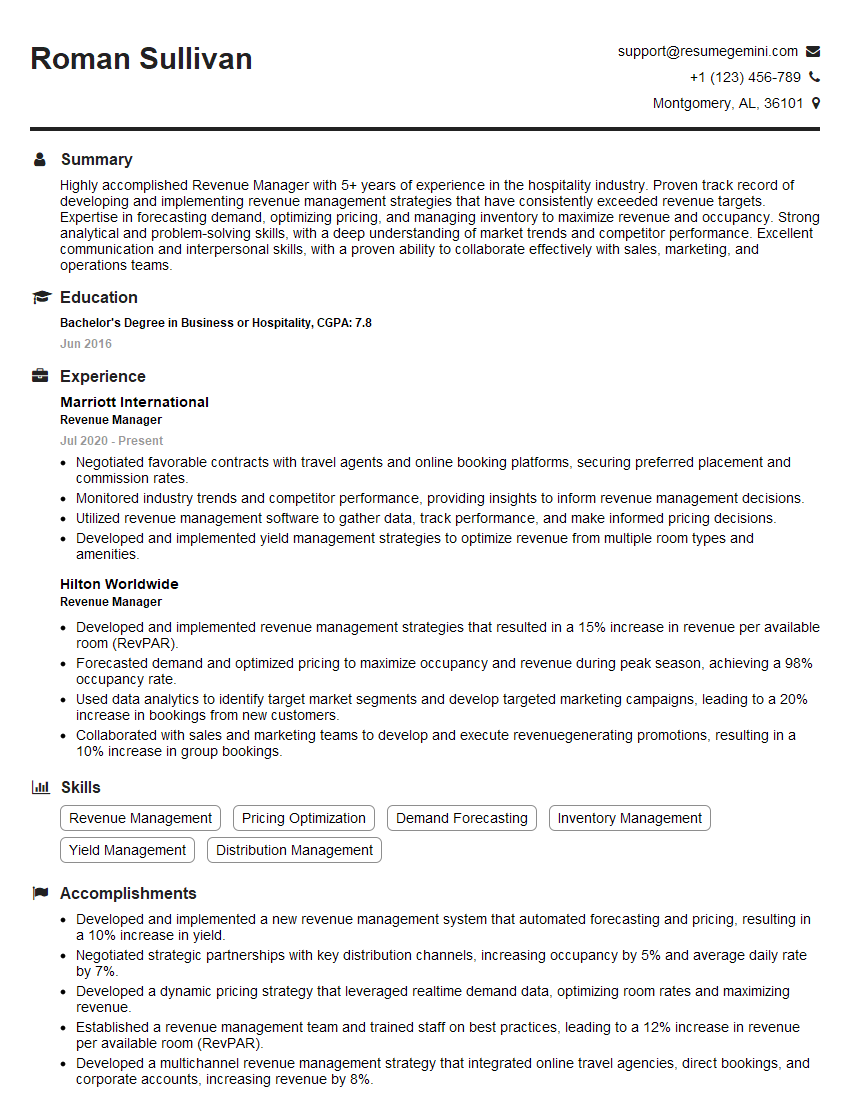
Revenue Manager Resume Sample
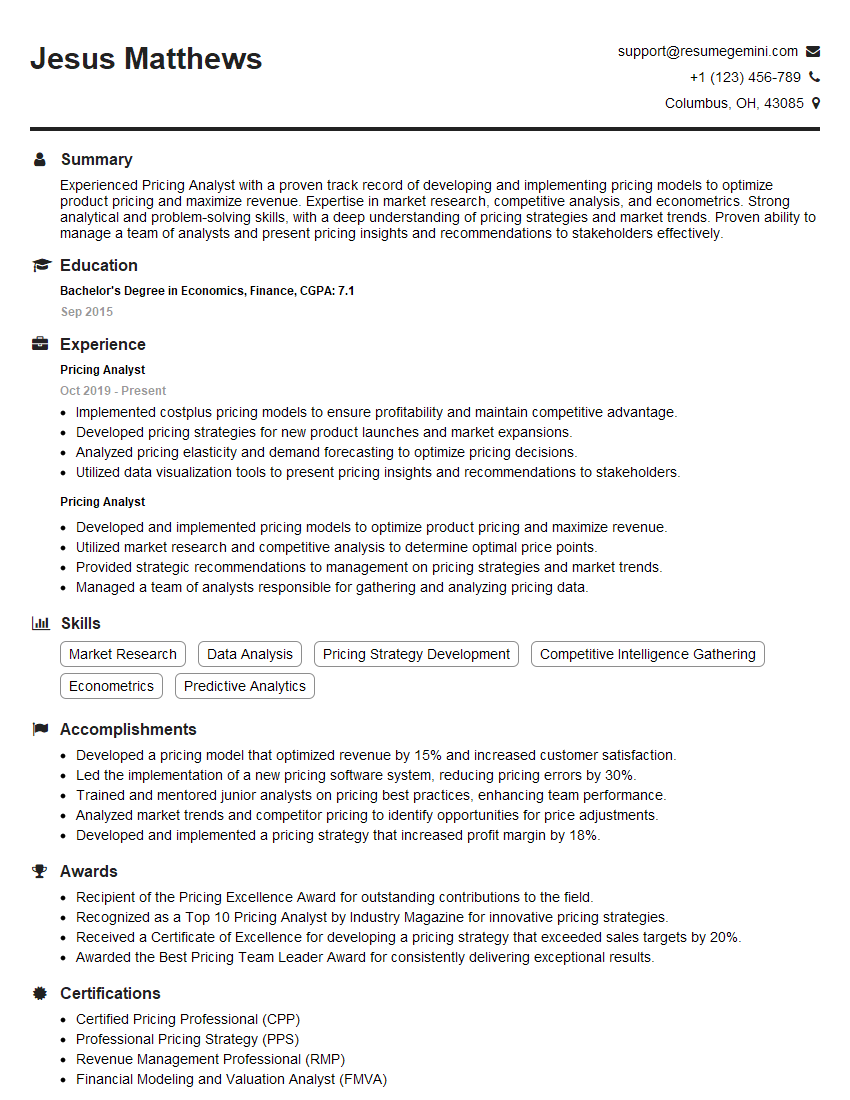
Pricing Analyst Resume Sample
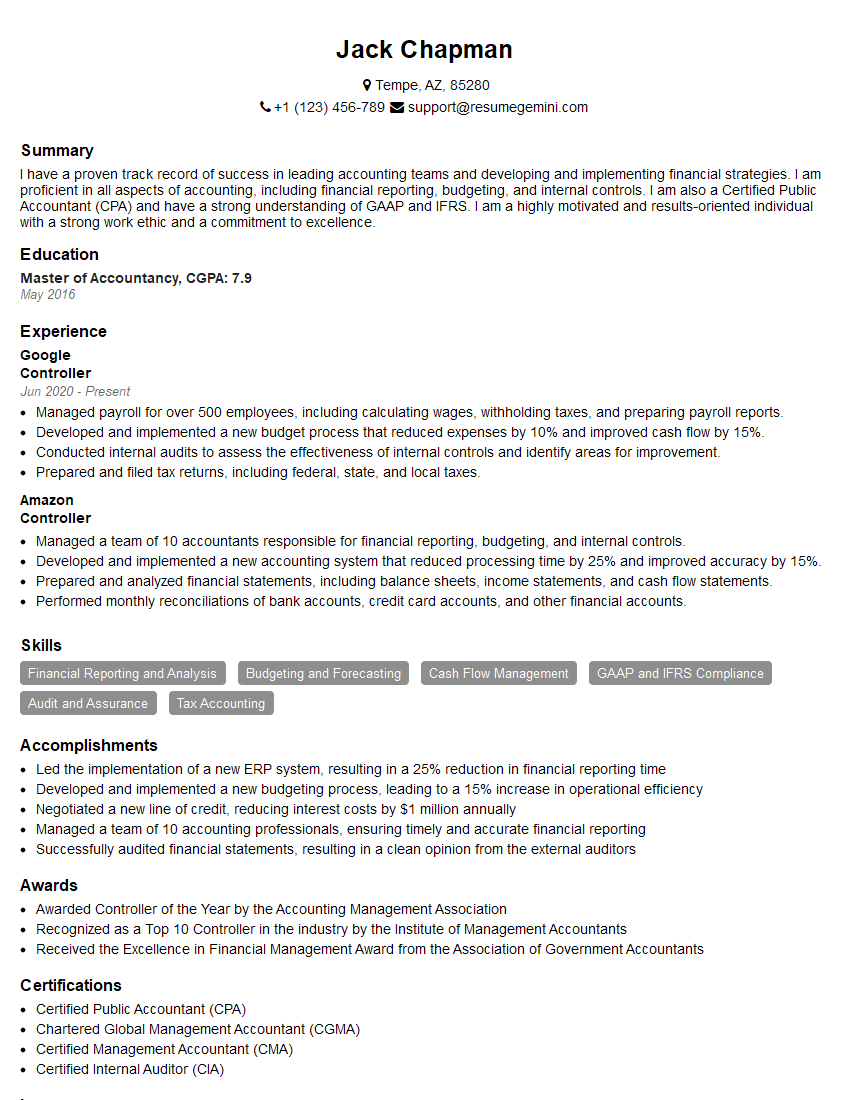
Controller Resume Sample
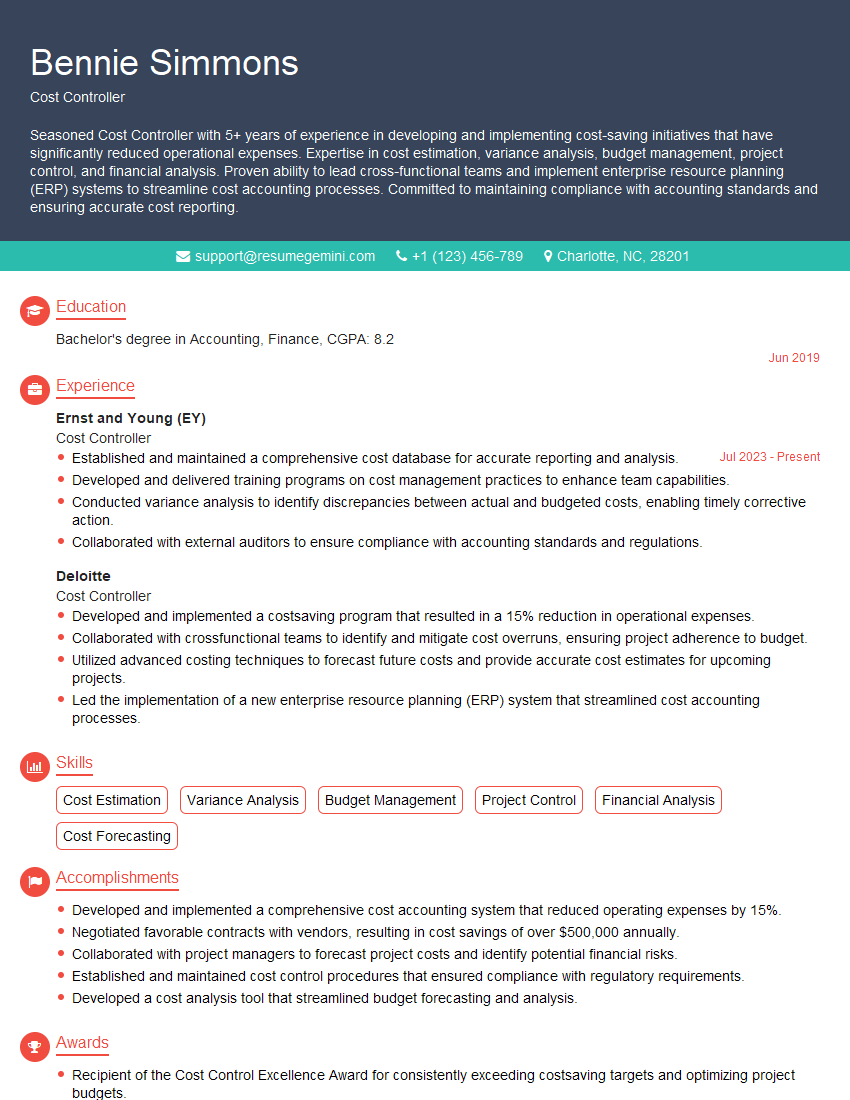
Cost Controller Resume Sample
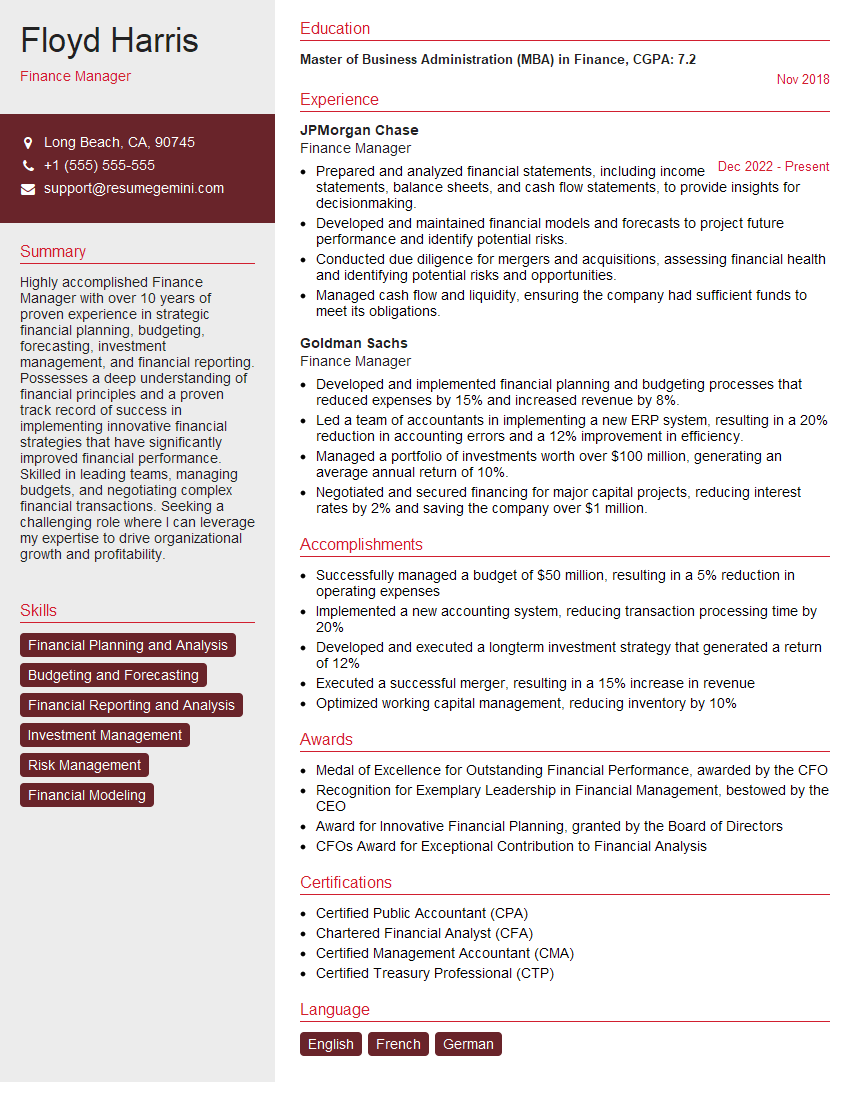
Finance Manager Resume Sample
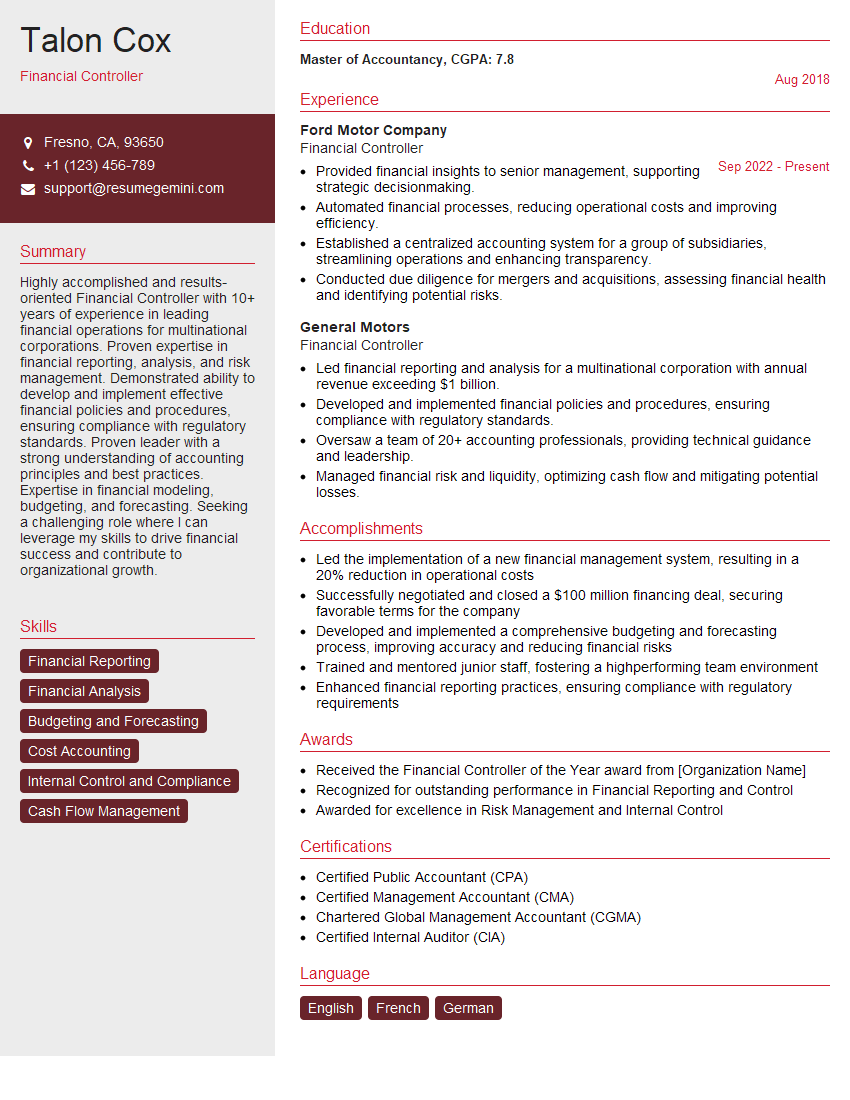
Financial Controller Resume Sample

Budget Manager Resume Sample

Procurement Manager Resume Sample
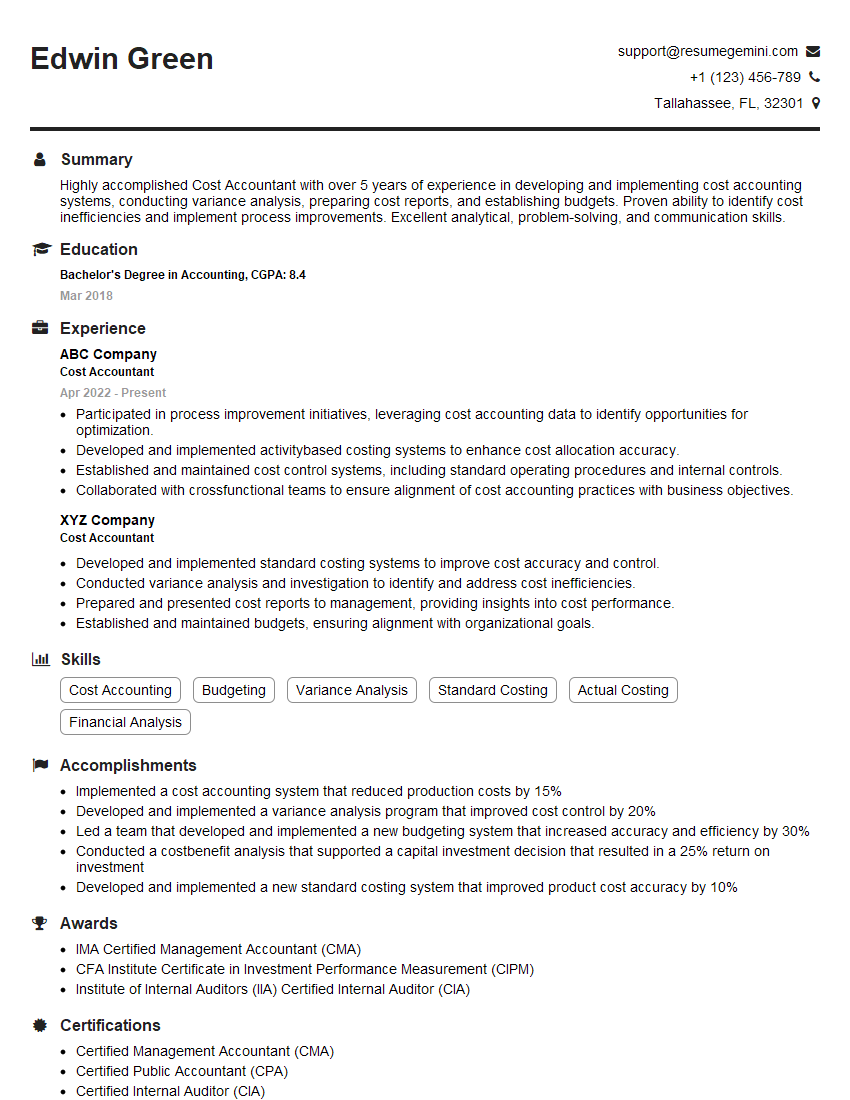
Cost Accountant Resume Sample
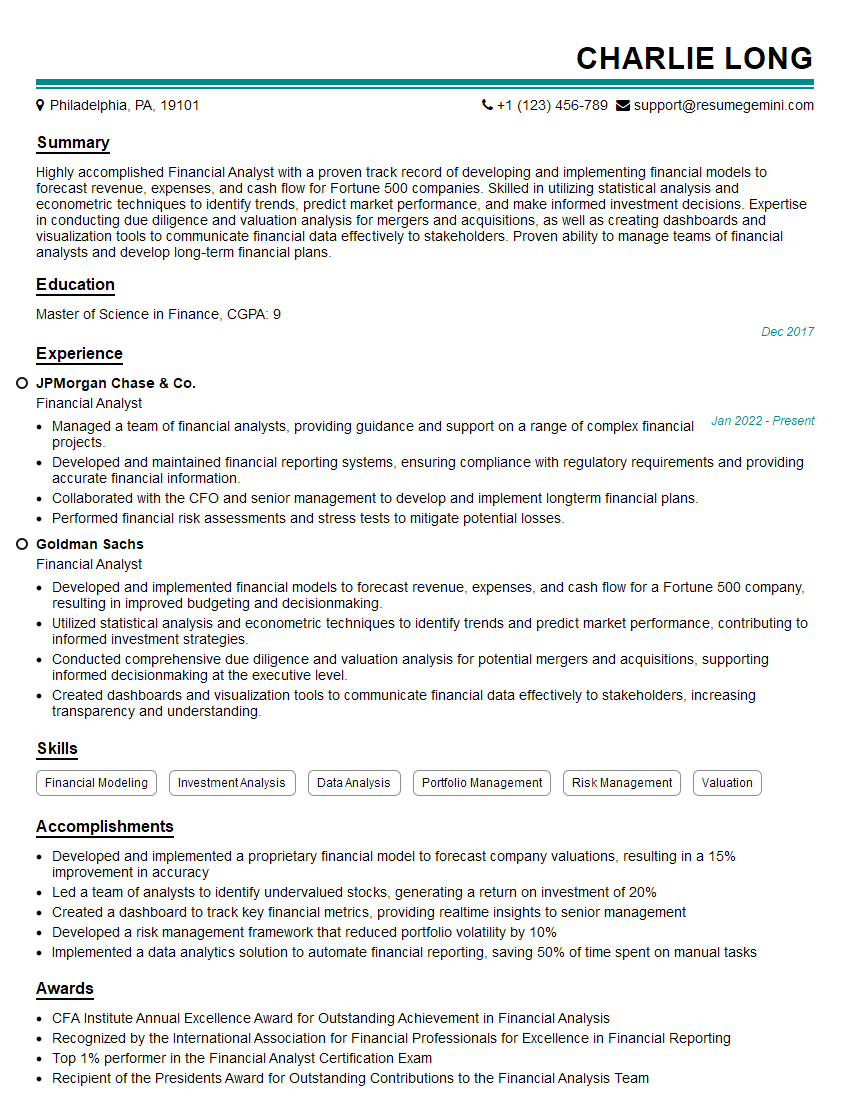
Financial Analyst Resume Sample
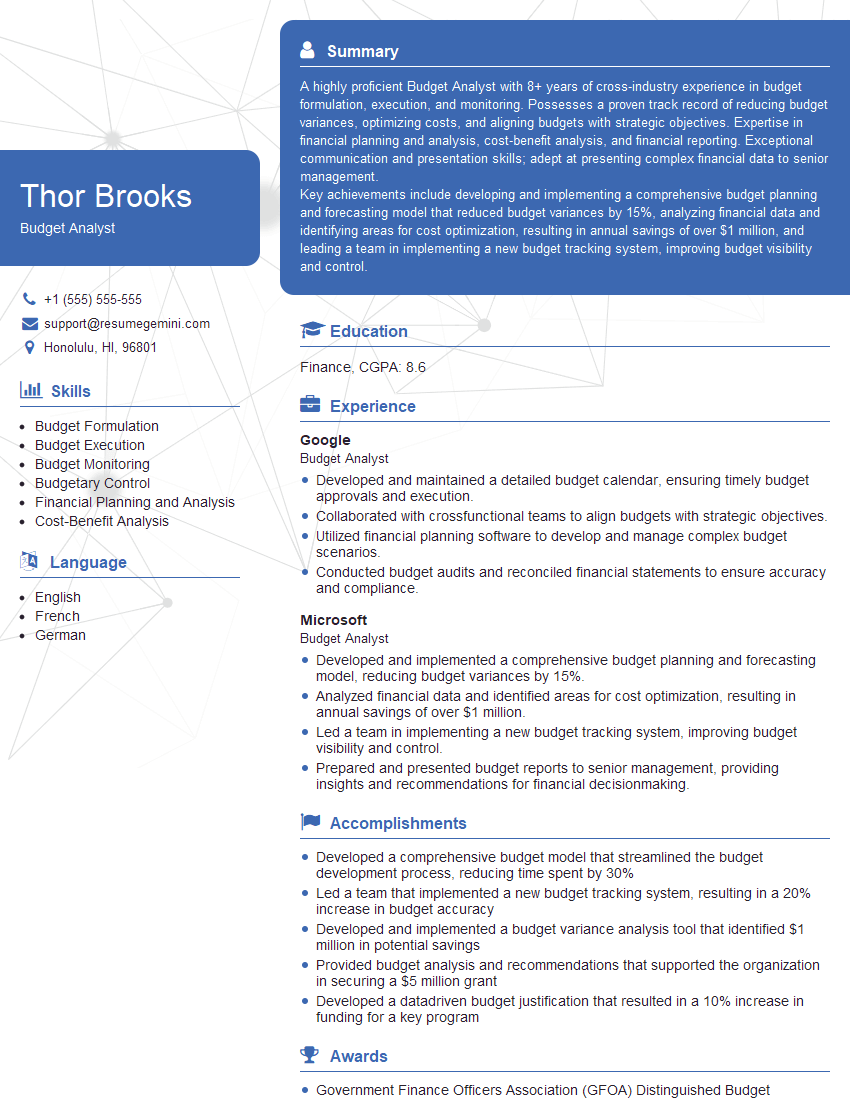
Budget Analyst Resume Sample
Explore more articles
Users Rating of Our Blogs
Share Your Experience
We value your feedback! Please rate our content and share your thoughts (optional).
What Readers Say About Our Blog
Very informative content, great job.
good