Cracking a skill-specific interview, like one for Building Design, requires understanding the nuances of the role. In this blog, we present the questions you’re most likely to encounter, along with insights into how to answer them effectively. Let’s ensure you’re ready to make a strong impression.
Questions Asked in Building Design Interview
Q 1. Explain your experience with Building Information Modeling (BIM) software.
Building Information Modeling (BIM) is a process involving the generation and management of digital representations of physical and functional characteristics of places. My experience with BIM software, primarily Autodesk Revit and ArchiCAD, spans over eight years. I’ve used it throughout the entire design lifecycle, from conceptual design to construction documentation and beyond.
For instance, on a recent project involving a multi-story residential building, I leveraged Revit’s capabilities to create a fully coordinated 3D model. This allowed for clash detection, significantly reducing conflicts between MEP (Mechanical, Electrical, and Plumbing) systems and structural elements. We were able to identify and resolve potential issues before construction began, saving both time and money. I’m proficient in creating families, schedules, and quantity takeoffs within the BIM environment. I also have experience with BIM collaboration platforms like BIM 360, facilitating seamless teamwork and data sharing among project stakeholders.
Q 2. Describe your proficiency in CAD software (AutoCAD, Revit, etc.).
My proficiency in CAD software is extensive, encompassing both 2D and 3D modeling. I’m highly skilled in AutoCAD, using it for detailed drawings, drafting, and annotation. My expertise in Revit, as mentioned before, is more advanced, allowing me to create and manage complex building models. I’m comfortable using various tools within these platforms, including parametric modeling, rendering, and visualization. I can effectively utilize these tools to create high-quality, accurate construction documents.
For example, on a recent commercial project, I utilized AutoCAD to create precise site plans and detailed floor plans, while Revit was used to generate the 3D model, ensuring the smooth integration of architectural, structural, and MEP elements. This integrated approach fostered coordination and efficiency. I also have experience with other CAD software such as SketchUp for initial concept visualization.
Q 3. How do you handle design changes during the construction process?
Handling design changes during construction is a crucial aspect of project management. My approach involves a structured process. First, I ensure the change is properly documented, including the reason for the change, the impact assessment, and the cost implications. Next, I collaborate with the project team – architects, engineers, contractors, and clients – to discuss the feasibility and implications of the changes. We utilize the BIM model to visualize the changes and assess their effects on other elements of the design.
For instance, if a structural change is needed, I’ll coordinate with the structural engineer to update the model and ensure the structural integrity is maintained. Any changes to the design are carefully reviewed and approved through a formal change order process. This includes updating drawings, schedules, and cost estimates to reflect the modifications. The use of BIM allows for a much smoother process of change management as the impact of changes can be accurately evaluated in real-time.
Q 4. What are your preferred methods for generating design ideas?
Generating design ideas involves a combination of creative exploration and analytical problem-solving. I often start by understanding the client’s needs and the project’s context. I use various methods, including sketching, brainstorming, and site analysis. I find inspiration from architectural history, contemporary design trends, and environmental considerations. Digital modeling tools such as SketchUp and Revit help me quickly test and refine design concepts.
For example, when designing a sustainable school, I started by analyzing the site’s climate and orientation. This informed the building’s layout, maximizing natural light and ventilation. I then explored various design options through sketching and digital modeling. Through iterative design and collaboration with the client, the final design incorporated passive solar design strategies, reducing energy consumption while creating a comfortable learning environment.
Q 5. Describe your approach to sustainable building design.
Sustainable building design is integral to my approach. I aim to minimize the environmental impact of buildings throughout their entire lifecycle – from construction to demolition. This involves incorporating strategies like passive solar design, efficient energy systems, water conservation, and the use of sustainable materials. I’m familiar with various green building rating systems such as LEED and BREEAM.
In a recent project, we integrated rainwater harvesting systems to reduce potable water usage. We also specified low-emissivity glass and high-performance insulation to improve energy efficiency. The selection of materials focused on recycled and locally sourced options to minimize transportation costs and environmental impact. The ultimate goal is to create buildings that are environmentally responsible, economically viable, and socially equitable.
Q 6. How do you manage multiple projects simultaneously?
Managing multiple projects simultaneously requires efficient organization and prioritization. I utilize project management software to track tasks, deadlines, and progress on each project. I establish clear communication channels with project teams and stakeholders. Prioritization is key; I focus on critical tasks and deadlines, allocating resources effectively to meet project goals. Regular progress meetings ensure coordination and problem-solving.
For instance, I might use a project management tool like Asana to create separate boards for each project, detailing tasks, assigning responsibilities, and tracking progress. This allows me to stay on top of multiple projects without losing sight of individual deadlines. Regular client communication is also essential to manage expectations and address any potential issues promptly.
Q 7. Explain your understanding of building codes and regulations.
Understanding building codes and regulations is fundamental to my work. I am familiar with the International Building Code (IBC) and local building codes relevant to different jurisdictions. I ensure all designs comply with these regulations, incorporating necessary safety measures and accessibility requirements. Staying updated on the latest code changes is crucial, as these regulations evolve.
I typically incorporate code compliance reviews into my design process early on. This proactive approach avoids costly revisions and delays later in the project. For example, in designing a high-rise building, I meticulously review fire safety regulations, ensuring compliance with egress requirements, fire suppression systems, and structural fire resistance. This thorough approach to code compliance ensures the safety and legality of the project.
Q 8. How do you ensure your designs meet client requirements and budget constraints?
Meeting client requirements and budget constraints is paramount in building design. It’s a delicate balancing act requiring constant communication and iterative design processes. I approach this by first thoroughly understanding the client’s needs through detailed questionnaires, site visits, and multiple brainstorming sessions. This ensures we’re not just building a structure, but creating a space that truly reflects their vision and functionality.
Once a clear understanding is established, I develop a preliminary design incorporating the client’s requirements. Simultaneously, I work with a cost estimator to create a preliminary budget based on the initial design. This allows for early identification of potential cost overruns. We then iterate on the design, making adjustments to materials, finishes, and even architectural features to find the optimal balance between client aspirations and budget limitations. This might involve exploring more cost-effective alternatives without compromising the quality or the core design concepts. For example, substituting a more expensive type of stone with a visually similar, budget-friendly alternative. Regular budget reviews throughout the design process are crucial to maintaining control and ensuring the project stays within the financial parameters.
Finally, value engineering plays a significant role. This involves critically analyzing each design element to identify areas where cost savings can be achieved without sacrificing functionality or aesthetics. This is an ongoing process, right until the final design approval.
Q 9. Describe your experience with construction detailing and documentation.
Construction detailing and documentation are crucial for successful project execution. My experience encompasses creating detailed drawings that clearly communicate design intent to the construction team. This includes everything from floor plans, elevations, and sections to detailed specifications of materials, finishes, and construction methods. I’m proficient in creating schedules, including door and window schedules, material take-offs, and finish schedules, to ensure accuracy and consistency.
I’m also adept at using industry-standard drafting software to produce accurate, clear, and consistent documentation. In my previous role, I led the detailing efforts for a complex multi-family residential project, resulting in a flawless construction process due to the meticulous and complete documentation provided. We used AutoCAD extensively for precise drafting and Revit for building information modeling (BIM), which facilitated better coordination between different design disciplines and minimized errors during construction.
Q 10. How familiar are you with different construction materials and their properties?
My familiarity with construction materials extends beyond simply knowing their names. I understand their physical and chemical properties, structural capabilities, thermal performance, sustainability implications, and cost implications. I consider the life-cycle costs and environmental impact when making material selections. For example, I’m well-versed in the differences between various types of concrete, their strengths, and their suitability for different applications. I understand the impact of thermal bridging in building envelopes and how to mitigate it by selecting appropriate insulation materials and construction techniques.
Furthermore, I have experience working with sustainable materials like bamboo, reclaimed timber, and recycled steel, which is particularly valuable in meeting increasingly stringent environmental regulations. Understanding these materials’ unique characteristics—their strengths, weaknesses, maintenance requirements, and aesthetic qualities—allows me to make informed choices that are both functional and aesthetically pleasing.
Q 11. What software and tools do you use for design visualization?
Design visualization is critical for communicating design ideas effectively and ensuring that the client’s vision is realized. I utilize a suite of software and tools to achieve this. My primary software includes SketchUp for quick concept modeling and Revit for detailed BIM modeling. I use Lumion and Enscape for real-time rendering, providing clients with interactive walkthroughs and immersive views of their future space. These tools allow me to quickly generate photorealistic visualizations and animations that help clients understand the design and make informed decisions early in the process. In addition, I use Photoshop and Illustrator for post-processing and creating presentation-quality visuals.
Q 12. Explain your experience with 3D modeling and rendering software.
I have extensive experience with 3D modeling and rendering. My proficiency in Revit allows me to create highly detailed and accurate 3D models that go beyond simple visualization. These models serve as the basis for construction documentation, facilitating efficient coordination between different trades. My rendering skills in Lumion and Enscape are equally strong, allowing me to produce high-quality visuals for presentations, marketing materials, and client approvals. For example, for a recent project, I used Revit to create a fully coordinated model that included architectural, structural, and MEP elements. This helped resolve many potential clashes before construction began, saving significant time and money. The resulting Lumion renderings then allowed clients to truly experience the atmosphere of the proposed space, leading to a much more collaborative and successful project.
Q 13. How do you collaborate with other design professionals (structural, MEP, etc.)?
Collaboration is essential in building design. I believe in a team-based approach where open communication is key. I regularly collaborate with structural engineers, mechanical, electrical, and plumbing (MEP) engineers, landscape architects, and interior designers. I utilize collaborative platforms such as BIM 360 and Revit Cloud Worksharing to facilitate real-time model coordination and communication. This allows all stakeholders to access and review the model simultaneously, ensuring design consistency and minimizing errors caused by conflicting designs. Regular coordination meetings, where we discuss design challenges and potential conflicts, are crucial for a smooth workflow.
For instance, on a recent project, early collaboration with the structural engineer ensured that the architectural design was structurally feasible from the outset, avoiding costly redesign later in the project. Similarly, coordination with the MEP engineers during the initial design phase helped to integrate building systems effectively, avoiding conflicts and maximizing the building’s functionality.
Q 14. Describe your process for resolving design conflicts.
Design conflicts are inevitable in complex projects. My approach to resolving these is systematic and collaborative. I begin by clearly identifying the conflict, documenting it, and involving all relevant stakeholders. This ensures everyone understands the issue and its potential impact. We then brainstorm potential solutions collaboratively, considering their implications on the overall design, budget, and project schedule. I encourage open discussion and seek to find solutions that satisfy all parties involved, prioritizing the client’s needs while maintaining project feasibility and functionality.
For example, if there’s a conflict between the architectural design and the structural requirements, I would work with the structural engineer to explore alternative structural solutions that accommodate the architectural design, or vice-versa, modifying the architectural design to meet the structural requirements. Compromise is often key, but always with the goal of achieving the best possible outcome for the project as a whole. In some cases, formal conflict resolution procedures, such as mediation, might be necessary, but a proactive and communicative approach often prevents such escalation.
Q 15. How do you prioritize tasks and manage deadlines effectively?
Effective task prioritization and deadline management are crucial in building design, a field often juggling multiple projects with tight timelines. My approach relies on a combination of strategic planning and agile methodology. I start by using a project management system, like Trello or Asana, to list all tasks, assigning priorities based on deadlines, client needs, and project dependencies. I employ a system like the Eisenhower Matrix (Urgent/Important), categorizing tasks to focus on high-priority items first. This helps prevent getting bogged down in less critical tasks that could delay the completion of crucial milestones.
For example, if I’m working on a residential project alongside a large commercial building, I might prioritize the critical path items for the commercial project (structural engineering sign-off, permit applications) while allocating specific time blocks for the residential project’s less time-sensitive design details. Regular progress reviews and adjustments are essential. I schedule daily or weekly check-ins to monitor progress, identify potential roadblocks, and make necessary adjustments to the schedule. This proactive approach ensures that deadlines are met while maintaining a high level of quality.
Career Expert Tips:
- Ace those interviews! Prepare effectively by reviewing the Top 50 Most Common Interview Questions on ResumeGemini.
- Navigate your job search with confidence! Explore a wide range of Career Tips on ResumeGemini. Learn about common challenges and recommendations to overcome them.
- Craft the perfect resume! Master the Art of Resume Writing with ResumeGemini’s guide. Showcase your unique qualifications and achievements effectively.
- Don’t miss out on holiday savings! Build your dream resume with ResumeGemini’s ATS optimized templates.
Q 16. What are your strategies for presenting design solutions to clients?
Presenting design solutions effectively requires a blend of visual communication, clear articulation, and client engagement. I believe in a collaborative approach, starting with understanding the client’s needs and vision. I always prepare a structured presentation with compelling visuals—high-quality renderings, 3D models, and detailed plans—to showcase the design effectively. The presentation begins with a clear overview of the project goals and how the design achieves them, highlighting key features and addressing potential concerns proactively. I use simple, non-technical language to explain complex design aspects, ensuring the client understands the rationale behind every decision.
Interactive elements are crucial. I encourage questions and feedback throughout the presentation, tailoring my explanations to address specific concerns. For instance, if a client is unsure about the energy efficiency of a proposed design, I’ll present detailed energy modeling data and explain how the design achieves energy savings. Following the presentation, I provide a comprehensive document summarizing the key features, specifications, and next steps, fostering transparency and facilitating further discussions.
Q 17. Explain your understanding of universal design principles.
Universal design principles focus on creating environments and products accessible and usable by all people, regardless of their age, ability, or disability. It’s about inclusivity and avoiding the need for specialized design later. Key principles include equitable use (designing usable by all), flexibility in use (adaptable to a wide range of individual preferences and abilities), simple and intuitive use (easy to understand and use, regardless of the user’s knowledge, experience, or concentration level), perceptible information (design communicates necessary information effectively to users, regardless of their sensory abilities), tolerance for error (minimizes hazards and the adverse consequences of accidental or unintended actions), low physical effort (can be used efficiently and comfortably and with a minimum of fatigue), size and space for approach and use (provides appropriate size and space for approach, reach, manipulation, and use regardless of user’s body size, posture, or mobility).
For instance, designing ramps instead of stairs, providing adjustable countertops in kitchens, designing websites with alt text for images, and incorporating clear signage with multiple sensory cues (visual and tactile) are all examples of applying universal design principles. In a residential setting, this could mean designing a bathroom with grab bars and wider doorways, ensuring accessibility for aging residents or people with mobility issues. This proactive approach makes the building usable and enjoyable for everyone, improving its overall value and appeal.
Q 18. Describe your experience with energy modeling and analysis.
Energy modeling and analysis are integral parts of sustainable building design. My experience involves using software like EnergyPlus, eQuest, or DesignBuilder to simulate a building’s energy performance. This involves creating a detailed virtual model of the building, specifying its materials, systems (HVAC, lighting), and operational characteristics. The software then simulates the building’s energy consumption over a year, providing insights into its energy efficiency. This allows for informed decision-making during the design phase, enabling optimization for energy performance before construction.
For example, in a recent project, energy modeling revealed that using a specific type of glazing could significantly reduce heating loads in winter, while shading devices could mitigate cooling loads in summer. By analyzing different design options through energy modeling, I was able to recommend the most cost-effective and energy-efficient design for the client, minimizing long-term operating costs and environmental impact. The results are presented as detailed reports and visualizations which help clients understand the energy implications of their choices.
Q 19. How do you ensure the accuracy and completeness of your designs?
Ensuring design accuracy and completeness demands a rigorous and systematic approach throughout the design process. I use Building Information Modeling (BIM) software (such as Revit or ArchiCAD) to create digital models that incorporate all aspects of the design, from architectural geometry to structural components and MEP systems. This centralizes all design information in a single, coordinated model, minimizing errors and omissions. Regular quality checks at each stage are crucial. I implement a peer review process, where colleagues review my work for accuracy and completeness before proceeding to the next phase. We also utilize clash detection software within the BIM model to identify and resolve conflicts between different building systems (e.g., pipes passing through beams).
Detailed specifications and schedules are created and updated throughout the project. This documented information serves as the guiding principle for construction and ensures everyone involved shares a clear understanding of the design intent. Finally, regular communication and coordination with other design disciplines (structural, MEP, etc.) ensure that the design is both complete and consistent across all its aspects. These rigorous checks and balances reduce the likelihood of errors and significantly improve the overall quality of the design.
Q 20. What is your approach to quality control in building design?
Quality control in building design is a continuous process, not an afterthought. My approach involves implementing robust quality control procedures at every stage of the project, starting with the initial design concept and continuing through construction documentation. This involves regular internal reviews of designs and drawings to ensure compliance with building codes, client requirements, and best practices. I also utilize checklist-driven reviews for specific tasks (like checking dimensions or material specifications) to ensure thoroughness and consistency. This methodical review process helps identify and resolve potential issues early, preventing costly errors during construction.
External quality checks are equally important. I collaborate with consultants and specialists (structural engineers, MEP engineers, etc.) to validate the design and ensure it meets all relevant standards and regulations. Furthermore, pre-construction meetings with contractors facilitate the identification and resolution of potential on-site challenges early in the process. This multi-layered approach to quality control ensures that the final design meets the highest quality standards, both technically and aesthetically.
Q 21. How do you stay current with the latest trends and technologies in building design?
Staying abreast of the latest trends and technologies in building design is crucial for remaining competitive and delivering innovative solutions. I actively participate in industry events, conferences, and workshops to learn about new materials, techniques, and software. I regularly read industry publications, journals, and online resources to stay informed about the latest research and developments. Subscription to professional organizations like the AIA (American Institute of Architects) provides access to valuable resources and continuing education opportunities.
Furthermore, I actively network with other professionals in the field, exchanging ideas and learning from their experiences. This continuous learning helps me integrate cutting-edge technologies and sustainable practices into my work, allowing me to offer clients innovative and environmentally responsible design solutions. For example, I recently incorporated advancements in parametric modeling into a project, which allowed for rapid design iteration and optimization of building performance based on various parameters.
Q 22. Describe your experience with site analysis and context design.
Site analysis and context design are crucial first steps in any successful building project. They involve a thorough understanding of the site’s physical characteristics, its surrounding environment, and how the building will interact with both. This includes analyzing factors like topography, soil conditions, climate, existing infrastructure (roads, utilities), sunlight exposure, wind patterns, and the building’s relationship to adjacent structures and the broader community.
My experience encompasses a range of methodologies, from traditional on-site surveys and mapping using tools like total stations and GIS software, to utilizing aerial photography and LiDAR data for a more comprehensive understanding of the terrain. For example, on a recent project in a hilly region, a detailed topographical survey was essential to identify suitable building platforms and minimize earthworks. Careful consideration was given to preserving existing mature trees and minimizing the impact on natural drainage patterns.
Contextual design extends beyond the immediate site. I consider the architectural style of the neighborhood, local building codes and regulations, and the broader cultural context to ensure the building harmoniously integrates into its surroundings and enhances the local environment. For instance, a project near a historic district might necessitate the use of traditional materials and design elements, while a project in a modern urban setting might benefit from innovative sustainable design features.
Q 23. How do you incorporate user feedback into the design process?
User feedback is paramount in creating truly effective and user-friendly buildings. I actively solicit and incorporate user feedback throughout the design process, not just at the end. This iterative approach ensures the design evolves to meet the actual needs and preferences of the intended occupants.
My strategies include:
- Early stakeholder engagement: Workshops and interviews with potential users at the beginning of the project to establish a clear understanding of their requirements and expectations.
- Regular design reviews: Presenting the design to users at various stages of development (schematic design, design development, construction documents) to gather feedback on form, function, and usability.
- Surveys and questionnaires: Using online tools to collect quantitative and qualitative data from a wider audience.
- Mock-ups and prototypes: Creating physical or virtual models to allow users to experience the design firsthand and provide more meaningful feedback.
For example, during the design of a community center, user feedback revealed a need for a larger meeting room and more accessible restrooms than initially planned. Incorporating this feedback greatly improved the building’s functionality and made it more inclusive.
Q 24. What are your strengths and weaknesses as a building designer?
My greatest strengths lie in my problem-solving abilities and my commitment to sustainable and user-centered design. I thrive in collaborative environments and am adept at translating complex technical information into easily understandable terms for clients and construction teams. I am also highly proficient in using various design software packages such as Revit, AutoCAD, and SketchUp.
A weakness I am actively working to improve is delegation. As I’m passionate about the details of each project, I sometimes struggle to effectively delegate tasks. However, I am actively developing my leadership and management skills to address this and create a more effective workflow.
Q 25. Explain your experience with design review and critique.
Design review and critique are essential parts of the architectural process, fostering continuous improvement and innovation. I’ve participated in numerous design reviews both as a presenter and as a reviewer.
As a presenter, I actively seek constructive feedback, focusing on areas where the design might be improved in terms of functionality, aesthetics, sustainability, or cost-effectiveness. I prepare comprehensive presentations, detailing design decisions and rationale. I view critique as an opportunity for growth, actively listening to and incorporating feedback to refine the design.
As a reviewer, I approach critiques constructively, focusing on both the strengths and weaknesses of the design. I offer specific, actionable suggestions, rather than simply stating problems. My approach prioritizes providing valuable feedback that helps the designer improve the project. This often involves discussions around the design’s context, its adherence to building codes, and its potential impact on the environment and its users.
Q 26. How do you handle unexpected challenges during a project?
Unexpected challenges are inevitable in building design. My approach centers around proactive planning, meticulous attention to detail, and strong communication skills.
My problem-solving strategy typically involves:
- Identifying the root cause: A thorough investigation to understand the nature of the problem.
- Brainstorming solutions: Exploring various options and considering their implications.
- Risk assessment: Evaluating the potential consequences of each solution.
- Collaboration: Consulting with engineers, contractors, and other stakeholders to find the best approach.
- Documentation: Clearly documenting all changes and decisions.
For example, during a renovation project, we discovered unexpected structural issues. We promptly convened a meeting with engineers and contractors, developed several mitigation strategies, weighed the pros and cons of each option, and selected the most cost-effective and structurally sound solution, all while keeping the client informed every step of the way.
Q 27. Describe a time you had to make a difficult design decision. What was the outcome?
On a recent project, we faced a difficult decision regarding the building’s façade. The initial design incorporated a complex and visually striking system of prefabricated panels, but the cost exceeded the budget significantly.
We had to choose between: simplifying the façade design to meet the budget, jeopardizing the aesthetic vision of the project; or finding alternative, cost-effective solutions that maintained the design intent. After extensive research and collaboration with the contractor, we discovered a more efficient construction technique that reduced the cost without significantly sacrificing the design’s overall impact. The outcome was a successful project that delivered both on aesthetics and budget. The experience reinforced the value of creativity and resourcefulness in problem-solving.
Q 28. What are your career goals related to building design?
My career goals are to combine my passion for sustainable design with my expertise in building design to create innovative, environmentally responsible, and user-centered spaces. I aim to lead projects that positively impact communities and contribute to a more sustainable built environment. I’m particularly interested in exploring advanced building technologies and integrating them into design, furthering my expertise in sustainable practices, and ultimately becoming a leader in the field, mentoring younger architects and shaping the future of building design.
Key Topics to Learn for Building Design Interview
- Building Codes and Regulations: Understanding local, regional, and national building codes and regulations is crucial. Practical application includes ensuring designs meet safety and accessibility standards.
- Sustainable Design Principles: Explore LEED certification, passive design strategies, and sustainable material selection. Practical application involves incorporating environmentally friendly practices into your designs.
- Structural Systems: Grasp the fundamentals of structural engineering principles, including load-bearing capacity and material properties. Practical application involves selecting appropriate structural systems for different building types and sizes.
- Building Information Modeling (BIM): Familiarize yourself with BIM software and its applications in design collaboration and project management. Practical application includes demonstrating proficiency in using BIM software for design visualization and coordination.
- Architectural Drawing and Presentation: Master the skills of creating clear and effective architectural drawings and presentations. Practical application involves communicating design ideas effectively to clients and colleagues.
- Space Planning and Design: Understanding principles of human factors and ergonomics in space planning. Practical application involves creating functional and user-friendly spaces.
- Cost Estimation and Budgeting: Develop skills in estimating project costs and managing budgets effectively. Practical application includes creating realistic project budgets and managing expenses.
- Construction Methods and Materials: Gain knowledge of various construction methods and materials, their properties, and applications. Practical application includes selecting appropriate construction methods and materials for specific design challenges.
- Problem-solving and Design Thinking: Develop your ability to approach design challenges creatively and systematically. Practical application involves demonstrating your problem-solving skills during design reviews and presentations.
Next Steps
Mastering Building Design principles opens doors to exciting career opportunities and professional growth. To maximize your job prospects, focus on crafting a strong, ATS-friendly resume that highlights your skills and experience effectively. ResumeGemini is a trusted resource that can help you build a professional resume that stands out. Examples of resumes tailored to Building Design are available to guide you through this process.
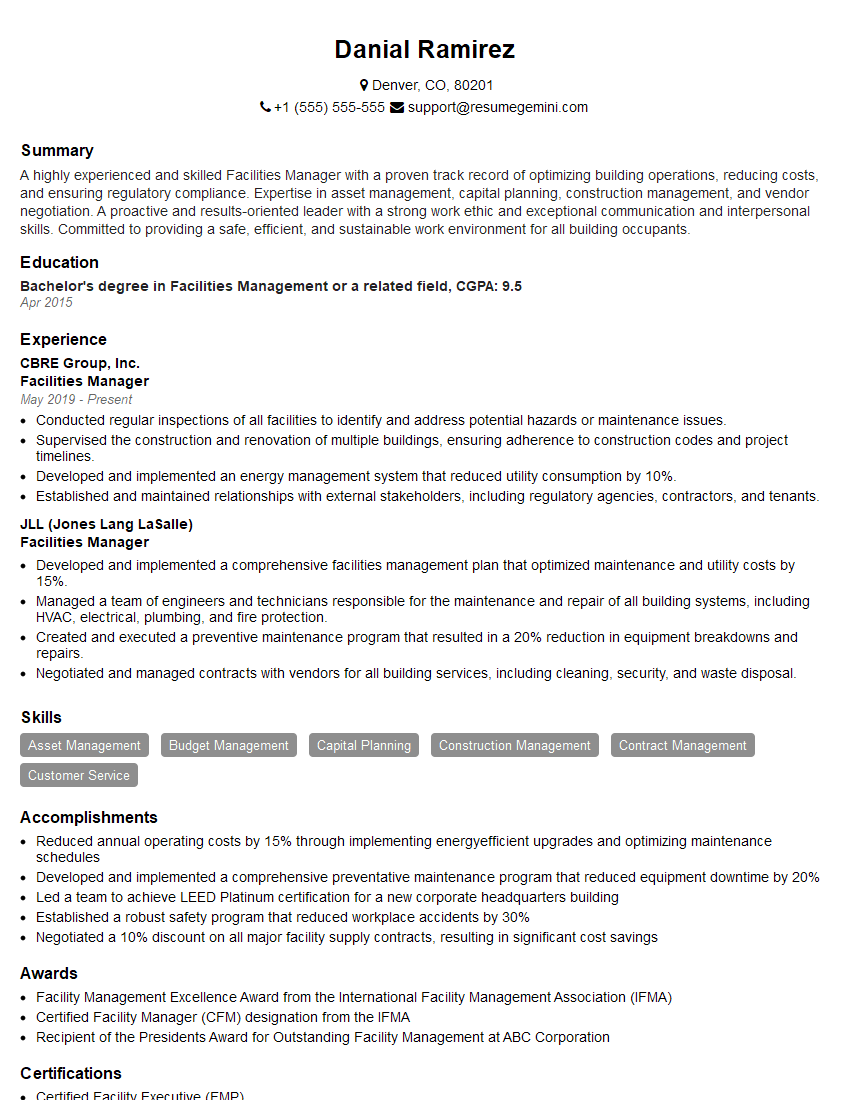
Facilities Manager Resume Sample
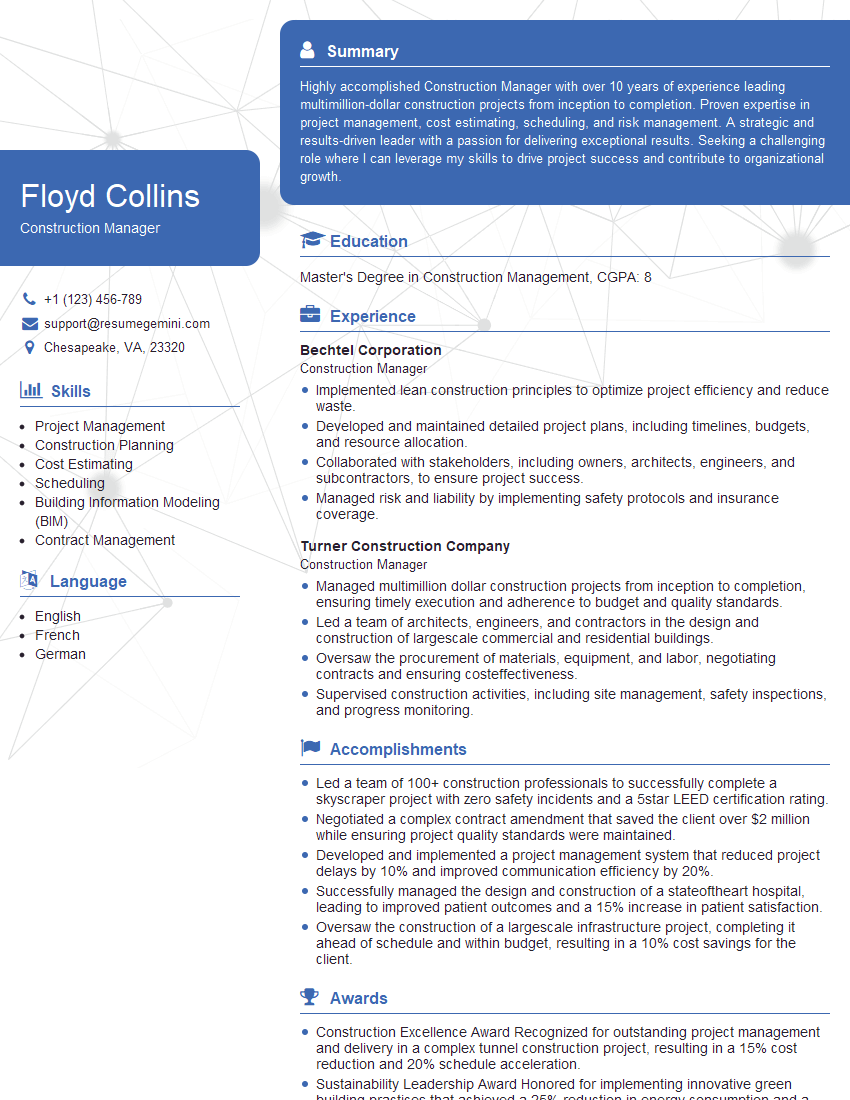
Construction Manager Resume Sample

Project Manager Resume Sample
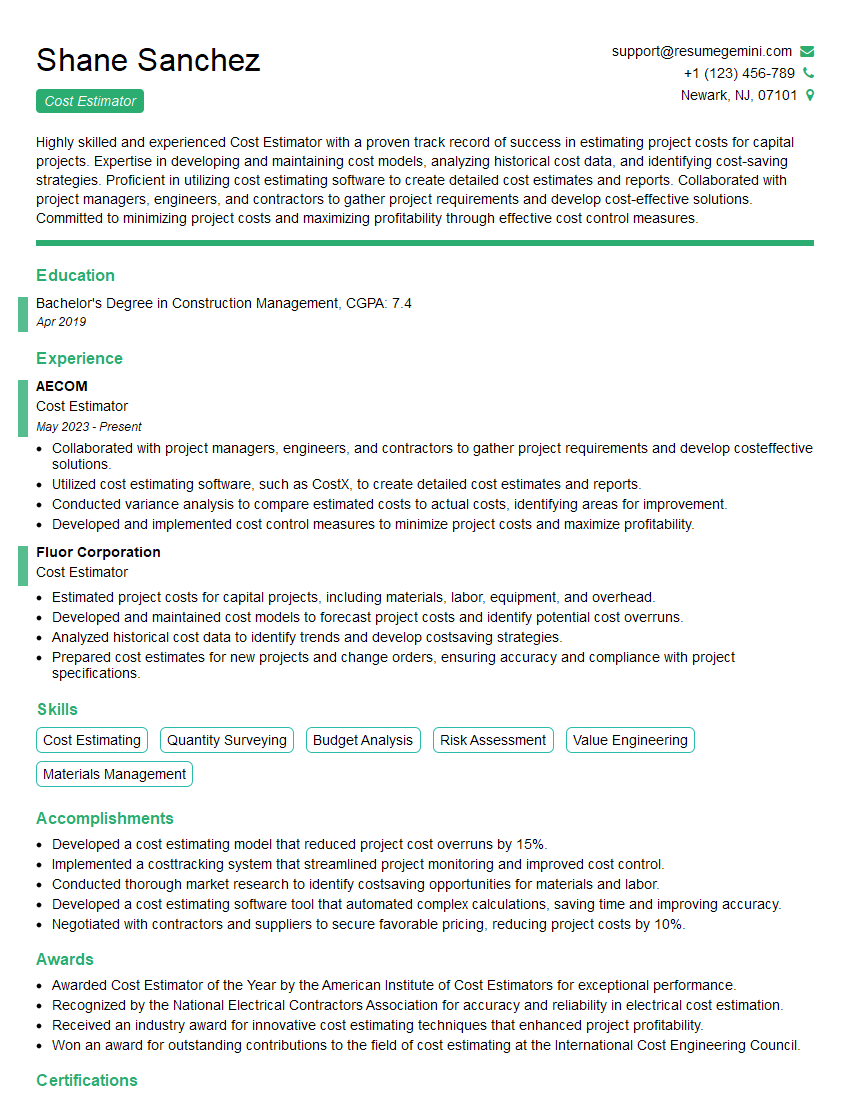
Cost Estimator Resume Sample
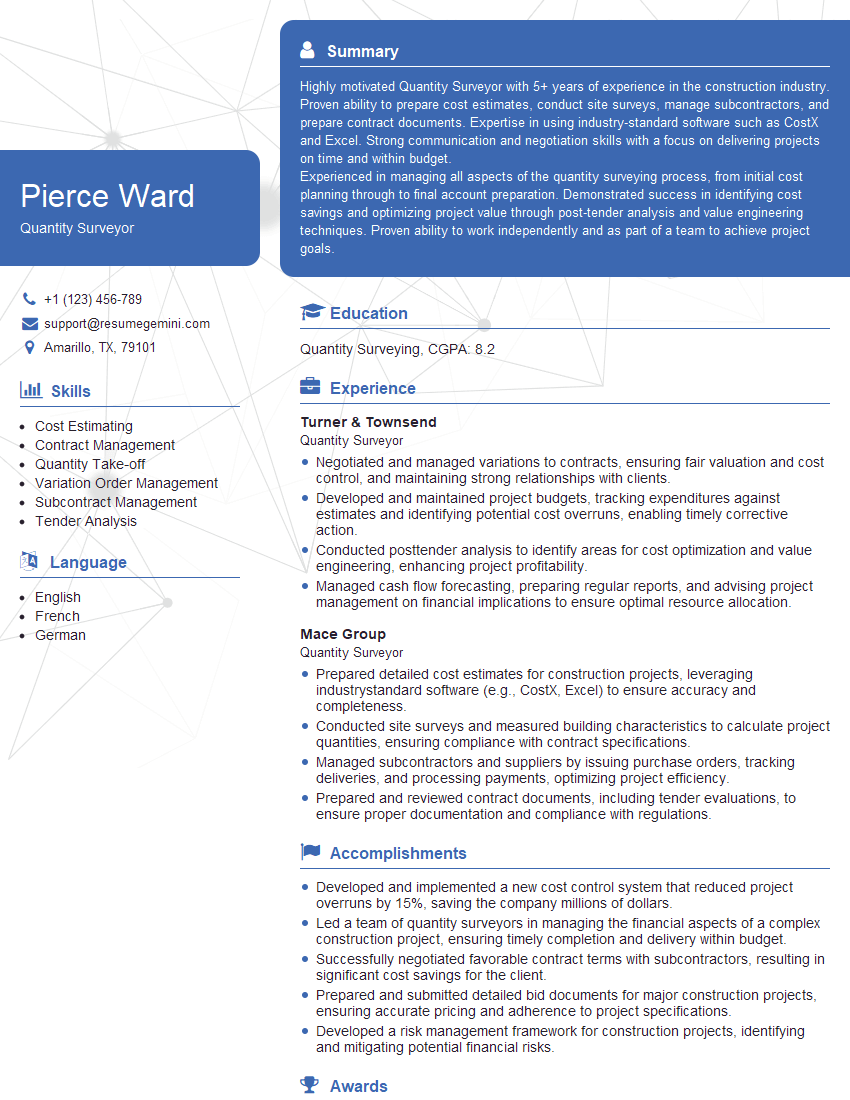
Quantity Surveyor Resume Sample

Sustainability Consultant Resume Sample
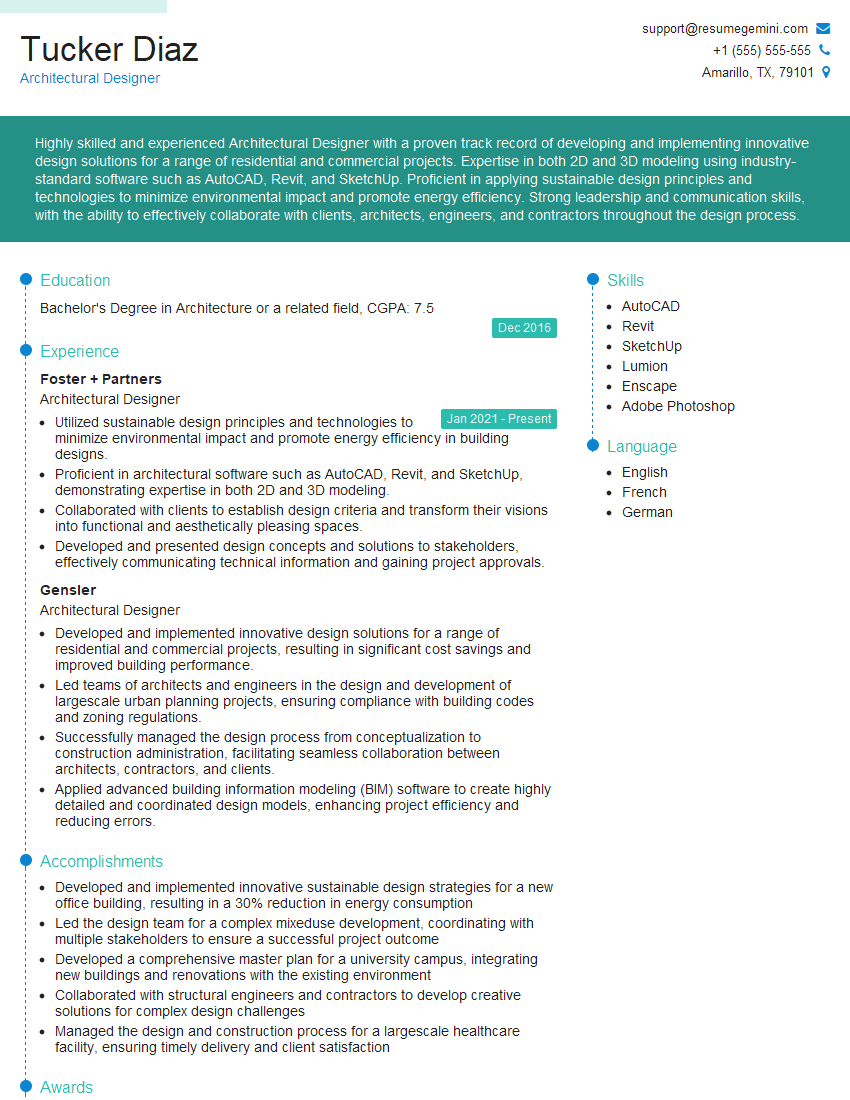
Architectural Designer Resume Sample
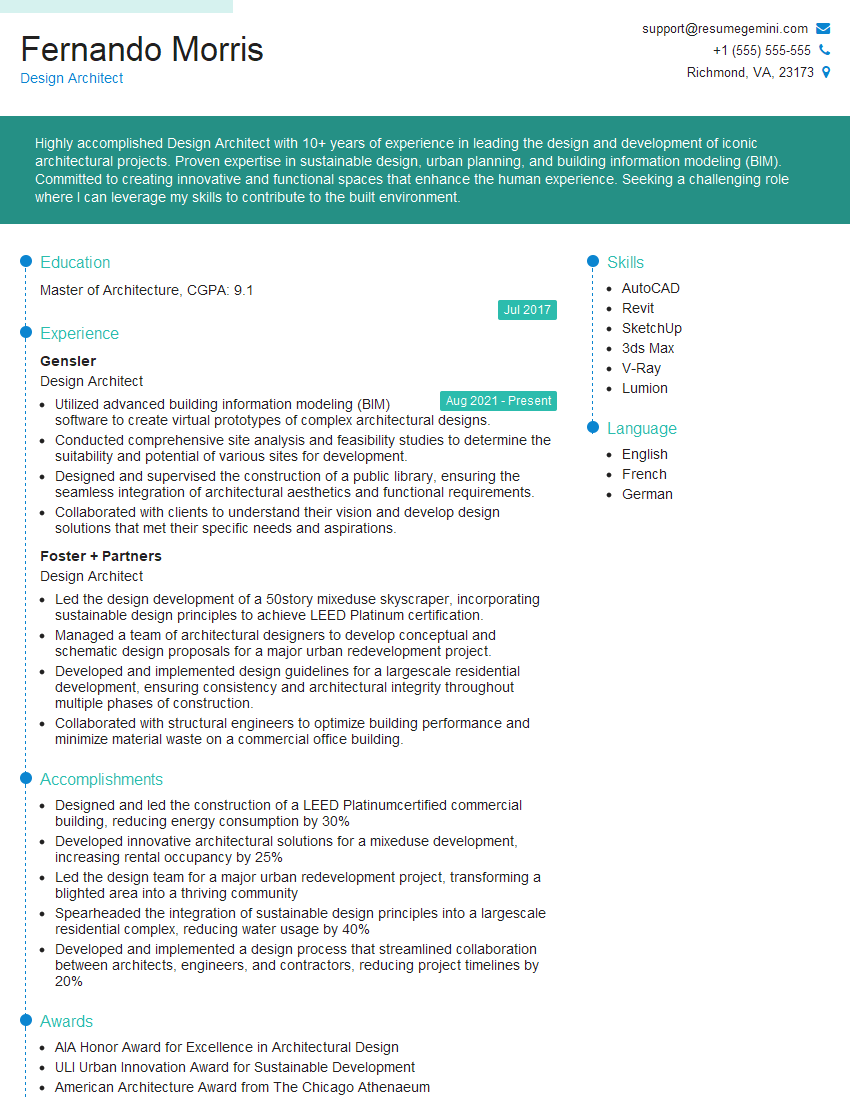
Design Architect Resume Sample
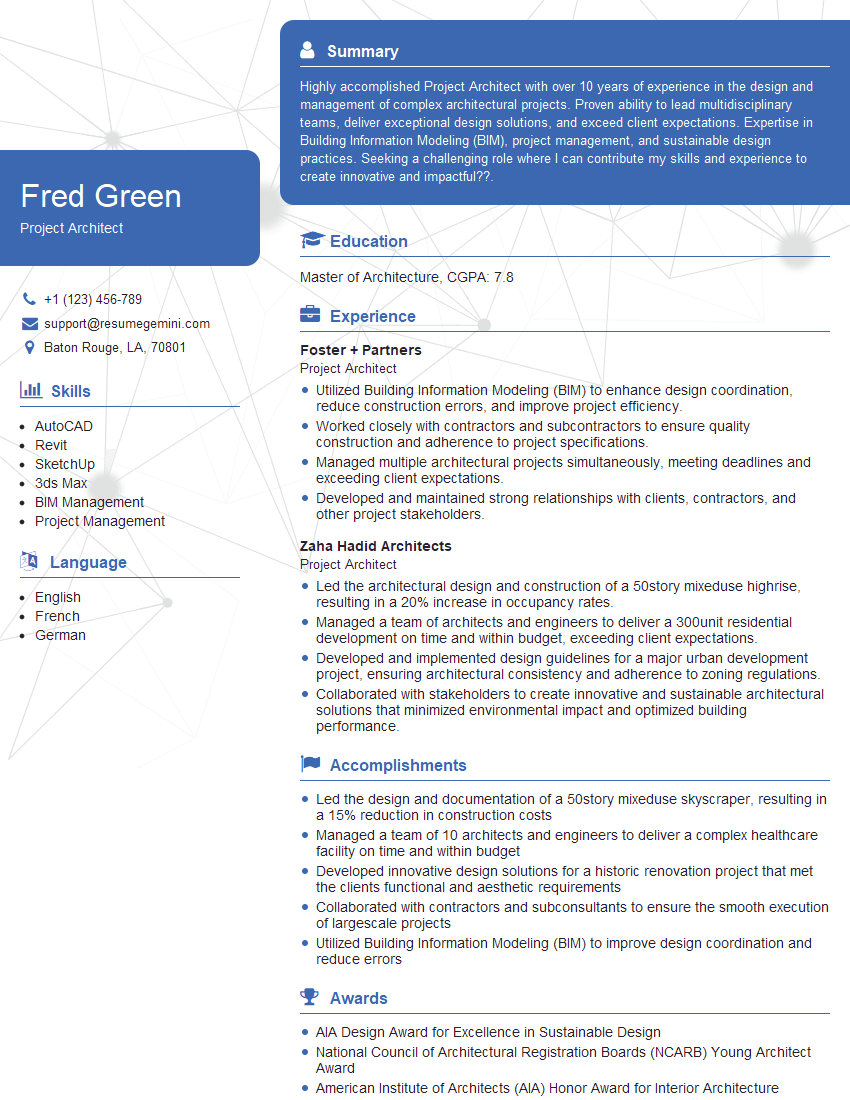
Project Architect Resume Sample
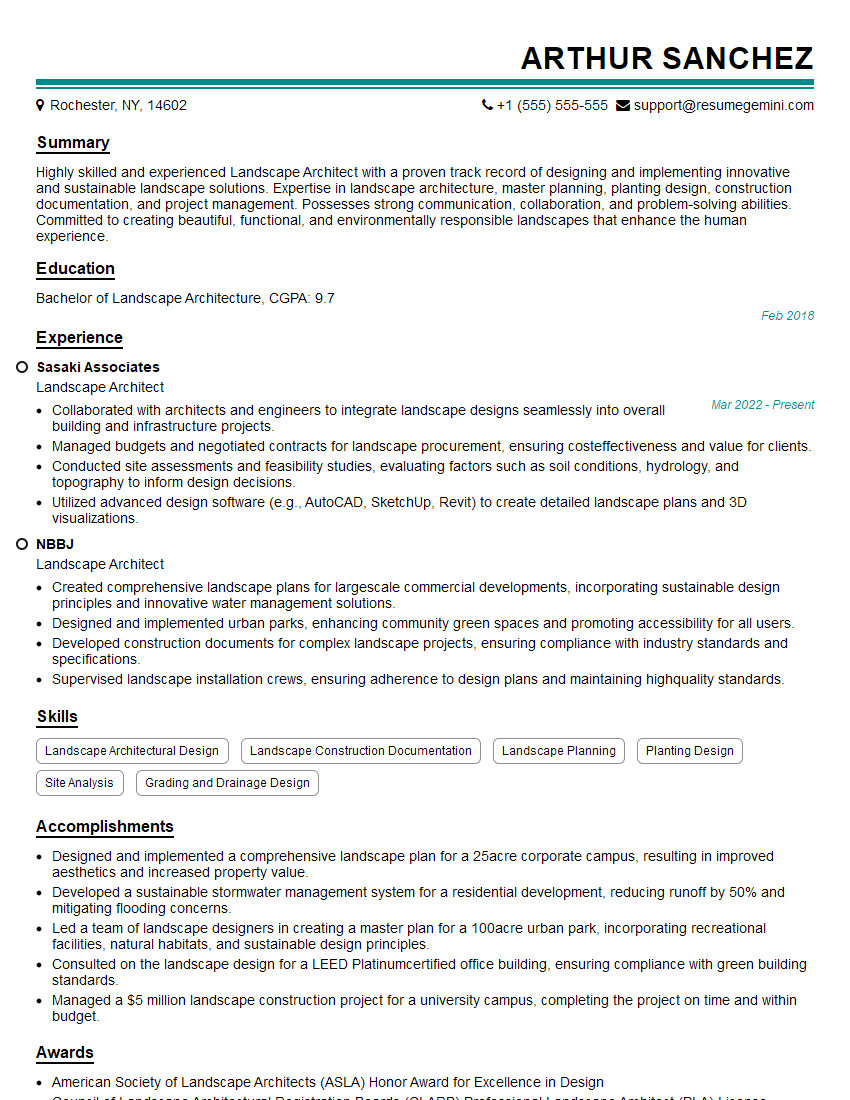
Landscape Architect Resume Sample
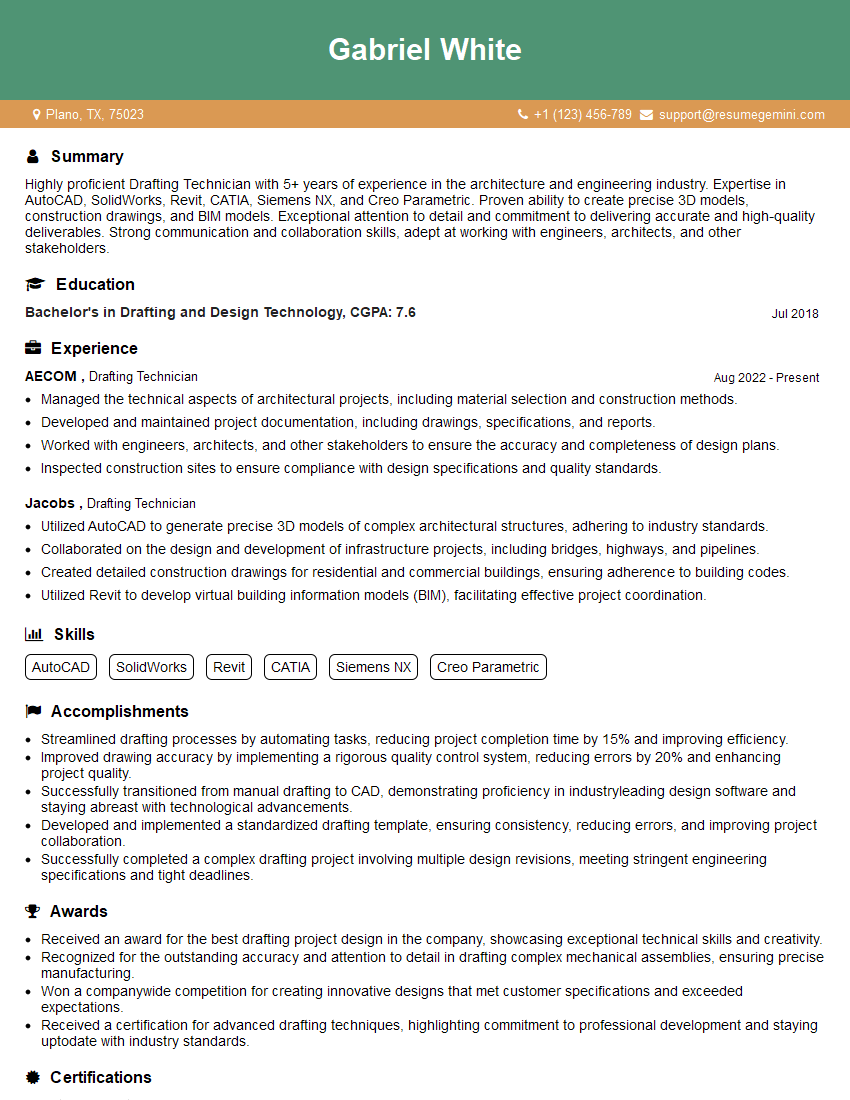
Drafting Technician Resume Sample
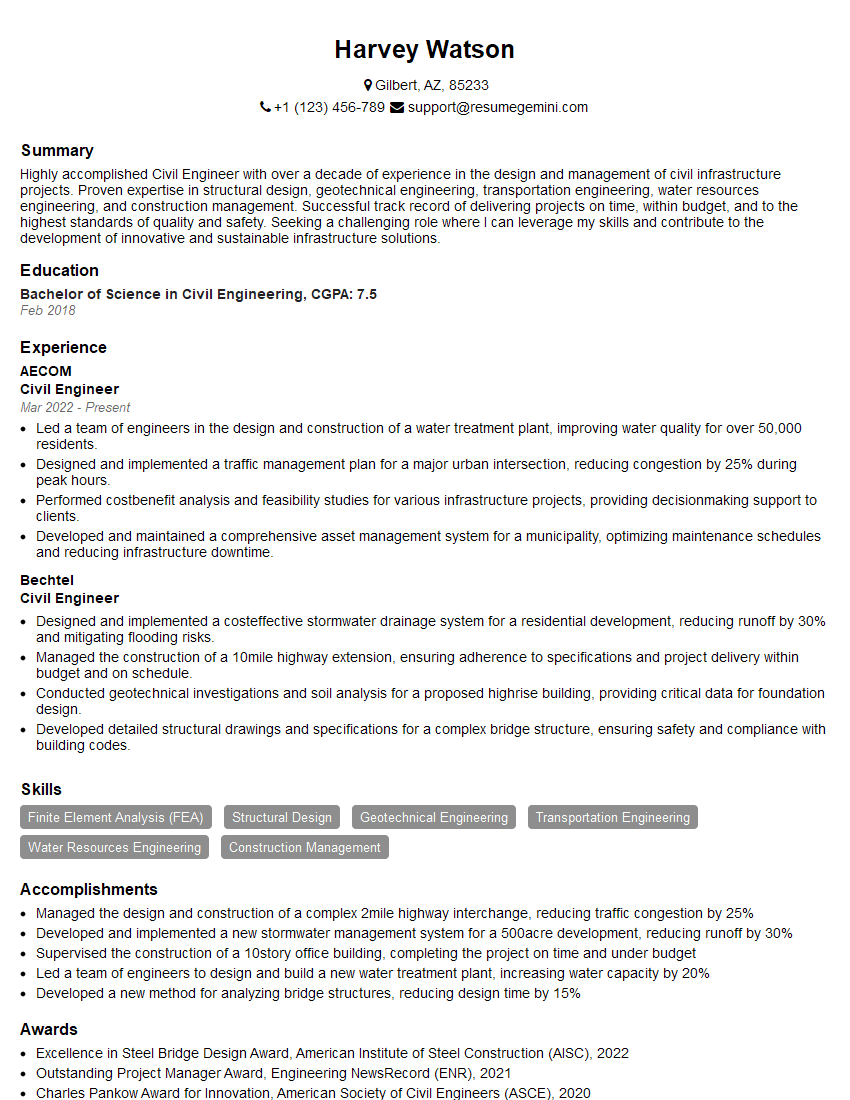
Civil Engineer Resume Sample
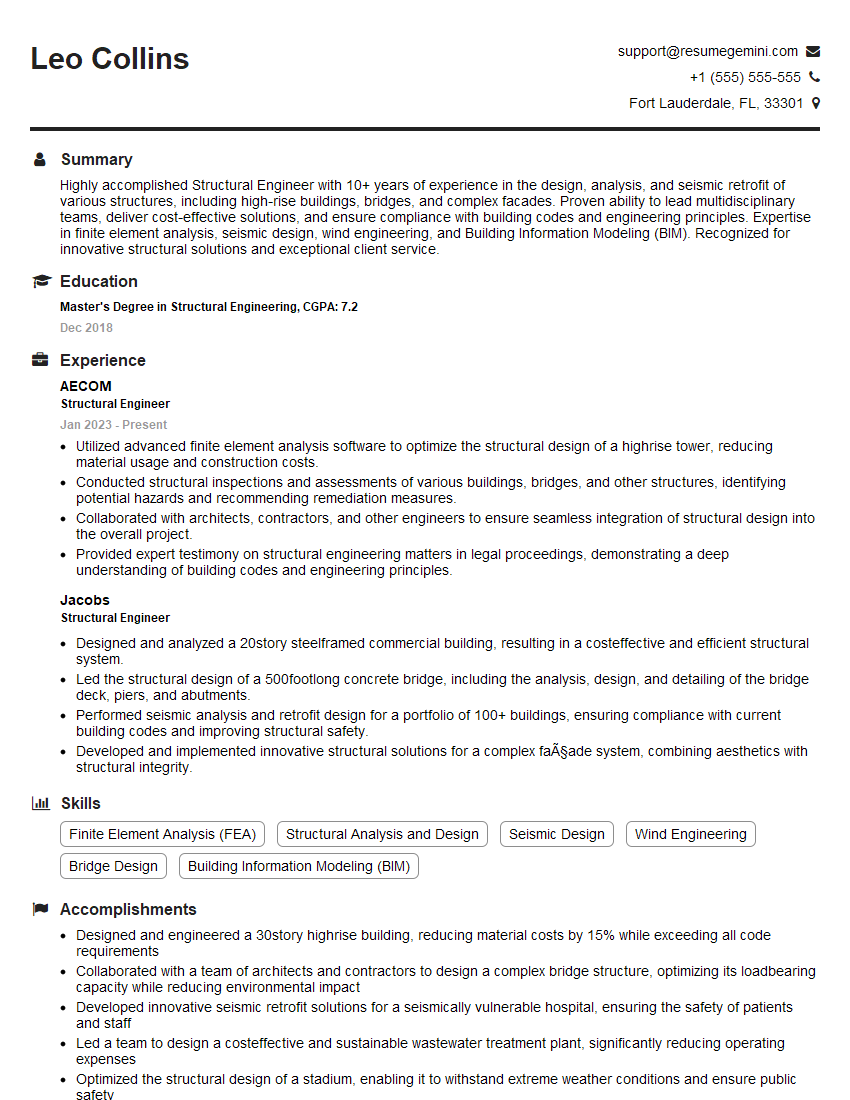
Structural Engineer Resume Sample
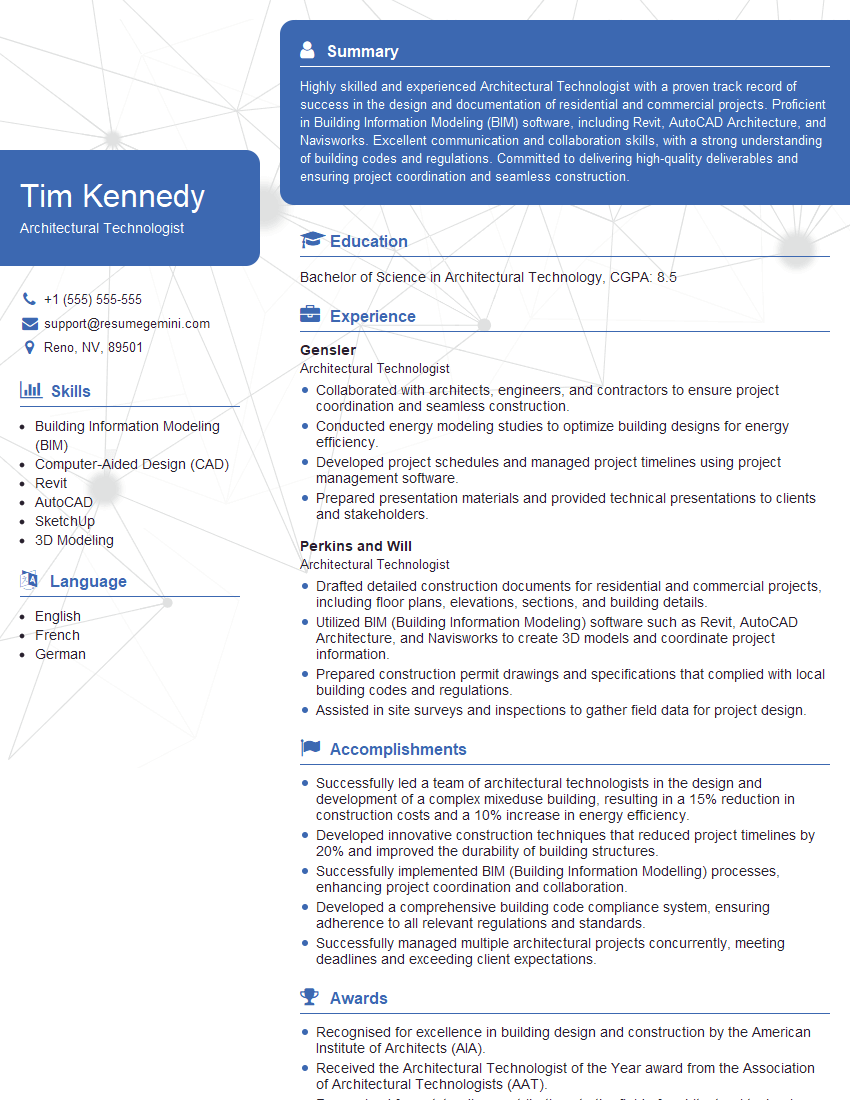
Architectural Technologist Resume Sample
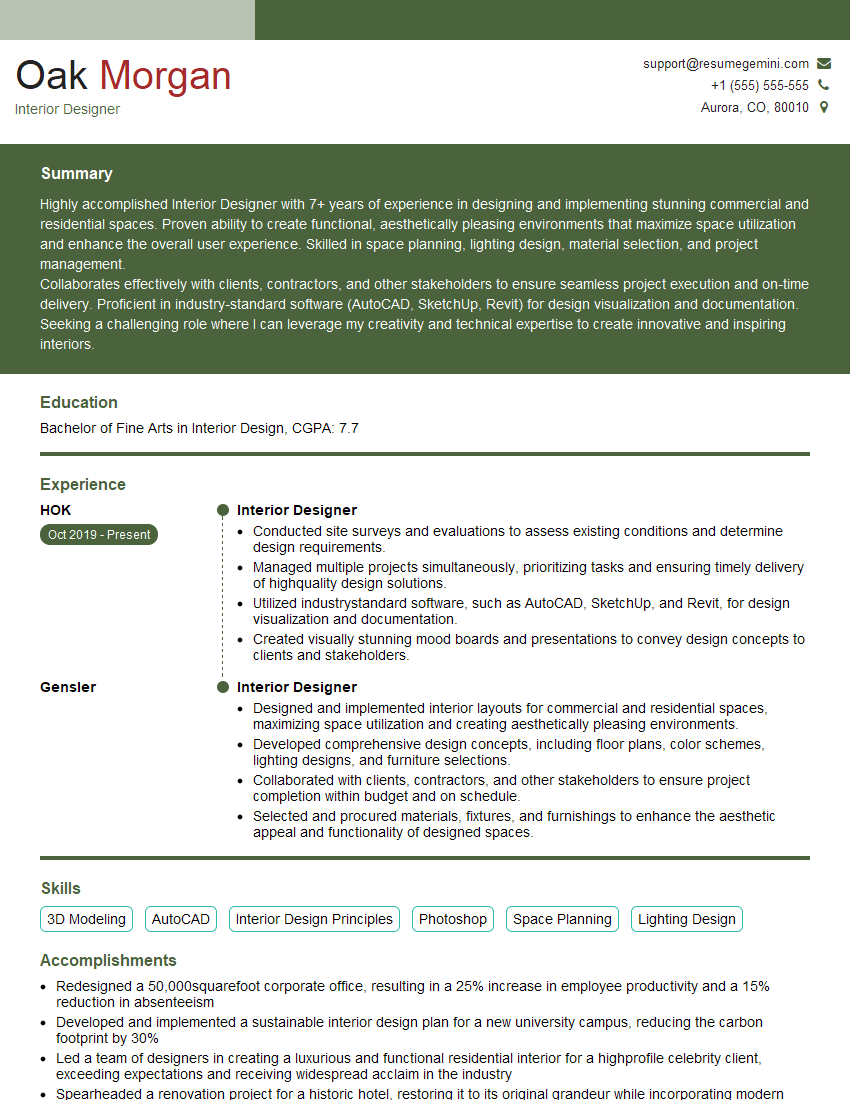
Interior Designer Resume Sample
Explore more articles
Users Rating of Our Blogs
Share Your Experience
We value your feedback! Please rate our content and share your thoughts (optional).
What Readers Say About Our Blog
Very informative content, great job.
good